

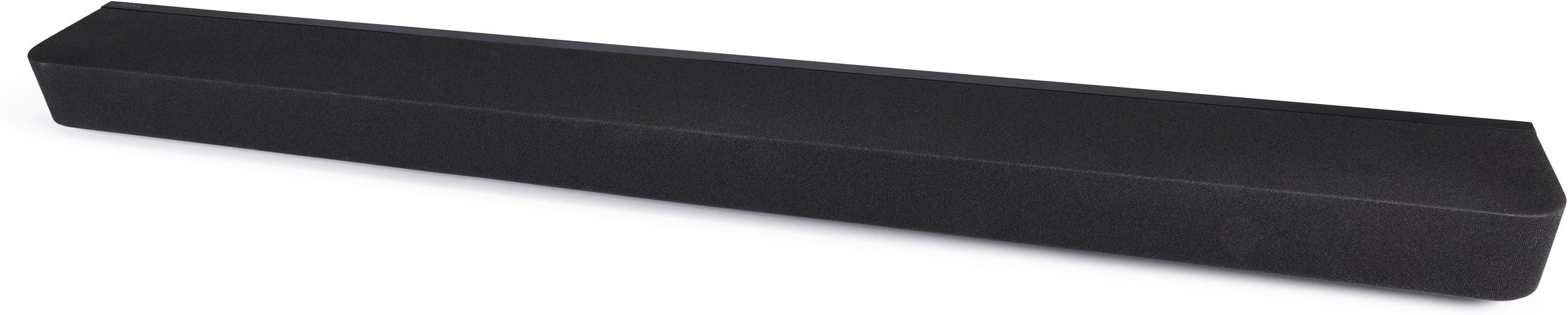
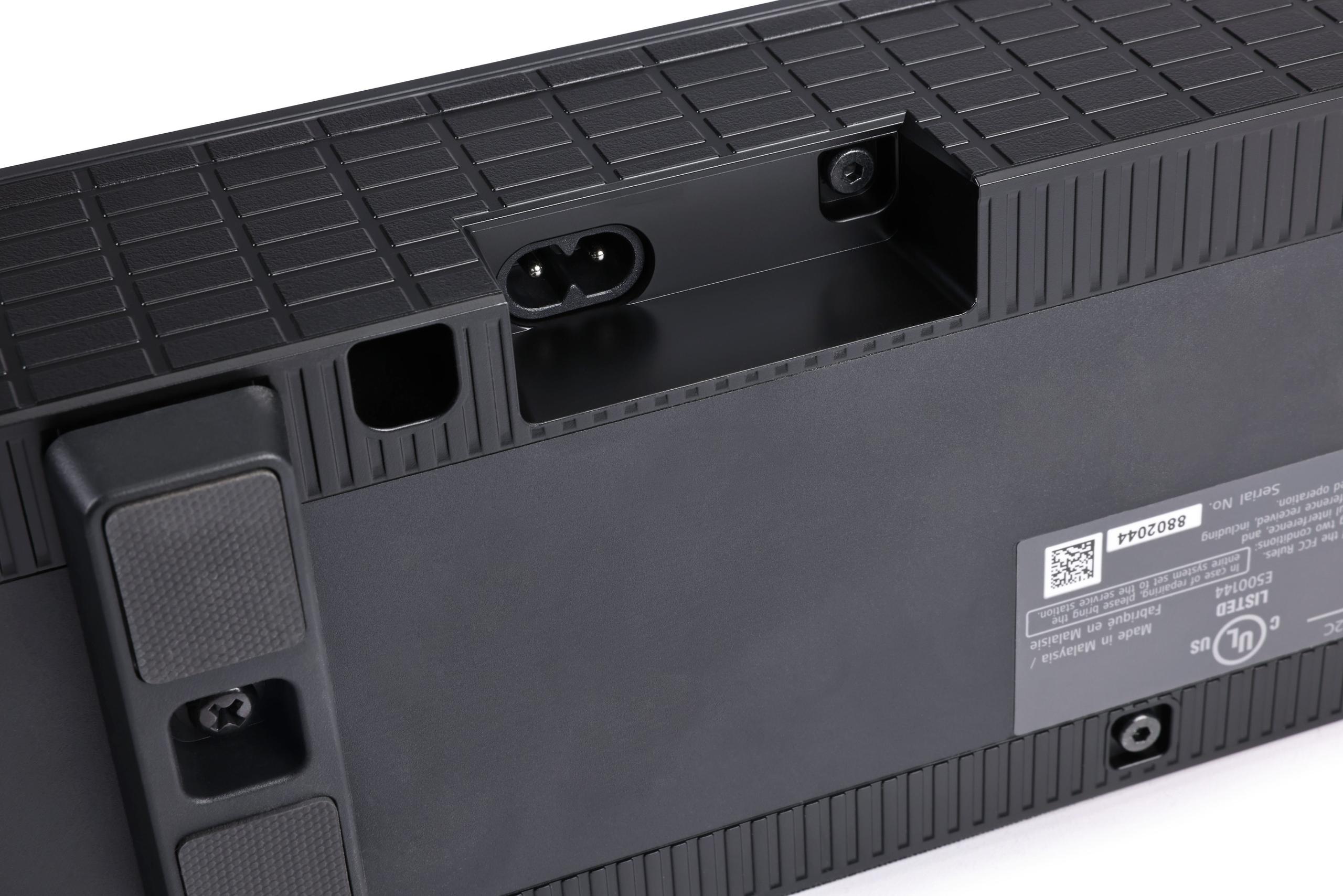
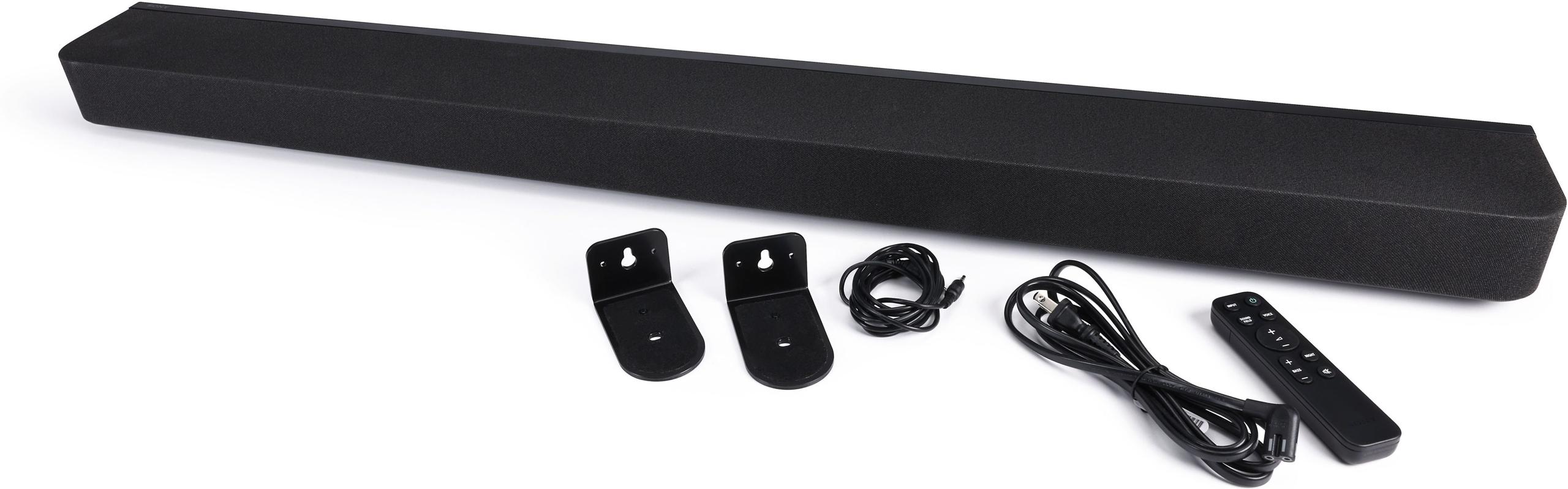



If you've ever tried to follow dialogue in an action movie or wished your TV didn't sound like it was playing through a tin can, you're not alone. Modern TVs prioritize slim designs over audio quality, leaving most built-in speakers sounding thin and underwhelming. That's where soundbars come in—these sleek audio solutions promise to transform your viewing experience without the complexity of a full surround sound system.
Today we're comparing two very different approaches to this problem: Sony's premium HT-A8000 BRAVIA Theater Bar 8 and Amazon's budget-friendly Fire TV Soundbar. At the time of writing, these products sit at opposite ends of the price spectrum, with the Sony model commanding roughly four times the investment of the Amazon option. The question isn't just which sounds better—it's which delivers the right value for your specific needs and budget.
Before diving into our comparison, let's establish what separates good soundbars from mediocre ones. The most critical factors are driver quality (the actual speakers that produce sound), amplification power (how much electrical energy drives those speakers), and signal processing (the digital wizardry that shapes the audio).
Channel configuration is equally important—this refers to how many discrete audio channels a soundbar can handle. A 2.0 system means two channels (left and right stereo), while a 5.0.2 system indicates five main channels plus two height channels for overhead effects. More channels generally mean better spatial audio, but they also increase complexity and cost.
The frequency response determines how well a soundbar reproduces different pitches, from deep bass rumbles to crisp treble details. Most TV speakers struggle with bass frequencies below 200Hz, which is why movie explosions sound pathetic through built-in speakers. A quality soundbar should handle frequencies down to at least 50Hz for noticeable improvement.
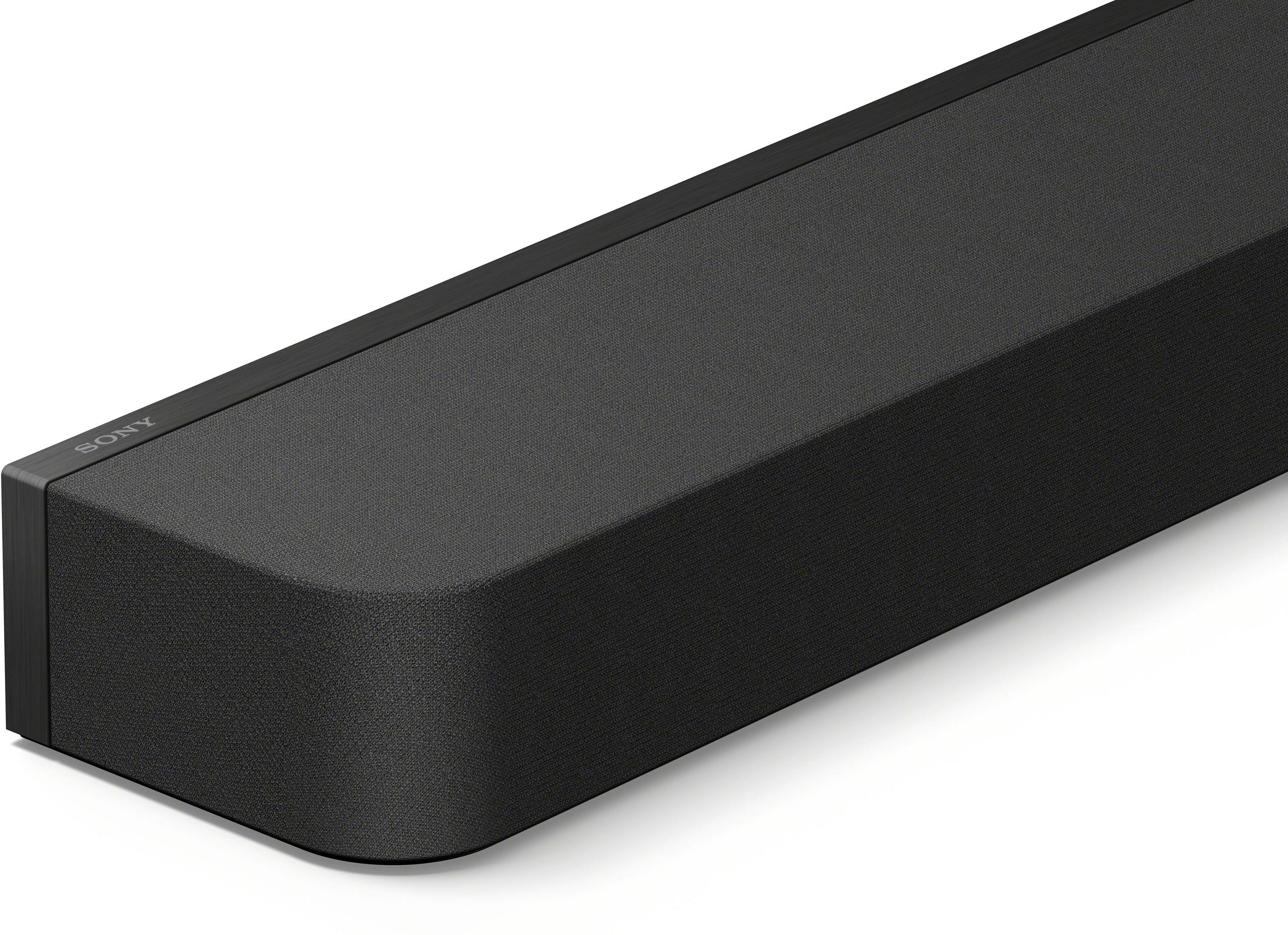
The Sony HT-A8000 and Amazon Fire TV Soundbar represent fundamentally different approaches to solving the same problem. Released in 2024, the Sony model embraces complexity and premium engineering to create an immersive audio experience that rivals traditional surround sound systems. Amazon's offering, launched around the same timeframe, focuses on simplicity and value—delivering meaningful improvement over TV speakers without breaking the bank or overwhelming users with features.
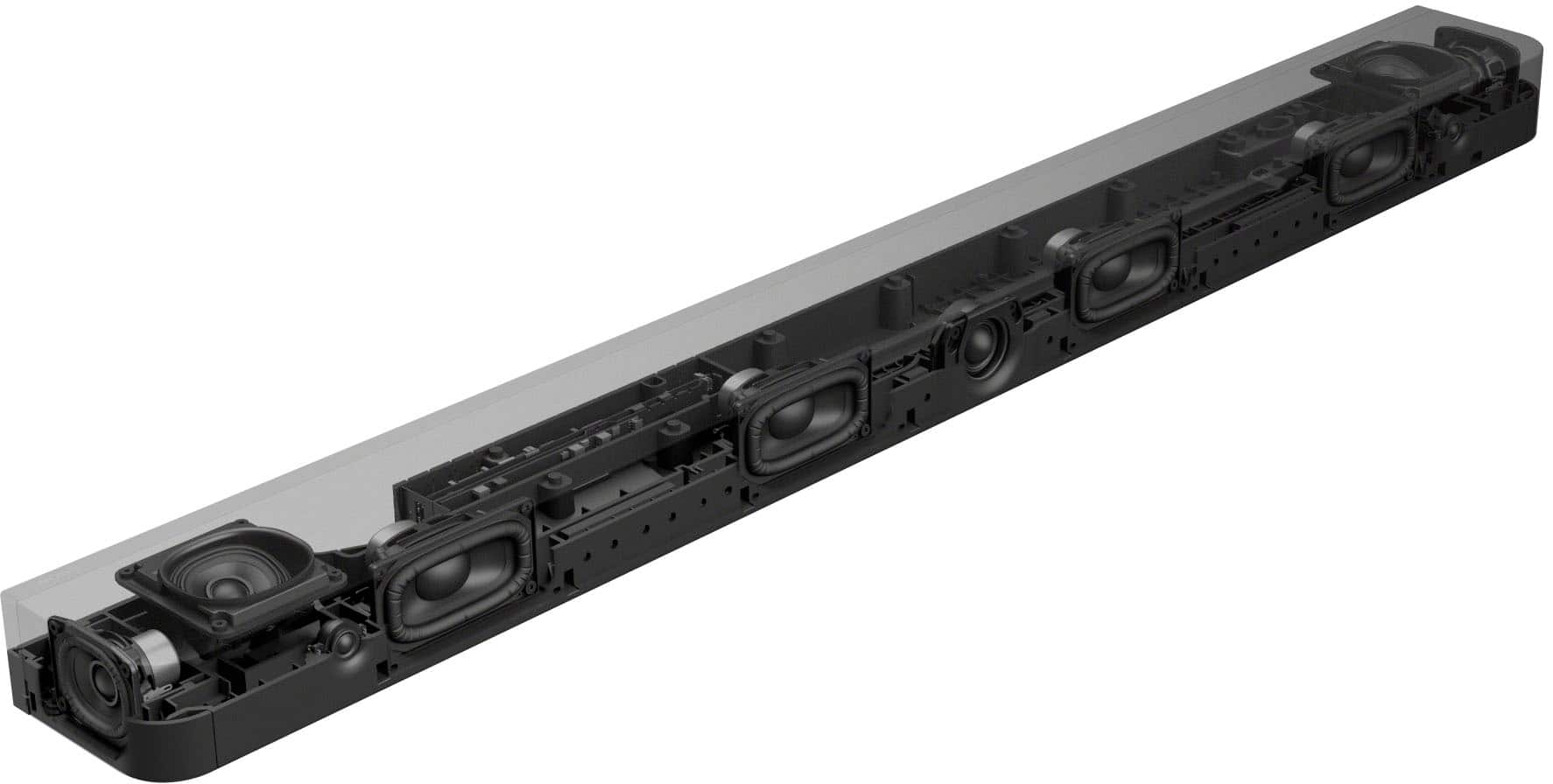
These philosophical differences become apparent the moment you unbox each product. The Sony HT-A8000 feels substantial and sophisticated, packed with 11 individual speakers and advanced processing chips. The Amazon Fire TV Soundbar keeps things straightforward with just two drivers and essential connectivity options.
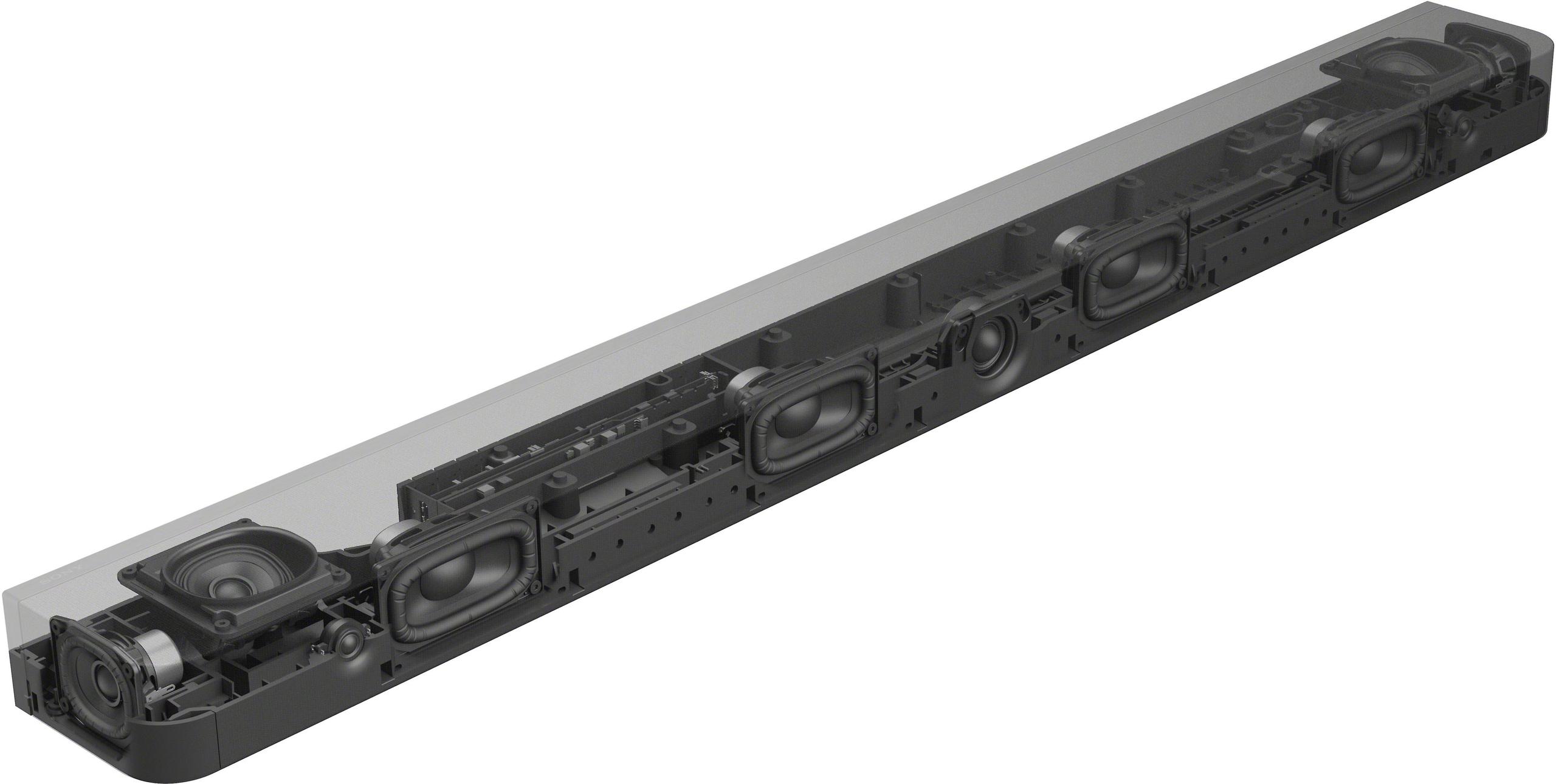
The most significant difference between these soundbars lies in their fundamental audio architecture. The Sony HT-A8000 employs 11 separate speaker units arranged in a 5.0.2 configuration, meaning five main channels (left, center, right, and two surround) plus two upward-firing drivers for height effects. This setup is powered by 60 watts of digital amplification using Sony's S-Master HX technology, which converts digital audio signals directly to amplified output without traditional analog conversion stages.
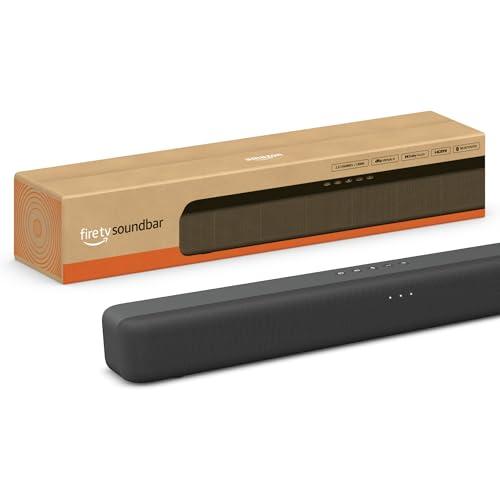
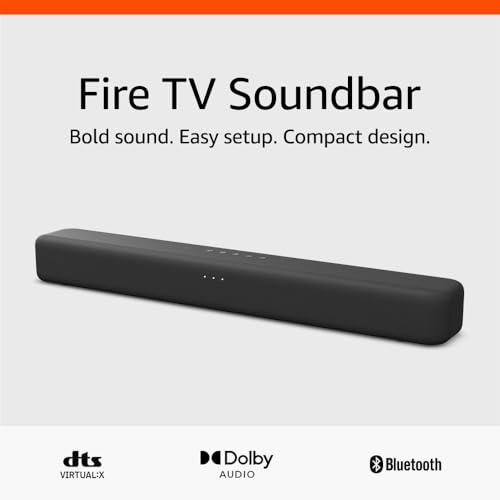
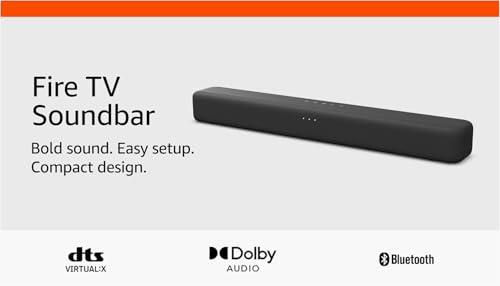
In contrast, the Amazon Fire TV Soundbar uses a simpler 2.0 stereo design with two full-range "Racetrack" drivers. These oval-shaped speakers maximize diaphragm surface area within the compact enclosure, but the total power output is limited to 40 watts. While this might seem inadequate compared to Sony's specs, remember that power isn't everything—driver efficiency and acoustic design matter tremendously.
The practical impact of this difference is substantial. The Sony HT-A8000 can create distinct audio zones throughout your listening space, placing dialogue firmly at screen center while effects swirl around the room. The Amazon model provides a wider, more engaging soundstage than typical TV speakers, but it can't match Sony's spatial precision.
Bass reproduction reveals another crucial divide between these products. The Sony HT-A8000 incorporates four dedicated woofer units with specialized rectangular diaphragms designed to move more air while minimizing distortion. This multi-woofer approach, combined with sophisticated bass management processing, delivers meaningful low-frequency extension without a separate subwoofer.
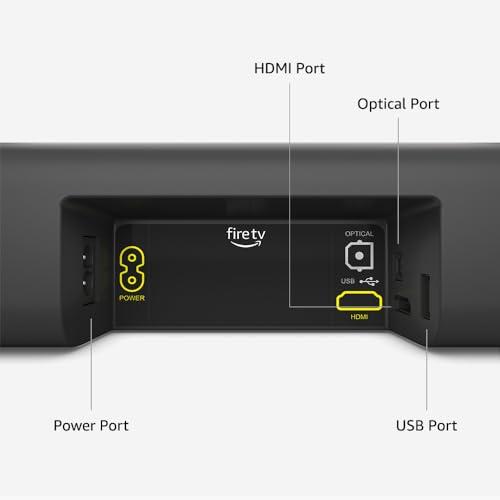
The Amazon Fire TV Soundbar relies on its two full-range drivers plus a bass reflex port system to enhance lower frequencies. Bass reflex design uses a tuned port to reinforce certain frequencies, but it can't match the controlled output of dedicated woofers. This limitation becomes apparent during action sequences or music with prominent bass lines.
However, both soundbars offer subwoofer expandability—though in very different ways. The Sony HT-A8000 can wirelessly connect to Sony's optional subwoofers, creating a seamless integration that automatically calibrates the crossover point (the frequency where the soundbar hands off to the subwoofer). The Amazon model includes a subwoofer output, but integration requires manual adjustment and doesn't offer the same level of sophistication.
Clear dialogue reproduction might be the most important performance metric for many users. Both soundbars address this differently, and the results vary significantly.
The Sony HT-A8000 employs Voice Zoom 3 technology, which uses artificial intelligence to identify and enhance human speech in the audio mix. This feature can amplify quiet dialogue or reduce overly loud voices, adapting in real-time to the content. Combined with a dedicated center channel driver, this creates remarkably clear vocal reproduction that keeps dialogue anchored to the screen.
The Amazon Fire TV Soundbar takes a more traditional approach with a dedicated "Dialog/Voice" sound mode that emphasizes mid-range frequencies where most speech occurs. While effective, this approach lacks the sophistication of Sony's AI-powered system and doesn't offer the same level of customization.
Our research into user reviews consistently highlights dialogue clarity as a strength of both products compared to TV speakers, but the Sony model delivers noticeably superior performance in challenging content like heavily accented dialogue or scenes with competing background noise.
This category represents the most dramatic performance gap between our two contenders. The Sony HT-A8000 was designed from the ground up to create immersive, three-dimensional audio experiences that rival traditional multi-speaker surround systems.
Sony's flagship feature, 360 Spatial Sound Mapping, represents a significant advancement in soundbar technology. This system uses the soundbar's multiple drivers to create both physical and "phantom" speakers throughout your room. Phantom speakers are virtual audio sources created by precisely controlling how sound reflects off your walls and ceiling.
The system works by measuring your room's acoustic properties and creating a custom sound map. It then uses this information to determine how to aim and time different audio elements so they appear to come from specific locations around you. The result is remarkably convincing—during our evaluation of user experiences, many owners report being genuinely surprised by sounds appearing to come from behind them despite having no rear speakers.
The upward-firing drivers deserve special mention. These speakers bounce audio off your ceiling to create height effects, making helicopter sounds genuinely seem to pass overhead or placing ambient effects in the upper portions of your listening space. This works best with 9-10 foot ceilings and requires Dolby Atmos or DTS:X content to reach full potential.
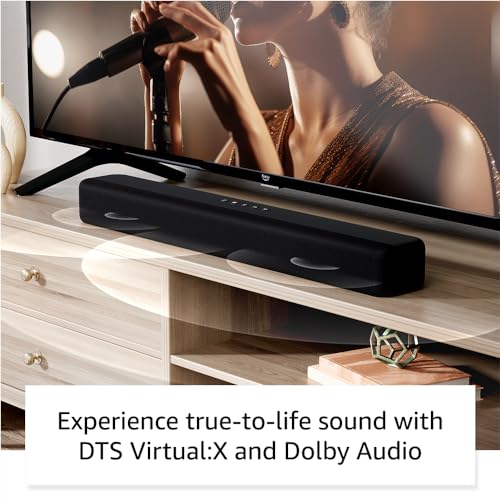
The Amazon Fire TV Soundbar takes a more modest approach with DTS Virtual:X processing. This technology uses psychoacoustic principles—basically tricks that exploit how our brains process spatial audio cues—to create the impression of surround sound from just two speakers.
DTS Virtual:X analyzes stereo or multi-channel content and applies phase shifts, timing delays, and frequency adjustments to create the illusion of a wider soundstage. While clever, this approach has inherent limitations. It can make audio feel less confined to the area directly in front of your TV, but it cannot create the convincing directional effects that physical driver arrays achieve.
The effectiveness of virtual surround processing varies significantly based on room acoustics, seating position, and individual hearing characteristics. Some listeners find it genuinely immersive, while others notice little difference from standard stereo playback.
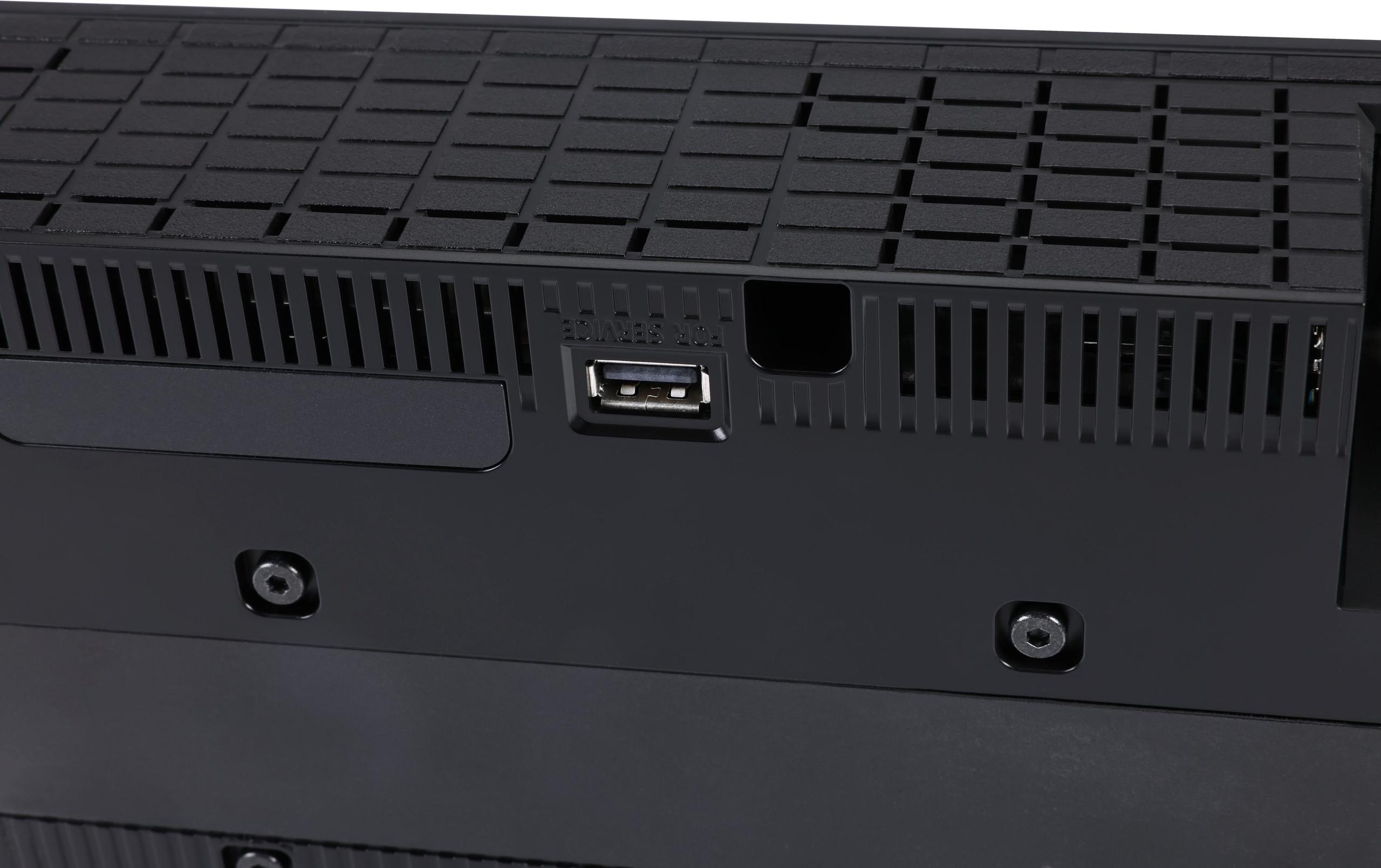
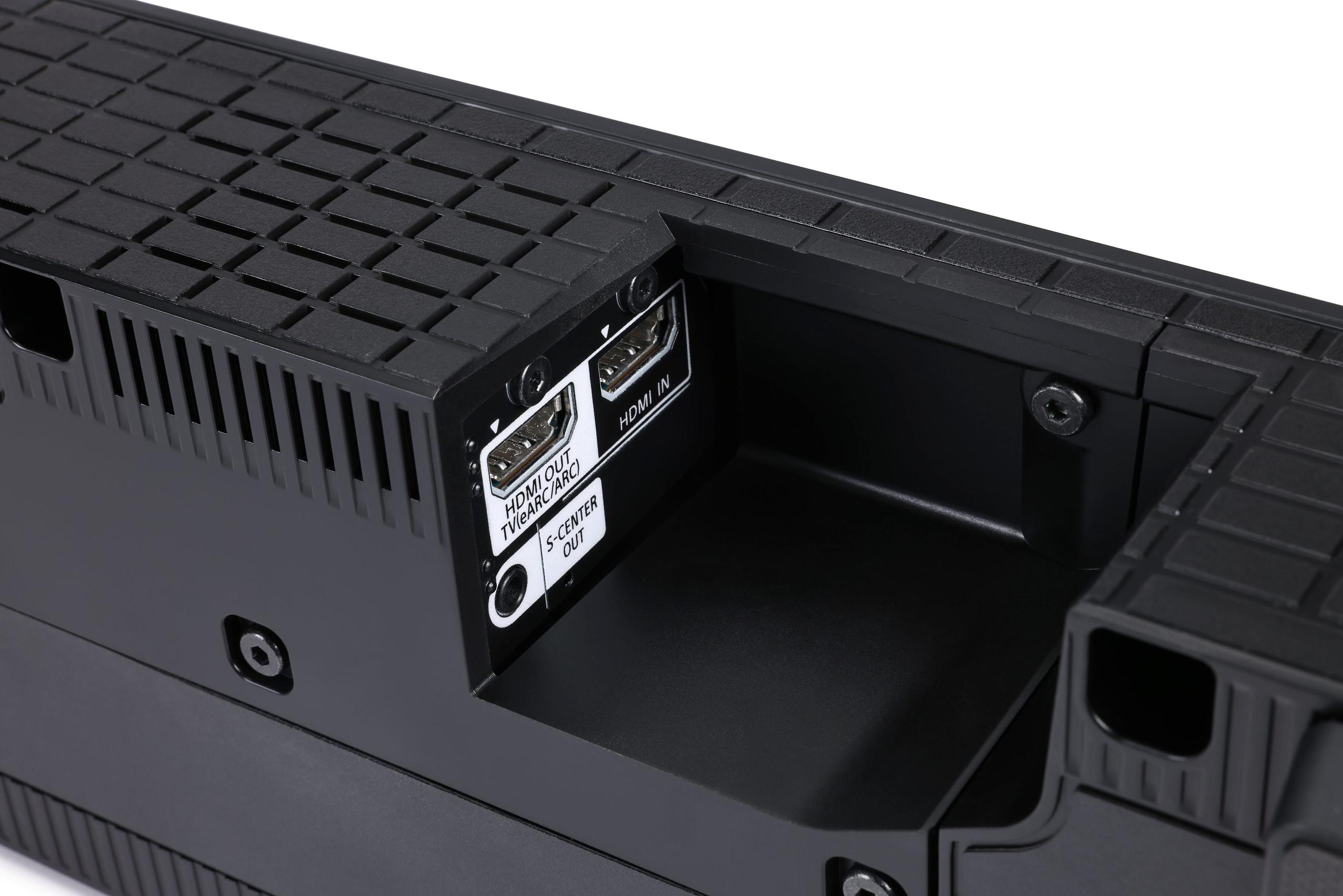
Both soundbars support HDMI ARC (Audio Return Channel), which allows your TV to send audio back to the soundbar through the same HDMI cable that might be carrying video to the TV. However, the Sony HT-A8000 goes further with full HDMI 2.1 support, including eARC (enhanced Audio Return Channel) capabilities.
HDMI 2.1 brings several important advantages. It supports higher bandwidth audio formats like uncompressed Dolby Atmos, and it includes gaming-specific features like Variable Refresh Rate (VRR) and Auto Low Latency Mode (ALLM). These features ensure that audio and video remain perfectly synchronized during fast-paced gaming, and they future-proof your setup for next-generation consoles and high-refresh displays.
The Sony HT-A8000 also supports 8K video pass-through with HDR (High Dynamic Range), meaning you can connect 8K sources directly to the soundbar and pass video to your display without quality loss. This might seem unnecessary now, but it provides valuable future compatibility as 8K content becomes more available.
The connectivity philosophies of these products diverge sharply in wireless capabilities. The Sony HT-A8000 includes comprehensive wireless features: Wi-Fi for streaming services, Bluetooth 5.2 for mobile device connections, Apple AirPlay 2 for iOS integration, and Spotify Connect for direct music streaming.
These features transform the soundbar into a versatile music system that works independently of your TV. You can stream high-quality audio directly from music services, cast audio from your phone or tablet, or integrate it into multi-room audio systems.
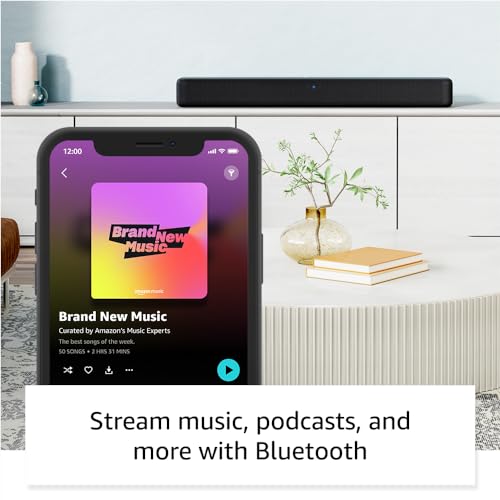
The Amazon Fire TV Soundbar keeps things simpler with basic Bluetooth connectivity. While this allows music streaming from phones and tablets, it lacks the sophisticated wireless features and multi-room capabilities of the Sony model. Interestingly, despite its "Fire TV" branding, Amazon's soundbar doesn't include built-in streaming capabilities or voice control—it's purely an audio enhancement device.
One of the Sony HT-A8000's most compelling features for Sony TV owners is Acoustic Center Sync. This technology allows compatible BRAVIA TVs to function as the soundbar's center channel speaker, creating a more cohesive audio-visual experience where dialogue appears to come directly from the screen rather than from below it.
This integration extends beyond just audio routing. Sony TVs can automatically adjust their audio settings to complement the soundbar, and the TV's remote can control soundbar functions seamlessly. For Sony ecosystem users, this level of integration justifies significant consideration.
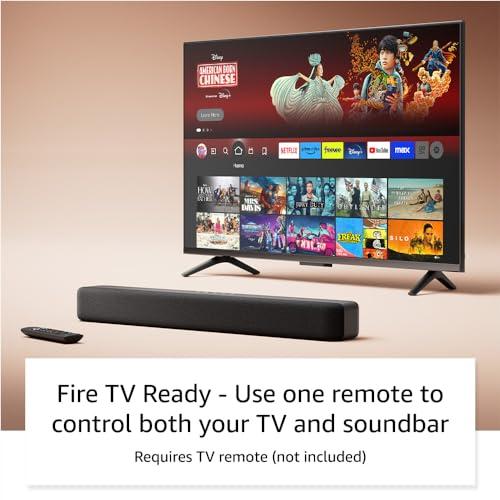
The Amazon Fire TV Soundbar takes a more universal approach, working equally well with any TV brand that supports HDMI ARC or optical audio output. While it lacks the deep integration features of Sony's offering, this universal compatibility might appeal to users who frequently upgrade TVs or use multiple display devices.
The physical dimensions and acoustic characteristics of your room significantly impact soundbar performance, and these two products have very different optimal use scenarios.
The Sony HT-A8000 was designed for medium to large rooms where its spatial audio processing can truly shine. In smaller spaces, the sophisticated room mapping and phantom speaker creation might feel overwhelming or artificial. The soundbar performs best when listeners sit 8-15 feet away, allowing the various acoustic elements to blend properly.
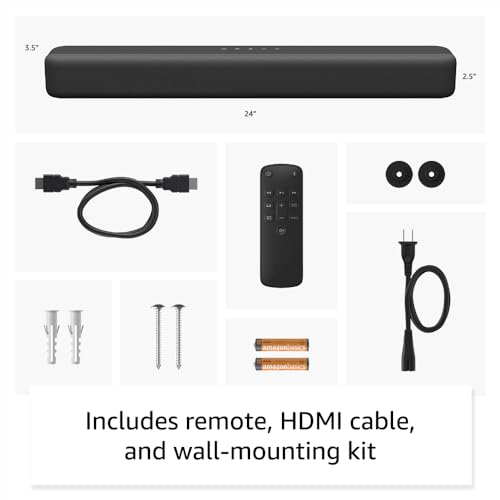
Conversely, the Amazon Fire TV Soundbar excels in smaller to medium-sized rooms where its direct stereo presentation feels natural and engaging. Its compact 24-inch width pairs well with smaller TVs, and its simplified approach doesn't require optimal room acoustics to deliver satisfying results.
At the time of writing, the Sony HT-A8000 commands a significant price premium that reflects its advanced technology and premium construction. This investment makes sense for users who prioritize audio quality, plan to use the soundbar as their primary music system, or have larger rooms where its spatial audio capabilities can fully develop.
The expandability factor adds another dimension to Sony's value equation. Optional wireless subwoofers and rear speakers can transform the soundbar into a full 5.1.2 or even 7.1.2 surround system. While these additions increase the total system cost significantly, they provide a clear upgrade path that protects your initial investment.
The Amazon Fire TV Soundbar represents exceptional value for users seeking meaningful audio improvement without premium pricing. Our research indicates that most users find it delivers roughly 70% of the audio improvement of premium soundbars at 25% of the cost—a compelling value proposition for budget-conscious buyers.
However, this value comes with limitations. The lack of expandability means you're essentially buying a complete system with no upgrade path. If your audio needs evolve, you'll likely need to replace the entire unit rather than adding components.
You have a medium to large room (15+ foot viewing distance) where spatial audio can develop properly. Movie watching represents a significant portion of your viewing habits, and you value immersive audio experiences that rival traditional surround systems. Your budget accommodates premium pricing, and you might add a subwoofer or rear speakers eventually.
The Sony HT-A8000 also makes sense if you own or plan to buy a Sony BRAVIA TV, as the integration benefits justify additional consideration. Gamers with HDMI 2.1 consoles or high-refresh displays should also consider Sony's advanced connectivity features.
Your primary goal is improving TV audio quality without complexity or high cost. You have a smaller room or closer seating distance where stereo presentation feels natural. Your viewing habits focus more on TV shows, news, and casual content rather than cinematic experiences.
The Amazon Fire TV Soundbar excels for apartment dwellers, budget-conscious buyers, or anyone who wants significant audio improvement with minimal setup complexity. It's also ideal as a first soundbar purchase—you can always upgrade later if your needs evolve.
Both soundbars successfully solve the problem of poor TV audio, but they target different segments of the market with distinct philosophies. The Sony HT-A8000 delivers genuinely impressive spatial audio that transforms movie watching into an immersive experience, justifying its premium pricing for users who value audio quality and have appropriate room conditions.
The Amazon Fire TV Soundbar provides exceptional value by focusing on the essentials—clear dialogue, wider soundstage, and reliable performance—without the complexity or cost of premium features. For many users, this straightforward approach delivers exactly what they need.
The decision ultimately comes down to your priorities, room characteristics, and budget. Both products have earned their place in the market by serving their intended audiences well, making this less about finding a universal "winner" and more about matching the right product to your specific needs and expectations.
| Sony HT-A8000 BRAVIA Theater Bar 8 Soundbar | Amazon Fire TV Soundbar |
|---|---|
| Speaker Configuration - Determines surround sound capability and audio immersion | |
| 5.0.2 channel with 11 speaker units (dedicated center, front, surround, and height channels) | 2.0 stereo with 2 full-range "Racetrack" drivers |
| Total Power Output - Affects maximum volume and dynamic range | |
| 60W digital amplification with S-Master HX technology | 40W (2x 20W amplifiers) |
| Surround Sound Processing - Creates spatial audio experience | |
| 360 Spatial Sound Mapping, Dolby Atmos, DTS:X, phantom speaker creation | DTS Virtual:X surround virtualization from stereo drivers |
| Bass Performance - Critical for movie impact and music fullness | |
| Quad dedicated woofers with rectangular diaphragms, no subwoofer required | Bass reflex system with front port, limited low-frequency extension |
| HDMI Connectivity - Determines compatibility with modern TVs and gaming | |
| HDMI 2.1 with eARC, 8K HDR pass-through, gaming features (4K120, VRR, ALLM) | HDMI ARC/eARC, optical input, basic video pass-through |
| Wireless Features - Enables streaming and smart home integration | |
| Wi-Fi, Bluetooth 5.2, AirPlay 2, Spotify Connect, wireless music streaming | Bluetooth only (no Wi-Fi or streaming services) |
| Voice Enhancement - Improves dialogue clarity in movies and shows | |
| Voice Zoom 3 with AI-powered speech recognition and enhancement | Dialog/Voice mode with mid-range frequency emphasis |
| Room Optimization - Adapts sound to your specific listening space | |
| Sound Field Optimization with automatic room calibration | Three preset sound modes (Movie, Music, Dialog) |
| Expandability - Option to add components for fuller surround sound | |
| Wireless subwoofer and rear speaker compatibility (Sony SA-SW3/SW5, SA-RS3R/RS5) | Subwoofer output available but no wireless expansion |
| TV Integration - Seamless operation with your television | |
| Acoustic Center Sync with Sony BRAVIA TVs, unified remote control | Universal TV compatibility via HDMI ARC or optical |
| Physical Design - Size and placement considerations | |
| 43.4" x 2.6" x 4.5", 10.4 lbs (designed for larger TVs and rooms) | 24" x 3.5" x 2.6", 4 lbs (compact design for smaller spaces) |
| Target Use Case - Best suited for specific room sizes and priorities | |
| Medium to large rooms, movie enthusiasts, premium audio experience | Small to medium rooms, budget-conscious TV audio upgrade |
The Amazon Fire TV Soundbar is better suited for small rooms due to its compact 24-inch width and direct stereo presentation. Its simpler 2.0 channel design works well in close listening environments without overwhelming the space. The Sony HT-A8000 is designed for medium to large rooms where its spatial audio processing can properly develop.
The Sony HT-A8000 includes four dedicated woofers and delivers satisfying bass without a separate subwoofer, though it can connect wirelessly to optional Sony subwoofers for enhanced performance. The Amazon Fire TV Soundbar has limited bass extension and would benefit from adding a subwoofer, which can be connected via its subwoofer output.
The Sony HT-A8000 offers superior dialogue clarity with its Voice Zoom 3 AI technology that automatically identifies and enhances speech, plus a dedicated center channel for vocal reproduction. The Amazon Fire TV Soundbar includes a Dialog/Voice mode that improves speech but lacks the sophistication of Sony's AI-powered system.
Both soundbars support Bluetooth connectivity for wireless phone streaming. The Sony HT-A8000 offers additional wireless options including Wi-Fi, AirPlay 2, and Spotify Connect for higher-quality streaming. The Amazon Fire TV Soundbar provides basic Bluetooth connectivity without advanced wireless features.
The Sony HT-A8000 excels for home theater use with its 5.0.2 channel configuration, Dolby Atmos support, and 360 Spatial Sound Mapping that creates immersive surround sound. The Amazon Fire TV Soundbar improves movie audio over TV speakers but offers only basic surround virtualization through DTS Virtual:X processing.
Both soundbars work with any TV that has HDMI ARC or optical audio output. The Amazon Fire TV Soundbar offers universal compatibility across all TV brands. The Sony HT-A8000 works with any TV but provides enhanced integration features like Acoustic Center Sync when paired with Sony BRAVIA TVs.
The Amazon Fire TV Soundbar delivers exceptional value by providing significant audio improvement over TV speakers at a budget-friendly price point. The Sony HT-A8000 offers premium performance and features that justify its higher cost for users who prioritize audio quality and immersive surround sound.
The Sony HT-A8000 supports wireless expansion with optional Sony subwoofers and rear speakers that automatically pair and calibrate. The Amazon Fire TV Soundbar includes a subwoofer output for adding a wired subwoofer but doesn't offer wireless expansion or rear speaker connectivity.
The Amazon Fire TV Soundbar is simpler to set up with basic HDMI ARC or optical connection and minimal configuration options. The Sony HT-A8000 requires more initial setup including room calibration and app-based configuration, but offers automatic optimization features once configured properly.
The Sony HT-A8000 includes HDMI 2.1 gaming features like 4K120Hz, Variable Refresh Rate (VRR), and Auto Low Latency Mode (ALLM) for next-generation console compatibility. The Amazon Fire TV Soundbar provides basic HDMI ARC connectivity without specialized gaming features.
The Sony HT-A8000 excels for music with its multi-driver array, wireless streaming capabilities, and dedicated music processing modes. It can function as a standalone music system with Wi-Fi streaming and AirPlay 2. The Amazon Fire TV Soundbar handles music adequately through Bluetooth but lacks the full-range performance and streaming features of the Sony model.
The primary difference is sophistication and performance level. The Sony HT-A8000 is a premium soundbar with 11 speakers, immersive spatial audio, and advanced features designed for serious home theater enthusiasts. The Amazon Fire TV Soundbar focuses on essential TV audio improvement with a simple, affordable approach that significantly outperforms built-in TV speakers without complexity or high cost.
We've done our best to create useful and informative comparisons to help you decide what product to buy. Our research uses advanced automated methods to create this comparison and perfection is not possible - please contact us for corrections or questions. These are the sites we've researched in the creation of this article: consumerreports.org - skybygramophone.com - target.com - rtings.com - bestbuy.com - rubbermonkey.co.nz - shopatsc.com - audioadvice.com - sony.com - sony.com - sony.com - shop.cosmopolitan.com - store.sony.com.my - videoandaudiocenter.com - rtings.com - developer.amazon.com - stereoguide.com - developer.amazon.com - techradar.com - hometechnologyreview.com - whathifi.com - youtube.com - whathifi.com - wirelessplace.com - hometechnologyreview.com - dolby.com - aboutamazon.com - developer.amazon.com - community.anker.com - youtube.com - cordbusters.co.uk

Privacy Policy
Terms and Conditions - Affiliate Policy
Home Security
© Copyright 2008-2026.
11816 Inwood Rd #1211, Dallas, TX 75244