



When you're tired of straining to hear dialogue or missing the thunderous impact of movie explosions through your TV's tiny speakers, a premium soundbar becomes essential. The modern soundbar market has evolved dramatically, offering sophisticated audio processing that rivals traditional surround sound systems without the complexity of running speaker wires throughout your room.
Two standout options that consistently appear in home theater discussions are the Sony HT-A8000 and the Polk Audio MagniFi Max AX. Both promise immersive Dolby Atmos experiences, but they take fundamentally different approaches to achieving premium sound quality. Understanding these differences is crucial for making the right choice for your specific needs and budget.
Today's premium soundbars are essentially sophisticated computers designed to manipulate sound waves. They use advanced digital signal processing (DSP) - think of it as audio software that can reshape sound in real-time - to create the illusion of speakers positioned throughout your room when there are actually only speakers in the soundbar itself.
The key technologies you'll encounter include Dolby Atmos and DTS:X, which are audio formats that add height information to sound. Instead of just left, right, and center channels, these formats can place sounds above you, creating a three-dimensional audio bubble. Virtual surround processing uses psychoacoustic tricks - exploiting how your brain interprets sound direction - to make you believe sounds are coming from places where no speakers exist.
When evaluating soundbars, the most critical performance factors are dialogue clarity (can you understand what actors are saying?), bass response (do explosions have impact?), soundstage width (does the audio feel bigger than the soundbar itself?), and dynamic range (the difference between the quietest and loudest sounds). These elements determine whether a soundbar truly enhances your viewing experience or just makes things louder.
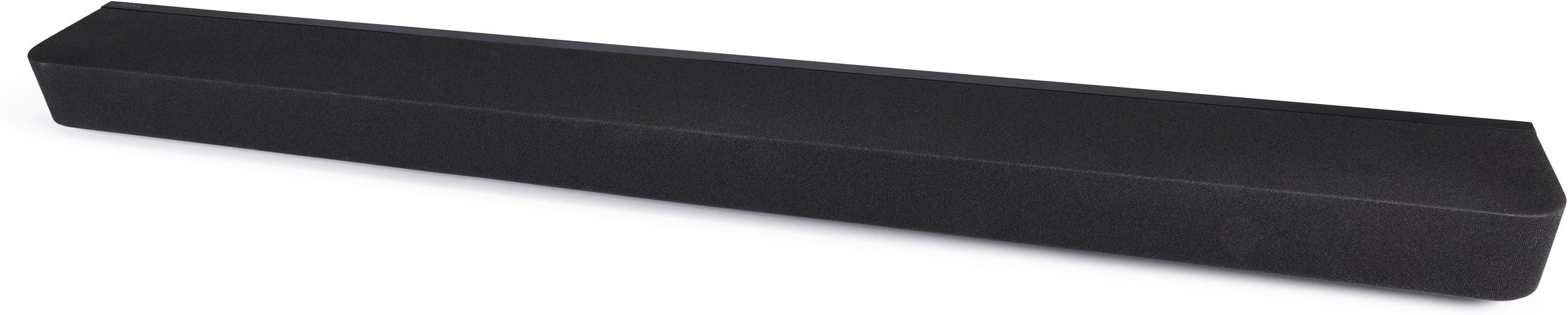
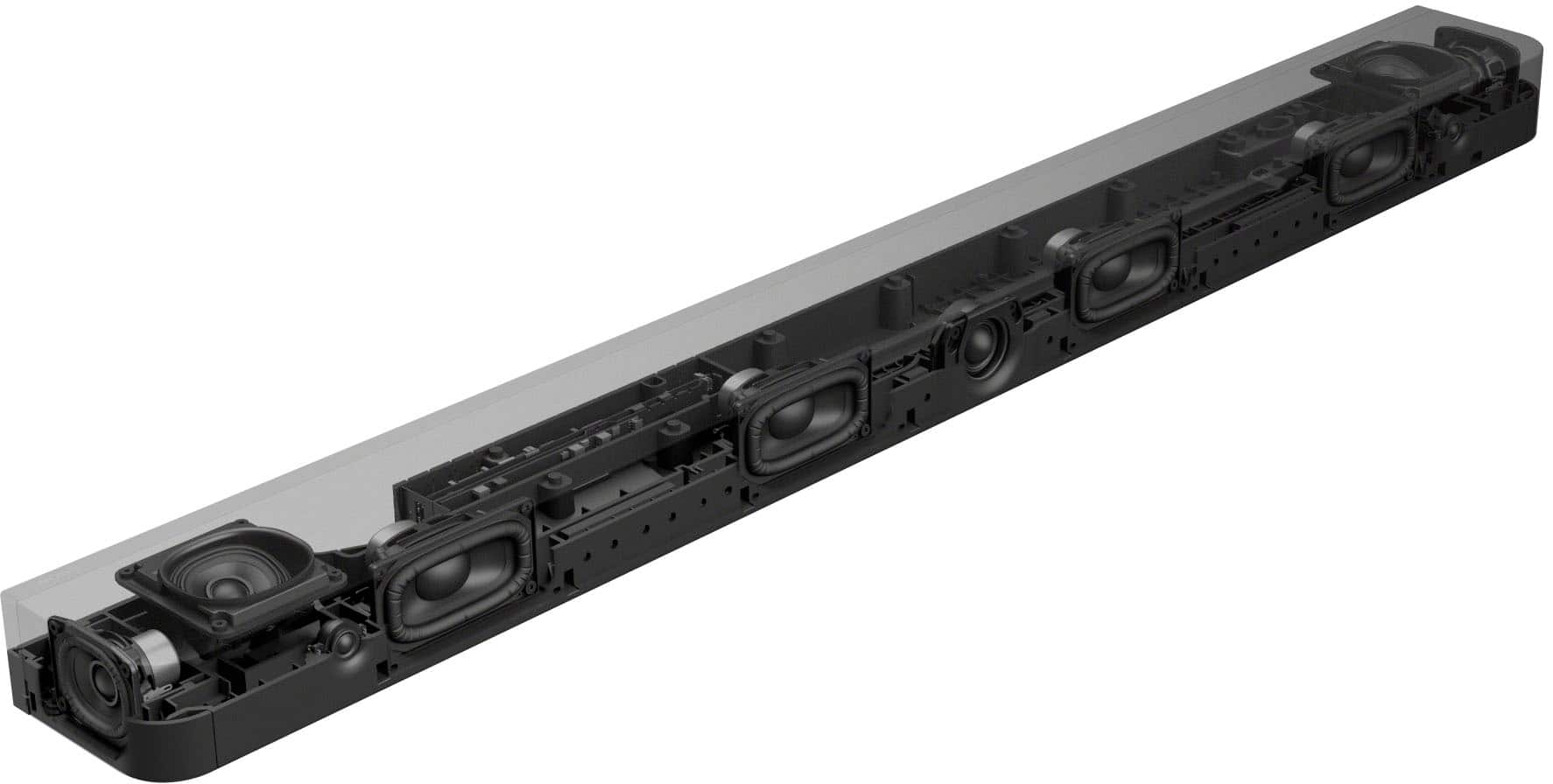
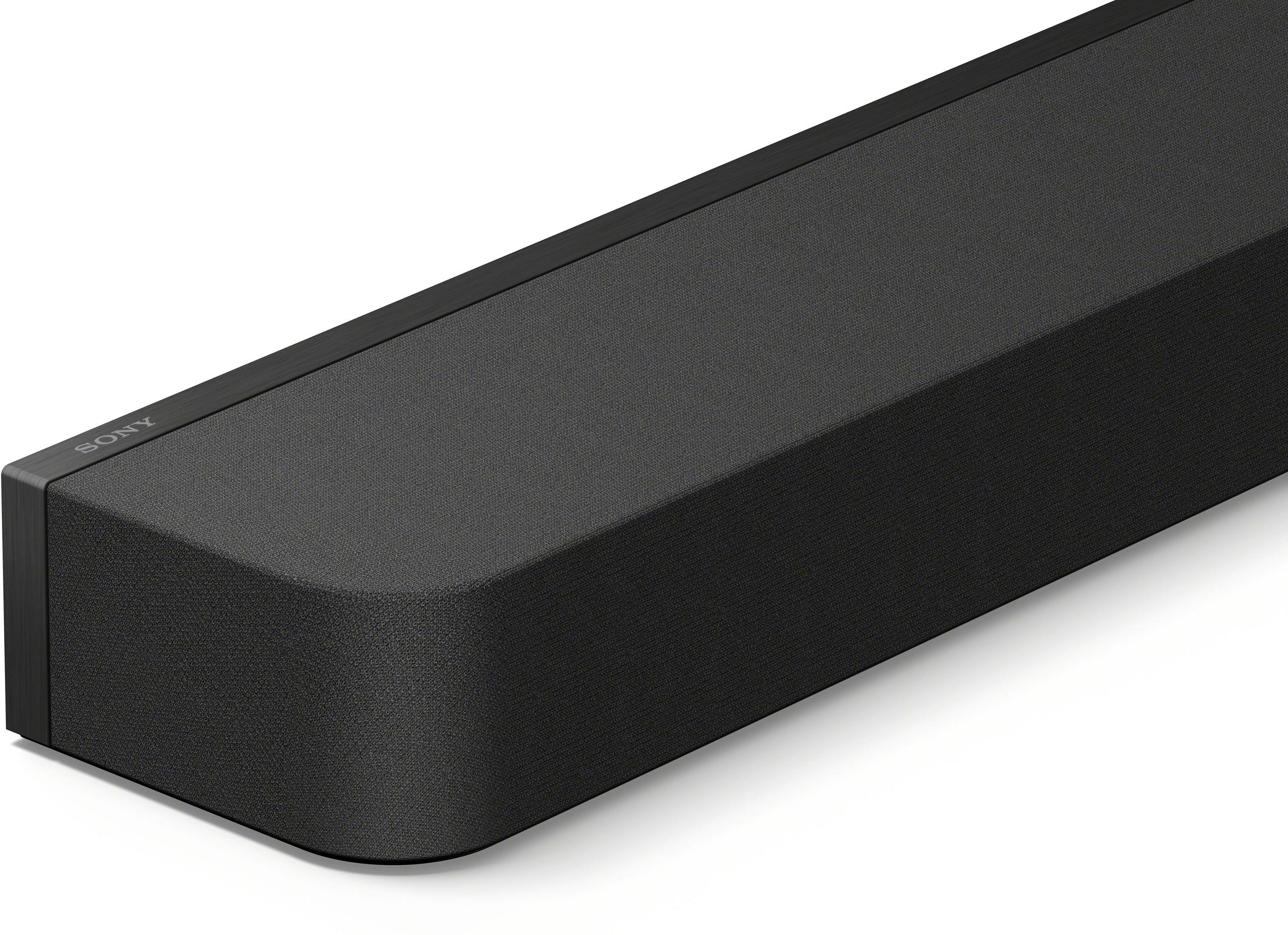
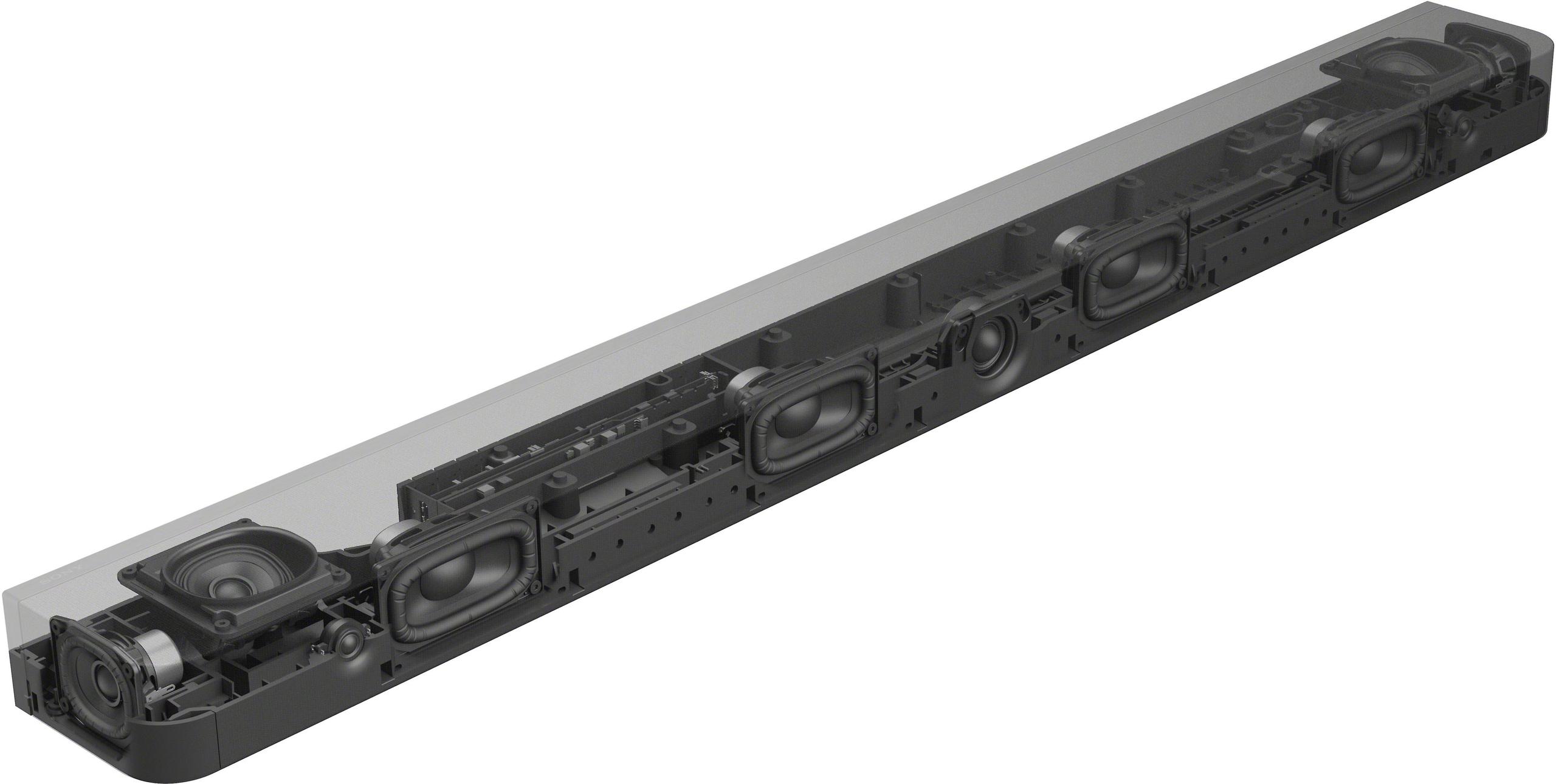
Released in 2024, the Sony HT-A8000 represents Sony's latest thinking in soundbar technology. At its core is what Sony calls 360 Spatial Sound Mapping - an advanced processing system that uses 11 strategically positioned speaker drivers to create what Sony terms "phantom speakers." These aren't real speakers but calculated positions where your brain perceives sound to be coming from based on how the actual speakers interact with your room's acoustics.
The soundbar features Sound Field Optimization, which automatically measures your room using audio test tones and adjusts the sound processing accordingly. This is similar to how high-end AV receivers calibrate surround sound systems, but accomplished entirely within the soundbar itself. The technology addresses one of the biggest challenges in soundbar design: making virtual surround sound work in rooms of different sizes and shapes.
Sony's Voice Zoom 3 deserves special attention because dialogue clarity often makes or breaks the home theater experience. This AI-powered feature analyzes audio in real-time, identifying human speech patterns and selectively amplifying voice frequencies while maintaining the balance of other audio elements. It's particularly valuable for modern movie mixes where dialogue can get buried under sound effects and music.
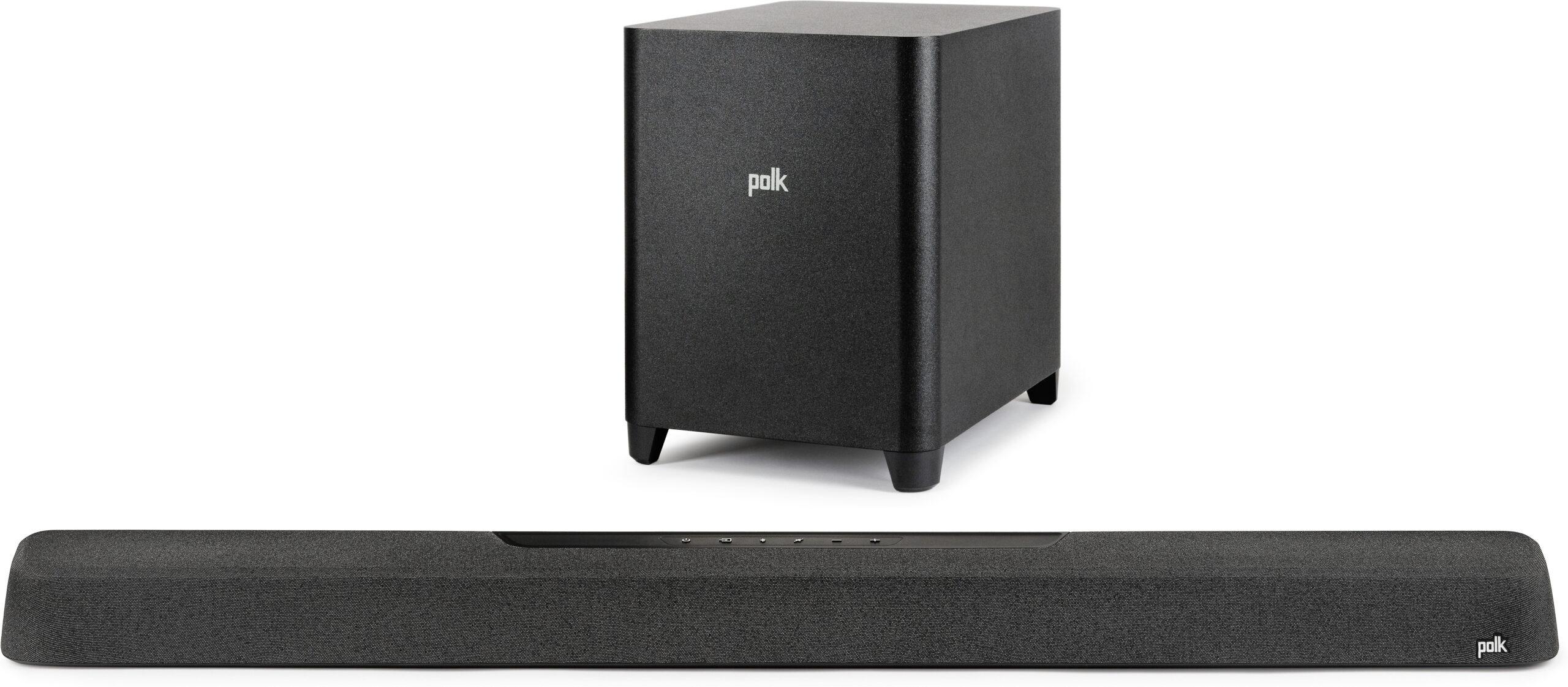
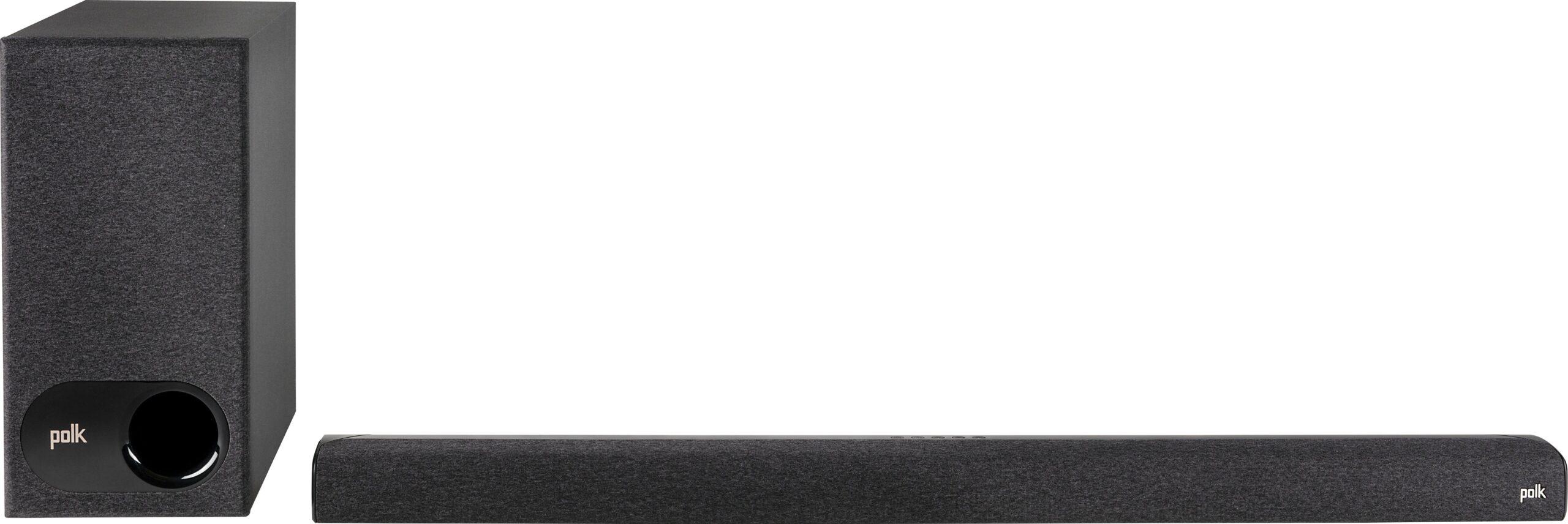
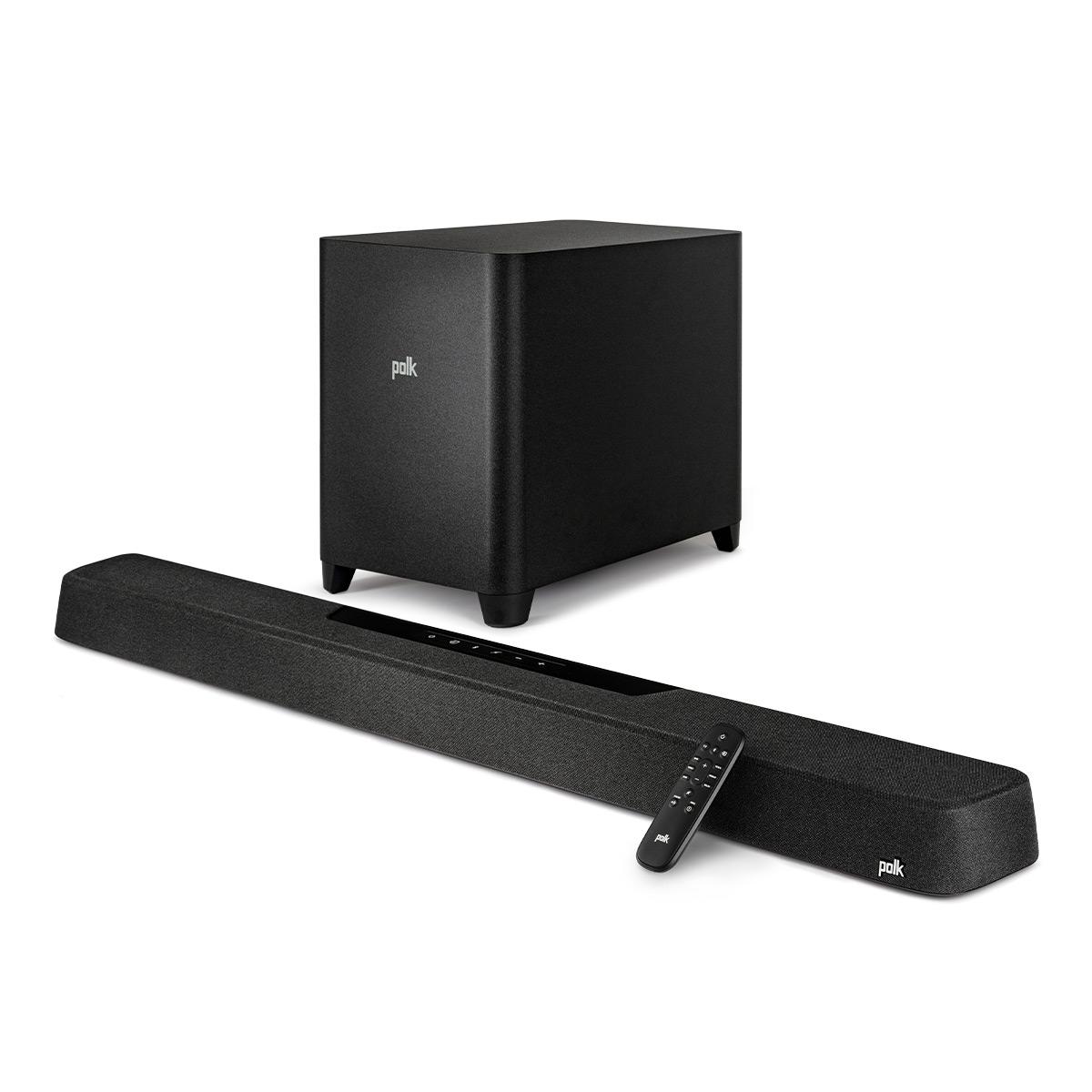
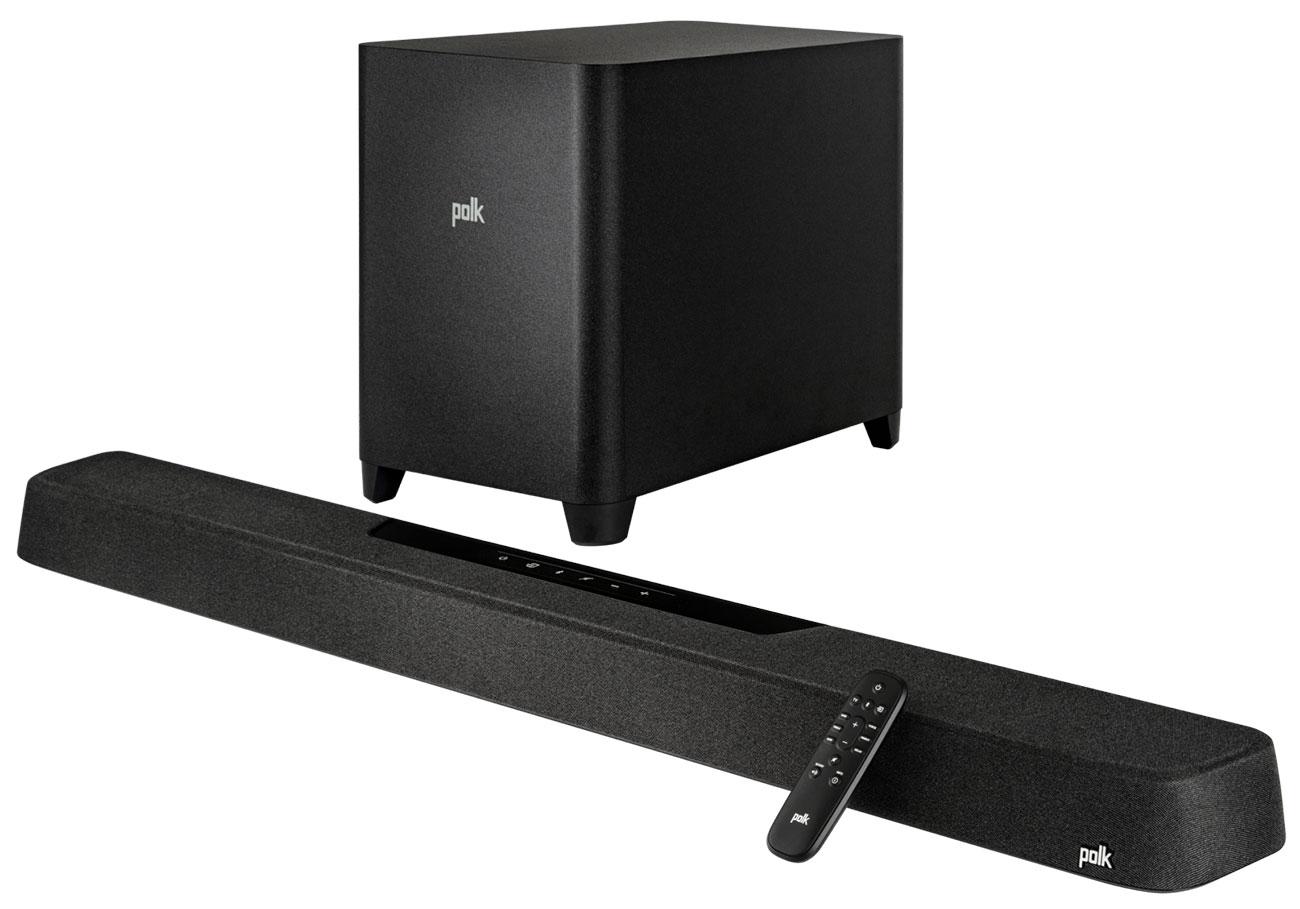
The Polk Audio MagniFi Max AX, launched in 2022, takes a more traditional but comprehensive approach. Rather than relying solely on virtual processing, Polk includes a dedicated wireless subwoofer and uses their proprietary Stereo Dimensional Array (SDA) technology, which has been refined over decades in their speaker designs.
SDA works by carefully controlling how sound waves from multiple drivers interact with each other and your room boundaries. The technology creates phase relationships between speakers that expand the perceived soundstage beyond the physical width of the soundbar. Unlike purely virtual systems, SDA combines physical acoustic engineering with digital processing.
The inclusion of a discrete center channel speaker - a dedicated driver specifically for dialogue reproduction - sets the Polk system apart. Most soundbars create a "phantom center" by playing identical audio through left and right speakers, but a true center channel provides more precise vocal placement and clarity.
Based on extensive research into professional reviews and user feedback, the Sony HT-A8000 demonstrates superior tonal balance and refinement. The soundbar exhibits what audio engineers call a "neutral frequency response" - meaning it doesn't artificially boost or cut specific frequency ranges. This results in more accurate reproduction of how content creators intended their audio to sound.
The Polk Audio MagniFi Max AX, while offering impressive clarity, tends toward what reviewers describe as a slightly "warm" sound signature with enhanced bass presence. This can be appealing for certain content types, particularly action movies where impactful low-frequency effects are desirable. However, some users report that the bass can occasionally overwhelm midrange frequencies, potentially making dialogue less distinct in complex audio scenes.
The difference becomes particularly apparent in music reproduction. The Sony system handles acoustic instruments and vocal performances with more natural tonality, while the Polk delivers more excitement and impact for bass-heavy genres.
This is where the philosophical differences between these systems become most apparent. The Sony HT-A8000 creates what many users describe as a "wider" soundstage - the audio seems to extend well beyond the physical boundaries of the soundbar. Sony's 360 Spatial Sound Mapping technology excels at creating convincing side and rear audio effects, making helicopter flyovers and racing scenes feel genuinely immersive.
However, the height effects - sounds that should appear to come from above you - receive mixed reviews. While the up-firing drivers (speakers that bounce sound off your ceiling) can create some vertical dimensionality, the effect is subtle and highly dependent on room acoustics and ceiling height.
The Polk Audio MagniFi Max AX approaches spatial audio differently. Its SDA technology creates an impressively wide soundstage, but the system relies more on traditional stereo enhancement than the complex psychoacoustic processing found in the Sony. User reports suggest that while the Polk creates an engaging listening experience, it's less convincing at placing specific sounds in precise locations around the room.
This represents perhaps the most significant practical difference between these systems. The Sony HT-A8000 includes four woofers within the main soundbar, but they're limited by the physical constraints of the enclosure. While capable of producing adequate bass for dialogue-heavy content, the system truly comes alive when paired with Sony's optional subwoofers.
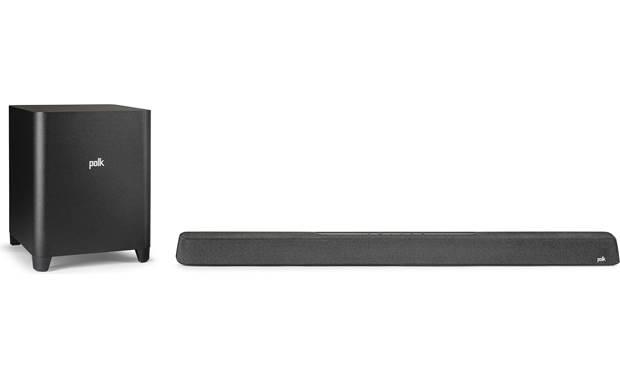
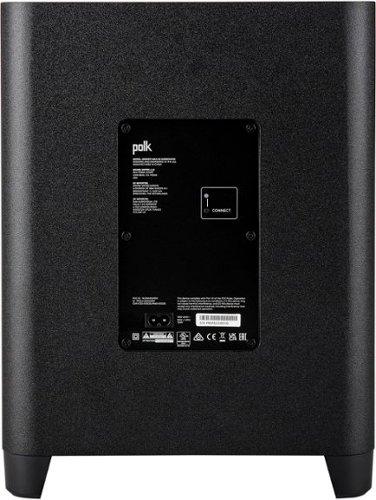
The Polk Audio MagniFi Max AX includes a substantial 10-inch wireless subwoofer that immediately provides the low-frequency foundation that makes action movies feel visceral. Explosions have weight, musical bass lines have texture, and the overall dynamic range - the difference between quiet and loud sounds - feels more expansive.
However, some users report that the Polk's subwoofer can be overly enthusiastic, with bass notes that "hang" too long in the mix. This can muddy the overall presentation, particularly in smaller rooms where the bass energy doesn't have space to dissipate naturally.
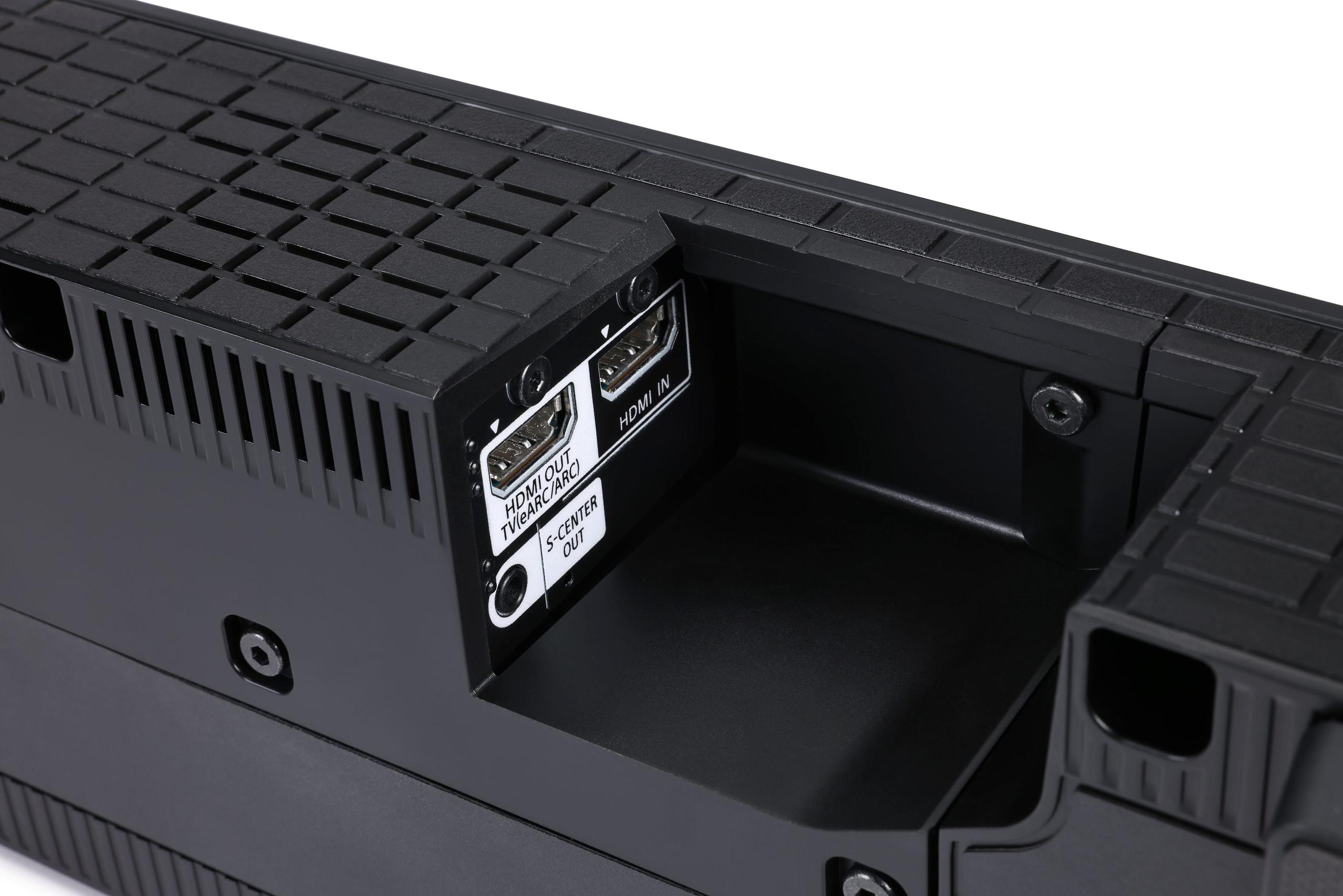
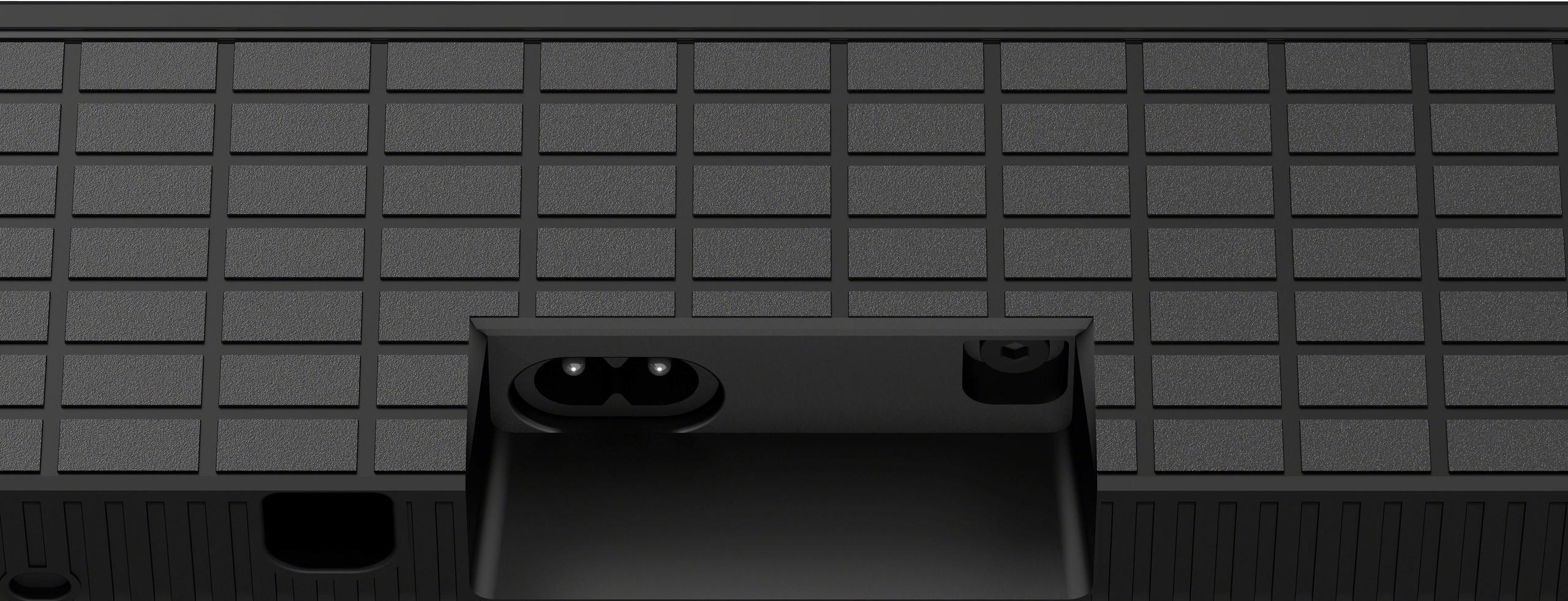
Both systems support the latest HDMI standards, but with important differences. The Sony HT-A8000 includes HDMI 2.1 with full 8K HDR support and gaming-specific features like Variable Refresh Rate (VRR) and Auto Low Latency Mode (ALLM). These features ensure compatibility with the latest gaming consoles and future TV technologies.
The Polk Audio MagniFi Max AX provides more immediate connectivity flexibility with three HDMI inputs compared to Sony's single connection. This matters if you have multiple source devices and limited HDMI ports on your TV. The Polk also includes more comprehensive streaming options, supporting AirPlay 2, Chromecast, and direct Spotify connectivity.
Voice assistant integration differs significantly between the systems. The Polk works with both Amazon Alexa and Google Assistant, while the Sony focuses on integration with Sony's ecosystem, particularly BRAVIA TVs.
Since the Sony HT-A8000 launched in 2024, it represents more current thinking in audio processing technology. Sony has refined their spatial audio algorithms based on years of user feedback and acoustic research. The system benefits from more advanced DSP chips that can handle more complex calculations in real-time.
The Polk Audio MagniFi Max AX, launching in 2022, represents more mature but slightly older technology approaches. However, Polk's SDA technology has been continuously refined over decades, and the company's experience in traditional speaker design translates well to soundbar applications.
Looking forward, both systems should remain relevant for years to come. The audio formats they support - Dolby Atmos and DTS:X - are likely to remain standard for the foreseeable future. However, the Sony's more recent release suggests it may receive longer software support and updates.
At the time of writing, these systems occupy similar price ranges but offer fundamentally different value propositions. The Sony HT-A8000 represents what might be called a "premium foundation" approach - you're buying sophisticated processing technology that can be expanded over time with additional components.
The Polk Audio MagniFi Max AX follows a "complete system" philosophy, providing everything needed for impressive home theater audio from day one. The included subwoofer alone represents significant value, as comparable standalone subwoofers often cost several hundred dollars.
However, calculating true value requires considering long-term costs. The Sony system achieves its full potential only when paired with additional components - subwoofer and rear speakers - which can significantly increase the total investment. The Polk provides excellent performance immediately but may have less expansion potential.
The Sony HT-A8000 is designed as part of a larger ecosystem. Sony's wireless subwoofers integrate seamlessly, and the system can accommodate wireless rear speakers for true surround sound. The integration is sophisticated - components automatically pair when powered on, and the system optimizes processing based on which additional speakers are connected.
Particularly impressive is Sony's Acoustic Center Sync feature, which works with compatible BRAVIA TVs. This technology uses the TV's built-in speakers as an additional center channel, creating more precise dialogue placement and a more cohesive soundstage. It's a unique feature that demonstrates Sony's advantage in controlling both display and audio technologies.
The Polk Audio MagniFi Max AX can also be expanded with wireless surround speakers, potentially creating a 7.1.2 channel system. However, the expansion feels more like adding components rather than the integrated ecosystem approach Sony offers.
Room size significantly impacts these systems' performance. The Sony HT-A8000 excels in medium to large rooms where its spatial processing has space to create convincing surround effects. In smaller rooms, the sophisticated processing can sometimes feel overwhelming, though the Sound Field Optimization helps mitigate this.
The Polk Audio MagniFi Max AX performs well across a broader range of room sizes, but truly shines in larger spaces where its higher maximum volume and included subwoofer can fill the acoustic space effectively. The system gets notably louder than the Sony without significant distortion, making it better suited for party-style listening or background music scenarios.
For gaming enthusiasts, the Sony HT-A8000 offers slight advantages with its HDMI 2.1 feature set and lower audio latency. The 360 Spatial Sound Mapping can enhance gaming immersion, particularly in titles with sophisticated audio design.
The Polk Audio MagniFi Max AX provides more immediate gaming satisfaction through its impactful bass response, making explosions and sound effects feel more visceral. The discrete center channel also ensures that in-game dialogue and communications remain clear even during intense action sequences.
Choose the Sony HT-A8000 if you value audio refinement and plan to build a complete system over time. It's ideal for users who primarily watch movies and TV shows, appreciate sophisticated technology, and don't mind investing in additional components to achieve maximum performance. The Sony particularly suits those who already own or plan to purchase Sony BRAVIA TVs, as the ecosystem integration provides unique benefits.
The Polk Audio MagniFi Max AX makes more sense for users who want immediate, comprehensive performance without additional purchases. It's excellent for mixed usage - movies, music, gaming, and casual listening. The system particularly appeals to those who prefer impactful, exciting sound reproduction and need maximum flexibility in source connections.
Consider your room size, content preferences, and long-term plans. If you're building a dedicated home theater space and plan careful component selection, the Sony offers a more sophisticated foundation. If you want to dramatically improve your TV audio experience immediately while maintaining future expansion options, the Polk provides better immediate satisfaction.
Both systems represent significant upgrades over basic TV audio and entry-level soundbars. Your choice ultimately depends on whether you prefer Sony's refined, technology-forward approach or Polk's comprehensive, immediately satisfying system philosophy. Either way, you're investing in substantially better home entertainment audio that will enhance your viewing experience for years to come.
| Sony HT-A8000 BRAVIA Theater Bar 8 Soundbar | Polk Audio MagniFi Max AX 3.1.2 Soundbar |
|---|---|
| Channel Configuration - Determines surround sound capability | |
| 5.0.2 channel with 11 speakers (no dedicated subwoofer) | 3.1.2 channel with 11 drivers plus wireless subwoofer |
| What's Included - Impacts immediate value and setup | |
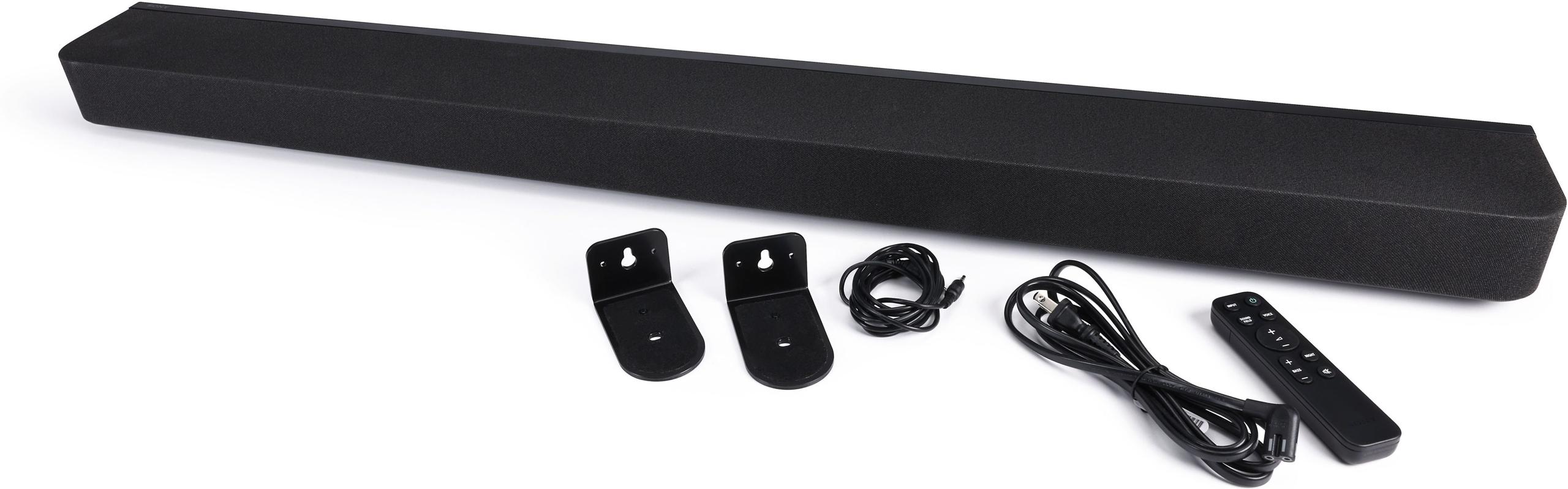
| Soundbar only (subwoofer sold separately) | Complete system with 10" wireless subwoofer included |
| Spatial Audio Technology - How immersive the sound feels | |
| 360 Spatial Sound Mapping with phantom speakers | Stereo Dimensional Array (SDA) technology |
| Voice Enhancement - Critical for dialogue clarity | |
| Voice Zoom 3 with AI-powered speech recognition | VoiceAdjust technology with dedicated center channel |
| Room Calibration - Optimizes sound for your space | |
| Sound Field Optimization (automatic room calibration) | Manual EQ presets only (no room correction) |
| HDMI Connectivity - Affects gaming and TV compatibility | |
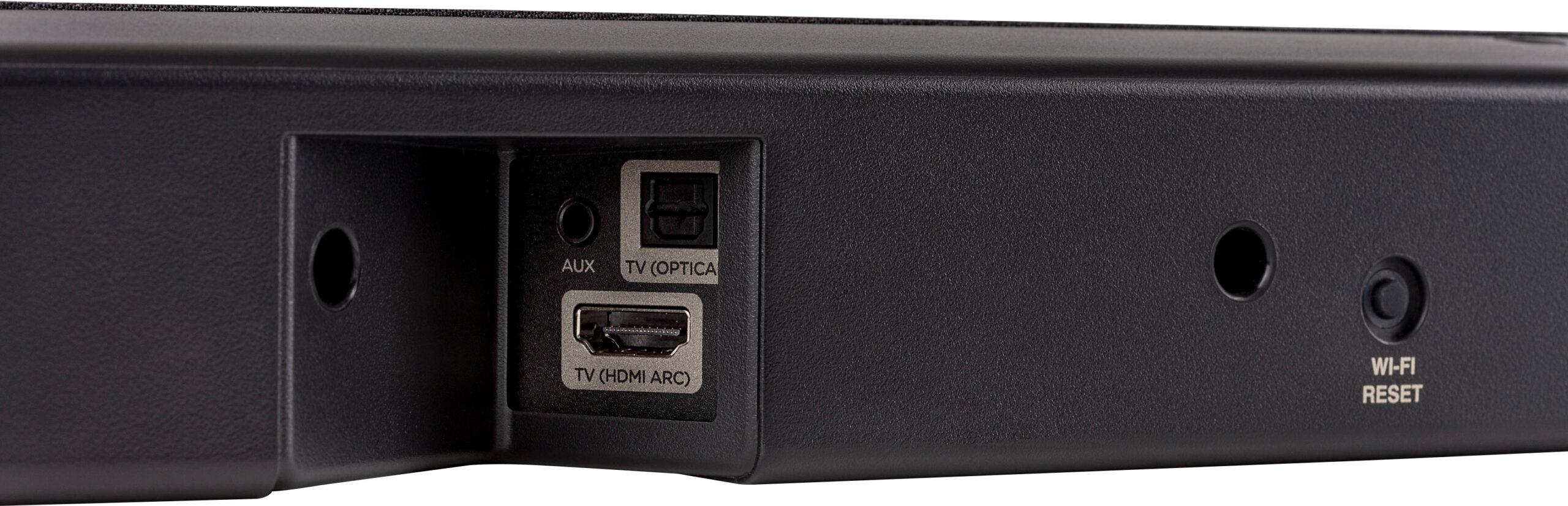
| 1x HDMI 2.1 with eARC, 8K HDR, VRR, ALLM support | 3x HDMI inputs with eARC, 4K HDR at 60Hz |
| Bass Performance - Impact for movies and music | |
| Quad woofers in soundbar (adequate but limited) | Dedicated 10" wireless subwoofer (immediate deep bass) |
| Maximum Volume - Important for large rooms | |
| Moderate volume with some compression at max | Gets much louder with less distortion |
| Smart Features - Streaming and voice control | |
| Spotify Connect, AirPlay 2, Bluetooth 5.2 | AirPlay 2, Chromecast, Spotify Connect, Alexa/Google compatible |
| TV Integration - Seamless operation benefits | |
| Acoustic Center Sync with Sony BRAVIA TVs | Universal TV compatibility, no brand-specific features |
| Expandability - Future upgrade potential | |
| Sony wireless subwoofers and rear speakers (premium pricing) | Polk SR2 wireless surrounds available (more affordable expansion) |
| Release Date - Technology generation | |
| 2024 (latest spatial audio processing) | 2022 (mature but slightly older technology) |
The Polk Audio MagniFi Max AX provides better immediate value for beginners since it includes everything needed for a complete home theater setup, including a wireless subwoofer. The Sony HT-A8000 is soundbar-only and requires additional purchases to match the Polk's bass performance, making it more expensive to get a full system.
The Polk Audio MagniFi Max AX comes complete with a wireless subwoofer, so you get deep bass right out of the box. The Sony HT-A8000 works well on its own but really shines when you add Sony's optional wireless subwoofer and rear speakers, which significantly increases the total cost.
Both work well in smaller spaces, but the Sony HT-A8000 has an advantage with its Sound Field Optimization feature that automatically adjusts the sound for your room size. The Polk Audio MagniFi Max AX can be quite powerful for small spaces, so you may need to adjust the subwoofer settings to avoid overwhelming your neighbors.
The Sony HT-A8000 uses advanced Voice Zoom 3 technology that uses AI to automatically enhance dialogue clarity. The Polk Audio MagniFi Max AX features a dedicated center channel speaker and VoiceAdjust technology, giving you manual control over voice levels for crystal-clear conversations.
The Polk Audio MagniFi Max AX gets significantly louder without distortion, making it better suited for large or open-concept spaces. The Sony HT-A8000 reaches moderate volumes but focuses more on sound quality and spatial effects rather than raw loudness.
Yes, but the Sony HT-A8000 has a slight edge for gaming with HDMI 2.1 support, including features like Variable Refresh Rate (VRR) and Auto Low Latency Mode (ALLM) for next-gen consoles. The Polk Audio MagniFi Max AX still delivers excellent gaming audio with impactful bass, plus it offers more HDMI input options.
The Polk Audio MagniFi Max AX is designed to work universally with any TV brand and offers more connection flexibility with three HDMI inputs. While the Sony HT-A8000 works with all TVs, it has special integration features that only work with Sony BRAVIA TVs.
Both offer excellent wireless streaming, but the Polk Audio MagniFi Max AX provides more options including AirPlay 2, Chromecast, Spotify Connect, and voice assistant compatibility. The Sony HT-A8000 supports Spotify Connect, AirPlay 2, and Bluetooth 5.2, with seamless integration into Sony's ecosystem.
Both are relatively easy to set up, but the Sony HT-A8000 has an advantage with its automatic Sound Field Optimization that calibrates itself to your room. The Polk Audio MagniFi Max AX requires more manual adjustment of EQ settings and subwoofer levels to get optimal performance.
Both support Dolby Atmos, but they handle it differently. The Sony HT-A8000 uses advanced 360 Spatial Sound Mapping to create more convincing virtual surround effects. The Polk Audio MagniFi Max AX provides solid Atmos performance with up-firing drivers and SDA technology, though the spatial effects may be less precise.
The Sony HT-A8000 generally provides more accurate and balanced music reproduction with neutral sound characteristics. The Polk Audio MagniFi Max AX offers more exciting, bass-forward music playback that some listeners prefer, especially for genres like hip-hop or electronic music.
Yes, both can be expanded. The Sony HT-A8000 works with Sony's wireless subwoofers and rear speakers for a premium but cohesive system expansion. The Polk Audio MagniFi Max AX can add wireless surround speakers to create a 7.1.2 setup, typically at a more affordable expansion cost than the Sony system.
We've done our best to create useful and informative comparisons to help you decide what product to buy. Our research uses advanced automated methods to create this comparison and perfection is not possible - please contact us for corrections or questions. These are the sites we've researched in the creation of this article: consumerreports.org - skybygramophone.com - target.com - rtings.com - bestbuy.com - rubbermonkey.co.nz - shopatsc.com - audioadvice.com - sony.com - sony.com - sony.com - shop.cosmopolitan.com - store.sony.com.my - videoandaudiocenter.com - youtube.com - avsforum.com - rtings.com - rtings.com - bestbuy.com - walts.com - hometechnologyreview.com - polkaudio.com - pcrichard.com

Privacy Policy
Terms and Conditions - Affiliate Policy
Home Security
© Copyright 2008-2026.
11816 Inwood Rd #1211, Dallas, TX 75244