



The world of premium soundbars has exploded over the past few years, with manufacturers pushing the boundaries of what's possible from a single audio chassis. Gone are the days when a soundbar was just a modest upgrade over tinny TV speakers. Today's high-end models promise genuine surround sound experiences that can rival traditional multi-speaker home theater setups, all while maintaining the clean aesthetics and simple setup that make soundbars so appealing.
At the heart of this evolution are two very different approaches to premium audio. The Devialet Dione, released in 2022, represents the ultra-luxury end of the spectrum—a no-compromise engineering exercise that packs incredible technology into a single, non-expandable unit. The Sony BRAVIA Theater Bar 8, arriving in 2023, takes a more traditional but comprehensive approach, offering extensive format support and the flexibility to build a complete surround system over time.
Understanding these different philosophies is crucial because it affects everything from the audio experience to long-term satisfaction. At the time of writing, these products sit in vastly different price tiers, with the Devialet Dione commanding premium pricing that's roughly three to four times higher than the Sony BRAVIA Theater Bar 8. This price gap isn't just about brand prestige—it reflects fundamentally different approaches to solving the same problem.
Before diving into specifics, it's worth understanding what separates premium soundbars from budget options. Modern high-end soundbars use sophisticated digital signal processing (DSP) to create virtual surround sound channels that seem to come from locations where no physical speakers exist. This involves precisely timing audio signals and using psychoacoustic principles—basically how our brains interpret sound direction and distance.
The most important feature in premium soundbars today is Dolby Atmos support, which adds height channels to create a three-dimensional sound bubble around the listener. Traditional surround sound operates on a horizontal plane, but Atmos adds vertical dimension by bouncing sound off ceilings or using upward-firing drivers. DTS:X is a competing format that achieves similar results through different processing methods.
What really matters for home theater performance is how effectively a soundbar can create the illusion of discrete speakers throughout your room. This depends on driver quality, amplification power, processing sophistication, and crucially, the physical design of the speaker array itself.
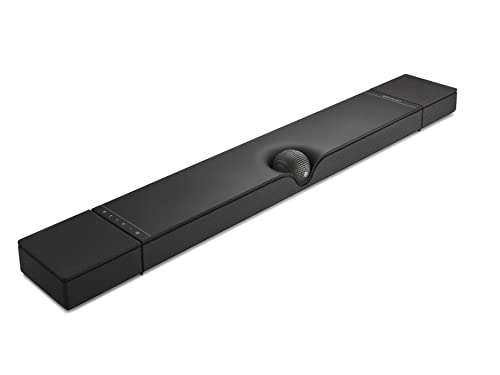
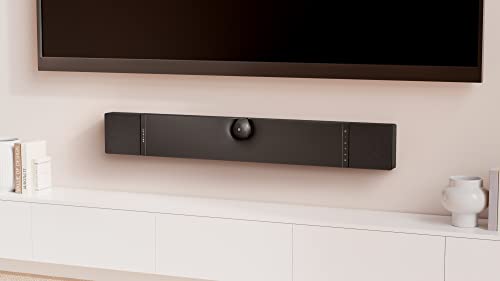
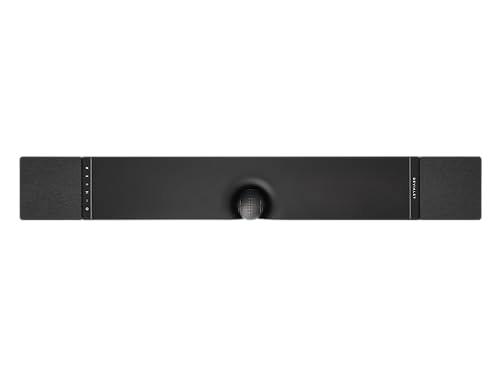
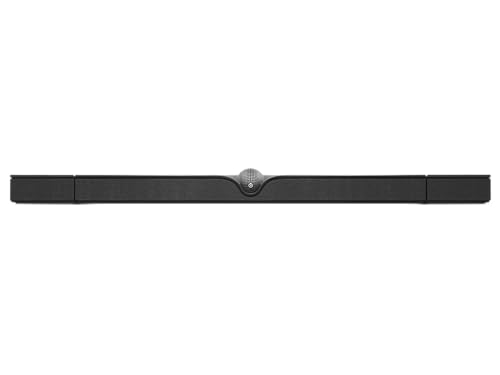
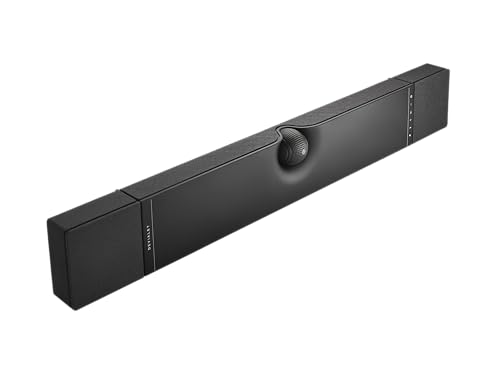
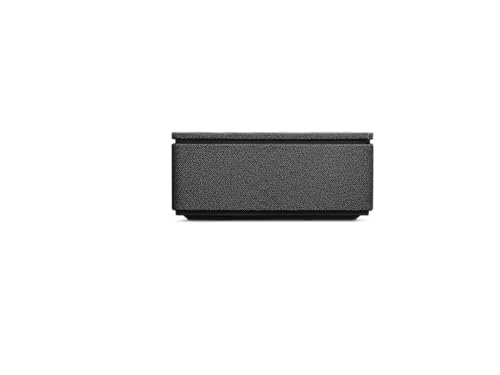
The Devialet Dione represents perhaps the most ambitious single-chassis soundbar ever created. French audio company Devialet built their reputation on high-end wireless speakers that challenge conventional wisdom about what's possible from compact enclosures, and the Dione applies this philosophy to soundbar design.
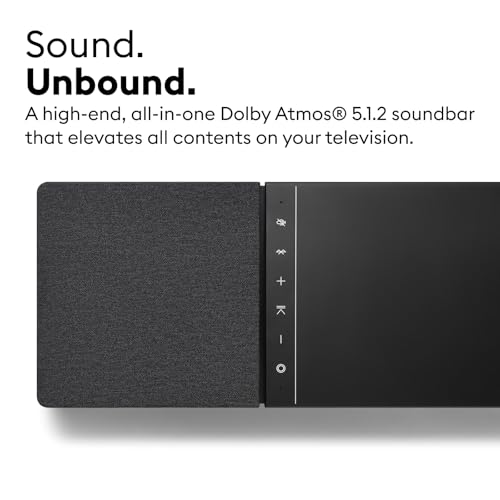
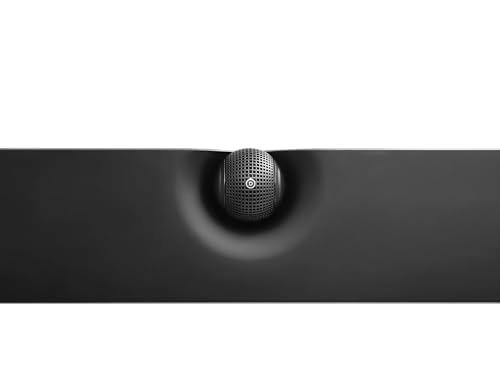
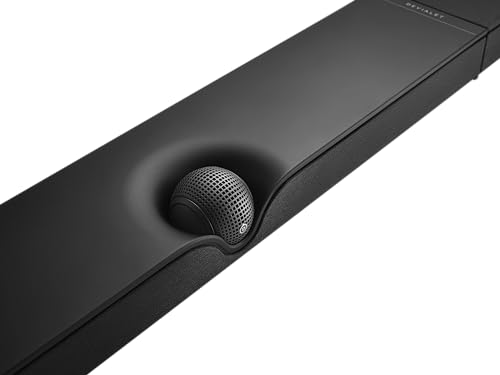
The most immediately striking feature is the ORB—a spherical center channel speaker that can physically rotate 180 degrees. This isn't just a design flourish; it serves a genuine acoustic purpose. When you wall-mount the Dione, the ORB rotates to ensure the center channel always fires directly at the listening position, maintaining optimal dialogue clarity regardless of the soundbar's orientation. This level of mechanical sophistication is unprecedented in soundbar design and demonstrates Devialet's commitment to solving real acoustic problems through innovative engineering.
Under the hood, the Dione packs 17 individual drivers across a 5.1.2 channel configuration. This includes nine full-range aluminum drivers handling midrange and treble frequencies, plus eight dedicated subwoofers arranged in what Devialet calls a "push-push" configuration. In this setup, opposing woofers cancel out unwanted vibrations, allowing the cabinet to remain acoustically inert while the drivers produce clean, distortion-free bass.
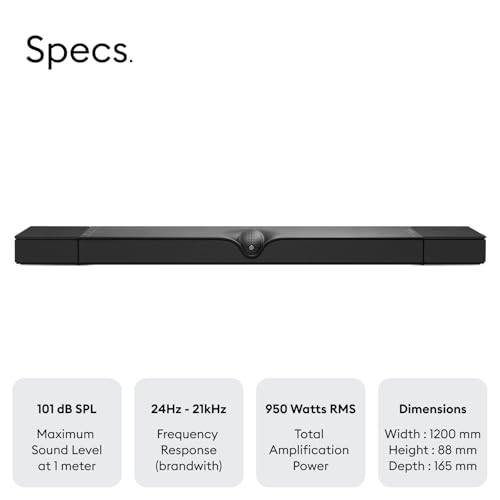
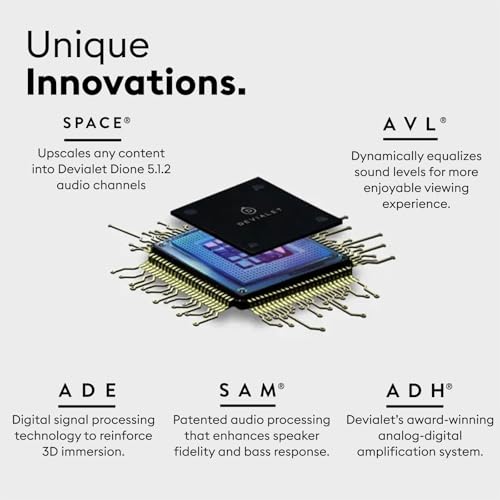
The amplification system represents another area where Devialet distinguishes itself. Their ADH (Analog Digital Hybrid) technology combines the sonic purity of traditional Class A amplification with the efficiency of Class D digital amplification. The result is 950 watts of total power that can drive those 17 drivers to impressive sound pressure levels while maintaining exceptional clarity.
Perhaps most importantly for home theater use, the Dione delivers bass extension down to 24 Hz without requiring an external subwoofer. For context, most movie theater subwoofers start rolling off around 20-25 Hz, so this represents genuinely cinematic low-frequency performance. The integrated subwoofers use Speaker Active Matching (SAM) technology, which essentially creates a real-time acoustic model of each driver to prevent distortion and ensure optimal performance.
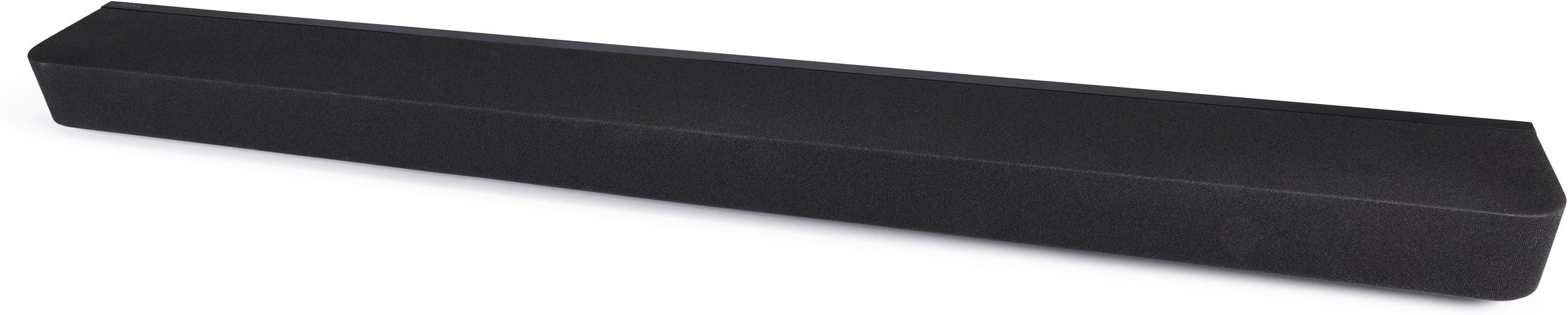
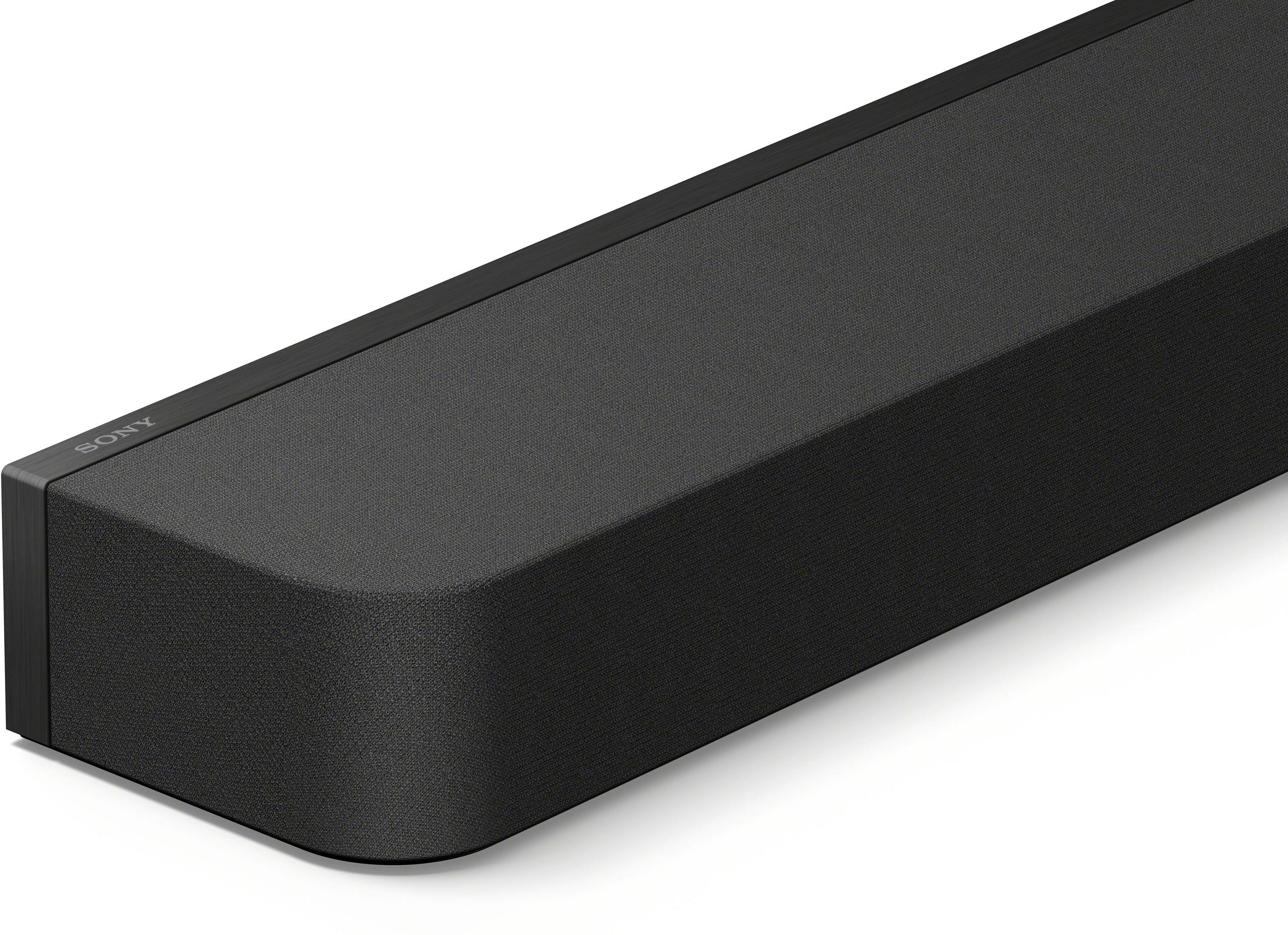
The Sony BRAVIA Theater Bar 8 takes a fundamentally different approach that prioritizes versatility and expandability over single-chassis perfection. Released in 2023, it represents Sony's understanding that most users want the option to build their system over time rather than making a single large investment.
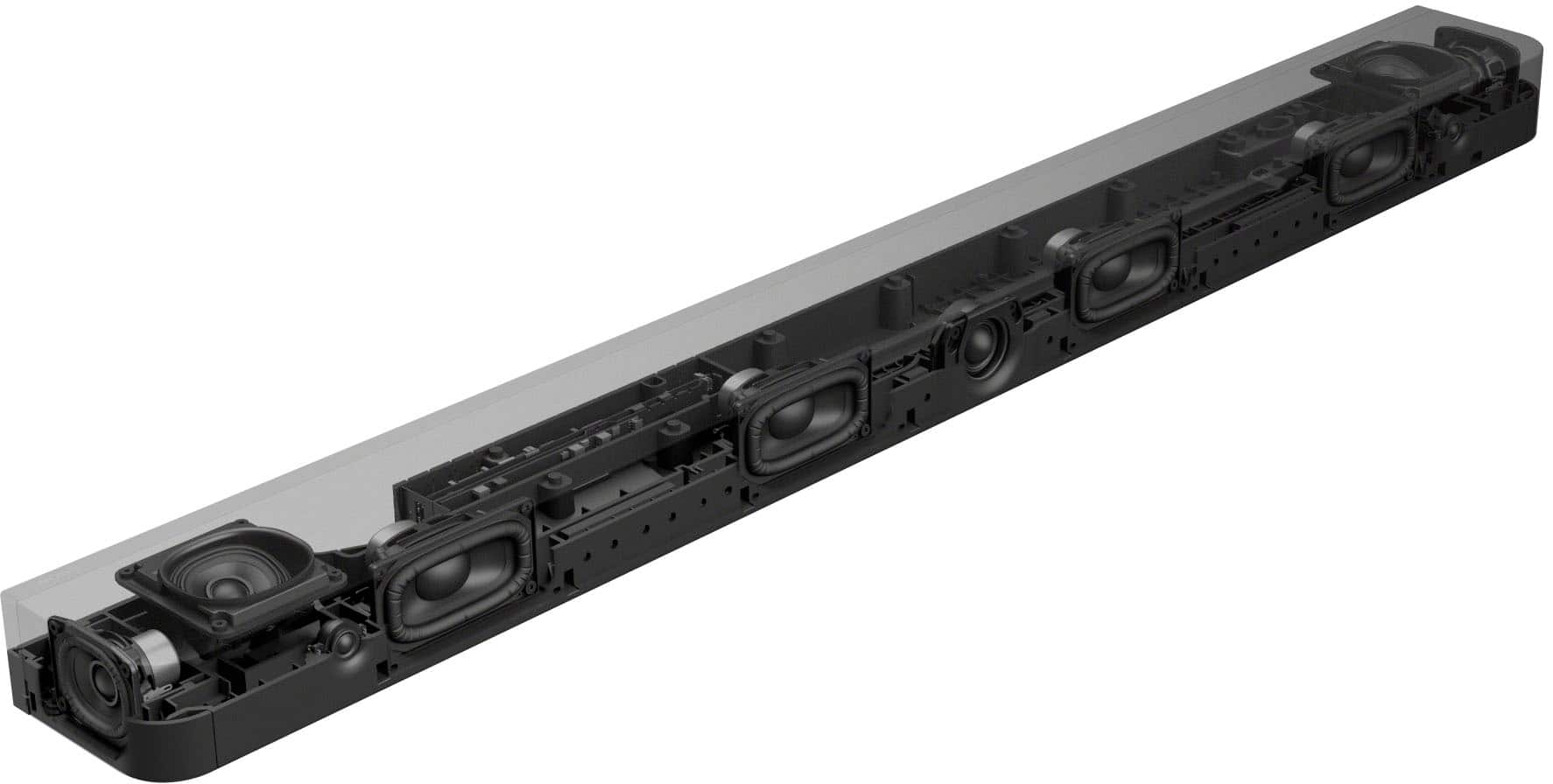
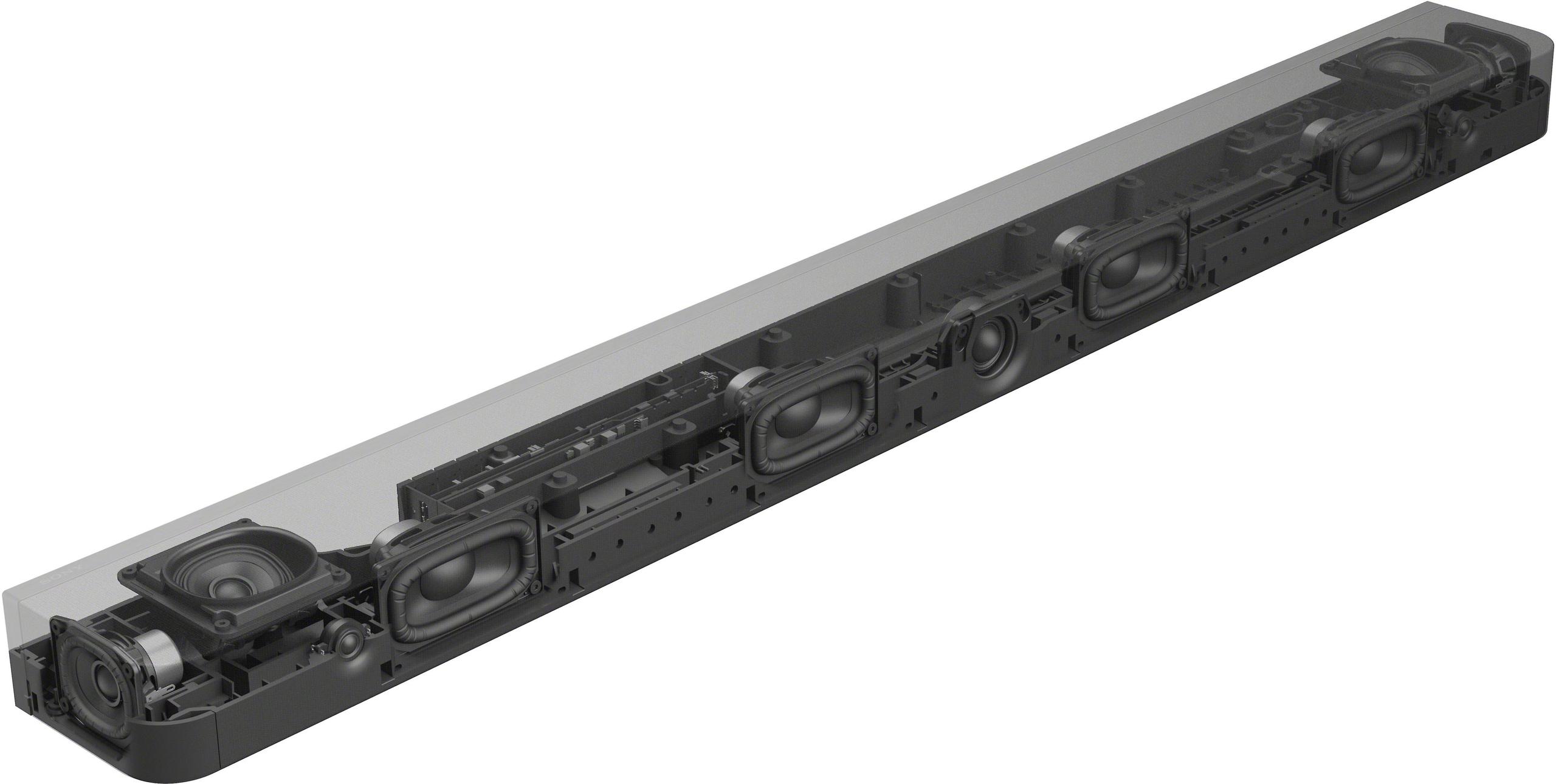
The core soundbar features 11 drivers arranged in a 5.0.2 configuration, meaning five ground-level channels and two height channels. While this might seem less impressive than the Dione's 17 drivers, the Sony compensates through intelligent processing and the ability to add dedicated wireless components.
Sony's 360 Spatial Sound Mapping technology uses advanced DSP to create phantom speakers—virtual sound sources that appear to exist in locations where no physical drivers are present. This works by precisely controlling the timing and phase relationships between different drivers, essentially tricking your brain into perceiving sound as coming from multiple directions around the room.
The critical advantage of the Sony BRAVIA Theater Bar 8 lies in its format support. Unlike the Dione, which only handles Dolby formats, the Sony supports both Dolby Atmos and DTS:X. This might seem like technical minutiae, but it has real-world implications. Many Blu-ray discs, particularly from certain studios, use DTS:X encoding. Without DTS:X support, the Dione must convert these signals to stereo and then apply its own processing, which isn't optimal for the original mix.
Where the Sony really shines is expandability. The system can pair wirelessly with Sony's dedicated subwoofers (SA-SW3 or SA-SW5) and rear speakers (SA-RS3R or SA-RS5). This allows users to start with the basic soundbar and gradually build toward a complete 5.1.4 Dolby Atmos system with true rear channels—something the Dione simply cannot do.
Bass performance represents perhaps the most significant difference between these approaches. The Dione achieves remarkable low-frequency extension through its eight integrated subwoofers and sophisticated processing. Our research into professional reviews consistently highlights the Dione's ability to produce "confoundingly deep and weighty bass" that rivals dedicated subwoofer systems.
This integrated approach has several advantages. There's no subwoofer placement to worry about, no additional power cables, and the bass is precisely time-aligned with the main speakers through Devialet's processing. The push-push driver configuration also means the Dione produces minimal cabinet vibration, which prevents the buzzing and rattling that can plague cheaper soundbars at high volumes.
However, physics still applies. No matter how sophisticated the engineering, a soundbar has limited internal volume for bass production. The Sony BRAVIA Theater Bar 8 acknowledges this reality by offering optional wireless subwoofers that can be positioned optimally within the room and provide the large driver displacement needed for truly room-shaking bass.
In practice, the Dione will likely provide superior bass for most content and room sizes without additional components. But for large rooms or bass-heavy content like action movies and electronic music, the Sony with an added subwoofer may ultimately deliver more impactful low-frequency performance.
Creating convincing surround sound from a single chassis requires sophisticated acoustic engineering and digital processing. Both soundbars approach this challenge differently, with varying degrees of success.
The Devialet Dione uses its SPACE technology to upmix stereo and 5.1 content into its 5.1.2 configuration, while ADE (Advanced Dimensional Experience) creates virtual surround channels through carefully controlled beamforming. The soundbar actually detects its physical orientation using internal sensors and adjusts its processing accordingly—a level of sophistication that's genuinely impressive.
Based on expert evaluations, the Dione creates a convincingly wide soundstage that extends well beyond the physical boundaries of the soundbar itself. The height effects, while not as discrete as ceiling-mounted Atmos speakers, provide a noticeable sense of vertical dimension that enhances movie watching.
The Sony BRAVIA Theater Bar 8 employs 360 Spatial Sound Mapping to achieve similar results, but with an important advantage: expandability. While the core soundbar can create effective virtual surround, adding the optional SA-RS3R or SA-RS5 rear speakers transforms the system into true discrete surround sound. This fundamentally changes the experience, as virtual processing can't fully replicate the immersion of having actual speakers behind the listening position.
For home theater enthusiasts who prioritize maximum immersion, this expandability represents a significant advantage. You can start with the basic Sony soundbar and add components as budget allows, ultimately achieving surround sound performance that exceeds what any single-chassis solution can provide.
Modern soundbars must integrate seamlessly with increasingly complex home entertainment systems, and connectivity choices can significantly impact long-term satisfaction. This is where the philosophical differences between these products become most apparent.
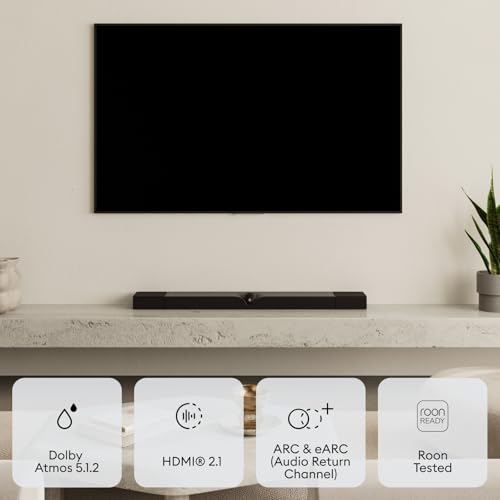
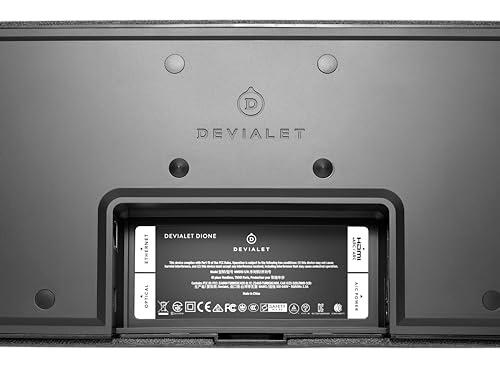
The Devialet Dione takes a minimalist approach with just one HDMI 2.1 input supporting eARC (enhanced Audio Return Channel) and a single optical input. This means all source devices must connect to your TV, which then sends audio to the soundbar. While this simplifies setup, it can create compatibility issues with older TVs that don't properly pass through all audio formats.
The lack of HDMI passthrough on the Dione is particularly limiting for gaming enthusiasts. Modern gaming consoles support advanced audio formats that work best with direct connection to the soundbar, but the Dione forces everything through the TV's processing chain.
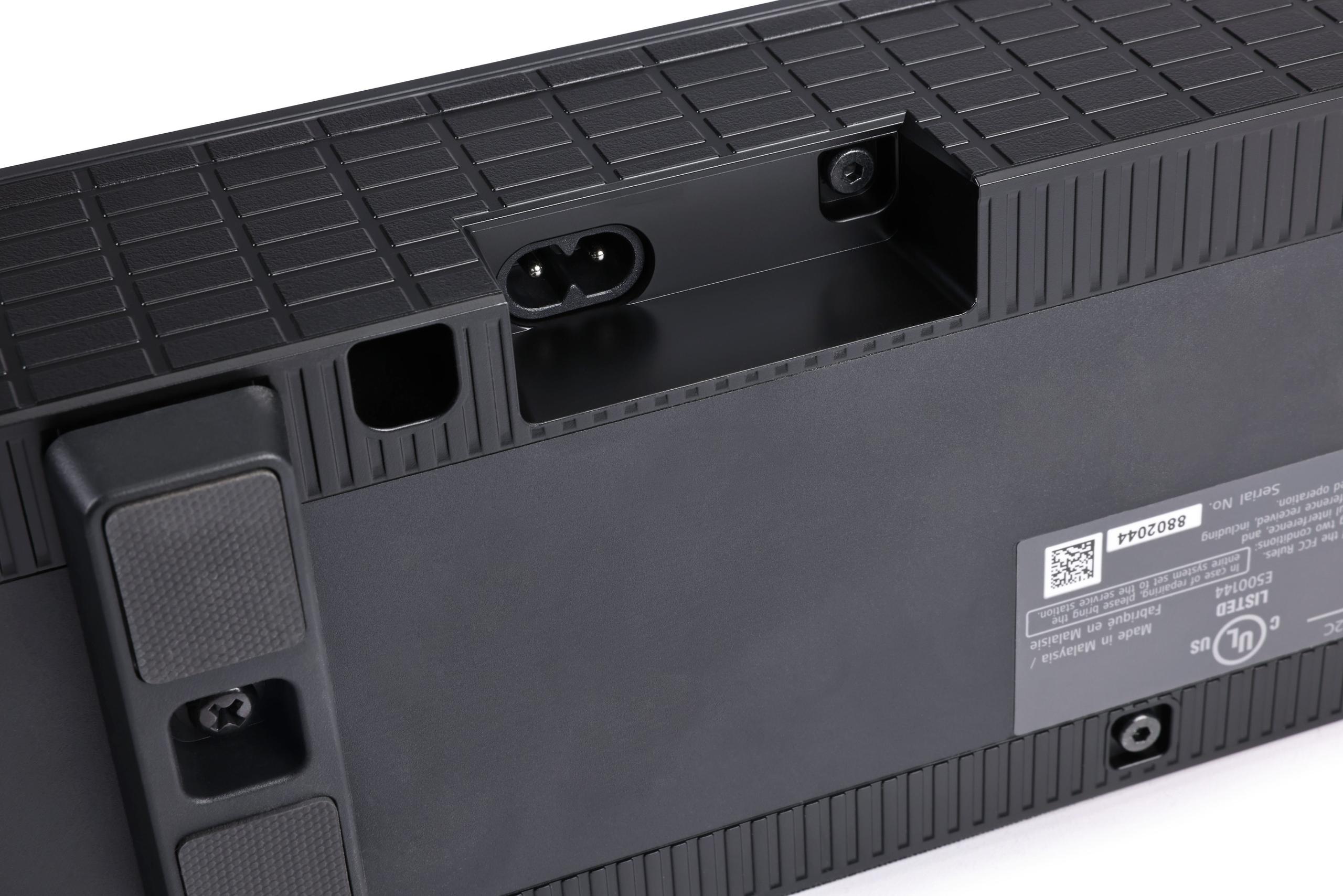
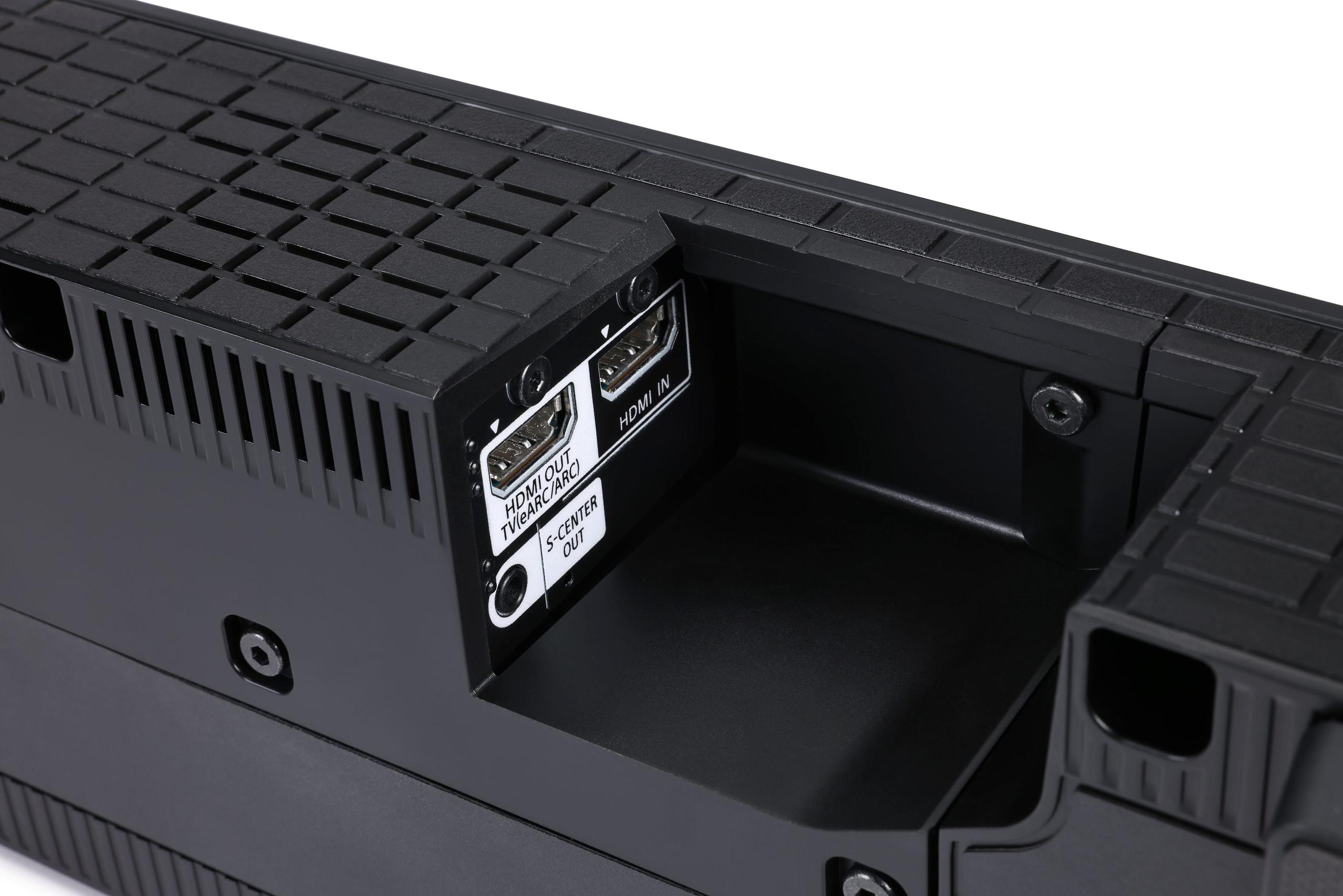
The Sony BRAVIA Theater Bar 8 provides more comprehensive connectivity, including HDMI passthrough that maintains full 4K120Hz gaming compatibility with features like Variable Refresh Rate (VRR) and Auto Low Latency Mode (ALLM). This makes it more suitable for modern gaming setups where audio and video quality are equally important.
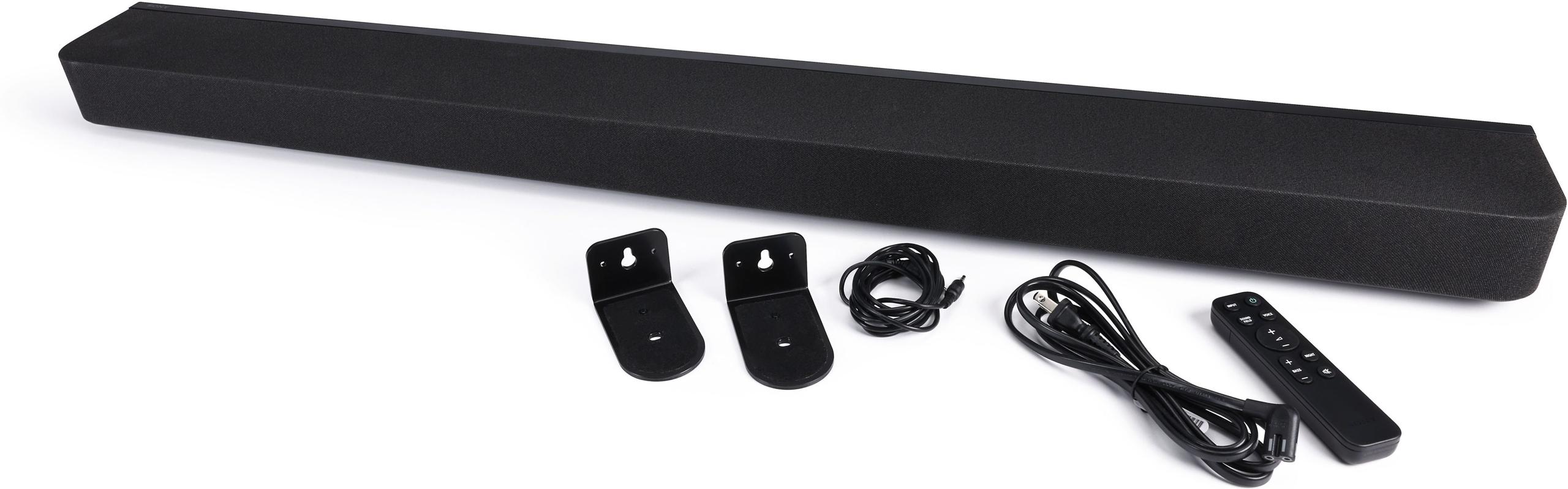
Both soundbars support modern wireless protocols including Bluetooth, Wi-Fi, AirPlay 2, and Spotify Connect. The Dione notably lacks an included remote control, relying instead on HDMI-CEC to work with your TV remote—an elegant solution when it works, but potentially frustrating if compatibility issues arise.
Format support might seem like a technical detail, but it has real implications for content compatibility. The Devialet Dione supports Dolby Atmos, Dolby Digital, and PCM formats, but notably lacks DTS:X support. This means certain Blu-ray discs won't play in their intended format, instead being converted to stereo and then processed through Devialet's own algorithms.
The Sony BRAVIA Theater Bar 8 provides comprehensive format support including Dolby Atmos, DTS:X, Dolby Digital, and Dolby Digital Plus. This ensures compatibility with virtually all current and legacy content, making it a safer choice for users with extensive physical media collections.
For streaming services, format support matters less since most platforms use Dolby Digital Plus for their spatial audio content. However, if you're building a serious home theater around physical media, the Sony's broader format compatibility becomes a significant advantage.
Premium soundbars should feel substantial and built to last, and both products deliver here, albeit differently. The Devialet Dione showcases exceptional build quality with its anodized aluminum construction, precision-machined components, and the remarkable mechanical engineering of the rotating ORB system. At 26.5 pounds, it feels substantial and premium in a way that justifies its luxury positioning.
The Sony BRAVIA Theater Bar 8, while well-built, reflects its more affordable positioning with lighter construction and conventional materials. However, build quality appears solid based on user feedback, and Sony's reputation for reliability suggests good long-term durability.
From a value perspective, these products serve different markets entirely. At the time of writing, the Dione represents a luxury purchase that prioritizes engineering excellence and aesthetic appeal over practical considerations like expandability and connectivity. It's a statement piece for audio enthusiasts who want the best possible single-chassis performance.
The Sony offers exceptional value by providing professional-grade features at a much more accessible price point, with the flexibility to grow into a complete surround system. For most users building a home theater, the Sony's approach of starting affordable and expanding over time makes more financial sense.
Choosing between these soundbars ultimately depends on your priorities, room requirements, and long-term plans for your home theater system.
The Devialet Dione makes the most sense for users who want the absolute best single-chassis performance available, regardless of cost. It's ideal for minimalists who prefer elegant, non-expandable solutions and don't require extensive connectivity options. The Dione excels in medium-sized rooms where its integrated bass performance and sophisticated processing can shine without the need for additional components.
However, the Dione isn't the right choice for everyone. Its format limitations, minimal connectivity, and lack of expandability make it poorly suited for serious home theater enthusiasts who prioritize maximum performance and compatibility over convenience.
The Sony BRAVIA Theater Bar 8 represents a more versatile and future-proof approach. Its comprehensive format support, extensive connectivity, and expandability options make it suitable for a wider range of users and room configurations. The ability to start with the basic soundbar and add components over time provides financial flexibility while ultimately enabling higher performance than any single-chassis solution can achieve.
For most people building a home theater, the Sony offers the better path forward. Its significantly lower entry price, combined with the option to expand toward true discrete surround sound, provides both immediate satisfaction and long-term growth potential. The broader format compatibility also ensures better compatibility with various content sources.
The Devialet Dione remains compelling for specific users who value engineering excellence and aesthetic sophistication over practical considerations. It's a remarkable achievement in single-chassis audio engineering, but its limitations make it more suitable as a luxury statement piece than a comprehensive home theater foundation.
In the end, both soundbars represent significant advances in their respective approaches to premium audio. The choice between them says as much about your philosophy toward home theater building as it does about your budget and performance requirements.
| Devialet Dione | Sony HT-A8000 BRAVIA Theater Bar 8 |
|---|---|
| Channel Configuration - Determines surround sound capability | |
| 5.1.2 channels (17 drivers total) - Fixed configuration | 5.0.2 channels (11 drivers) - Expandable to 5.1.4 with optional components |
| Audio Format Support - Critical for Blu-ray and streaming compatibility | |
| Dolby Atmos only (no DTS:X support) | Dolby Atmos, DTS:X, and legacy formats - Better content compatibility |
| Built-in Bass Performance - Whether you need an external subwoofer | |
| Exceptional: 8 integrated subwoofers, 24Hz extension | Good: Built-in bass adequate for most content |
| Total System Power - Affects maximum volume and dynamics | |
| 950W RMS (significantly higher) | Not specified (likely lower but sufficient) |
| Expandability - Can you add rear speakers or subwoofer later | |
| None - All-in-one design only | Yes - Wireless subwoofer and rear speakers available |
| Connectivity Options - How many devices you can connect directly | |
| Limited: 1 HDMI eARC, 1 optical (no passthrough) | Comprehensive: HDMI passthrough, multiple inputs |
| Unique Technologies - Standout features that differentiate each product | |
| Rotating ORB center channel, ADH amplification, automatic orientation detection | Voice Zoom 3 AI, TV speaker integration, 360 Spatial Sound Mapping |
| Remote Control - How you'll operate the soundbar daily | |
| None included (uses TV remote via HDMI-CEC) | Dedicated remote control included |
| Build Quality and Weight - Indicates premium materials and construction | |
| Premium: 26.5 lbs, anodized aluminum, luxury construction | Standard premium: 10.4 lbs, solid but conventional materials |
| Gaming Features - Important for console users | |
| Limited due to no HDMI passthrough | Full support: 4K120Hz, VRR, ALLM through passthrough |
| Price Positioning - Relative cost and value proposition | |
| Ultra-premium luxury tier | High-performance value tier with expansion options |
The Sony HT-A8000 BRAVIA Theater Bar 8 is better for most home theater setups due to its comprehensive audio format support (including DTS:X), expandability options, and better connectivity with HDMI passthrough. The Devialet Dione offers superior single-unit performance but lacks the flexibility most users need.
The Devialet Dione doesn't need a subwoofer thanks to its eight integrated subwoofers that reach down to 24Hz. The Sony HT-A8000 can work without one but benefits significantly from adding Sony's optional wireless subwoofer for deeper bass in larger rooms.
The Sony HT-A8000 BRAVIA Theater Bar 8 supports more formats, including Dolby Atmos, DTS:X, and legacy audio codecs. The Devialet Dione only supports Dolby formats and lacks DTS:X support, which can limit compatibility with certain Blu-ray discs.
Only the Sony HT-A8000 can be expanded with wireless rear speakers and subwoofers to create a full surround system. The Devialet Dione is designed as an all-in-one solution and cannot be expanded with additional speakers.
The Sony HT-A8000 BRAVIA Theater Bar 8 is much better for gaming because it offers HDMI passthrough with support for 4K120Hz, VRR, and ALLM gaming features. The Devialet Dione lacks HDMI passthrough, forcing all connections through your TV.
The Devialet Dione has significantly better built-in bass with eight dedicated subwoofers and exceptional low-frequency extension. The Sony HT-A8000 has adequate bass for its size but is designed to work with optional subwoofers for enhanced performance.
The Sony HT-A8000 BRAVIA Theater Bar 8 offers much better value, providing excellent performance at a fraction of the cost while allowing future expansion. The Devialet Dione is a luxury product with premium pricing for its advanced engineering and build quality.
Yes, both the Devialet Dione and Sony HT-A8000 support Dolby Atmos with dedicated height channels. The Devialet Dione uses a 5.1.2 configuration while the Sony HT-A8000 uses 5.0.2, both creating convincing overhead sound effects.
The Sony HT-A8000 BRAVIA Theater Bar 8 has much better connectivity with HDMI passthrough and multiple input options. The Devialet Dione has limited connectivity with only one HDMI eARC port and one optical input, requiring all sources to connect through your TV.
Both soundbars excel at dialogue clarity but use different approaches. The Devialet Dione features a rotating ORB center channel and AVL technology for consistent voice levels. The Sony HT-A8000 uses Voice Zoom 3 AI and can integrate with compatible TVs as a center speaker.
The Devialet Dione is generally better for music due to its audiophile-grade components, powerful amplification, and exceptional acoustic engineering. The Sony HT-A8000 BRAVIA Theater Bar 8 handles music well but is more optimized for home theater content.
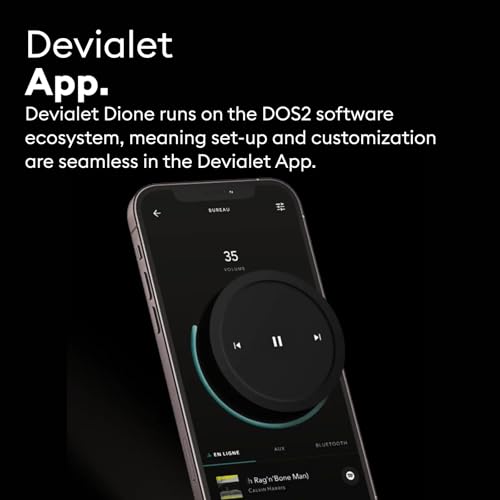
The Devialet Dione relies entirely on HDMI-CEC control through your TV remote since it doesn't include a dedicated remote. The Sony HT-A8000 includes its own remote control and also supports TV remote integration, offering more control flexibility.
We've done our best to create useful and informative comparisons to help you decide what product to buy. Our research uses advanced automated methods to create this comparison and perfection is not possible - please contact us for corrections or questions. These are the sites we've researched in the creation of this article: rtings.com - crutchfield.com - devialet.com - ooberpad.com - bhphotovideo.com - kjwestone.co.uk - whathifi.com - devialet.com - devialet.com - sound-advice.online - kjwestone.co.uk - device.report - tmraudio.com - devialet.com - devialetchat.com - projectorscreen.com - soundandvision.com - bestbuy.com - youtube.com - av.com - audiofi.ca - devialet.com - blog.son-video.com - audioconnection.com.au - baybloorradio.com - cdn.abicart.com - smarthomesounds.co.uk - e-piphany.co.za - cloneyaudio.com - devialet.com - catalog.asbis.ee - av.com - soundandvision.com - youtube.com - comparisontabl.es - consumerreports.org - skybygramophone.com - target.com - rtings.com - bestbuy.com - rubbermonkey.co.nz - shopatsc.com - audioadvice.com - sony.com - sony.com - sony.com - shop.cosmopolitan.com - store.sony.com.my - videoandaudiocenter.com

Privacy Policy
Terms and Conditions - Affiliate Policy
Home Security
© Copyright 2008-2026.
11816 Inwood Rd #1211, Dallas, TX 75244