

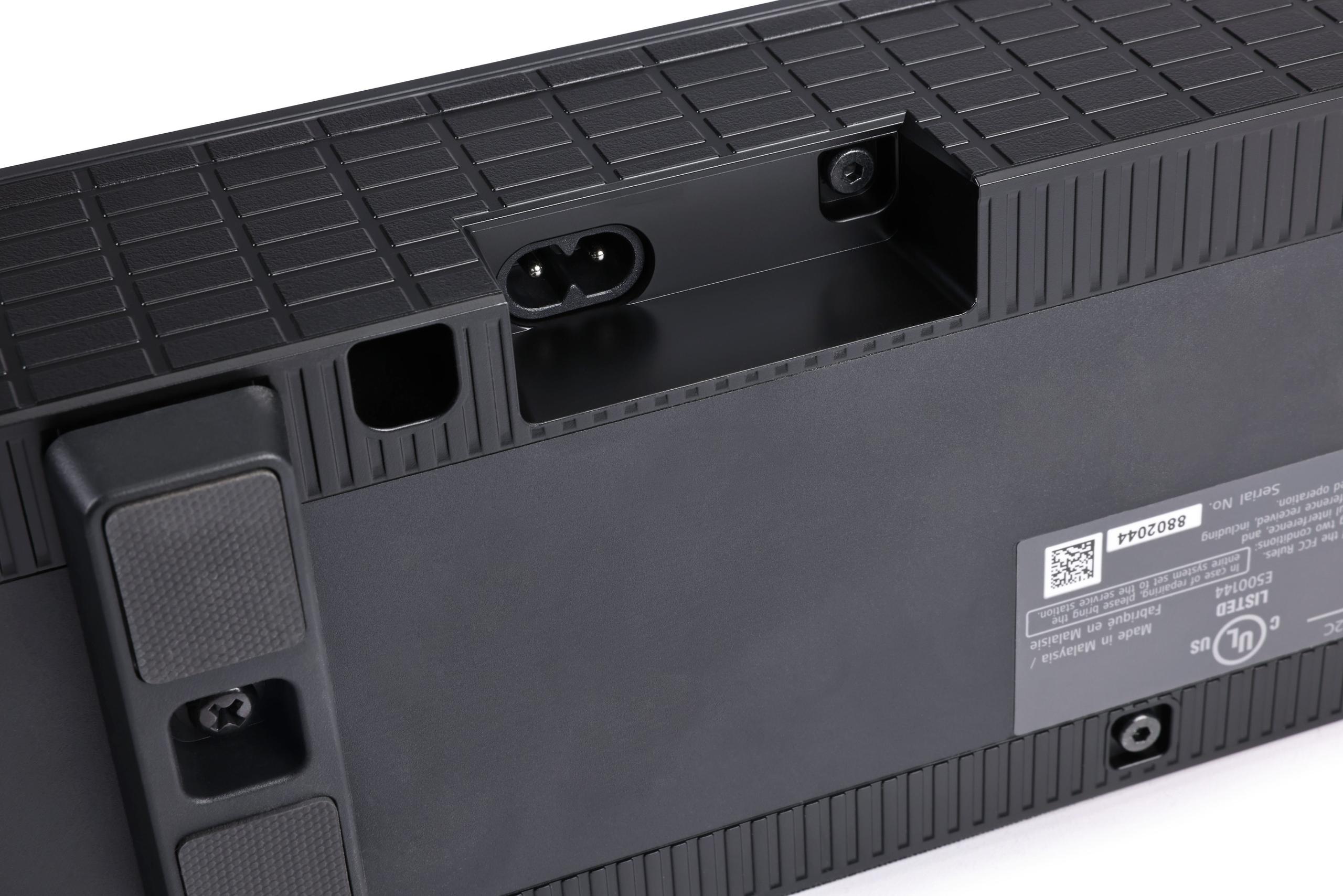
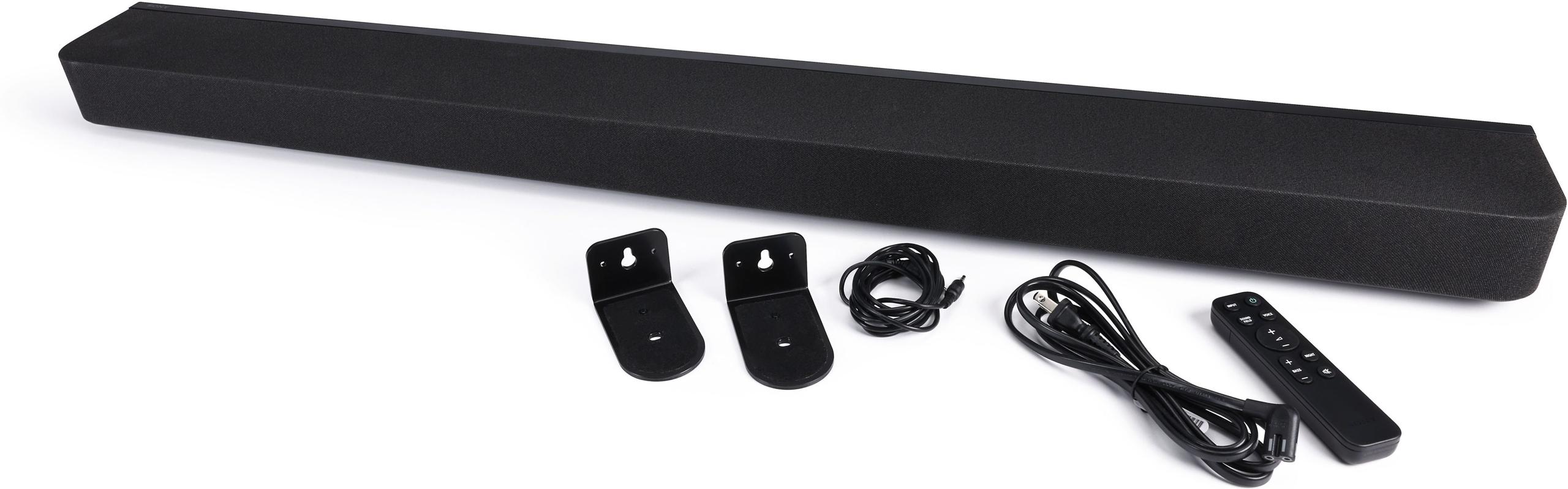
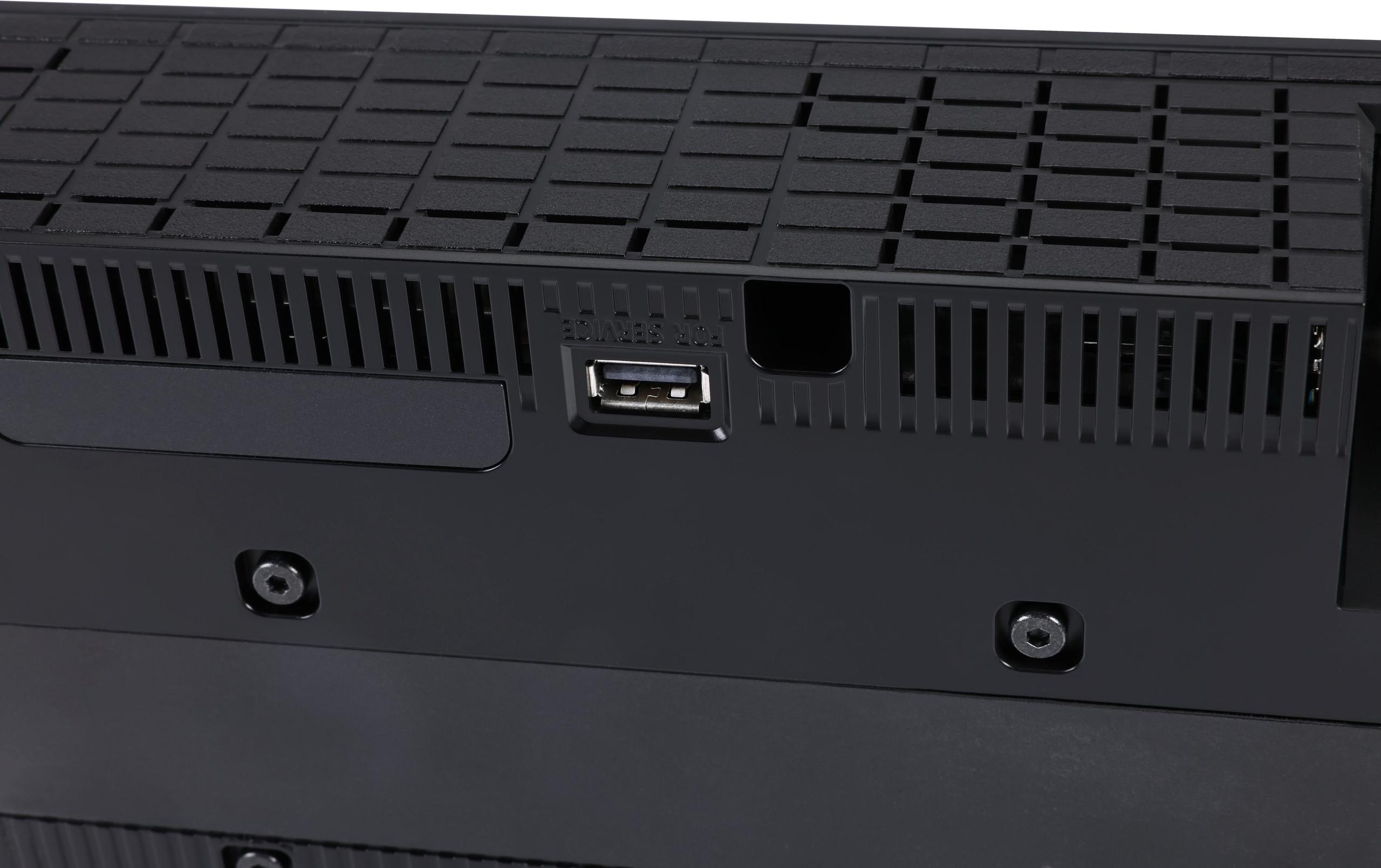


When your TV's built-in speakers sound like they're trapped in a tin can, a soundbar upgrade becomes essential. But choosing between the budget-friendly Samsung HW-C450 and the premium Sony HT-A8000 feels like comparing a reliable daily driver to a luxury sports car—both get you where you need to go, but the journey differs dramatically.
These two soundbars, released in 2023 and 2024 respectively, represent opposite ends of the soundbar spectrum. At the time of writing, you can pick up the Samsung HW-C450 for under $200, while the Sony HT-A8000 commands a premium price approaching $700. That substantial difference isn't just marketing—it reflects fundamentally different approaches to solving the "better TV audio" problem.
Before diving into specifics, let's establish what separates good soundbars from mediocre ones. The most critical factors include channel configuration (how many separate audio streams the system can handle), power distribution, spatial audio processing, and connectivity options that determine future compatibility.
Channel configuration might sound technical, but it's straightforward: more channels typically mean better sound separation and placement. A 2.1 system has two main channels (left and right) plus a subwoofer for bass. A 5.0.2 system adds a center channel, side channels, and height channels that fire upward to bounce sound off your ceiling, creating an overhead audio layer.
The difference becomes obvious when watching action movies. With a basic 2.1 setup, helicopter sounds come from "somewhere in front of you." With a proper multichannel system featuring height speakers, that helicopter moves convincingly overhead while dialogue stays anchored to the center of your screen.
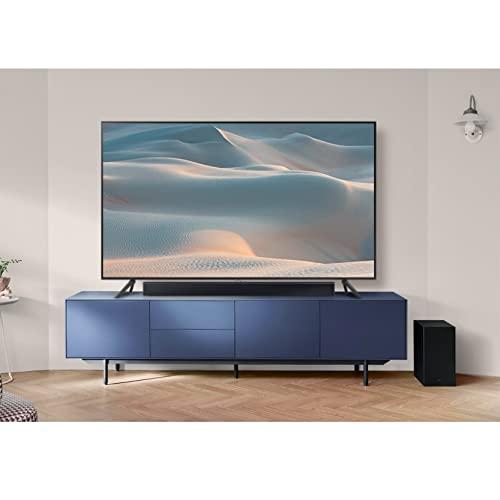
The Samsung HW-C450 follows the "maximum value" approach—deliver noticeable improvement over TV speakers without breaking budgets or requiring complex setup. Released in 2023, it targets first-time soundbar buyers who want better audio without diving deep into home theater complexity.
The Sony HT-A8000, launched in 2024, takes the opposite approach: engineer a premium experience that rivals traditional surround sound systems while maintaining the simplicity of a single bar. Sony designed this for users who take their entertainment seriously and want genuinely immersive audio.
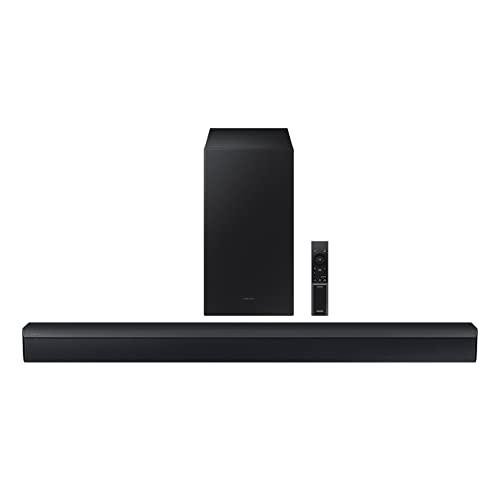
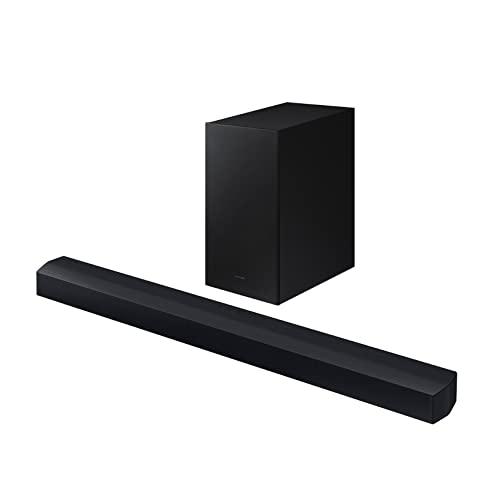
Here's where the differences become stark. The Samsung HW-C450 uses a 2.1-channel configuration with three total speakers—two in the main bar plus a wireless subwoofer. This creates what audio engineers call a "phantom center channel," where dialogue appears to come from your TV screen through clever processing of the left and right channels.
This approach works reasonably well for dialogue-heavy content like news or sitcoms, but struggles with complex soundtracks. When explosions, music, and dialogue compete for attention, the phantom center effect breaks down, and speech can get buried in the mix.
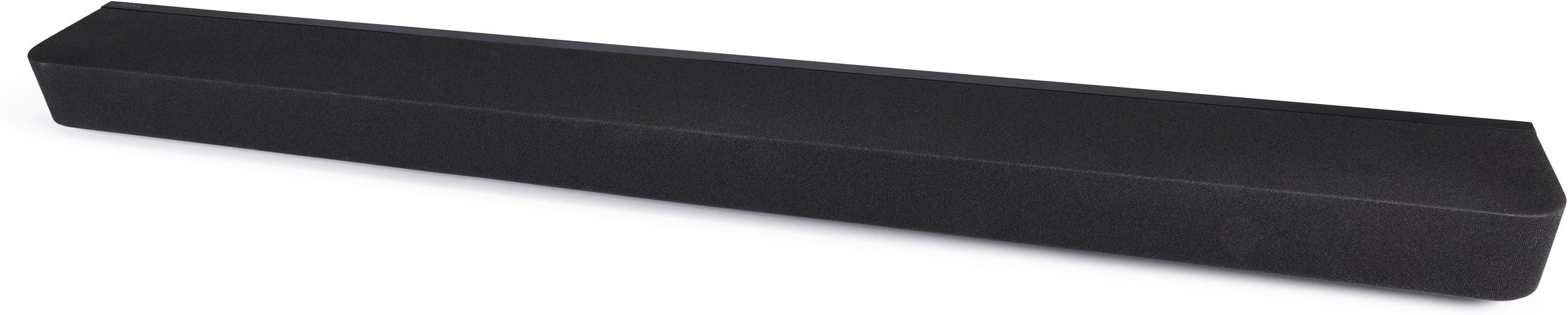
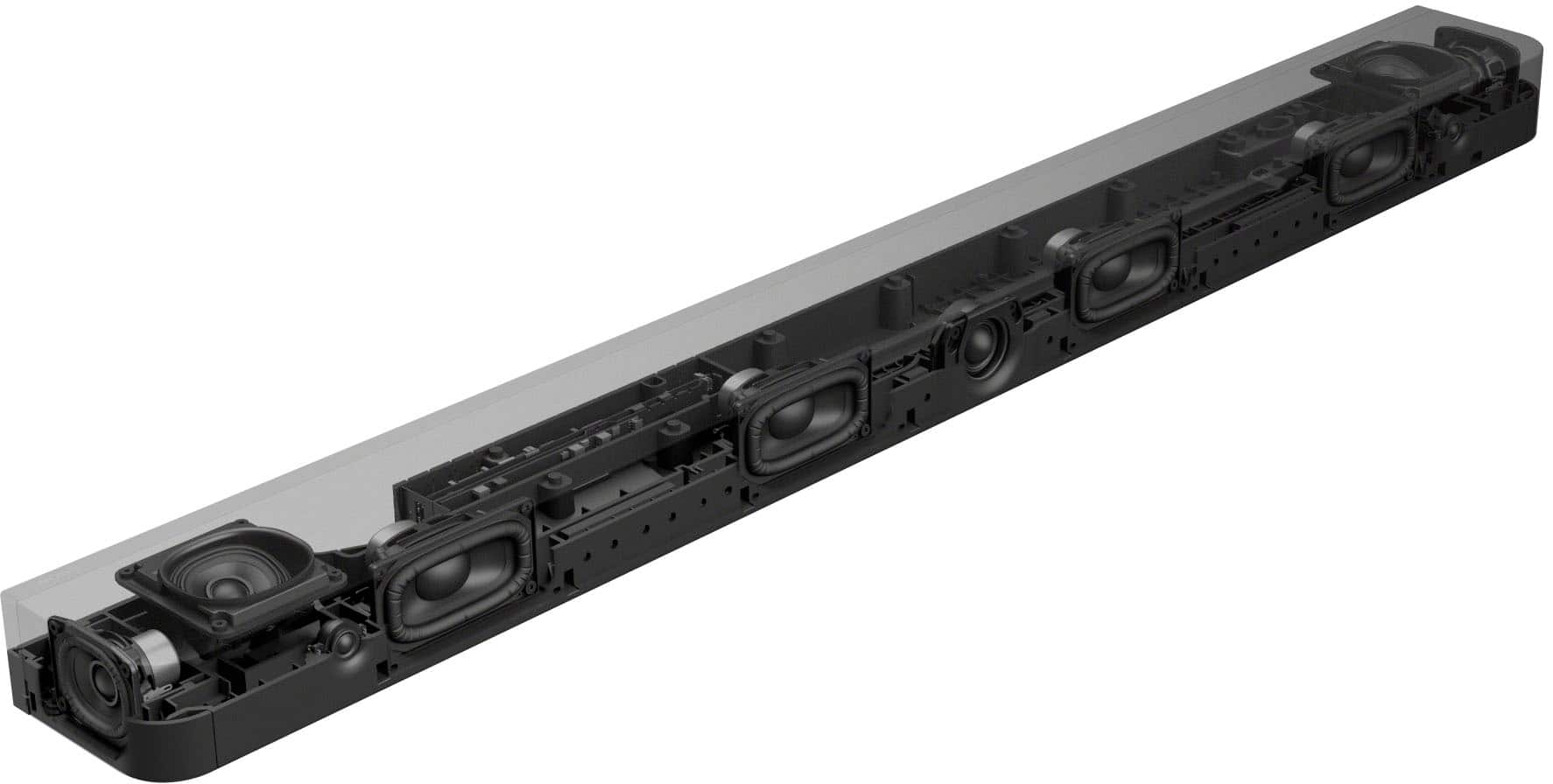
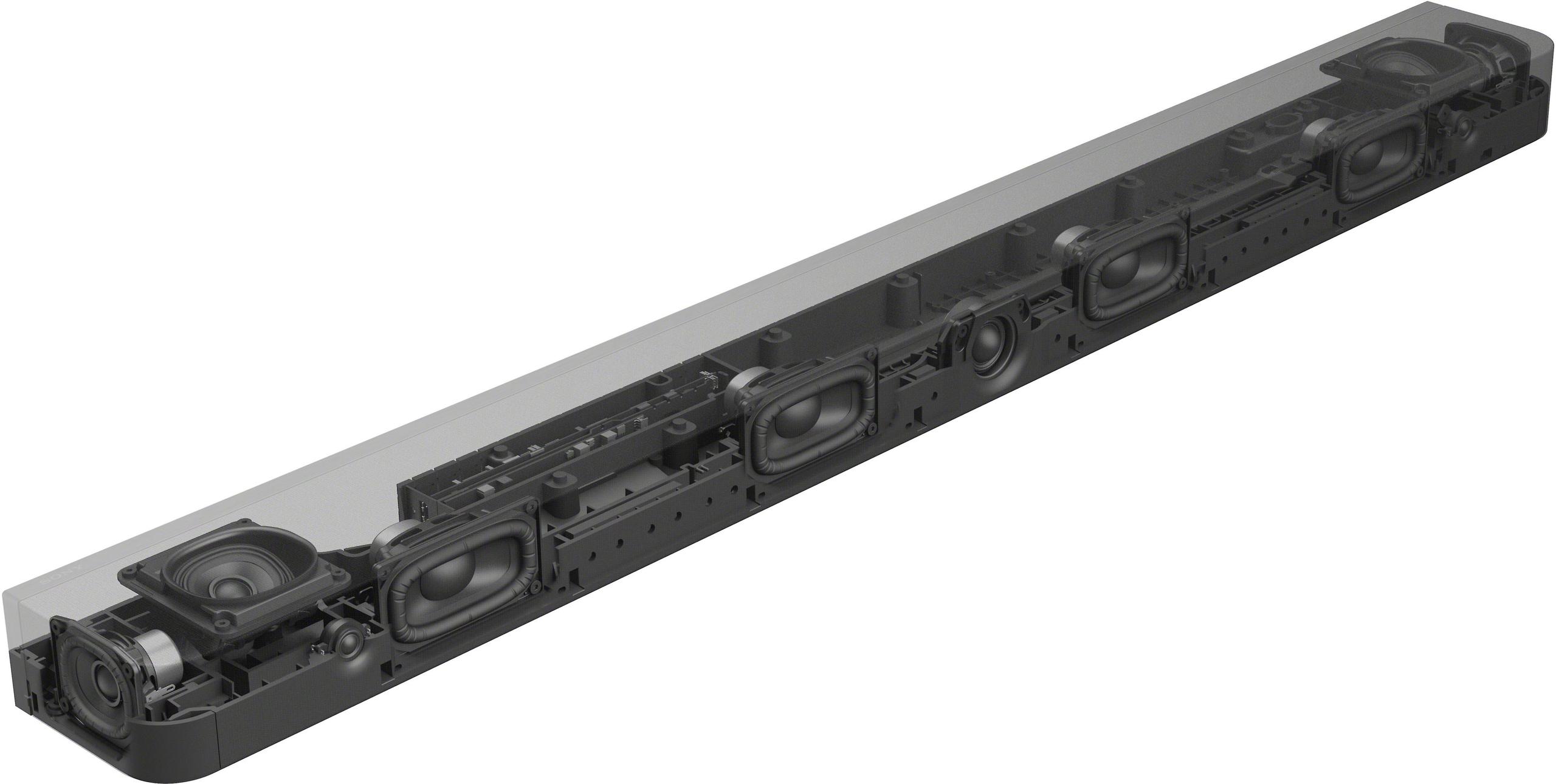
The Sony HT-A8000 employs an entirely different strategy with its 11-speaker array configured as a 5.0.2 system. Four dedicated woofers handle different frequency ranges, a large center tweeter anchors dialogue, smaller edge tweeters handle high frequencies, side-firing drivers create width, and up-firing speakers bounce sound off your ceiling for height effects.
This physical speaker separation matters enormously. Instead of processing tricks to simulate surround sound, you get actual discrete channels. When a car races across the screen, the audio literally moves from speaker to speaker rather than being artificially panned through processing.
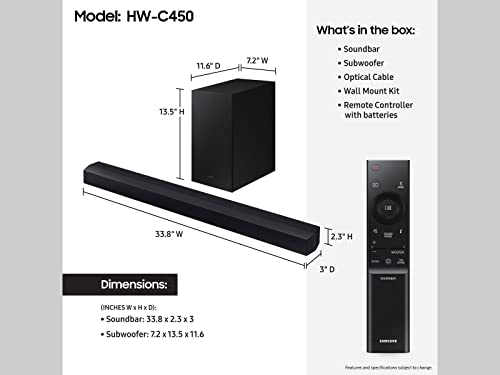
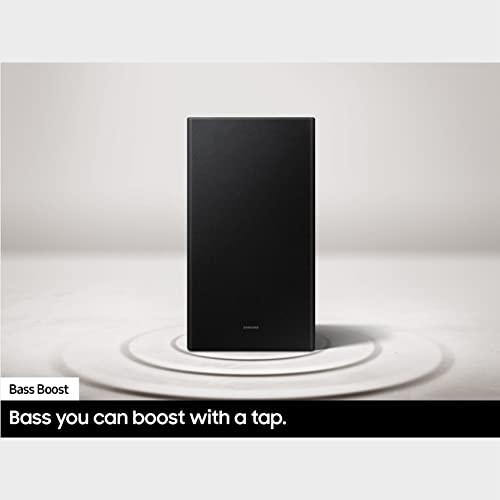
The Samsung HW-C450 delivers 300 watts total power, with its 6-inch wireless subwoofer handling 220 watts. Those numbers look impressive on paper, but real-world performance tells a different story. The bass tends toward the "boomy" side—noticeable but not particularly controlled or musical.
During quiet dialogue scenes, the subwoofer can overwhelm subtleties if positioned poorly. Action sequences get the bass punch they need, but complex music reveals the system's limitations. The single subwoofer design also means you're stuck with wherever bass sounds best in your room, which might not be the optimal spot visually.
The Sony HT-A8000 takes a more sophisticated approach with 495 watts distributed across its 11 channels. Multiple woofers working together create more controlled, articulate bass response. Instead of one subwoofer doing all the heavy lifting, the workload gets distributed, resulting in cleaner low-end reproduction that integrates better with midrange and treble frequencies.
This distributed approach pays dividends during complex content. Bass lines in music remain distinct from percussion, while movie soundtracks maintain separation between rumbling thunder and dialogue. The Sony HT-A8000 can also be expanded with optional wireless subwoofers if your room demands even deeper bass extension.
Both soundbars claim to deliver surround sound, but their methods differ drastically. The Samsung HW-C450 relies on DTS Virtual:X processing, which uses psychoacoustic tricks to simulate height and surround effects from its 2.1 speaker array. This processing analyzes audio signals and applies time delays, phase shifts, and frequency filtering to trick your brain into perceiving sound coming from locations where no speakers exist.
Virtual surround processing has improved significantly in recent years, and the Samsung HW-C450 does create a sense of width and occasional height that surpasses standard stereo. However, the effect remains clearly artificial, especially during content specifically mixed for surround systems. The illusion works best with certain types of content and breaks down with others.
The Sony HT-A8000 delivers authentic spatial audio through its 360 Spatial Sound Mapping technology combined with actual physical speakers firing in multiple directions. The up-firing drivers bounce sound off your ceiling to create genuine height channels, while side-firing speakers reflect wide-range audio off your walls.
This physical approach to surround sound creates remarkably convincing effects. Overhead aircraft in war movies genuinely sound like they're above you, rain effects envelope the listening area, and ambient sounds place you inside the movie scene rather than watching from outside it.
Clear dialogue ranks as the most crucial soundbar performance characteristic—if you can't understand what characters are saying, nothing else matters. Both systems address this challenge differently.
The Samsung HW-C450 includes Voice Enhance mode, which boosts midrange frequencies where human speech lives. This processing helps dialogue cut through background music and effects, and works reasonably well for most TV content. The phantom center channel approach means dialogue appears to come from your TV screen, maintaining the illusion that characters are speaking from where you see them.
However, during complex action sequences with layered soundtracks, the phantom center effect can break down. Speech might wander left or right, or get masked by competing sounds since everything emerges from the same two front speakers.
The Sony HT-A8000 features Voice Zoom 3, an AI-powered system that automatically identifies and enhances human speech in real-time. More importantly, its dedicated center channel ensures dialogue always comes from the exact center of your screen, regardless of what's happening elsewhere in the soundtrack.
This dedicated center channel makes an enormous difference during complex scenes. While explosions rumble through the subwoofer and atmospheric effects play through surround channels, dialogue remains locked to the center, clear and intelligible even at lower volumes.
Connectivity often gets overlooked until you need it, but it determines how well your soundbar integrates with existing equipment and adapts to future upgrades.
The Samsung HW-C450 keeps things simple with optical digital input, USB for music playback, and Bluetooth for wireless streaming. This covers basic needs—connect to your TV via optical cable and stream music from your phone. However, the lack of HDMI ARC (Audio Return Channel) means missing out on higher-quality audio formats and convenient single-remote control.
The optical connection limits the Samsung HW-C450 to compressed audio formats like standard Dolby Digital. If you're streaming movies with high-quality soundtracks or playing games with advanced audio processing, that limitation becomes noticeable.
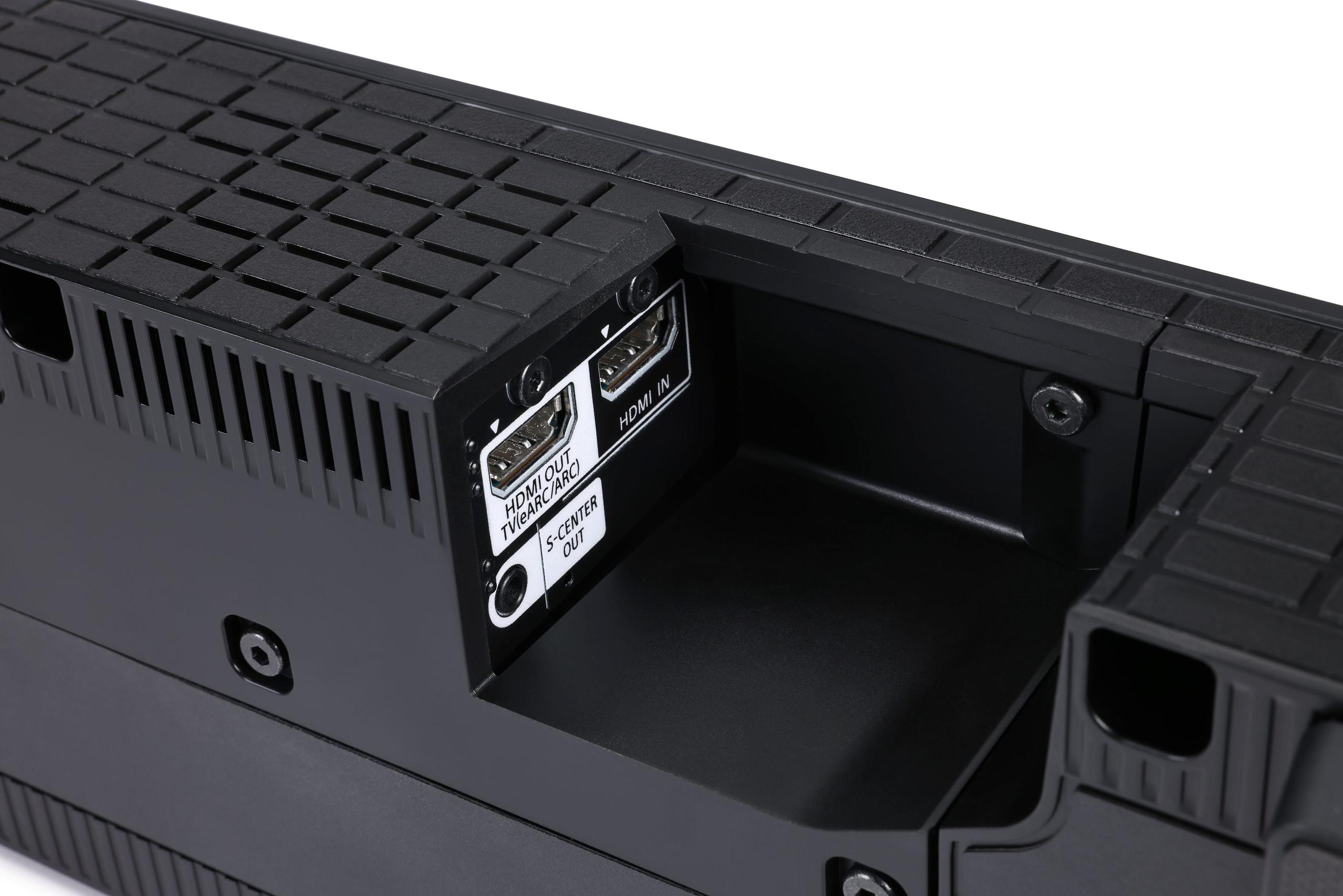
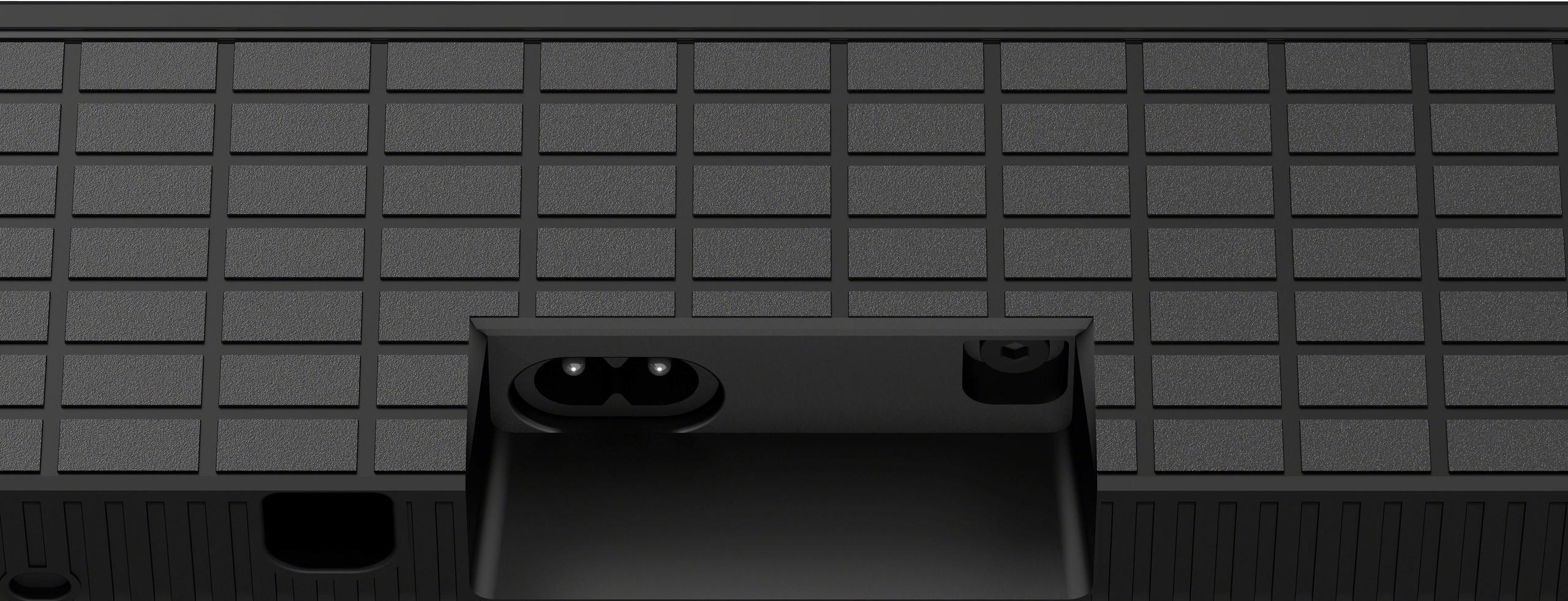
The Sony HT-A8000 provides comprehensive connectivity including HDMI 2.1 with eARC support, enabling full 4K120 and 8K video passthrough while handling advanced audio formats like Dolby Atmos and DTS:X. This future-proofs your setup for next-generation gaming consoles and streaming services offering premium audio formats.
Wi-Fi connectivity adds streaming capabilities including Spotify Connect and Apple AirPlay 2, while mobile app control provides detailed equalization and room correction settings. These features might seem unnecessary initially, but they extend the soundbar's usefulness beyond basic TV enhancement.
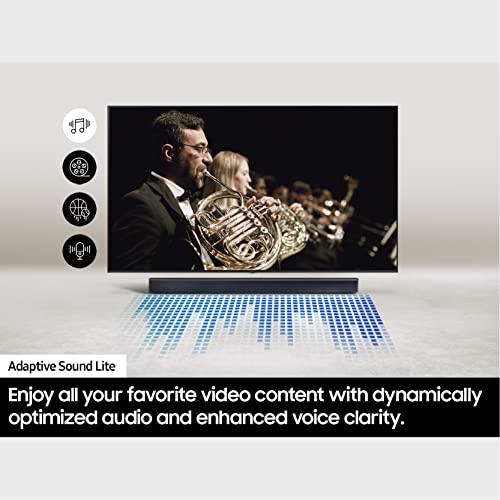
Modern soundbars increasingly function as smart audio hubs rather than simple TV speakers. The Samsung HW-C450 includes Adaptive Sound Lite, which automatically adjusts audio settings based on content type—boosting dialogue for news programs or enhancing effects for action movies. Game Mode optimizes audio for gaming with reduced latency and enhanced directional cues.
These features work reliably and add genuine value, especially for mixed-use scenarios where you're switching between different content types throughout the day. However, customization options remain limited, and there's no mobile app for detailed adjustments.
The Sony HT-A8000 offers comprehensive smart features including Sound Field Optimization, which uses built-in microphones to measure your room's acoustics and automatically adjusts audio processing for optimal performance. This room correction technology, typically found only in high-end AV receivers, ensures consistent sound quality regardless of room size or furniture placement.
The Samsung HW-C450 excels in scenarios where simplicity and value matter most. For apartment dwellers with space constraints, bedroom TV setups, or first-time soundbar buyers uncertain about long-term needs, it delivers meaningful improvement over TV speakers without complexity or significant investment.
Its compact design suits smaller TVs (55 inches and under) perfectly, while the included subwoofer provides noticeable bass impact for action movies and music. Game Mode makes it particularly appealing for casual gaming setups where basic audio enhancement suffices.
The Sony HT-A8000 transforms how you experience entertainment, particularly in dedicated home theater environments. Large living rooms with 65-inch or bigger displays benefit from its room-filling spatial audio, while premium streaming content showcases its advanced audio processing capabilities.
For users who regularly watch movies with complex soundtracks, listen to music through their TV setup, or want genuine surround sound without installing ceiling speakers, the Sony HT-A8000 justifies its premium pricing through demonstrably superior performance.
One often-overlooked consideration is upgrade potential. The Samsung HW-C450 represents a fixed 2.1 configuration with no expansion options. What you purchase is what you'll have long-term.
The Sony HT-A8000 forms the foundation of a modular system. Optional wireless rear speakers transform it into a true 5.1.2 setup, while additional subwoofers enhance bass performance for larger rooms. This expandability means starting with the soundbar alone and gradually building a complete surround system as budget allows.
Choose the Samsung HW-C450 when budget constraints make the decision for you, but you still want meaningful audio improvement. It's ideal for basic TV watching, smaller rooms, and situations where simplicity trumps performance. The gaming features and easy setup make it particularly suitable for younger users or anyone intimidated by complex audio equipment.
The Sony HT-A8000 makes sense when audio quality significantly impacts your entertainment enjoyment and budget allows for premium equipment. If you find yourself adjusting TV volume constantly, struggling to hear dialogue, or feeling disconnected from movie experiences, the performance difference justifies the investment.
At the time of writing, the price difference approaches 4:1, which sounds extreme until you consider the vast performance gap. The Sony HT-A8000 doesn't just sound better—it operates in a completely different league, delivering experiences the Samsung HW-C450 simply cannot match regardless of processing tricks or clever engineering.
For most users stepping up from TV speakers, either soundbar represents a significant improvement. The question becomes whether you're solving an immediate problem with adequate performance, or investing in equipment that transforms how you experience entertainment at home. Both approaches have merit—the key is matching your choice to your actual needs, room size, and long-term audio ambitions.
| Samsung HW-C450 | Sony HT-A8000 |
|---|---|
| Channel Configuration - Determines soundstage width and dialogue clarity | |
| 2.1 channels with phantom center (dialogue from left/right processing) | 5.0.2 channels with dedicated center and height speakers |
| Total Speaker Count - More speakers enable better sound separation | |
| 3 speakers (2 in bar + subwoofer) | 11 speakers across multiple driver types |
| Power Output - Affects maximum volume and dynamic range | |
| 300W total (80W bar + 220W subwoofer) | 495W distributed across 11 channels |
| Surround Sound Technology - Virtual vs authentic spatial audio | |
| DTS Virtual:X processing (simulated surround from 2.1 hardware) | 360 Spatial Sound Mapping with physical up-firing and side-firing drivers |
| Audio Format Support - Higher formats deliver better streaming quality | |
| Dolby Digital 2ch, basic audio codecs | Dolby Atmos, DTS:X, IMAX Enhanced, hi-res audio |
| HDMI Connectivity - Essential for modern TV integration and future compatibility | |
| No HDMI (optical input only) | HDMI 2.1 with eARC, 4K120/8K passthrough |
| Subwoofer Configuration - Affects bass quality and room placement flexibility | |
| Single 6" wireless subwoofer (can overwhelm quiet scenes) | Multiple integrated woofers, expandable with optional wireless subs |
| Smart Features - Convenience and customization options | |
| Basic TV integration, Game Mode, Adaptive Sound Lite | Room calibration, mobile app control, voice assistant support |
| Physical Size - Important for TV matching and room aesthetics | |
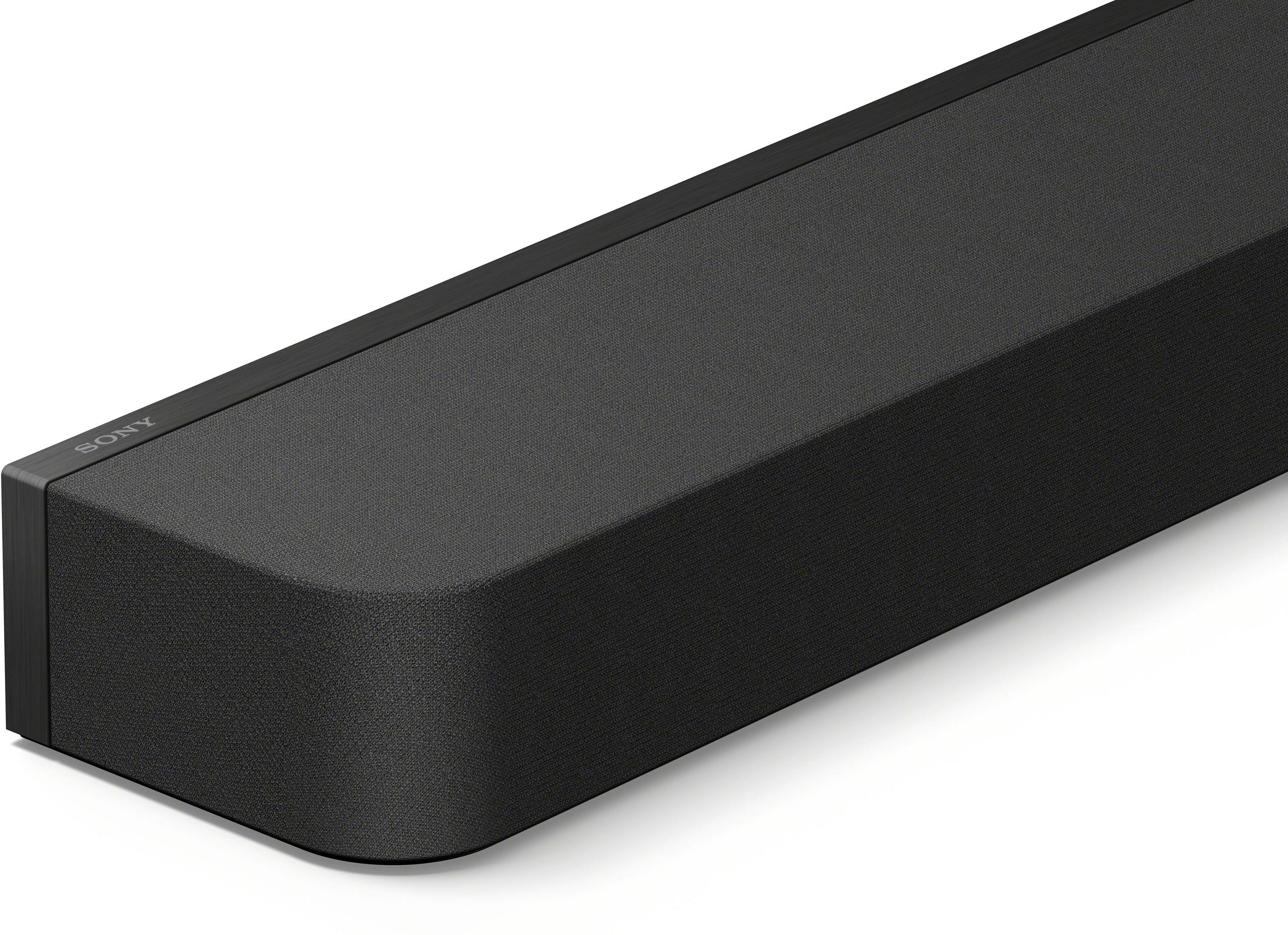
| Compact 859mm wide, lightweight design ideal for smaller TVs | Larger premium build accommodating 11-speaker architecture |
| Expandability - Future upgrade potential without replacing main unit | |
| Fixed 2.1 system, no expansion options | Modular design supports wireless rear speakers and additional subwoofers |
| Target Use Case - Best fit scenarios for each product | |
| Budget upgrade for basic TV watching and casual gaming | Premium home theater with immersive spatial audio |
The Samsung HW-C450 is ideal for small rooms and apartments. Its compact 2.1-channel design provides meaningful audio improvement without overwhelming smaller spaces. The wireless subwoofer can be tucked away easily, and the overall system delivers clear dialogue and adequate bass for rooms under 200 square feet.
The Samsung HW-C450 is a budget 2.1-channel system with virtual surround processing, while the Sony HT-A8000 is a premium 5.0.2-channel soundbar with 11 physical speakers and genuine Dolby Atmos support. The Sony provides authentic spatial audio with dedicated height channels, whereas the Samsung simulates surround effects through processing.
The Sony HT-A8000 offers superior dialogue clarity thanks to its dedicated center channel speaker and Voice Zoom 3 AI processing. The Samsung HW-C450 uses a phantom center effect that can struggle during complex scenes, though its Voice Enhance mode helps with basic TV content.
Yes, both the Samsung HW-C450 and Sony HT-A8000 work with any TV brand. The Samsung connects via optical cable, while the Sony offers both optical and HDMI connections. However, each soundbar provides enhanced integration features when paired with their respective brand's TVs.
Both soundbars offer gaming benefits, but serve different needs. The Samsung HW-C450 includes a dedicated Game Mode that enhances directional audio cues at a budget-friendly price point. The Sony HT-A8000 provides superior spatial positioning through its 11-speaker array, making it better for competitive gaming where precise audio location matters.
The Samsung HW-C450 is a fixed 2.1 system with no expansion options. The Sony HT-A8000 can be expanded with optional wireless rear speakers and additional subwoofers, allowing you to build a complete surround sound system over time.
The Sony HT-A8000 delivers superior bass performance through multiple integrated woofers that provide controlled, articulate low-end response. The Samsung HW-C450 includes a wireless subwoofer that adds noticeable bass impact but can sound boomy compared to the Sony's more refined approach.
The Samsung HW-C450 supports basic Dolby Digital and DTS Virtual:X processing with standard audio codecs. The Sony HT-A8000 supports advanced formats including Dolby Atmos, DTS:X, and IMAX Enhanced, plus high-resolution audio codecs for premium streaming content.
The Samsung HW-C450 offers simpler plug-and-play setup with just an optical cable connection and automatic subwoofer pairing. The Sony HT-A8000 requires more initial configuration but includes room calibration features and mobile app control for optimized performance.
Both soundbars support Bluetooth streaming from smartphones and tablets. The Sony HT-A8000 additionally offers Wi-Fi connectivity, Spotify Connect, and Apple AirPlay 2 for higher-quality wireless streaming options not available on the Samsung HW-C450.
The Samsung HW-C450 provides excellent value for budget-conscious buyers, delivering significant improvement over TV speakers at an entry-level price point. The Sony HT-A8000 offers premium value for those prioritizing audio quality, with performance that rivals traditional surround sound systems.
Choose the Samsung HW-C450 for basic home theater needs with smaller displays and limited budgets. Select the Sony HT-A8000 for serious home theater setups with large TVs where immersive spatial audio and premium sound quality are priorities. The Sony's authentic Dolby Atmos and room-filling capabilities make it the clear choice for dedicated entertainment spaces.
We've done our best to create useful and informative comparisons to help you decide what product to buy. Our research uses advanced automated methods to create this comparison and perfection is not possible - please contact us for corrections or questions. These are the sites we've researched in the creation of this article: e-catalog.com - alibaba.com - smart.dhgate.com - greentoe.com - requiremints.com - versus.com - bhphotovideo.com - rtings.com - soundmachine.com.mt - samsung.com - samsung.com - youtube.com - bhphotovideo.com - newegg.com - images.samsung.com - bestbuy.com - samsung.com - youtube.com - jsappliance.com - gadgetsleo.com - youtube.com - saraappliance.com - walmart.com - consumerreports.org - skybygramophone.com - target.com - rtings.com - bestbuy.com - rubbermonkey.co.nz - shopatsc.com - audioadvice.com - sony.com - sony.com - sony.com - shop.cosmopolitan.com - store.sony.com.my - videoandaudiocenter.com

Privacy Policy
Terms and Conditions - Affiliate Policy
Home Security
© Copyright 2008-2026.
11816 Inwood Rd #1211, Dallas, TX 75244