


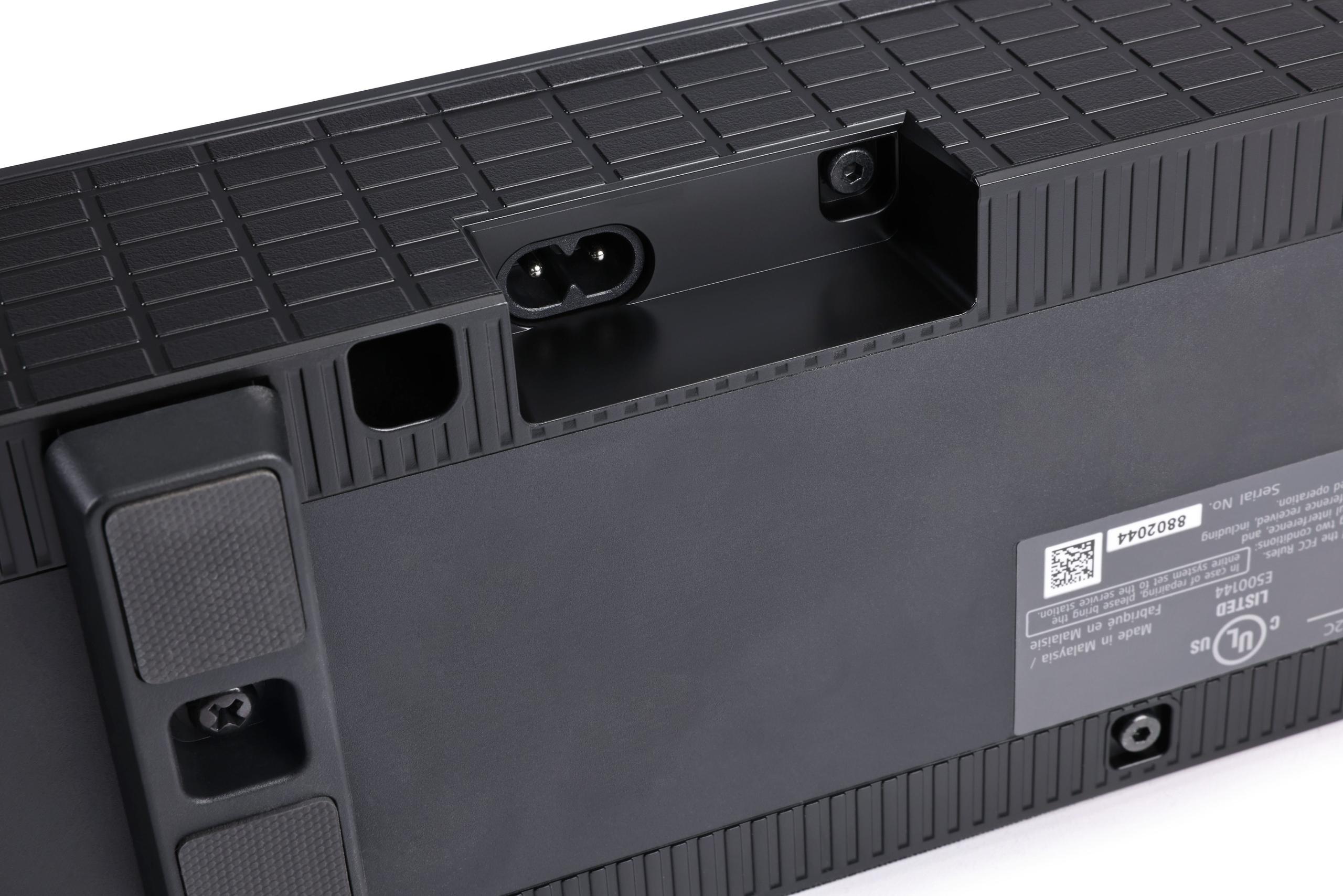
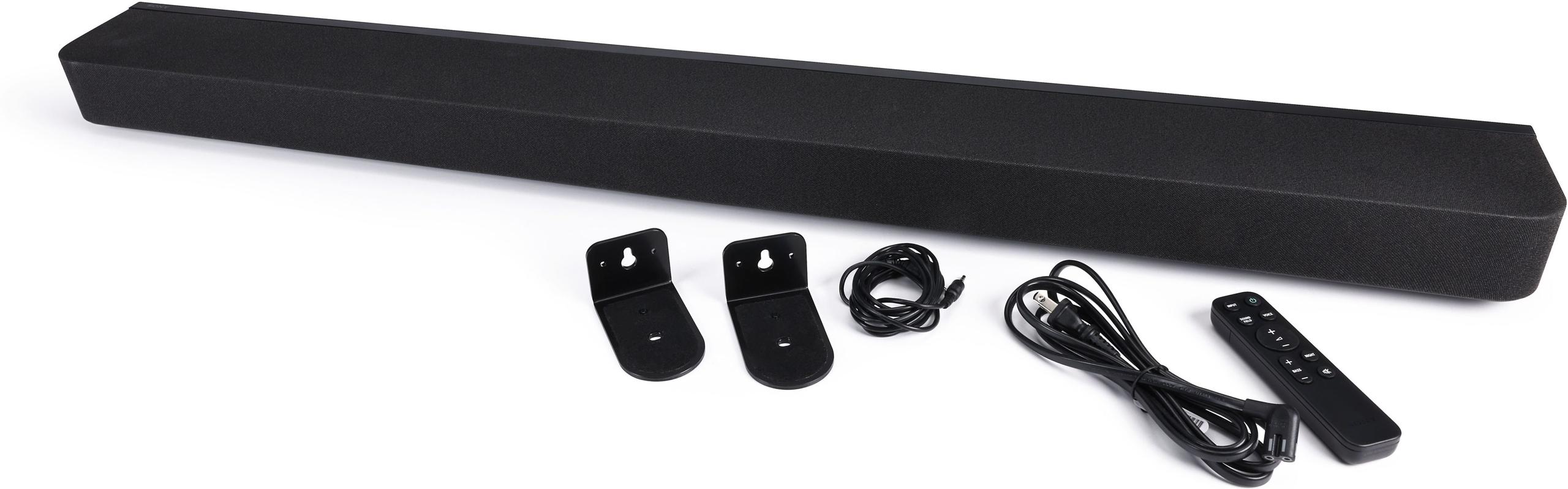
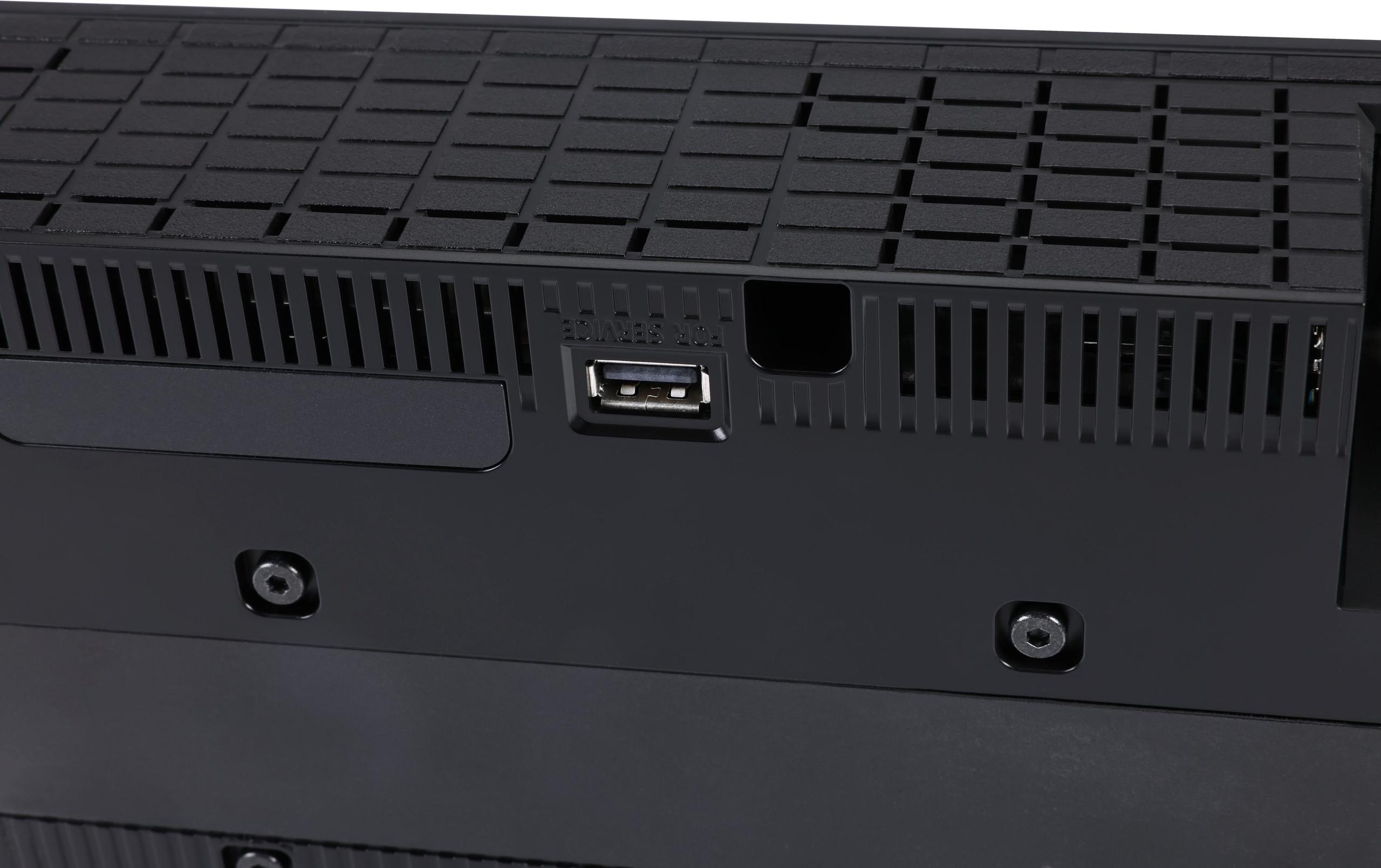


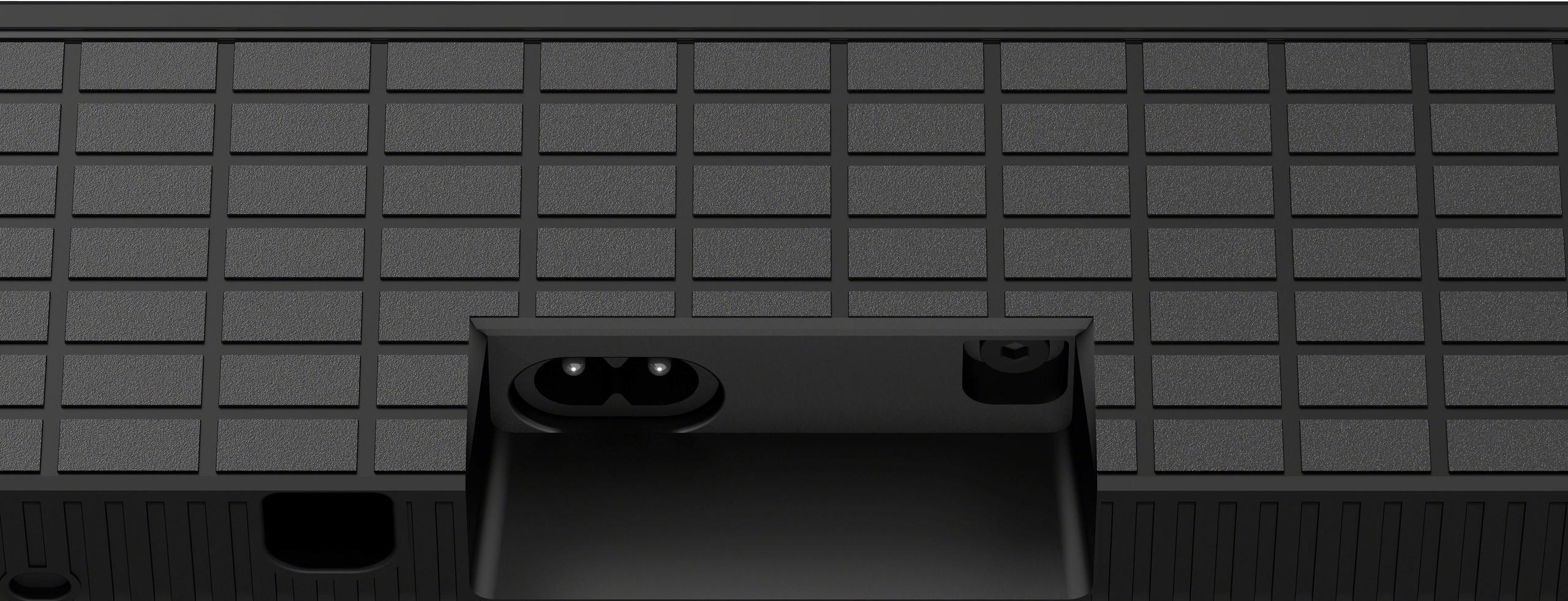
When your TV's built-in speakers sound like they're trapped in a tin can, upgrading to a soundbar becomes a game-changer. But choosing between premium and budget options can feel overwhelming, especially when both promise to transform your living room into a home theater. Today we're comparing two very different approaches to better TV audio: the premium Sony HT-A8000 released in 2021 and the budget-friendly Yamaha SR-B40A from 2024.
Before diving into our comparison, let's establish what separates good soundbars from great ones. The most crucial factors include channel configuration (how many separate audio channels the soundbar can produce), immersive audio support like Dolby Atmos (technology that creates overhead sound effects), connectivity options, and how well the system adapts to your room's acoustics.
Channel configuration tells you how many distinct audio streams a soundbar handles. A 2.1 system has left and right channels plus a subwoofer (.1 represents the bass channel). More complex systems like 5.0.2 add center dialogue, surround effects, and height channels that bounce sound off your ceiling. Think of it like having more musicians in an orchestra—each adds their own part to create a richer performance.
The Sony HT-A8000 targets serious home theater enthusiasts willing to invest in premium audio technology, while the Yamaha SR-B40A aims to deliver excellent value for budget-conscious buyers who still want meaningful audio improvements. At the time of writing, expect to pay roughly 75% more for the Sony, making this comparison particularly interesting for understanding what that extra cost delivers.
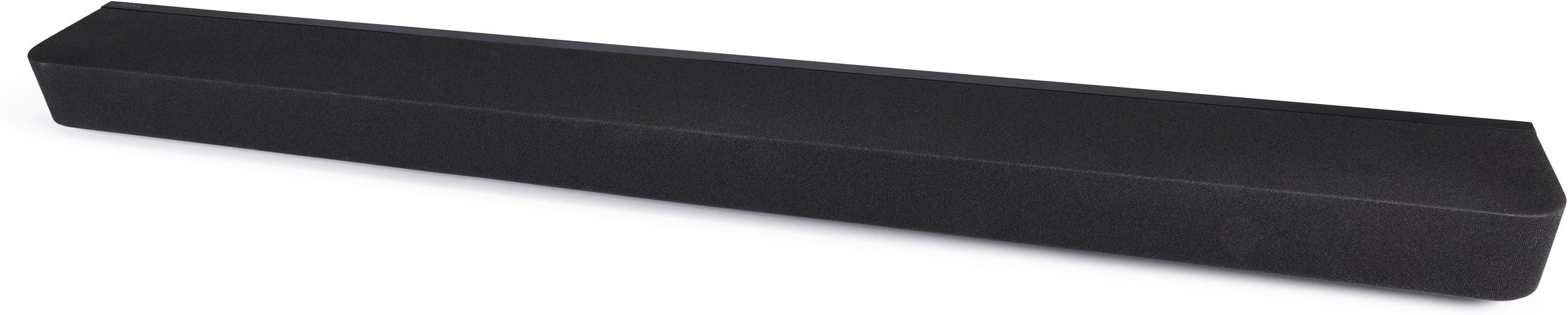
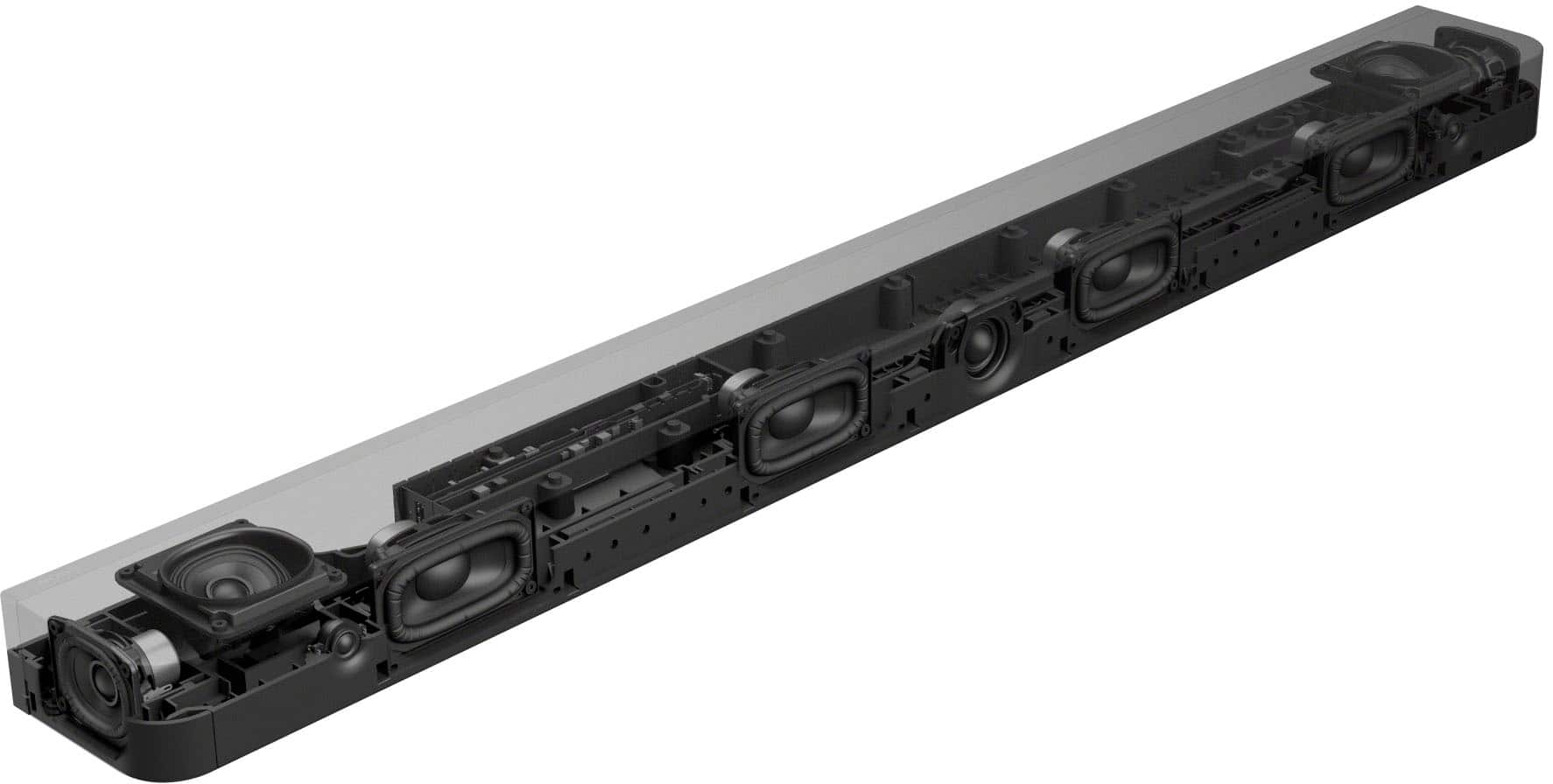
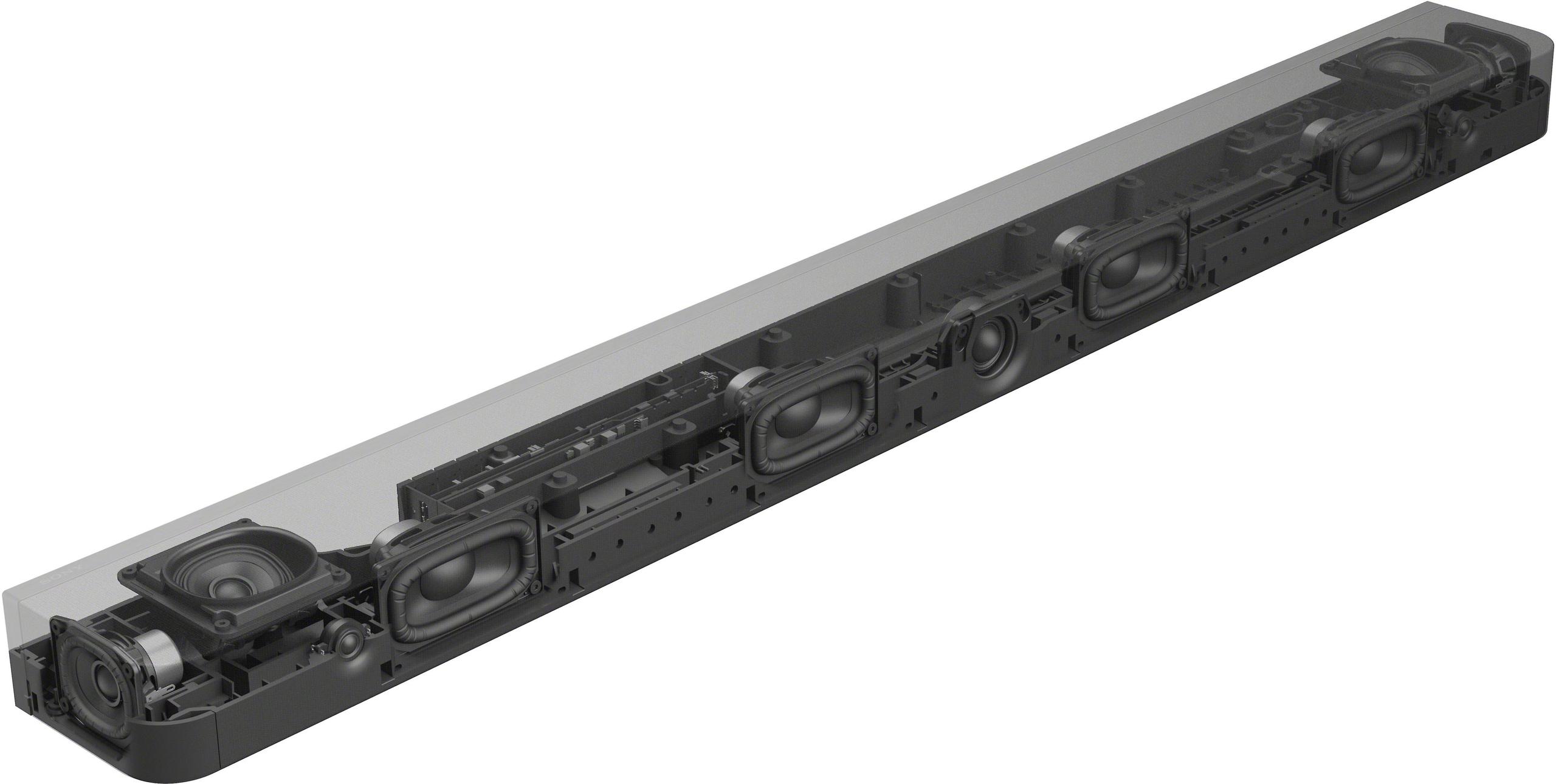
The Sony HT-A8000 represents Sony's flagship soundbar thinking circa 2021, when the company focused heavily on spatial audio and TV integration. This 11-speaker beast uses what Sony calls "360 Spatial Sound Mapping"—essentially creating virtual speakers around your room by carefully controlling how sound reflects off walls and ceilings. It's like having invisible speakers positioned throughout your space.
The soundbar's 5.0.2 configuration includes dedicated up-firing drivers (speakers that point toward your ceiling) to create true overhead effects. When a helicopter flies across the screen, you'll hear it move above your head, not just left to right. This isn't just marketing fluff—the physical speakers pointing upward make a real difference compared to software simulation.
What sets the Sony HT-A8000 apart is its expandability. You can start with just the soundbar and later add wireless rear speakers and subwoofers to create a full 7.1.4 surround system. This modular approach lets you build your system over time as budget allows.
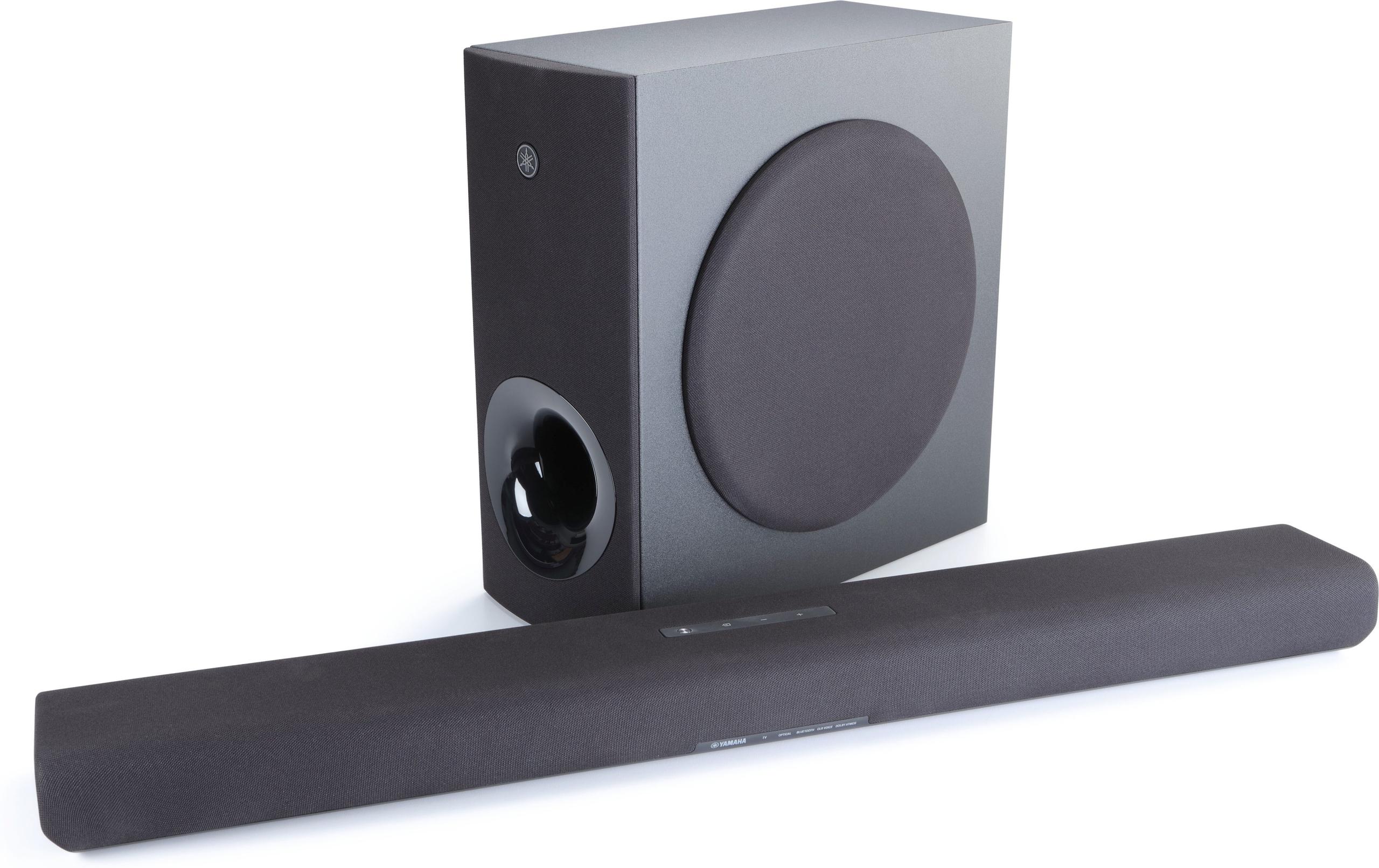
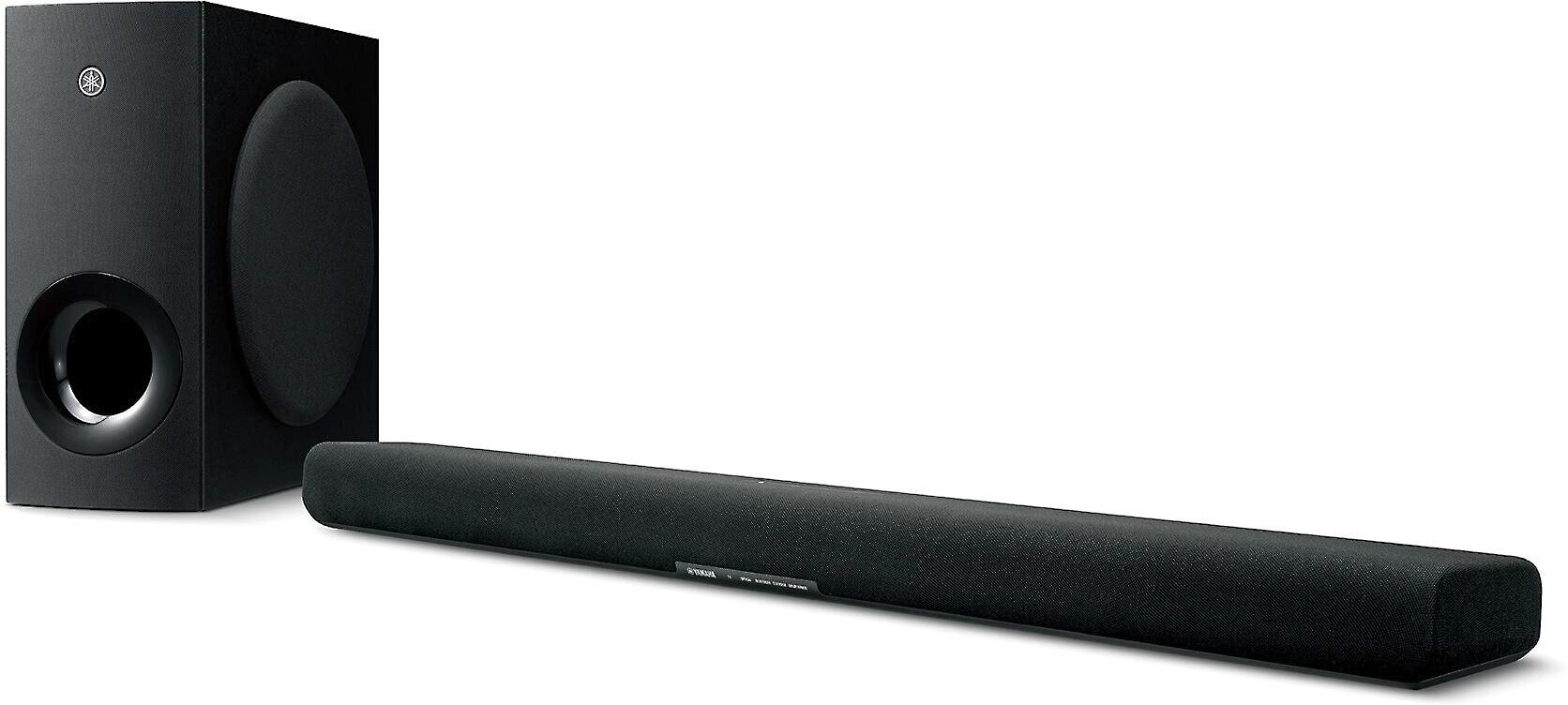
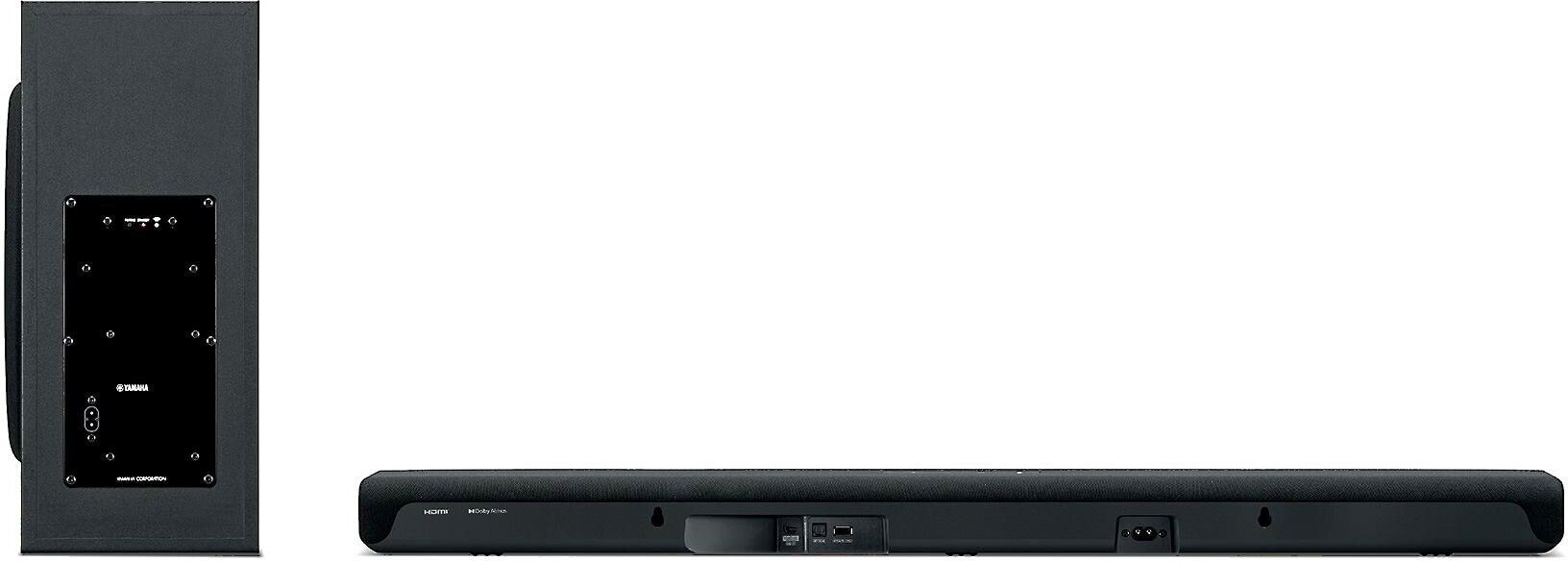
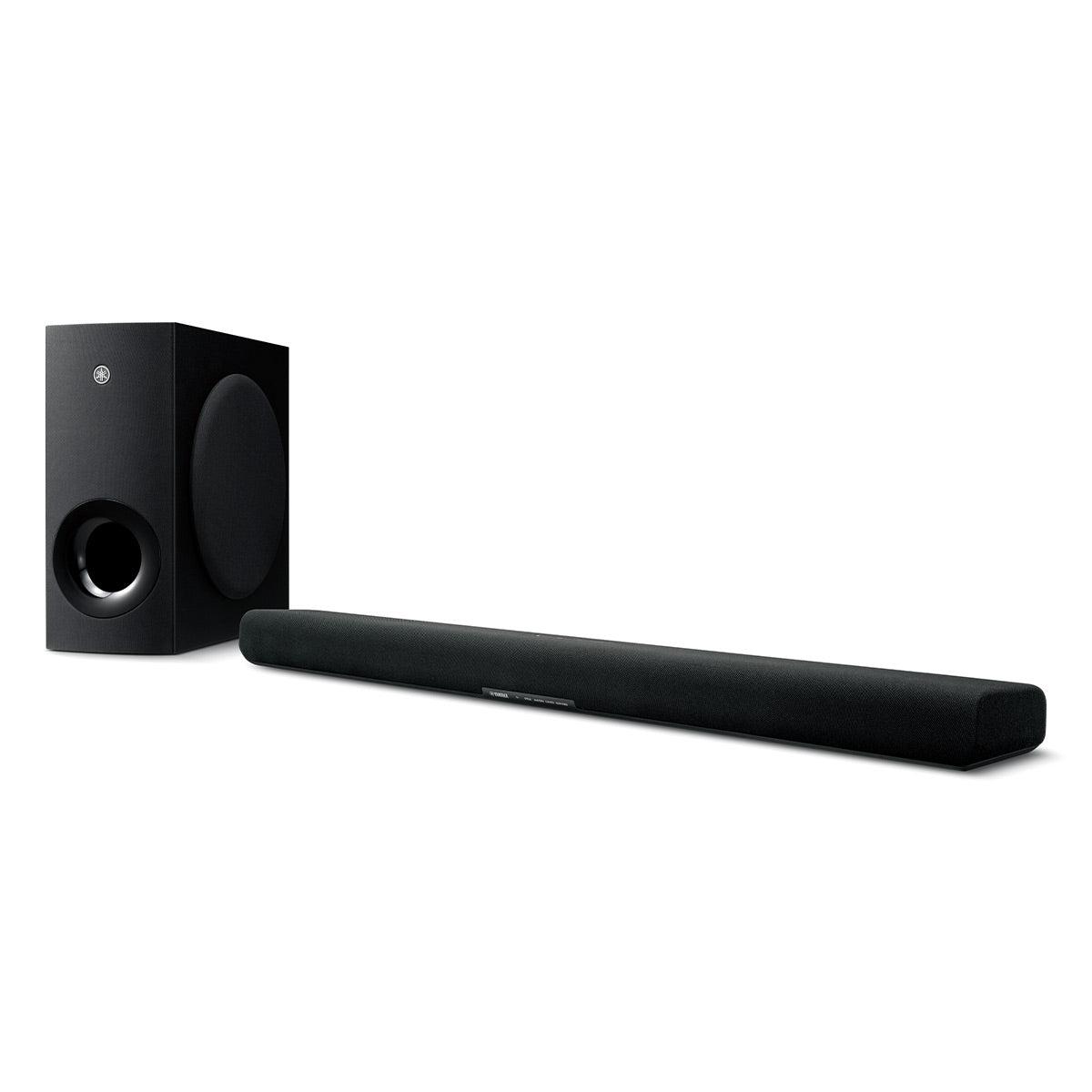
The Yamaha SR-B40A, released in 2024, takes a fundamentally different approach. Rather than cramming advanced features into every corner, Yamaha focused on doing the basics exceptionally well at an accessible price point. This 2.1 system includes the main soundbar plus a wireless subwoofer—a complete package from day one.
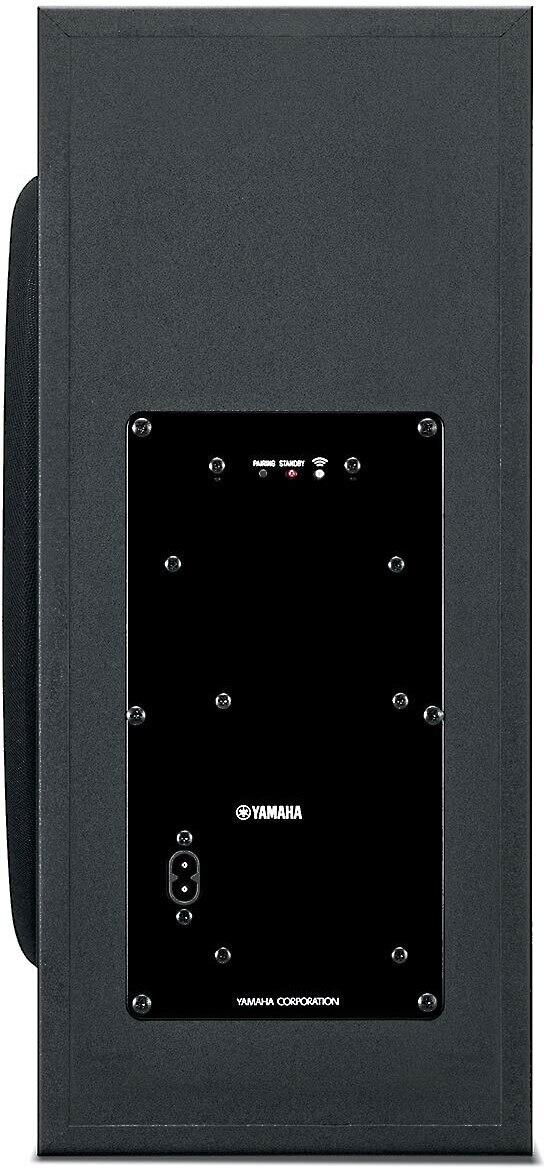
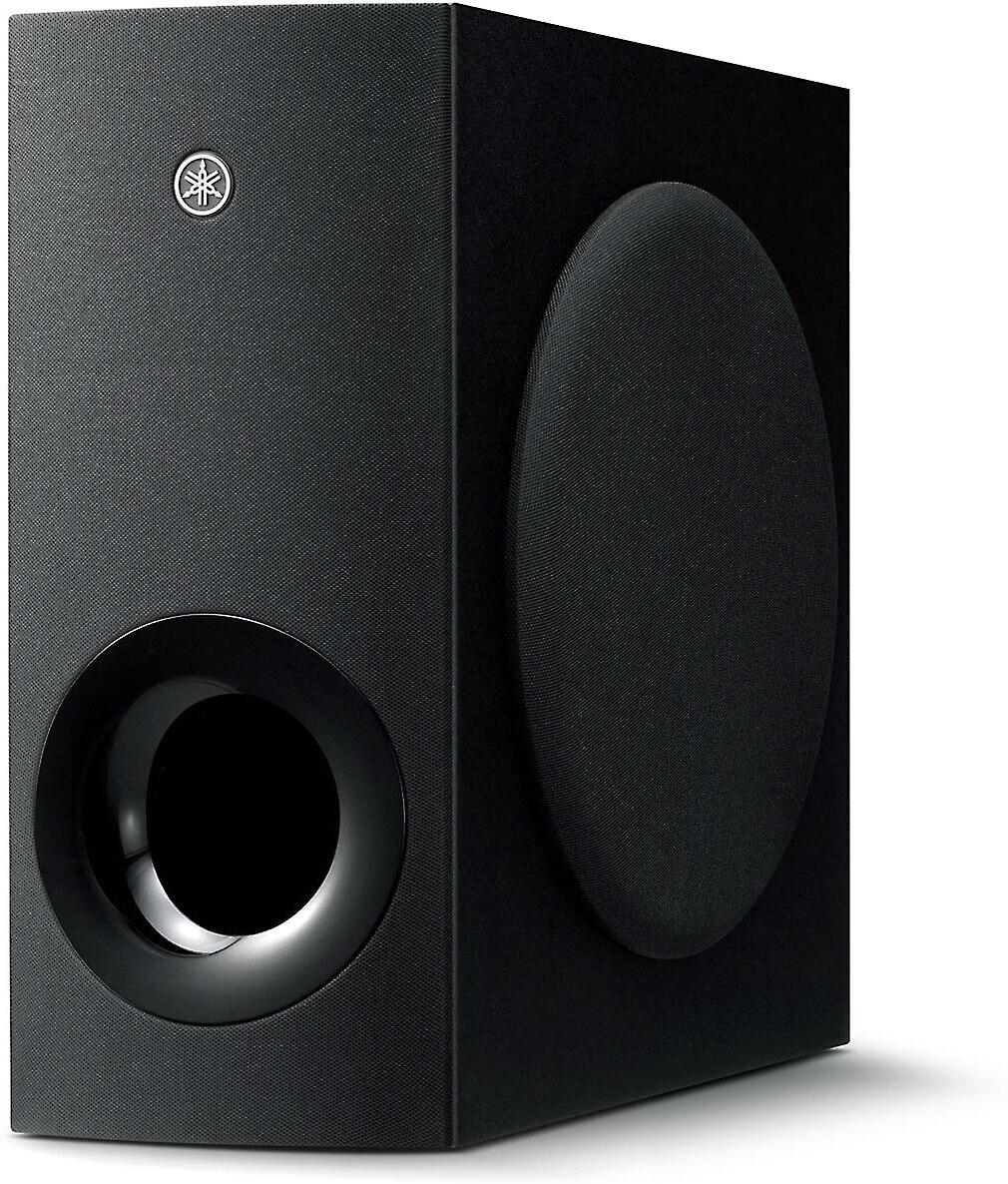
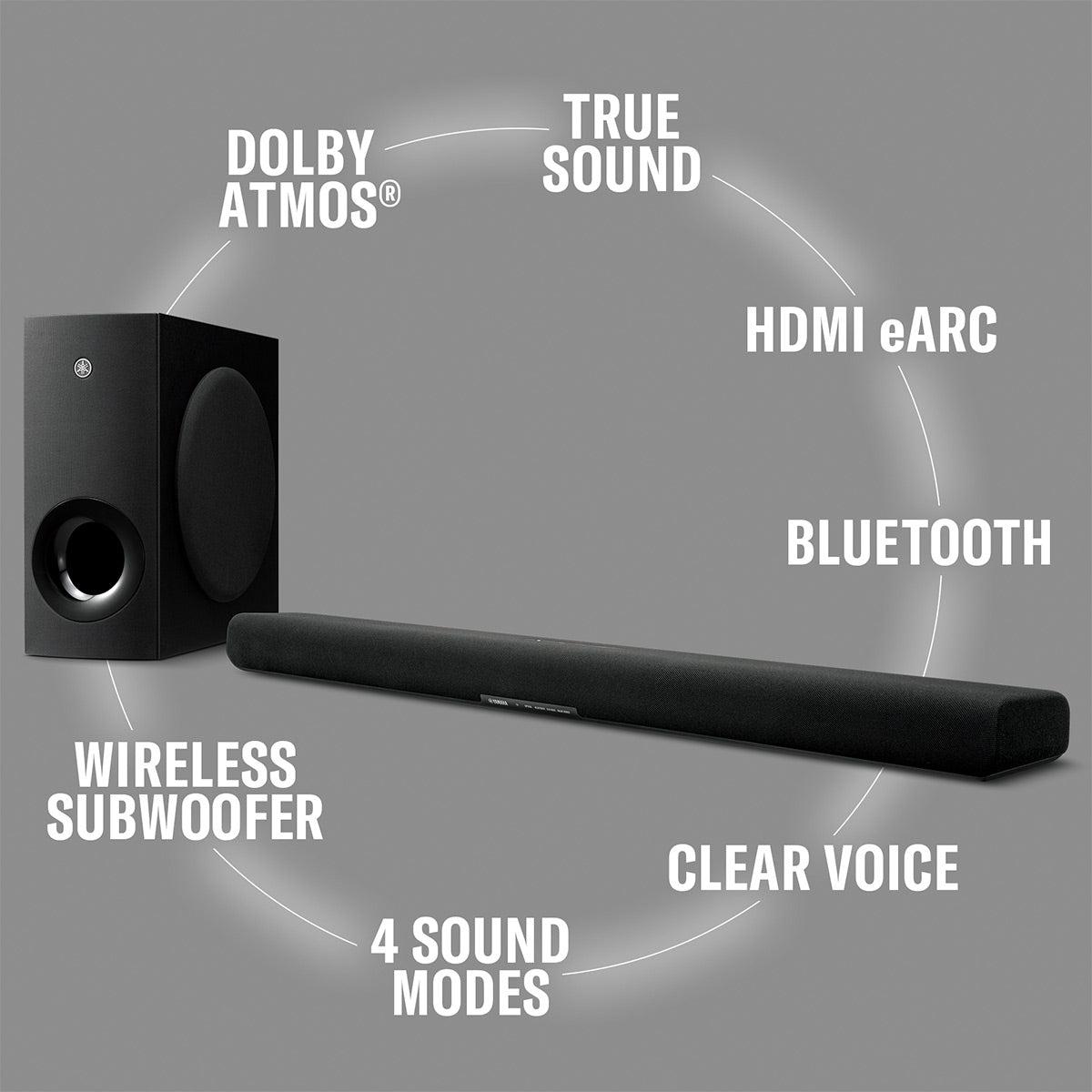
Yamaha's "True Sound" engineering philosophy emphasizes natural, balanced audio reproduction. Where Sony creates expansive soundstages, Yamaha prioritizes accurate music reproduction and clear dialogue. The included 6.5-inch wireless subwoofer is notably large for this price category, delivering deeper bass than many competitors manage.
The Yamaha SR-B40A supports Dolby Atmos, but here's the catch—it doesn't truly decode Dolby Atmos like the Sony does. Instead, it uses software processing to simulate overhead effects from its forward-firing drivers. This works reasonably well but can't match the precision of dedicated up-firing speakers.
Based on user reviews and expert evaluations, the Sony HT-A8000 delivers superior overall audio performance, but the gap isn't as wide as the price difference might suggest. Sony's 11 dedicated speaker units create an impressively wide soundstage that fills larger rooms effectively. The built-in quad woofers provide solid bass performance even without adding the optional subwoofer.
The Yamaha SR-B40A punches well above its weight class, particularly in bass response. That 6.5-inch wireless subwoofer produces surprisingly deep, controlled low-end that rivals much more expensive systems. For music listening, many users report preferring Yamaha's more natural sound signature over Sony's sometimes overly processed presentation.
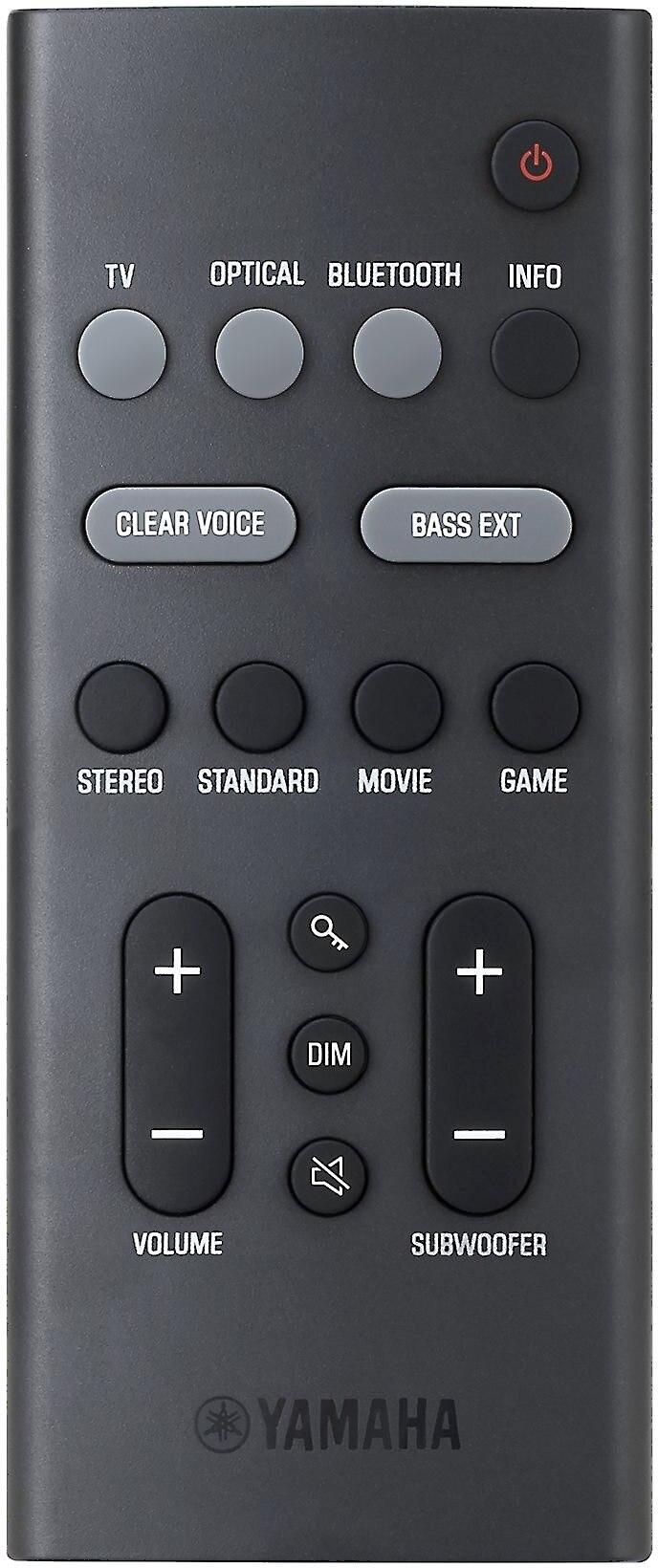
Dialogue clarity represents a crucial battleground where both systems excel but through different methods. Sony's Voice Zoom 3 uses AI processing to identify and enhance human voices, automatically adjusting levels when dialogue gets buried under sound effects. Yamaha's Clear Voice technology takes a more traditional approach, using EQ adjustments to emphasize vocal frequencies. Both work well, though Sony's solution feels more sophisticated in practice.
This category showcases the biggest performance gap between our contenders. The Sony HT-A8000 includes actual up-firing speakers that bounce sound off your ceiling to create overhead effects. When watching Dolby Atmos content, helicopters genuinely sound like they're flying above you, rain seems to fall from overhead, and atmospheric sounds surround you naturally.
The Yamaha SR-B40A attempts similar effects through software processing, but the results feel more like enhanced stereo than true surround sound. It's still more immersive than basic TV speakers, but don't expect the jaw-dropping "how are they doing that?" moments you get with true Dolby Atmos systems.
For movie enthusiasts who prioritize that cinematic experience, Sony's approach justifies its premium pricing. However, casual viewers who primarily watch TV shows and news might not notice enough difference to warrant the extra cost.
Interestingly, the Yamaha SR-B40A often outperforms the standalone Sony soundbar in pure bass output. Yamaha's included 6.5-inch subwoofer generates more low-end impact than Sony's built-in woofers. However, Sony offers optional wireless subwoofers (SA-SW3 and SA-SW5) that completely change this equation, providing deeper and more controlled bass than Yamaha's fixed configuration allows.
This highlights a key philosophical difference: Yamaha delivers a complete, balanced system out of the box, while Sony provides a premium foundation you can build upon. Neither approach is inherently better—it depends on your priorities and willingness to expand your system over time.
The Sony HT-A8000 excels in larger spaces thanks to its 360 Spatial Sound Mapping technology and multiple side-firing drivers. These speakers reflect sound off walls to create a wider listening area where more people can enjoy optimal audio. Sony's Sound Field Optimization even auto-calibrates the system based on your room's acoustics, ensuring consistent performance regardless of furniture placement or room shape.
The Yamaha SR-B40A works best in smaller to medium-sized rooms where its focused approach can shine. The wireless subwoofer placement flexibility helps optimize bass response, but the soundbar itself projects a more traditional stereo image that doesn't fill spaces as expansively as Sony's multi-driver array.
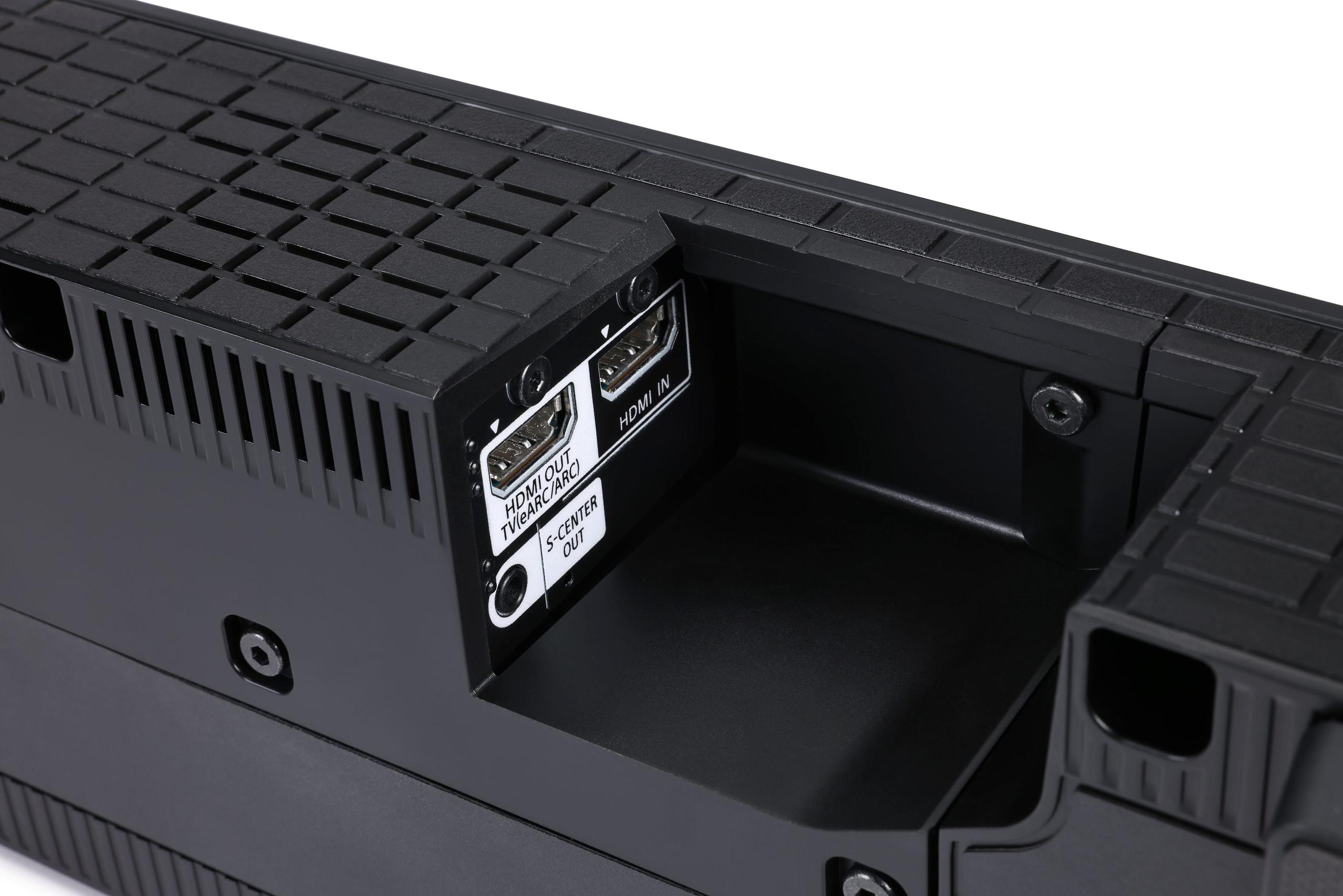
The Sony HT-A8000 wins decisively in the connectivity battle. Its HDMI 2.1 support handles 8K video signals and advanced gaming features like Variable Refresh Rate (VRR) and Auto Low Latency Mode (ALLM)—crucial for next-generation gaming consoles. Wi-Fi connectivity enables Spotify Connect and Apple AirPlay 2 streaming, while Bluetooth 5.2 provides stable wireless connections.
Sony's integration with BRAVIA TVs deserves special mention. The Acoustic Center Sync feature can use your Sony TV's speakers as an additional center channel, creating more precise dialogue placement. This level of ecosystem integration adds real value for Sony TV owners.
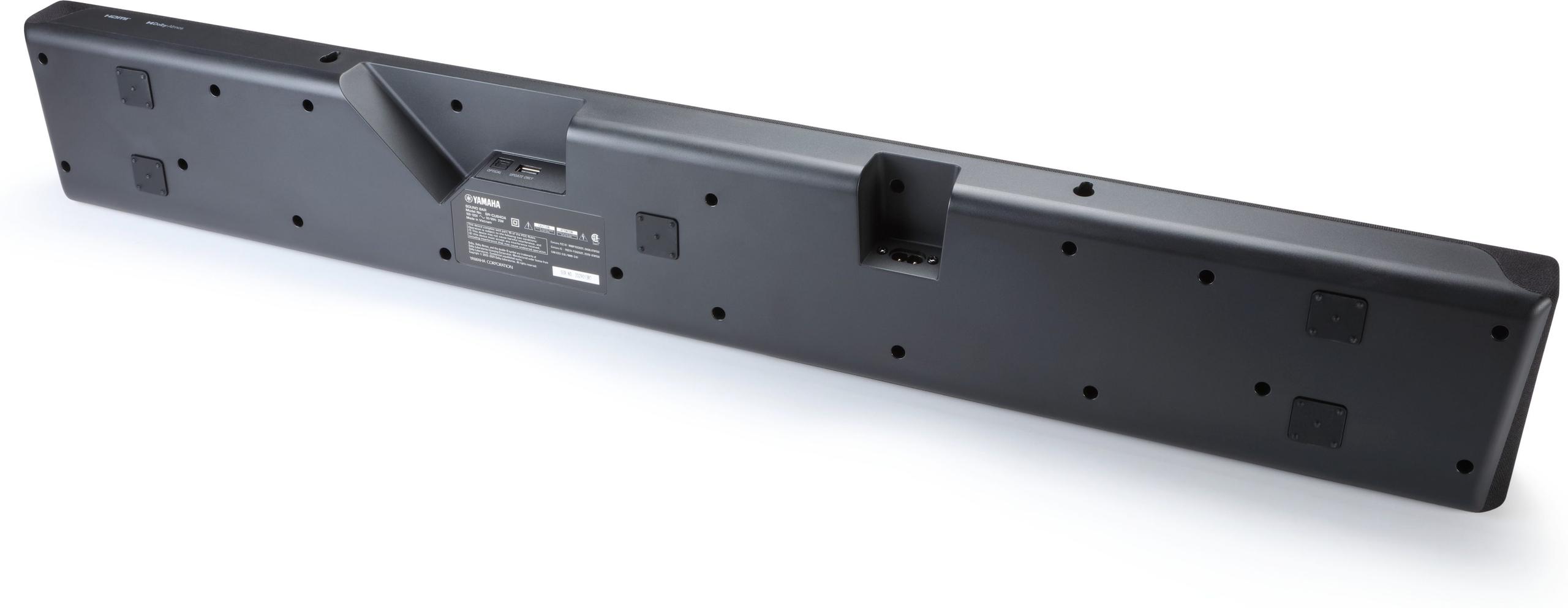
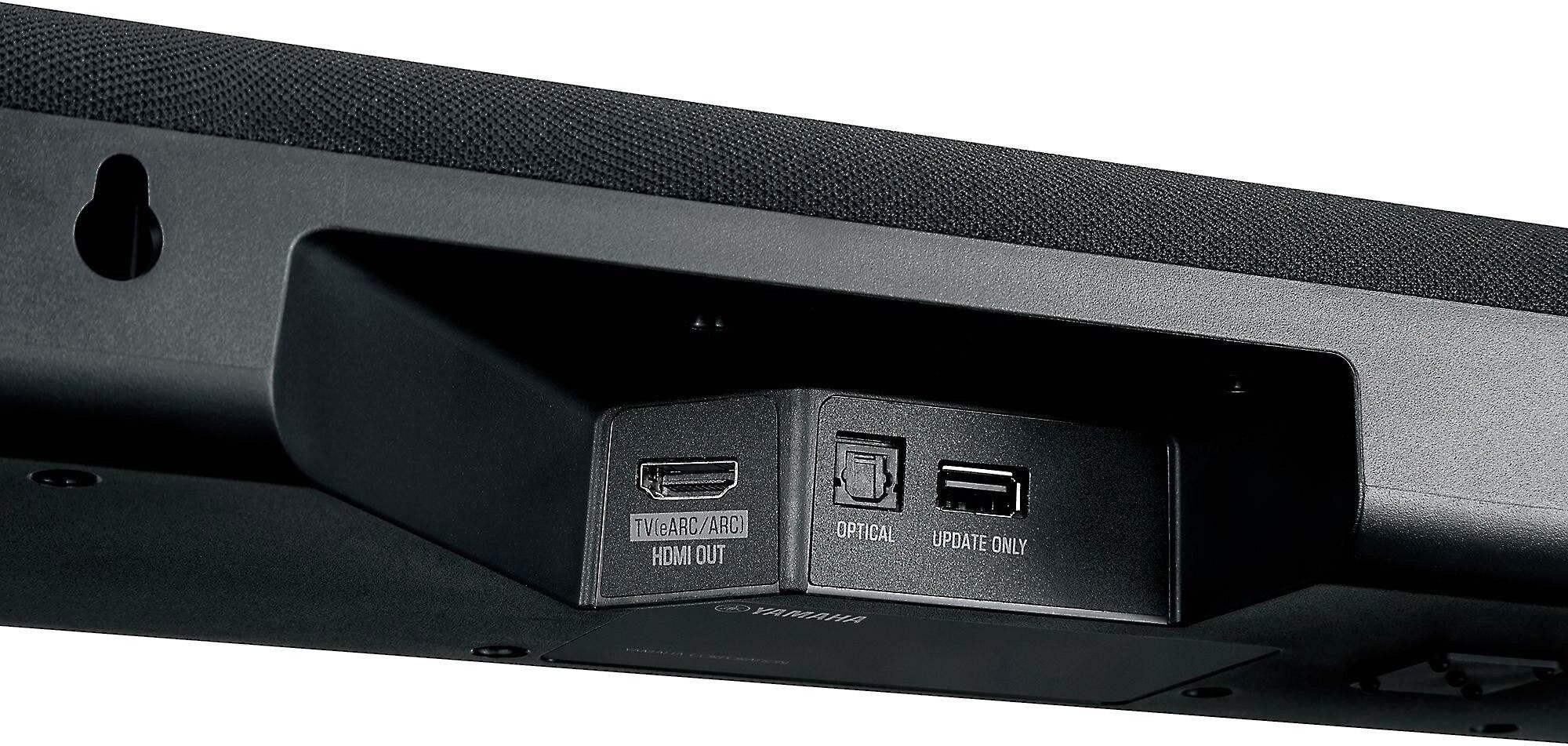
The Yamaha SR-B40A covers the essentials with HDMI eARC, optical input, and Bluetooth 5.1, but lacks Wi-Fi connectivity entirely. This means no direct music streaming from services like Spotify—you'll need to use Bluetooth from your phone or other devices. The included Sound Bar Remote app provides convenient control, but overall connectivity feels limited compared to modern expectations.
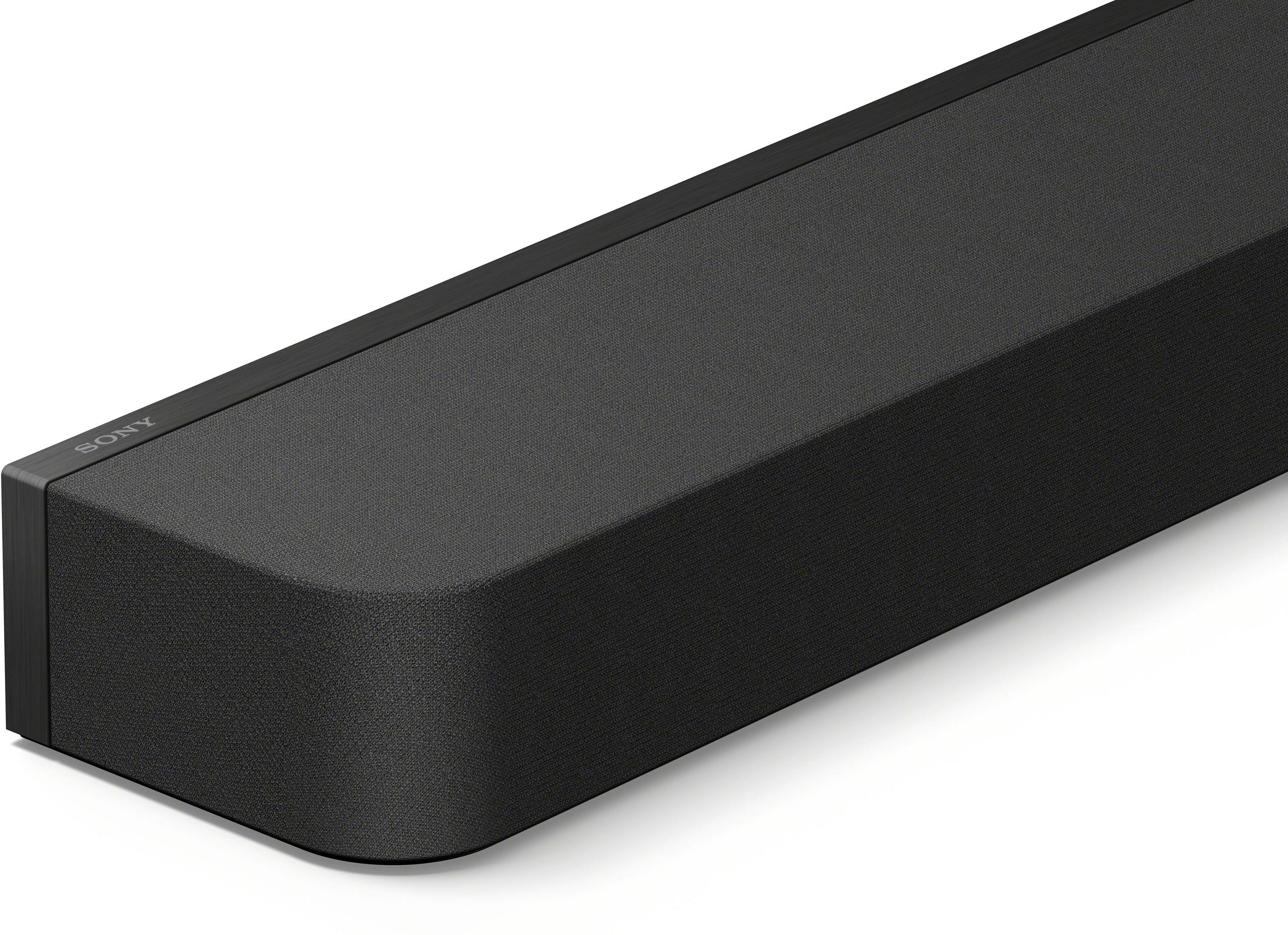
Both soundbars demonstrate solid construction appropriate to their price points. The Sony HT-A8000 feels premium with its substantial weight and sleek design that complements modern TVs well. At 43⅜ inches wide, it pairs nicely with larger TVs but might overwhelm smaller screens.
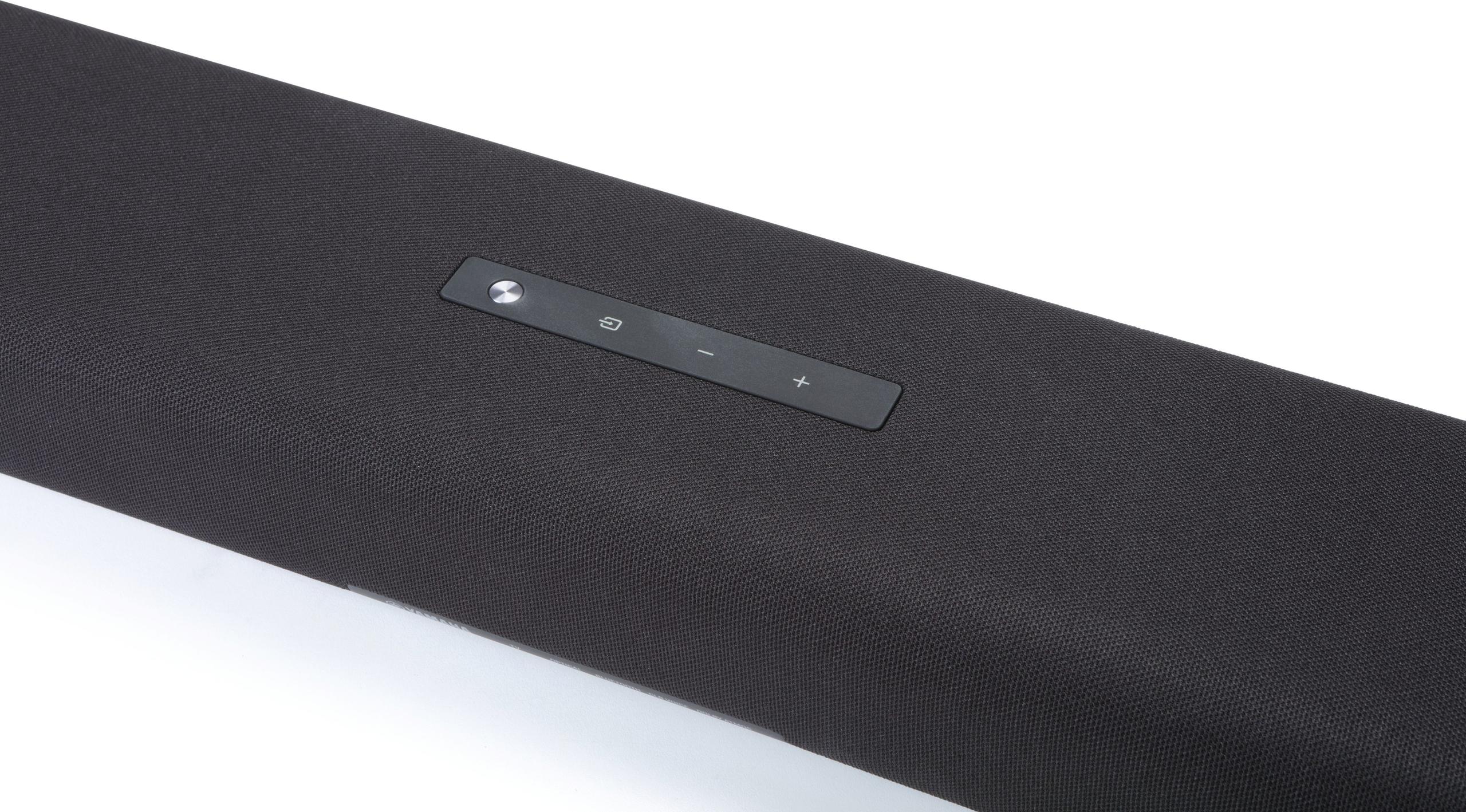
The Yamaha SR-B40A takes a more compact approach that works with a wider range of TV sizes. The wireless subwoofer's flexibility for placement helps optimize bass response and keeps the main unit streamlined. Build quality feels solid without reaching Sony's premium levels.
At the time of writing, the price difference between these systems is substantial—roughly 75% more for the Sony. This premium buys you genuine Dolby Atmos decoding, expandability options, advanced connectivity, and superior room-filling performance. For serious home theater enthusiasts, these features often justify the investment.
The Yamaha SR-B40A delivers exceptional value by focusing on core performance areas that matter most to casual users. You get meaningful bass improvement, clear dialogue, and solid overall audio quality at a price point that makes upgrading from TV speakers a no-brainer decision.
Consider this: if you're upgrading from basic TV speakers, the Yamaha's improvement will feel dramatic. The Sony's advantages become more apparent when comparing against other soundbars or if you have specific needs like large room coverage or gaming features.
For dedicated movie rooms or living spaces where audio quality takes priority, the Sony HT-A8000 makes more sense. Its expandability means you can start with the soundbar and add components over time, eventually building a system that rivals traditional surround sound setups. The immersive audio capabilities truly enhance cinematic experiences.
The Yamaha SR-B40A excels for everyday TV watching and music listening. Its balanced sound signature and impressive bass response create an enjoyable experience without overwhelming complexity. The Clear Voice feature proves particularly valuable for news, dialogue-heavy shows, and older movies with inconsistent audio levels.
Gamers should strongly consider the Sony HT-A8000 for its HDMI 2.1 features and low-latency performance. The immersive audio capabilities enhance gameplay atmosphere, while advanced connectivity ensures compatibility with current and future gaming consoles.
Choose the Sony HT-A8000 if you want the best possible audio experience and plan to invest in your home theater over time. Its expandability, advanced features, and superior immersive audio capabilities justify the premium pricing for serious enthusiasts. The system particularly makes sense for larger rooms, Sony TV owners, or anyone who prioritizes cutting-edge audio technology.
The Yamaha SR-B40A represents the smart choice for buyers seeking immediate, substantial improvement in TV audio without breaking the bank. Its excellent bass response, clear dialogue, and balanced sound signature deliver satisfying performance for everyday use. This system makes particular sense for smaller rooms, budget-conscious buyers, or anyone who wants a complete solution without future upgrade complexity.
Neither choice is wrong—they simply serve different priorities and budgets. The Yamaha proves you don't need to spend premium prices for quality audio improvement, while the Sony demonstrates what additional investment can achieve when pushed to its potential.
Your room size, budget, and audio priorities should guide this decision more than brand loyalty or feature lists. Both manufacturers delivered exactly what they intended: Yamaha created exceptional value, while Sony built a premium foundation for serious home theater enthusiasts.
| Sony HT-A8000 BRAVIA Theater Bar 8 Soundbar | Yamaha SR-B40A 2.1-Channel Sound Bar with Wireless Subwoofer |
|---|---|
| Channel Configuration - Determines surround sound capabilities and immersion level | |
| 5.0.2 with 11 speaker units (true surround with overhead effects) | 2.1 with wireless subwoofer (stereo plus bass enhancement) |
| Dolby Atmos Support - Critical for modern movie immersion | |
| True Dolby Atmos decoding with dedicated up-firing speakers | Dolby Atmos processing via software simulation (no up-firing drivers) |
| Sound Technology - Core audio processing approach | |
| 360 Spatial Sound Mapping with phantom speakers | True Sound engineering with balanced audio reproduction |
| Bass Performance - Important for movies and music impact | |
| Built-in quad woofers, optional wireless subwoofer upgrades | Included 6.5" wireless subwoofer (impressive for price point) |
| Connectivity Options - Affects streaming and device compatibility | |
| HDMI 2.1, Wi-Fi, Bluetooth 5.2, Spotify Connect, AirPlay 2 | HDMI eARC, Bluetooth 5.1, optical (no Wi-Fi streaming) |
| Expandability - Future upgrade potential | |
| Modular system: add wireless rear speakers and subwoofers | Fixed 2.1 configuration (complete package, no expansions) |
| Room Size Optimization - How well it fills different spaces | |
| Excellent for large rooms with wide sound dispersion | Best for small to medium rooms with focused audio |
| Smart Features - Modern convenience capabilities | |
| Voice Zoom 3 AI, Sound Field Optimization, BRAVIA TV integration | Clear Voice technology, multiple sound modes, basic app control |
| Gaming Support - Next-gen console compatibility | |
| HDMI 2.1 with 8K, VRR, ALLM support | Standard HDMI eARC (limited gaming features) |
| Release Year - Technology generation and future-proofing | |
| 2021 (mature premium technology) | 2024 (latest budget-focused engineering) |
The Sony HT-A8000 is significantly better for movies due to its true Dolby Atmos decoding with dedicated up-firing speakers that create genuine overhead sound effects. The Yamaha SR-B40A only simulates Dolby Atmos through software processing, making it less immersive for cinematic experiences.
The key difference is channel configuration and approach. The Sony HT-A8000 features 11 speakers in a 5.0.2 setup focused on immersive surround sound, while the Yamaha SR-B40A uses a simpler 2.1 configuration that prioritizes excellent stereo sound and bass performance with its included wireless subwoofer.
The Yamaha SR-B40A includes a substantial 6.5-inch wireless subwoofer that delivers impressive bass performance right out of the box. The Sony HT-A8000 has built-in quad woofers but requires purchasing optional wireless subwoofers to match Yamaha's low-end impact.
Yes, both support Bluetooth connectivity. However, the Sony HT-A8000 offers more wireless options including Wi-Fi, Spotify Connect, and Apple AirPlay 2 for direct streaming. The Yamaha SR-B40A is limited to Bluetooth 5.1 and lacks Wi-Fi streaming capabilities.
The Sony HT-A8000 excels in larger spaces thanks to its 360 Spatial Sound Mapping technology and multiple side-firing drivers that reflect sound off walls. The Yamaha SR-B40A performs best in smaller to medium-sized rooms where its focused stereo presentation can shine.
Both soundbars work with any TV that has HDMI or optical connections. However, the Sony HT-A8000 offers special integration features with Sony BRAVIA TVs, including Acoustic Center Sync that uses your TV speakers as an additional center channel for enhanced dialogue placement.
For music, the Yamaha SR-B40A often receives higher praise due to Yamaha's True Sound engineering that emphasizes natural, balanced audio reproduction. The Sony HT-A8000 can sound over-processed for music, though it creates an impressive wide soundstage for certain genres.
The Sony HT-A8000 is designed as a modular system that can expand with optional wireless rear speakers and subwoofers to create a full 7.1.4 surround setup. The Yamaha SR-B40A is a fixed 2.1 configuration with no expansion options, but comes complete with its wireless subwoofer included.
The Yamaha SR-B40A is generally easier to set up due to its simpler 2.1 configuration and straightforward controls. The Sony HT-A8000 offers more setup complexity with its advanced features like Sound Field Optimization and multiple connectivity options, though many users find the Sony BRAVIA app helpful for configuration.
The Sony HT-A8000 is much better for gaming, featuring HDMI 2.1 support with 8K video, Variable Refresh Rate (VRR), and Auto Low Latency Mode (ALLM) that are crucial for next-generation gaming consoles. The Yamaha SR-B40A offers basic HDMI eARC but lacks advanced gaming features.
Both excel at dialogue but use different approaches. The Sony HT-A8000 features Voice Zoom 3 with AI processing that automatically identifies and enhances human voices. The Yamaha SR-B40A uses Clear Voice technology with EQ adjustments to emphasize vocal frequencies. Both are effective, with Sony's solution being more sophisticated.
The Yamaha SR-B40A offers exceptional value by delivering quality audio improvement at a budget-friendly price point, including a wireless subwoofer. The Sony HT-A8000 justifies its premium pricing with advanced features like true Dolby Atmos, expandability, and superior immersive audio, making it better value for serious home theater enthusiasts who will use these capabilities.
We've done our best to create useful and informative comparisons to help you decide what product to buy. Our research uses advanced automated methods to create this comparison and perfection is not possible - please contact us for corrections or questions. These are the sites we've researched in the creation of this article: consumerreports.org - skybygramophone.com - target.com - rtings.com - bestbuy.com - rubbermonkey.co.nz - shopatsc.com - audioadvice.com - sony.com - sony.com - sony.com - shop.cosmopolitan.com - store.sony.com.my - videoandaudiocenter.com - crutchfield.com - visions.ca - shop.usa.yamaha.com - bestbuy.com - bestbuy.com - usa.yamaha.com - my.yamaha.com - europe.yamaha.com - adorama.com - usa.yamaha.com - digitalhomecreations.com - europe.yamaha.com - sundownone.com

Privacy Policy
Terms and Conditions - Affiliate Policy
Home Security
© Copyright 2008-2026.
11816 Inwood Rd #1211, Dallas, TX 75244