


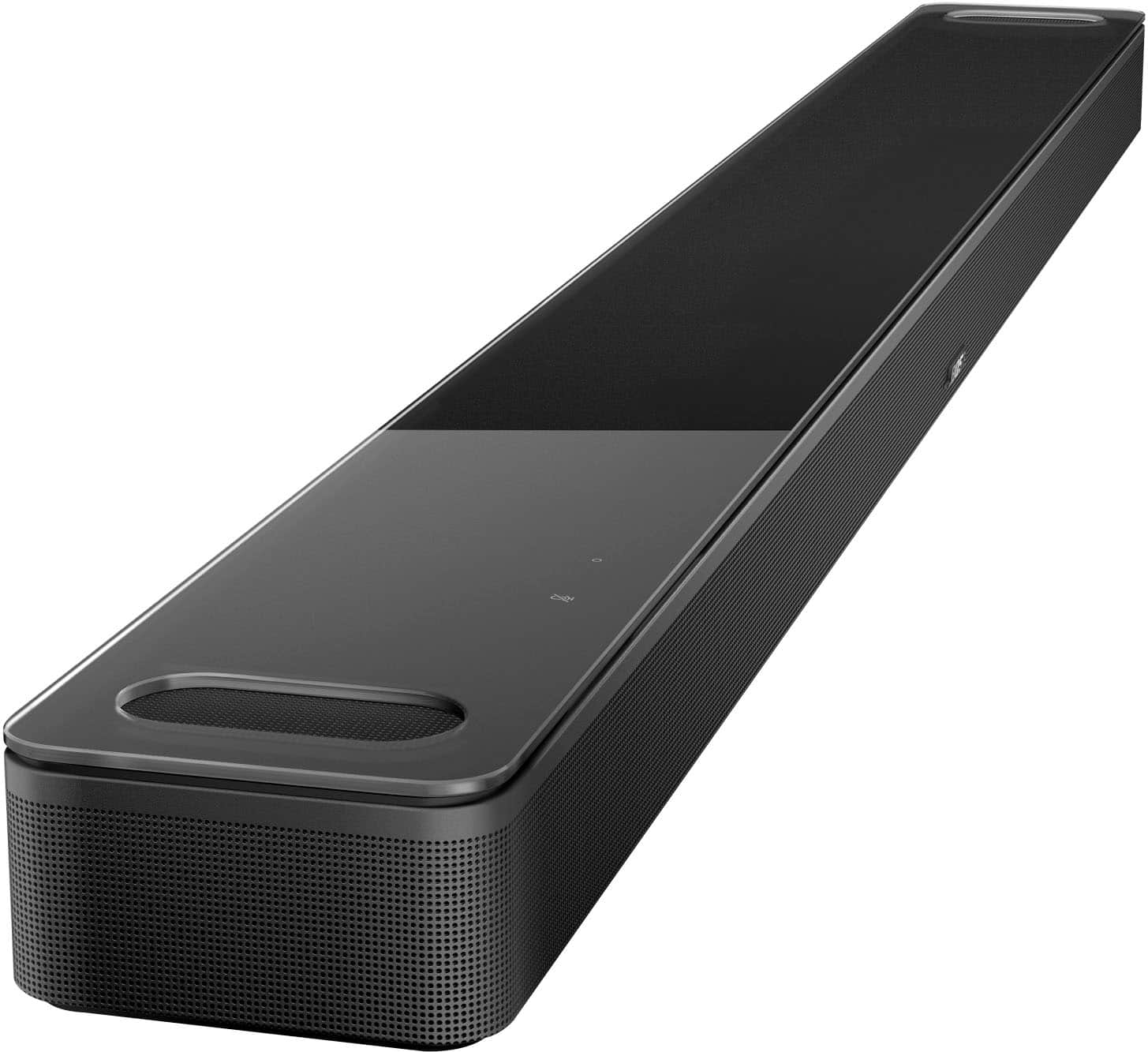
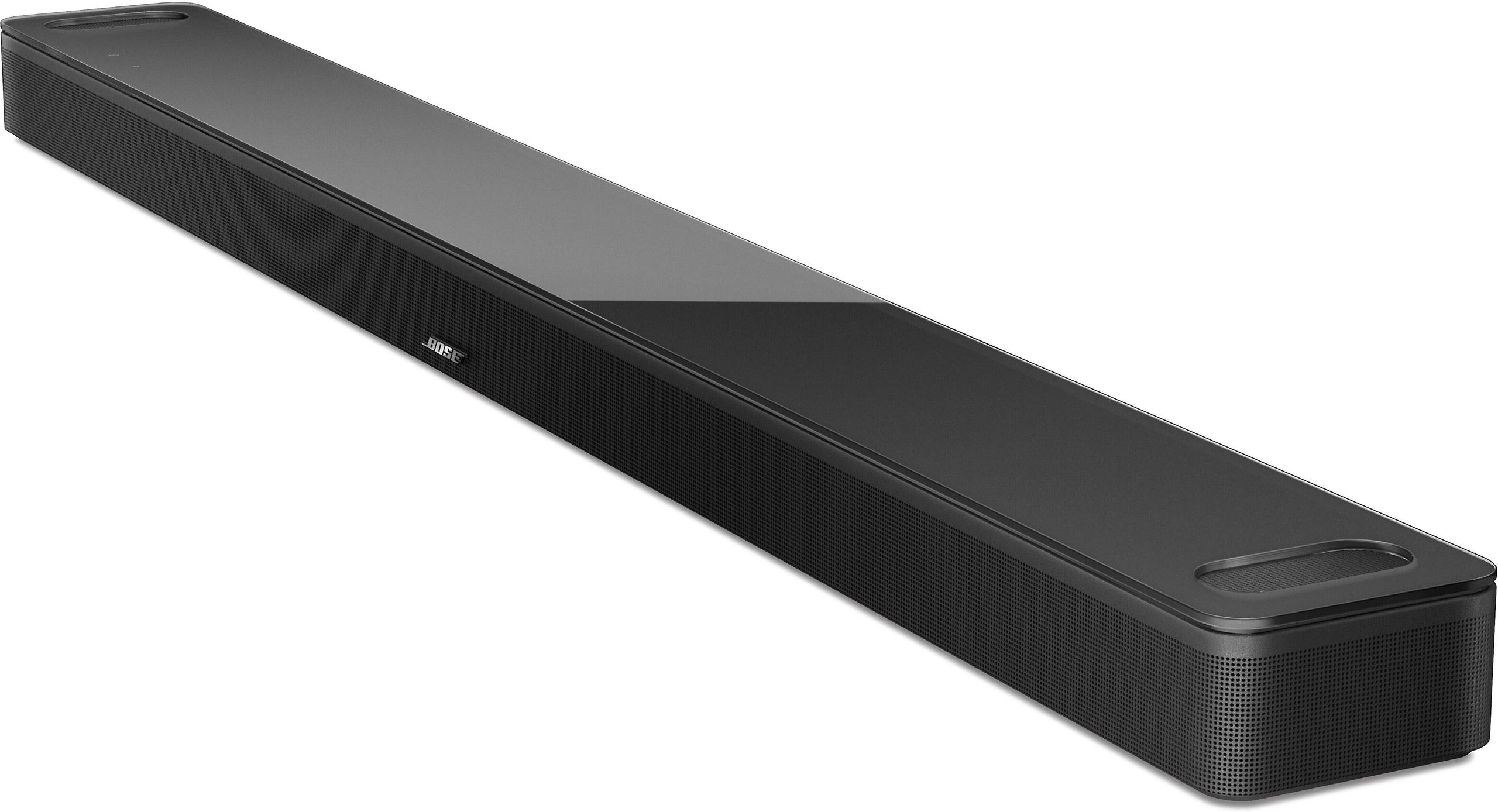
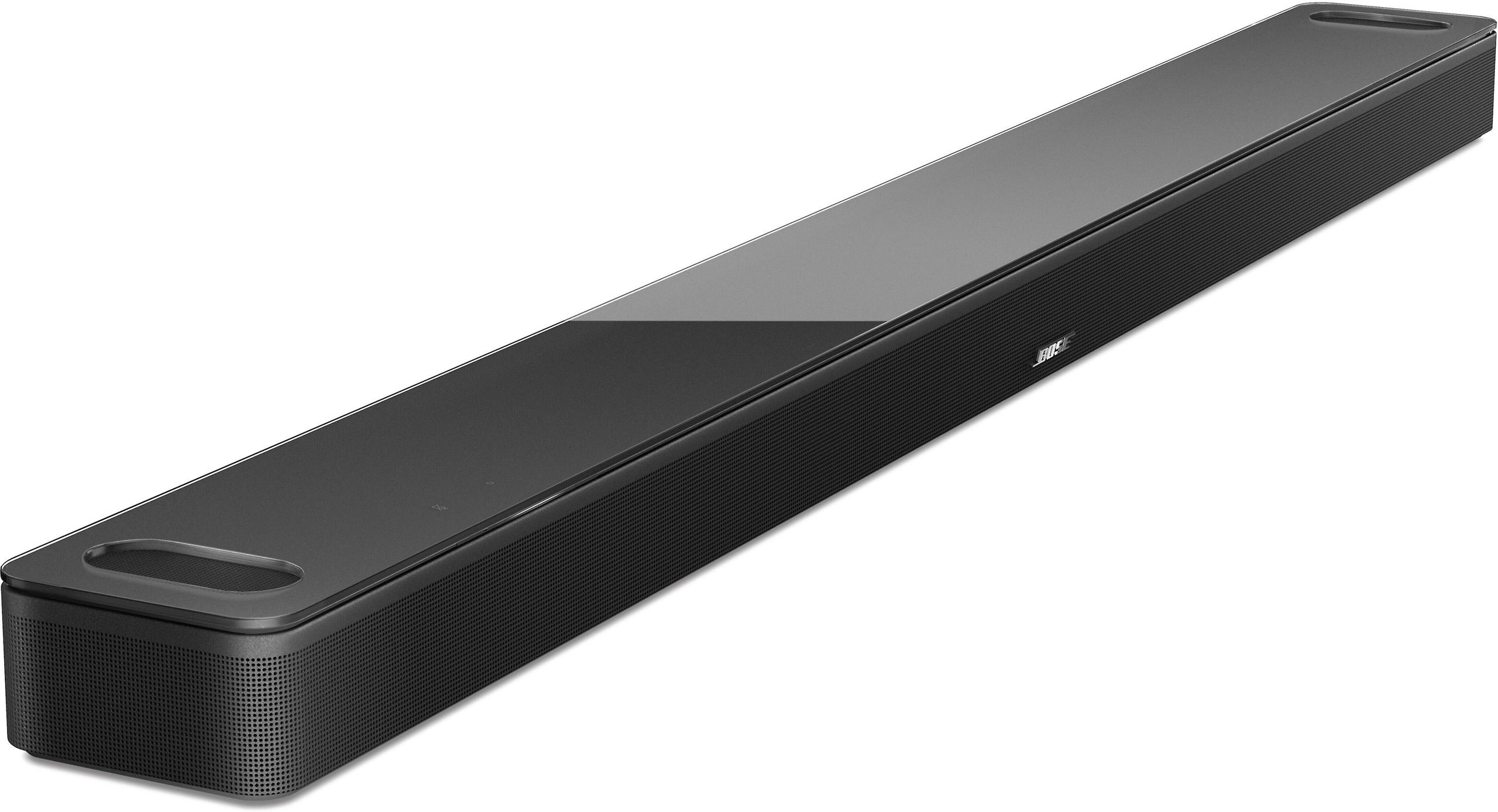

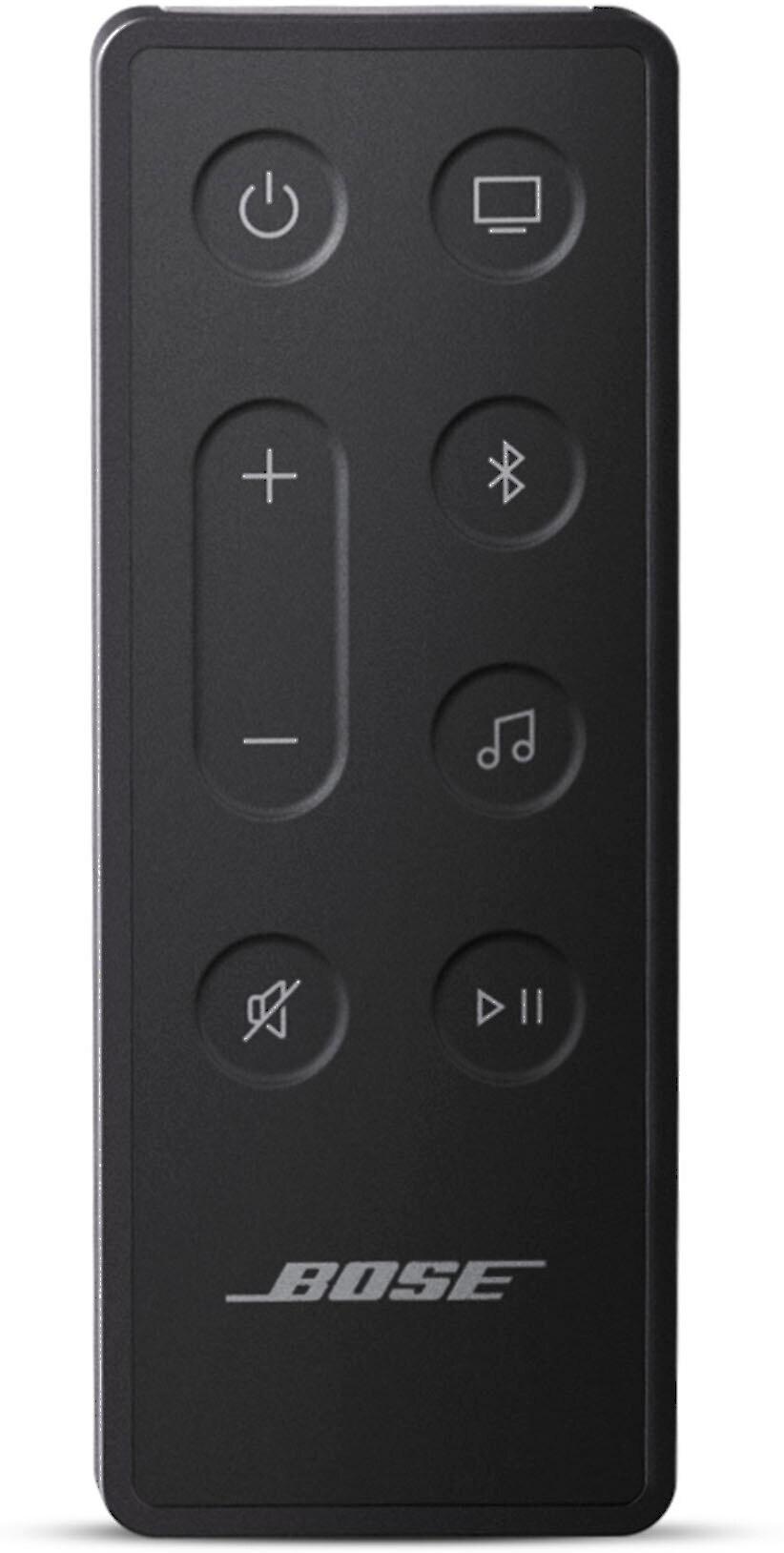
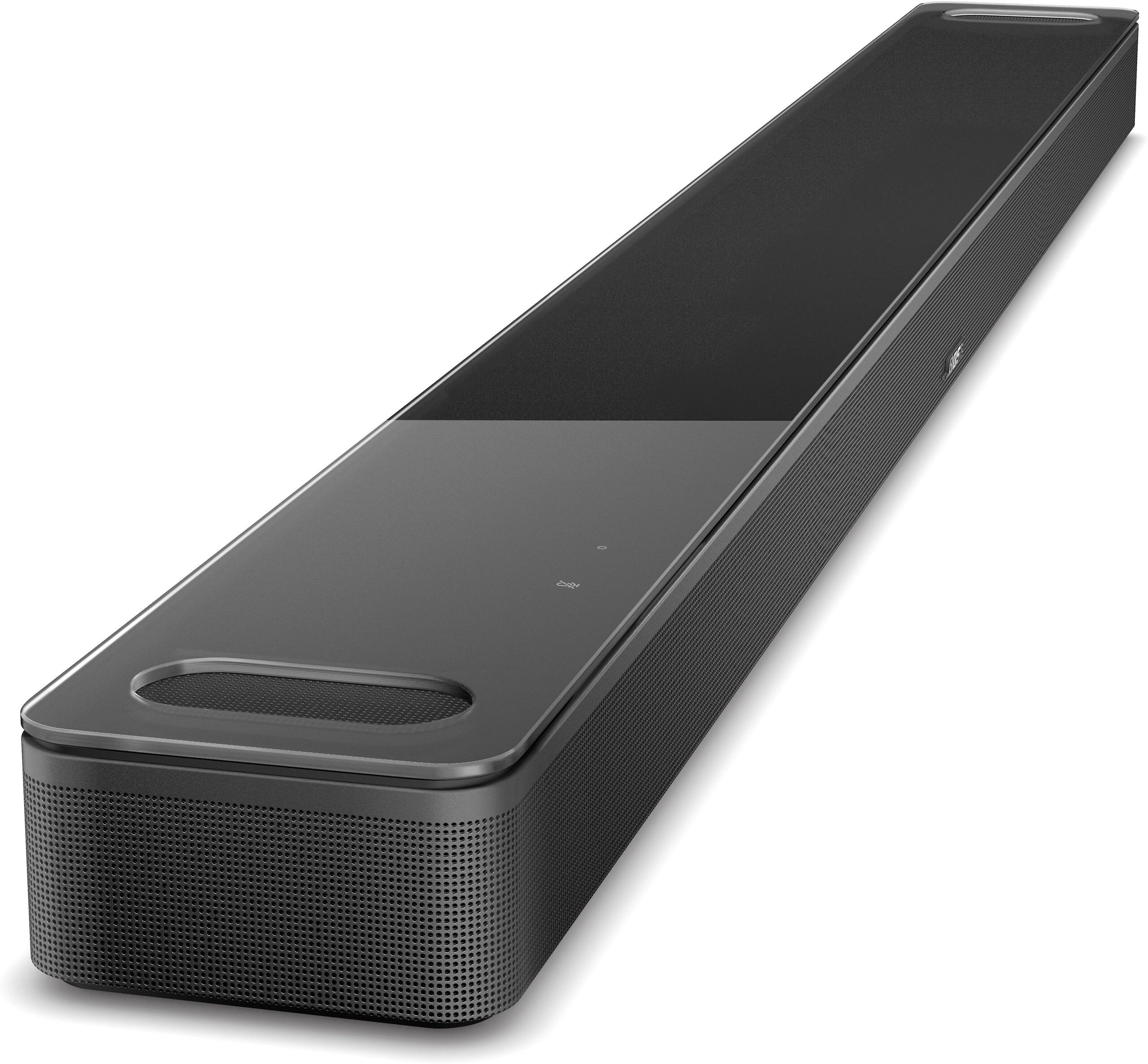
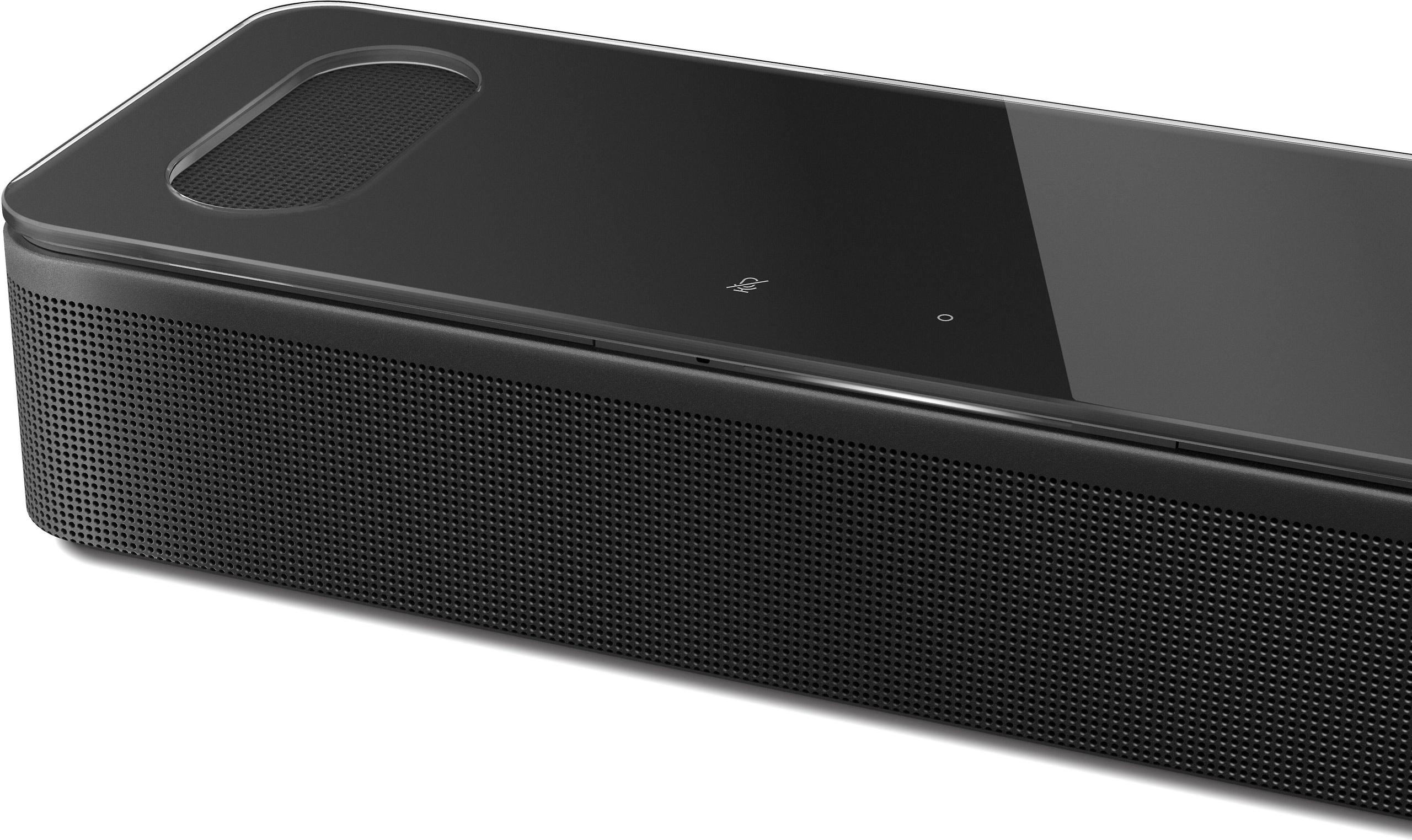
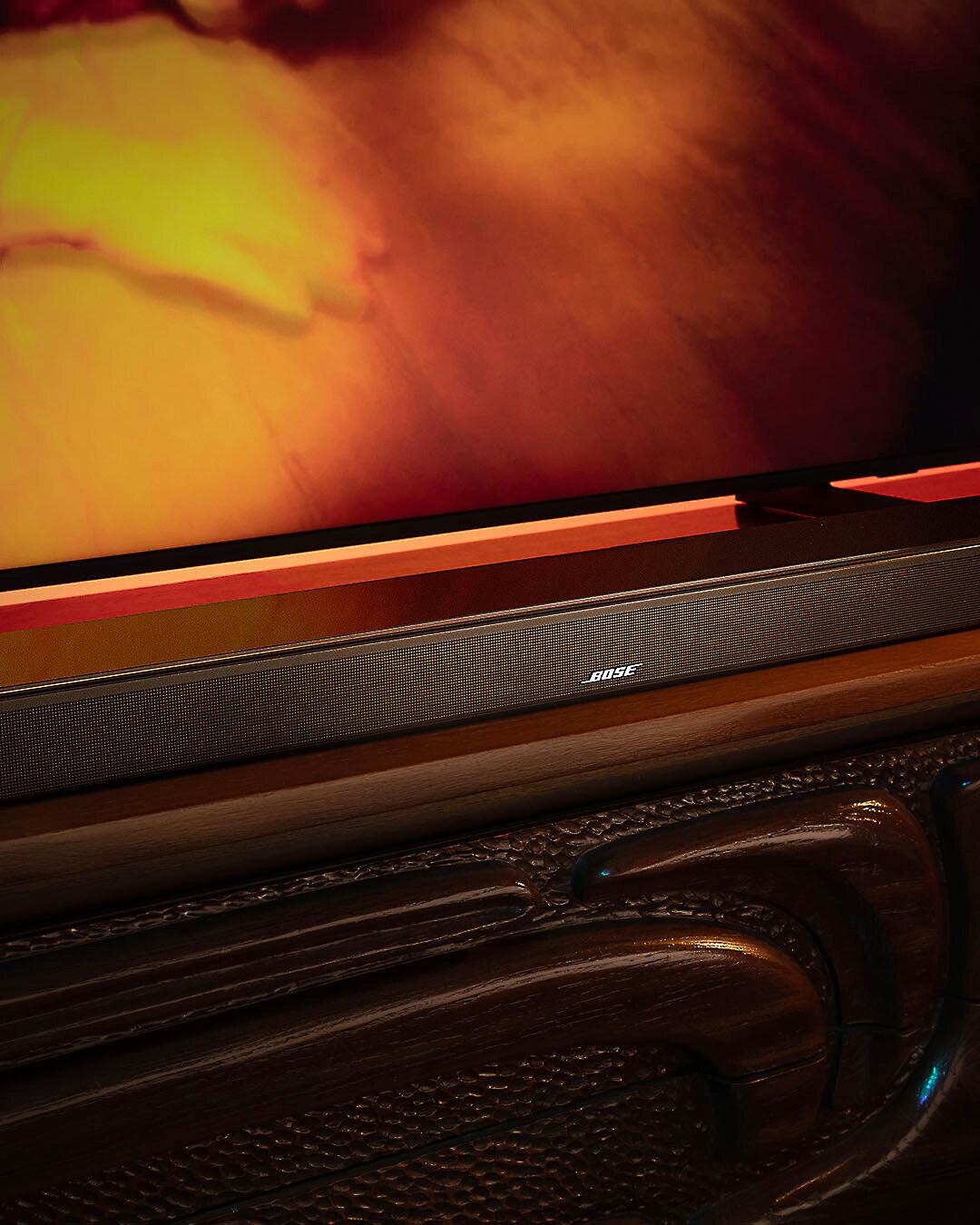
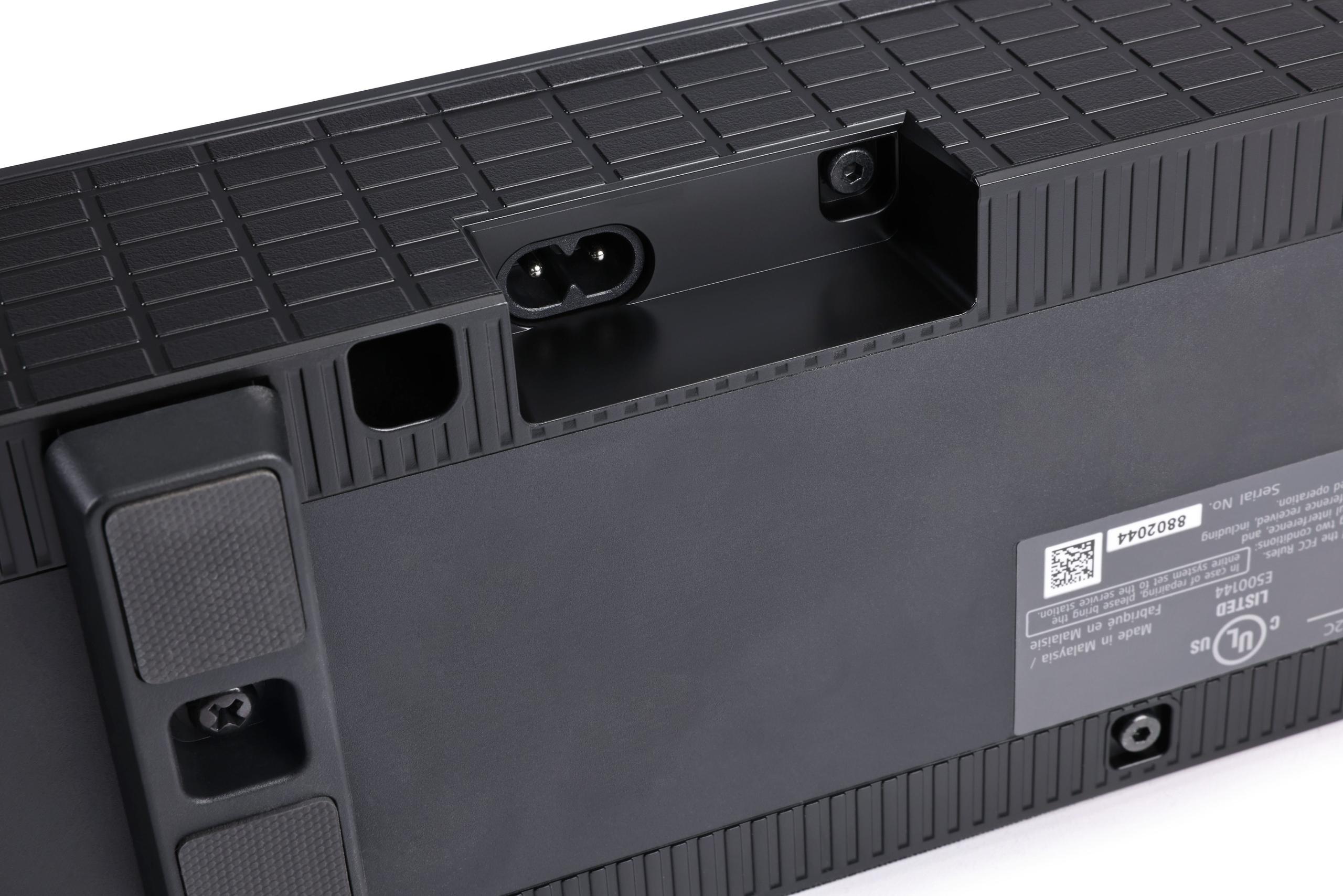
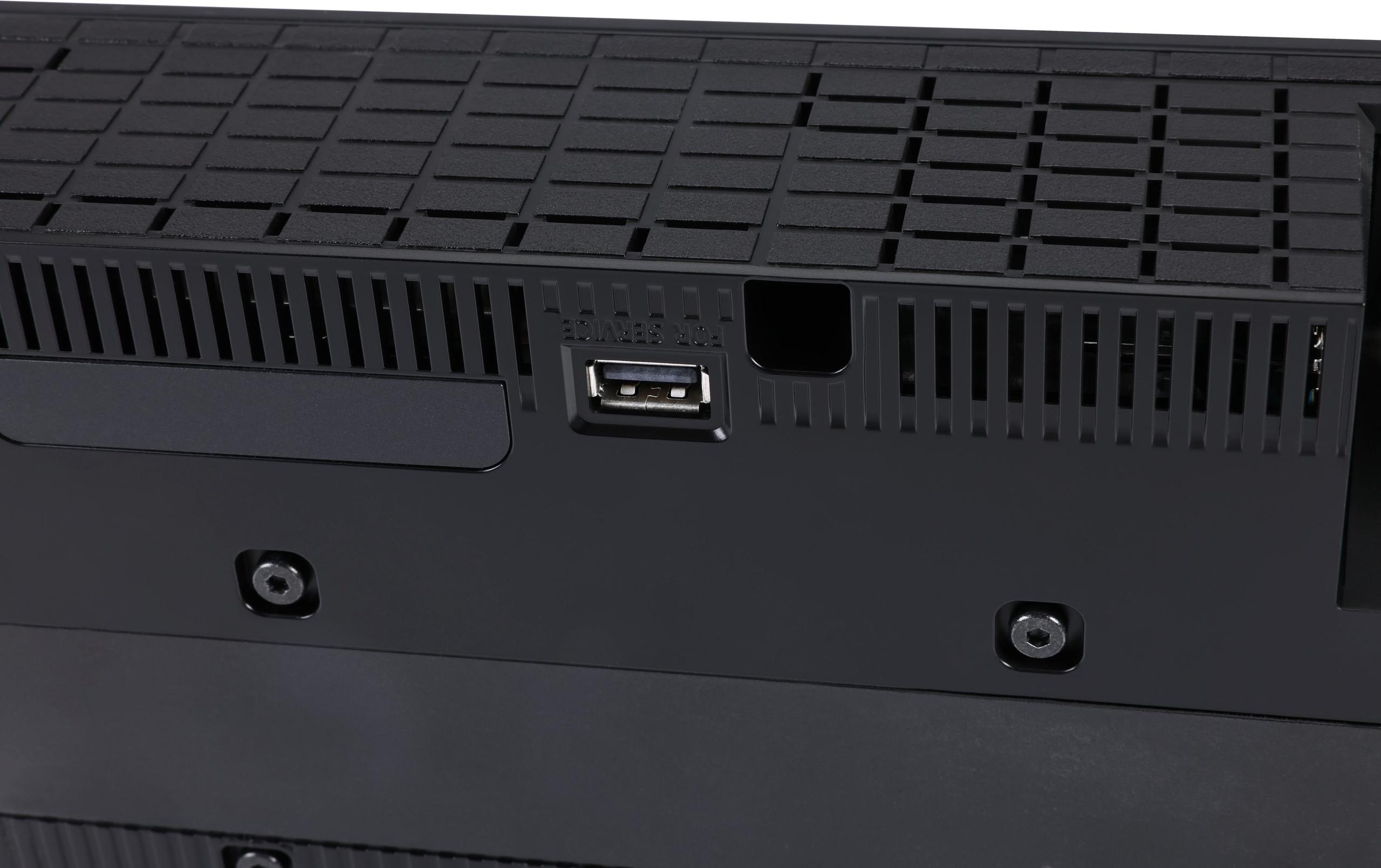


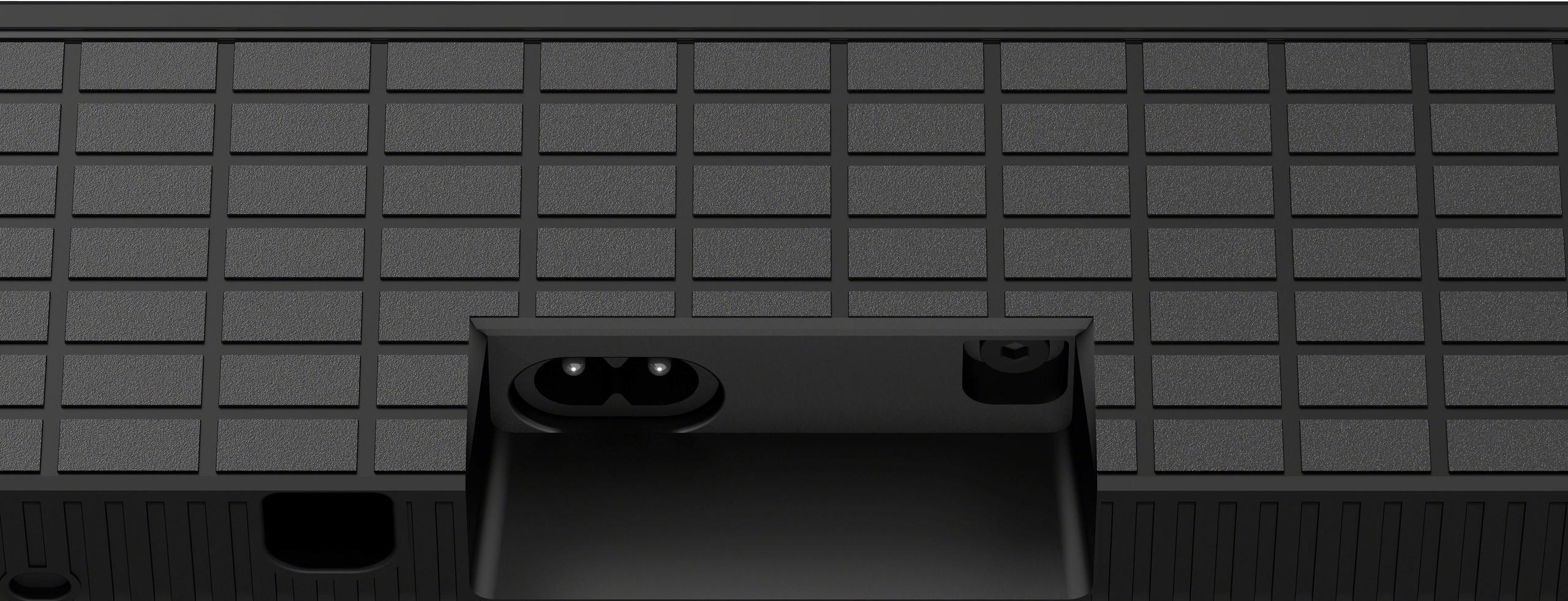
Premium soundbars have revolutionized home audio by cramming what used to require five or more speakers into a single sleek bar that sits under your TV. These aren't your basic TV upgrade speakers—we're talking about sophisticated audio systems that use advanced processing and carefully positioned drivers to create the illusion of sound coming from all around you, including overhead. Think of them as the Swiss Army knife of home theater audio.
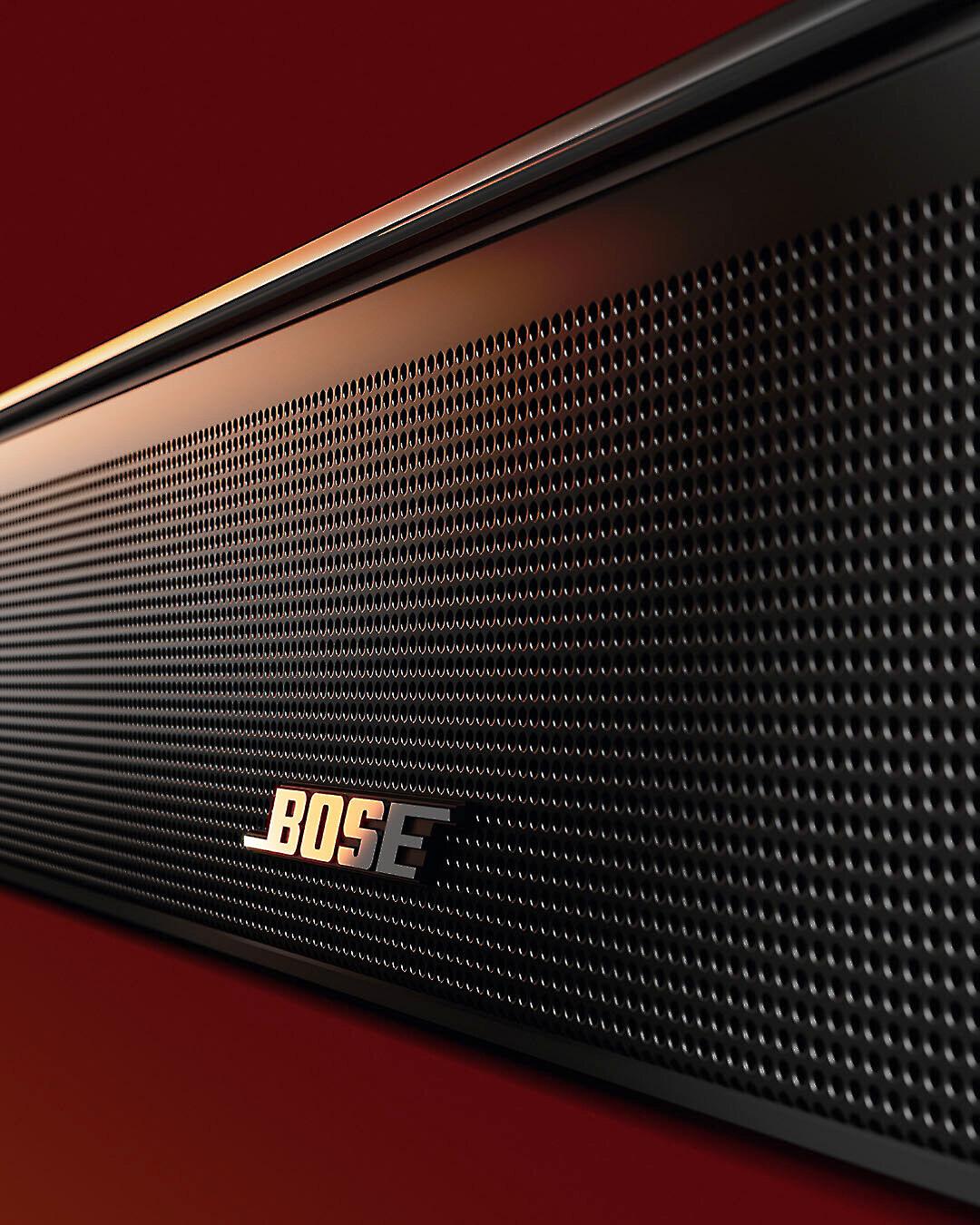
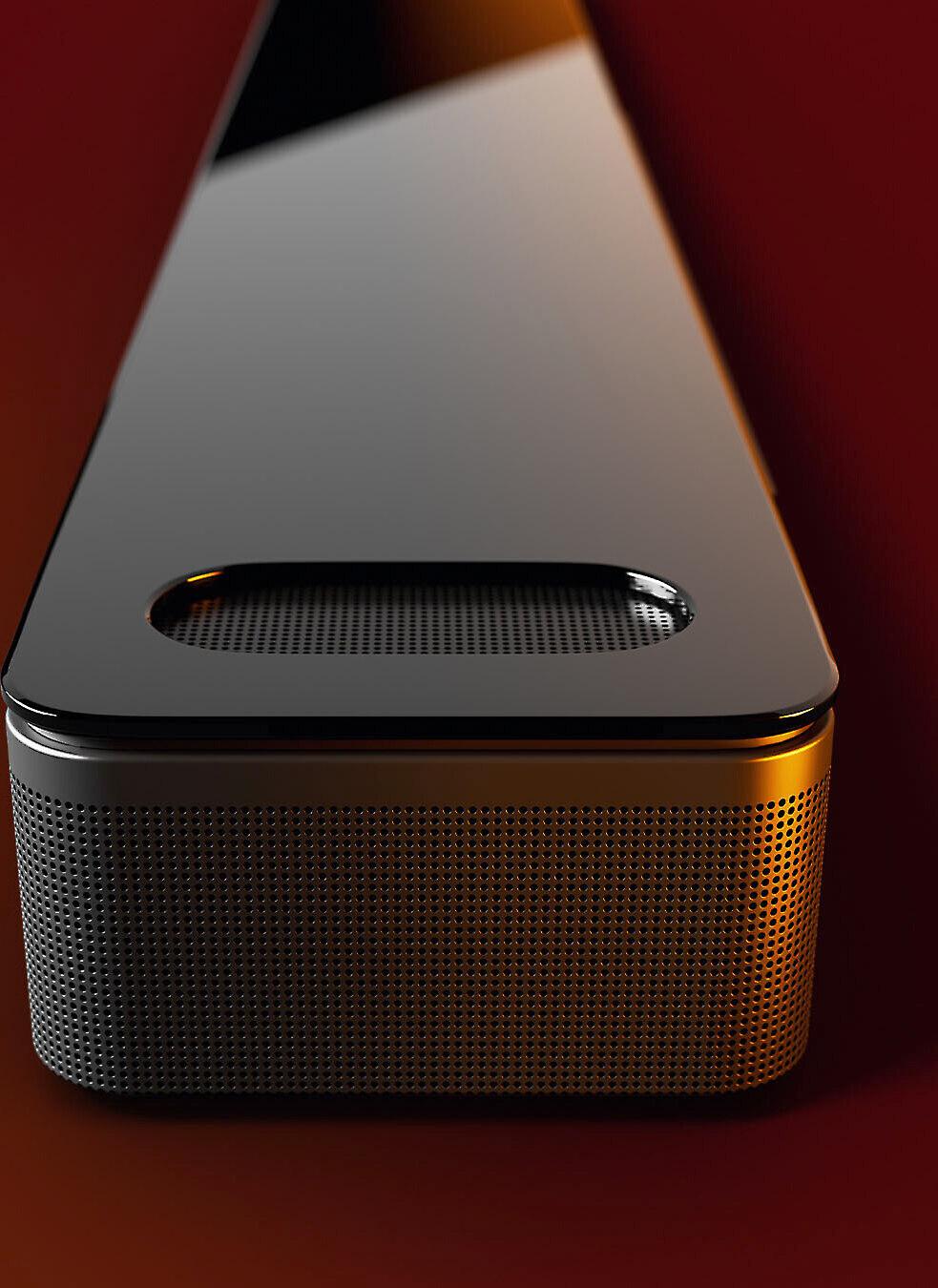
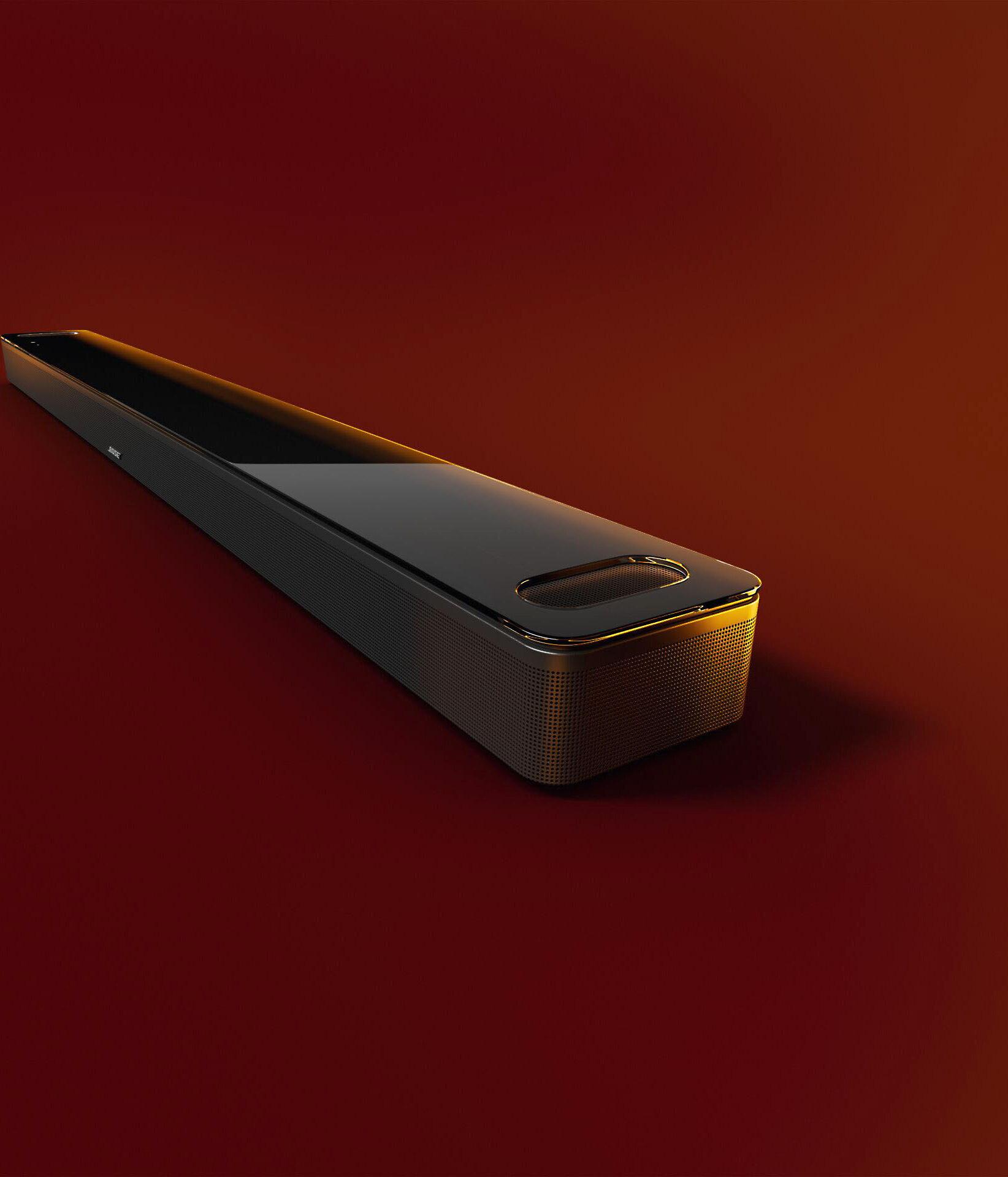
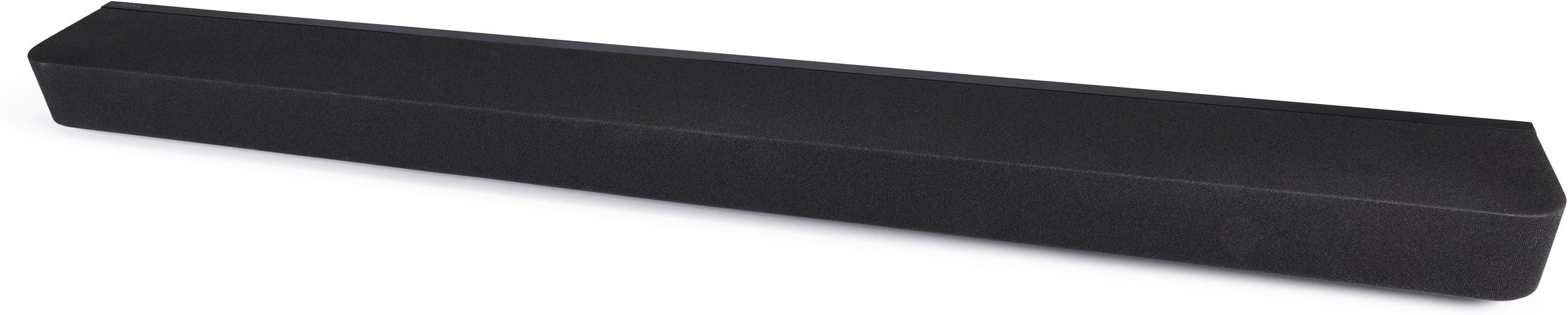
The two standout performers in this category are the Sony HT-A8000 BRAVIA Theater Bar 8 and the Bose Smart Ultra Soundbar. Released in 2024 and 2023 respectively, both represent their manufacturers' latest thinking on how to deliver cinema-quality sound from a single unit. But they take notably different approaches to solving the same problem.
Before diving into specifics, it's worth understanding what separates premium soundbars from their budget counterparts. The key difference lies in spatial audio processing—the ability to create a convincing 3D soundscape. This technology, often called Dolby Atmos (a surround sound format that adds height channels), uses psychoacoustics (basically tricking your brain about where sounds are coming from) and precisely timed audio reflections off your walls and ceiling.
Premium models also excel at dialogue clarity, room adaptation, and expandability. These features matter because most people struggle with unclear dialogue in movies and TV shows, different rooms affect sound dramatically, and you might want to add more speakers later.
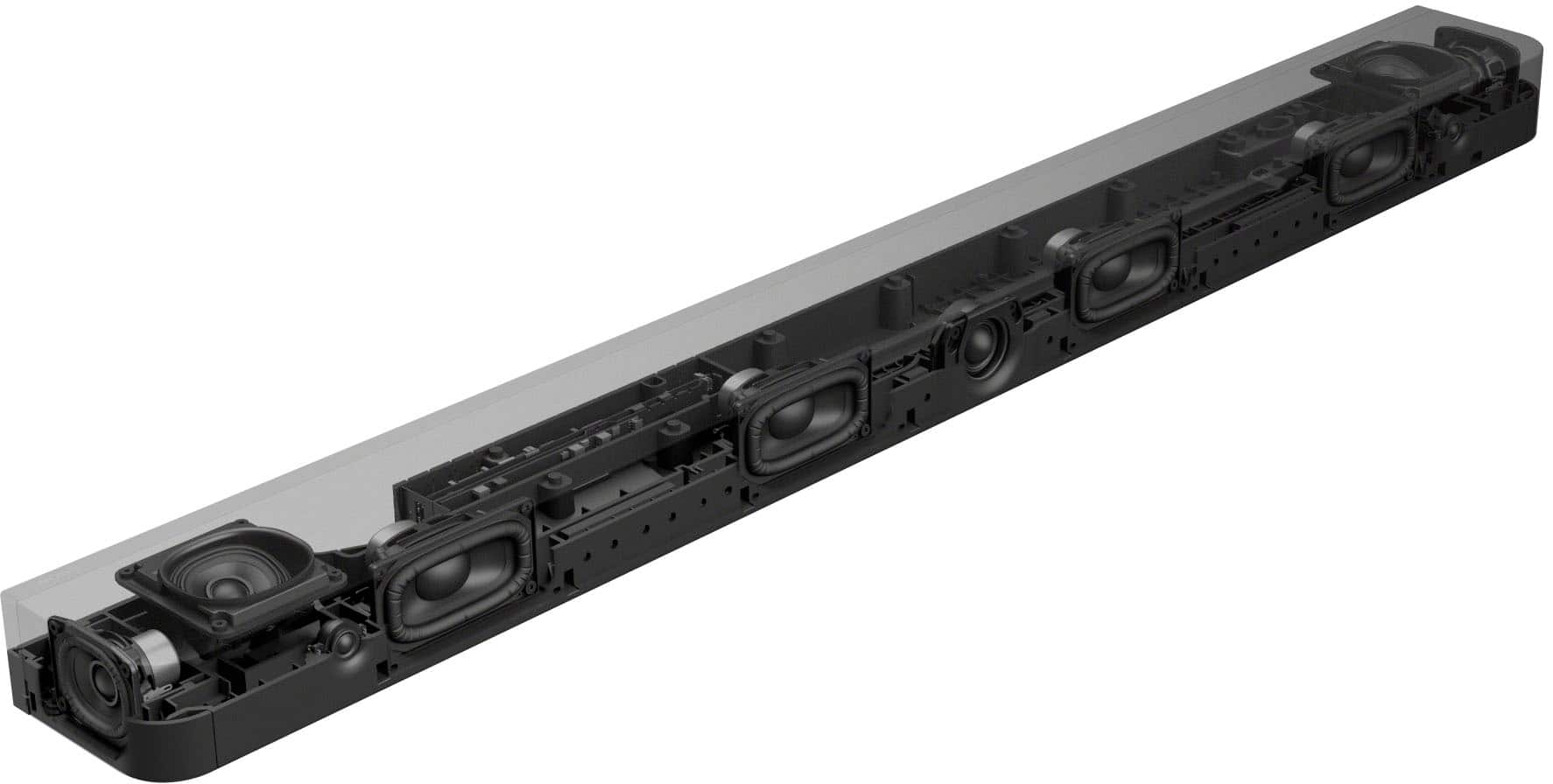
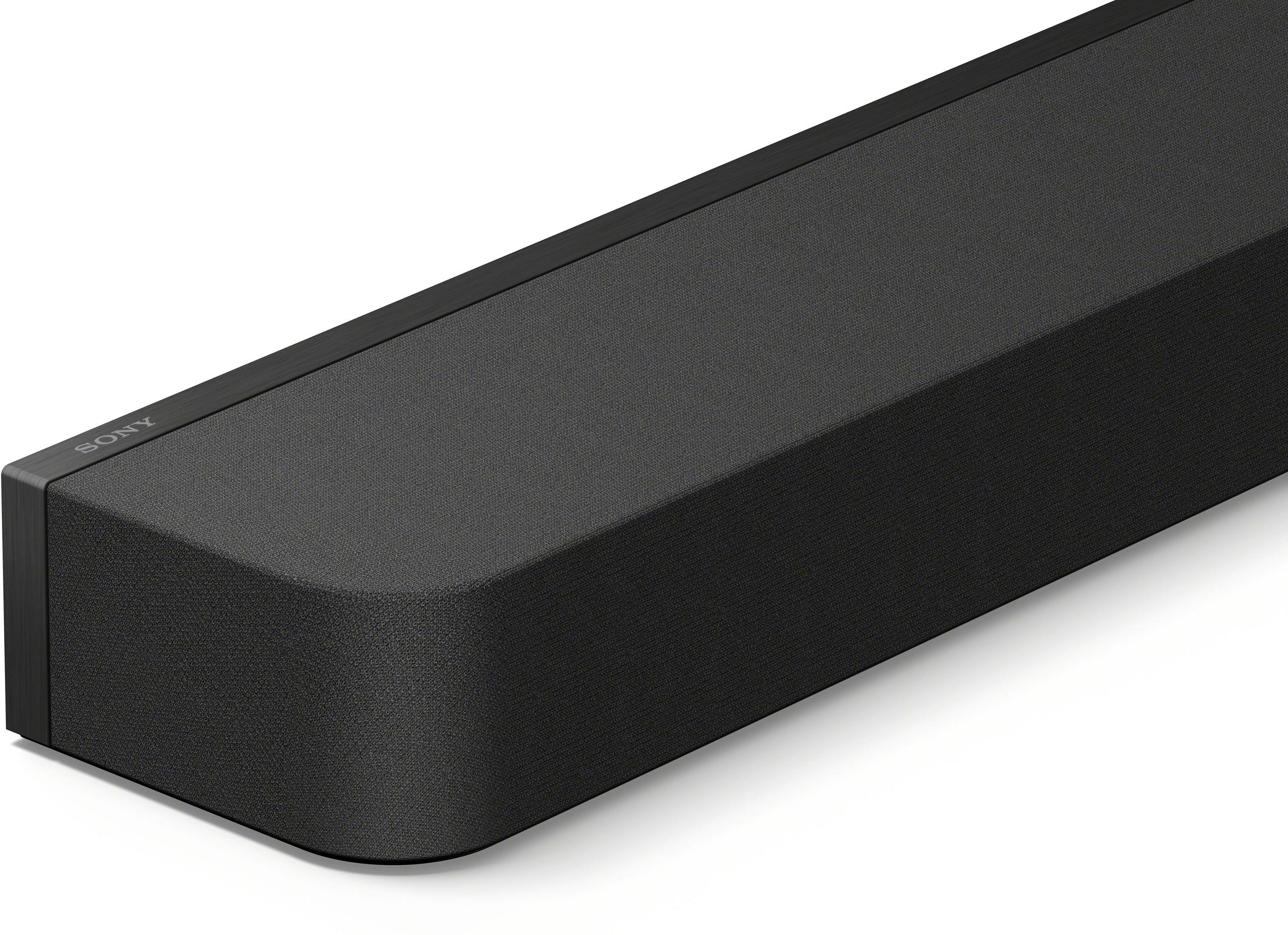
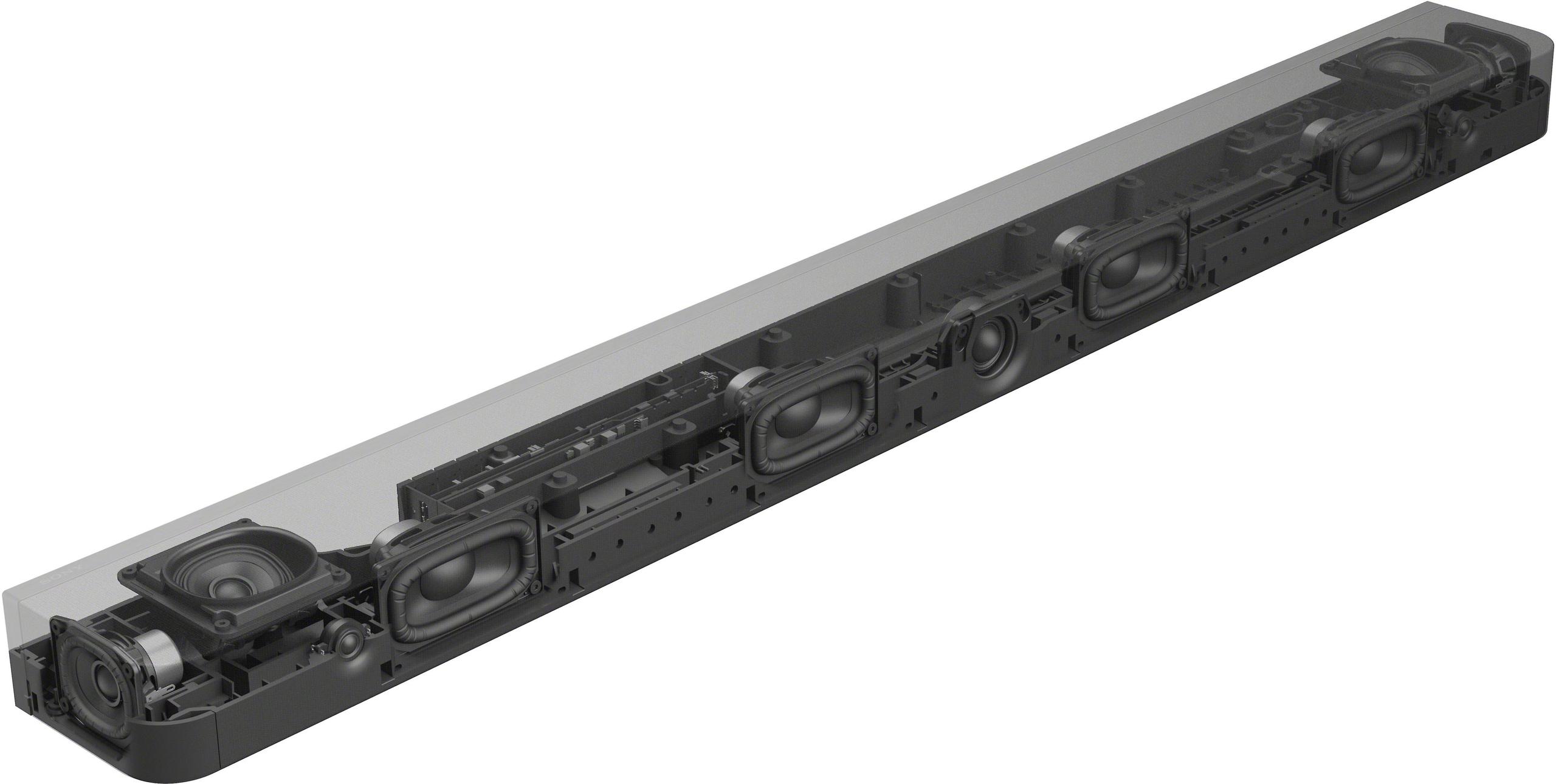
The Sony HT-A8000 takes a "more is better" approach with 11 individual speaker units packed into its 43-inch frame. These speakers work together using Sony's 360 Spatial Sound Mapping technology, which creates what Sony calls "phantom speakers"—essentially making your brain think there are speakers in locations where none exist. The system uses side-firing drivers that bounce sound off your walls, up-firing drivers that reflect off the ceiling, and traditional forward-firing speakers for direct sound.
The Bose Smart Ultra, meanwhile, uses nine speakers but focuses heavily on processing power and artificial intelligence. Its standout feature is AI Dialogue Mode, which has been trained on millions of pieces of content to automatically identify when people are speaking and adjust the sound accordingly. Bose's PhaseGuide technology manipulates sound waves to create precise audio placement throughout your room.
This is where the biggest differences emerge. The Sony HT-A8000's 11-speaker setup creates genuinely impressive spatial effects. During action sequences, you'll hear helicopters distinctly overhead, bullets whizzing past your ears, and ambient sounds filling the space around you. The extra speaker count isn't just marketing—those additional drivers handle specific frequency ranges and directional tasks that fewer speakers simply can't manage as effectively.
The secret sauce is Sony's rectangular speaker design, which maximizes the vibrating surface area (called the diaphragm) while minimizing how far the speaker cone needs to move. This reduces distortion while maintaining strong output levels. The side-firing speakers are particularly clever—they create sound reflections that your brain interprets as coming from beside and behind you, even though the soundbar sits in front.
The Bose Smart Ultra takes a more refined approach with fewer speakers but more sophisticated processing. Its TrueSpace technology excels at taking regular stereo content and making it sound more spacious. Where Bose really shines is consistency—the spatial effects feel more naturally integrated rather than artificially emphasized. However, some listeners find the height effects less dramatic than what the Sony delivers.
Here's where the Bose Smart Ultra pulls significantly ahead. Its AI Dialogue Mode represents a genuine technological breakthrough. Instead of simply boosting certain frequencies (which can make dialogue sound harsh or unnatural), the system uses machine learning to identify speech patterns and adjust the entire sound mix in real-time. This means dialogue stays clear during quiet conversations and explosive action sequences alike.
The Sony HT-A8000's Voice Zoom 3 feature is competent but requires more manual adjustment. You can amplify or reduce dialogue volume, and if you have a compatible Sony TV, you can even use the TV's speakers as a dedicated center channel—a clever trick that ensures voices come directly from the screen. However, this system isn't as seamlessly automatic as Bose's approach.
For anyone who frequently struggles to understand dialogue in movies or finds themselves constantly adjusting volume levels, this difference alone might determine your choice.
The Sony HT-A8000 delivers substantially more impactful bass without requiring additional components. Its quad woofer setup—four dedicated bass drivers—provides the kind of deep, rumbling low-frequency effects that make movie explosions and music feel visceral. The rectangular driver design mentioned earlier particularly benefits bass performance by allowing larger surface areas in the same space.
The Bose Smart Ultra produces adequate bass for most content, but it's noticeably lighter in the low end. This isn't necessarily bad—some listeners prefer a more balanced presentation—but if you enjoy feeling the thump of movie soundtracks or electronic music, you'll likely need to add Bose's optional subwoofer to match the Sony's standalone performance.
Both soundbars automatically adjust to your room, but they do it differently. The Sony HT-A8000 uses Sound Field Optimization, which analyzes your room's acoustic characteristics and adjusts the sound accordingly. It's effective but relatively basic compared to what Bose offers.
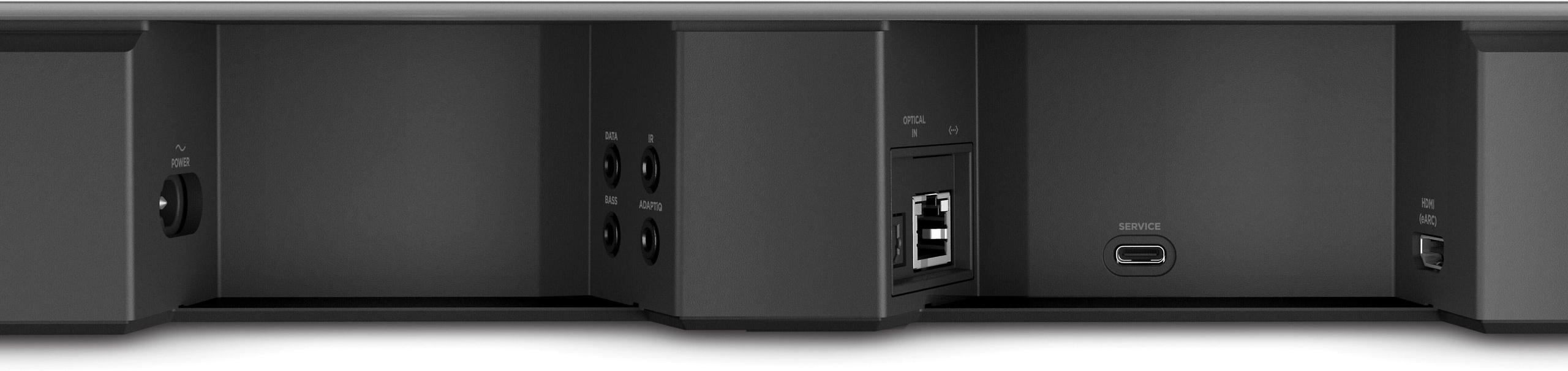
The Bose Smart Ultra's ADAPTiQ system is more sophisticated, using an external microphone (included in the box) to measure how sound reflects in your specific room. It then creates a custom sound profile that compensates for challenging acoustics like hard surfaces, awkward furniture placement, or unusual room shapes. If you have a particularly difficult room—think lots of windows, high ceilings, or irregular layout—Bose's calibration system will likely produce better results.
Modern soundbars are essentially computers that happen to play audio, and both models embrace this reality differently. The Bose Smart Ultra includes built-in Amazon Alexa and works with Google Assistant, letting you control your TV, adjust volume, or ask questions without touching a remote. The Voice4Video feature is particularly clever—you can say "Alexa, turn on Netflix" and the system will power on your TV and navigate to the right input.
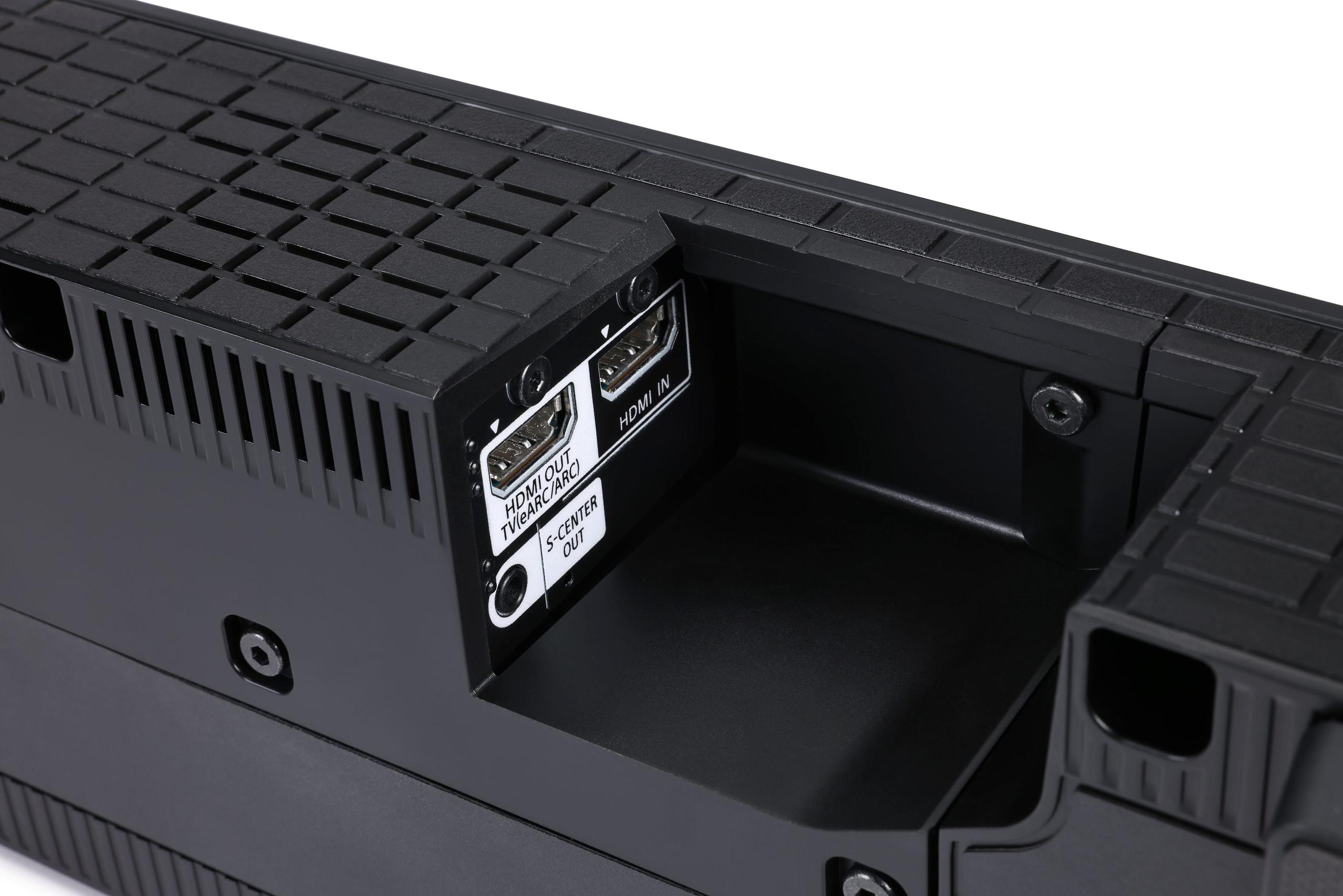
The Sony HT-A8000 focuses more on connectivity breadth than voice control. It supports the latest HDMI 2.1 standard, which means it can handle 8K video signals and advanced gaming features like Variable Refresh Rate (VRR) and Auto Low Latency Mode (ALLM). For gamers, this is crucial—these features reduce input lag and screen tearing, making games more responsive and visually smooth.
Both support wireless music streaming through Spotify Connect, Apple AirPlay 2, and Bluetooth, but the Sony's newer Bluetooth 5.2 standard provides more stable connections and better audio quality for wireless streaming.
This is where the Sony HT-A8000 demonstrates clear advantages. Sony offers dedicated wireless subwoofers (the SA-SW3 and SA-SW5) and wireless rear speakers (SA-RS3R and SA-RS5) that automatically pair with the soundbar. These components create a true surround sound system without running speaker wires around your room.
More importantly, if you own a Sony BRAVIA TV, the integration becomes even more seamless. The Acoustic Center Sync feature uses your TV's speakers as an additional center channel, ensuring dialogue comes directly from the screen rather than from below it. This creates a more natural and immersive experience.
The Bose Smart Ultra can also be expanded with subwoofers and rear speakers, but the options are more limited and generally more expensive. Bose does offer multi-room audio capabilities, letting you connect with other Bose speakers throughout your home for whole-house music streaming.
Gaming has become an increasingly important consideration for soundbar buyers, and the Sony HT-A8000 clearly targets this market. Its HDMI 2.1 support handles the latest gaming consoles' highest-quality output modes, including 4K resolution at 120 frames per second. The low-latency gaming modes ensure audio stays perfectly synchronized with fast-moving action.
The Bose Smart Ultra lacks HDMI passthrough entirely, meaning you'll need to connect gaming consoles directly to your TV. While this isn't necessarily a deal-breaker, it limits flexibility and prevents the soundbar from processing gaming audio with the same sophistication.
At the time of writing, the Sony HT-A8000 typically costs around $200 less than the Bose Smart Ultra, making it a compelling value proposition. You're getting more speakers, better bass performance, gaming-friendly features, and superior expandability options for less money.
However, the Bose justifies its premium pricing through superior dialogue processing, more sophisticated room calibration, and better smart home integration. It's also a more compact and visually refined product that might better suit smaller spaces or minimalist aesthetics.
The Sony represents better raw performance per dollar, while the Bose offers a more polished, user-friendly experience at a premium price point.
Choose the Sony HT-A8000 if you want maximum audio performance for your investment. It's ideal for movie enthusiasts who want visceral, immersive sound, gamers who need the latest connectivity standards, or anyone planning to build a more complete surround sound system over time. The superior bass performance alone makes it worth considering if you enjoy action movies or music with significant low-frequency content.
The Bose Smart Ultra is the better choice if dialogue clarity is your top priority, you want seamless smart home integration, or you prefer a more automated, "set it and forget it" experience. It's particularly well-suited for smaller rooms, users with challenging acoustic environments, or anyone who values brand prestige and customer support.
Both soundbars represent excellent choices in the premium segment, but they serve slightly different priorities. The Sony maximizes performance and expandability, while the Bose emphasizes refinement and user experience. Your choice should align with whether you prefer raw capability or polished convenience—both approaches have merit, and both will dramatically improve your TV's audio over built-in speakers.
The good news is that either choice will provide years of enhanced entertainment. The question isn't really which is better in absolute terms, but which better matches your specific needs, room, and preferences.
| Sony HT-A8000 BRAVIA Theater Bar 8 Soundbar | Bose Smart Ultra Soundbar with Dolby Atmos |
|---|---|
| Release Year - Shows which has latest technology | |
| 2024 (newer spatial audio processing) | 2023 (established AI dialogue tech) |
| Speaker Count - More drivers typically mean better sound placement | |
| 11 speakers in 5.0.2 configuration | 9 speakers in 5.1.2 configuration |
| Spatial Audio Technology - Creates immersive surround sound effects | |
| 360 Spatial Sound Mapping with phantom speakers | PhaseGuide + TrueSpace technology |
| Dialogue Enhancement - Critical for clear speech in movies | |
| Voice Zoom 3 with manual adjustment | AI Dialogue Mode with automatic optimization |
| Bass Performance - Affects impact of music and movie effects | |
| Quad woofers with strong standalone bass | Adequate bass, benefits from optional subwoofer |
| Room Calibration - Adapts sound to your specific space | |
| Sound Field Optimization (automatic) | ADAPTiQ with external microphone (more precise) |
| Gaming Features - Important for console users | |
| HDMI 2.1 with 4K120, VRR, ALLM support | No HDMI passthrough, limited gaming features |
| Voice Assistant Integration - Hands-free control convenience | |
| Basic compatibility | Built-in Alexa + Google Assistant with Voice4Video |
| Expandability Options - Allows system growth over time | |
| Wireless subwoofers (SA-SW3/SW5) + rear speakers (SA-RS3R/RS5) | Compatible subwoofers/surrounds available, fewer options |
| BRAVIA TV Integration - Enhanced features with Sony TVs | |
| Acoustic Center Sync uses TV as center speaker | Standard TV compatibility only |
| Physical Dimensions - Affects placement under different TV sizes | |
| 43.3" × 2.6" × 4.5", 10.4 lbs | 34.5" × 4.5" × 3.5", 7.5 lbs (more compact) |
| Warranty Coverage - Protection for your investment | |
| 1 year parts and labor | 1 year limited warranty |
The Sony HT-A8000 delivers more immersive spatial audio for movies thanks to its 11 speakers and 360 Spatial Sound Mapping technology. However, the Bose Smart Ultra excels at dialogue clarity with its AI Dialogue Mode, making it easier to understand speech during action scenes. For pure cinematic impact, the Sony edges ahead, but for balanced movie watching where dialogue matters most, the Bose is superior.
The Sony HT-A8000 produces significantly deeper and more powerful bass with its quad woofer design, delivering impactful low-frequency effects without needing a separate subwoofer. The Bose Smart Ultra has adequate bass for most content but lacks the rumbling low-end impact that makes action movies and music feel visceral. If you want strong bass without additional components, the Sony is the clear winner.
The Sony HT-A8000 is far superior for gaming, featuring HDMI 2.1 support with 4K120, Variable Refresh Rate (VRR), and Auto Low Latency Mode (ALLM) for responsive gameplay. The Bose Smart Ultra lacks HDMI passthrough entirely, requiring you to connect consoles directly to your TV. For serious gamers, the Sony is the only viable choice between these two options.
The Bose Smart Ultra offers more comprehensive smart features with built-in Amazon Alexa and Google Assistant compatibility, plus Voice4Video for controlling your TV with voice commands. The Sony HT-A8000 provides basic voice assistant compatibility but focuses more on connectivity options like advanced HDMI features and wireless streaming. Bose wins for smart home integration.
The Bose Smart Ultra is more compact at 34.5 inches wide and uses sophisticated room calibration to adapt to smaller spaces effectively. The Sony HT-A8000 is larger at 43.3 inches and designed for wider sound dispersion, making it better suited for medium to large rooms. For apartments or smaller living rooms, the Bose is the better fit.
Both soundbars can be expanded, but the Sony HT-A8000 offers more comprehensive options with dedicated wireless subwoofers (SA-SW3/SW5) and rear speakers (SA-RS3R/RS5) that automatically pair. The Bose Smart Ultra also supports additional components but has fewer expansion options and they're typically more expensive. Sony provides better expandability for building a complete surround system.
The Bose Smart Ultra significantly outperforms the Sony HT-A8000 in dialogue clarity thanks to its AI Dialogue Mode, which automatically balances speech and background effects using machine learning. The Sony's Voice Zoom 3 requires manual adjustment and isn't as seamlessly effective. If clear dialogue is your top priority, the Bose is the obvious choice.
The Bose Smart Ultra uses ADAPTiQ calibration with an external microphone for precise room analysis and sound optimization, making it excellent for challenging acoustic environments. The Sony HT-A8000 features Sound Field Optimization that automatically adjusts to your room but is less sophisticated. For difficult rooms with poor acoustics, Bose's calibration system provides superior results.
The Sony HT-A8000 typically costs less while providing more speakers, stronger bass, gaming features, and better expandability options, making it excellent value for performance-focused buyers. The Bose Smart Ultra commands a premium for its superior dialogue processing, smart features, and brand reputation. Sony offers better bang-for-buck, while Bose justifies its higher cost with refinement.
Both the Sony HT-A8000 and Bose Smart Ultra work with all major TV brands, but the Sony offers special integration features with BRAVIA TVs like Acoustic Center Sync, which uses your TV speakers as an additional center channel. The Bose provides universal compatibility without brand-specific enhancements. Either will work with your existing TV regardless of manufacturer.
The Sony HT-A8000 delivers more dynamic music performance with its superior bass response and wider soundstage, making it excellent for genres like rock, electronic, and hip-hop. The Bose Smart Ultra provides more balanced, refined music reproduction that some listeners prefer for acoustic and vocal-heavy content. For music enthusiasts who want impactful sound, the Sony is the better choice.
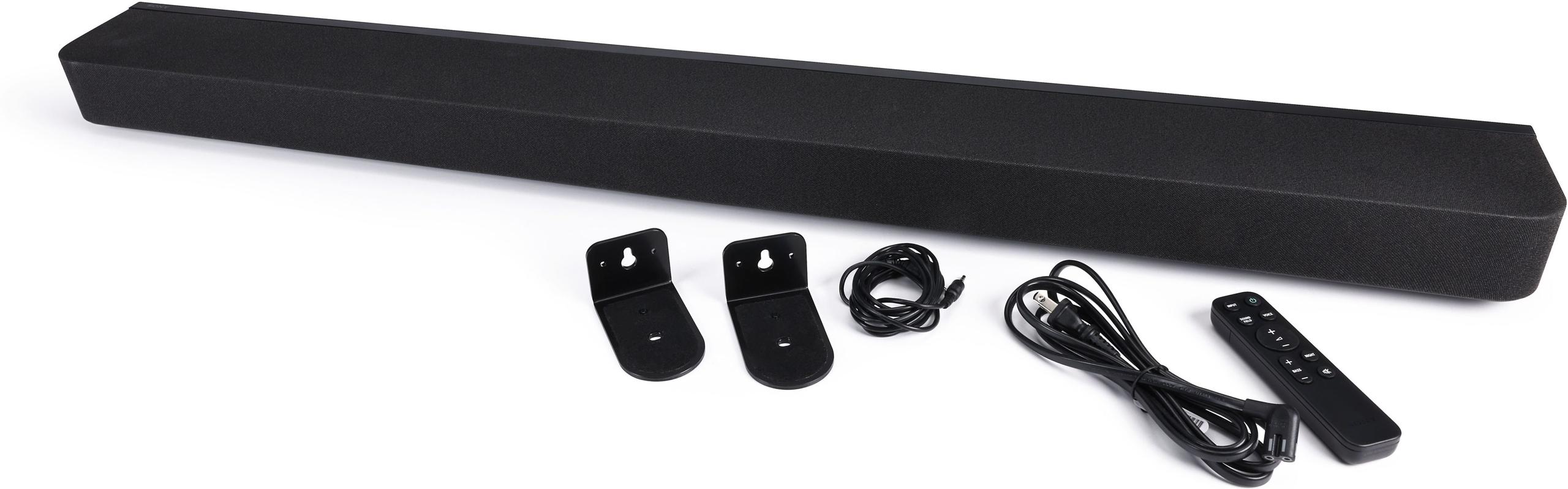
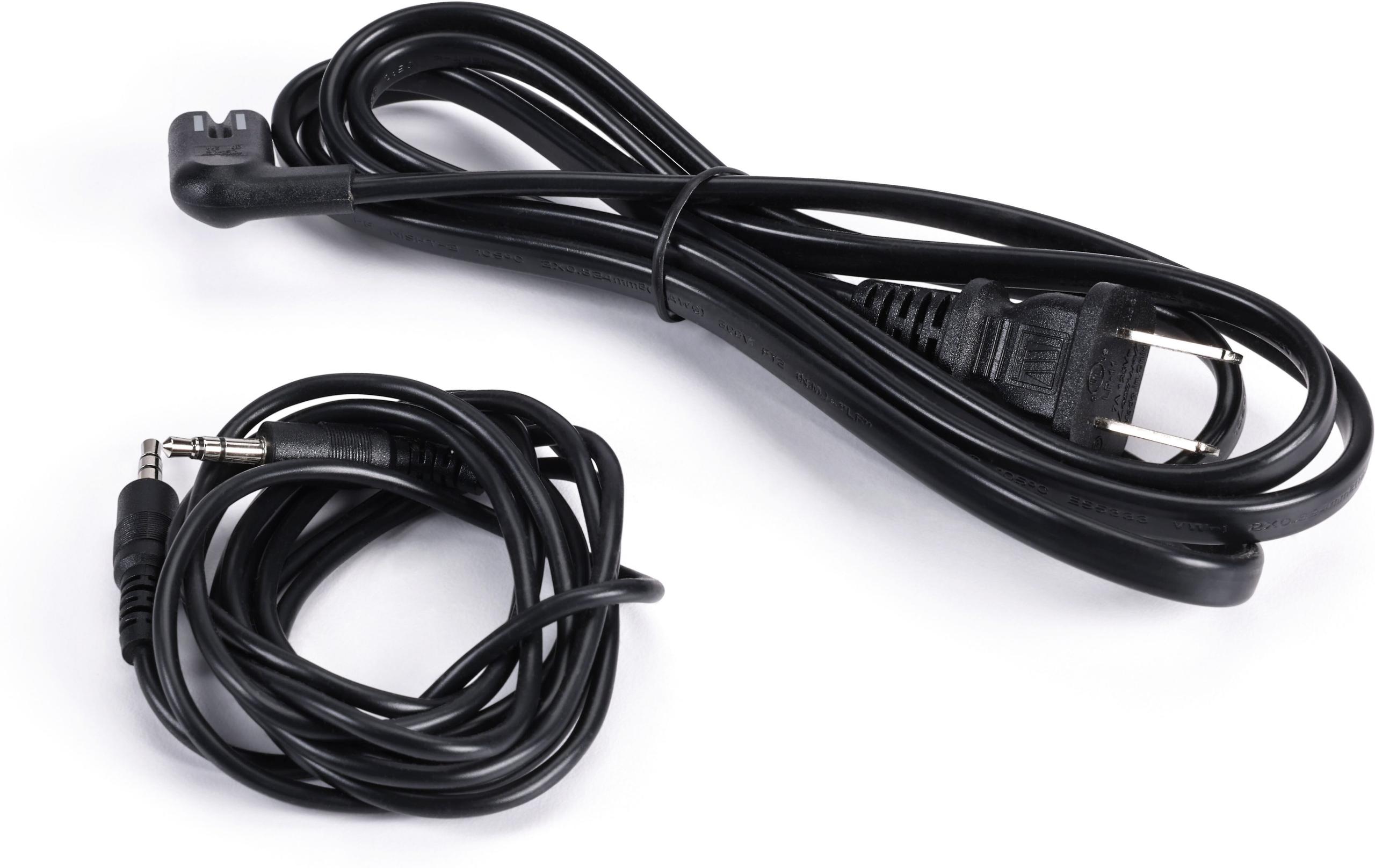
Both the Sony HT-A8000 and Bose Smart Ultra offer straightforward setup processes with automatic room optimization features. The Bose includes an external calibration microphone for more precise tuning, while the Sony's setup is slightly more streamlined. Both include all necessary cables and mounting hardware, making installation simple for most users regardless of technical experience.
We've done our best to create useful and informative comparisons to help you decide what product to buy. Our research uses advanced automated methods to create this comparison and perfection is not possible - please contact us for corrections or questions. These are the sites we've researched in the creation of this article: consumerreports.org - skybygramophone.com - target.com - rtings.com - bestbuy.com - rubbermonkey.co.nz - shopatsc.com - audioadvice.com - sony.com - sony.com - sony.com - shop.cosmopolitan.com - store.sony.com.my - videoandaudiocenter.com - techradar.com - bose.com - bestbuy.com - tomsguide.com - pcrichard.com - rtings.com - bose.com - boselatam.com - avsforum.com - bose.com

Privacy Policy
Terms and Conditions - Affiliate Policy
Home Security
© Copyright 2008-2026.
11816 Inwood Rd #1211, Dallas, TX 75244