

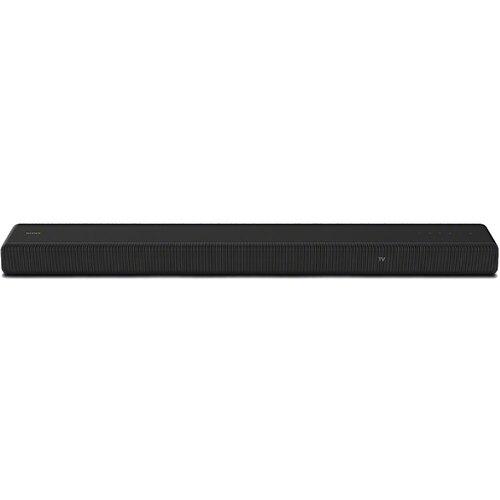

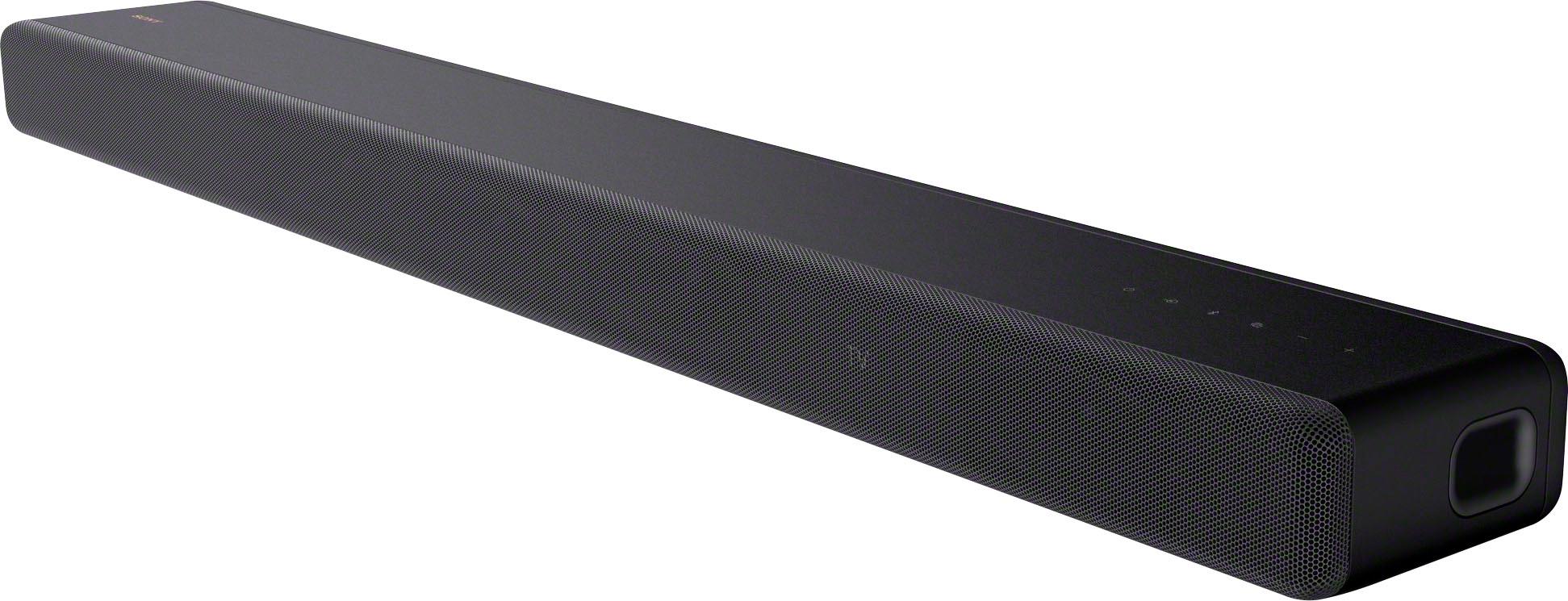
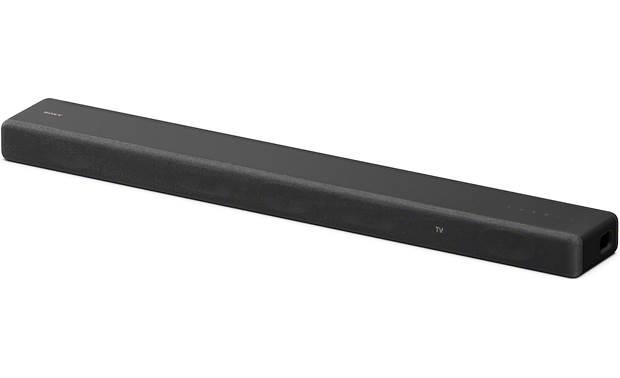

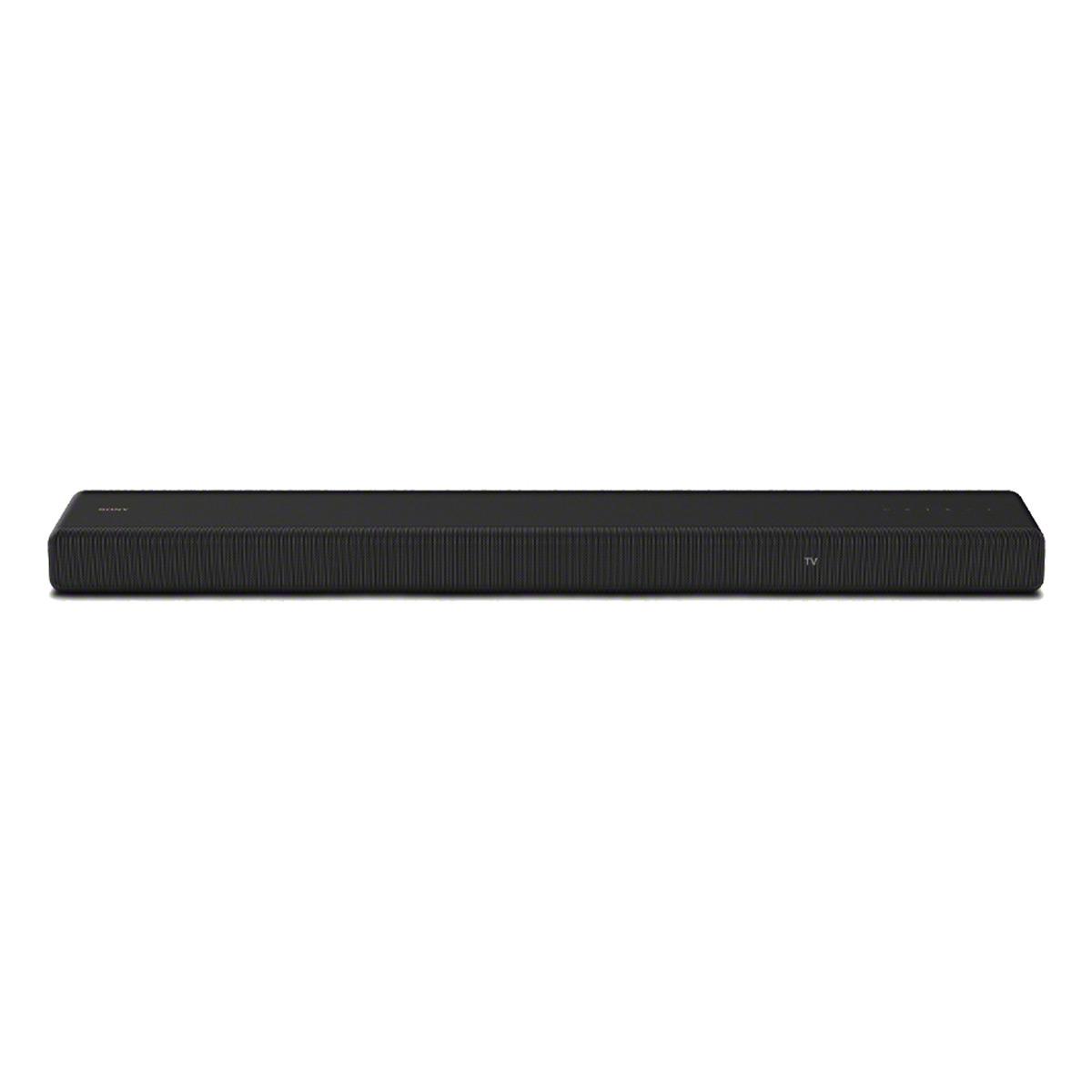
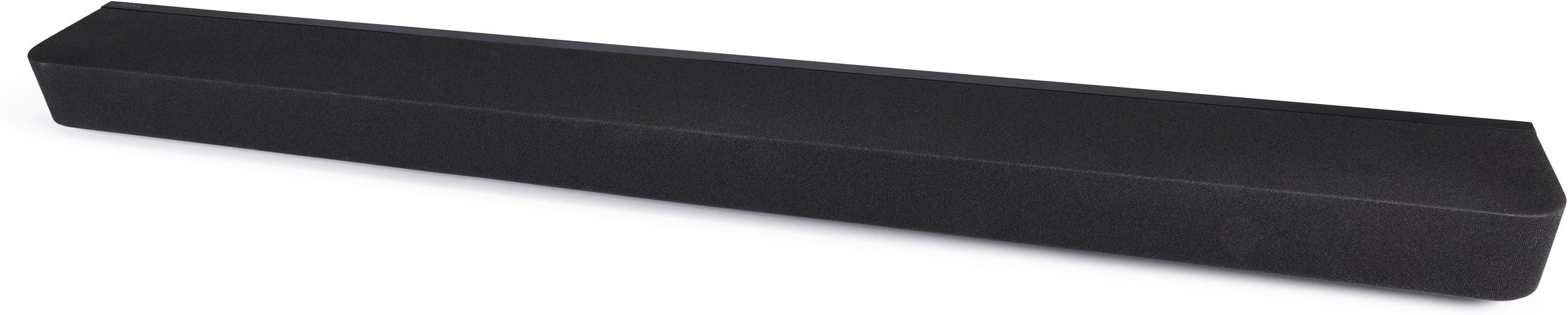
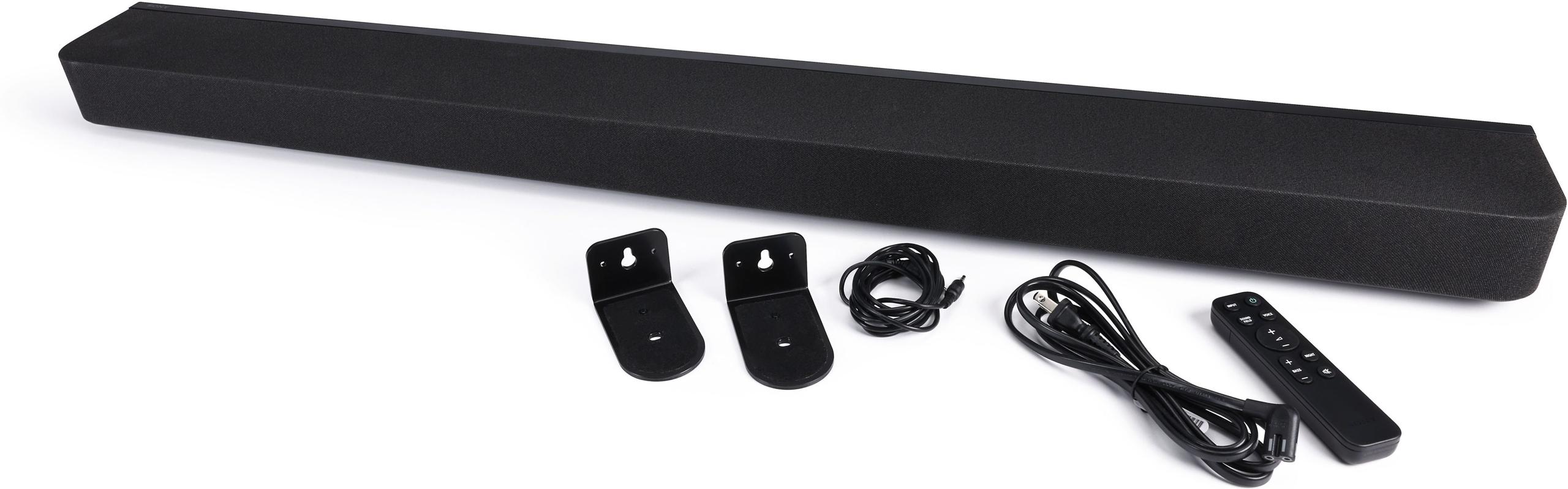

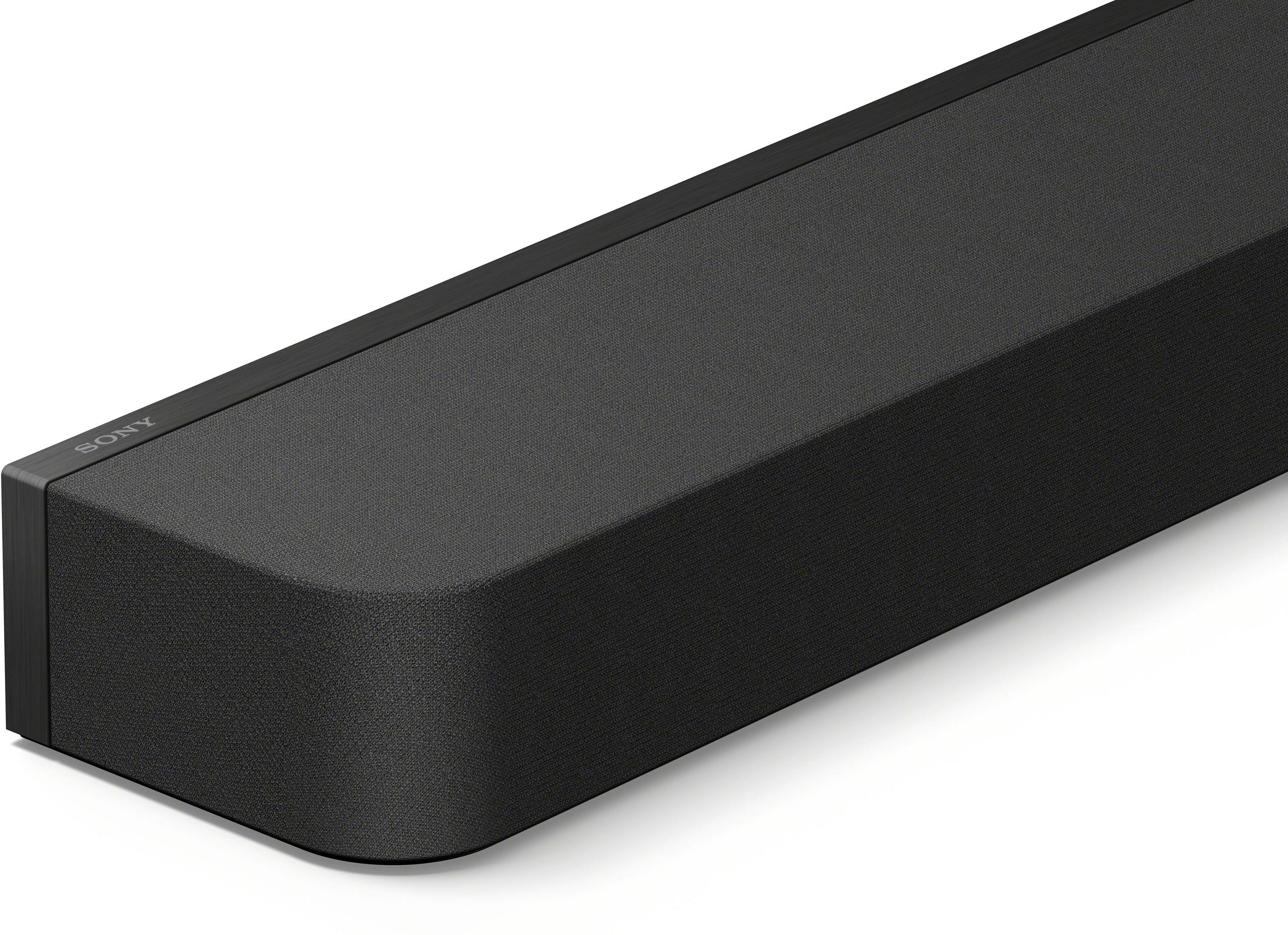

When your TV's built-in speakers leave action scenes feeling flat and dialogue barely audible, a quality soundbar becomes essential. Sony's BRAVIA Theater lineup offers two compelling options that both promise Dolby Atmos immersion, but they take dramatically different approaches to achieving great sound. The HT-A8000, released in 2024, represents Sony's latest spatial audio technology, while the HT-A3000, launched in 2022, focuses on delivering solid fundamentals at a more accessible price point.
At the time of writing, both models carry similar retail prices, making the decision particularly interesting. You're essentially choosing between cutting-edge audio processing or tried-and-true acoustic engineering with stronger built-in bass. Let's break down what really matters for your home theater.
Today's soundbars have evolved far beyond simple TV audio upgrades. The best models create convincing surround sound experiences using advanced digital processing, multiple speaker drivers, and sophisticated acoustic design. The key technologies that separate good soundbars from great ones include Dolby Atmos support (which adds height dimensions to surround sound), room calibration systems that adapt sound to your specific space, and expandability options that let you build a full surround system over time.
Both Sony models support Dolby Atmos, which essentially tricks your ears into hearing sound coming from above by bouncing audio off your ceiling or using dedicated upward-firing speakers. However, they achieve this effect through completely different methods, and understanding these differences is crucial to making the right choice.
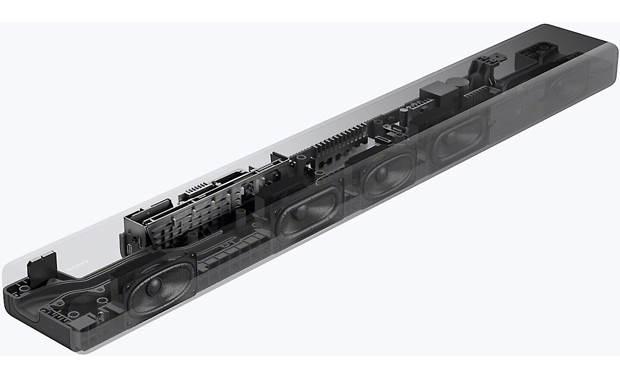
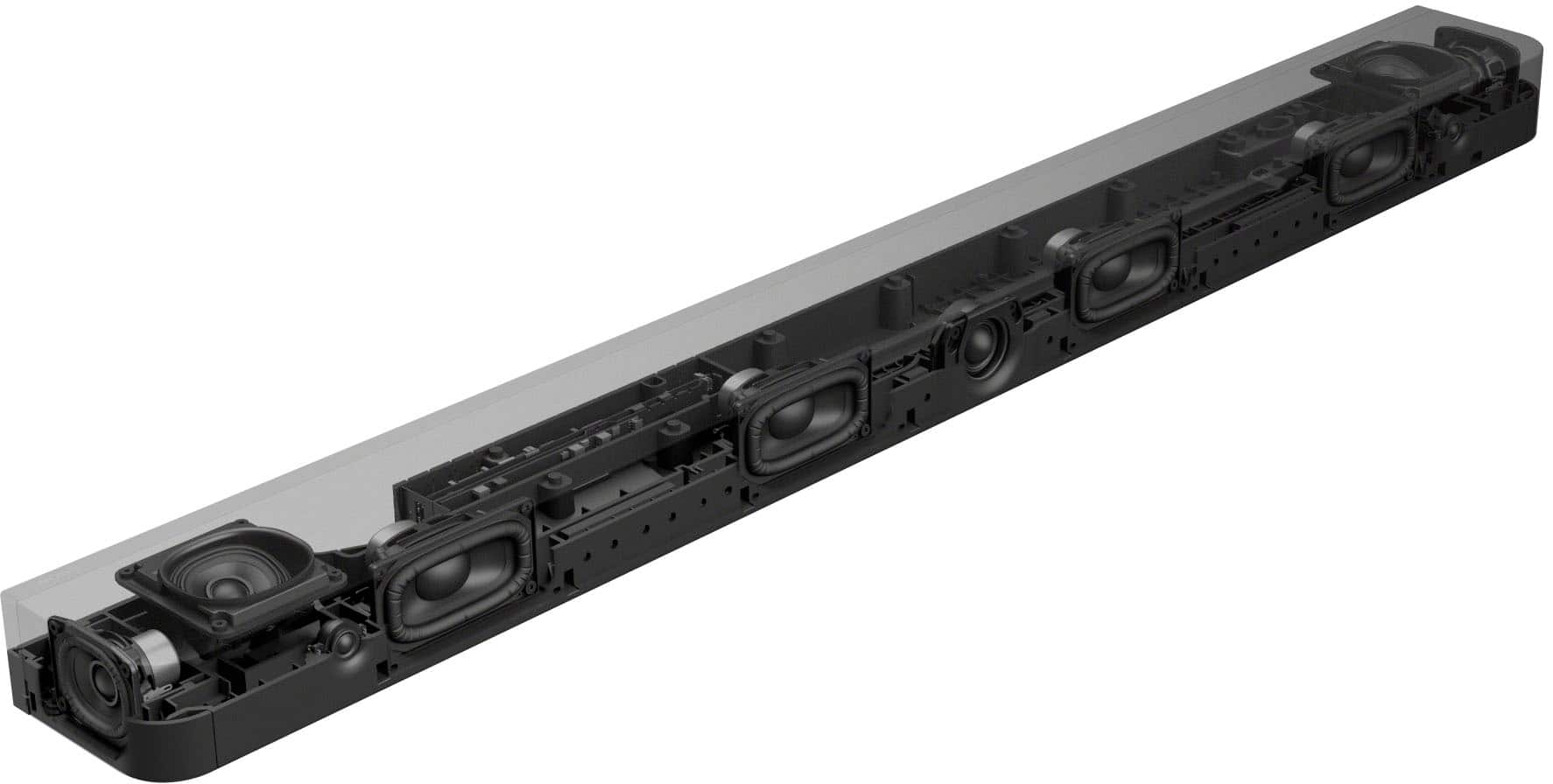
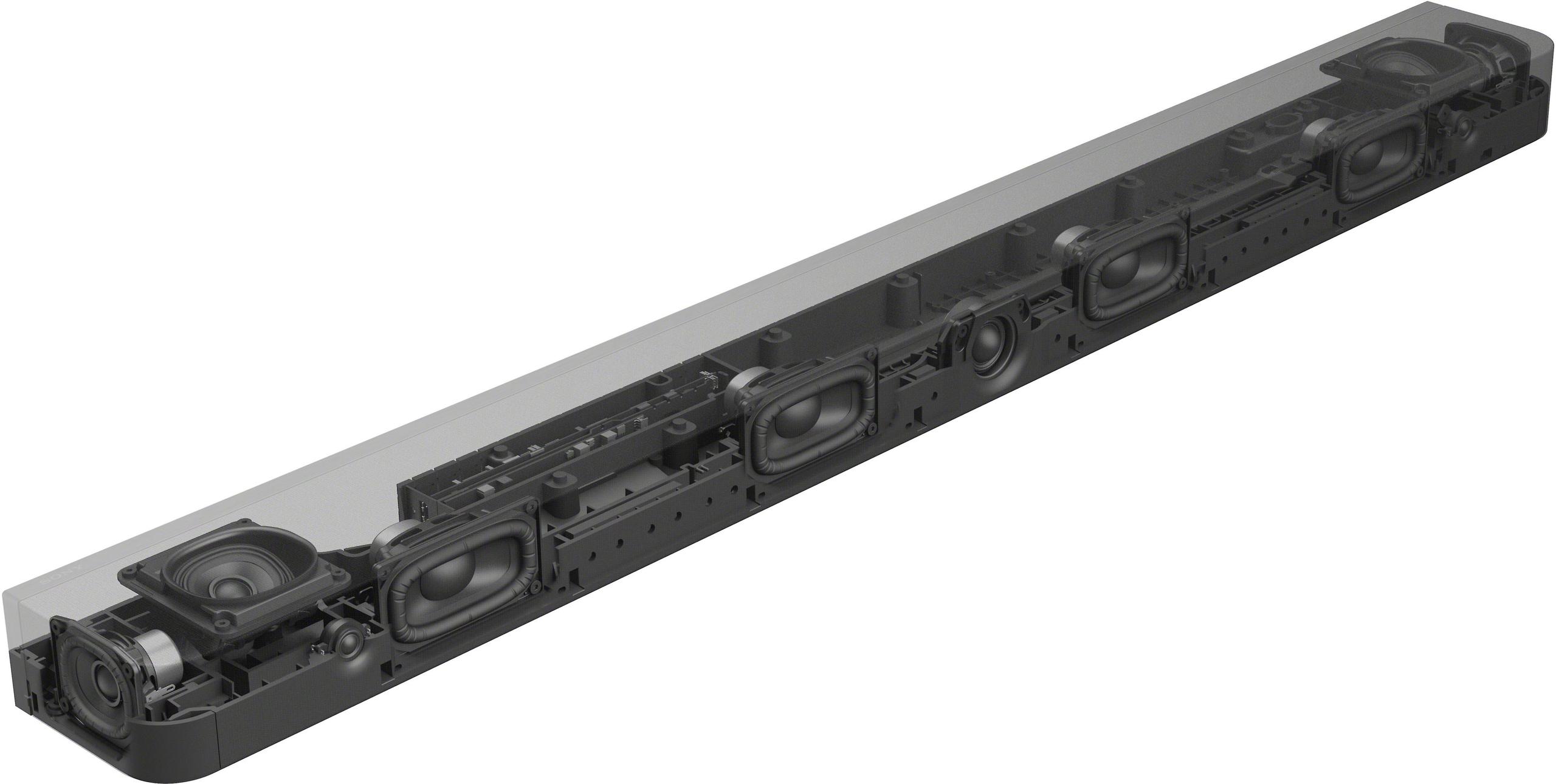
The HT-A8000 packs eleven individual speaker drivers into its sleek chassis, using Sony's 360 Spatial Sound Mapping technology to create what the company calls "phantom speakers" – virtual sound sources that seem to exist in empty space around your room. This approach prioritizes spatial accuracy and soundstage width, essentially turning your living room into a concert hall or movie theater.
The HT-A3000, by contrast, takes a more traditional route with five speakers including a dedicated center channel (the speaker responsible for dialogue) and built-in dual subwoofers for bass. This configuration focuses on getting the fundamentals absolutely right – crystal-clear speech, solid bass response, and reliable surround effects without requiring perfect room acoustics.
The HT-A8000's eleven-driver array creates a noticeably wider and more enveloping soundstage. When watching movies, explosions seem to happen around you rather than in front of you, and musical performances gain impressive depth and separation. The 360 Spatial Sound Mapping technology works by creating virtual speakers that your brain interprets as real sound sources positioned throughout the room.
This technology represents a significant advancement over traditional soundbar design. Instead of relying purely on reflected sound bouncing off walls and ceilings, the HT-A8000 uses precise timing and phase relationships between its multiple drivers to create convincing phantom speakers. The result is surround sound that works even in acoustically challenging rooms with irregular layouts or soft furnishings that absorb reflections.
The HT-A3000 uses Sony's Vertical Surround Engine and S-Force PRO Front Surround processing to create virtual height and surround effects. While these technologies work reasonably well, they're fundamentally limited by having fewer physical drivers to work with. The surround effect feels more concentrated in front of you, which works fine for casual viewing but lacks the room-filling presence that makes movie soundtracks truly immersive.
Here's where the technical differences become most apparent. The HT-A8000 includes dedicated upward-firing drivers that physically launch sound toward your ceiling, where it reflects back down to create genuine overhead effects. When helicopters fly overhead in action scenes or rain falls in atmospheric dramas, you'll hear these sounds coming from above rather than just from the front of the room.
The HT-A3000 handles Dolby Atmos through virtual processing alone. Its Vertical Surround Engine does an admirable job of creating the impression of height, but it can't match the convincing overhead effects that physical up-firing drivers provide. For casual viewers, this difference might not matter much, but home theater enthusiasts will definitely notice the more limited vertical soundstage.
This category presents an interesting reversal. Despite its premium positioning, the HT-A8000 actually delivers less immediate bass impact than its more affordable sibling. It relies on four smaller woofers integrated into the main bar, which provide clean, tight bass but limited deep extension. The bass is well-controlled and doesn't overwhelm dialogue, but action sequences might feel less punchy than expected.
The HT-A3000 includes dual 4.375" x 1.8125" built-in subwoofers that deliver noticeably more low-frequency impact out of the box. Explosions have more rumble, music sounds fuller, and overall dynamics feel more exciting. This is particularly important if you're not planning to add an external subwoofer, as the built-in bass helps compensate for the less sophisticated spatial processing.
Both soundbars excel at speech reproduction, but through different strengths. The HT-A3000's dedicated center channel ensures that dialogue stays anchored to the screen and remains clearly separated from background music and effects. This discrete center speaker approach has been proven effective for decades in home theater systems.
The HT-A8000 achieves excellent dialogue clarity through its Voice Zoom 3 technology, which uses AI to identify and enhance human speech in the audio mix. While it doesn't have a physically separate center channel, its multiple drivers and advanced processing create a convincing center image that keeps voices clear and properly positioned.
The HT-A8000's Sound Field Optimization represents a more sophisticated approach to room correction. The system uses built-in microphones to measure your room's acoustic properties and automatically adjusts the sound output to compensate for reflective surfaces, furniture placement, and room size. This technology works continuously, adapting to changes in your room layout or acoustic environment.
This level of acoustic adaptation makes the HT-A8000 more versatile across different room types and sizes. Whether you have a small apartment with hard surfaces or a large family room with carpeting and heavy furniture, the soundbar adjusts its output to maintain optimal performance.
The HT-A3000 includes basic Sound Field Optimization, but it's less sophisticated in its analysis and correction capabilities. This isn't necessarily a drawback – many listeners prefer the more straightforward sound signature without heavy processing. However, the HT-A3000 may require more careful positioning and room treatment to achieve its best performance.
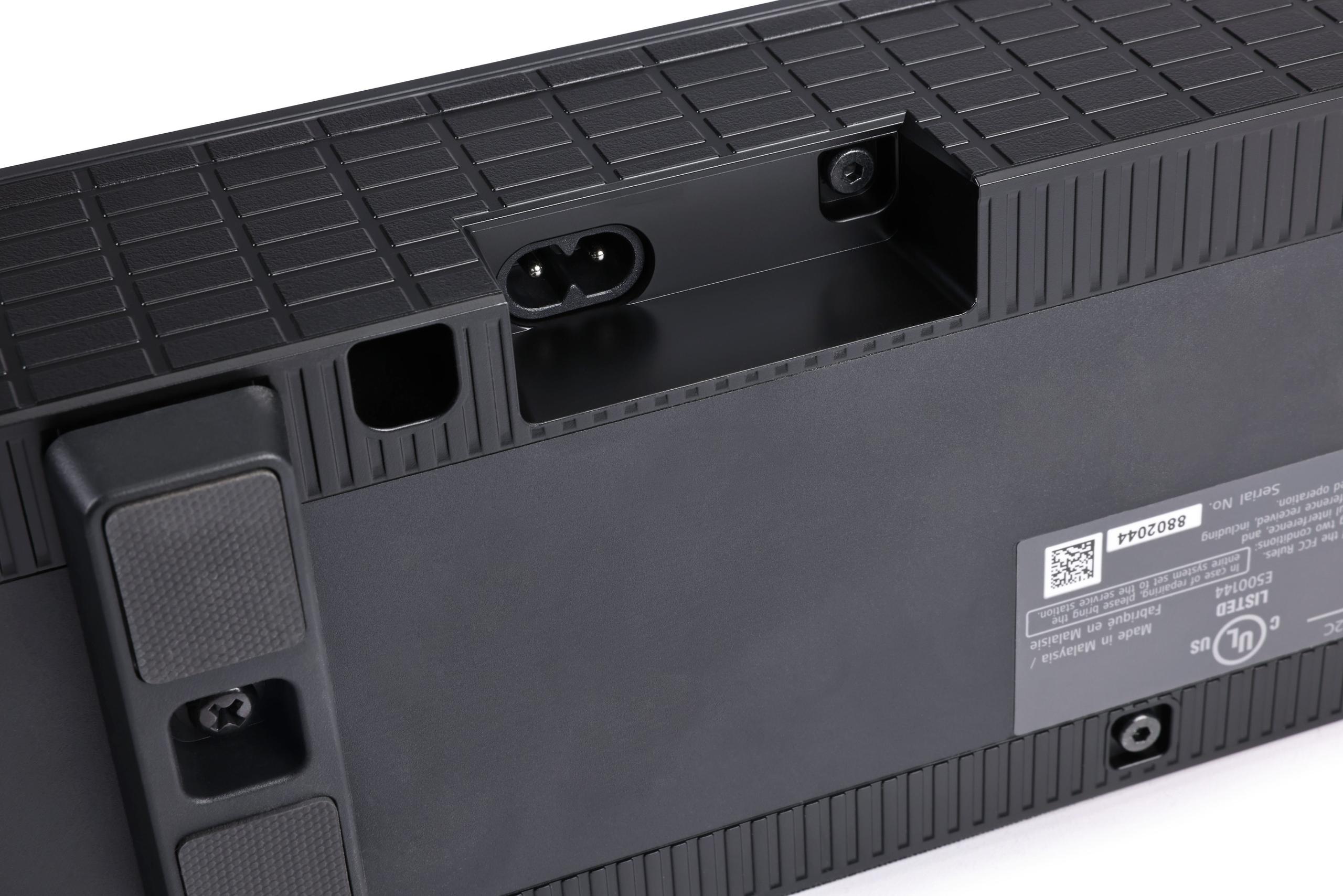
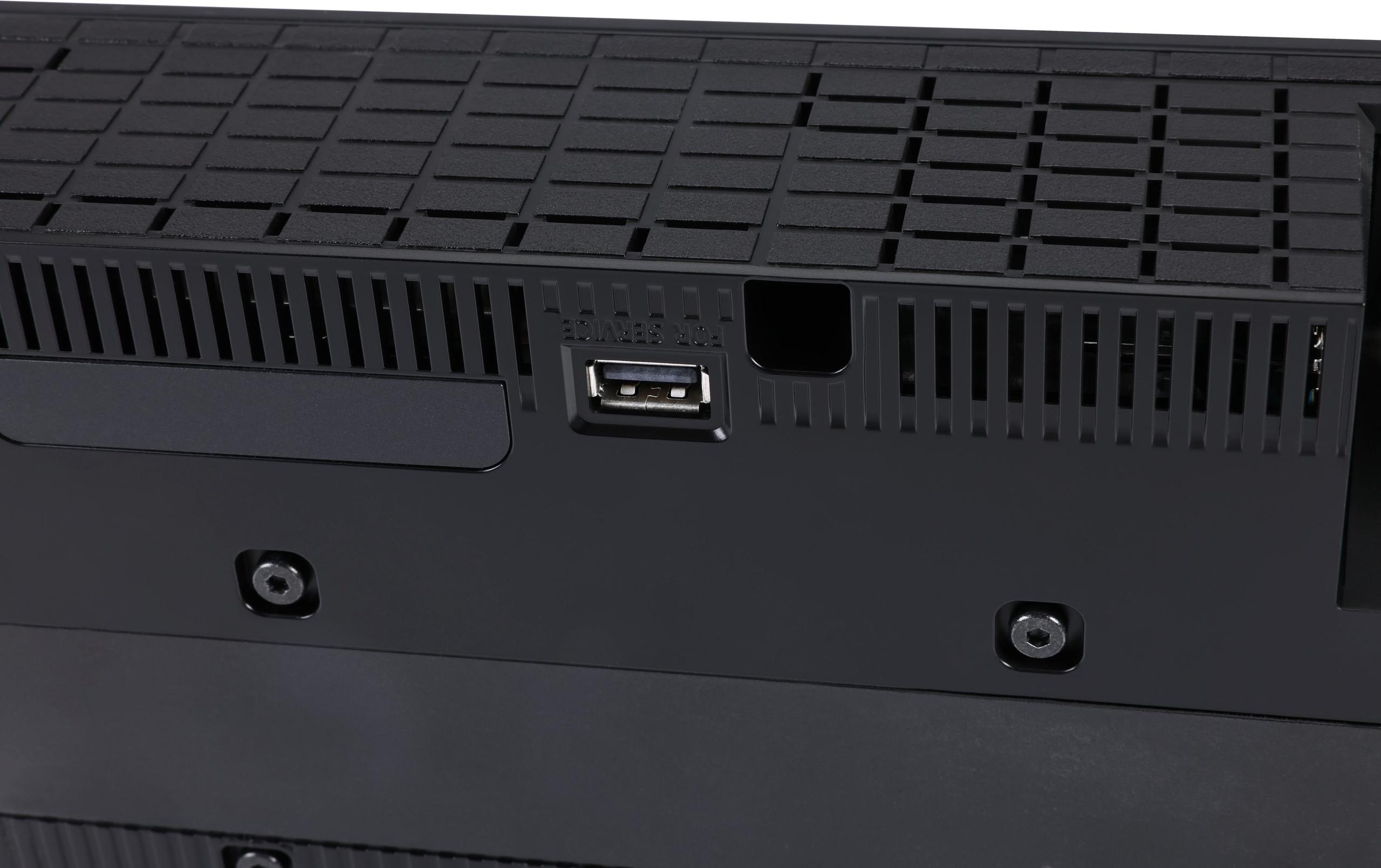
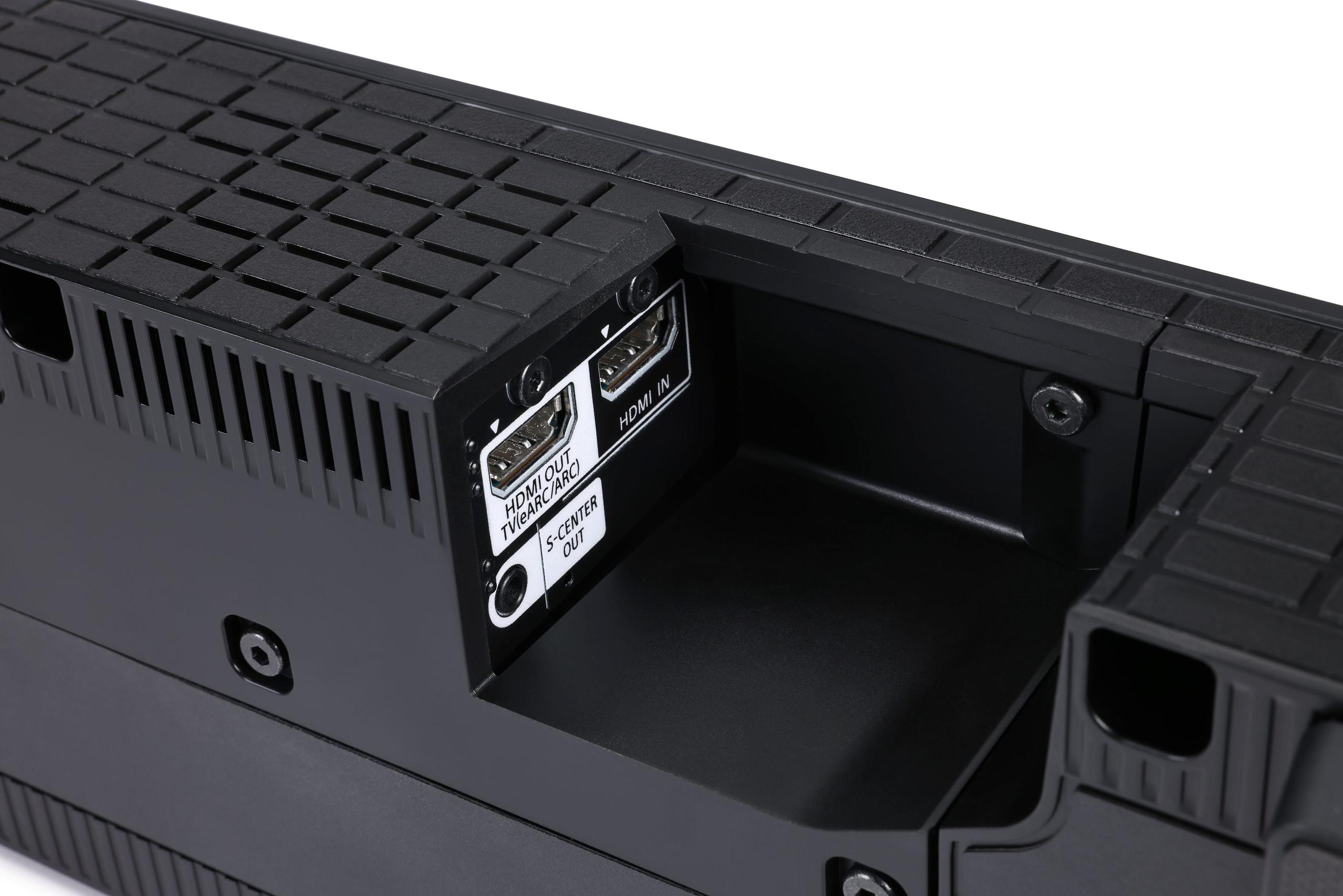
Both soundbars support the essential modern connectivity options including HDMI eARC (which carries high-quality audio from your TV back to the soundbar), Bluetooth 5.2 with LDAC for high-quality wireless audio, and popular streaming services like Spotify Connect and Apple AirPlay 2.
The HT-A8000 includes more robust HDMI 2.1 implementation with full support for gaming features like 4K at 120fps, Variable Refresh Rate (VRR), and Auto Low Latency Mode (ALLM). If you're a serious gamer, these features ensure that your audio system won't create bottlenecks in your gaming setup.
Both models support 4K HDR video passthrough including Dolby Vision, ensuring that your video quality remains pristine when routing sources through the soundbar rather than directly to your TV.
Here's where both soundbars show their long-term value proposition. Sony designed both models to work seamlessly with optional wireless subwoofers (SA-SW3 or SA-SW5) and rear speakers (SA-RS3R or SA-RS5). These components automatically pair when powered on and integrate into the soundbar's processing system.
Adding a wireless subwoofer transforms either soundbar's performance dramatically. The HT-A8000 benefits from having dedicated bass handling, allowing its internal drivers to focus on midrange and high-frequency reproduction. The HT-A3000 gains even deeper bass extension while maintaining its already strong built-in bass for mid-bass punch.
With rear speakers added, both systems support Sony's 360 Spatial Sound Mapping, creating a true surround sound experience. The HT-A8000 can achieve up to 7.1.2 channels when fully expanded, while the HT-A3000 reaches 5.1.2 channels. These numbers represent the total speaker configuration: left/center/right front channels, surround channels, subwoofer channels, and height channels respectively.
At the time of writing, both models carry similar pricing, making the value comparison particularly interesting. You're essentially choosing between two different philosophies of soundbar design at the same price point.
The HT-A8000 represents better long-term value if you prioritize audio performance and plan to use it primarily as a standalone unit. Its advanced spatial processing and wider soundstage provide more satisfying performance without additional components. The 2024 release date also means you're getting Sony's latest audio processing algorithms and acoustic engineering.
The HT-A3000 offers better immediate satisfaction if strong bass response is important to your enjoyment. Its built-in subwoofers provide more visceral impact for action movies and music, and the dedicated center channel ensures excellent dialogue clarity. However, you might find yourself wanting to expand the system sooner to match the spatial performance of its more expensive sibling.
Prioritize spatial audio immersion. If you love getting lost in movie soundtracks and want the most convincing surround sound from a single soundbar, the HT-A8000's eleven-driver array and 360 Spatial Sound Mapping deliver a genuinely enveloping experience that works well across different room types.
Have a larger listening space. The advanced spatial processing and wider soundstage make the HT-A8000 more effective in medium to large rooms where traditional soundbars might sound thin or distant.
Value cutting-edge technology. As Sony's 2024 flagship soundbar, the HT-A8000 includes the company's latest audio processing algorithms and represents their current thinking on spatial audio reproduction.
Plan to use it primarily standalone. If adding a subwoofer and rear speakers isn't in your immediate plans, the HT-A8000 provides better performance as a complete system right out of the box.
Want immediate bass impact. The built-in dual subwoofers provide satisfying low-frequency response without requiring additional components. Action movies feel more dynamic, and music reproduction has better fullness and weight.
Focus primarily on dialogue clarity. The discrete center channel ensures that voices remain clear and properly positioned, making it ideal if you watch a lot of dialogue-heavy content like dramas, documentaries, or news programming.
Prefer proven acoustic principles. The traditional 3.1 channel approach with dedicated center and bass speakers represents decades of proven home theater design philosophy. Some listeners prefer this more straightforward sound signature over heavily processed spatial effects.
Plan to expand gradually. If you're building a system over time, the HT-A3000 provides excellent performance at each stage of expansion while costing less initially.
Based on our analysis of user reviews, expert evaluations, and technical specifications, the HT-A8000 emerges as the stronger choice for most buyers, despite the models' similar pricing. Its advanced spatial audio processing, wider soundstage, and more sophisticated room optimization provide better long-term satisfaction and represent genuine technological advancement over traditional soundbar design.
However, the HT-A3000 remains compelling for specific use cases. If strong built-in bass is essential to your enjoyment, or if you prefer the more traditional sound signature of discrete center and bass speakers, it delivers excellent performance at its price point.
The key insight is that both soundbars benefit dramatically from expansion with Sony's wireless subwoofer and rear speakers. If you're planning to build a complete system eventually, starting with either model provides a solid foundation. But if you want the best possible performance from a standalone soundbar, the HT-A8000's advanced processing and eleven-driver array justify choosing it over its more traditional sibling.
For most home theater enthusiasts, the HT-A8000 represents the better investment in 2024's competitive soundbar market. Its combination of cutting-edge spatial audio technology, sophisticated room optimization, and impressive standalone performance makes it worth choosing even if you're not immediately planning system expansion.
| Sony HT-A8000 BRAVIA Theater Bar 8 Soundbar | Sony HT-A3000 3.1ch Dolby Atmos Soundbar |
|---|---|
| Speaker Configuration - Determines soundstage width and surround immersion | |
| 5.0.2 channels with 11 speaker units | 3.1 channels with 5 speaker units |
| Physical Upward-Firing Drivers - Essential for convincing Dolby Atmos height effects | |
| Yes, dedicated up-firing speakers for true overhead sound | No, uses virtual height processing only |
| Built-in Subwoofer - Affects bass impact without additional purchases | |
| Quad woofers (limited deep bass extension) | Dual 4.375" subwoofers (stronger immediate bass) |
| Spatial Audio Technology - Key differentiator for room-filling surround sound | |
| 360 Spatial Sound Mapping with phantom speakers | Vertical Surround Engine and S-Force PRO Front Surround |
| Room Calibration - Adapts sound to your specific listening environment | |
| Advanced Sound Field Optimization with continuous adaptation | Basic Sound Field Optimization |
| Total Power Output - Indicates maximum volume and dynamic range capability | |
| 60W (11 amplified channels) | 250W (5 amplified channels) |
| Weight and Size - Important for wall mounting and placement flexibility | |
| 10.36 lbs, 43.3" x 2.6" x 4.5" | 10.1 lbs, 37.4" x 2.5" x 5.0" |
| HDMI Connectivity - Affects integration with TVs and gaming systems | |
| HDMI 2.1 eARC with full gaming feature support | HDMI eARC with standard connectivity |
| Expandability - Maximum system configuration when adding wireless components | |
| Up to 7.1.2 channels with optional subwoofer and rear speakers | Up to 5.1.2 channels with optional subwoofer and rear speakers |
| Release Date - Indicates latest technology and future-proofing | |
| 2024 (newest spatial audio processing) | 2022 (proven, mature technology) |
| Best For - Primary use case where each model excels | |
| Immersive spatial audio and standalone performance | Strong built-in bass and dialogue clarity |
The Sony HT-A8000 features 11 speakers with advanced 360 Spatial Sound Mapping technology for wider surround sound, while the Sony HT-A3000 uses a traditional 3.1 channel setup with built-in dual subwoofers for stronger bass response. The HT-A8000 prioritizes spatial audio immersion, whereas the HT-A3000 focuses on solid fundamentals with immediate bass impact.
The Sony HT-A8000 delivers superior Dolby Atmos performance with dedicated upward-firing drivers that physically bounce sound off your ceiling for genuine overhead effects. The Sony HT-A3000 relies on virtual height processing through its Vertical Surround Engine, which creates the impression of height but can't match the convincing overhead sound of physical up-firing speakers.
The Sony HT-A3000 includes built-in dual subwoofers that provide satisfying bass right out of the box, making an external subwoofer optional for most users. The Sony HT-A8000 has quad woofers but delivers less deep bass extension, so you'll likely want to add Sony's optional wireless subwoofer for the best performance, especially in larger rooms.
Both models excel at dialogue clarity but achieve it differently. The Sony HT-A3000 uses a dedicated center channel speaker that keeps voices anchored to the screen and clearly separated from background sounds. The Sony HT-A8000 achieves excellent speech clarity through Voice Zoom 3 AI technology and advanced multi-driver processing to create a convincing center image.
Yes, both the Sony HT-A8000 and Sony HT-A3000 support Sony's optional wireless rear speakers (SA-RS3R or SA-RS5) that automatically pair when powered on. When expanded, the HT-A8000 can reach 7.1.2 channels while the HT-A3000 achieves 5.1.2 channels for full surround sound.
The Sony HT-A8000 performs better in larger spaces thanks to its 11-speaker array and 360 Spatial Sound Mapping technology that creates room-filling audio with wider soundstage coverage. The Sony HT-A3000 works well in medium-sized rooms but may sound less immersive in very large spaces without additional speakers.
Both models support 4K HDR passthrough and Dolby Vision, but the Sony HT-A8000 includes more robust HDMI 2.1 implementation with full gaming features like 4K at 120fps, Variable Refresh Rate (VRR), and Auto Low Latency Mode (ALLM). The Sony HT-A3000 handles standard connectivity needs but has more limited gaming-specific features.
Both models typically retail at similar price points, making the Sony HT-A8000 the better value due to its advanced spatial audio technology and superior standalone performance. However, the Sony HT-A3000 offers excellent value if you prioritize immediate bass impact and don't plan to expand the system, as its built-in subwoofers eliminate the need for additional purchases.
Both the Sony HT-A8000 and Sony HT-A3000 support Bluetooth 5.2 with LDAC, Spotify Connect, Apple AirPlay 2, and Wi-Fi connectivity. The HT-A8000 includes slightly more advanced app integration and enhanced wireless features, but both models cover all essential streaming and wireless audio needs.
The Sony HT-A8000 provides better music performance with its wider soundstage, superior instrument separation, and more refined spatial processing that creates a concert-like listening experience. The Sony HT-A3000 delivers solid music reproduction with fuller bass response thanks to its built-in subwoofers, making it excellent for bass-heavy genres.
Yes, both the Sony HT-A8000 and Sony HT-A3000 work perfectly with any TV brand through HDMI eARC/ARC or optical connections. However, they offer enhanced integration features like Acoustic Center Sync when paired with compatible Sony BRAVIA TVs, allowing the TV speakers to act as an additional center channel.
For first-time buyers, choose the Sony HT-A8000 if you want the most immersive experience from a single soundbar and plan to use it primarily standalone. Select the Sony HT-A3000 if you prefer strong built-in bass and excellent dialogue clarity, or if you're building a system gradually and want immediate satisfaction while planning future expansions.
We've done our best to create useful and informative comparisons to help you decide what product to buy. Our research uses advanced automated methods to create this comparison and perfection is not possible - please contact us for corrections or questions. These are the sites we've researched in the creation of this article: consumerreports.org - skybygramophone.com - target.com - rtings.com - bestbuy.com - rubbermonkey.co.nz - shopatsc.com - audioadvice.com - sony.com - sony.com - sony.com - shop.cosmopolitan.com - store.sony.com.my - videoandaudiocenter.com - rtings.com - electronics.sony.com - crutchfield.com - store.sony.com.au - digitaltrends.com - videoandaudiocenter.com - abt.com - sony.com - merlinstv.com - crutchfield.com - youtube.com

Privacy Policy
Terms and Conditions - Affiliate Policy
Home Security
© Copyright 2008-2026.
11816 Inwood Rd #1211, Dallas, TX 75244