

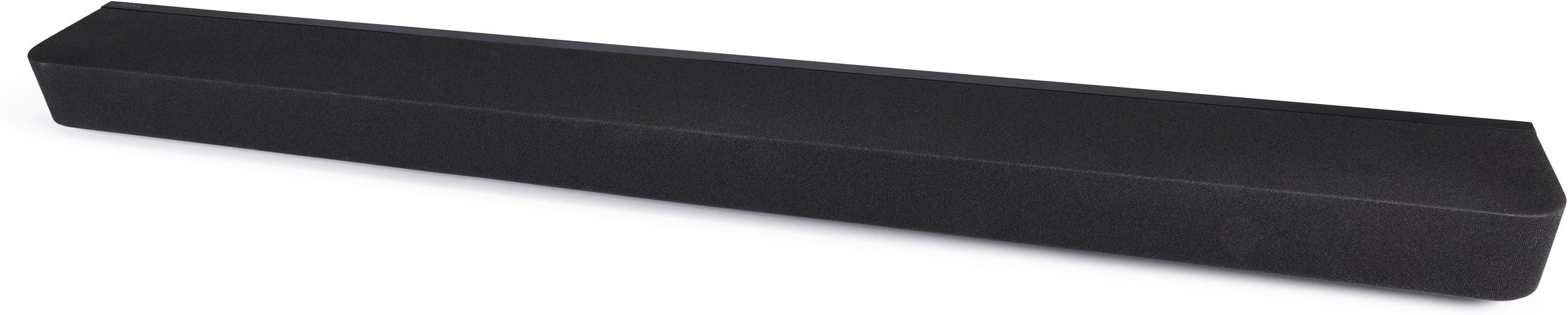
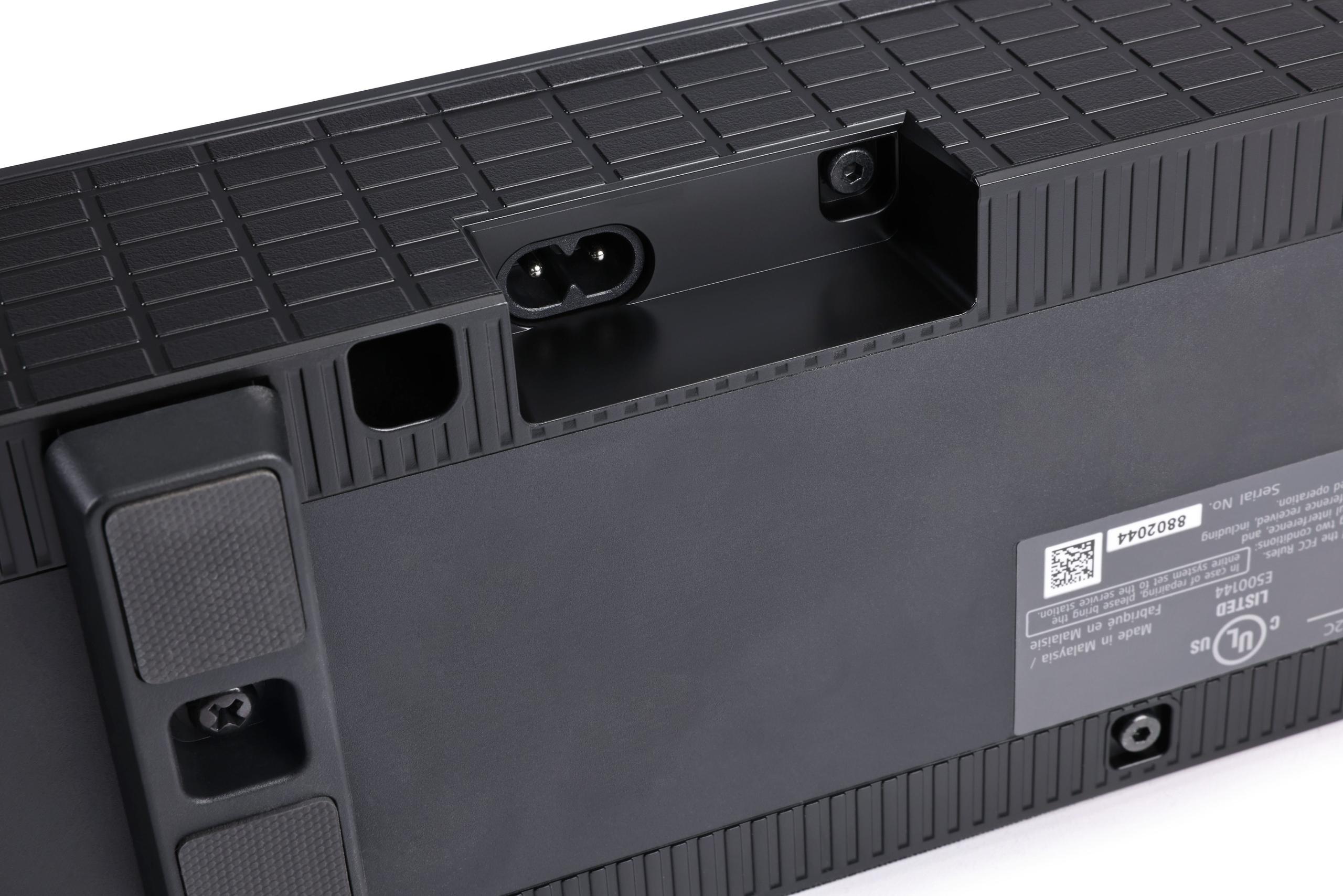
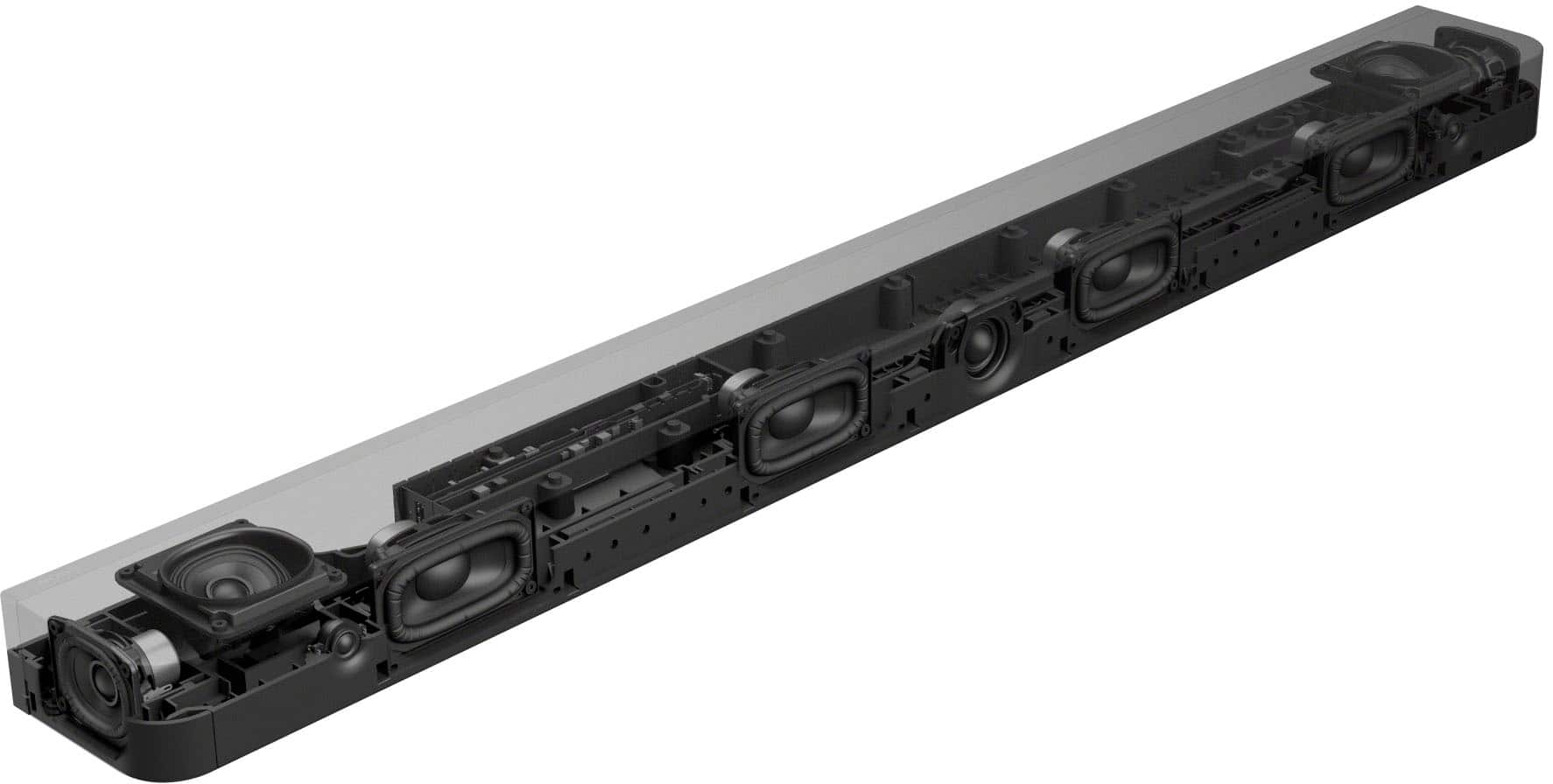
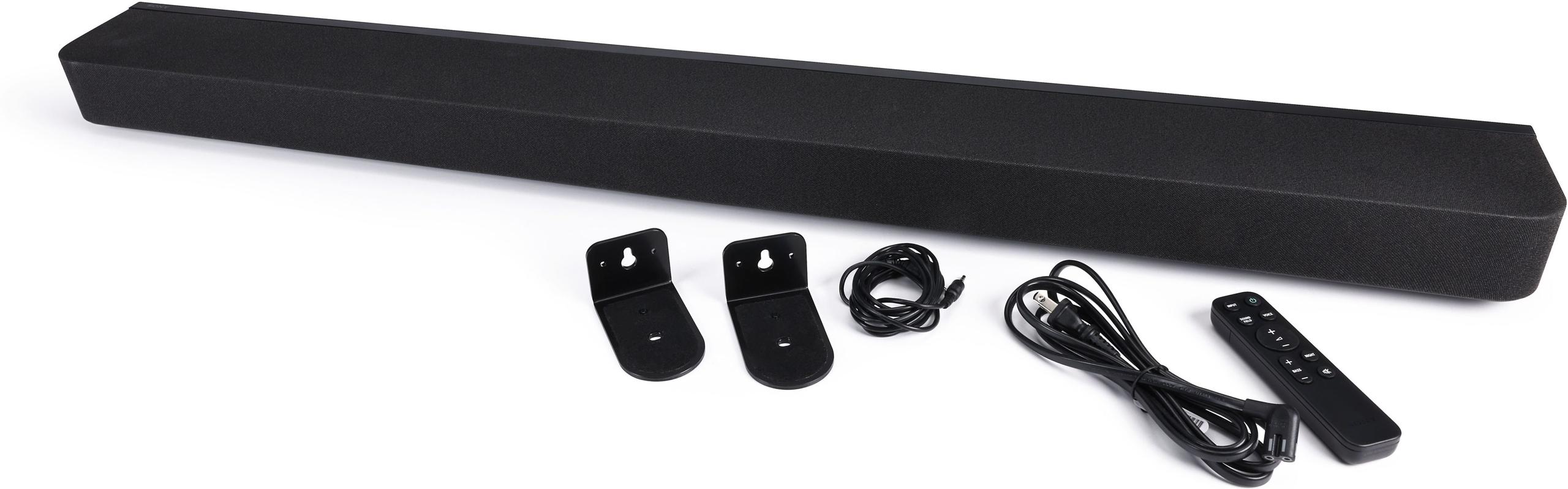




When your TV's built-in speakers leave you squinting to hear dialogue or missing the rumble of an action scene, it's time to consider a soundbar upgrade. But here's the thing—not all soundbars are created equal, and the gap between budget and premium models has never been wider. Today we're diving deep into two very different approaches to better TV audio: the Sony HT-A8000 BRAVIA Theater Bar 8 and the LG S40T 2.1 Channel Soundbar.
At the time of writing, these products sit in completely different price brackets, with the Sony commanding roughly two and a half times the cost of the LG. But is that premium justified? More importantly, which one actually makes sense for your living room setup?
Before we dive into the nitty-gritty, let's establish what we're really talking about when we discuss soundbar performance. A soundbar's job goes far beyond simply making things louder—it's about creating a convincing audio experience that draws you into whatever you're watching.
The most critical performance metrics include soundstage width (how spread out the audio feels), dialogue clarity (can you understand every word without cranking the volume?), bass response (that chest-thumping low-end), and surround sound immersion (does it feel like sound is coming from all around you?). Premium models also focus on height effects—making you feel like helicopters are actually flying overhead rather than just playing from a speaker bar below your TV.
Modern soundbars have evolved dramatically since their early days as simple speaker arrays. Today's models incorporate sophisticated signal processing, wireless connectivity, and some even use artificial intelligence to optimize audio in real-time.
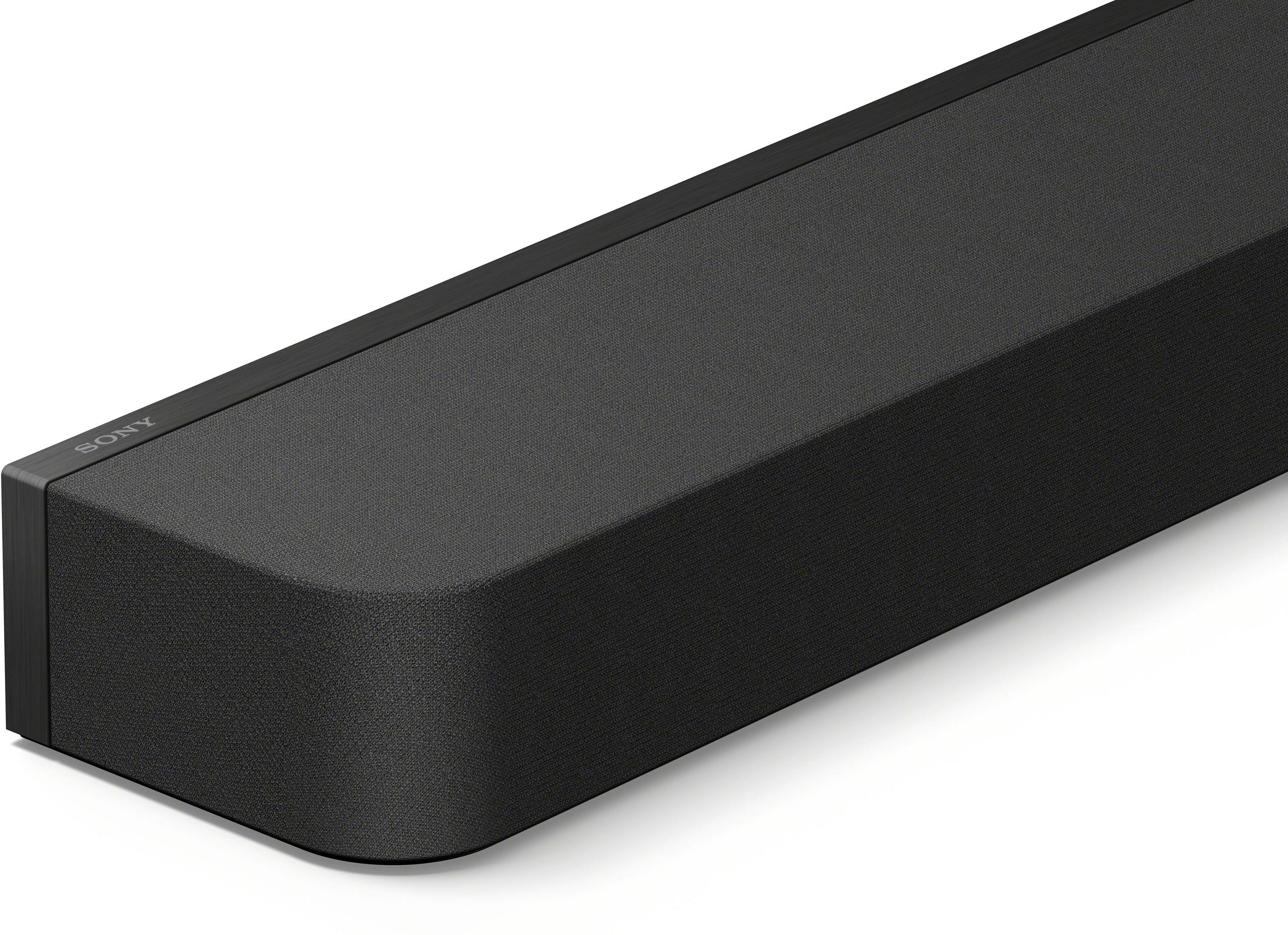
The Sony HT-A8000, released in 2024, represents Sony's latest thinking on premium single-bar audio systems. It's packed with 11 individual speakers and Sony's newest spatial audio technology, positioning itself as a high-end solution for home theater enthusiasts.
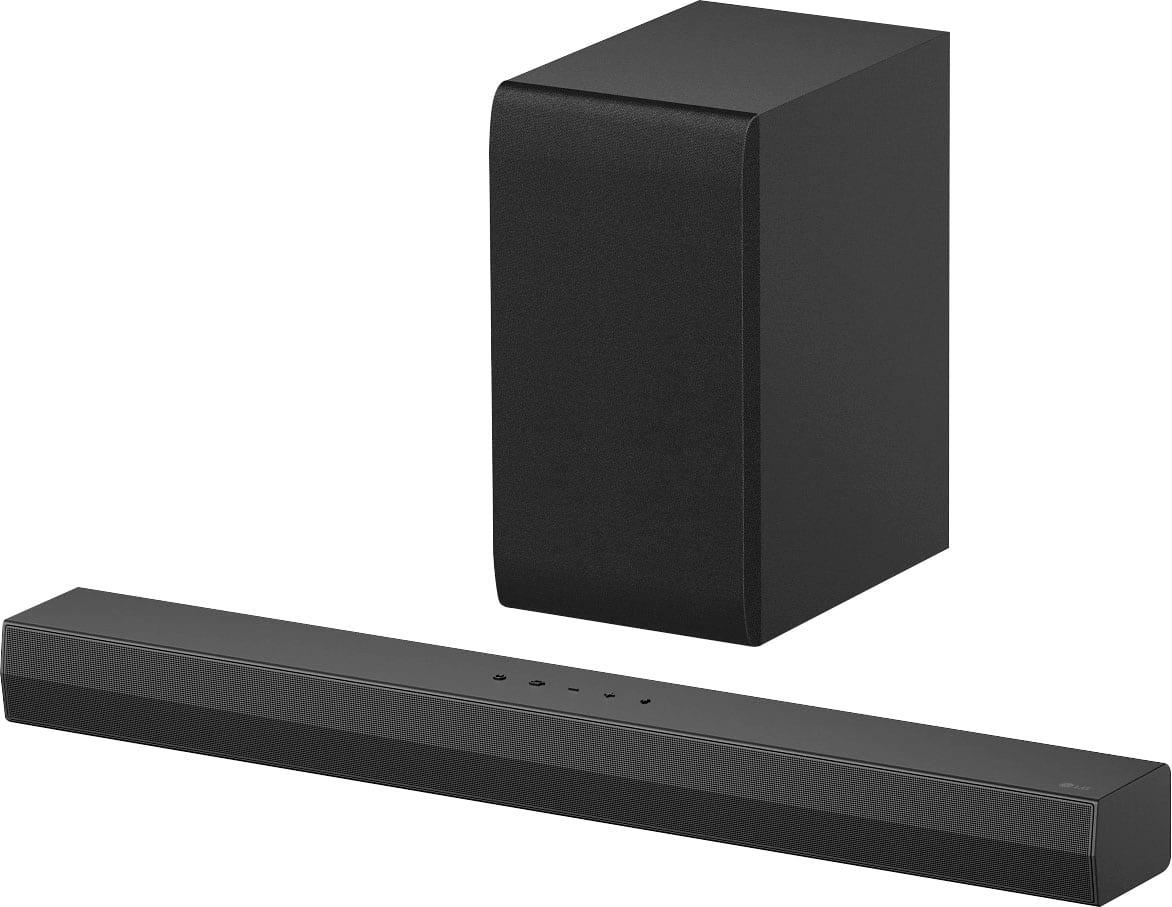
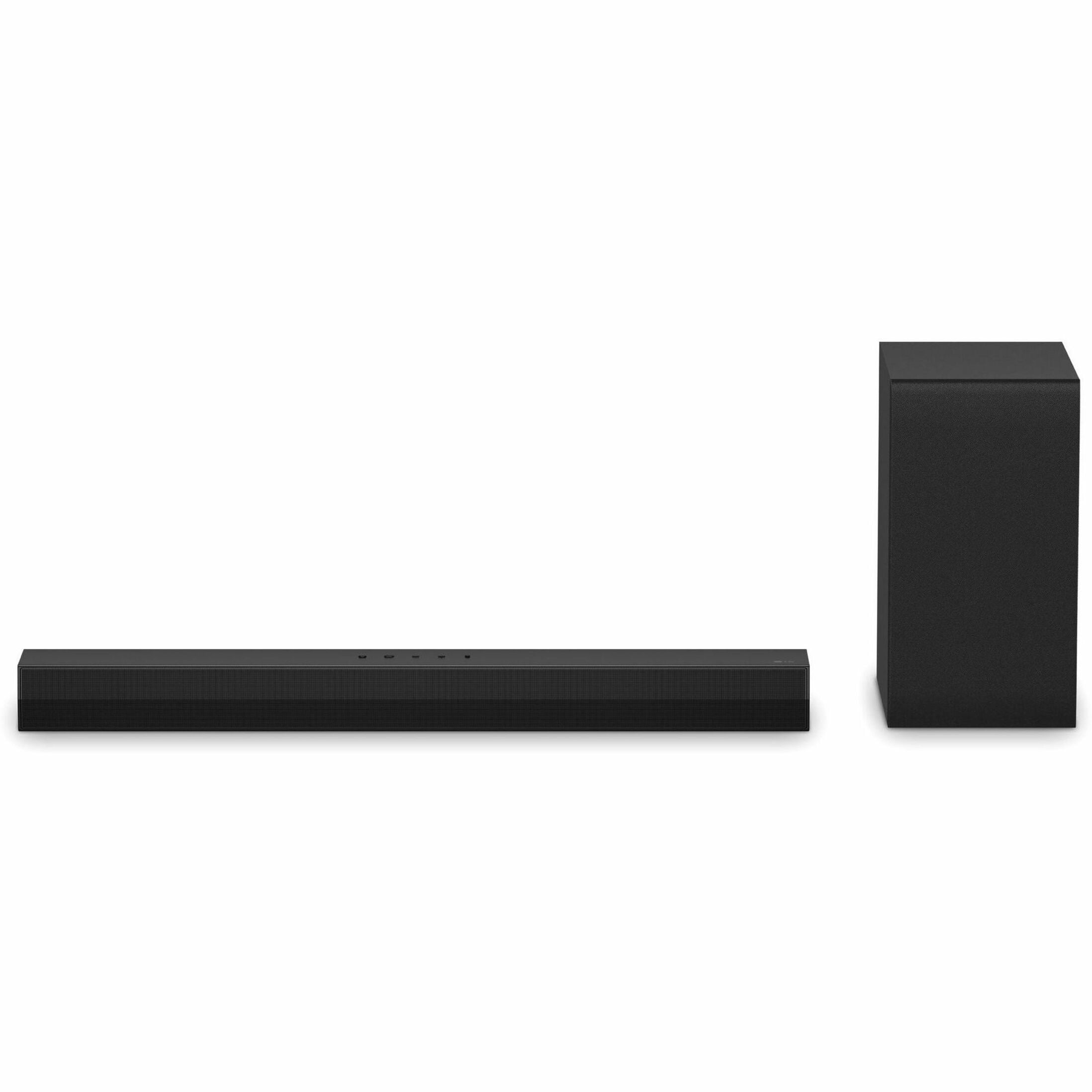
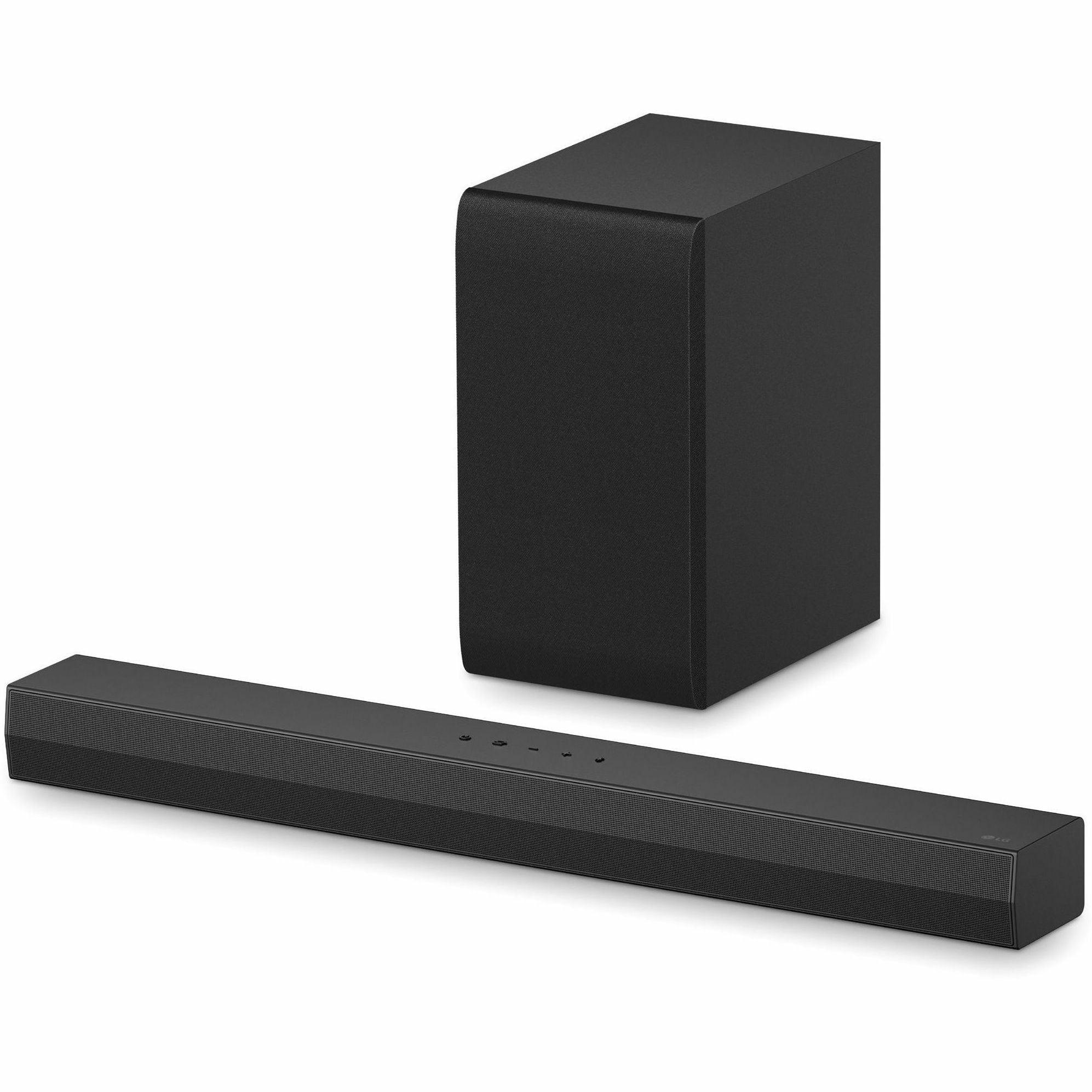
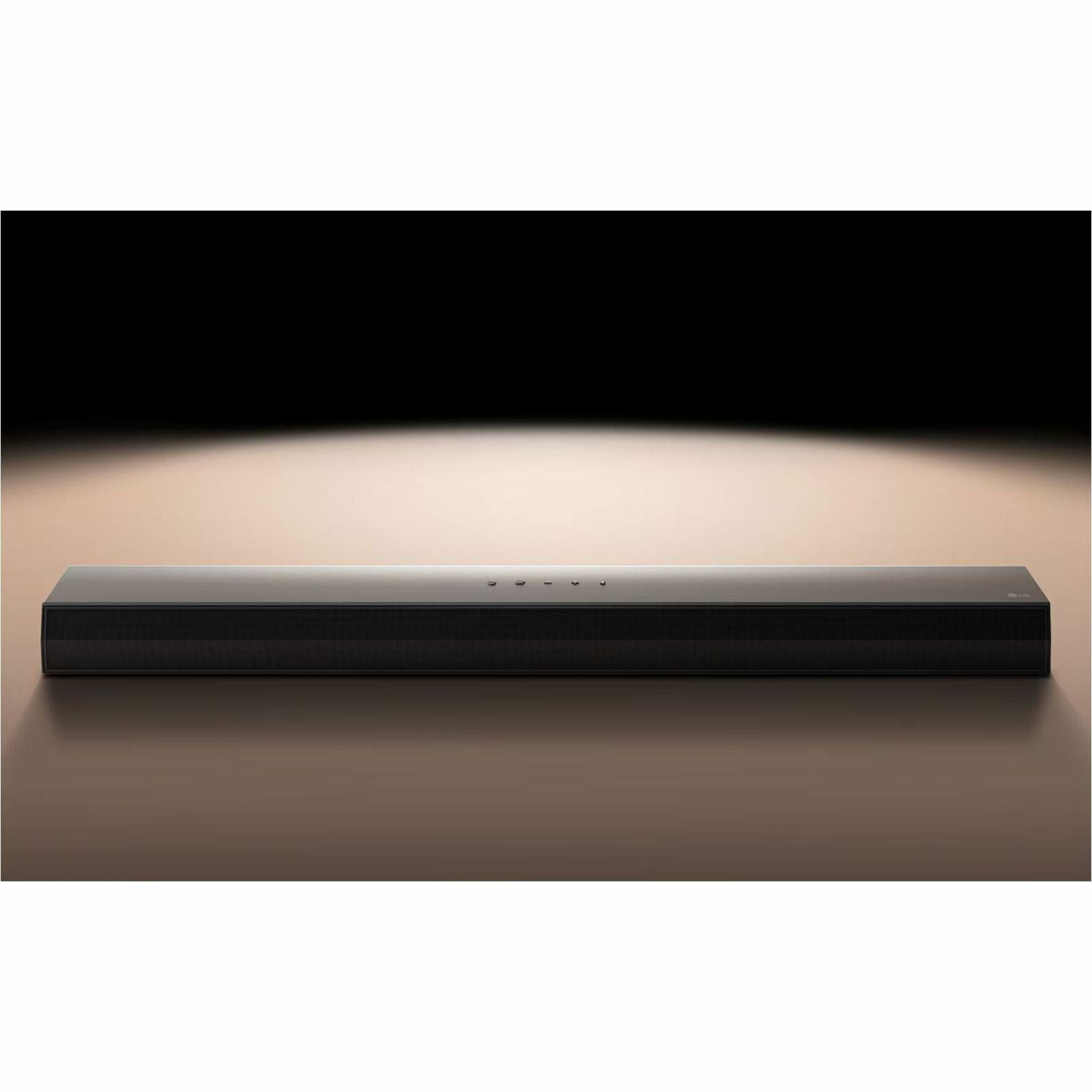
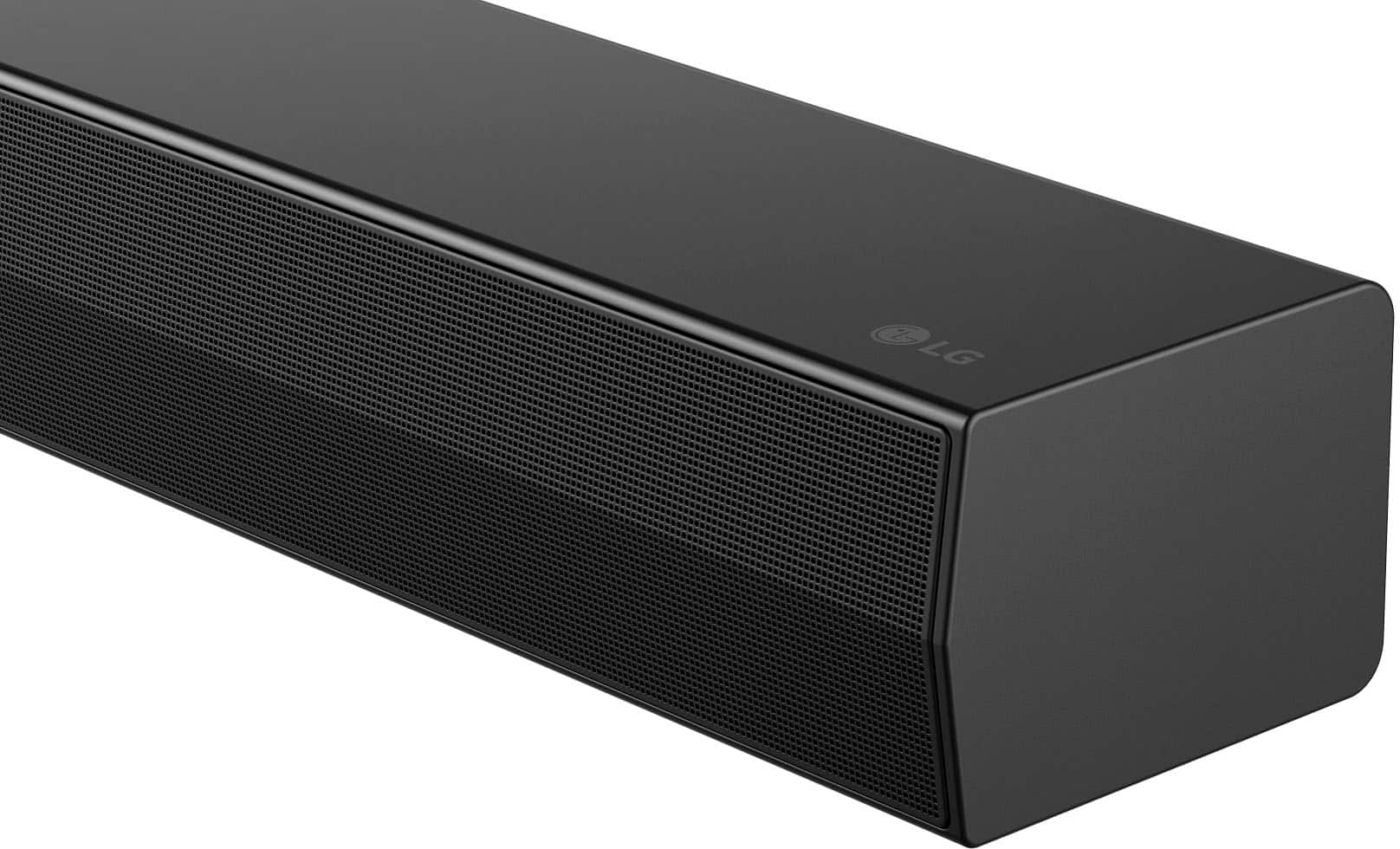
Meanwhile, the LG S40T, also hitting shelves in 2024, takes a fundamentally different approach. It's a straightforward 2.1-channel system—meaning stereo speakers plus a separate subwoofer—designed to deliver immediate audio improvements without breaking the bank or overwhelming users with complexity.
Here's where these two soundbars diverge most dramatically. The Sony HT-A8000 employs what Sony calls "360 Spatial Sound Mapping"—essentially using advanced processing to trick your brain into hearing sounds from directions where there aren't actually any speakers. This psychoacoustic wizardry combines physical speakers with "phantom speakers" (virtual sound sources your brain perceives as real) to create what feels like a 7.1.4 surround system from a single soundbar.
The system uses up-firing speakers that bounce sound off your ceiling to create height effects, plus side-firing drivers that reflect audio off your walls for width. When you're watching a movie with Dolby Atmos encoding (a format that places individual sounds in three-dimensional space), the Sony can make rain seem to fall from above or place a helicopter convincingly overhead.
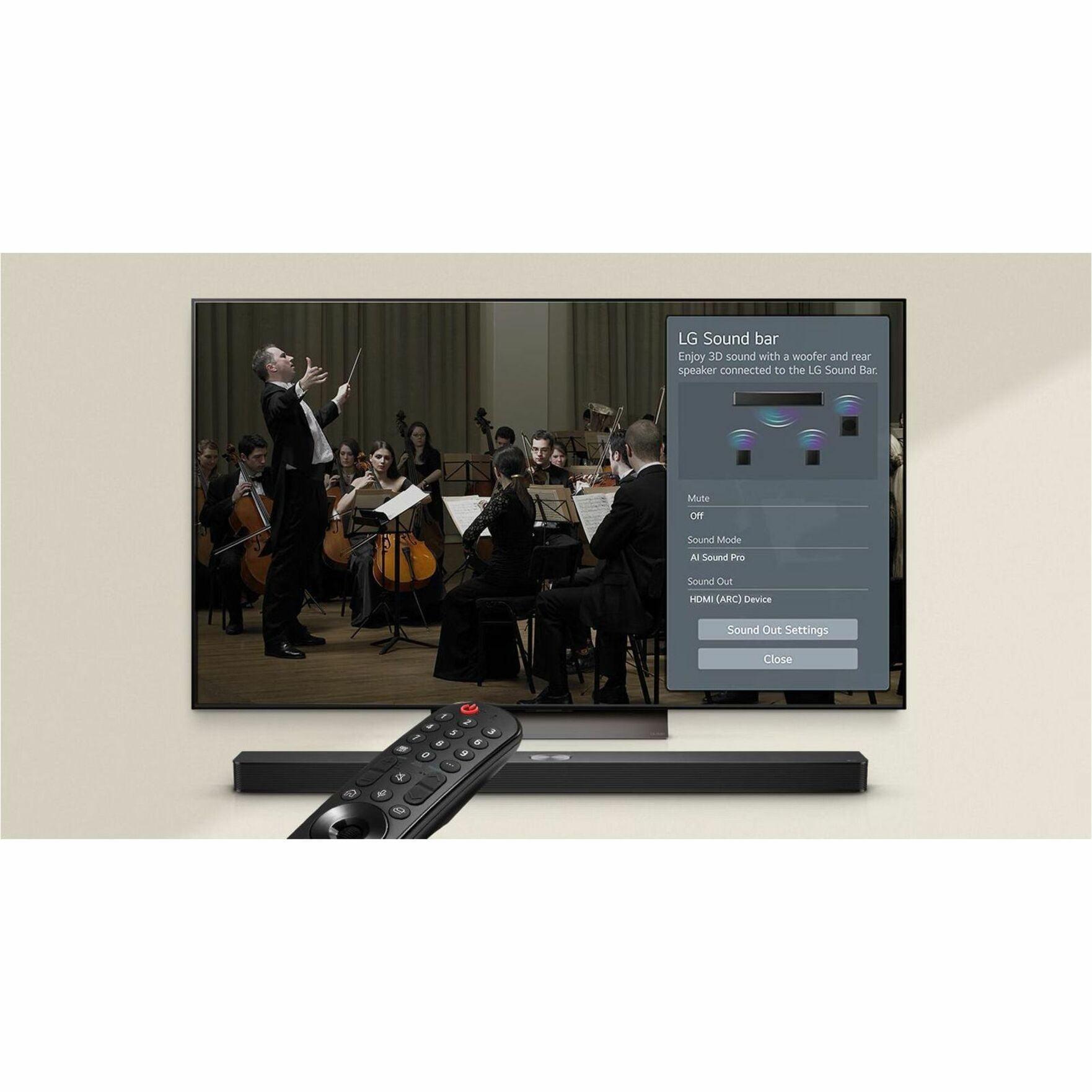
The LG S40T, by contrast, focuses on stereo separation and bass reinforcement. Its 2.1 configuration means you get dedicated left and right channels plus a wireless subwoofer for low frequencies. While it processes Dolby Digital soundtracks (the standard surround format for most content), it can't create true height effects or the spacious soundstage of the Sony.
This difference becomes most apparent during movie nights. Action sequences that would envelope you with the Sony remain more grounded with the LG, though the LG still provides a significant upgrade over TV speakers for dialogue and music.
Both soundbars address one of the most common complaints about modern TV audio: muddy dialogue buried in the mix. The Sony HT-A8000 employs "Voice Zoom 3," an AI-powered feature that analyzes audio in real-time to identify and enhance human voices. This technology can automatically boost quiet dialogue while maintaining the overall balance of the soundtrack.
The LG S40T takes a simpler approach with basic dialogue enhancement modes, but our research into user experiences suggests it handles vocal clarity quite well for its price point. The dedicated center channel processing helps separate speech from background music and effects.
In practical terms, the Sony's advantage becomes most noticeable during complex scenes where multiple characters are speaking over music and sound effects. The LG performs admirably for straightforward dialogue but may struggle in particularly dense audio mixes.
This category reveals an interesting paradox. Despite its premium positioning, the Sony HT-A8000 actually delivers less immediate bass impact than the budget-friendly LG. Why? The Sony relies on built-in woofers that, while technically sophisticated with Sony's X-Balanced driver design, simply can't move as much air as a dedicated subwoofer.
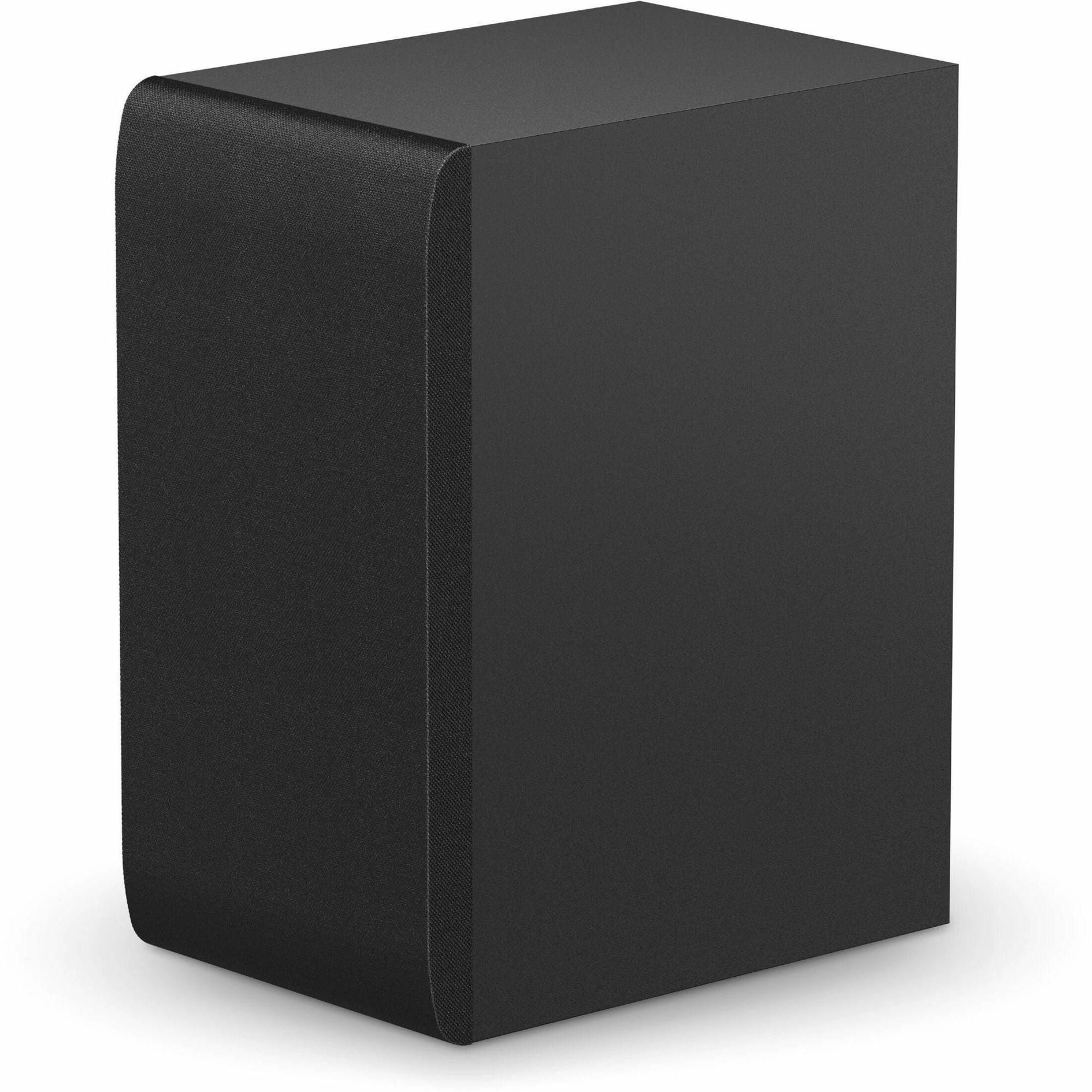
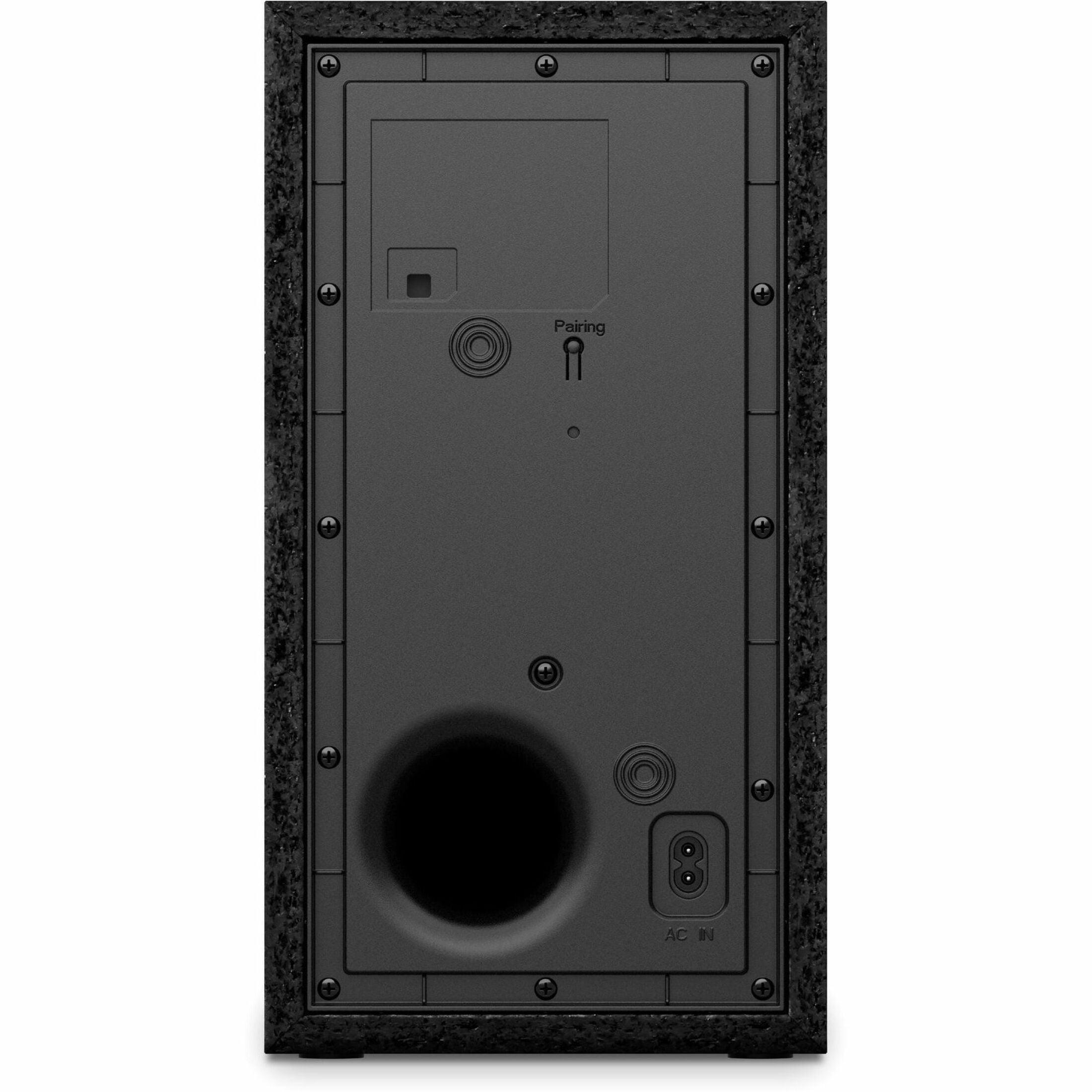
The LG S40T includes a wireless subwoofer right in the box—a 6.5-inch driver in a ported enclosure that provides genuine low-frequency extension. For movie explosions, music with deep bass lines, or gaming sound effects, the LG delivers more visceral impact without additional purchases.
However, Sony designed the HT-A8000 to work with optional wireless subwoofers (the SA-SW3 or SA-SW5), which significantly improve bass response but require additional investment. This modular approach offers flexibility but means the out-of-box bass experience favors the LG.
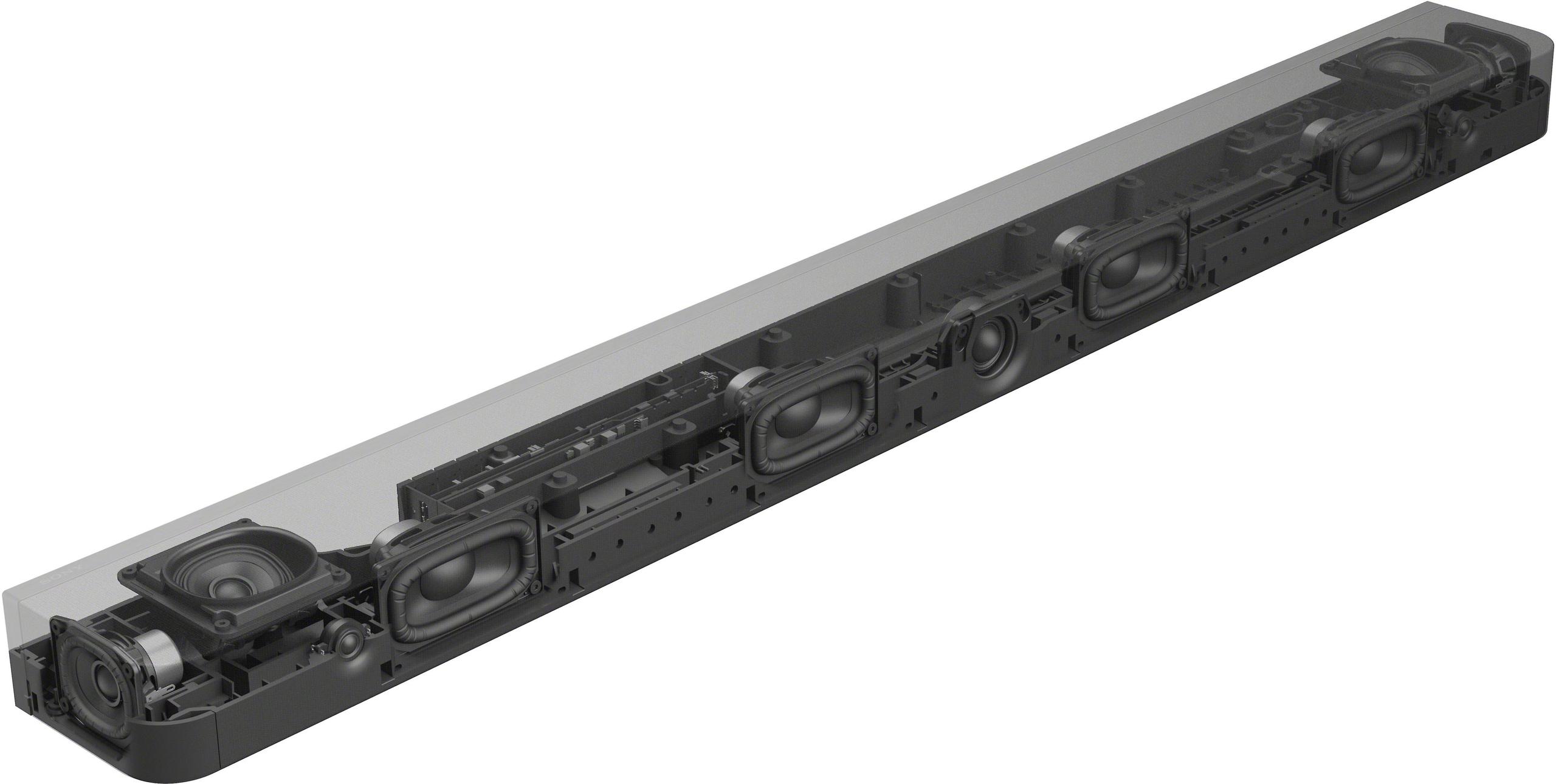
The Sony HT-A8000 houses 11 individual speakers in its sleek enclosure: dedicated front-firing drivers for left, center, and right channels; up-firing speakers for height effects; side-firing units for width; and multiple woofers for bass. Sony's X-Balanced drivers use a unique rectangular diaphragm shape that maximizes surface area while reducing unwanted vibration—theoretically providing cleaner sound with less distortion.
The LG S40T keeps things simpler with stereo drivers in the main bar plus the separate subwoofer. While this might sound less impressive on paper, the focused approach can actually benefit certain types of content. Music, for instance, often sounds more natural through a well-implemented 2.1 system than through complex processing that attempts to artificially expand the soundstage.
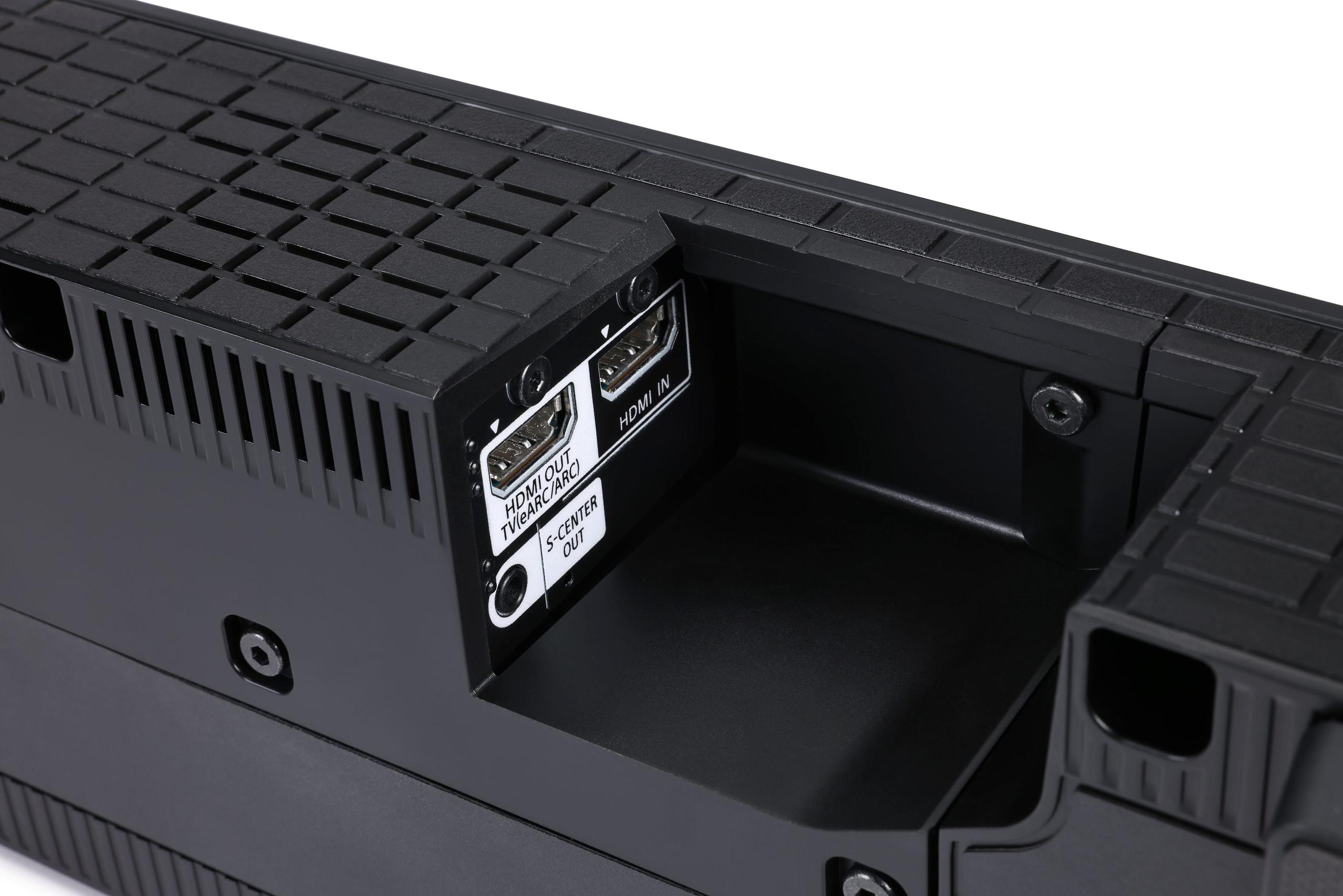
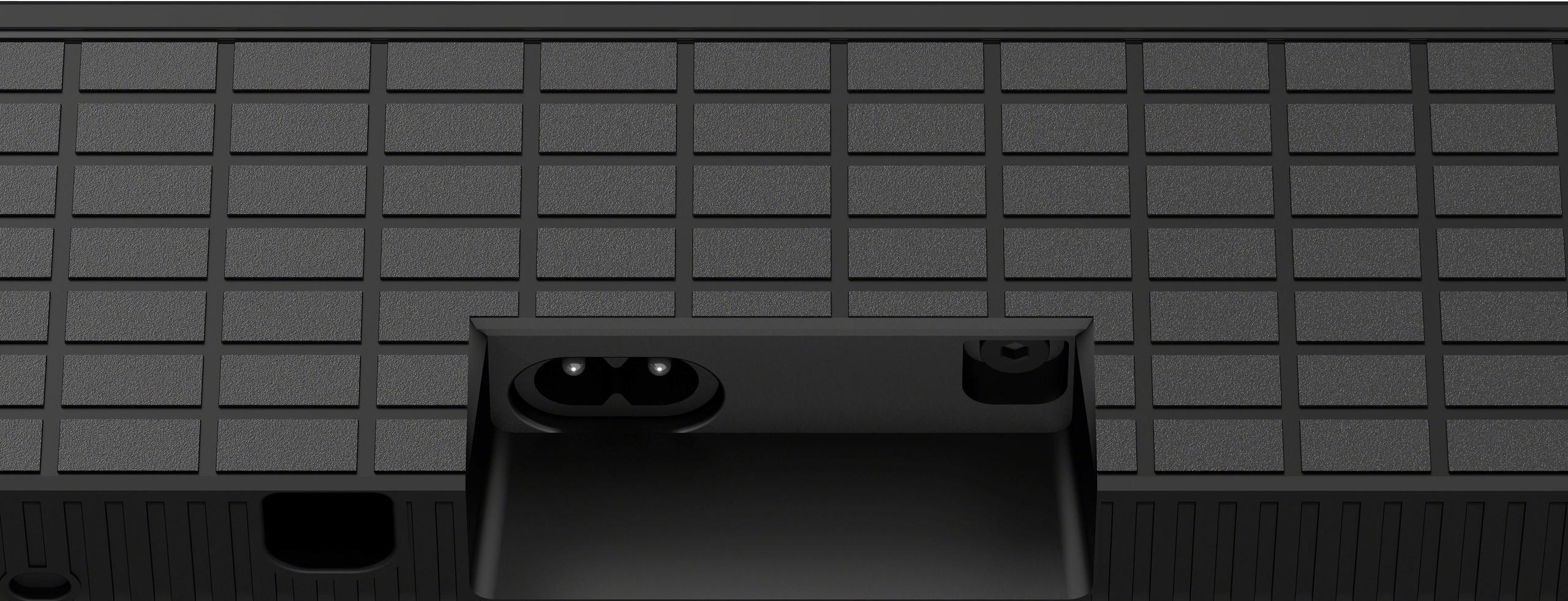
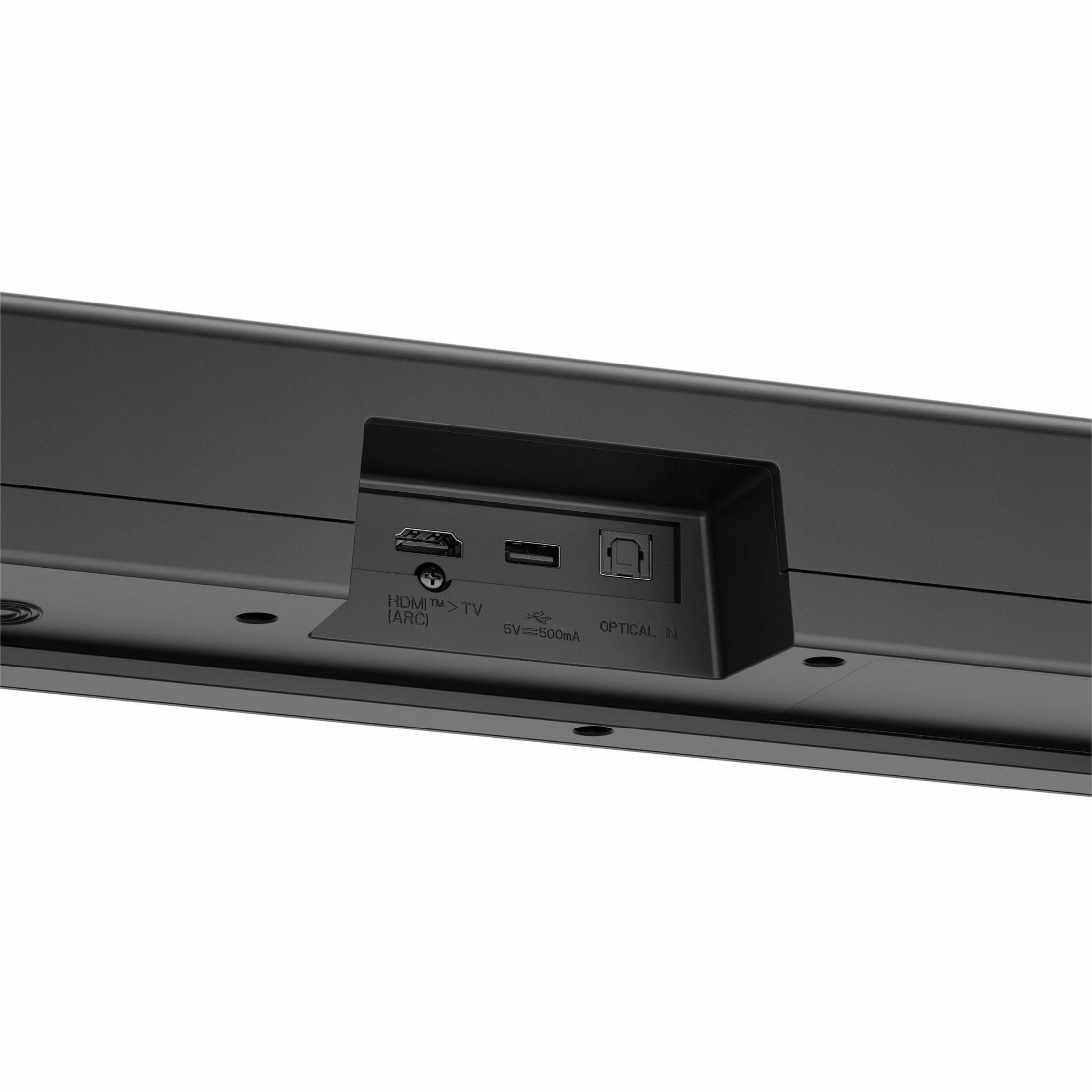
Modern soundbars live in an ecosystem of streaming devices, gaming consoles, and smart TVs, making connectivity crucial. The Sony HT-A8000 supports HDMI 2.1 with eARC (enhanced Audio Return Channel), which enables lossless audio transmission from compatible TVs and support for the latest gaming features like 4K at 120Hz refresh rates and Variable Refresh Rate (VRR).
The Sony also includes Wi-Fi connectivity, enabling features like Spotify Connect (direct streaming from the Spotify app), Apple AirPlay 2, and over-the-air firmware updates. The BRAVIA Connect app provides room calibration through "Sound Field Optimization"—the soundbar plays test tones and uses built-in microphones to adjust its output for your specific room characteristics.
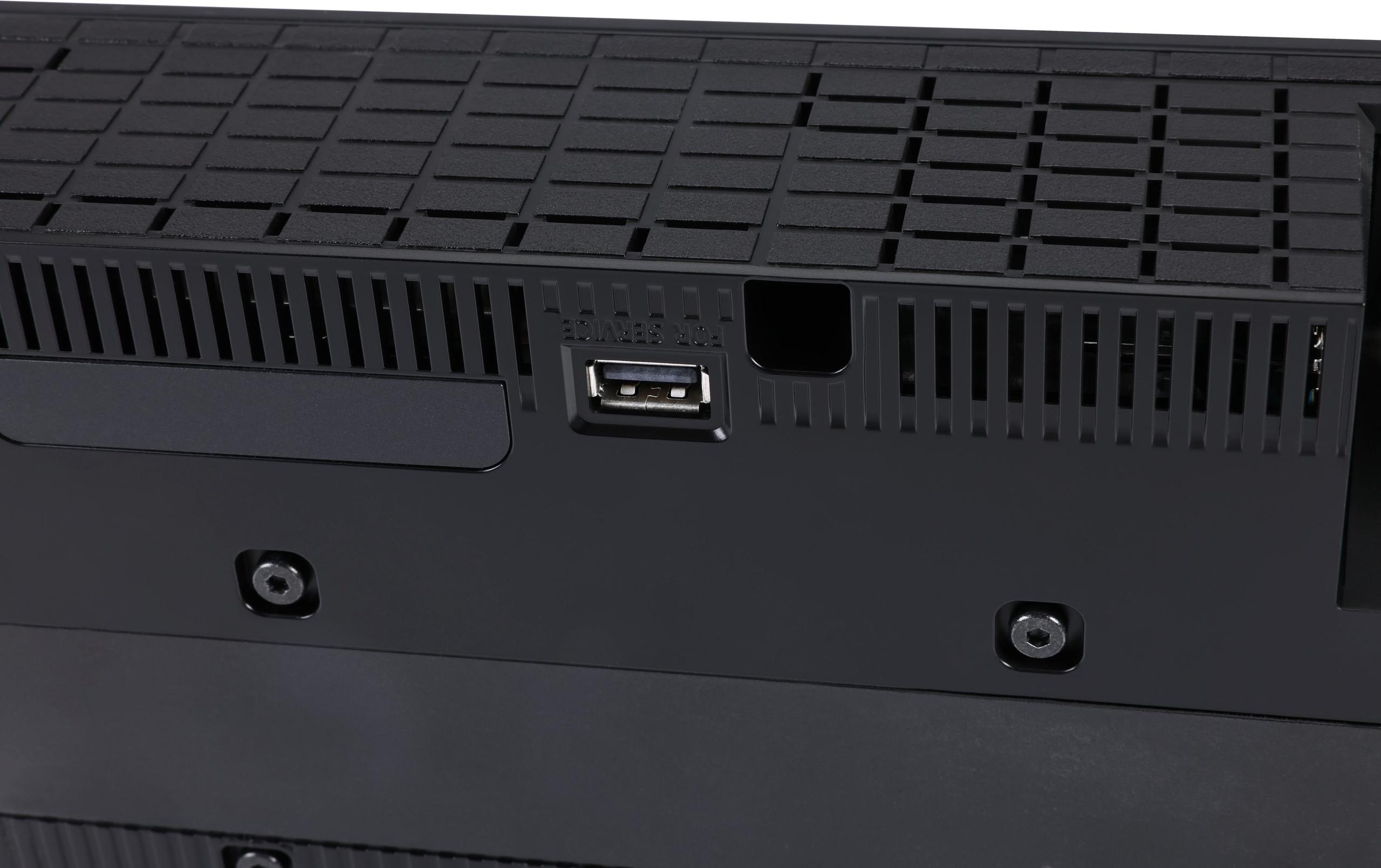
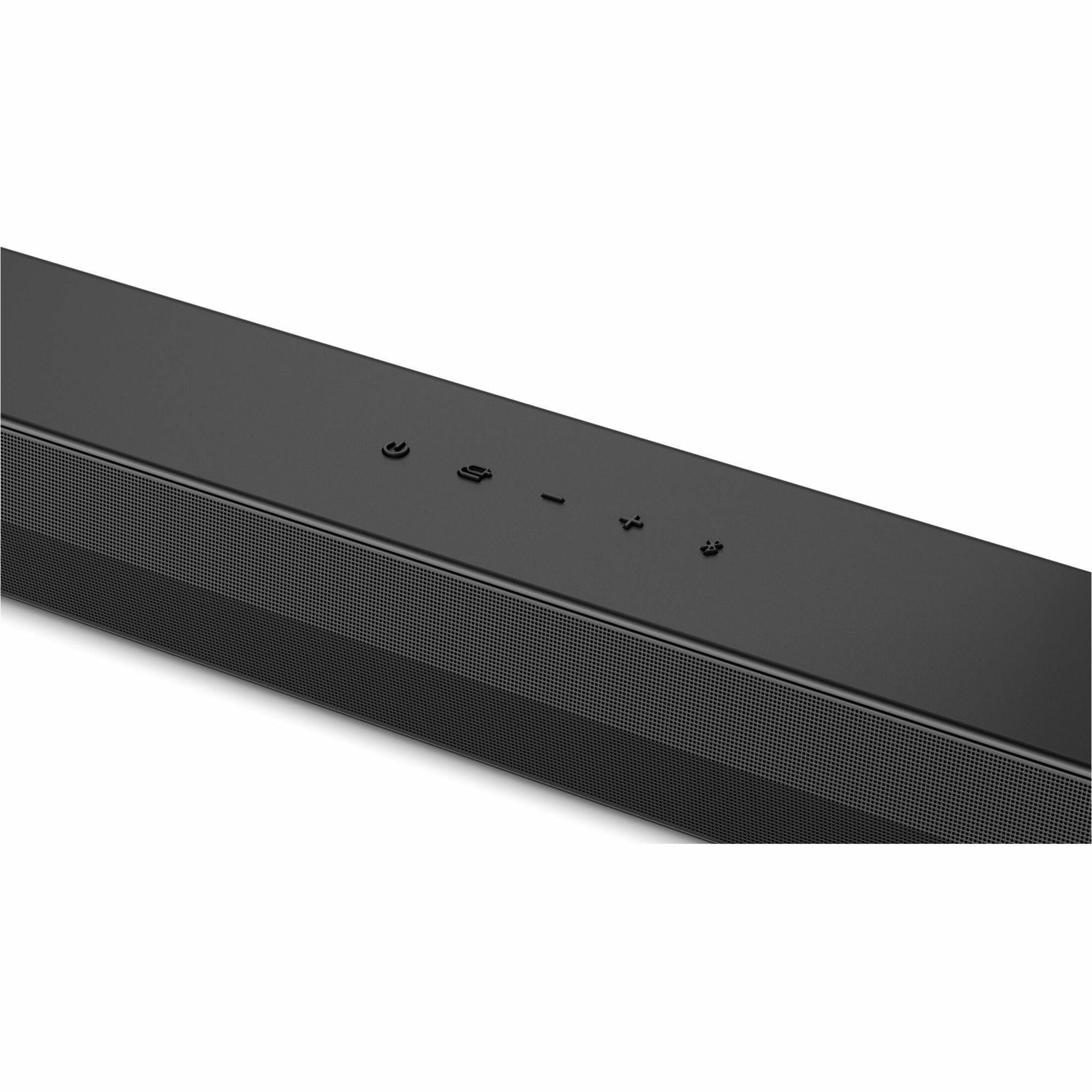
The LG S40T covers the basics with HDMI ARC (the older standard), optical input, and Bluetooth 5.3 connectivity. While it lacks Wi-Fi and advanced calibration features, it connects easily to most TVs and provides reliable wireless audio streaming from phones and tablets.
During our evaluation of user reviews and expert opinions, clear patterns emerge regarding how these soundbars handle different content types. For cinematic experiences—think Marvel blockbusters, nature documentaries, or concert films—the Sony HT-A8000 consistently receives praise for its immersive presentation. The height effects during aerial scenes, the sense of space during outdoor sequences, and the precise placement of sound effects create a more engaging experience.
The LG S40T excels at making dialogue clear and providing satisfying bass response, but users consistently note its more "grounded" presentation. It's the difference between feeling like you're in the action versus having a really good view from the front row.
Gaming represents an interesting use case where both soundbars show their strengths. The Sony benefits gamers who play single-player adventures or atmospheric titles where spatial audio enhances immersion. The HDMI 2.1 support also future-proofs the system for PlayStation 5 and Xbox Series X connectivity.
The LG appeals to competitive gamers who prioritize clarity and quick response times over atmospheric effects. The simpler processing chain can actually provide lower latency, and the focused bass response makes footsteps and other competitive audio cues more distinct.
For music reproduction, preferences become more subjective. The Sony HT-A8000 offers multiple streaming options and can create an expansive soundstage for orchestral or live recordings. However, some audiophiles prefer the more direct, unprocessed sound signature that the LG S40T provides for stereo music content.
At the time of writing, the price difference between these soundbars reflects their different design philosophies. The Sony asks buyers to invest in advanced technology and future expandability, while the LG provides immediate, tangible improvement at an accessible price point.
The Sony's value proposition improves if you factor in its expandability. Adding the optional subwoofer and rear speakers creates a legitimate 5.1.2 surround system that rivals much more expensive traditional setups. However, this staged approach means the full cost can easily double or triple the initial investment.
The LG delivers complete functionality immediately. The included subwoofer means you're not planning future purchases to achieve satisfying bass response. For many users, this represents better value—you get a complete system that addresses the most common audio complaints without additional complexity or cost.
Room size significantly impacts soundbar performance, and these models suit different spaces. The Sony HT-A8000 needs room to work its spatial audio magic—literally. The sound reflection techniques require adequate wall and ceiling surfaces, making it better suited to larger rooms (ideally 200+ square feet) with standard ceiling heights.
Smaller apartments or rooms with unusual layouts may not provide the acoustic canvas the Sony needs to create convincing surround effects. The LG S40T, with its more direct approach, works effectively in tighter spaces where acoustic reflections might actually cause problems rather than enhance the experience.
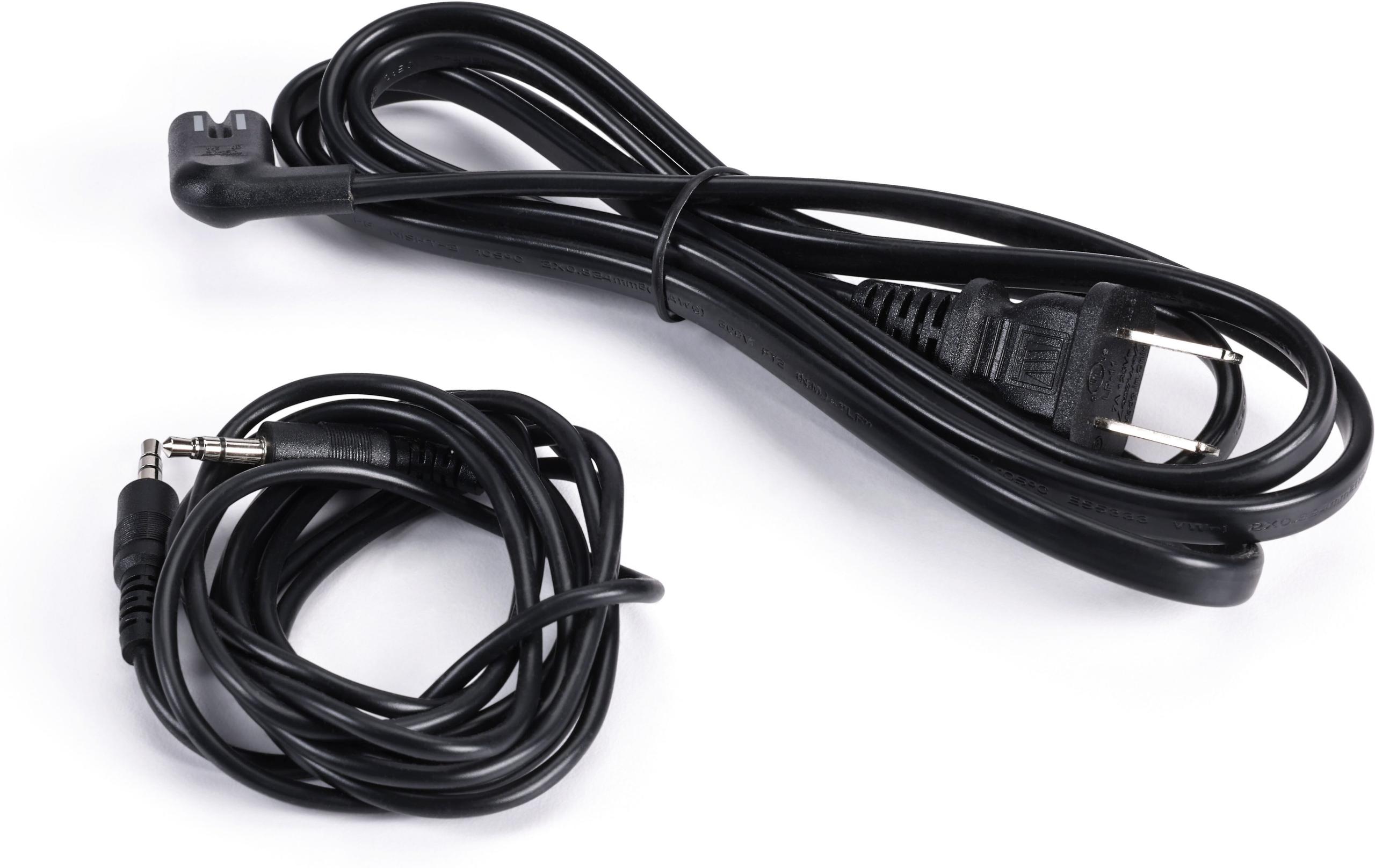
Setup complexity also differs dramatically. The LG typically requires plugging in two power cords (soundbar and subwoofer) and connecting one cable to your TV. The wireless subwoofer pairs automatically, and you're listening to improved audio within minutes.
The Sony offers more setup options but requires more time investment. The Sound Field Optimization calibration process, while beneficial, adds complexity that some users find intimidating. The smartphone app, while powerful, represents another layer of interaction that budget-focused buyers might not want.
After extensive research into user experiences and expert evaluations, clear recommendations emerge for different user profiles.
Choose the Sony HT-A8000 if you:
The Sony makes most sense for dedicated home theater spaces where the advanced spatial audio features can truly shine. It's an investment in a system that grows with your needs and provides genuinely premium performance when properly set up.
Choose the LG S40T if you:
The LG appeals to pragmatists who want better TV audio without becoming home theater hobbyists. It solves the most common audio problems—weak dialogue and missing bass—without requiring technical knowledge or future planning.
These soundbars represent fundamentally different approaches to the same problem. The Sony HT-A8000 offers a glimpse of high-end home theater performance in a single-bar format, complete with cutting-edge spatial audio processing and expansion capabilities. It's engineered for enthusiasts who want to recreate the cinema experience at home.
The LG S40T focuses on immediate, practical improvement over TV speakers. It includes everything needed for significantly better audio without overwhelming users with options or requiring additional purchases.
Neither approach is inherently superior—they serve different needs and preferences. The key is honestly assessing your priorities, room characteristics, and long-term audio ambitions. For most casual users seeking better TV audio, the LG provides excellent value and immediate satisfaction. For home theater enthusiasts willing to invest in premium performance, the Sony offers genuinely advanced capabilities that justify its higher price point.
The soundbar market has matured to the point where even budget options like the LG provide meaningful improvements over TV speakers, while premium models like the Sony approach the performance of traditional surround sound systems. Your choice ultimately depends on how much the advanced features matter to your specific viewing habits and room setup.
| Sony HT-A8000 BRAVIA Theater Bar 8 Soundbar | LG S40T 2.1 Channel Soundbar |
|---|---|
| Audio Channels - Determines surround sound capability and immersion level | |
| 5.0.2 channel (11 speakers) with height effects | 2.1 channel (stereo + subwoofer) |
| Dolby Atmos Support - Essential for modern movie and streaming content | |
| Yes, full Dolby Atmos and DTS:X processing | No, basic Dolby Digital only |
| Subwoofer Inclusion - Critical for bass response and movie impact | |
| Built-in woofers only (optional wireless sub sold separately) | Wireless subwoofer included in box |
| Spatial Audio Technology - Creates wider, more immersive soundstage | |
| 360 Spatial Sound Mapping with phantom speakers | Standard stereo processing |
| HDMI Connectivity - Affects compatibility with modern TVs and gaming | |
| HDMI 2.1 with eARC (supports 8K, 4K120, VRR) | HDMI ARC (standard definition) |
| Voice Enhancement - Improves dialogue clarity in movies and shows | |
| AI-powered Voice Zoom 3 technology | Basic dialogue enhancement modes |
| Wireless Streaming - Convenience for music playback | |
| Wi-Fi, Bluetooth 5.2, AirPlay 2, Spotify Connect | Bluetooth 5.3 only |
| Room Calibration - Optimizes sound for your specific space | |
| Sound Field Optimization with smartphone app | No automatic calibration |
| Expandability - Ability to add components for better performance | |
| Compatible with wireless rear speakers and subwoofers | Fixed 2.1 system, no expansion options |
| Dimensions - Important for TV compatibility and room aesthetics | |
| 43.4" x 2.6" x 4.5" (fits 55"+ TVs best) | 28.4" x 2.5" x 3.4" (compact for smaller setups) |
| Best Room Size - Where each soundbar performs optimally | |
| Large rooms 200+ sq ft with reflective surfaces | Small to medium rooms, apartments |
| Setup Complexity - Time and technical knowledge required | |
| Advanced setup with app calibration and multiple options | Plug-and-play simplicity |
The Sony HT-A8000 BRAVIA Theater Bar 8 Soundbar is significantly better for movies thanks to its Dolby Atmos support, 11-speaker configuration, and 360 Spatial Sound Mapping technology that creates immersive surround sound effects. The LG S40T 2.1 Channel Soundbar provides good dialogue clarity and bass but lacks the height effects and spatial audio that make movies feel cinematic.
The LG S40T comes complete with everything you need, including a wireless subwoofer for bass. The Sony HT-A8000 works as a standalone unit but really benefits from adding Sony's optional wireless subwoofer and rear speakers for the full surround sound experience, which increases the total system cost significantly.
The LG S40T 2.1 Channel Soundbar is much simpler to set up - just plug in the soundbar and subwoofer, connect one cable to your TV, and you're done. The Sony HT-A8000 offers more setup options including smartphone app calibration and room optimization, which provides better performance but requires more time and technical involvement.
The Sony HT-A8000 BRAVIA Theater Bar 8 Soundbar delivers superior surround sound immersion with height effects, wider soundstage, and AI-powered voice enhancement. The LG S40T provides excellent stereo sound with stronger bass response out of the box thanks to its included subwoofer, but lacks the advanced spatial audio processing of the Sony.
The LG S40T 2.1 Channel Soundbar is better suited for smaller spaces due to its compact size and direct sound approach. The Sony HT-A8000 needs larger rooms with adequate wall and ceiling space for its sound reflection technology to work effectively, making it less ideal for cramped apartments.
The Sony HT-A8000 BRAVIA Theater Bar 8 Soundbar offers superior gaming support with HDMI 2.1 connectivity that supports 4K at 120Hz, Variable Refresh Rate, and low latency features for PlayStation 5 and Xbox Series X. The LG S40T provides basic HDMI connectivity that works with all gaming systems but lacks the advanced gaming-specific features.
The LG S40T 2.1 Channel Soundbar provides significantly better bass response out of the box thanks to its included wireless subwoofer. The Sony HT-A8000 has built-in woofers but requires purchasing an optional subwoofer to match the low-frequency impact of the LG system.
Both soundbars support wireless music streaming, but the Sony HT-A8000 BRAVIA Theater Bar 8 Soundbar offers more options including Wi-Fi, Spotify Connect, Apple AirPlay 2, and Bluetooth. The LG S40T provides Bluetooth 5.3 connectivity for streaming from phones and tablets but lacks the advanced wireless features of the Sony.
The LG S40T 2.1 Channel Soundbar offers better immediate value as a complete system with subwoofer included at a budget-friendly price. The Sony HT-A8000 provides premium features and future expandability but requires a higher upfront investment and potential additional purchases to reach its full potential.
Both soundbars improve dialogue clarity over TV speakers, but the Sony HT-A8000 BRAVIA Theater Bar 8 Soundbar uses advanced AI-powered Voice Zoom 3 technology that automatically identifies and enhances human voices in complex audio mixes. The LG S40T provides good dialogue enhancement through basic processing modes.
Both soundbars work with any TV brand, but the LG S40T 2.1 Channel Soundbar offers more universal compatibility with its straightforward connection options. The Sony HT-A8000 provides additional integration features when paired with Sony BRAVIA TVs but functions perfectly well with other brands through standard HDMI connections.
Choose the Sony HT-A8000 BRAVIA Theater Bar 8 Soundbar if you want genuine home theater surround sound with room to expand the system over time. Choose the LG S40T 2.1 Channel Soundbar if you want immediate, significant audio improvement over TV speakers with everything included at an affordable price point.
We've done our best to create useful and informative comparisons to help you decide what product to buy. Our research uses advanced automated methods to create this comparison and perfection is not possible - please contact us for corrections or questions. These are the sites we've researched in the creation of this article: consumerreports.org - skybygramophone.com - target.com - rtings.com - bestbuy.com - rubbermonkey.co.nz - shopatsc.com - audioadvice.com - sony.com - sony.com - sony.com - shop.cosmopolitan.com - store.sony.com.my - videoandaudiocenter.com - bestbuy.com - bestbuy.com - rtings.com - pcrichard.com - lg.com - lg.com - lg.com - lg.com - microcenter.com - flanners.com - bestbuy.com - microcenter.com

Privacy Policy
Terms and Conditions - Affiliate Policy
Home Security
© Copyright 2008-2026.
11816 Inwood Rd #1211, Dallas, TX 75244