






Modern TVs have gotten incredibly thin and beautiful, but there's a trade-off: their built-in speakers often sound terrible. The physics are simple—quality audio needs space for drivers to move air, and paper-thin displays just don't have room for decent speakers. That's where soundbars come in, transforming your TV's audio from muddy background noise into something you'll actually want to listen to.
But here's where it gets tricky: soundbars range from under $200 to well over $1,000, with wildly different approaches to improving your audio experience. Today we're comparing two products that represent opposite ends of this spectrum: the Sony HT-A8000 BRAVIA Theater Bar 8 and the Samsung HW-B550D 3.1 Channel Sound Bar. At the time of writing, you could buy roughly four Samsung units for the price of one Sony—but that price difference tells an important story about what you're actually getting.
Before diving into these specific models, let's talk about what actually matters when choosing a soundbar. The most crucial factors are audio quality (especially dialog clarity), the immersive experience you get from surround sound effects, and whether the performance justifies the price you're paying.
Audio quality goes beyond just "loud." We're talking about whether voices sound natural and clear, if music has proper balance between highs and lows, and whether the soundbar can handle both whisper-quiet dialog scenes and explosive action sequences without you constantly reaching for the remote. This is where channel configuration matters—more channels generally mean better audio separation and clarity.
Immersive experience relates to how well a soundbar can create the illusion that sound is coming from all around you, not just from a single bar sitting below your TV. Some soundbars achieve this through additional speakers that fire upward to bounce sound off your ceiling (called "height channels"), while others use digital processing tricks to simulate surround sound from a single unit.
The Sony HT-A8000 and Samsung HW-B550D take fundamentally different approaches to these challenges, which explains their dramatically different price points.
Released in 2022, both soundbars represent their manufacturers' current thinking on how to solve TV audio problems, but for very different audiences.
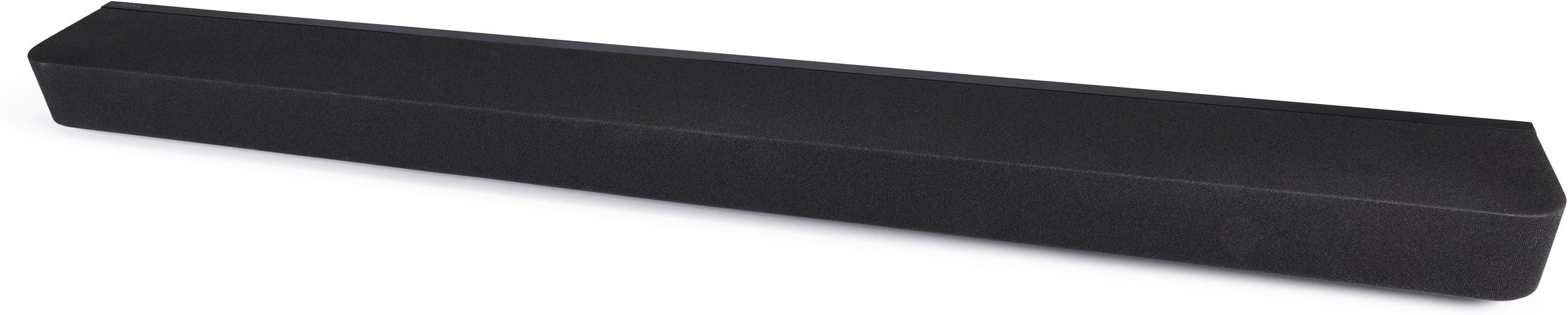
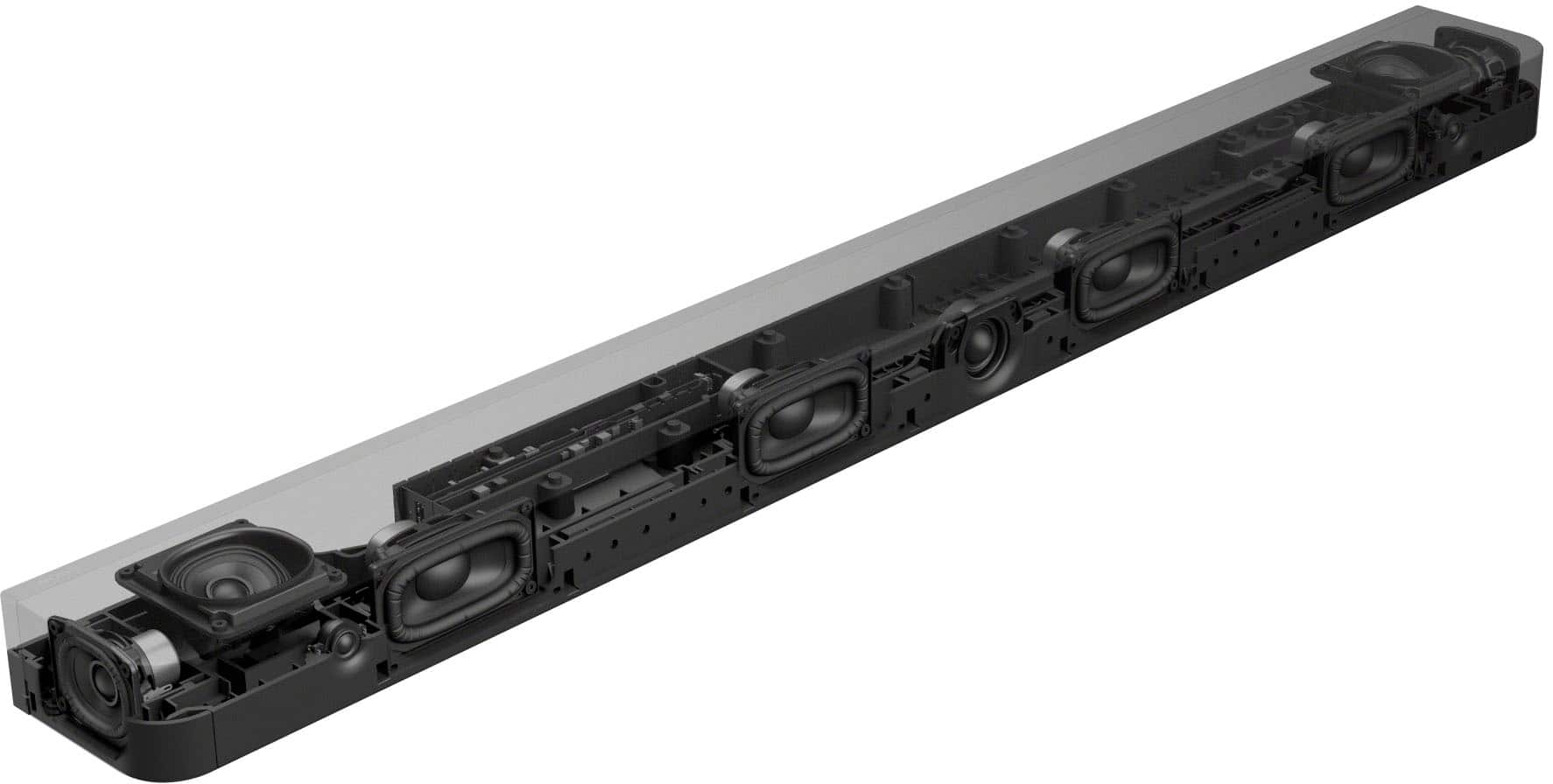
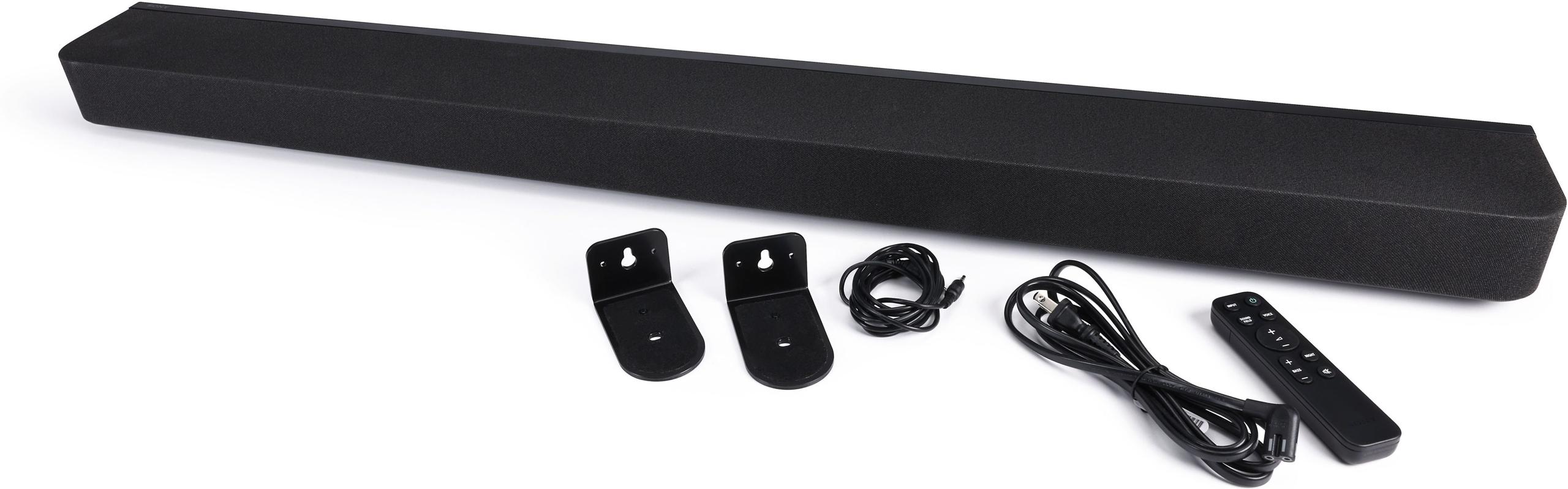
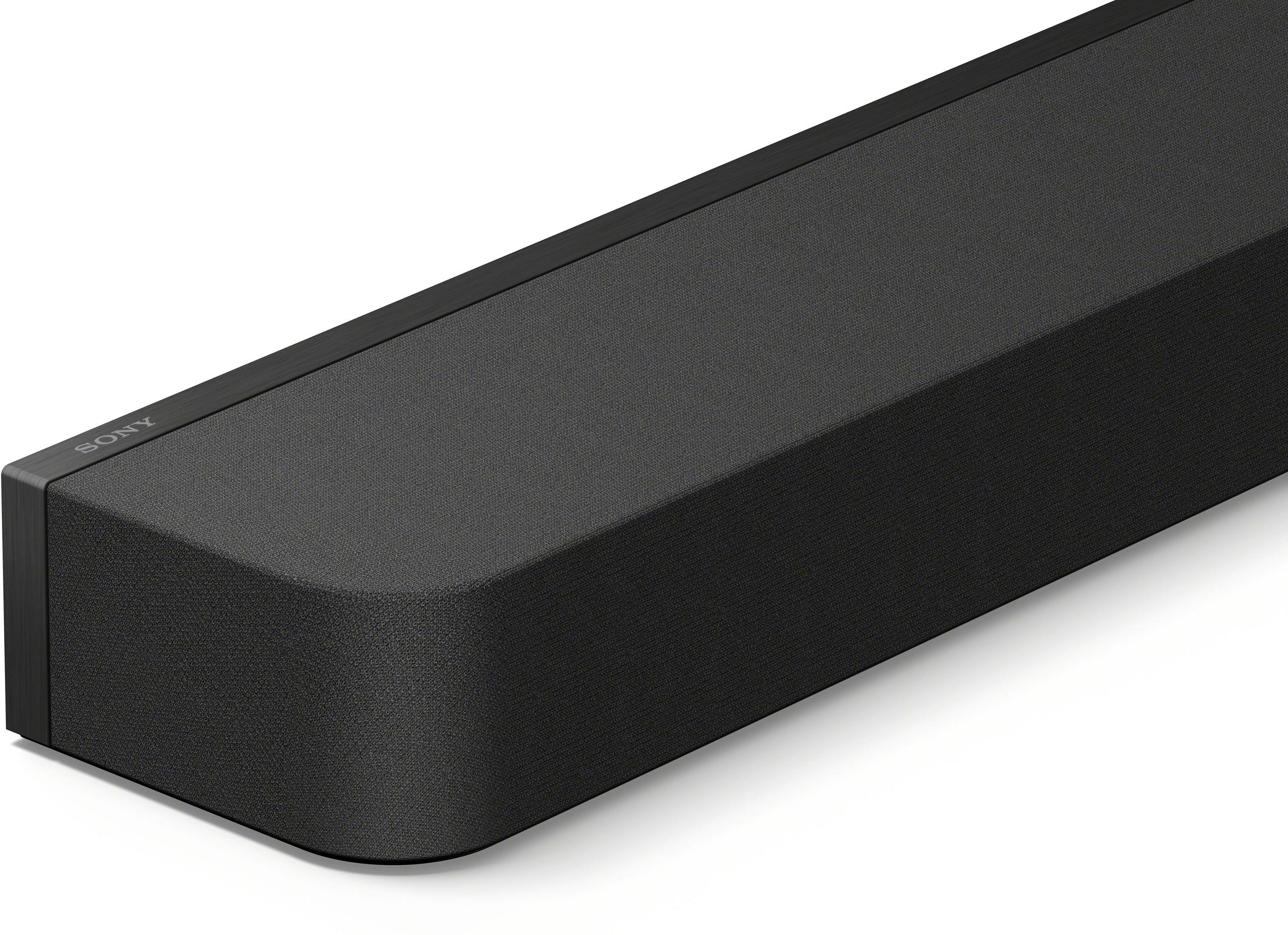
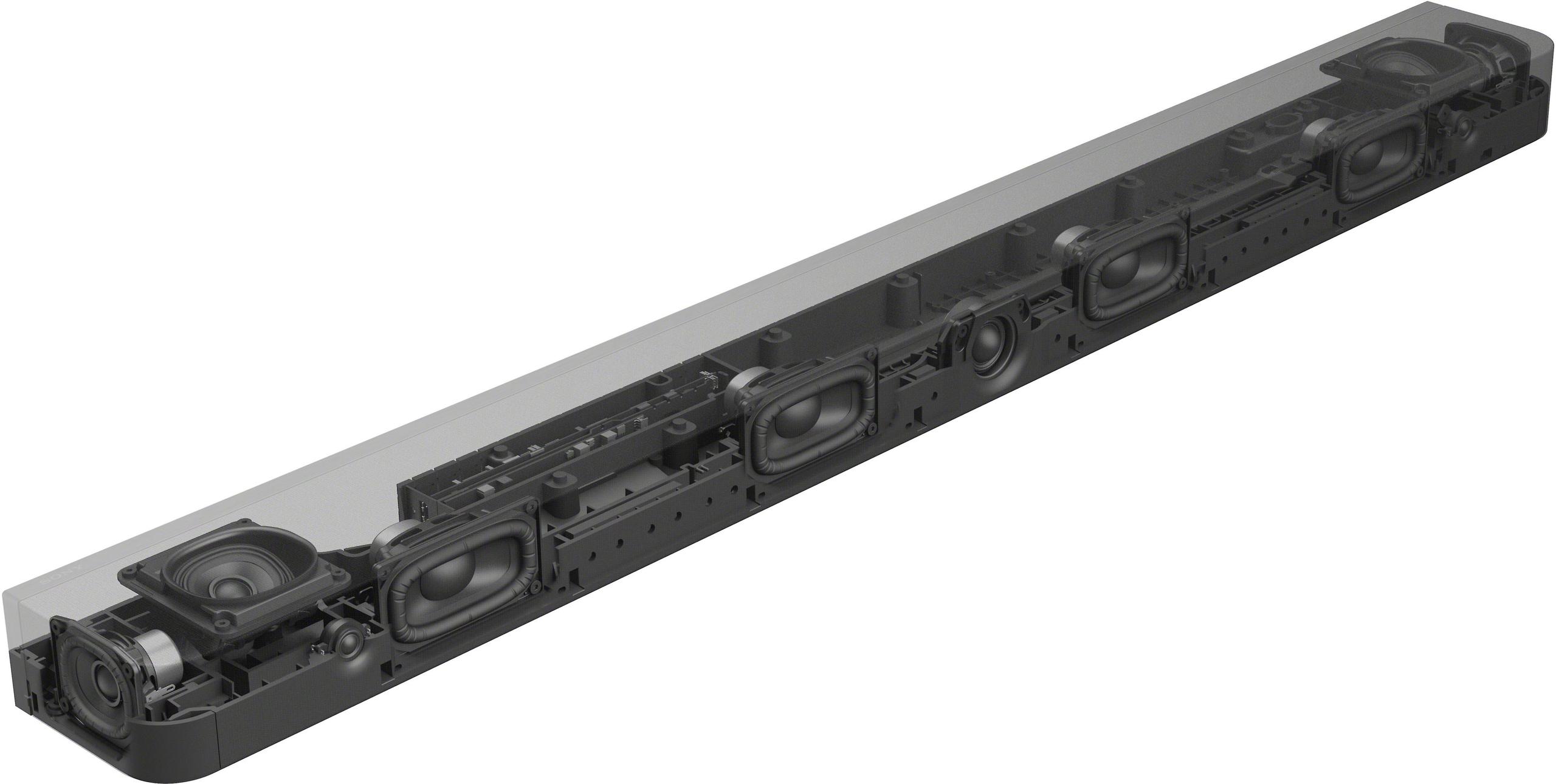
The Sony HT-A8000 is Sony's premium offering, packing 11 individual speakers into a single bar to create what they call a 7.1.2 channel experience. Those numbers matter: the first digit (7) represents main surround channels, the second (1) indicates a dedicated subwoofer channel, and that crucial ".2" means two height channels for overhead effects. This is a true Dolby Atmos soundbar, designed to compete with multi-speaker home theater setups that cost thousands more.
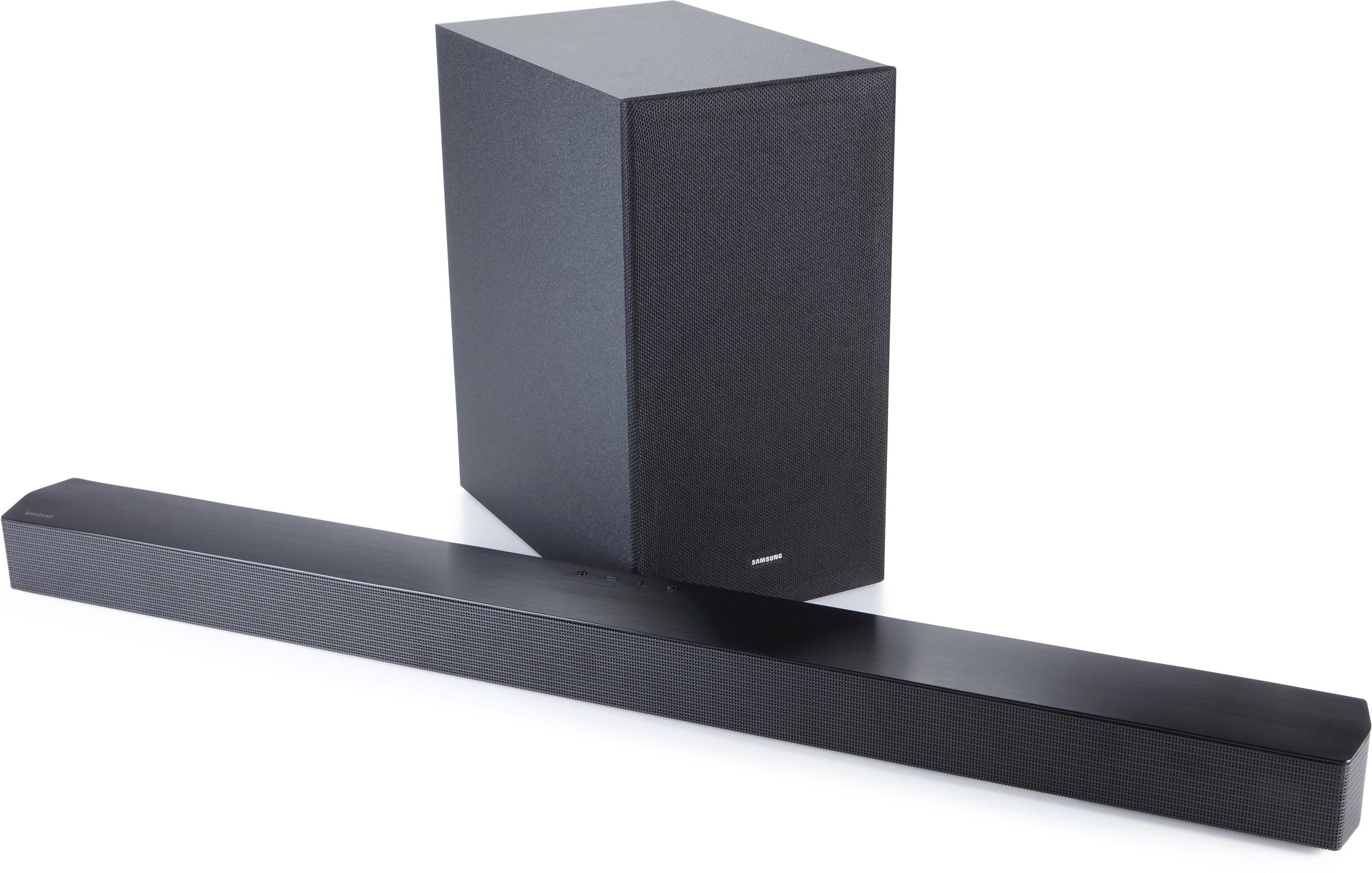
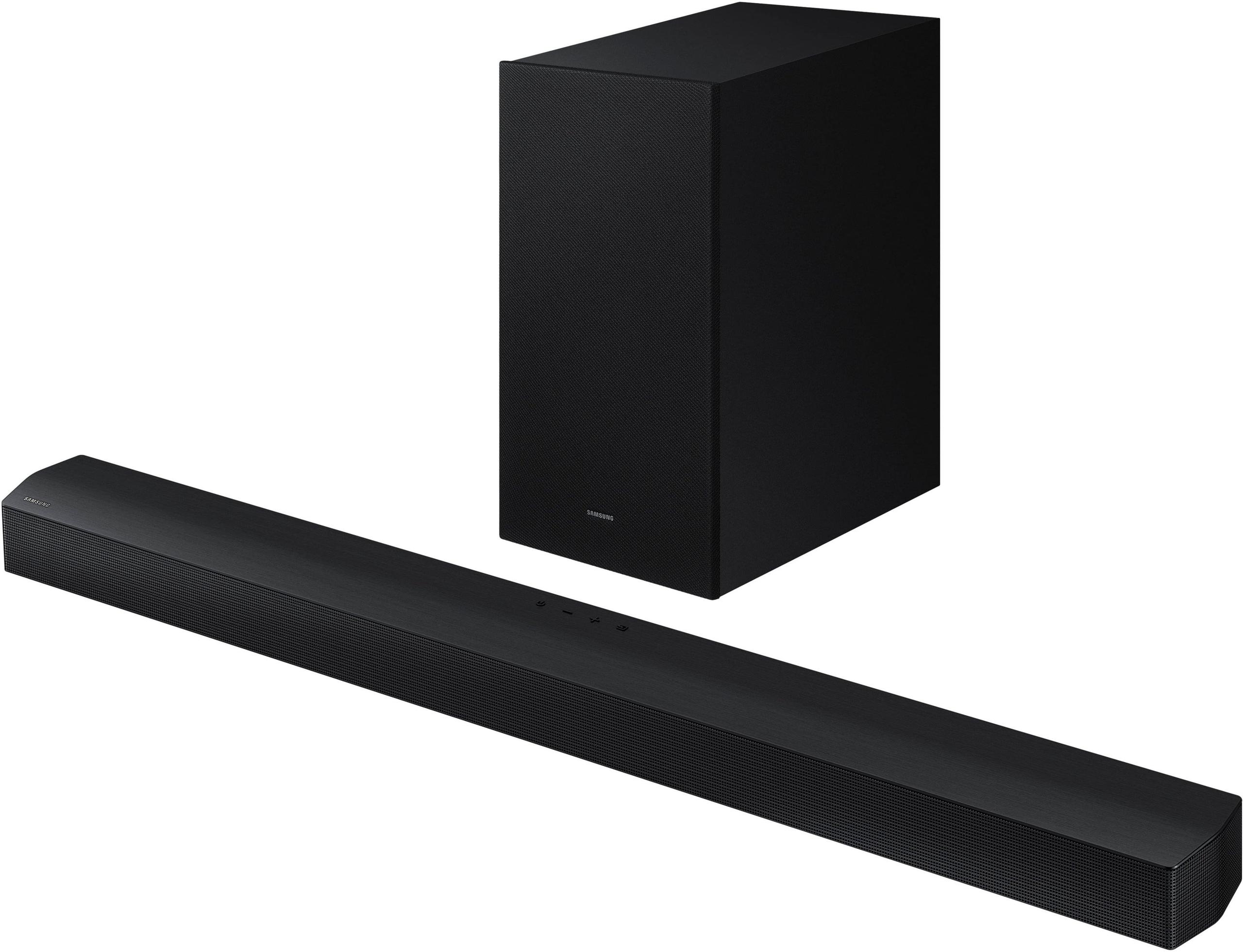
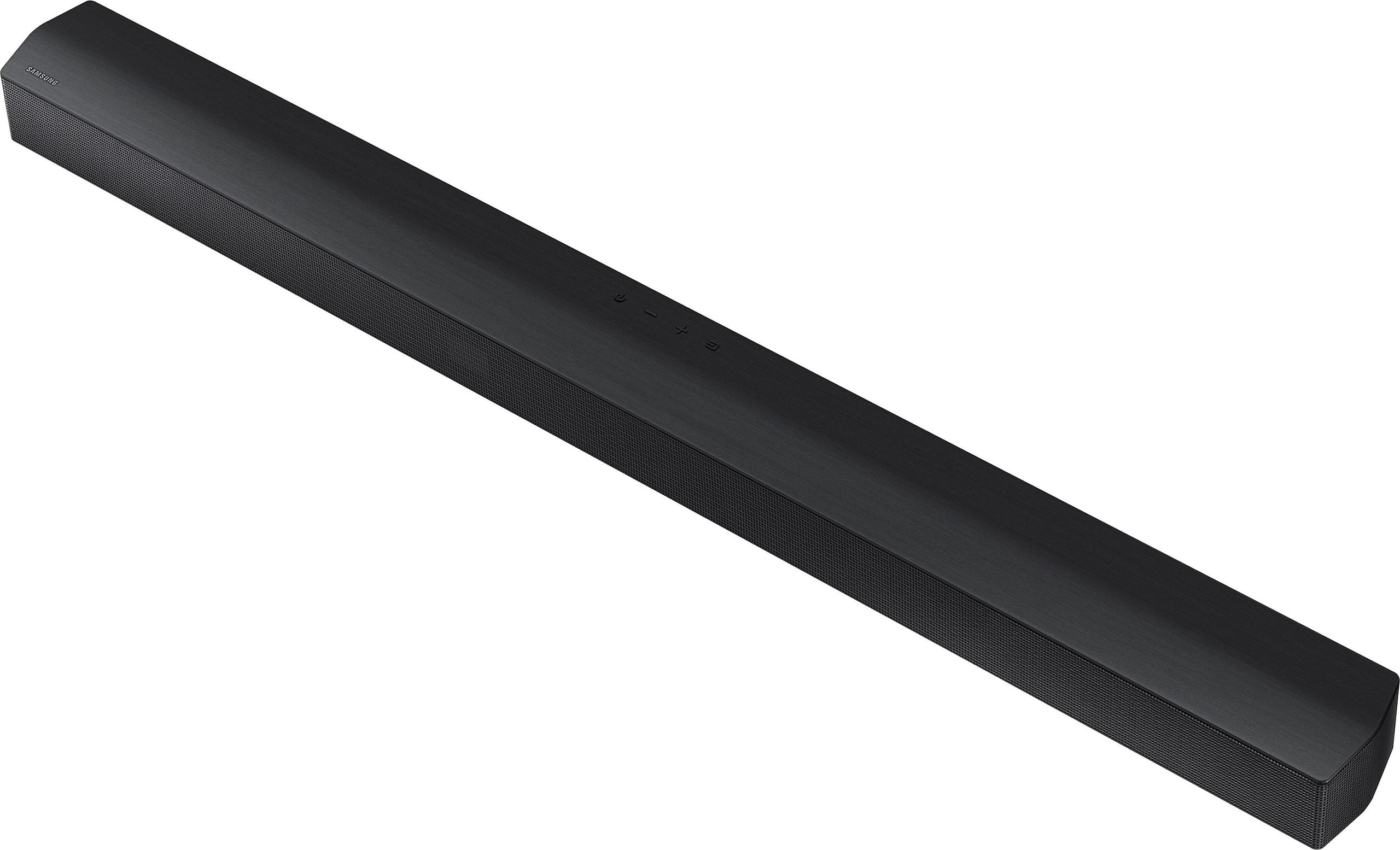
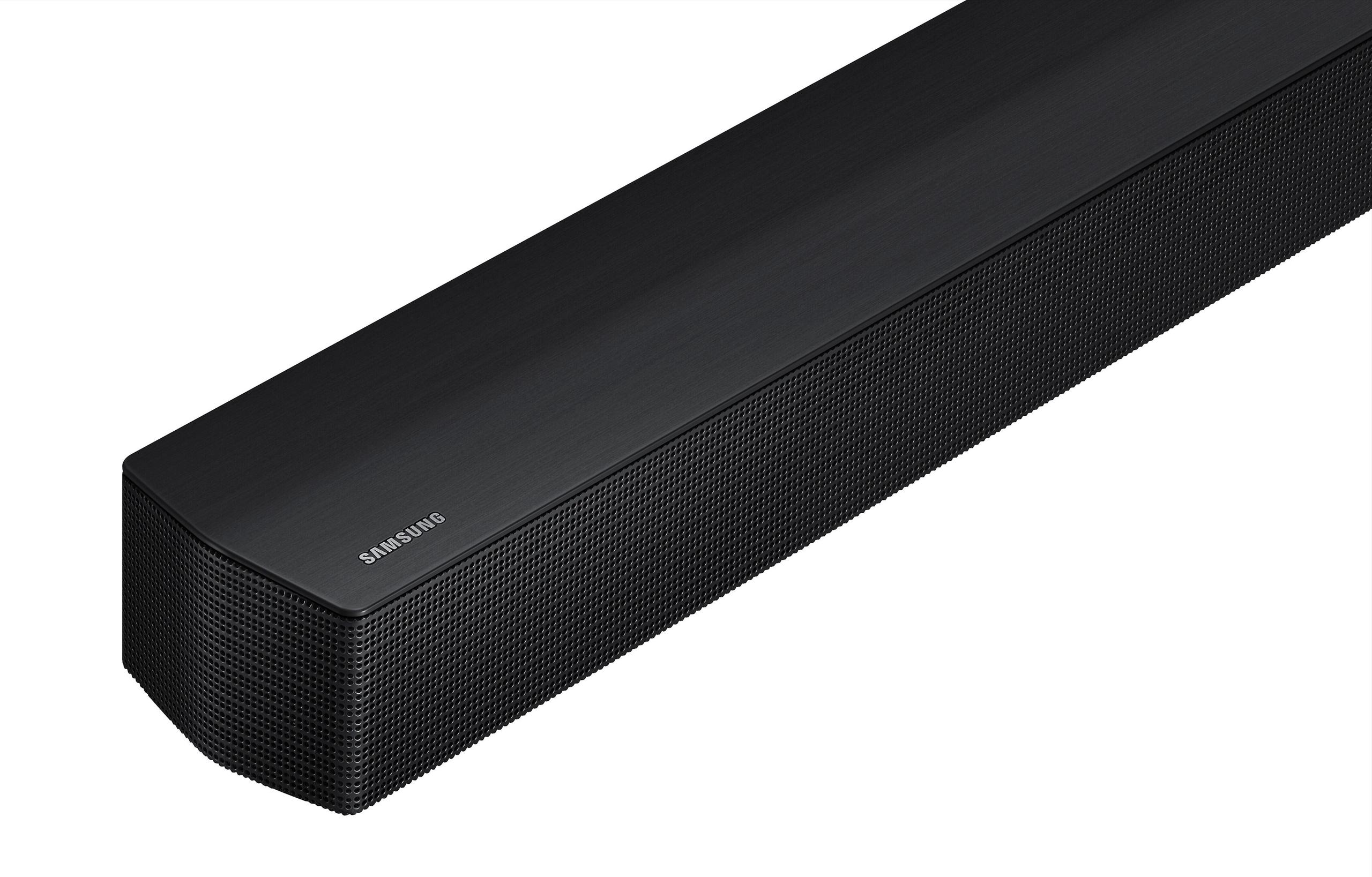
The Samsung HW-B550D, on the other hand, focuses on solving the most common TV audio problems at a price most people can actually afford. Its 3.1 configuration means three main channels (left, center, right) plus a dedicated subwoofer channel. Rather than physical height speakers, Samsung relies on digital processing called DTS Virtual:X to simulate surround effects.
Since 2022, both companies have refined their approaches. Sony has continued improving their "360 Spatial Sound Mapping" technology—essentially advanced algorithms that analyze your room and optimize sound accordingly. Samsung has focused on making their virtual surround processing more convincing while keeping costs down.
Nothing ruins a movie night like constantly asking "what did they say?" Dialog clarity is arguably the most important soundbar feature, and it's where the engineering differences between our two contenders become most apparent.
The Sony HT-A8000 approaches dialog with brute-force precision. Its dedicated center channel uses high-quality drivers specifically tuned for human vocal ranges, while Sony's Voice Zoom 3 technology uses AI to analyze incoming audio and automatically boost dialog when it detects speech. This isn't just a simple volume increase—the processing actually separates voice frequencies from background music and effects, then enhances them independently.
Our research into user reviews consistently shows the Sony delivering exceptionally natural-sounding dialog. Even in complex movie scenes with explosions, music, and multiple characters speaking, voices remain intelligible without sounding artificially processed. This is partly due to Sony's S-Master HX digital amplification, which provides cleaner power delivery with less distortion than typical soundbar amplifiers.
The Samsung HW-B550D takes a more straightforward approach with its built-in center speaker and Voice Enhancement mode. While it can't match the Sony's sophistication, Samsung's Adaptive Sound Lite feature automatically adjusts audio based on what you're watching—boosting dialog during dramas, enhancing bass during action scenes. User feedback suggests this works well for everyday TV watching, providing a significant improvement over TV speakers without the complexity of premium systems.
The verdict? If you frequently watch dialog-heavy content like dramas or foreign films with subtitles, the Sony's superior voice processing justifies its higher cost. For casual TV viewing, the Samsung provides perfectly adequate dialog improvement.
This is where the fundamental difference between these soundbars becomes most obvious. The Sony HT-A8000 creates genuine surround sound through physical speaker placement, while the Samsung HW-B550D relies on psychoacoustic tricks to simulate the experience.
Sony's approach uses what they call 360 Spatial Sound Mapping. The soundbar's 11 speakers include dedicated up-firing drivers that bounce sound off your ceiling, creating the illusion that effects are coming from above. Combined with side-firing speakers that reflect off walls, this creates what audio engineers call "phantom speakers"—sound sources your brain perceives as existing in locations where no physical speakers are placed.
The technology works best in rooms with standard 8-9 foot ceilings and reasonably reflective surfaces. In our analysis of user experiences, the Sony consistently delivers convincing overhead effects in properly configured rooms. Helicopter scenes truly sound like they're flying overhead, and rain effects seem to fall from above rather than just coming from the front of the room.
Samsung's virtual approach uses DTS Virtual:X processing, which analyzes stereo or 5.1 audio tracks and uses digital filters to create the psychoacoustic impression of surround sound. The processing delays certain frequencies and adjusts their timing to trick your brain into perceiving directional audio effects from the soundbar's forward-firing speakers.
While less convincing than true height channels, DTS Virtual:X works surprisingly well for movies and shows mixed specifically with this technology in mind. The Samsung creates a noticeably wider soundstage than your TV speakers, and action scenes gain spatial depth that makes them more engaging.
However, the virtual approach has limitations. Complex audio scenes can sound congested, and the effect varies significantly based on your seating position and room acoustics. Still, for viewers upgrading from TV speakers, the improvement is dramatic and immediately noticeable.
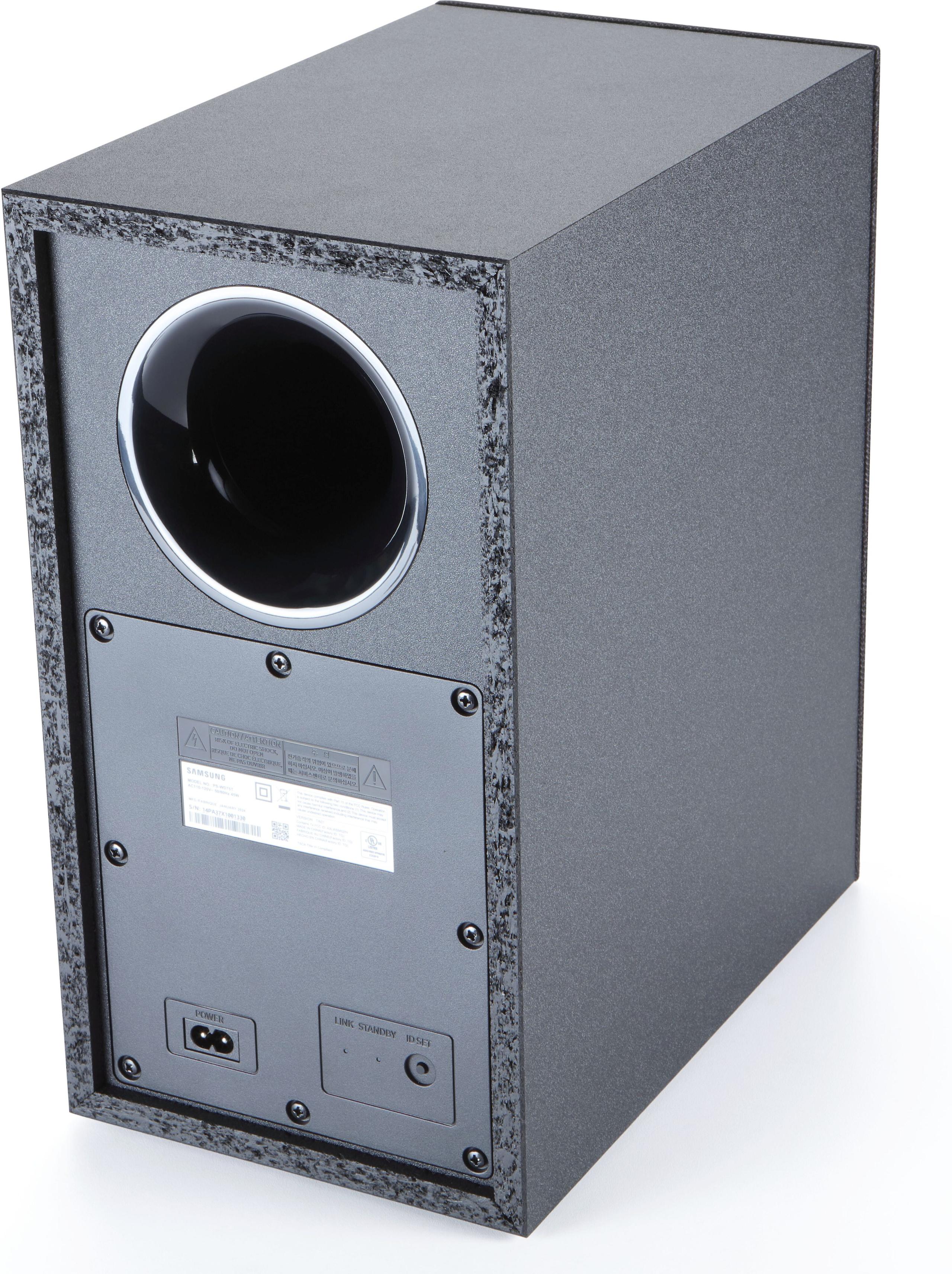
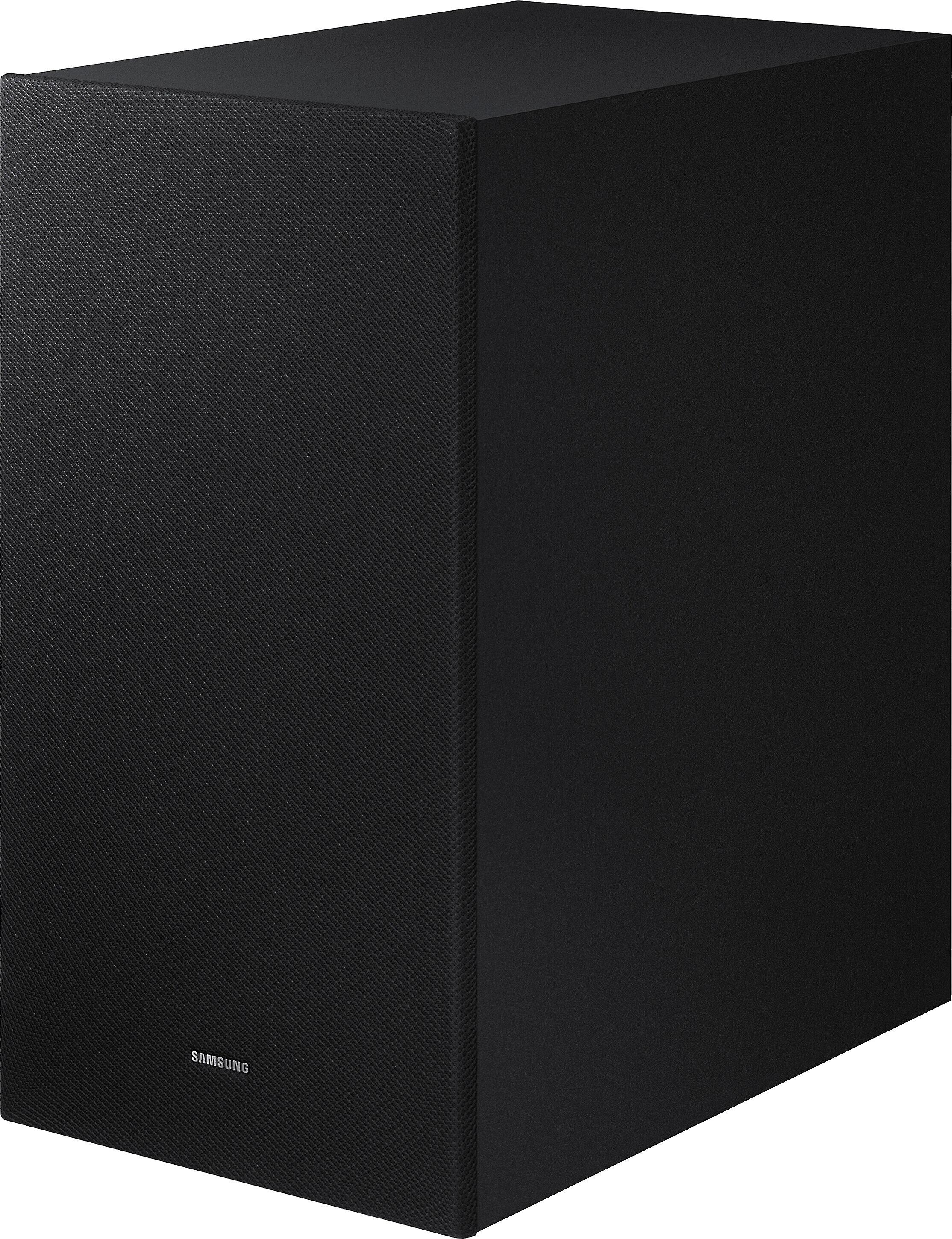
Bass handling reveals another key philosophical difference between these soundbars. The Samsung HW-B550D includes a wireless 5-inch subwoofer in the box, providing immediate low-end impact for movies and music. The subwoofer uses a ported enclosure design, which emphasizes output volume over precision—perfect for adding punch to action movies without requiring a massive cabinet.
Samsung's Bass Boost mode can be activated with a button press, increasing low-frequency output during scenes that demand extra impact. User reviews consistently praise the included subwoofer's ability to add weight to explosions and music, though some note it can sound slightly "loose" or unfocused compared to higher-end alternatives.
The Sony HT-A8000 takes a different approach, using four optimized woofers built into the main bar to handle bass duties. These rectangular drivers maximize surface area within the soundbar's slim profile, delivering surprisingly deep bass for a standalone unit. However, Sony designed the system to work with optional wireless subwoofers (SA-SW3 or SA-SW5) for users wanting deeper extension.
This modular approach means the Sony can start as a clean, minimalist installation and grow into a more powerful system over time. The built-in bass is adequate for most content, but adding Sony's subwoofer options transforms the system into something that can truly rattle your room during action scenes.
Modern soundbars need to work with today's devices while remaining useful as technology evolves. Here, the price difference between our contenders becomes most apparent.
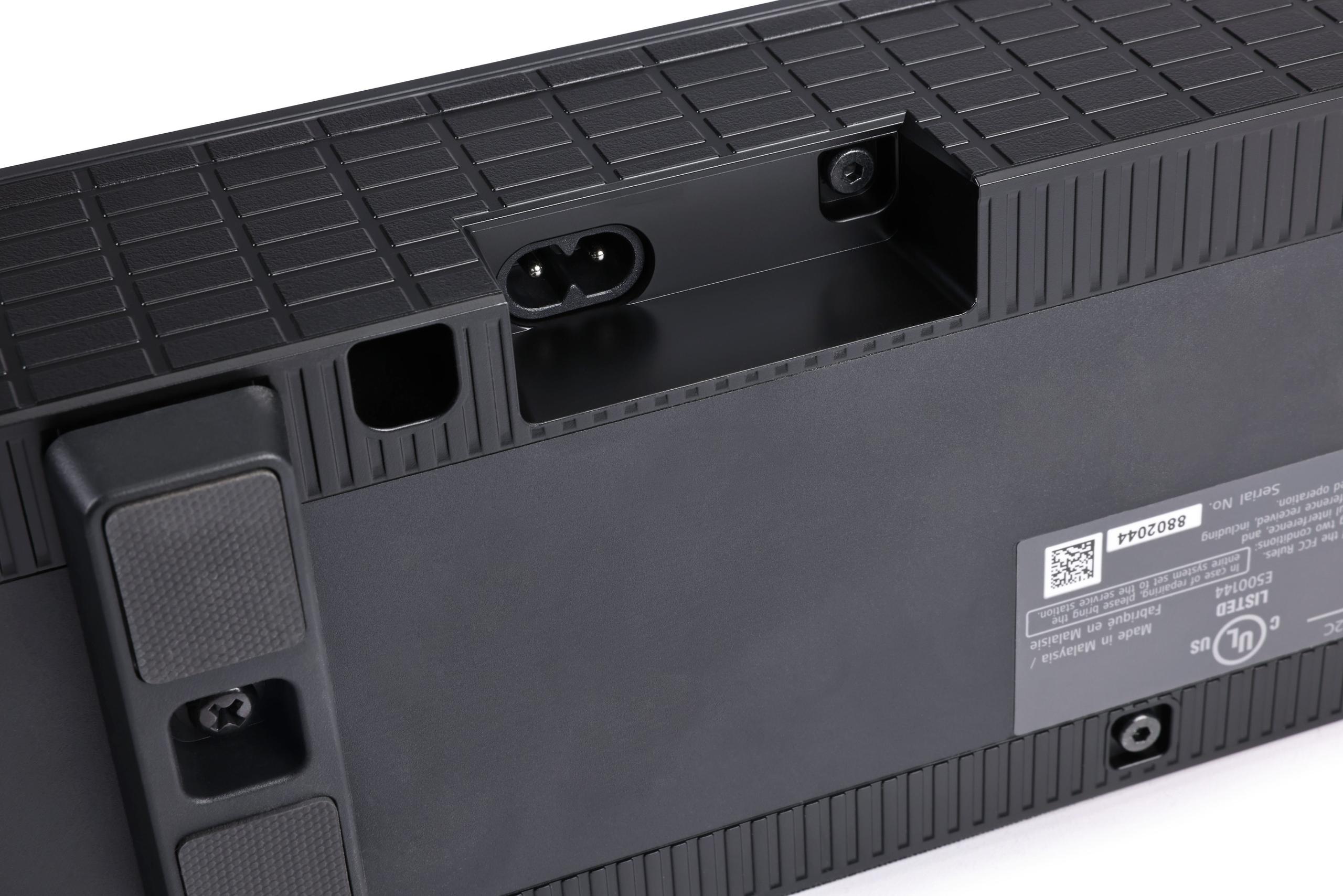
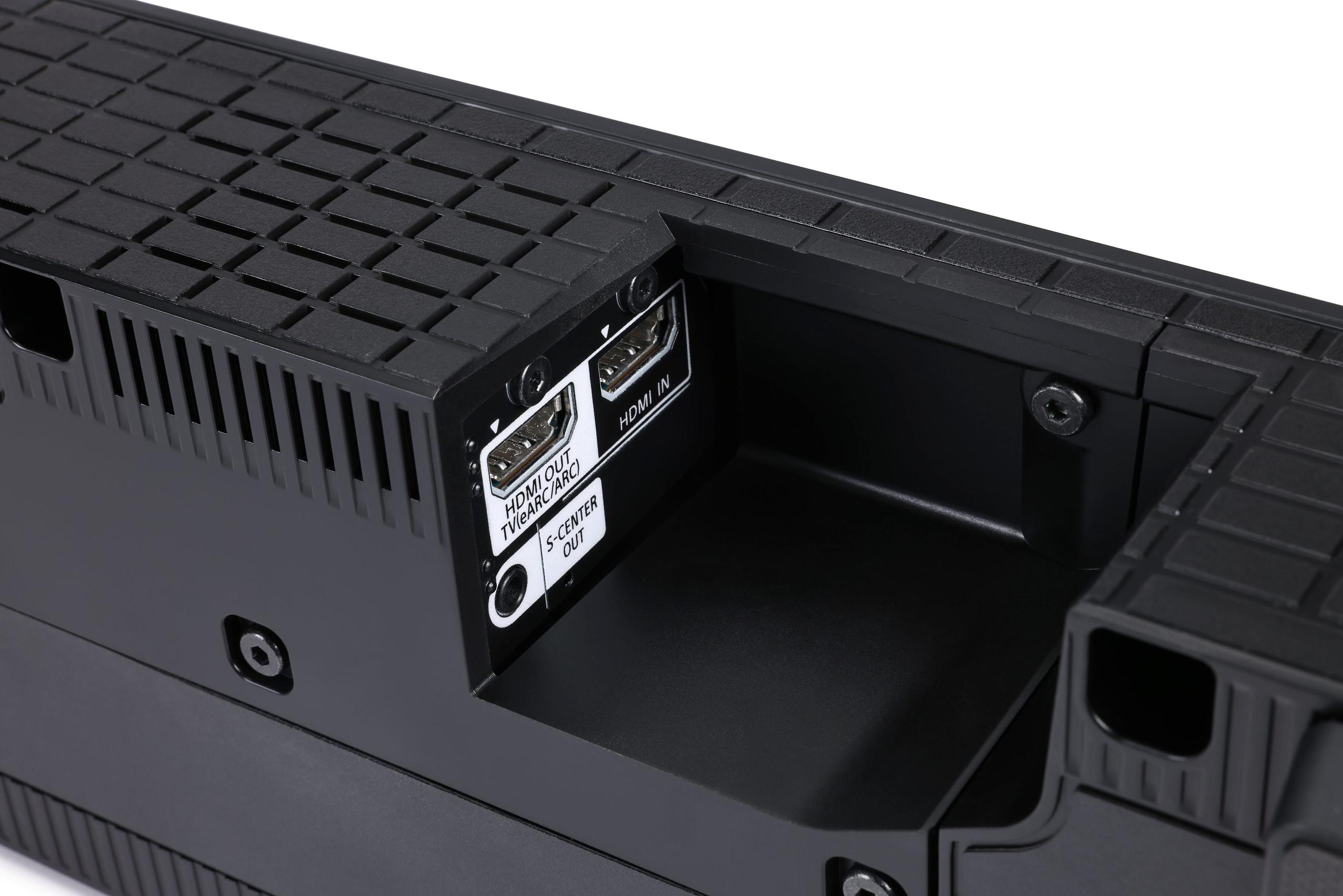
The Sony HT-A8000 includes HDMI 2.1 connectivity, supporting 8K HDR passthrough and advanced gaming features like 4K120fps, Variable Refresh Rate (VRR), and Auto Low Latency Mode (ALLM). For PlayStation 5 or Xbox Series X owners, these features eliminate audio lag and maintain high refresh rates for competitive gaming. The soundbar also includes Wi-Fi, Bluetooth 5.2, Apple AirPlay 2, and Spotify Connect for versatile music streaming.
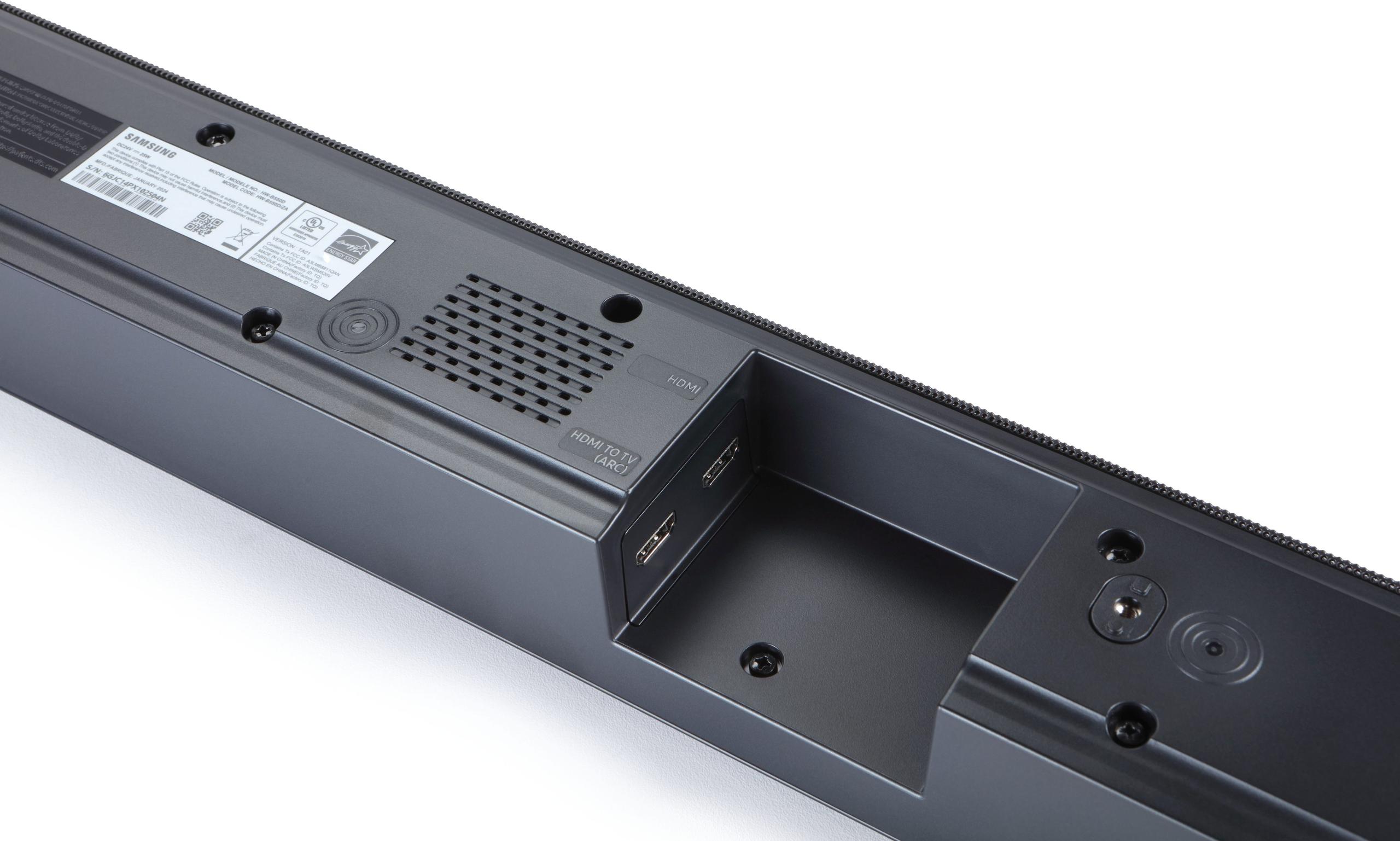
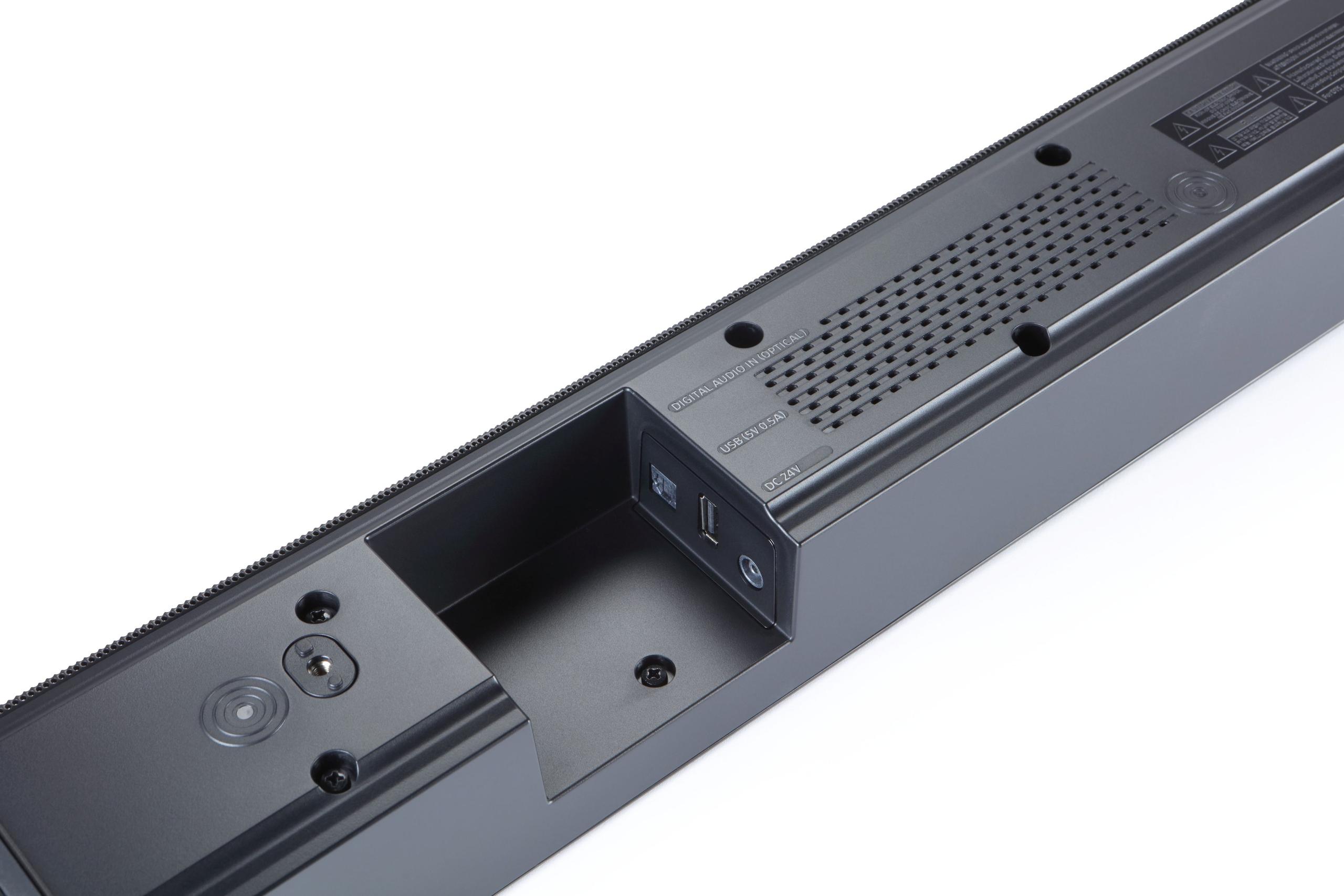
The Samsung HW-B550D uses older HDMI 1.4 connectivity, limiting video passthrough to 1080p resolution. While this handles current content adequately, it may become limiting as 4K gaming and 8K content become more common. The soundbar does include Bluetooth with dual-device pairing, allowing two smartphones to stay connected simultaneously—useful for sharing music control in households.
For home theater enthusiasts building systems around 4K TVs and modern gaming consoles, the Sony's advanced connectivity provides crucial future-proofing. Budget-conscious buyers using older equipment will find the Samsung's simpler connectivity perfectly adequate.
Our analysis of expert reviews and user feedback reveals distinct usage patterns for each soundbar. The Sony HT-A8000 excels in dedicated home theater setups where it's the primary audio system. Users consistently report impressive sound staging, with effects that seem to move around the room naturally. The Sound Field Optimization feature automatically calibrates audio for room characteristics, though this works best in acoustically appropriate spaces.
However, the Sony requires some technical knowledge to optimize properly. Users mention needing to adjust settings for different content types and room configurations. The reward is exceptional audio quality that rivals much more expensive multi-component systems.
The Samsung HW-B550D shines in simplicity and immediate satisfaction. Users report effortless setup—many mention the subwoofer paired automatically without intervention. The soundbar provides immediate improvement over TV audio without requiring acoustic knowledge or room optimization. Its Energy Star certification also appeals to environmentally conscious buyers.
The trade-off is limited expandability. While the Samsung sounds good out of the box, it can't grow with changing needs or room configurations like the modular Sony system.
At the time of writing, the Sony HT-A8000 costs roughly four times more than the Samsung HW-B550D. This dramatic price difference raises obvious questions about value and necessity.
The Sony justifies its premium through genuinely superior audio engineering. The 11-speaker array, advanced digital processing, and true Dolby Atmos support deliver home theater performance that was impossible at any price just a few years ago. For movie enthusiasts with acoustically appropriate rooms and premium displays, the Sony provides an experience that approaches dedicated surround sound systems costing thousands more.
However, that premium only makes sense if you can actually utilize the advanced features. In smaller rooms, with poor acoustics, or for casual TV viewing, much of the Sony's sophistication goes to waste.
The Samsung HW-B550D represents exceptional value for its intended use case. It solves the primary TV audio problems—weak dialog, no bass impact, narrow soundstage—at a price that won't strain most budgets. The included subwoofer would cost nearly as much as the entire Samsung system if purchased separately for other soundbars.
Choose the Sony HT-A8000 if you're building a serious home theater setup around a large, high-quality TV. This soundbar makes sense for dedicated movie rooms, open-concept living spaces with good acoustics, and situations where audio quality is a primary concern rather than just an improvement over TV speakers. Gamers with current-generation consoles will appreciate the HDMI 2.1 features, while the modular design allows system growth over time.
The Sony also suits households where multiple family members are serious about audio quality. Its sophisticated processing and room optimization features provide benefits that justify the learning curve for users who care about getting the best possible sound.
Choose the Samsung HW-B550D for immediate improvement in TV audio quality without complexity or major expense. This soundbar excels in bedrooms, smaller living rooms, apartments, and any situation where you want better sound without becoming an audio enthusiast. Its simple setup and operation make it ideal for users who want to connect it once and forget about technical details.
The Samsung also makes sense as a first soundbar purchase. Its low cost allows experimentation with enhanced TV audio before committing to more expensive options.
Both soundbars succeed brilliantly at their intended purposes. The Sony HT-A8000 delivers premium home theater audio that justifies its higher cost through genuine technological advancement and superior performance. The Samsung HW-B550D provides remarkable value by dramatically improving TV audio at a price most people can afford.
Your choice shouldn't be based on which soundbar is "better" in absolute terms, but rather which approach better matches your specific needs, room setup, and budget priorities. Either way, you'll end up with significantly better audio than your TV can provide on its own—and that's really the point of this entire exercise.
| Sony HT-A8000 BRAVIA Theater Bar 8 Soundbar | Samsung HW-B550D 3.1 Channel Sound Bar |
|---|---|
| Channel Configuration - Determines surround sound quality and dialog clarity | |
| 7.1.2 channels with 11 speakers including height channels | 3.1 channels with built-in center speaker |
| Dolby Atmos Support - Essential for modern movie soundtracks with overhead effects | |
| Full Dolby Atmos and DTS:X with dedicated upfiring speakers | DTS Virtual:X simulation only (no true height channels) |
| Subwoofer Inclusion - Affects bass impact and total system cost | |
| Optional wireless subwoofers sold separately (SA-SW3/SA-SW5) | 5-inch wireless subwoofer included in box |
| HDMI Connectivity - Important for 4K/8K content and gaming | |
| HDMI 2.1 with 8K HDR, 4K120, VRR, ALLM gaming features | HDMI 1.4 with 1080p passthrough (limited future-proofing) |
| Sound Processing Technology - Affects room adaptation and audio quality | |
| 360 Spatial Sound Mapping with Sound Field Optimization | Adaptive Sound Lite with automatic content optimization |
| Voice Enhancement - Critical for dialog clarity in movies and shows | |
| Voice Zoom 3 with AI-powered speech separation | Voice Enhancement mode with center channel optimization |
| Wireless Connectivity - For music streaming and device pairing | |
| Wi-Fi, Bluetooth 5.2, AirPlay 2, Spotify Connect | Bluetooth with dual-device pairing capability |
| Amplification Type - Affects audio quality and power efficiency | |
| S-Master HX digital amplification with 11-channel processing | Standard digital amplification with bass boost mode |
| Expandability - Ability to grow system over time | |
| Modular design supports additional rear speakers and subwoofers | Fixed 3.1 configuration with no expansion options |
| Room Calibration - Automatic optimization for your specific space | |
| Advanced room correction with acoustic mapping | Basic adaptive sound without room measurement |
The Samsung HW-B550D provides exceptional value as a budget option, including a wireless subwoofer and delivering significant audio improvement over TV speakers at an affordable price point. The Sony HT-A8000 offers premium value for serious home theater enthusiasts who want cutting-edge audio technology and are willing to pay more for superior performance and features.
The Sony HT-A8000 is a premium 7.1.2 channel system with true Dolby Atmos support and 11 speakers for immersive surround sound, while the Samsung HW-B550D is a budget-friendly 3.1 channel system that uses virtual surround technology to simulate surround effects from fewer speakers.
The Samsung HW-B550D works well in smaller spaces since its virtual surround processing doesn't rely on room reflections like the Sony HT-A8000 does. However, the Sony can be configured for smaller rooms and may still provide superior audio quality even in compact spaces.
The Samsung HW-B550D includes a 5-inch wireless subwoofer in the box, providing immediate bass impact. The Sony HT-A8000 has built-in woofers but requires purchasing an optional wireless subwoofer separately for deeper bass extension.
The Sony HT-A8000 offers superior dialog clarity with its Voice Zoom 3 AI technology and dedicated center channel optimization. While the Samsung HW-B550D provides good dialog improvement over TV speakers with its Voice Enhancement mode, it cannot match the Sony's advanced speech processing capabilities.
The Sony HT-A8000 is excellent for gaming with HDMI 2.1 support, offering 4K120fps, Variable Refresh Rate, and Auto Low Latency Mode for modern consoles. The Samsung HW-B550D works for gaming but uses older HDMI 1.4 connectivity, limiting it to 1080p passthrough and lacking advanced gaming features.
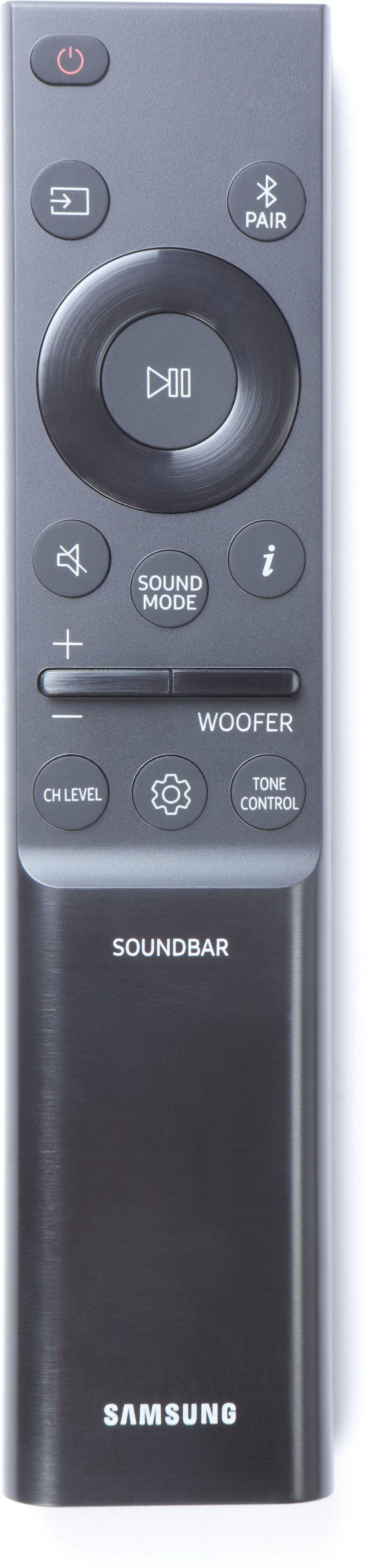
The Samsung HW-B550D is notably easier to set up, with most users reporting automatic subwoofer pairing and simple plug-and-play operation. The Sony HT-A8000 offers more setup options and room optimization features but requires more time and technical knowledge to achieve optimal performance.
The Sony HT-A8000 offers extensive streaming connectivity including Wi-Fi, Bluetooth 5.2, AirPlay 2, and Spotify Connect for direct music streaming. The Samsung HW-B550D provides Bluetooth connectivity with dual-device pairing but lacks built-in Wi-Fi or direct streaming service access.
For serious movie watching, the Sony HT-A8000 provides a more cinematic experience with true Dolby Atmos overhead effects and 360 Spatial Sound Mapping. The Samsung HW-B550D offers good movie audio improvement with DTS Virtual:X but cannot match the immersive surround experience of the Sony system.
The Sony HT-A8000 includes Sound Field Optimization that automatically calibrates for various room sizes and acoustics, working best in medium to large rooms with proper ceiling height. The Samsung HW-B550D performs consistently across different room sizes but may lack the room-filling presence needed for very large spaces.
The Sony HT-A8000 features a modular design allowing addition of wireless rear speakers and subwoofers to create a full surround system over time. The Samsung HW-B550D is a complete 3.1 system with no expansion options, making it ideal for users who want a simple, finished solution.
Both soundbars work with smart TVs, but the Sony HT-A8000 offers enhanced integration with BRAVIA TVs through Acoustic Center Sync and supports advanced HDMI features. The Samsung HW-B550D provides good compatibility with Samsung TVs and can be controlled using Samsung TV remotes, though with more basic connectivity options than the Sony model.
We've done our best to create useful and informative comparisons to help you decide what product to buy. Our research uses advanced automated methods to create this comparison and perfection is not possible - please contact us for corrections or questions. These are the sites we've researched in the creation of this article: consumerreports.org - skybygramophone.com - target.com - rtings.com - bestbuy.com - rubbermonkey.co.nz - shopatsc.com - audioadvice.com - sony.com - sony.com - sony.com - shop.cosmopolitan.com - store.sony.com.my - videoandaudiocenter.com - bestbuy.com - crutchfield.com - avsforum.com - consumerreports.org - abt.com - pcrichard.com - samsung.com - samsung.com - rtings.com - samsung.com - jeffsappliance.com

Privacy Policy
Terms and Conditions - Affiliate Policy
Home Security
© Copyright 2008-2026.
11816 Inwood Rd #1211, Dallas, TX 75244