

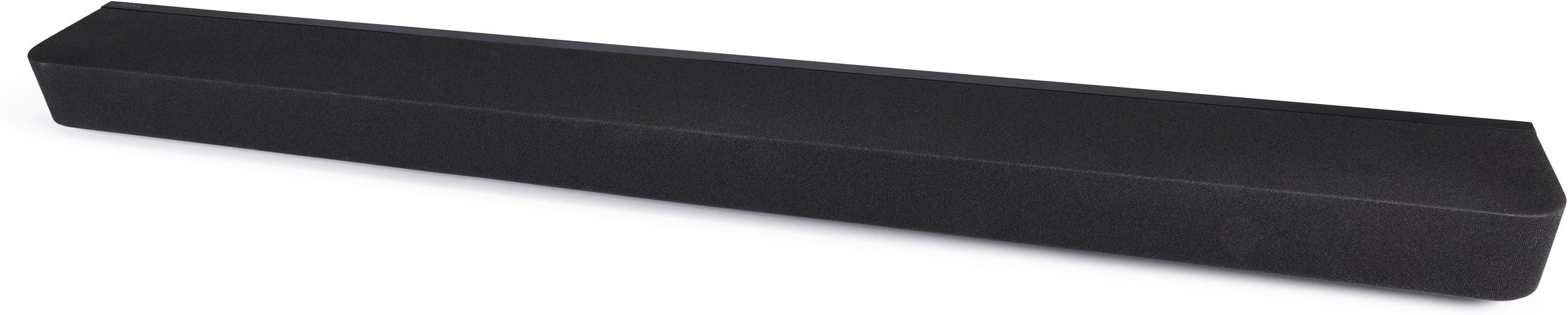
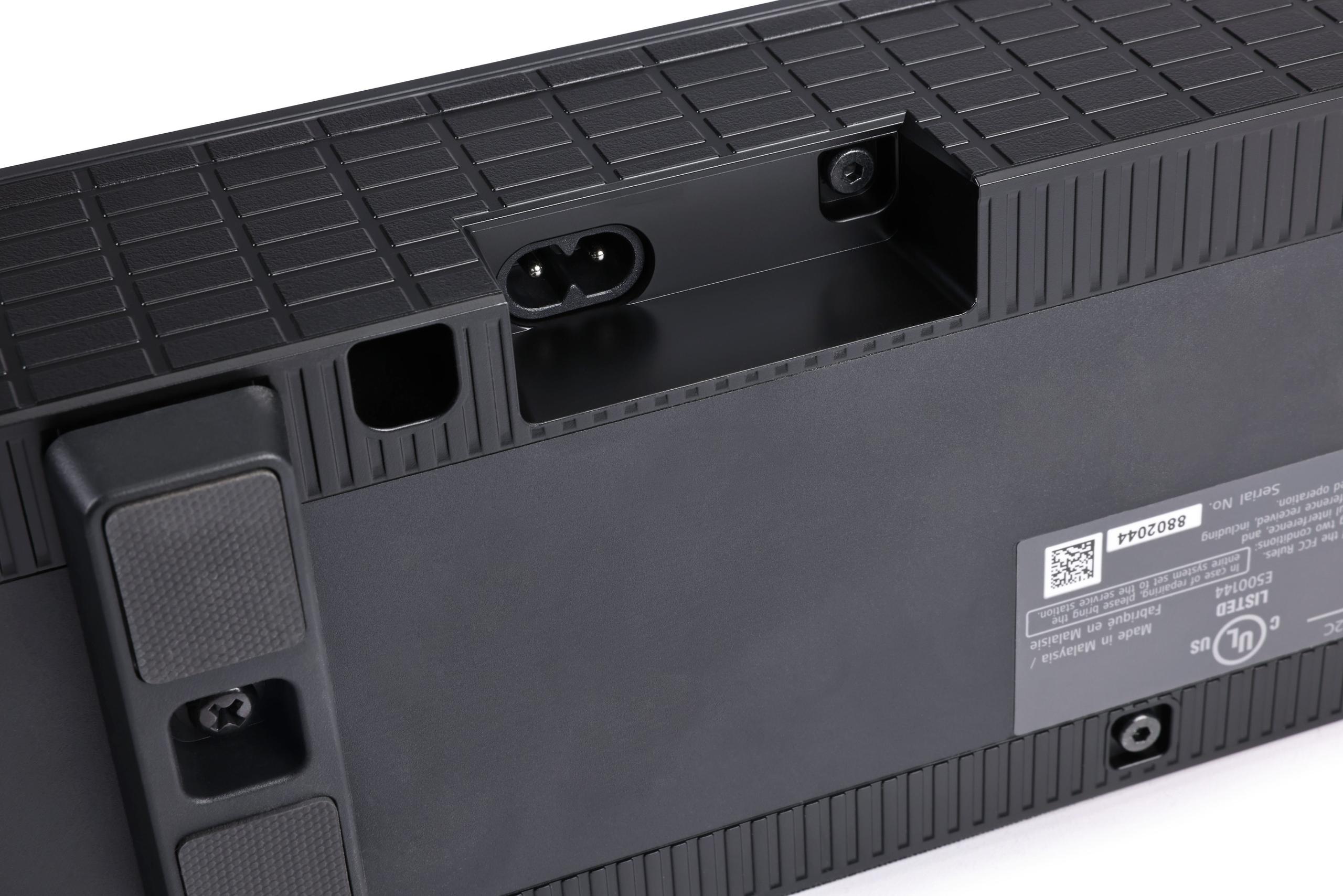
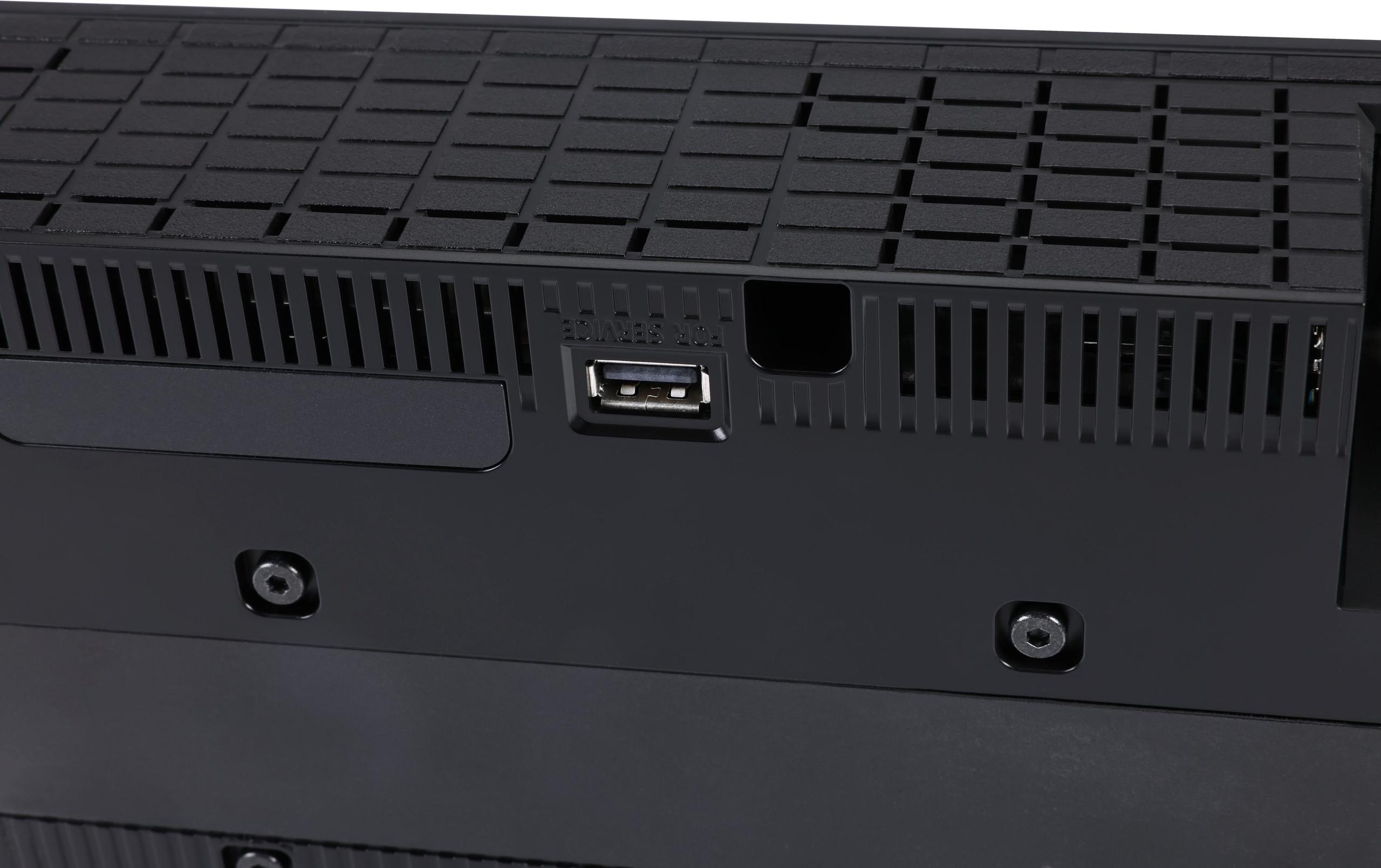
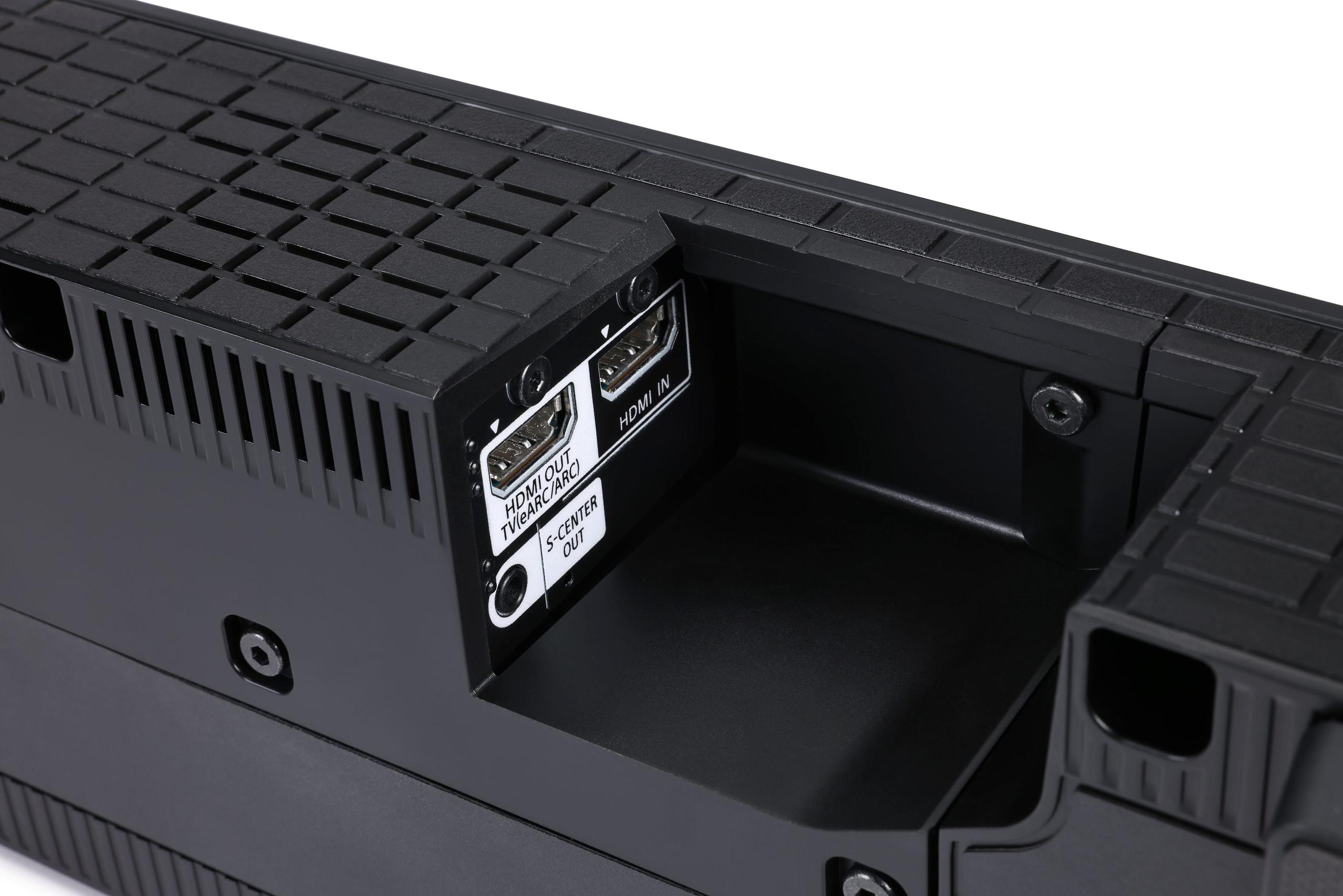

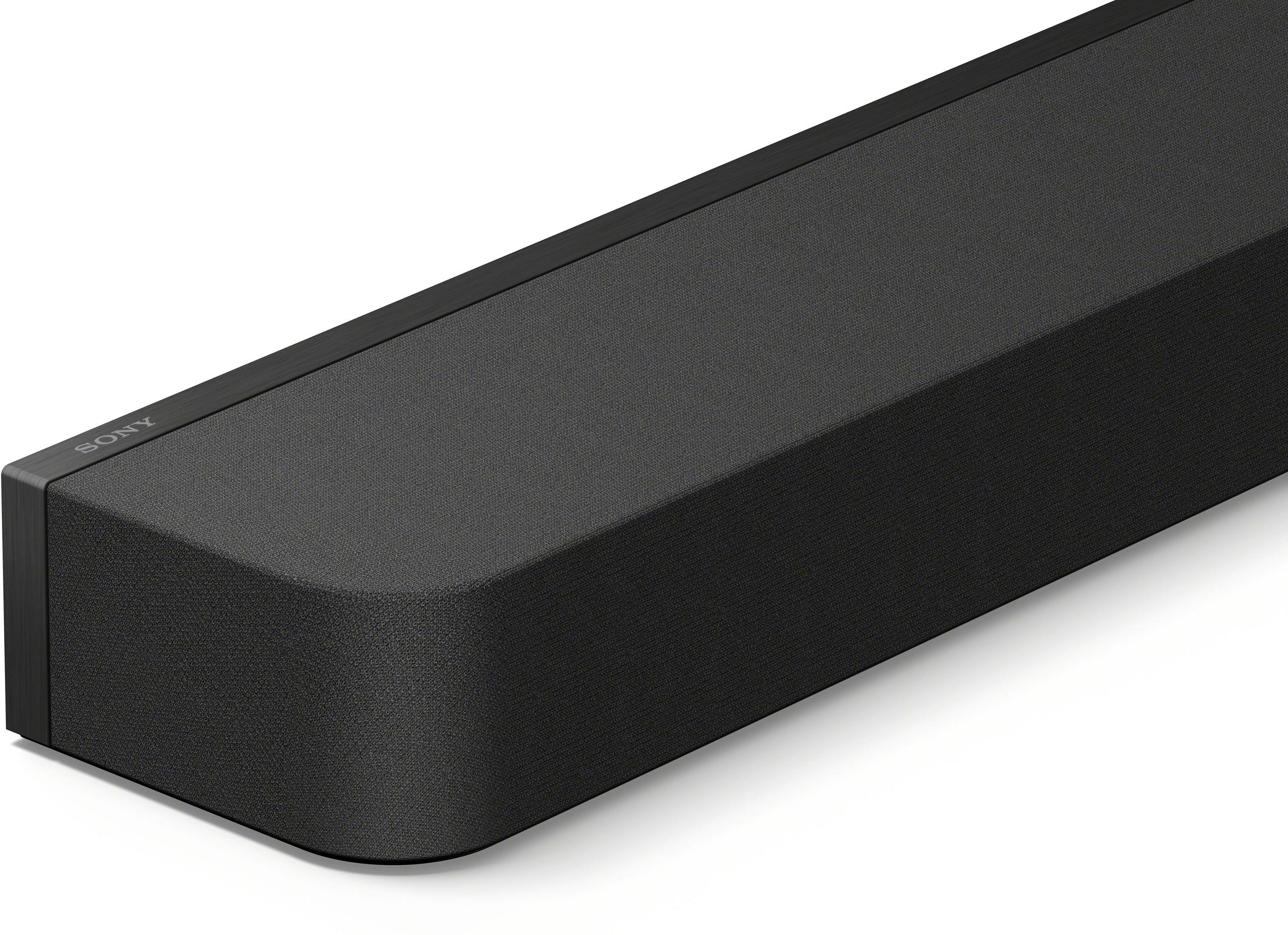




When your TV's built-in speakers just aren't cutting it anymore, you'll quickly discover that the soundbar market offers two very different approaches to solving your audio problems. The Sony HT-A8000 represents the premium single-unit philosophy—pack advanced processing and multiple drivers into one sleek bar that does all the heavy lifting through clever software. Meanwhile, the LG S60TR takes the traditional route of giving you actual speakers positioned around your room for authentic surround sound.
Both approaches have merit, but understanding which one fits your space, budget, and listening habits will save you from buyer's remorse down the road.
Before diving into specifics, it's worth understanding what makes modern soundbars tick. Traditional surround sound required running speaker wires to multiple locations around your room—a setup that worked great but looked messy and required significant installation effort. Today's soundbars solve this problem in two ways.
Virtual surround processing uses psychoacoustic tricks (essentially fooling your brain about where sounds are coming from) by precisely timing and filtering audio signals. When done well, your brain interprets these carefully crafted audio cues as sounds coming from behind or above you, even though all the drivers are in front of your TV.
Physical surround systems skip the digital trickery and place actual speakers where the sound should come from. This approach is more straightforward but requires dealing with multiple components and their placement.
The choice between these approaches often comes down to your room layout, aesthetic preferences, and how much you're willing to invest upfront versus over time.
The Sony HT-A8000 launched in 2024 as part of Sony's BRAVIA Theater series, representing the company's push toward more sophisticated single-unit soundbars. Sony has been refining their spatial audio processing for years, and this model incorporates technologies originally developed for their high-end home theater receivers.
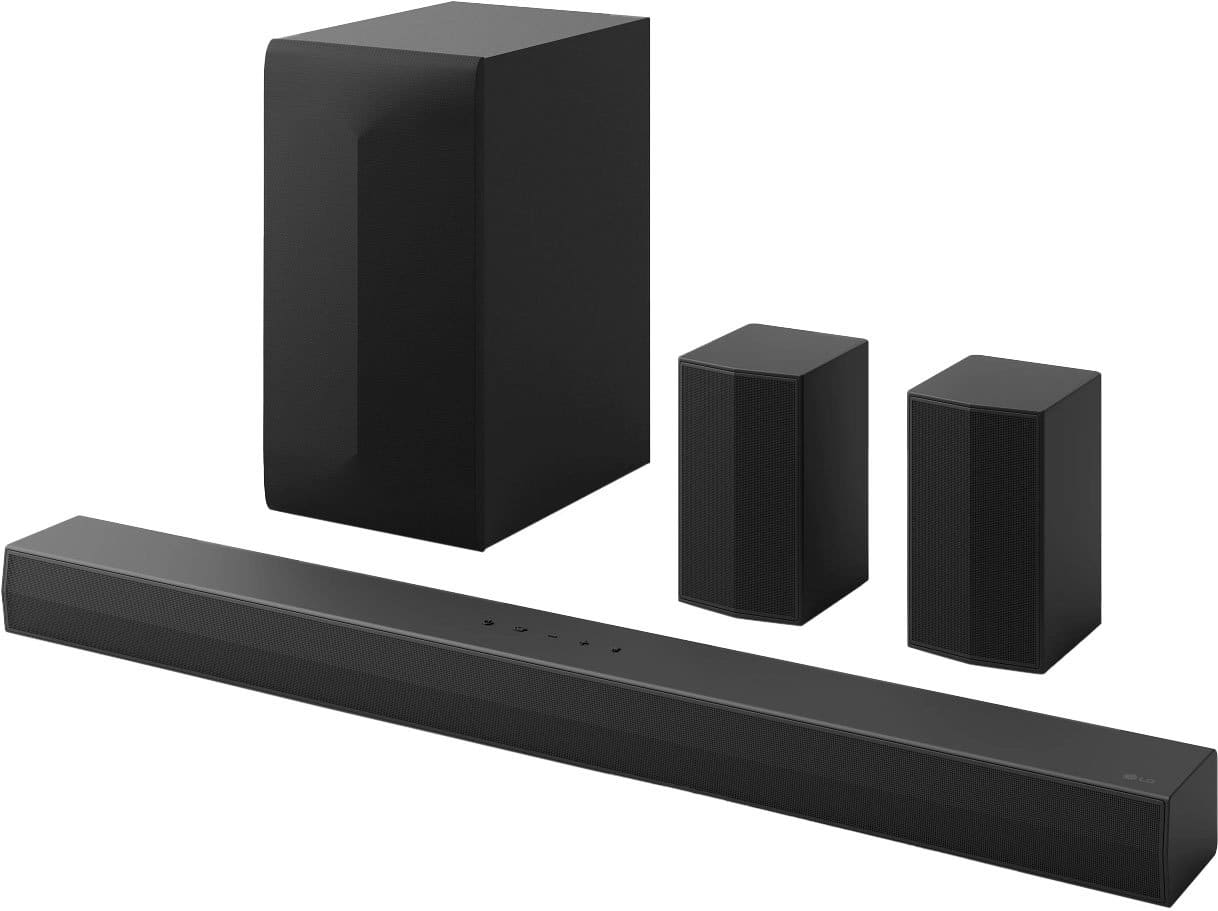
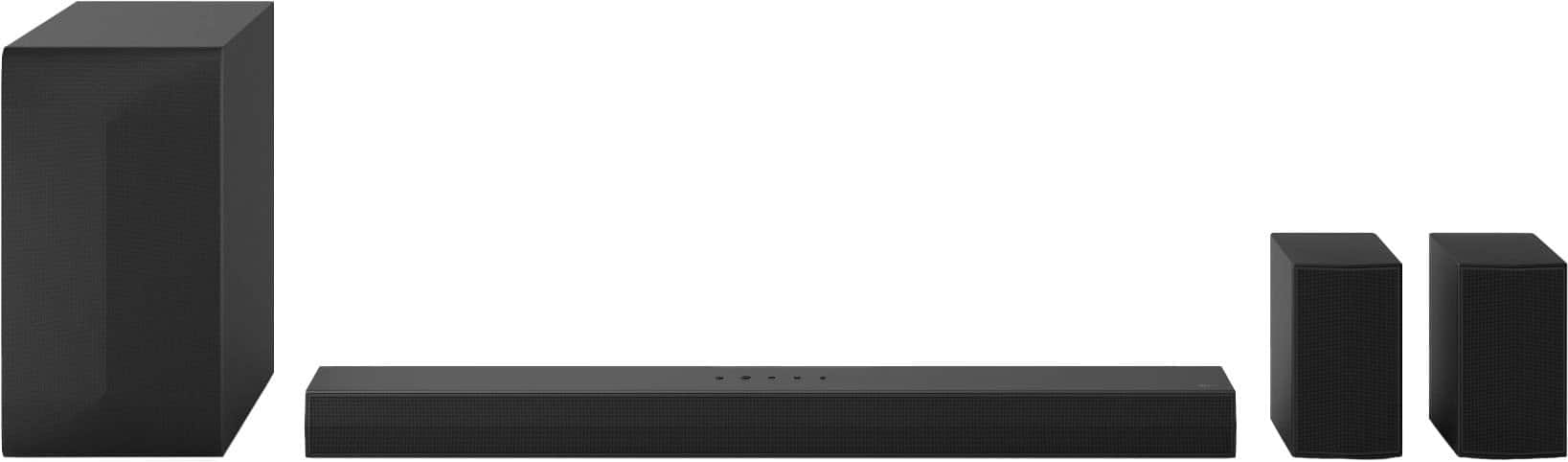
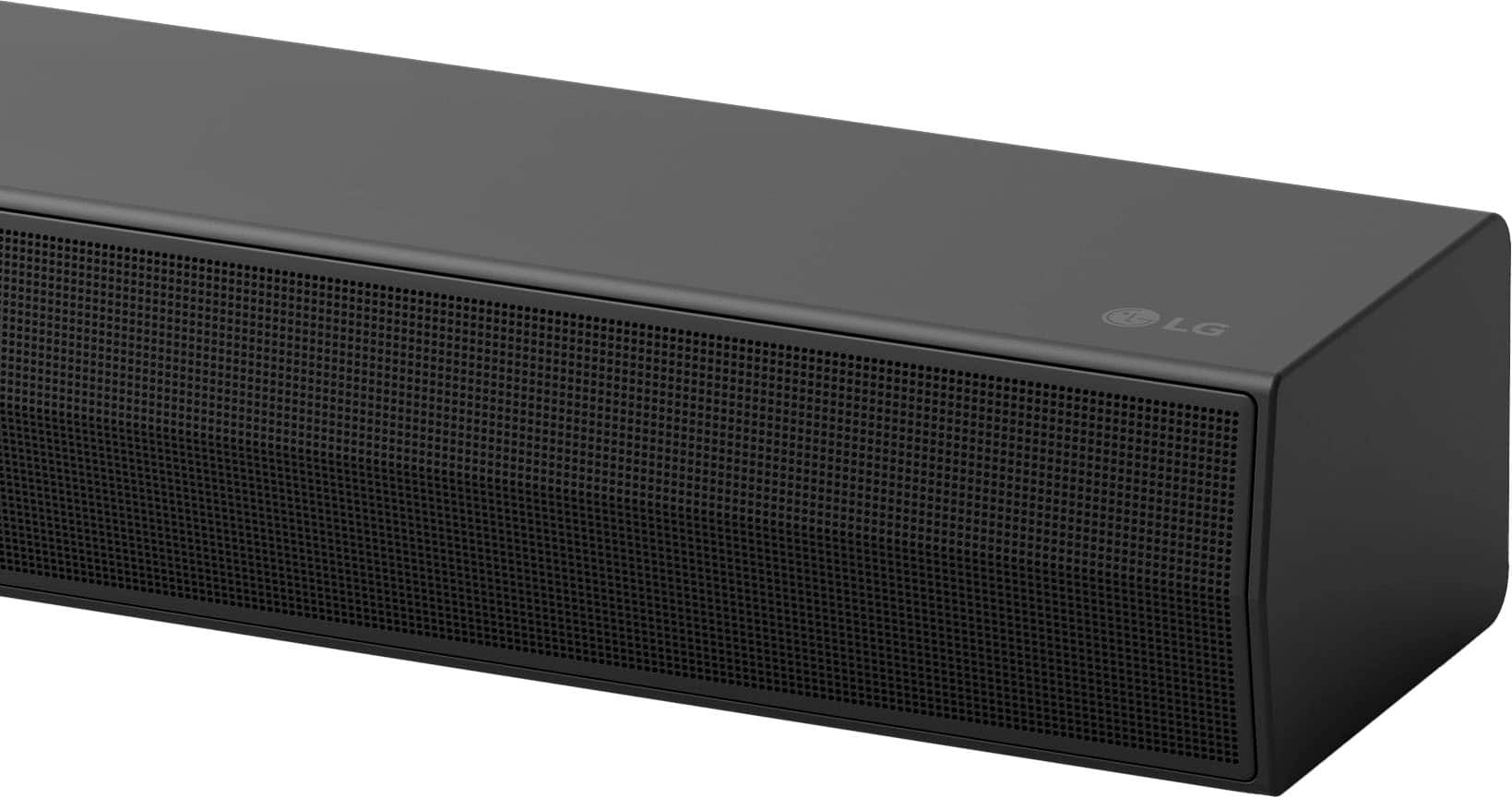
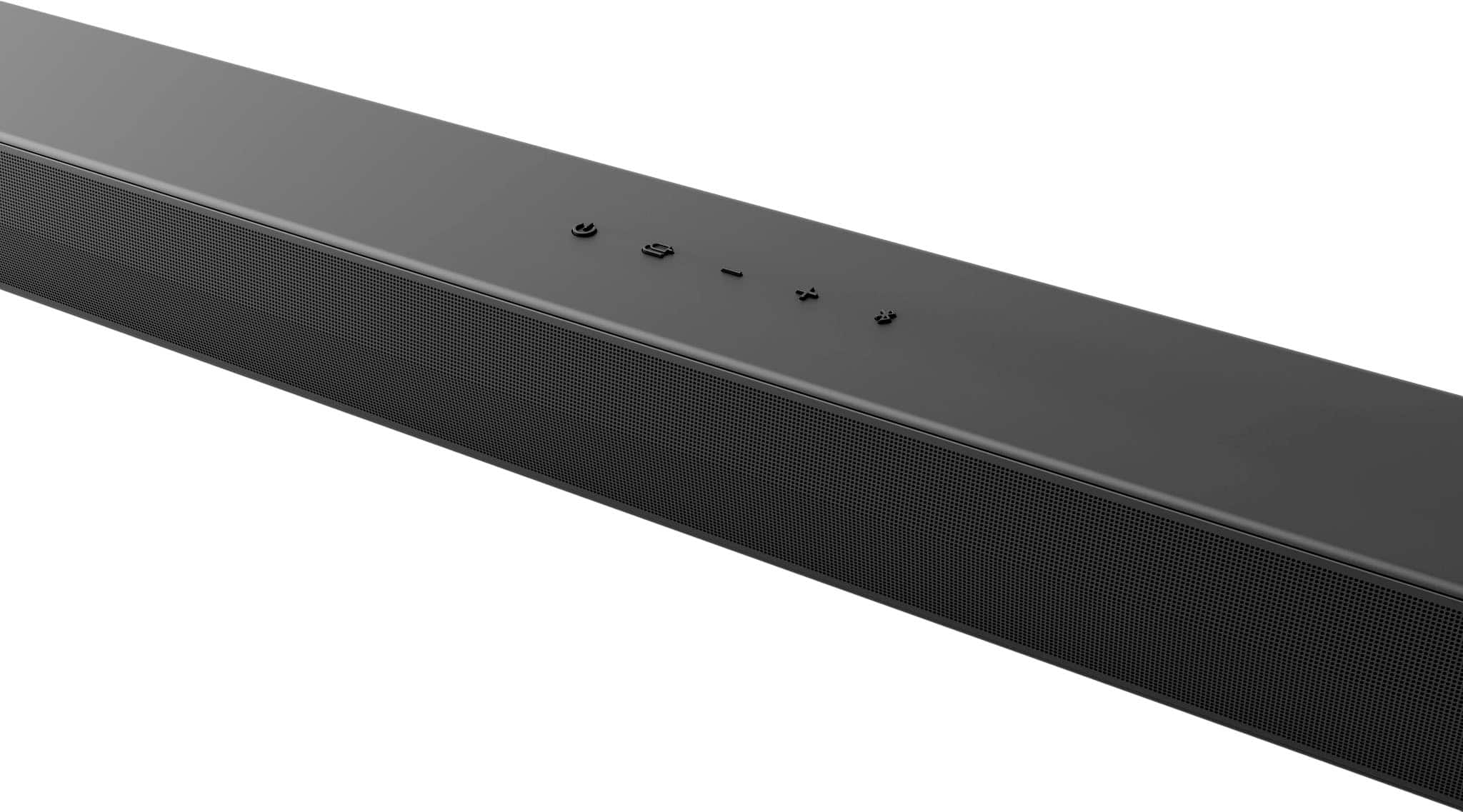
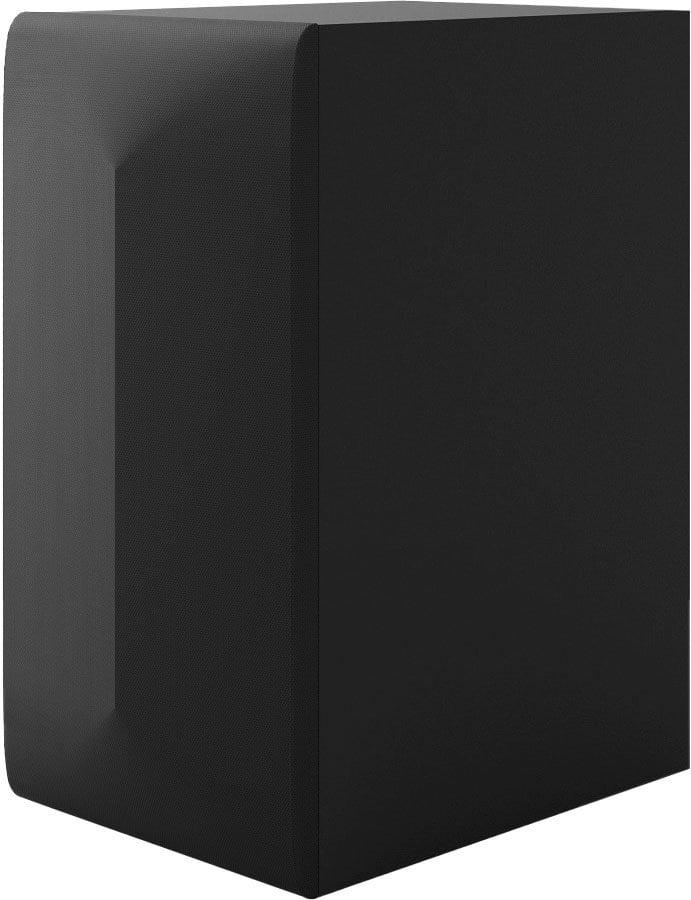
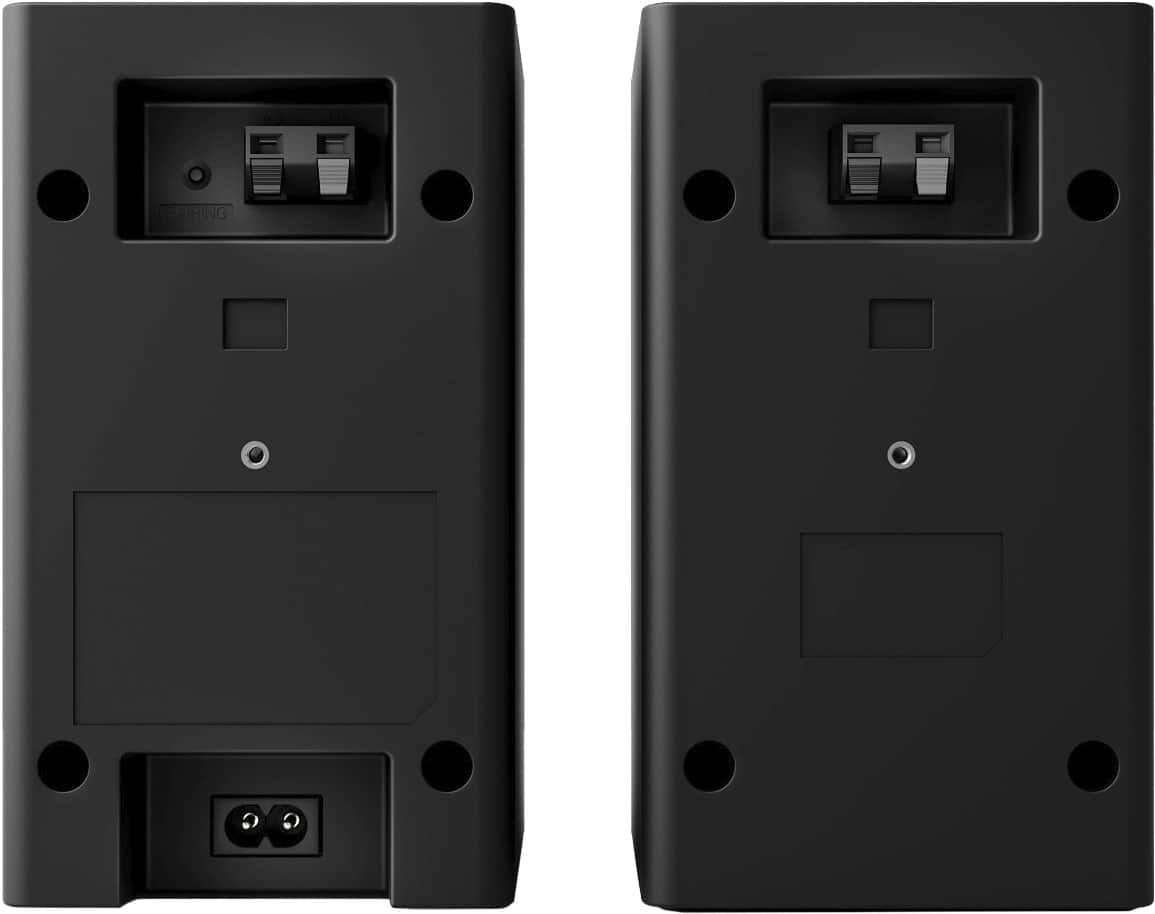
The LG S60TR, also from 2024, takes a different approach by including everything you need for true 5.1 surround sound in one package. LG has been aggressive about providing complete systems at competitive price points, recognizing that many consumers want the full surround experience without the complexity of traditional component systems.
At the time of writing, the Sony sits in the mid-to-premium price range for single soundbars, while the LG offers remarkable value by including a subwoofer and rear speakers at a price point where most competitors only give you the main bar.
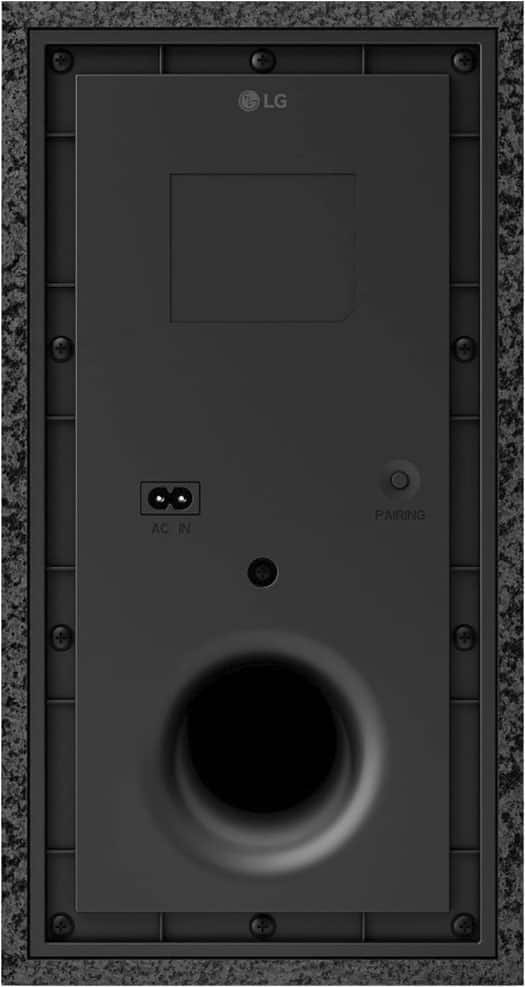
This is where the fundamental difference between these approaches becomes most apparent. The LG S60TR includes a dedicated 220-watt wireless subwoofer—essentially a specialized speaker designed specifically for low frequencies. Subwoofers use larger drivers (typically 8-10 inches) and dedicated amplification to move the large amounts of air needed for deep bass.
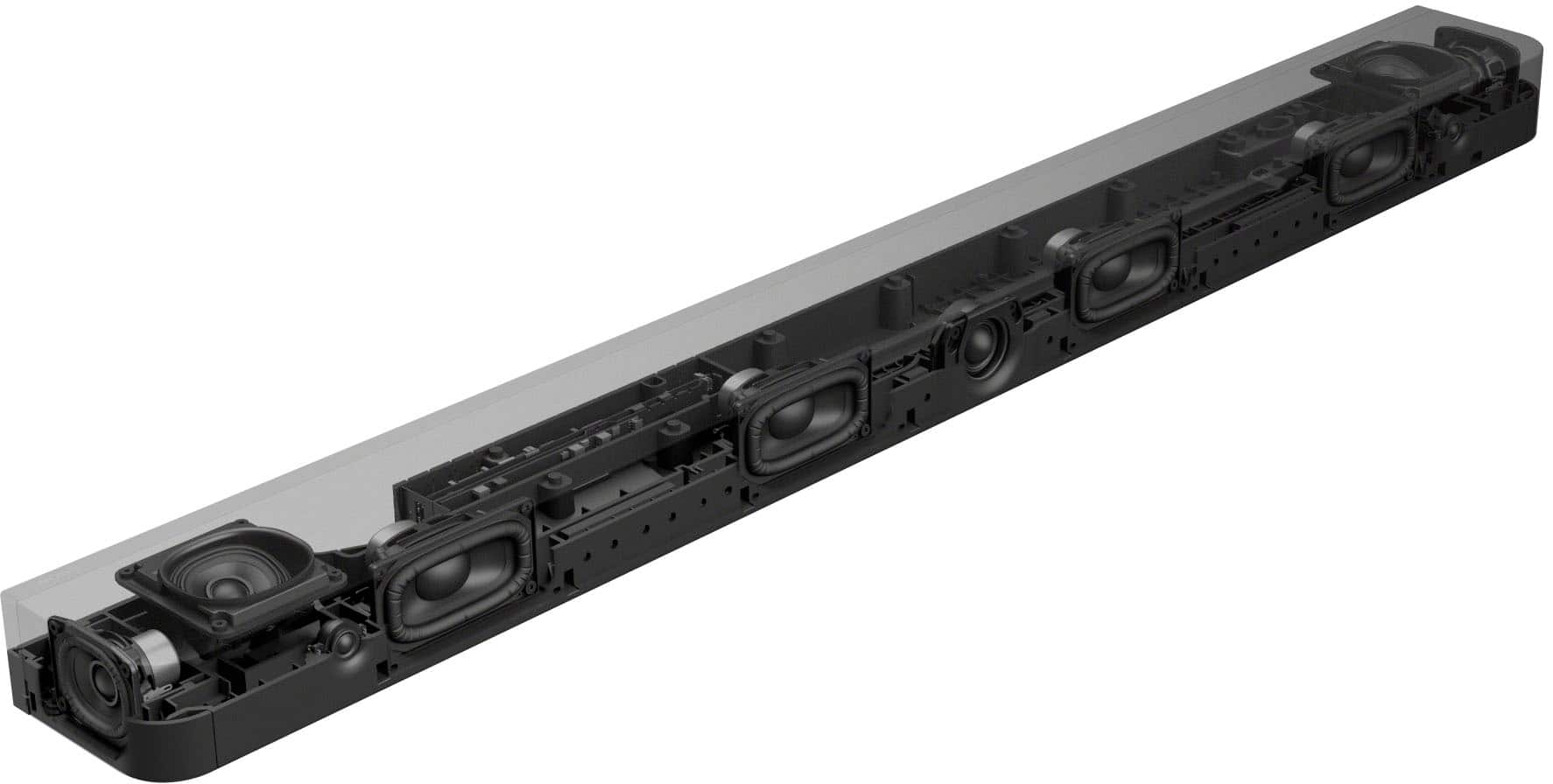
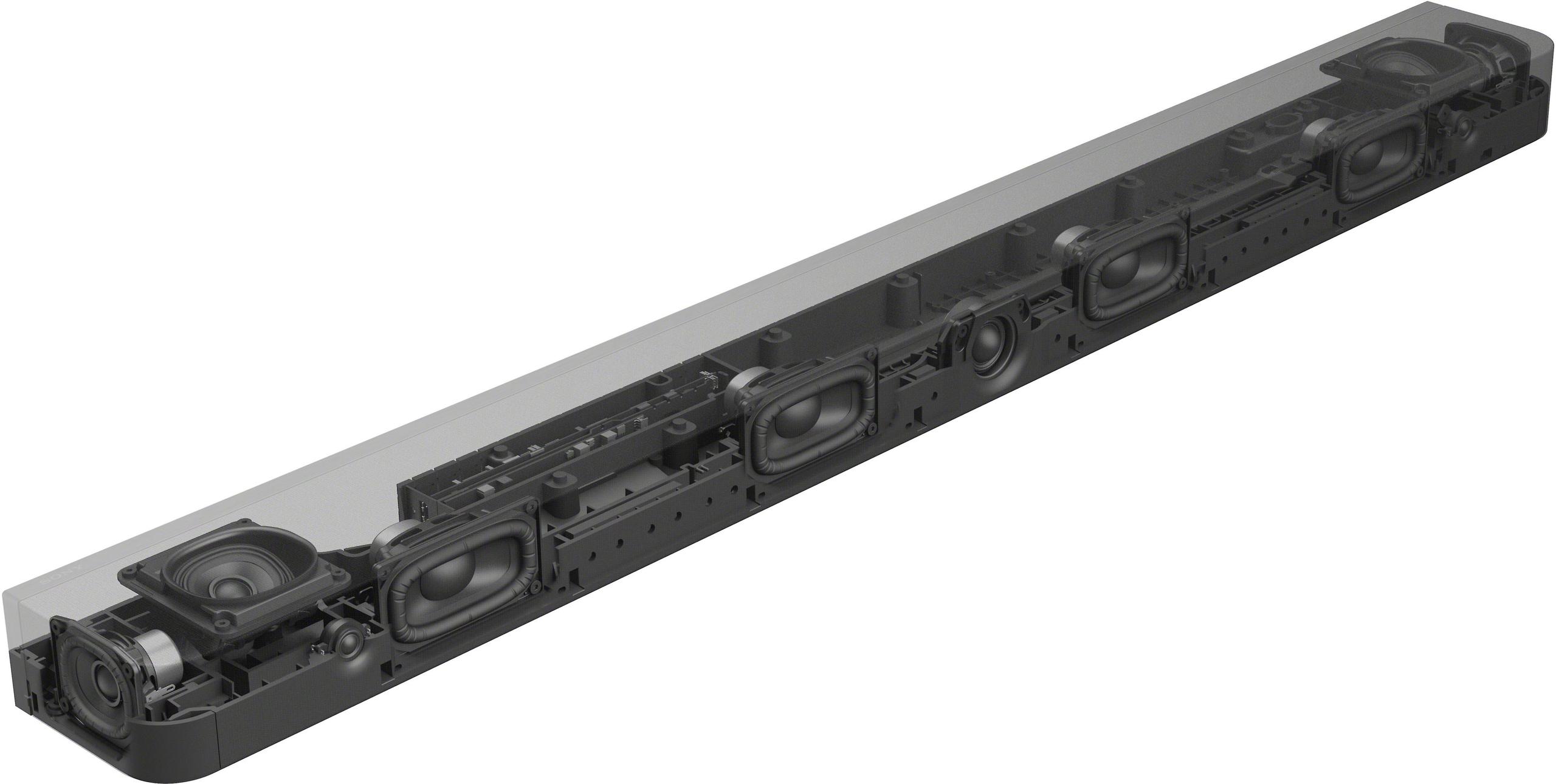
In contrast, the Sony HT-A8000 relies on built-in woofers within the soundbar chassis. While Sony uses their X-Balanced drivers (rectangular-shaped drivers that maximize the diaphragm area within the limited space), physics still limits how much bass a small enclosure can produce.
Based on user feedback and professional reviews, this difference is immediately noticeable. The LG delivers the kind of room-shaking bass that makes action movie explosions feel impactful and gives music the low-end foundation it needs. The Sony's bass is adequate for dialogue-heavy content but feels restrained during intense action sequences.
However, Sony designed the system to be expandable—you can add their SA-SW3 or SA-SW5 wireless subwoofers later. This modular approach gives you upgrade flexibility but means the base system feels incomplete for bass-heavy content.
The Sony HT-A8000 showcases some genuinely impressive audio processing technology. Their 360 Spatial Sound Mapping uses 11 individual drivers spread across the soundbar, including up-firing speakers that bounce sound off your ceiling to create height effects. The system measures your room acoustically and adjusts its processing to optimize sound dispersion.
This virtual approach works remarkably well in smaller to medium-sized rooms with typical ceiling heights (8-10 feet). The technology excels at creating the illusion of sounds coming from behind you, and the height effects add a convincing sense of three-dimensional space. Dolby Atmos content, which includes height information in the audio track, particularly benefits from this processing.
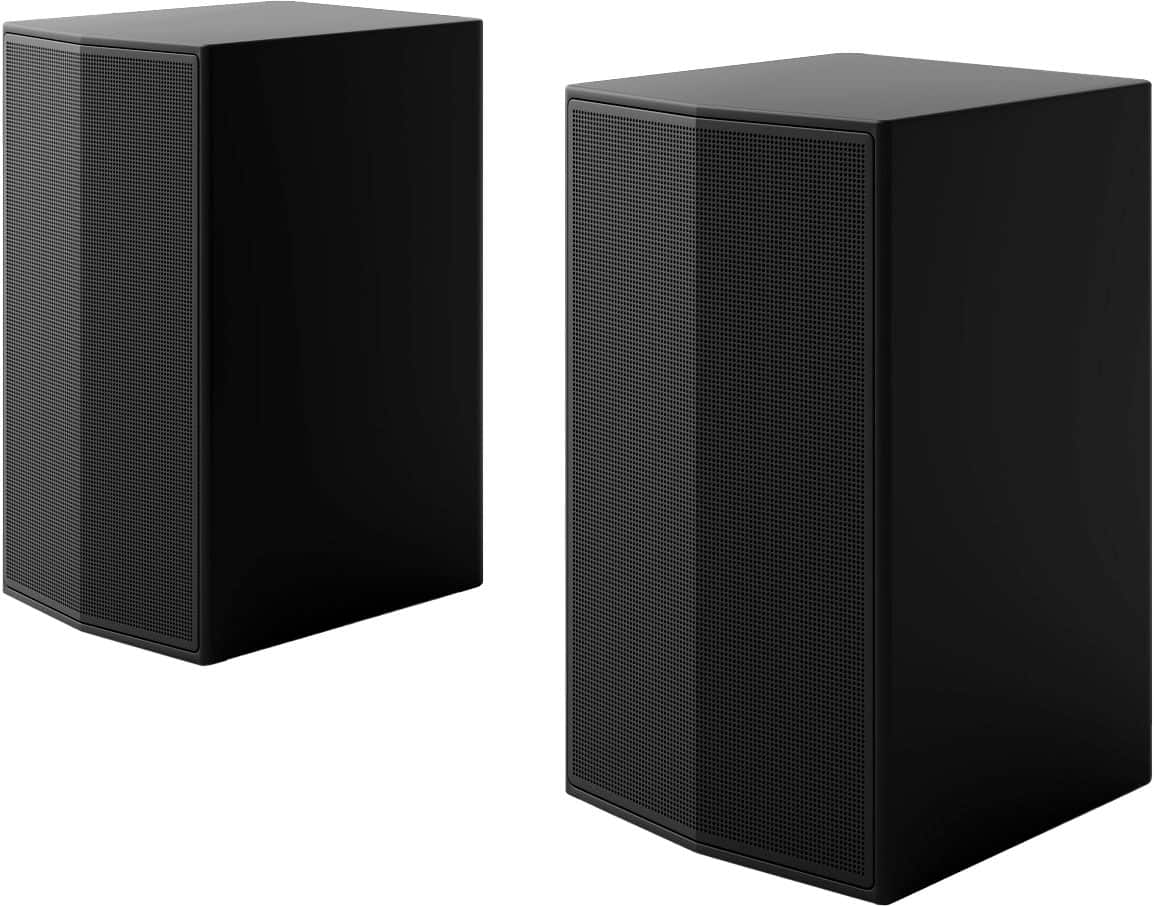
The LG S60TR takes the straightforward approach with physical rear speakers. There's no trickery here—sounds that should come from behind you actually do come from speakers positioned behind your seating area. This creates precise, authentic directional audio that doesn't depend on room acoustics or your specific seating position.
In larger rooms or open-concept spaces, the LG's approach proves more consistent. Virtual surround processing relies on sound reflections off walls and ceilings, which becomes unpredictable in irregularly shaped or very large spaces. Physical speakers maintain their directional accuracy regardless of room characteristics.
Clear dialogue reproduction is crucial since modern TV shows and movies often mix voices lower in the overall audio mix. The Sony HT-A8000 addresses this with Voice Zoom 3, an AI-powered feature that analyzes audio in real-time and can amplify or reduce specific frequency ranges associated with human speech.
Sony also includes a dedicated center channel driver, which is specifically responsible for dialogue in most surround sound mixes. This ensures voices remain anchored to the screen even when other sounds are happening around the room.
The LG S60TR includes standard dialogue enhancement modes but lacks Sony's sophisticated voice processing. However, its dedicated center channel in the main soundbar still provides good voice clarity, just without the adaptive enhancement technology.
For users who frequently watch dialogue-heavy content or have difficulty hearing voices clearly, Sony's advanced processing provides a meaningful advantage.
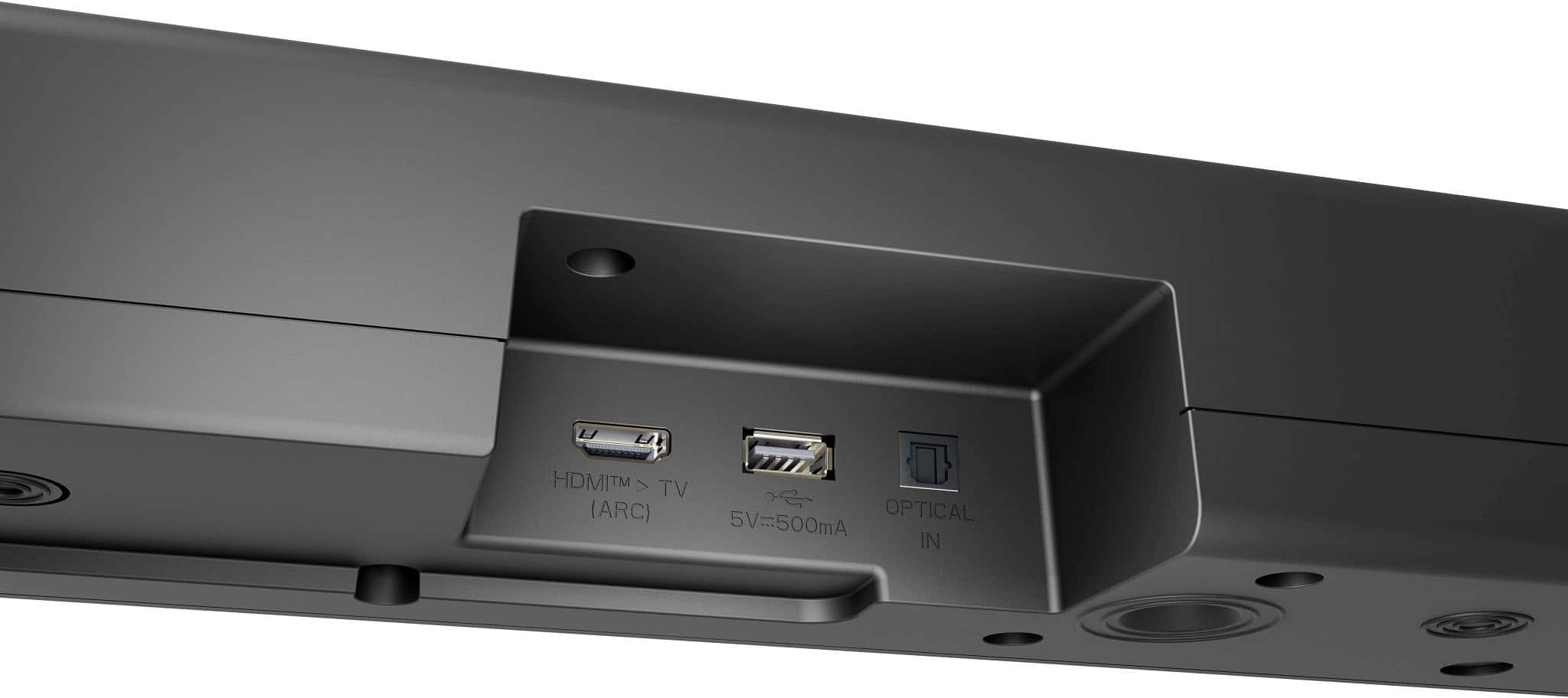
Modern gaming consoles output audio and video differently than traditional movies and TV shows. The LG S60TR includes HDMI 2.1 support with features like 4K/120Hz passthrough, Variable Refresh Rate (VRR), and Auto Low Latency Mode (ALLM). These ensure that audio and video remain perfectly synchronized during fast-paced gaming.
The physical rear speakers also enhance gaming immersion by providing accurate positional audio—you can hear footsteps or gunfire from their actual direction in the game world. This spatial awareness can provide a competitive advantage in online gaming.
The Sony HT-A8000 lacks these gaming-specific HDMI 2.1 features, which limits its appeal for serious console gamers. While its virtual surround processing can create interesting spatial effects for games, it's not as precise or reliable as physical speakers for competitive gaming.
Your room layout significantly impacts which approach works better. The Sony HT-A8000 excels in apartments, condos, or any space where running speaker wires or positioning rear speakers isn't practical. Its room calibration technology adapts to different acoustic environments, though it works best in rectangular rooms with standard ceiling heights.
The virtual surround processing becomes less effective in rooms with high ceilings, hard surfaces that don't reflect sound well, or irregular layouts that disrupt the acoustic assumptions the processing relies on.
The LG S60TR requires more thoughtful placement but rewards you with consistent performance regardless of room acoustics. The rear speakers need to be positioned 2-3 feet behind your primary seating area, ideally at or slightly above ear level. The wireless subwoofer offers placement flexibility—you can position it anywhere in the room where it sounds best and doesn't interfere with furniture arrangement.
For dedicated home theater rooms where you can control speaker placement, the LG's approach proves more reliable and impactful. For multi-purpose living spaces where aesthetic integration matters more than ultimate performance, the Sony's single-unit design makes more sense.
At the time of writing, these products represent very different value propositions. The LG S60TR delivers exceptional value by including everything needed for a complete 5.1 surround system at a price point where most competitors only provide the main soundbar. You get immediate access to powerful bass and authentic surround effects without additional purchases.
The Sony HT-A8000 costs more initially and requires additional investment to reach its full potential. Adding Sony's wireless subwoofer and rear speakers can nearly triple the total system cost. However, this modular approach allows you to start with the soundbar and expand over time based on your needs and budget.
If you're budget-conscious and want maximum impact immediately, the LG represents outstanding value. If you prefer to invest in premium processing technology and want expansion flexibility, the Sony justifies its higher cost through superior dialogue enhancement and more sophisticated spatial audio processing.
The Sony HT-A8000 includes several unique technologies worth understanding. DSEE Ultimate uses AI to upscale compressed audio files, adding detail and clarity to streaming music and TV content. The Acoustic Center Sync feature allows compatible Sony TVs to act as an additional center channel, creating seamless audio integration between the TV and soundbar.
Sony's S-Master HX digital amplification provides clean power delivery with minimal distortion, while their proprietary driver designs maximize acoustic output from compact enclosures.
The LG S60TR focuses on proven technologies executed well rather than cutting-edge innovation. Its 5.1 configuration with physical speakers provides a foundation that won't become obsolete as audio formats evolve. The HDMI 2.1 connectivity ensures compatibility with current and near-future gaming consoles and media devices.
Choose the Sony HT-A8000 if you prioritize dialogue clarity and sophisticated audio processing. It's ideal for apartment dwellers, users who consume lots of dialogue-heavy content, or anyone who wants premium technology in a clean, minimalist package. The upgrade path allows you to improve the system over time, though the total investment becomes substantial.
The Sony makes sense if you're willing to pay more for advanced features like room-adaptive processing, AI-enhanced dialogue, and seamless integration with Sony TVs. It's also the better choice if your room layout makes rear speaker placement impractical.
Choose the LG S60TR if you want maximum impact for your audio dollar and have space to position multiple speakers. It's perfect for dedicated media rooms, gaming enthusiasts who need HDMI 2.1 features, or anyone who wants authentic surround sound without virtual processing compromises.
The LG represents exceptional value for users who want to experience true surround sound immediately. Its physical speaker approach provides consistent performance regardless of room acoustics, making it more predictable and reliable for most users.
Both approaches have merit, but they serve different priorities. The Sony HT-A8000 appeals to users who value technological sophistication and are willing to invest more for premium features. Its virtual processing can create impressive spatial effects, but reaching its full potential requires additional components that significantly increase the total cost.
The LG S60TR offers straightforward value by including everything needed for complete surround sound at an attractive price point. While it lacks cutting-edge processing features, its physical speaker approach provides authentic, reliable surround effects that don't depend on room acoustics or listening position.
For most users, especially those new to soundbars or working within tighter budgets, the LG's complete package and immediate impact make it the smarter choice. The Sony appeals to audio enthusiasts who appreciate advanced processing and don't mind paying premium prices for sophisticated features.
Consider your room layout, budget flexibility, and whether you prioritize immediate impact or long-term expandability. Both will dramatically improve your TV audio experience—they just take different paths to get there.
| Sony HT-A8000 BRAVIA Theater Bar 8 | LG S60TR 5.1 Channel Soundbar with Wireless Subwoofer and Rear Speakers |
|---|---|
| Speaker Configuration - Determines surround sound authenticity | |
| 5.0.2 virtual with 11 built-in drivers | True 5.1 physical with separate subwoofer and rear speakers |
| Bass Performance - Critical for action movies and music enjoyment | |
| Built-in woofers only (optional subwoofer needed for deep bass) | Dedicated 220W wireless subwoofer included |
| Total System Power - Affects overall volume and impact | |
| 60W from soundbar only | 440W total system power (all components) |
| Surround Sound Technology - How immersive audio is created | |
| 360 Spatial Sound Mapping with virtual processing | Physical rear speakers for authentic directional audio |
| Height Effects Support - Adds overhead dimension to movies | |
| Dolby Atmos/DTS:X with up-firing drivers | No height channels or Atmos support |
| Gaming Features - Important for console gamers | |
| Basic HDMI connectivity | HDMI 2.1 with 4K/120Hz, VRR, ALLM support |
| Dialogue Enhancement - Crucial for clear speech | |
| Voice Zoom 3 AI-powered dialogue enhancement | Standard Clear Voice Pro mode |
| Setup Complexity - Affects installation ease | |
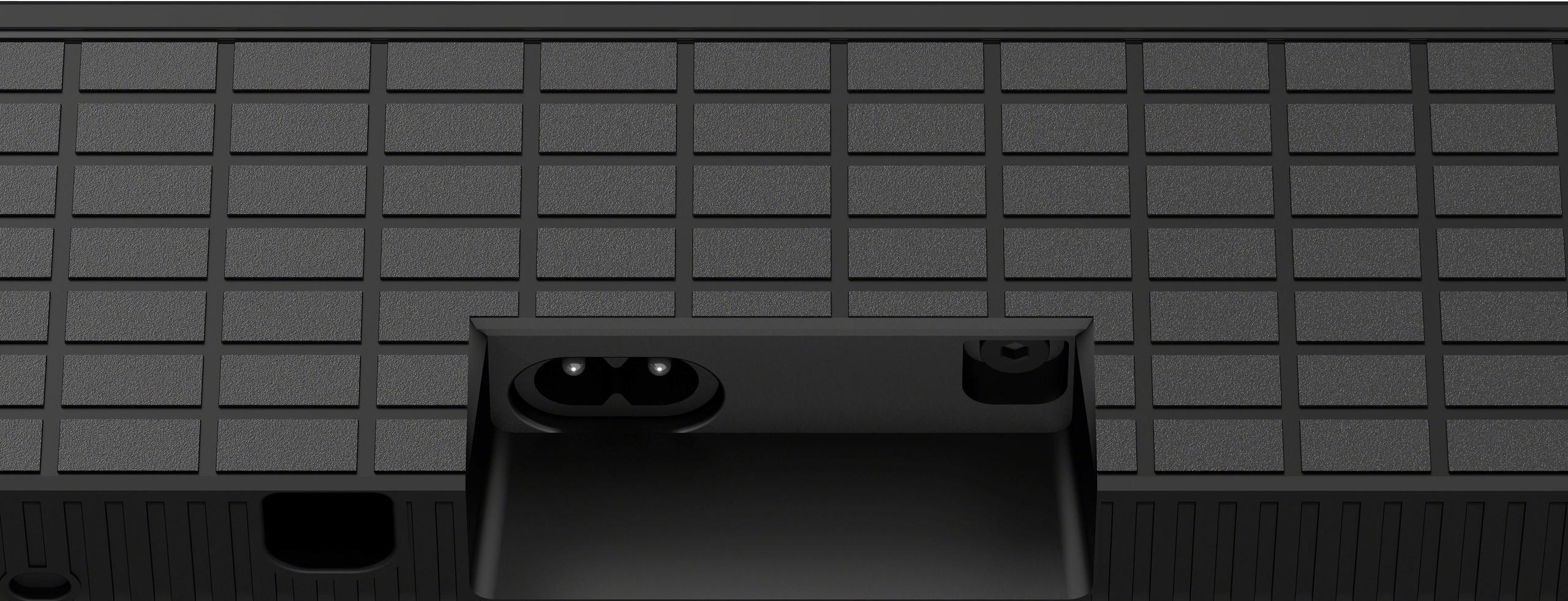
| Single unit, plug-and-play via HDMI | Multiple components require room positioning |
| Expandability - Future upgrade options | |
| Modular system, can add subwoofer and rear speakers later | Complete system included, no expansion options |
| Room Size Suitability - Where each performs best | |
| Small to medium rooms, apartments | Medium to large rooms with space for rear speakers |
| What's Included - Value comparison of base package | |
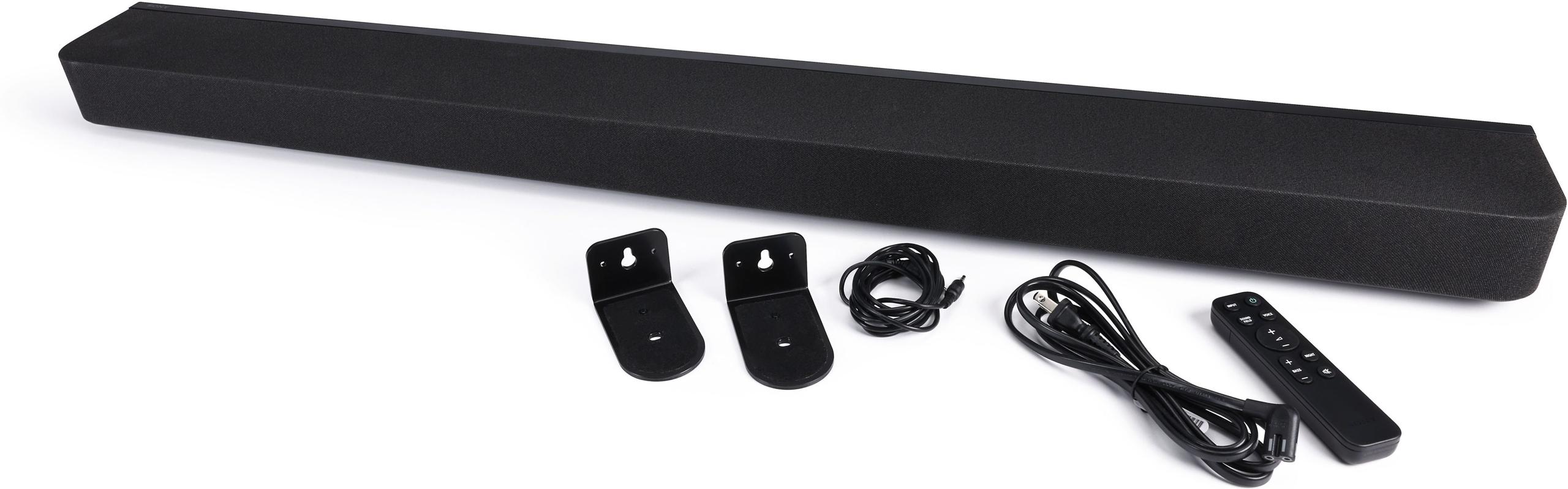
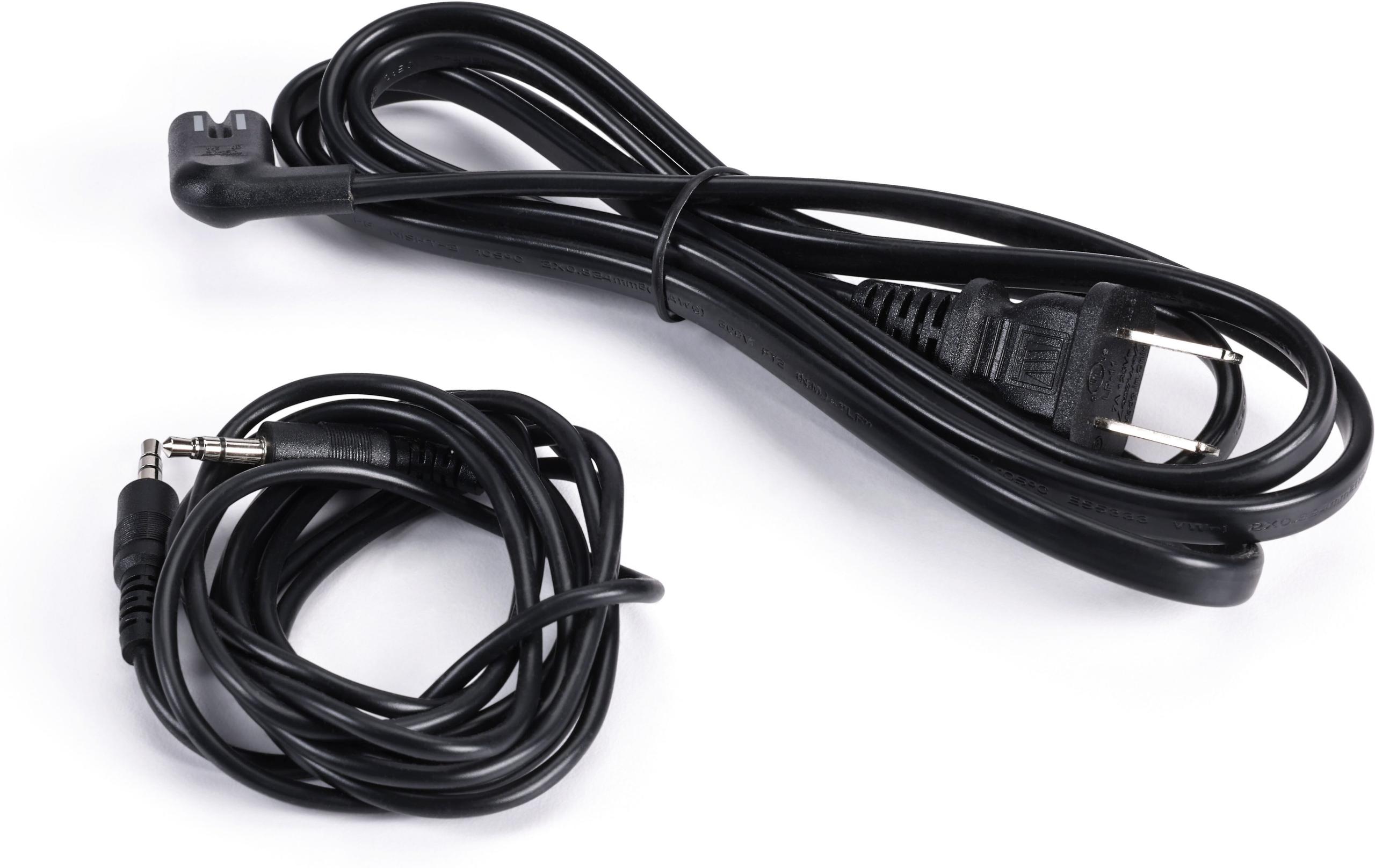
| Soundbar, remote, mounting hardware, cables | Complete 5.1 system with all speakers and subwoofer |
| Wireless Connectivity - Streaming and control options | |
| Wi-Fi, Bluetooth 5.2, Spotify Connect, AirPlay 2 | Wi-Fi, Bluetooth, basic streaming support |
The LG S60TR delivers significantly better bass with its dedicated 220W wireless subwoofer that's included in the package. The Sony HT-A8000 relies on built-in woofers which provide adequate bass for dialogue but lack the depth needed for action movies. Sony requires an optional subwoofer purchase to match the LG's bass impact.
It depends on your room and preferences. The LG S60TR includes physical rear speakers that provide authentic directional audio, especially effective in larger rooms. The Sony HT-A8000 uses virtual surround processing to simulate rear effects, which works well in smaller spaces but can't match the precision of actual rear speakers for true surround immersion.
The Sony HT-A8000 wins for simplicity with just one HDMI connection to your TV and automatic room calibration. The LG S60TR requires positioning the subwoofer and rear speakers around your room, though the wireless connectivity makes this more manageable than traditional wired systems.
The LG S60TR is superior for modern gaming with HDMI 2.1 support including 4K/120Hz, Variable Refresh Rate, and Auto Low Latency Mode. The physical rear speakers also provide precise positional audio for competitive gaming. The Sony HT-A8000 lacks these gaming-specific features.
The Sony HT-A8000 excels at dialogue with Voice Zoom 3 AI technology that automatically enhances speech clarity. It also features a dedicated center channel for anchoring voices to the screen. While the LG S60TR has decent dialogue reproduction, it lacks Sony's advanced voice processing capabilities.
Only the Sony HT-A8000 supports Dolby Atmos and DTS:X with up-firing drivers that bounce sound off your ceiling for height effects. The LG S60TR focuses on traditional 5.1 surround sound without height channels, though it delivers excellent horizontal surround effects with its physical speakers.
The LG S60TR provides exceptional value by including a complete 5.1 system with subwoofer and rear speakers at a competitive price point. The Sony HT-A8000 costs more upfront and requires additional purchases to reach its full potential, though it offers premium processing technology and expandability.
The Sony HT-A8000 is designed for expansion - you can add Sony's wireless subwoofers and rear speakers over time as your budget allows. The LG S60TR comes complete with all components included, offering no official expansion options but also no need for additional purchases.
The Sony HT-A8000 is ideal for apartments with its single-unit design and virtual surround processing that doesn't require rear speaker placement. The LG S60TR needs space for proper speaker positioning, making it less suitable for cramped living situations where rear speakers would be impractical.
Both deliver good sound quality but with different strengths. The Sony HT-A8000 offers sophisticated processing, excellent dialogue clarity, and height effects but weaker bass without a subwoofer. The LG S60TR provides powerful, room-filling bass and authentic surround positioning but lacks advanced processing features.
The LG S60TR generally performs better for music with its powerful subwoofer delivering full bass response and physical speakers providing proper stereo separation. The Sony HT-A8000 includes advanced music processing like DSEE Ultimate for upscaling compressed files, but its bass limitations affect music enjoyment without an additional subwoofer.
Choose the Sony HT-A8000 if you want premium processing technology, excellent dialogue clarity, and plan to expand the system over time. Pick the LG S60TR if you want immediate surround sound impact with powerful bass, authentic directional audio, and gaming features, all at an excellent value price point.
We've done our best to create useful and informative comparisons to help you decide what product to buy. Our research uses advanced automated methods to create this comparison and perfection is not possible - please contact us for corrections or questions. These are the sites we've researched in the creation of this article: consumerreports.org - skybygramophone.com - target.com - rtings.com - bestbuy.com - rubbermonkey.co.nz - shopatsc.com - audioadvice.com - sony.com - sony.com - sony.com - shop.cosmopolitan.com - store.sony.com.my - videoandaudiocenter.com - bestbuy.com - mynavyexchange.com - youtube.com - consumerreports.org - avsforum.com - rentacenter.com - bestbuy.com - homechoicestores.com - oconsommateur.com - lg.com - bestbuy.com - samsung.com

Privacy Policy
Terms and Conditions - Affiliate Policy
Home Security
© Copyright 2008-2026.
11816 Inwood Rd #1211, Dallas, TX 75244