







When your TV's built-in speakers just aren't cutting it anymore, you're probably looking at soundbars as the solution. These sleek audio devices have become the go-to upgrade for anyone wanting better sound without the complexity of a full surround sound system. But with options ranging from budget-friendly to premium, choosing the right one can feel overwhelming.
Today, we're comparing two soundbars that represent very different approaches to improving your TV audio: the Sony HT-A8000 BRAVIA Theater Bar 8 and the Sonos Ray. At the time of writing, these products sit at opposite ends of the price spectrum, with the Sony commanding a premium price while the Sonos offers exceptional value in the entry-level category.
Before diving into our comparison, let's establish what really matters in a soundbar. The most critical factor is dialogue clarity – if you can't understand what characters are saying, nothing else matters. Next comes overall sound quality, including how well the soundbar handles different types of content from quiet dramas to explosive action sequences.
Connectivity options are increasingly important as our entertainment setups become more complex. Modern soundbars need to handle everything from streaming content to gaming consoles, and the connection quality can significantly impact both audio and video performance.
Finally, there's the question of expandability. Some soundbars work as standalone units, while others are designed to grow into full home theater systems. Your choice here depends on both your current needs and future plans.
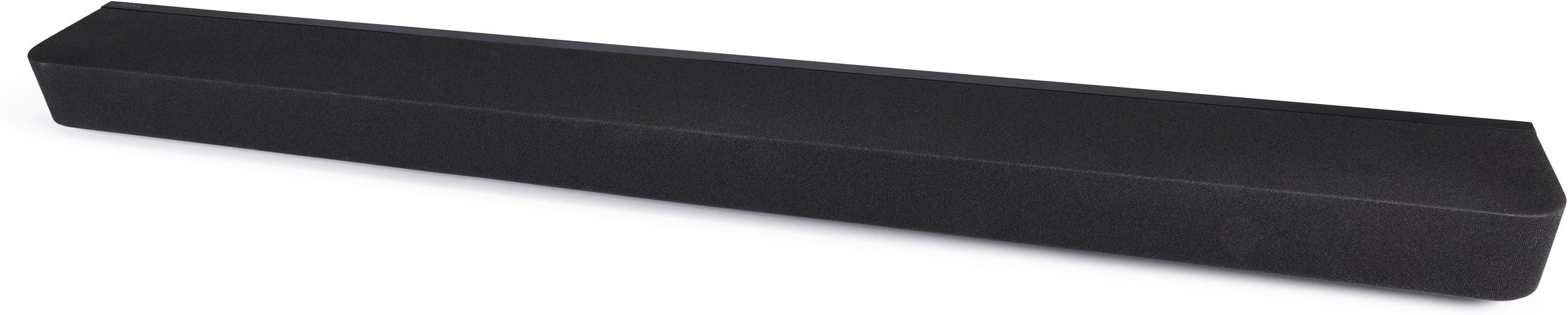
The Sony HT-A8000, released in 2024, represents Sony's latest thinking on premium soundbar design. It's packed with cutting-edge audio technology and designed to create an immersive cinematic experience that rivals dedicated surround sound systems.
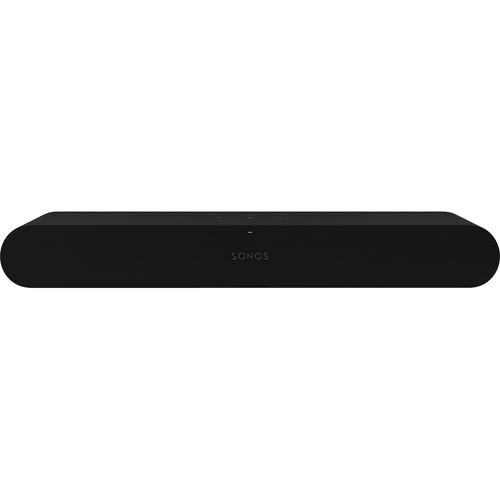
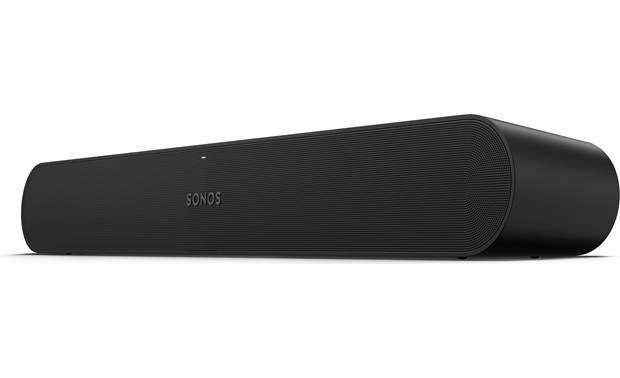
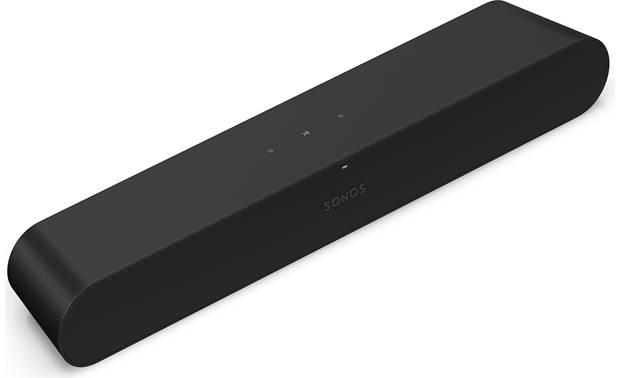
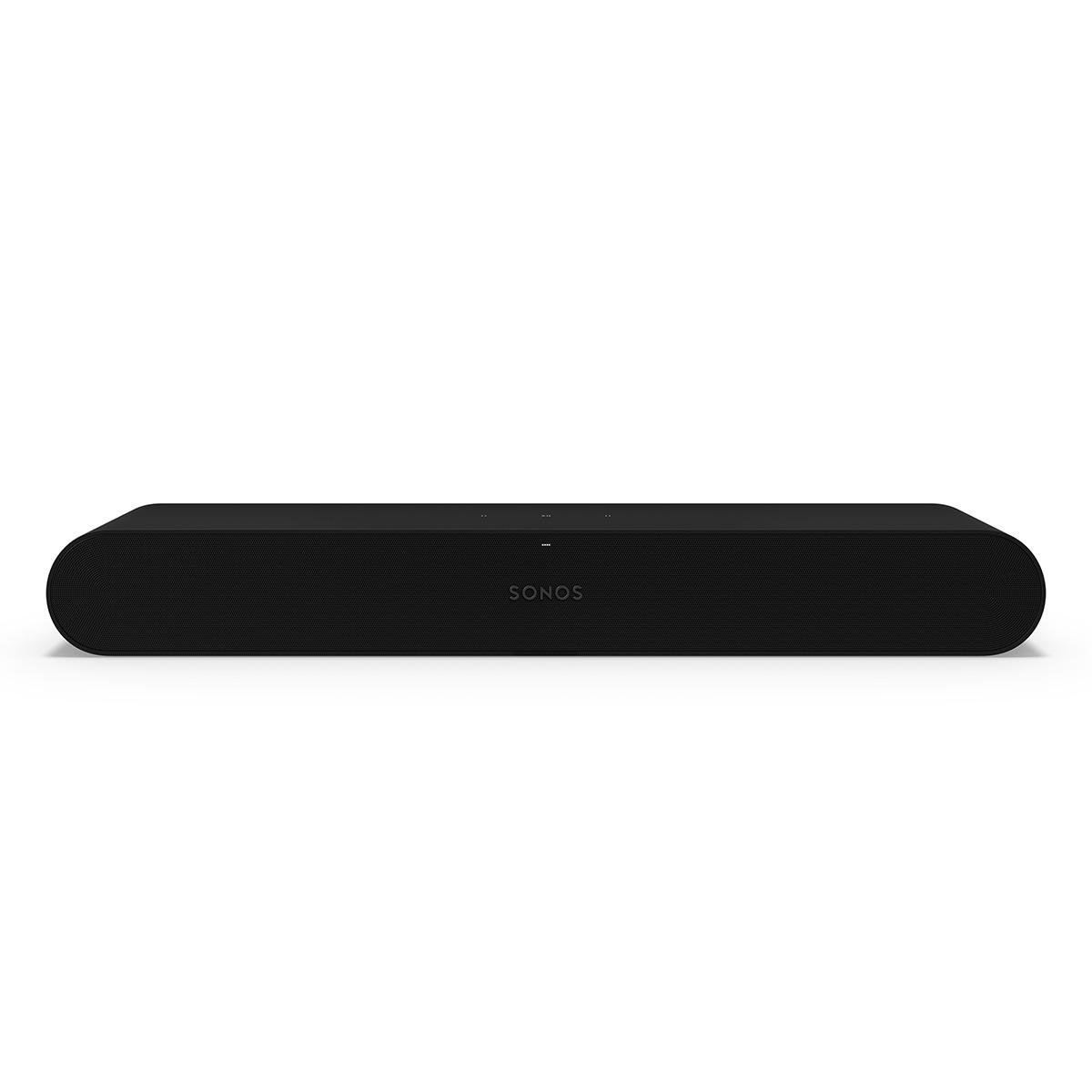
The Sonos Ray, launched in 2022, takes a different approach entirely. Rather than trying to do everything, it focuses on doing the fundamentals extremely well while integrating seamlessly into the broader Sonos ecosystem for whole-home audio.
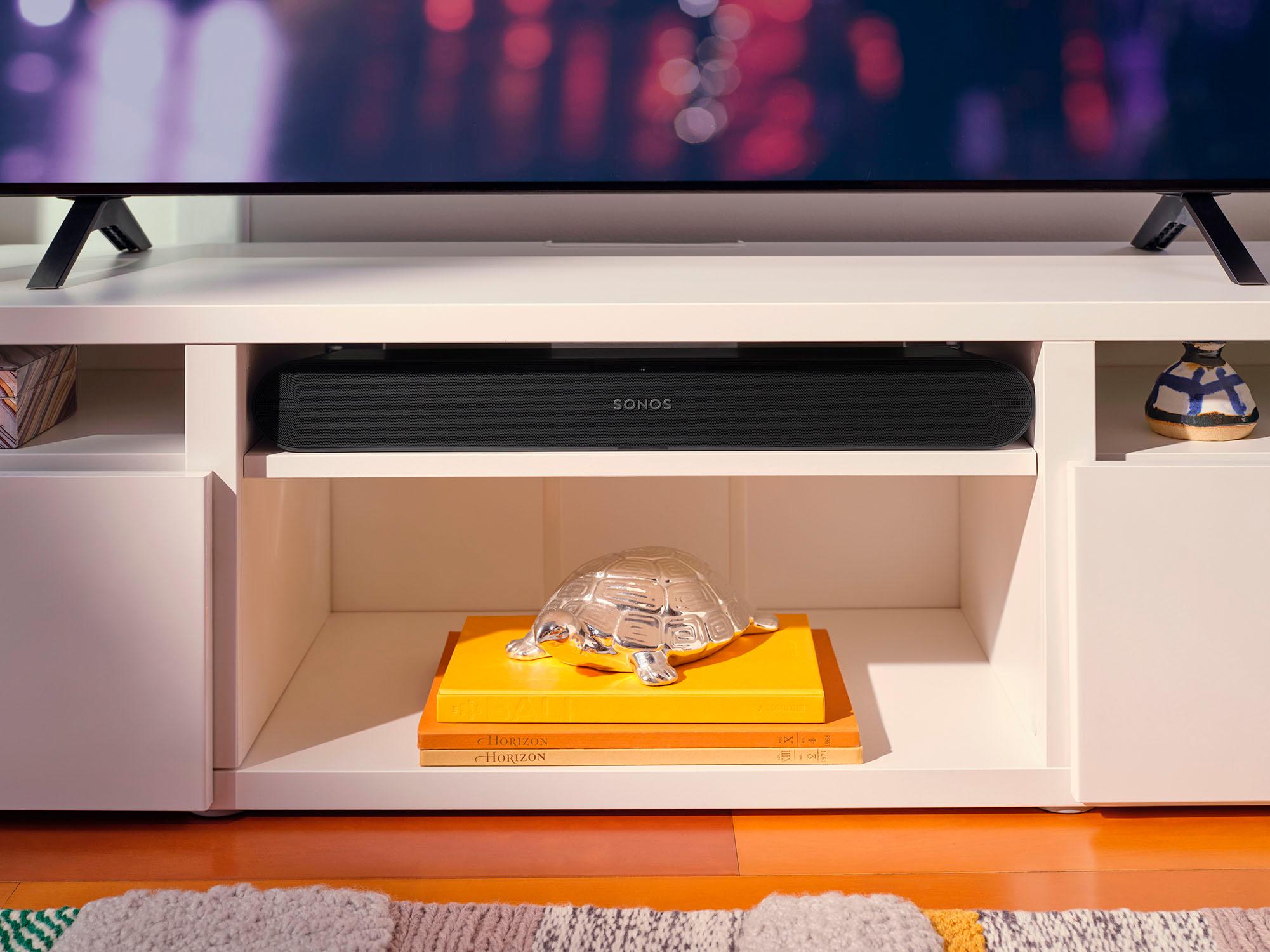
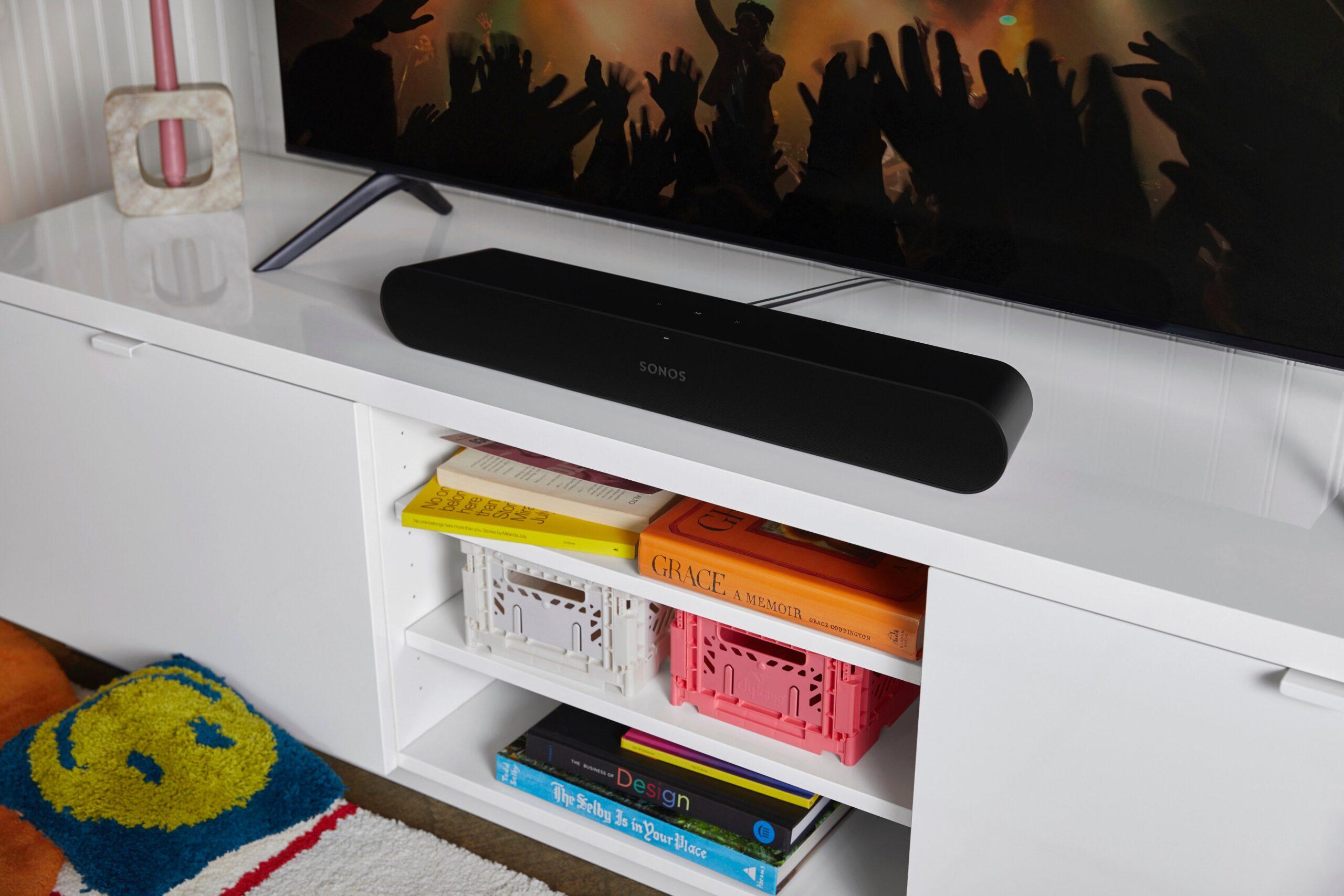
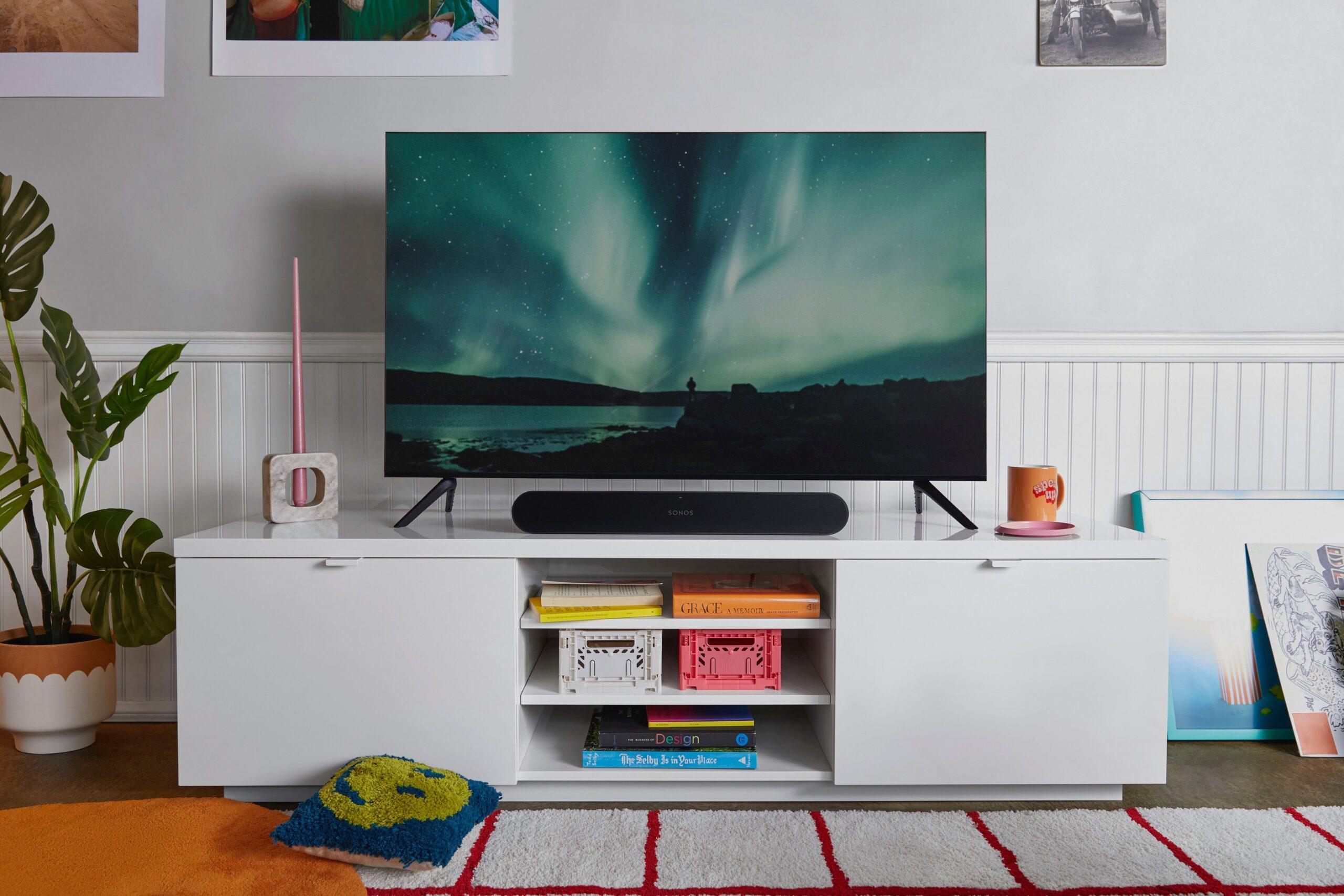
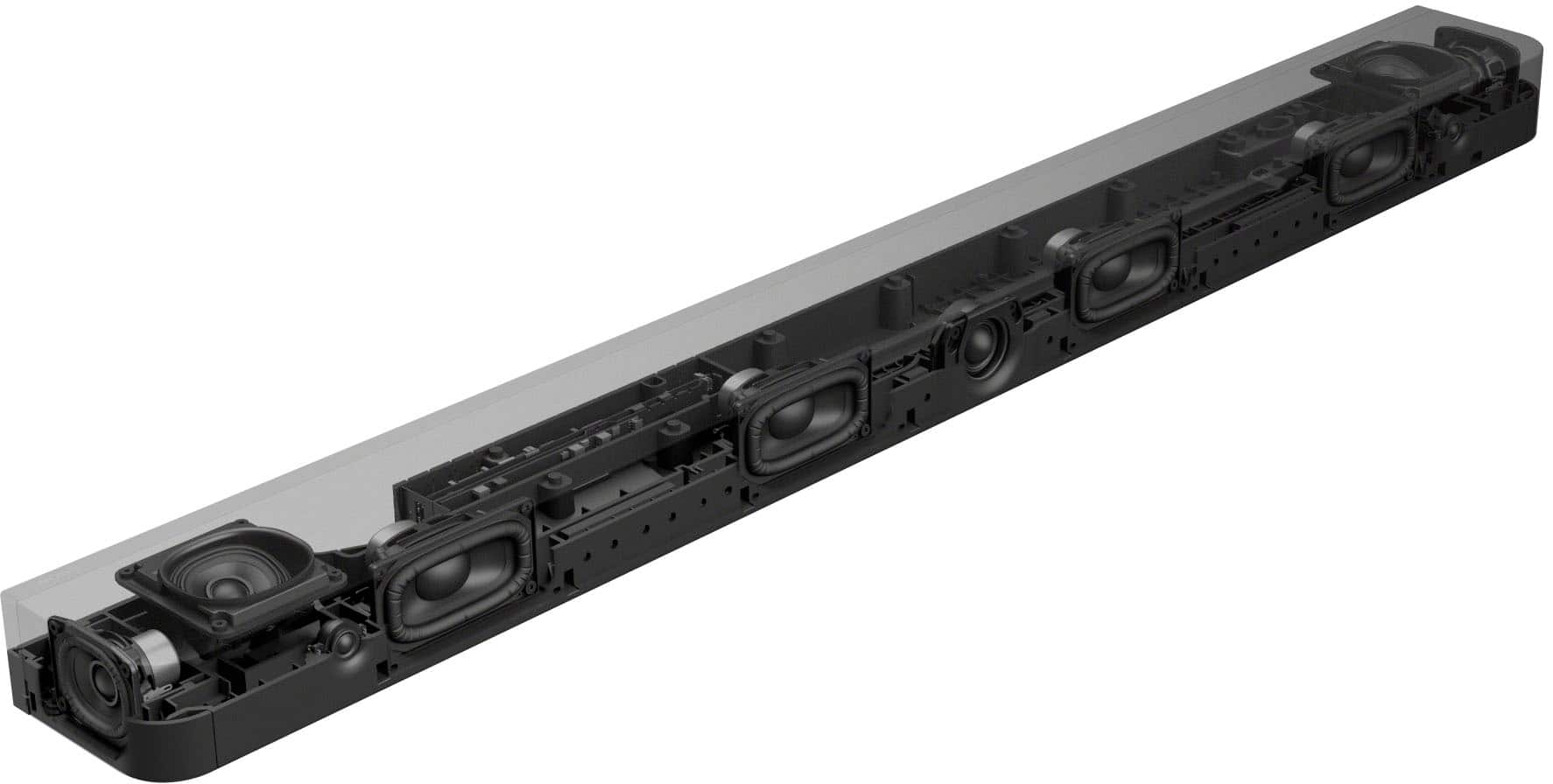
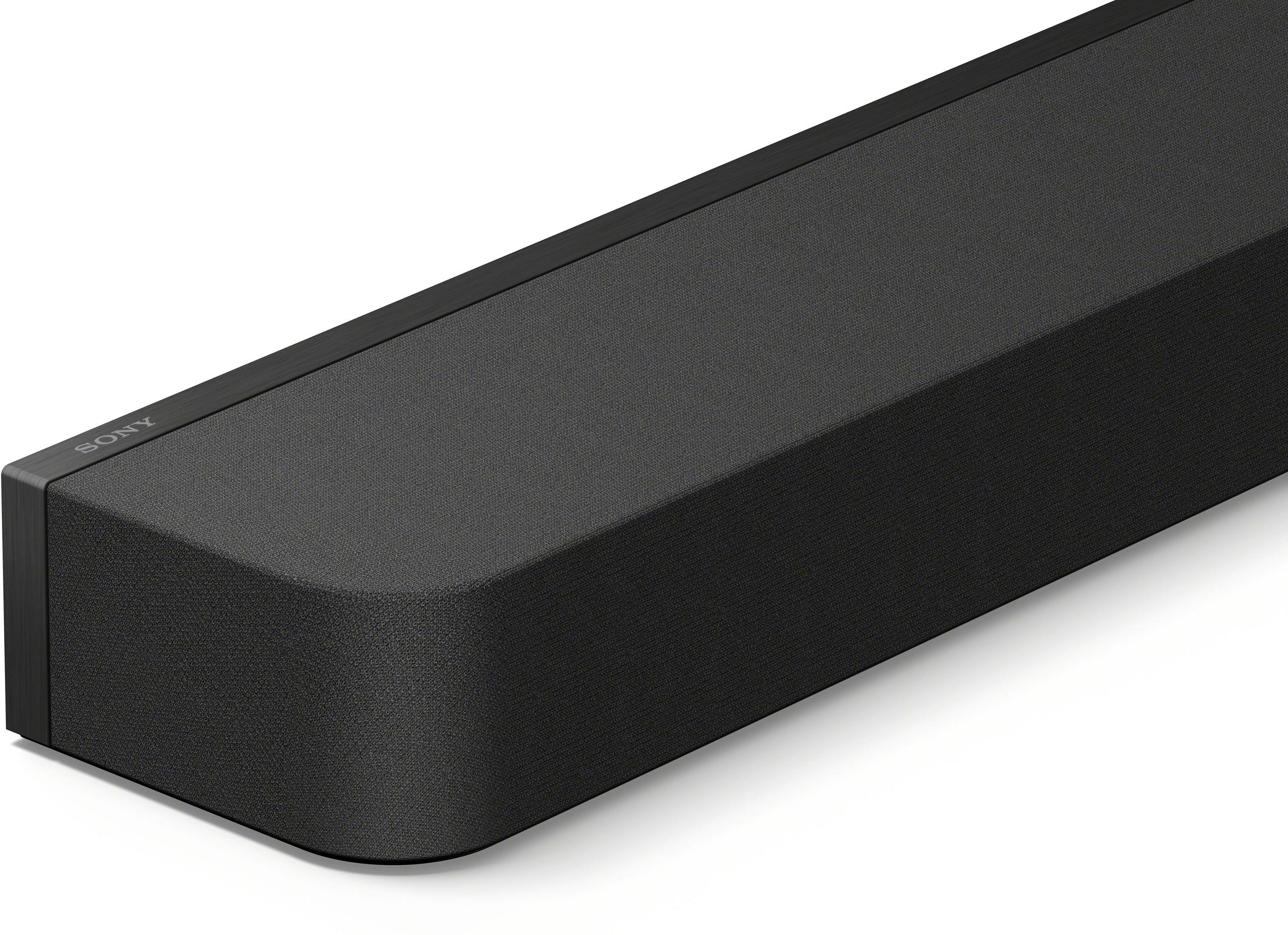
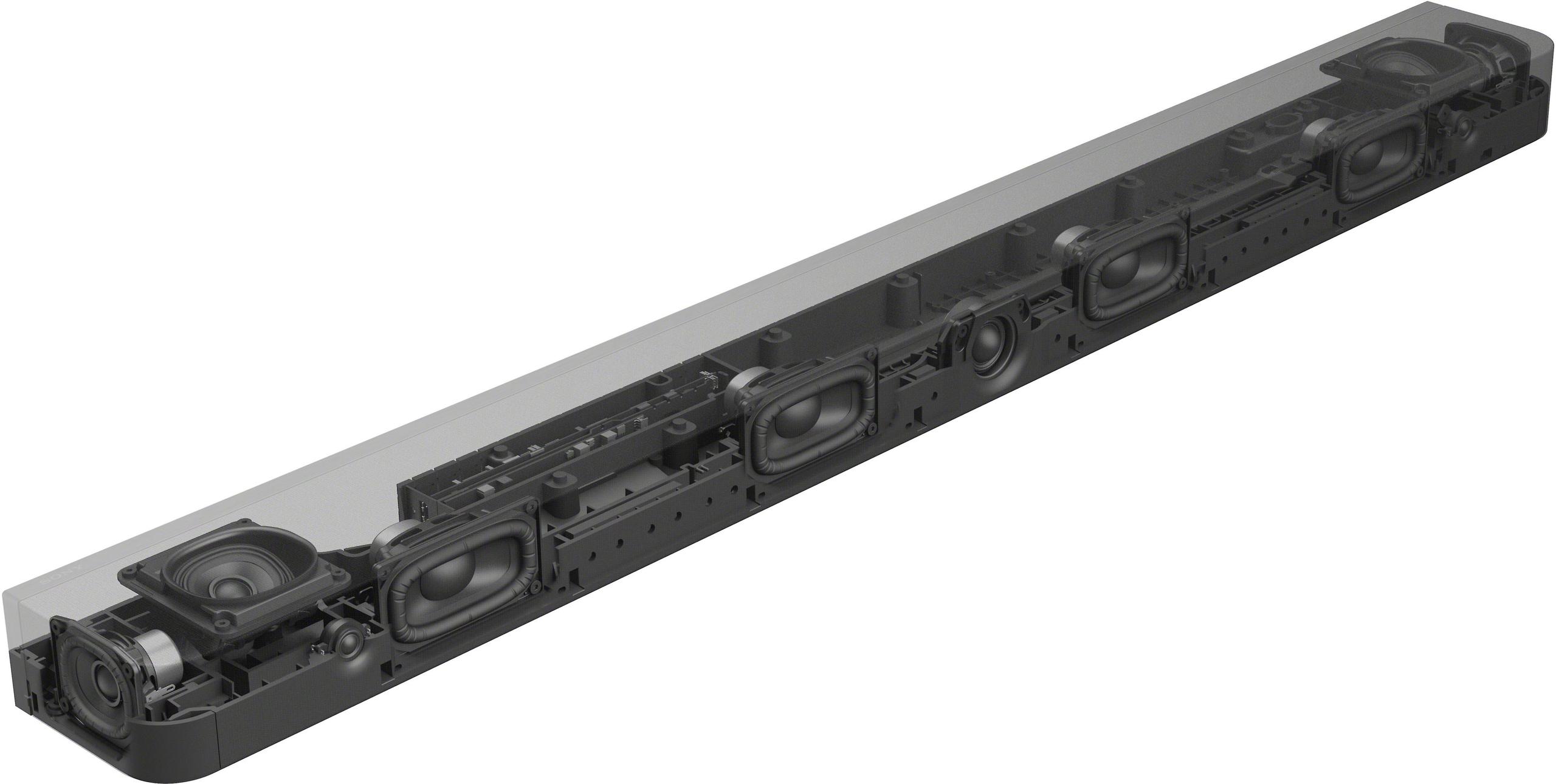
These different philosophies become apparent the moment you see them. The Sony HT-A8000 is a substantial piece of equipment with 11 individual speakers packed into its frame. The Sonos Ray is compact and understated, designed to blend into your living space without drawing attention.
The Sony HT-A8000 employs what Sony calls "360 Spatial Sound Mapping" – a technology that uses its 11 speakers to create the illusion of sound coming from all around you, even from directions where there are no physical speakers. This works through a combination of direct sound from the drivers and reflected sound that bounces off your walls and ceiling.
The soundbar includes upward-firing drivers specifically designed for Dolby Atmos content. Dolby Atmos is an audio format that treats sounds as objects that can be placed anywhere in three-dimensional space, rather than just channels. When you watch a scene where a helicopter flies overhead, those upward-firing speakers bounce sound off your ceiling to create the sensation that the aircraft is actually above you.
This spatial audio technology is complemented by Sony's Voice Zoom 3 feature, which uses artificial intelligence to identify and enhance dialogue. The system can actually recognize human voices in the audio mix and make them clearer without affecting other sounds. This is particularly valuable when watching content with heavy background music or sound effects.
The Sony soundbar also includes Sound Field Optimization, which automatically analyzes your room's acoustics and adjusts the audio accordingly. Different rooms have different acoustic properties – a room with hardwood floors and minimal furniture will sound very different from one with carpet and lots of soft furnishings. This calibration ensures optimal performance regardless of your specific setup.
The Sonos Ray takes a more targeted approach to audio improvement. Rather than trying to create an immersive surround sound experience, it focuses intensely on doing stereo audio extremely well, with particular attention to dialogue clarity.
The Ray uses four carefully positioned drivers: two precision-engineered tweeters for crisp highs and detailed midrange sounds, plus two full-range drivers that handle everything else. This might sound simple compared to Sony's 11-driver array, but Sonos has optimized this configuration specifically for the most common soundbar use case: making TV dialogue clearer and more intelligible.
What's impressive about the Sonos Ray is how it achieves excellent dialogue clarity without a dedicated center channel. Most premium soundbars include a center speaker specifically for dialogue, but Sonos uses advanced digital signal processing to create a "phantom" center channel that makes voices appear to come directly from your TV screen.
The Ray also includes a proprietary bass reflex system with two carefully tuned ports that enhance low-frequency response. While it can't match the deep bass of larger soundbars or those with dedicated subwoofers, it delivers surprisingly solid bass performance for its compact size.
Bass response is where these soundbars show their different priorities most clearly. The Sony HT-A8000 includes four dedicated woofers with a unique rectangular design that maximizes the diaphragm area – essentially, more speaker surface area means more air movement and deeper bass. However, some users have reported issues with these woofers crackling or distorting at higher volumes, particularly with very bass-heavy content.
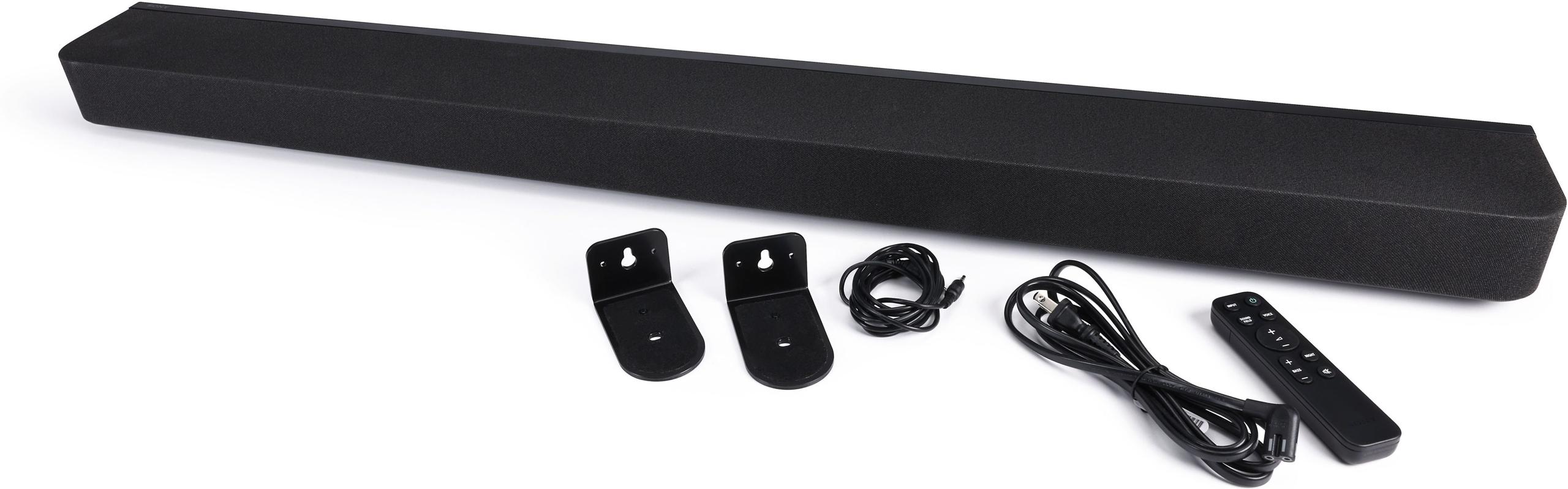
Sony designed the system to work with optional wireless subwoofers, which can dramatically improve bass performance. When paired with Sony's SA-SW3 or SA-SW5 subwoofer, the system can deliver the kind of deep, room-shaking bass that makes action movies truly exciting.
The Sonos Ray, by contrast, was designed from the ground up to deliver balanced bass without requiring additional components. Its bass reflex system works well for most content, though it can sound somewhat "mushy" when pushed with extremely bass-heavy material like EDM or action movie soundtracks with lots of low-frequency effects.
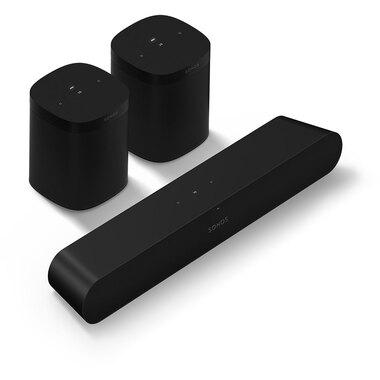
Like Sony's offering, the Sonos Ray can be enhanced with a dedicated subwoofer – the Sonos Sub – but it's designed to sound complete on its own in a way that the Sony arguably isn't.
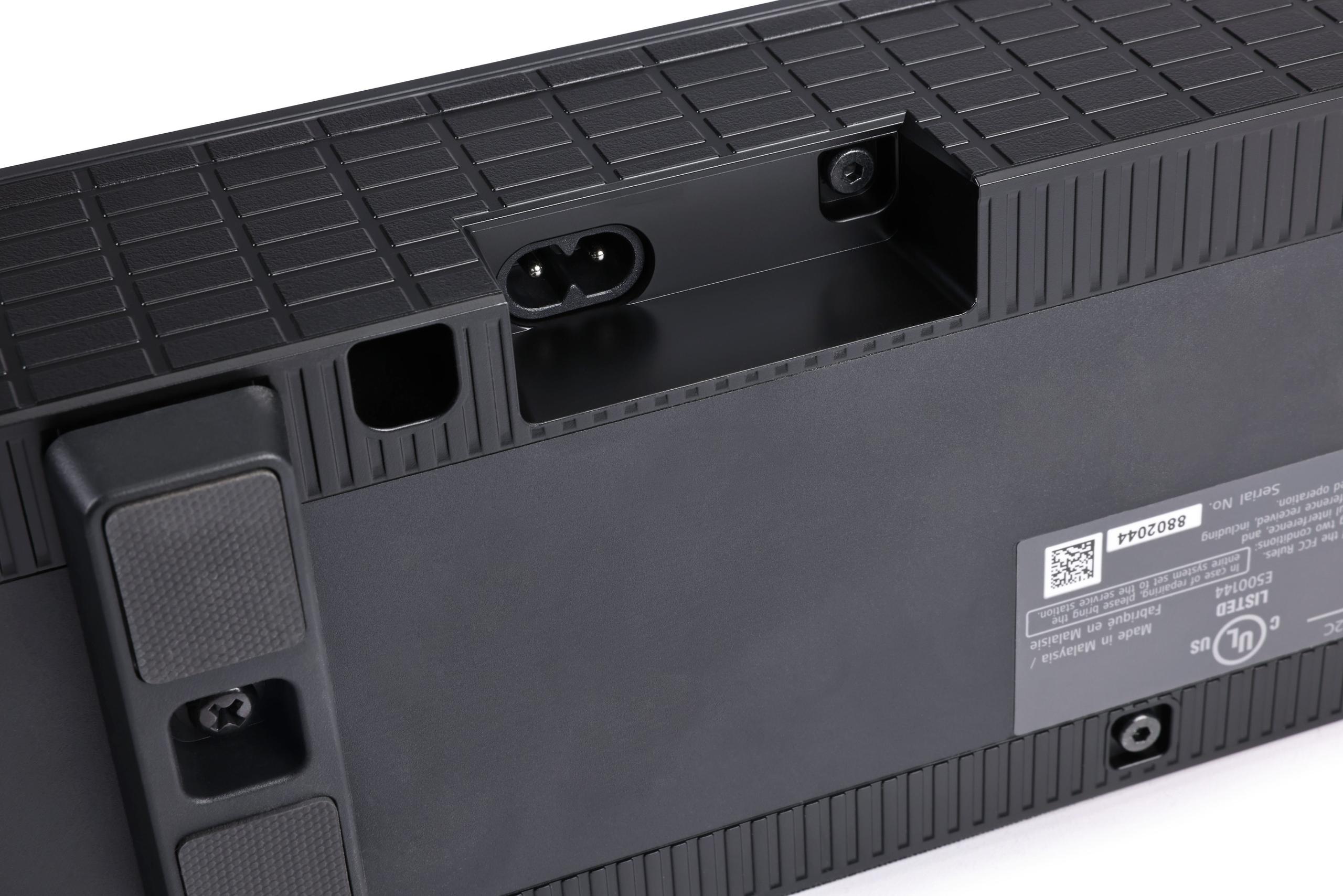
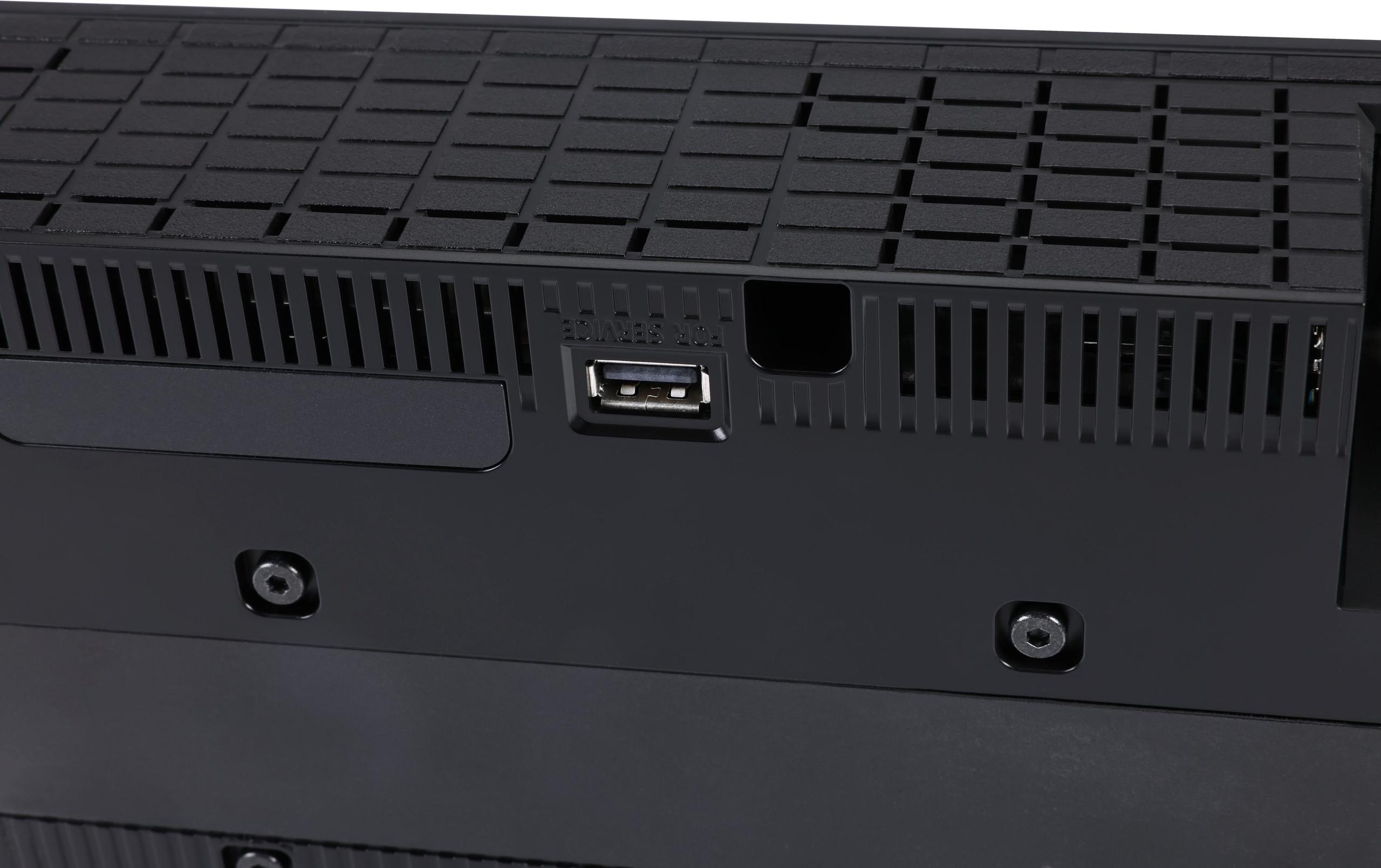
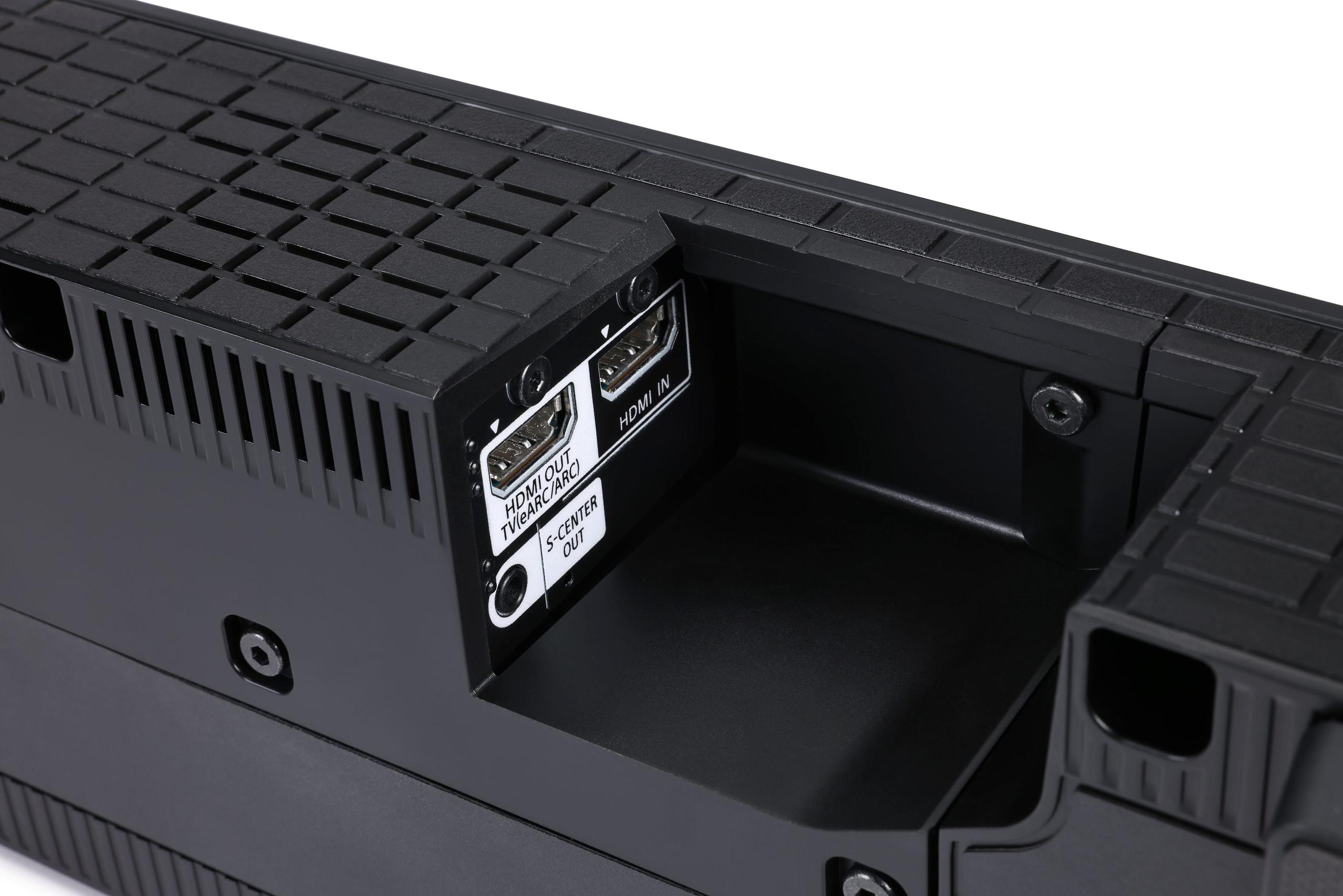
This is where the Sony HT-A8000 shows its premium positioning most clearly. It includes HDMI 2.1 connectivity with eARC support, which means it can handle the latest high-bandwidth audio formats and pass through 8K video without compression. For gamers, this is particularly important because it supports advanced gaming features like 4K at 120Hz refresh rates, Variable Refresh Rate (VRR), and Auto Low Latency Mode (ALLM).
These gaming features matter because they eliminate the video lag that can occur when audio processing adds delay to the signal. If you're playing fast-paced games, even small delays can affect your performance.
The Sony soundbar also supports virtually every wireless streaming option you might want: Wi-Fi for high-quality streaming, Bluetooth 5.2 for quick connections, AirPlay 2 for iPhone users, and Spotify Connect for direct streaming from the Spotify app.
The Sonos Ray takes a more focused approach to connectivity. It connects to your TV via optical audio cable – a digital connection that's been standard for years and works with virtually any TV made in the last decade. While it lacks HDMI connectivity, this simplicity is actually an advantage for many users because optical connections are straightforward and reliable.
For wireless streaming, the Ray supports Wi-Fi and AirPlay 2, but notably lacks Bluetooth connectivity. This might seem like an omission, but Sonos made this choice deliberately. Wi-Fi streaming typically offers better audio quality than Bluetooth, and by focusing on Wi-Fi, Sonos ensures the best possible sound quality for music streaming.
One of the most significant differences between these soundbars is how they integrate into broader audio systems. The Sonos Ray is designed as your entry point into the Sonos ecosystem, which is widely regarded as the best whole-home audio system available.
Once you have a Sonos Ray, you can add other Sonos speakers throughout your home and control them all from a single app. You can play the same music in every room, or different music in each room. You can start music in your living room and have it follow you to the kitchen or bedroom. This kind of seamless multi-room integration is something Sonos does better than anyone else.
The Sony HT-A8000 can expand into a full surround sound system by adding Sony's wireless rear speakers and subwoofer, but it's not designed for whole-home audio in the same way. It's focused on creating the best possible experience in your main viewing room.
At the time of writing, these soundbars represent very different value propositions. The Sony HT-A8000 commands a premium price that reflects its advanced features and sophisticated audio processing. You're paying for cutting-edge technology like 360 Spatial Sound Mapping, Dolby Atmos support, and HDMI 2.1 connectivity.
The Sonos Ray offers exceptional value in the entry-level category. While it lacks advanced features like Dolby Atmos, it excels at the fundamentals that matter most to most users: clear dialogue and good overall sound quality.
Based on our research into user feedback and expert reviews, the value equation comes down to your specific needs and expectations. If you're primarily interested in making TV dialogue clearer and occasionally streaming music, the Sonos Ray delivers remarkable performance for its price point. If you want a true home theater experience with immersive surround sound, the Sony HT-A8000 justifies its premium pricing.
Our analysis of user reviews reveals some interesting patterns. Sony HT-A8000 owners consistently praise its immersive audio capabilities and impressive spatial effects. The 360 Spatial Sound Mapping really does create a convincing surround sound experience, even without rear speakers. However, some users have experienced issues with the bass performance, particularly woofer distortion at high volumes.
Sonos Ray users are remarkably consistent in praising its dialogue clarity and ease of setup. Even without a dedicated center channel, the Ray makes voices pop out clearly from the mix in a way that's immediately noticeable compared to TV speakers. The main complaint is the lack of true surround sound capabilities for movie watching.
The decision between these soundbars ultimately comes down to your priorities, room size, and budget.
Choose the Sony HT-A8000 if you're building a dedicated home theater setup and want the most immersive audio experience possible. It's ideal for movie enthusiasts who watch a lot of action films, sci-fi, or other content that benefits from surround sound effects. The spatial audio technology really shines in larger rooms where you can appreciate the wide soundstage it creates.
The Sony is also the better choice for gamers, thanks to its HDMI 2.1 features. If you have a PlayStation 5, Xbox Series X, or high-end gaming PC, the advanced gaming features make a noticeable difference.
Choose the Sonos Ray if you primarily watch TV shows and movies where dialogue clarity is most important. It's perfect for smaller to medium-sized rooms where its compact size is an advantage. The Ray is also the better choice if you're interested in building a whole-home audio system over time.
The Sonos Ray is particularly appealing for apartment dwellers or anyone with space constraints. Its small footprint means it won't dominate your entertainment center, and the lack of a separate subwoofer means you won't disturb neighbors with excessive bass.
Both of these soundbars excel at what they're designed to do, but they're designed for different users with different needs. The Sony HT-A8000 is a premium product that delivers premium performance, particularly for immersive movie watching and gaming. The Sonos Ray focuses on the fundamentals that matter most to most users and executes them brilliantly at an accessible price point.
If you're someone who values having the latest technology and wants the most impressive audio experience possible, the Sony justifies its premium pricing. If you want great TV audio improvement without breaking the bank, and appreciate the potential for future expansion into whole-home audio, the Sonos Ray represents exceptional value.
The truth is, either of these soundbars will dramatically improve your TV watching experience compared to built-in TV speakers. Your choice should be based on your specific needs, room characteristics, and how important advanced features like Dolby Atmos are to your enjoyment of movies and shows.
| Sony HT-A8000 BRAVIA Theater Bar 8 Soundbar | Sonos Ray Soundbar |
|---|---|
| Number of Speakers - More drivers typically mean better sound separation and fuller audio | |
| 11 speakers (5.0.2 channel configuration) | 4 speakers (stereo configuration) |
| Dolby Atmos Support - Essential for immersive overhead sound effects in movies | |
| Yes, with dedicated upward-firing drivers | No, stereo audio only |
| HDMI Connectivity - HDMI offers better audio quality and video passthrough than optical | |
| HDMI 2.1 with eARC, supports 8K/4K120 gaming features | No HDMI, optical audio only |
| Wireless Streaming Options - More options mean better compatibility with your devices | |
| Wi-Fi, Bluetooth 5.2, AirPlay 2, Spotify Connect, Chromecast | Wi-Fi, AirPlay 2 (no Bluetooth) |
| Voice Enhancement Technology - Crucial for clear dialogue in movies and TV | |
| Voice Zoom 3 with AI-powered dialogue boost | Speech Enhancement feature |
| Room Calibration - Auto-tuning ensures optimal sound for your specific space | |
| Sound Field Optimization with automatic room analysis | Trueplay tuning (iPhone only) |
| Expandability Options - Ability to add subwoofer and rear speakers for full surround | |
| Optional wireless subwoofer (SA-SW3/SA-SW5) and rear speakers | Compatible with Sonos Sub and rear speakers |
| Multi-Room Audio Integration - Stream music throughout your home | |
| Limited to Sony ecosystem | Full Sonos ecosystem integration |
| Physical Size - Important for fitting in your entertainment setup | |
| 43.3" x 2.6" x 4.5", 10.4 lbs (substantial presence) | 22" x 2.8" x 3.7", 4 lbs (compact design) |
| Gaming Features - Advanced features reduce input lag for competitive gaming | |
| 4K120, VRR, ALLM support via HDMI 2.1 | Basic audio only, no gaming-specific features |
| TV Integration - Enhanced compatibility with same-brand TVs | |
| Acoustic Center Sync with Sony BRAVIA TVs | Universal compatibility via optical connection |
| Release Year - Newer products typically have latest technology | |
| 2024 (latest Sony soundbar technology) | 2022 (established, proven design) |
The Sony HT-A8000 BRAVIA Theater Bar 8 is significantly better for movies thanks to its Dolby Atmos support and 11-speaker array that creates immersive surround sound. The Sonos Ray excels at dialogue clarity but lacks the overhead sound effects and spatial audio that make action movies truly engaging. For serious movie watching, the Sony is worth the investment.
The Sony HT-A8000 delivers true surround sound with height channels for a cinematic experience, while the Sonos Ray focuses on stereo audio with exceptional dialogue clarity. The Sony has 11 speakers versus the Sonos's 4, resulting in much more immersive audio but at a higher price point.
The Sonos Ray is much simpler to set up, requiring only an optical cable connection to your TV. The Sony HT-A8000 offers more connection options but requires the Sony app for full functionality and HDMI setup. For users who want plug-and-play simplicity, the Sonos Ray wins.
Yes, both soundbars work with any TV brand. The Sonos Ray connects via standard optical audio that's available on virtually all modern TVs. The Sony HT-A8000 works with any TV but offers special integration features like Acoustic Center Sync when paired with Sony BRAVIA TVs.
The Sonos Ray is superior for music streaming thanks to its integration with the Sonos ecosystem and focus on balanced stereo audio. It supports Wi-Fi streaming and AirPlay 2 for high-quality music playback. The Sony HT-A8000 supports more streaming options including Bluetooth but is optimized more for movie audio than music.
Neither soundbar requires a subwoofer, but both can be enhanced with one. The Sonos Ray delivers surprisingly good bass for its size and works well standalone. The Sony HT-A8000 has built-in woofers but really benefits from Sony's optional wireless subwoofer for full home theater bass impact.
The Sonos Ray is ideal for smaller spaces due to its compact 22-inch width and focused audio that doesn't require a large room to sound good. The Sony HT-A8000 is larger and its spatial audio features work best in medium to large rooms where there's space for sound reflection.
Both can be expanded, but differently. The Sony HT-A8000 can add wireless rear speakers and subwoofers to create a complete 5.1.2 Dolby Atmos system. The Sonos Ray can add Sonos rear speakers and Sub, plus integrate with other Sonos speakers throughout your home for multi-room audio.
The Sonos Ray offers exceptional value for users who primarily want better TV dialogue and occasional music streaming. The Sony HT-A8000 provides premium features like Dolby Atmos and advanced connectivity that justify its higher price for home theater enthusiasts seeking immersive audio.
The Sony HT-A8000 excels for gaming with HDMI 2.1 support, including 4K120Hz, Variable Refresh Rate, and Auto Low Latency Mode for competitive gaming. The Sonos Ray has no gaming-specific features but provides clear audio for any gaming setup through its optical connection.
The Sony HT-A8000 offers superior connectivity with HDMI 2.1, Wi-Fi, Bluetooth 5.2, AirPlay 2, and Spotify Connect. The Sonos Ray has more limited options with optical audio, Wi-Fi, and AirPlay 2 but notably lacks Bluetooth and HDMI connections.
Choose the Sony HT-A8000 if you want a true home theater experience with Dolby Atmos, have a larger room, and don't mind the higher investment. Pick the Sonos Ray if you prioritize dialogue clarity, want excellent value, have space constraints, or plan to build a multi-room audio system over time.
We've done our best to create useful and informative comparisons to help you decide what product to buy. Our research uses advanced automated methods to create this comparison and perfection is not possible - please contact us for corrections or questions. These are the sites we've researched in the creation of this article: consumerreports.org - skybygramophone.com - target.com - rtings.com - bestbuy.com - rubbermonkey.co.nz - shopatsc.com - audioadvice.com - sony.com - sony.com - sony.com - shop.cosmopolitan.com - store.sony.com.my - videoandaudiocenter.com - techradar.com - soundandvision.com - youtube.com - appleinsider.com - youtube.com - sonos.com - cnet.com - howtogeek.com - pcrichard.com - en.community.sonos.com - epicsystems.tech - en.community.sonos.com - cepro.com - videoandaudiocenter.com

Privacy Policy
Terms and Conditions - Affiliate Policy
Home Security
© Copyright 2008-2026.
11816 Inwood Rd #1211, Dallas, TX 75244