

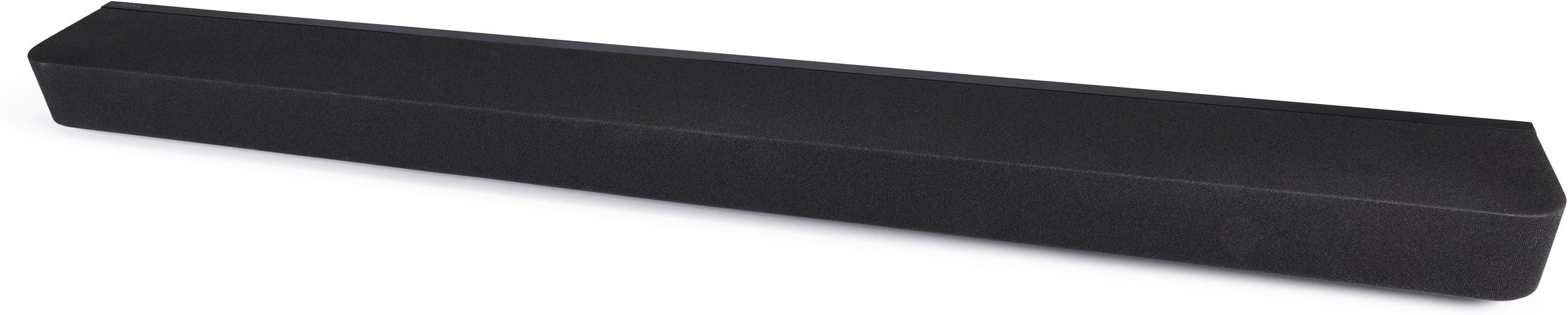
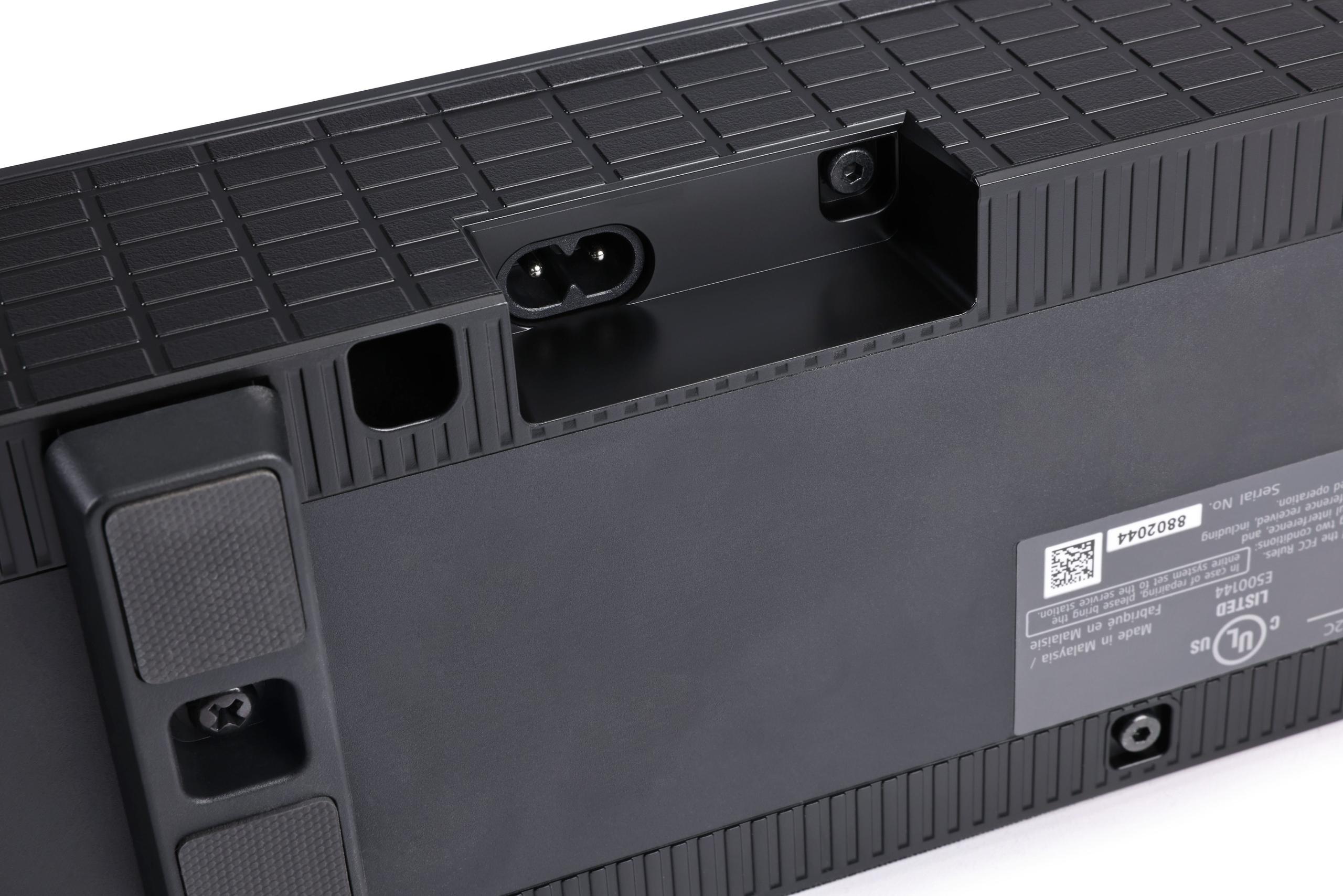
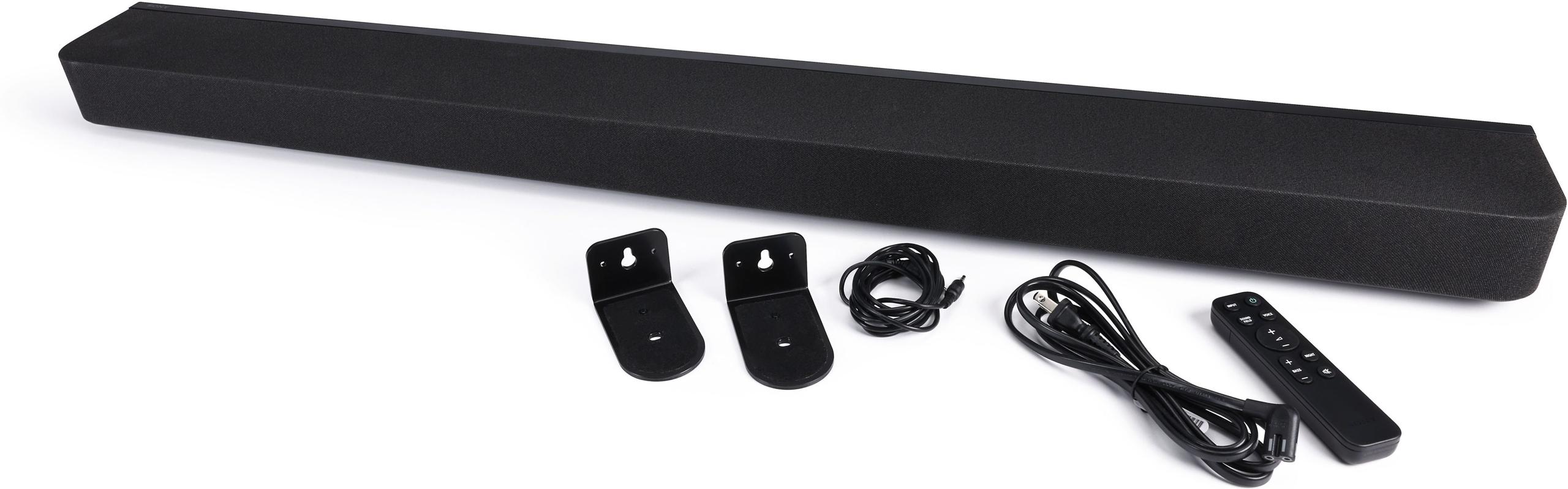


When your TV's built-in speakers make dialogue sound like it's coming from inside a tin can, it's time for a soundbar upgrade. But with hundreds of models claiming to transform your living room into a home theater, choosing the right one can feel overwhelming. Today we're diving deep into two compelling options that take very different approaches to solving the same problem: the Sony HT-A8000 BRAVIA Theater Bar 8 and the Denon DHT-S517.
Before we jump into specifics, let's talk about what actually matters when you're shopping for a soundbar. The most important factor is audio performance—how clear dialogue sounds, how wide the soundstage feels, and whether bass has enough punch to make explosions feel real rather than hollow. Then there's the question of immersive features like Dolby Atmos, which creates the illusion of sound coming from above and around you instead of just straight ahead.
Value is equally crucial because soundbars range from under $100 to over $1,500, and more expensive doesn't always mean better for your specific needs. Room integration matters too—some soundbars work better in small spaces, others need room to breathe, and wireless connectivity can make or break your streaming experience.
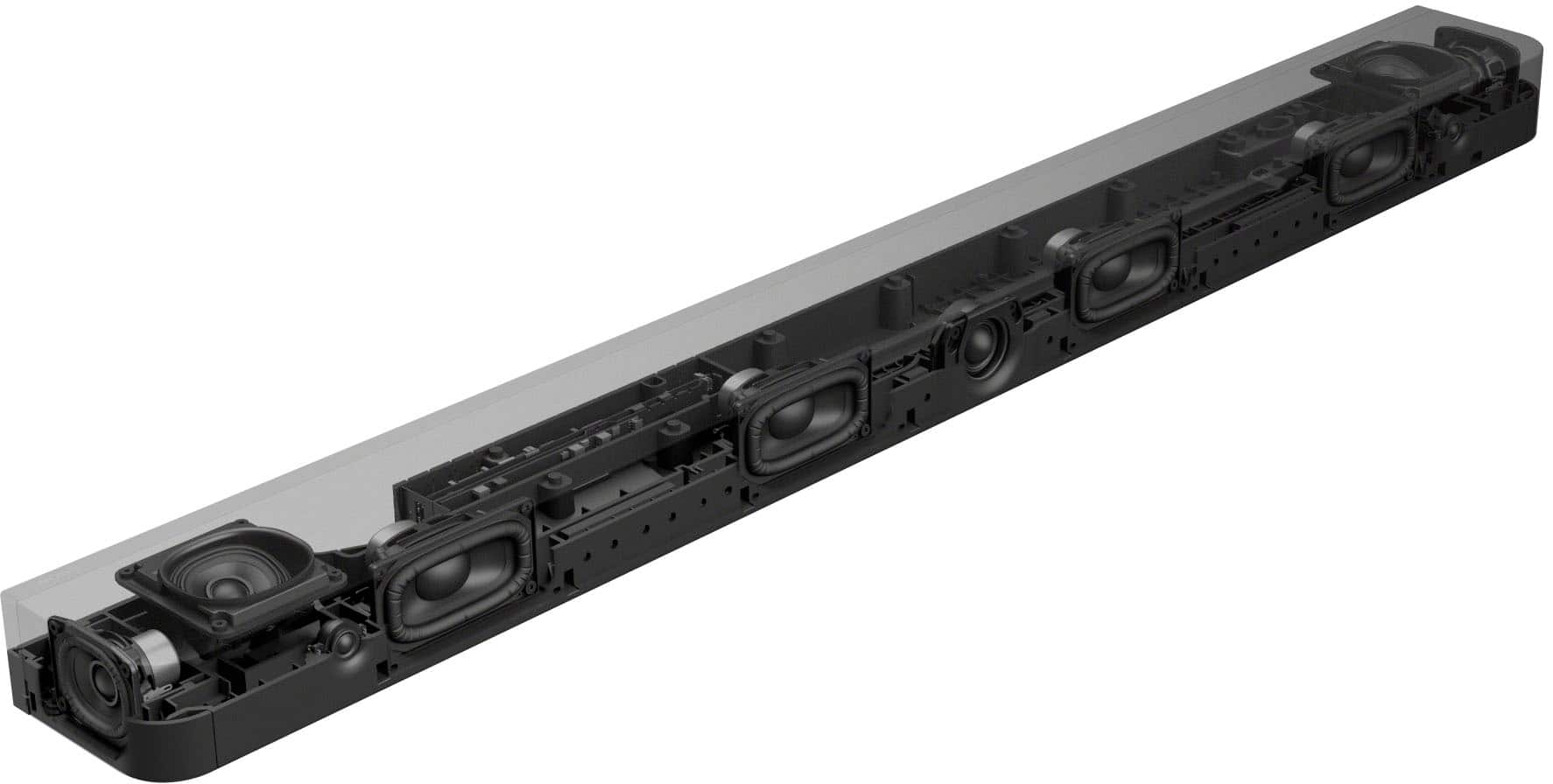
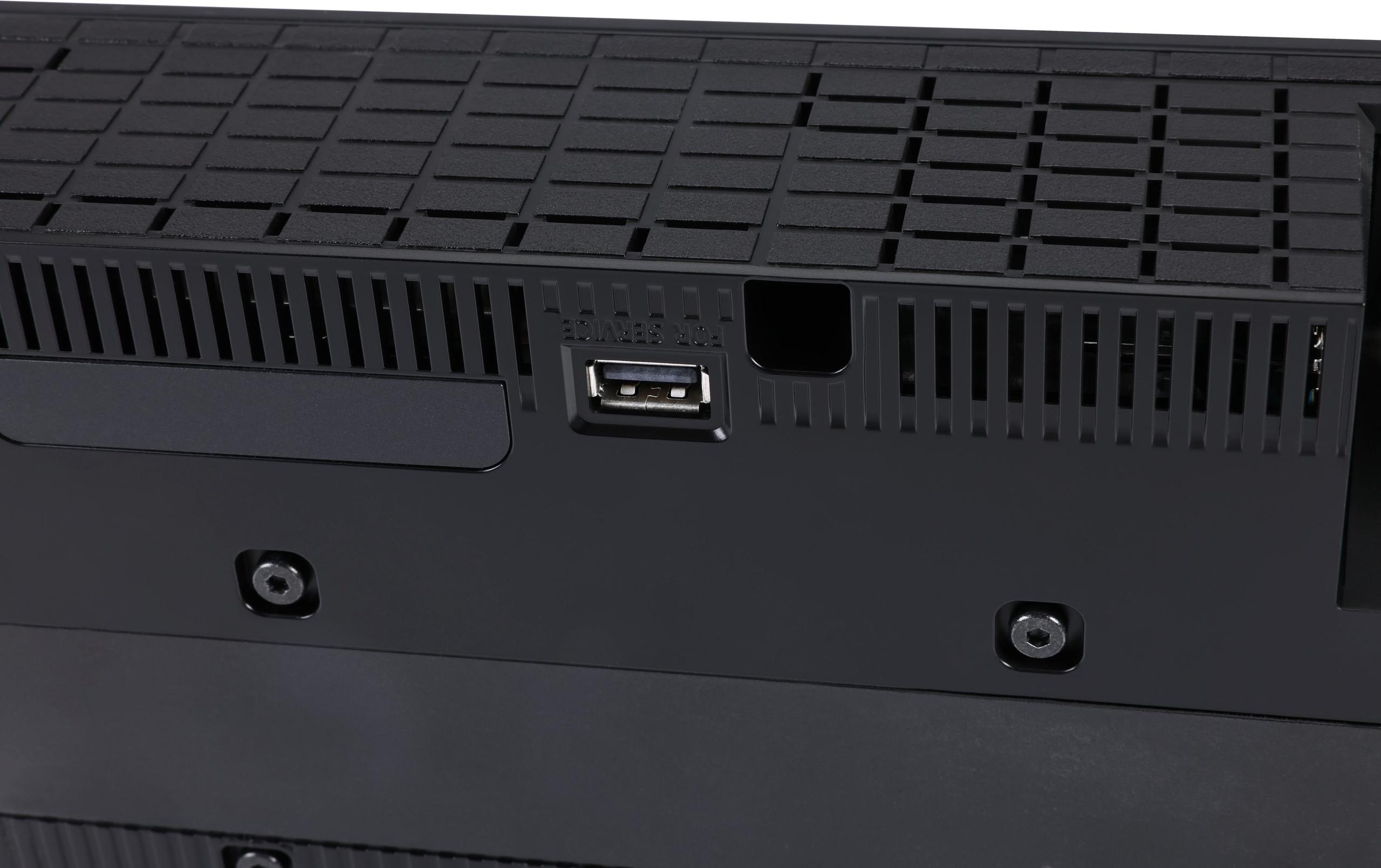
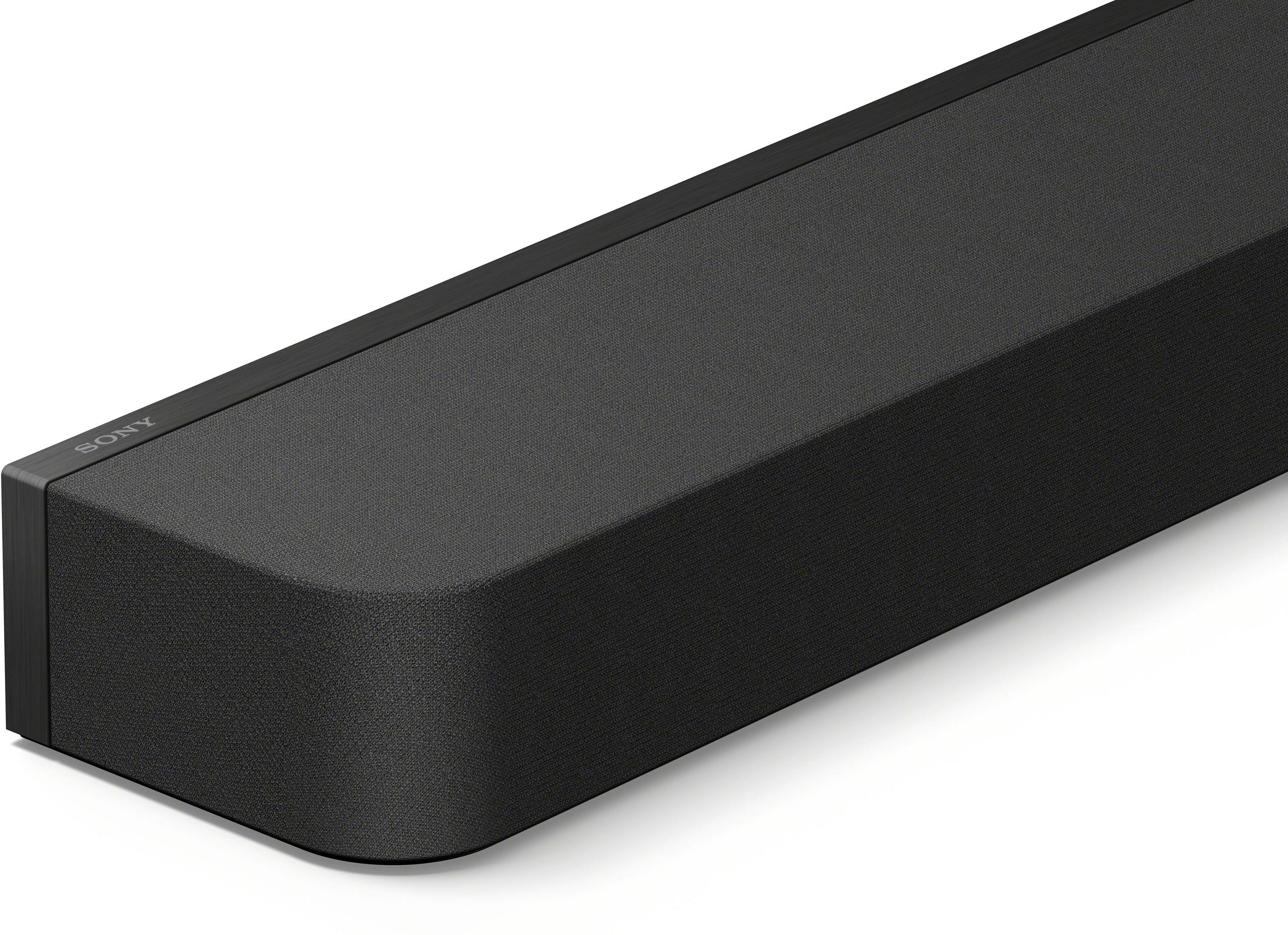
The Sony HT-A8000, released in 2024, represents the latest thinking in virtual surround sound processing. Sony packed 11 individual speakers into a single bar and developed sophisticated software to make your brain think sound is coming from places it isn't. It's an elegant, high-tech approach that works particularly well for music and smaller rooms.
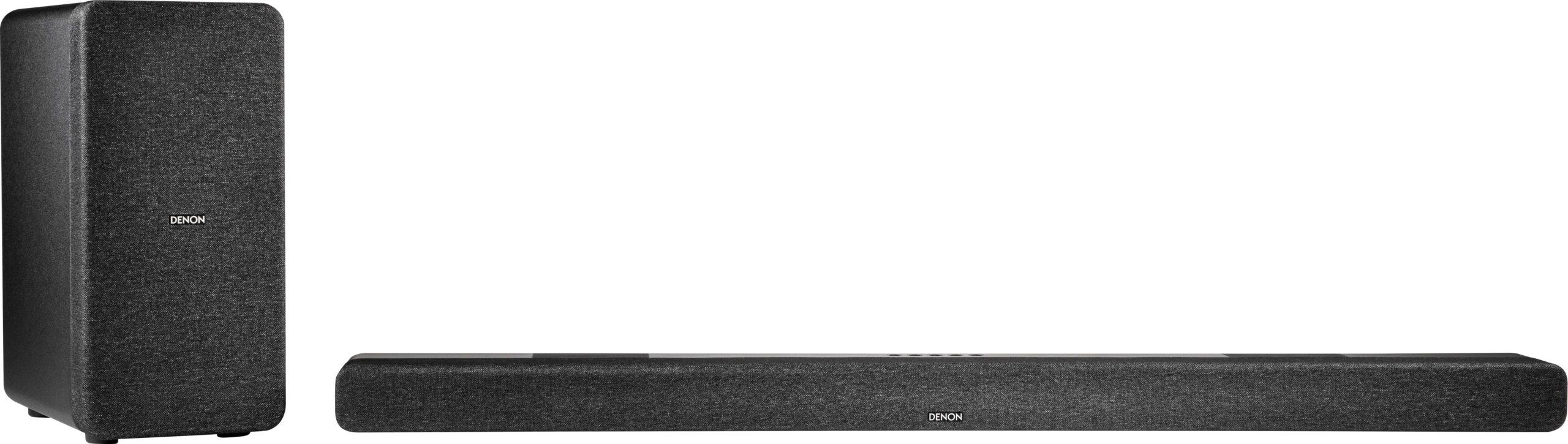
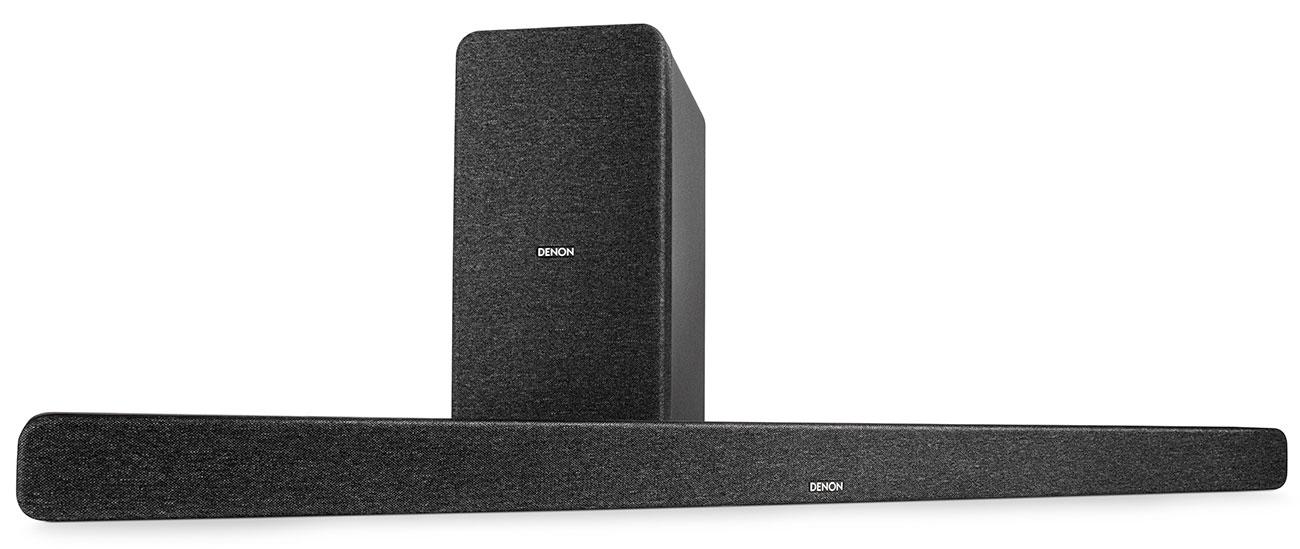
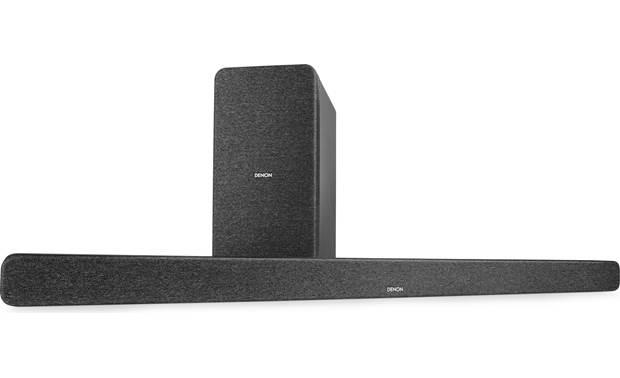
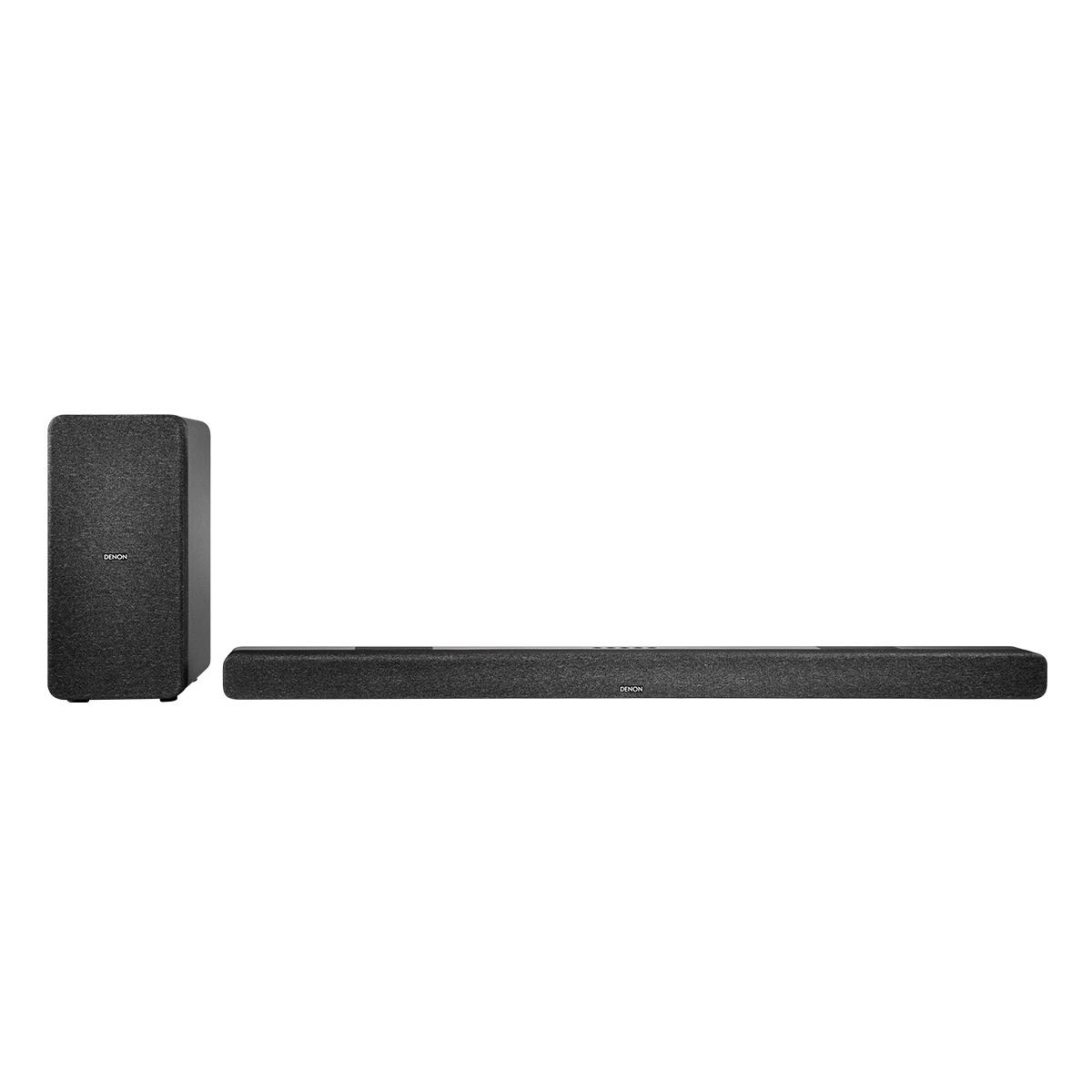
The Denon DHT-S517, released in 2022, takes a more traditional route with dedicated upward-firing speakers for height effects and an included wireless subwoofer. While it's technically older, this approach has proven advantages for movie watching, especially when you want to feel every explosion rather than just hear it.
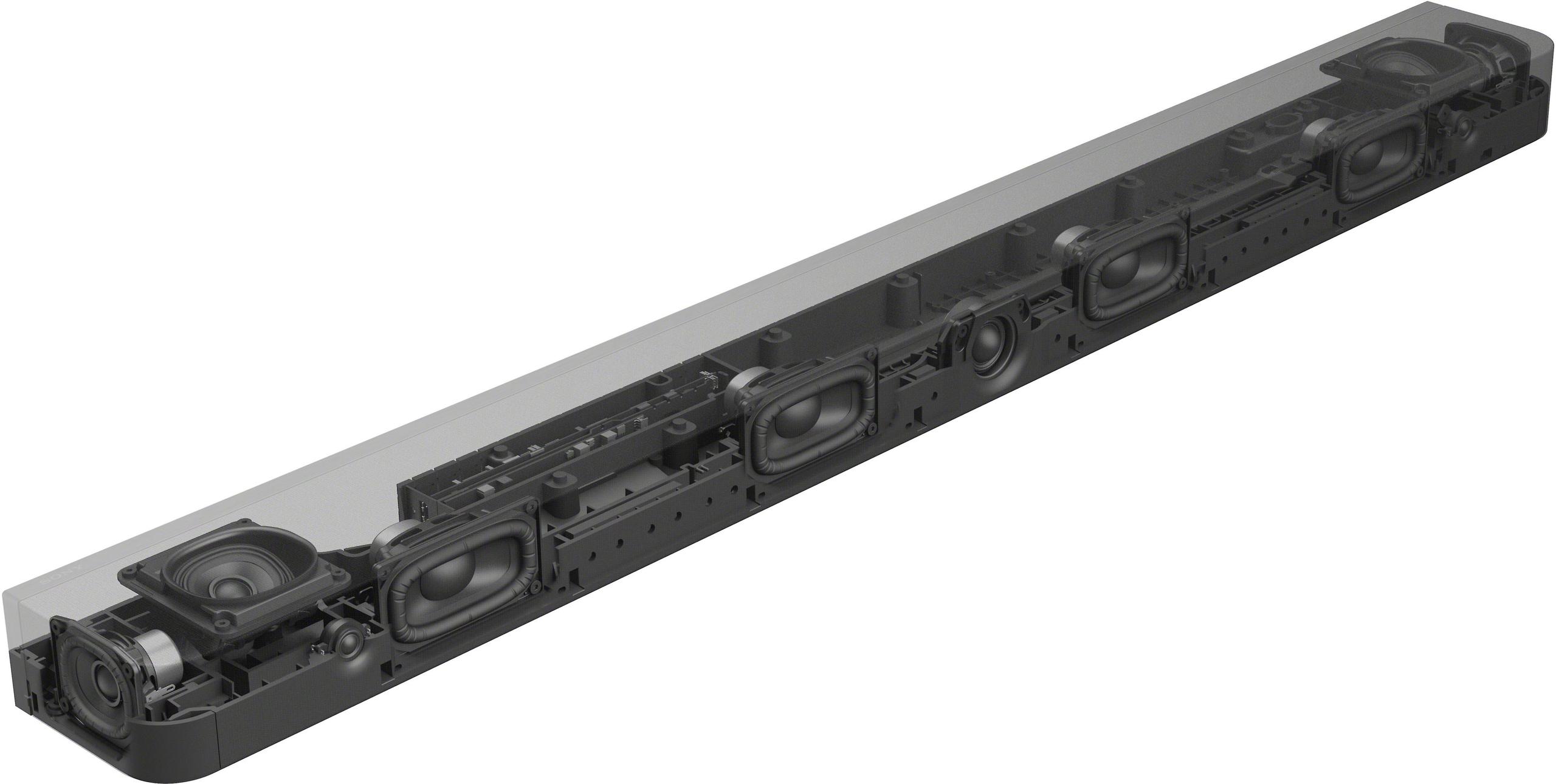
The Sony HT-A8000 is essentially a computer that happens to play audio. Its 11-speaker array includes dedicated tweeters (high-frequency drivers), midrange drivers, and even side-firing speakers that bounce sound off your walls. Sony's 360 Spatial Sound Mapping technology uses built-in microphones to analyze your room's acoustics, then adjusts the audio processing to create phantom speakers—imaginary sound sources your brain perceives as coming from specific locations.
This works remarkably well for music. Jazz vocals appear to float in the center of your room, orchestral pieces spread naturally from left to right, and acoustic guitars have that intimate, present feeling that makes you forget you're not at a live performance. The Sound Field Optimization feature automatically calibrates everything, which means less tweaking and more listening.
However, physics has limitations that even clever software can't fully overcome. When it comes to bass response, the Sony HT-A8000 relies entirely on its internal drivers. While these are well-engineered, they simply can't move enough air to create the visceral, room-shaking low frequencies that make action movies exciting. You'll hear the explosion, but you won't feel it in your chest.
The Denon DHT-S517 takes a more straightforward approach that pays dividends for home theater use. Its seven-driver array includes two racetrack-shaped midrange drivers that maximize surface area for better bass response, dedicated tweeters for crisp highs, and a full-range center channel driver that handles dialogue with authority.
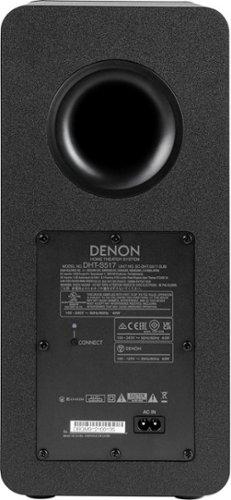
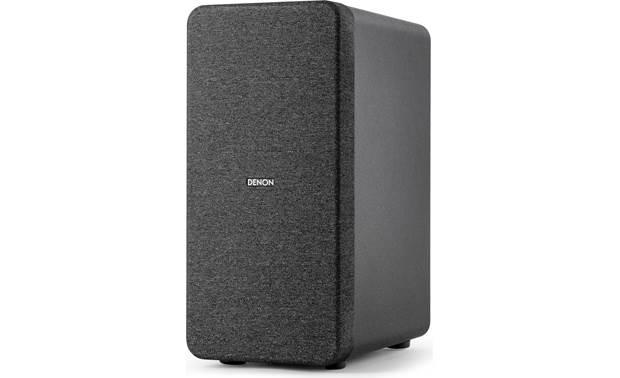
But the real star is the wireless subwoofer. This 5.25-inch driver with its own 100-watt amplifier can reproduce frequencies down to around 40Hz—low enough to make your furniture vibrate during the T-Rex scene in Jurassic Park. Bass isn't just about volume; it's about texture and impact. The Denon DHT-S517 delivers both, whether it's the rumble of a motorcycle engine or the subtle low-frequency ambience that makes horror movies genuinely unsettling.
The subwoofer connects wirelessly and pairs automatically when you power everything on, eliminating the cable-running headaches that plagued older systems. You can place it anywhere within about 30 feet of the main bar, which gives you flexibility to find the sweet spot in your room where bass sounds tight rather than boomy.
Dolby Atmos represents one of the biggest advances in home audio since surround sound was invented. Instead of traditional channel-based audio (left, right, center), Atmos uses object-based audio—individual sounds can be precisely positioned anywhere in a three-dimensional space, including above your head. The question is how each soundbar creates that overhead effect.
The Sony HT-A8000 uses Sony's Vertical Surround Engine to create virtual height channels through digital signal processing. The system analyzes the acoustic signature of your room and uses psychoacoustic principles—basically tricks that exploit how your brain processes sound—to create the illusion of overhead audio.
This approach works best with content that has subtle height effects: rain pattering on leaves, ambient city noise, or the gentle whoosh of wind through trees. For dialogue-heavy content like dramas or documentaries, the virtual processing enhances the overall sense of space without becoming distracting.
Where virtual Atmos struggles is with dramatic, discrete overhead effects. When a helicopter flies directly over your head in Top Gun: Maverick, the Sony HT-A8000 creates a pleasant sense of spaciousness, but you won't distinctly track the aircraft's movement from front to back above your listening position.
The Denon DHT-S517 includes dedicated 2.5-inch upward-firing drivers that bounce sound off your ceiling to create genuine overhead effects. This is the same approach used in much more expensive Atmos systems, just scaled down for a soundbar format.
The difference is immediately apparent with dynamic content. Those same helicopter flyovers have precise positioning—you can actually point to where the sound is coming from above you. Rain sounds like it's falling from the sky rather than just spreading around the room, and the opening sequence of Blade Runner 2049, with its layers of atmospheric effects, creates a genuine sense of being inside the scene.
The caveat is that this approach requires a ceiling for the upward-firing drivers to bounce sound off. Vaulted ceilings, textured surfaces, or rooms with unusual shapes can interfere with the effect. Most standard living rooms work fine, but it's worth considering your specific space.
Bass response might be the single most important factor that separates good soundbars from great ones, especially for home theater use. It's not just about making explosions louder—proper bass response provides the foundation that makes all other frequencies sound more natural and engaging.
The Denon DHT-S517 includes a wireless subwoofer that handles frequencies roughly from 40Hz to 200Hz. To put that in perspective, the lowest note on a standard bass guitar is around 41Hz, while a kick drum's fundamental frequency sits around 60Hz. This means the Denon can reproduce the actual sound of these instruments rather than just their higher harmonics.
More importantly for movies, this frequency range includes all the low-end effects that create atmosphere and impact. The rumbling approach of the Sandworm in Dune, the deep throbbing of spaceship engines in Star Wars, or the subtle low-frequency tension in horror films all depend on proper bass reproduction to work effectively.
The Sony HT-A8000, despite its 11 internal drivers, simply cannot compete in this area. Physics doesn't care how sophisticated your signal processing is—small drivers in a compact enclosure can't move enough air to create genuine low-frequency impact. The Sony's bass is adequate for music and dialogue, but it leaves you wanting more during action sequences.
Both soundbars recognize that dialogue intelligibility is crucial, but they approach the problem differently. The Sony HT-A8000 uses Voice Zoom 3, an AI-powered feature that recognizes human speech patterns and automatically adjusts their prominence in the mix. When compatible with BRAVIA TVs, it can even use the TV's speakers as an additional center channel through Acoustic Center Sync, making voices appear to come directly from characters on screen.
The Denon DHT-S517 takes a more manual but ultimately more flexible approach. Its Dialogue Enhancer feature offers three levels of speech enhancement that you can adjust based on the content you're watching. This granular control is particularly valuable for users with hearing difficulties or anyone who regularly watches content with challenging audio mixes—think Christopher Nolan films where dialogue often gets buried under music and effects.
The Denon's dedicated center channel driver also provides inherent advantages for dialogue reproduction. Center channels handle most on-screen dialogue in surround mixes, and having a physical driver dedicated to this purpose typically produces clearer, more focused vocal reproduction than systems that create virtual center channels through processing.
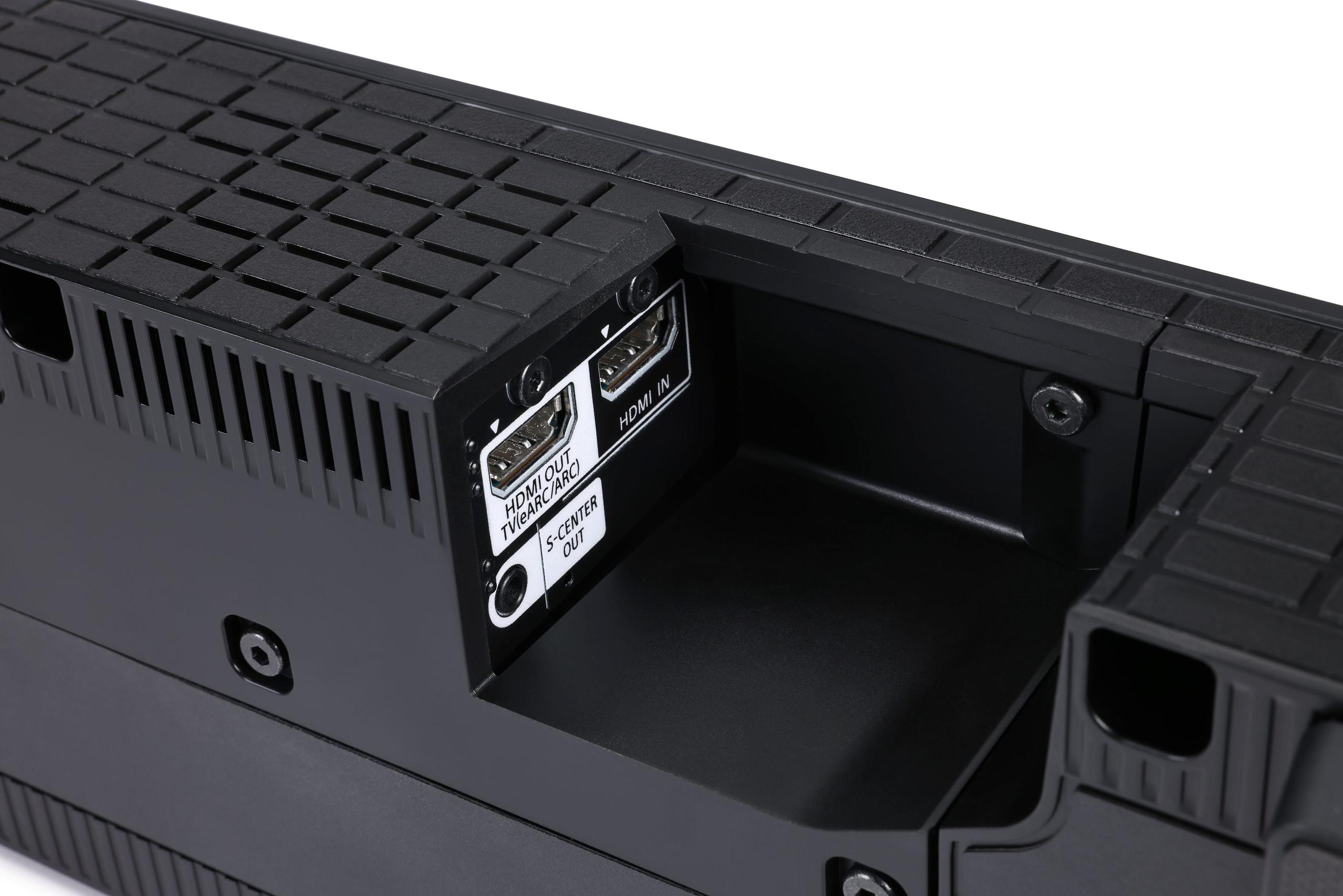
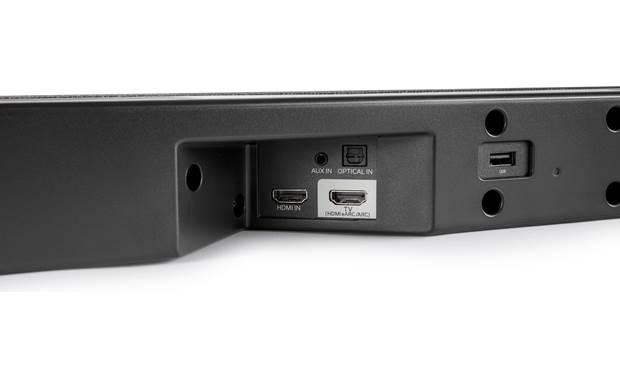
Both soundbars support HDMI eARC (enhanced Audio Return Channel), which allows a single cable connection to your TV and enables TV remote volume control. This is standard on modern soundbars, but the implementation details matter.
The Sony HT-A8000 focuses on streaming convenience with built-in Wi-Fi, AirPlay 2 support, and direct Spotify Connect integration. If you frequently stream music from your phone or use Apple devices, the Sony's wireless capabilities are more comprehensive. However, it notably lacks Bluetooth connectivity, which might be inconvenient for users with Android devices or non-Apple ecosystems.
The Denon DHT-S517 includes Bluetooth 5.0 with support for multiple device pairing, though only one can play at a time. While it lacks the Sony's advanced streaming features, Bluetooth covers most users' wireless needs and works with virtually any smartphone, tablet, or laptop.
At the time of writing, the Denon DHT-S517 typically costs about 25% less than the Sony HT-A8000, while including a wireless subwoofer that would cost $200-300 as a separate component. This makes the value equation fairly straightforward: the Denon provides more complete home theater functionality for less money.
The Sony HT-A8000 asks you to pay more for sophisticated processing, premium build quality, and advanced streaming features, while sacrificing the bass response that many consider essential for movies and gaming. It's a trade-off that makes sense for specific use cases but limits its appeal as a general-purpose home theater solution.
Technology has continued evolving since both products launched. The Sony, being newer, incorporates more recent advances in virtual surround processing and room correction. However, the fundamental physics of bass reproduction haven't changed—you still need larger drivers and dedicated enclosures to create impactful low frequencies.
Your room significantly impacts how these soundbars will perform. The Sony HT-A8000 uses room analysis to optimize its virtual surround processing, making it more adaptable to different spaces. Its compact form factor and lack of a separate subwoofer also make it ideal for smaller rooms, apartments, or any situation where minimizing components is important.
The Denon DHT-S517 requires more consideration for subwoofer placement, but this flexibility can actually be an advantage. You can position the subwoofer where it sounds best rather than being stuck with the location of your TV stand. The upward-firing Atmos speakers work best with standard 8-10 foot ceilings and relatively rectangular rooms.
After extensive research into user experiences and professional reviews, clear patterns emerge for when each soundbar makes sense.
Choose the Sony HT-A8000 if you're primarily a music listener who occasionally watches movies, prefer minimalist setups, or live in a small space where a subwoofer isn't practical. It's also the better choice if you own a compatible Sony BRAVIA TV and want deep integration between components. The Sony excels at making your existing content sound more refined and spacious, particularly for acoustic music and dialogue-heavy content.
The Denon DHT-S517 is the better choice for anyone who regularly watches action movies, plays games, or wants the most complete home theater experience for their money. The included subwoofer and physical Atmos drivers create genuine cinematic impact that virtual processing simply can't match. It's also more versatile for different types of content and offers better value for households that watch a mix of movies, sports, and music.
For most buyers, the Denon DHT-S517 represents the smarter choice. Home theater is fundamentally about creating emotional impact, and proper bass response is crucial for that experience. While the Sony HT-A8000 offers impressive technology and refined performance, it asks you to pay more while giving up the foundational element that makes movies exciting.
The soundbar market continues evolving rapidly, but the fundamental trade-offs between virtual processing and physical components remain constant. Understanding these differences—and how they align with your specific needs—is the key to choosing a soundbar you'll still love years from now.
| Sony HT-A8000 BRAVIA Theater Bar 8 | Denon DHT-S517 Soundbar with Wireless Subwoofer |
|---|---|
| Channel Configuration - Determines surround sound capability | |
| 5.0.2 channels (11 internal speakers, virtual processing) | 3.1.2 channels (7 speakers + wireless subwoofer) |
| Dolby Atmos Implementation - Critical for overhead sound effects | |
| Virtual height channels via Sony's Vertical Surround Engine | Dedicated 2.5" upward-firing drivers for authentic overhead effects |
| Bass Response - Essential for movie impact and music fullness | |
| Built-in drivers only (adequate for dialogue, limited for action) | Wireless 5.25" subwoofer with 100W amplifier (room-filling bass) |
| Dialogue Enhancement - Important for hearing clarity | |
| Voice Zoom 3 AI processing + TV center speaker integration | Dedicated center channel + 3-level adjustable Dialogue Enhancer |
| Room Calibration - Optimizes sound for your space | |
| 360 Spatial Sound Mapping with microphone-based room analysis | Manual sound modes (Movie, Music, Night) with Pure Mode |
| Wireless Connectivity - Affects streaming convenience | |
| Wi-Fi, AirPlay 2, Spotify Connect (no Bluetooth) | Bluetooth 5.0 with device pairing (no Wi-Fi streaming) |
| HDMI Features - Determines compatibility with modern TVs | |
| HDMI 2.1 eARC with 4K120/8K HDR passthrough | HDMI eARC plus optical input for broader TV compatibility |
| Physical Setup - Impacts installation flexibility | |
| Single soundbar unit (minimalist, no subwoofer placement needed) | Soundbar + wireless subwoofer (requires subwoofer positioning) |
| Release Date - Affects latest technology integration | |
| 2024 (newest processing algorithms and TV integration) | 2022 (proven technology, established performance) |
| Ideal Use Cases - Best scenarios for each product | |
| Music streaming, small rooms, Sony BRAVIA TV owners, minimal setup | Action movies, gaming, larger rooms, traditional home theater experience |
The Denon DHT-S517 is significantly better for home theater use. It includes a wireless subwoofer that delivers the deep bass essential for action movies, plus dedicated upward-firing speakers that create authentic Dolby Atmos overhead effects. The Sony HT-A8000 relies on virtual processing and lacks a subwoofer, making explosions and dramatic scenes feel less impactful.
Yes, a dedicated subwoofer makes a dramatic difference for movies and music. The Denon DHT-S517 includes a wireless 5.25-inch subwoofer that provides room-filling bass, while the Sony HT-A8000 relies only on built-in drivers that can't match the impact of a dedicated bass unit. For serious home theater use, the subwoofer is essential.
The Denon DHT-S517 delivers superior Dolby Atmos effects with its physical upward-firing drivers that bounce sound off your ceiling. You can distinctly hear helicopters flying overhead or rain falling from above. The Sony HT-A8000 uses virtual Atmos processing that creates a wider soundstage but can't match the precise overhead positioning of real height speakers.
The Sony HT-A8000 excels at music reproduction with its 11-speaker array and sophisticated room calibration, creating excellent stereo imaging and balanced sound. The Denon DHT-S517 focuses more on home theater performance and while it sounds good with music, it's not as refined for pure music listening as the Sony system.
Both soundbars are relatively easy to set up, but the Sony HT-A8000 has a slight edge with its single-unit design and automatic room calibration. The Denon DHT-S517 requires positioning both the soundbar and wireless subwoofer, though the subwoofer pairs automatically and gives you flexibility in placement for optimal bass response.
Yes, both the Sony HT-A8000 and Denon DHT-S517 work with any TV brand through HDMI ARC/eARC or optical connections. However, the Sony offers enhanced integration features when paired with Sony BRAVIA TVs, including the ability to use your TV as an additional center speaker for better dialogue clarity.
The Denon DHT-S517 typically offers better value, costing less while including a wireless subwoofer that would cost hundreds of dollars separately. You get a complete home theater package with genuine Atmos effects and powerful bass. The Sony HT-A8000 costs more for advanced processing and premium build quality but lacks the subwoofer that many consider essential.
Both soundbars prioritize dialogue clarity but use different approaches. The Denon DHT-S517 has a dedicated center channel driver and adjustable Dialogue Enhancer with three levels of speech boost. The Sony HT-A8000 uses AI-powered Voice Zoom 3 technology and can integrate with compatible Sony TVs for enhanced center channel performance.
The Denon DHT-S517 is better for gaming due to its impactful bass and authentic Dolby Atmos effects that enhance spatial awareness in games. The wireless subwoofer adds excitement to explosions and environmental sounds. The Sony HT-A8000 offers lower audio latency and supports advanced HDMI 2.1 features, but lacks the bass impact that makes gaming more immersive.
The Sony HT-A8000 focuses on Wi-Fi streaming with AirPlay 2, Spotify Connect, and other smart features, but notably lacks Bluetooth connectivity. The Denon DHT-S517 includes Bluetooth 5.0 for easy device pairing and streaming from phones or tablets, but doesn't have built-in Wi-Fi streaming services.
The Sony HT-A8000 is better suited for smaller rooms due to its compact single-unit design and sophisticated room calibration that optimizes sound for your space. The Denon DHT-S517 with its separate subwoofer may be overwhelming in very small spaces, though the wireless subwoofer does offer placement flexibility to find the right balance.
Release date isn't the primary factor to consider. The Sony HT-A8000 from 2024 has newer processing technology and TV integration features, while the Denon DHT-S517 from 2022 uses proven physical speaker technology that delivers superior home theater performance. Choose based on your priorities: the Sony for music and modern features, the Denon for complete home theater experience.
We've done our best to create useful and informative comparisons to help you decide what product to buy. Our research uses advanced automated methods to create this comparison and perfection is not possible - please contact us for corrections or questions. These are the sites we've researched in the creation of this article: consumerreports.org - skybygramophone.com - target.com - rtings.com - bestbuy.com - rubbermonkey.co.nz - shopatsc.com - audioadvice.com - sony.com - sony.com - sony.com - shop.cosmopolitan.com - store.sony.com.my - videoandaudiocenter.com - techradar.com - consumerreports.org - crutchfield.com - bestbuy.com - bestbuy.com - pocket-lint.com - abt.com - manuals.denon.com - connectedmag.com.au - bestbuy.com - forum.flirc.tv - bhphotovideo.com

Privacy Policy
Terms and Conditions - Affiliate Policy
Home Security
© Copyright 2008-2026.
11816 Inwood Rd #1211, Dallas, TX 75244