

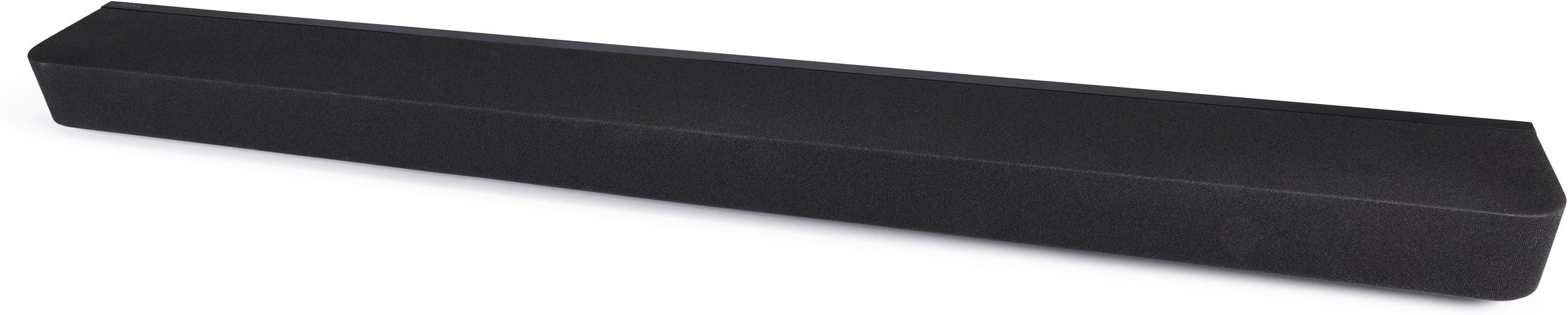
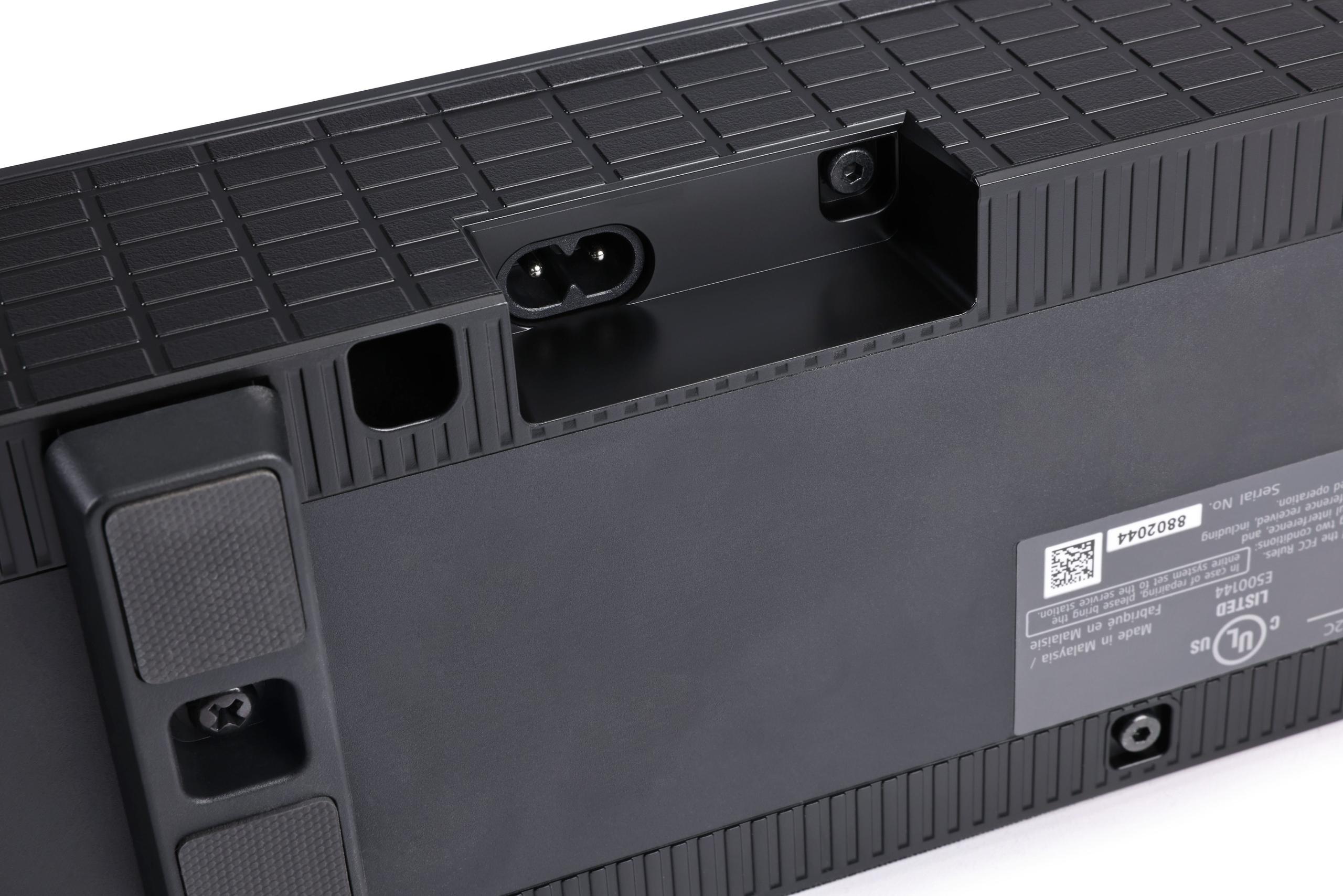




Shopping for a premium soundbar can feel overwhelming, especially when you're looking at models that cost several hundred dollars. You want something that'll transform your living room into a mini movie theater, but you also don't want to waste money on features you'll never use. Today, we're diving deep into two excellent but very different approaches to premium sound: the Sony HT-A8000 BRAVIA Theater Bar 8 and the Denon Home Sound Bar 550.
At the time of writing, both soundbars sit in that sweet spot between basic budget models and truly high-end systems, but they take completely different approaches to delivering great audio. The Sony HT-A8000 is all about creating that immersive movie theater experience, while the Denon Home Sound Bar 550 focuses on music clarity and smart home integration. Understanding these differences will help you pick the right one for your specific needs and budget.
Before we dive into the specifics, let's talk about what separates premium soundbars from their cheaper counterparts. The main things you're paying for include better audio processing, more sophisticated speaker arrangements, advanced connectivity options, and features like spatial audio (technology that makes sound appear to come from all around you, not just from the soundbar itself).
The most important performance characteristics to consider are dialogue clarity (how well you can hear speech in movies), bass response (the deep, rumbling sounds that make action scenes feel impactful), soundstage width (how spread out the audio feels), and spatial audio capabilities (whether the soundbar can create convincing surround sound effects). Different soundbars excel in different areas, which is why your intended use matters so much when making a choice.
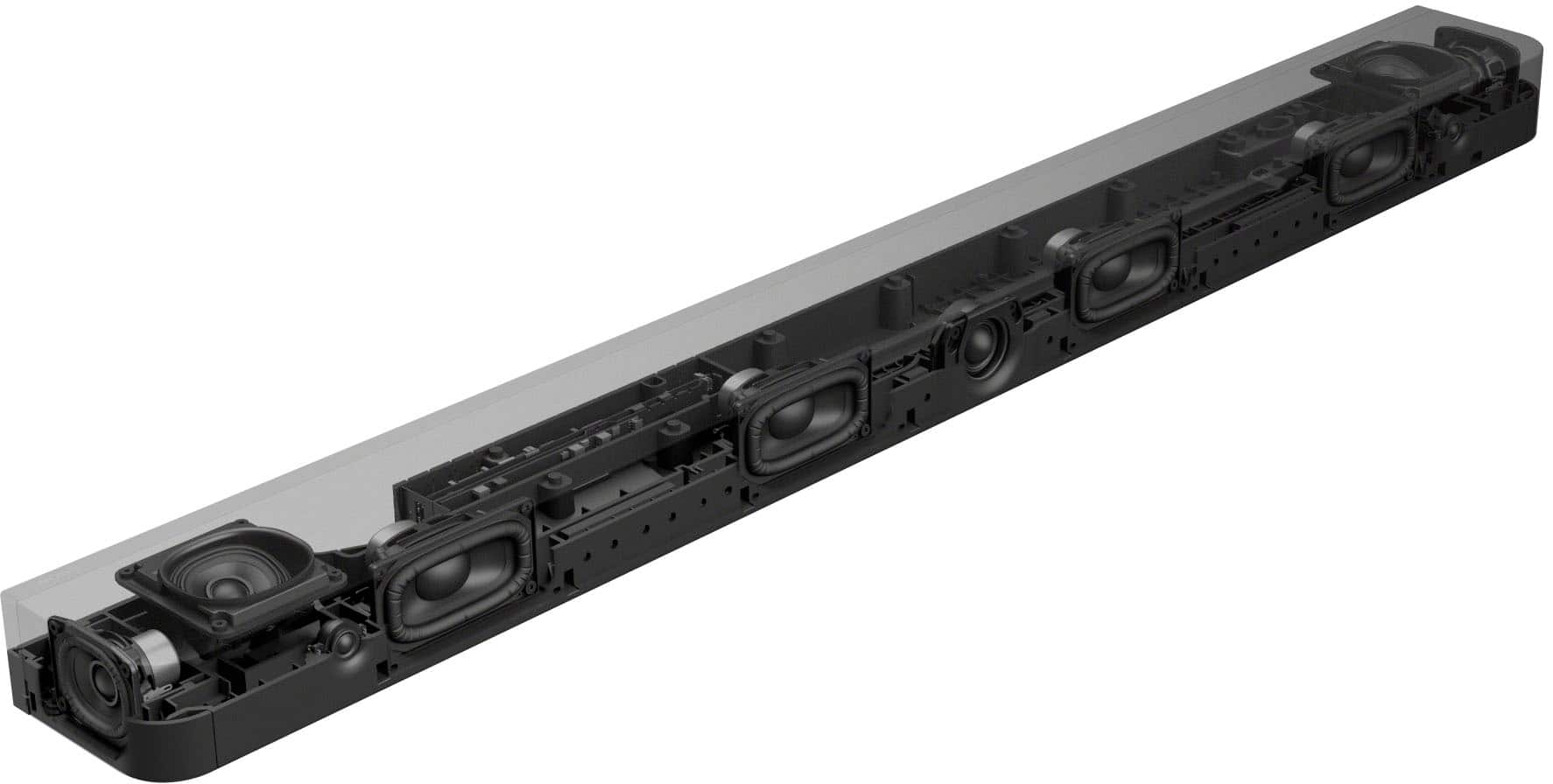
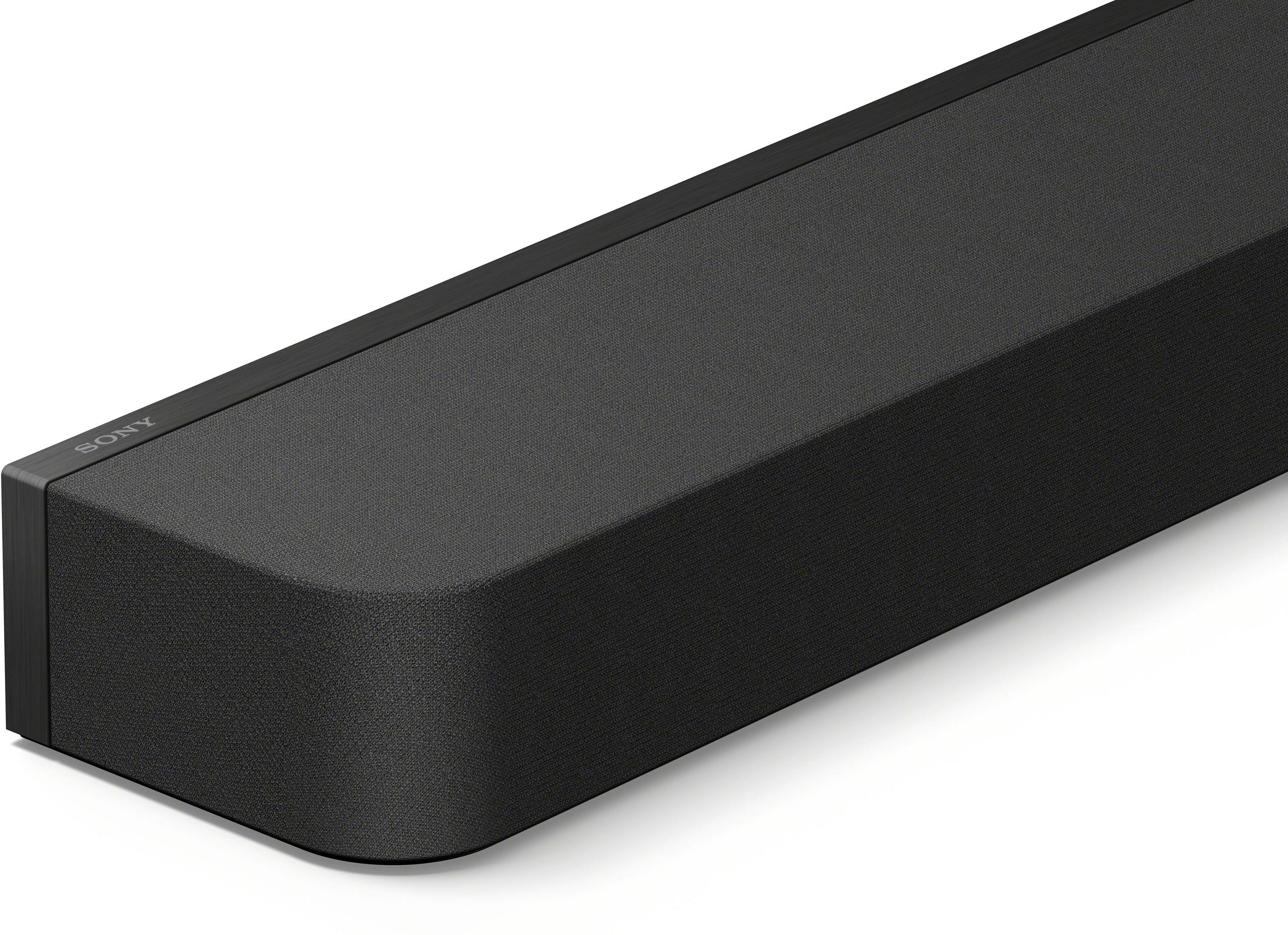
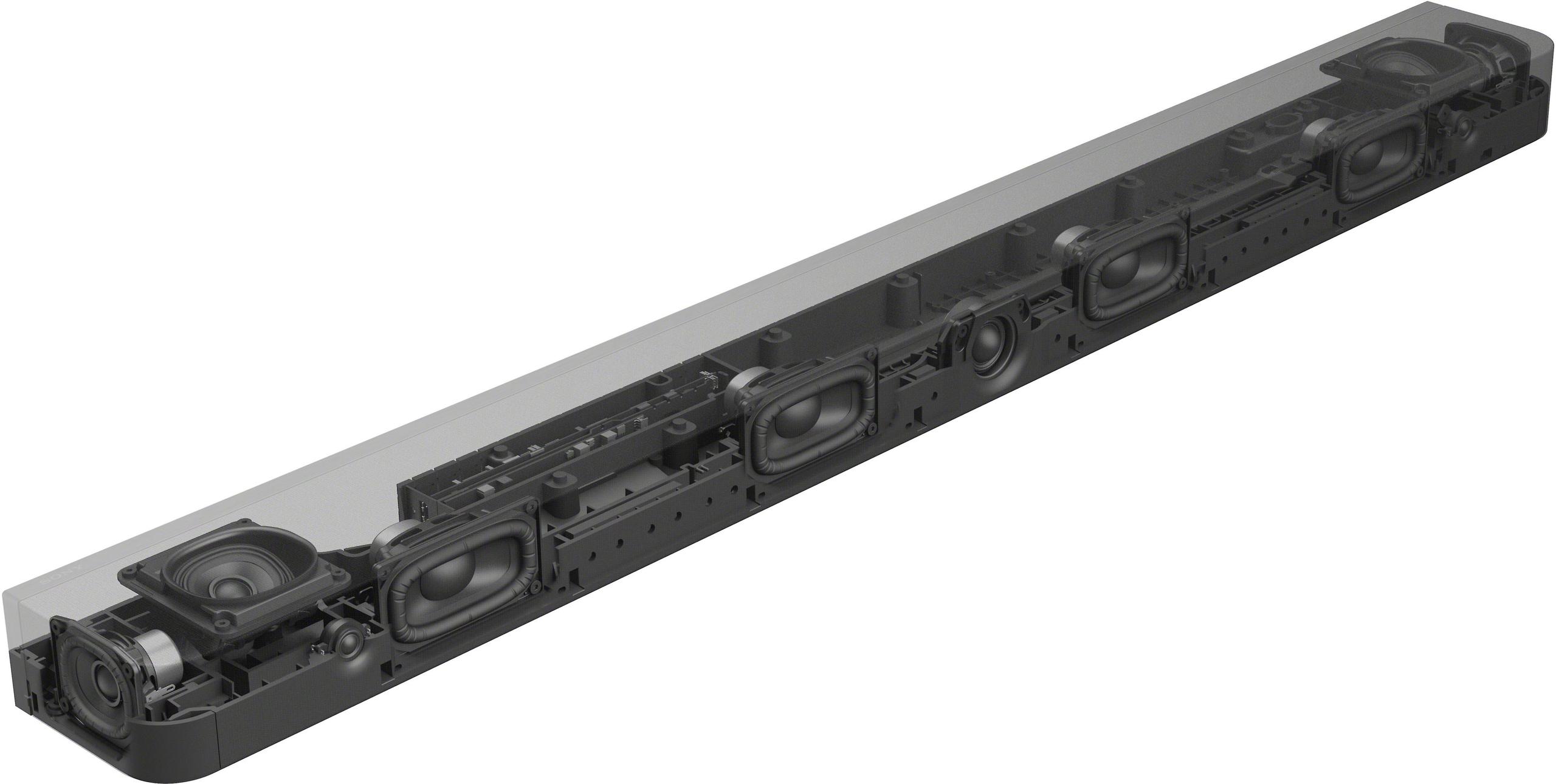
Released in 2024, the Sony HT-A8000 represents Sony's latest thinking about how to create convincing surround sound from a single soundbar. The key innovation here is something called 360 Spatial Sound Mapping—essentially, Sony uses 11 different speaker units arranged strategically throughout the soundbar to bounce sound off your walls and ceiling, creating the illusion that you have speakers placed all around your room.
This isn't just marketing speak. The technology works by creating what Sony calls "phantom speakers"—audio that appears to come from locations where there aren't actually any physical speakers. When you're watching a movie and hear a helicopter fly overhead, the Sony HT-A8000 uses its upward-firing speakers and clever processing to make that sound genuinely appear to come from above you, even though all the actual speakers are sitting below your TV.
The Sony HT-A8000 also includes Voice Zoom 3, which uses artificial intelligence to identify human speech in the audio mix and boost it when needed. This is incredibly useful during action movies where explosions and music might otherwise drown out important dialogue.
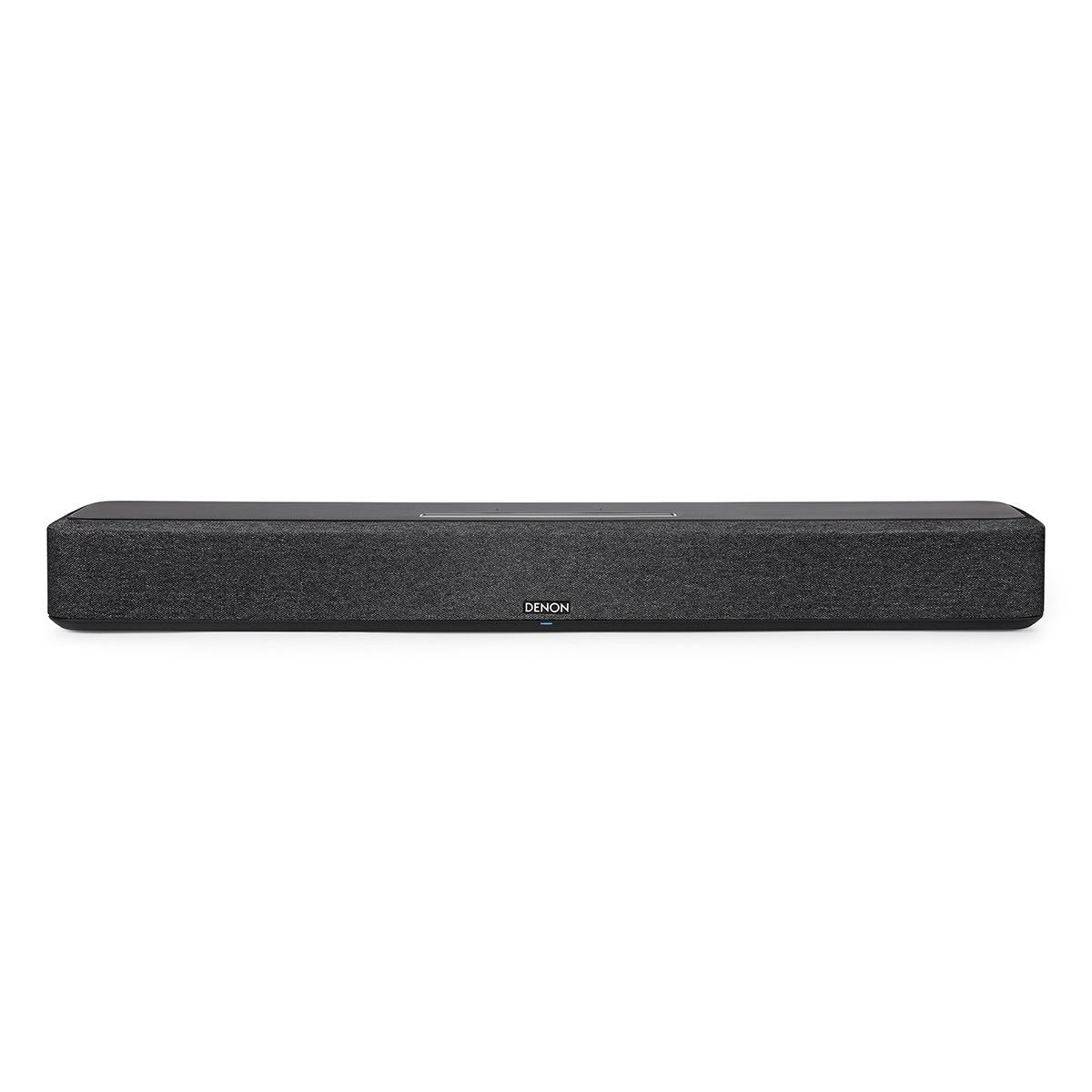
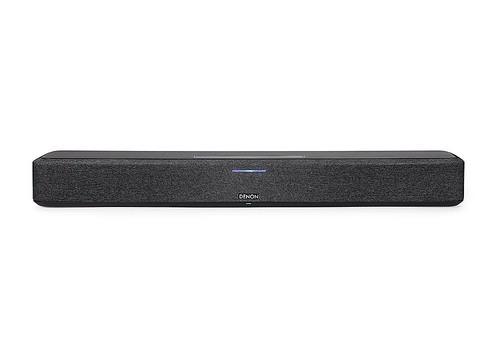
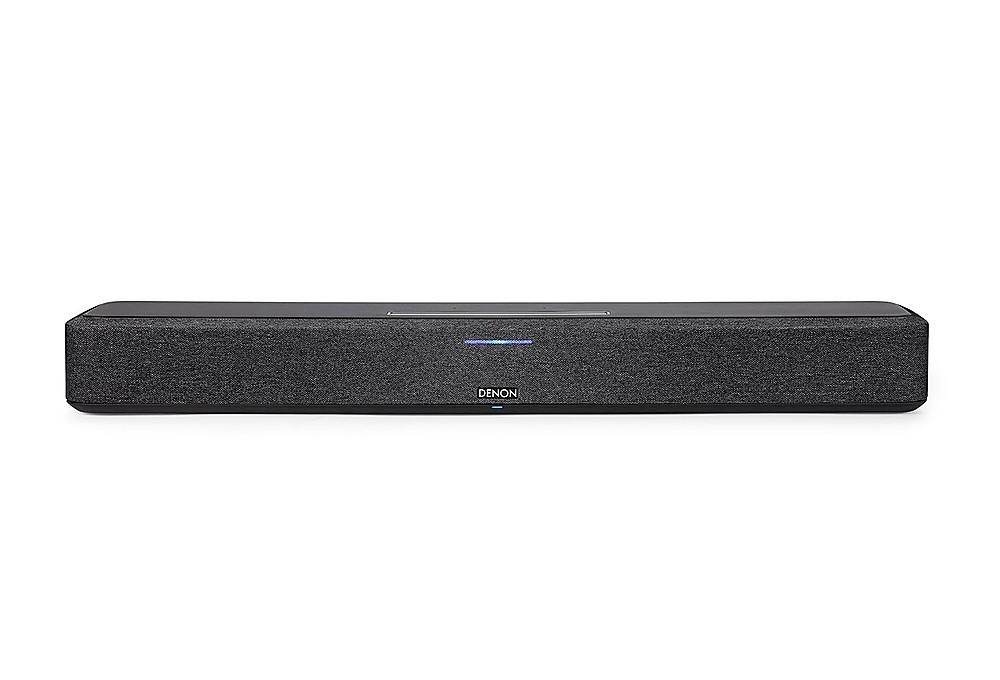
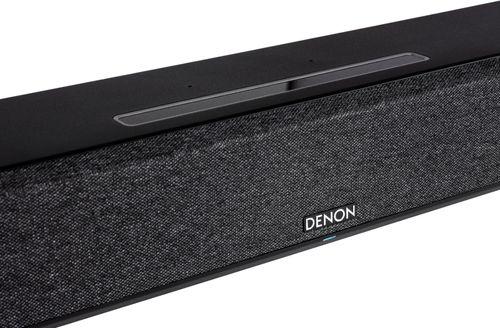
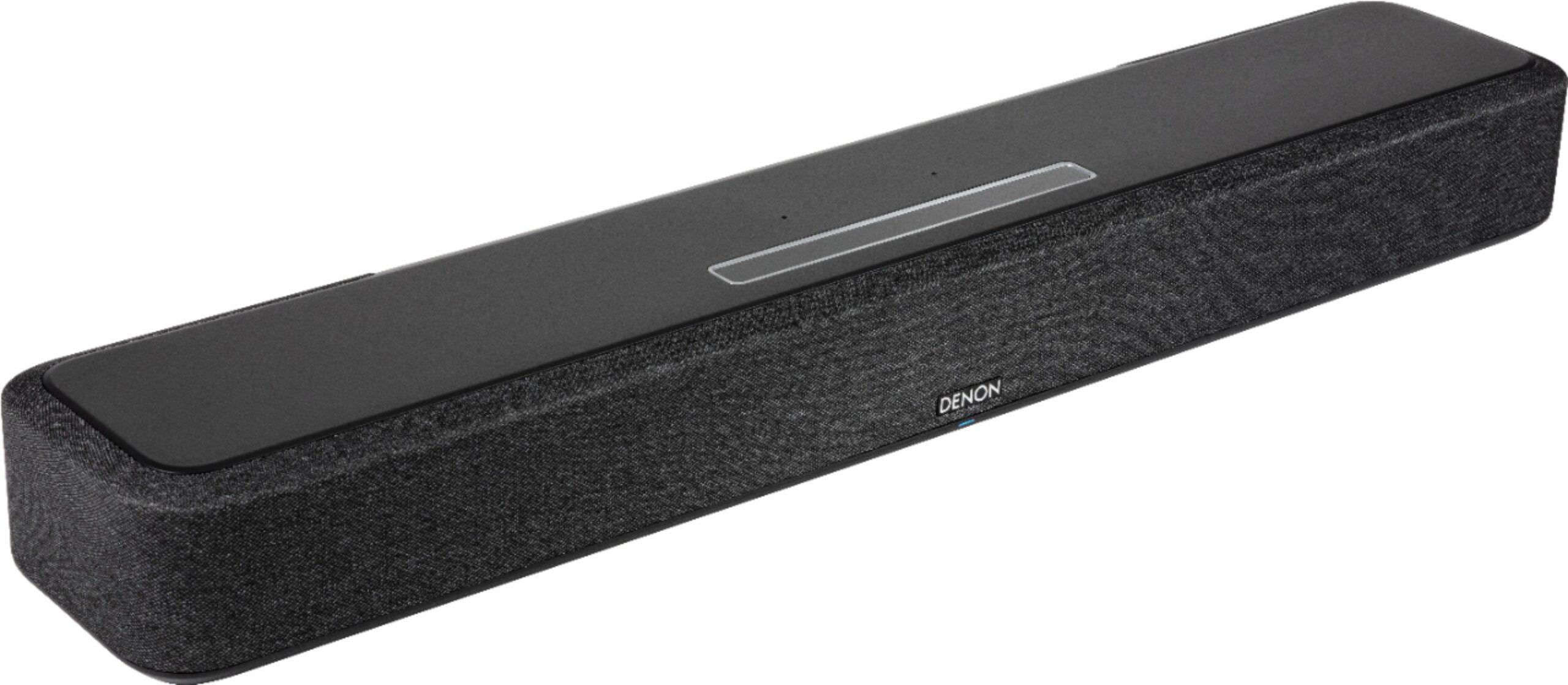
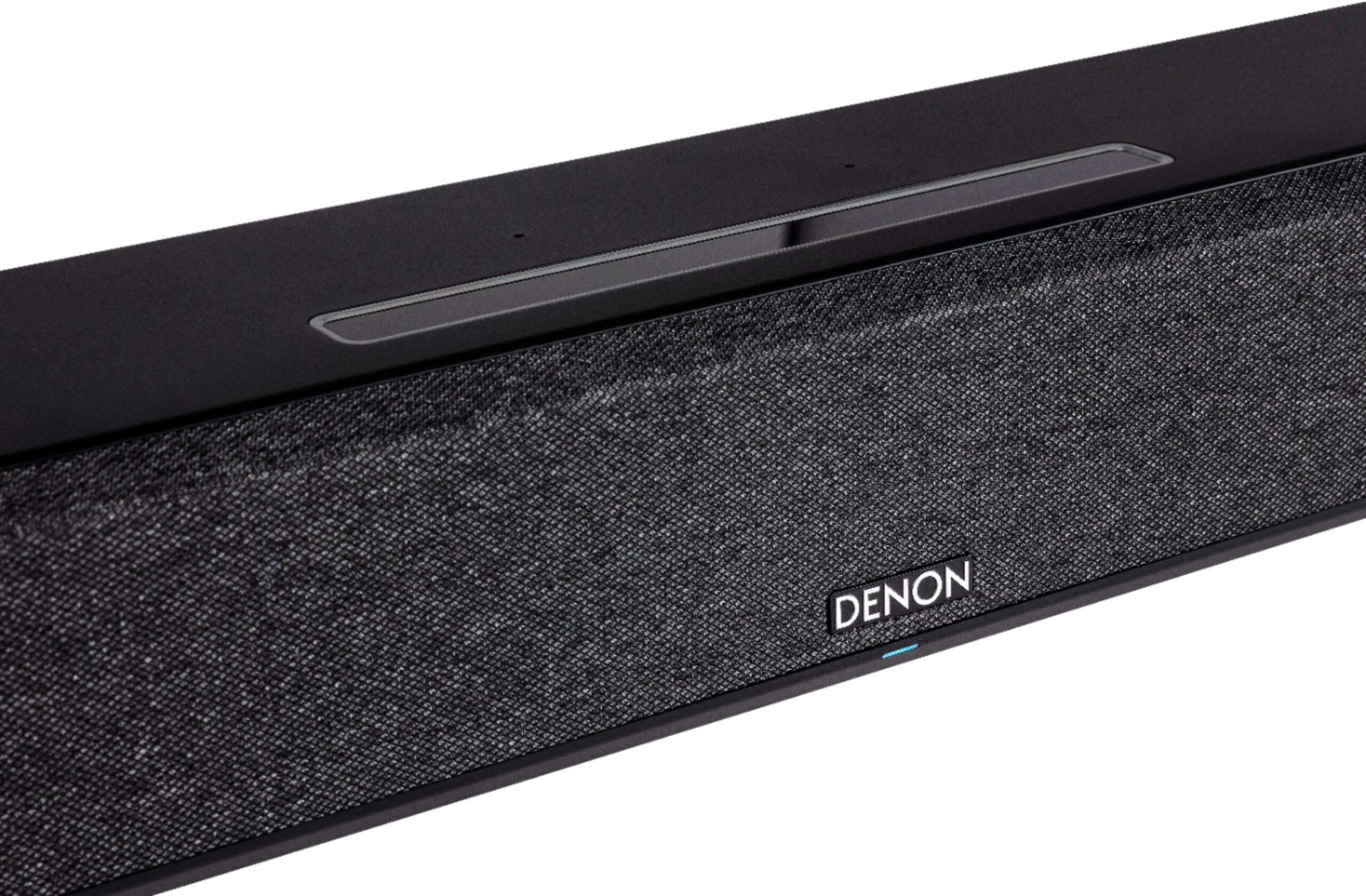
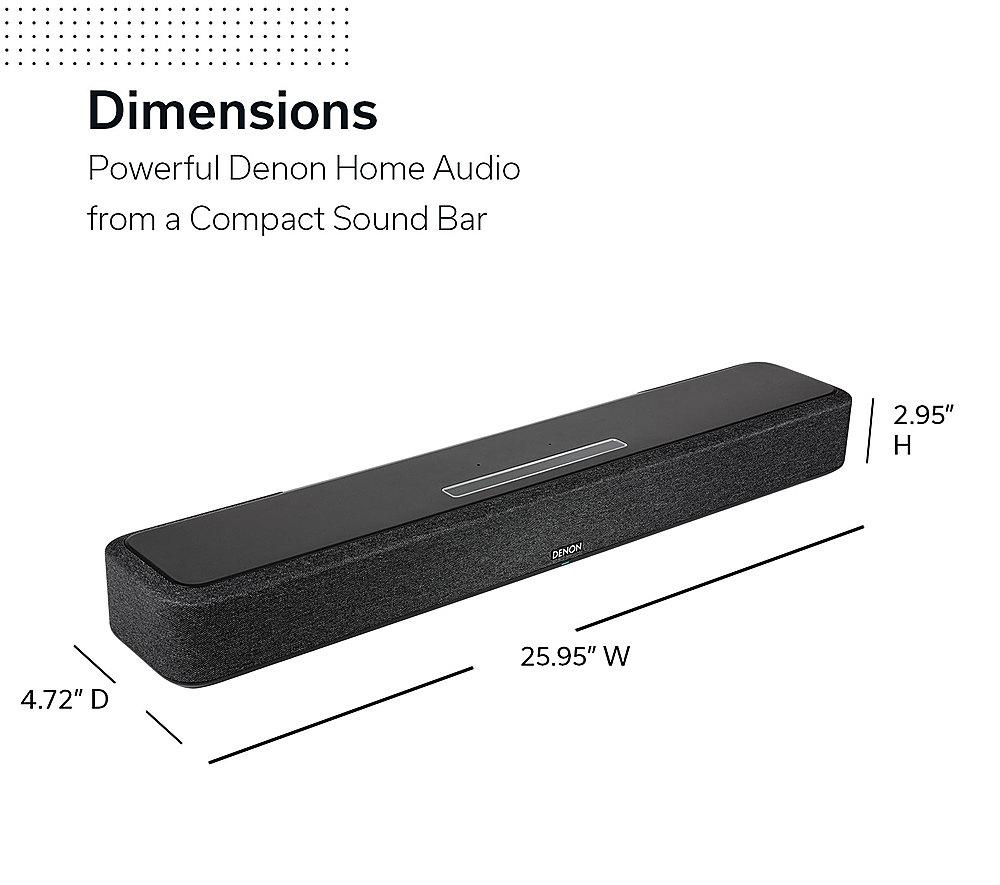
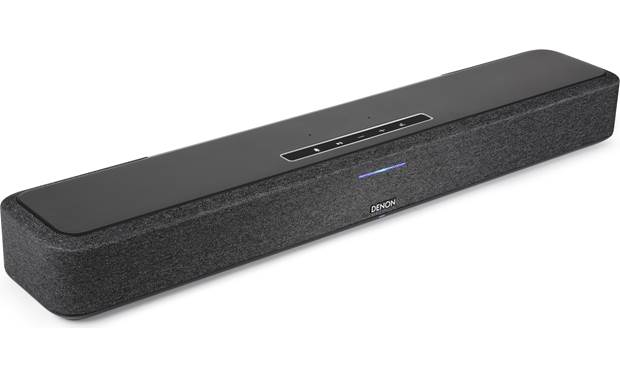
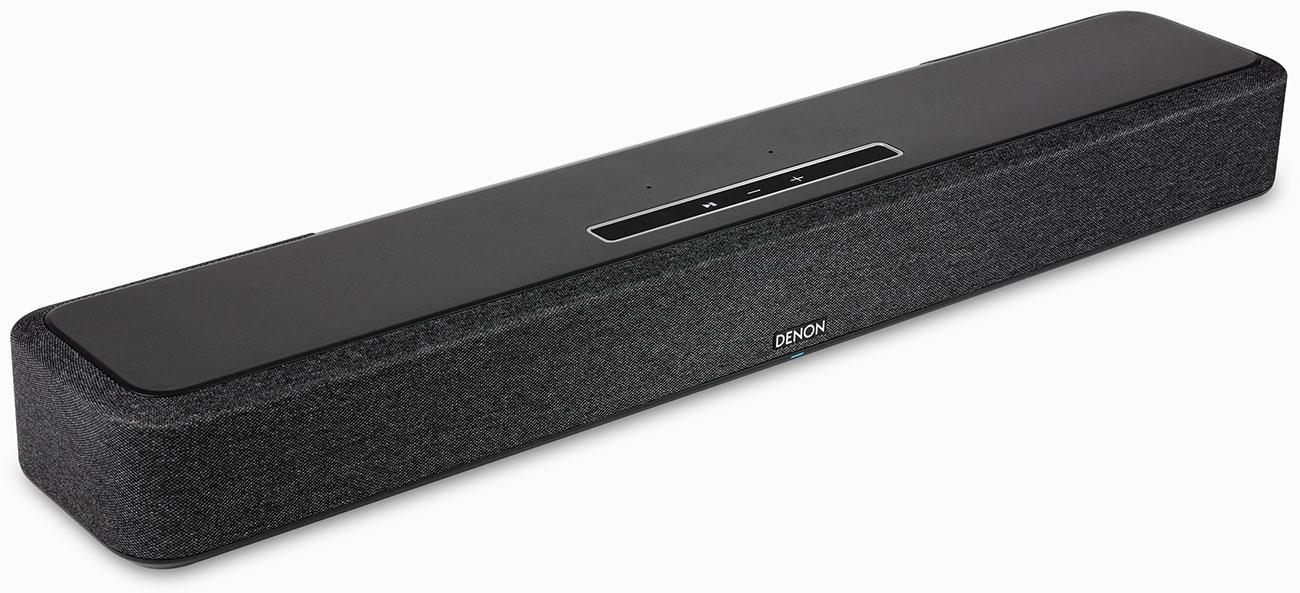
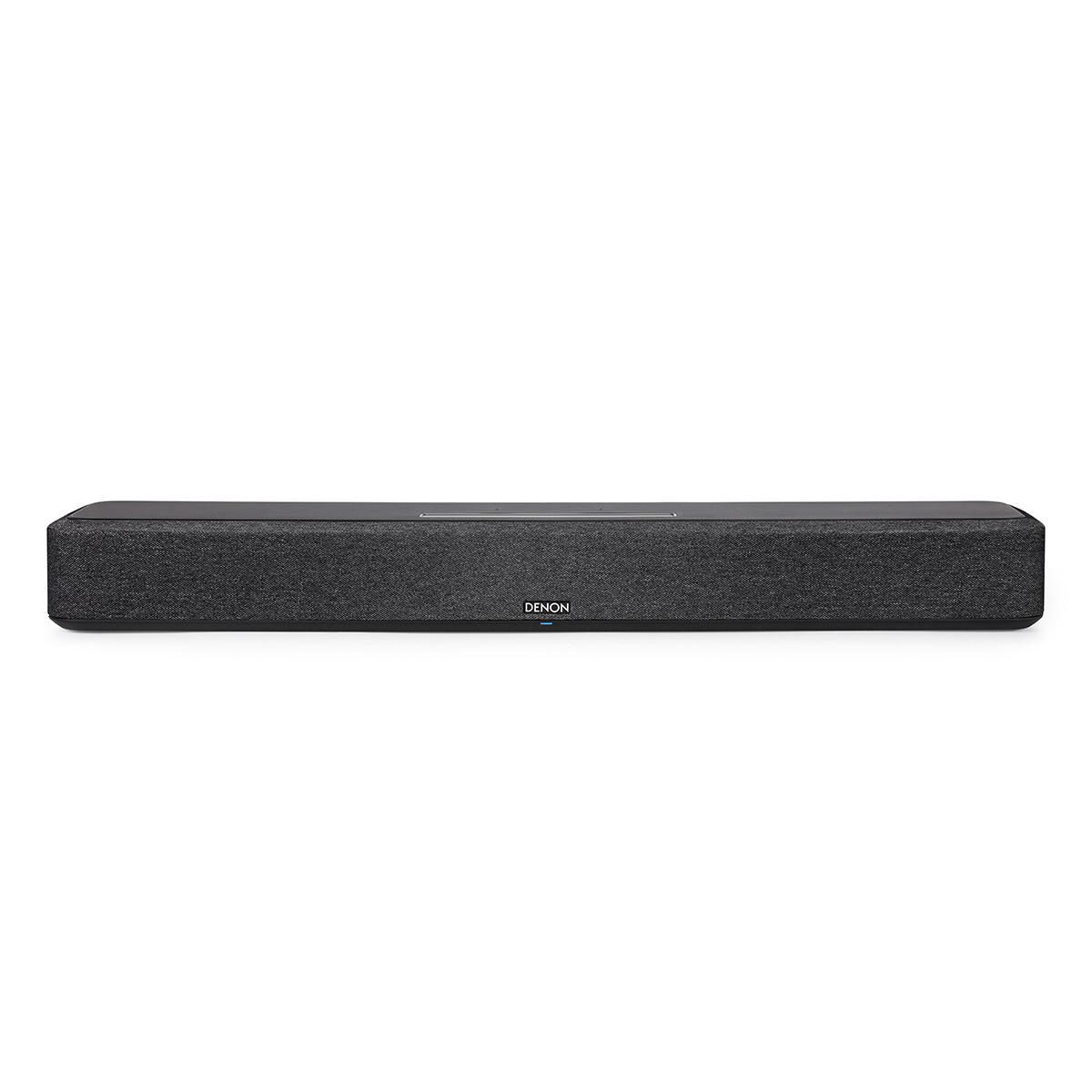
The Denon Home Sound Bar 550, released in 2021, takes a completely different approach. Instead of trying to create elaborate surround sound effects, Denon focused on delivering exceptionally clean, accurate stereo audio—the kind that makes music sound fantastic. This soundbar is part of Denon's HEOS ecosystem, which means it can connect wirelessly with other HEOS speakers throughout your home to create a whole-house audio system.
The Denon Home Sound Bar 550 also includes built-in Amazon Alexa, so you can control it with voice commands and integrate it into your smart home setup. Want to dim the lights and start playing music for dinner? You can do that with a single voice command to your soundbar.
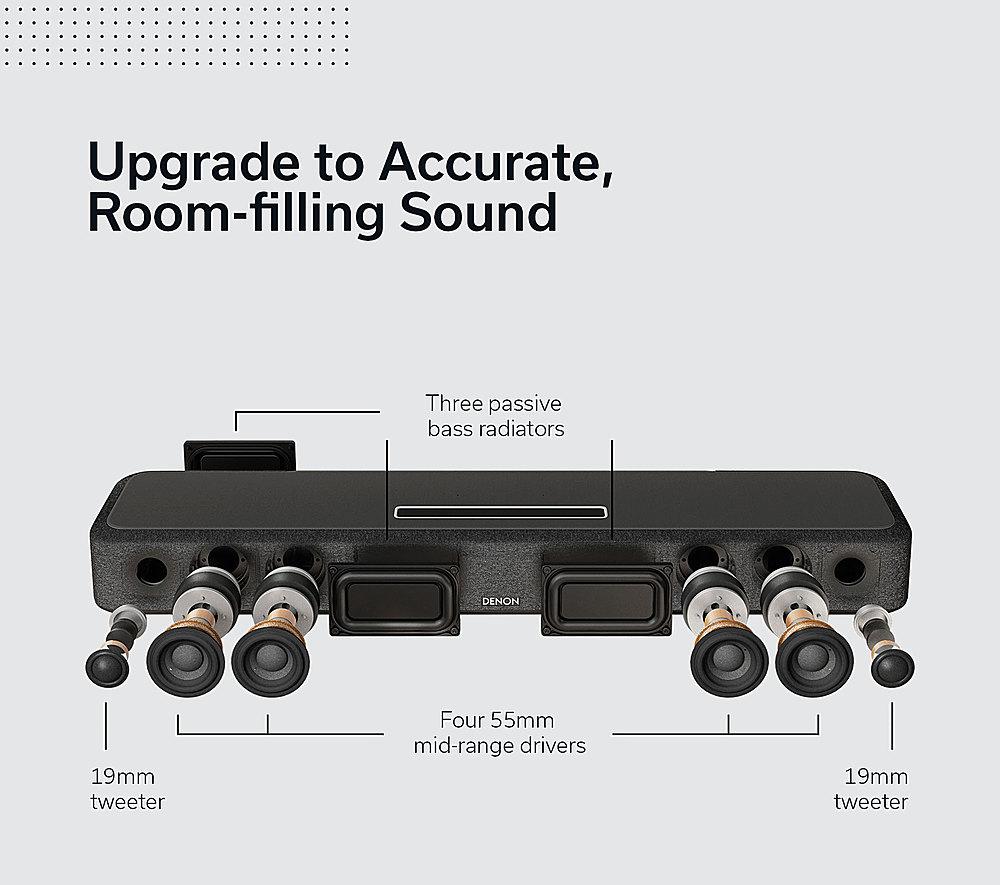
Where the Sony HT-A8000 uses 11 speakers to create surround effects, the Denon Home Sound Bar 550 uses fewer drivers but focuses on making each one perform exceptionally well for stereo content. This approach works brilliantly for music but means you'll need to add a separate wireless subwoofer (a dedicated speaker for bass frequencies) to get the full-range sound that makes movies really sing.
This is where the philosophical differences between these soundbars become most apparent. The Sony HT-A8000 uses its Voice Zoom 3 technology to actively monitor the audio signal and boost speech when it detects that dialogue might get lost in the mix. Based on our research into user reviews and expert evaluations, this system works particularly well during complex action sequences where there's a lot going on sonically.
The Denon Home Sound Bar 550 takes a more traditional approach, using dialogue enhancement that applies a consistent boost to the frequency range where human speech typically occurs. This tends to sound more natural for music listening, where you don't want aggressive processing changing the artist's intended sound, but it may not be as effective during challenging movie scenes.
For most people watching TV and movies, the Sony's AI-powered approach provides a meaningful advantage. However, if you're someone who primarily listens to music and prefers a more "purist" approach to audio, the Denon's gentler processing might actually be preferable.
Here's where things get interesting from a value perspective. The Sony HT-A8000 includes what Sony calls quad woofers—four dedicated bass drivers built into the soundbar itself. According to user reviews we've analyzed, this provides what many describe as "massive bass" right out of the box, though some users still choose to add Sony's optional wireless subwoofer for even deeper impact.
The Denon Home Sound Bar 550, on the other hand, really needs its companion wireless subwoofer to deliver satisfying bass for movies. Without it, users consistently report weak low-end response that makes action movies feel flat and lifeless. This is important for your budget planning—while the Denon might have a lower entry price, you'll likely need to factor in the cost of its subwoofer to get a complete system.
For home theater use, this gives the Sony HT-A8000 a significant practical advantage. You can set it up and immediately enjoy rich, full-range sound without any additional purchases. The Denon requires more planning and a bigger total investment to reach its full potential.
This is where the Sony HT-A8000 truly shines. Its 360 Spatial Sound Mapping technology creates what many users describe as genuinely convincing Dolby Atmos effects (a surround sound format that includes height information, making sounds appear to come from above as well as around you). The soundbar uses five of its speakers as traditional front channels, then employs the remaining six to create phantom surround and height effects.
Based on our evaluation of expert reviews and user feedback, this system works remarkably well in typical living rooms. The key is that it adapts to your room's acoustics—it literally maps how sound bounces around your space and adjusts its output accordingly. This means you get good surround effects whether you're sitting directly in front of the TV or off to the side.
The Denon Home Sound Bar 550 supports Dolby Atmos and DTS:X (another advanced surround format), but with its 2.1-channel configuration, it relies more heavily on audio processing tricks rather than dedicated speakers for these effects. The result is less convincing spatial audio, though the stereo imaging—how well it separates left and right channel information—is exceptionally precise.
While the Sony HT-A8000 excels at movies, the Denon Home Sound Bar 550 takes the crown for music listening. Its focus on clean, accurate stereo reproduction means vocals sound natural and instruments are precisely positioned in the soundstage. The lack of aggressive processing preserves the subtle details that make the difference between good and great music reproduction.
The Sony HT-A8000 is no slouch with music—it supports high-resolution audio formats and has multiple sound modes—but its movie-focused tuning can make music sound slightly processed or artificial compared to the Denon's more neutral approach.
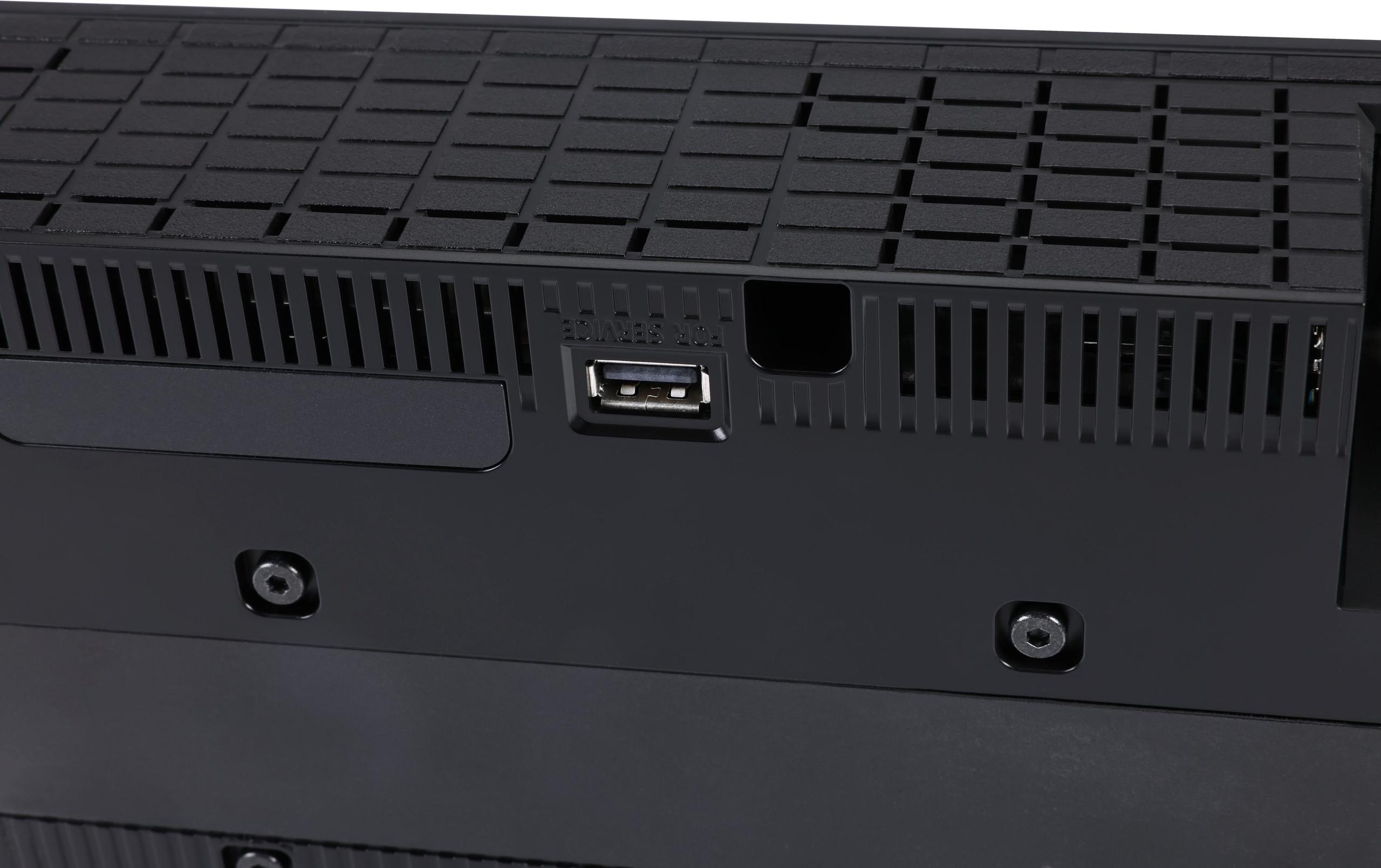
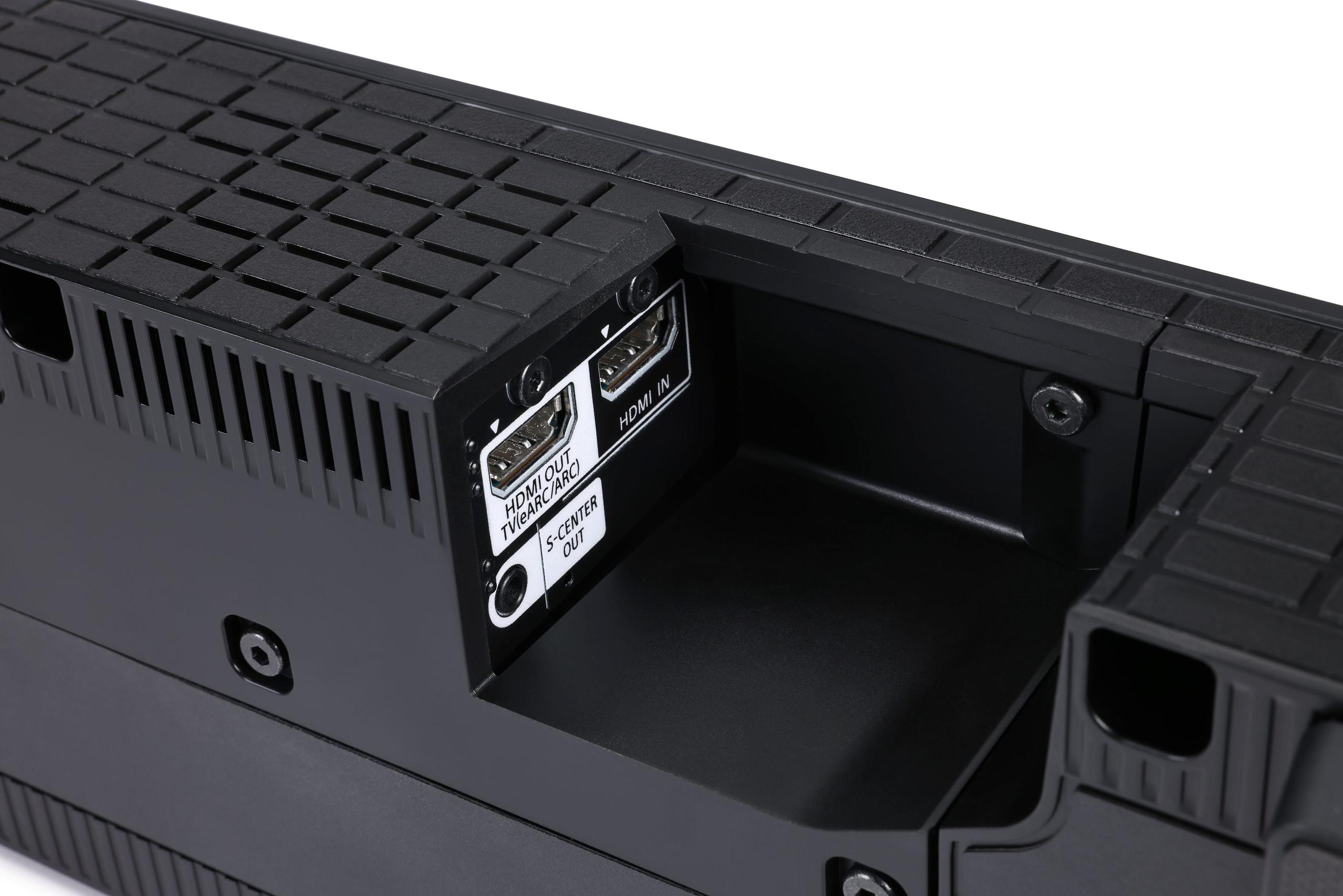
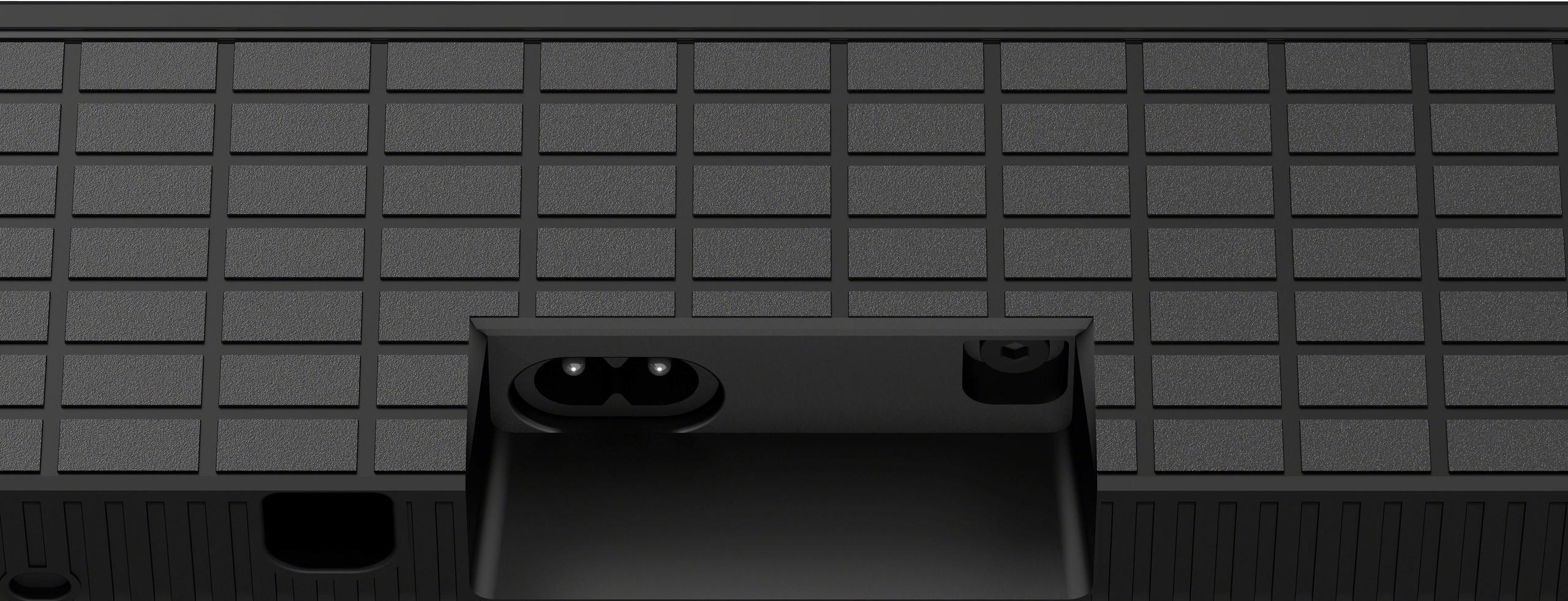
The connection situation reveals another key difference in these soundbars' intended use cases. The Sony HT-A8000 includes just one HDMI port, but it's an eARC (enhanced Audio Return Channel) connection that supports all the latest audio formats and can handle 8K HDR video passthrough. The assumption is that you'll connect all your devices to your TV, then send the audio to the soundbar through this single, high-quality connection.
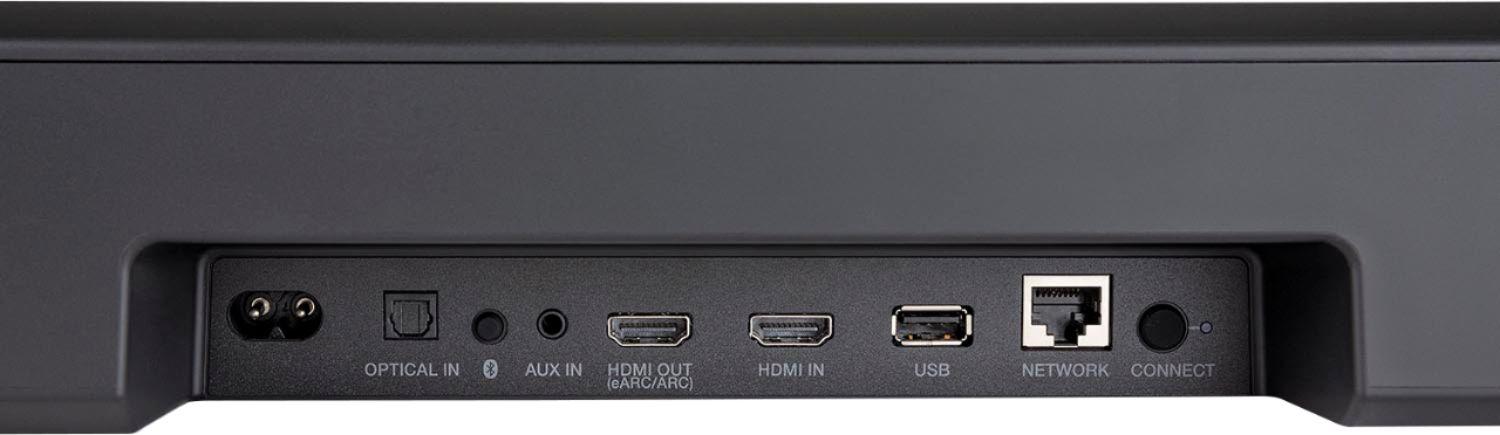
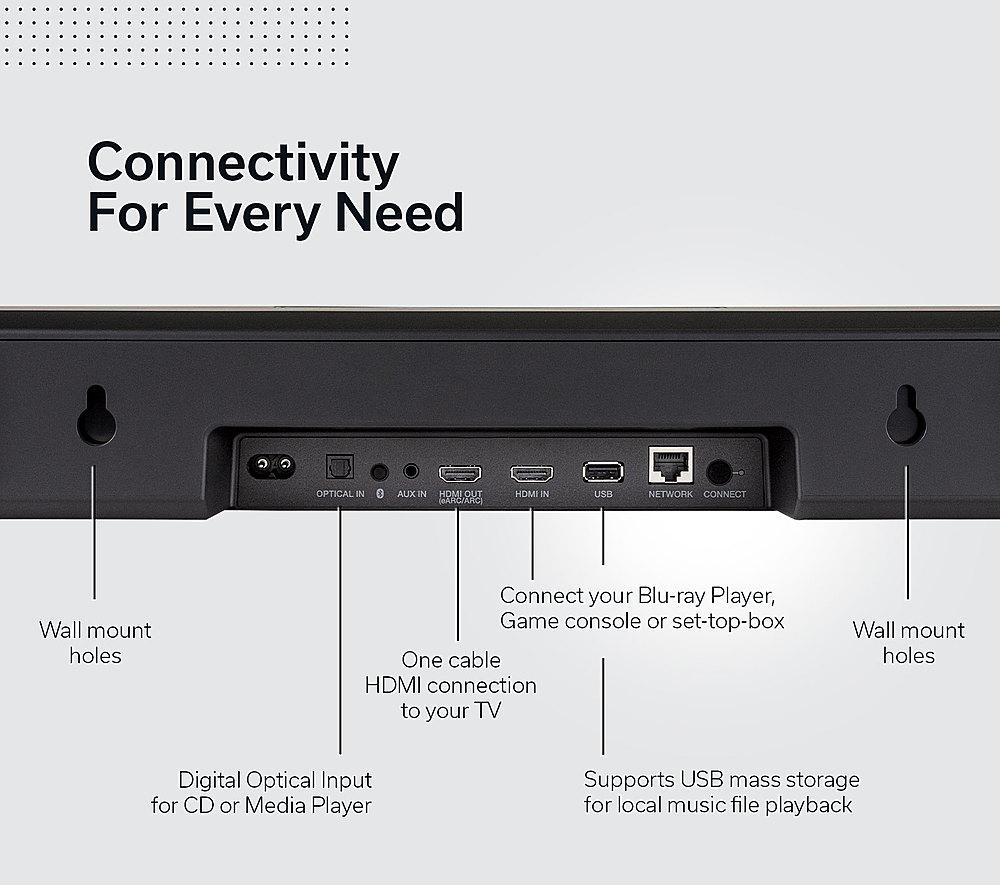
The Denon Home Sound Bar 550 provides more flexibility with two HDMI ports—one input and one eARC output—plus a 3.5mm analog input. This makes it easier to connect devices directly to the soundbar, which some people prefer for reducing TV complexity or working around compatibility issues.
For most modern setups where your TV acts as the central hub for streaming devices and game consoles, either approach works fine. But if you have older devices or prefer direct connections, the Denon offers more options.
This is where the Denon Home Sound Bar 550 pulls significantly ahead. Its built-in Amazon Alexa means you can control volume, switch inputs, and manage playback with voice commands. More importantly, it integrates with smart home systems from Control4, Crestron, and others, making it a natural fit for sophisticated home automation setups.
The HEOS multiroom platform is particularly compelling if you're interested in whole-home audio. You can group the soundbar with other HEOS speakers, play different music in different rooms, or have the same audio throughout your house. This flexibility transforms the Denon Home Sound Bar 550 from just a TV speaker into the foundation of a complete audio system.
The Sony HT-A8000 lacks built-in voice control, though it works with Alexa and Google Assistant through connected devices. It also doesn't offer the same multiroom capabilities, focusing instead on delivering the best possible single-room experience.
At the time of writing, these soundbars occupy different value propositions. The Sony HT-A8000 often represents exceptional value due to periodic significant discounts from its original retail price, making its advanced movie theater features accessible at a more moderate price point.
The Denon Home Sound Bar 550 typically commands a premium price, and when you factor in the near-necessity of adding its wireless subwoofer for full performance, the total system cost can approach high-end territory. However, this higher investment gets you capabilities the Sony can't match—specifically, the smart home integration and multiroom audio features.
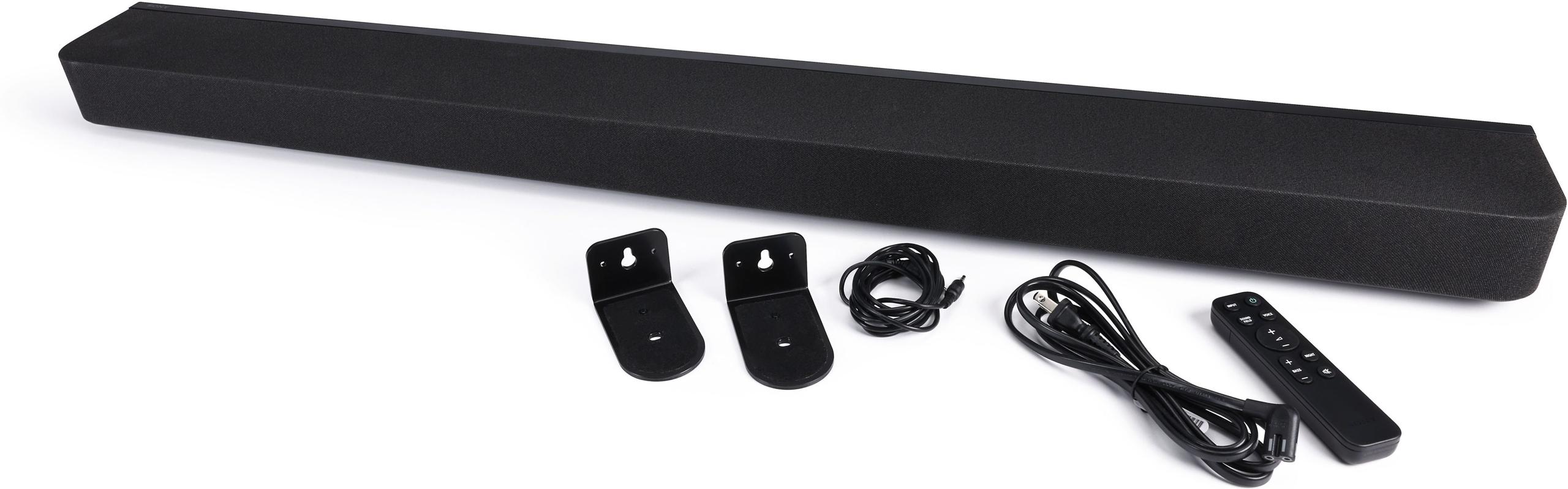
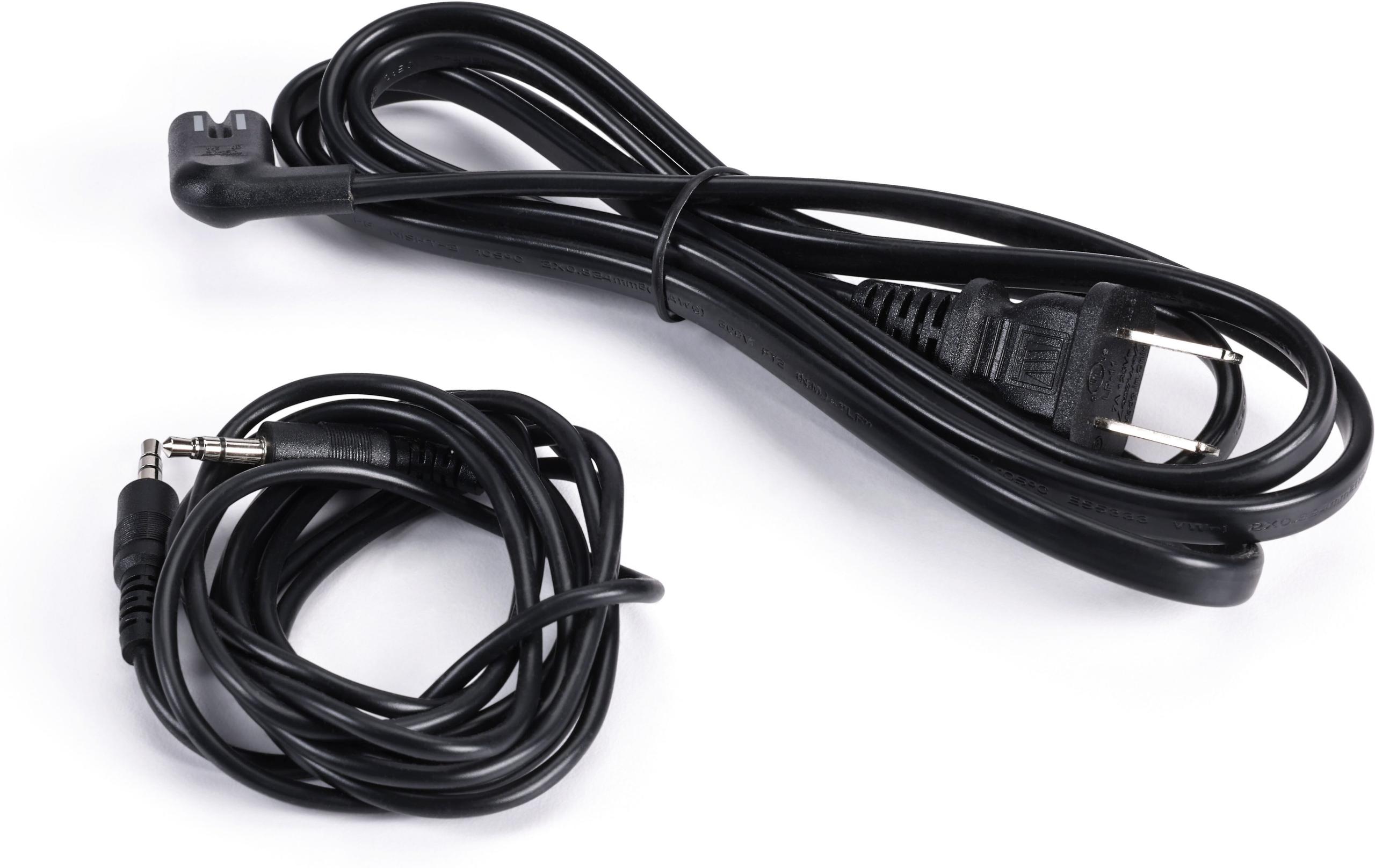
Both soundbars include the necessary cables and mounting hardware, though Sony also provides a dedicated center speaker mode cable for use with compatible TVs, while Denon includes both optical and analog connectivity options out of the box.
The warranty situation favors Denon, with three years of coverage compared to Sony's one-year warranty. For electronics that will likely live in your entertainment center for many years, this extended coverage provides valuable peace of mind.
For someone whose primary goal is creating an immersive movie-watching experience, the Sony HT-A8000 is the clear choice. Its 360 Spatial Sound Mapping technology, Voice Zoom 3 dialogue enhancement, and built-in bass response create a compelling cinema-like experience right out of the box. The current pricing makes this an exceptional value for anyone prioritizing movie and TV performance.
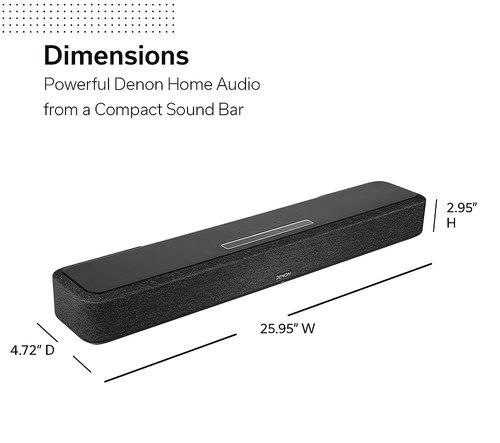
The soundbar works particularly well in medium-sized rooms where its spatial audio technology has enough space to create convincing effects but isn't overwhelmed by overly large dimensions. If you occasionally watch movies off-center from the TV, the Sony's room-filling approach maintains good audio quality from various seating positions.
If your soundbar needs to excel at music reproduction, the Denon Home Sound Bar 550 deserves serious consideration despite its higher total cost. Its clean, unprocessed stereo imaging reveals details in recordings that more heavily processed soundbars might obscure. Jazz, classical, and acoustic music particularly benefit from this approach.
The HEOS integration means your soundbar investment extends beyond just TV audio. You can start with the soundbar and gradually build a whole-home audio system, adding speakers in other rooms as budget allows. This flexibility makes the higher initial investment more justifiable for music-focused listeners.
For anyone building or maintaining a sophisticated smart home setup, the Denon Home Sound Bar 550 offers integration possibilities the Sony simply can't match. Built-in Alexa, compatibility with major automation systems, and the ability to coordinate with other HEOS devices make it a natural fit for tech-forward households.
The voice control extends beyond basic volume and playback commands to include smart home control, making your soundbar a natural hub for room-based automation routines.
Many people want a soundbar that handles both movies and music well while fitting into their existing setup without drama. In these mixed-use scenarios, the Sony HT-A8000 often provides the better overall experience because its movie-focused features don't significantly compromise music performance, while its built-in bass response eliminates the need for immediate additional purchases.
The single HDMI connection works well with modern TVs and streaming-focused setups, and the lack of built-in voice control isn't a dealbreaker if you already have smart speakers or use your TV's voice remote.
Both soundbars reflect their manufacturers' latest thinking as of their release years, but they approach future-proofing differently. The Sony HT-A8000, being the newer design, includes more advanced HDMI 2.1 features that better support next-generation gaming consoles and high-resolution video formats.
The Denon Home Sound Bar 550's strength lies in its software updatability and ecosystem approach. HEOS receives regular updates that add new streaming services and features, while the smart home integrations continue expanding. This means the soundbar's capabilities can grow over time rather than becoming static.
After extensive research into user experiences and expert evaluations, here's how we'd recommend approaching this choice:
Choose the Sony HT-A8000 if movies and TV shows represent most of your soundbar usage, you want excellent performance without additional purchases, you prefer straightforward setup and operation, and current pricing makes it an exceptional value in your market.
Choose the Denon Home Sound Bar 550 if music quality is your top priority, you want smart home integration and voice control, you're building or planning a multiroom audio system, and you're willing to invest in the companion subwoofer for complete performance.
The Sony HT-A8000 represents the better choice for most people simply because it delivers strong performance across all content types without requiring additional components. Its movie-focused features provide benefits that most users notice immediately, while its current pricing often makes it an exceptional value.
The Denon Home Sound Bar 550 serves a more specific audience—those who prioritize music reproduction and smart home features over raw movie theater impact. If that describes your priorities and you're comfortable with the higher total system cost, it's an excellent choice that will grow with your needs over time.
Both soundbars represent significant upgrades over basic models and budget options, but understanding their different strengths ensures you'll choose the one that best matches how you actually use your entertainment system.
| Sony HT-A8000 BRAVIA Theater Bar 8 Soundbar | Denon Home Sound Bar 550 Soundbar |
|---|---|
| Audio Configuration - Determines surround sound capability and movie immersion | |
| 11-speaker virtual 5.0.2 Dolby Atmos with dedicated height channels | 2.1-channel stereo focus with virtual surround processing |
| Bass Handling - Critical for action movies and full-range music | |
| Built-in quad woofers provide immediate bass impact | Requires separate wireless subwoofer for adequate bass response |
| Power Output - Affects volume and dynamic range | |
| 60W total system power | 53W total system power |
| Spatial Audio Technology - Key differentiator for movie theater experience | |
| 360 Spatial Sound Mapping with phantom speakers and room calibration | Standard Dolby Atmos/DTS:X virtualization without room mapping |
| Voice Enhancement - Important for dialogue clarity during action scenes | |
| Voice Zoom 3 AI that actively boosts speech when detected | Traditional dialogue enhancement with fixed frequency boost |
| Smart Home Integration - Matters for voice control and automation | |
| No built-in voice assistant (works through connected devices) | Built-in Amazon Alexa with comprehensive smart home control |
| Connectivity Options - Affects device compatibility and setup flexibility | |
| Single HDMI eARC port (requires TV hub approach) | Two HDMI ports plus analog inputs for direct connections |
| Multiroom Audio - Important for whole-home music distribution | |
| Basic wireless streaming only | Full HEOS ecosystem with multiroom synchronization |
| Release Year - Indicates latest technology and feature set | |
| 2024 (newest spatial audio processing) | 2021 (proven HEOS platform integration) |
| Warranty Coverage - Protection for long-term investment | |
| 1 year parts and labor | 3 years parts and labor |
| Ideal Use Case - Who should choose each soundbar | |
| Movie enthusiasts wanting immersive theater experience | Music lovers and smart home users prioritizing audio quality |
The Sony HT-A8000 BRAVIA Theater Bar 8 Soundbar is significantly better for movies due to its 360 Spatial Sound Mapping technology and 11-speaker configuration that creates convincing Dolby Atmos surround effects. The Denon Home Sound Bar 550 focuses more on stereo music reproduction and lacks the dedicated height channels needed for immersive movie experiences.
The Sony HT-A8000 includes built-in quad woofers that provide substantial bass right out of the box, though you can add an optional subwoofer later. The Denon Home Sound Bar 550 essentially requires its companion wireless subwoofer for adequate bass response, especially for movies and bass-heavy music.
The Denon Home Sound Bar 550 Soundbar excels at music with its clean, accurate stereo imaging and minimal audio processing that preserves the natural sound of recordings. While the Sony HT-A8000 handles music well, its movie-focused processing can make music sound slightly artificial compared to the Denon's purist approach.
The Denon Home Sound Bar 550 includes built-in Amazon Alexa for direct voice control of volume, inputs, and smart home functions. The Sony HT-A8000 BRAVIA Theater Bar 8 Soundbar doesn't have built-in voice control but works with Alexa and Google Assistant through connected devices like your TV or smart speakers.
The Sony HT-A8000 typically offers better value because it delivers premium surround sound features with built-in bass at a lower total cost. The Denon Home Sound Bar 550 requires additional investment in a subwoofer to reach full performance, making the complete system more expensive despite offering different strengths.
The Sony HT-A8000 has one HDMI eARC port, assuming you'll connect devices to your TV and send audio through the TV. The Denon Home Sound Bar 550 Soundbar provides more flexibility with two HDMI ports (one input plus eARC output) and additional analog inputs for direct device connections.
The Denon Home Sound Bar 550 excels here with its built-in HEOS platform that enables whole-home audio distribution and synchronization with other HEOS speakers. The Sony HT-A8000 BRAVIA Theater Bar 8 Soundbar focuses on single-room performance and doesn't offer true multiroom capabilities.
The Sony HT-A8000 is generally easier to set up with its single HDMI connection and automatic room calibration features. The Denon Home Sound Bar 550 offers more connectivity options but requires the HEOS app for optimal configuration and benefits from adding the wireless subwoofer for complete setup.
The Sony HT-A8000 uses Voice Zoom 3 AI technology that actively detects and boosts dialogue when it might get lost in complex audio scenes. The Denon Home Sound Bar 550 Soundbar uses traditional dialogue enhancement that applies consistent frequency boosts but isn't as adaptive to changing audio conditions.
The Sony HT-A8000 BRAVIA Theater Bar 8 Soundbar handles larger rooms better with its 360 Spatial Sound Mapping that bounces audio off walls and ceiling to fill the space. The Denon Home Sound Bar 550 has more focused stereo presentation that works best in smaller to medium-sized rooms.
The Denon Home Sound Bar 550 offers superior warranty protection with 3 years of parts and labor coverage. The Sony HT-A8000 provides standard 1-year warranty coverage, which is typical for consumer electronics but shorter than Denon's extended protection.
Choose the Sony HT-A8000 BRAVIA Theater Bar 8 Soundbar if movies are your priority and you want immediate surround sound impact with expansion options later. Select the Denon Home Sound Bar 550 Soundbar if you value music quality, smart home integration, and plan to build a multiroom audio system over time.
We've done our best to create useful and informative comparisons to help you decide what product to buy. Our research uses advanced automated methods to create this comparison and perfection is not possible - please contact us for corrections or questions. These are the sites we've researched in the creation of this article: consumerreports.org - skybygramophone.com - target.com - rtings.com - bestbuy.com - rubbermonkey.co.nz - shopatsc.com - audioadvice.com - sony.com - sony.com - sony.com - shop.cosmopolitan.com - store.sony.com.my - videoandaudiocenter.com - consumerreports.org - soundandvision.com - crutchfield.com - rtings.com - crutchfield.com - gzhls.at - denon.com - walmart.com - youtube.com - whathifi.com - bestbuy.com

Privacy Policy
Terms and Conditions - Affiliate Policy
Home Security
© Copyright 2008-2026.
11816 Inwood Rd #1211, Dallas, TX 75244