






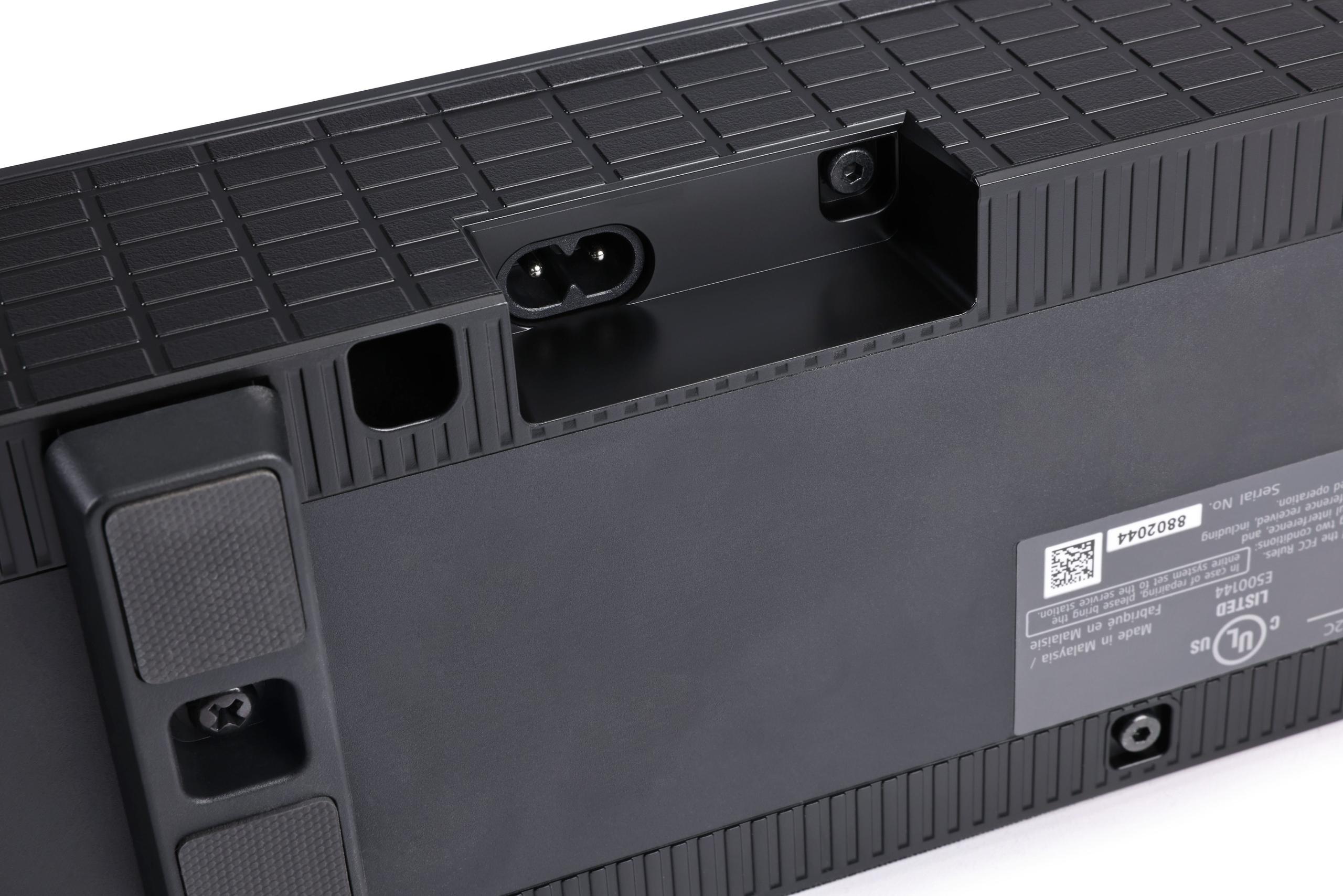
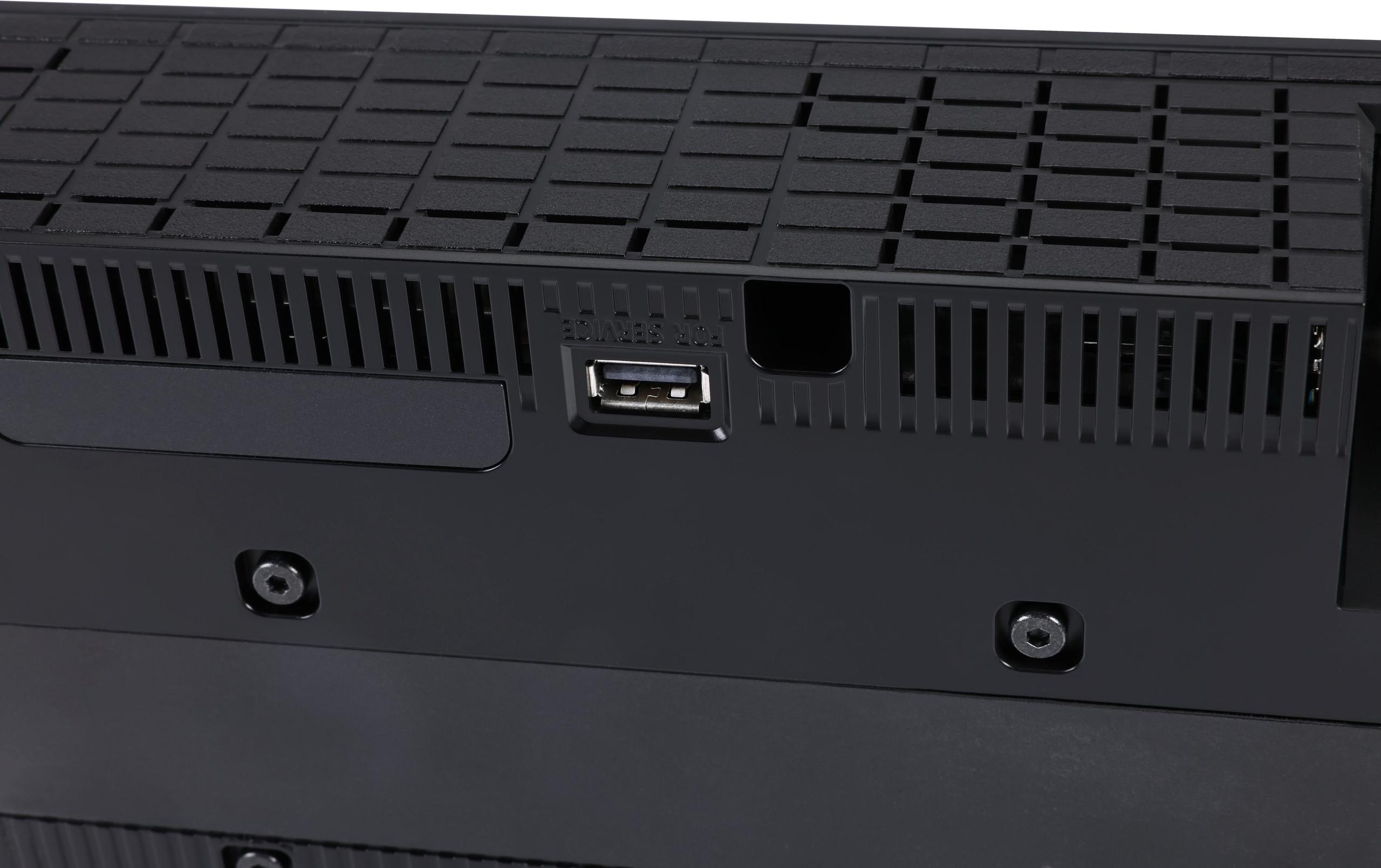


If you've been struggling to hear dialogue clearly over your TV's built-in speakers or want to feel the rumble of movie explosions, you're probably ready to upgrade to a premium soundbar. But with dozens of options claiming to deliver "cinema-quality" sound, choosing the right one can feel overwhelming. Today we're comparing two popular approaches to premium home audio: the Sony HT-A8000 and the JBL Bar 700.
These soundbars represent fundamentally different philosophies. Sony's approach focuses on sophisticated audio processing packed into a sleek single unit, while JBL delivers a complete surround system with physical speakers placed around your room. Understanding these differences is crucial for making the right choice for your space and budget.
Before diving into specifics, let's establish what separates premium soundbars from basic models. The key factors that matter most are sound quality across different frequencies, spatial audio capabilities (how well they create that surround sound experience), dialogue clarity, and how well they adapt to your specific room.
Premium soundbars also need to handle the technical demands of modern entertainment. They should support Dolby Atmos (a technology that adds height to surround sound by bouncing audio off your ceiling), pass through 4K HDR video signals without degrading picture quality, and integrate seamlessly with your existing TV and streaming setup.
The most important performance characteristics to evaluate are bass response (how deep and powerful low frequencies sound), dialogue intelligibility (can you clearly hear what characters are saying during action scenes), soundstage width (how spread out the audio feels), and dynamic range (the difference between quiet and loud sounds). These elements determine whether you'll feel immersed in your content or just notice louder, slightly better TV audio.
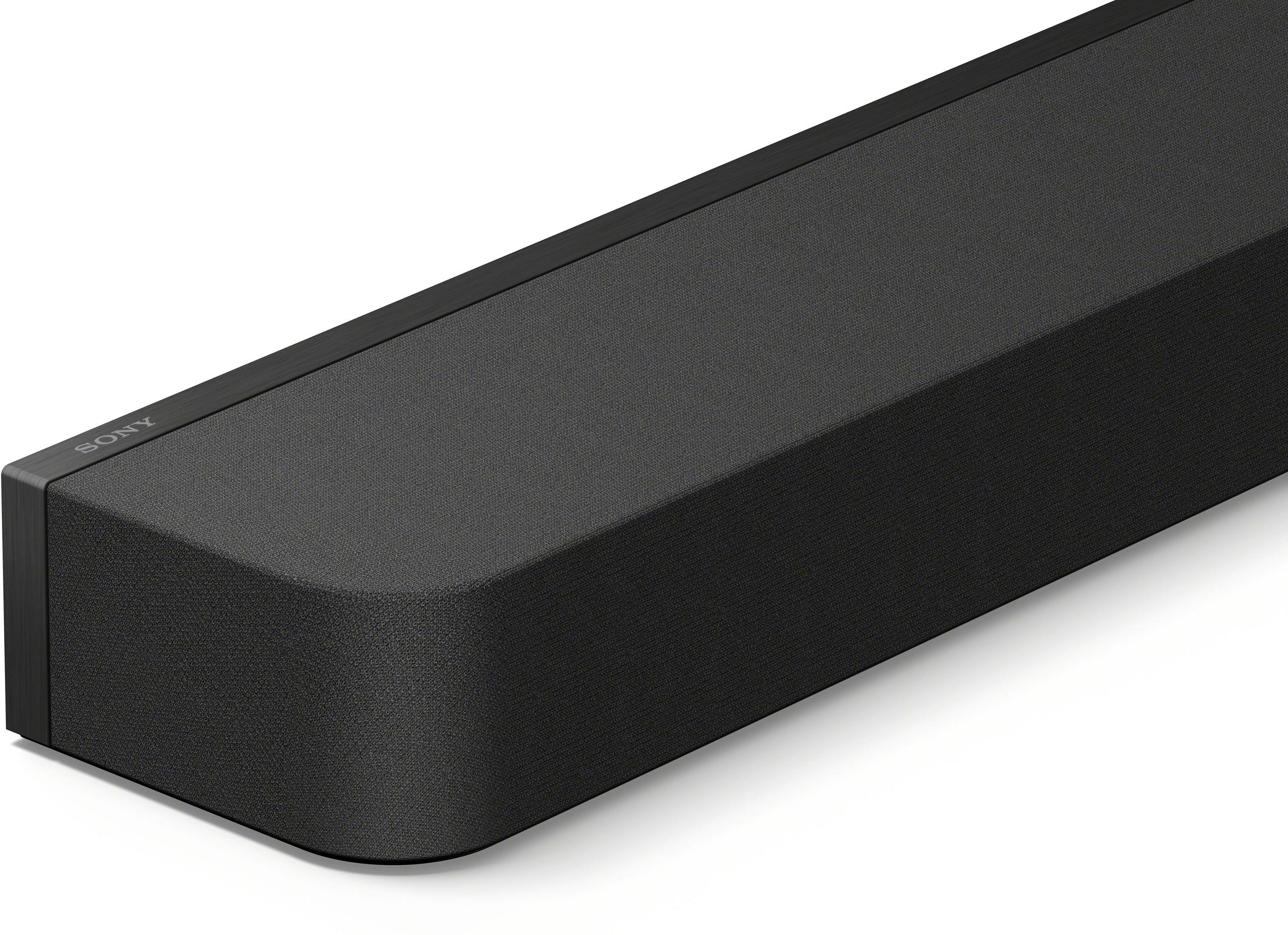
The Sony HT-A8000 launched in 2021 as part of Sony's premium BRAVIA Theater lineup, representing Sony's push into high-end single-unit soundbars. At the time of writing, it's positioned in the upper-mid range price tier, typically costing several hundred dollars less than Sony's flagship models but more than entry-level options.
The JBL Bar 700 arrived more recently as JBL's answer to the growing demand for convenient surround sound systems. It's priced slightly higher than the Sony HT-A8000 at the time of writing, but includes components that would cost extra with the Sony system.
Since these products launched, we've seen significant improvements in audio processing algorithms, wireless connectivity stability, and integration with streaming services. Both manufacturers have released firmware updates that enhance performance, though the core hardware capabilities remain unchanged.
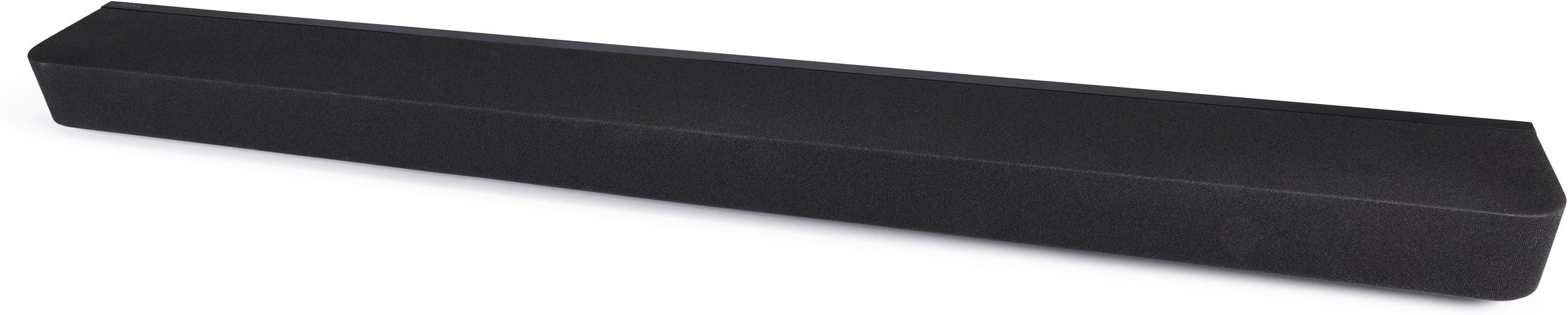
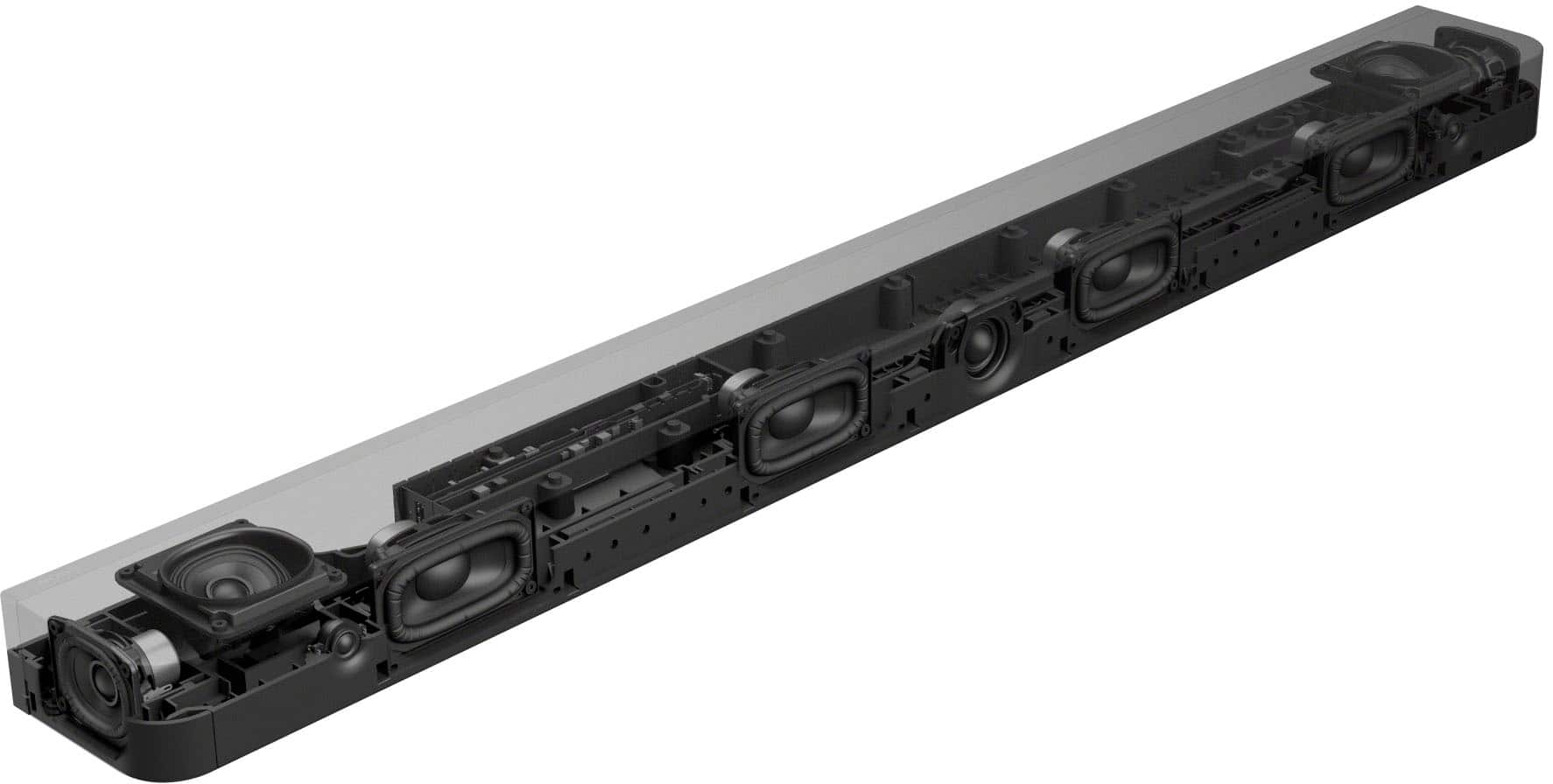
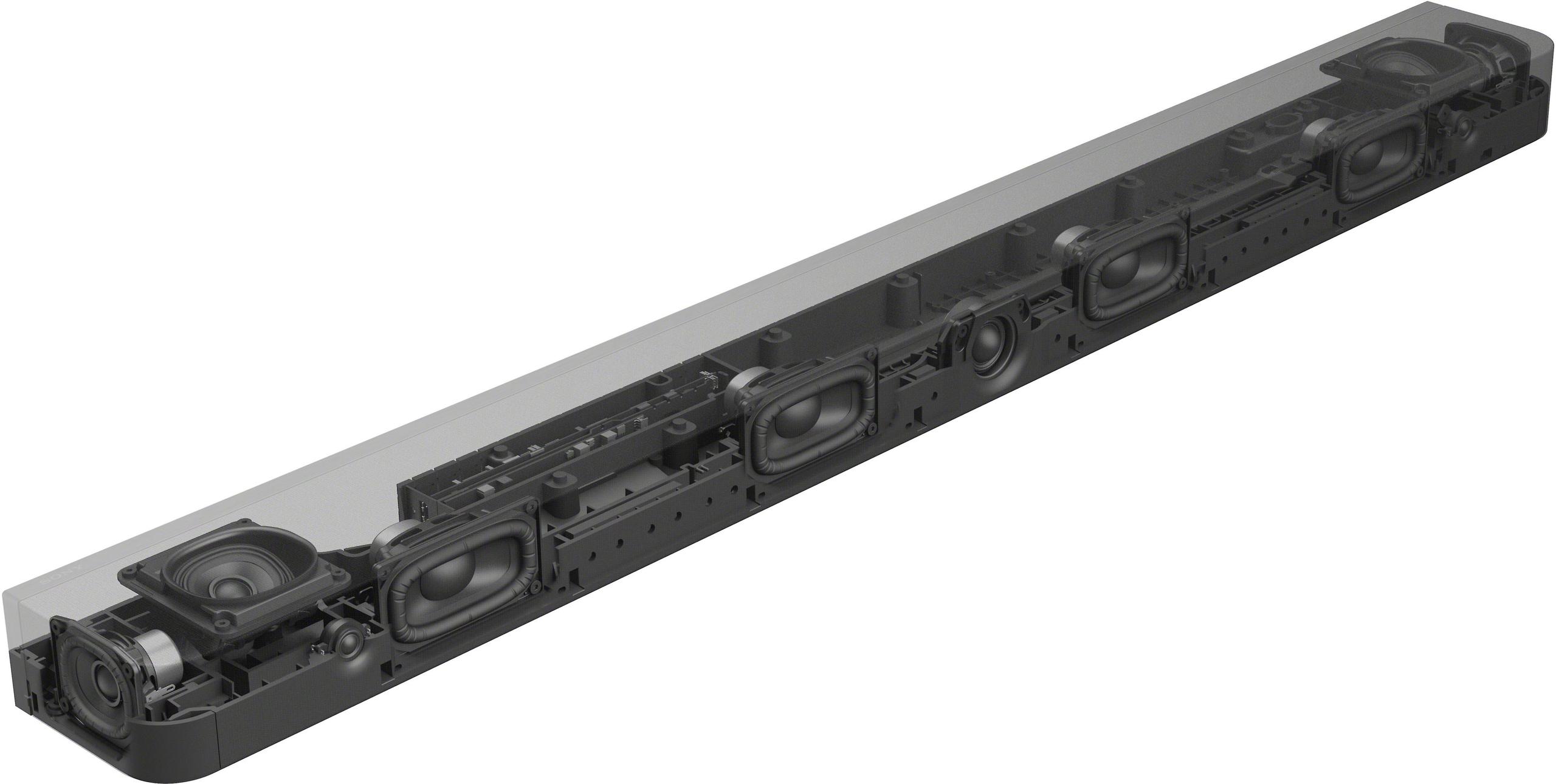
The Sony HT-A8000 houses 11 individual speaker drivers within its sleek bar. This isn't just marketing fluff – those drivers are strategically positioned to create what Sony calls "360 Spatial Sound Mapping." The technology uses sophisticated digital signal processing (DSP) to create phantom speakers – audio that appears to come from locations where no physical speakers exist.
Here's how it works: dedicated up-firing drivers bounce sound off your ceiling to create height effects, while side-firing speakers reflect audio off your walls to widen the soundstage. The result is remarkably convincing virtual surround sound from a single unit. Sony's Voice Zoom 3 technology uses AI to analyze audio in real-time, identifying and amplifying dialogue even during explosive action sequences.
Based on extensive user feedback and professional reviews, the Sony HT-A8000 excels at creating an expansive soundstage that makes your living room feel much larger than it actually is. The phantom speaker effect is particularly impressive with well-mixed Dolby Atmos content, where helicopters genuinely seem to fly overhead and rainfall appears to surround you.
However, physics still matters. The compact form factor limits bass extension, and while the quad woofers deliver decent mid-bass punch, you won't feel deep sub-bass frequencies without adding Sony's optional wireless subwoofer (which significantly increases the total system cost).
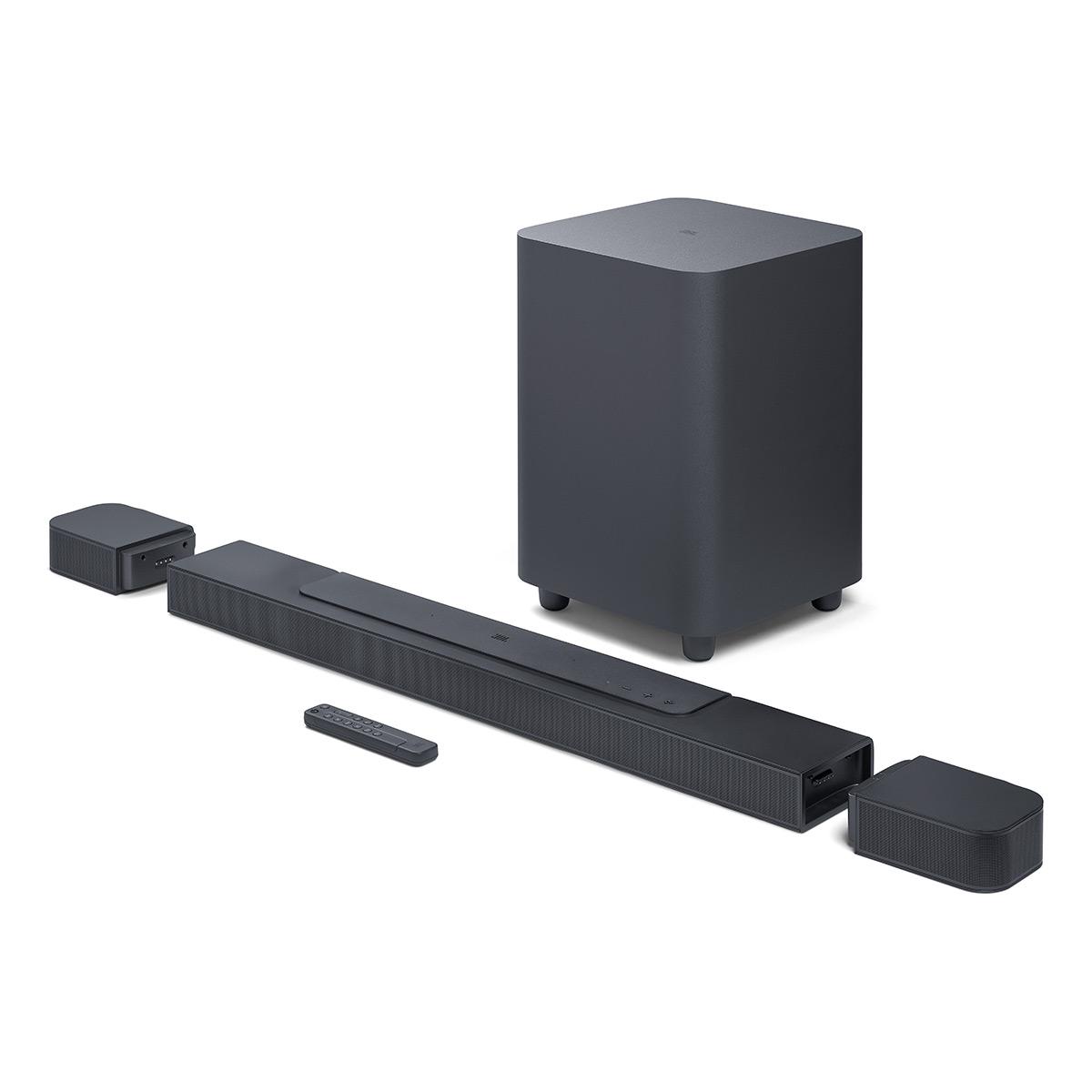
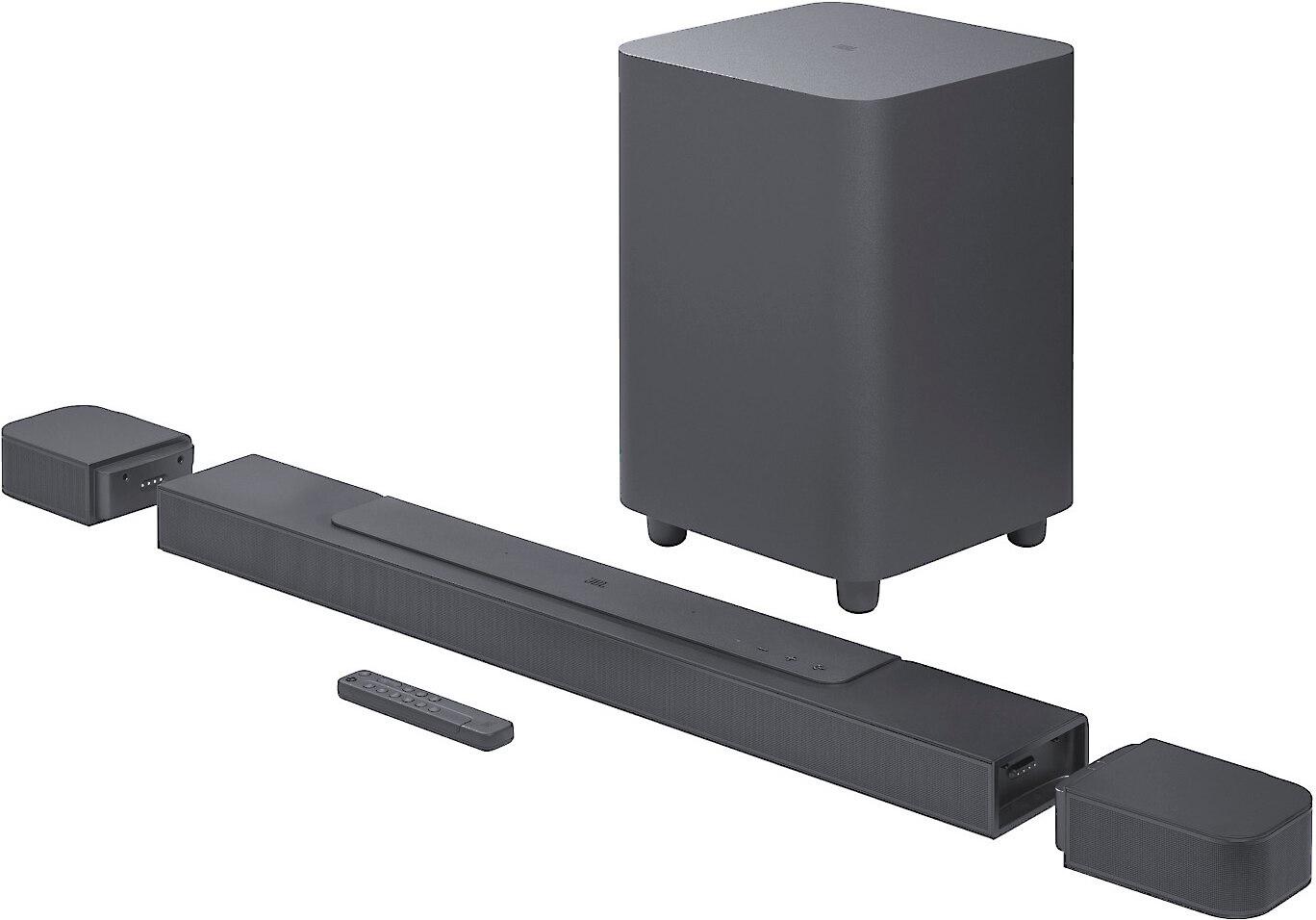
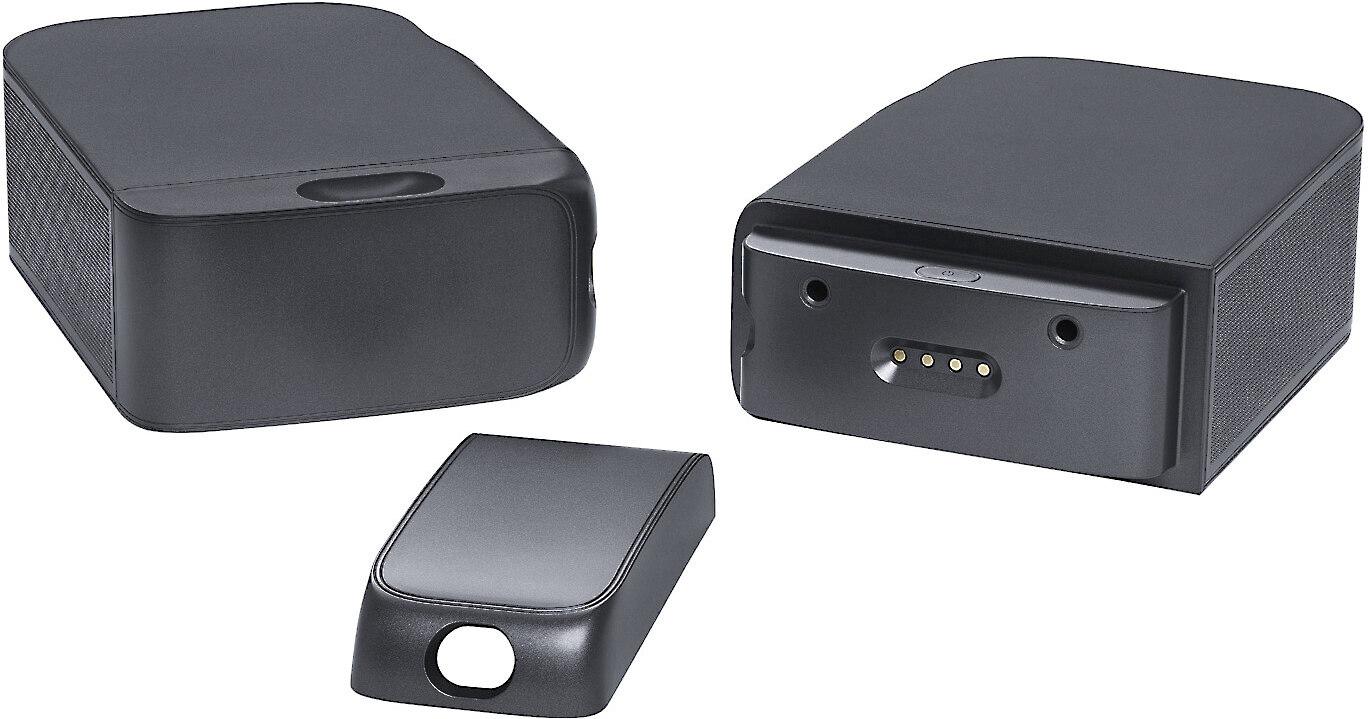
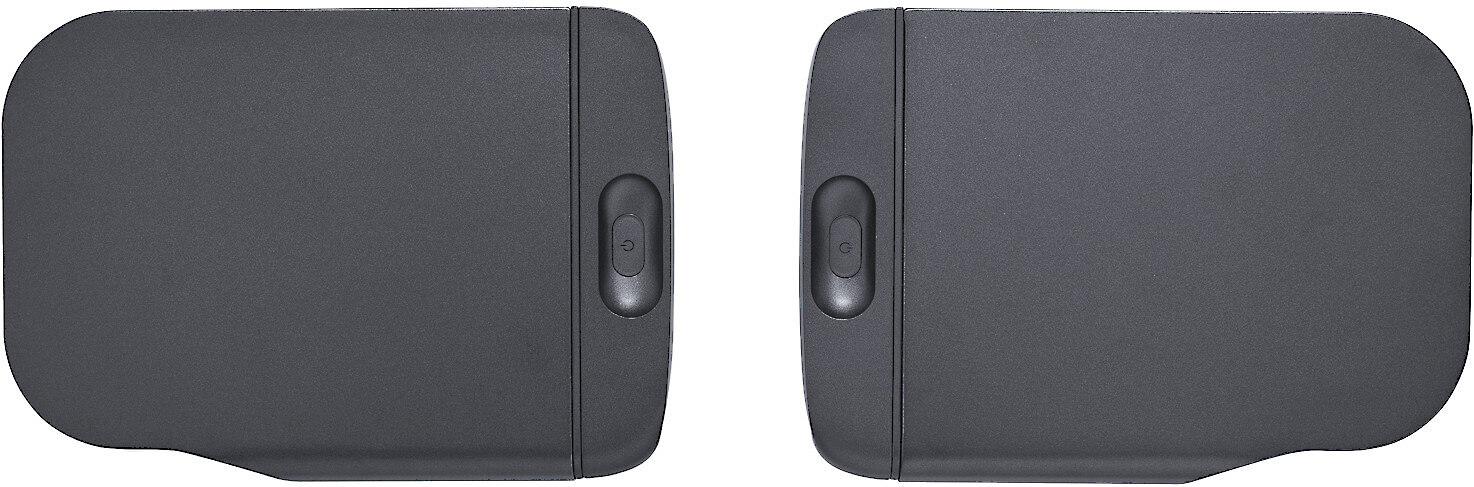
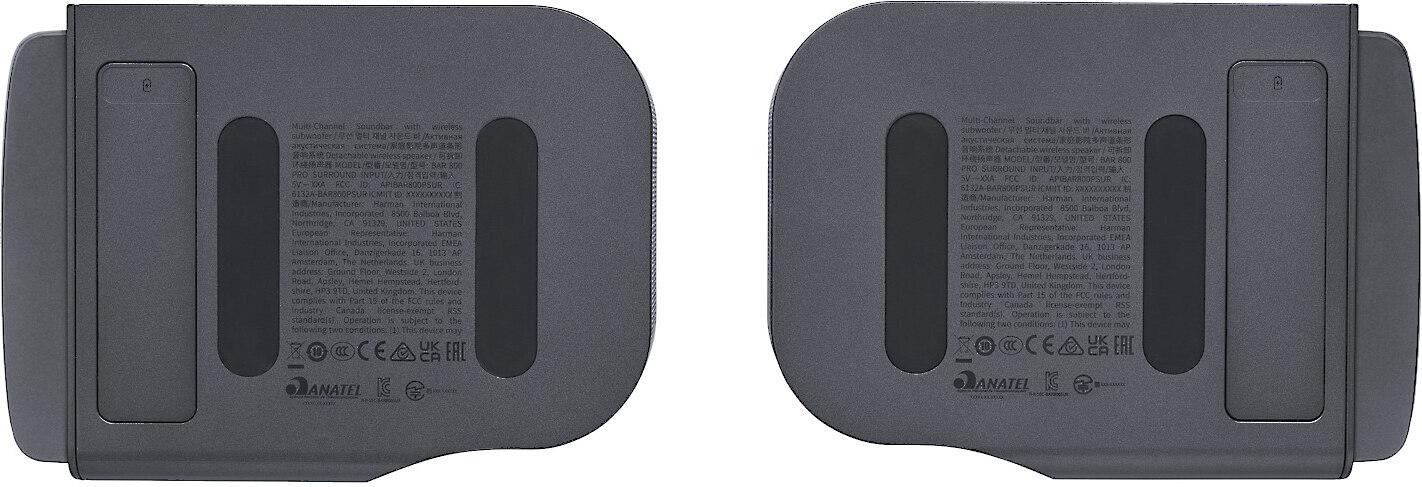
The JBL Bar 700 takes a completely different approach. Rather than relying entirely on audio processing tricks, it includes actual surround speakers that detach from the main soundbar. These battery-powered units can be placed behind your seating area, creating true rear-channel effects without running wires across your room.
The system's 620 watts of total power is distributed across dedicated components: the main soundbar handles front channels and dialogue, the 10-inch wireless subwoofer delivers deep bass down to 35Hz, and the detachable surround speakers provide genuine rear-channel effects. This physical separation creates more convincing directional audio than even the most sophisticated virtual processing.
From our research into user experiences, the JBL Bar 700 immediately delivers that "wow factor" that many people expect from a surround sound upgrade. The included subwoofer provides the chest-thumping bass that makes action movies feel visceral, while the rear speakers create genuine behind-you effects that enhance immersion in movies and games.
The trade-off is convenience and aesthetics. While the battery-powered rear speakers eliminate permanent wiring, you still need to remember to return them to the soundbar for charging after about 10 hours of use. The system also has a larger visual footprint in your room.
Bass response reveals the most significant performance gap between these systems. The Sony HT-A8000 produces respectable mid-bass that adds warmth to music and moderate impact to movie soundtracks, but it simply cannot reproduce the deep low frequencies that make explosions feel powerful or electronic music pulse with energy.
Sony designed the system with expandability in mind – adding their SA-SW3 or SA-SW5 subwoofer transforms bass performance completely. However, this addition significantly increases the total system cost, potentially doubling your investment by the time of writing.
The JBL Bar 700 includes that crucial bass component from day one. The 10-inch subwoofer with 300 watts of dedicated power delivers the kind of low-end response that makes you feel the action. This isn't just about volume – it's about reproducing the full frequency spectrum that makes movie soundtracks and music sound complete.
For home theater use specifically, this bass difference is often decisive. Movies are mixed with the expectation that full-range audio systems will reproduce deep bass effects. Without proper low-end response, you're missing a significant portion of the intended experience.
Both systems support Dolby Atmos, but they achieve the height and surround effects differently. The Sony HT-A8000 relies on psychoacoustic processing – essentially tricking your brain into perceiving sounds coming from locations where no speakers exist. When this works well (and it often does), the effect is remarkably convincing.
Sony's Sound Field Optimization automatically measures your room using built-in microphones and adjusts the audio processing accordingly. This calibration process helps the phantom speaker effects work more convincingly in different room layouts and sizes.
The JBL Bar 700 creates surround effects through actual speaker placement. While it still uses processing for height effects (bouncing sound off the ceiling), the rear channels come from physical speakers behind your listening position. This creates more convincing directional audio, especially for panning effects where sounds move from front to back.
For smaller rooms or apartments where placing rear speakers isn't practical, Sony's virtual approach often provides better results. The phantom speaker technology works best when you're seated in the optimal listening position, typically centered in front of the soundbar.
Larger rooms benefit more from JBL's physical separation approach. When rear speakers can be properly positioned, the improved directional audio and soundstage width create a more convincing surround experience.
Both systems prioritize dialogue clarity, but they use different technologies. Sony's Voice Zoom 3 uses AI processing to identify and enhance human speech in real-time. This technology adapts to different content types automatically – it recognizes when characters are speaking and can boost their voices without affecting music or sound effects levels.
JBL's PureVoice technology uses algorithmic optimization to ensure dialogue remains clear even during complex audio passages. While less sophisticated than Sony's AI approach, it's effective for most content types.
Based on user feedback, both systems significantly improve dialogue intelligibility compared to TV speakers. The Sony HT-A8000 tends to excel with challenging content like British accents or mumbled dialogue, while the JBL Bar 700 provides more consistent results across different volume levels.
The Sony HT-A8000 excels in smaller to medium-sized rooms where its phantom speaker technology can work most effectively. Its slim profile works well mounted under wall-mounted TVs or sitting on TV stands without dominating the visual space. The automatic calibration adapts reasonably well to different room layouts.
For Sony TV owners, integration goes deeper. The Acoustic Center Sync feature allows compatible BRAVIA TVs to work as an additional center channel speaker, creating more convincing on-screen dialogue placement. Menu controls also appear directly on your TV screen, streamlining the user experience.
The JBL Bar 700 offers more placement flexibility due to its component-based design. The wireless subwoofer can be positioned wherever it sounds best (often in a corner or along a wall), while the detachable rear speakers can adapt to different room layouts or even move to other rooms for parties or gatherings.
This flexibility comes with complexity. You need to manage battery life for the rear speakers and find optimal placement for three separate components rather than one sleek unit.
At the time of writing, these systems represent different value approaches. The Sony HT-A8000 offers a lower entry price but potentially higher long-term costs if you want full-range sound. Adding Sony's subwoofer and rear speakers can nearly triple the initial investment.
However, this modular approach allows gradual upgrades as budget permits. You might start with just the soundbar, add a subwoofer later for better bass, then eventually include rear speakers for full surround sound.
The JBL Bar 700 costs more initially but includes everything needed for a complete surround experience. There are no upgrade paths – what you purchase is the complete system. For many buyers, this represents better immediate value since you're not tempted or pressured to make additional purchases.
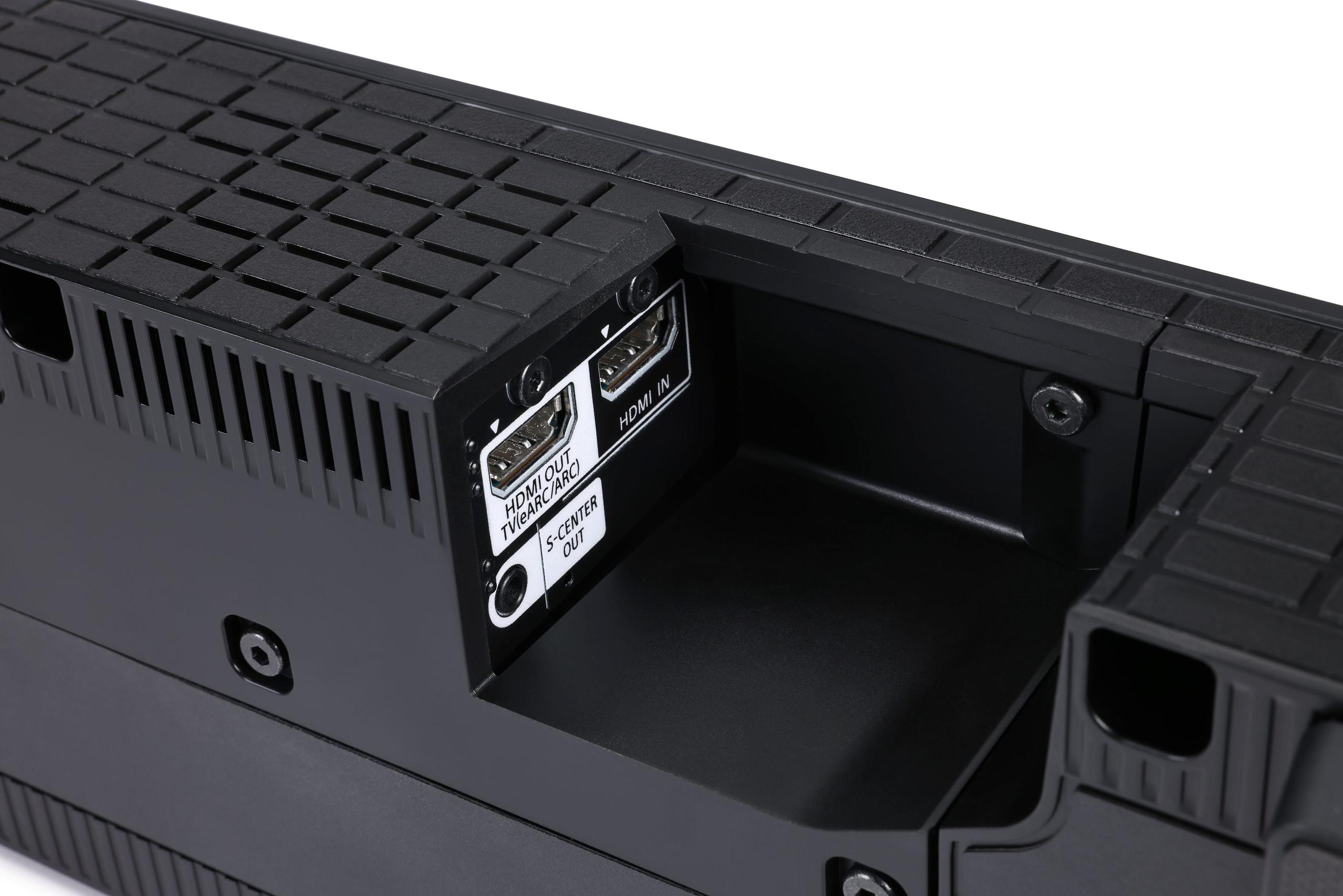
Both systems handle modern technical requirements well. They support 4K HDR passthrough, ensuring your video signals aren't degraded when connecting sources through the soundbar. They both include HDMI eARC (enhanced Audio Return Channel) for high-quality audio from your TV's built-in apps.
Wireless connectivity is solid on both systems. The Sony HT-A8000 integrates well with Sony's ecosystem and supports various streaming protocols. The JBL Bar 700 includes built-in Chromecast, AirPlay, and Alexa Multi-Room Music support.
Setup complexity differs significantly. The Sony HT-A8000 requires essentially no setup beyond connecting one HDMI cable and plugging in power. The JBL Bar 700 involves positioning three components and ensuring the rear speakers are charged and properly paired.
The decision often comes down to your priorities, space, and usage patterns. Choose the Sony HT-A8000 if you value sleek aesthetics, have limited space, prioritize advanced dialogue processing, or want the flexibility to expand gradually. It's particularly compelling for Sony TV owners who can take advantage of deeper integration features.
The sophisticated audio processing genuinely creates impressive virtual surround effects, especially in smaller to medium-sized rooms. If you primarily watch dialogue-heavy content like dramas or comedies, Sony's AI-enhanced voice clarity provides noticeable benefits.
Choose the JBL Bar 700 if you want immediate surround sound impact, have a larger room that benefits from physical speaker separation, or prioritize powerful bass response. The complete system approach means you're not constantly wondering if you're missing something by not adding additional components.
The battery-powered rear speakers are genuinely innovative – they solve the age-old problem of getting surround sound without running wires across your room. For renters or people who frequently rearrange furniture, this flexibility is invaluable.
Based on extensive research into user experiences and professional evaluations, both systems succeed in their intended approaches. The Sony HT-A8000 represents the pinnacle of single-unit soundbar design, using sophisticated processing to overcome physical limitations. It's ideal for users who prioritize aesthetics, have space constraints, or want gradual upgrade flexibility.
The JBL Bar 700 delivers more immediate satisfaction for surround sound enthusiasts. The complete system approach with innovative wireless rear speakers provides genuine surround effects and powerful bass response right out of the box.
For most people upgrading from TV speakers, either system will provide a transformative experience. The choice depends more on your specific situation than on absolute performance superiority. Consider your room size, aesthetic preferences, budget approach (immediate full investment vs. gradual expansion), and how much you value convenience versus ultimate performance flexibility.
Both represent solid investments in your home entertainment experience, just with different strengths that appeal to different priorities and usage patterns.
| Sony HT-A8000 BRAVIA Theater Bar 8 Soundbar | JBL Bar 700 Dolby Atmos 5.1 Soundbar with Subwoofer |
|---|---|
| System Configuration - Determines what components you get and setup complexity | |
| 5.0.2 channel all-in-one soundbar with 11 speaker units | Complete 5.1 system with detachable rear speakers and wireless subwoofer |
| Total Power Output - Affects maximum volume and dynamic range | |
| Not specified (estimated ~400W based on amplifier specs) | 620W across all components |
| Bass Performance - Critical for movies and music impact | |
| Limited deep bass; requires optional subwoofer purchase | Included 10" wireless subwoofer with 300W power |
| Surround Sound Approach - How you get that theater experience | |
| Virtual surround using 360 Spatial Sound Mapping and phantom speakers | True surround with physical detachable battery-powered rear speakers |
| Rear Speaker Solution - Key differentiator for placement flexibility | |
| Optional wired rear speakers (SA-RS3R/RS5) sold separately | Battery-powered detachable speakers with 10-hour runtime |
| Dialogue Enhancement - Important for speech clarity | |
| Voice Zoom 3 with AI-powered voice recognition | PureVoice algorithmic dialogue optimization |
| Room Calibration - Ensures optimal sound for your space | |
| Sound Field Optimization with automatic room analysis | Easy Sound Calibration via embedded microphone |
| Physical Footprint - Space requirements in your room | |
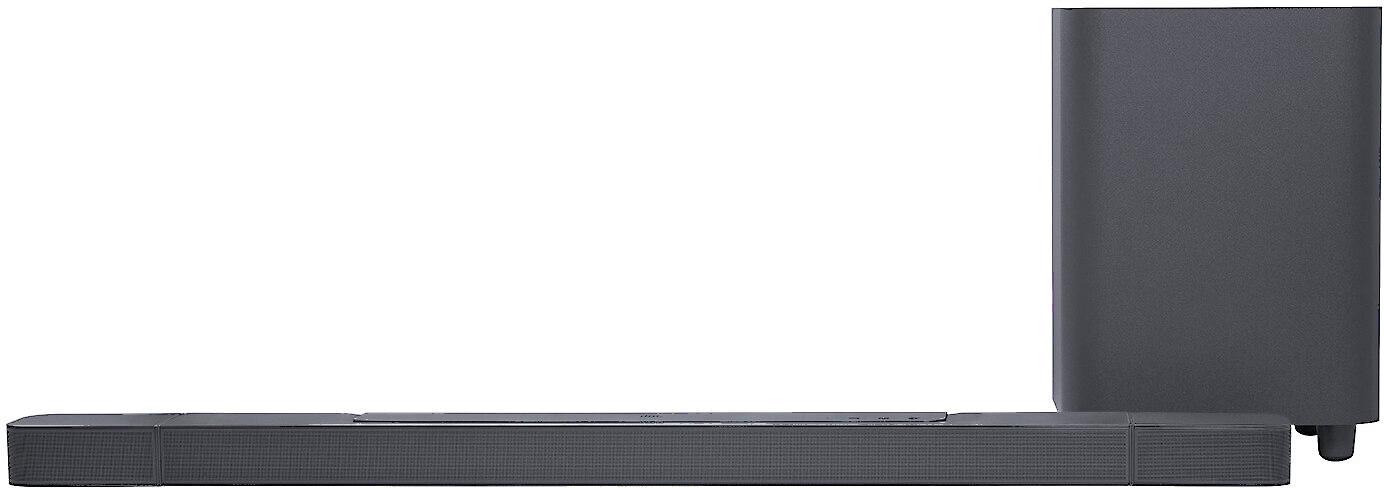
| Single 43" soundbar only (compact and minimal) | Main bar + subwoofer + two rear speakers (larger presence) |
| Expandability Options - Future upgrade potential | |
| Can add SA-SW3/SW5 subwoofer and SA-RS3R/RS5 rear speakers | Fixed system - no upgrade or expansion options |
| Sony TV Integration - Enhanced features for Sony owners | |
| Acoustic Center Sync with compatible BRAVIA TVs | Standard HDMI integration with all TV brands |
| Streaming Connectivity - Built-in music services | |
| Spotify Connect, AirPlay, Bluetooth 5.2 | Chromecast built-in, AirPlay, Alexa Multi-Room, Bluetooth 5.0 |
| HDMI Features - Video passthrough capabilities | |
| HDMI 2.1 eARC with 4K/8K HDR, Dolby Vision support | HDMI eARC with 4K HDR10, Dolby Vision passthrough |
| Setup Complexity - Time and effort to get running | |
| Plug-and-play single unit setup | Multi-component placement and battery management required |
The Sony HT-A8000 is ideal for small apartments because it's a single sleek unit that doesn't require multiple components spread around your room. Its 360 Spatial Sound Mapping technology creates impressive virtual surround sound without needing physical rear speakers, making it perfect for tight spaces where you can't place speakers behind your seating area.
Yes, the JBL Bar 700 includes a 10-inch wireless subwoofer right in the box. This gives you powerful bass immediately without additional purchases. In contrast, the Sony HT-A8000 requires you to buy a separate subwoofer if you want deep bass performance.
Both soundbars excel at dialogue, but they use different approaches. The Sony HT-A8000 features Voice Zoom 3 with AI-powered voice recognition that automatically identifies and enhances speech. The JBL Bar 700 uses PureVoice technology for clear dialogue. Most users find both systems significantly improve speech clarity over TV speakers.
The JBL Bar 700 comes with detachable battery-powered rear speakers included, giving you true surround sound out of the box. The Sony HT-A8000 can be expanded with optional rear speakers (SA-RS3R or SA-RS5), but these must be purchased separately and add significant cost to the system.
The JBL Bar 700 works better in large rooms because its physical rear speakers and separate subwoofer can fill bigger spaces more effectively. The wireless subwoofer can be positioned optimally anywhere in the room, while the detachable rear speakers provide genuine surround effects that aren't limited by room acoustics like virtual processing.
Yes, both the Sony HT-A8000 and JBL Bar 700 support Dolby Atmos for immersive 3D audio. The Sony HT-A8000 creates height effects through sophisticated processing and ceiling reflections, while the JBL Bar 700 combines processing with physical speaker separation for surround effects.
The Sony HT-A8000 is much easier to set up - just connect one HDMI cable and plug it in. The JBL Bar 700 requires positioning three separate components (soundbar, subwoofer, and rear speakers), managing battery charging for the rear speakers, and ensuring all components are properly paired.
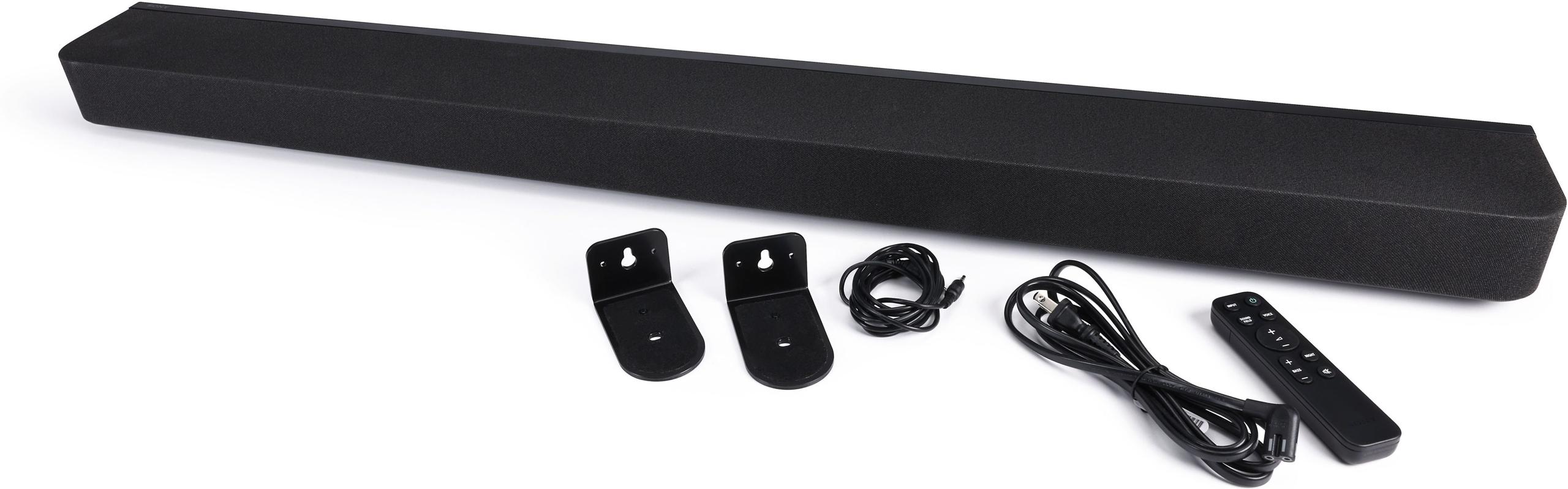
Yes, both soundbars can be wall mounted. The Sony HT-A8000 includes a wall mounting bracket and template in the box. The JBL Bar 700 can also be wall mounted, but you'll still need floor space for the wireless subwoofer and placement areas for the detachable rear speakers.
The JBL Bar 700 works equally well with all TV brands through standard HDMI connections. While the Sony HT-A8000 also works with any TV, Sony TV owners get additional benefits like Acoustic Center Sync, which allows the TV speakers to work together with the soundbar for enhanced dialogue placement.
The detachable rear speakers on the JBL Bar 700 provide up to 10 hours of battery life. They automatically charge when connected to the main soundbar, so you can easily dock them after use. This wireless design eliminates the need for power outlets near your rear seating area.
The JBL Bar 700 typically offers better immediate value since it includes everything needed for a complete surround sound system - subwoofer and rear speakers included. The Sony HT-A8000 has a lower entry cost but can become significantly more expensive if you add the optional subwoofer and rear speakers later.
No, the JBL Bar 700 is a fixed system with no expansion options - what you buy is the complete setup. The Sony HT-A8000 offers more flexibility, allowing you to start with just the soundbar and gradually add a subwoofer and rear speakers as your budget allows, though this modular approach can result in higher total costs.
We've done our best to create useful and informative comparisons to help you decide what product to buy. Our research uses advanced automated methods to create this comparison and perfection is not possible - please contact us for corrections or questions. These are the sites we've researched in the creation of this article: consumerreports.org - skybygramophone.com - target.com - rtings.com - bestbuy.com - rubbermonkey.co.nz - shopatsc.com - audioadvice.com - sony.com - sony.com - sony.com - shop.cosmopolitan.com - store.sony.com.my - videoandaudiocenter.com - crutchfield.com - harmanaudio.com - target.com - jbl.com - walmart.com - dell.com - jbl.com

Privacy Policy
Terms and Conditions - Affiliate Policy
Home Security
© Copyright 2008-2026.
11816 Inwood Rd #1211, Dallas, TX 75244