


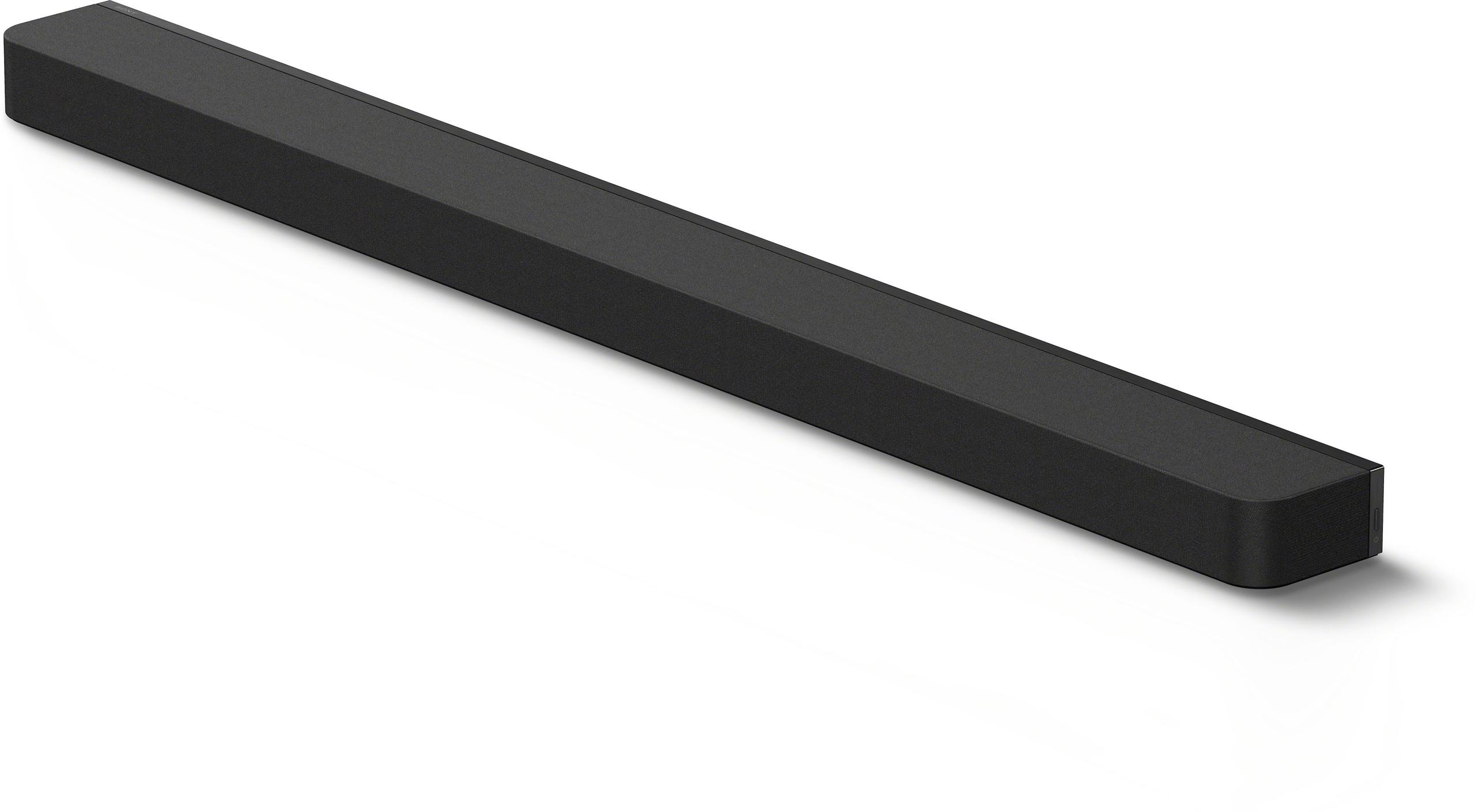


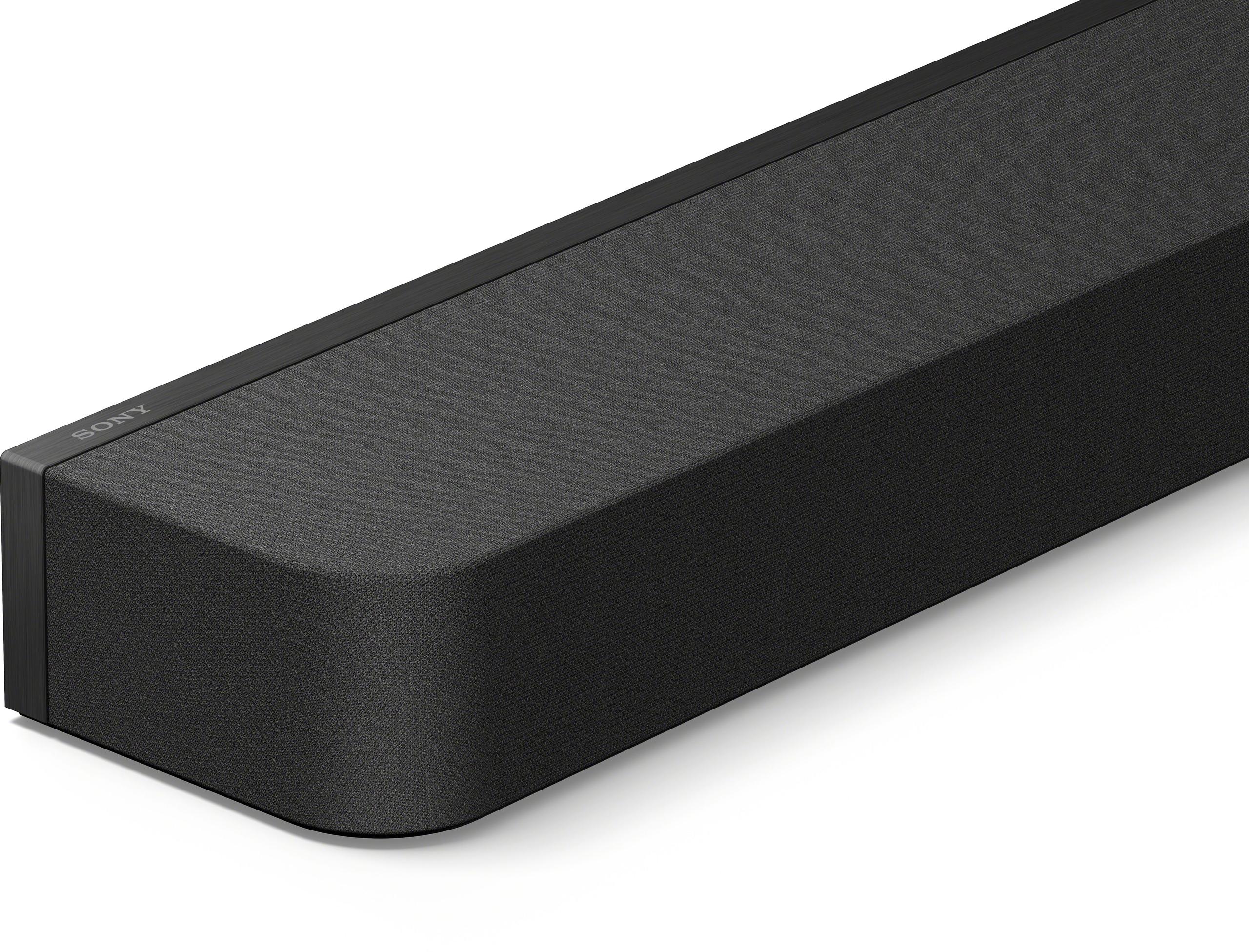




When shopping for a premium soundbar in 2024, you're essentially choosing between convenience and complexity. Premium soundbars promise to deliver the immersive experience of a full surround sound system from a single sleek unit that won't dominate your living room. Sony's latest BRAVIA Theater lineup, released in 2024, represents their most ambitious attempt yet to achieve this balance with two standout models: the Theater Bar 8 and the Theater Bar 9.
Both soundbars tackle the same fundamental challenge – creating convincing surround sound from a single horizontal unit – but they take notably different approaches to get there. Understanding these differences, and more importantly, which approach works best for your specific situation, can save you from either overspending or settling for inadequate performance.
Premium soundbars exist because most people want great audio but don't want the hassle of running speaker wires around their room or finding space for multiple speakers. The technology that makes this possible has evolved dramatically over the past few years, with manufacturers developing sophisticated methods to simulate surround sound using acoustic tricks and digital processing.
The key considerations when evaluating premium soundbars center around spatial audio performance (how well they create the illusion of sound coming from all directions), room coverage (how effectively they fill different sized spaces), dialogue clarity (crucial for movies and TV), bass response (whether you'll need a separate subwoofer), and integration with your existing setup.
At the time of writing, premium soundbars typically range from around $600 to $1,500, with the sweet spot often falling around $800-1,000 for most users. The Theater Bar 8 sits at the more affordable end of this premium range, while the Theater Bar 9 commands nearly double the price, positioning itself as Sony's flagship offering.
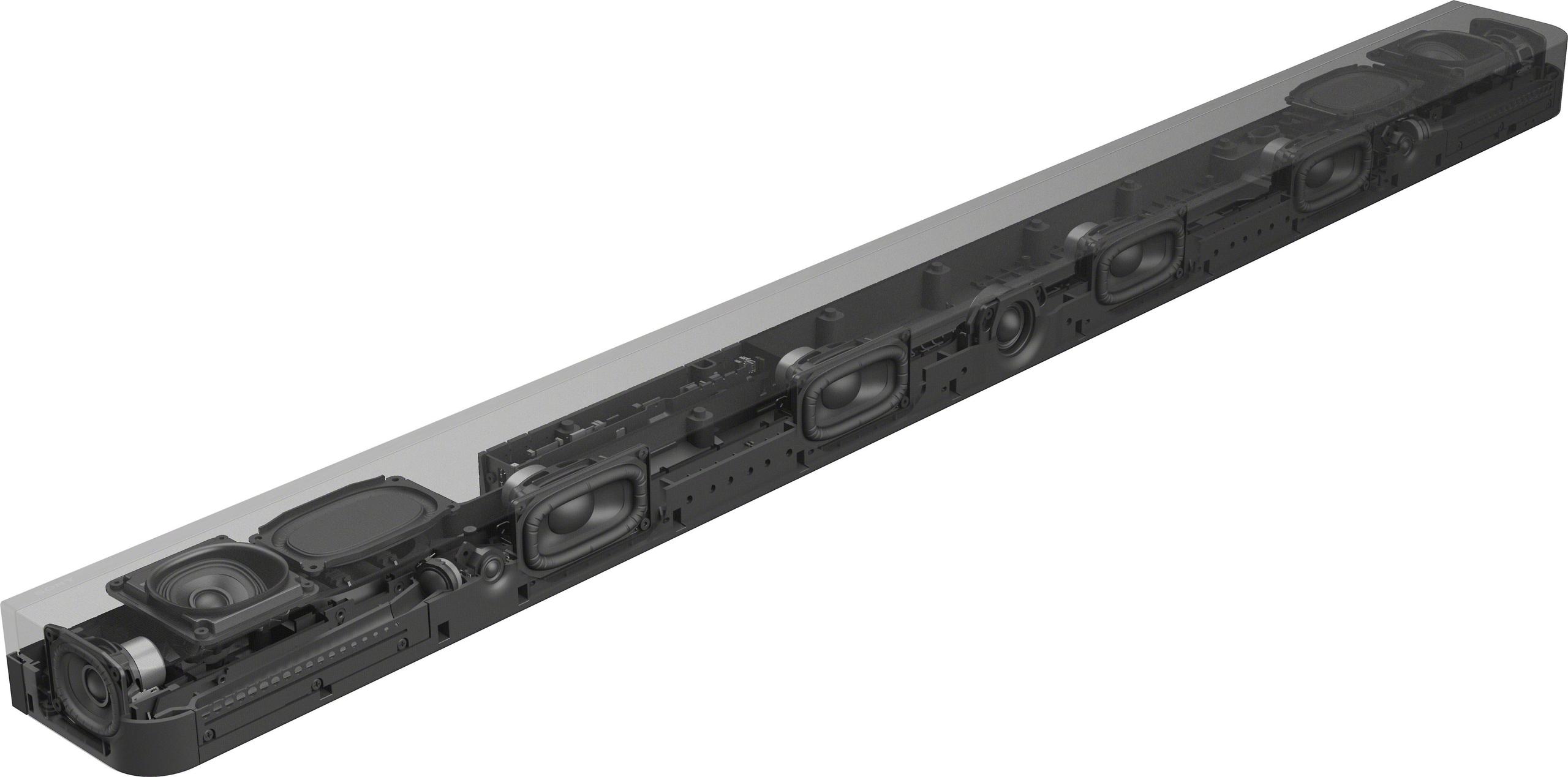
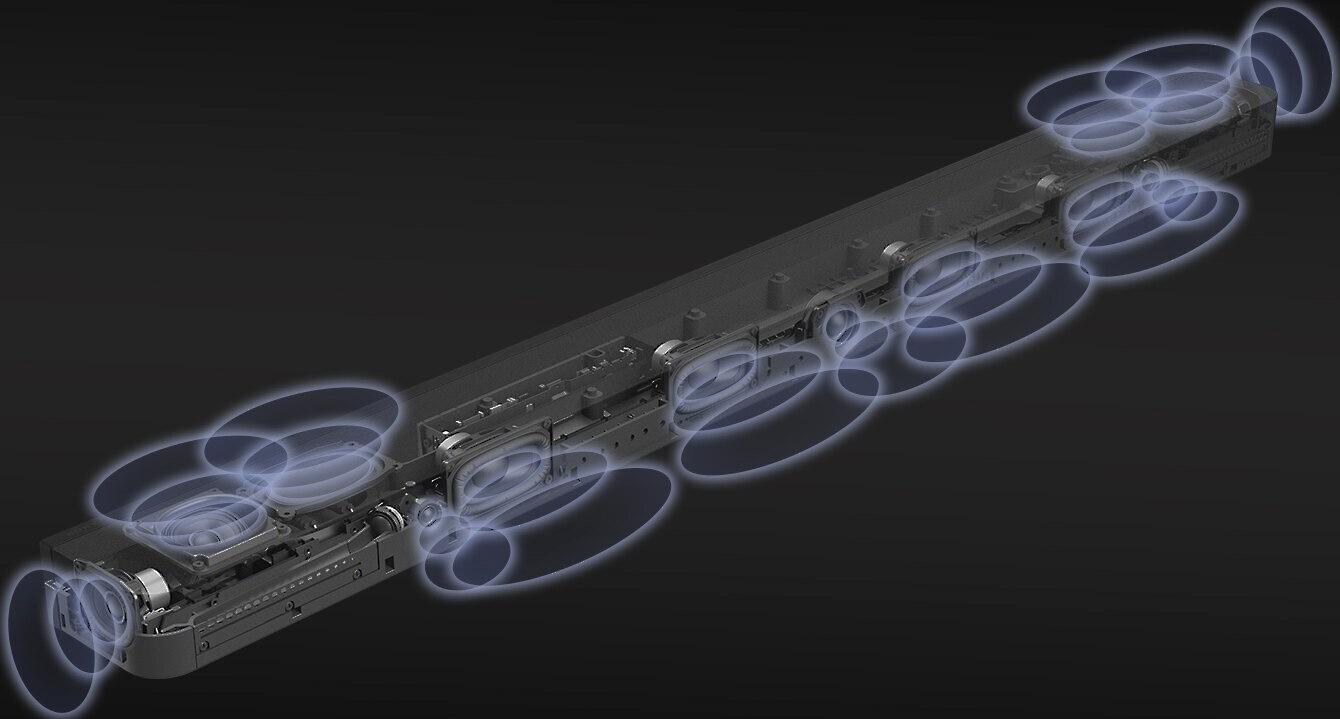
Both the Theater Bar 8 and Theater Bar 9 use Sony's 360 Spatial Sound Mapping technology, which represents a significant advancement over traditional soundbar designs. Instead of simply firing sound forward, this system uses multiple speakers pointing in different directions – including upward and sideways – to bounce sound off your ceiling and walls.
Think of it like a sophisticated audio version of how light bounces around a room. The soundbars create "phantom speakers" by reflecting sound in precise ways, making your brain believe there are speakers positioned around the room that don't actually exist. It's genuinely impressive technology when it works well, and both models implement it effectively, though with different levels of sophistication.
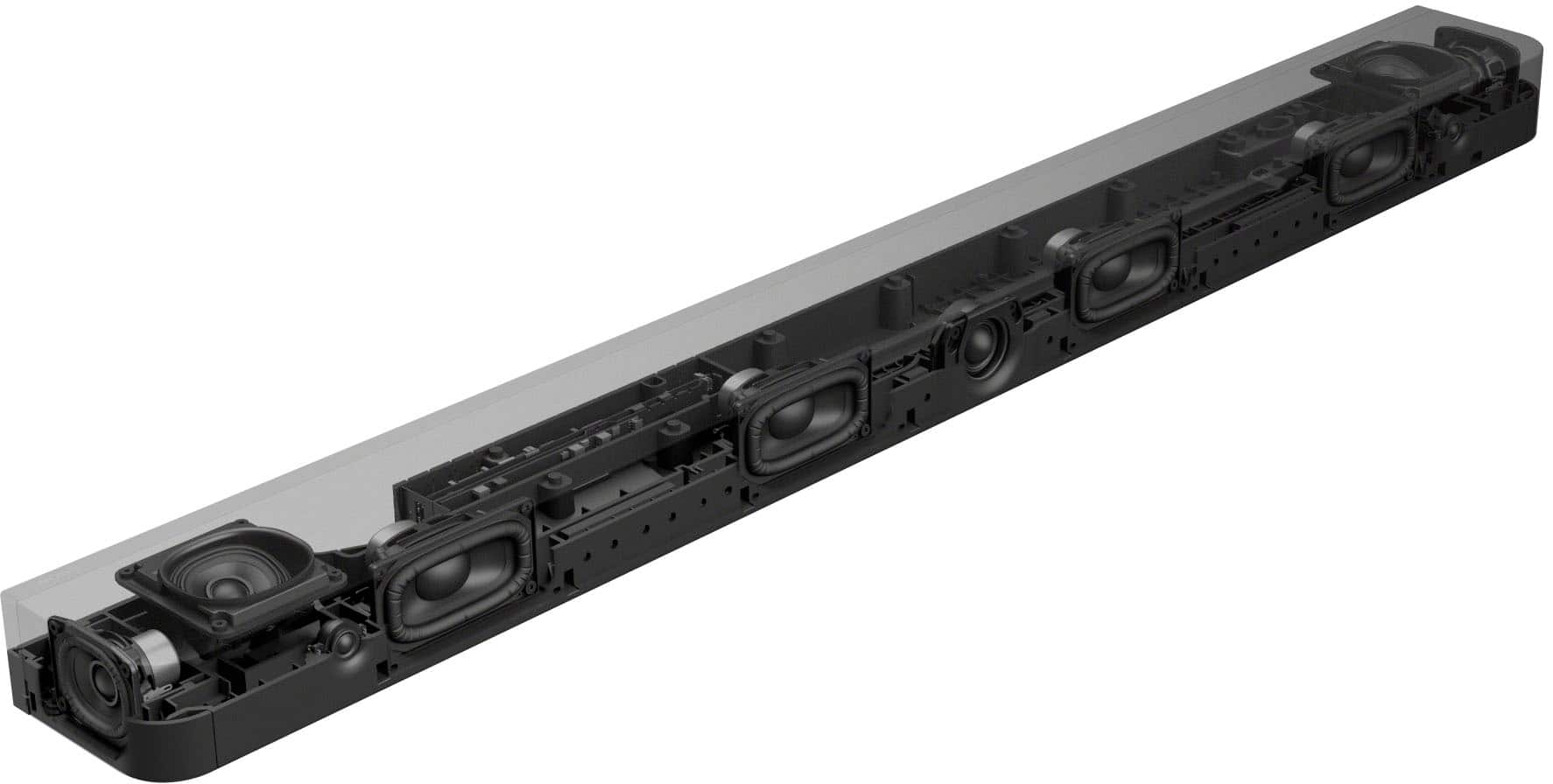
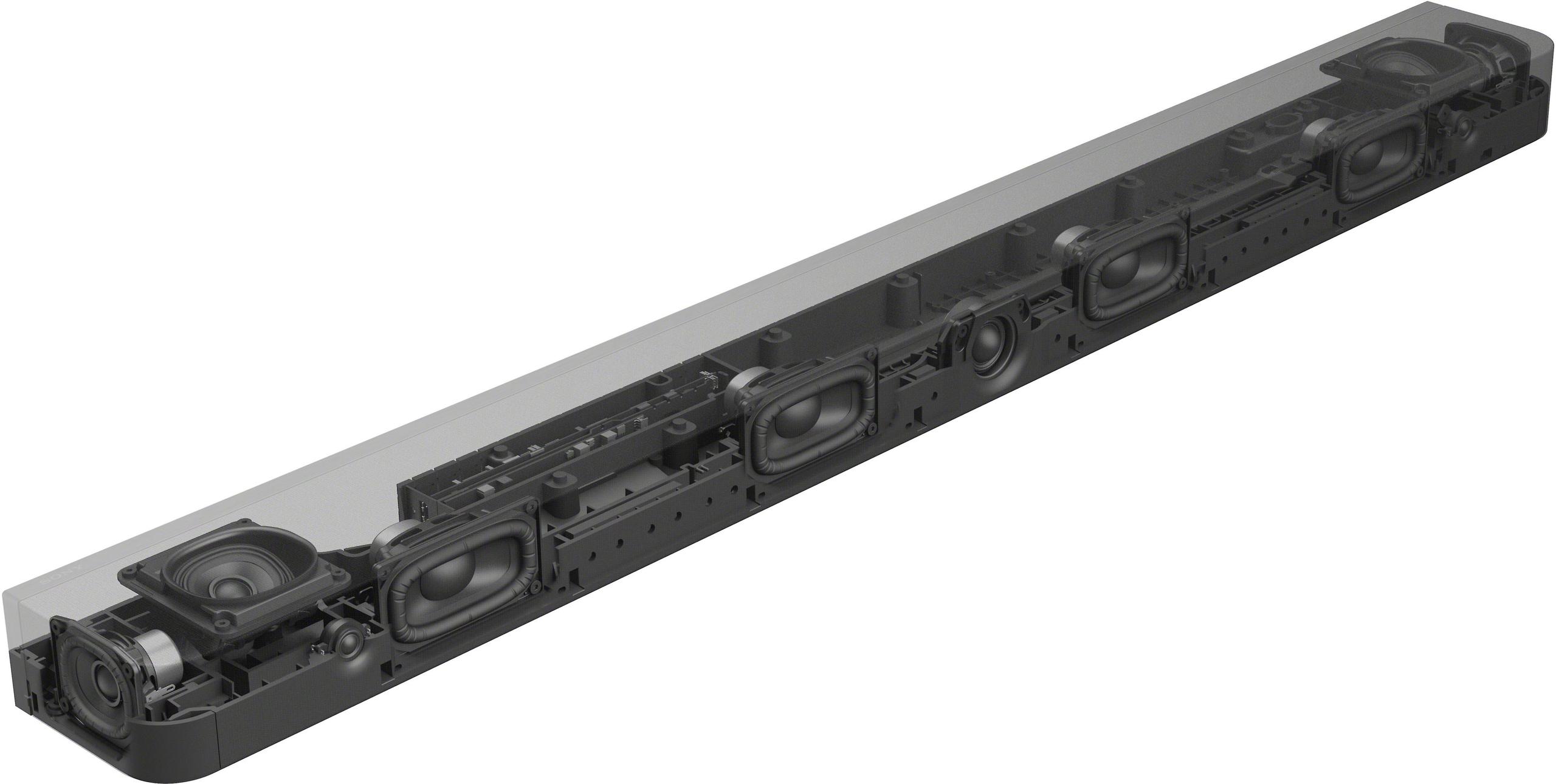
The Theater Bar 8 uses 11 individual speakers in a 5.0.2 channel configuration. That technical designation means five main channels (left, center, right, and two surround channels created through processing) plus two height channels for overhead effects. The Theater Bar 9 steps this up to 13 speakers in a 7.0.2 configuration, adding two more front channels for wider separation and more precise imaging.
Both models support Dolby Atmos and DTS:X, which are advanced audio formats that include information about where sounds should appear in three-dimensional space. When a helicopter flies overhead in a movie, these formats tell the soundbar exactly how to position that sound above your head using the upward-firing speakers.
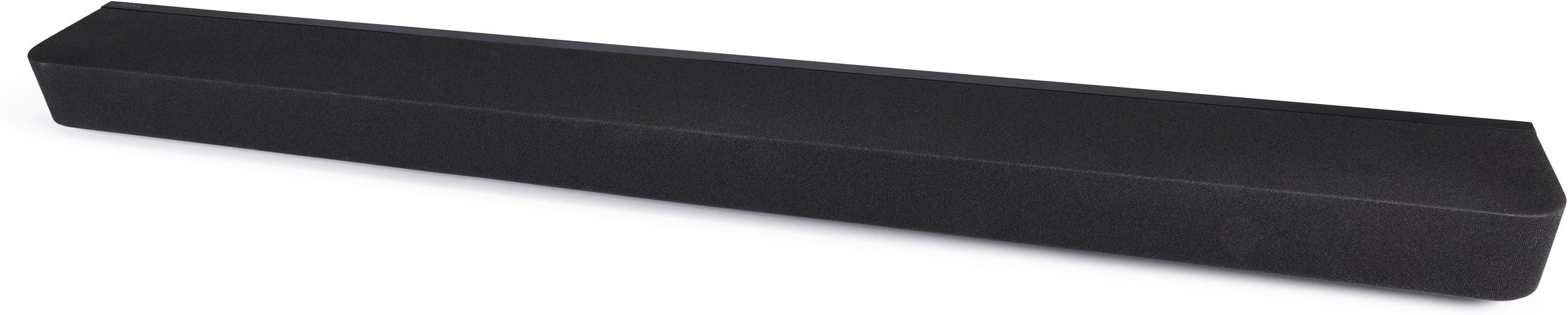
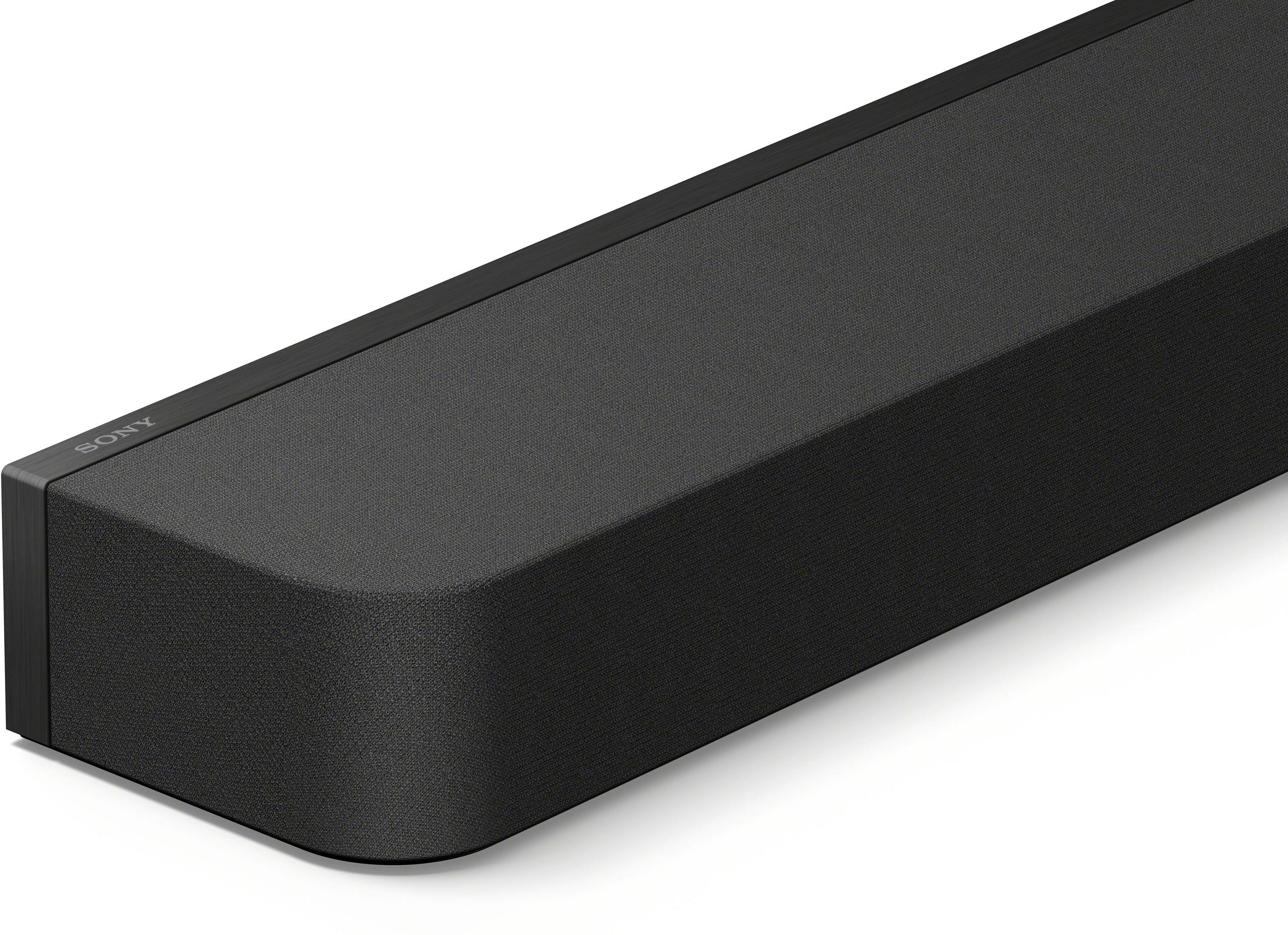
The physical differences between these soundbars immediately hint at their intended use cases. The Theater Bar 8 measures about 43 inches wide, making it suitable for TVs from 55 to 75 inches, while the Theater Bar 9 stretches to over 51 inches, better matching 75-inch and larger displays.
This isn't just about aesthetics. The extra width of the Theater Bar 9 translates directly into better sound coverage across wider seating arrangements. If you have a large sectional sofa or frequently host movie nights with multiple people spread across your room, that additional width creates a more consistent experience for everyone, not just the person sitting directly in front of the TV.
The Theater Bar 8 works exceptionally well for typical living room setups where most viewing happens from a central position or small couch. The sound mapping technology still creates an impressive surround effect, but the sweet spot – the area where everything sounds perfectly balanced – is more concentrated.
Our research into user experiences and expert reviews reveals clear performance distinctions between these models. The Theater Bar 9 consistently delivers a more convincing and expansive surround sound experience, thanks to its additional beam tweeters and more sophisticated driver arrangement.
Beam tweeters are specialized speakers designed to create precise directional sound. The Theater Bar 9 includes dedicated beam tweeters that work specifically to create those phantom surround speakers, while the Theater Bar 8 relies on its existing drivers to handle multiple duties. This specialization pays off in more accurate positioning of sound effects and a wider overall soundstage.
The difference becomes most apparent with content that heavily features surround effects – action movies, nature documentaries, or music mixed for surround sound. The Theater Bar 9 creates a more seamless bubble of sound around listeners, while the Theater Bar 8, though still impressive, shows more clearly where the actual soundbar is located.
Bass performance represents perhaps the most significant difference between these models. The Theater Bar 9 incorporates quad passive radiators alongside its active drivers. Passive radiators are essentially speakers without magnets that move in response to air pressure created by the active drivers, extending bass response without requiring additional power or space.
This design choice has multiple benefits. The passive radiators allow the Theater Bar 9 to produce deeper, more controlled bass while reducing strain on the main drivers. This means cleaner dialogue and mid-range sounds even when bass-heavy content is playing. Users consistently report that the Theater Bar 9 feels more complete without a separate subwoofer, though both models support optional wireless subwoofers for those who want even more low-end impact.
The Theater Bar 8 relies on four front-facing woofers for its bass response. While these deliver respectable low-end performance, they work harder to achieve similar results, and users often find themselves either boosting bass settings in the app or planning to add a subwoofer sooner rather than later.
Both soundbars excel at dialogue clarity thanks to Sony's Voice Zoom 3 technology, which uses AI processing to identify and enhance human voices in the audio mix. This feature works identically in both models and addresses one of the most common complaints about modern TV audio – that dialogue gets buried under music and effects.
More impressively, both models support Acoustic Center Sync when paired with compatible Sony BRAVIA TVs. This feature essentially turns your TV into a center channel speaker, creating the illusion that dialogue is coming directly from the screen rather than from below it. It's a subtle but meaningful improvement that makes conversations feel more natural and connected to the on-screen action.
The Theater Bar 9 has a slight edge in dialogue clarity during complex scenes with lots of background noise, thanks to its additional drivers providing better separation between different audio elements. However, both models perform well enough that dialogue clarity shouldn't be a deciding factor between them.
At the time of writing, the Theater Bar 8 costs roughly half as much as the Theater Bar 9, making the value comparison crucial for most buyers. The Theater Bar 8 delivers approximately 85-90% of the Theater Bar 9's performance at 50% of the cost, which represents excellent value for most users.
The Theater Bar 9's premium pricing reflects its additional drivers, passive radiator design, and larger physical footprint. Whether these improvements justify the cost depends heavily on your room size, audio priorities, and budget flexibility.
For buyers with medium-sized rooms and typical viewing habits, the Theater Bar 8 offers a compelling proposition. It includes all of Sony's latest audio processing technologies, supports the same wireless features and HDMI capabilities, and provides a genuinely impressive surround sound experience that most users will find satisfying.
The Theater Bar 9 makes sense for larger rooms where its superior coverage and bass response can be fully utilized, or for audio enthusiasts who prioritize having the best possible performance regardless of cost. The law of diminishing returns applies here – you're paying significantly more for incremental improvements that may not be noticeable in many real-world situations.
Both soundbars include identical implementations of Sony's core technologies, which helps explain why their performance feels more similar than different in many scenarios. Sound Field Optimization automatically calibrates the audio based on your room's acoustic characteristics, measuring how sound reflects off your walls and furniture to optimize the surround effect.
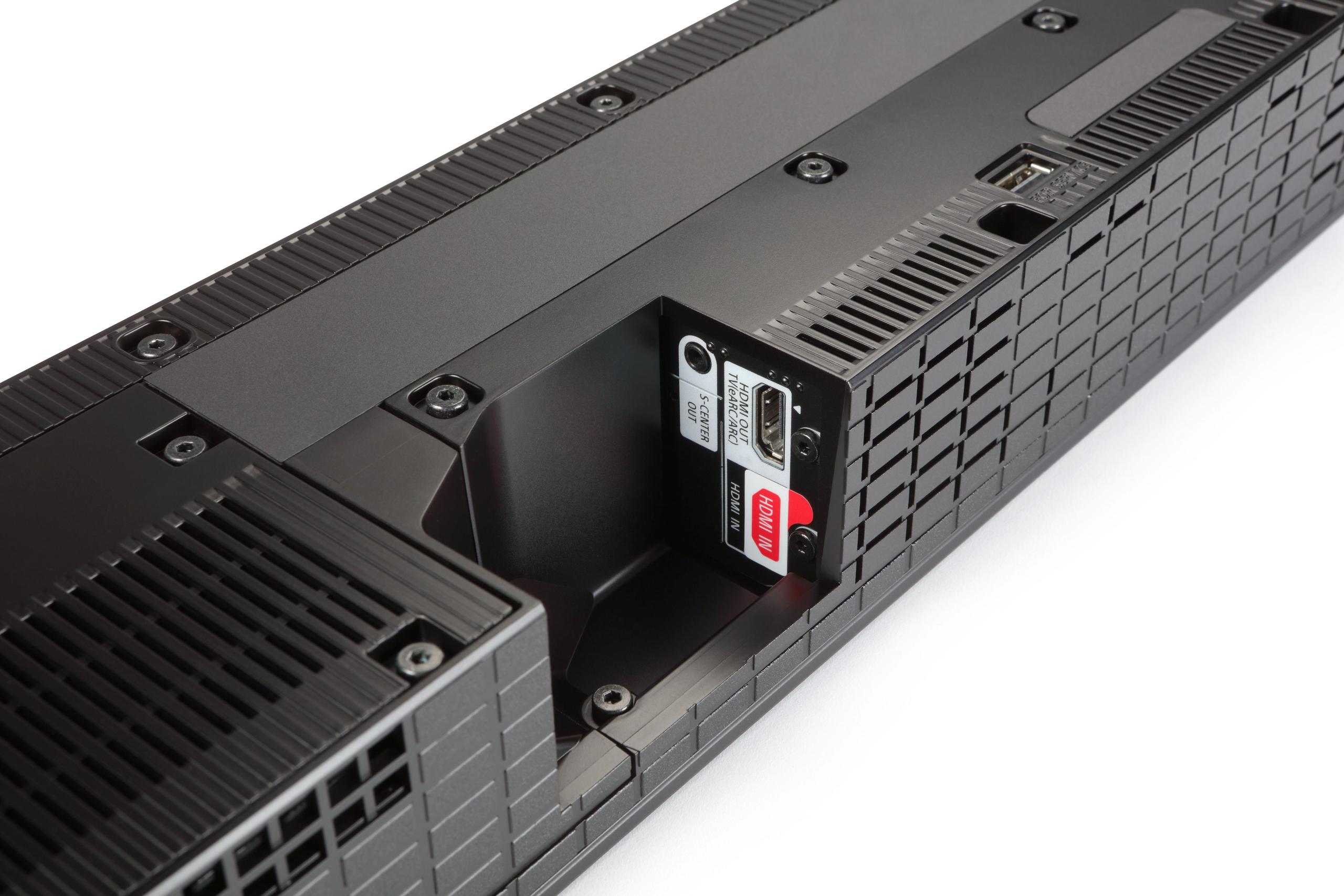
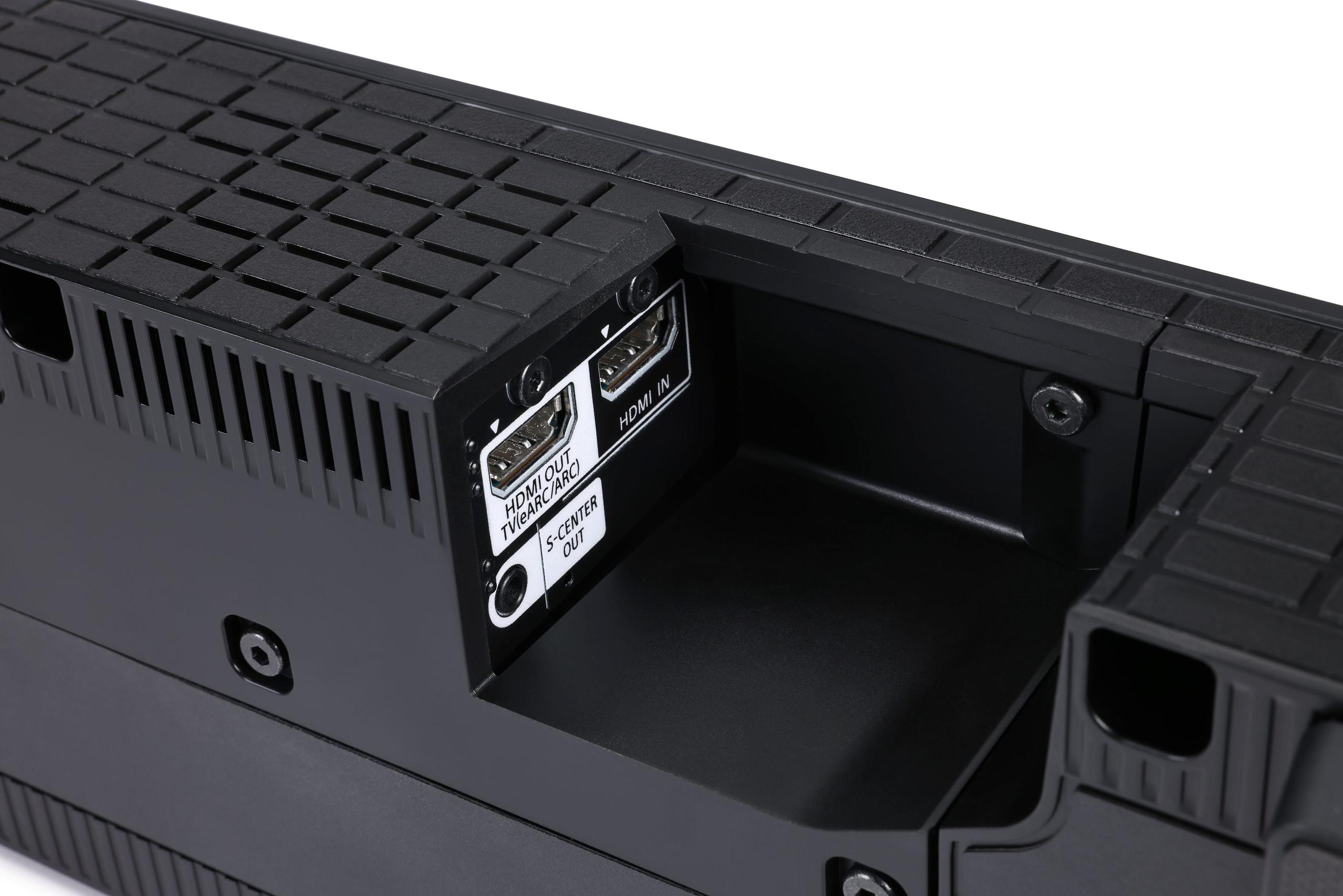
The HDMI 2.1 support in both models ensures compatibility with the latest gaming consoles and streaming devices, supporting 8K HDR passthrough and gaming features like Variable Refresh Rate (VRR) and Auto Low Latency Mode (ALLM). This future-proofing is valuable as content and devices continue evolving.
Wireless connectivity options are identical, including Bluetooth 5.2 for device pairing, Wi-Fi for smart features, Apple AirPlay 2 for iOS users, and Spotify Connect for direct streaming. Both models integrate seamlessly with Sony's ecosystem and can be expanded with optional wireless rear speakers and subwoofers that automatically pair when powered on.
When considering these soundbars as part of a larger home theater setup, the Theater Bar 9 shows clearer advantages for serious enthusiasts. Its superior bass response and wider soundstage make it more capable of serving as the centerpiece of a high-end system, especially when paired with Sony's optional wireless speakers.
However, the Theater Bar 8 shouldn't be dismissed for home theater use. Its upgrade path through optional components means you can start with the more affordable soundbar and add speakers later if your needs evolve. This approach often makes more financial sense than paying the premium upfront.
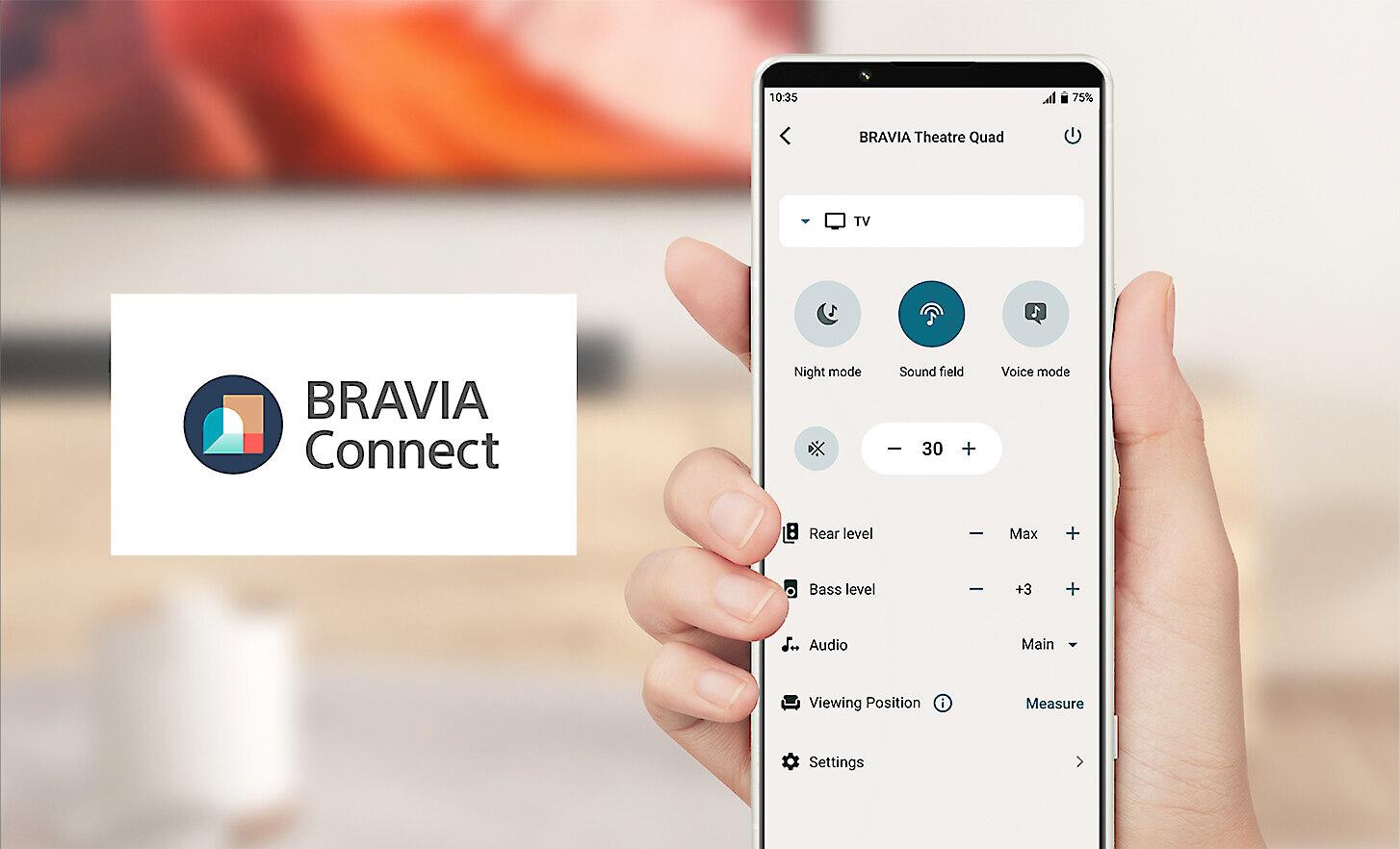
Both models work particularly well when paired with Sony BRAVIA TVs, taking advantage of features like Acoustic Center Sync and streamlined setup through the BRAVIA Connect app. The integration feels more seamless than mixing brands, though both soundbars work fine with any TV brand.
The Theater Bar 8 is the clear choice for most buyers. It's ideal if you have a small to medium-sized room, want premium audio features without premium pricing, or are considering adding optional speakers later to build a complete system gradually. The performance is genuinely excellent for typical home use, and the savings can go toward other components or simply stay in your pocket.
Choose the Theater Bar 9 if you have a genuinely large room where its superior coverage matters, if you're building a high-end home theater and want the best possible soundbar performance, or if you prioritize bass response and don't want to add a subwoofer immediately. The improvements are real, but they're most valuable in specific situations.
After evaluating both models through extensive research into user experiences and expert opinions, the Theater Bar 8 emerges as the better value choice for most situations. It delivers the core experience that makes premium soundbars worthwhile – convincing surround sound, excellent dialogue clarity, and seamless integration – without the premium price tag.
The Theater Bar 9 is undoubtedly the better performer, but its advantages are most meaningful in larger rooms or for users who prioritize having the absolute best audio possible. For typical living room setups, the performance difference doesn't justify the significant cost increase.
Both soundbars represent major improvements over TV speakers and budget soundbars, incorporating Sony's latest audio technologies in well-built packages that should provide years of excellent performance. The choice between them comes down to matching your specific room size, budget, and audio priorities rather than finding a clear winner across all categories.
| Sony HT-A8000 BRAVIA Theater Bar 8 | Sony BRAVIA Theater Bar 9 |
|---|---|
| Speaker Count & Configuration - More speakers enable better surround sound separation | |
| 11 speakers in 5.0.2 configuration | 13 speakers in 7.0.2 configuration |
| Physical Dimensions - Width determines room coverage and TV compatibility | |
| 43⅜" wide × 2⅝" high × 4½" deep (10.36 lbs) | 51¼" wide × 2⅝" high × 4½" deep (12.13 lbs) |
| Bass Technology - Critical for full-range sound without separate subwoofer | |
| 4 front woofers (may need bass boost or subwoofer) | 4 woofers + quad passive radiators (deeper, cleaner bass) |
| Amplifier Power - Drives speaker performance and maximum volume | |
| 11-channel digital amplifier, S-Master HX, 60W consumption | 13-channel digital amplifier, S-Master HX, 62W consumption |
| Room Size Optimization - Determines ideal listening area coverage | |
| Small to medium rooms, focused sweet spot | Large rooms, wider consistent coverage |
| Surround Sound Processing - Shared premium audio technologies | |
| 360 Spatial Sound Mapping, Dolby Atmos, DTS:X, Sound Field Optimization | 360 Spatial Sound Mapping, Dolby Atmos, DTS:X, Sound Field Optimization |
| Voice Enhancement - Both use identical dialogue clarity technology | |
| Voice Zoom 3 AI processing, Acoustic Center Sync | Voice Zoom 3 AI processing, Acoustic Center Sync |
| Connectivity & Smart Features - Identical wireless and streaming capabilities | |
| HDMI 2.1 eARC, Bluetooth 5.2, Wi-Fi, AirPlay 2, Spotify Connect | HDMI 2.1 eARC, Bluetooth 5.2, Wi-Fi, AirPlay 2, Spotify Connect |
| Expansion Options - Both support same optional wireless components | |
| Compatible with SA-SW3/SW5 subwoofers, SA-RS3R/RS5 rear speakers | Compatible with SA-SW3/SW5 subwoofers, SA-RS3R/RS5 rear speakers |
| Value Proposition - Performance per dollar considerations | |
| Excellent value for most users, 90% of premium performance | Premium pricing for incremental improvements in larger rooms |
The primary difference is speaker count and room coverage. The Sony HT-A8000 BRAVIA Theater Bar 8 features 11 speakers in a 5.0.2 configuration and measures 43⅜" wide, making it ideal for small to medium rooms. The Sony BRAVIA Theater Bar 9 has 13 speakers in a 7.0.2 configuration and stretches 51¼" wide, providing better coverage for larger spaces and wider seating arrangements.
The Sony BRAVIA Theater Bar 9 delivers superior bass performance thanks to its quad passive radiators working alongside four active woofers. This design produces deeper, more controlled low-end sound compared to the Sony HT-A8000 BRAVIA Theater Bar 8, which relies on four front-facing woofers and may benefit from bass boost settings or an optional subwoofer for full satisfaction.
Yes, both the Sony HT-A8000 BRAVIA Theater Bar 8 and Sony BRAVIA Theater Bar 9 support Dolby Atmos, DTS:X, and Sony's 360 Spatial Sound Mapping technology. They use the same core audio processing features, including Sound Field Optimization for room calibration and Voice Zoom 3 for dialogue enhancement.
The Sony HT-A8000 BRAVIA Theater Bar 8 offers significantly better value for most buyers, delivering approximately 85-90% of the premium performance at roughly half the cost. The Sony BRAVIA Theater Bar 9 commands a premium price that's only justified for larger rooms or users who prioritize having the absolute best audio performance.
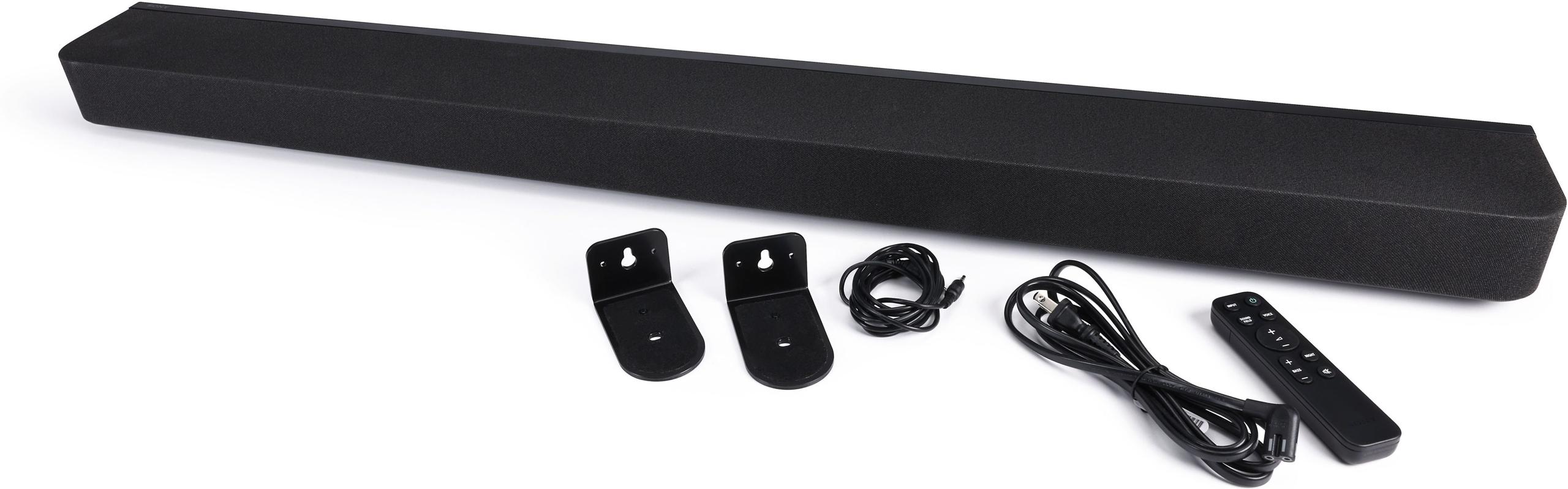
Both the Sony HT-A8000 BRAVIA Theater Bar 8 and Sony BRAVIA Theater Bar 9 support the same optional wireless expansion components. You can add SA-SW3 or SA-SW5 wireless subwoofers and SA-RS3R or SA-RS5 rear speakers that automatically pair when powered on, creating a more complete surround sound system.
The Sony BRAVIA Theater Bar 9 is specifically designed for larger rooms with its 51¼" width, 13 speakers, and advanced driver configuration including beam tweeters. It provides more consistent sound coverage across wider seating arrangements, while the Sony HT-A8000 BRAVIA Theater Bar 8 works best in small to medium-sized spaces.
Yes, both the Sony HT-A8000 BRAVIA Theater Bar 8 and Sony BRAVIA Theater Bar 9 work with any TV brand through HDMI connection. However, they offer enhanced integration features like Acoustic Center Sync when paired with compatible Sony BRAVIA TVs, which uses the TV as an additional center speaker.
Both soundbars use identical Voice Zoom 3 AI technology for dialogue enhancement, so speech clarity is essentially the same. The Sony BRAVIA Theater Bar 9 has a slight advantage during complex scenes with heavy background noise due to better channel separation, but both the Sony HT-A8000 BRAVIA Theater Bar 8 and Theater Bar 9 excel at making dialogue clear and intelligible.
Both soundbars offer identical gaming and movie features, including HDMI 2.1 support with 8K HDR passthrough, Variable Refresh Rate (VRR), and Auto Low Latency Mode (ALLM). The Sony BRAVIA Theater Bar 9 provides a more immersive experience for action movies due to superior bass and wider soundstage, while the Sony HT-A8000 BRAVIA Theater Bar 8 delivers excellent performance for typical viewing scenarios.
Both the Sony HT-A8000 BRAVIA Theater Bar 8 and Sony BRAVIA Theater Bar 9 include identical wireless capabilities: Bluetooth 5.2 for device pairing, Wi-Fi connectivity, Apple AirPlay 2 for iOS streaming, and Spotify Connect for direct music streaming. They also support wireless expansion with Sony's optional subwoofers and rear speakers.
The Sony HT-A8000 BRAVIA Theater Bar 8 at 43⅜" wide pairs well with 55-75" TVs, while the Sony BRAVIA Theater Bar 9 at 51¼" wide is better suited for 75" and larger displays. The Theater Bar 9's extra width isn't just aesthetic – it enables better sound dispersion across larger seating areas and rooms.
Choose the Sony HT-A8000 BRAVIA Theater Bar 8 if you have a typical living room setup, want excellent performance at a more affordable price, or plan to gradually add components. Select the Sony BRAVIA Theater Bar 9 if you have a large room, prioritize maximum audio performance, or want the best possible bass response without immediately adding a subwoofer to your home theater system.
We've done our best to create useful and informative comparisons to help you decide what product to buy. Our research uses advanced automated methods to create this comparison and perfection is not possible - please contact us for corrections or questions. These are the sites we've researched in the creation of this article: consumerreports.org - skybygramophone.com - target.com - rtings.com - bestbuy.com - rubbermonkey.co.nz - shopatsc.com - audioadvice.com - sony.com - sony.com - sony.com - shop.cosmopolitan.com - store.sony.com.my - videoandaudiocenter.com - rtings.com - residentialsystems.com - rtings.com - bestbuy.com - valueelectronics.com - sony.com - sony.co.uk - sony.co.uk - sony.co.in - sony.com - pocket-lint.com - sony.com - crutchfield.com

Privacy Policy
Terms and Conditions - Affiliate Policy
Home Security
© Copyright 2008-2026.
11816 Inwood Rd #1211, Dallas, TX 75244