

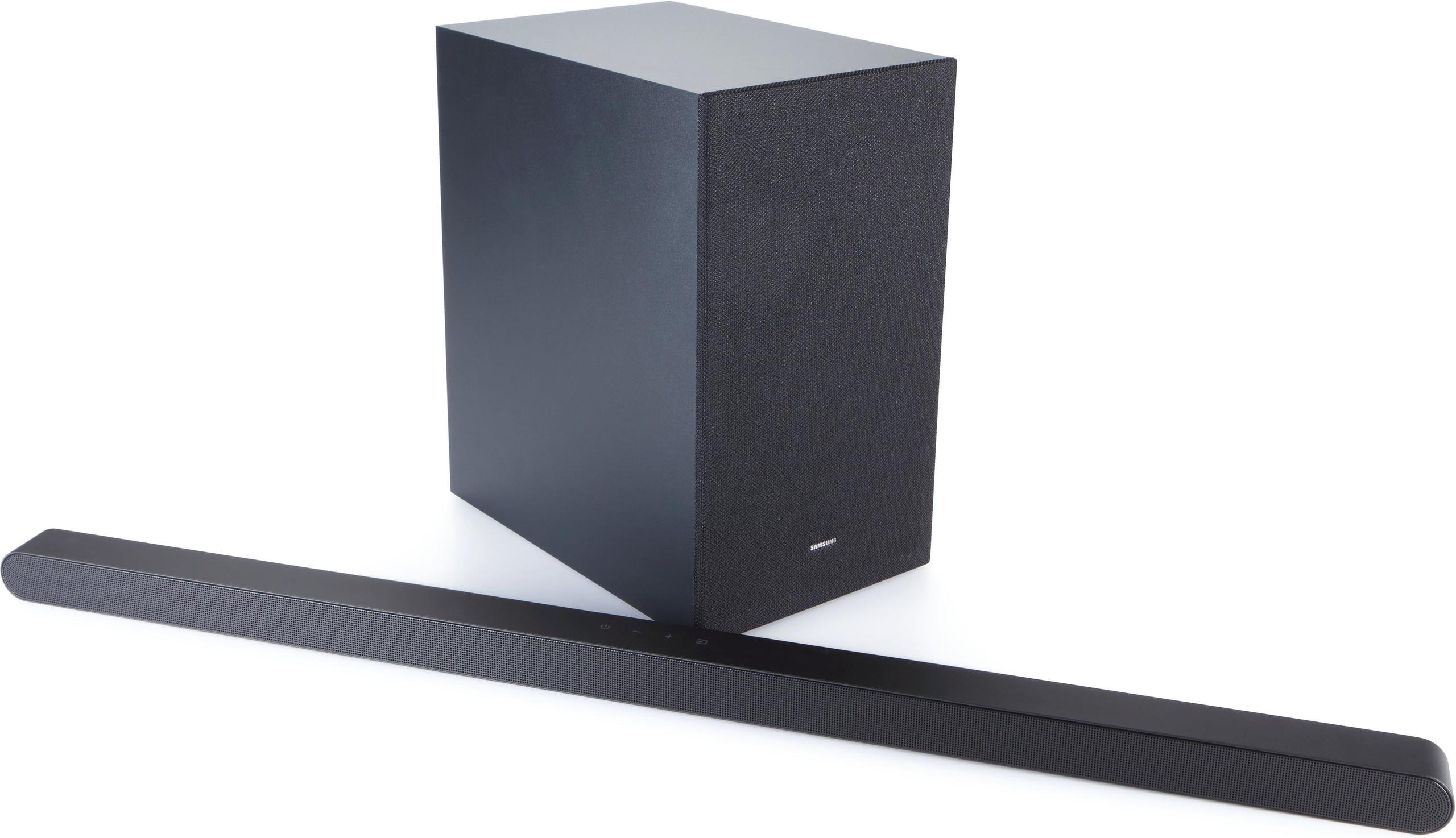
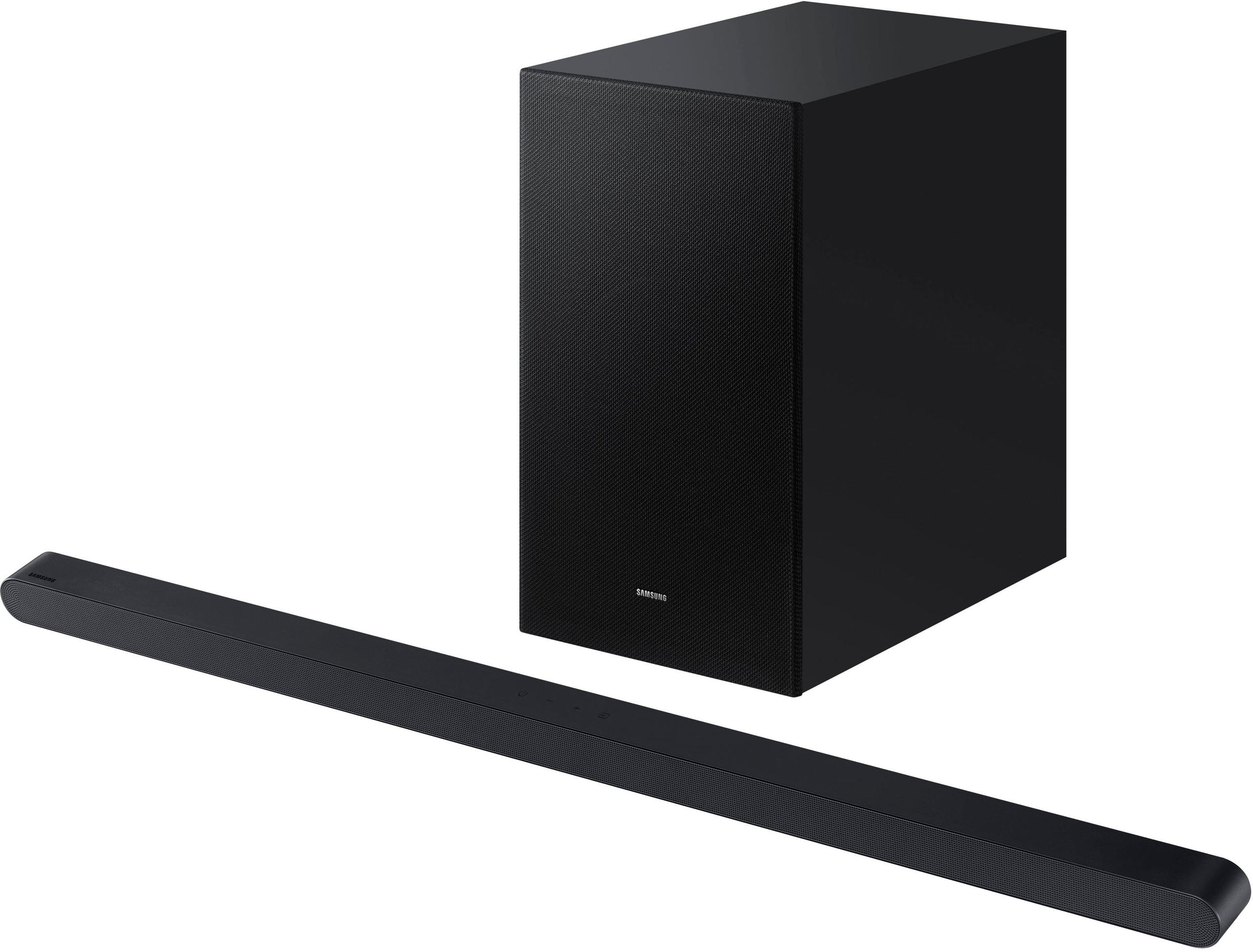
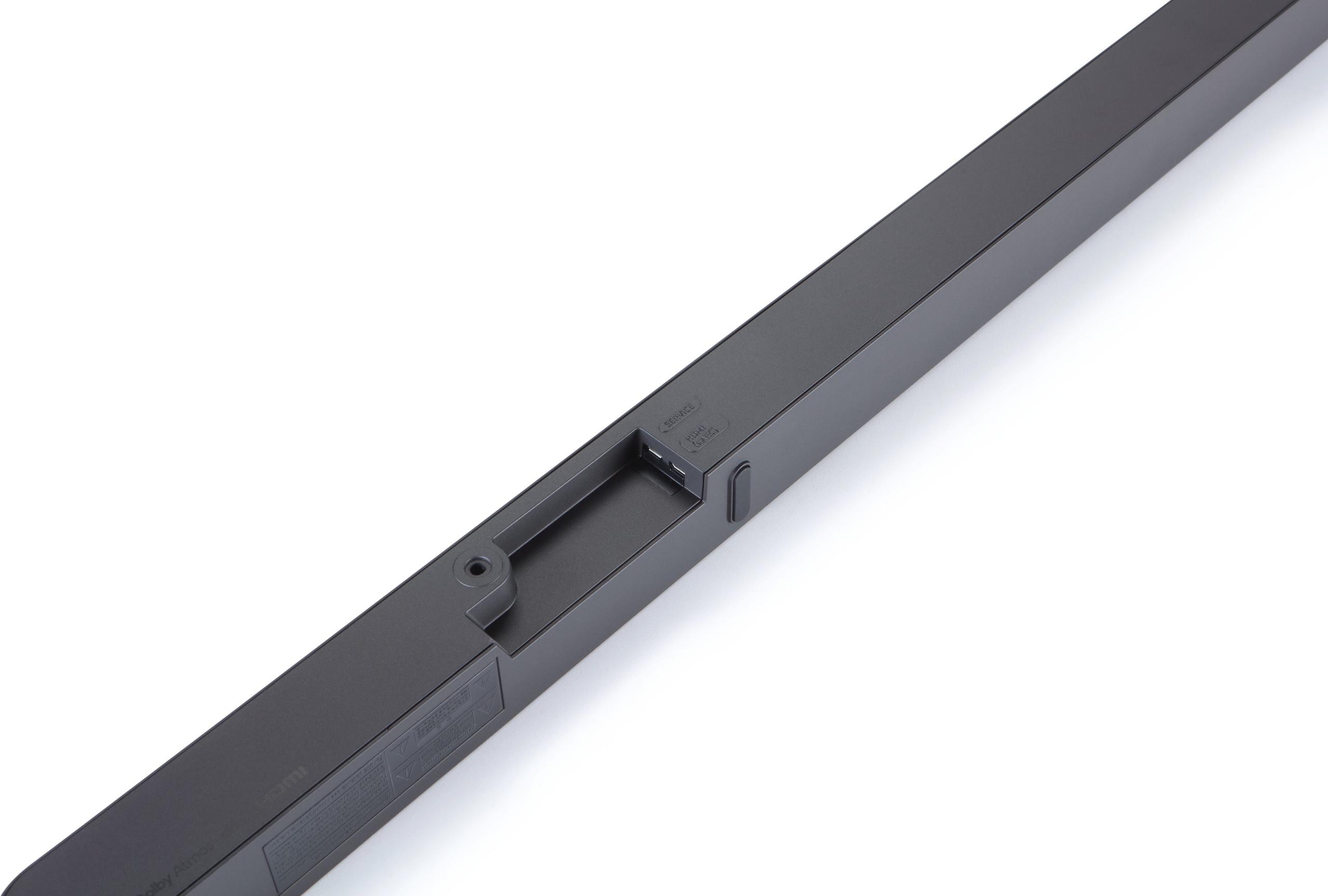
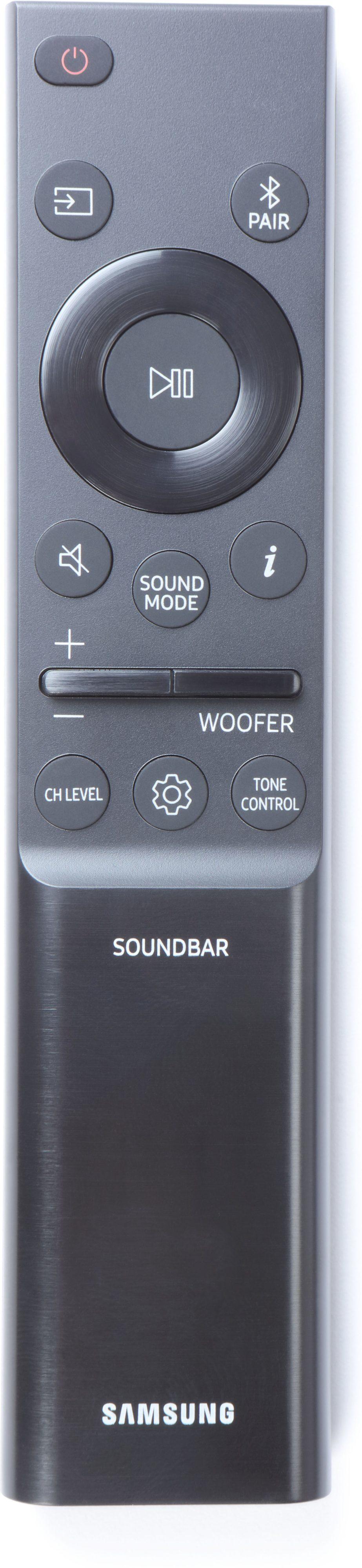
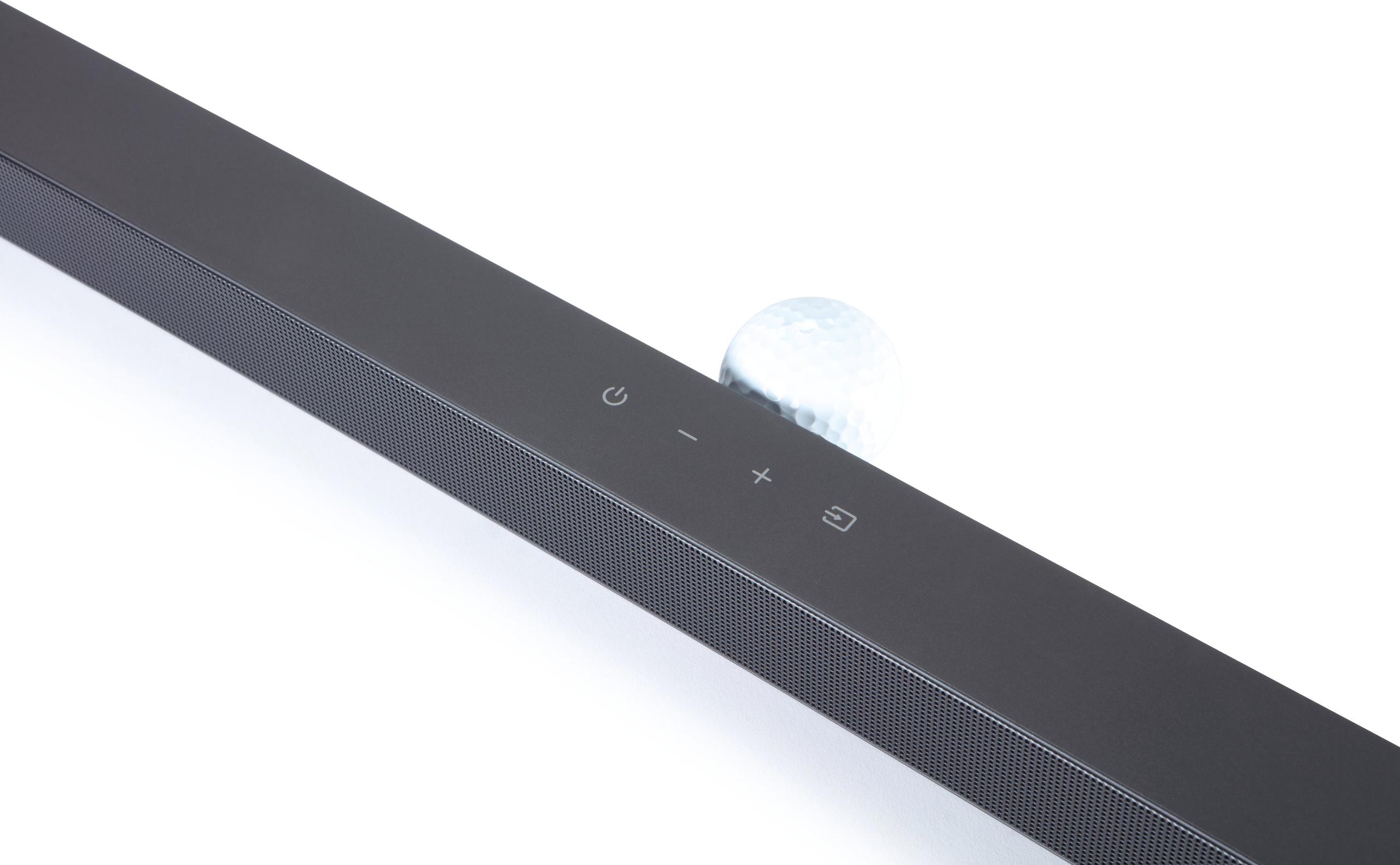

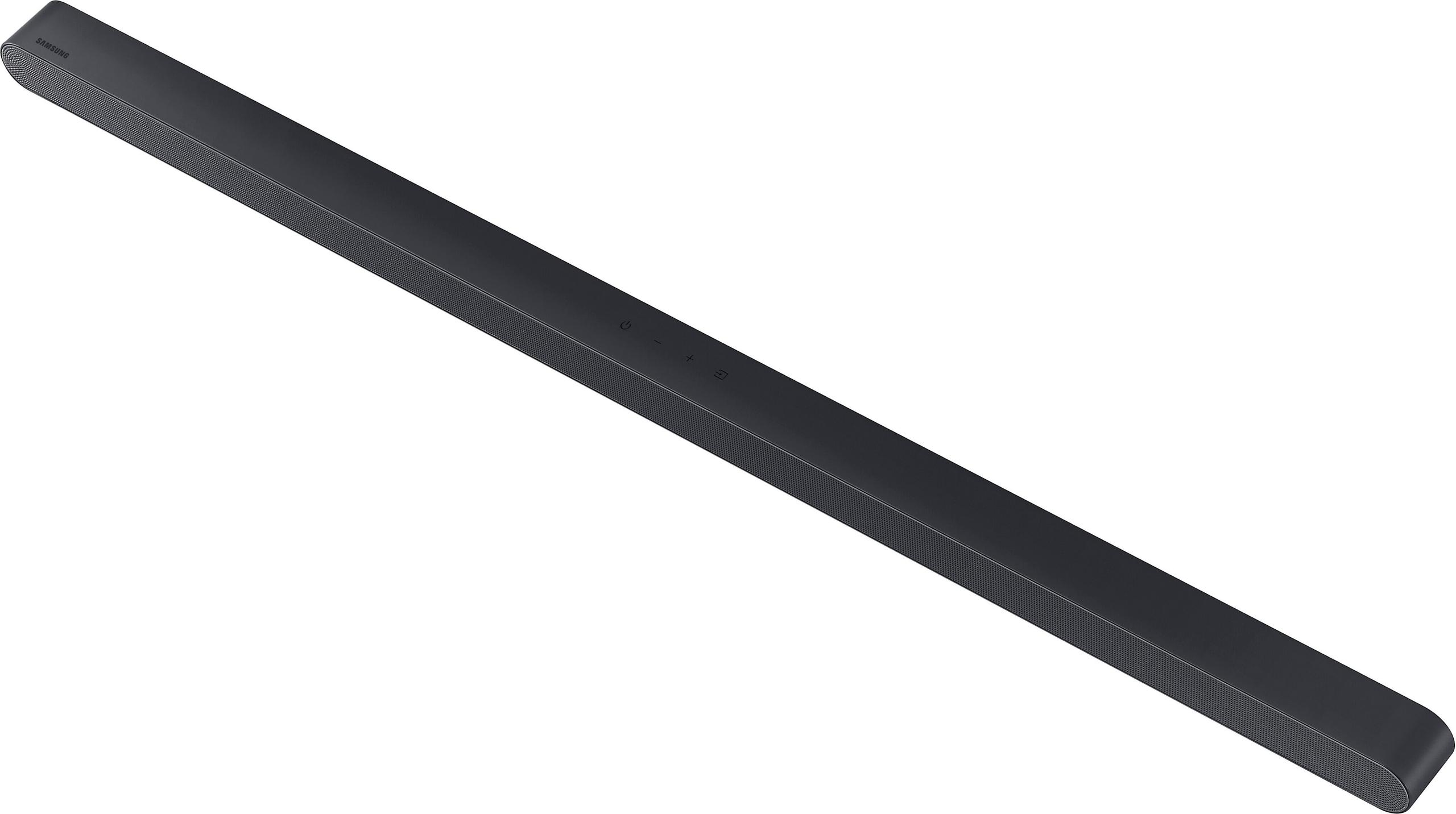
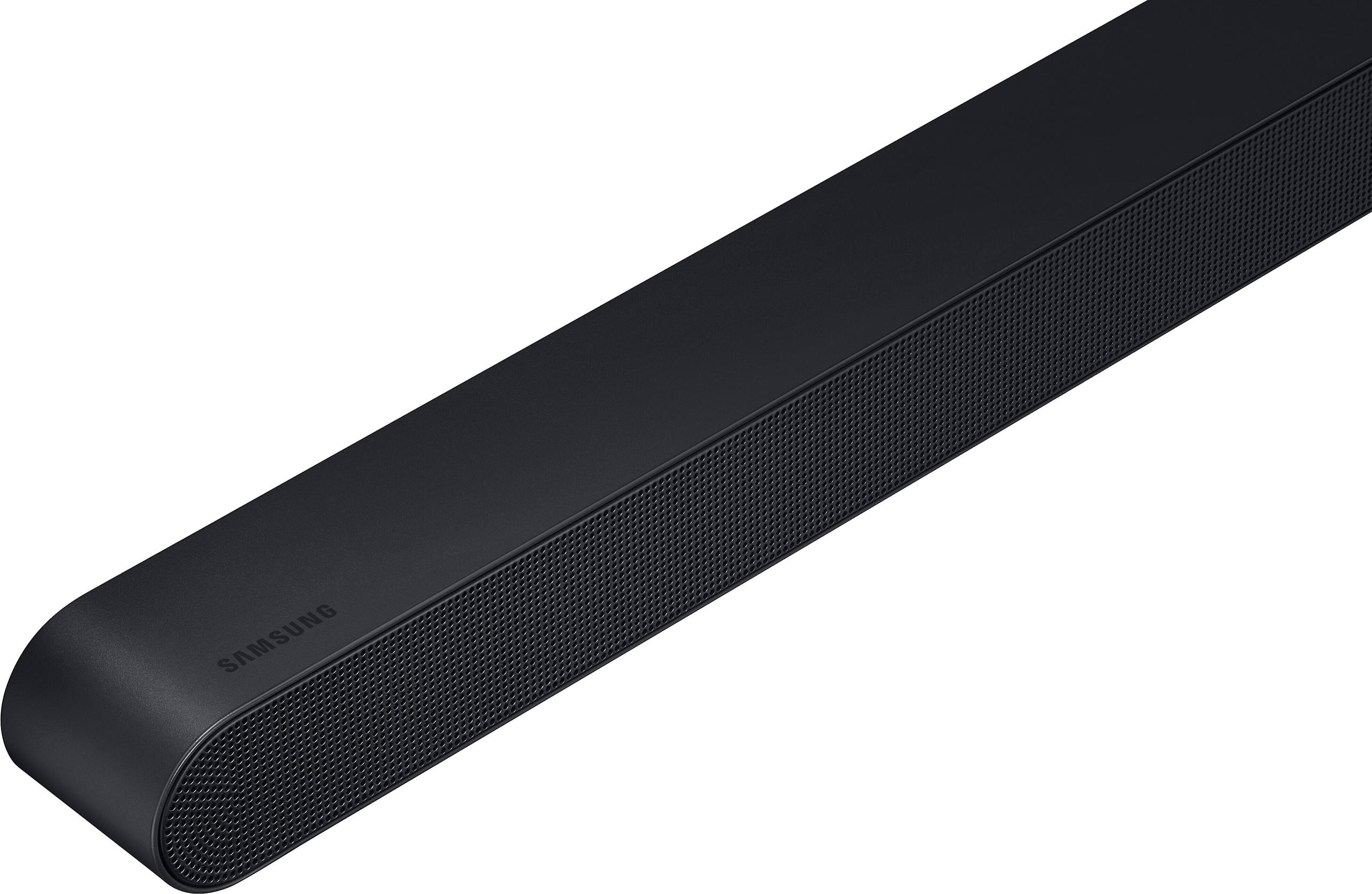



When your TV's built-in speakers make dialogue sound like it's coming from inside a tin can, it's time for a soundbar upgrade. But with options ranging from budget models to premium theater systems, choosing the right one can feel overwhelming. Today we're comparing two popular but very different approaches: the Sony HT-A8000 BRAVIA Theater Bar 8 and the Samsung HW-S700D 3.1 Channel Slim Soundbar.
These soundbars represent fundamentally different philosophies. Sony's offering is a premium home theater system released in 2024 that prioritizes cinematic audio performance and expandability. Samsung's model, also from 2024, focuses on delivering solid audio improvement in an ultra-compact package that won't dominate your living space.
Before diving into specifics, let's clarify what makes today's soundbars different from the basic models of a few years ago. The biggest advancement has been spatial audio processing—technology that creates the illusion of sound coming from all around you, even from a single bar sitting below your TV.
There are two main approaches: physical drivers that actually fire sound upward and to the sides (like the Sony HT-A8000 uses), and psychoacoustic processing that tricks your brain into hearing surround effects (which the Samsung HW-S700D relies on). Both work, but they excel in different scenarios.
Another major improvement is room calibration technology. Modern soundbars can analyze your space using built-in microphones and adjust their output accordingly. This means they actually sound different in a small apartment versus a large living room—and that's exactly what you want.
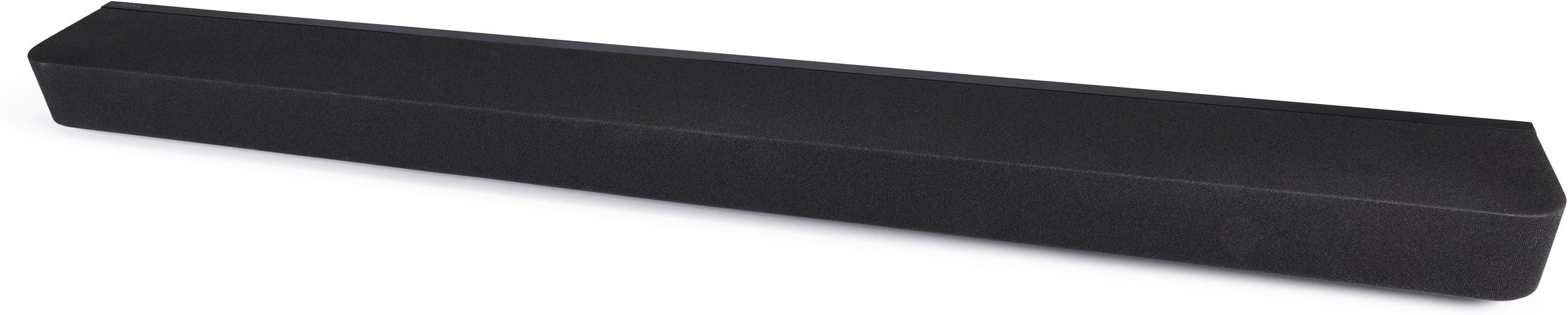
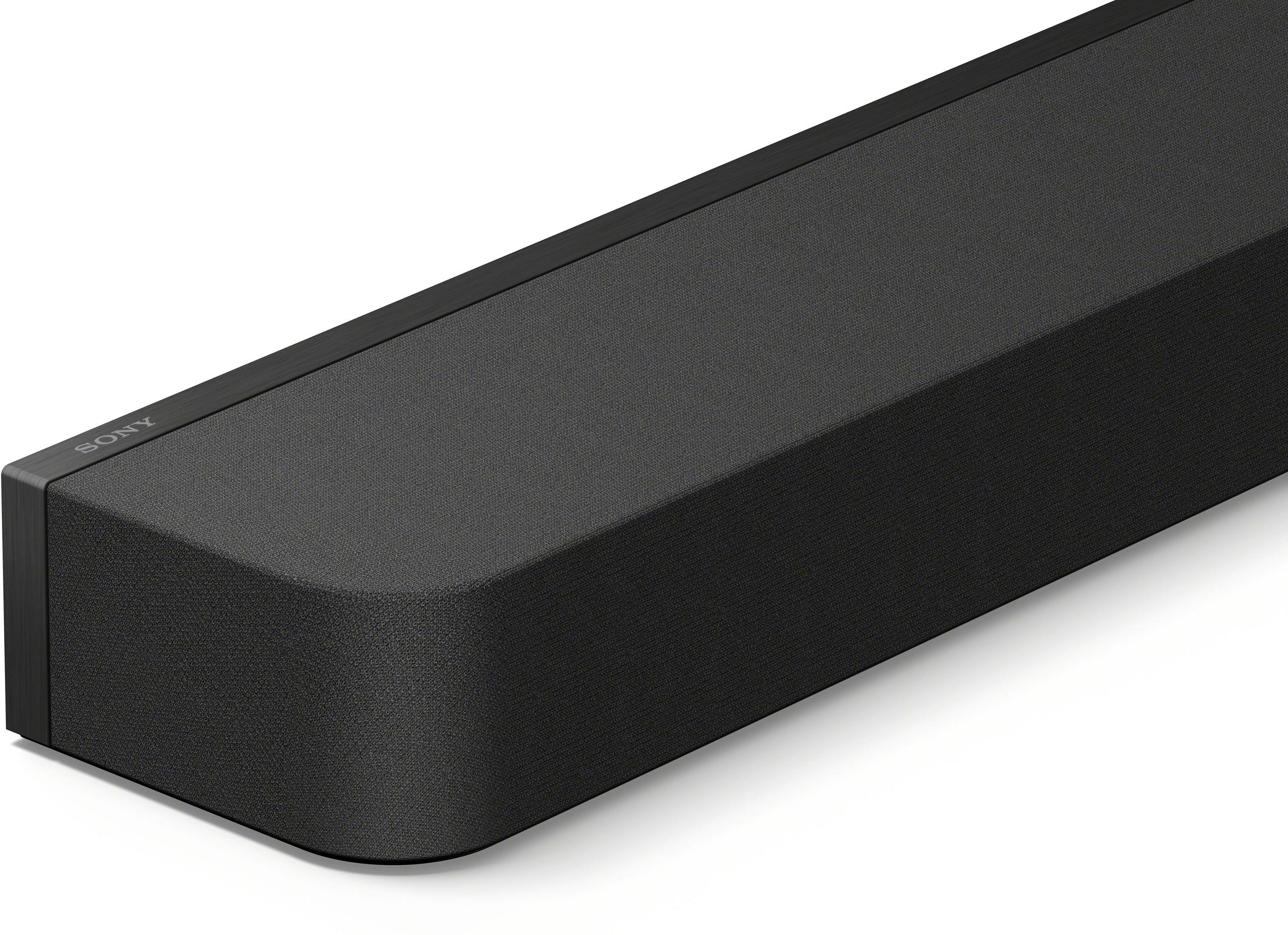
The Sony HT-A8000 is what happens when a company decides to pack serious home theater technology into a single soundbar. At nearly 3.5 feet wide and weighing over 10 pounds, this isn't a subtle addition to your entertainment setup—it's a statement piece.
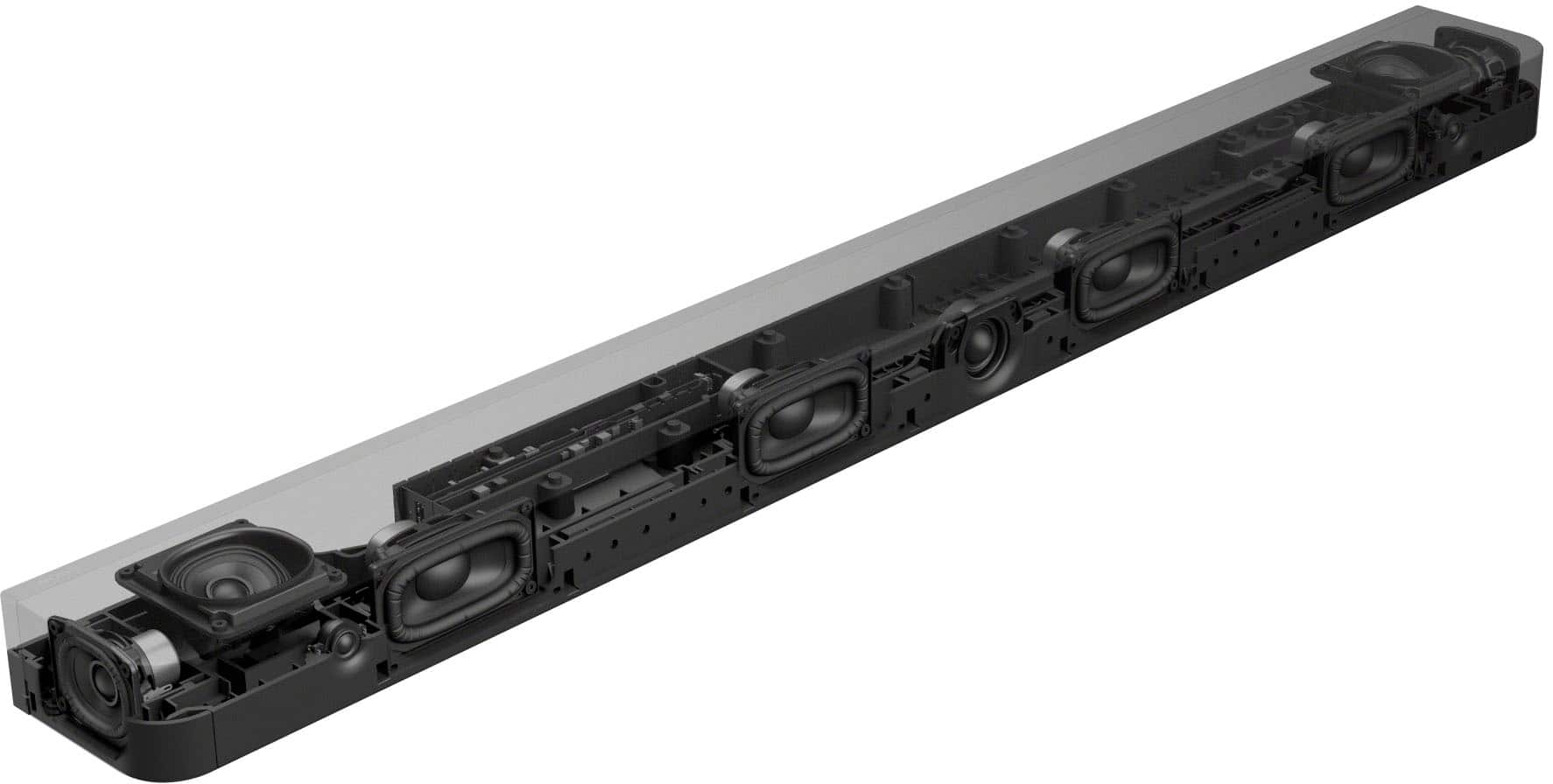
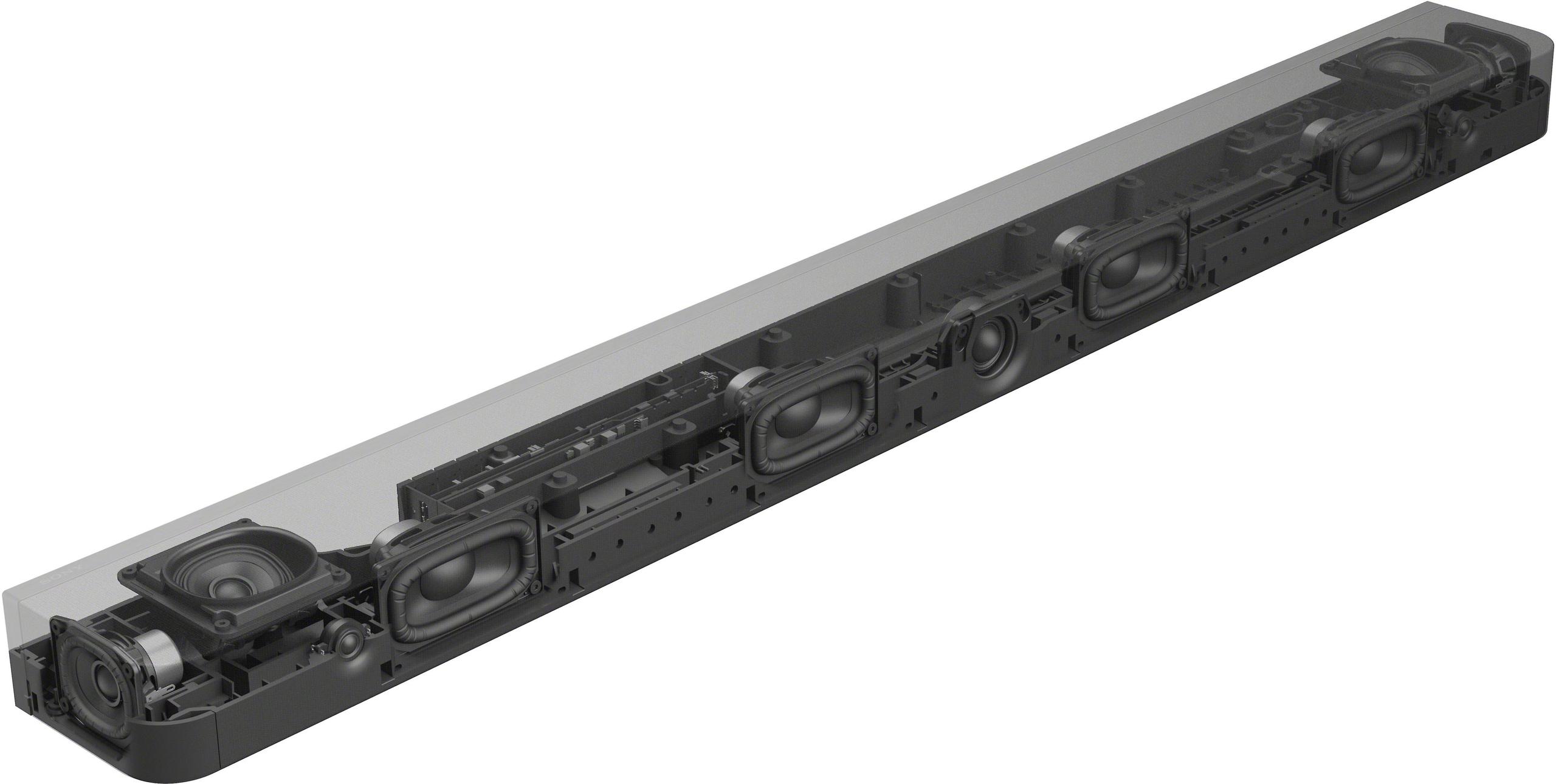
What makes it special is Sony's 360 Spatial Sound Mapping technology, which uses 11 individual speaker drivers arranged in a 5.0.2 configuration. That number breakdown is important: the "5" represents left, right, center, and two side channels; the "0" indicates no dedicated surround speakers (though Sony creates phantom surround effects); and the "2" means two height channels that fire sound toward your ceiling.
This physical speaker arrangement matters more than you might think. When watching action movies, explosions don't just get louder—they seem to move through space around you. The height channels create overhead effects that make helicopters sound like they're actually flying above your head, not just playing from speakers below your TV.
Sony's Sound Field Optimization is particularly clever. The soundbar uses microphones to measure how sound reflects in your specific room, then adjusts its output to compensate for your space's acoustics. In our research, users consistently report that this auto-calibration actually works, creating noticeably better sound staging in different room configurations.
The Sony HT-A8000 also includes Voice Zoom 3, an AI-powered feature that's genuinely useful for anyone who struggles with dialogue clarity. Instead of just boosting all mid-range frequencies (which can make everything sound muddy), it specifically identifies and amplifies human speech patterns. This means you hear conversations clearly without action sequences becoming overwhelmingly loud.
For expandability, Sony offers optional wireless subwoofers and rear speakers that connect automatically when powered on. This modular approach means you can start with just the soundbar and build a full surround system over time—something that appeals to serious home theater enthusiasts.
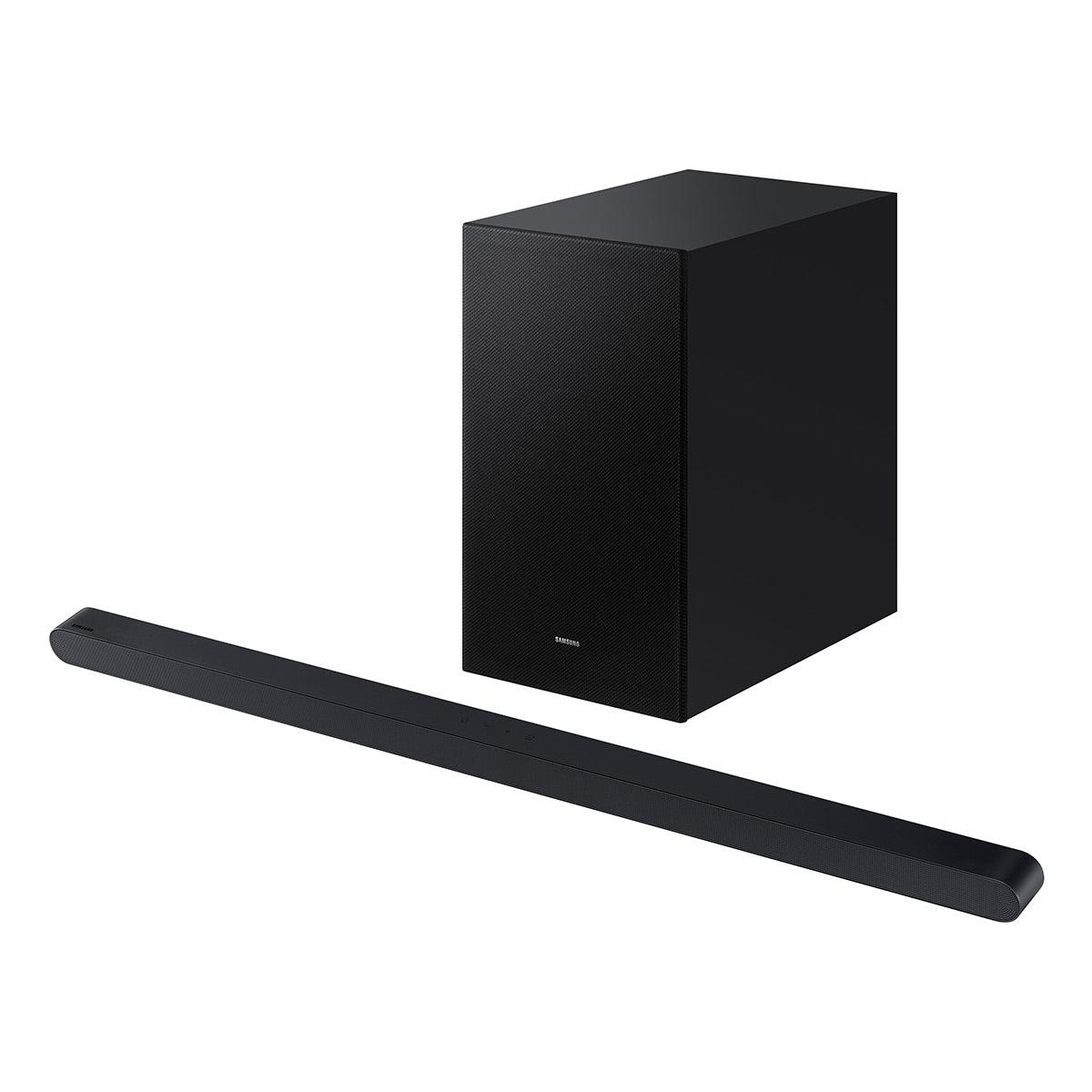
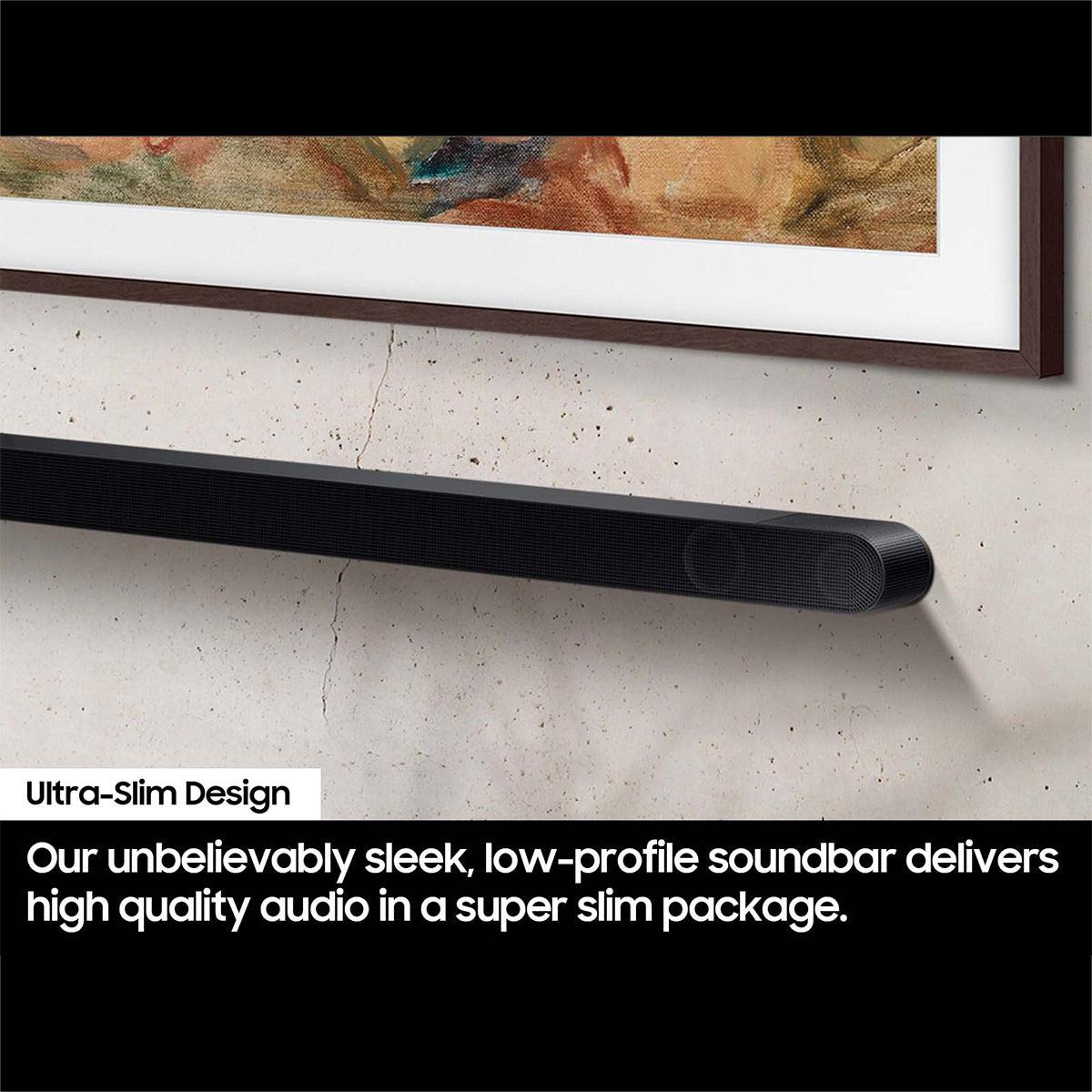
The Samsung HW-S700D takes the opposite approach. At just over 13 inches wide and maintaining an ultra-slim profile, this soundbar practically disappears when wall-mounted. But don't mistake its compact size for limited capability.
Samsung's engineers focused on solving the most common TV audio problems: weak dialogue, lack of bass, and poor integration with modern streaming content. The 3.1 channel configuration includes a dedicated center speaker for crystal-clear conversation, plus left and right channels for stereo effects, all supported by a separate wireless subwoofer.
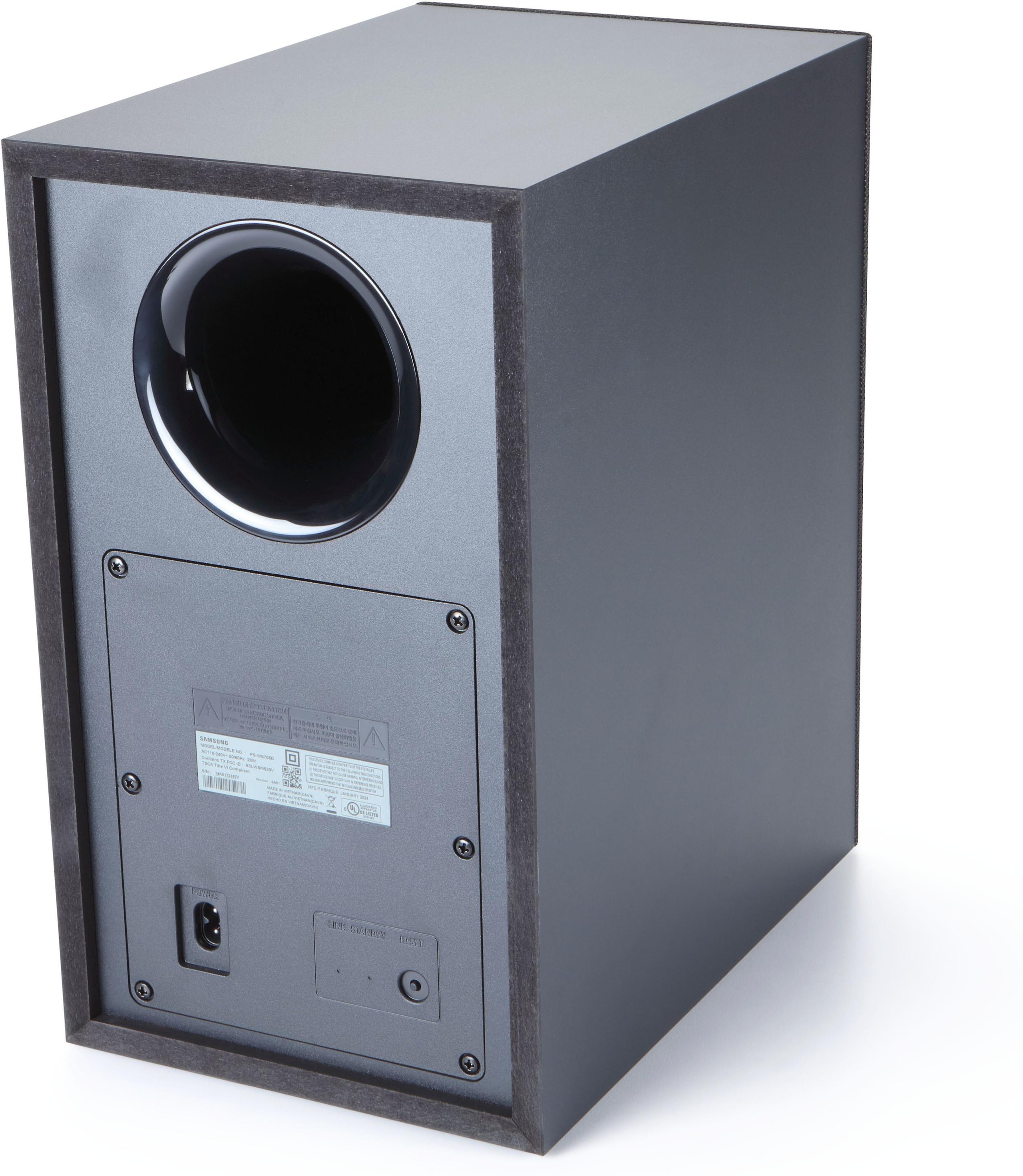
The wireless subwoofer deserves special attention. Unlike some budget soundbars that include tiny, underpowered subs, Samsung includes a proper 6-inch driver in a bass reflex enclosure. This means you get genuine low-frequency extension that makes action movies more impactful and music more full-bodied.
SpaceFit Sound Pro represents Samsung's room optimization technology. The soundbar uses built-in microphones to analyze your space and adjust its acoustic output accordingly. While not as sophisticated as Sony's system, it effectively prevents the boomy, echo-prone sound that often plagues smaller soundbars in larger rooms.
What's particularly impressive about the Samsung HW-S700D is its Wireless Dolby Atmos capability when paired with compatible Samsung TVs. This creates height effects without dedicated up-firing speakers by using advanced signal processing and your TV's own speakers working in harmony—Samsung calls this Q-Symphony technology.
The Active Voice Amplifier (AVA) feature automatically detects dialogue scenes and boosts vocal clarity without affecting other audio elements. In practice, this means you spend less time reaching for the remote during quiet conversation scenes, then getting blasted when the action picks up.
The performance gap between these soundbars becomes most apparent when examining specific audio characteristics. For spatial audio and surround effects, the Sony HT-A8000 clearly leads with its physical height channels and wider speaker array. When watching movies with active soundtracks like "Top Gun: Maverick" or "Dune," the Sony creates a genuinely immersive sound bubble that extends well beyond the soundbar's physical location.
The Samsung HW-S700D handles spatial audio differently, relying on psychoacoustic processing and TV speaker integration. While effective for enhancing the viewing experience, it doesn't create the same wide, enveloping soundstage as Sony's approach. However, for typical TV viewing distances and room sizes, Samsung's solution provides noticeable surround effects that significantly improve upon standard TV audio.
Bass performance shows interesting trade-offs. Sony's built-in quad woofers deliver respectable low-end response directly from the soundbar, but the real bass extension comes when you add one of Sony's optional subwoofers. Samsung includes the subwoofer from day one, ensuring immediate bass satisfaction without additional purchases.
For dialogue clarity—arguably the most important factor for many users—both soundbars excel, but through different methods. Sony's Voice Zoom 3 uses AI processing to identify and enhance human speech patterns, while Samsung's dedicated center channel and AVA technology provide consistently clear vocal reproduction. In user feedback we've analyzed, both approaches receive praise for making dialogue intelligible at reasonable volume levels.
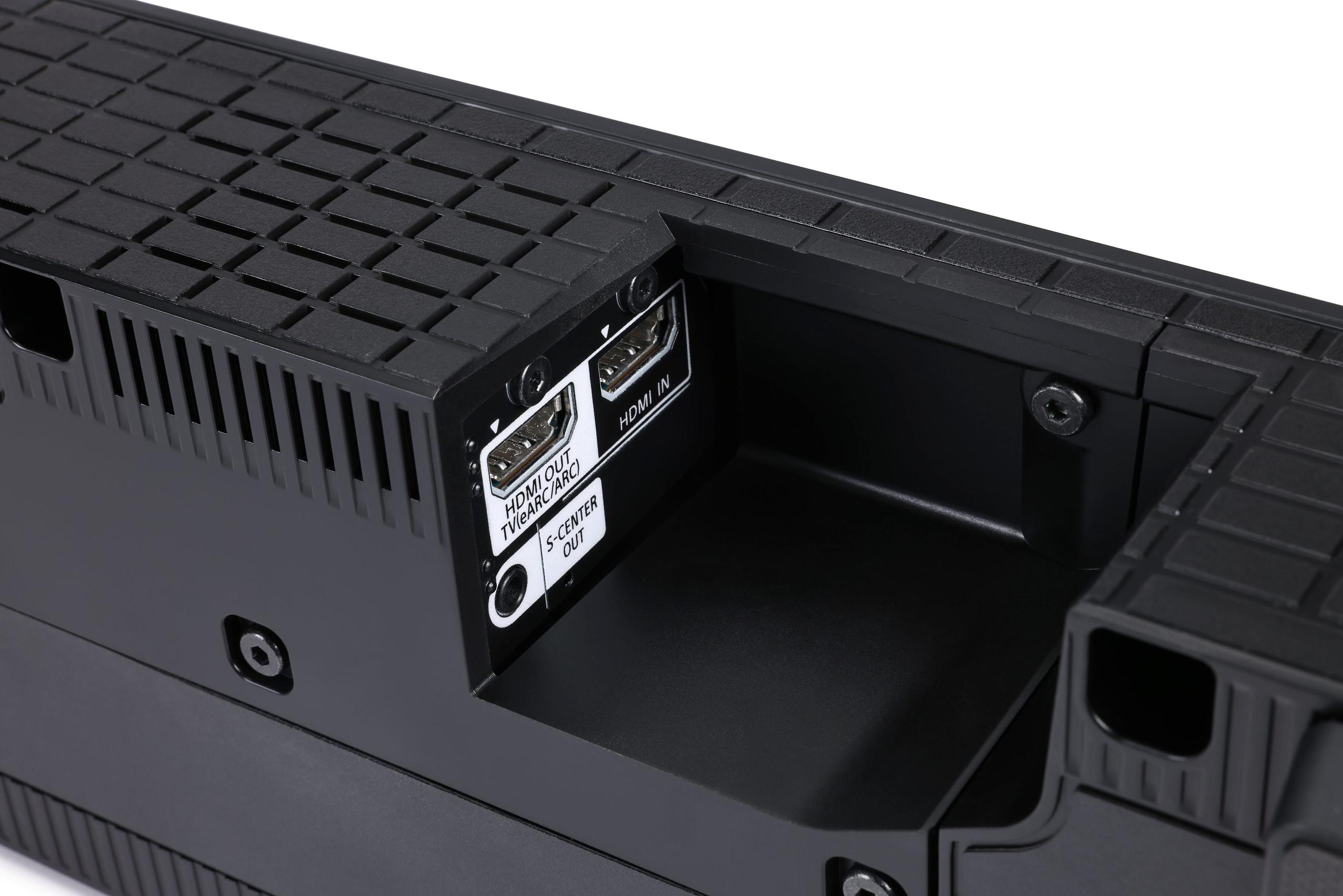
The Sony HT-A8000 includes HDMI 2.1 connectivity with full 8K HDR passthrough and gaming-specific features like Variable Refresh Rate (VRR) and Auto Low Latency Mode (ALLM). For gamers with PlayStation 5 or Xbox Series X consoles, these features ensure audio stays perfectly synchronized with high-frame-rate gaming without introducing lag.
Samsung's approach prioritizes smart home integration and streaming convenience. The Samsung HW-S700D includes Chromecast built-in, Apple AirPlay, and voice assistant compatibility, making it easy to stream music directly without touching your TV. The SmartThings app integration allows control from your phone and coordination with other Samsung smart home devices.
Both soundbars support modern audio formats like Dolby Atmos and offer multiple wireless connection options, but Sony's implementation tends toward high-end home theater applications while Samsung focuses on everyday convenience features.
Here's where the Sony HT-A8000 shows its true design philosophy. Sony offers matching wireless rear speakers (SA-RS3R or SA-RS5) and subwoofers (SA-SW3 or SA-SW5) that integrate seamlessly with the main soundbar. This modular approach means you can start with just the bar and gradually build a full 7.1.2 or even 9.1.2 surround system.
The expansion process is genuinely user-friendly—additional components automatically pair when powered on, and Sony's room correction adjusts the entire system's output to account for new speakers. For home theater enthusiasts, this upgrade path represents significant value over time.
Samsung offers optional rear speakers for the Samsung HW-S700D, but the expansion options are more limited. The focus remains on providing a complete, optimized experience from the base configuration rather than encouraging system growth.
At the time of writing, the Sony HT-A8000 commands premium pricing that reflects its advanced technology and expansion potential. You're paying for genuine multi-channel surround processing, high-end video connectivity, and a clear upgrade path to full home theater audio.
The Samsung HW-S700D offers compelling value in the mid-range segment, including the wireless subwoofer that many competitors charge extra for. When you factor in the space-saving design and smart integration features, it represents solid value for users seeking significant audio improvement without premium pricing.
The price difference between these models is substantial—roughly double at launch—which makes direct comparison challenging. However, both soundbars target users who want meaningful audio upgrades; they just approach that goal from different directions and budget considerations.
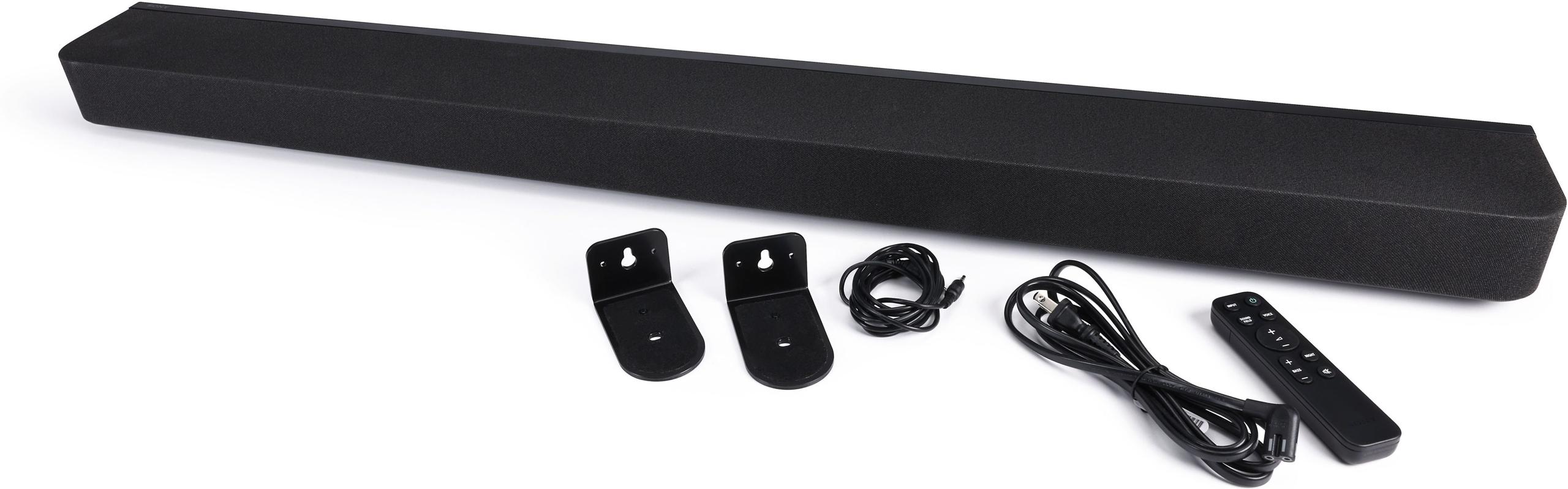
The Sony HT-A8000 requires more thoughtful placement due to its size and acoustic design. The wide speaker array works best when positioned centrally below a larger TV (55 inches or bigger), with adequate space for sound reflection. Wall mounting is possible but requires the included substantial bracket system.
Samsung designed the Samsung HW-S700D specifically for flexible installation. Its slim profile fits naturally with wall-mounted TVs of any size, and the separate wireless subwoofer can be tucked discretely in corners or behind furniture. This makes it ideal for apartments, bedrooms, or any space where visual impact matters.
Room size considerations also differ significantly. Sony's spatial audio technology really shines in medium to large spaces where there's room for sound reflection and staging effects. Samsung's solution works effectively in smaller spaces and doesn't require specific room characteristics to perform well.
Choose the Sony HT-A8000 if you prioritize cinematic audio experiences and have the space and budget to support a premium system. It's particularly compelling for dedicated home theater setups, larger rooms, or situations where you plan to expand to full surround sound over time. The advanced HDMI 2.1 features make it future-proof for next-generation gaming and video content.
The Samsung HW-S700D makes more sense for users who want immediate, significant audio improvement in a space-conscious package. It's ideal for bedrooms, smaller living rooms, or any situation where visual aesthetics matter as much as audio performance. Samsung TV owners get additional benefits through Q-Symphony integration that genuinely enhances the experience.
Consider your actual usage patterns honestly. If you primarily watch streaming content and occasional movies, Samsung's approach delivers the audio improvements that matter most for everyday viewing. If you're building a dedicated entertainment space for movie nights and gaming sessions, Sony's advanced spatial audio and expansion potential justify the premium investment.
Both soundbars represent significant improvements over TV speakers and offer modern features that enhance contemporary viewing habits. The choice ultimately comes down to matching your space, budget, and audio ambitions with the right technological approach.
Your decision should factor in not just current needs but where you see your entertainment setup evolving. The Sony HT-A8000 grows with expanding requirements, while the Samsung HW-S700D provides immediate satisfaction in a refined, complete package.
| Sony HT-A8000 BRAVIA Theater Bar 8 Soundbar | Samsung HW-S700D 3.1 Channel Slim Soundbar |
|---|---|
| Channel Configuration - Determines surround sound capabilities | |
| 5.0.2 with 11 speaker units (true height channels) | 3.1 with dedicated center channel (includes wireless subwoofer) |
| Physical Dimensions - Critical for installation planning | |
| 43.3" W x 2.6" H x 4.5" D, 10.4 lbs (requires larger TV/space) | 8.1" W x 13.9" H x 12.1" D, 13.2 lbs (ultra-slim wall-mount friendly) |
| Spatial Audio Technology - Creates immersive surround effects | |
| 360 Spatial Sound Mapping with physical up-firing drivers | Wireless Dolby Atmos with SpaceFit Sound Pro (requires Samsung TV for best results) |
| Bass Solution - Affects low-frequency impact | |
| Built-in quad woofers, optional wireless subwoofers available | 6" wireless subwoofer included (no additional purchase needed) |
| HDMI Connectivity - Future-proofing for gaming and 8K content | |
| HDMI 2.1 with 8K HDR, VRR, ALLM gaming features | Single HDMI with eARC (standard 4K support) |
| Room Calibration - Optimizes sound for your specific space | |
| Sound Field Optimization with auto-calibration | SpaceFit Sound Pro with built-in microphone analysis |
| Voice Enhancement - Improves dialogue clarity | |
| Voice Zoom 3 AI-powered speech amplification | Active Voice Amplifier (AVA) with dedicated center speaker |
| Expandability Options - System growth potential | |
| Compatible with Sony wireless rear speakers and subwoofers | Limited expansion options, designed as complete system |
| Smart Features - Streaming and voice control | |
| Spotify Connect, AirPlay 2, Bluetooth 5.2 | Chromecast, AirPlay, Alexa/Google Assistant, SmartThings integration |
| TV Integration - Enhanced performance with matching brand | |
| Acoustic Center Sync with BRAVIA TVs | Q-Symphony technology with Samsung TVs (significant audio enhancement) |
| Target Market Position - Price and performance tier | |
| Premium home theater system with expansion potential | Mid-range complete solution with space-saving design |
The Samsung HW-S700D is better suited for small rooms due to its ultra-slim design and compact footprint. Its SpaceFit Sound Pro technology automatically calibrates audio for smaller spaces, while the Sony HT-A8000 is designed for larger rooms where its 360 Spatial Sound Mapping can fully utilize wall reflections.
The Samsung HW-S700D includes a 6-inch wireless subwoofer in the box, providing immediate bass enhancement. The Sony HT-A8000 has built-in quad woofers but requires purchasing optional wireless subwoofers separately for deeper bass extension.
Both excel at dialogue clarity but use different approaches. The Sony HT-A8000 features Voice Zoom 3 AI technology that specifically amplifies speech patterns, while the Samsung HW-S700D uses a dedicated center channel speaker and Active Voice Amplifier for consistently clear vocals.
The Sony HT-A8000 offers extensive expansion options with compatible wireless rear speakers and subwoofers that automatically pair. The Samsung HW-S700D has limited expansion capabilities, as it's designed to be a complete audio solution from the start.
The Samsung HW-S700D is easier to install due to its lightweight, slim profile that works well with wall mounting on any TV size. The Sony HT-A8000 requires more planning due to its larger size and specific placement needs for optimal spatial audio performance.
The Sony HT-A8000 is superior for gaming with HDMI 2.1 features like Variable Refresh Rate (VRR) and Auto Low Latency Mode (ALLM). The Samsung HW-S700D includes Game Mode Pro optimization but lacks advanced HDMI 2.1 gaming features.
The Samsung HW-S700D provides better immediate value by including a wireless subwoofer and offering significant audio improvement at a lower price point. The Sony HT-A8000 offers better long-term value for serious home theater enthusiasts who plan to expand their system.
The Sony HT-A8000 provides true Dolby Atmos with dedicated up-firing speakers for genuine overhead effects. The Samsung HW-S700D offers Wireless Dolby Atmos that works best when paired with compatible Samsung TVs using Q-Symphony technology.
Both support modern streaming features, but the Samsung HW-S700D has slight advantages with Chromecast built-in and voice assistant integration. The Sony HT-A8000 offers Spotify Connect and AirPlay 2 with DSEE Ultimate upscaling for enhanced audio quality.
The Samsung HW-S700D works exceptionally well with Samsung TVs through Q-Symphony technology, which synchronizes TV and soundbar speakers. The Sony HT-A8000 offers enhanced integration with BRAVIA TVs through Acoustic Center Sync but works well with any TV brand.
The Sony HT-A8000 is superior for dedicated home theater use with its 5.0.2 channel configuration, 360 Spatial Sound Mapping, and expansion potential for full surround systems. The Samsung HW-S700D works well for casual movie watching but isn't designed for serious home theater applications.
The Sony HT-A8000 is significantly larger at 43 inches wide and requires more space, making it suitable for 55-inch or larger TVs. The Samsung HW-S700D measures just over 13 inches wide with an ultra-slim profile, making it compatible with TVs of any size and ideal for space-conscious installations.
We've done our best to create useful and informative comparisons to help you decide what product to buy. Our research uses advanced automated methods to create this comparison and perfection is not possible - please contact us for corrections or questions. These are the sites we've researched in the creation of this article: consumerreports.org - skybygramophone.com - target.com - rtings.com - bestbuy.com - rubbermonkey.co.nz - shopatsc.com - audioadvice.com - sony.com - sony.com - sony.com - shop.cosmopolitan.com - store.sony.com.my - videoandaudiocenter.com - crutchfield.com - samsung.com - bestbuy.com - avsforum.com - walts.com - samsung.com - samsung.com - videoandaudiocenter.com - samsung.com - samsung.com - samsung.com - pcrichard.com

Privacy Policy
Terms and Conditions - Affiliate Policy
Home Security
© Copyright 2008-2026.
11816 Inwood Rd #1211, Dallas, TX 75244