




When your TV's built-in speakers just aren't cutting it anymore, a quality soundbar can transform your viewing experience. But choosing between different approaches to surround sound can feel overwhelming. Today we're comparing two distinct philosophies: the Sony HT-A8000, a premium single-unit soundbar released in 2021, and the TCL Q85H Q Class, a complete surround sound system that hit the market in 2024.
Before diving into specifics, let's talk about what makes a soundbar system effective. The core job is replacing your TV's tiny, often rear-facing speakers with something that can actually fill your room with clear dialogue, immersive effects, and satisfying bass.
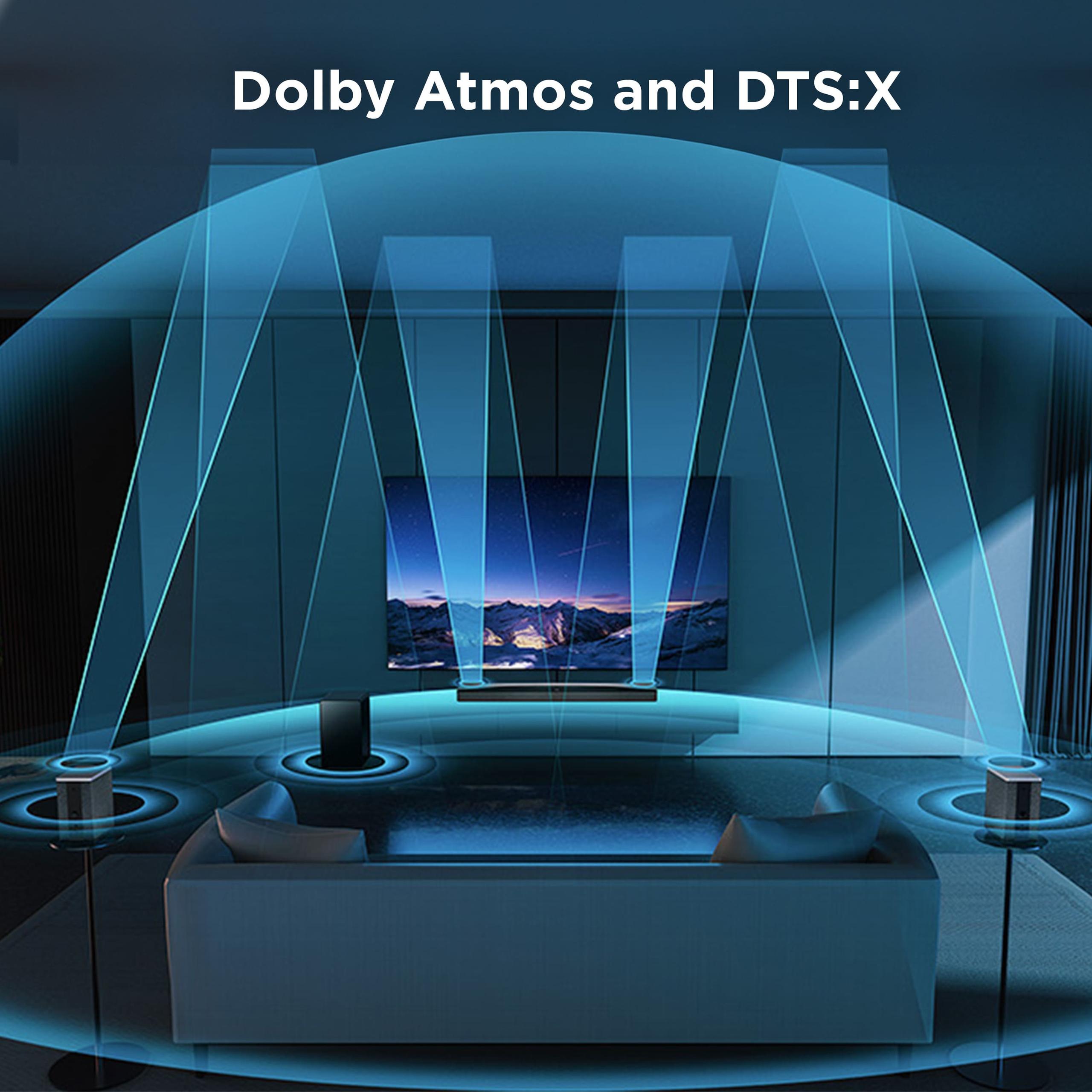
Modern soundbars use several key technologies to achieve this. Channel configuration tells you how many speakers are working and where they're positioned - a 5.1.4 system has five main speakers, one subwoofer, and four height speakers for overhead effects. Dolby Atmos and DTS:X are spatial audio formats that place sounds in three-dimensional space around you, making explosions seem to come from above or footsteps track across the room.
The biggest decision you'll face is between a virtual surround system (which uses clever audio processing to simulate surround sound from fewer speakers) and a true surround setup (which physically places speakers around your room). Each approach has distinct advantages depending on your space, budget, and preferences.
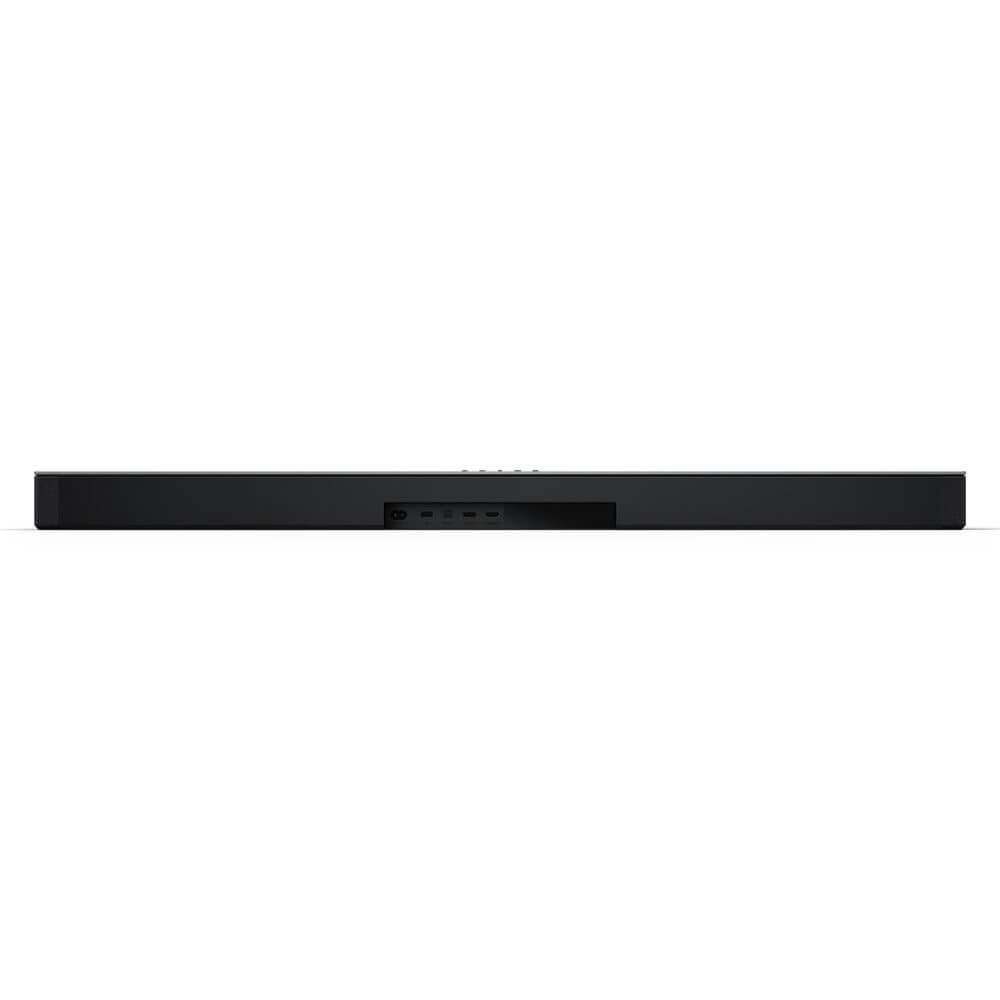
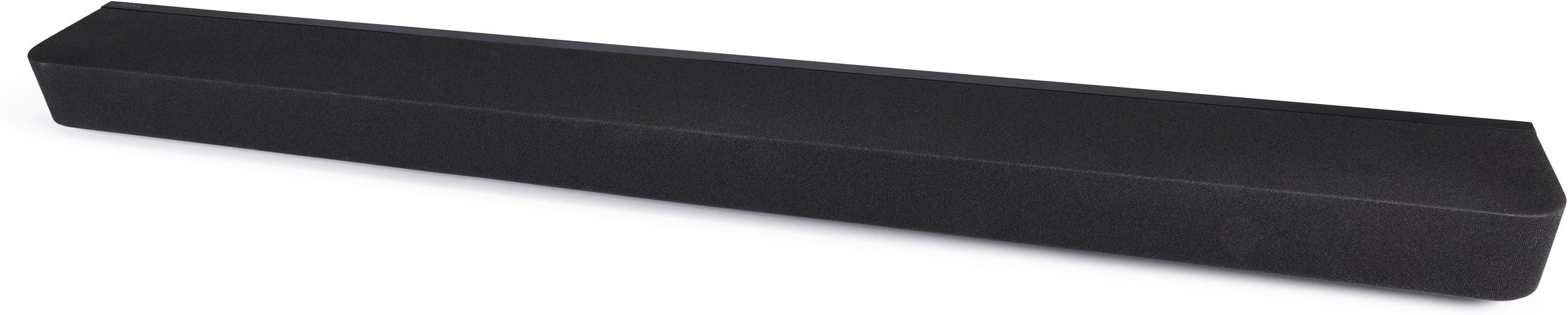
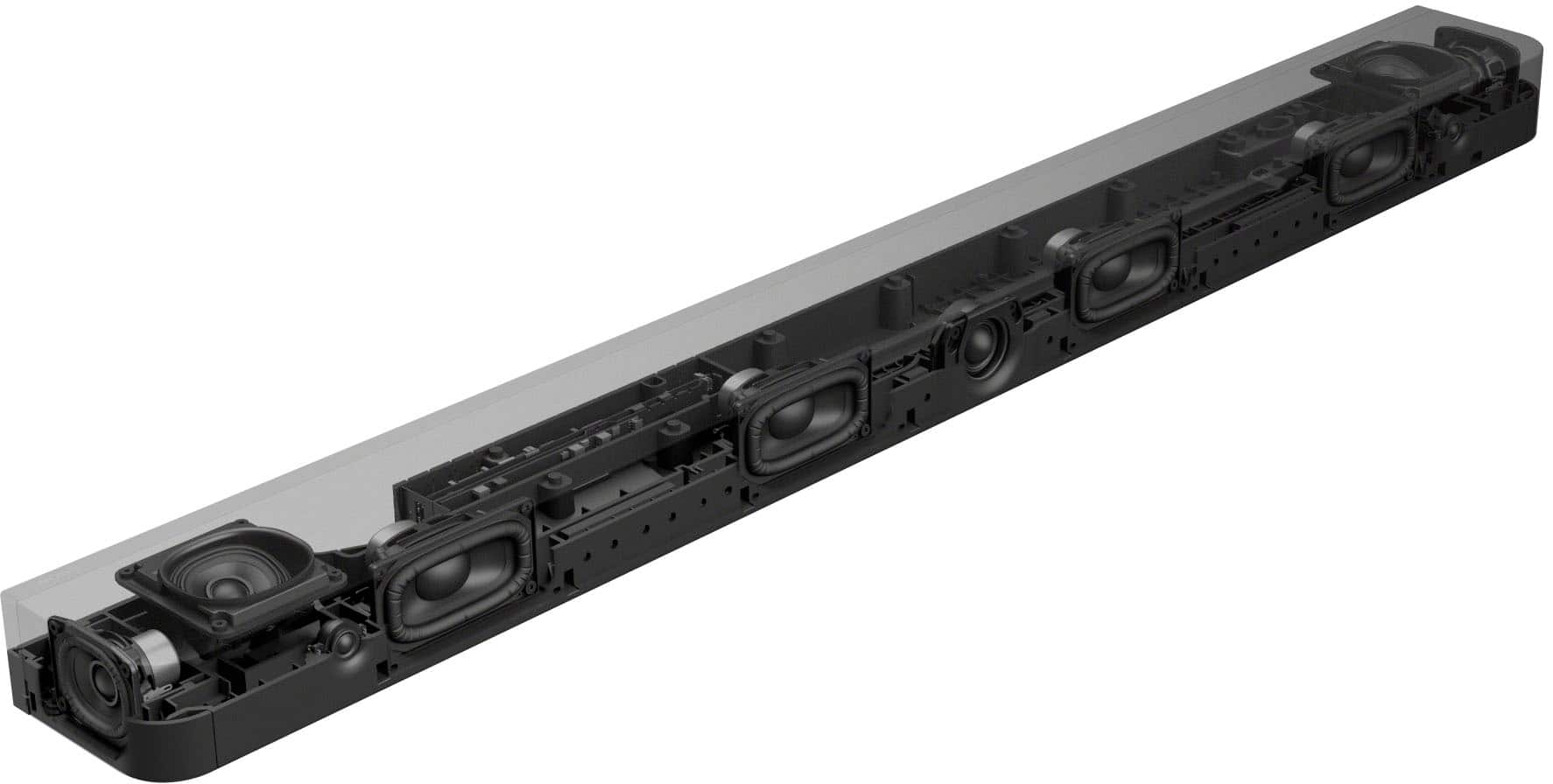
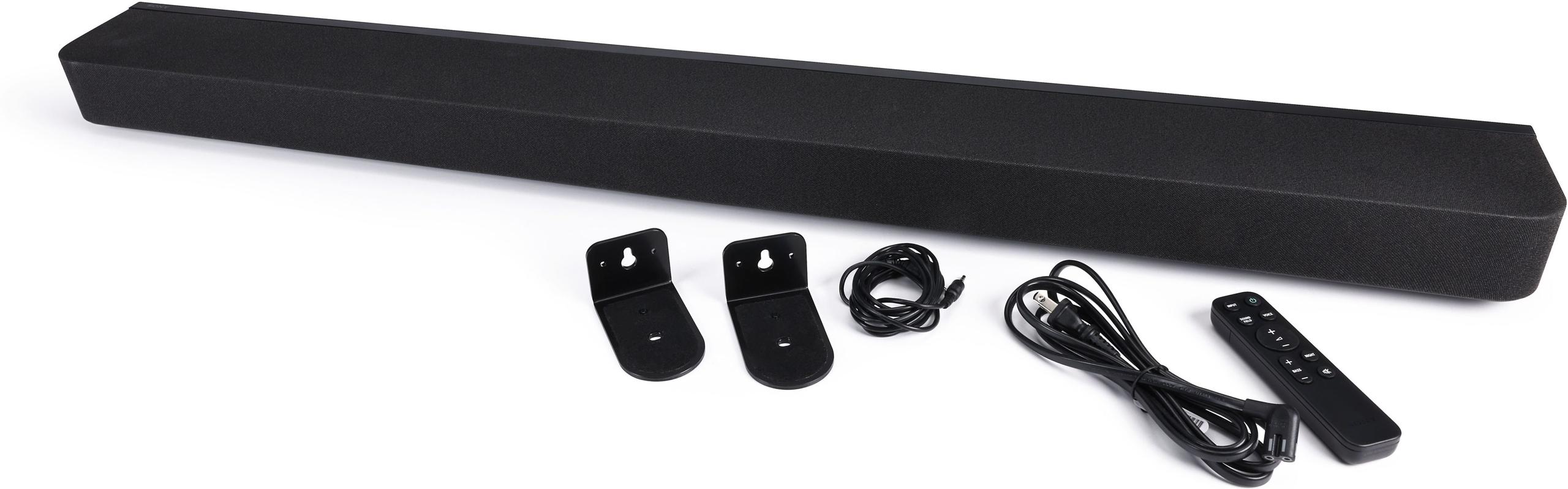
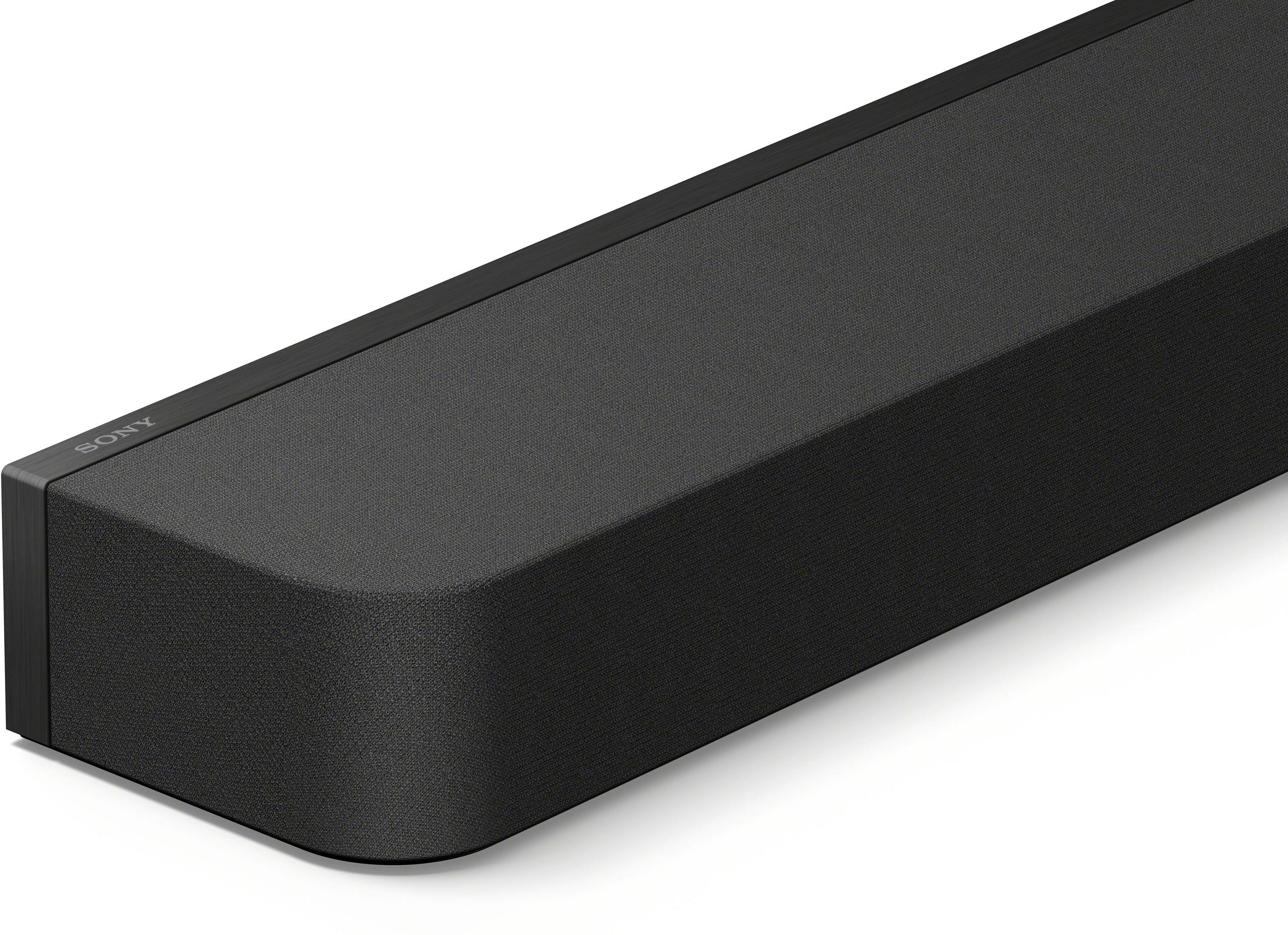
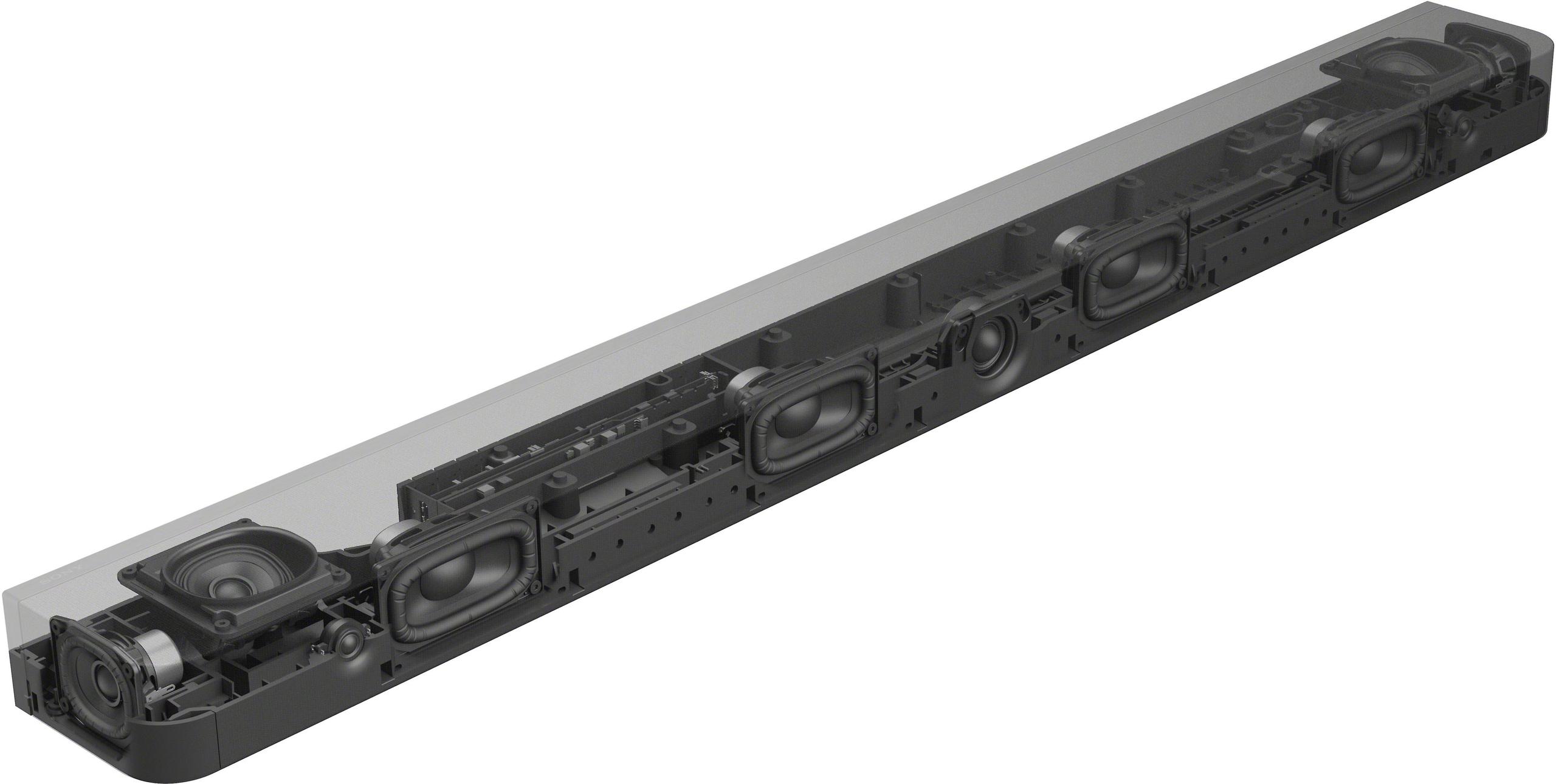
The Sony HT-A8000 represents the premium minimalist approach. This single soundbar packs 11 individual speakers into its sleek frame, using Sony's 360 Spatial Sound Mapping technology to create virtual surround effects by bouncing audio off your walls and ceiling. Think of it as an extremely sophisticated way of tricking your ears into hearing sounds that aren't actually there.
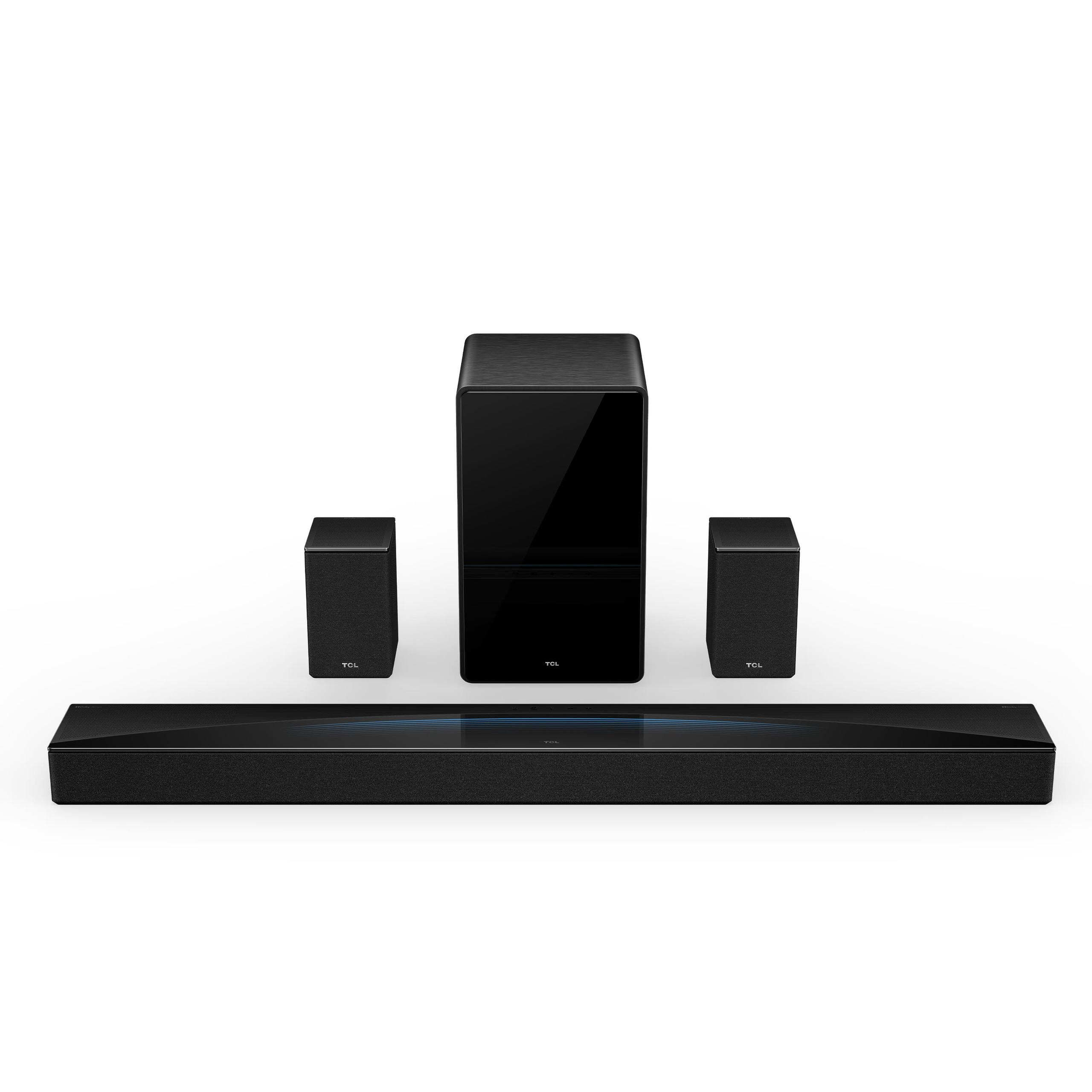
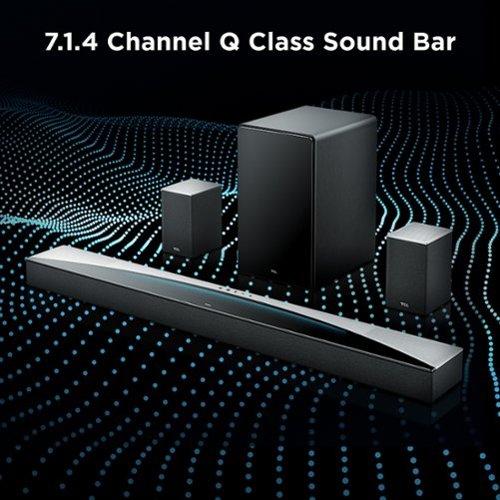
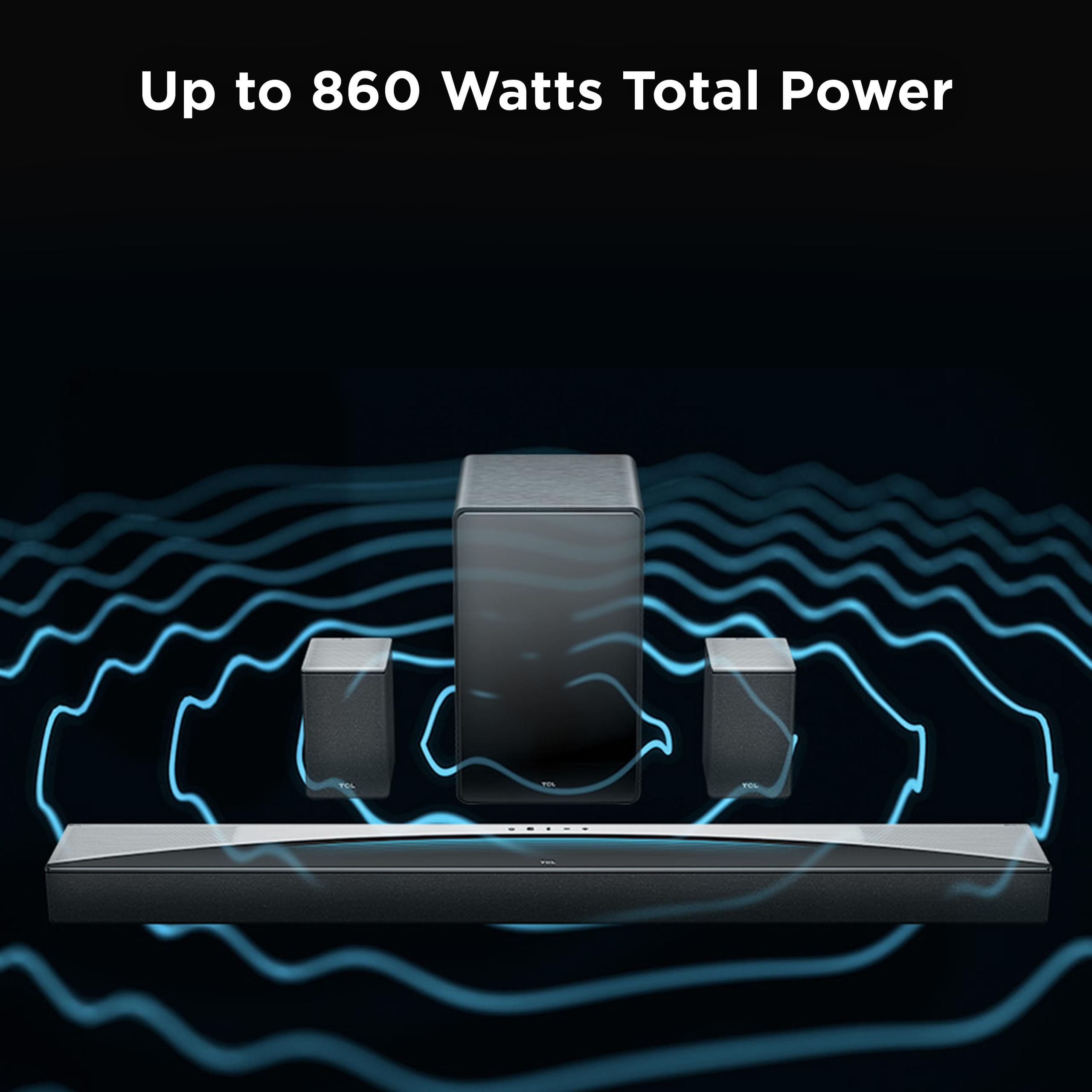
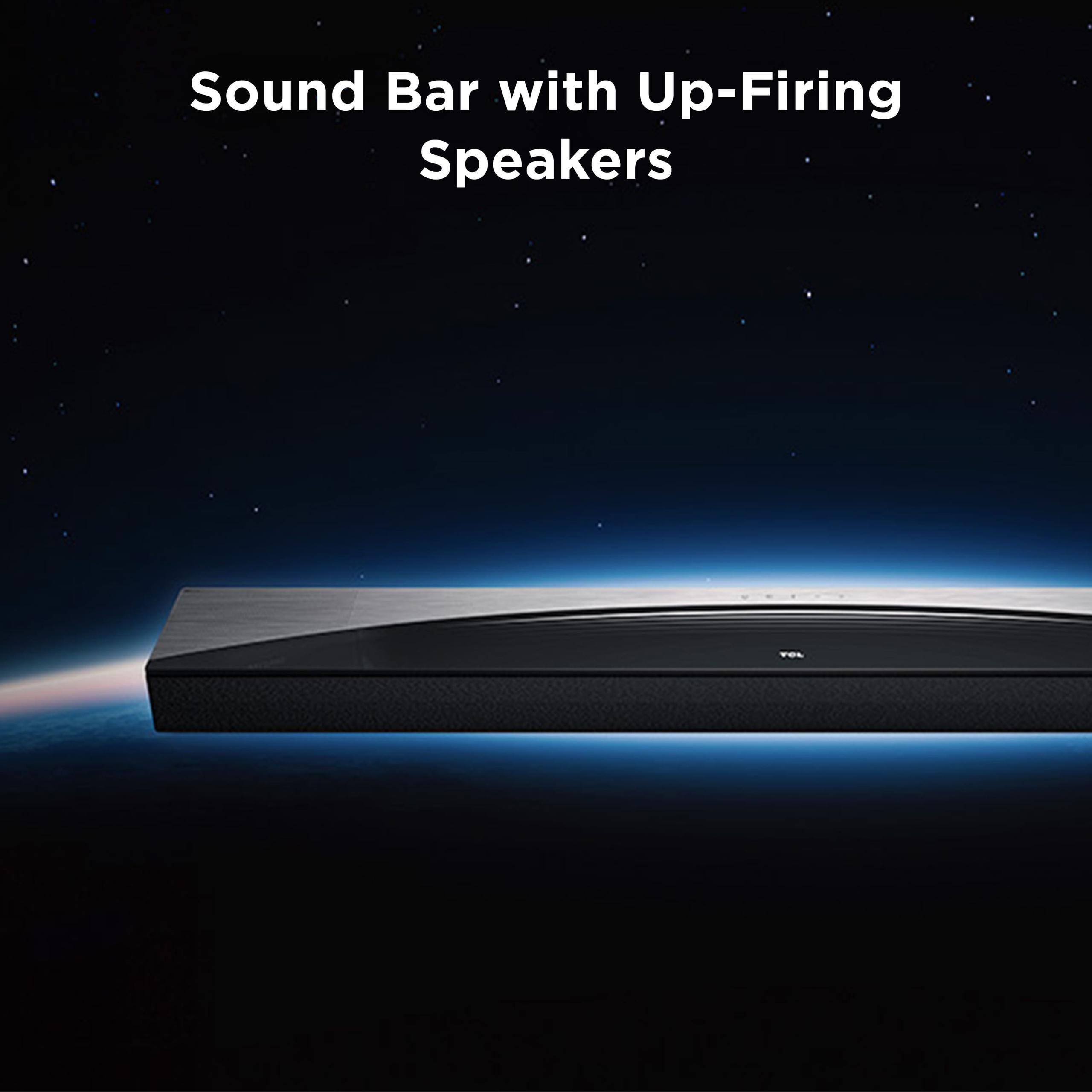
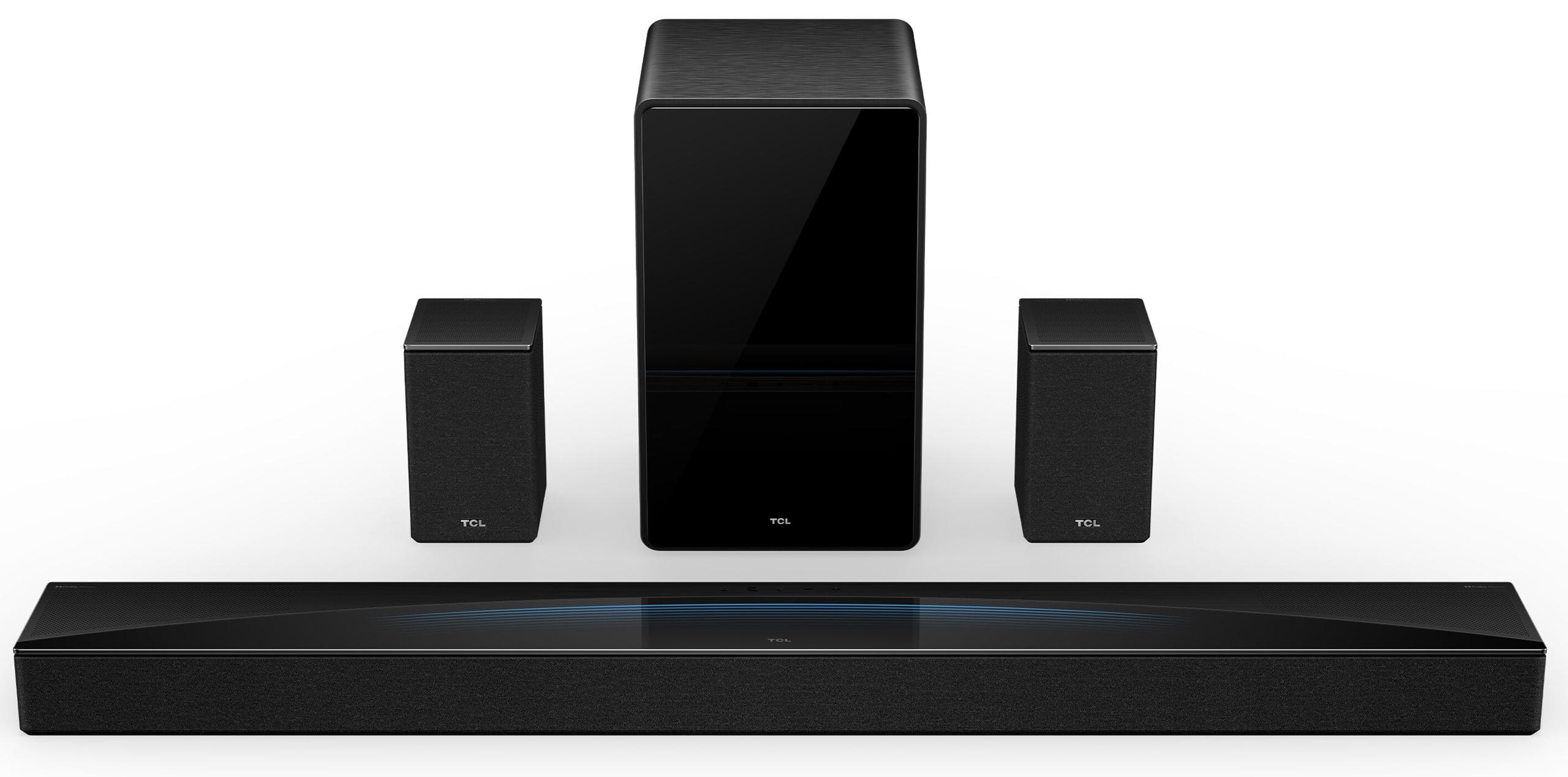
The TCL Q85H takes the opposite approach with its complete 7.1.4 system. You get the main soundbar, a wireless subwoofer, and two wireless rear speakers right in the box. This means sounds actually come from behind and beside you, rather than being simulated. It's the difference between watching a magic trick and experiencing the real thing.
At the time of writing, the Sony typically costs significantly less as a standalone unit, but requires additional purchases to match the TCL's complete setup. The TCL costs more upfront but includes everything you need for true surround sound.
Clear dialogue often makes or breaks the home theater experience. Nothing's more frustrating than constantly reaching for the remote to adjust volume during conversations, then getting blasted by action sequences.
The Sony HT-A8000 tackles this with Voice Zoom 3, an AI-powered feature that recognizes human speech patterns and intelligently amplifies dialogue while reducing background noise. During quiet dramatic scenes, this technology can be the difference between understanding every whispered word and missing crucial plot points. Sony's DSEE Ultimate sound enhancement also upscales compressed audio from streaming services, improving clarity across all content.
The TCL Q85H uses a more traditional but equally effective approach with its dedicated center channel speaker. In true surround sound systems, the center speaker handles most dialogue, ensuring voices always seem to come from the screen rather than floating somewhere around the room. Our research into user experiences shows this physical approach often provides more consistent dialogue clarity across different room configurations.
Both systems excel here, but the Sony edges ahead in smaller rooms where its AI processing can work more effectively, while the TCL performs better in larger spaces where physical speaker placement matters more.
Bass performance reveals the clearest difference between these systems. The Sony HT-A8000 includes quad woofers with a clever rectangular design that maximizes the speaker cone area within the soundbar's slim profile. This engineering delivers surprisingly robust bass for a single unit, but physics ultimately limits what's possible from drivers this size.
The TCL Q85H includes a dedicated 6.5-inch wireless subwoofer with Bass Boost technology. This separate unit can be positioned anywhere in your room for optimal bass distribution - often in a corner where room acoustics naturally amplify low frequencies. The difference in movie explosions, music with deep synthesizers, or gaming sound effects is immediately noticeable.
For reference, a dedicated subwoofer typically produces bass frequencies down to 20-30 Hz, while soundbar woofers usually bottom out around 40-50 Hz. That missing bottom octave contains the rumble that makes you feel like you're inside the action rather than just watching it.
This is where the fundamental difference in approaches becomes most apparent. The Sony HT-A8000 uses 360 Spatial Sound Mapping with Sound Field Optimization that actually listens to your room using built-in microphones, then adjusts its output to work with your specific acoustics. The system creates "phantom speakers" by precisely controlling how sounds reflect off surfaces.
This virtual approach works remarkably well in rooms with appropriate acoustics - meaning hard surfaces that can reflect sound effectively. The five up-firing speakers bounce audio off your ceiling to create height effects, while side-firing drivers use wall reflections for width. When conditions are right, the illusion can be convincing enough that you'll turn around looking for speakers that aren't there.
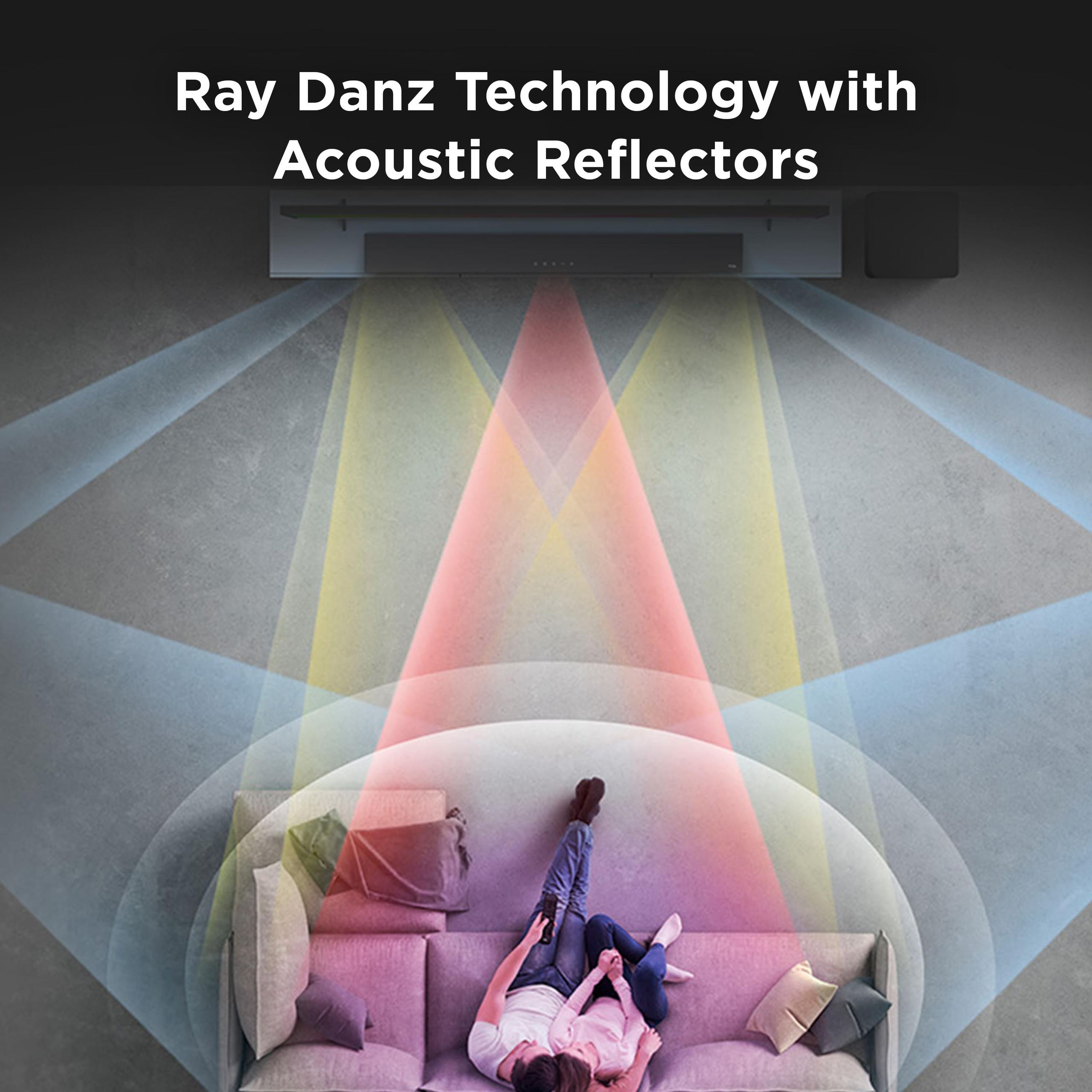
The TCL Q85H delivers spatial audio through physical placement. Its wireless rear speakers each contain both forward-firing and up-firing drivers, creating genuine 7.1.4 surround sound. The RayDanz Technology with acoustic reflectors widens the soundstage even further, but the real advantage is having actual speakers positioned around your listening area.
In our evaluation of user experiences, the TCL consistently delivers more reliable surround effects across different room types. Virtual surround can be finicky - it works beautifully in some spaces and poorly in others, depending on factors like furniture placement, carpet versus hardwood floors, and room shape.
Both systems support modern gaming features through HDMI 2.1, including 4K120 (4K resolution at 120 frames per second), VRR (Variable Refresh Rate to eliminate screen tearing), and ALLM (Auto Low Latency Mode for minimal input lag).
The Sony HT-A8000 has a slight advantage for PlayStation owners due to ecosystem integration, and its virtual surround processing can create impressive directional audio for competitive gaming. When enemies approach from specific directions, the spatial mapping helps pinpoint their location.
The TCL Q85H excels in action games and immersive single-player experiences where the physical rear speakers create genuine 360-degree audio environments. Racing games benefit enormously from actual rear speakers reproducing engine sounds and crowd noise behind you.
Modern soundbars must adapt to wildly different room acoustics, from small apartments to large open-concept living spaces. The Sony HT-A8000 uses Sound Field Optimization that automatically measures your room's acoustic signature using built-in microphones, then adjusts its virtual surround processing accordingly.
The TCL Q85H employs AI Sonic calibration that optimizes the entire system's output based on speaker placement and room characteristics. This is particularly important for a system with multiple physical speakers, as timing and level adjustments ensure all elements work together seamlessly.
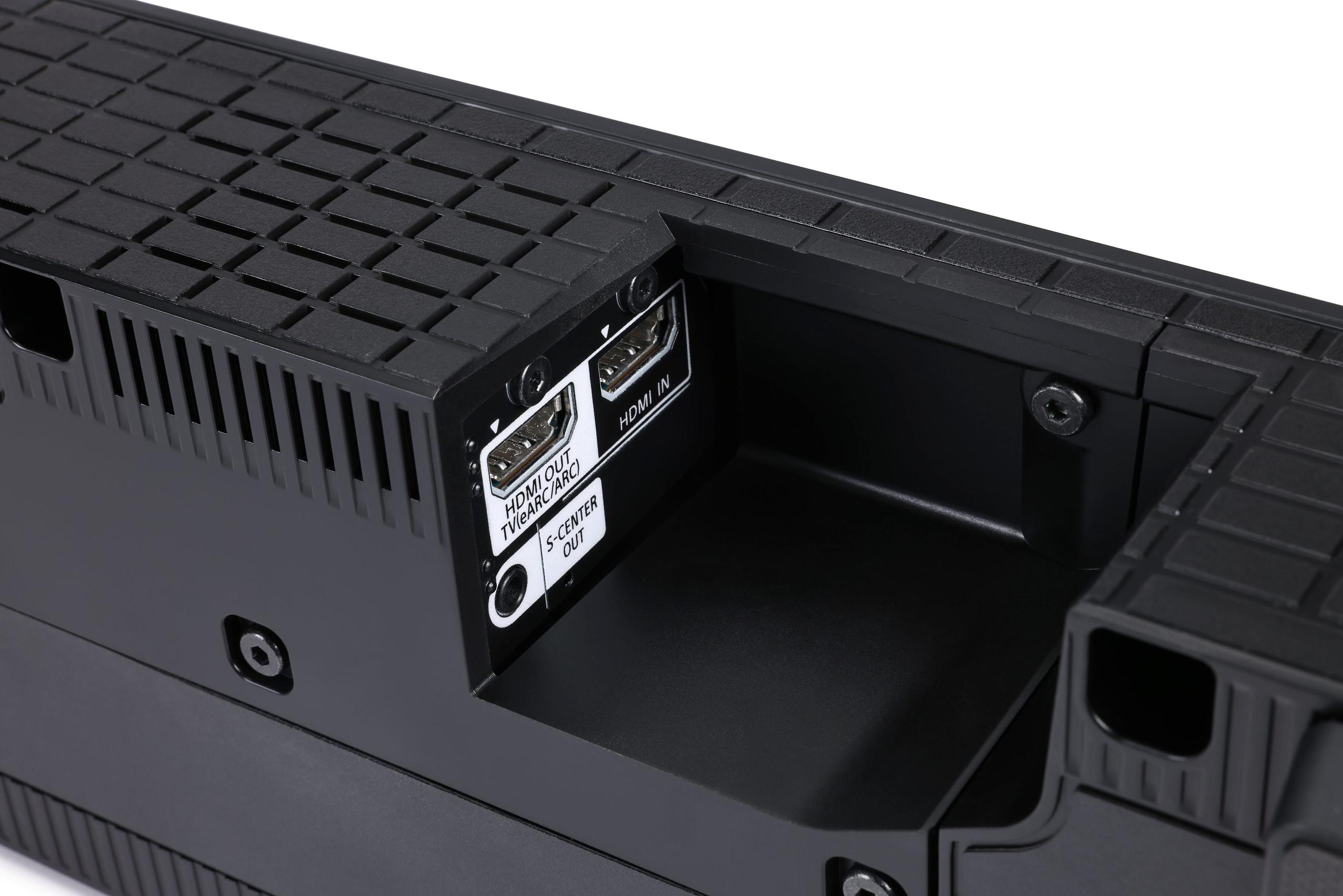
Both systems support the essential modern features: Bluetooth 5.1/5.2 for wireless music streaming, Wi-Fi for network audio services, and HDMI eARC (enhanced Audio Return Channel) for high-quality audio from your TV.
The Sony HT-A8000 shines with Acoustic Center Sync when paired with compatible Sony TVs, actually using your television's speakers as part of the soundbar system. This creates an even wider soundstage and ensures dialogue appears to come directly from the screen.
The TCL Q85H offers broader TV compatibility with TCL TV Ready and Roku TV Ready features, plus the TCL Home Connect app for detailed system control. While not as tightly integrated as Sony's ecosystem approach, it works well with virtually any modern TV.
At the time of writing, the pricing structures reveal interesting strategic differences. The Sony HT-A8000 costs significantly less initially, making it appealing for budget-conscious buyers or those who want to test soundbar benefits before committing fully.
However, expanding to a complete system requires purchasing Sony's wireless subwoofer and rear speakers separately, potentially tripling the total investment. This modular approach works well if you're building gradually, but becomes expensive for immediate full surround sound.
The TCL Q85H costs more upfront but includes everything needed for complete surround sound. When comparing total system costs, it typically delivers much better value for money - often costing less than just the Sony's expansion components alone.
The Sony HT-A8000, released in 2021, represents mature virtual surround technology that has been refined over several years. Sony's experience in audio processing shows in the sophisticated algorithms and room optimization features.
The TCL Q85H, arriving in 2024, benefits from more recent technological developments and component improvements. The wireless technology is more robust, and the included components represent current-generation performance standards.
Both systems support current audio formats and HDMI standards, but the Sony's longer market presence means more proven compatibility with various devices and content sources.
In smaller spaces, the Sony HT-A8000 often performs excellently. The virtual surround effects work more reliably when listening positions are closer to the soundbar, and the room's acoustics are easier to optimize. The sleek single-unit design also fits better in space-constrained setups.
The TCL Q85H can overwhelm smaller rooms, and finding optimal placement for rear speakers becomes challenging. However, when properly positioned, it still provides superior bass response and more convincing surround effects.
This is where the TCL Q85H truly excels. Physical speaker placement becomes crucial in larger spaces where virtual surround effects start breaking down. The dedicated subwoofer can pressurize bigger rooms effectively, and rear speakers maintain immersion even at greater distances.
The Sony HT-A8000 struggles more in open-concept layouts where sound reflections become unpredictable and listening positions vary widely. While still capable of good performance, it requires more careful room setup and positioning.
The Sony makes particular sense for renters who can't permanently mount rear speakers, or anyone who wants to experience quality soundbar benefits without committing to a complete surround system immediately.
The TCL represents the better choice for dedicated home theater enthusiasts who know they want complete surround sound and prefer genuine speaker placement over virtual effects.
These soundbars represent two valid but different philosophies. The Sony HT-A8000 delivers sophisticated virtual surround in a premium package that integrates beautifully with existing setups, especially in smaller rooms. Its technology is impressive, and the upgrade path allows gradual system expansion.
The TCL Q85H provides genuine surround sound with complete components at exceptional value. While less elegant as a single unit, it delivers more convincing spatial audio and superior bass response for most listeners.
For most people setting up home theaters, the TCL's combination of performance, completeness, and value makes it the stronger recommendation. The only exceptions are smaller rooms where rear speakers are impractical, or Sony ecosystem users who prioritize integration over pure performance.
The future of soundbar technology continues evolving rapidly, but both systems provide solid foundations that will satisfy most users for years to come. Your room size, aesthetic preferences, and budget priorities should ultimately guide your decision between these two capable but different approaches to home audio enhancement.
| Sony HT-A8000 BRAVIA Theater Bar 8 Soundbar | TCL Q85H Q Class 7.1.4 Channel Sound Bar System |
|---|---|
| Channel Configuration - Determines surround sound authenticity | |
| 5.0.2 virtual surround (11 speakers in soundbar only) | True 7.1.4 surround (15 speakers across multiple units) |
| What's Included - Major factor in total system cost | |
| Soundbar only (subwoofer and rear speakers sold separately) | Complete system: soundbar + wireless subwoofer + 2 rear speakers |
| Bass Performance - Critical for movie impact and music enjoyment | |
| Built-in quad woofers (good for size, but limited by physics) | Dedicated 6.5" wireless subwoofer (significantly deeper bass response) |
| Room Coverage - How well it fills different spaces | |
| Best in small-medium rooms with good acoustics for reflections | Excellent in all room sizes due to physical speaker placement |
| Spatial Audio Technology - How surround effects are created | |
| 360 Spatial Sound Mapping with phantom speakers and reflections | RayDanz Technology + AI Sonic calibration with real speaker positioning |
| TV Integration - Convenience and ecosystem benefits | |
| Seamless with Sony BRAVIA TVs (Acoustic Center Sync) | Universal compatibility, optimized for TCL and Roku TVs |
| Expandability - Future upgrade potential | |
| Modular system allows gradual component additions | Complete system out of the box, no expansion needed |
| Voice Clarity Enhancement - Important for dialogue-heavy content | |
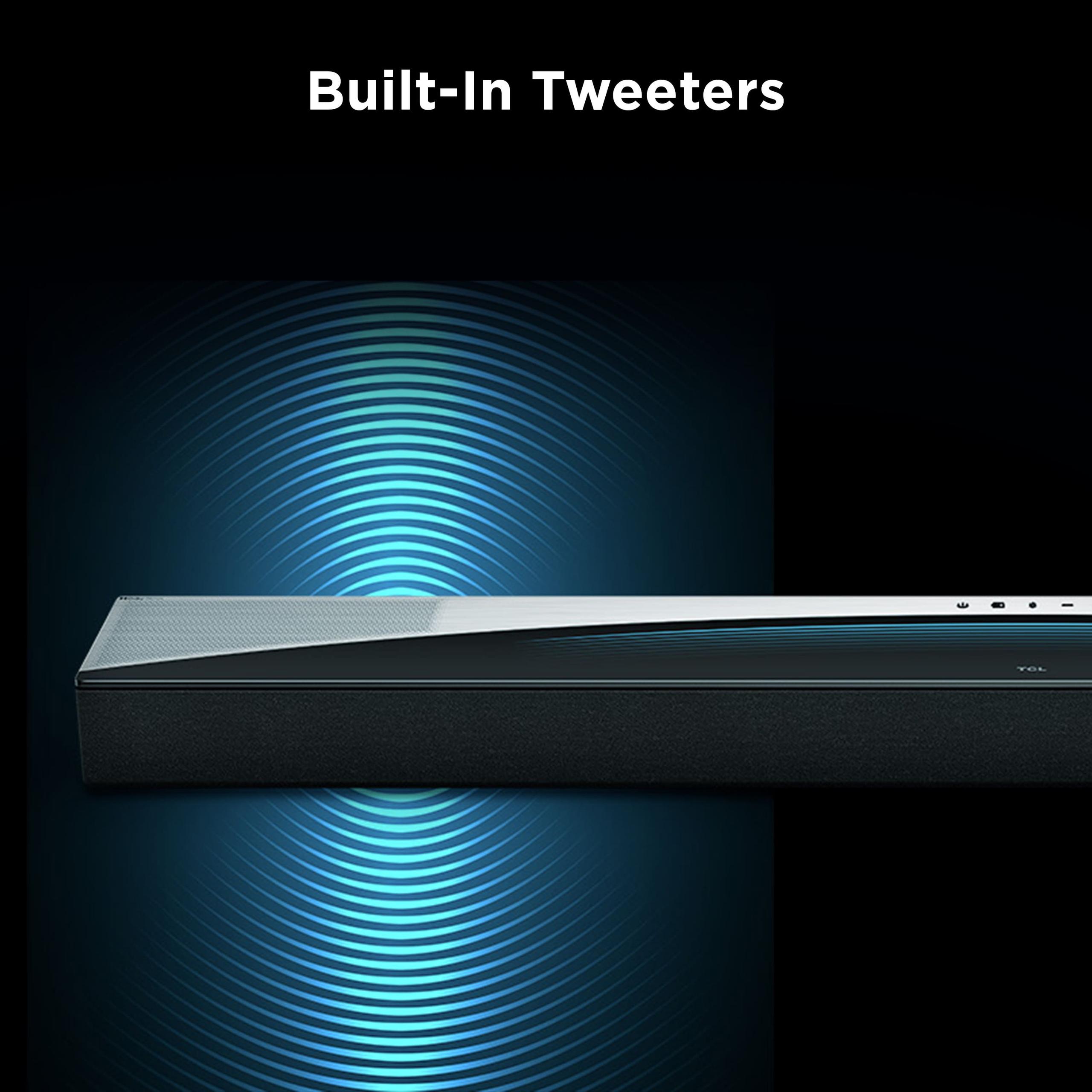
| Voice Zoom 3 AI technology + DSEE Ultimate processing | Dedicated center channel speaker + built-in tweeters |
| Gaming Features - Essential for console users | |
| HDMI 2.1 with 4K120, VRR, ALLM + PlayStation integration | HDMI 2.1 with eARC, dedicated Game EQ mode |
| Setup Complexity - Time and effort required | |
| Single unit setup, automatic room calibration | Multiple wireless units require positioning but auto-pair easily |
| Best Use Case - Where each system excels | |
| Apartments, small rooms, gradual upgraders, Sony ecosystem users | Complete home theaters, larger rooms, immediate surround sound seekers |
The TCL Q85H Q Class provides significantly better value as it includes a complete 7.1.4 surround sound system with soundbar, wireless subwoofer, and rear speakers in one package. The Sony HT-A8000 costs less initially but requires expensive additional components to match the TCL's capabilities, making the complete Sony system much more expensive overall.
The Sony HT-A8000 uses virtual surround sound, creating spatial effects by bouncing audio off walls and ceilings using clever processing. The TCL Q85H provides true surround sound with physical speakers placed around your room. Real surround sound from the TCL Q85H delivers more consistent and convincing spatial audio effects across different room types.
The Sony HT-A8000 works better in small rooms because its virtual surround technology is more effective in compact spaces with good acoustics. The single-unit design also fits better in limited space. The TCL Q85H can overwhelm smaller rooms and requires more space for optimal rear speaker placement.
The TCL Q85H includes a wireless subwoofer in the box, providing deep bass immediately. The Sony HT-A8000 has built-in woofers that sound good but lack the deep bass impact of a dedicated subwoofer - you'd need to purchase Sony's optional subwoofer separately for comparable low-end performance.
The Sony HT-A8000 is simpler to set up since it's just one unit that you place under your TV. The TCL Q85H requires positioning multiple wireless components around your room, though they automatically pair when powered on. Both systems offer guided setup processes and room calibration features.
Both soundbars excel for gaming with HDMI 2.1 support, 4K120, VRR, and low-latency modes. The Sony HT-A8000 integrates particularly well with PlayStation consoles, while the TCL Q85H provides more immersive gaming audio with its physical rear speakers creating genuine 360-degree sound effects.
The TCL Q85H offers broader TV compatibility and works excellently with any brand of television. While the Sony HT-A8000 works with all TVs via HDMI, it provides special integration features only when paired with Sony BRAVIA televisions, such as Acoustic Center Sync technology.
Both excel at dialogue clarity but use different approaches. The Sony HT-A8000 uses AI-powered Voice Zoom 3 technology to intelligently enhance speech. The TCL Q85H uses a dedicated center channel speaker that ensures dialogue always comes from the screen direction, providing consistent voice clarity.
The TCL Q85H performs better in large rooms because physical rear speakers maintain surround effects even at greater distances, and the dedicated subwoofer can pressurize bigger spaces effectively. The Sony HT-A8000 may struggle with virtual surround effects in very large or open-concept rooms.
The Sony HT-A8000 offers modular expansion - you can add Sony's wireless subwoofer and rear speakers over time to build a complete system gradually. The TCL Q85H comes complete out of the box and doesn't require or support additional expansion components.
Both soundbars offer similar music streaming capabilities including Bluetooth, Wi-Fi, Spotify Connect, and Apple AirPlay 2. The Sony HT-A8000 includes DSEE Ultimate technology that enhances compressed music quality, while the TCL Q85H provides richer musical presentation thanks to its dedicated subwoofer and fuller speaker array.
The main decision comes down to whether you want a complete surround sound system immediately (TCL Q85H) or prefer starting with a premium single unit that can expand later (Sony HT-A8000). The TCL offers better immediate value and performance for most home theater setups, while the Sony provides more flexibility and works better in space-constrained environments.
We've done our best to create useful and informative comparisons to help you decide what product to buy. Our research uses advanced automated methods to create this comparison and perfection is not possible - please contact us for corrections or questions. These are the sites we've researched in the creation of this article: consumerreports.org - skybygramophone.com - target.com - rtings.com - bestbuy.com - rubbermonkey.co.nz - shopatsc.com - audioadvice.com - sony.com - sony.com - sony.com - shop.cosmopolitan.com - store.sony.com.my - videoandaudiocenter.com - gamerant.com - bestbuy.com - tcl.com - bestbuy.com - tcl.com - tcl.com - nfm.com - tcl.com - electronicexpress.com - tcl.com - tcl.com - digitaltrends.com

Privacy Policy
Terms and Conditions - Affiliate Policy
Home Security
© Copyright 2008-2026.
11816 Inwood Rd #1211, Dallas, TX 75244