







If you've ever found yourself turning up the volume on your TV just to understand what the characters are saying, only to have the action scenes blast you out of your seat, you're not alone. Modern TVs, despite their impressive picture quality, often sacrifice audio performance for sleek designs. This is where soundbars come in—they're designed to dramatically improve your TV's audio without the complexity of a full surround sound system.
Today we're comparing two very different approaches to solving this problem: the Hisense HS2100, a budget-friendly 2.1-channel system, and the JBL Bar 700, a premium 5.1-channel setup with Dolby Atmos support. At the time of writing, these products represent entirely different price categories, with the JBL costing roughly five times more than the Hisense. But as we'll explore, this isn't just a case of paying more for minor improvements—these are fundamentally different audio architectures serving different needs.
Before diving into specifics, let's establish what these numbers mean. A "2.1" system includes two main speakers (left and right channels) plus a subwoofer (the ".1" represents the dedicated bass channel). A "5.1" system adds a center channel for dialogue and two rear speakers for surround effects. This difference is crucial because it determines whether you'll hear true surround sound or a processed simulation.
The soundbar market has evolved significantly since both products launched. The Hisense HS2100 arrived in 2023 as part of Hisense's push into affordable audio accessories, while the JBL Bar 700 debuted in 2022 during the height of the streaming boom when Dolby Atmos support became increasingly important for home entertainment.
Since their releases, we've seen the audio landscape shift dramatically. Streaming services now routinely offer Dolby Atmos content, gaming consoles have embraced spatial audio, and even YouTube has started supporting higher-quality audio formats. This context makes the format support differences between these two systems even more significant.
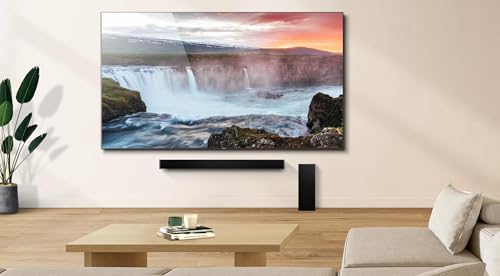
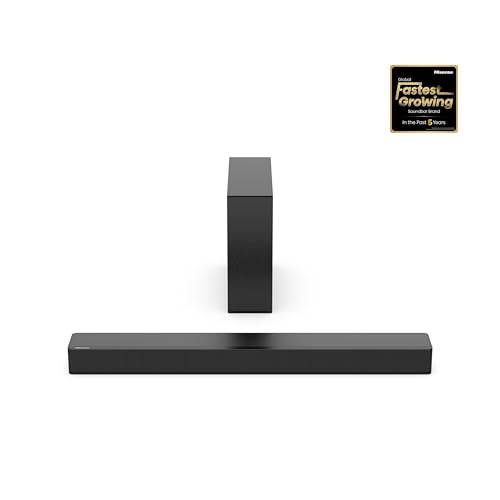
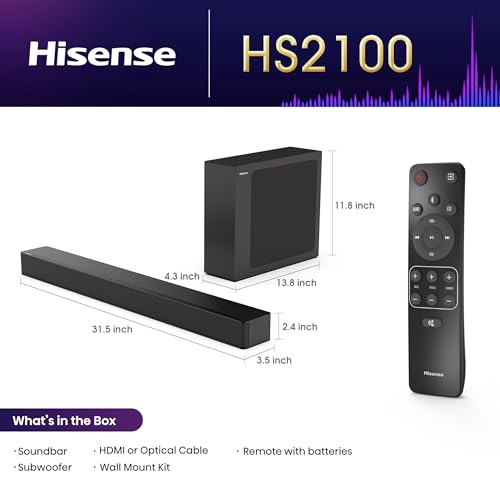
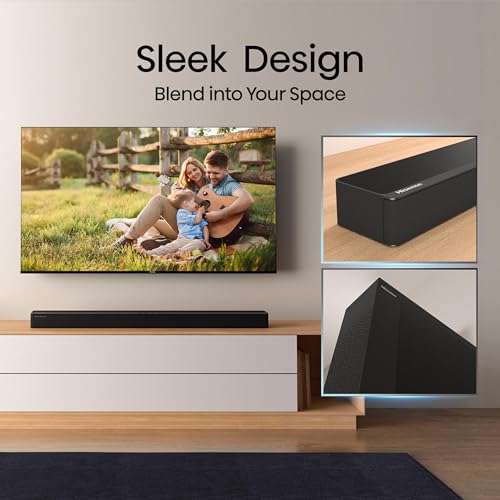
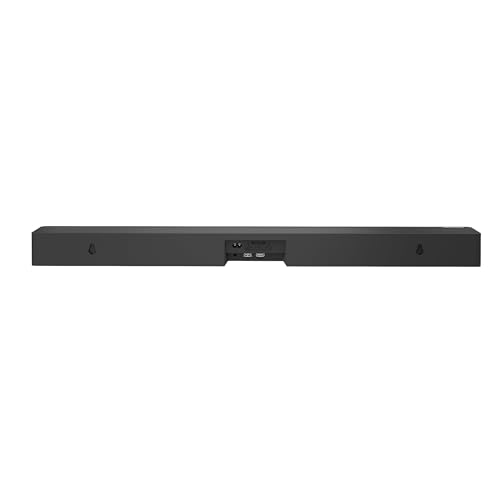
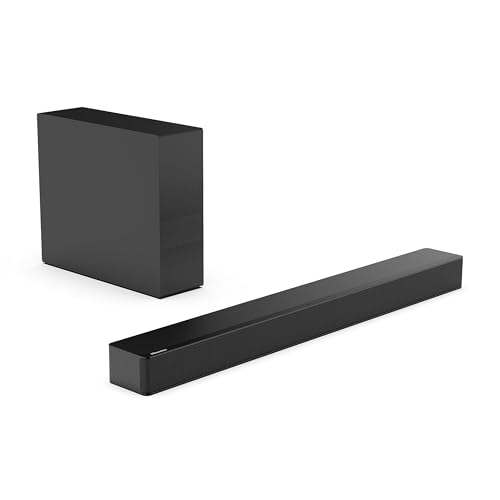
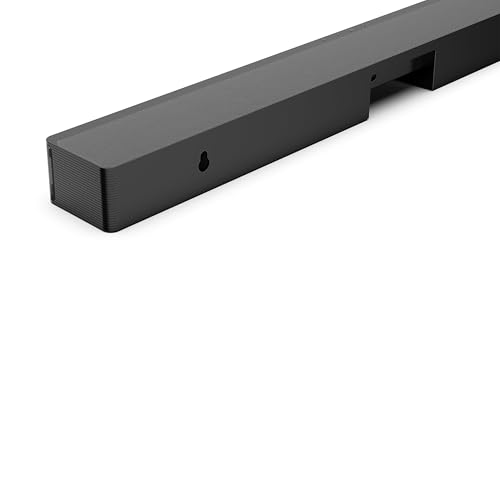
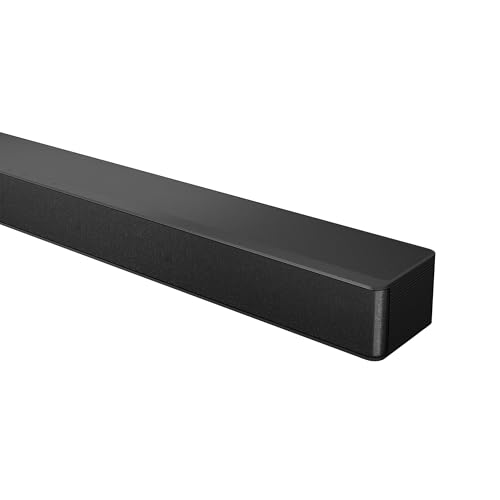
The Hisense HS2100 takes a minimalist approach that prioritizes simplicity and value. At roughly 31.5 inches wide, it fits under most TVs without blocking the screen or IR sensors. The build quality feels appropriate for its price point—solid enough for daily use but clearly cost-optimized with a plastic construction and fabric grille.
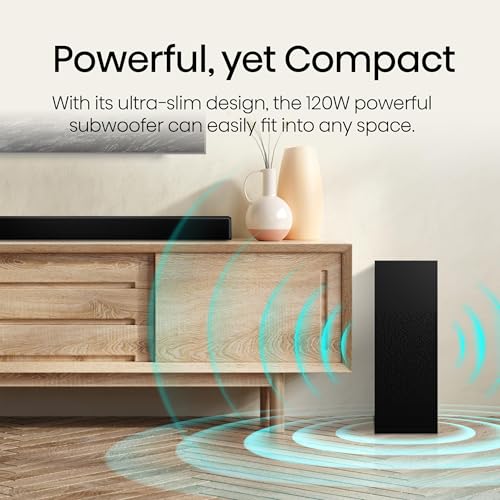
What impressed us in our research was the wireless subwoofer's compact design. Unlike many budget systems that include bulky subs, Hisense managed to create an "ultra-slim" subwoofer that can slide under furniture or against walls without dominating your living space. This thoughtful design choice shows that budget doesn't have to mean compromising on practicality.
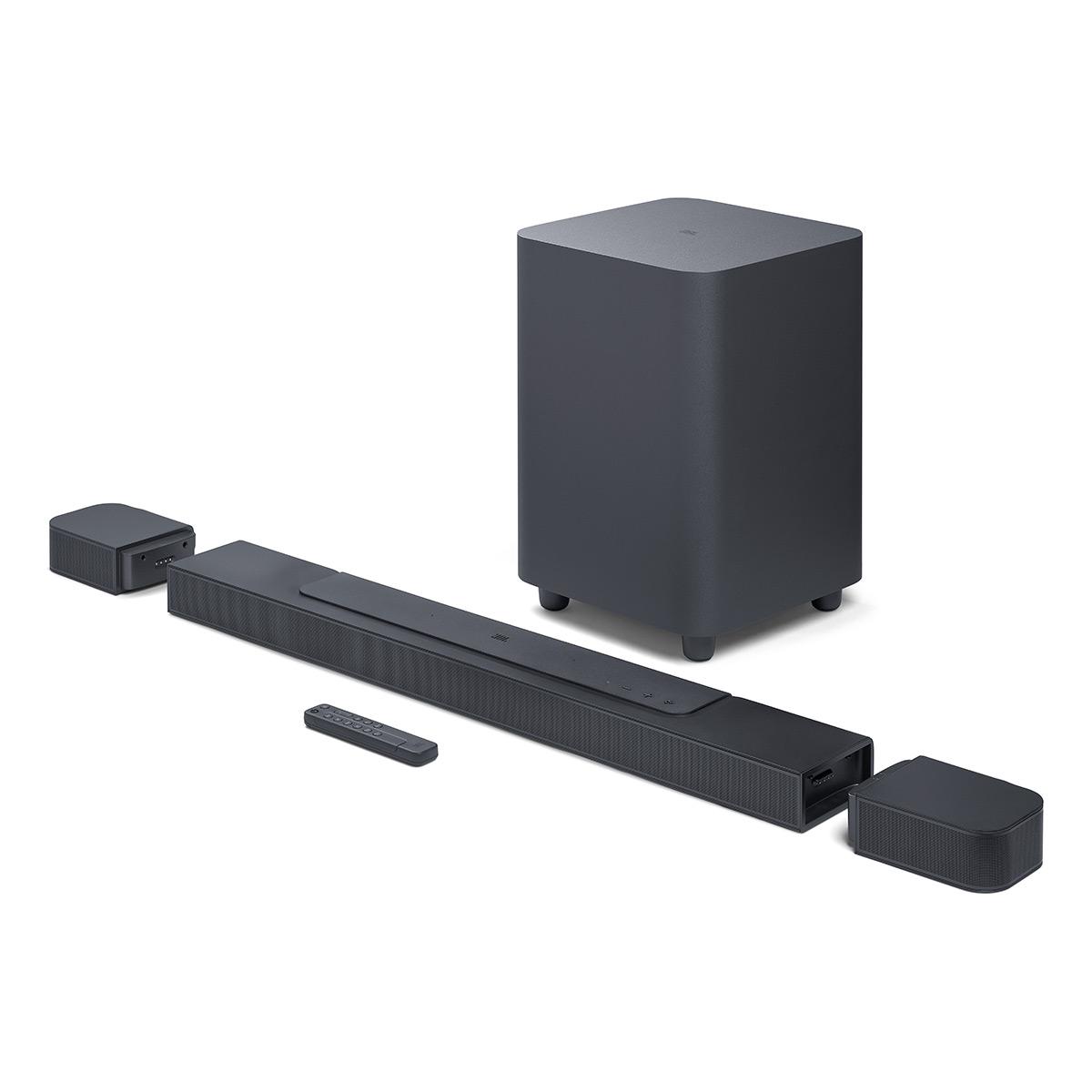
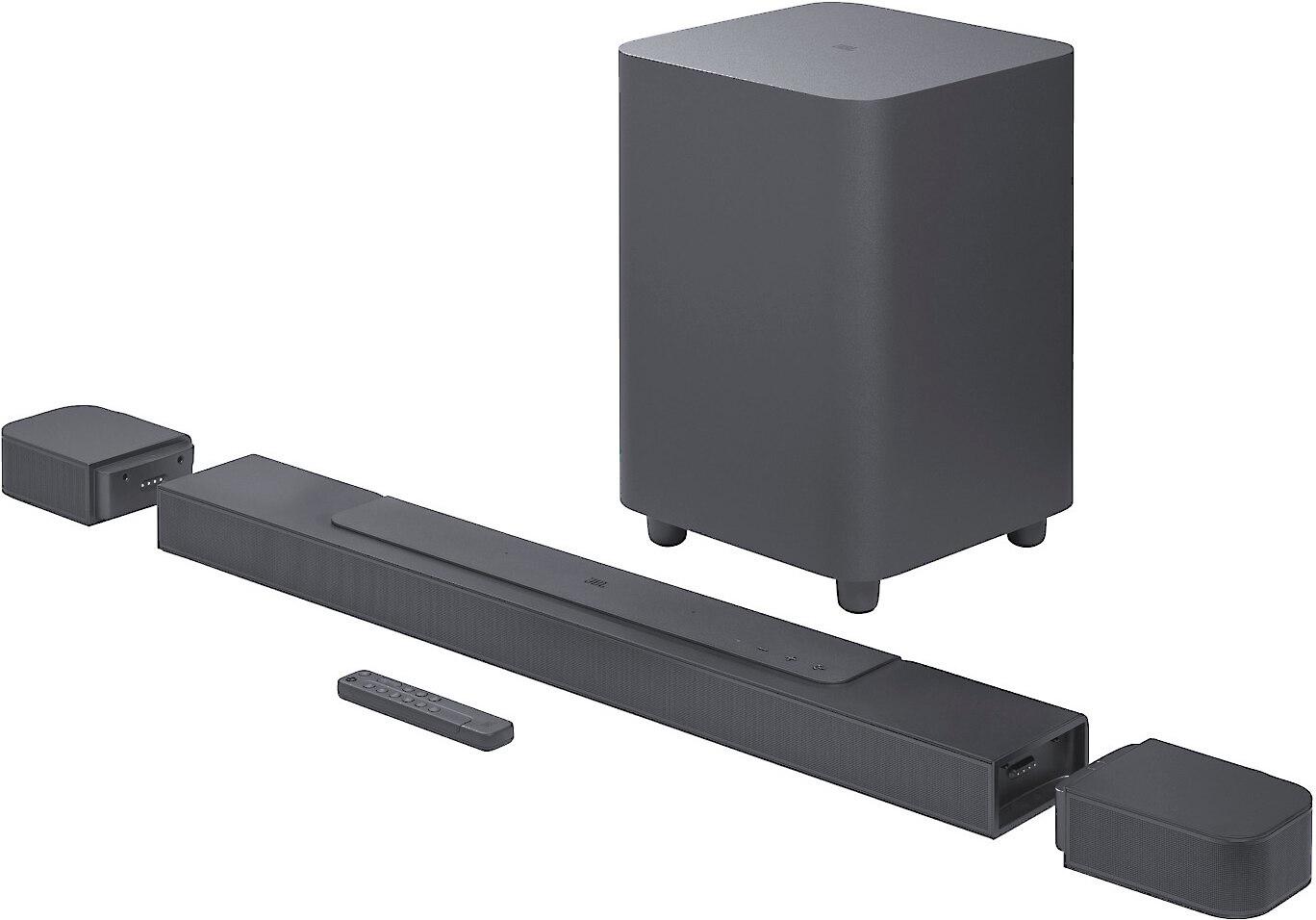
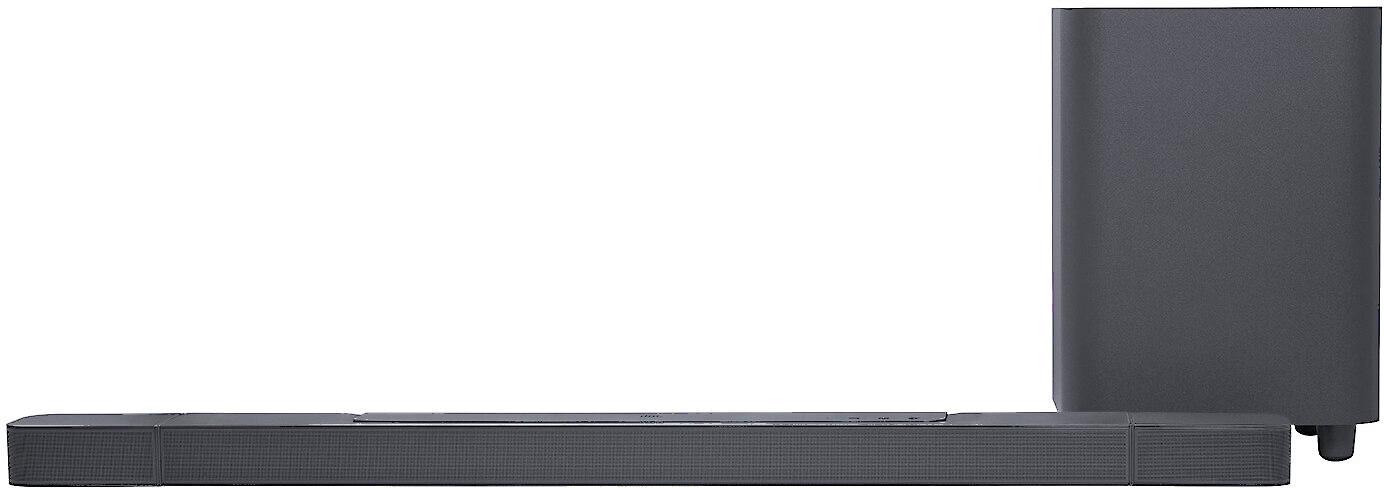
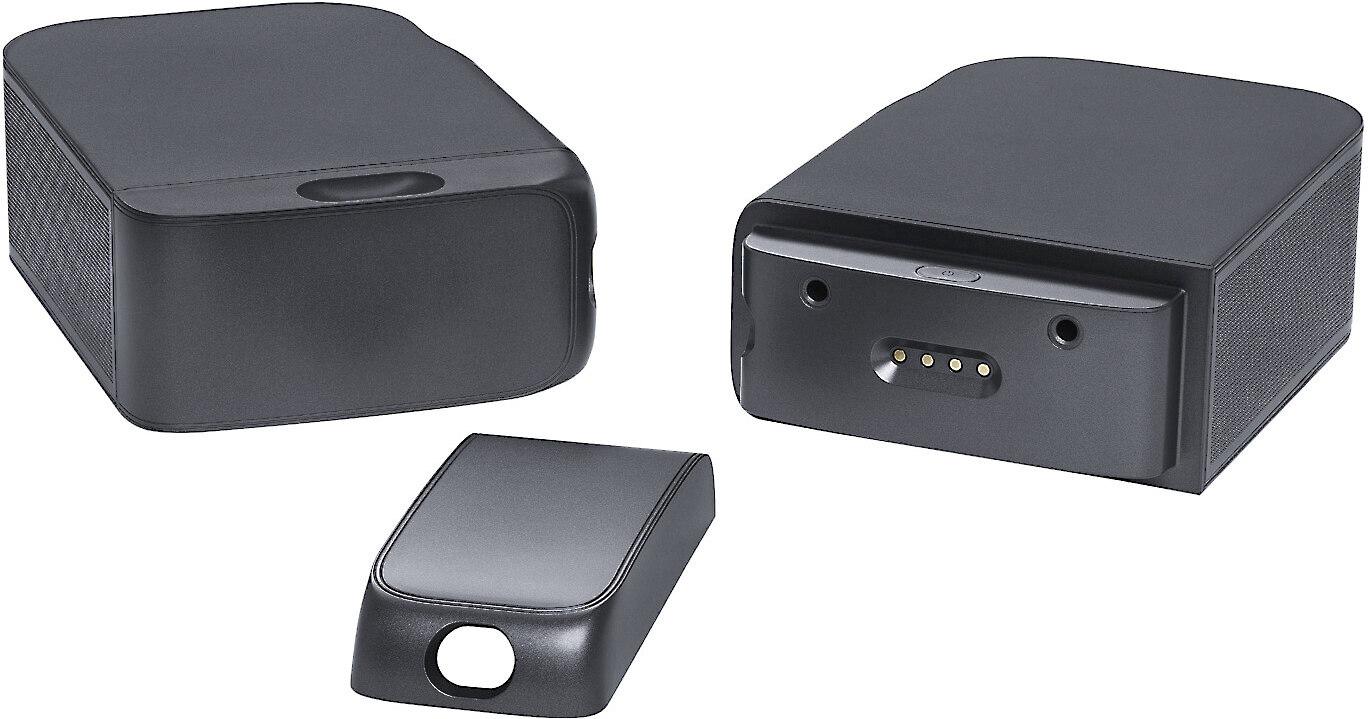
The JBL Bar 700 takes a completely different approach with its modular design philosophy. The main soundbar is substantial at nearly 47 inches wide, but the real innovation lies in its detachable surround speakers. These battery-powered speakers can be removed from the main bar and placed behind your seating area, transforming the system from a simple soundbar into a true 5.1 surround setup.
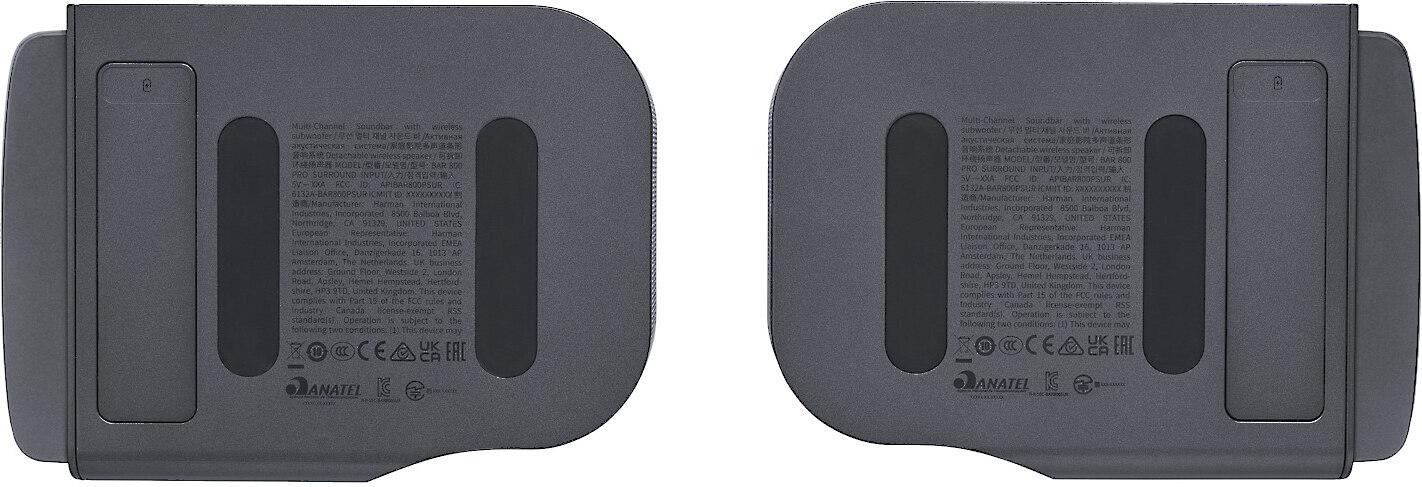
This modular approach solves one of the biggest challenges with soundbars: how to get rear channel audio without running wires across your room. The surround speakers charge when attached to the main bar and provide up to 10 hours of wireless operation—enough for several movie nights before needing to reconnect.
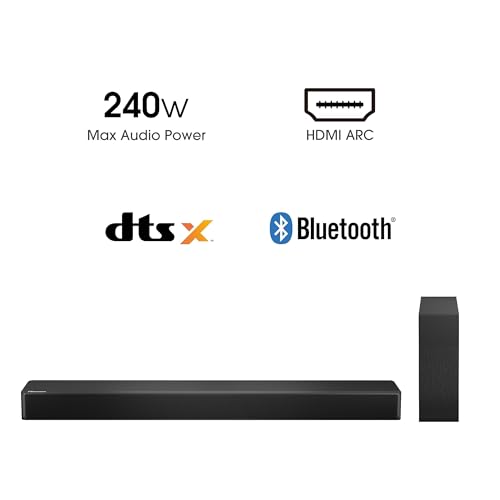
The power difference between these systems tells an important story. The Hisense HS2100 delivers 240W total power, which sounds impressive until you realize it's split between the soundbar (120W) and subwoofer (120W). Our research into user experiences reveals this is adequate for small to medium rooms but shows its limitations in larger spaces or when you want truly dynamic sound.
More concerning are reports of compression artifacts at higher volumes—that unpleasant "squashing" effect where loud scenes lose their impact and detail. This happens because the amplifiers and speakers are being pushed beyond their clean operating range, a common compromise in budget systems.
The JBL Bar 700 operates in a different league with 620W total power distributed across five dedicated channels. This isn't just about getting louder—it's about maintaining clean, detailed sound even during the most intense action sequences. The substantial power reserves mean the system rarely strains, resulting in better dynamics and clarity across all volume levels.
Bass performance reveals another significant divide between these systems. The Hisense HS2100 includes a wireless subwoofer, which is excellent for a budget system, but our research into frequency response measurements shows limited extension below 45Hz. This means you'll feel the punch of explosions and the weight of music, but the deepest, most visceral bass frequencies that add realism to movies and electronic music simply aren't there.
The subwoofer's bass character is described in reviews as somewhat "boomy"—providing impact but lacking the tight, controlled response that distinguishes good bass from just loud bass. For casual TV watching and most music, this is perfectly acceptable, but movie enthusiasts will notice the difference.
The JBL Bar 700 features a substantial 10-inch subwoofer capable of extending down to 35Hz. This 10Hz improvement might seem small on paper, but it's the difference between feeling bass and truly experiencing it. The larger driver and more powerful amplification (300W dedicated to the subwoofer alone) provide both deeper extension and tighter control, resulting in bass that complements rather than overwhelms the overall sound.
Here's where the architectural differences become most apparent in daily use. The Hisense HS2100, like all 2.1 systems, must handle dialogue through its left and right speakers. While our research indicates it does this reasonably well with a balanced midrange response, there's no dedicated center channel to anchor voices to the screen.
This limitation becomes noticeable when characters move across the screen or during complex scenes with multiple speakers. The sound tends to come from the general direction of the TV rather than precisely tracking with the action.
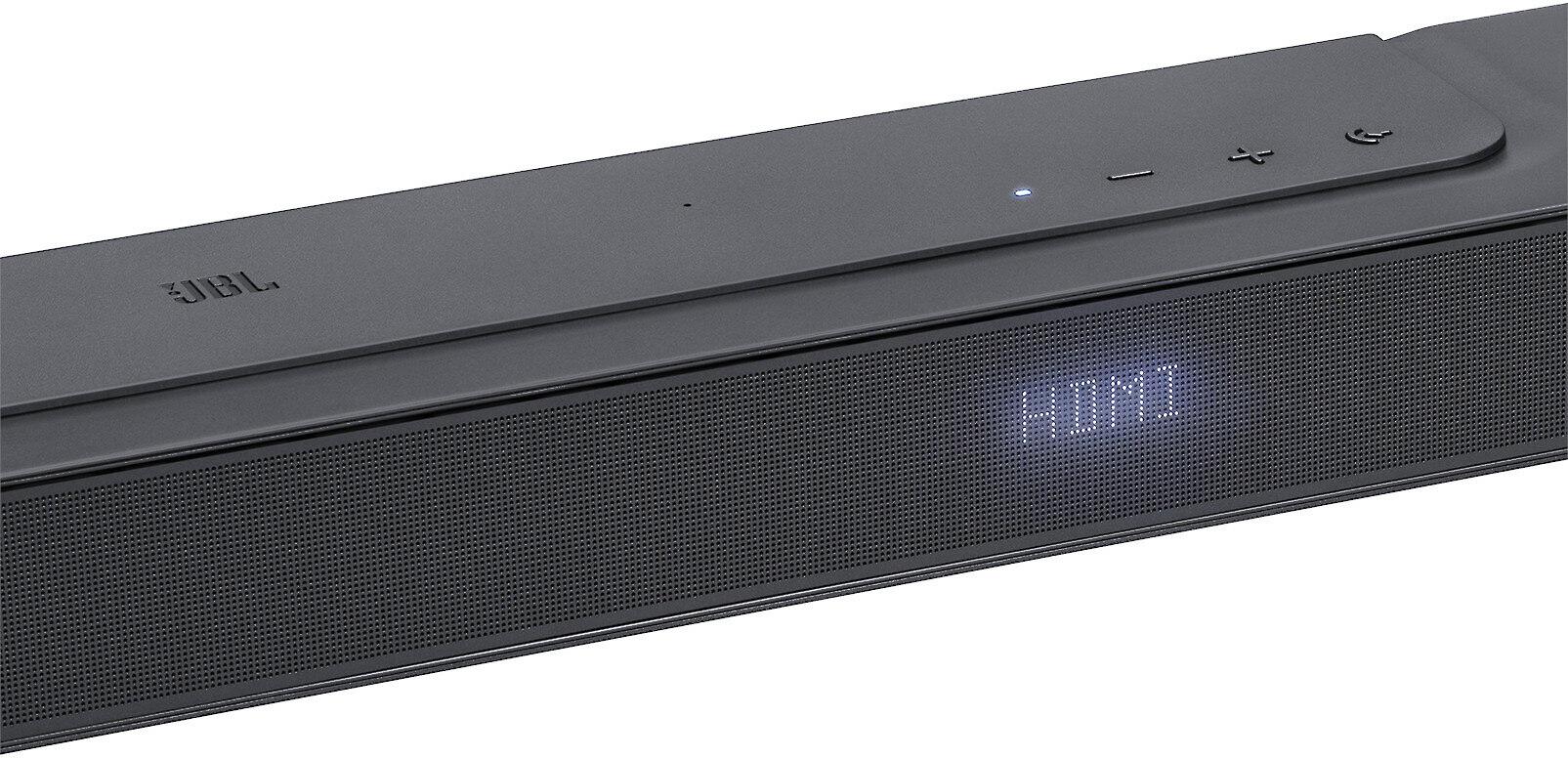
The JBL Bar 700 addresses this with a dedicated center channel in the main soundbar, enhanced by JBL's PureVoice technology. This proprietary processing specifically optimizes dialogue clarity, using algorithms to separate and enhance speech frequencies even during loud, complex soundtracks. User reports consistently praise this system's ability to maintain clear dialogue without constantly adjusting volume levels—a common frustration with TV speakers and lesser soundbars.
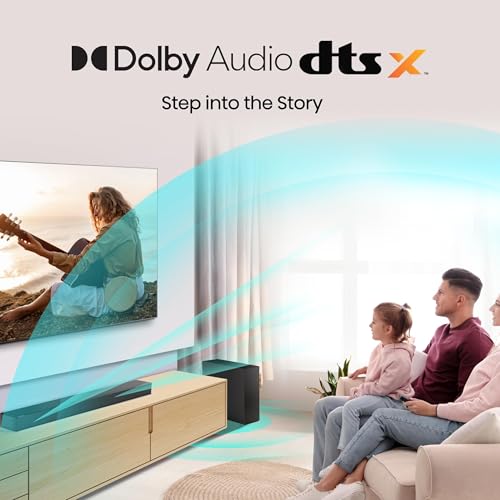
This is perhaps the most crucial difference between these systems. The Hisense HS2100 includes DTS Virtual:X processing, which attempts to create surround effects through psychoacoustic tricks—essentially fooling your brain into perceiving sounds coming from locations where there are no actual speakers.
While virtual surround has improved significantly over the years, our research into user experiences shows it remains a poor substitute for discrete speakers. You might notice some expanded soundstage width, but overhead effects and rear surround positioning remain unconvincing. For dialogue-heavy TV shows and casual viewing, this limitation isn't critical, but action movies and games lose much of their intended impact.
The JBL Bar 700 provides genuine 5.1 surround sound with its detachable rear speakers. When properly positioned, these create authentic spatial separation—you'll hear helicopters genuinely circling overhead (through Dolby Atmos height processing), footsteps approaching from behind, and ambient effects that place you within the scene rather than observing it from outside.
The Dolby Atmos support deserves special attention. This format adds height information to traditional surround sound, creating a three-dimensional audio environment. While the JBL Bar 700 doesn't include physical height speakers, it uses advanced processing to bounce sound off your ceiling, creating convincing overhead effects when properly calibrated.
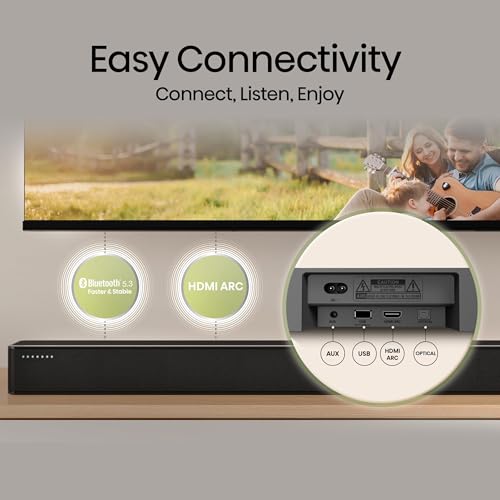
Both systems cover the basics with HDMI ARC, optical, and Bluetooth connectivity, but the JBL Bar 700 extends far beyond with features that reflect modern entertainment habits. Its HDMI eARC (enhanced Audio Return Channel) support enables uncompressed Dolby Atmos passthrough—crucial for getting the full benefit from streaming services and 4K Blu-ray players.
The built-in Wi-Fi opens up streaming capabilities that the Hisense HS2100 simply cannot match. Chromecast built-in, AirPlay support, and Alexa Multi-Room Music integration mean you can stream music directly to the soundbar without any additional devices. This transforms it from just a TV audio upgrade into a central component of a smart home audio system.
Perhaps more importantly, the JBL Bar 700 receives automatic software updates over Wi-Fi. As streaming services add new audio formats or improve their algorithms, your soundbar evolves with them. This future-proofing capability adds real long-term value that's easy to overlook when comparing initial purchase prices.
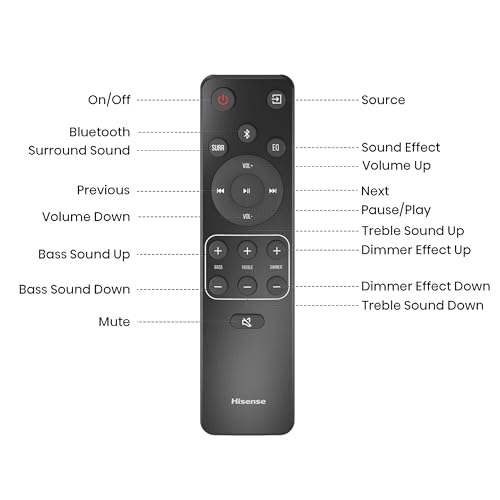
The Hisense HS2100 keeps things simple with six preset sound modes (Movie, Music, News, Sports, Night, and Game) plus manual bass and treble adjustment. This approach works well for users who want better sound without complexity, though you'll need to experiment to find settings that work best in your specific room.
The JBL Bar 700 includes automatic room calibration that uses built-in microphones to analyze your space and adjust the audio accordingly. This feature addresses one of the biggest challenges in home audio: every room sounds different due to size, furniture, and wall materials. The system measures acoustic reflections and adjusts the EQ to optimize performance for your specific environment.
While room calibration isn't foolproof, it provides a much better starting point than manual adjustment, especially for users who lack audio expertise.
The Hisense HS2100 excels as an entry-level upgrade that dramatically improves TV audio without breaking the budget or complicating your setup. It's ideal for apartment dwellers where space is limited and maximum volume isn't necessary. The system particularly shines with dialogue-heavy content—TV dramas, news, talk shows, and casual music listening benefit from the balanced sound profile and adequate bass response.
If your primary viewing consists of streaming TV shows, sports broadcasts, or background music while doing other activities, the Hisense HS2100 provides excellent value. The wireless subwoofer adds satisfying bass weight that makes even modest content more engaging, while the compact design won't dominate your living space.
This system also makes sense for secondary rooms—bedrooms, kitchens, or offices where you want better audio than TV speakers can provide but don't need the full home theater experience.
The JBL Bar 700 targets users who view their living room as a dedicated entertainment space. If you regularly watch movies, play games, or host viewing parties, the investment in true surround sound pays dividends in engagement and immersion.
The system particularly excels with action movies, where the combination of Dolby Atmos processing and discrete rear channels creates genuinely thrilling experiences. Horror movies benefit from the spatial audio that places creaking floorboards and whispered voices in specific locations around the room. Sports broadcasts gain atmosphere from crowd noise that surrounds rather than simply accompanies the action.
Gaming represents another strong use case, especially with newer consoles that support spatial audio. Competitive gaming benefits from accurate positional audio that can provide actual gameplay advantages—hearing enemy movements behind you or precisely locating gunfire in first-person shooters.
For music enthusiasts, the JBL Bar 700 offers room-filling sound with proper stereo imaging and bass response that reveals details in recordings that smaller systems simply cannot reproduce.
At the time of writing, the audio format landscape continues evolving rapidly. Major streaming platforms now routinely offer Dolby Atmos content, and this trend will only accelerate as more creators embrace spatial audio techniques. The Hisense HS2100, lacking Atmos support, cannot take advantage of this enhanced content—it will downmix everything to stereo, losing the intended spatial information entirely.
The JBL Bar 700 positions itself well for these format changes through its software update capability and comprehensive format support. As new audio technologies emerge, there's a reasonable expectation that compatible features might be added through firmware updates, extending the system's useful life.
Gaming audio is another area where format support matters increasingly. The latest PlayStation and Xbox consoles can output sophisticated spatial audio that enhances gameplay immersion, but these benefits require compatible hardware to realize.
Choosing between the Hisense HS2100 and JBL Bar 700 ultimately comes down to matching your audio needs and expectations with the appropriate investment level.
The Hisense HS2100 represents exceptional value for users seeking a straightforward TV audio upgrade. If you primarily watch dialogue-driven content, have a modest-sized room, and want significantly better sound than TV speakers without complexity or major expense, this system delivers admirably on its promises. Its limitations—lack of true surround sound and Dolby Atmos support—only matter if those features are important to your viewing habits.
The JBL Bar 700 justifies its premium pricing through fundamental architectural advantages and comprehensive features that transform your entertainment experience. For movie enthusiasts, gamers, or anyone who considers audio quality a priority, the investment in true surround sound, Dolby Atmos support, and future-proofing capabilities provides lasting value.
The five-fold price difference reflects genuine technological and performance distinctions rather than mere brand premium. You're not paying extra for small improvements—you're choosing between a good TV speaker replacement and a comprehensive home theater audio solution.
Consider your viewing habits, room size, and long-term plans before deciding. If you find yourself frequently adjusting volume during movies or wishing you could better understand dialogue, either system will help. But if you want to truly feel transported into your entertainment, the JBL Bar 700 offers experiences that the Hisense HS2100 simply cannot match, regardless of price.
| Hisense HS2100 | JBL Bar 700 |
|---|---|
| Audio Configuration - Determines surround sound capability | |
| 2.1 channel (soundbar + subwoofer only) | True 5.1 channel with detachable rear speakers |
| Total Power Output - Affects maximum volume and dynamic range | |
| 240W (120W soundbar + 120W subwoofer) | 620W (240W soundbar + 300W sub + 80W surrounds) |
| Dolby Atmos Support - Essential for modern streaming content | |
| Not supported (downmixes to stereo) | Full Dolby Atmos with height virtualization |
| Surround Speakers - Creates true spatial audio experience | |
| None (virtual surround processing only) | Battery-powered detachable speakers (10-hour runtime) |
| Subwoofer Size - Determines bass depth and impact | |
| Wireless subwoofer (size unspecified) | 10" wireless subwoofer with 300W dedicated power |
| Frequency Response - Shows how deep the bass extends | |
| 45Hz - 20kHz (limited low-end extension) | 35Hz - 20kHz (10Hz deeper for more visceral bass) |
| Connectivity Options - Determines device compatibility | |
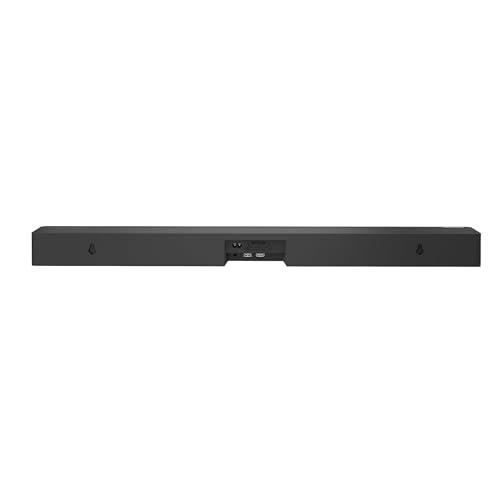
| HDMI ARC, Optical, USB, Bluetooth 5.3, AUX | HDMI eARC, Optical, USB, Bluetooth, Wi-Fi streaming |
| Smart Features - Enables wireless music streaming | |
| Basic Roku TV integration only | Chromecast, AirPlay, Alexa Multi-Room Music |
| Room Calibration - Optimizes sound for your space | |
| Manual EQ presets and bass/treble adjustment | Automatic microphone-based room calibration |
| Video Passthrough - Important for 4K devices | |
| Standard HDMI ARC | 4K with HDR10 and Dolby Vision passthrough |
| Software Updates - Keeps features current over time | |
| No automatic updates mentioned | Automatic Wi-Fi updates for new features |
| Setup Complexity - Consider installation time and effort | |
| Simple 2-piece setup (soundbar + sub) | More complex with rear speaker positioning required |
| Target Room Size - Maximum effective coverage area | |
| Small to medium rooms | Medium to large rooms with higher power reserves |
The primary difference is that the Hisense HS2100 is a 2.1-channel system with just a soundbar and subwoofer, while the JBL Bar 700 is a true 5.1-channel system with detachable rear speakers. This means the JBL Bar 700 provides genuine surround sound, whereas the Hisense HS2100 can only simulate surround effects through processing.
The JBL Bar 700 is significantly better for movies and home theater use. It supports Dolby Atmos for overhead sound effects, has dedicated rear speakers for true surround sound, and delivers 620W of power compared to the Hisense HS2100's 240W. The JBL Bar 700 creates an immersive cinematic experience that the budget-focused Hisense HS2100 cannot match.
No, only the JBL Bar 700 supports Dolby Atmos, which is crucial for modern streaming content and movies. The Hisense HS2100 lacks Dolby Atmos support and will downmix all surround content to stereo, missing the intended spatial audio effects that make movies more immersive.
The JBL Bar 700 has superior bass with its 10-inch subwoofer powered by 300W and frequency response down to 35Hz. The Hisense HS2100 has a smaller wireless subwoofer that only extends to 45Hz, providing less deep bass impact for action movies and music.
The Hisense HS2100 is easier to set up with just two components (soundbar and wireless subwoofer). The JBL Bar 700 requires more planning since you need to position the detachable rear speakers behind your seating area, though they're battery-powered to eliminate wiring hassles.
The Hisense HS2100 is more suitable for small rooms due to its compact size and adequate 240W power output. The JBL Bar 700 is designed for larger spaces and may be overpowered for small rooms, though its room calibration feature helps optimize performance for any space.
Both soundbars work with streaming services, but the JBL Bar 700 provides a better experience. It can fully utilize Dolby Atmos content from Netflix, Disney+, and other platforms, while the Hisense HS2100 will downmix this enhanced audio to basic stereo sound.
The JBL Bar 700 offers more comprehensive connectivity with HDMI eARC, built-in Wi-Fi, Chromecast, AirPlay, and Alexa Multi-Room Music support. The Hisense HS2100 covers the basics with HDMI ARC, Bluetooth 5.3, and optical inputs but lacks wireless streaming capabilities.
Both work for music, but serve different needs. The Hisense HS2100 provides balanced sound suitable for casual music listening via Bluetooth. The JBL Bar 700 offers superior music performance with room-filling 620W power, better frequency response, and wireless streaming from multiple sources.
The JBL Bar 700 excels at dialogue clarity with its dedicated center channel and PureVoice technology that specifically enhances speech. While the Hisense HS2100 handles dialogue reasonably well, it lacks a dedicated center channel to anchor voices to the screen.
No, only the JBL Bar 700 includes rear speakers. These detachable, battery-powered speakers create true 5.1 surround sound. The Hisense HS2100 only includes the main soundbar and subwoofer, relying on virtual processing to simulate surround effects.
While the Hisense HS2100 offers excellent initial value for budget-conscious buyers, the JBL Bar 700 provides better long-term value through Dolby Atmos support, automatic software updates, and comprehensive streaming features that will remain relevant as entertainment technology evolves.
We've done our best to create useful and informative comparisons to help you decide what product to buy. Our research uses advanced automated methods to create this comparison and perfection is not possible - please contact us for corrections or questions. These are the sites we've researched in the creation of this article: rtings.com - shop.hisense-usa.com - bestbuy.com - content.syndigo.com - bestbuy.com - hisensedealers.co.ke - stuff.co.za - dtc-aus-api.hisense.com - youtube.com - manuals.plus - youtube.com - bestbuy.com - youtube.com - gallifurniture.com - hisense-usa.com - manuals.plus - uk.hisense.com - device.report - youtube.com - costco.ca - elmcreekwsa.com - gallifurniture.com - crutchfield.com - harmanaudio.com - target.com - jbl.com - walmart.com - dell.com - jbl.com

Privacy Policy
Terms and Conditions - Affiliate Policy
Home Security
© Copyright 2008-2026.
11816 Inwood Rd #1211, Dallas, TX 75244