

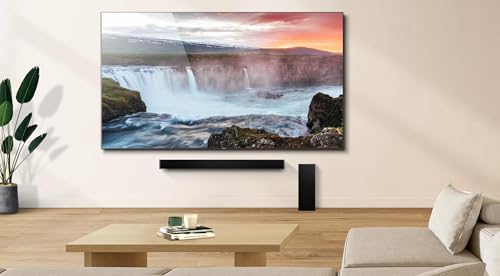
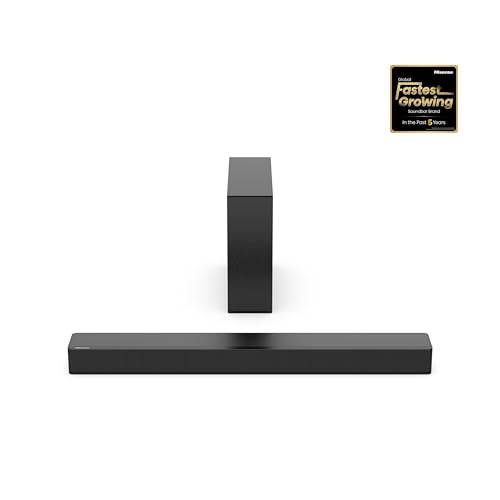

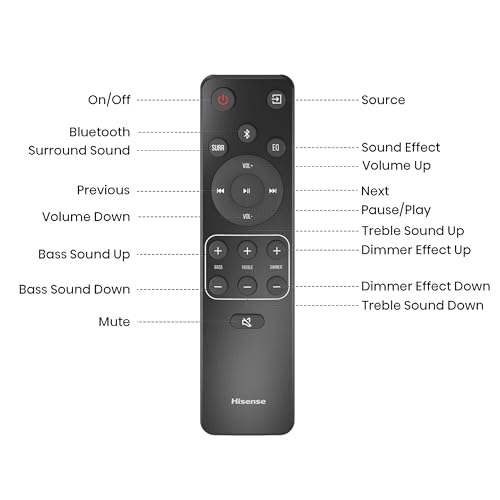
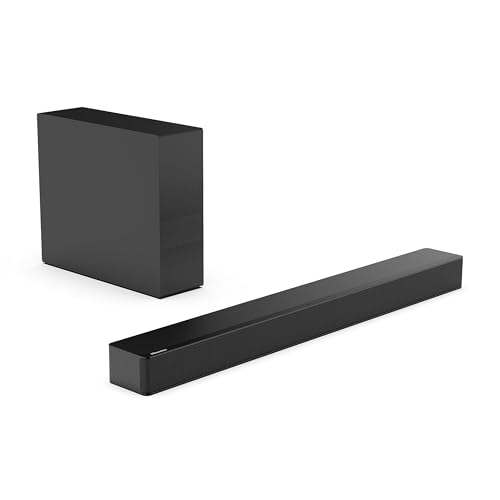
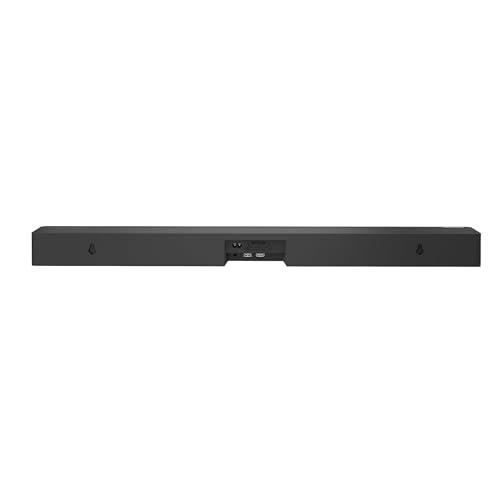
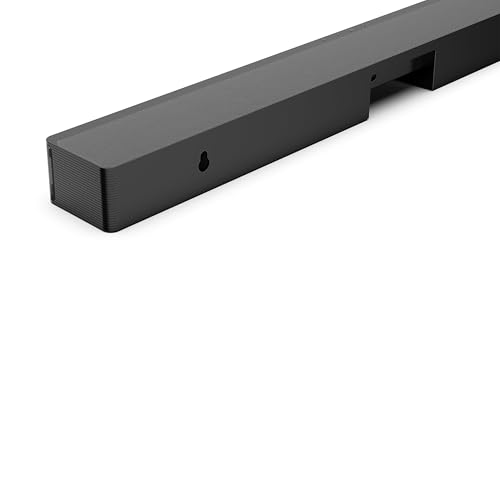







Shopping for better TV sound can feel overwhelming, especially when you're comparing products that seem to live in completely different worlds. The Hisense HS2100 represents the traditional soundbar approach—simple, affordable, and designed to instantly improve your TV's built-in speakers. Meanwhile, the Sony HT-A9M2 BRAVIA Theater Quad takes a radically different path, using four wireless speakers to create genuine surround sound without the complexity of a traditional receiver-based system.
At the time of writing, these products sit at opposite ends of both the price spectrum and complexity scale. The Hisense HS2100 costs roughly what you'd spend on a nice dinner out, while the Sony HT-A9M2 commands premium pricing that puts it in luxury territory. Understanding which approach makes sense for your situation requires diving into what each system actually does and how they achieve their very different goals.
The Soundbar Philosophy
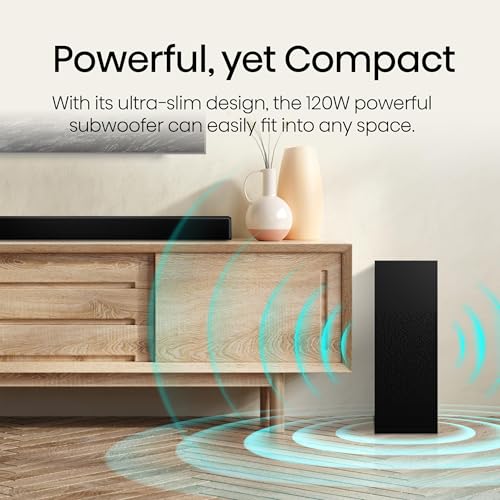
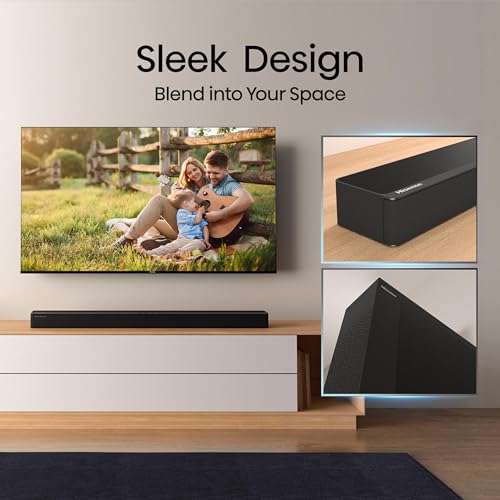
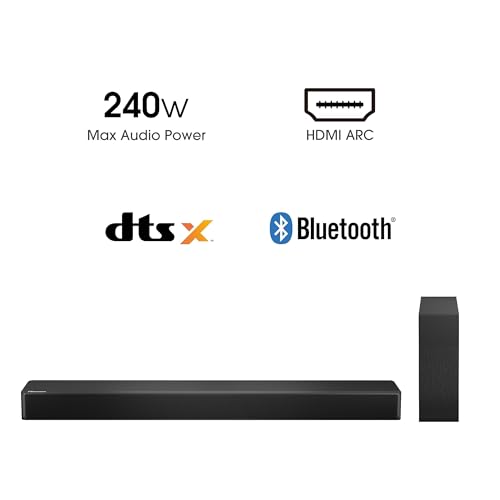
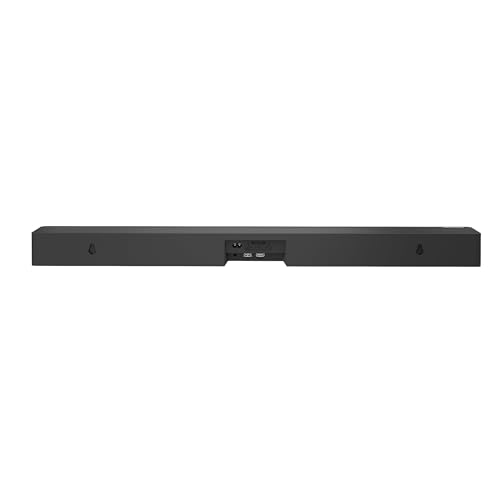
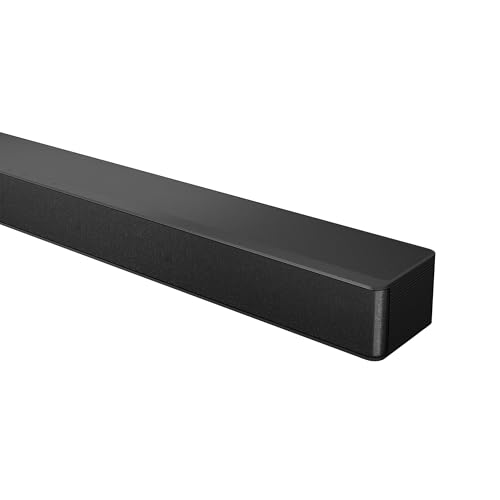
Soundbars like the Hisense HS2100 follow a straightforward philosophy: take the worst part of your TV experience—the tinny, underpowered built-in speakers—and replace them with something dramatically better without making your life complicated. Released in recent years as part of Hisense's budget-focused lineup, this 2.1 channel system includes the main soundbar plus a wireless subwoofer that handles low frequencies (the ".1" in 2.1 refers to this dedicated bass speaker).
The appeal here is immediate gratification. You unbox the system, connect one HDMI cable or optical cable to your TV, plug in the power cables, and within minutes you're hearing dialogue more clearly and feeling bass that your TV could never produce. The Hisense HS2100 uses DTS Virtual:X technology, which is essentially audio processing that tries to make two front-facing speakers sound like surround sound by carefully timing and shaping the audio signals.
The Wireless Multi-Speaker Revolution
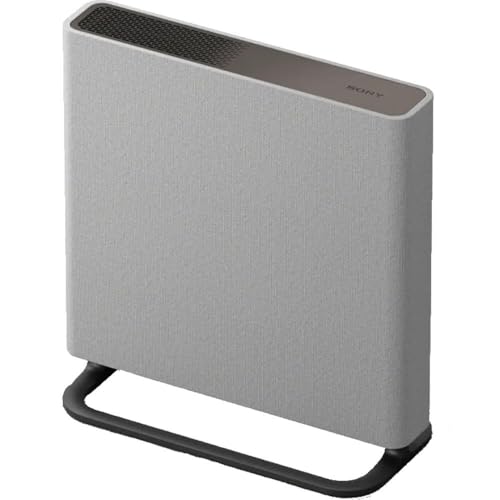
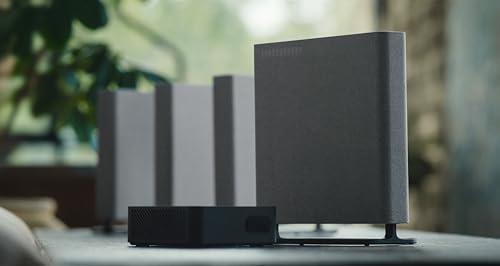
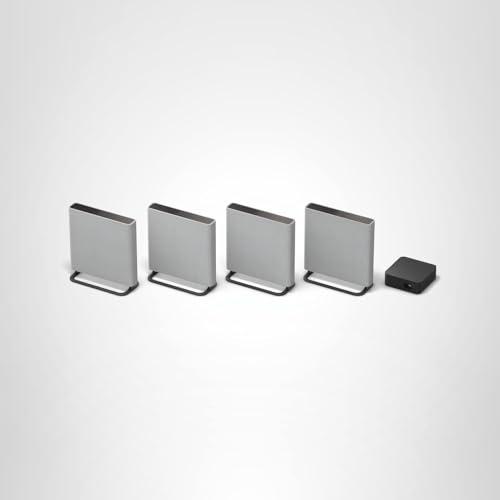
Sony took a completely different approach when they developed their Theater Quad system. Released as the second generation of Sony's wireless speaker concept (the HT-A9M2 replaced the original HT-A9 in recent years), this system abandons the soundbar form factor entirely. Instead, you get four identical wireless speakers that can be placed anywhere in your room—on shelves, mounted to walls, or sitting on the floor.
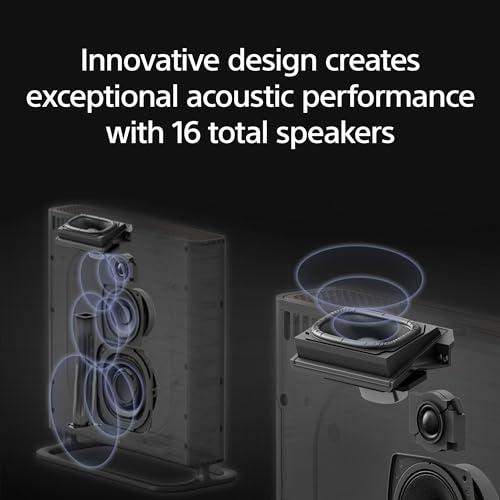
Each of these four speakers contains multiple drivers: a woofer for bass, a midrange driver for voices and instruments, a tweeter for high frequencies, and crucially, an upward-firing driver on top that bounces sound off your ceiling to create height effects. This gives you 16 total drivers working together, compared to the Hisense HS2100's three speakers (two in the soundbar, one subwoofer).
The Sony HT-A9M2 represents Sony's bet that people want true surround sound but don't want to deal with running speaker wires or buying a separate receiver. It's a middle ground between simple soundbars and complex home theater systems.
Audio Quality Fundamentals
When evaluating any audio system, several key performance metrics matter most: dialogue clarity, bass response, soundstage width (how spread out the sound feels), maximum volume without distortion, and immersive effects for movies and games.
The Hisense HS2100 handles dialogue exceptionally well for its price point. Our research into user and expert reviews consistently shows that voices sound natural and intelligible, which matters enormously since unclear dialogue is one of the biggest complaints about TV audio. The system's midrange drivers are well-tuned for speech frequencies, and the six preset sound modes include a "News" setting that further emphasizes vocal clarity.
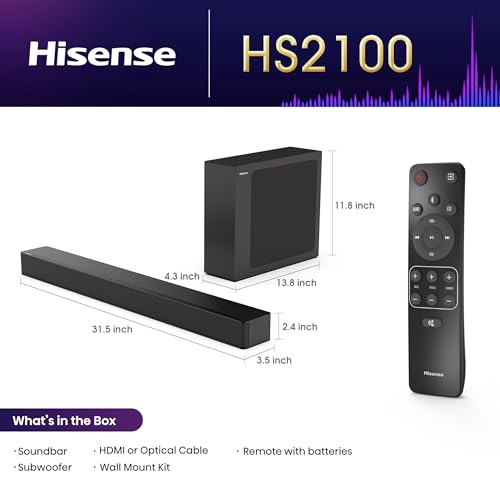
However, the laws of physics create real limitations. The Hisense HS2100's soundstage can only be as wide as the 31.5-inch soundbar itself. When you're watching a movie where a helicopter flies from left to right across the screen, you'll hear the effect, but it's compressed into the space between the soundbar's left and right edges. DTS Virtual:X processing helps expand this somewhat by using psychoacoustic tricks—essentially fooling your brain into perceiving sounds coming from locations where no speakers exist—but it can't work miracles.
The bass situation tells a similar story. The Hisense HS2100 includes a 5.25-inch wireless subwoofer that provides solid impact for explosions and music, but its frequency response bottoms out around 45 Hz. For context, the deepest bass notes that make your chest rumble in a movie theater extend down to around 20 Hz. You'll get satisfying bass punch, but not the room-shaking low-end that makes action movies truly visceral.
Where Four Speakers Change Everything
The Sony HT-A9M2 operates on entirely different principles. Because you can place the four speakers around your seating area—maybe two in front near your TV and two behind your couch—it creates a genuine surround sound bubble. When that helicopter flies across the screen, the sound actually moves through your room from speaker to speaker.
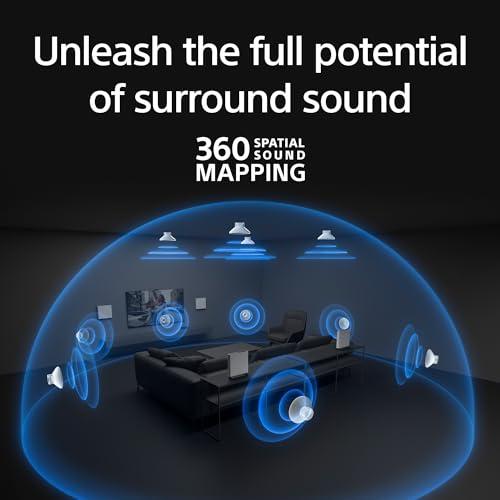
More importantly, each speaker's upward-firing driver enables true height effects. Dolby Atmos audio tracks (which are becoming standard on streaming services and Blu-ray discs) include specific information about sounds that should come from above—rain falling, aircraft flying overhead, or debris falling from explosions. The Sony HT-A9M2 can actually reproduce these height cues by bouncing sound off your ceiling, creating the impression of speakers mounted above your head.
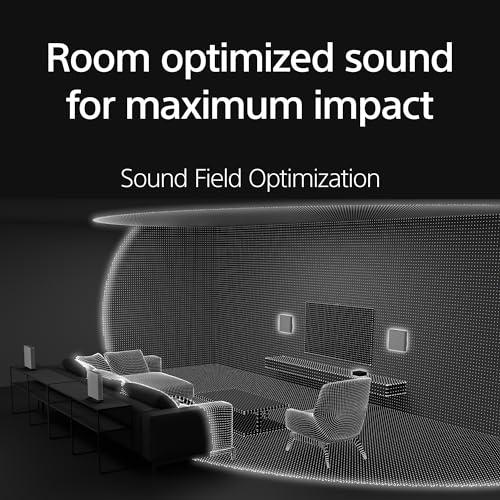
Sony's 360 Spatial Sound Mapping technology goes beyond simple surround sound processing. The system uses microphones built into each speaker to measure your room's acoustics during setup, then creates up to 12 "phantom speakers" in addition to the four physical ones. These phantom speakers exist only in the audio processing, but they allow the system to precisely position sounds throughout your room with remarkable accuracy.
The Bass Reality Check
Here's where the Sony HT-A9M2 reveals its one significant compromise: it doesn't include a subwoofer. Each speaker has bass drivers, but they can't match the low-frequency output of a dedicated subwoofer. Expert reviews consistently note that while the system sounds clean and spacious, it lacks the deep bass impact that most people expect from a premium home theater system.
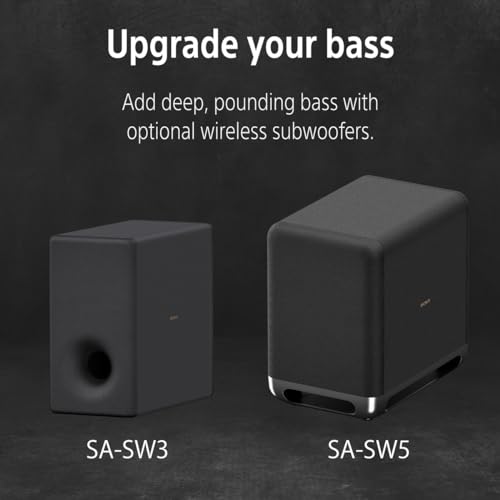
Sony sells compatible wireless subwoofers separately, but this adds substantial cost to an already expensive system. The tradeoff makes sense from Sony's perspective—they wanted to create a system that could work in any room layout without requiring a large subwoofer that might not fit everyone's space. But for movie enthusiasts who want that chest-thumping bass, it's an additional investment to consider.
Gaming performance has become increasingly important as consoles like the PlayStation 5 and Xbox Series X push higher resolution and frame rates. The Hisense HS2100 handles gaming adequately—it includes a dedicated game mode that reduces audio delay (latency) to keep sound synchronized with fast-moving action on screen. The system's HDMI ARC connection and low inherent latency mean you won't notice lip-sync issues during dialogue or audio lag during gameplay.
The Sony HT-A9M2 takes gaming seriously with full HDMI 2.1 support. This means it can pass through 4K video at 120 frames per second without compromising image quality—crucial for competitive gaming where every millisecond matters. Features like Variable Refresh Rate (VRR) and Auto Low Latency Mode (ALLM) ensure the smoothest possible gaming experience, while Sony's specific PlayStation 5 optimizations automatically adjust both audio and video settings for different game genres.
For PlayStation users specifically, the integration between Sony's console and the Sony HT-A9M2 creates a seamless experience where the system automatically recognizes what type of game you're playing and adjusts the audio processing accordingly.
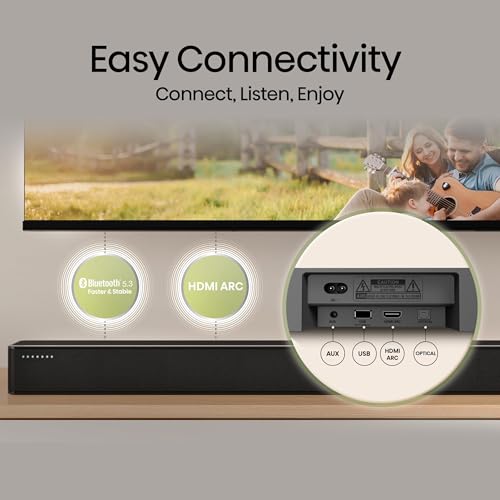
The Hisense HS2100 handles music reasonably well, particularly for casual listening. Its Bluetooth 5.3 connectivity offers stable wireless streaming from phones and tablets, and the dedicated music preset optimizes the frequency response for songs rather than movie dialogue. The wireless subwoofer adds welcome weight to bass-heavy genres, though the overall presentation remains somewhat narrow due to the soundbar's compact design.
Where the Sony HT-A9M2 truly shines is music reproduction. Because you can place the four speakers wide apart—potentially 10 or 12 feet between the front left and right speakers—stereo music gains remarkable spaciousness and instrument separation. Jazz recordings sound particularly impressive, with drums, bass, piano, and horns each occupying distinct positions in the soundstage.
The system supports high-resolution audio formats up to 192kHz/24-bit, which preserves more detail than standard CD-quality audio. Sony's DSEE Ultimate technology uses artificial intelligence to analyze compressed music files (like those from Spotify or Apple Music) and restore high-frequency detail that gets lost during compression. While this processing can't recreate information that was never there, it often makes streaming music sound noticeably cleaner and more detailed.
The Sony HT-A9M2 also supports 360 Reality Audio, Sony's format for immersive music that places instruments and vocals around and above the listener. While this format remains limited to specific tracks on supported streaming services, it offers a genuinely different way to experience familiar songs when available.
The Hisense HS2100 works in essentially any room. Its compact footprint means it fits under virtually any TV, and the wireless subwoofer gives you flexibility in bass placement—you can tuck it beside your couch, under a side table, or in a corner where it won't be visually intrusive. Setup typically takes less than 10 minutes, and the system includes all necessary cables.
The Sony HT-A9M2 demands more consideration. Those four speakers need power outlets, and while they don't require speaker wire connections to the main unit, you're still dealing with four separate devices that need placement around your room. The system's automatic calibration is genuinely impressive—it can create convincing surround sound even when speakers are placed asymmetrically or at different heights—but you need a room where four speakers make sense aesthetically and practically.
That said, the placement flexibility can be a huge advantage in unconventional spaces. If you have a long, narrow living room where a traditional center channel speaker won't fit under your TV, or an open-concept space where rear speakers would sit in a kitchen or dining area, the Sony HT-A9M2's calibration technology can work around these challenges in ways that fixed soundbar systems simply cannot.
At the time of writing, the price difference between these systems is substantial—roughly 20 times more for the Sony HT-A9M2 than the Hisense HS2100. This dramatic gap means you're not really choosing between similar products with minor differences; you're choosing between fundamentally different approaches to home audio.
The Hisense HS2100 represents exceptional value in the budget category. For the cost of a few movie tickets, you get transformative improvement over TV speakers, adequate bass for most content, and convenient features like Roku TV integration that eliminate remote control juggling. If your primary goal is making TV dialogue clearer and adding some bass presence to movies and shows, this system delivers more improvement per dollar than virtually any alternative.
The Sony HT-A9M2 asks you to pay premium prices for premium performance. You're buying cutting-edge wireless technology, true multichannel surround sound, future-proof gaming connectivity, and sophisticated room calibration that optimizes performance for your specific space. If you're building a dedicated home theater or want an audio system that can genuinely compete with high-end component separates, the technology and performance justify the investment.
Choose the Hisense HS2100 if you want immediate, dramatic improvement in your TV audio experience without complexity or major expense. This system excels for apartment dwellers, college students, or anyone who primarily watches dialogue-heavy content like news, sitcoms, or documentaries. It's also ideal if you're not particularly interested in audio as a hobby but simply want better sound than your TV provides.
The Sony HT-A9M2 makes sense for serious movie and music enthusiasts who value audio quality and have the budget to pursue it. If you find yourself turning on subtitles because dialogue is unclear, or if you're constantly adjusting volume because quiet scenes are too soft and loud scenes are too intense, this system's advanced processing and room calibration can solve these problems elegantly.
Gamers with high-end consoles should seriously consider the Sony HT-A9M2, particularly PlayStation 5 owners who can take advantage of the deep integration between Sony's gaming and audio ecosystems.
Ultimately, both products succeed at their intended goals. The Hisense HS2100 proves that you don't need to spend enormous sums to dramatically improve your home entertainment experience. The Sony HT-A9M2 demonstrates that wireless technology has finally matured enough to deliver genuine high-end home theater performance without the traditional complexity of receivers and wired speakers.
Your choice depends not just on budget, but on how you consume media, how much you value audio quality, and whether you want a simple upgrade or a transformative home theater experience. Both approaches have merit; the key is honestly assessing which philosophy matches your needs and expectations.
| Hisense HS2100 2.1 Channel 240W Soundbar System | Sony HT-A9M2 BRAVIA Theater Quad 4.0.4-Channel Home Theater System |
|---|---|
| Price Range - The most obvious differentiator between these systems | |
| Budget-friendly, excellent value for basic TV audio upgrade | Premium pricing, investment-level home theater system |
| Channel Configuration - Determines surround sound capabilities | |
| 2.1 channels (stereo + subwoofer, downmixes surround content) | 4.0.4 channels (true surround with height effects) |
| Physical Setup - How much space and effort required | |
| Single soundbar + wireless subwoofer (minimal footprint) | Four wireless speakers placed around room (requires planning) |
| Total Speakers/Drivers - Affects sound quality and imaging | |
| 3 speakers total (2 in bar + 1 subwoofer) | 16 individual drivers across 4 wireless speakers |
| Power Output - Maximum loudness and dynamic range | |
| 240W maximum (adequate for small-medium rooms) | 504W total (handles large spaces with authority) |
| Dolby Atmos Support - Essential for modern movie immersion | |
| No (uses DTS Virtual:X for simulated height effects) | Yes (true object-based surround with physical height drivers) |
| Room Calibration - Optimizes sound for your specific space | |
| None (manual bass/treble adjustments only) | Sound Field Optimization with automatic acoustic analysis |
| Gaming Features - Important for console and PC gaming | |
| Basic (game preset mode, standard HDMI ARC) | Advanced (HDMI 2.1, 4K120Hz, VRR, ALLM, PS5 optimization) |
| High-Resolution Audio - Matters for serious music listening | |
| Limited (Bluetooth 5.3, basic USB playback) | Extensive (192kHz/24-bit, LDAC, DSEE Ultimate AI upscaling) |
| Bass Performance - Critical for movie impact and music enjoyment | |
| Includes 5.25" wireless subwoofer (good punch, limited depth) | No subwoofer included (requires separate $400-800 purchase for full bass) |
| Connectivity Options - Determines device compatibility | |
| HDMI ARC, optical, 3.5mm, USB, Bluetooth 5.3 | HDMI eARC, Spotify Connect, AirPlay 2, Bluetooth 5.2, Wi-Fi |
| Installation Complexity - Time and technical skill required | |
| Plug-and-play (10 minutes, all cables included) | Multi-step setup (speaker placement, wireless pairing, calibration) |
| Ideal Room Size - Where each system performs best | |
| Small to medium rooms, bedrooms, apartments | Large living rooms, dedicated home theaters, open concepts |
| Best Use Cases - Who should choose each system | |
| TV dialogue clarity, casual movie watching, budget upgrades | Immersive movies, high-end gaming, audiophile music listening |
The Sony HT-A9M2 delivers significantly better movie performance with true Dolby Atmos support, 4.0.4 channel surround sound, and height effects that create genuine immersion. The Hisense HS2100 provides good dialogue clarity and bass impact for casual movie watching, but downmixes surround content to stereo. For dedicated home theater use, the Sony HT-A9M2 justifies its premium price with cinema-quality audio.
The fundamental difference is approach: the Hisense HS2100 is a traditional soundbar with wireless subwoofer that improves TV audio simply and affordably, while the Sony HT-A9M2 uses four wireless speakers placed around your room to create true surround sound. The Hisense HS2100 offers basic stereo enhancement, whereas the Sony HT-A9M2 provides genuine multichannel home theater experience.
The Hisense HS2100 is much easier to install, requiring only one HDMI cable connection and power for the soundbar and subwoofer. Setup takes about 10 minutes. The Sony HT-A9M2 requires placing four separate wireless speakers around your room, running calibration software, and optimizing placement—a process that can take an hour or more but delivers superior acoustic results.
The Hisense HS2100 includes a 5.25-inch wireless subwoofer that provides adequate bass for most content. The Sony HT-A9M2 doesn't include a subwoofer, and while its speakers have bass drivers, most users will want to add Sony's optional wireless subwoofer for full low-frequency impact in movies and music.
The Sony HT-A9M2 excels for gaming with HDMI 2.1 support, 4K120Hz passthrough, Variable Refresh Rate, and specific PlayStation 5 optimizations. It provides immersive surround sound that enhances spatial awareness in competitive games. The Hisense HS2100 works fine for gaming with low latency and a dedicated game mode, but lacks advanced gaming features.
The Hisense HS2100 is ideal for small spaces with its compact soundbar design and flexible subwoofer placement. The Sony HT-A9M2 can work in smaller rooms but requires space for four speakers, making it less practical for apartments or bedrooms where the Hisense HS2100 would be more appropriate.
For casual music listening, the Hisense HS2100 provides good stereo sound with Bluetooth connectivity. The Sony HT-A9M2 offers superior music performance with wide speaker separation, high-resolution audio support up to 192kHz/24-bit, LDAC codec, and AI upscaling that enhances compressed streaming music quality.
The Hisense HS2100 supports Dolby Digital, DTS Virtual:X, and basic PCM formats but lacks Dolby Atmos. The Sony HT-A9M2 supports advanced formats including Dolby Atmos, DTS:X, IMAX Enhanced, high-resolution audio, and 360 Reality Audio for immersive music experiences.
The Hisense HS2100 requires minimal space—just room under your TV for the 31.5-inch soundbar and flexible placement for the wireless subwoofer. The Sony HT-A9M2 needs space for four speakers around your seating area, though its wireless design and room calibration allow for flexible, non-symmetrical placement.
The Hisense HS2100 provides exceptional value for budget-conscious buyers, delivering dramatic improvement over TV speakers at an accessible price point. The Sony HT-A9M2 offers premium value for serious home theater enthusiasts who want cutting-edge wireless surround technology and are willing to invest significantly more for superior performance.
The Hisense HS2100 is a complete system with no expansion options—what you buy is what you get. The Sony HT-A9M2 can be expanded with compatible Sony wireless subwoofers and potentially additional rear speakers, making it more future-proof for users who might want to enhance their setup over time.
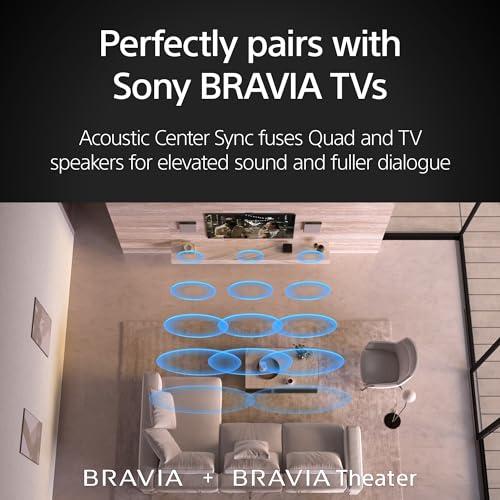
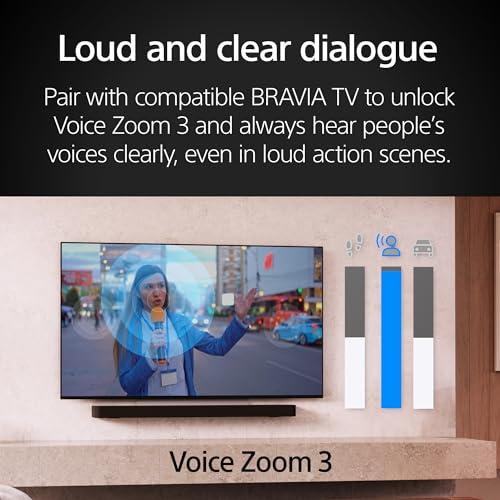
Both systems significantly improve dialogue clarity over TV speakers. The Hisense HS2100 offers excellent voice reproduction with dedicated news and dialogue presets. The Sony HT-A9M2 provides superior dialogue clarity with Voice Zoom 3 AI technology and optional Acoustic Center Sync when paired with compatible Sony TVs, making voices appear to come directly from the screen.
We've done our best to create useful and informative comparisons to help you decide what product to buy. Our research uses advanced automated methods to create this comparison and perfection is not possible - please contact us for corrections or questions. These are the sites we've researched in the creation of this article: rtings.com - shop.hisense-usa.com - bestbuy.com - content.syndigo.com - bestbuy.com - hisensedealers.co.ke - stuff.co.za - dtc-aus-api.hisense.com - youtube.com - manuals.plus - youtube.com - bestbuy.com - youtube.com - gallifurniture.com - hisense-usa.com - manuals.plus - uk.hisense.com - device.report - youtube.com - costco.ca - elmcreekwsa.com - gallifurniture.com - bestbuy.com - whathifi.com - whathifi.com - youtube.com - rtings.com - audiosciencereview.com - bhphotovideo.com - skybygramophone.com - sony.com - manuals.plus - audioadvice.com - dell.com - valueelectronics.com - youtube.com - merlinstv.com - videoandaudiocenter.com - electronics.sony.com - sony.com - bestbuy.com - beachcamera.com - sony.com - win.consulting - sony.com

Privacy Policy
Terms and Conditions - Affiliate Policy
Home Security
© Copyright 2008-2026.
11816 Inwood Rd #1211, Dallas, TX 75244