




Shopping for a soundbar can feel overwhelming. Walk into any electronics store, and you'll face a wall of boxes promising theater-quality sound at every price point. Today, we're comparing two soundbars that represent opposite ends of the spectrum: the budget-friendly Hisense HS2100 and the premium Samsung HW-Q990D. One costs about as much as a nice dinner for two, while the other rivals a month's rent. But which one deserves your hard-earned money?
Before diving into our comparison, let's establish what soundbars actually do and why they matter. Your TV's built-in speakers are, frankly, terrible. They're thin, face backward, and prioritize saving space over sound quality. Soundbars solve this by placing larger, forward-facing drivers in a sleek package that sits beneath your TV.
The most important specification you'll see is channel configuration, written as numbers like "2.1" or "11.1.4." The first number indicates left and right channels, the second represents the subwoofer (the ".1"), and the third (if present) shows height channels for overhead effects. More channels generally mean more immersive sound, but they also increase complexity and cost.
Audio formats matter too. Basic soundbars handle stereo and standard Dolby Digital, while premium models support advanced formats like Dolby Atmos – a technology that places sounds in three-dimensional space around you, including overhead. Think of it as the difference between watching a movie on your phone versus in an IMAX theater.
When evaluating any soundbar, focus on these key areas: dialogue clarity (can you understand what actors are saying?), bass response (do explosions feel impactful?), soundstage width (does music feel spacious or cramped?), and maximum volume without distortion (can it fill your room cleanly?).
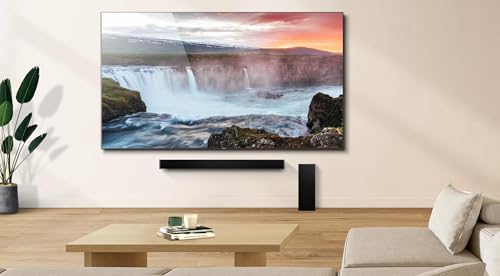
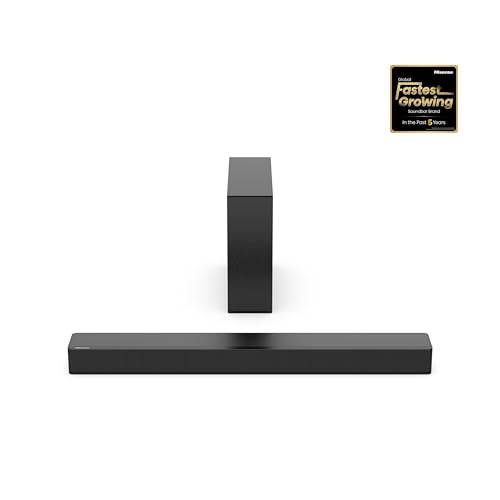
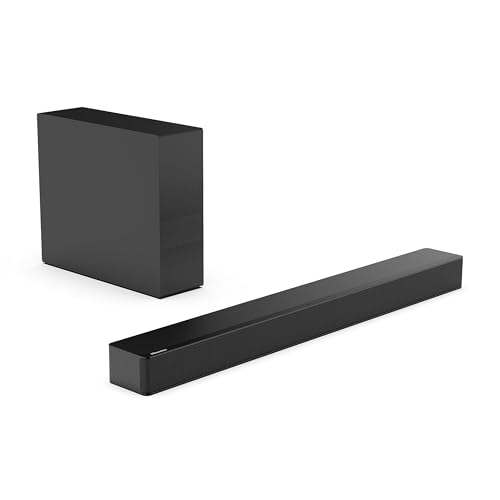
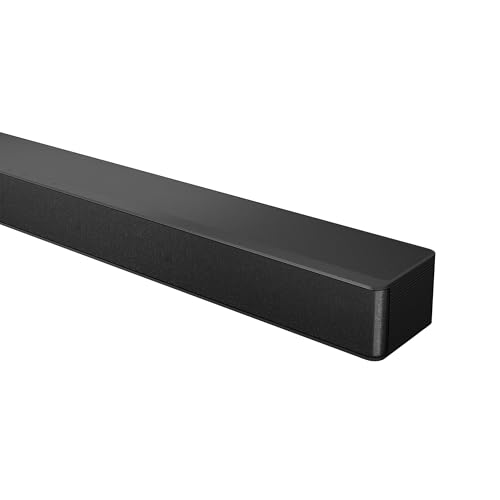
Released in 2024, the Hisense HS2100 represents everything good about today's budget soundbar market. At the time of writing, it costs roughly what you'd spend on a nice dinner out, making it accessible to nearly anyone wanting better TV sound.
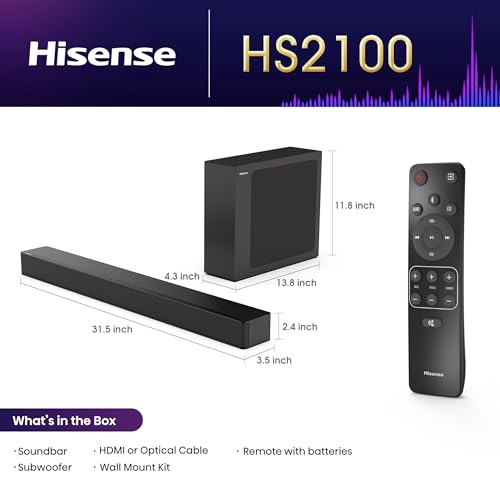
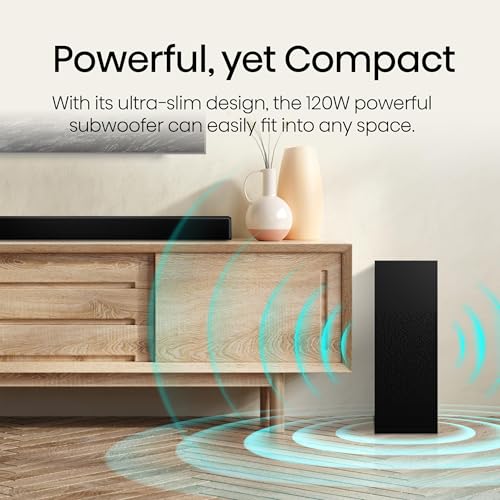
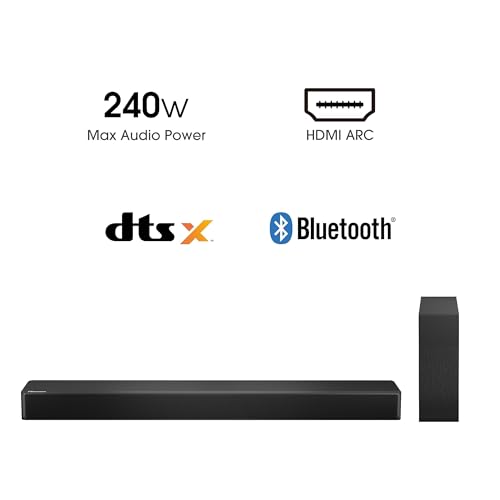
This 2.1 system includes the main soundbar and a wireless subwoofer – that separate box that handles low-frequency sounds like explosions and bass lines. The "240W" power rating sounds impressive, but take it with a grain of salt. Marketing departments love inflating these numbers, and real-world performance depends more on driver quality and tuning than raw wattage.
What sets the HS2100 apart in its price category is the inclusion of DTS Virtual:X processing. This technology attempts to create surround sound effects using just the front-facing speakers through psychoacoustic tricks – essentially fooling your brain into hearing sounds that aren't really there. While it's no substitute for actual surround speakers, it adds some spaciousness that basic stereo lacks.
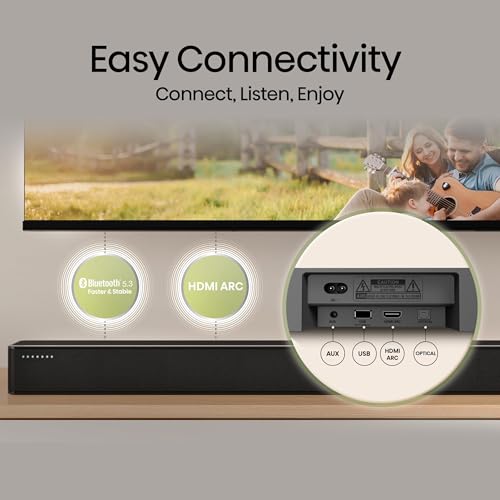
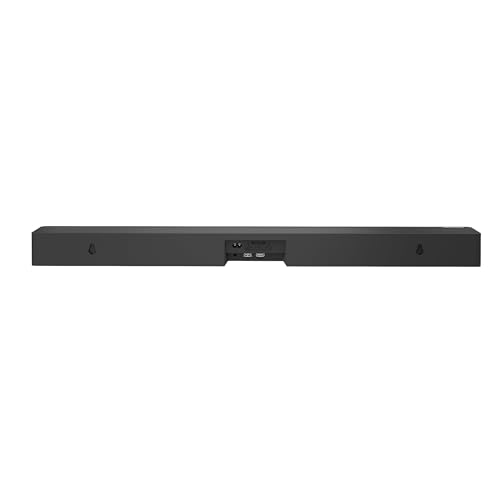
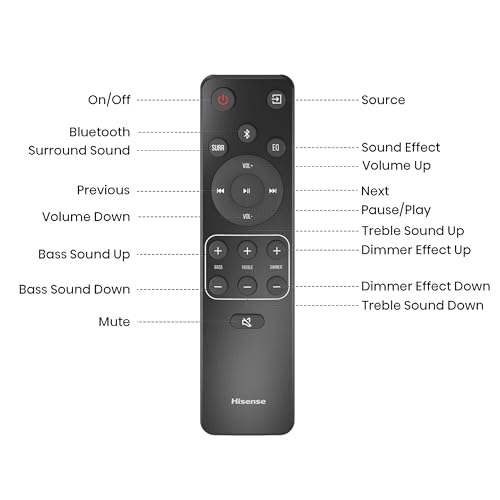
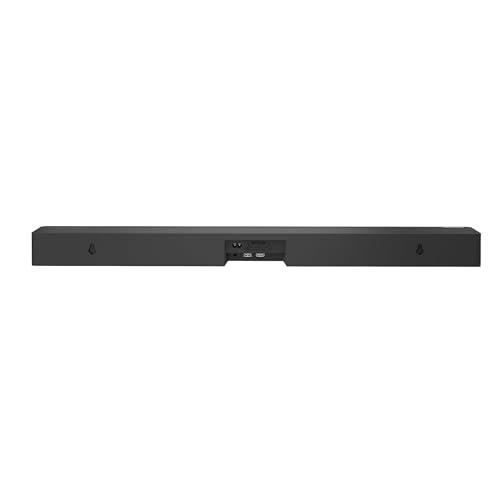
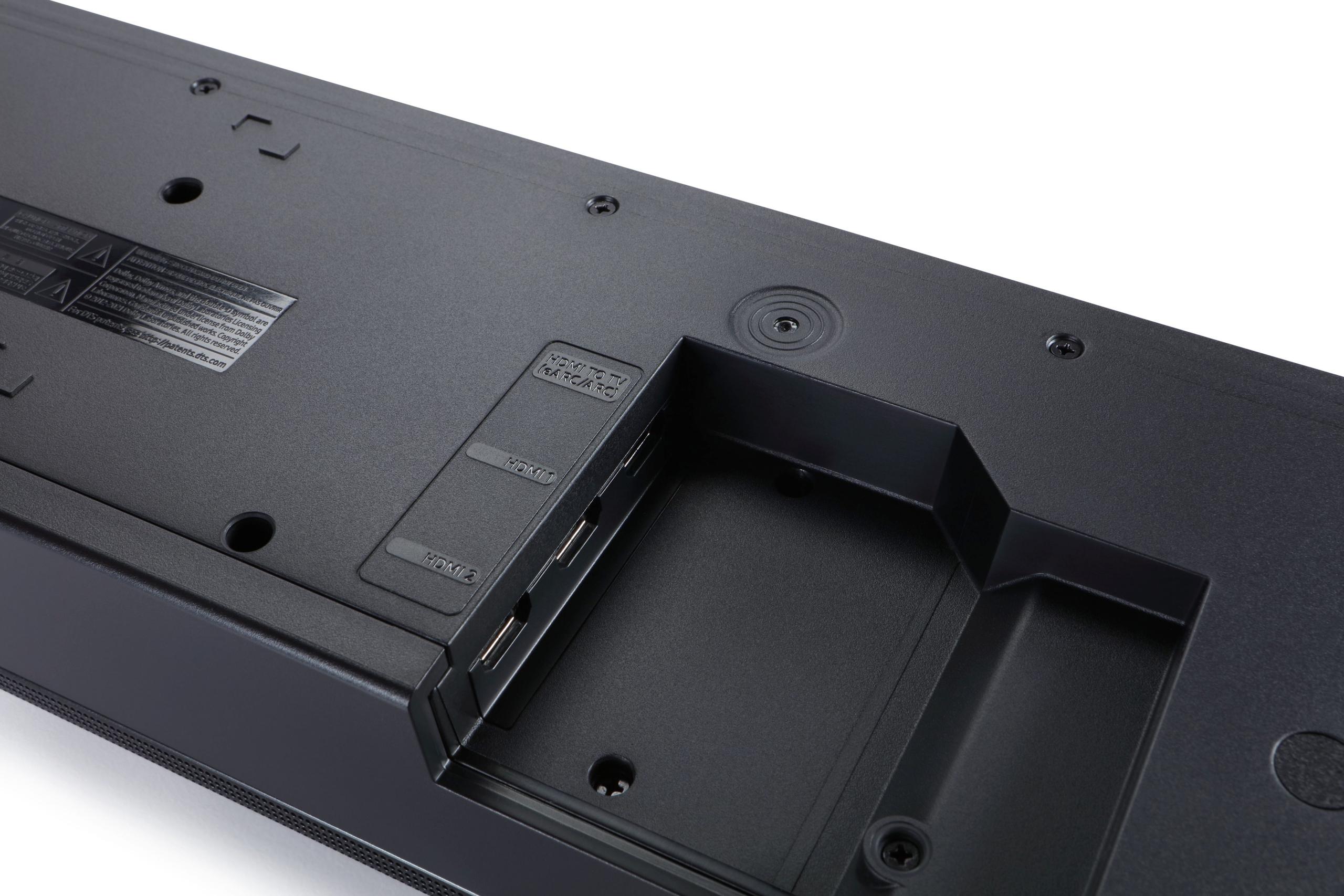
The soundbar connects via HDMI ARC (Audio Return Channel), which sends TV audio back to the soundbar through the same cable that delivers video to your TV. It also supports Bluetooth 5.3 for wireless music streaming and includes multiple EQ presets like Movie, Music, and News modes that adjust the sound profile for different content types.
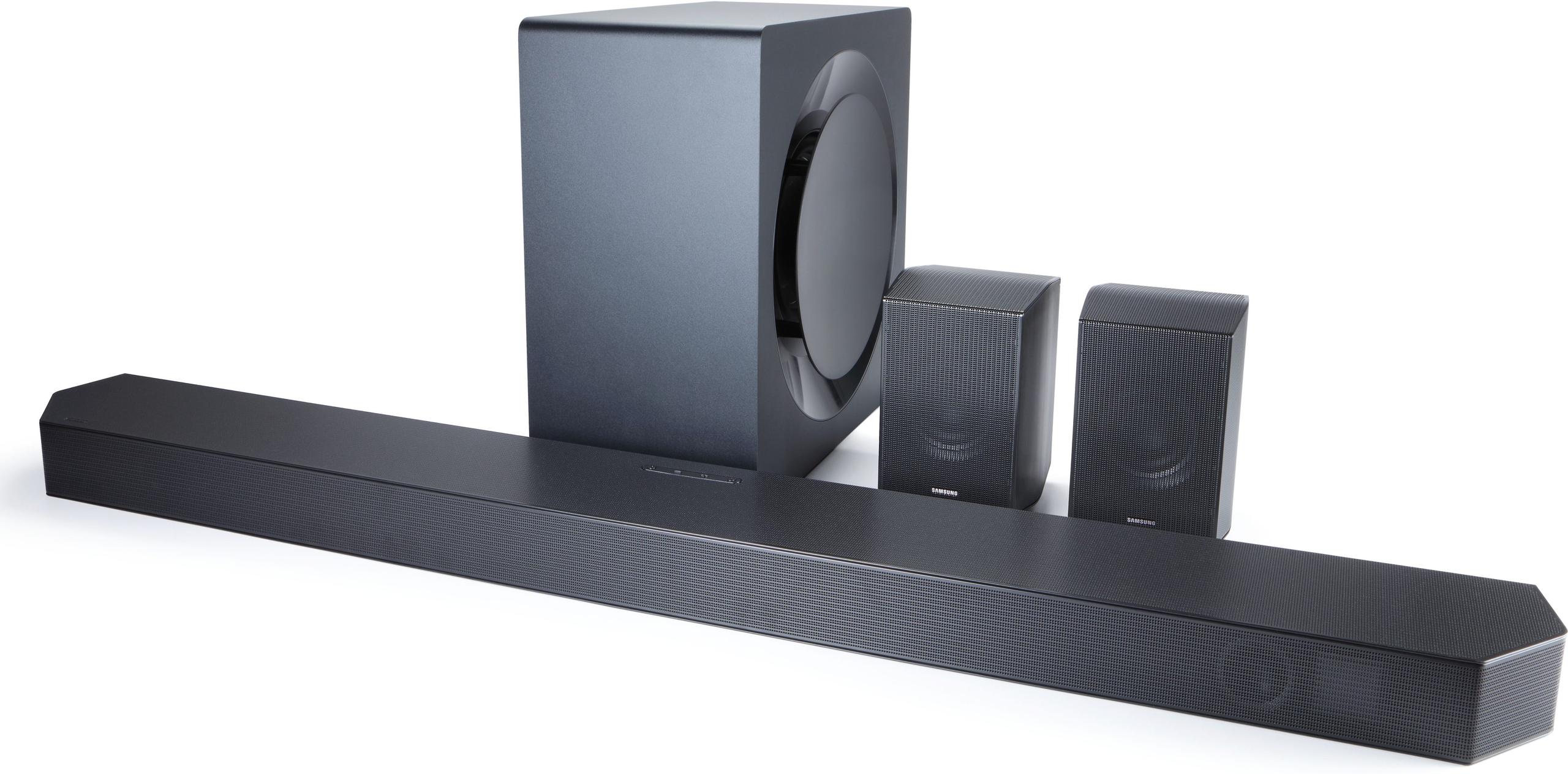
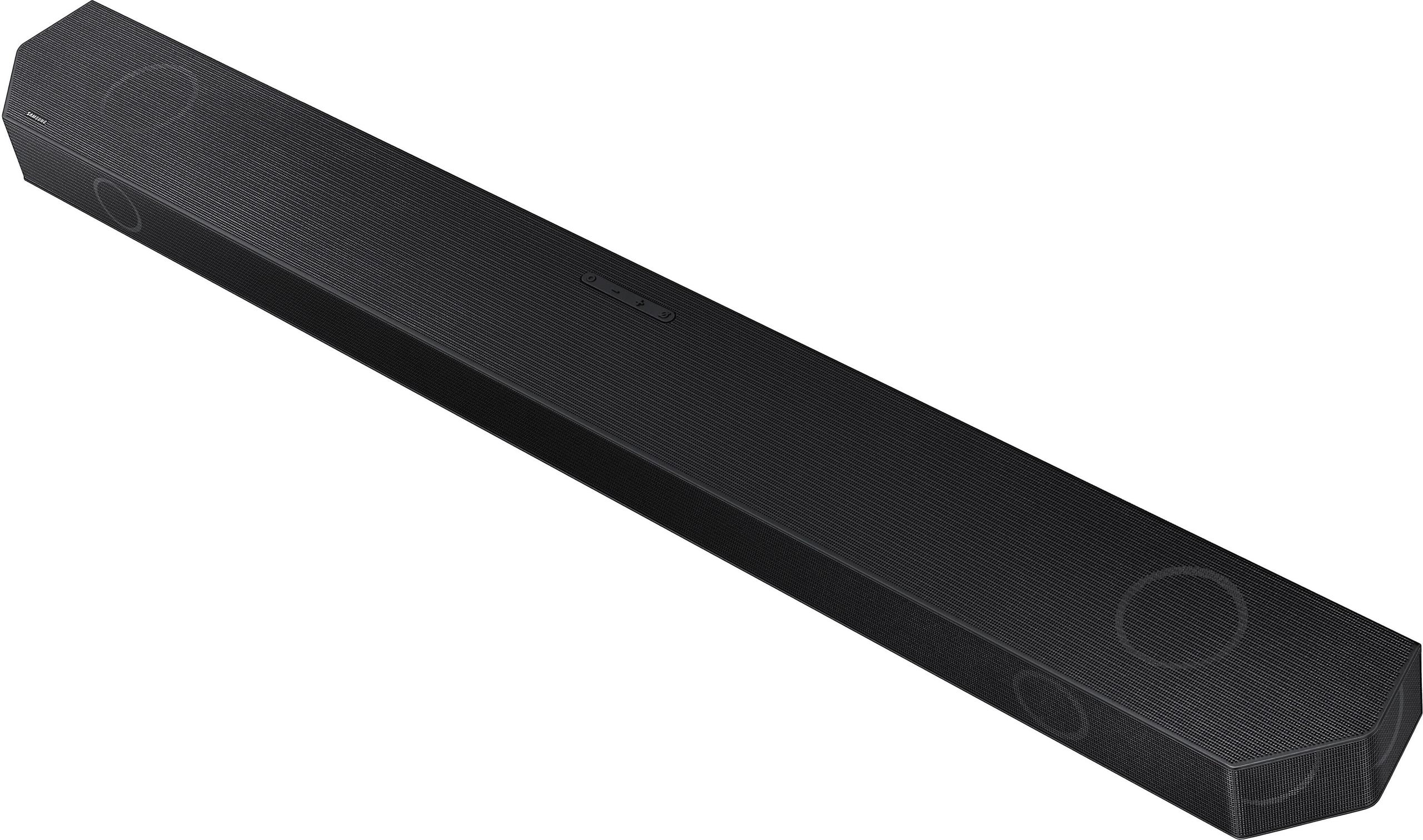
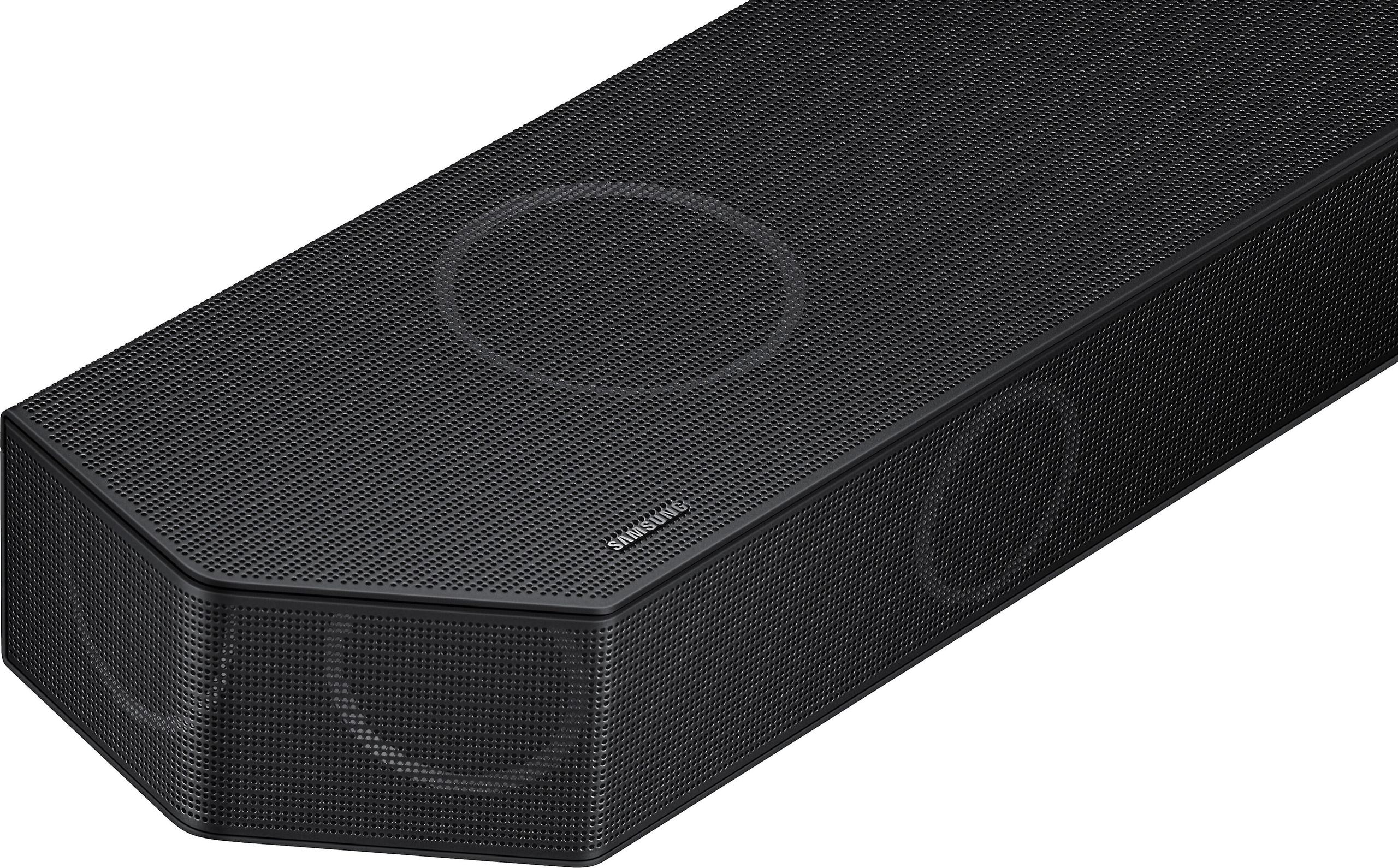
The Samsung HW-Q990D, released in 2024, represents Samsung's flagship soundbar technology. At the time of writing, it costs roughly ten times more than the Hisense, positioning it squarely in premium territory alongside dedicated home theater systems.
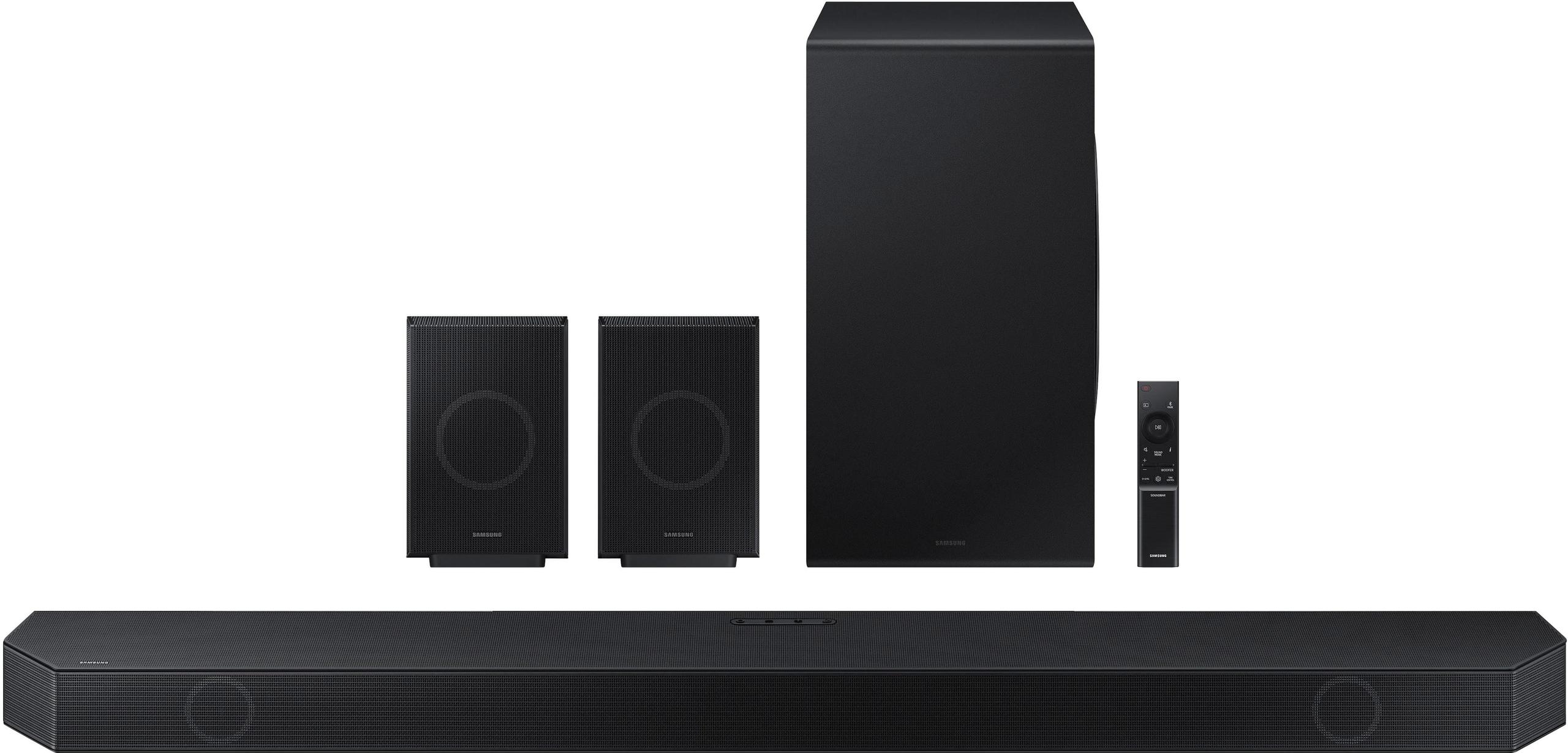
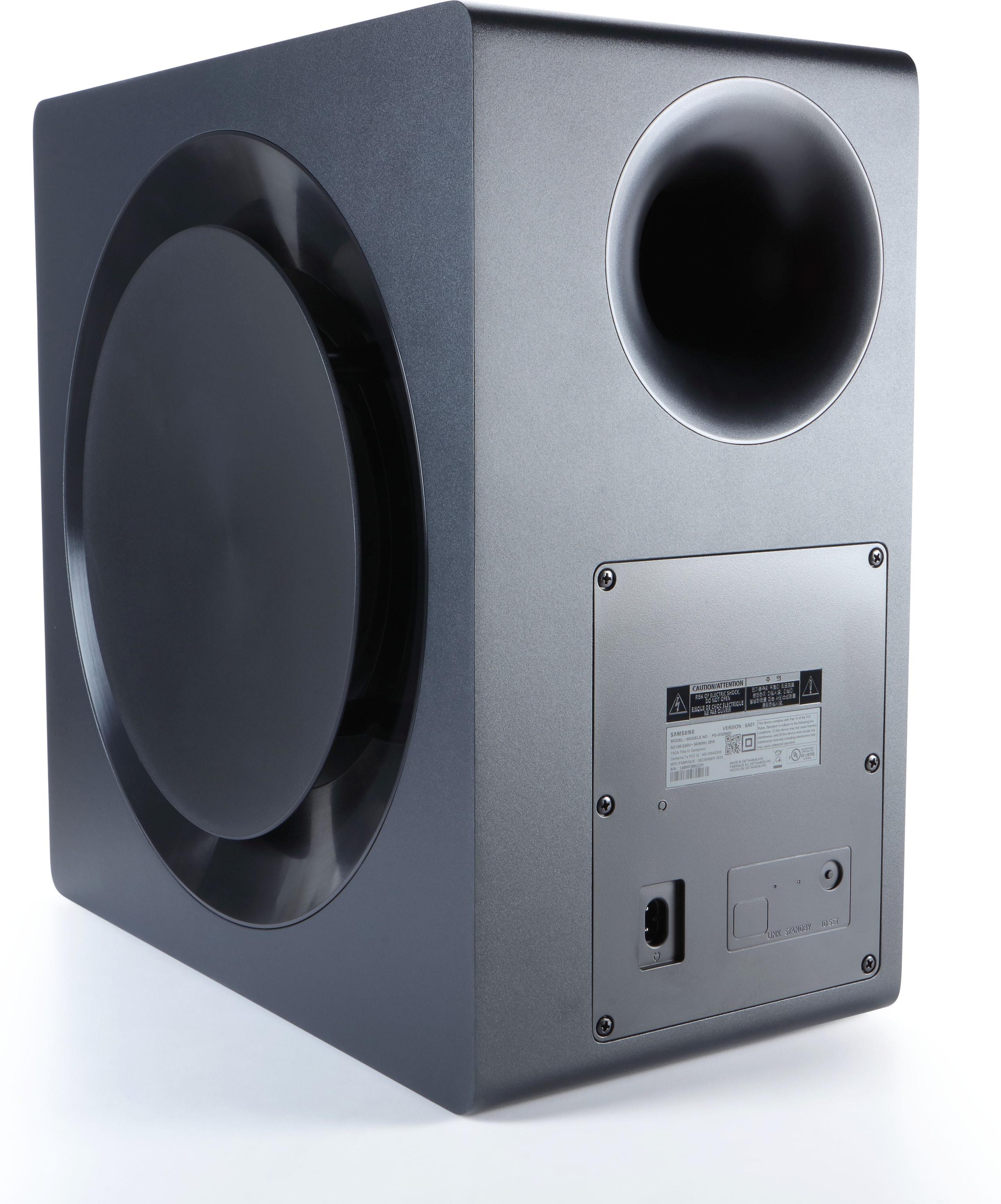
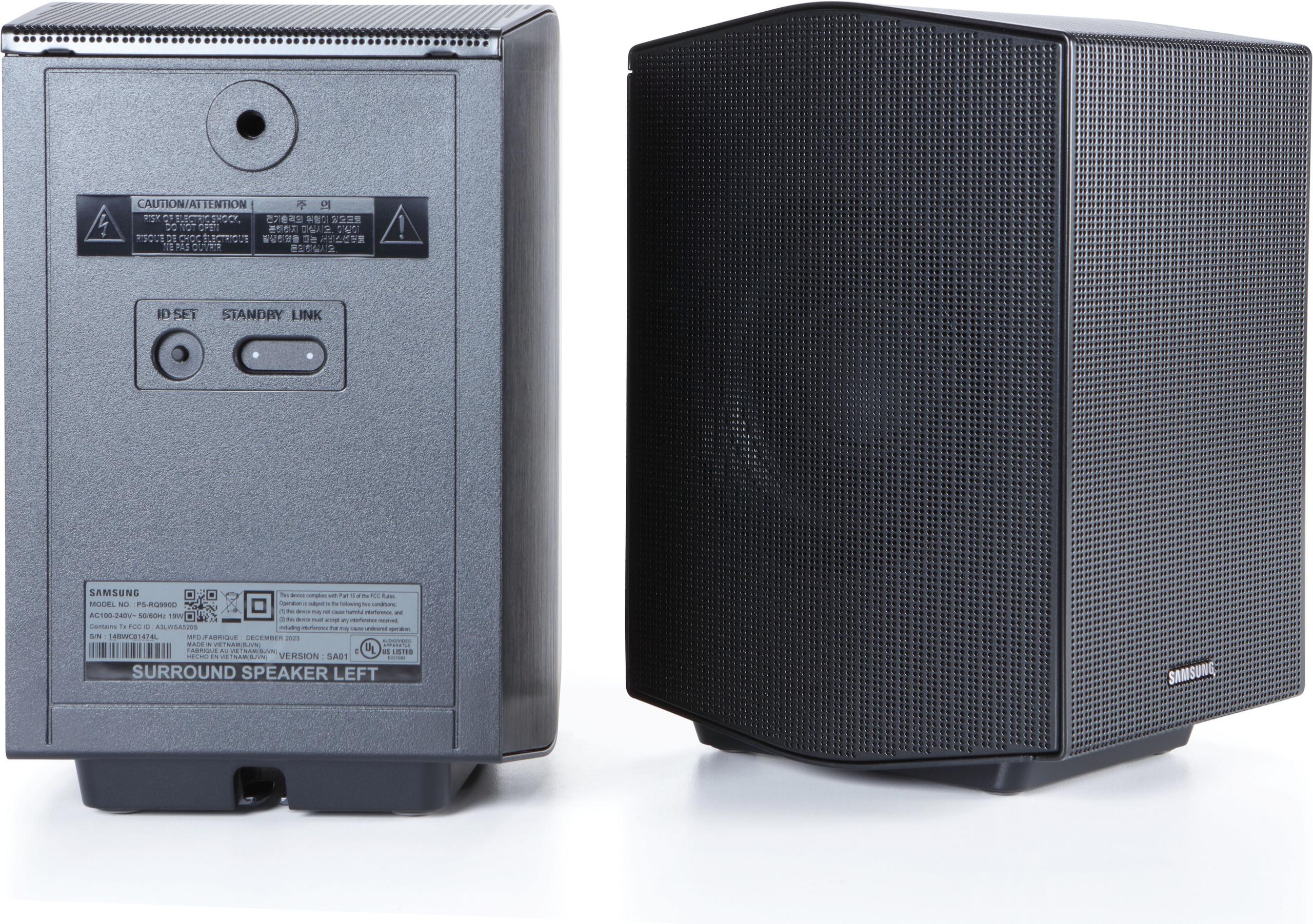
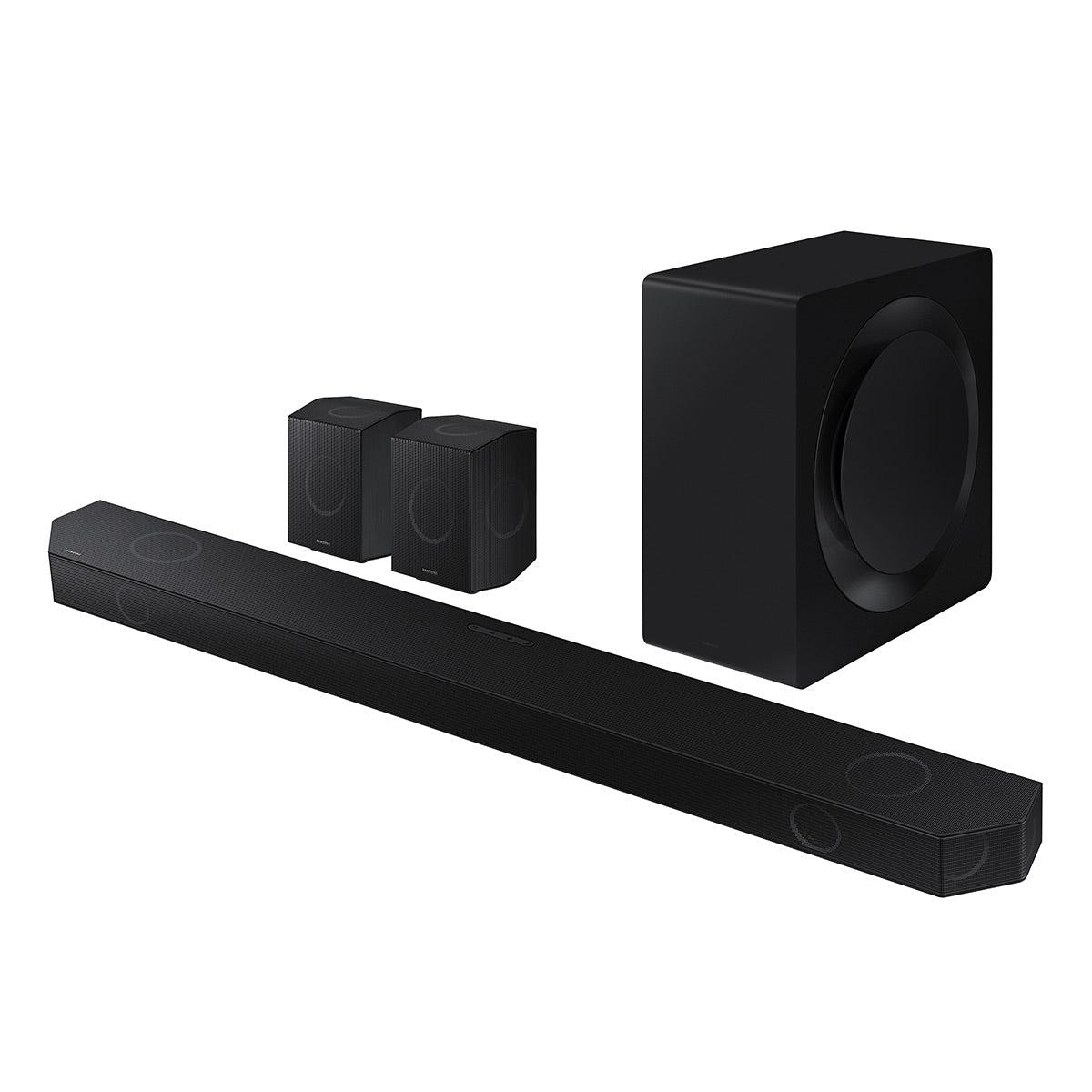
This 11.1.4 configuration means serious business: eleven main channels plus four height channels, totaling 22 individual drivers across four separate units. The system includes the main soundbar, a large subwoofer, and two wireless rear speakers that each contain multiple drivers firing in different directions.
The Samsung supports true Dolby Atmos and DTS:X – not virtual processing like the Hisense, but actual object-based surround sound that precisely places effects in three-dimensional space. When a helicopter flies overhead in a movie, you'll hear it move seamlessly from front to back to top, creating genuine immersion that stereo systems simply cannot match.
Samsung's Q-Symphony technology represents a unique innovation: when paired with compatible Samsung TVs, the soundbar can use the TV's speakers as additional channels, expanding the soundstage even further. The system also includes SpaceFit Sound Pro, which uses built-in microphones to analyze your room's acoustics and automatically adjust the sound accordingly.
The Hisense HS2100 delivers surprisingly balanced sound for its price point. Our research into professional reviews reveals a warm, pleasant character that works well across different content types. The midrange – where most dialogue lives – comes through clearly, though the treble (high frequencies) rolls off slightly, making voices sound less crisp than premium alternatives.
Bass response from the wireless subwoofer provides satisfying punch for action movies, though it lacks the deep extension needed for true cinematic impact. The frequency response bottoms out around 45Hz, meaning those earth-shaking sub-bass frequencies in movie theaters remain out of reach. Still, for casual viewing, the bass feels substantial and adds welcome weight to music and movies.
The Samsung HW-Q990D operates in a different league entirely. Professional testing shows neutral, reference-quality sound reproduction that reveals details the Hisense simply cannot resolve. Dialogue clarity stands out as exceptional, with Samsung's Active Voice Amplifier Pro technology intelligently boosting speech frequencies when background noise threatens to mask conversations.
Bass performance from the Samsung extends significantly deeper, reaching true sub-bass frequencies that make movie explosions feel visceral rather than merely loud. The larger subwoofer driver and more sophisticated processing maintain tight control even at high volumes, avoiding the slight boominess that affects the Hisense when pushed hard.
Here's where the fundamental difference between these soundbars becomes crystal clear. The Hisense HS2100 relies on DTS Virtual:X processing to simulate surround effects using its front-facing drivers. While this creates some sense of spaciousness compared to basic stereo, expert reviews consistently note that the effect remains artificial and unconvincing.
The soundstage – the perceived width and depth of the audio – roughly matches the physical width of the soundbar itself. Sounds feel like they're coming from in front of you, which they are. The virtual processing adds subtle expansion, but you'll never mistake it for true surround sound.
The Samsung HW-Q990D creates genuine surround experiences that rival dedicated speaker systems. The wireless rear speakers position behind your seating area, while height channels in both the soundbar and rear units bounce sound off your ceiling to create overhead effects. During action sequences, sounds move seamlessly around the room – bullets whizzing past your ears, helicopters circling overhead, ambient effects enveloping you completely.
This isn't marketing hyperbole; it's the difference between simulated and actual surround sound. When watching movies with proper Dolby Atmos soundtracks, the Samsung creates three-dimensional soundscapes that make the Hisense feel flat by comparison.
Both soundbars can fill typical living rooms, but they handle dynamic content – the difference between quiet dialogue and explosive action – very differently. The Hisense HS2100 reaches about 90 decibels maximum output, which sounds plenty loud until you realize that movie theaters operate closer to 105 decibels for reference level playback.
More concerning is how the Hisense handles dynamic peaks. Professional testing reveals compression artifacts at higher volumes, meaning sudden loud sounds get "squashed" to prevent distortion. While this protects the speakers, it reduces the dramatic impact of movie soundtracks.
The Samsung HW-Q990D maintains excellent dynamic range even at high volumes, preserving the contrast between subtle ambient sounds and explosive action sequences that makes movie soundtracks compelling. The larger drivers and more powerful amplification mean it can reproduce reference-level volumes without strain, though few people actually need such capability in home environments.
Evaluating value requires considering both performance and cost. At the time of writing, the Hisense HS2100 costs roughly what many people spend on lunch for a week, making it an incredibly low-risk purchase for anyone wanting better TV sound. For casual viewers who primarily watch news, sitcoms, and occasional movies, it delivers substantial improvement over TV speakers without breaking the bank.
The Samsung HW-Q990D costs approximately ten times more, which raises the bar considerably for justifying the expense. However, our research suggests it delivers proportionally greater performance improvements for users who can appreciate them. The question becomes whether you value true surround sound, reference-quality audio, and premium features enough to justify the significant price premium.
Consider that many people spend similar amounts on other entertainment investments – gaming consoles, large TVs, or streaming service subscriptions over several years. For serious movie enthusiasts or gamers who use their living rooms as primary entertainment spaces, the Samsung provides transformational improvements that cheaper alternatives simply cannot match.
The Hisense HS2100 excels in plug-and-play simplicity. The wireless subwoofer pairs automatically, and most users can complete setup in minutes using a single HDMI cable. The learning curve is minimal, with straightforward controls and immediately understandable EQ presets.
The Samsung HW-Q990D requires more thoughtful installation. Placing four separate units optimally takes planning, and the rear speakers need power outlets near your seating area. However, Samsung's SmartThings app provides guided setup assistance, and the SpaceFit Sound Pro feature automatically optimizes performance for your specific room layout.
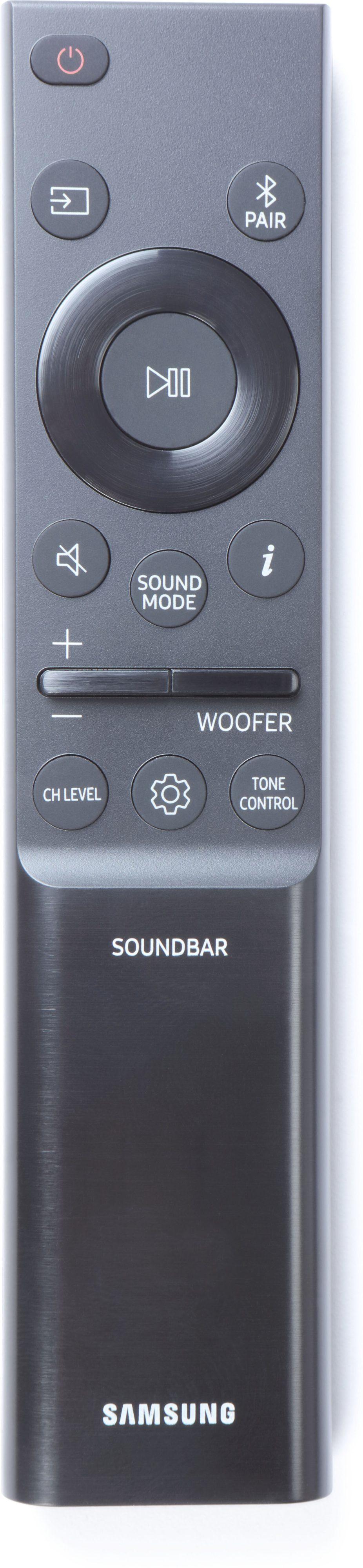
For users comfortable with technology, the Samsung offers extensive customization through its app interface. Those preferring simpler solutions might find the Hisense more appealing despite its limited adjustability.
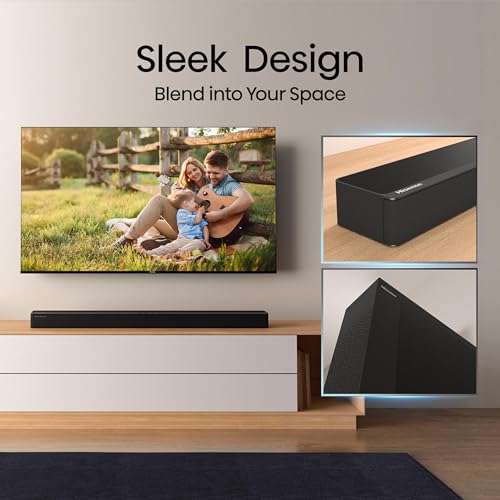
The Hisense makes perfect sense for several user types. Apartment dwellers with limited space and budgets will appreciate its compact footprint and immediate improvement over TV speakers. College students or young professionals just starting out can enjoy significantly better audio without major financial commitment.
Casual viewers who primarily watch news, sitcoms, and occasional movies will find the Hisense provides all the enhancement they need. The clear dialogue reproduction and satisfying bass response elevate the viewing experience without overwhelming smaller rooms or requiring complex setup.
Parents looking to upgrade family TV time without children accidentally damaging expensive equipment might prefer the Hisense as a lower-stakes introduction to better audio. If it gets knocked around or needs replacement in a few years, the financial impact remains manageable.
The Samsung targets serious home theater enthusiasts who prioritize audio quality and immersive experiences. Movie buffs who regularly watch action films, sci-fi epics, and other content mixed for surround sound will immediately appreciate the three-dimensional soundscapes it creates.
Gamers using modern consoles benefit enormously from the spatial audio cues the Samsung provides. In competitive gaming, hearing enemy footsteps precisely positioned around you provides tactical advantages that stereo systems cannot match. The HDMI 2.1 support also ensures compatibility with the latest console features.
Samsung TV owners gain additional value through Q-Symphony integration, which essentially adds more speakers to the system at no extra cost. This synergy makes the Samsung particularly compelling for users already invested in Samsung's ecosystem.
Users with larger living rooms need the Samsung's superior output capability and wider soundstage to fill their spaces effectively. The Hisense might sound adequate in smaller rooms but will feel inadequate in expansive spaces.
After extensive research into professional reviews and user experiences, both soundbars succeed within their intended roles. The Hisense HS2100 represents outstanding value for budget-conscious consumers seeking basic audio enhancement. It transforms TV audio from terrible to acceptable-to-good, which satisfies most casual viewing needs.
The Samsung HW-Q990D delivers transformational improvements for users who can appreciate and afford premium performance. The genuine surround sound experience, exceptional dialogue clarity, and reference-quality audio reproduction justify the significant price premium for serious enthusiasts.
Rather than declaring one objectively superior, consider your specific needs, room size, content preferences, and budget constraints. The Hisense offers excellent value for money within its limitations, while the Samsung provides no-compromise performance for users willing to invest significantly in audio quality.
For most readers, the decision comes down to whether you want good enough audio enhancement or the best possible home theater experience money can buy. Both products succeed at their respective goals – they just aim for very different targets.
The soundbar market has evolved dramatically in recent years, with budget options becoming more capable while premium models push technological boundaries further. Whether you choose the affordable Hisense HS2100 or splurge on the premium Samsung HW-Q990D, you'll enjoy substantially better audio than your TV can provide alone. The question is simply how much better you need it to be.
| Hisense HS2100 | Samsung HW-Q990D |
|---|---|
| Channel Configuration - Determines surround sound capabilities and immersion level | |
| 2.1 channels (stereo + subwoofer) | 11.1.4 channels (true surround + height effects) |
| Dolby Atmos Support - Essential for modern movie and gaming experiences | |
| No Dolby Atmos (DTS Virtual:X only) | Full Dolby Atmos with overhead positioning |
| Physical Components - Affects setup complexity and room requirements | |
| 2 units (soundbar + wireless subwoofer) | 4 units (soundbar + subwoofer + 2 rear speakers) |
| Audio Format Support - Compatibility with streaming and disc content | |
| Dolby Digital, DTS (downmixed to stereo) | Dolby Atmos, DTS:X, Dolby TrueHD (native processing) |
| Room Correction - Automatically optimizes sound for your space | |
| None (manual bass/treble adjustment only) | SpaceFit Sound Pro with automatic room analysis |
| HDMI Connectivity - Future-proofing for gaming and high-bandwidth content | |
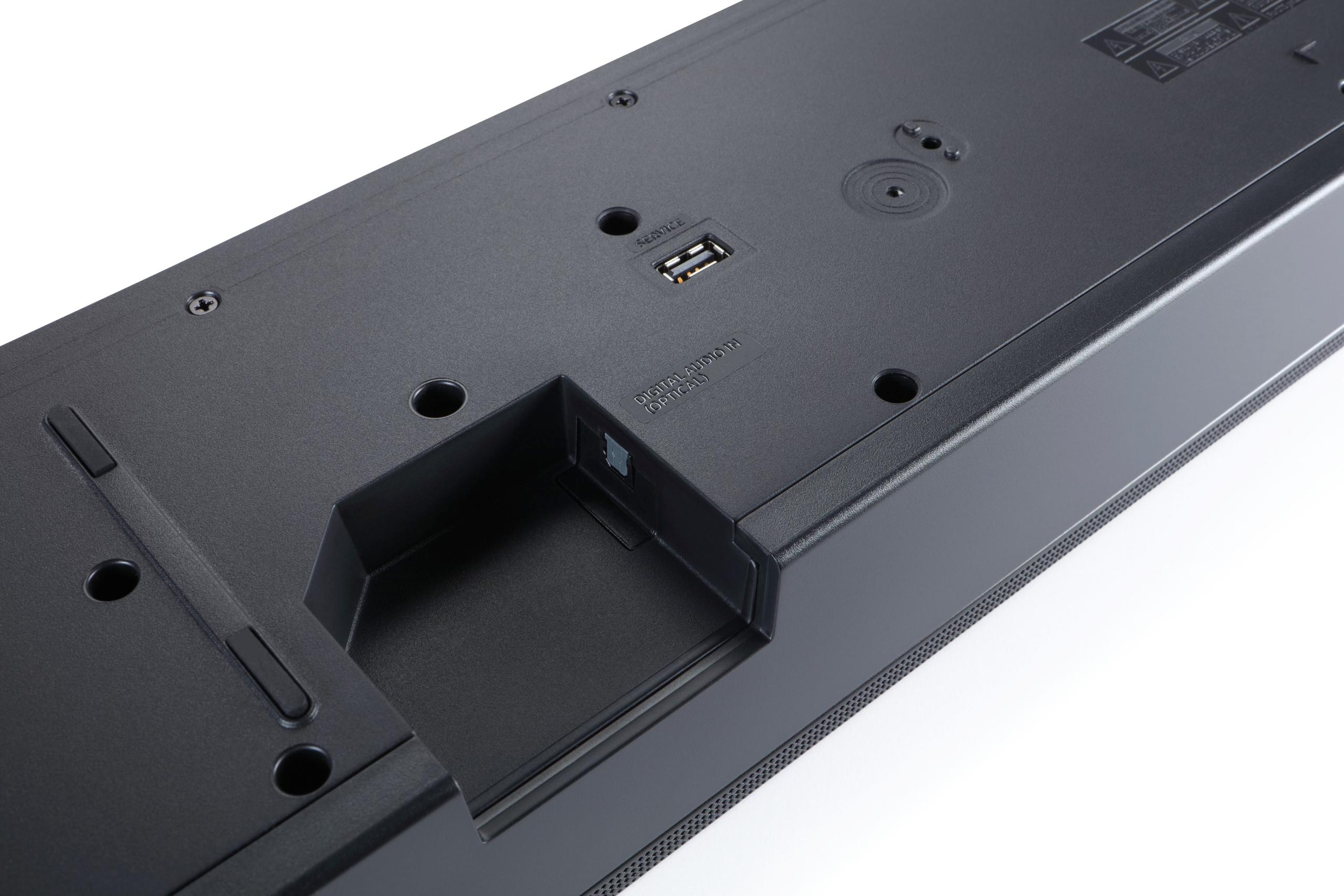
| HDMI ARC only | HDMI 2.1 with eARC, 4K/120Hz passthrough |
| Frequency Response - Determines bass depth and overall tonal balance | |
| 45Hz - 20kHz (limited sub-bass extension) | Not specified (likely extends deeper for cinematic impact) |
| Smart Features - Voice control and streaming integration | |
| Basic Bluetooth 5.3, Roku TV Ready | Alexa/Bixby/Google Assistant, WiFi, AirPlay 2 |
| TV Integration - Enhanced functionality with compatible TVs | |
| Works with any TV via HDMI ARC | Q-Symphony with Samsung TVs for expanded soundstage |
| Target Room Size - Optimal performance based on power and soundstage | |
| Small to medium rooms (apartment/bedroom) | Medium to large rooms (dedicated home theater spaces) |
The Hisense HS2100 is much better for beginners due to its simple plug-and-play setup. You only need to connect one HDMI cable and the wireless subwoofer pairs automatically. The Samsung HW-Q990D requires placing four separate components around your room and involves more complex calibration, making it better suited for users comfortable with multi-component audio systems.
The key difference is channel configuration: the Hisense HS2100 is a basic 2.1 system with virtual surround sound, while the Samsung HW-Q990D is an 11.1.4 system with true Dolby Atmos and real surround speakers. This means the Samsung creates genuine three-dimensional sound that moves around and above you, while the Hisense simulates surround effects using front-facing speakers only.
The Samsung HW-Q990D has significantly better bass performance with deeper extension and tighter control. While the Hisense HS2100 includes a wireless subwoofer that provides satisfying punch for its price range, the Samsung delivers true sub-bass frequencies that create the visceral impact you feel in movie theaters.
No, only the Samsung HW-Q990D supports true Dolby Atmos with height channels that bounce sound off your ceiling. The Hisense HS2100 uses DTS Virtual:X to simulate overhead effects, but this virtual processing cannot match the immersive experience of actual Dolby Atmos with dedicated height speakers.
The Hisense HS2100 is ideal for small apartments because it consists of just two compact units and doesn't require rear speaker placement. The Samsung HW-Q990D includes four separate components that need optimal positioning to work properly, making it impractical for cramped spaces or rooms where you can't place rear speakers behind your seating area.
Yes, both the Hisense HS2100 and Samsung HW-Q990D work with any TV that has HDMI ARC or optical output. However, the Samsung offers additional Q-Symphony features when paired with Samsung TVs, allowing the soundbar to work together with your TV's speakers for an expanded soundstage.
The Samsung HW-Q990D is superior for gaming due to its Game Mode Pro feature, HDMI 2.1 support for 4K/120Hz gaming, and spatial audio that helps you pinpoint enemy locations in competitive games. The Hisense HS2100 works fine for casual gaming but lacks the advanced features and precise sound positioning that serious gamers benefit from.
These soundbars target completely different price segments. The Hisense HS2100 is positioned as a budget option accessible to most consumers, while the Samsung HW-Q990D is a premium product that costs significantly more. The price difference reflects the gap between basic audio enhancement and professional-grade home theater performance.
For casual movie watching, the Hisense HS2100 provides a solid upgrade over TV speakers with clear dialogue and satisfying bass. However, the Samsung HW-Q990D delivers a true cinematic experience with surround sound that places you inside the action, making it the clear choice for serious movie enthusiasts who want theater-quality audio at home.
The Hisense HS2100 requires minimal space - just room for the soundbar under your TV and a spot for the wireless subwoofer anywhere in the room. The Samsung HW-Q990D needs considerably more space and planning, as you'll need to position four separate units including rear speakers that require power outlets near your seating area.
Both soundbars handle dialogue well, but the Samsung HW-Q990D excels with its Active Voice Amplifier Pro technology that intelligently boosts speech frequencies. The Hisense HS2100 provides clear dialogue through its balanced midrange, but the Samsung offers superior clarity and more advanced voice enhancement features for challenging audio scenarios.
Consider your TV's capabilities and your room layout. If you have a basic TV in a small room and want simple audio improvement, the Hisense HS2100 is perfect. If you have a large 4K TV with advanced features and want to create a dedicated home theater experience, the Samsung HW-Q990D will fully utilize your setup's potential and provide room-filling, immersive audio.
We've done our best to create useful and informative comparisons to help you decide what product to buy. Our research uses advanced automated methods to create this comparison and perfection is not possible - please contact us for corrections or questions. These are the sites we've researched in the creation of this article: rtings.com - shop.hisense-usa.com - bestbuy.com - content.syndigo.com - bestbuy.com - hisensedealers.co.ke - stuff.co.za - dtc-aus-api.hisense.com - youtube.com - manuals.plus - youtube.com - bestbuy.com - youtube.com - gallifurniture.com - hisense-usa.com - manuals.plus - uk.hisense.com - device.report - youtube.com - costco.ca - elmcreekwsa.com - gallifurniture.com - techradar.com - avsforum.com - valueelectronics.com - samsung.com - rtings.com - samsung.com - avsforum.com - samsung.com - cdwg.com - youtube.com - whathifi.com

Privacy Policy
Terms and Conditions - Affiliate Policy
Home Security
© Copyright 2008-2026.
11816 Inwood Rd #1211, Dallas, TX 75244