


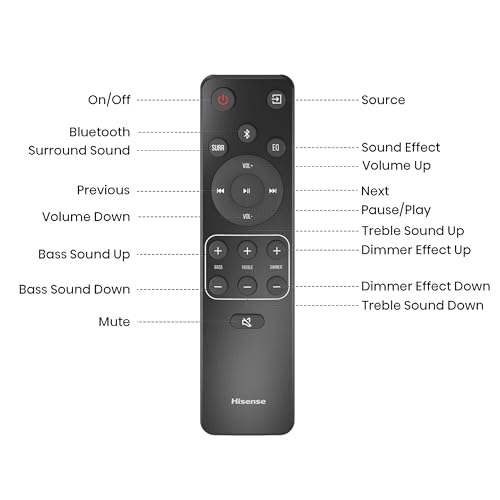
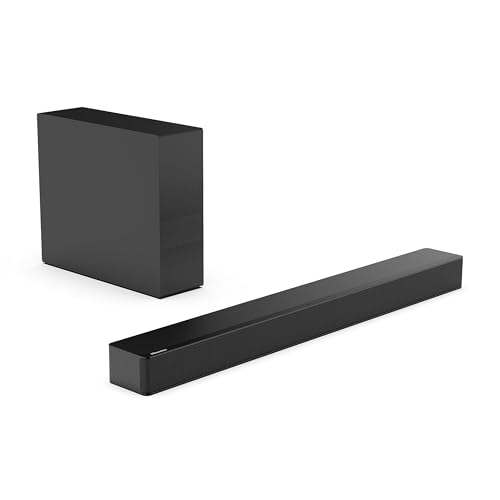
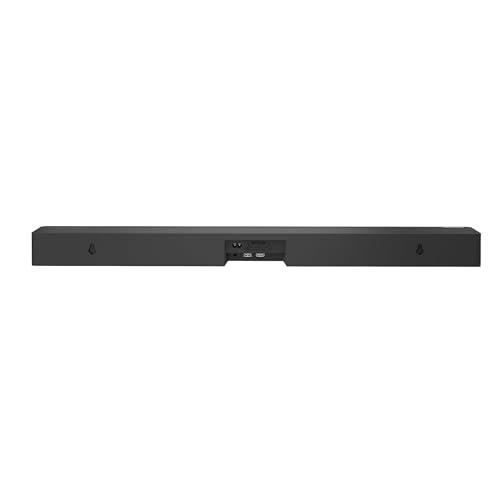
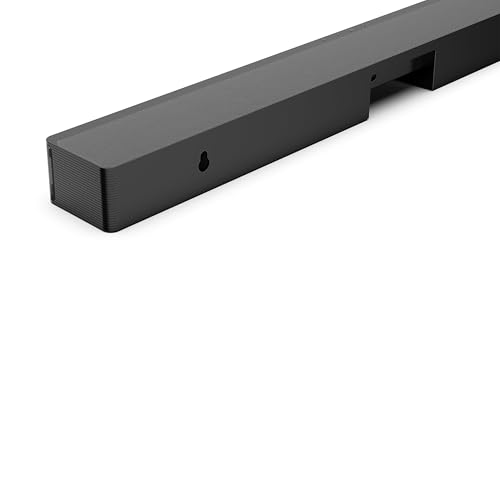


When your TV's built-in speakers sound like they're trapped inside a tin can, it's time to upgrade. But with soundbar prices ranging from under $100 to well over $1,000, finding the sweet spot between performance and value can feel overwhelming. Today, we're comparing two popular budget options that take completely different approaches: the Hisense HS2100 2.1 system and the Bose TV Speaker.
Before diving into specifics, let's establish what makes a great budget soundbar. Unlike premium models with dozens of speakers and room-filling surround sound, budget bars focus on delivering the biggest audio upgrade possible for the least money. The key battlegrounds are bass response (how deep and powerful the low frequencies sound), dialogue clarity (how well you can understand speech), and overall value.
Most budget soundbars fall into two camps: compact all-in-one units that prioritize convenience, or 2.1 systems that include a separate subwoofer for enhanced bass. The subwoofer is crucial because it handles frequencies below about 120Hz – the deep rumble in explosions, the thump of bass drums, and the foundation that makes music feel full and movies feel immersive.
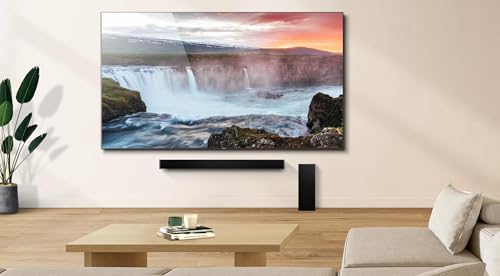
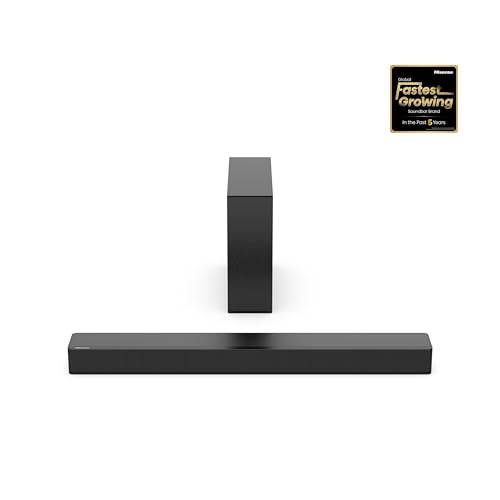
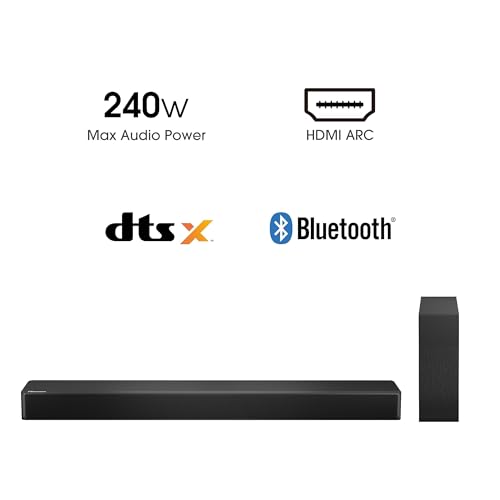
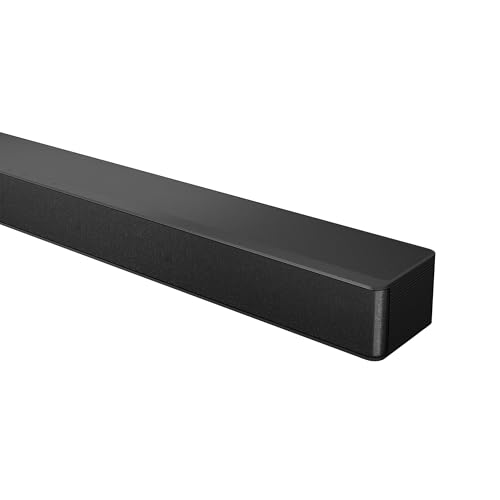
The Hisense HS2100, released in 2023, represents the "maximum bang for your buck" approach. At the time of writing, it's priced significantly lower than most 2.1 systems while including features typically found in more expensive models. It packs a wireless subwoofer, multiple connectivity options, and even supports DTS Virtual:X – a technology that creates simulated surround sound effects from a basic speaker setup.
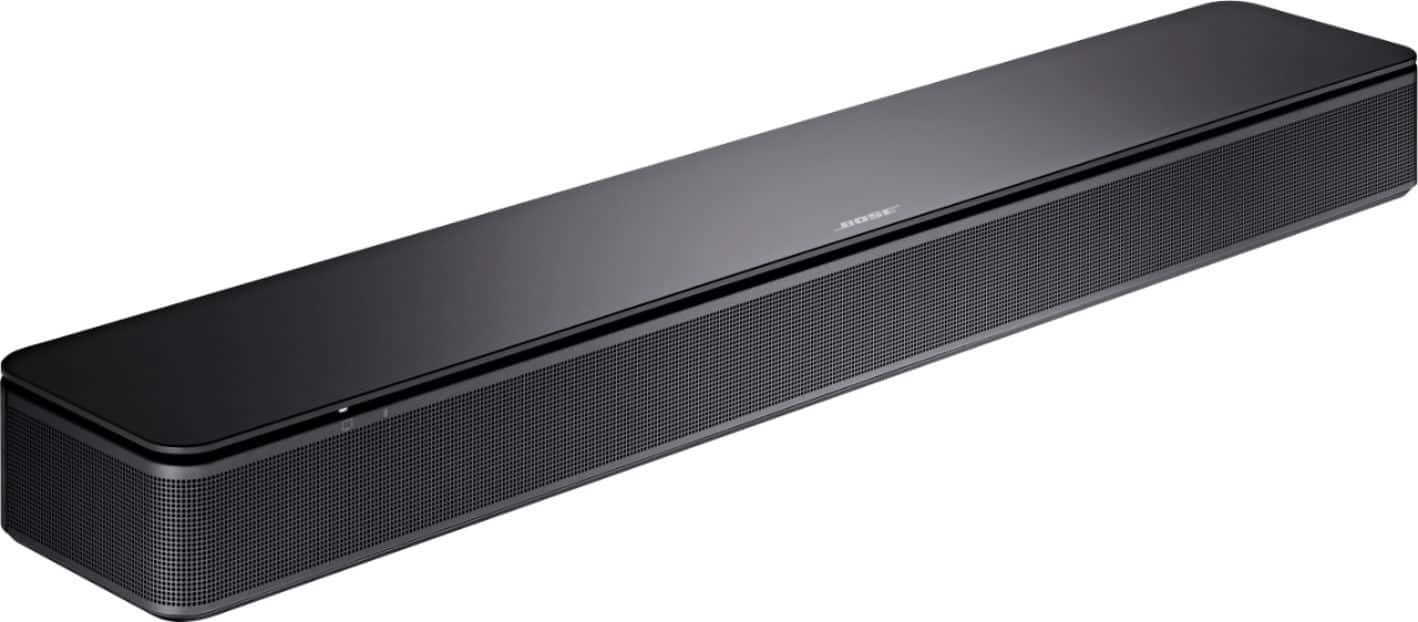
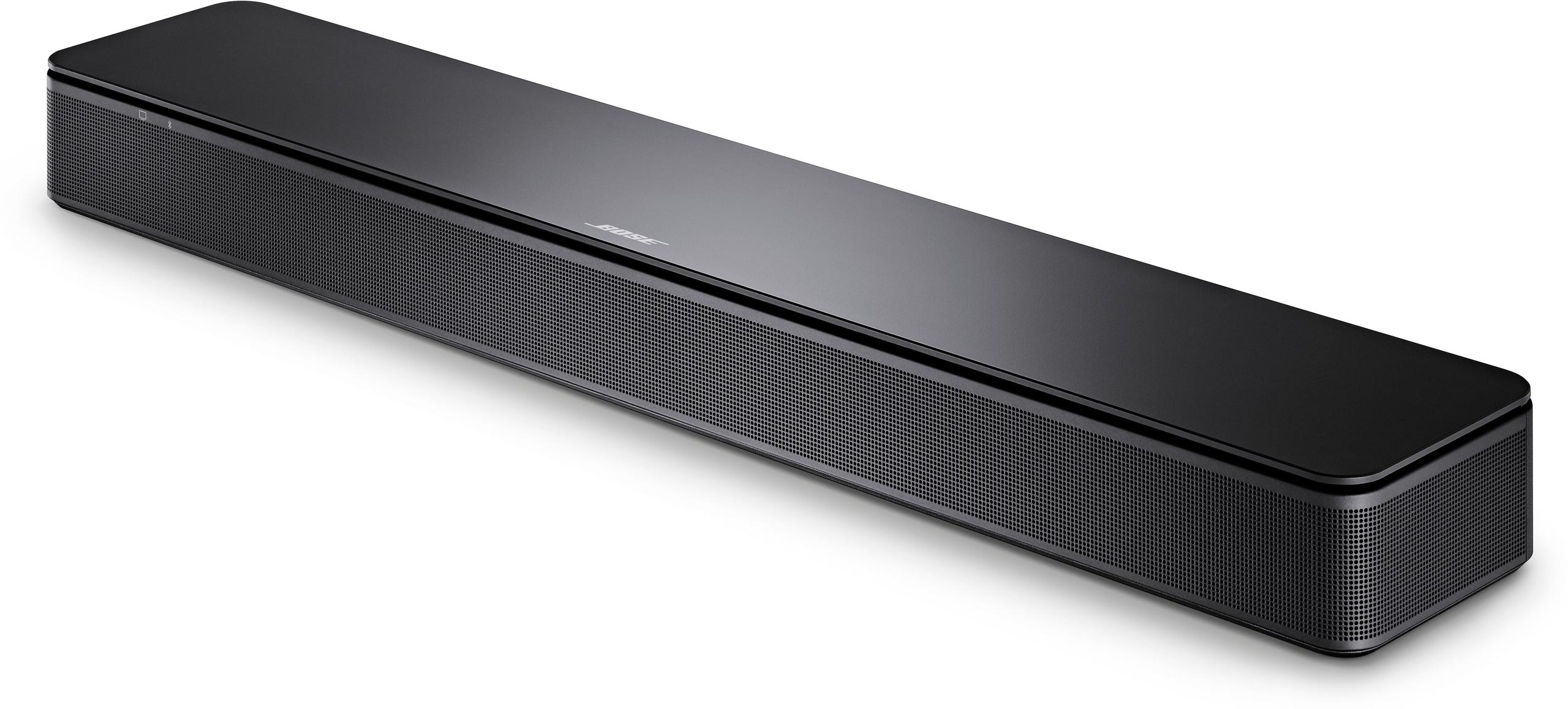
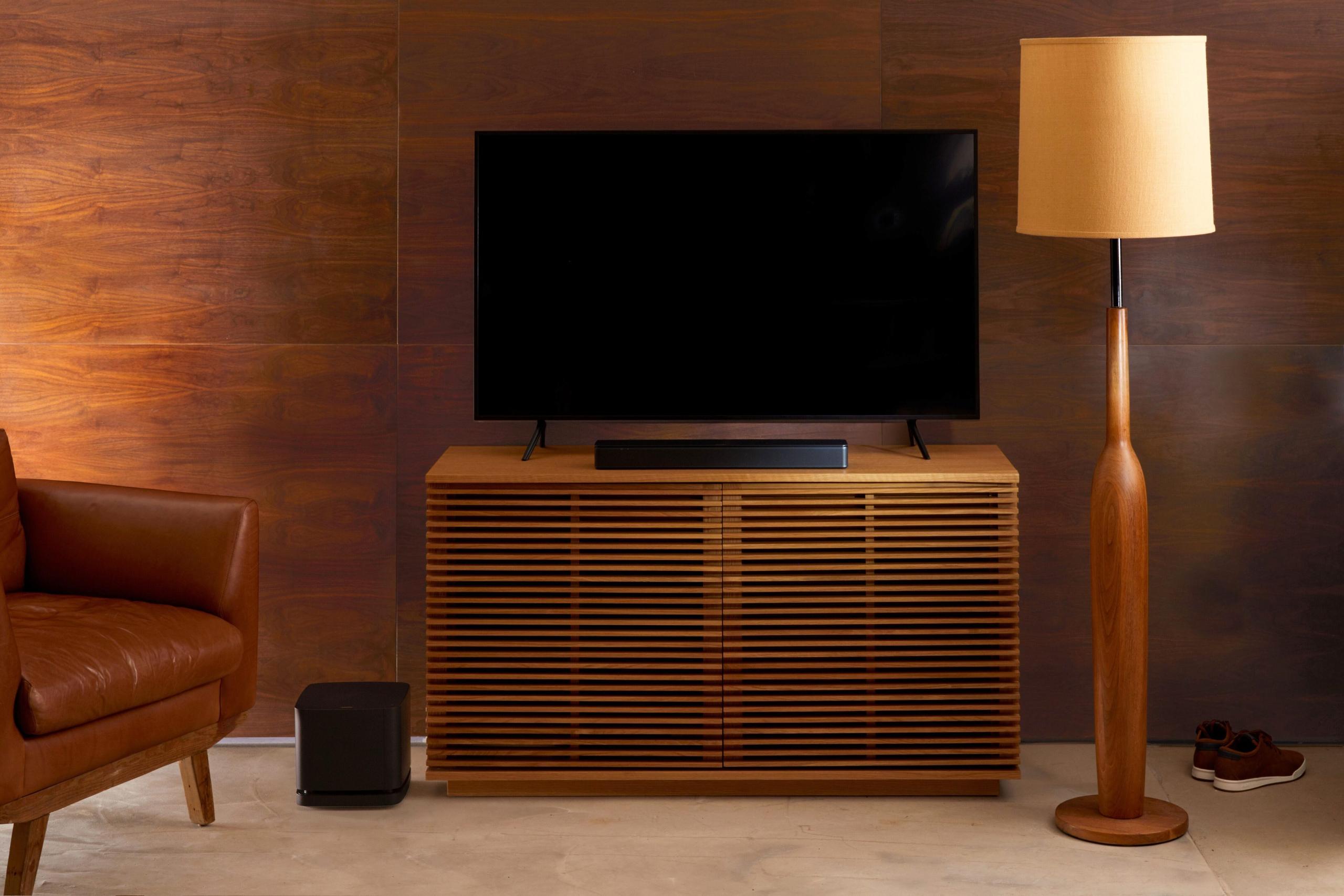
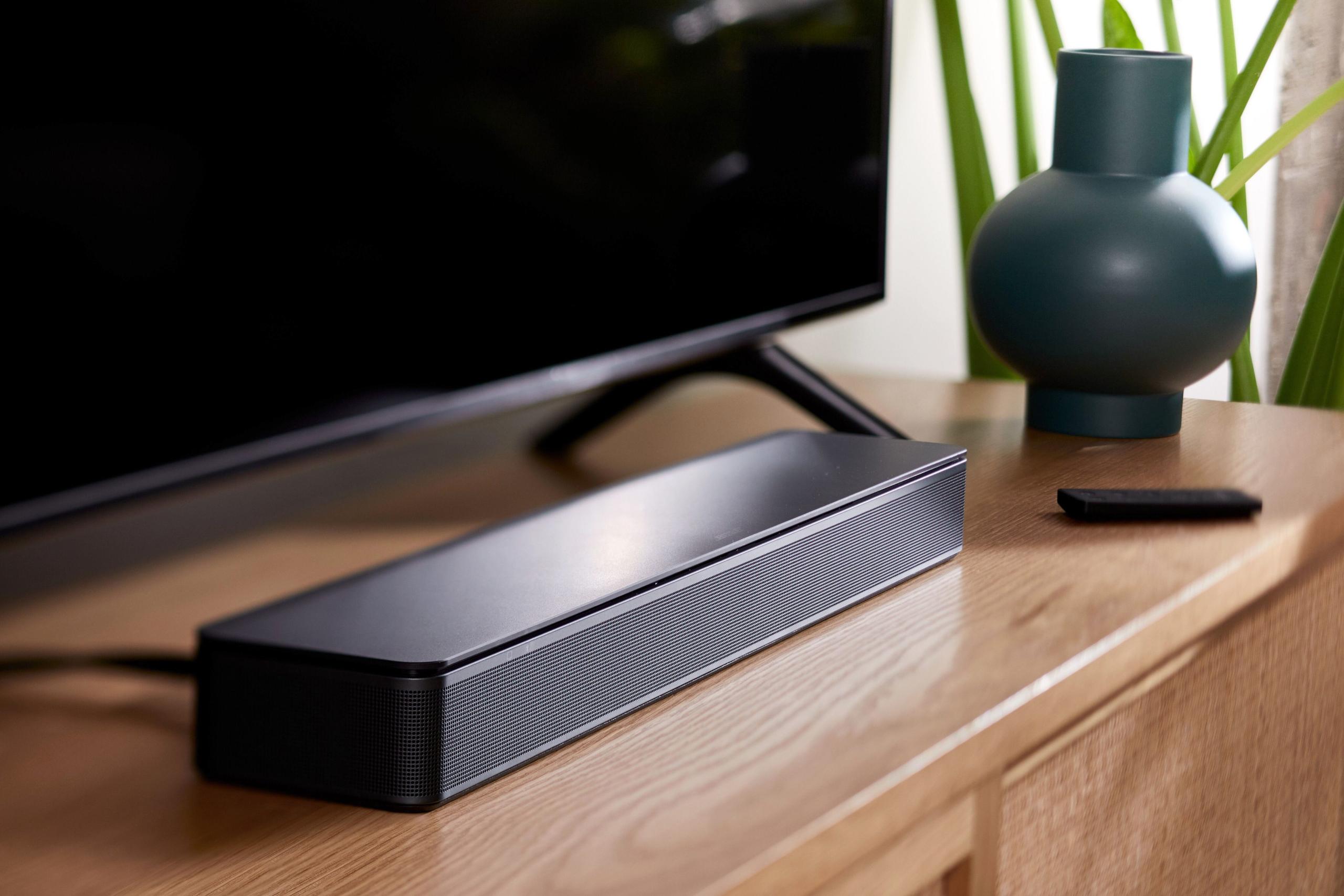
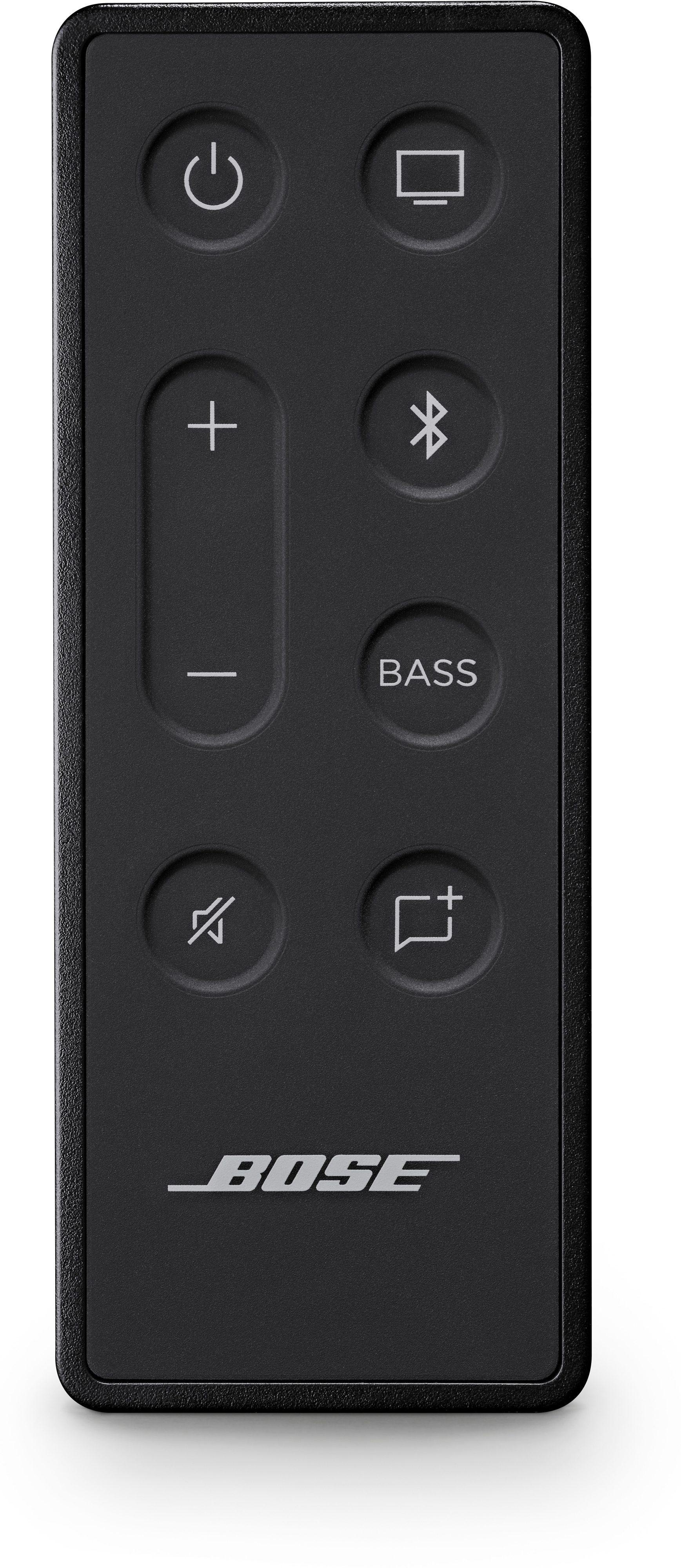
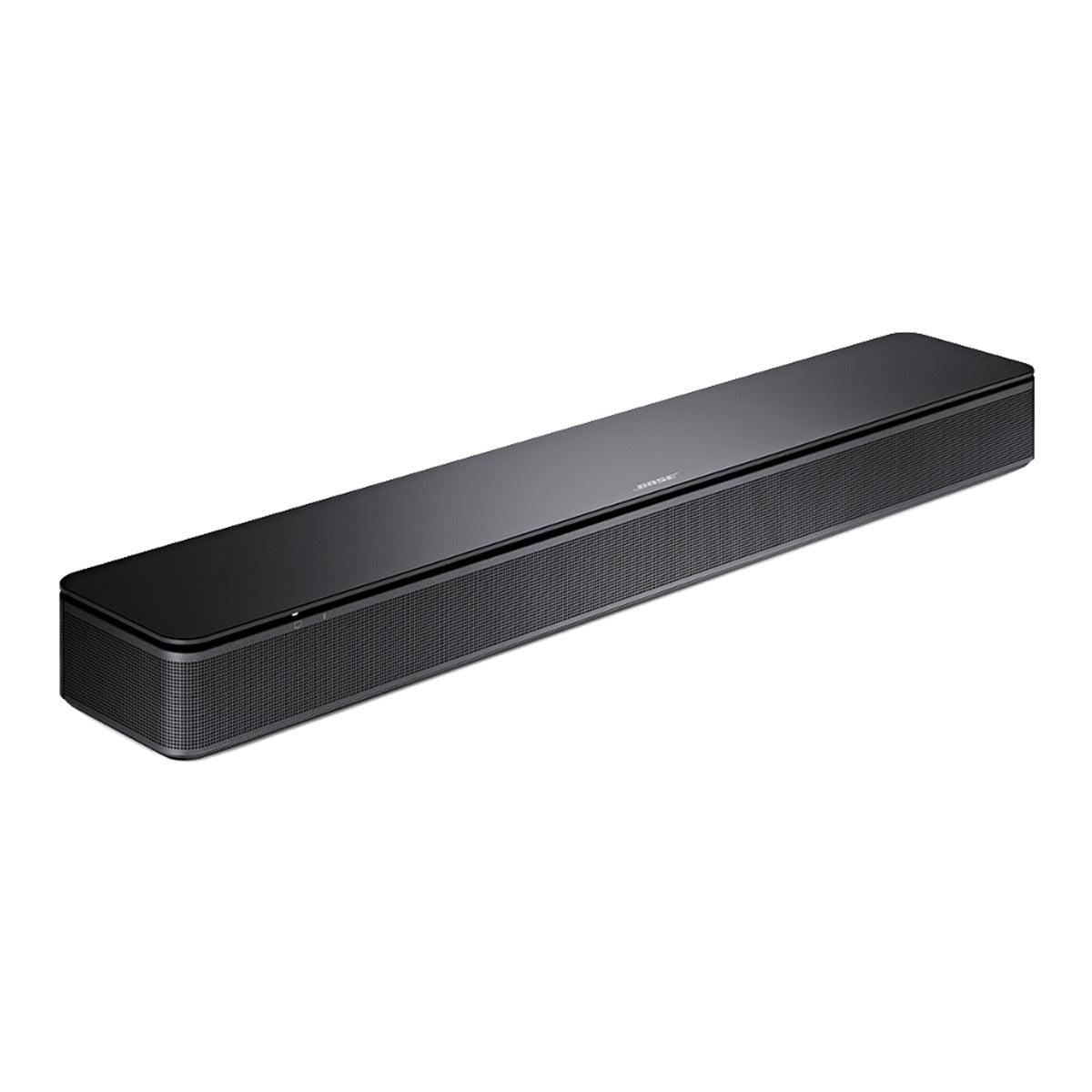
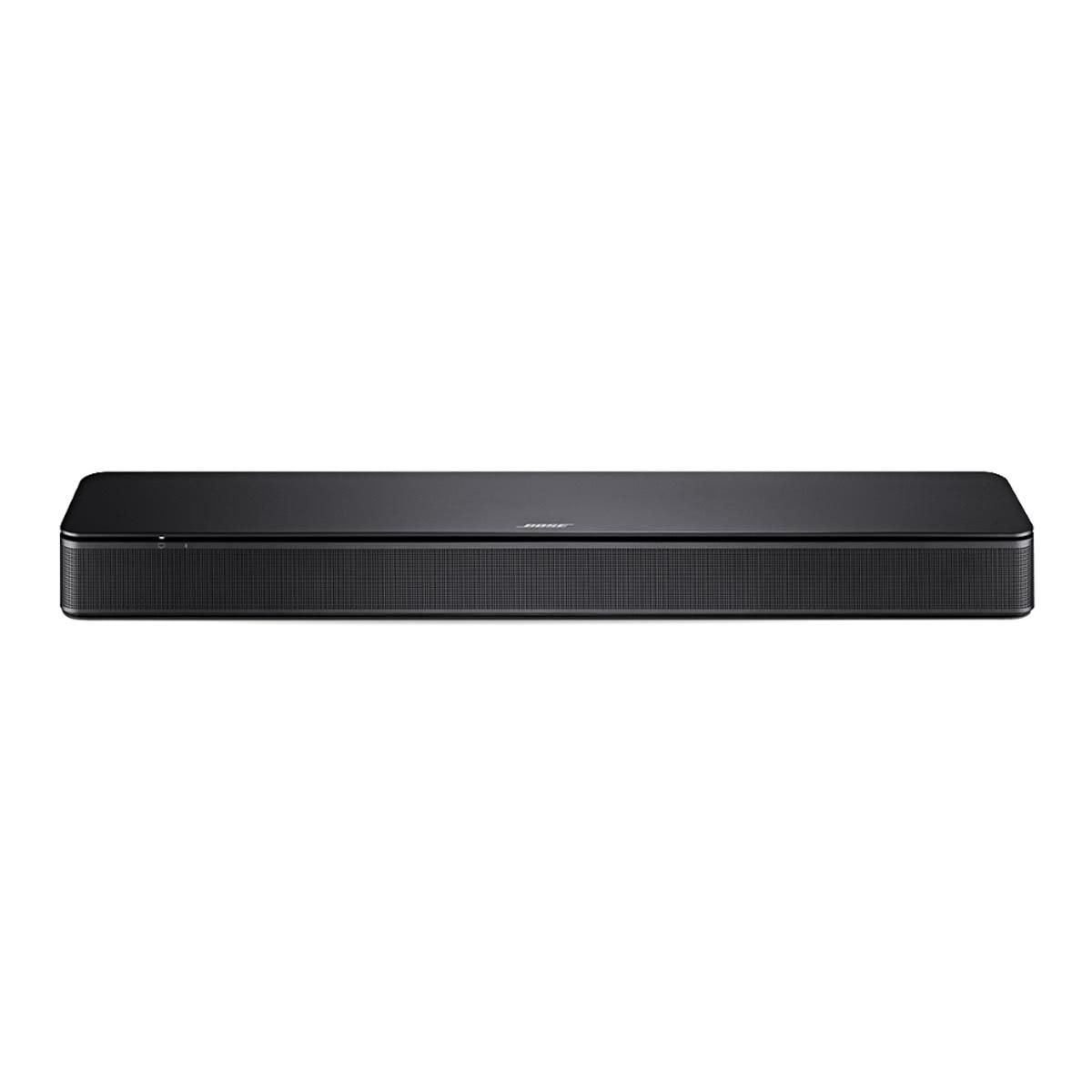
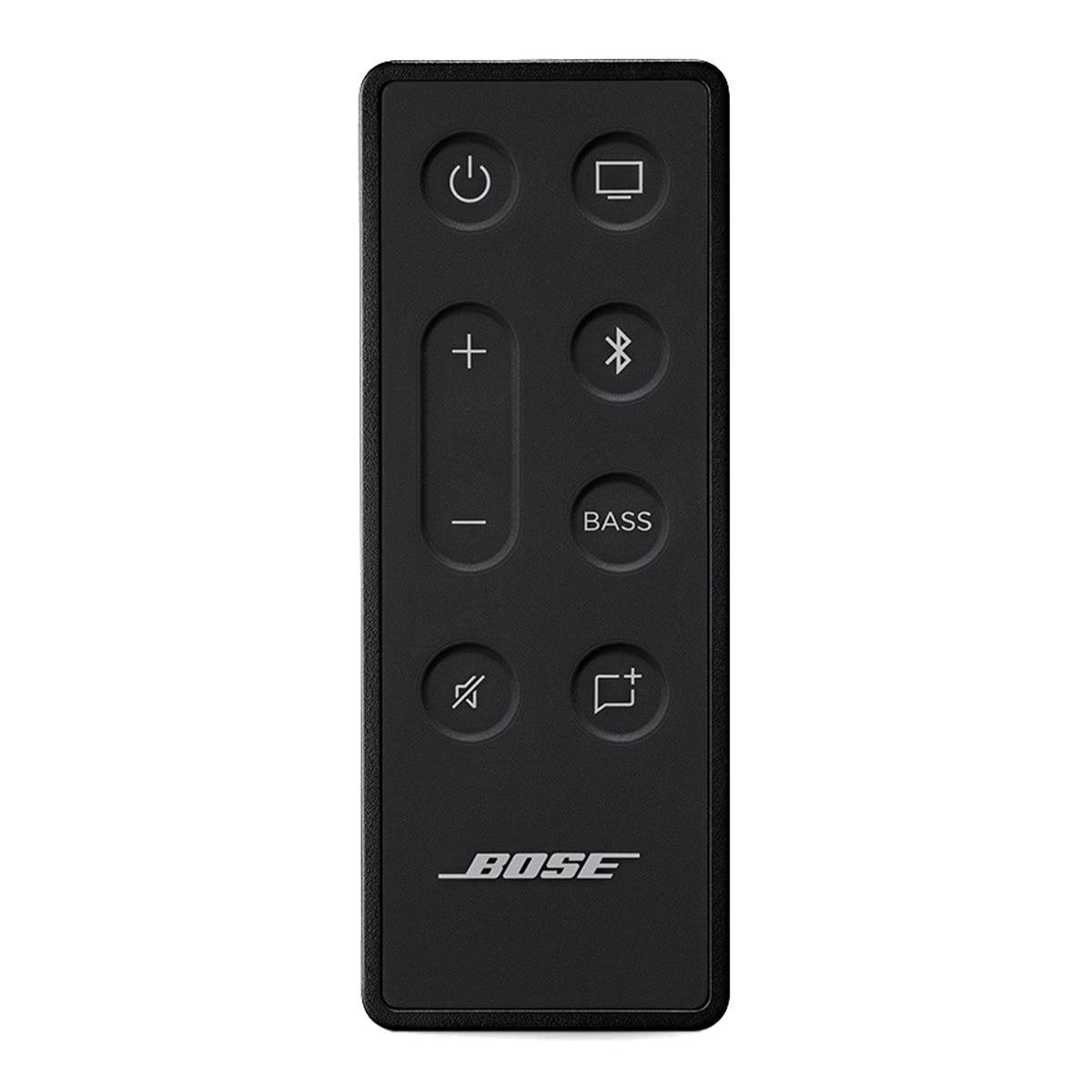
The Bose TV Speaker, launched in 2020, takes a different route. It's a compact 2.0 system (meaning no separate subwoofer) that costs roughly 60% more than the Hisense but focuses intensely on dialogue clarity and the premium build quality Bose is known for. Rather than trying to do everything, it aims to excel at making speech crystal clear.
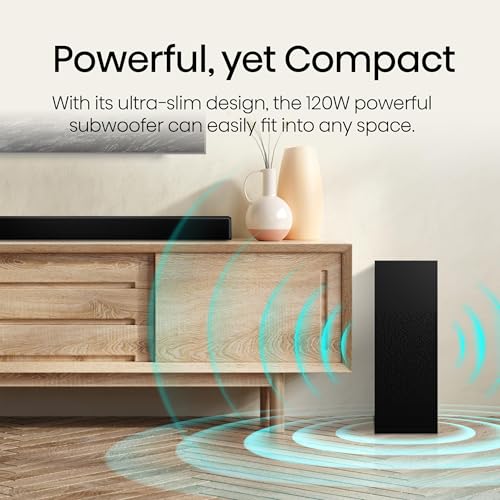
This is where the fundamental difference between these soundbars becomes crystal clear. The Hisense HS2100 includes a wireless subwoofer with a 5.25-inch driver that can shake your couch during action scenes. Based on our research into user experiences and technical reviews, this sub delivers the kind of low-end impact that transforms your living room into something approaching a real theater experience.
The subwoofer operates wirelessly, meaning you can place it anywhere in your room for optimal bass response – under a side table, behind your couch, or in a corner where bass naturally amplifies. This flexibility is huge because subwoofer placement dramatically affects how bass sounds in your specific room.
The Bose TV Speaker, meanwhile, relies entirely on its built-in drivers for bass. While Bose engineers are masters at coaxing surprising low-end from small speakers, physics ultimately wins. Without a dedicated subwoofer, you're missing the foundation that makes explosions feel real and music sound full. Bose offers optional bass modules, but these cost additional money and require wired connections.
For home theater use, this difference is night and day. Action movies, sports with crowd noise, and music all benefit enormously from proper bass reproduction. If you're upgrading from TV speakers primarily for movie watching, the Hisense HS2100's included subwoofer provides an immediately noticeable improvement.
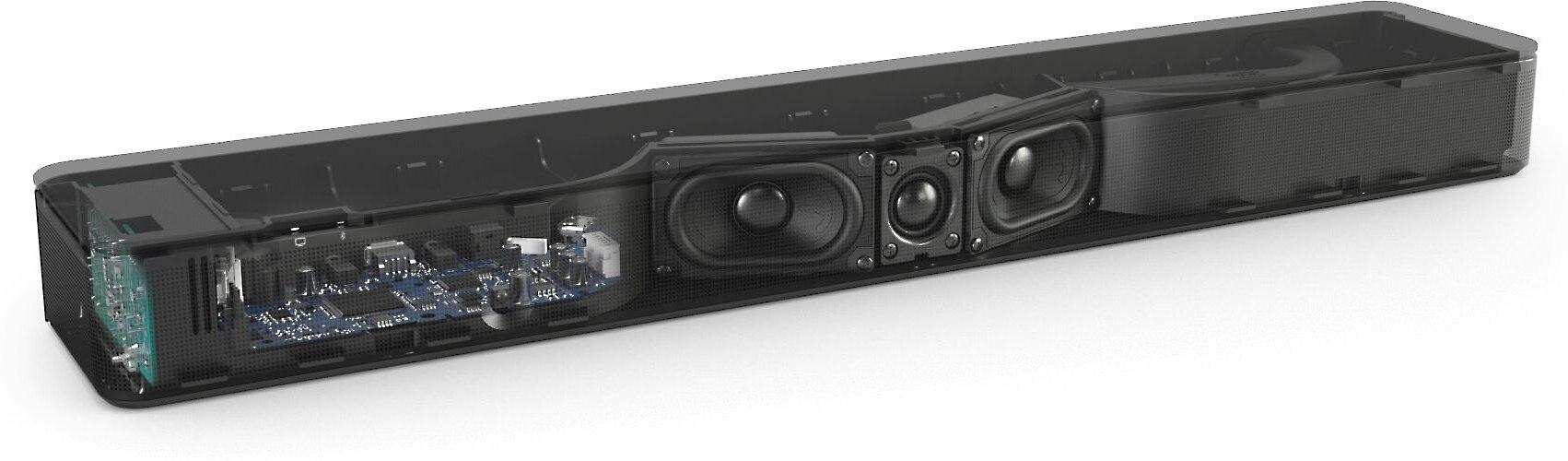
Here's where the Bose TV Speaker fights back. Bose has built its reputation on clarity, and their Dialogue Mode is genuinely impressive. This feature analyzes incoming audio in real-time and boosts the specific frequencies where human speech lives, making conversations in movies and TV shows easier to follow.
The soundbar includes a dedicated center tweeter – a small speaker specifically designed for high-frequency reproduction – that focuses on vocal clarity. This matters more than you might think. Many people struggle to understand dialogue in modern movies and shows, partly because soundtracks are often mixed for theater systems with dedicated center speakers.
The Hisense HS2100 handles dialogue well thanks to its balanced midrange, but it doesn't have specialized processing for speech enhancement. However, it compensates with six EQ presets including a "News" mode that emphasizes vocals, plus manual bass and treble controls that let you fine-tune the sound to your preferences.
Neither soundbar offers true surround sound – that requires rear speakers placed behind your listening position. However, the Hisense HS2100 includes DTS Virtual:X processing, which uses psychoacoustic tricks to create the illusion of sound coming from above and around you.
Virtual surround technologies work by carefully timing and processing audio to fool your brain into perceiving a wider soundstage. It's not as convincing as real surround speakers, but based on user feedback, the Hisense HS2100's implementation adds noticeable width and depth to movies and games.
The Bose TV Speaker sticks to stereo reproduction but uses angled drivers to create a wider sound field than its compact size suggests. The approach prioritizes accuracy over artificial enhancement effects.
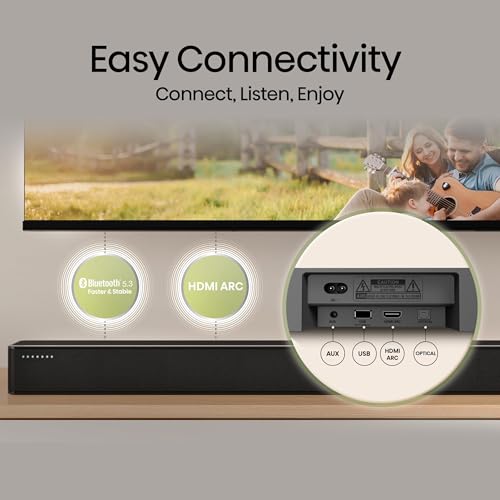
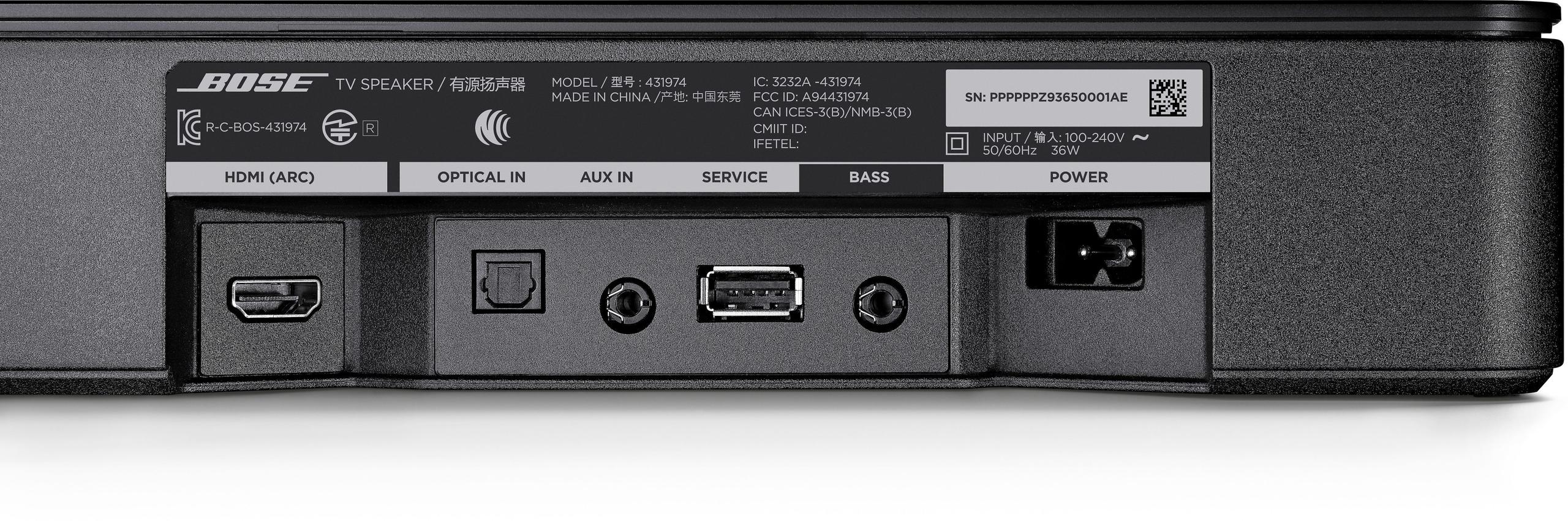
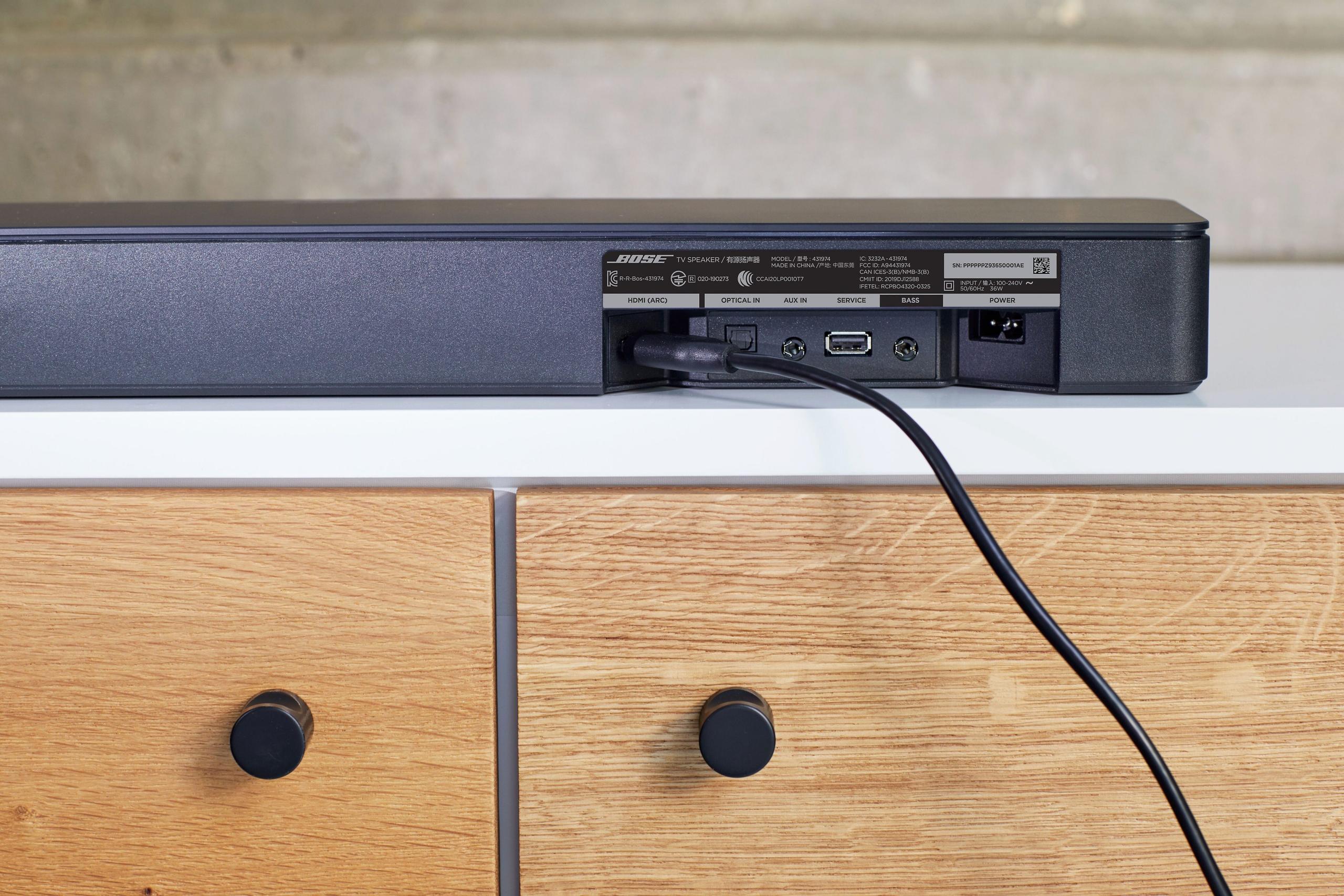
Both soundbars cover the basics with HDMI ARC (Audio Return Channel), optical input, and Bluetooth connectivity. HDMI ARC is particularly important because it allows your TV remote to control the soundbar's volume and power, eliminating the need to juggle multiple remotes.
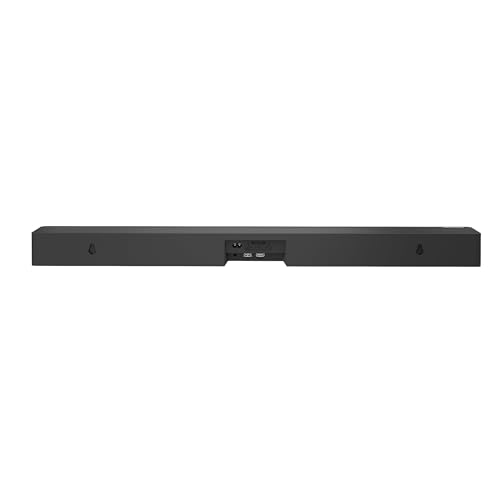
The Hisense HS2100 goes further with additional inputs including a 3.5mm auxiliary jack for older devices and a USB port that supports music playback from flash drives. It also features Bluetooth 5.3, which offers better range and stability than the Bluetooth 4.2 found in the Bose TV Speaker.
Both models are Roku TV Ready certified, meaning they integrate seamlessly with Roku TVs for simplified setup and control. The Hisense HS2100 includes auto-power features that turn the soundbar on when it detects an audio signal and off during periods of silence, which feels surprisingly convenient in daily use.
The Bose TV Speaker supports HDMI CEC (Consumer Electronics Control), allowing it to communicate with your TV for coordinated power and volume control. While not as feature-rich as the Hisense, it covers the essential smart functions most users need.
At the time of writing, the pricing difference between these soundbars is substantial enough to buy several months of streaming service subscriptions. The Hisense HS2100 costs significantly less while including a wireless subwoofer that would cost hundreds of dollars to add to the Bose TV Speaker setup.
From a pure value perspective, the Hisense HS2100 is extraordinary. User reviews consistently praise it for delivering sound quality that rivals systems costing two or three times more. The included subwoofer, multiple connectivity options, and advanced features like DTS Virtual:X processing represent exceptional value at this price point.
The Bose TV Speaker commands its premium through brand reputation, build quality, and specialized dialogue processing. If you primarily watch news, dramas, and dialogue-heavy content, and if budget isn't a primary concern, that premium might be justified.
Based on extensive research into user reviews and expert testing, the Hisense HS2100 consistently surprises people with its performance. Users frequently mention the "wow factor" when first hearing the subwoofer kick in during action scenes. The bass isn't reference-quality – you won't get the same deep extension as a dedicated theater subwoofer – but it's dramatically better than any TV's built-in speakers.
However, the Hisense HS2100 has one significant quirk that annoys some users: it announces "Power On," "HDMI ARC," and other status messages audibly every time you turn it on, and there's no way to disable these announcements. For most people, this becomes background noise, but it's worth knowing about.
The Bose TV Speaker receives praise for its consistent performance and dialogue clarity, but users often note the limited bass response. Those who add the optional bass module later report dramatic improvement, but at that point, the total system cost exceeds many mid-range soundbars with more features.
If you're building a dedicated home theater setup, both soundbars serve as stepping stones rather than final destinations. However, they approach this role differently.
The Hisense HS2100 provides a more complete theater-like experience out of the box thanks to its subwoofer. Movie nights feel more engaging, and the virtual surround processing adds excitement to action scenes. It's a solid foundation that many users find satisfying for years.
The Bose TV Speaker excels for dialogue-driven content but lacks the dynamic range and bass impact that make blockbuster movies truly engaging. It's better suited for casual TV watching than dedicated movie nights.
The Hisense HS2100 represents the best choice for most people shopping in this category. It delivers the biggest overall improvement to your TV's sound while costing less than alternatives.
The Bose TV Speaker serves a specific niche well but requires compromises in overall audio performance.
Unless dialogue clarity is your absolute top priority and budget isn't a major consideration, the Hisense HS2100 delivers substantially more value. It provides a complete 2.1 system with meaningful bass performance for significantly less money than the Bose TV Speaker.
The included wireless subwoofer transforms the entire audio experience, making movies more engaging and music more enjoyable. The multiple connectivity options, EQ presets, and virtual surround processing add versatility that extends the soundbar's usefulness beyond basic TV enhancement.
The Bose TV Speaker isn't a bad product – it excels at its intended purpose of dialogue enhancement and offers the build quality Bose is known for. However, in the budget soundbar category, where value and overall performance matter most, the Hisense HS2100 simply provides more audio improvement per dollar spent.
For most people upgrading from TV speakers, the Hisense HS2100 hits the sweet spot of features, performance, and value that makes it an easy recommendation. It's the kind of purchase that makes you wonder why you waited so long to upgrade your TV's audio.
| Hisense HS2100 2.1 Channel 240W Soundbar System | Bose TV Speaker Soundbar |
|---|---|
| Channel Configuration - Determines bass performance and overall sound fullness | |
| 2.1 channels with wireless subwoofer included | 2.0 channels (no subwoofer, compact design) |
| Power Output - Affects maximum volume and dynamic range | |
| 240W total (60W soundbar + 120W subwoofer) | Not specified (significantly lower based on size) |
| Bass Performance - Most noticeable upgrade from TV speakers | |
| Dedicated 5.25" wireless subwoofer with 40-120Hz response | Limited bass from built-in drivers only |
| Dialogue Enhancement - Critical for understanding speech in movies/TV | |
| News EQ preset plus manual bass/treble adjustment | Specialized Dialogue Mode with center tweeter |
| Surround Sound Processing - Creates wider, more immersive soundstage | |
| DTS Virtual:X creates simulated 3D surround effects | Stereo only with angled drivers for width |
| Audio Format Support - Compatibility with modern streaming and disc content | |
| Dolby Digital, Dolby Digital Plus, DTS Virtual:X, PCM | Dolby Digital, no advanced surround formats |
| Connectivity Options - Flexibility for different devices and setups | |
| HDMI ARC, Optical, 3.5mm AUX, USB, Bluetooth 5.3 | HDMI ARC, Optical, 3.5mm, Bluetooth 4.2 |
| Sound Customization - Ability to tailor audio to content and preferences | |
| 6 EQ presets + manual bass/treble controls | Dialogue mode toggle, minimal customization |
| Dimensions - Impact on placement flexibility and room aesthetics | |
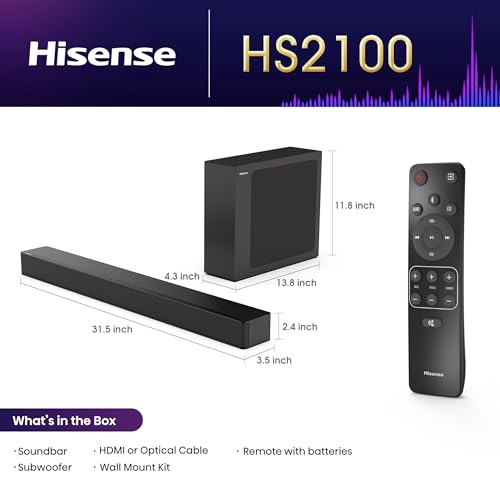
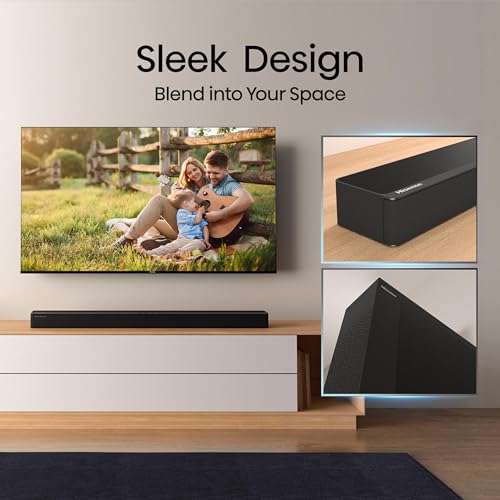
| Soundbar: 31.5" x 2.4" x 3.5" + separate subwoofer | Single unit: 23.4" x 2.2" x 4" (very compact) |
| Setup Complexity - Ease of installation and daily use | |
| Single HDMI connection, subwoofer pairs automatically | Single connection, extremely simple setup |
| Expandability - Future upgrade options without replacing entire system | |
| Complete system, no official expansion options | Compatible with optional Bose Bass Module (additional cost) |
| Best Use Cases - Scenarios where each product excels | |
| Movies, music, gaming, larger rooms, maximum value | Dialogue-heavy content, small spaces, premium aesthetics |
The Hisense HS2100 is significantly better for movies due to its included wireless subwoofer that delivers deep bass for explosions and action scenes. The Bose TV Speaker focuses on dialogue clarity but lacks the bass impact that makes movies truly engaging. For home theater use, the Hisense HS2100 provides a more complete cinematic experience.
Yes, the Hisense HS2100 includes a wireless subwoofer as part of the package, while the Bose TV Speaker is a compact 2.0 system without a subwoofer. Bose offers an optional bass module for the Bose TV Speaker, but it requires a separate purchase and wired connection.
The Hisense HS2100 offers exceptional value, providing a complete 2.1 system with wireless subwoofer at a lower price point than the Bose TV Speaker. You get more features, better bass performance, and higher power output for less money with the Hisense HS2100.
The Bose TV Speaker excels at dialogue clarity with its specialized Dialogue Mode and dedicated center tweeter designed for speech. The Hisense HS2100 handles dialogue well with balanced midrange and a News EQ preset, but the Bose TV Speaker is specifically engineered for maximum speech intelligibility.
Both soundbars are simple to set up with single-cable connections, but the Bose TV Speaker has a slight edge in simplicity due to its compact, all-in-one design. The Hisense HS2100 requires positioning both the soundbar and wireless subwoofer, though the subwoofer pairs automatically.
Yes, both the Hisense HS2100 and Bose TV Speaker support HDMI ARC for simplified connection and control with your TV remote. Both also include optical input and Bluetooth connectivity for wireless music streaming.
The Hisense HS2100 is superior for music due to its dedicated subwoofer providing full-range sound with proper bass extension. The Bose TV Speaker delivers clear mids and highs but lacks the low-frequency foundation that makes music sound complete and engaging.
The Bose TV Speaker is more compact as a single unit, while the Hisense HS2100 consists of a soundbar plus a separate wireless subwoofer. If space is extremely limited, the Bose TV Speaker has a smaller footprint, but the Hisense HS2100 offers flexible subwoofer placement.
The Hisense HS2100 delivers significantly more power with 240W total output compared to the Bose TV Speaker's unspecified but lower power rating. This translates to higher maximum volume and better performance in larger rooms with the Hisense HS2100.
The Hisense HS2100 supports Dolby Digital, Dolby Digital Plus, and includes DTS Virtual:X for simulated surround effects. The Bose TV Speaker supports Dolby Digital but focuses on stereo reproduction without virtual surround processing. Neither supports advanced formats like Dolby Atmos.
The Hisense HS2100 is better for gaming due to its dedicated Game EQ mode, powerful subwoofer for impact effects, and virtual surround processing that enhances spatial audio. The Bose TV Speaker works for gaming but lacks the dynamic range and bass response that make games more immersive.
Choose the Hisense HS2100 for most home theater setups due to its complete 2.1 system, better movie performance, and superior value. Only consider the Bose TV Speaker if you primarily watch dialogue-heavy content, have severe space constraints, or prioritize the Bose brand reputation over overall performance.
We've done our best to create useful and informative comparisons to help you decide what product to buy. Our research uses advanced automated methods to create this comparison and perfection is not possible - please contact us for corrections or questions. These are the sites we've researched in the creation of this article: rtings.com - shop.hisense-usa.com - bestbuy.com - content.syndigo.com - bestbuy.com - hisensedealers.co.ke - stuff.co.za - dtc-aus-api.hisense.com - youtube.com - manuals.plus - youtube.com - bestbuy.com - youtube.com - gallifurniture.com - hisense-usa.com - manuals.plus - uk.hisense.com - device.report - youtube.com - costco.ca - elmcreekwsa.com - gallifurniture.com - bestbuy.com - projectorscreen.com - forums.audioholics.com - digitaltrends.com - abt.com - crutchfield.com - staples.com - bestbuy.com - pcrichard.com - visions.ca - bose.com - assets.bose.com

Privacy Policy
Terms and Conditions - Affiliate Policy
Home Security
© Copyright 2008-2026.
11816 Inwood Rd #1211, Dallas, TX 75244