

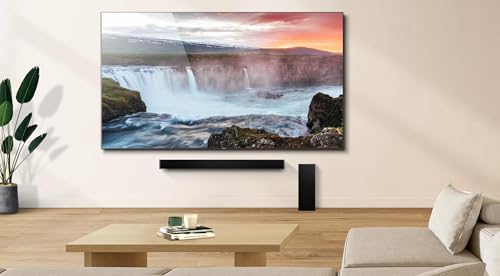
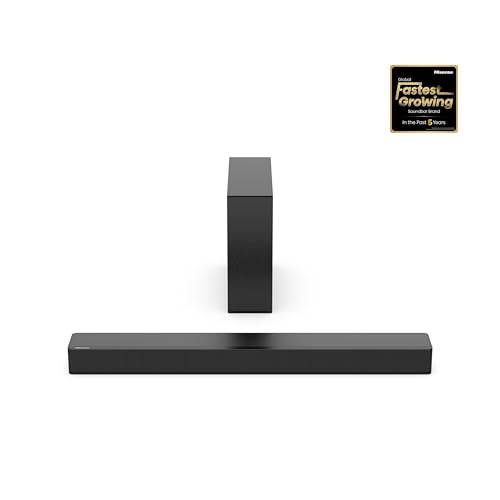

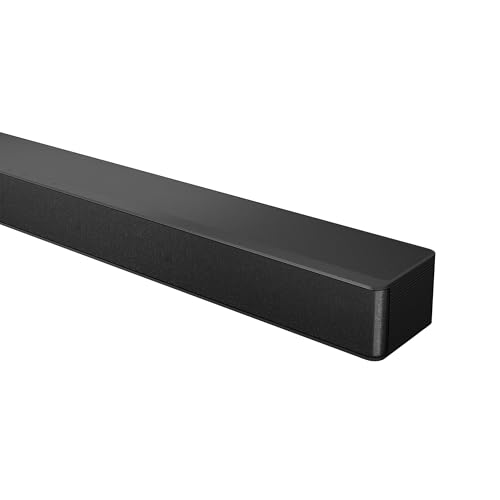
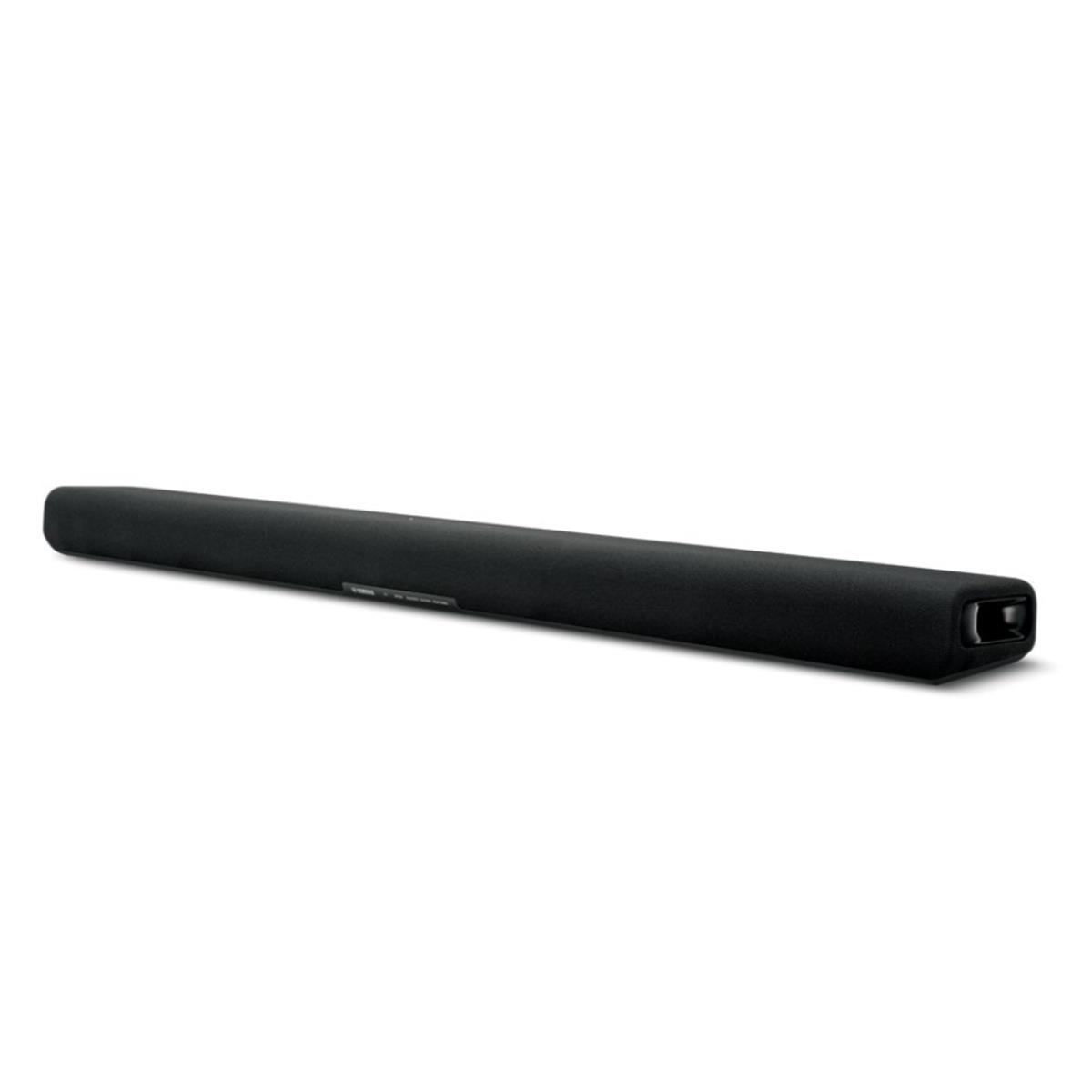
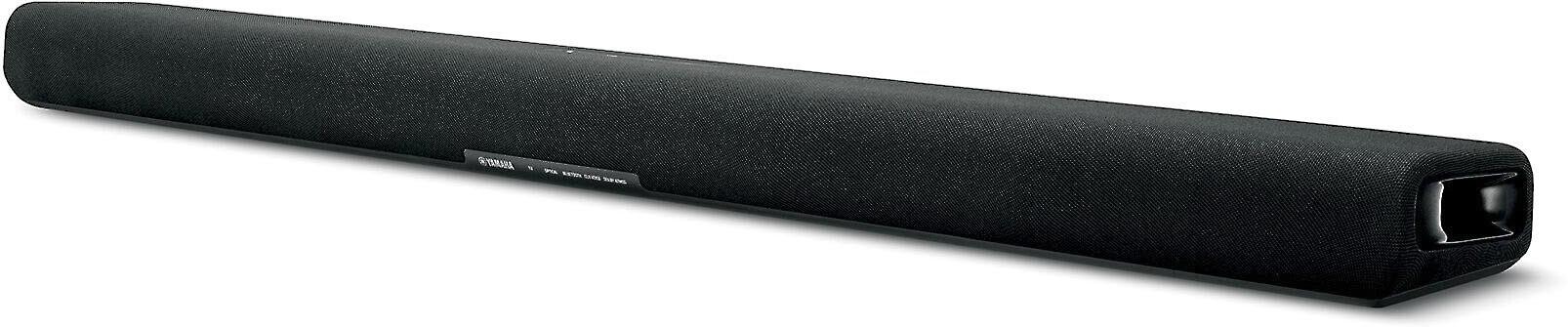



When your TV's built-in speakers leave you constantly reaching for the remote to turn up the volume or strain to hear dialogue, it's time for an audio upgrade. The budget soundbar market has exploded in recent years, offering meaningful improvements over TV speakers without the complexity or cost of full home theater systems. Today we're comparing two popular options that take distinctly different approaches: the Hisense HS2100 and the Yamaha SR-B30A.
Both products were released in 2023, arriving during a period when budget soundbars have become significantly more capable. The Hisense HS2100 launched as part of Hisense's effort to bring high-power audio systems to the sub-$150 market, while the Yamaha SR-B30A represents Yamaha's push to make Dolby Atmos technology accessible at entry-level pricing. This timing is significant because 2023 marked a turning point where even budget soundbars began incorporating premium features that were previously reserved for expensive systems.
Before diving into specifics, it's worth understanding what you should expect from a budget soundbar. These products typically cost between $100-250 at the time of writing and focus on delivering the biggest improvements over TV speakers: better dialogue clarity, increased volume capability, and meaningful bass response.
The most important performance characteristics in this category are volume capability (measured in watts and maximum sound pressure level), bass extension (how deep the low frequencies go), dialogue clarity, and overall tonal balance. Virtual surround processing—technology that tries to simulate surround sound from fewer speakers—has become increasingly important as streaming content includes more spatial audio.
Think of it this way: your TV speakers are like smartphone speakers scaled up slightly. They're designed to be thin and unobtrusive, which means they can't move enough air to create impactful sound or reproduce low frequencies effectively. A good soundbar addresses these fundamental limitations.
The Hisense HS2100 and Yamaha SR-B30A represent fundamentally different approaches to solving the TV audio problem, and understanding these philosophies helps explain their relative strengths and weaknesses.
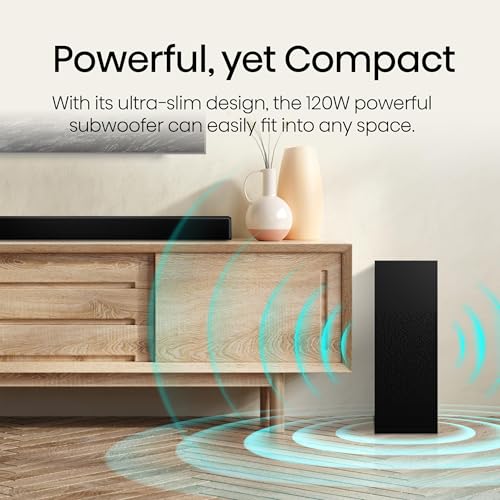
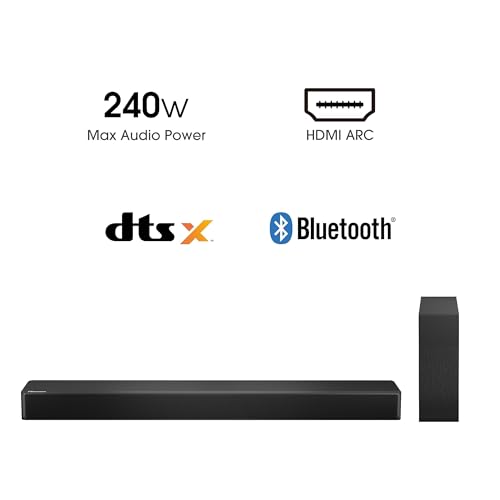
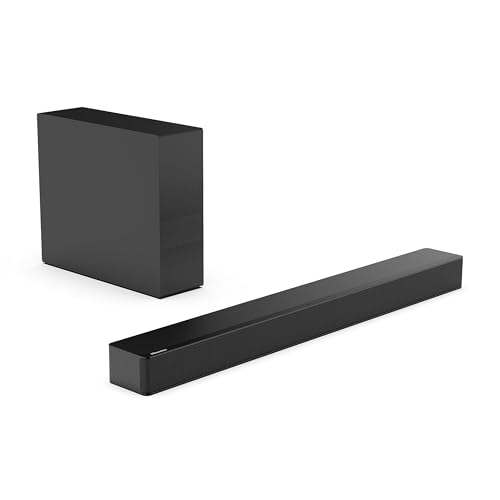
The Hisense HS2100 follows the traditional soundbar formula: maximize power output and provide a separate subwoofer for dedicated bass reproduction. With 240 watts of total power split between a 60-watt-per-channel soundbar and a 120-watt wireless subwoofer, it prioritizes volume capability and bass impact.
This approach has clear advantages. The separate subwoofer uses a larger 5.25-inch driver that can move more air than anything you could fit inside a slim soundbar. Wireless connectivity means you can place the subwoofer wherever it sounds best in your room, often in a corner where bass naturally reinforces. The higher power output means the system can fill larger spaces and maintain clarity at higher volumes.
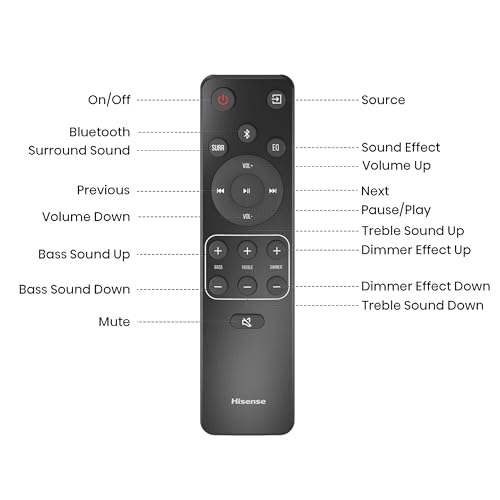
The Hisense HS2100 also includes manual bass and treble controls, allowing users to tune the sound to their preferences. This flexibility matters because different content types benefit from different tonal balances—you might want more bass for action movies but a more balanced sound for dialogue-heavy dramas.
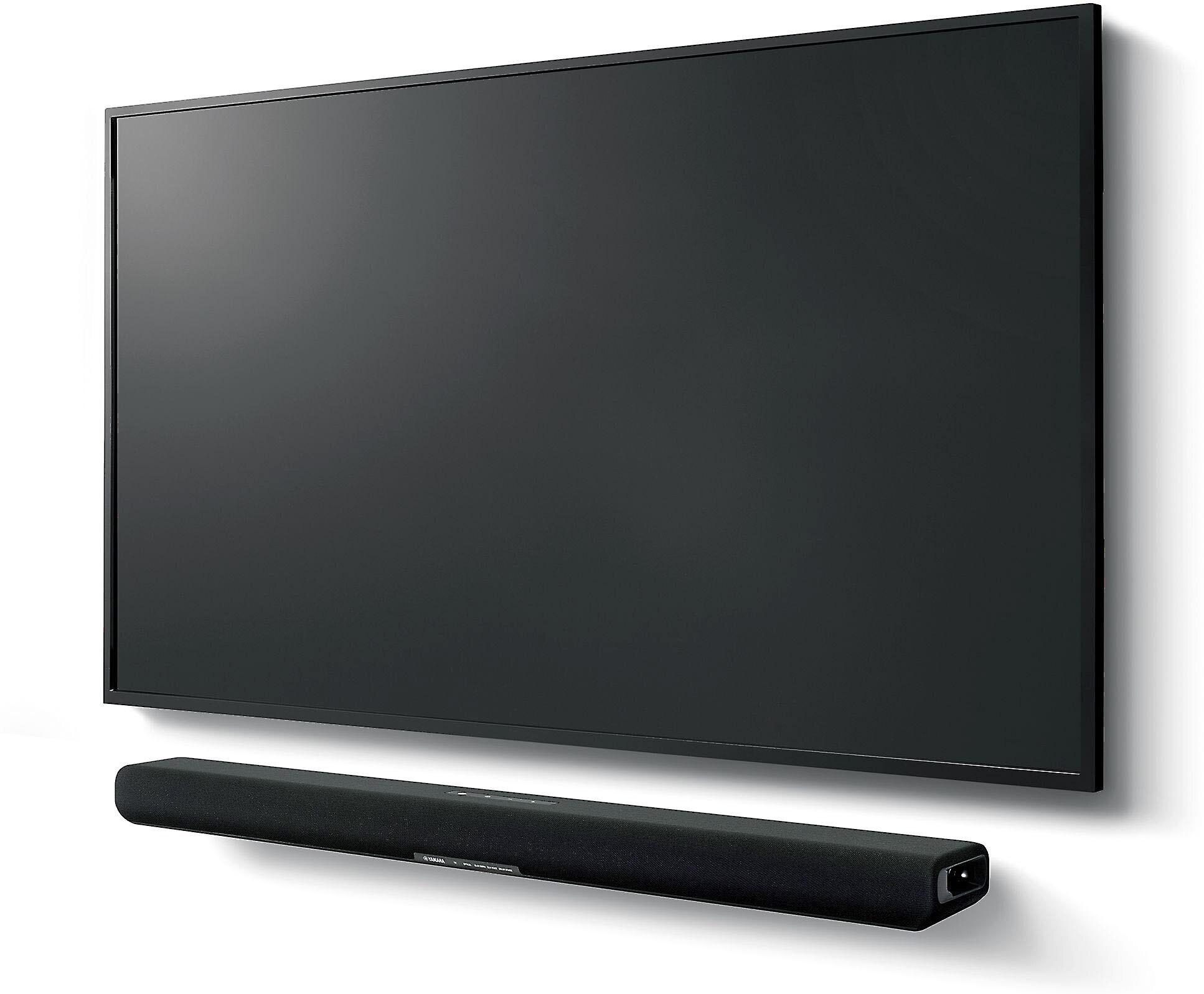
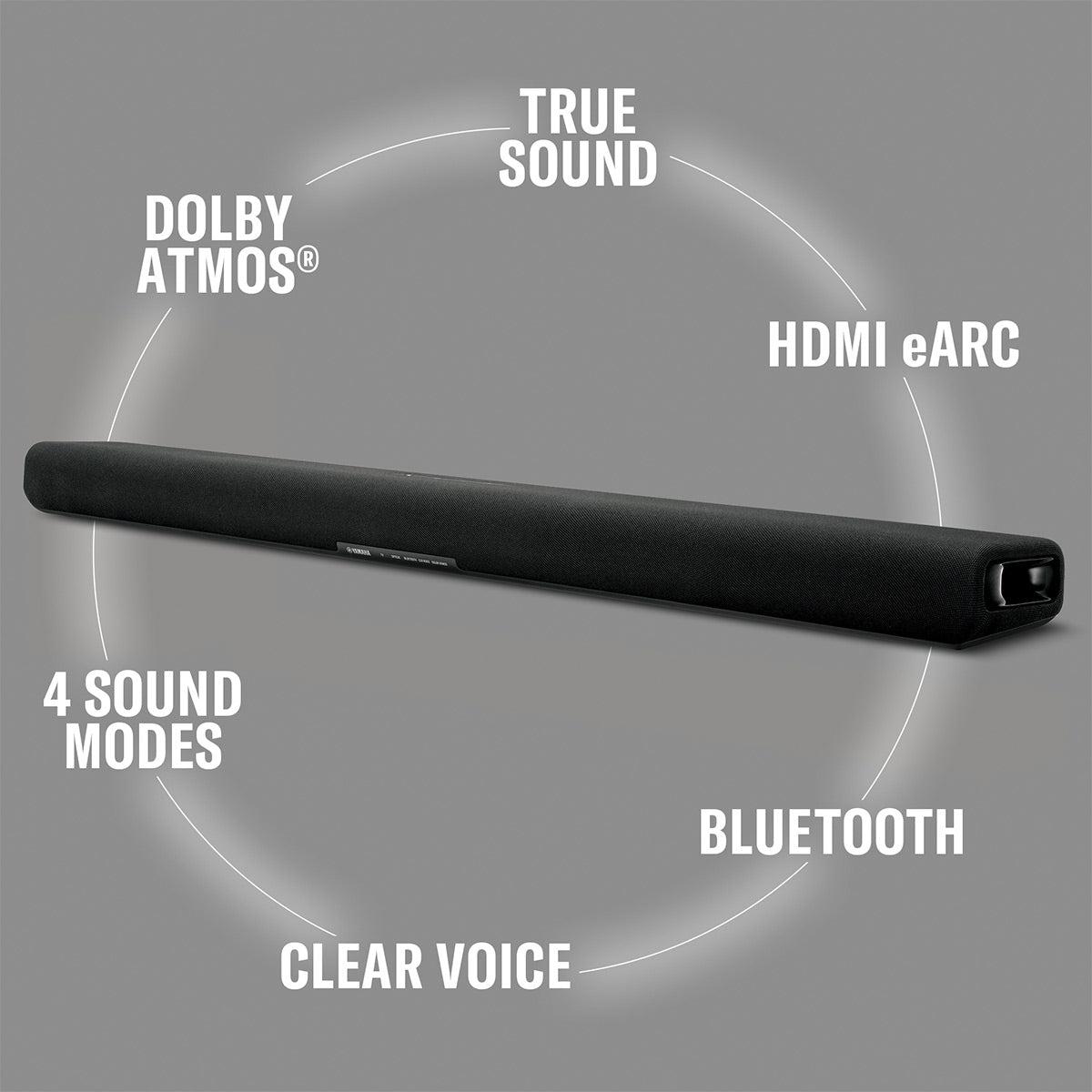
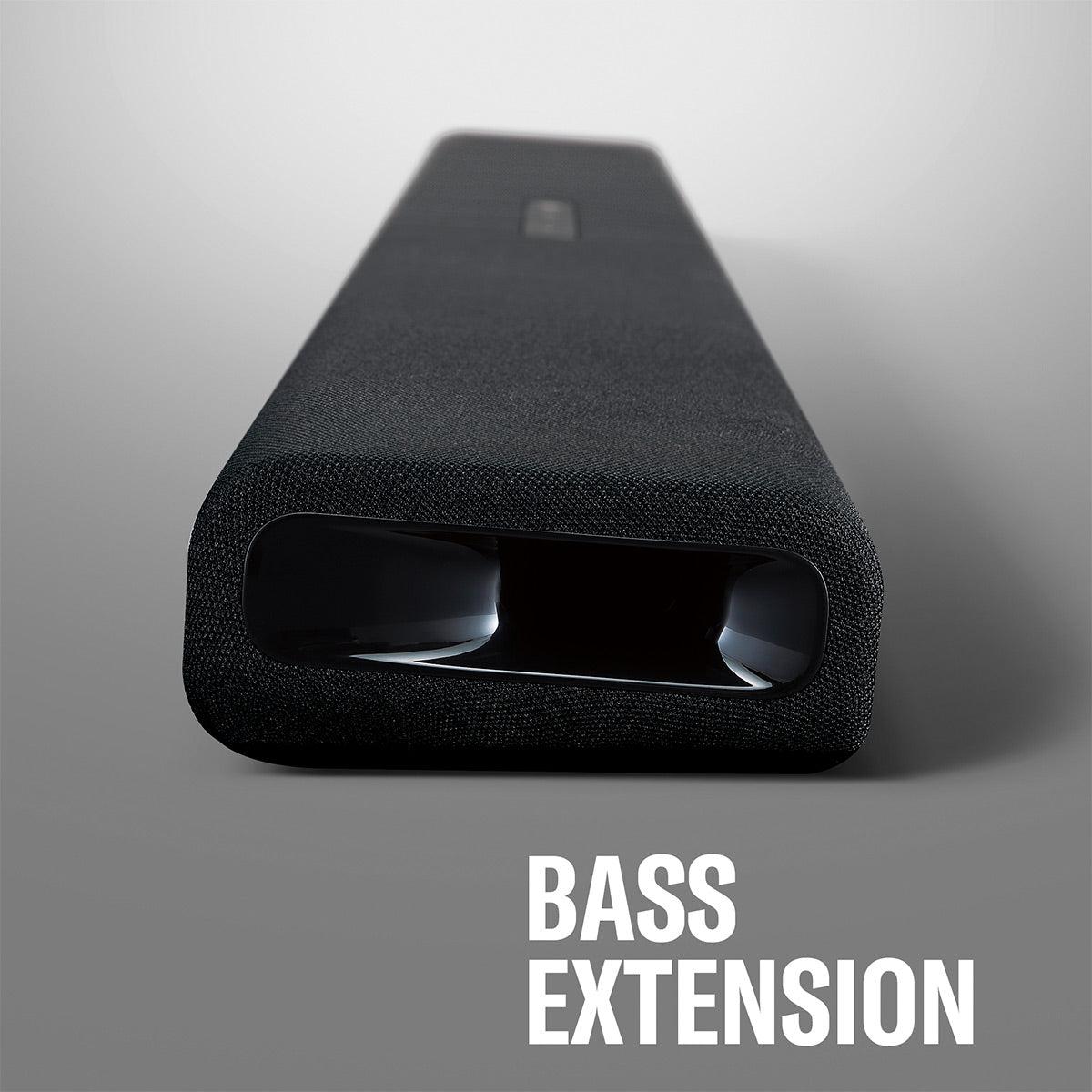
The Yamaha SR-B30A takes a more modern approach, integrating all audio processing and reproduction into a single unit. Its 120 watts are distributed across dual built-in subwoofers and multiple drivers, but the real differentiator is Dolby Atmos support—a spatial audio technology that creates the impression of sound coming from above and around you.
Dolby Atmos works by encoding audio objects with spatial information, then using psychoacoustic processing to place those sounds in three-dimensional space. When you hear a helicopter in a movie, Atmos tries to make it sound like it's actually flying overhead rather than just coming from speakers in front of you.
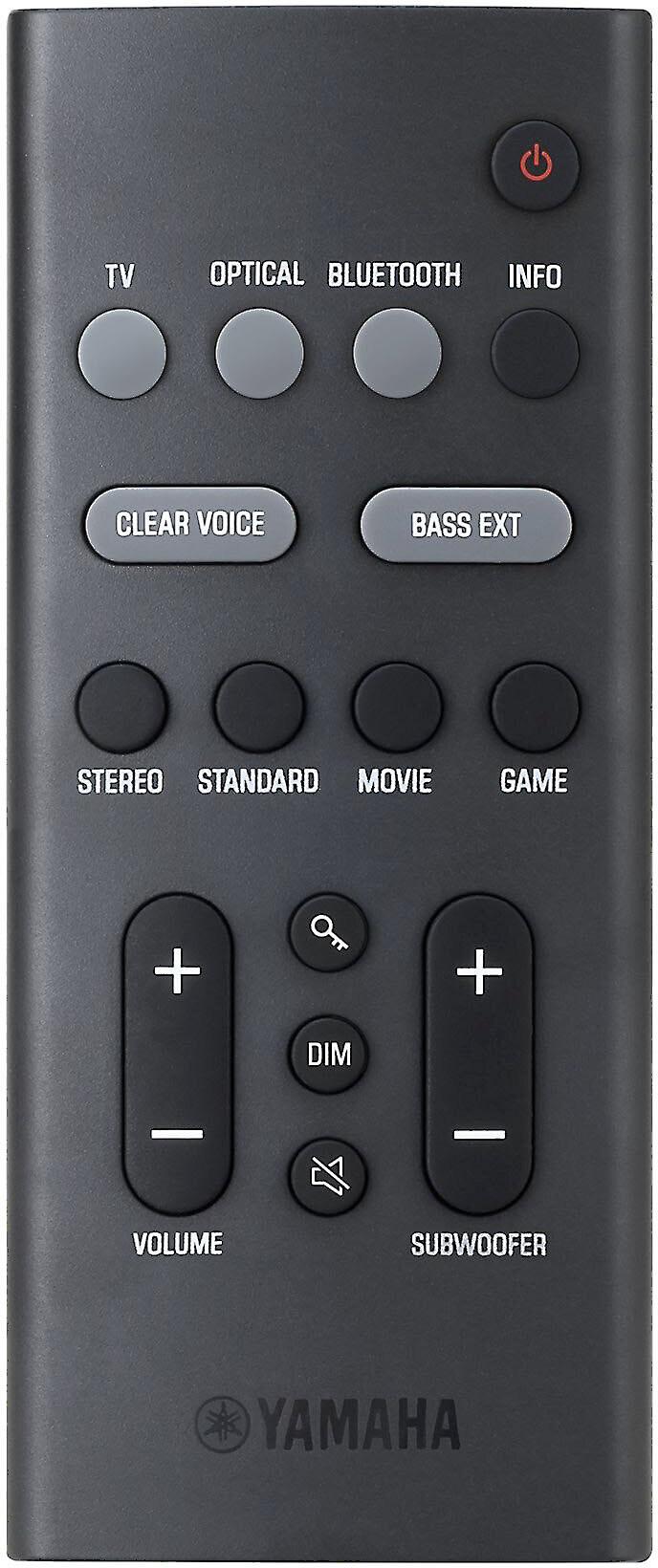
The Yamaha SR-B30A also features Clear Voice technology, which specifically enhances dialogue frequencies to make speech more intelligible. This addresses one of the most common complaints about TV audio: difficulty understanding what characters are saying, especially when background music and sound effects compete for attention.
Our research into professional reviews and user experiences reveals significant performance differences between these systems that go beyond raw specifications.
The Hisense HS2100's higher power output translates to meaningfully louder maximum volumes. Professional measurements show it can reach sound pressure levels above 90 dB, which is loud enough to fill most living rooms without compression artifacts that make the sound harsh or distorted. The separate subwoofer provides focused bass response that extends down to around 45 Hz—deep enough to add weight to explosions and music but not quite reaching the sub-bass frequencies you'd get from a larger, more expensive subwoofer.
The Yamaha SR-B30A's 120 watts are distributed differently, resulting in a more balanced but less powerful overall presentation. Its built-in subwoofers use smaller 3-inch drivers that can't move as much air as the Hisense's dedicated 5.25-inch unit. However, Yamaha's engineering expertise shows in the tonal balance—the system sounds more refined and even across frequencies, without the slightly boomy character that some reviews note in the Hisense system.
Bass response might be the most noticeable difference between these systems. The Hisense HS2100's wireless subwoofer provides substantially more bass impact, particularly in the 50-80 Hz range where most movie sound effects and musical bass lines live. This makes action sequences more visceral and music more engaging.
However, "more bass" isn't always better. Some user reviews indicate that the Hisense HS2100's bass can overwhelm dialogue if not properly adjusted, and its bass extension feature can make the sound muddy if overused. The system requires some tuning to find the right balance for your room and preferences.
The Yamaha SR-B30A's integrated approach means less raw bass power but better integration with the midrange and treble. The dual built-in subwoofers are positioned and tuned to work seamlessly with the full-range drivers, creating a more cohesive sound. For smaller rooms or users who prioritize clarity over impact, this can be preferable.
This is where the philosophical differences become most apparent. The Yamaha SR-B30A's Dolby Atmos support represents a genuine technological advantage for compatible content. While it can't create true overhead sound like a full Atmos system with ceiling speakers, it does provide a more convincing sense of space than traditional stereo processing.
The Hisense HS2100 includes DTS Virtual:X processing, which attempts to create virtual surround sound from its 2.1 configuration. However, reviews consistently note that this feels more artificial and less convincing than the Yamaha's Dolby Atmos processing. The Hisense essentially downmixes all surround content to stereo, then applies virtual processing to try to recreate spatial effects.
For streaming content from Netflix, Disney+, and other services that increasingly include Atmos tracks, the Yamaha SR-B30A has a clear advantage in creating an immersive experience. This matters more for movies and shows than for music, where stereo presentation is typically preferred.
Both systems address dialogue clarity, but through different methods. The Yamaha SR-B30A's Clear Voice technology specifically boosts speech frequencies and applies processing to make voices more prominent. User reviews consistently praise this feature for making TV dialogue much easier to understand, even in noisy scenes.
The Hisense HS2100 includes a "News" sound mode that emphasizes dialogue, and its manual treble control allows users to brighten voices if needed. However, this requires more user intervention to achieve optimal results.
From our research into user experiences, dialogue clarity seems to be where the Yamaha SR-B30A provides the most immediate and obvious improvement over TV speakers. If you frequently watch dialogue-heavy content or have difficulty understanding speech, this feature alone might justify the higher cost.
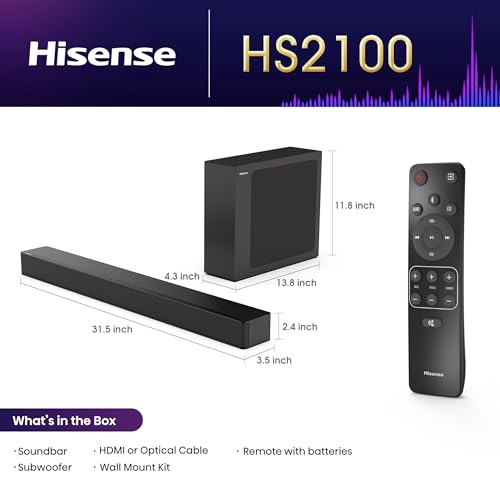
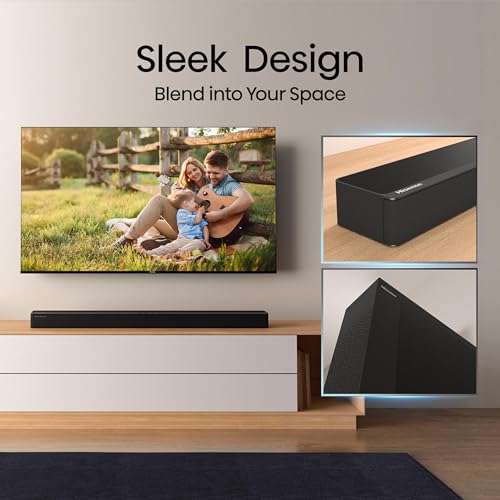
The physical differences between these systems extend beyond aesthetics to practical usability. The Hisense HS2100's separate subwoofer offers placement flexibility but requires finding space for a second component. At roughly 11.8 inches tall and 13.8 inches deep, the subwoofer is slim enough to fit under most furniture, and its wireless connection eliminates cable routing concerns.
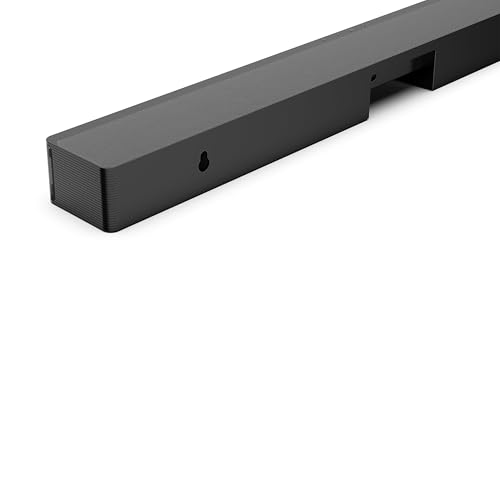
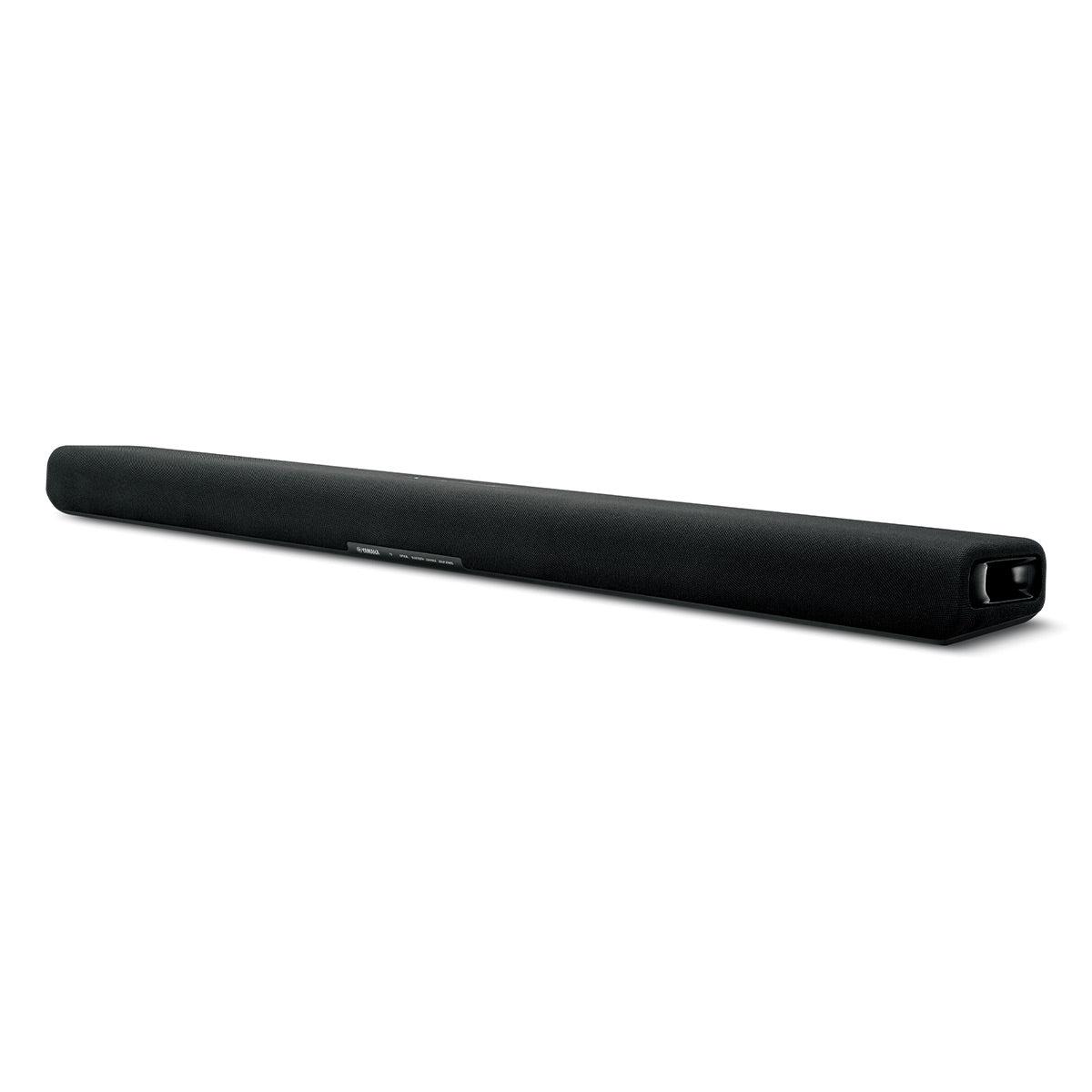
The Yamaha SR-B30A's single-unit design simplifies placement and eliminates the need to find space for a separate subwoofer. At nearly 36 inches wide, it's designed to sit in front of TVs 43 inches and larger, though its low profile means it typically won't block the screen. The built-in keyholes make wall mounting straightforward.
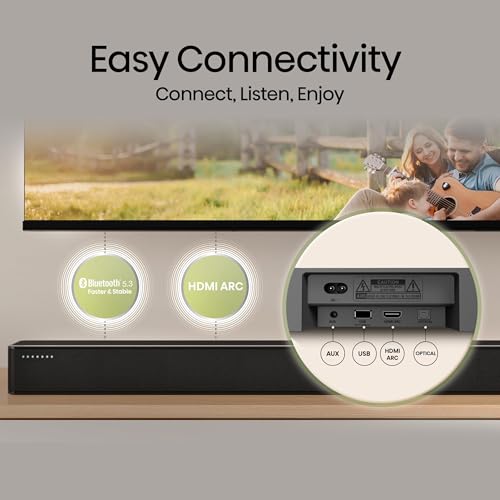
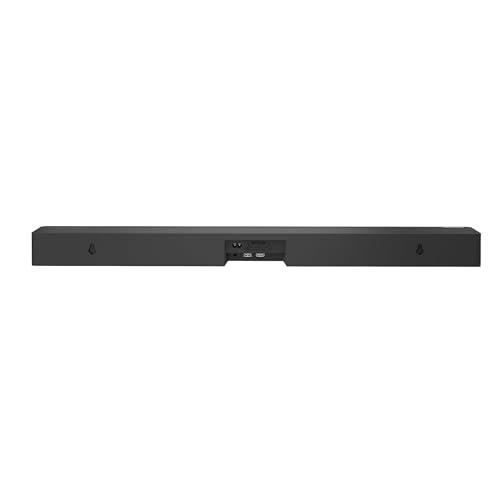
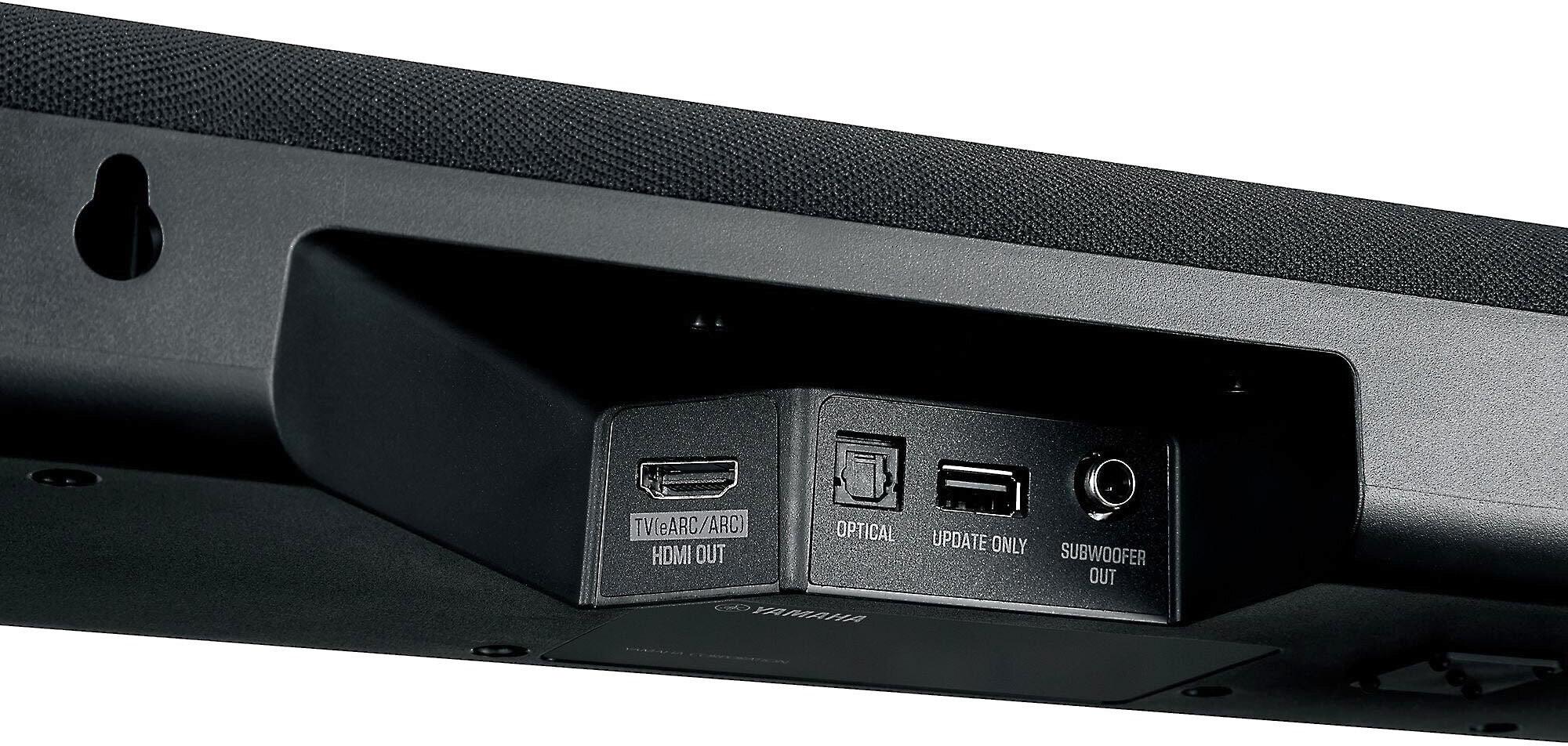
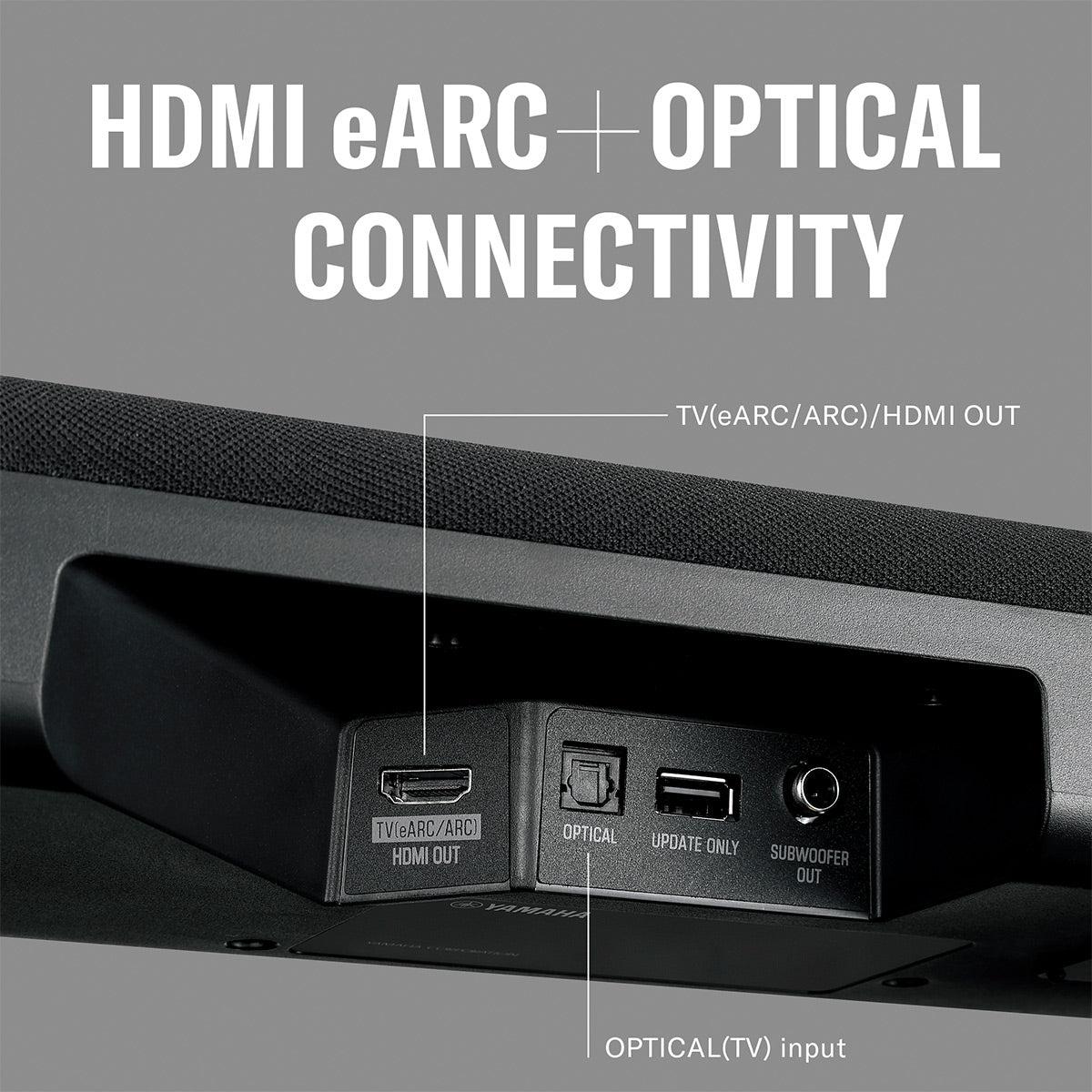
Both systems connect easily to TVs via HDMI ARC (Audio Return Channel), which allows the TV remote to control basic soundbar functions like volume. The Yamaha SR-B30A supports the newer HDMI eARC standard, which can pass higher-quality audio signals, though this advantage mainly matters for premium audio formats that neither system fully supports anyway.
At the time of writing, the Hisense HS2100 typically costs roughly half what the Yamaha SR-B30A does, making value comparison crucial. The Hisense delivers more raw audio performance—higher volume, stronger bass, and more customization—at a significantly lower price point.
However, the Yamaha SR-B30A's higher cost brings genuine technological advantages. Dolby Atmos processing and Clear Voice technology represent meaningful improvements over traditional soundbar features, and Yamaha's reputation for audio engineering provides some assurance of long-term reliability and software support.
The Hisense HS2100 makes the most sense for budget-conscious buyers who want maximum audio improvement per dollar spent. If you listen to significant amounts of music, appreciate having tone controls to customize the sound, or need to fill a larger room with sound, the Hisense's higher power output and stronger bass response provide clear advantages.
This system also works well for users who are comfortable with a two-component setup and have space for a separate subwoofer. The wireless subwoofer's placement flexibility can actually improve bass performance in many rooms compared to integrated solutions.
The Yamaha SR-B30A targets users who prioritize modern audio technology and convenience over raw power. If you primarily watch TV shows and movies, value dialogue clarity, and have limited space for audio components, the Yamaha's integrated design and Clear Voice technology provide immediate benefits.
The Dolby Atmos support makes this system more future-proof as streaming services increasingly adopt spatial audio formats. For users who plan to keep their soundbar for several years and want it to remain compatible with evolving content standards, this technological advantage justifies the higher cost.
Neither system is designed to replace a dedicated home theater setup, but they approach home theater enhancement differently. The Hisense HS2100 focuses on making movies louder and more dynamic, which works well for action films and content where bass impact matters more than spatial precision.
The Yamaha SR-B30A's Dolby Atmos processing creates a more convincing home theater experience for compatible content, even though it can't match the immersion of a true surround sound system. For users who primarily watch streaming content with spatial audio tracks, this creates a more engaging experience than traditional stereo processing.
Both systems work best in small to medium-sized rooms. The Hisense HS2100 can fill larger spaces with sound, but neither system has the power or driver configuration to create truly cinematic volume levels in very large rooms.
The choice between these systems ultimately comes down to priorities and budget. The Hisense HS2100 delivers exceptional value by focusing on fundamental audio improvements—more volume, stronger bass, and flexible tuning options—at a price point that makes it accessible to most budgets.
The Yamaha SR-B30A costs significantly more but includes premium features that provide genuine improvements in specific areas. Clear Voice technology makes dialogue more intelligible, Dolby Atmos processing creates better spatial effects, and the integrated design simplifies setup and reduces clutter.
If budget is your primary concern and you want the biggest possible improvement over TV speakers, the Hisense HS2100 provides more bang for your buck. If you're willing to spend more for modern audio processing technology and convenience features, the Yamaha SR-B30A offers capabilities that justify its higher cost.
Both systems represent the current state of budget soundbar evolution—capable products that provide meaningful improvements over TV speakers while remaining accessible to mainstream buyers. The Hisense HS2100 proves that raw performance doesn't require premium pricing, while the Yamaha SR-B30A demonstrates that advanced audio technology is becoming available at entry-level price points.
Your choice should align with how you use your TV and what improvements matter most to you. Either system will provide a significant upgrade over TV speakers, but understanding their different approaches helps ensure you get the one that best matches your needs and expectations.
| Hisense HS2100 2.1 Channel 240W Soundbar System | Yamaha SR-B30A Sound Bar with Built-In Subwoofers |
|---|---|
| Total Power Output - Determines maximum volume and dynamic range | |
| 240W (60W soundbar + 120W subwoofer) | 120W (30W × 2 front + 60W built-in sub) |
| Subwoofer Configuration - Affects bass quality and placement flexibility | |
| Separate 5.25" wireless subwoofer | Dual built-in 3" subwoofers |
| Spatial Audio Technology - Creates immersive surround effects | |
| DTS Virtual:X (virtual processing only) | Dolby Atmos (true spatial audio processing) |
| Channel Configuration - Determines audio separation and clarity | |
| 2.1 channel with wireless sub | 2.1 channel integrated design |
| Dialogue Enhancement - Improves speech clarity in movies/TV | |
| News mode + manual treble adjustment | Clear Voice technology (dedicated processing) |
| Sound Customization - Allows tuning to personal preference | |
| Manual bass/treble controls + 6 EQ presets | 4 sound modes + app-based EQ controls |
| Physical Design - Impacts room placement and aesthetics | |
| 31.5" bar + separate 4.3" slim subwoofer | 35.9" single-unit all-in-one design |
| Connectivity Options - Determines device compatibility | |
| HDMI ARC, Optical, USB, AUX, Bluetooth 5.3 | HDMI eARC, Optical, Bluetooth 5.1 |
| Frequency Response - Shows bass extension and treble reach | |
| 45Hz - 20kHz (good bass extension) | Not specified (limited by 3" drivers) |
| Weight and Portability - Affects installation difficulty | |
| 3.3 lbs bar + 7.5 lbs subwoofer | 8.6 lbs single unit |
| Brand Audio Heritage - Indicates engineering expertise and support | |
| Consumer electronics manufacturer | Professional audio company since 1887 |
| Value Positioning - Performance per dollar at time of writing | |
| Maximum power and customization for budget price | Premium features and processing at higher cost |
The Hisense HS2100 offers better value if you prioritize raw power and bass impact, delivering 240W total output with a separate wireless subwoofer at a budget-friendly price. The Yamaha SR-B30A costs more but includes premium features like Dolby Atmos and Clear Voice technology that justify the higher price for users who want modern audio processing.
The biggest difference is design philosophy: the Hisense HS2100 uses a traditional approach with a separate wireless subwoofer for maximum bass and volume, while the Yamaha SR-B30A integrates everything into a single unit with advanced Dolby Atmos processing for spatial audio effects.
The Hisense HS2100 gets significantly louder with its 240W power output compared to the Yamaha SR-B30A's 120W. This makes the Hisense better for larger rooms or users who need high volume levels without distortion.
The Hisense HS2100's separate 5.25" subwoofer provides much stronger bass than the Yamaha SR-B30A's built-in 3" subwoofers. Choose the Hisense if you want deep, impactful bass for movies and music. The Yamaha's integrated bass is adequate for smaller rooms and dialogue-focused content.
For movies, the Yamaha SR-B30A has advantages with Dolby Atmos spatial audio and Clear Voice technology that makes dialogue easier to understand. The Hisense HS2100 provides more dynamic sound with stronger bass for action scenes but lacks the immersive surround effects.
The Hisense HS2100 is generally better for music due to its manual bass and treble controls, separate subwoofer, and higher power output that maintains clarity at loud volumes. The Yamaha SR-B30A works well for acoustic and vocal music but may lack punch for bass-heavy genres.
The Yamaha SR-B30A is simpler to set up as a single-unit design with automatic pairing and comprehensive app control. The Hisense HS2100 requires placing a separate subwoofer and has more basic controls, though setup is still straightforward with wireless connectivity.
Yes, both the Hisense HS2100 and Yamaha SR-B30A connect to any TV via HDMI ARC or optical cable. The Yamaha supports newer HDMI eARC for higher-quality audio transmission, while both offer TV remote compatibility for basic controls.
The Yamaha SR-B30A takes up less total space as an all-in-one unit, though it's slightly wider at 35.9 inches. The Hisense HS2100 requires space for both a 31.5-inch soundbar and a separate subwoofer, but offers more placement flexibility.
Dolby Atmos in the Yamaha SR-B30A creates a more immersive experience with compatible streaming content from Netflix, Disney+, and other services. If you primarily watch movies and shows with spatial audio, the technology justifies the higher cost over the Hisense HS2100's standard surround processing.
Choose the Hisense HS2100 if you want maximum audio improvement for your budget, need high volume output, or listen to lots of music. Pick the Yamaha SR-B30A if you prioritize dialogue clarity, want Dolby Atmos processing, prefer an all-in-one design, or value brand reputation in audio engineering.
We've done our best to create useful and informative comparisons to help you decide what product to buy. Our research uses advanced automated methods to create this comparison and perfection is not possible - please contact us for corrections or questions. These are the sites we've researched in the creation of this article: rtings.com - shop.hisense-usa.com - bestbuy.com - content.syndigo.com - bestbuy.com - hisensedealers.co.ke - stuff.co.za - dtc-aus-api.hisense.com - youtube.com - manuals.plus - youtube.com - bestbuy.com - youtube.com - gallifurniture.com - hisense-usa.com - manuals.plus - uk.hisense.com - device.report - youtube.com - costco.ca - elmcreekwsa.com - gallifurniture.com - usa.yamaha.com - worldwidestereo.com - audiolab.com - shop.sg.yamaha.com - consumerreports.org - usa.yamaha.com - vinylsound.ca - bestbuy.com - modernappliancewoodward.com - bluestardist.com - target.com - my.yamaha.com

Privacy Policy
Terms and Conditions - Affiliate Policy
Home Security
© Copyright 2008-2026.
11816 Inwood Rd #1211, Dallas, TX 75244