

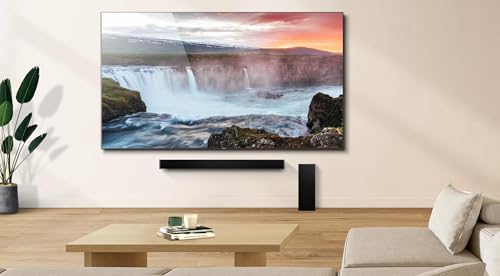
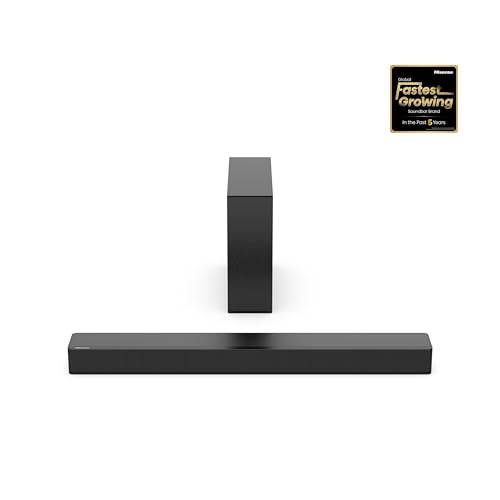


When your TV's built-in speakers sound like they're coming from a tin can at the bottom of a well, it's time for a soundbar upgrade. The question isn't whether you need one—it's which level of performance you're willing to pay for. At the time of writing, the soundbar market offers compelling options from basic audio improvements to full-blown home theater experiences, with the Hisense HS2100 and Sony HT-A5000 representing opposite ends of this spectrum.
Before diving into specifics, let's establish what makes a soundbar effective. The most important consideration is channel configuration—essentially how many separate audio streams the system can handle. A 2.1 system means two main channels (left and right) plus one subwoofer channel for bass. A 5.1.2 system adds a center channel for dialogue, two surround channels, and two height channels for overhead effects.
The second crucial factor is audio format support. Modern content uses object-based audio formats like Dolby Atmos, where sounds are treated as three-dimensional objects that can move around your room. Think of a helicopter flying overhead in a movie—with proper height channels, you'll actually hear it pass above you rather than just in front.
Power output matters, but not in the way most people think. Raw wattage doesn't guarantee quality—how that power is distributed across different frequency ranges and how cleanly it's delivered makes the real difference. A well-designed 200W system can outperform a poorly implemented 400W one.
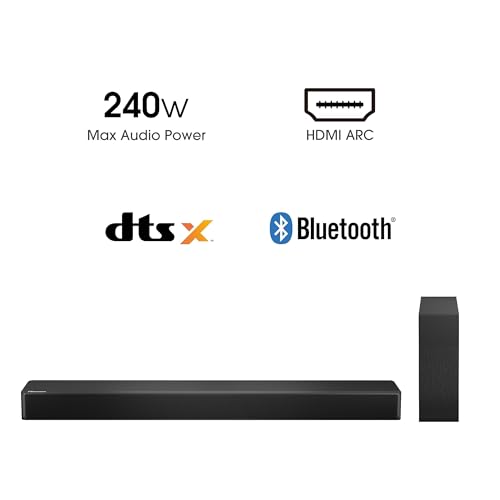
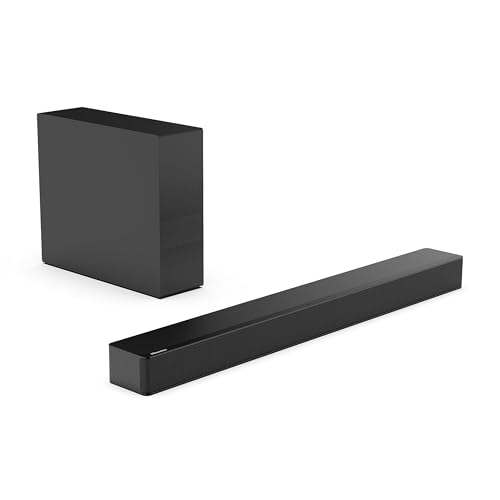
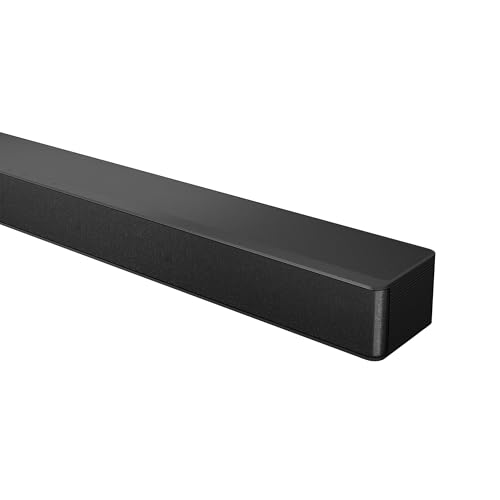
The Hisense HS2100, released in recent years as part of Hisense's push into the audio market, represents what you can achieve on a tight budget. It's a 2.1-channel system delivering 240 watts across a main soundbar and wireless subwoofer, typically priced in the budget tier at the time of writing.
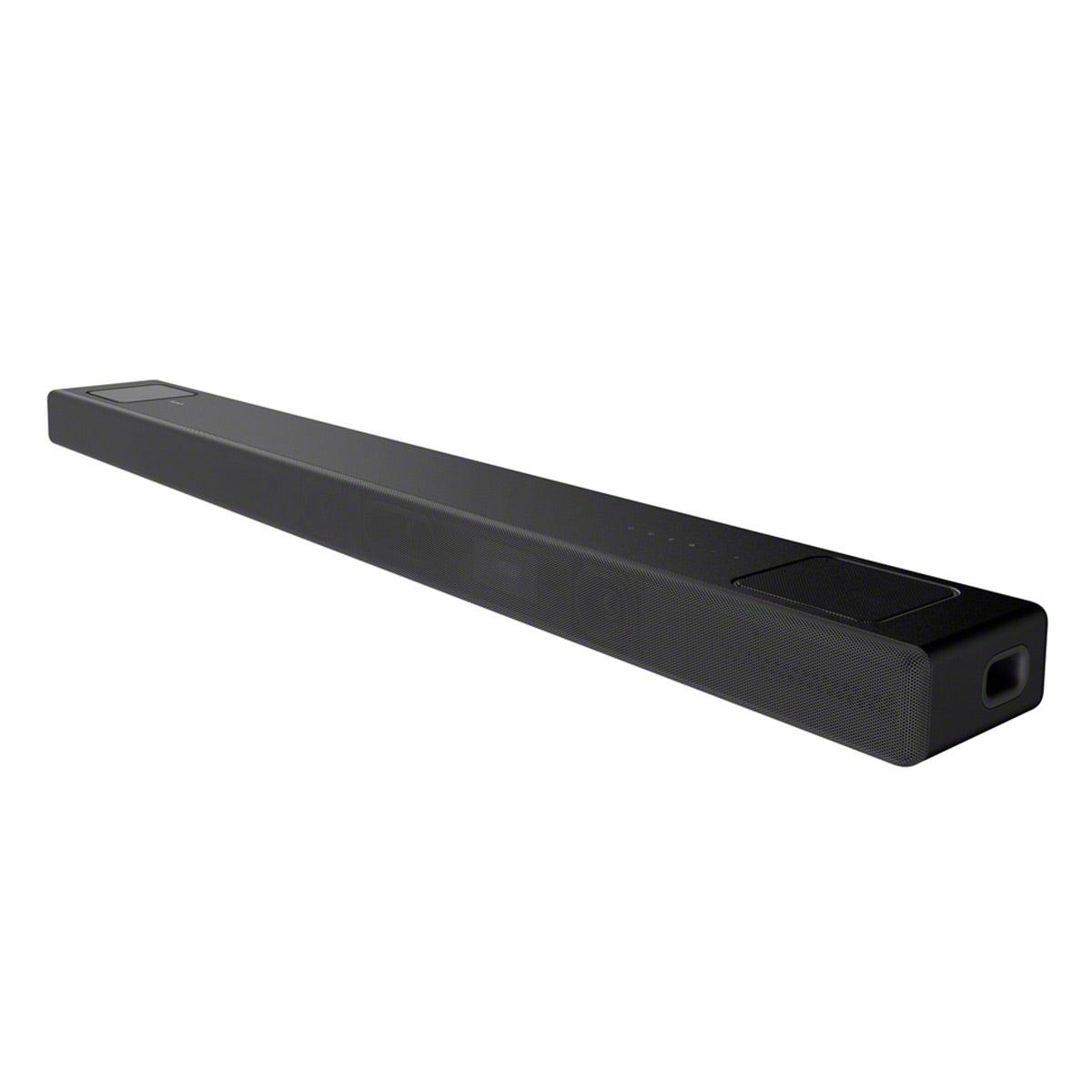
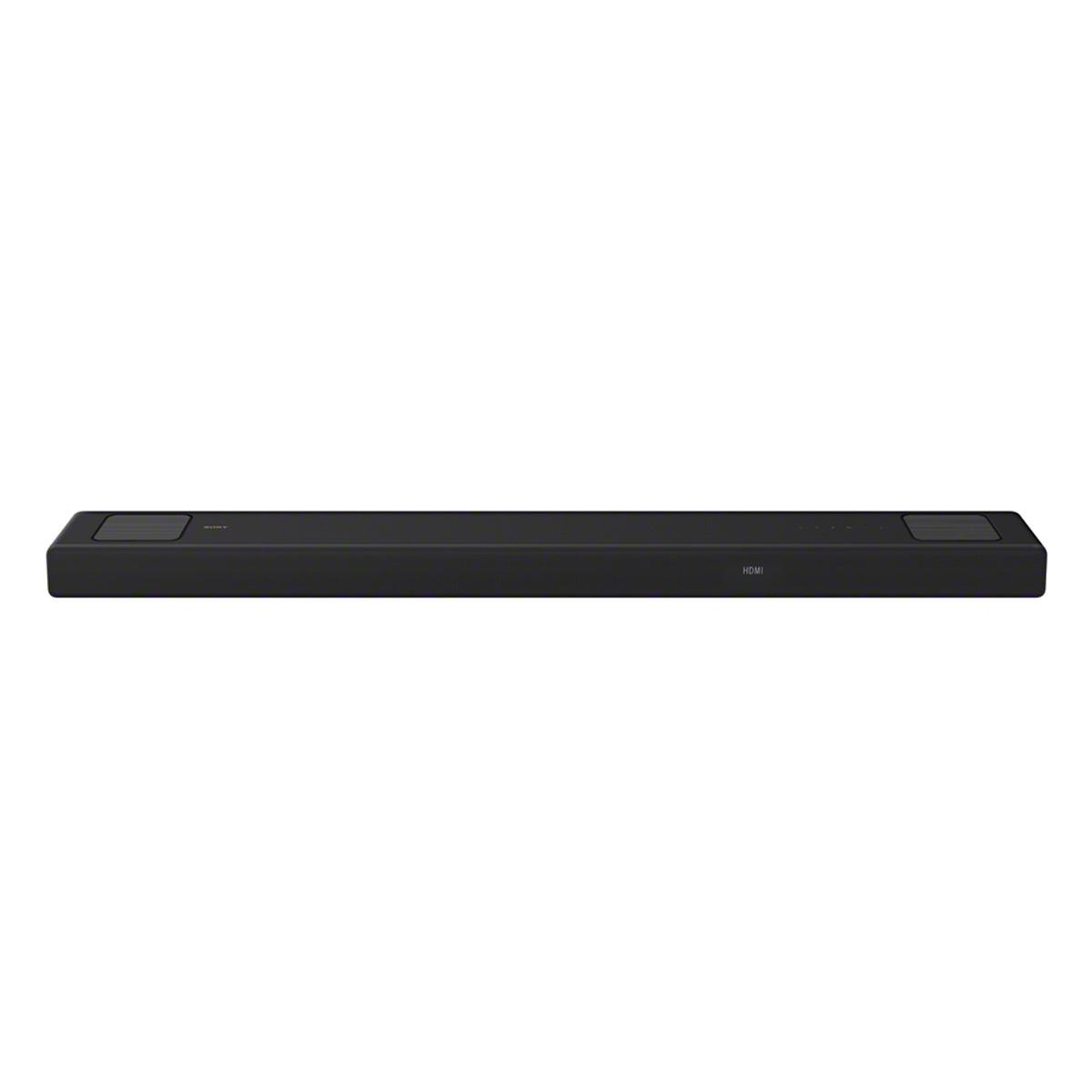
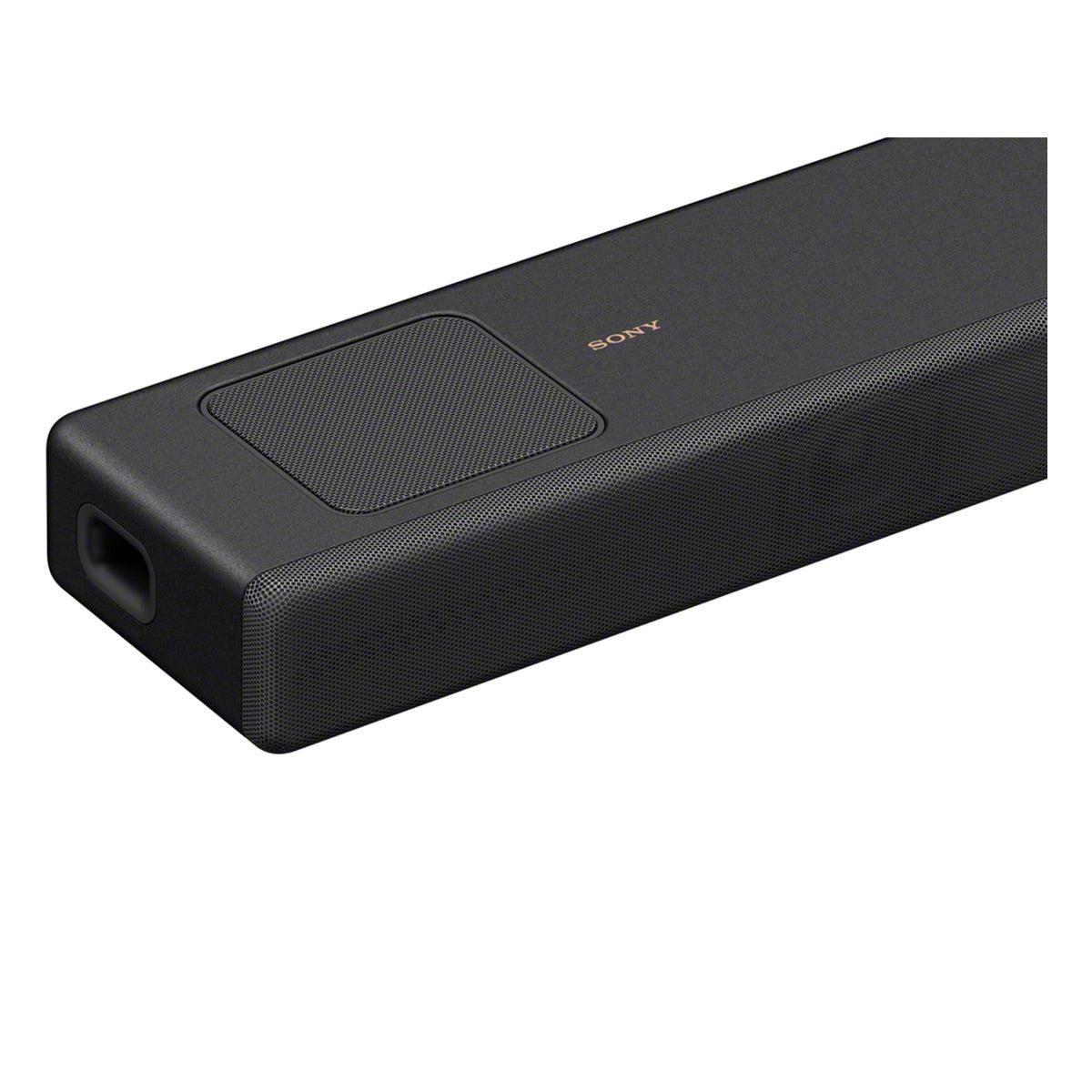
The Sony HT-A5000, launched in 2021 during Sony's major soundbar refresh, sits firmly in premium territory. This 5.1.2-channel system pumps out 450 watts across nine separate amplifier channels, with built-in subwoofers and dedicated height drivers for immersive audio.
When it comes to pure sound quality, the differences become apparent immediately. The Hisense HS2100 delivers what reviewers consistently describe as a "warm" sound signature. This means slightly emphasized bass and smooth, non-fatiguing treble—think of it as audio comfort food. For everyday TV watching, this approach works brilliantly. Dialogue cuts through clearly thanks to a well-tuned midrange, and the overall balance makes long viewing sessions pleasant without listener fatigue.
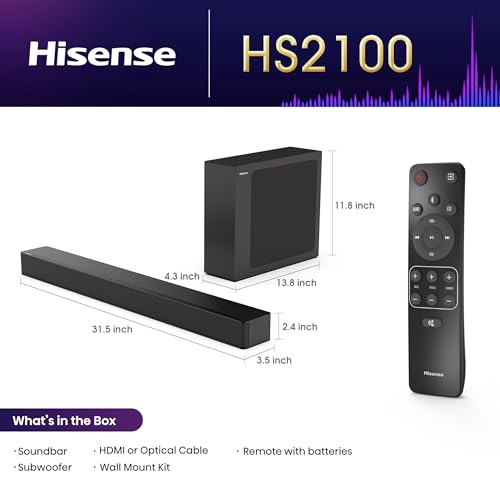
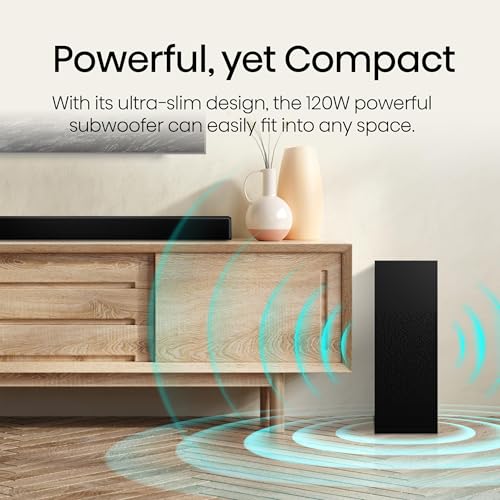
However, the HS2100's frequency response shows its budget constraints. With extension down to 45Hz, it handles mid-bass well but lacks the deepest sub-bass that makes explosions feel visceral. The wireless subwoofer, while surprisingly compact at just 4.3 inches deep, produces what experts describe as "soft" bass attack—you get the thump but not the tight punch that defines premium systems.
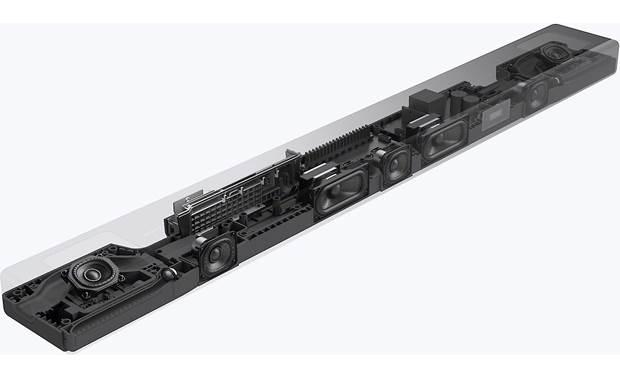
The Sony HT-A5000 operates in a different league entirely. Its neutral, slightly U-shaped sound profile means excellent clarity across all frequencies with controlled bass emphasis. The built-in subwoofers utilize Sony's X-Balanced driver design, which maximizes the diaphragm area within the available space. This translates to deeper, tighter bass with better integration to the main speakers.
More importantly, the Sony's superior dynamics mean the difference between loud and quiet sounds remains distinct even at higher volumes. The Hisense compresses these dynamics at maximum volume—a common budget soundbar limitation that makes action scenes sound somewhat flat.
Here's where these products diverge most dramatically. The Hisense HS2100 employs DTS Virtual:X processing to simulate surround sound from its 2.1 configuration. Virtual processing uses psychoacoustic tricks—basically exploiting how your brain interprets sound reflections—to create the illusion of sounds coming from beside and behind you. It works to a degree, but the effect remains obviously artificial, and sound stays anchored in front of the listener.
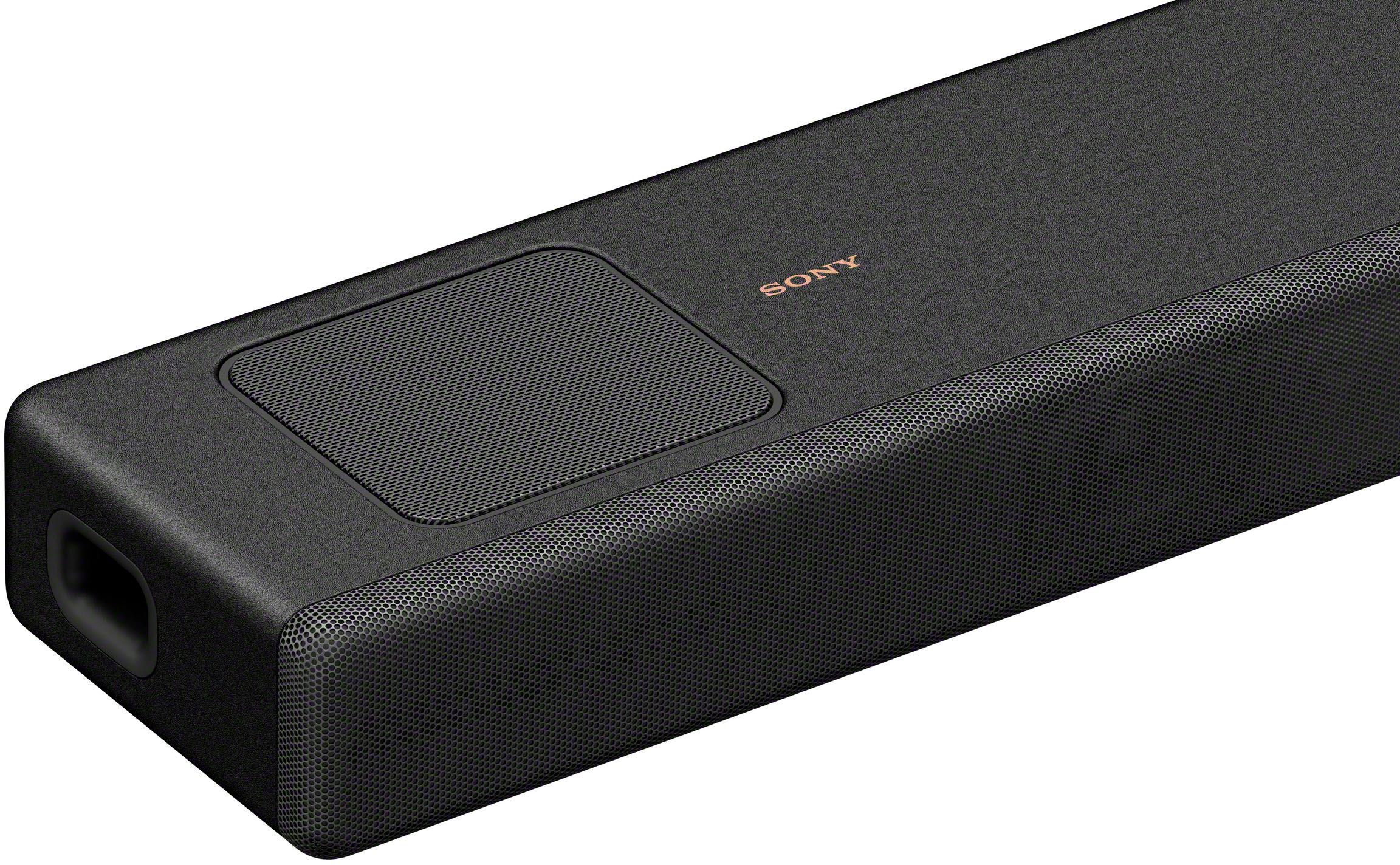
The Sony HT-A5000 delivers genuine surround sound through its 5.1.2 configuration. Those numbers break down as follows: five main channels (front left, center, right, and two surround), one subwoofer channel, and two height channels. The up-firing drivers bounce sound off your ceiling to create overhead effects, while side-firing beam tweeters expand the soundstage width beyond the soundbar's physical dimensions.
Sony's 360 Spatial Sound Mapping takes this further by creating "phantom speakers"—perceived sound sources that don't physically exist. When properly set up, this technology can make it sound like you have speakers throughout your room when you only have a single soundbar. The difference in immersion is substantial; movie soundtracks feel three-dimensional rather than flat.
For home theater enthusiasts, this distinction matters enormously. Modern blockbusters are mixed with height information that simply can't be reproduced by traditional stereo systems, no matter how clever the processing. The Sony HT-A5000 unlocks this content as intended, while the Hisense HS2100 provides an approximation.
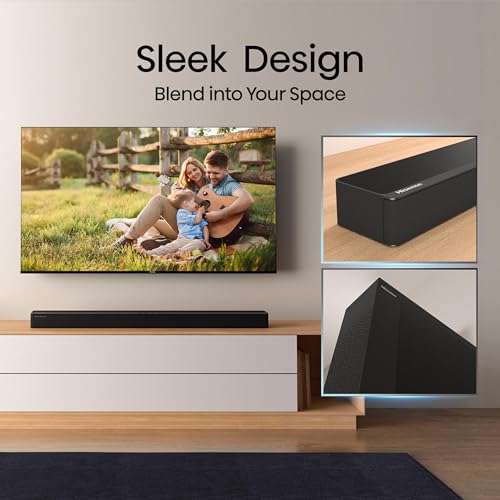
Bass reproduction reveals another significant performance gap. The Hisense HS2100's 5.25-inch wireless subwoofer delivers adequate mid-bass for its size and price point. Its ultra-slim profile makes placement flexible—you can tuck it under furniture without sacrificing much performance. However, the bass character tends toward "boomy," meaning it emphasizes quantity over quality. This works well for casual listening but becomes fatiguing during extended sessions or bass-heavy content.
The Sony HT-A5000's built-in subwoofers represent a more sophisticated approach. Rather than one large driver, multiple smaller drivers work together to produce controlled, accurate bass. The X-Balanced driver design increases cone area without requiring larger enclosures, resulting in better efficiency and reduced distortion. The bass feels tighter and more precise, with better definition between different bass instruments.
This difference becomes most apparent with music playback. Electronic music, hip-hop, and modern pop rely heavily on sub-bass frequencies that the Hisense struggles to reproduce convincingly. The Sony handles these genres with authority, maintaining clarity even when bass lines get complex.
Gaming performance highlights another crucial difference between these systems. The Hisense HS2100 offers adequate gaming performance with low audio latency—the delay between on-screen action and corresponding sound. Its dedicated Game mode optimizes the audio processing for gaming, but connectivity limitations restrict its potential with modern consoles.
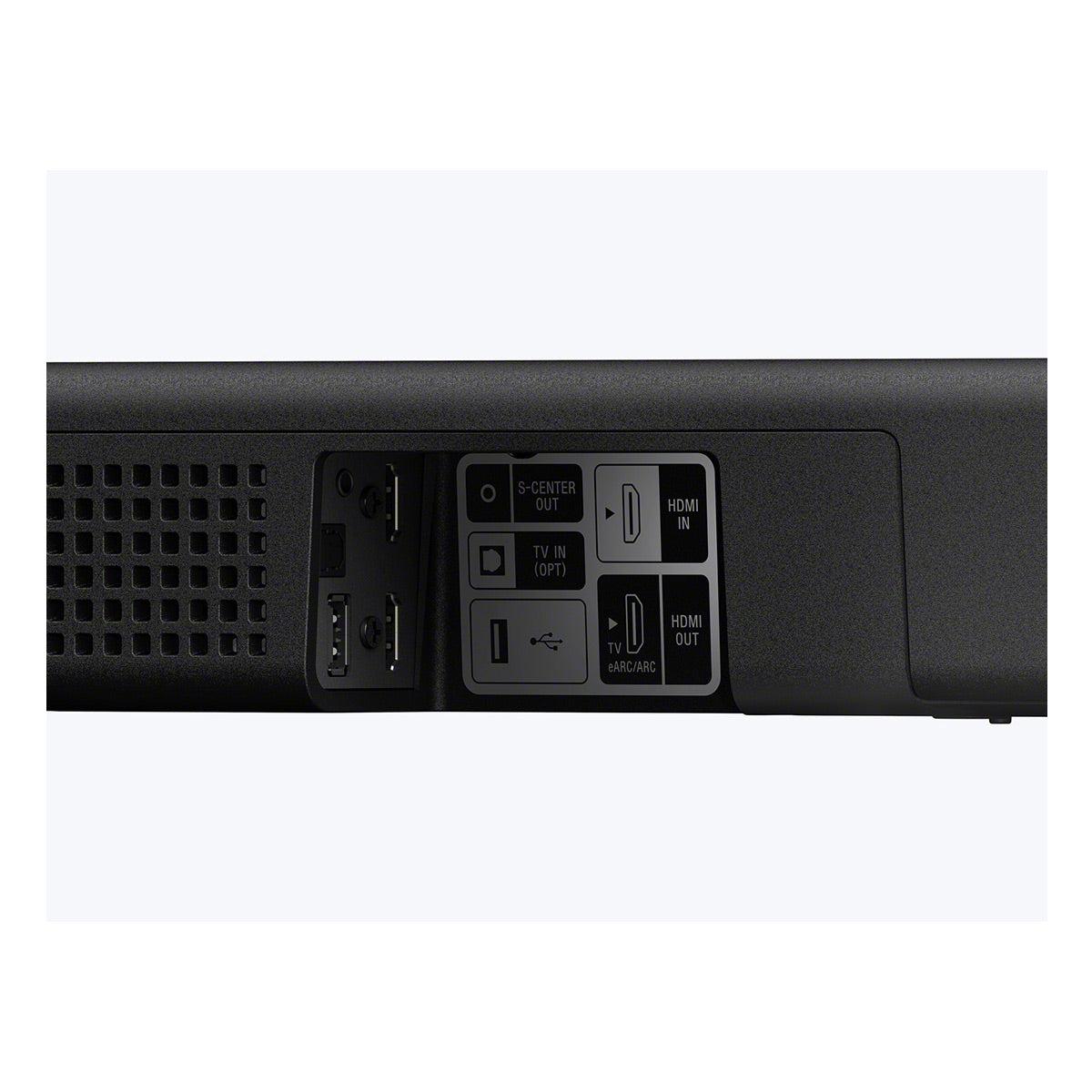
The Sony HT-A5000 shines for gaming thanks to HDMI 2.1 support. This newer standard enables 4K video at 120 frames per second and variable refresh rate support—critical features for PlayStation 5 and Xbox Series X owners. The eARC (enhanced Audio Return Channel) support means lossless audio formats can pass through without compression, delivering the full audio quality that game developers intended.
For competitive gaming, audio positioning becomes crucial. The Sony's true surround capabilities help pinpoint enemy footsteps or gunfire direction more accurately than the Hisense's virtual processing. This advantage matters less for casual gaming but becomes significant for competitive multiplayer games.
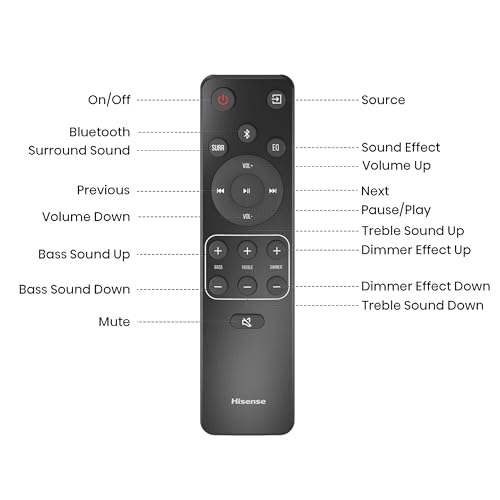
Modern soundbars need to integrate seamlessly with today's connected homes. The Hisense HS2100 keeps things simple with Roku TV Ready integration and basic auto power functions. It includes six EQ presets (Movie, Music, News, Sport, Night, Game) that tailor the sound for different content types, plus manual bass and treble controls for fine-tuning.
The Sony HT-A5000 brings considerably more intelligence to the table. Its Sound Field Optimization feature uses built-in microphones to measure your room's acoustics and automatically adjust the audio processing. This room correction technology—uncommon in soundbars—helps overcome acoustic challenges like hard surfaces or unusual room shapes.
Sony's system also supports voice assistants (Google Assistant and Amazon Alexa), multiple streaming protocols (Chromecast, AirPlay 2, Spotify Connect), and integrates with Sony's broader ecosystem. If you own a Sony Bravia TV, the Acoustic Center Sync feature uses your TV's speakers as an additional center channel, improving dialogue clarity further.
The expansion possibilities reveal different philosophies. The Hisense HS2100 is essentially a complete package—what you buy is what you get. While this simplicity has advantages, it limits future upgrade potential.
The Sony HT-A5000 serves as the foundation for a modular home theater system. Sony offers compatible wireless rear speakers (SA-RS3S and SA-RS5) and additional subwoofers (SA-SW3 and SA-SW5) that integrate seamlessly. This approach lets you start with the soundbar and expand over time as budget allows or needs change.
For apartment dwellers or those with spatial constraints, the Hisense's fixed configuration might actually be preferable—no decisions to make, no additional components to accommodate. But for homeowners planning long-term audio investments, Sony's expandable approach offers better value retention.
Room size significantly impacts performance. The Hisense HS2100 works well in smaller to medium-sized rooms where its 240-watt output provides adequate volume without strain. Its warm sound signature proves forgiving of poor room acoustics—reflective surfaces and hard furniture won't make it sound harsh.
Larger rooms expose the Hisense's limitations. The soundstage doesn't expand much beyond the soundbar's physical width, and the limited power means you might push the system into compression trying to fill bigger spaces. The Sony HT-A5000 scales better, with its 450 watts distributed across more channels providing both higher output and better dynamic headroom.
For dedicated home theater rooms, the Sony's advantages multiply. The height channels work best with standard ceiling heights (8-10 feet), and the side-firing tweeters need some wall space to create proper reflections. In purpose-built theater environments, the difference in immersion becomes dramatic.
Content type also matters. For news, talk shows, and dialogue-heavy programming, both systems perform adequately, though the Sony's dedicated center channel provides superior clarity. For music listening, the Sony's more neutral response and better dynamics make it significantly more enjoyable across genres. For movies and gaming, the Sony's surround capabilities and format support provide experiences the Hisense simply cannot match.
At the time of writing, these products occupy different value propositions entirely. The Hisense HS2100 delivers exceptional value for budget-conscious buyers seeking a significant upgrade over TV speakers without complexity or high cost. For users primarily watching broadcast TV, streaming services, or casual movie viewing, it provides satisfying performance that justifies its modest price.
The Sony HT-A5000 commands premium pricing but delivers features and performance that justify the investment for audio enthusiasts. Its future-proof connectivity, expandability, and genuine surround capabilities make it a long-term solution rather than a stop-gap measure.
Choose the Hisense HS2100 if you want straightforward improvement over TV audio without complexity or significant expense. It's ideal for smaller living spaces, casual viewing habits, and situations where simplicity matters more than ultimate performance. The system works particularly well for users who primarily consume dialogue-heavy content and don't need immersive surround effects.
Choose the Sony HT-A5000 if you value audio quality, want genuine home theater immersion, or plan to expand your system over time. It's essential for owners of next-generation gaming consoles, movie enthusiasts who watch content with Dolby Atmos soundtracks, and anyone building a dedicated entertainment space. The investment makes sense for users who view audio as an important part of their entertainment experience rather than just functional necessity.
The decision ultimately comes down to expectations and priorities. The Hisense delivers remarkable value at its price point but has clear performance ceilings. The Sony costs significantly more but provides capabilities the Hisense cannot match at any price. Both succeed in their respective markets—the key is honestly assessing which market you belong to.
| Hisense HS2100 2.1 Channel 240W Soundbar System | Sony HT-A5000 5.1.2 Channel Home Theater Soundbar |
|---|---|
| Channel Configuration - Determines surround sound capability and immersion level | |
| 2.1 channels (stereo + subwoofer, virtual surround only) | 5.1.2 channels (true surround + height channels for Dolby Atmos) |
| Total Power Output - Affects maximum volume and dynamic range | |
| 240W (60W × 2 soundbar, 120W subwoofer) | 450W across 9 amplifier channels |
| Dolby Atmos Support - Essential for modern movie soundtracks with overhead effects | |
| Not supported (DTS Virtual:X only) | Full Dolby Atmos and DTS:X support with dedicated height drivers |
| Subwoofer Configuration - Impacts bass quality and room placement flexibility | |
| External wireless 5.25" subwoofer (ultra-slim 4.3" depth) | Multiple built-in subwoofers with X-Balanced driver design |
| HDMI Connectivity - Critical for modern gaming consoles and high-quality audio | |
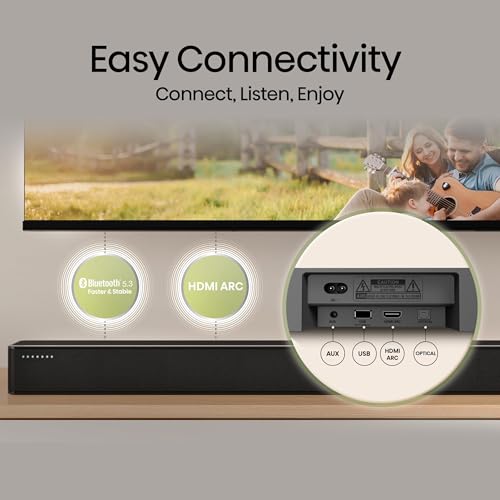
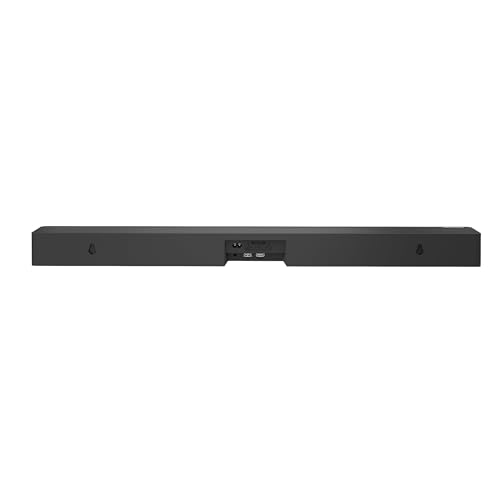
| HDMI ARC only (no passthrough or eARC) | HDMI 2.1 with eARC and 4K/120Hz passthrough for gaming |
| Room Optimization Technology - Automatically adjusts sound for your space | |
| Manual EQ presets and bass/treble controls only | Sound Field Optimization with automatic room calibration |
| Wireless Streaming - Determines music playback options from phones and tablets | |
| Bluetooth 5.3 | Bluetooth 5.0, AirPlay 2, Chromecast built-in, Spotify Connect |
| Expandability - Ability to add components for bigger sound | |
| No expansion options (complete 2.1 system) | Compatible with Sony wireless rear speakers and additional subwoofers |
| Smart Features - Voice control and app integration | |
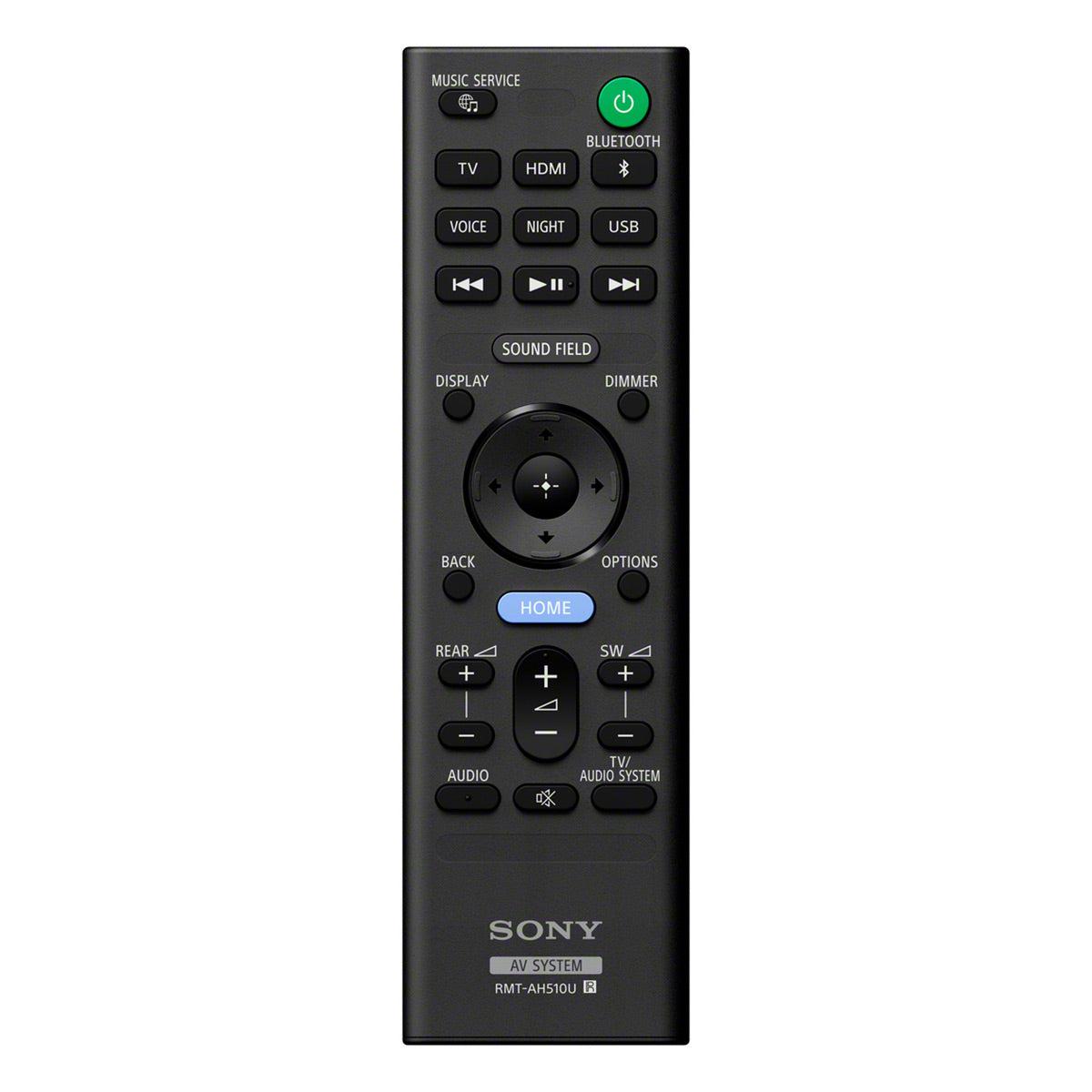
| Roku TV Ready integration, basic remote control | Google Assistant/Alexa support, Sony Music Center app, TV integration |
| Frequency Response - Determines how deep the bass goes and overall sound range | |
| 45Hz - 20kHz (limited sub-bass extension) | Not specified but superior low-end extension with multiple drivers |
| Target Use Case - Who this product serves best | |
| Budget-conscious buyers wanting basic TV audio upgrade | Audio enthusiasts seeking premium home theater experience |
The Sony HT-A5000 is significantly better for movies due to its true 5.1.2 channel configuration with Dolby Atmos support. It delivers genuine surround sound with overhead effects that make action scenes and blockbusters feel immersive. The Hisense HS2100 only offers virtual surround processing, which can't match the three-dimensional audio experience of the Sony HT-A5000.
The Hisense HS2100 uses a 2.1 configuration with two main speakers plus a subwoofer, limiting it to stereo sound with virtual surround effects. The Sony HT-A5000 features 5.1.2 channels, meaning five main speakers, one subwoofer channel, and two height channels for true surround sound and overhead audio effects in Dolby Atmos content.
The Sony HT-A5000 delivers superior bass quality with its multiple built-in subwoofers and X-Balanced driver technology, providing tighter, more controlled low frequencies. While the Hisense HS2100 includes a dedicated wireless subwoofer, its bass tends to be "boomier" and less precise than the refined bass reproduction of the Sony HT-A5000.
No, only the Sony HT-A5000 supports Dolby Atmos and DTS:X with dedicated height channels for overhead sound effects. The Hisense HS2100 supports DTS Virtual:X and Dolby Digital/Plus but cannot process true Dolby Atmos content, limiting its ability to deliver immersive three-dimensional audio.
The Sony HT-A5000 is far superior for next-generation gaming consoles due to its HDMI 2.1 support with eARC and 4K/120Hz passthrough capabilities. The Hisense HS2100 lacks these advanced gaming features, though it offers adequate performance for casual gaming with low latency across its available inputs.
The Sony HT-A5000 is designed for expansion with compatible Sony wireless rear speakers and additional subwoofers, allowing you to build a complete surround sound system over time. The Hisense HS2100 is a complete package with no official expansion options beyond its included wireless subwoofer.
The Hisense HS2100 offers simpler setup with basic connectivity and straightforward controls, making it ideal for users who want plug-and-play functionality. The Sony HT-A5000 includes more advanced features like automatic room optimization but requires more initial configuration to fully utilize its capabilities.
The Sony HT-A5000 offers comprehensive wireless connectivity including Bluetooth 5.0, AirPlay 2, Chromecast built-in, and Spotify Connect. The Hisense HS2100 provides Bluetooth 5.3 connectivity but lacks the advanced streaming options and smart home integration features of the Sony HT-A5000.
The Sony HT-A5000 performs significantly better in larger spaces with its 450W power output distributed across nine amplifier channels and wider soundstage projection. The Hisense HS2100 works well in small to medium rooms but may struggle to fill larger spaces adequately due to its 240W power limitation.
Only the Sony HT-A5000 supports voice control through Google Assistant and Amazon Alexa integration. The Hisense HS2100 lacks voice control features but offers Roku TV Ready integration for simplified remote control with compatible Roku TVs.
The Hisense HS2100 provides exceptional value for budget-conscious buyers seeking a significant upgrade over TV speakers without premium pricing. The Sony HT-A5000 offers superior performance and features that justify its higher cost for users prioritizing audio quality and home theater immersion.
The Sony HT-A5000 includes Sound Field Optimization technology that automatically measures and adjusts audio based on your room's acoustics using built-in microphones. The Hisense HS2100 relies on manual adjustment through six EQ presets and basic bass/treble controls without automatic room correction capabilities.
We've done our best to create useful and informative comparisons to help you decide what product to buy. Our research uses advanced automated methods to create this comparison and perfection is not possible - please contact us for corrections or questions. These are the sites we've researched in the creation of this article: rtings.com - shop.hisense-usa.com - bestbuy.com - content.syndigo.com - bestbuy.com - hisensedealers.co.ke - stuff.co.za - dtc-aus-api.hisense.com - youtube.com - manuals.plus - youtube.com - bestbuy.com - youtube.com - gallifurniture.com - hisense-usa.com - manuals.plus - uk.hisense.com - device.report - youtube.com - costco.ca - elmcreekwsa.com - gallifurniture.com - whathifi.com - electronics.sony.com - costco.com - sony.com - expertreviews.co.uk - crutchfield.com - audioadvice.com - sony.com - sony.com - bestbuy.com - videoandaudiocenter.com - community.sony.co.uk

Privacy Policy
Terms and Conditions - Affiliate Policy
Home Security
© Copyright 2008-2026.
11816 Inwood Rd #1211, Dallas, TX 75244