


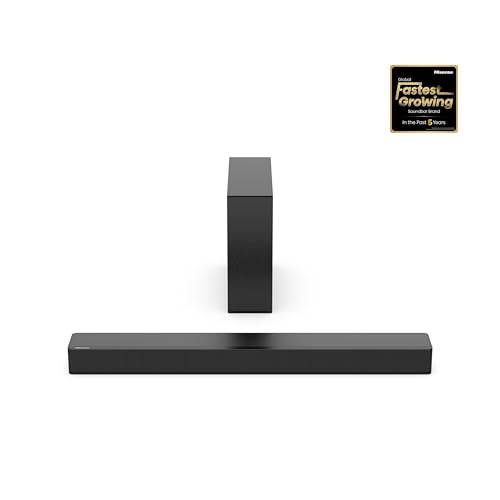

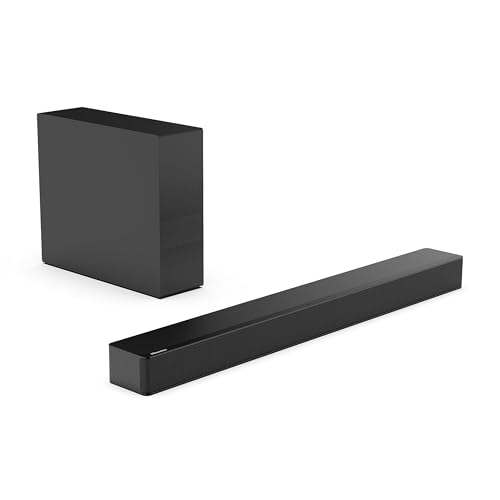

If you've been suffering through your TV's built-in speakers, you're not alone. Most televisions, especially the ultra-thin models dominating today's market, produce sound that's about as impressive as a smartphone speaker trying to fill your living room. The good news? A quality soundbar can transform your viewing experience without the complexity or cost of a full surround sound system.
Before diving into our comparison between the Hisense HS2100 and Bose Smart Soundbar 1100, let's establish what separates excellent soundbars from mediocre ones. The most critical factor is dialogue clarity—if you can't understand what actors are saying without cranking the volume or turning on subtitles, your soundbar has failed its primary mission. Next comes bass response, which adds weight and impact to explosions, music, and sound effects. A quality soundbar should also create a sense of space and width, making sound feel like it's coming from beyond the physical boundaries of the bar itself.
Modern soundbars increasingly focus on immersive audio capabilities. Technologies like Dolby Atmos (which bounces sound off your ceiling to create overhead effects) and DTS Virtual:X (which uses psychoacoustic processing to simulate surround sound) can make your living room feel more like a movie theater. Smart features have become equally important, with voice control, wireless streaming, and app integration now standard expectations rather than luxury additions.
The Hisense HS2100, released in 2023, and the Bose Smart Soundbar 1100, launched in 2024, represent fundamentally different approaches to solving the same problem. Hisense focuses on delivering maximum impact for minimal investment, including everything you need in one affordable package. Bose takes a premium approach, emphasizing technological sophistication and smart home integration while leaving room for future expansion.
At the time of writing, the price difference between these systems is substantial—the Hisense HS2100 costs roughly four times less than the Bose Smart Soundbar 1100. This dramatic pricing gap reflects not just build quality differences, but entirely different target audiences and use cases.
Both systems excel at dialogue reproduction, but they achieve clarity through different means. The Hisense HS2100 uses a warm, balanced sound signature that naturally emphasizes the midrange frequencies where most human speech occurs. Its dedicated News mode further enhances vocal clarity by reducing bass and treble content that might mask dialogue.
The Bose Smart Soundbar 1100 takes a more sophisticated approach with its AI Dialogue Mode—artificial intelligence that actively monitors audio content and automatically adjusts tonal balance when it detects speech. This technology ensures voices remain crisp and intelligible even during complex action sequences with explosions and music competing for your attention. In our research across multiple expert reviews, this AI processing consistently outperformed manual EQ adjustments in maintaining dialogue clarity across different content types.
The Bose's center tweeter also plays a crucial role here. While the Hisense HS2100 uses two full-range speakers handling all frequencies, the Bose dedicates a separate tweeter specifically to reproducing high-frequency vocal details like consonants and breath sounds that make speech more natural and intelligible.
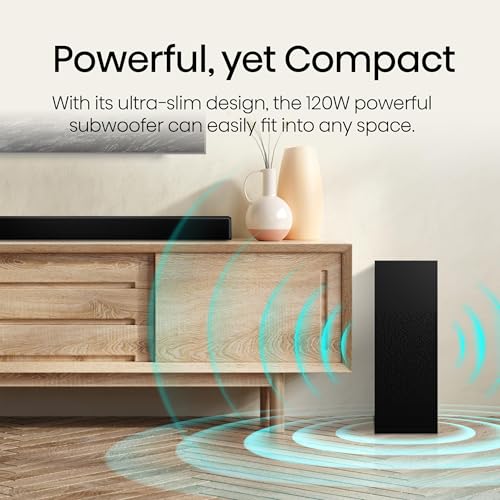
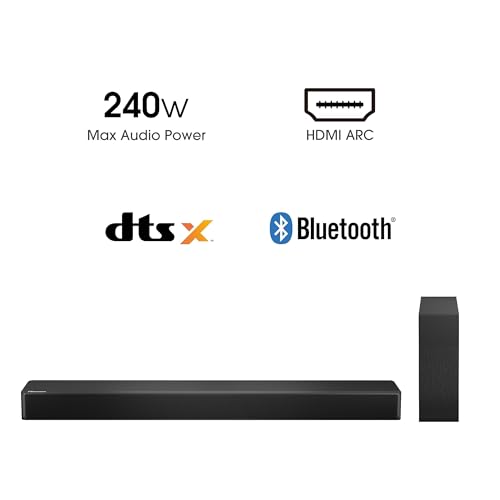
This is where the Hisense HS2100 shows its biggest strength. Its wireless 5.25-inch subwoofer delivers substantial bass impact that the Bose Smart Soundbar 1100 simply cannot match without additional purchases. The Hisense sub operates at 120 watts of dedicated power, creating the kind of chest-thumping low-frequency effects that make action movies feel immersive.
However, there's more to bass than just power. The Bose Smart Soundbar 1100 employs QuietPort technology—specially designed ports that reduce air turbulence and distortion. This means the bass it does produce sounds cleaner and more controlled, even if it lacks the raw impact of a dedicated subwoofer. For dialogue-heavy content like dramas or news, the Bose's approach actually works better, avoiding the boomy character that can muddy speech clarity.
The Hisense HS2100's wireless subwoofer offers significant placement flexibility. Since there's no cable connecting it to the main bar, you can position it anywhere within about 30 feet for optimal bass response in your room. The automatic pairing system makes setup simple—just plug both units in, and they'll find each other within seconds.
Here's where the Bose Smart Soundbar 1100 demonstrates why it costs more. Its PhaseGuide technology uses precise timing and phase adjustments to create a soundstage that extends well beyond its physical dimensions. In practice, this means sound effects and music can appear to come from the far left or right of your TV, even though the soundbar sits directly beneath it.
The Bose also includes genuine Dolby Atmos support through two up-firing drivers that bounce sound off your ceiling. When watching compatible content, helicopter rotors and rain can literally sound like they're coming from above your head. The Hisense HS2100 attempts similar effects through DTS Virtual:X processing, but virtual surround can't match the convincing overhead localization of actual up-firing speakers.
TrueSpace technology further separates the Bose from budget alternatives. This proprietary processing analyzes non-Atmos content and intelligently upmixes it to take advantage of the soundbar's spatial capabilities. Whether you're watching old movies or streaming Netflix shows that weren't originally mixed for Atmos, TrueSpace adds height and width to create a more immersive experience.
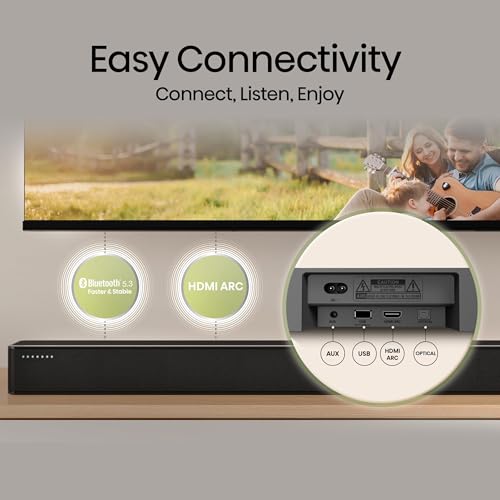
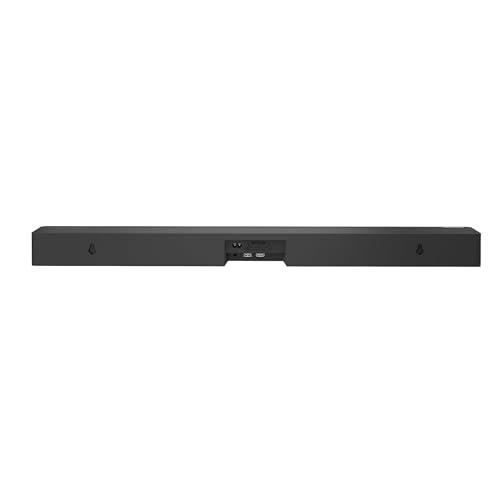
The connectivity and smart feature differences between these systems reflect their target audiences. The Hisense HS2100 covers the basics excellently—HDMI ARC for TV connection, optical input for older devices, Bluetooth 5.3 for wireless music streaming, and even USB playback for local media files. Its Roku TV Ready certification means it integrates seamlessly with Roku televisions, allowing control through your TV remote.
The Bose Smart Soundbar 1100 operates in a different league entirely. Built-in Amazon Alexa with Voice4Video technology lets you control not just the soundbar, but your entire TV and cable box setup using voice commands. Saying "Alexa, turn on the TV and switch to Netflix" can control multiple devices simultaneously—a genuinely useful feature once you experience it.
Wi-Fi connectivity opens up streaming possibilities that Bluetooth can't match. Apple AirPlay 2, Google Chromecast, and Spotify Connect allow high-quality wireless audio from virtually any device. The multi-room capability lets you group the Bose with other compatible speakers throughout your home, creating a synchronized music experience.
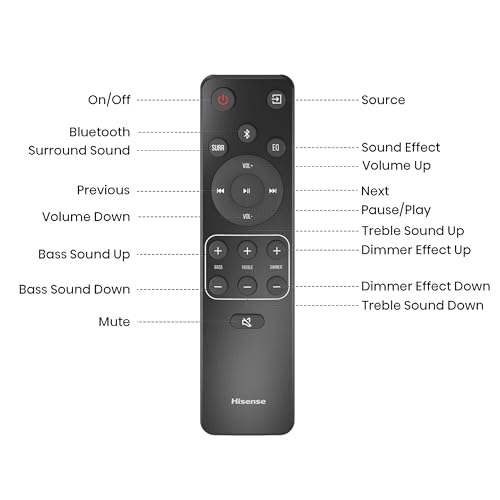
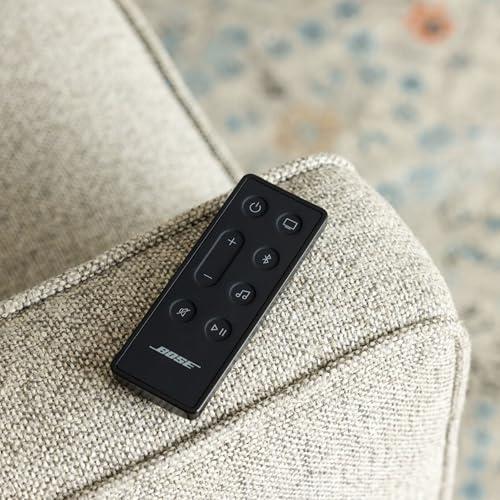
The Bose Music app deserves special mention for its polish and functionality. Beyond basic setup, it provides detailed sound customization, streaming service integration, and the ability to create user profiles for different family members. The Hisense HS2100 relies on physical buttons and remote control, which works fine but feels dated compared to comprehensive app control.
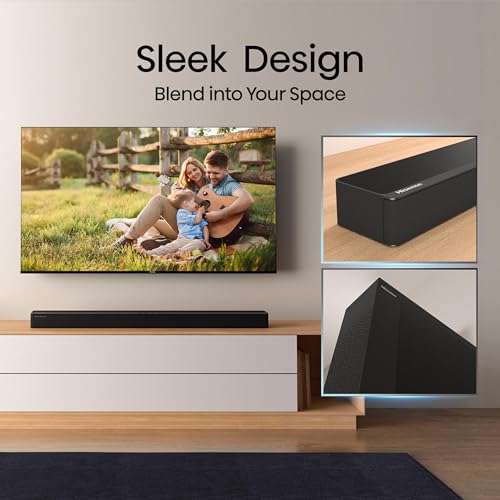
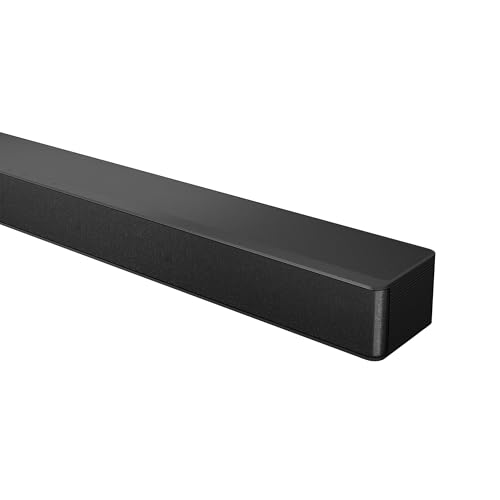
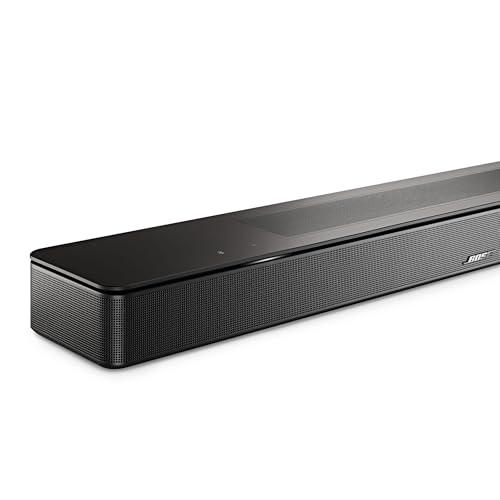
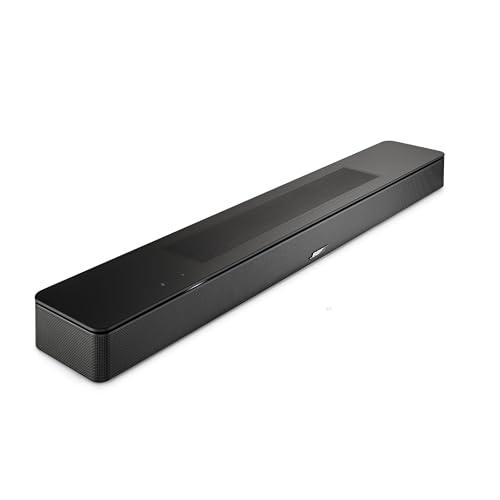
Physical construction reveals another key difference. The Hisense HS2100 uses primarily plastic construction with a fabric grille, keeping costs down while maintaining acceptable durability. At roughly 3.3 pounds, it's lightweight and unobtrusive under most televisions.
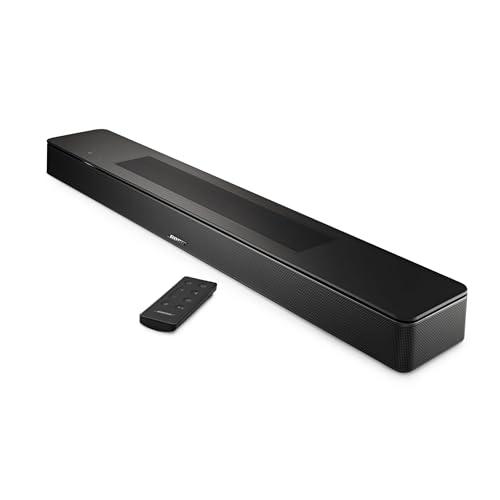
The Bose Smart Soundbar 1100 combines metal and high-quality plastic in a more premium package. Its matte black finish and precise build tolerances create a product that looks and feels expensive. At 6.9 pounds, it has more substantial heft, suggesting better internal component quality and more robust construction.
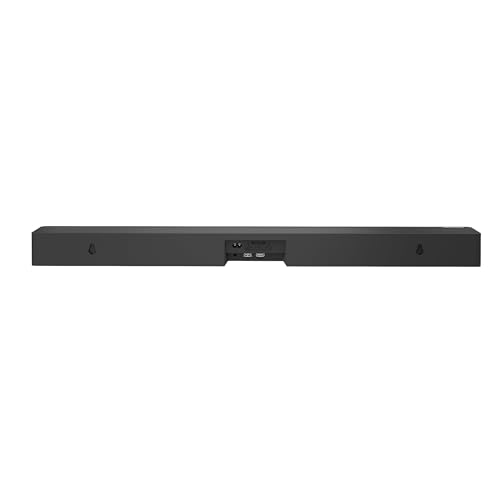
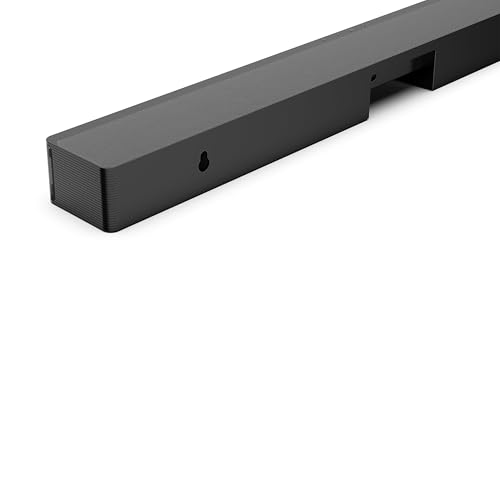
Both soundbars maintain low profiles that won't block TV sensors or create visual distraction. The Bose measures slightly taller but includes wall-mounting hardware as standard equipment. The Hisense HS2100 includes mounting hardware as well, though the brackets feel less substantial.
For dedicated home theater use, the choice depends heavily on your priorities and budget constraints. The Hisense HS2100 delivers immediately satisfying results for action movies and gaming. Its substantial bass response creates the visceral impact that makes explosions feel powerful and music sound full-bodied. The six EQ presets (Movie, Music, News, Sport, Night, and Game) provide useful optimization for different content types.
However, the Bose Smart Soundbar 1100 offers superior immersion for serious home theater enthusiasts. True Dolby Atmos processing creates convincing height effects that virtual processing simply cannot match. When watching properly mixed content, the difference is immediately apparent—rain falls from above, helicopters pass overhead realistically, and ambient effects fill the room more convincingly.
The Bose's expandability becomes crucial for larger rooms or more demanding users. Adding the optional Bass Module provides the deep bass extension that matches the Hisense HS2100's subwoofer output, while optional surround speakers create genuine 5.1.2 channel surround sound. The Hisense HS2100 offers no expansion options—what you buy is what you get forever.
Both systems handle music competently, but with different strengths. The Hisense HS2100's bass-forward signature makes it particularly enjoyable for pop, rock, and hip-hop genres that benefit from strong low-frequency presence. Its Music EQ preset balances the sound appropriately for stereo content, and the wireless subwoofer adds weight that most compact soundbars lack entirely.
The Bose Smart Soundbar 1100 provides more accurate and detailed music reproduction. Its wider frequency response and better channel separation make it superior for acoustic music, jazz, and classical genres where subtle detail matters more than raw impact. The PhaseGuide technology creates better stereo imaging, helping instruments and vocals appear more precisely positioned in the soundstage.
Streaming convenience strongly favors the Bose. While the Hisense HS2100 requires your phone to maintain Bluetooth connection, the Bose can stream directly from services like Spotify without any phone involvement. This is particularly useful for background music during parties or extended listening sessions.
Since their respective releases, both manufacturers have continued refining their technologies. The Hisense HS2100 represents a mature iteration of budget soundbar design, incorporating lessons learned from earlier models like the HS214 while maintaining aggressive pricing. Its DTS Virtual:X implementation, while not revolutionary, works better than previous generation virtual surround attempts.
The Bose Smart Soundbar 1100 showcases newer developments in AI processing and smart home integration. Its 2024 release includes more advanced voice recognition and improved streaming codec support compared to earlier Bose soundbars. The AI Dialogue Mode represents a meaningful technological advancement over simple EQ adjustments.
Looking ahead, both systems should remain relevant for several years, though the Bose's smart features and expandability provide better long-term flexibility. Format support differences could matter more over time—the Bose's Dolby Atmos capability ensures compatibility with current and future content standards, while the Hisense HS2100's lack of true Atmos support may feel more limiting as content adoption increases.
The Hisense HS2100 makes perfect sense for budget-conscious buyers who want immediate, dramatic improvement over TV speakers without complexity or future investment. If you primarily watch broadcast television, streaming services, and occasional movies while preferring simple operation, it delivers exceptional value. College students, apartment dwellers, and anyone seeking maximum bang-for-buck will find it hard to beat.
The Bose Smart Soundbar 1100 targets users who prioritize long-term satisfaction and technological sophistication. If you value dialogue clarity above all else, want smart home integration, or plan to build a more comprehensive audio system over time, its premium price feels justified. Home theater enthusiasts, smart home adopters, and anyone willing to invest in superior technology should seriously consider this option.
Your viewing habits matter too. Heavy Netflix and streaming users will appreciate the Bose's advanced processing and smart features. Sports fans might prefer the Hisense HS2100's immediate bass impact and dedicated Sports mode. Gamers benefit from either system but should consider the Bose's lower latency and Game mode optimization.
At the time of writing, these soundbars represent two distinct value propositions rather than direct competitors. The Hisense HS2100 maximizes performance per dollar spent, delivering a complete 2.1 system with satisfying bass response at an incredibly accessible price point. It's an excellent choice for anyone seeking immediate gratification and dramatic TV audio improvement without breaking the budget.
The Bose Smart Soundbar 1100 justifies its premium pricing through superior technology, build quality, and smart features that create a more sophisticated ownership experience. Its AI dialogue processing, true Dolby Atmos support, and comprehensive smart home integration appeal to users who view their soundbar as a long-term investment rather than a simple TV audio upgrade.
Neither choice is wrong—they're optimized for different priorities and budgets. The Hisense HS2100 proves that excellent sound doesn't require premium pricing, while the Bose Smart Soundbar 1100 demonstrates what's possible when cost becomes secondary to performance and features. Choose based on your priorities, room size, and how you actually use your entertainment system, and either option will serve you well for years to come.
| Hisense HS2100 2.1 Channel 240W Soundbar System | Bose Smart Soundbar 1100 |
|---|---|
| Channel Configuration - Determines surround sound capabilities | |
| 2.1 channels with wireless subwoofer | 3.0.2 channels with up-firing drivers |
| Total Power Output - Affects maximum volume and bass impact | |
| 240W (soundbar 120W + subwoofer 120W) | Not specified (compact all-in-one design) |
| Dolby Atmos Support - Creates overhead sound effects | |
| No (DTS Virtual:X only) | Yes (true Atmos with up-firing drivers) |
| Subwoofer - Essential for deep bass in movies and music | |
| 5.25" wireless subwoofer included | None included (optional Bass Module available) |
| Voice Control - Hands-free operation and smart home integration | |
| None | Built-in Amazon Alexa with Voice4Video |
| Connectivity Options - How you connect devices and stream content | |
| HDMI ARC, optical, 3.5mm, USB, Bluetooth 5.3 | HDMI eARC, optical, Wi-Fi, Bluetooth 5.0, AirPlay 2, Chromecast |
| Dialogue Enhancement - Critical for clear speech | |
| News mode + manual bass/treble adjustment | AI Dialogue Mode with automatic optimization |
| Smart Features - App control and streaming integration | |
| Basic remote control, Roku TV Ready | Bose Music app, multi-room audio, streaming services |
| Expandability - Future upgrade potential | |
| None (complete system as-shipped) | Optional Bass Module and Surround Speakers |
| Physical Design - Size and mounting options | |
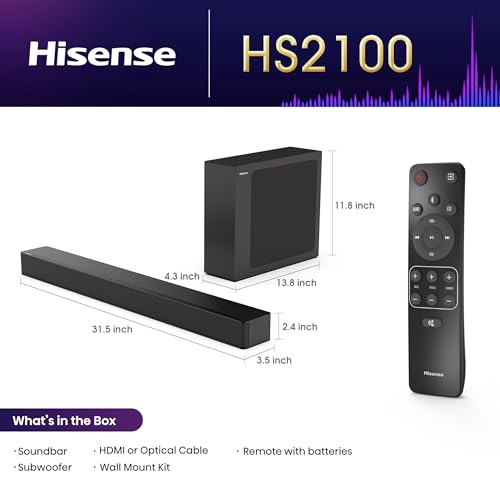
| 31.5" × 2.4" × 3.5", wall-mount kit included | 27.3" × 2.2" × 4.6", premium build, wall-mount ready |
| Best For - Target user and use cases | |
| Budget-conscious users wanting immediate bass impact | Premium users prioritizing dialogue clarity and smart features |
The Hisense HS2100 offers exceptional value with a complete 2.1 system including wireless subwoofer at a budget-friendly price. The Bose Smart Soundbar 1100 costs significantly more but provides premium features like true Dolby Atmos, AI dialogue enhancement, and smart home integration. For pure performance-per-dollar, the Hisense HS2100 wins, but the Bose Smart Soundbar 1100 justifies its higher cost with superior technology and build quality.
The Hisense HS2100 delivers significantly stronger bass out-of-the-box thanks to its included 5.25" wireless subwoofer with 120W of dedicated power. The Bose Smart Soundbar 1100 produces respectable bass for its compact size but cannot match the deep, impactful low-frequency response of the Hisense HS2100 without purchasing an optional Bass Module separately.
The Bose Smart Soundbar 1100 excels at dialogue clarity with its AI Dialogue Mode that automatically optimizes speech intelligibility and dedicated center tweeter for vocal reproduction. While the Hisense HS2100 also handles dialogue well with its News mode and balanced midrange, the Bose Smart Soundbar 1100's advanced processing makes it superior for dialogue-heavy content.
Only the Bose Smart Soundbar 1100 supports true Dolby Atmos with dedicated up-firing drivers that create overhead sound effects. The Hisense HS2100 uses DTS Virtual:X to simulate surround sound but lacks genuine Atmos capabilities. For immersive movie experiences with height effects, the Bose Smart Soundbar 1100 is the clear choice.
Both soundbars are relatively easy to set up, but the Hisense HS2100 has a slight edge for simplicity. Its wireless subwoofer pairs automatically, and you primarily need just an HDMI cable to get started. The Bose Smart Soundbar 1100 requires app setup for full functionality and Wi-Fi configuration for smart features, though the Bose Music app guides you through the process clearly.
The Bose Smart Soundbar 1100 offers full expandability with optional Bass Modules and Surround Speakers to create a complete 5.1.2 system. The Hisense HS2100 cannot be expanded beyond its included soundbar and subwoofer configuration. If you want room to grow your audio system over time, the Bose Smart Soundbar 1100 provides that flexibility.
For bass-heavy genres like pop and hip-hop, the Hisense HS2100's powerful subwoofer provides more impactful low-end response. However, the Bose Smart Soundbar 1100 offers superior detail, wider soundstage, and better stereo imaging for acoustic music and jazz. The Bose Smart Soundbar 1100 also provides more convenient wireless streaming options through Wi-Fi, AirPlay, and Chromecast.
Only the Bose Smart Soundbar 1100 includes built-in voice control with Amazon Alexa and Voice4Video technology for controlling your TV and cable box. The Hisense HS2100 lacks voice assistant integration and relies on traditional remote control operation. For hands-free control and smart home integration, the Bose Smart Soundbar 1100 is the only option.
Both soundbars work well for gaming, but they excel in different areas. The Hisense HS2100 provides immediate bass impact that enhances explosions and action sequences, while maintaining low latency across all inputs. The Bose Smart Soundbar 1100 offers more immersive spatial audio with its Dolby Atmos support and dedicated Game mode. Competitive gamers might prefer the Hisense HS2100, while single-player adventure game fans would benefit from the Bose Smart Soundbar 1100's immersion.
The Hisense HS2100 offers basic wireless connectivity with Bluetooth 5.3 for music streaming from phones and tablets. The Bose Smart Soundbar 1100 provides comprehensive wireless options including Wi-Fi, Bluetooth 5.0, Apple AirPlay 2, Google Chromecast, and Spotify Connect. For versatile wireless streaming and smart home integration, the Bose Smart Soundbar 1100 is far superior.
The Hisense HS2100 can fill larger spaces with its 240W total power output and dedicated subwoofer, making it suitable for medium to large rooms where bass impact matters. The Bose Smart Soundbar 1100 creates a wider perceived soundstage through PhaseGuide technology but may lack the raw power for very large spaces without additional components. For maximum room-filling capability at the base level, the Hisense HS2100 has the advantage.
For dedicated home theater use, the choice depends on your priorities and budget. The Hisense HS2100 delivers immediate satisfaction with powerful bass and loud, clear sound that dramatically improves movie experiences over TV speakers. The Bose Smart Soundbar 1100 provides a more sophisticated home theater experience with true Dolby Atmos, superior dialogue processing, and expansion potential for a complete surround system. Choose the Hisense HS2100 for maximum bang-for-buck or the Bose Smart Soundbar 1100 for premium features and long-term flexibility.
We've done our best to create useful and informative comparisons to help you decide what product to buy. Our research uses advanced automated methods to create this comparison and perfection is not possible - please contact us for corrections or questions. These are the sites we've researched in the creation of this article: rtings.com - shop.hisense-usa.com - bestbuy.com - content.syndigo.com - bestbuy.com - hisensedealers.co.ke - stuff.co.za - dtc-aus-api.hisense.com - youtube.com - manuals.plus - youtube.com - bestbuy.com - youtube.com - gallifurniture.com - hisense-usa.com - manuals.plus - uk.hisense.com - device.report - youtube.com - costco.ca - elmcreekwsa.com - gallifurniture.com - bestbuy.com - rtings.com - rtings.com - youtube.com - staples.com - youtube.com - soundguys.com - businessinsider.com - youtube.com - rtings.com - crutchfield.com - youtube.com - youtube.com - smart.dhgate.com - dolby.com - bose.com - assets.bose.com - bose.com - connection.com - bestbuy.com - cdw.com - dell.com - device.report

Privacy Policy
Terms and Conditions - Affiliate Policy
Home Security
© Copyright 2008-2026.
11816 Inwood Rd #1211, Dallas, TX 75244