



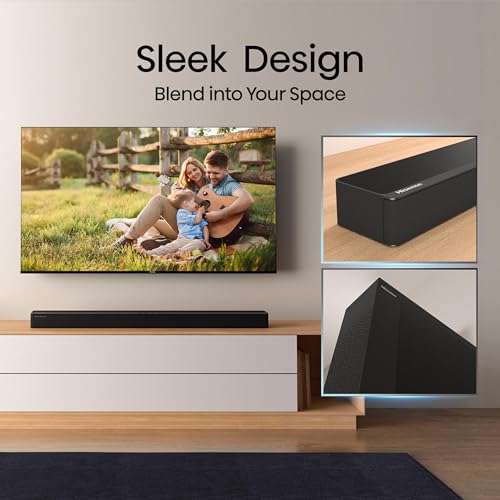




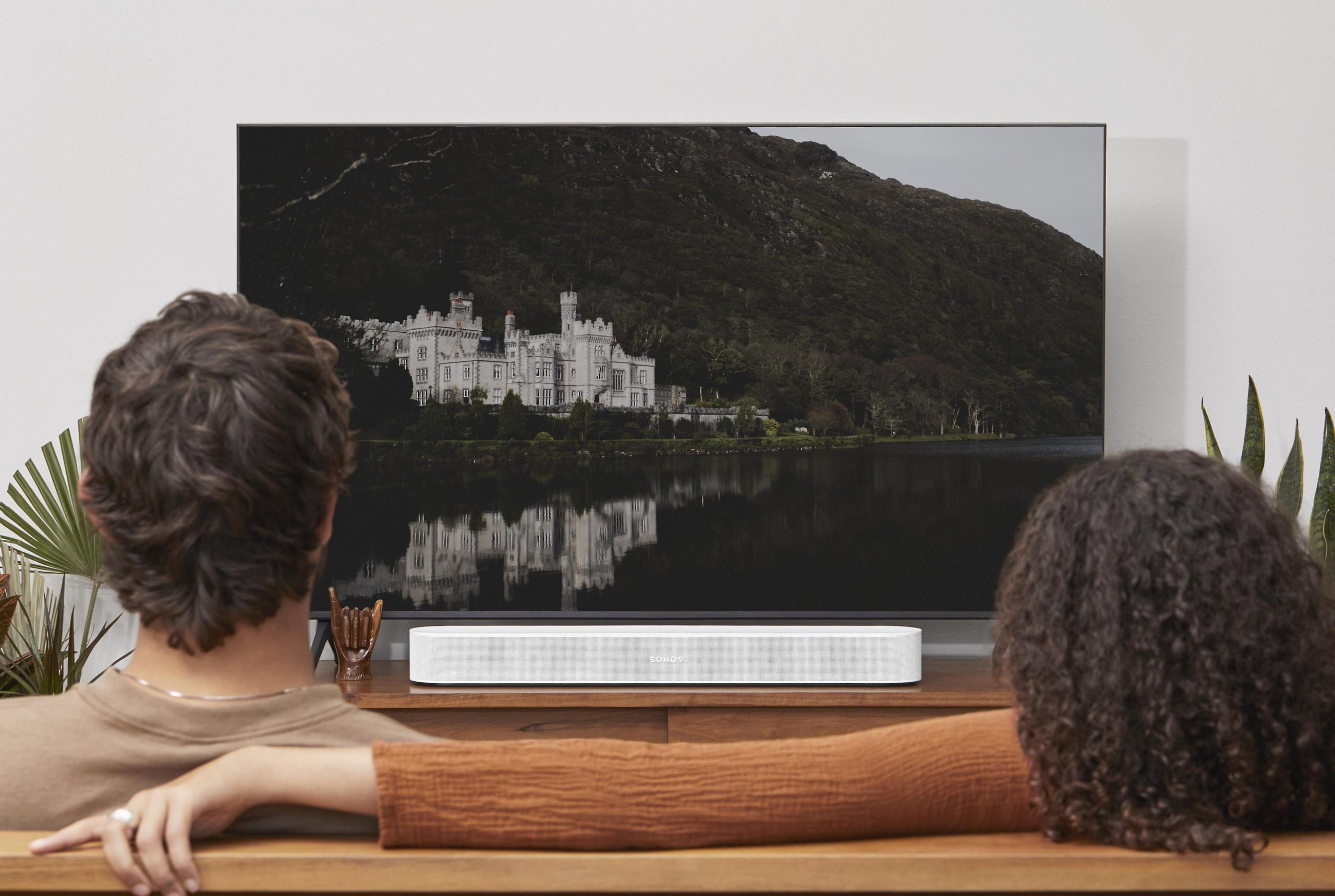
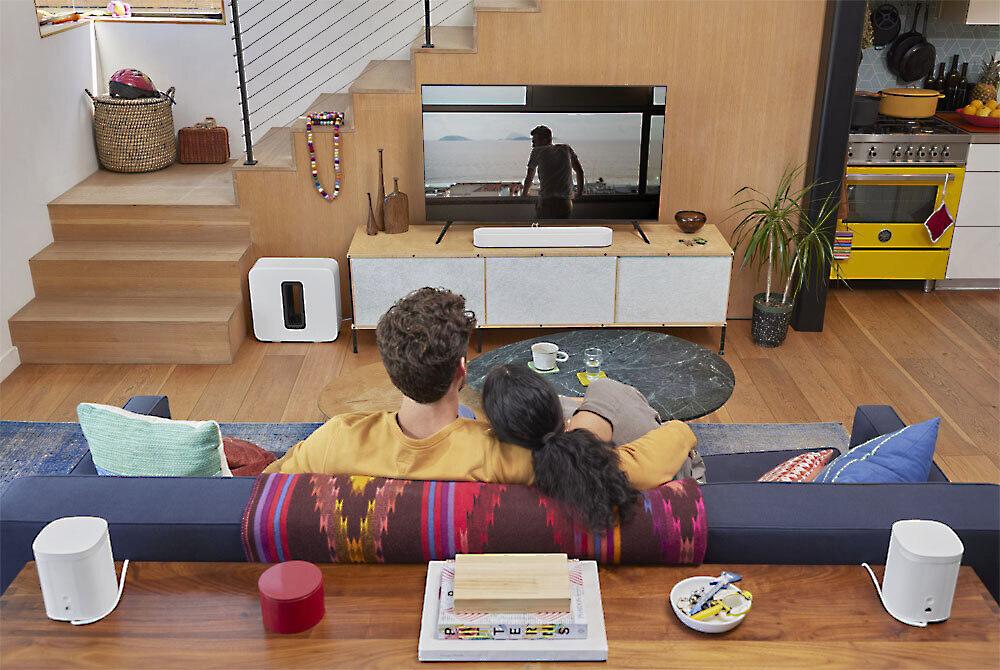


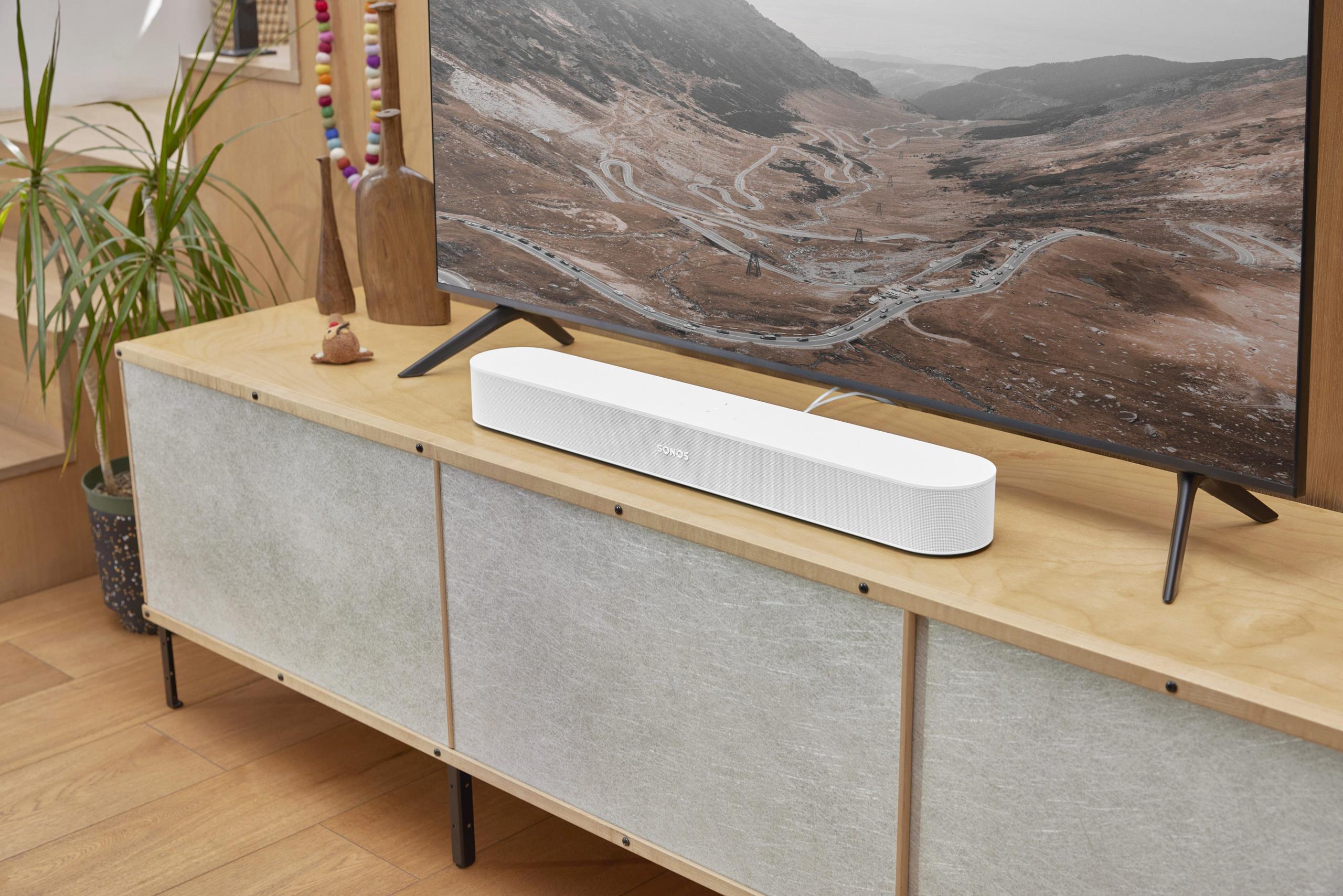
If you've ever tried watching an action movie on your TV's built-in speakers, you know the struggle. Explosions sound like gentle pops, dialogue gets lost in the mix, and you find yourself constantly reaching for the remote to adjust volume. That's where soundbars come in—they're designed to transform your TV's wimpy audio into something that actually does justice to what you're watching.
But here's the thing: not all soundbars are created equal. Today we're looking at two very different approaches to solving the same problem. The Hisense HS2100 represents the "give you everything upfront" philosophy—a complete 2.1 system with a wireless subwoofer that won't break the bank. The Sonos Beam Gen 2, on the other hand, is all about sophisticated audio processing and smart features, designed to be the foundation of a premium audio ecosystem.
Before diving into the specifics, let's talk about what really matters when choosing a soundbar. The most important considerations boil down to audio quality, format support, connectivity options, and overall value. But these broad categories hide some crucial technical details that can make or break your experience.
Audio quality isn't just about "loud" or "quiet"—it's about clarity, balance, and how well the soundbar handles different types of content. A soundbar that makes explosions sound amazing might completely muddy dialogue, or one that delivers crystal-clear conversations might leave music sounding flat and lifeless.
Format support determines whether you can actually take advantage of modern streaming content. Services like Netflix and Disney+ use advanced audio formats like Dolby Atmos to create immersive sound experiences, but only if your soundbar can decode them properly.
Connectivity has evolved far beyond just plugging in an audio cable. Modern soundbars often include Wi-Fi, voice assistants, and smartphone apps that fundamentally change how you interact with your audio system.
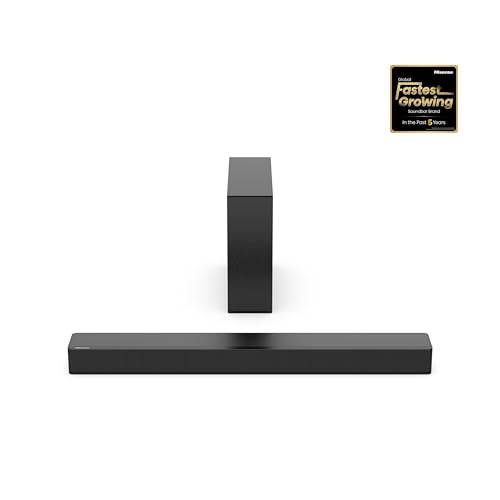
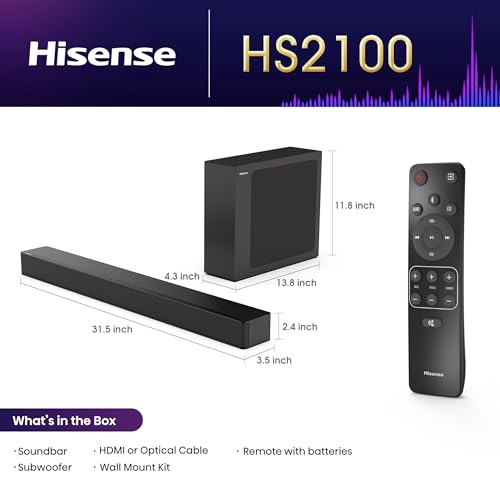
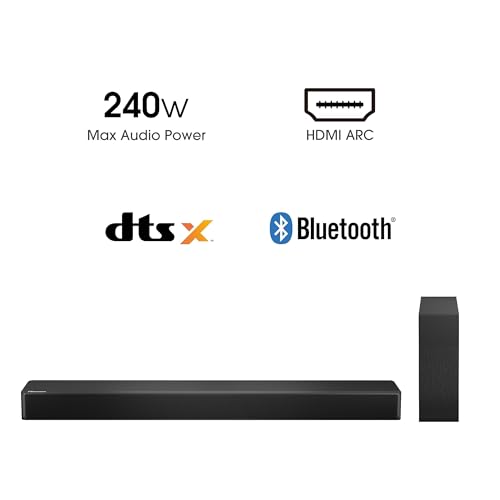
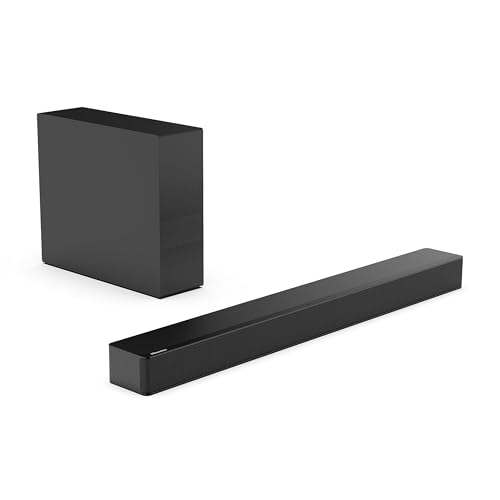
The Hisense HS2100 launched as part of Hisense's push into the budget audio market, focusing on delivering maximum impact for minimal investment. At roughly a third of the price of premium alternatives at the time of writing, it includes everything you need in the box: the main soundbar unit and a wireless subwoofer that handles the low-frequency heavy lifting.
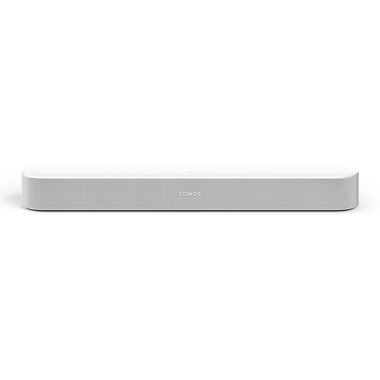
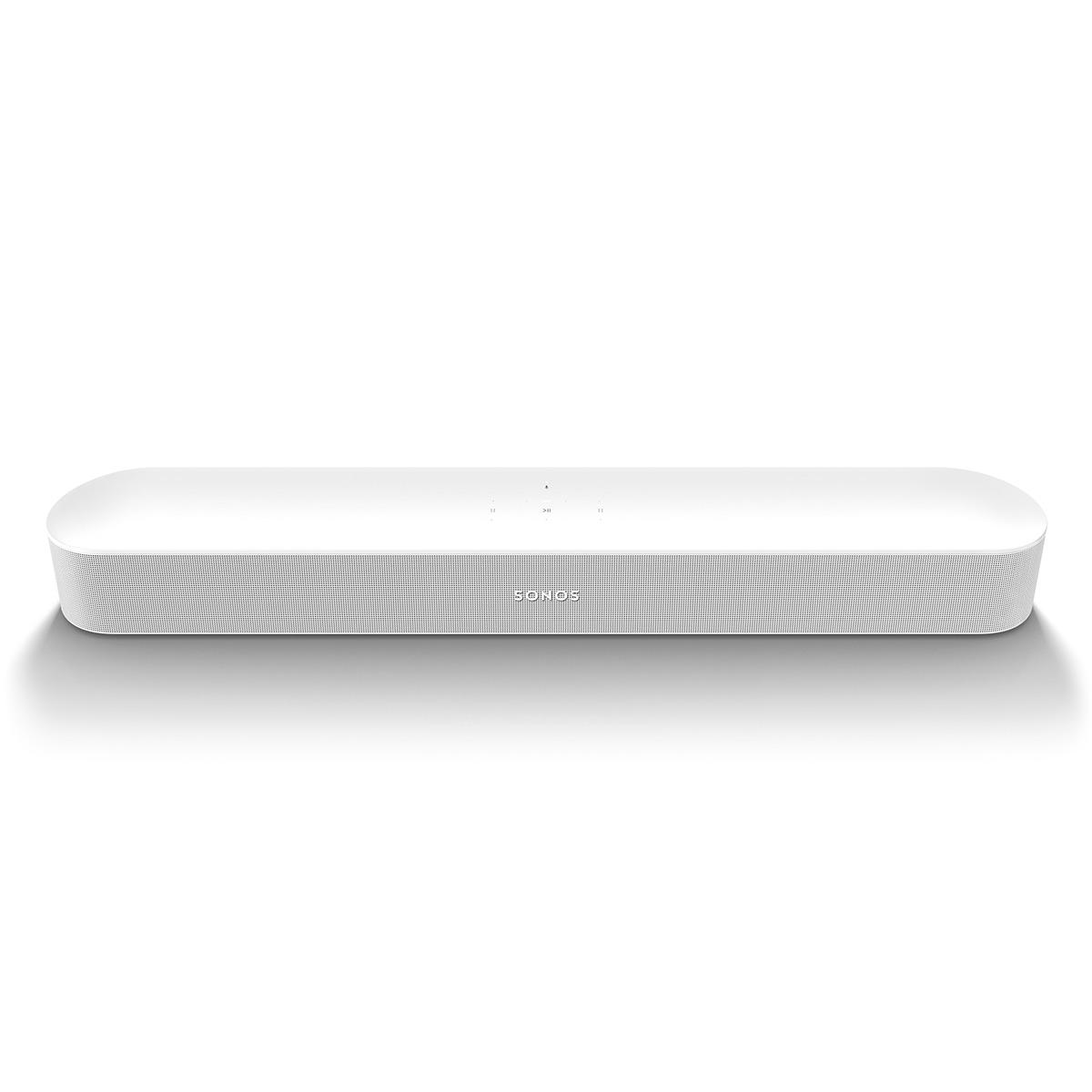
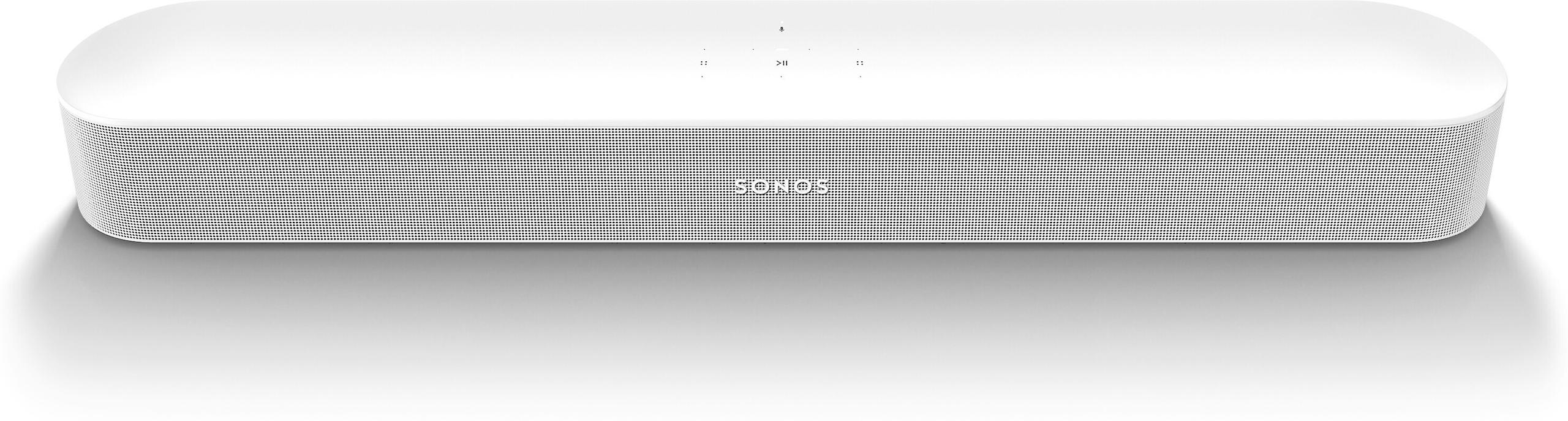
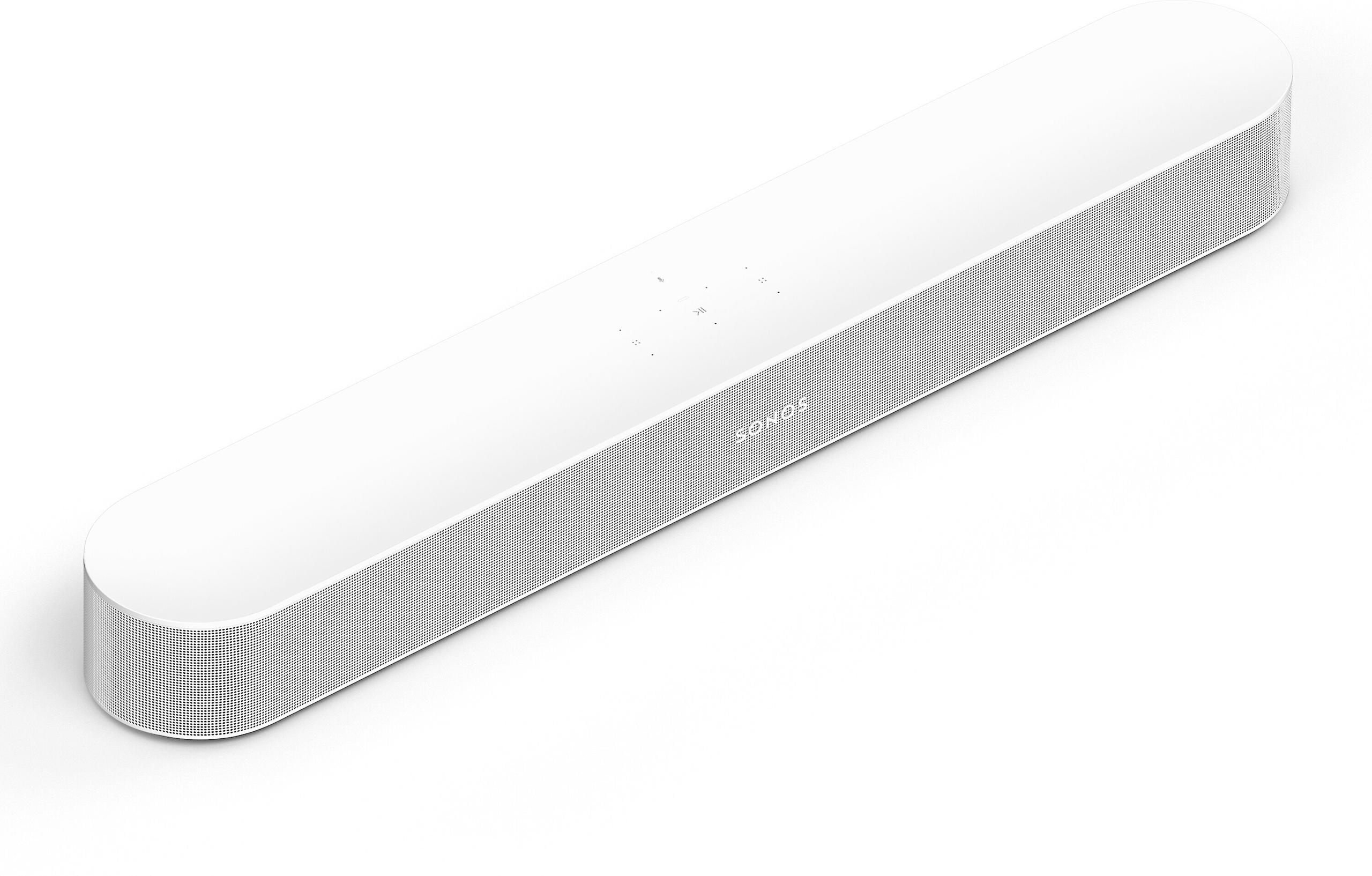
The Sonos Beam Gen 2 arrived in 2021 as Sonos's answer to the growing demand for compact Dolby Atmos soundbars. It represented a significant upgrade over the original Beam, adding support for immersive audio formats while maintaining the sleek, minimalist design that Sonos is known for. Since its release, it has remained one of the most popular premium compact soundbars, though the smart features and app ecosystem have continued evolving.
Here's where these two soundbars reveal their fundamental differences. The Sonos Beam Gen 2 supports an impressive array of modern audio formats, including Dolby Atmos, Dolby TrueHD, and multichannel PCM. Dolby Atmos is particularly important—it's a three-dimensional audio format that places sounds not just around you, but above you as well. When a helicopter flies overhead in a movie, Atmos makes it sound like it's actually passing above your head rather than just moving from left to right.
The Hisense HS2100, however, only handles basic formats like Dolby Digital and DTS, and even then, it downmixes everything to stereo. This means if you're watching a movie with a 5.1 surround soundtrack, the HS2100 essentially flattens it into a two-channel presentation with bass reinforcement. You're not getting the full intended experience from modern content.
This difference becomes particularly noticeable with streaming content. When I research user experiences with both systems, the Sonos consistently delivers that "wow" moment when playing Atmos content for the first time, while HS2100 users tend to focus more on the bass impact and overall volume improvements over their TV speakers.
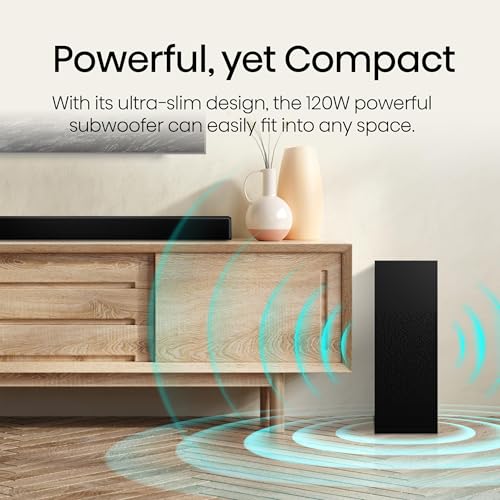
This is where the Hisense HS2100 absolutely shines, and it's the most significant advantage it holds over the Sonos. The included 5.25-inch wireless subwoofer can reproduce frequencies down to around 40Hz, which covers the rumble range that makes explosions feel visceral and music sound full-bodied.
Based on user reviews and measurements, the HS2100's bass response is genuinely impressive for its price category. Users consistently describe the bass as "punchy" and "chest-thumping," with some noting they had to turn the subwoofer level down to avoid disturbing neighbors. This isn't just marketing fluff—having a dedicated driver for low frequencies makes a massive difference in perceived audio quality.
The Sonos Beam Gen 2, being a standalone soundbar without an integrated subwoofer, simply cannot match this low-end performance. Its frequency response rolls off significantly below 80Hz, which means you're missing a substantial chunk of the audio spectrum. Action movies feel thin, and bass-heavy music genres lose their impact.
However, Sonos designed the Beam Gen 2 with this limitation in mind. The company offers a separate Sonos Sub that integrates seamlessly with the system, but it comes at a premium price—roughly doubling your total investment at the time of writing.
While the Hisense HS2100 wins on bass, the Sonos Beam Gen 2 absolutely dominates in the critical midrange frequencies where human voices live. Professional reviews and user feedback consistently praise the Sonos for exceptional dialogue clarity. The soundbar uses sophisticated digital signal processing (DSP) to optimize voice reproduction, making conversations easy to follow even during complex action sequences.
This isn't just about volume—it's about frequency balance and dynamic processing. The Beam Gen 2 can identify dialogue frequencies and subtly boost them while managing competing sounds like background music or sound effects. Users frequently mention they rarely need subtitles anymore, even with movies that have notoriously poor dialogue mixing.
The HS2100 handles dialogue adequately for its price range, with dedicated "News" and "Movie" modes that attempt to optimize voice clarity. However, our research indicates it lacks the sophisticated processing of the Sonos system, and some users report having to manually adjust bass levels to prevent dialogue from getting overwhelmed.
The Sonos Beam Gen 2 creates what audio engineers call a "phantom center channel"—even though it's a single soundbar, it uses phase relationships and timing differences to create the illusion of sounds coming from precise locations across a wide soundstage. The Dolby Atmos processing takes this further, using psychoacoustic techniques (basically, tricks that exploit how your brain processes sound) to create the impression of height and surround effects.
When watching movies with well-mixed Atmos soundtracks, the Beam Gen 2 can make rain sound like it's falling all around you, or create the sensation of aircraft passing overhead. It's not as convincing as a full surround system with physical speakers placed around your room, but it's remarkably effective for a single soundbar.
The Hisense HS2100, being a 2.1 system, is fundamentally limited to stereo imaging with bass reinforcement. It can create a decent left-right soundstage, but there's no surround processing or height effects. Everything feels like it's coming from in front of you, which is perfectly fine for basic TV watching but less engaging for movie nights.
This is where the generational difference between these products becomes most apparent. The Sonos Beam Gen 2 was designed from the ground up as a connected device. It includes built-in Wi-Fi, support for Amazon Alexa and Google Assistant, and integration with virtually every major streaming service through the Sonos app.
The voice assistant integration isn't just a gimmick—it fundamentally changes how you interact with your audio system. You can ask Alexa to play specific playlists, adjust volume, or even control other smart home devices, all without reaching for a remote. The AirPlay 2 support means iPhone users can seamlessly stream audio from any app directly to the soundbar.
Perhaps more importantly, the Sonos ecosystem allows for easy expansion. You can add additional Sonos speakers throughout your home for multi-room audio, or add a Sonos Sub and rear speakers to create a proper 5.1 surround system. Everything connects wirelessly and can be controlled through a single app.
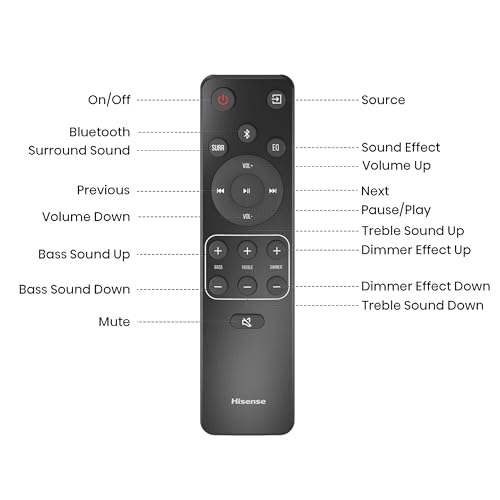
The Hisense HS2100 takes a completely different approach—it's deliberately simple. There's no app, no voice control, and no wireless connectivity beyond the link between the soundbar and subwoofer. You control everything through a physical remote with straightforward buttons for volume, source selection, and EQ presets.
For some users, this simplicity is actually an advantage. There's no setup complexity, no network passwords to enter, and no software updates to worry about. You plug it in, connect one HDMI cable to your TV, and you're done.
The Sonos Beam Gen 2 includes TruePlay room tuning, which uses your smartphone's microphone to measure how sound bounces around your specific room and adjusts the soundbar's output accordingly. This process accounts for factors like ceiling height, wall materials, and furniture placement to optimize the sound for your exact listening environment.
However, there's a catch—TruePlay only works with iOS devices. If you're an Android user, you miss out on this automatic room optimization, though the soundbar still sounds excellent with its default tuning.
The HS2100 offers manual bass and treble controls plus six preset sound modes: Movie, Music, News, Sport, Night, and Game. While not as sophisticated as automatic room correction, these presets do provide some flexibility to match the soundbar to your content and preferences.
For smaller to medium-sized rooms (think typical living rooms or bedrooms), both soundbars can work well, but they excel in different scenarios. The Sonos Beam Gen 2 is ideal for apartment dwellers or anyone who prioritizes dialogue clarity and doesn't want the visual bulk of a separate subwoofer. Its compact design and sophisticated processing make it particularly well-suited for late-night viewing when you need clear dialogue without booming bass that might disturb others.
The Hisense HS2100 shines in situations where you want immediate, room-filling impact. If you primarily watch action movies, play bass-heavy games, or listen to electronic music, the included subwoofer provides the foundation that the Sonos simply cannot match without additional components.
For larger rooms or those who frequently entertain, the volume limitations of the Beam Gen 2 become more apparent. Professional reviews note that while it gets adequately loud for normal viewing, it may struggle to fill very large spaces or satisfy those who prefer high-volume listening.
The Hisense HS2100 represents what you might call "complete value"—you get everything you need in one purchase, and there's no expectation or need to upgrade later. It's designed to be a significant improvement over TV speakers without the complexity or cost of a modular system.
The Sonos Beam Gen 2 is better understood as the foundation of a potentially larger system. While it costs significantly more upfront, it can evolve with your needs and preferences. You might start with just the soundbar, add the Sub later for deeper bass, and eventually include rear speakers for true surround sound. Each addition integrates seamlessly, and you're building toward a premium whole-home audio system.
This modular approach has both advantages and drawbacks. On one hand, you can spread the cost over time and only buy what you actually need. On the other hand, achieving feature parity with the Hisense HS2100 in terms of bass response requires a substantial additional investment.
If you're building a dedicated home theater setup, the format support difference becomes crucial. Modern streaming services, 4K Blu-rays, and gaming consoles increasingly rely on advanced audio formats to deliver their full impact. The Sonos Beam Gen 2 ensures you can take advantage of these formats as they become more prevalent.
The HDMI eARC support is particularly important here. Enhanced Audio Return Channel allows the soundbar to receive higher-quality audio signals from your TV, including uncompressed formats that regular HDMI ARC cannot handle. This matters most when you're feeding high-quality sources like 4K Blu-ray players or gaming consoles through your TV.
For more casual home theater use—watching Netflix, cable TV, or older movie collections—the Hisense HS2100 can certainly deliver an engaging experience, especially given its strong bass response and room-filling volume capabilities.
Based on our research into user experiences and professional reviews, here's how I'd break down the decision:
Choose the Hisense HS2100 if:
Choose the Sonos Beam Gen 2 if:
The reality is that both soundbars serve their intended markets well. The Hisense HS2100 delivers remarkable value for users who want immediate gratification and don't need cutting-edge features. The Sonos Beam Gen 2 justifies its premium pricing through sophisticated audio processing, modern format support, and ecosystem integration that can grow with your needs.
At the time of writing, the price difference between these systems is substantial—you could buy nearly three HS2100 systems for the cost of one Beam Gen 2. However, when you consider the Sonos's advanced features, superior dialogue clarity, and expansion possibilities, the value equation becomes more complex.
Ultimately, your choice should align with your content consumption habits, technical preferences, and long-term audio aspirations. Both soundbars will dramatically improve your TV's audio—they just take very different approaches to getting there.
| Hisense HS2100 2.1 Channel 240W Soundbar System | Sonos Beam Gen 2 Soundbar |
|---|---|
| Channel Configuration - Determines spatial audio capabilities | |
| 2.1 channels (stereo + subwoofer) | 5.0 channels (virtual surround processing) |
| Dolby Atmos Support - Essential for modern streaming content immersion | |
| Not supported (limited to stereo audio) | Full Dolby Atmos support with virtual height effects |
| Included Subwoofer - Critical for bass impact in movies and music | |
| Wireless 5.25" subwoofer included | No subwoofer (requires separate purchase for deep bass) |
| Total Power Output - Affects maximum volume and room-filling capability | |
| 240W total (60W soundbar + 120W subwoofer) | Not specified (optimized for clarity over raw power) |
| Smart Features - Voice control and app integration convenience | |
| Basic remote control only | Amazon Alexa, Google Assistant, AirPlay 2, Sonos app |
| Audio Format Support - Compatibility with high-quality streaming and Blu-ray content | |
| Dolby Digital, DTS (downmixed to stereo) | Dolby Digital, Dolby Digital Plus, Dolby TrueHD, Dolby Atmos, PCM |
| Room Calibration - Optimizes sound for your specific listening space | |
| Manual bass/treble adjustment with 6 EQ presets | TruePlay automatic room tuning (iOS devices only) |
| HDMI Connectivity - Determines audio quality from TV and source devices | |
| HDMI ARC (standard Audio Return Channel) | HDMI eARC (enhanced Audio Return Channel for higher quality formats) |
| Expandability - Ability to build a larger audio system over time | |
| Standalone system with no expansion options | Full Sonos ecosystem integration with wireless multi-room and surround options |
| Form Factor - Space requirements and aesthetic considerations | |
| 31.5" soundbar + separate wireless subwoofer placement | Ultra-compact 25.6" soundbar only (no visible subwoofer) |
| Setup Complexity - Time and technical knowledge required for installation | |
| Simple plug-and-play with automatic subwoofer pairing | Easy setup but requires Wi-Fi network and smartphone app configuration |
| Dialogue Enhancement - Clarity for TV shows and movie conversations | |
| News mode preset for basic dialogue improvement | Advanced DSP processing with Speech Enhancement feature |
| Bass Extension - Low-frequency response for cinematic impact | |
| Dedicated subwoofer reaches approximately 40Hz | Limited to ~80Hz without separate Sonos Sub purchase |
| Voice Assistant Integration - Hands-free control and smart home connectivity | |
| None (physical remote required for all functions) | Built-in Alexa and Google Assistant with voice commands |
| Wireless Music Streaming - Playing audio from phones and tablets | |
| Bluetooth 5.3 connectivity | Wi-Fi, Bluetooth, AirPlay 2, and direct streaming service integration |
The Hisense HS2100 provides exceptional value by including everything you need in one purchase—the main soundbar plus a wireless subwoofer that delivers impressive bass impact. The Sonos Beam Gen 2 costs significantly more but offers premium features like Dolby Atmos support, smart home integration, and superior dialogue clarity. For budget-conscious buyers wanting immediate bass improvement, the Hisense HS2100 wins on pure value, while the Sonos justifies its premium pricing through advanced audio processing and expandability.
The Hisense HS2100 includes a wireless subwoofer in the box, providing deep bass response down to around 40Hz without additional purchases. The Sonos Beam Gen 2 does not include a subwoofer and has limited bass extension, so you'll need to buy the separate Sonos Sub if you want comparable low-frequency performance for action movies and bass-heavy music.
For dialogue-heavy content and TV shows, the Sonos Beam Gen 2 excels with superior speech enhancement and crystal-clear midrange reproduction. For action movies where bass impact matters, the Hisense HS2100 provides more visceral explosions and rumbling effects thanks to its included subwoofer. The Sonos also supports Dolby Atmos for immersive surround effects from modern streaming content, while the Hisense HS2100 is limited to stereo audio.
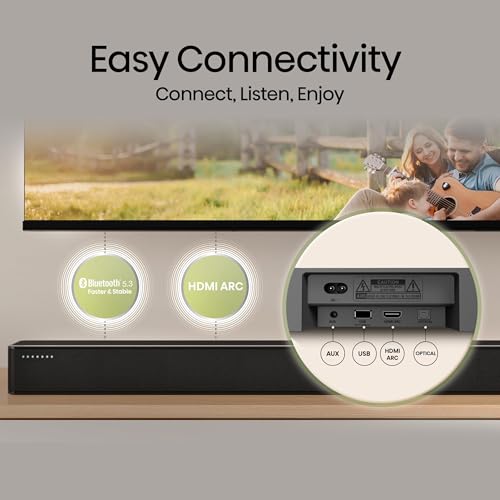
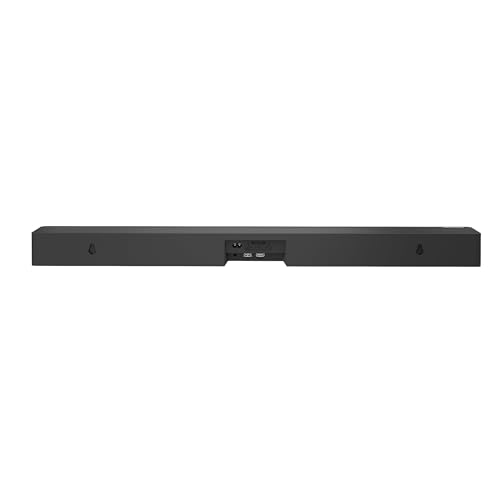
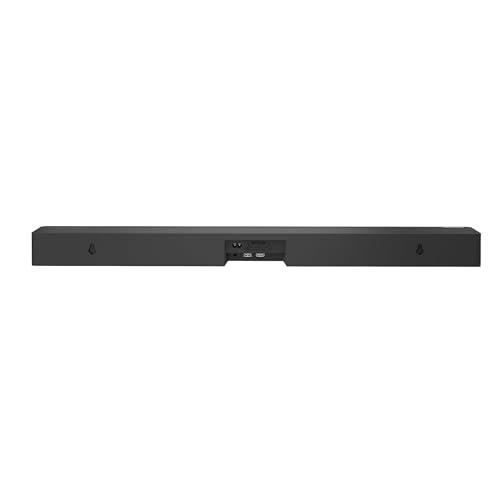
Both soundbars connect to smart TVs via HDMI ARC, but the Sonos Beam Gen 2 supports the newer HDMI eARC standard for higher-quality audio formats. The Hisense HS2100 uses standard HDMI ARC along with optical and auxiliary inputs. The Sonos Beam Gen 2 also offers Wi-Fi connectivity and can integrate with your TV's smart features, while the Hisense relies on traditional wired connections.
The Sonos Beam Gen 2 is ideal for smaller spaces due to its ultra-compact design and lack of a separate subwoofer that needs placement. It also includes Night Sound mode to reduce loud effects while enhancing dialogue—perfect for apartment living. The Hisense HS2100 requires space for both the soundbar and wireless subwoofer, but the bass impact might be more noticeable in smaller rooms where low frequencies are naturally reinforced.
The Sonos Beam Gen 2 has built-in Amazon Alexa and Google Assistant, allowing hands-free voice control for music playback, volume adjustment, and smart home device control. The Hisense HS2100 has no voice assistant support and requires the included remote control for all functions. This makes the Sonos Beam Gen 2 much more convenient for smart home integration.
The Hisense HS2100 offers simpler setup—just connect one HDMI cable to your TV and the wireless subwoofer pairs automatically. The Sonos Beam Gen 2 requires Wi-Fi network configuration and smartphone app setup, though this enables advanced features like room calibration and streaming service integration. For users who prefer straightforward operation, the Hisense HS2100 is more plug-and-play friendly.
The Sonos Beam Gen 2 can be expanded with additional Sonos speakers to create a complete 5.1 surround system, plus multi-room audio throughout your home. The Hisense HS2100 is a standalone system with no expansion capabilities—what you buy is what you get. This makes the Sonos Beam Gen 2 better for users planning to build a larger audio system over time.
The Hisense HS2100 significantly outperforms in bass response thanks to its dedicated 5.25-inch subwoofer, making it excellent for electronic music, hip-hop, and gaming with impactful sound effects. The Sonos Beam Gen 2 lacks deep bass extension and feels thin with bass-heavy content unless you add the separate Sonos Sub. For immediate bass satisfaction, the Hisense HS2100 is the clear winner.
The Sonos Beam Gen 2 supports modern formats including Dolby Atmos from Netflix, Disney+, and other streaming services, providing immersive three-dimensional audio. The Hisense HS2100 only supports basic Dolby Digital and DTS formats, downmixed to stereo, so you miss out on the full surround experience from modern content. For future-proofing with streaming services, the Sonos Beam Gen 2 is essential.
The Hisense HS2100 with its 240W power rating can fill larger rooms more effectively and reaches higher volume levels without distortion. The Sonos Beam Gen 2 prioritizes clarity over raw power and may struggle in very large spaces or for high-volume listening. For bigger rooms or those who like loud audio, the Hisense HS2100 provides more room-filling capability.
The Sonos Beam Gen 2 offers superior music streaming with Wi-Fi, AirPlay 2, and direct integration with Spotify, Apple Music, and other services through the Sonos app. The Hisense HS2100 supports Bluetooth 5.3 for basic phone streaming but lacks advanced wireless features. For seamless music integration and high-quality streaming, the Sonos Beam Gen 2 provides a much more sophisticated experience than the Hisense HS2100.
We've done our best to create useful and informative comparisons to help you decide what product to buy. Our research uses advanced automated methods to create this comparison and perfection is not possible - please contact us for corrections or questions. These are the sites we've researched in the creation of this article: rtings.com - shop.hisense-usa.com - bestbuy.com - content.syndigo.com - bestbuy.com - hisensedealers.co.ke - stuff.co.za - dtc-aus-api.hisense.com - youtube.com - manuals.plus - youtube.com - bestbuy.com - youtube.com - gallifurniture.com - hisense-usa.com - manuals.plus - uk.hisense.com - device.report - youtube.com - costco.ca - elmcreekwsa.com - gallifurniture.com - whathifi.com - en.community.sonos.com - techradar.com - youtube.com - consumerreports.org - bestbuy.com - youtube.com - sonos.com - wave-electronics.com - en.community.sonos.com - epicsystems.tech - tomsguide.com - bestbuy.com

Privacy Policy
Terms and Conditions - Affiliate Policy
Home Security
© Copyright 2008-2026.
11816 Inwood Rd #1211, Dallas, TX 75244