




When your TV's built-in speakers just aren't cutting it anymore, you're probably looking at soundbars as the easiest way to get better audio without turning your living room into a speaker warehouse. But the soundbar market can be confusing, with options ranging from basic stereo upgrades to sophisticated surround sound systems that cost as much as a decent TV.
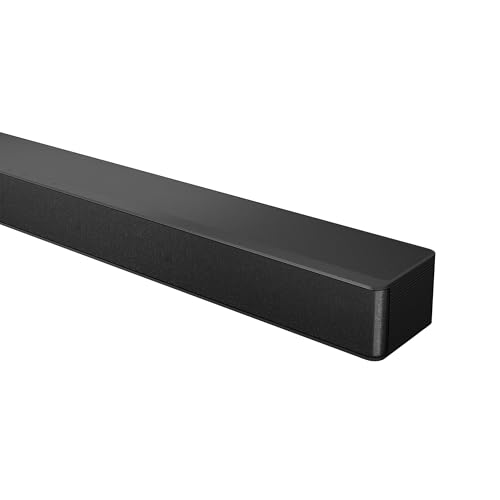
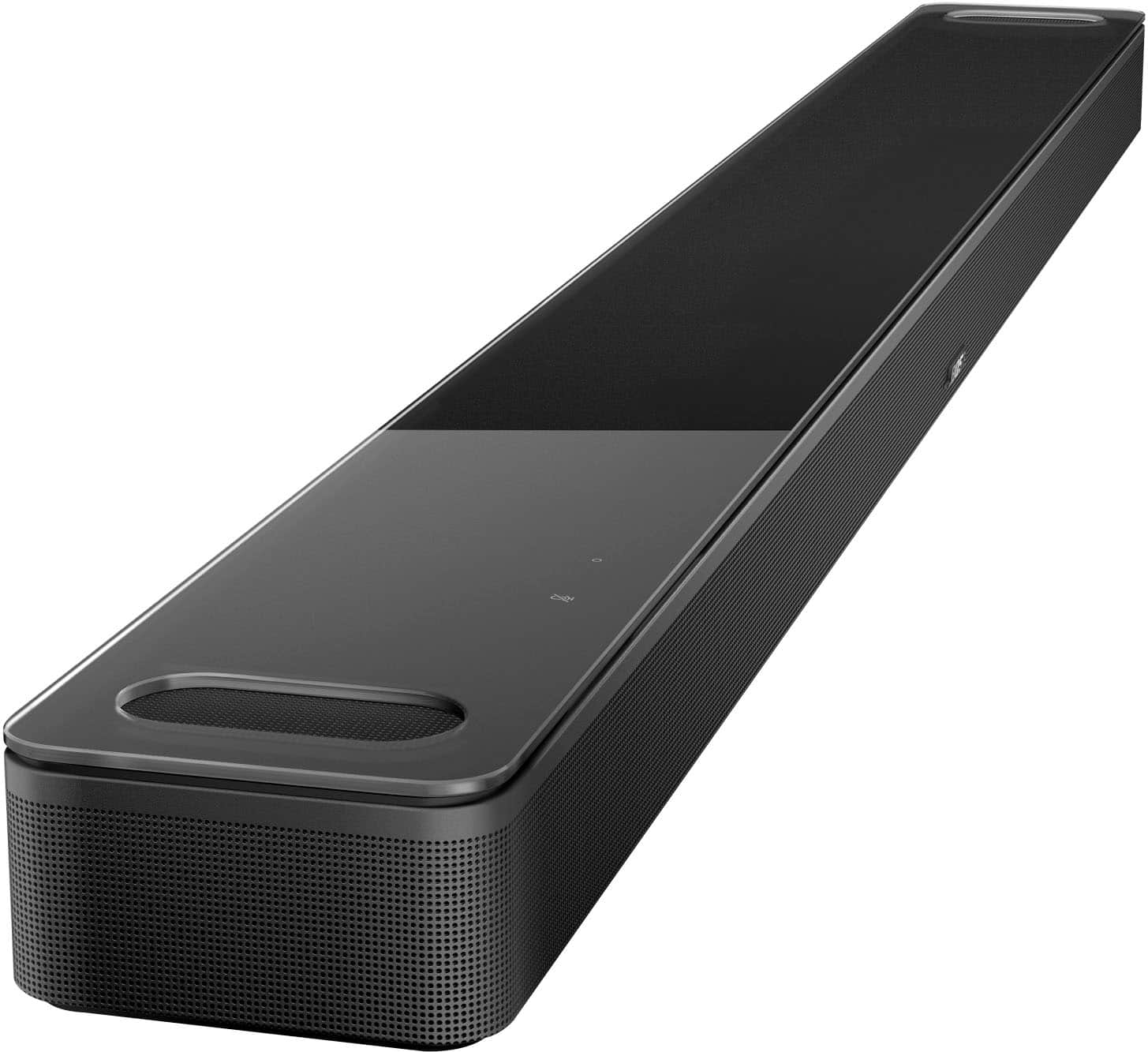
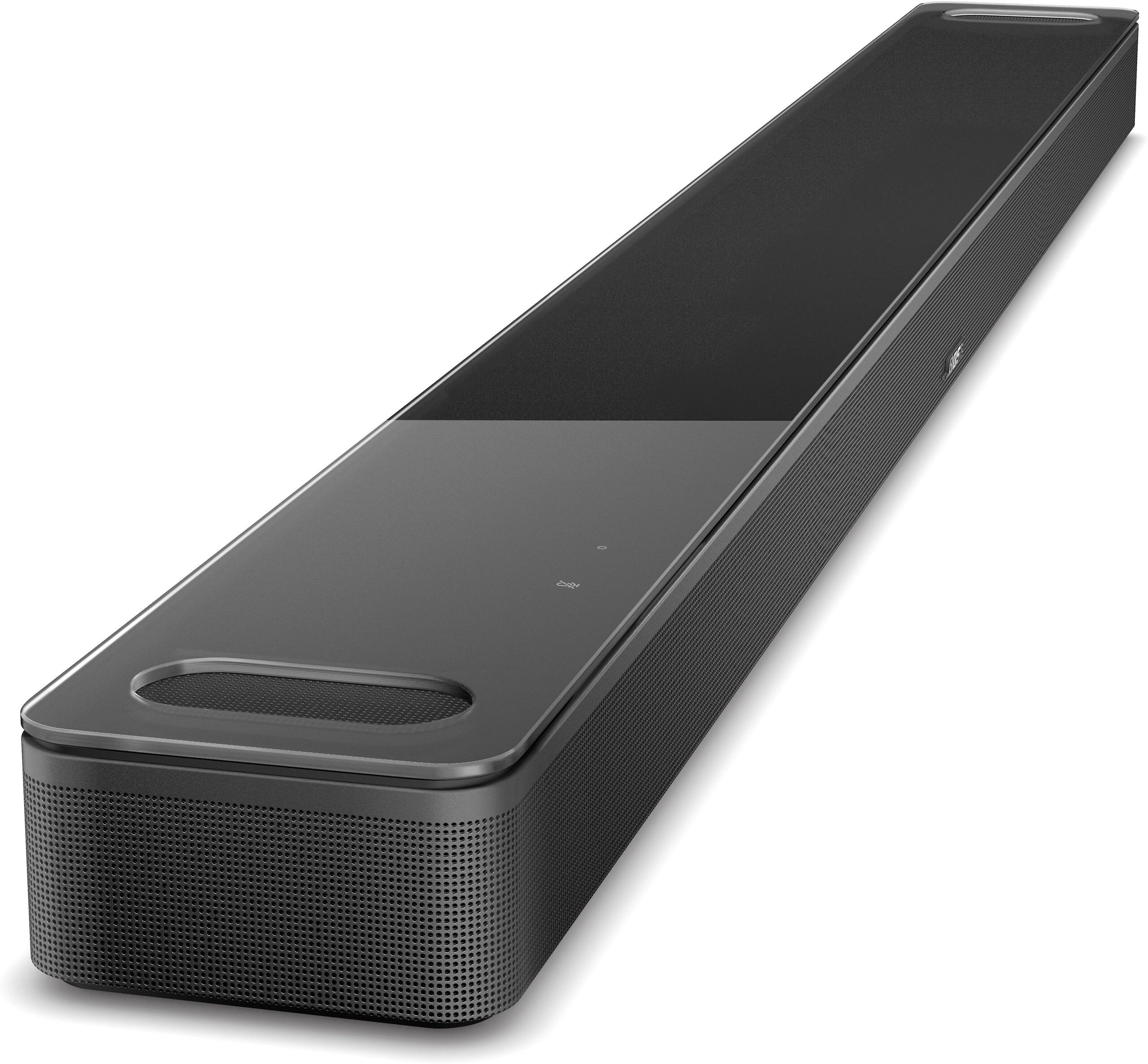
Today we're comparing two soundbars that represent completely different approaches to home audio: the Hisense HS2100 budget 2.1 system and the Bose Smart Ultra premium Dolby Atmos soundbar. These products show exactly what you get when you spend around $120 versus $600 (at the time of writing), and the differences are more dramatic than you might expect.
Before diving into our comparison, let's establish what makes a good soundbar and why the technology matters. A soundbar's job is to take the flat, tinny sound coming from your TV and transform it into something that actually enhances your viewing experience rather than detracting from it.
The most basic soundbars are essentially wide stereo speakers that sit under your TV. They improve clarity and volume, but they can't create the immersive experience you get from surround sound content. More advanced soundbars use multiple speakers pointing in different directions, digital signal processing (DSP – basically computer algorithms that manipulate audio), and sometimes additional speakers or subwoofers to create a more convincing surround sound experience.
Channel configuration tells you how many distinct audio streams a soundbar can handle. A 2.1 system like the Hisense HS2100 has two main channels (left and right) plus a subwoofer (the ".1" part) for bass. The Bose Smart Ultra, with its 5.1.2 configuration, can handle five main channels (left, right, center, and two surrounds), one subwoofer channel, and two height channels for overhead effects.
Released in 2023, the Hisense HS2100 represents what happens when a manufacturer focuses on delivering the essentials really well at a rock-bottom price. Hisense has been aggressively expanding their audio product line in recent years, and this soundbar shows their understanding of what budget-conscious buyers actually need.
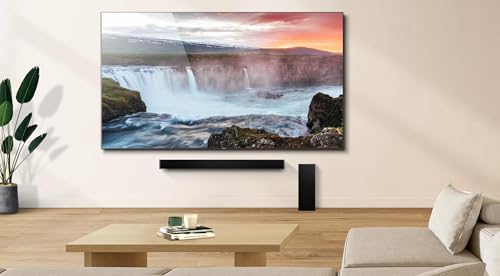
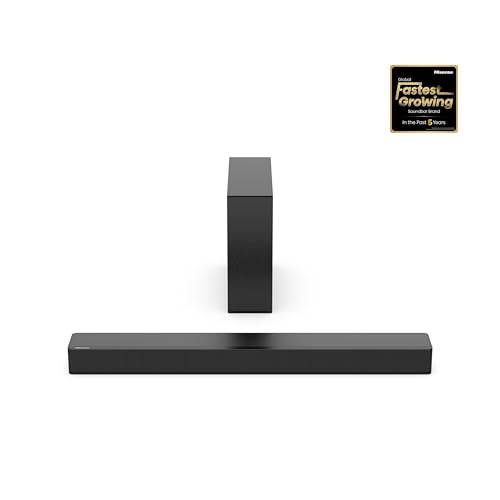
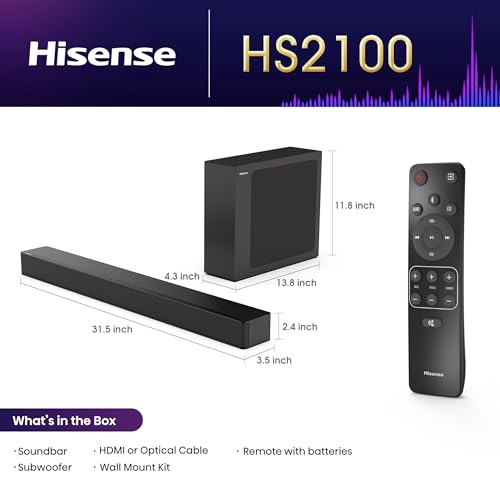
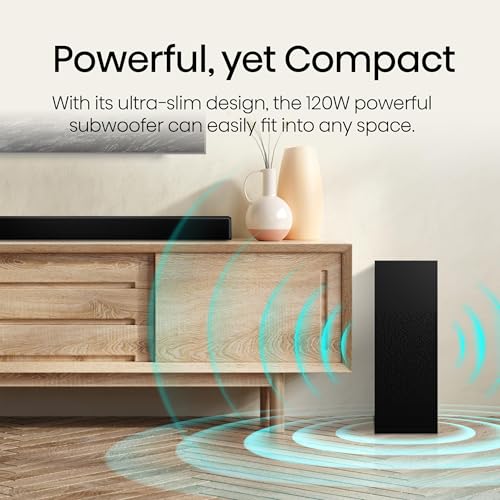
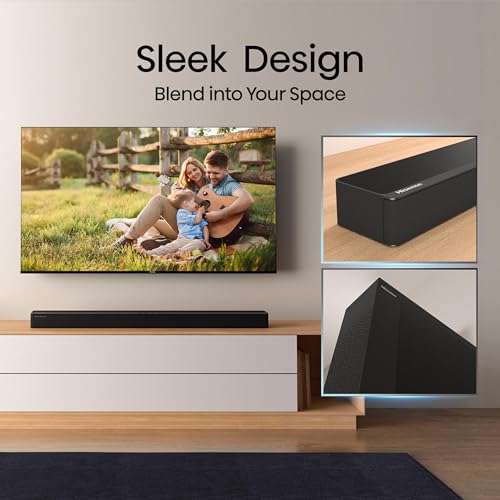
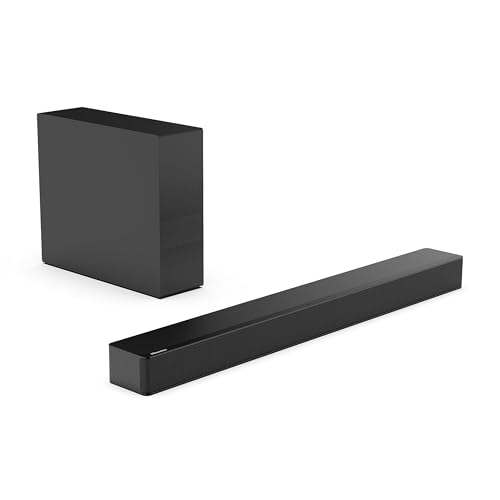
The system consists of a slim soundbar measuring just over 31 inches wide and a wireless subwoofer that's impressively thin at only 4.3 inches deep. That ultra-slim subwoofer design is actually quite clever – most budget systems either skip the dedicated bass speaker entirely or include a bulky box that's hard to hide. The HS2100 splits the difference by giving you real bass extension while keeping the footprint manageable.
What Makes It Work
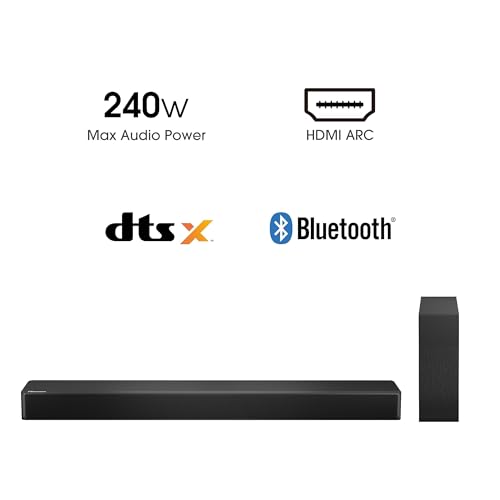
The magic happens in how Hisense tuned the system. Our research into professional reviews and user feedback reveals that the HS2100 has a warm, slightly bass-heavy sound signature that makes movies feel more impactful than they would through TV speakers. The 240W total power rating (split between 120W for the main bar and 120W for the subwoofer) provides enough volume to fill most living rooms without obvious distortion.
The soundbar includes six preset modes – Movie, Music, News, Sport, Night, and Game – each tweaked for different content types. The News mode, for example, boosts vocal frequencies to make dialogue clearer, while Movie mode enhances bass and creates a wider soundstage using DTS Virtual:X processing.
DTS Virtual:X is worth understanding because it's one of the more impressive budget audio technologies available today. Instead of requiring multiple physical speakers around your room, it uses psychoacoustic tricks – exploiting how your brain processes directional audio cues – to create the impression that sound is coming from locations where there are no speakers. It's not as convincing as real surround speakers, but it does expand the perceived width of the soundstage beyond the physical boundaries of the soundbar.
Performance Reality Check
Based on measurements from professional reviewers, the Hisense HS2100 delivers on its core promise but has clear limitations. The frequency response extends down to about 45Hz, which means you'll hear the rumble in explosions and the thump in music basslines, but you won't get the deepest sub-bass that makes your chest vibrate. The high-frequency response rolls off slightly, which makes the sound warmer but can reduce the "sparkle" in music and movie soundtracks.
Maximum volume reaches around 90+ decibels, which is loud enough for most rooms but will show some compression and distortion when pushed to the limit. This is typical for budget systems – they give you impressive volume for the price, but audiophile-level dynamics aren't part of the deal.
The wireless subwoofer pairs automatically when you plug everything in, which eliminates one of the traditional pain points of 2.1 systems. However, user reports indicate that the system has an annoying voice prompt that announces connection status every time it powers on, and this can't be disabled – a minor but persistent irritation.
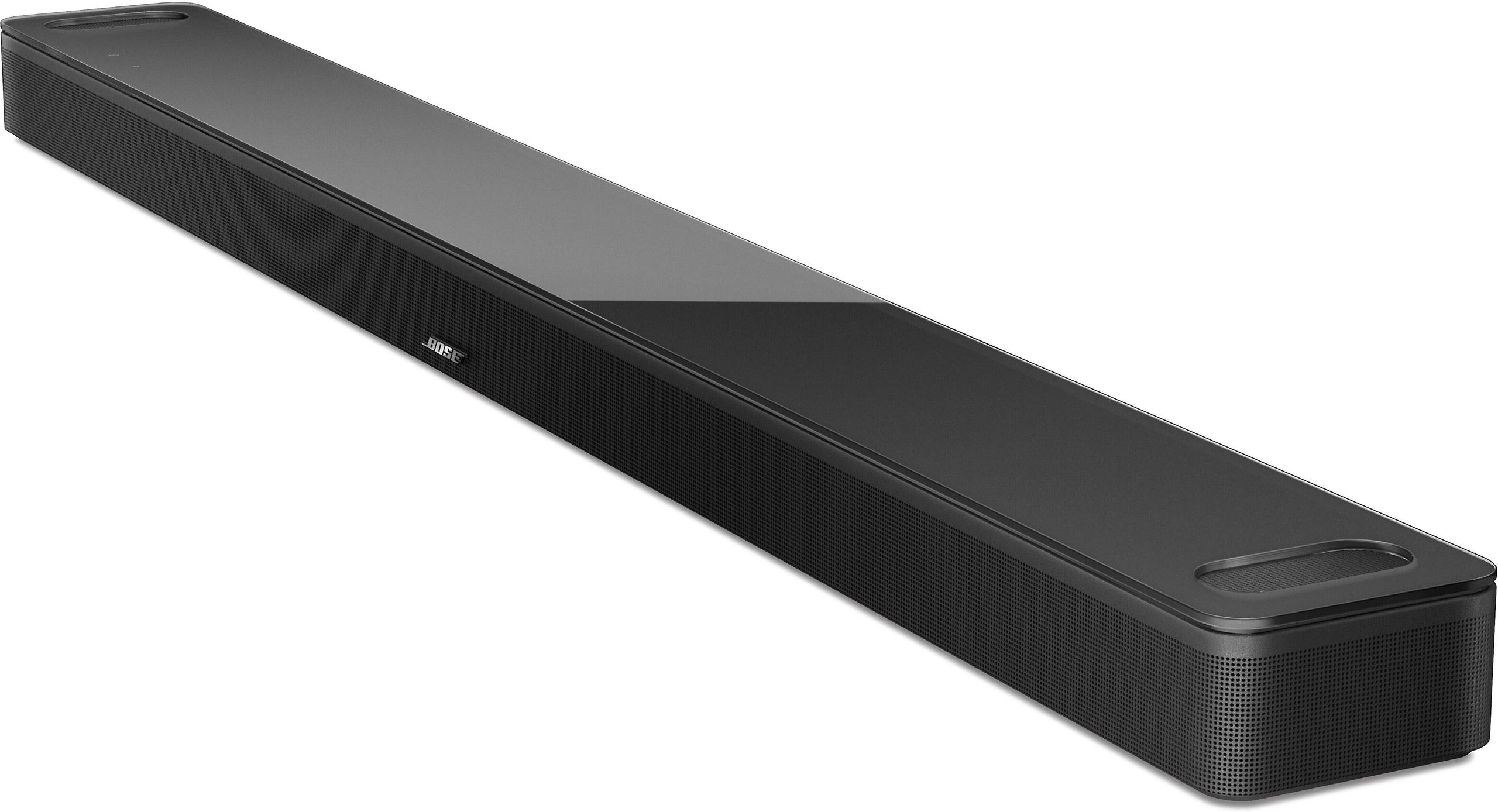
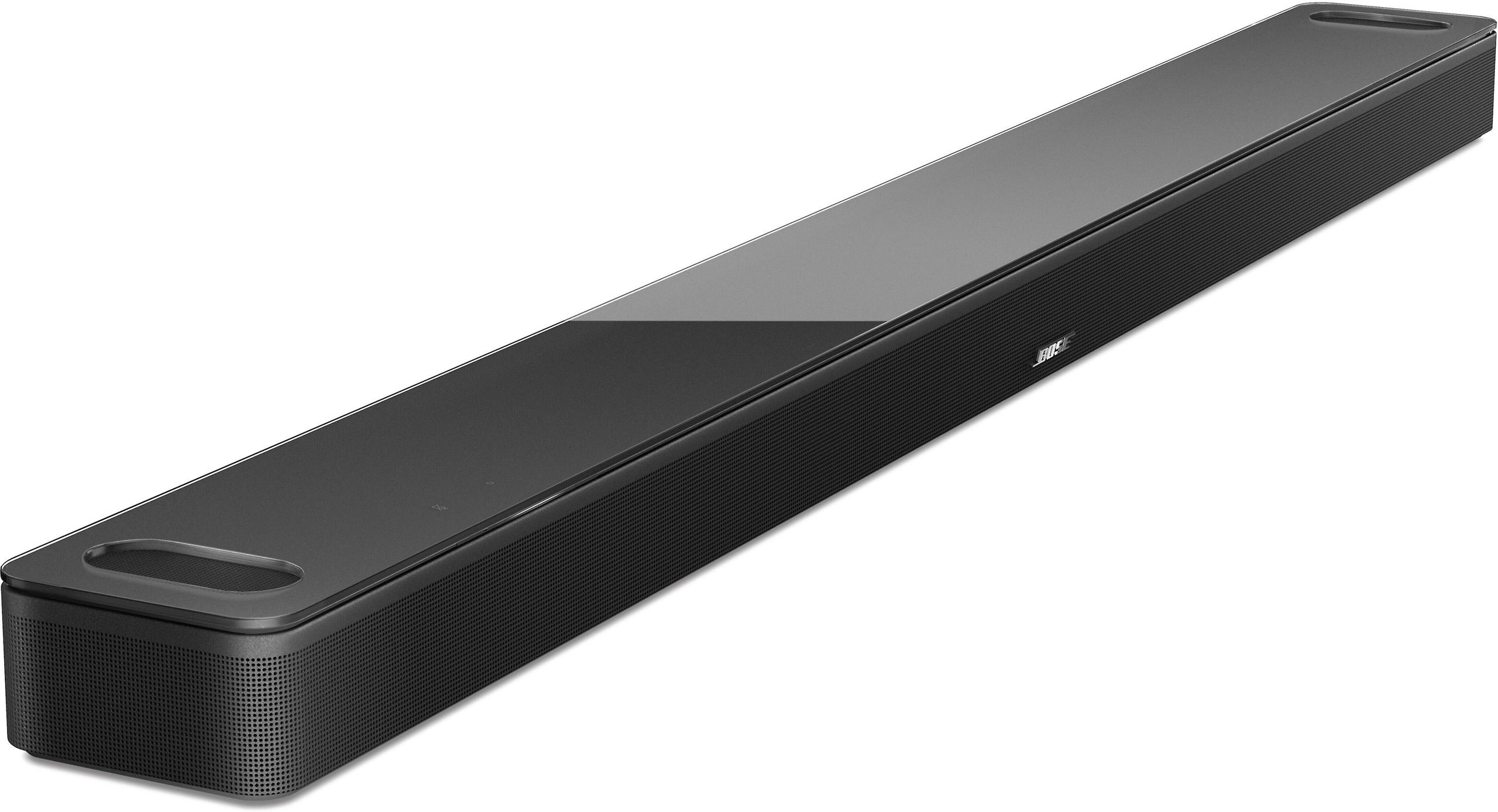
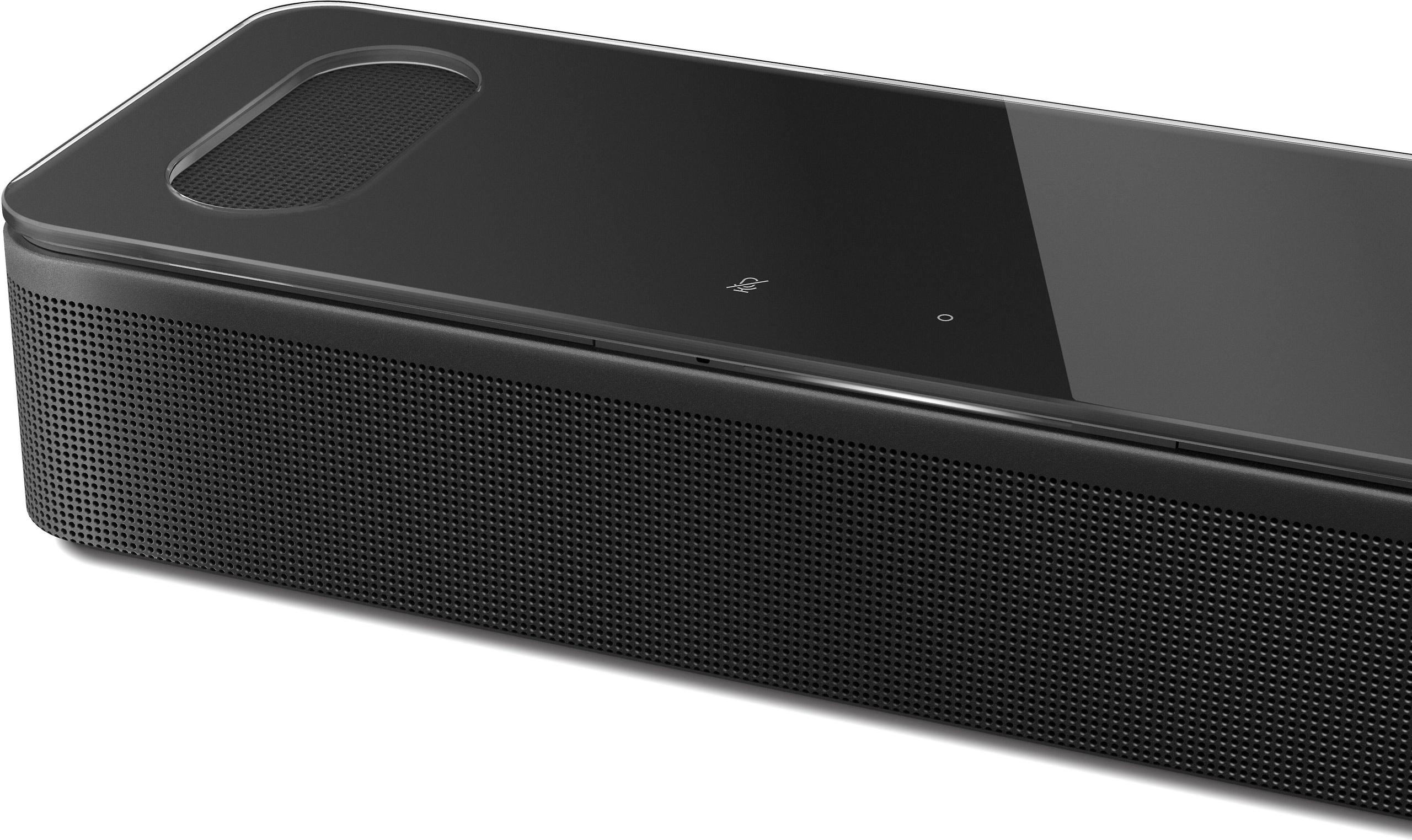
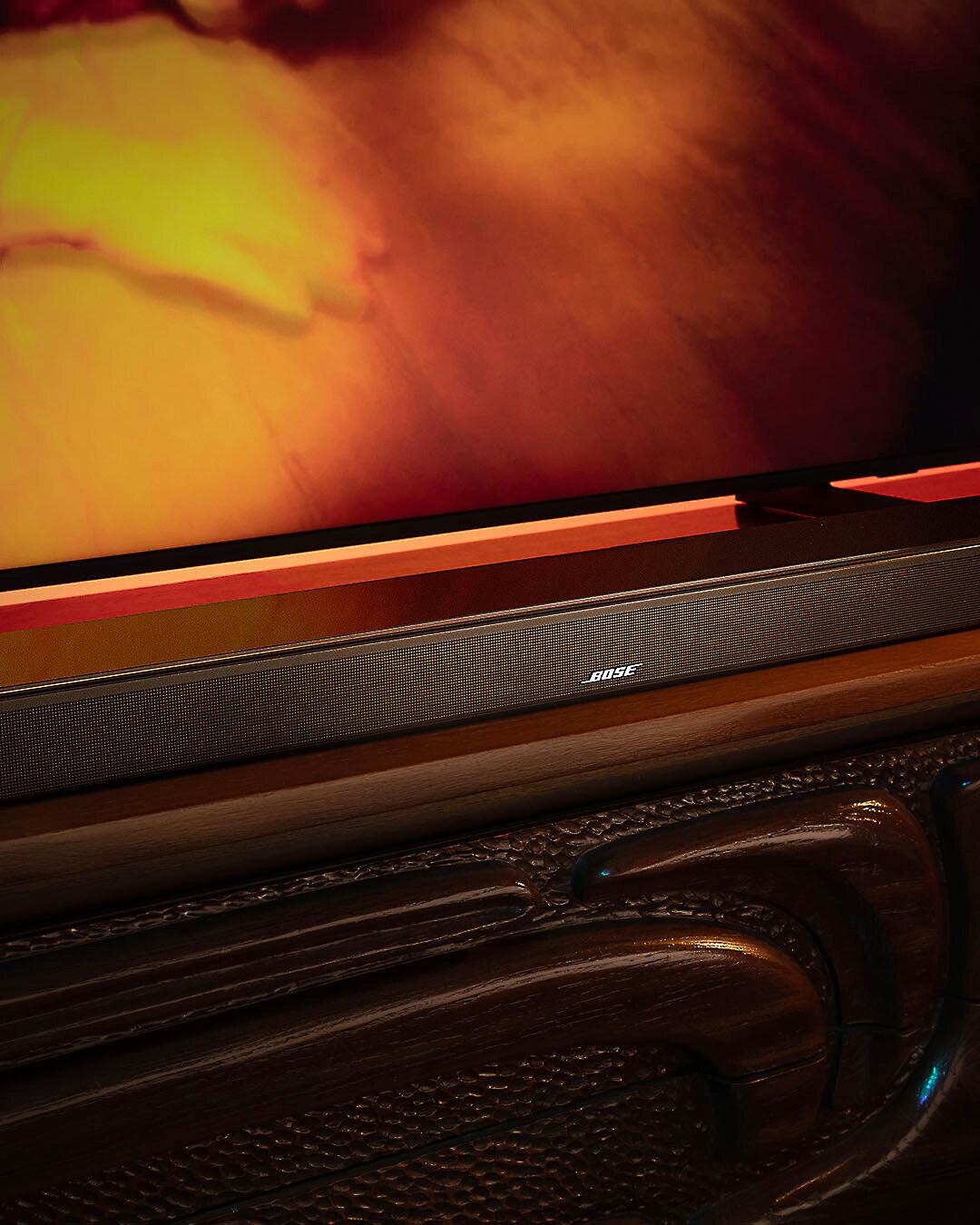
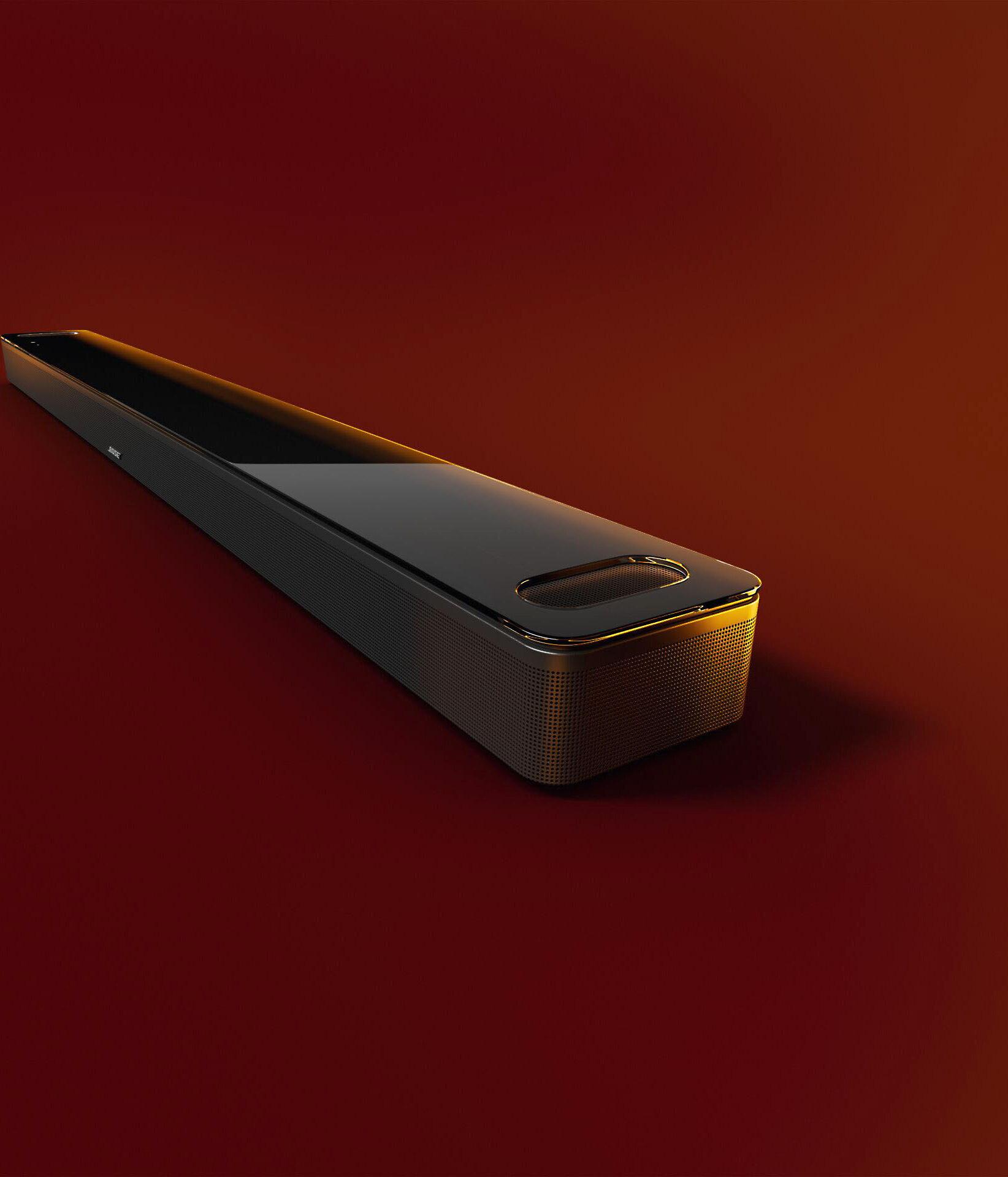
The Bose Smart Ultra launched in late 2023 as Bose's flagship soundbar, representing a significant step up from their previous Smart Soundbar 900. This timing is important because 2023 marked a turning point for premium soundbars, with manufacturers finally delivering convincing height effects and AI-powered features that actually work.
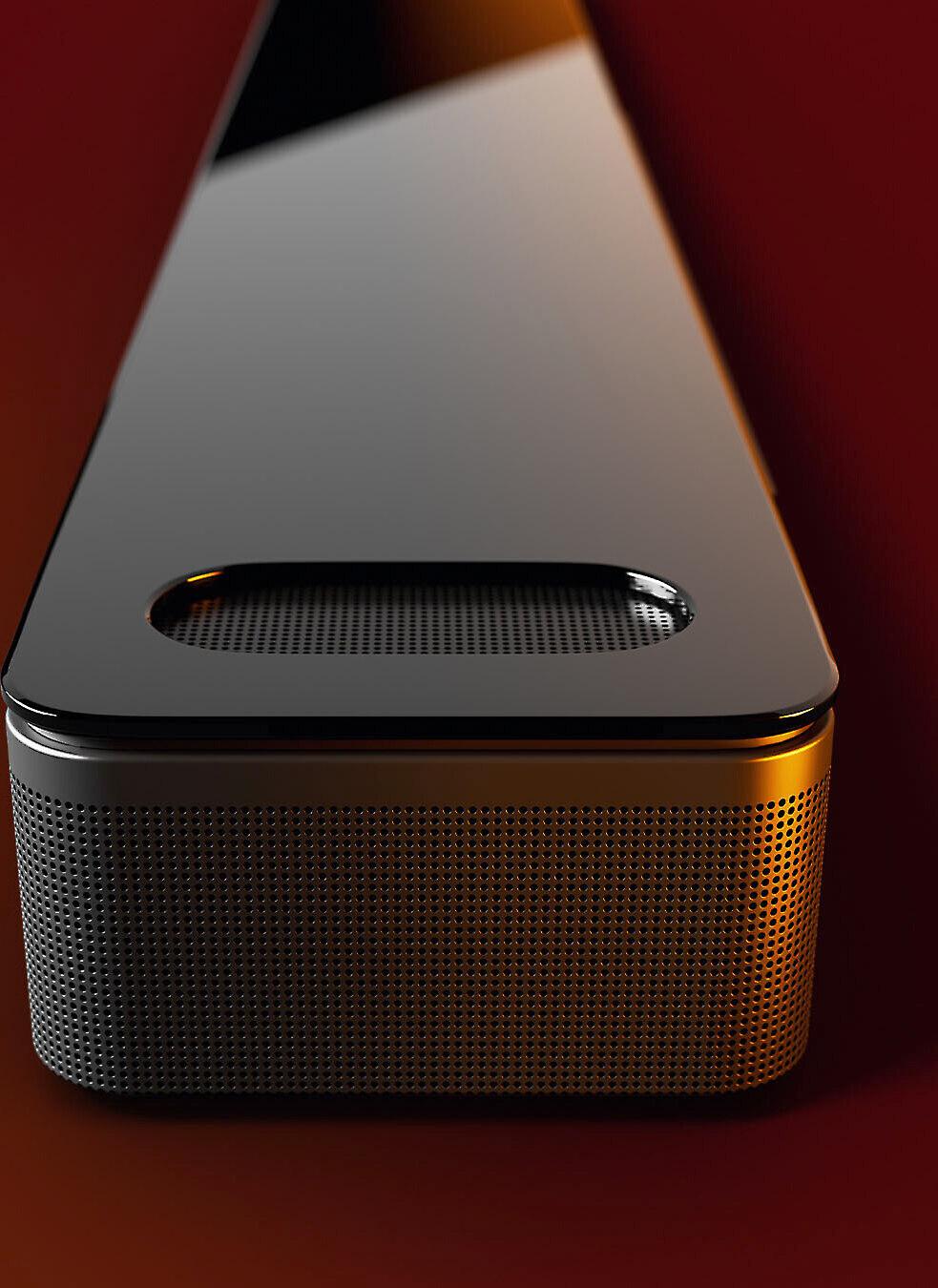
Where the Hisense focuses on fundamental audio improvement, the Bose attempts to recreate a full surround sound experience from a single bar. The 5.1.2 configuration includes upward-firing speakers that bounce sound off your ceiling to create height effects – a key component of Dolby Atmos audio.
The Technology Deep Dive
Dolby Atmos represents a fundamental shift in how audio is mixed and played back. Instead of sending specific sounds to specific speakers (like traditional 5.1 surround), Atmos treats audio as objects that can be placed anywhere in three-dimensional space. When a helicopter flies overhead in a movie, the audio system can actually make it sound like it's above you, not just in front of you.
The Bose Smart Ultra accomplishes this through a combination of hardware and software. The upward-firing dipole speakers create the height dimension, while Bose's TrueSpace technology analyzes non-Atmos content and upmixes it to create spatial effects even from regular stereo sources.
Perhaps the most intriguing feature is A.I. Dialogue Mode, which uses machine learning to automatically balance dialogue against background sounds. This addresses one of the most common complaints about modern movies and TV shows – that dialogue gets buried under sound effects and music. The AI analyzes the audio stream in real-time, identifying when someone is speaking and adjusting the tonal balance to make voices clearer without completely suppressing the immersive elements.
Room Calibration Changes Everything
The included ADAPTiQ calibration system sets the Bose apart from most competitors. You wear the included headset while the system plays test tones, measuring how sound reflects in your specific room. The system then creates a custom EQ curve that compensates for your room's acoustics.
This matters more than you might think. Room acoustics have a huge impact on how any speaker sounds – a soundbar that sounds great in a showroom might sound boomy in a room with hardwood floors, or thin in a room with heavy carpeting. Professional room treatments can cost thousands of dollars, but ADAPTiQ provides a significant improvement through digital processing alone.
Bass Response and Impact
This comparison reveals a fundamental truth about soundbar design: dedicated subwoofers still matter. The Hisense HS2100 delivers more satisfying bass impact for movies and music, particularly in the 60-120Hz range where you feel the punch of explosions and kick drums. The wireless subwoofer can be positioned optimally in your room, and its dedicated amplifier provides clean bass even at high volumes.
The Bose Smart Ultra takes a more refined approach, integrating bass drivers into the main unit. This creates more controlled, precise low-end reproduction, but with less overall quantity. For bass-heavy music genres like hip-hop or electronic, the Hisense will sound more impactful. For acoustic music or dialogue-heavy content, the Bose's more neutral bass response might be preferable.
Spatial Audio and Immersion
Here's where the price difference becomes most apparent. The Hisense HS2100 creates a wide stereo soundstage that's clearly better than TV speakers, but it fundamentally remains a front-firing system. DTS Virtual:X processing adds some width and depth, but don't expect to hear sounds coming from behind you or directly overhead.
The Bose Smart Ultra delivers genuine spatial audio that can place sounds throughout your room. When watching Dolby Atmos content, rain can seem to fall from above, helicopters can hover overhead, and ambient sounds can surround you. Even with non-Atmos content, the TrueSpace processing creates a more enveloping experience than traditional soundbars.
This difference is most noticeable with action movies and nature documentaries, where the expanded soundstage creates a more immersive viewing experience. For regular TV watching, the difference is less dramatic but still noticeable.
Dialogue Clarity and Voice Reproduction
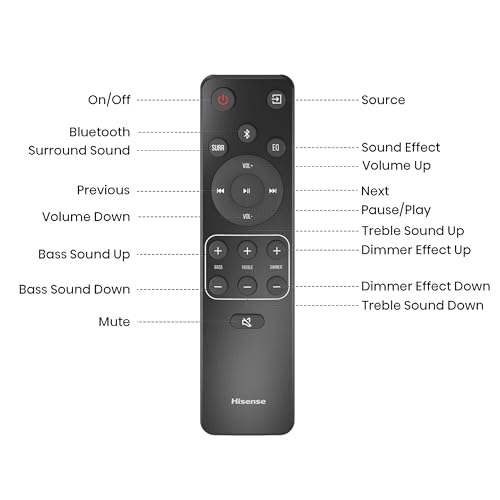
Both systems handle dialogue well, but through different approaches. The Hisense HS2100 uses traditional EQ presets, with the News mode providing a noticeable boost to vocal frequencies. You can also manually adjust bass and treble to optimize for speech clarity.
The Bose Smart Ultra's A.I. Dialogue Mode represents a more sophisticated approach, automatically detecting when someone is speaking and adjusting the sound balance accordingly. In practice, this works impressively well with most content, though some users report that it can make the overall sound balance feel unnatural with certain movies or shows.
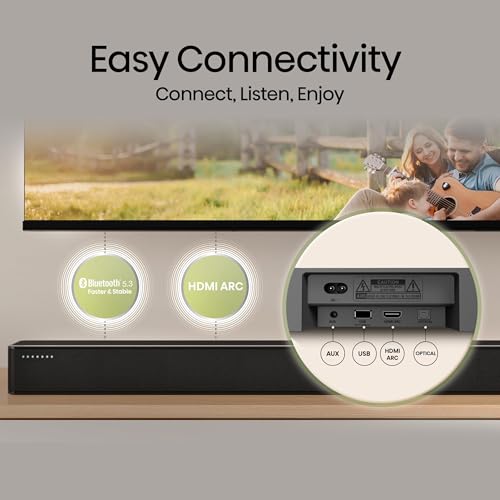
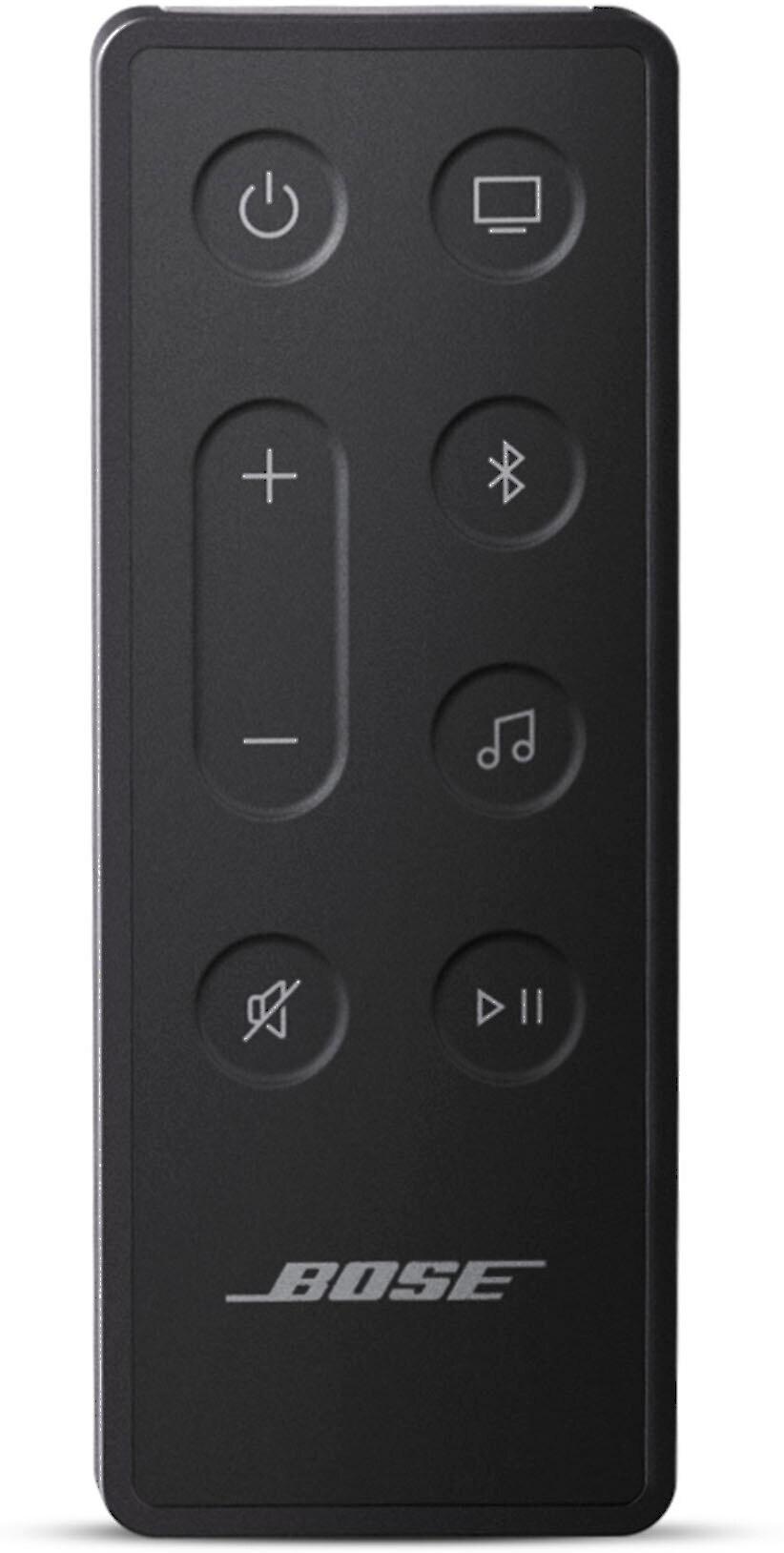
The technology gap extends beyond audio performance. The Hisense HS2100 includes Bluetooth 5.3 for wireless music streaming and basic remote control, but that's about it for smart features. It's a straightforward audio appliance that does its job without complexity.
The Bose Smart Ultra functions as a smart speaker with built-in Amazon Alexa and Google Assistant support. You can control your TV, adjust volume, and even dim smart lights using voice commands. The system connects to your home network via Wi-Fi, enabling features like multi-room audio with other Bose speakers and automatic software updates.
For home theater enthusiasts, the Bose offers expansion options. You can add the optional Bass Module for enhanced low-frequency performance, or pair it with Bose surround speakers for a complete 5.1.2 system. The Hisense is essentially a complete system with limited upgrade paths.
Choose the Hisense HS2100 if:
Budget is your primary concern, and you want the biggest audio improvement for the least money. At the time of writing, the price difference between these systems could buy you a nice streaming device or contribute significantly toward a TV upgrade. The HS2100 delivers impressive performance for casual movie watching, TV shows, and background music.
The system works particularly well in smaller rooms (under 300 square feet) where the bass from the subwoofer won't overpower the space. If you primarily watch regular TV content rather than blockbuster movies, the lack of Dolby Atmos support won't significantly impact your experience.
Choose the Bose Smart Ultra if:
You're building a dedicated home theater setup and want the most immersive experience possible from a single soundbar. The Bose justifies its premium price through superior spatial audio, automatic room calibration, and smart features that integrate with modern home automation systems.
This choice makes the most sense if you regularly watch action movies, have a larger room that can benefit from the advanced sound projection, or plan to expand to a full surround system eventually. The Dolby Atmos support also provides future-proofing as more streaming content adopts spatial audio formats.
Content Considerations
Your viewing habits should heavily influence this decision. If Netflix, YouTube, and regular TV make up most of your watching, the Hisense HS2100 provides excellent value. If you're subscribing to services like Disney+ or Netflix for their Dolby Atmos movies, investing in the Bose Smart Ultra will give you access to the full experience these productions were designed to deliver.
These two soundbars represent fundamentally different philosophies. The Hisense HS2100 maximizes traditional stereo performance and bass impact at a budget price point, while the Bose Smart Ultra pioneers spatial audio technology and smart features at a premium price.
Based on our research into professional reviews and user feedback, both products succeed at their intended goals. The Hisense consistently surprises users with how much audio improvement you can get for around $120, while the Bose delivers on its promise of creating an immersive audio experience that rivals more complex speaker systems.
For most people upgrading from TV speakers, the Hisense HS2100 provides dramatic improvement at a price that won't require significant budget adjustment. The Bose Smart Ultra serves enthusiasts who prioritize the absolute best audio experience and have the budget to achieve it.
The technology gap between these price points continues to narrow, but as of 2024, premium soundbars like the Bose still offer capabilities that simply aren't available at budget prices. Your decision should ultimately reflect how important audio quality is to your overall entertainment experience and whether the premium features justify the significantly higher cost.
| Hisense HS2100 2.1 Channel 240W Soundbar System | Bose Smart Ultra Soundbar with Dolby Atmos |
|---|---|
| Channel Configuration - Determines spatial audio capabilities and immersion level | |
| 2.1 channels (stereo plus subwoofer) | 5.1.2 channels (full surround with height effects) |
| Dolby Atmos Support - Essential for modern movie experiences with overhead sound effects | |
| No (supports Dolby Digital and DTS Virtual:X) | Yes (native Dolby Atmos with upward-firing speakers) |
| Subwoofer Type - Impacts bass performance and room placement flexibility | |
| Dedicated wireless 5.25" subwoofer (120W) | Integrated bass drivers (optional separate Bass Module available) |
| Total Power Output - Affects maximum volume and dynamic range | |
| 240W total (60W soundbar + 120W subwoofer) | Not specified (typical premium soundbar range) |
| Room Calibration - Automatically optimizes sound for your specific space | |
| None (manual bass/treble adjustment only) | ADAPTiQ automatic room calibration with included headset |
| Smart Features - Voice control and home automation integration | |
| Basic remote control and Bluetooth 5.3 | Built-in Alexa/Google Assistant, Wi-Fi, Bose app control |
| AI Audio Processing - Advanced dialogue and content optimization | |
| Six preset sound modes (Movie, Music, News, etc.) | A.I. Dialogue Mode with real-time speech enhancement |
| Connectivity Options - Determines compatibility with various devices | |
| HDMI ARC, Optical, 3.5mm AUX, USB | HDMI eARC, Wi-Fi, Bluetooth 5.0, voice control |
| Physical Dimensions - Important for TV compatibility and room aesthetics | |
| 31.5" W × 2.4" H × 3.5" D soundbar | 34.5" W × 4.5" H × 3.5" D (fits TVs 50"+ optimally) |
| Expandability - Future upgrade potential for full surround systems | |
| Complete system with limited expansion options | Can add Bass Module and rear speakers for full 5.1.2 setup |
| Setup Complexity - Time and technical knowledge required for optimal performance | |
| Plug-and-play with automatic subwoofer pairing | Requires ADAPTiQ calibration process for best results |
| Best Use Cases - Scenarios where each product excels | |
| Budget TV upgrade, small-medium rooms, bass-heavy content | Home theater, large rooms, Dolby Atmos movies, smart home integration |
The Hisense HS2100 offers exceptional value as a budget option, delivering significant audio improvement over TV speakers with a dedicated wireless subwoofer at an entry-level price point. The Bose Smart Ultra costs considerably more but provides premium features like Dolby Atmos, room calibration, and AI dialogue enhancement. For most casual viewers, the Hisense HS2100 provides the best bang for your buck.
Yes, the Bose Smart Ultra fully supports Dolby Atmos with upward-firing speakers that create height effects for immersive surround sound. The Hisense HS2100 does not support Dolby Atmos, instead offering DTS Virtual:X processing for basic surround sound simulation from its 2.1 channel setup.
The Hisense HS2100 delivers more powerful bass impact thanks to its dedicated 120W wireless subwoofer with a 5.25-inch driver. The Bose Smart Ultra uses integrated bass drivers that provide more precise, controlled low-end but with less overall bass quantity. For bass-heavy content like action movies and music, the Hisense HS2100 will feel more impactful.
The Hisense HS2100 supports HDMI ARC and can be controlled through most TV remotes for basic functions like volume and power. The Bose Smart Ultra offers more advanced control options including HDMI eARC, built-in voice assistants (Alexa and Google), and comprehensive app control through the Bose mobile app.
The Hisense HS2100 works excellently in small to medium rooms, with its wireless subwoofer's ultra-slim design fitting easily into tight spaces. The Bose Smart Ultra is designed for larger rooms where its spatial audio technologies and room calibration can fully shine. For apartments or smaller living rooms, the Hisense HS2100 provides better value and appropriate performance.
Both soundbars work with all streaming services through your TV or streaming device. However, the Bose Smart Ultra can take full advantage of Dolby Atmos content available on Netflix, Disney+, and other premium streaming platforms. The Hisense HS2100 will play this content but downmixes it to stereo, missing the spatial audio experience.
The Hisense HS2100 offers simpler plug-and-play setup with automatic wireless subwoofer pairing and basic connection options. The Bose Smart Ultra requires more initial setup including the ADAPTiQ room calibration process using the included headset, Wi-Fi configuration, and app installation, but this results in optimized performance for your specific room.
The Hisense HS2100 is essentially a complete system with limited expansion options beyond its included soundbar and subwoofer. The Bose Smart Ultra offers significant expandability, allowing you to add the optional Bass Module for enhanced bass or rear speakers to create a full 5.1.2 surround sound system.
Both soundbars handle dialogue well through different approaches. The Hisense HS2100 includes a dedicated News mode that enhances vocal frequencies. The Bose Smart Ultra features advanced A.I. Dialogue Mode that automatically detects speech and adjusts the audio balance in real-time to make voices clearer without sacrificing background effects.
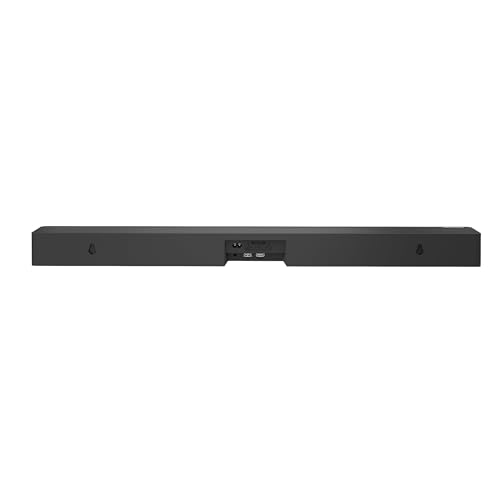
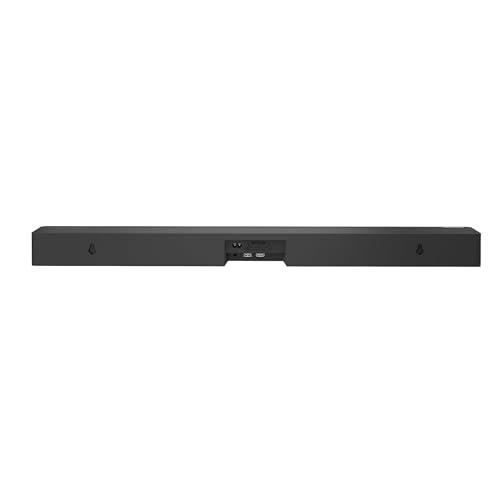
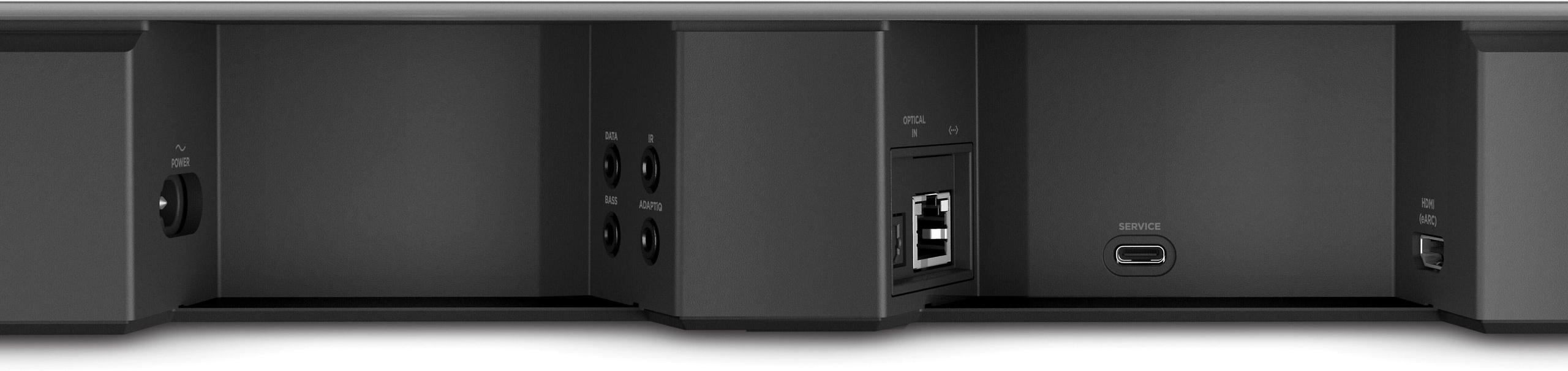
The Hisense HS2100 connects via HDMI ARC, optical, 3.5mm AUX, or USB, plus Bluetooth 5.3 for wireless music streaming. The Bose Smart Ultra offers HDMI eARC for higher bandwidth audio, Wi-Fi connectivity for streaming and updates, Bluetooth 5.0, and voice control capabilities for hands-free operation.
For serious home theater use, the Bose Smart Ultra is the clear winner with its Dolby Atmos support, 5.1.2 channel configuration, and spatial audio technologies that create an immersive cinematic experience. The Hisense HS2100 provides good movie audio with satisfying bass but cannot match the surround sound immersion of the Bose Smart Ultra for dedicated home theater setups.
The fundamental difference is that the Hisense HS2100 is a budget-focused 2.1 system designed to significantly improve TV audio at an affordable price, while the Bose Smart Ultra is a premium spatial audio system that creates immersive surround sound experiences. The Hisense HS2100 excels at value and bass impact, while the Bose Smart Ultra delivers advanced features like Dolby Atmos, room calibration, and smart home integration.
We've done our best to create useful and informative comparisons to help you decide what product to buy. Our research uses advanced automated methods to create this comparison and perfection is not possible - please contact us for corrections or questions. These are the sites we've researched in the creation of this article: rtings.com - shop.hisense-usa.com - bestbuy.com - content.syndigo.com - bestbuy.com - hisensedealers.co.ke - stuff.co.za - dtc-aus-api.hisense.com - youtube.com - manuals.plus - youtube.com - bestbuy.com - youtube.com - gallifurniture.com - hisense-usa.com - manuals.plus - uk.hisense.com - device.report - youtube.com - costco.ca - elmcreekwsa.com - gallifurniture.com - techradar.com - bose.com - bestbuy.com - tomsguide.com - pcrichard.com - rtings.com - bose.com - boselatam.com - avsforum.com - bose.com

Privacy Policy
Terms and Conditions - Affiliate Policy
Home Security
© Copyright 2008-2026.
11816 Inwood Rd #1211, Dallas, TX 75244