






If you've ever found yourself cranking up your TV volume just to hear dialogue clearly, or felt disappointed by the thin, weak sound coming from your expensive new television, you're not alone. Modern TVs have gotten incredibly thin, which looks great on your wall but leaves almost no room for decent speakers. That's where soundbars come in, and specifically, 2.1 channel soundbars represent the sweet spot for most people looking to dramatically improve their TV audio without breaking the bank or dealing with complex surround sound installations.
The "2.1" designation refers to the speaker configuration: two main channels (left and right) plus one subwoofer channel dedicated to bass frequencies. This setup gives you much fuller sound than TV speakers while remaining simple to set up and use. Today, we're comparing two popular budget options that take very different approaches to the same goal: the power-focused Hisense HS2100 and the smart-features-rich Yamaha YAS-109.
When shopping for a budget 2.1 soundbar, you're making trade-offs. You won't get the room-filling surround sound of a $1000+ system, but you can get dramatically better audio than your TV speakers provide. The key considerations come down to how much better you want that audio to be, and what features matter most to you.
Audio quality is obviously the primary concern, but it's not just about loudness. You want clear dialogue for TV shows, satisfying bass for movies and music, and enough volume to fill your room without distortion. Connectivity matters too – you need the soundbar to work seamlessly with your TV and other devices without constant fiddling with cables or settings.
Smart features have become increasingly important in recent years. Built-in voice assistants, wireless music streaming, and app control can transform a soundbar from just a TV audio upgrade into a central hub for your home entertainment. However, these features typically come at the cost of raw audio performance at any given price point.
Physical design also plays a role. Some people prefer everything integrated into one sleek unit, while others don't mind a separate subwoofer if it means better bass performance and placement flexibility.
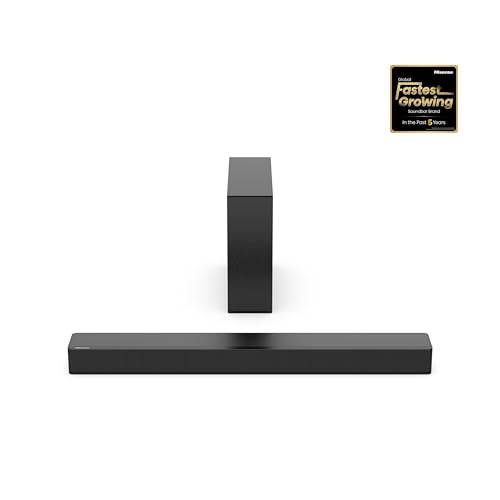
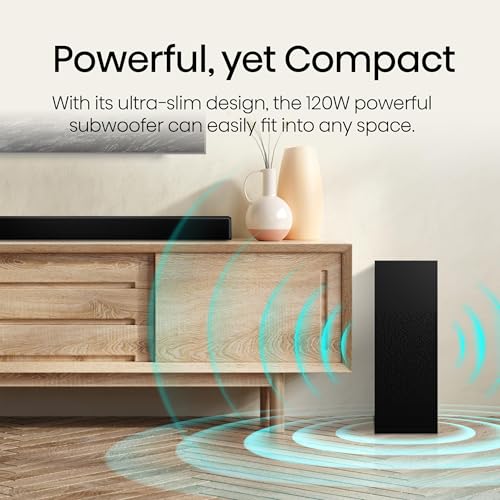
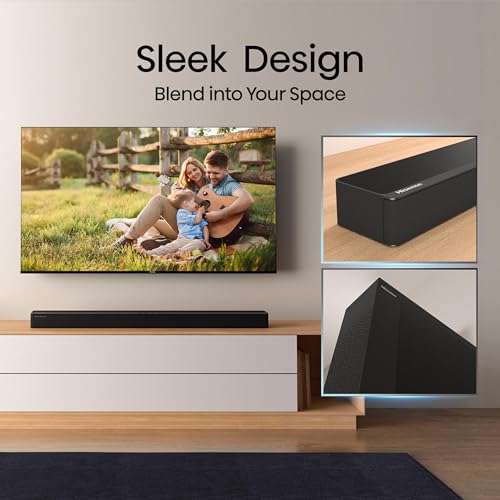
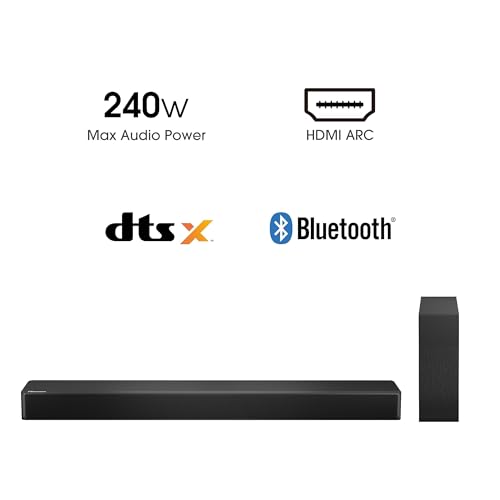
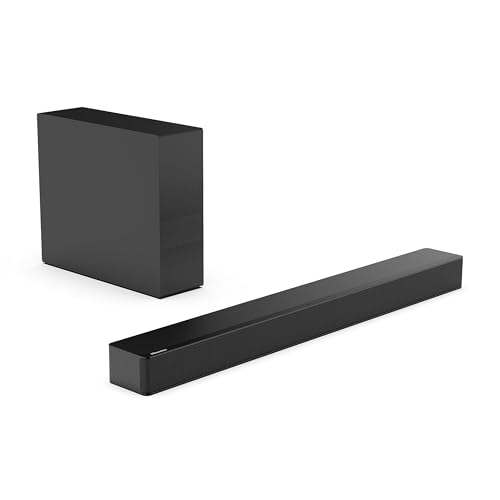
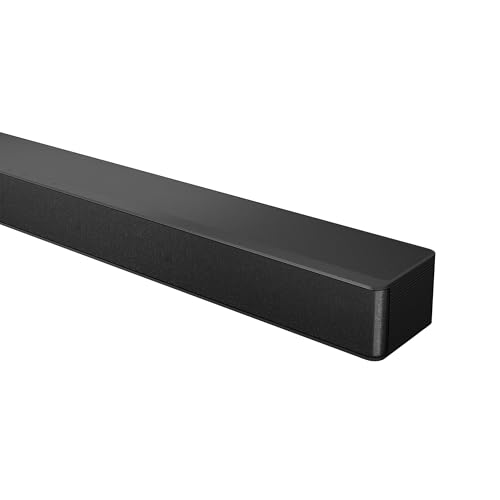
The Hisense HS2100, released in 2023, represents the "performance first" approach to budget soundbars. It focuses on delivering maximum audio power and impact, featuring a substantial 240-watt total output split between a 120-watt soundbar and a separate 120-watt wireless subwoofer with a 5.25-inch driver. Hisense designed this system for people who want their audio upgrade to be immediately obvious – louder, bassier, and more dynamic than what they had before.
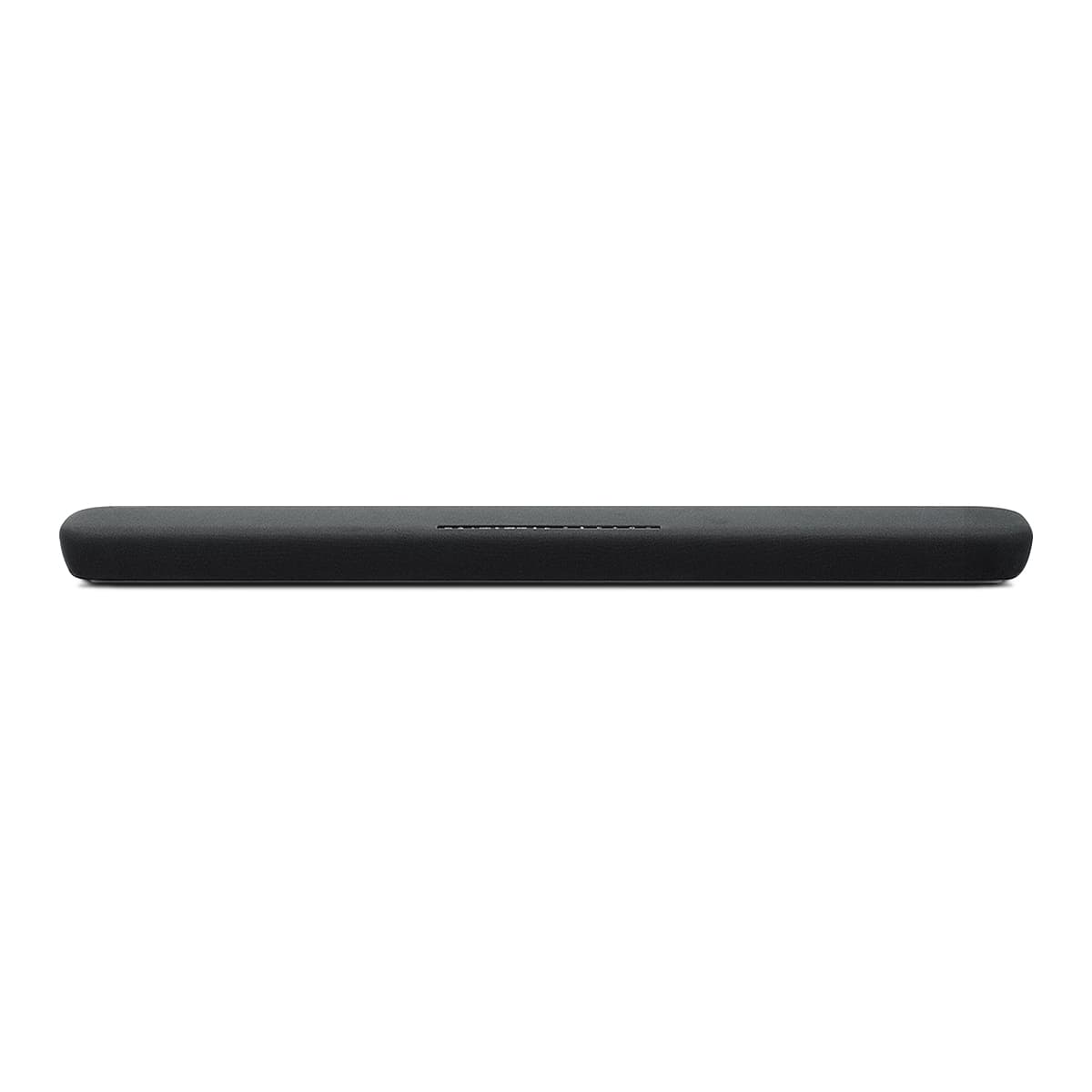
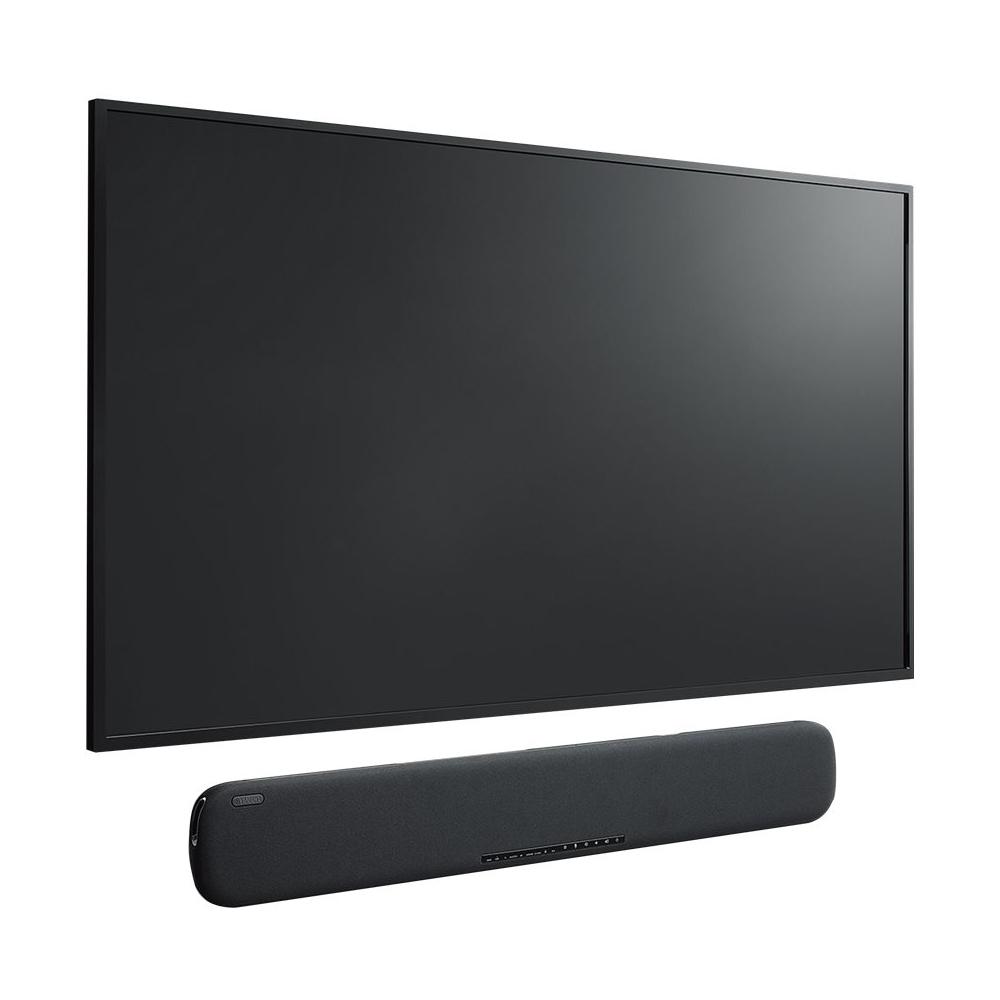
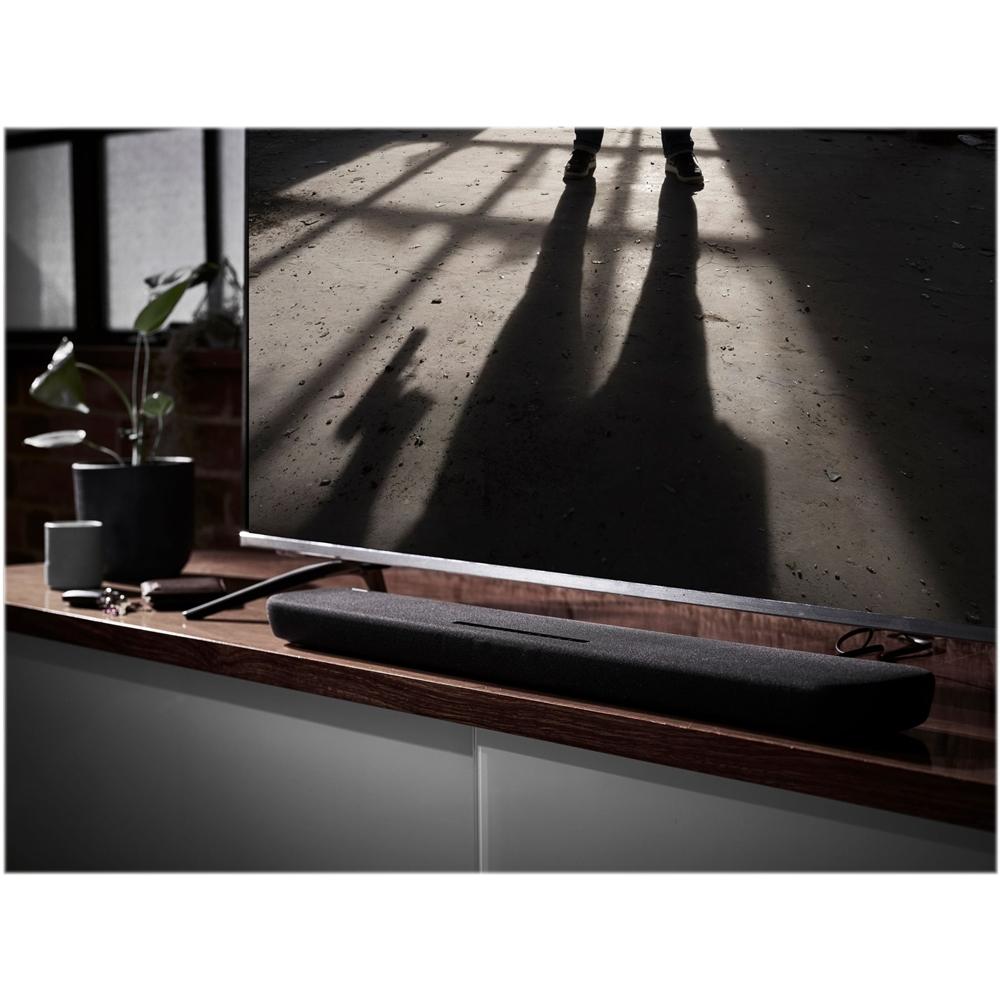
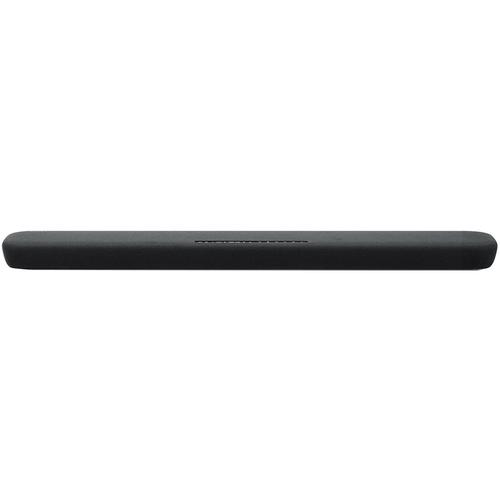
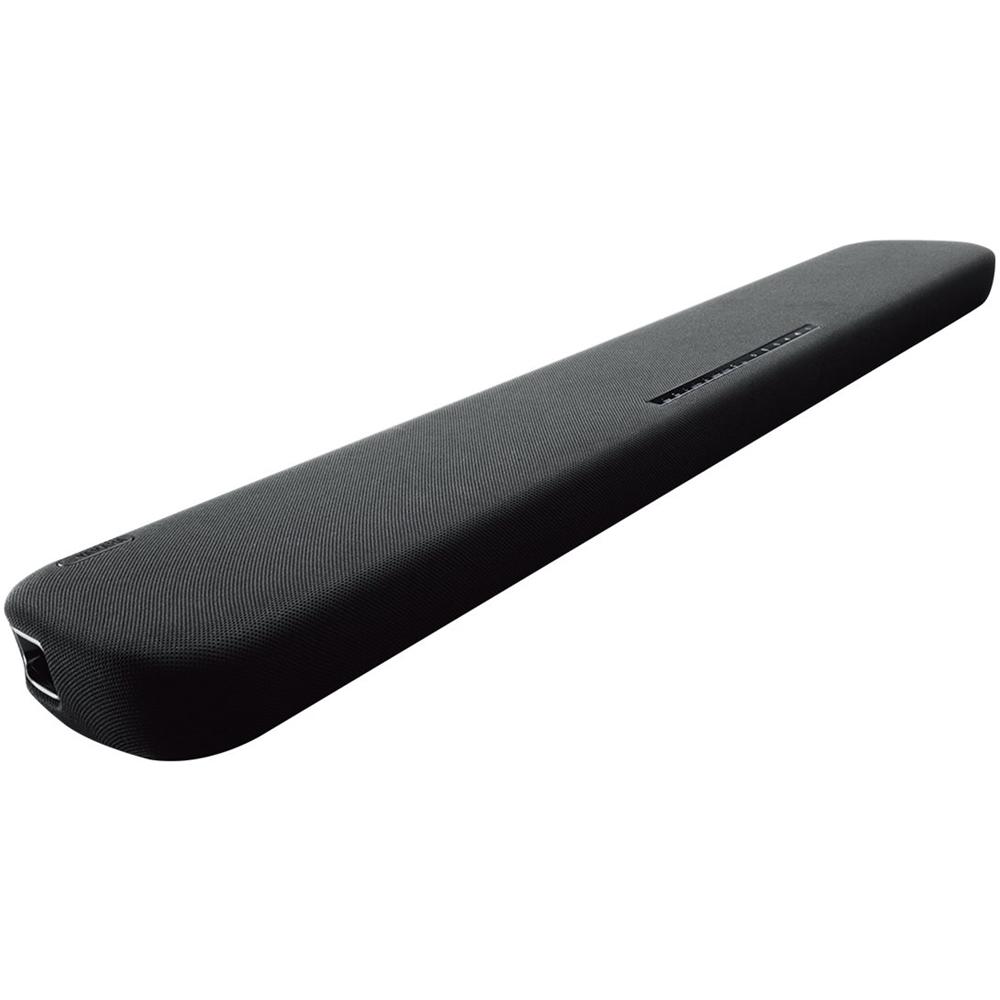
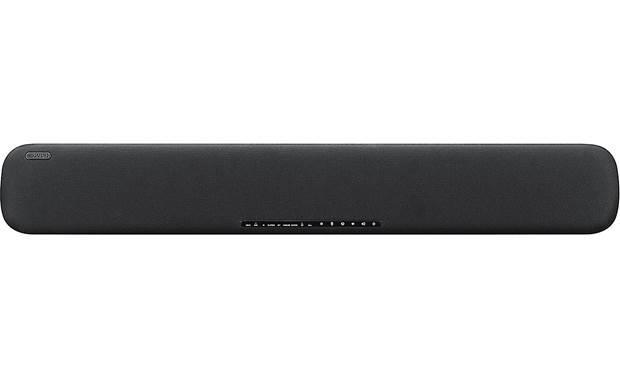
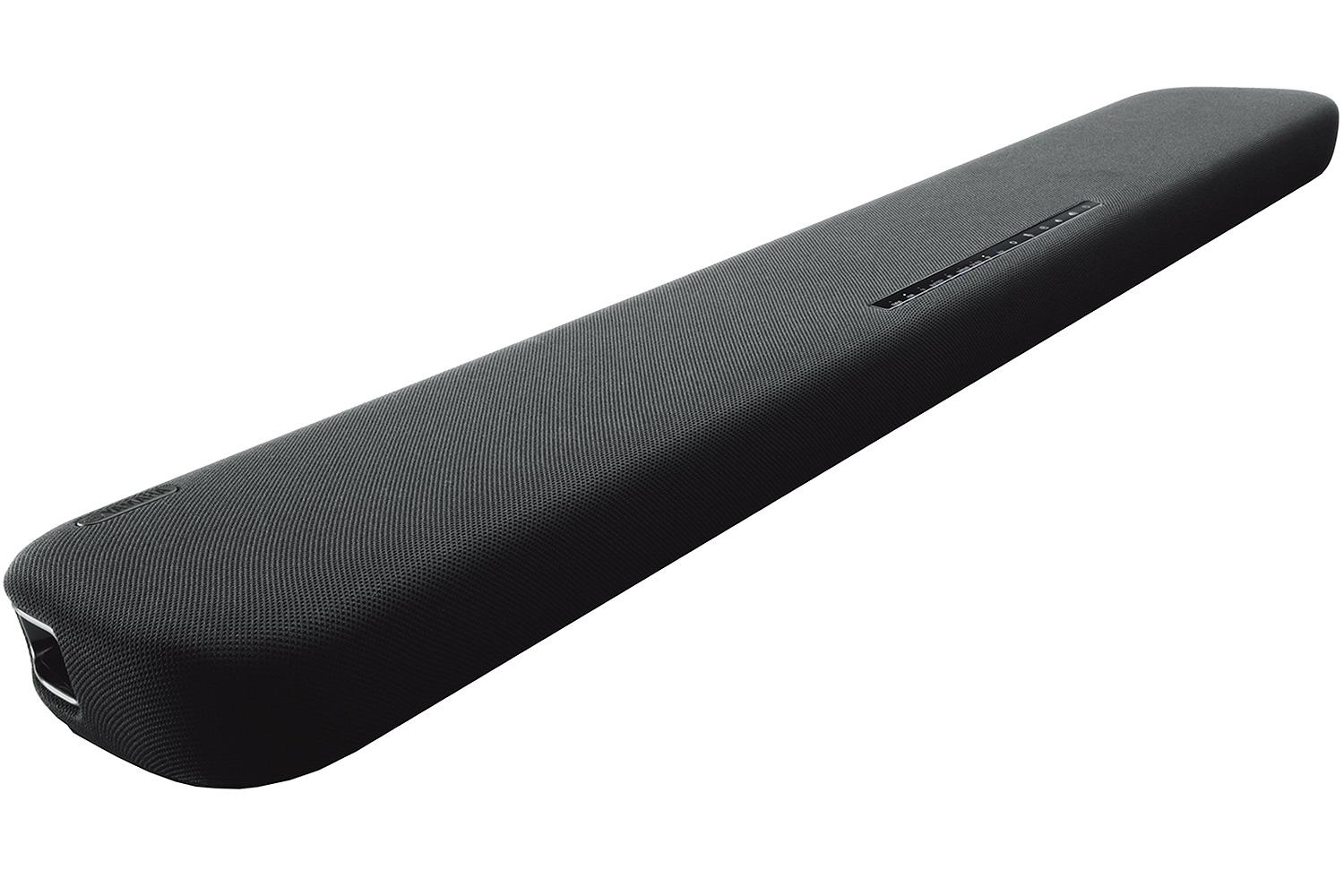
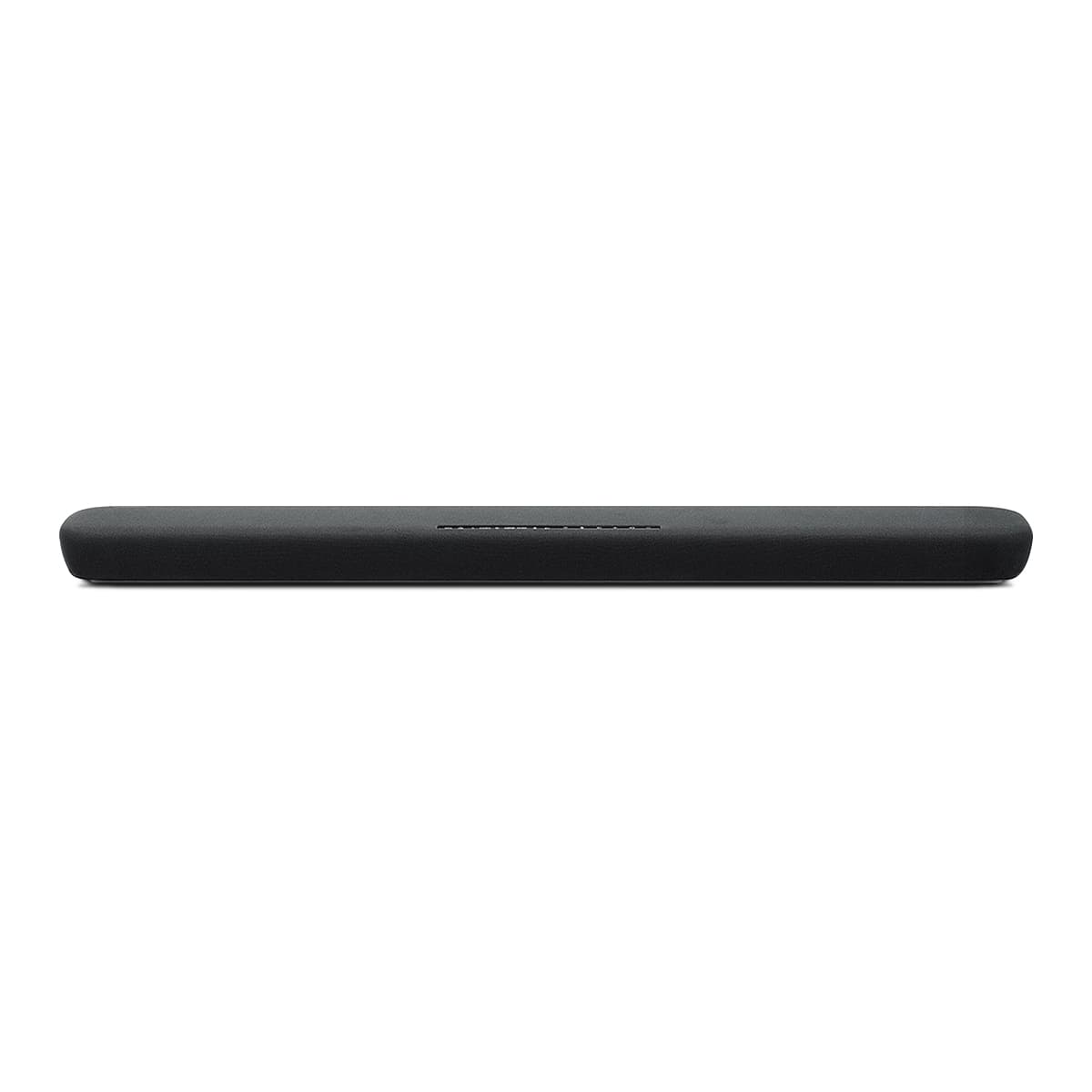
The Yamaha YAS-109, which debuted in 2019, takes the "smart integration" approach. While it produces a more modest 120 watts total, it integrates Amazon Alexa directly into the soundbar and includes features like Clear Voice technology for enhanced dialogue clarity. Yamaha built this for users who want their soundbar to do more than just improve TV audio – they want it to be a smart home hub and music streaming device too.
Since 2019, we've seen significant improvements in wireless audio technology, voice assistant integration, and audio processing. The Hisense HS2100 benefits from these advances with Bluetooth 5.3 (compared to the Yamaha's 4.2), more sophisticated virtual surround processing with DTS Virtual:X, and improved wireless subwoofer connectivity that virtually eliminates pairing issues.
Raw power output tells you a lot about a soundbar's capabilities, and here the Hisense HS2100 has a clear advantage. At 240 watts versus the Yamaha YAS-109's 120 watts, the Hisense can get significantly louder without strain. Our research into professional measurements shows the Hisense reaching peak levels above 90 dB, which is genuinely loud enough for larger rooms and open floor plans.
This power difference matters most if you have a big living room, high ceilings, or if you simply like your movies and music loud. The Yamaha reaches adequate volume for most situations, but it hits its limits in larger spaces or when you want that true cinematic impact during action sequences.
However, more power isn't automatically better sound. The Yamaha YAS-109 uses its 120 watts more efficiently, with less compression and distortion at moderate volumes. If you live in an apartment or prefer moderate listening levels, the Yamaha's more refined approach might actually sound better to your ears.
This is where the two soundbars take fundamentally different approaches. The Hisense HS2100 includes a separate wireless subwoofer with a 5.25-inch driver that can be placed anywhere in your room for optimal bass response. This design allows for much stronger low-frequency output – you'll feel the rumble in action movies and the punch in bass-heavy music.
The trade-off is complexity and space. You need to find a good spot for the subwoofer (corners typically work well for maximum bass), ensure it has power access, and deal with one more component in your room. Professional reviews consistently note that while the Hisense's bass is powerful, it can sound somewhat "boomy" or loose, especially at higher volumes.
The Yamaha YAS-109 integrates dual 3-inch subwoofers directly into the soundbar itself. You won't get the deep, room-shaking bass of the Hisense, but the bass you do get is tighter and more controlled. This approach works particularly well for dialogue-heavy content where you want some low-end warmth without overwhelming the vocals.
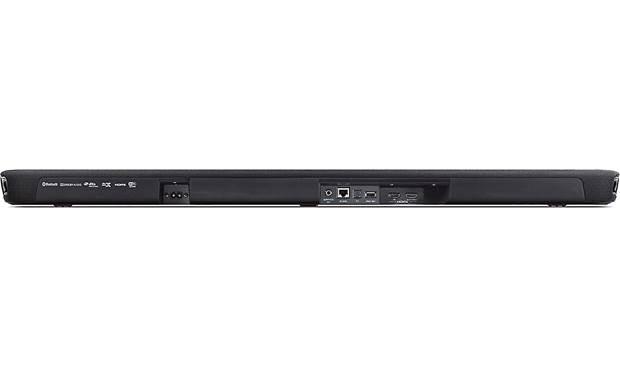
Interestingly, the Yamaha includes a dedicated subwoofer output port, meaning you can add an external powered subwoofer later if you want more bass. This gives you an upgrade path that the Hisense HS2100 doesn't offer, since its wireless subwoofer is designed specifically for that system.
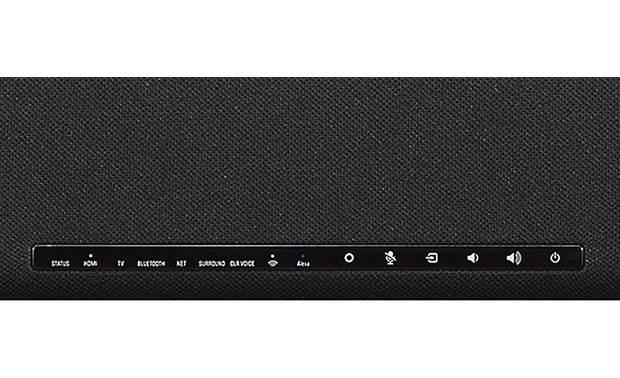
For TV watching, dialogue clarity often matters more than anything else. The Yamaha YAS-109 excels here with its Clear Voice technology, which actively processes the audio signal to enhance speech frequencies and make conversations more intelligible. This feature works across all inputs and can be adjusted to suit your preferences.
Our analysis of user reviews shows this makes a real difference, especially for older movies or shows with poor audio mixing, or for viewers with hearing difficulties. The technology doesn't just boost treble frequencies (which can make voices sound harsh) – it intelligently emphasizes the specific frequency ranges where human speech lives.
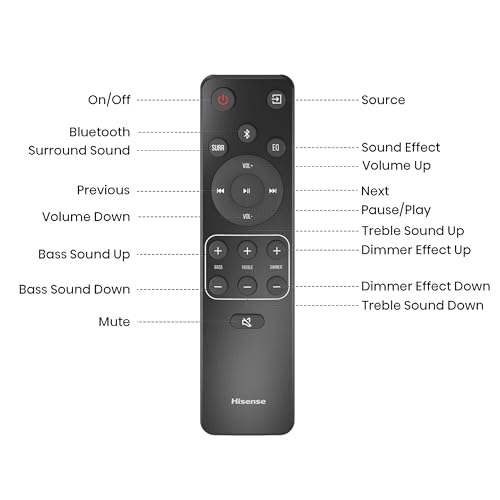
The Hisense HS2100 handles dialogue well thanks to its balanced midrange and higher power output, but it relies more on manual EQ adjustments. It includes six preset sound modes, including a dedicated "News" mode that emphasizes vocals, plus manual bass and treble controls. This gives you more control over the sound, but requires more user intervention to get optimal results.
Neither soundbar can create true surround sound since both are 2.1 systems without rear speakers. However, both include DTS Virtual:X processing, which uses psychoacoustic tricks to create a wider, more enveloping soundstage than basic stereo.
The Hisense HS2100 implements this with six different sound modes (Movie, Music, News, Sport, Night, and Game) that tailor the virtual surround effect to different content types. The processing is more convincing than cheaper soundbars, though it still doesn't approach the immersion of true 5.1 or 7.1 systems.
The Yamaha YAS-109 also includes DTS Virtual:X alongside its own surround processing modes. Based on professional testing, both systems create a modestly wider soundstage than basic stereo, but neither delivers the convincing surround immersion you'd get from a system with actual rear speakers.
For music listening, these soundbars reveal their different design philosophies. The Yamaha YAS-109 provides a more balanced, neutral sound signature that works well across genres without requiring adjustment. Its integrated design creates good stereo imaging within the physical width of the soundbar, making it easy to locate instruments and vocals in the mix.
The Hisense HS2100 delivers more bass impact, which many people prefer for pop, rock, and electronic music. However, this bass emphasis can overwhelm acoustic music or vocal-focused tracks unless you dial back the bass using the manual controls. The separate subwoofer also creates some timing issues where bass notes can sound slightly disconnected from the main speakers, though this is subtle in normal use.
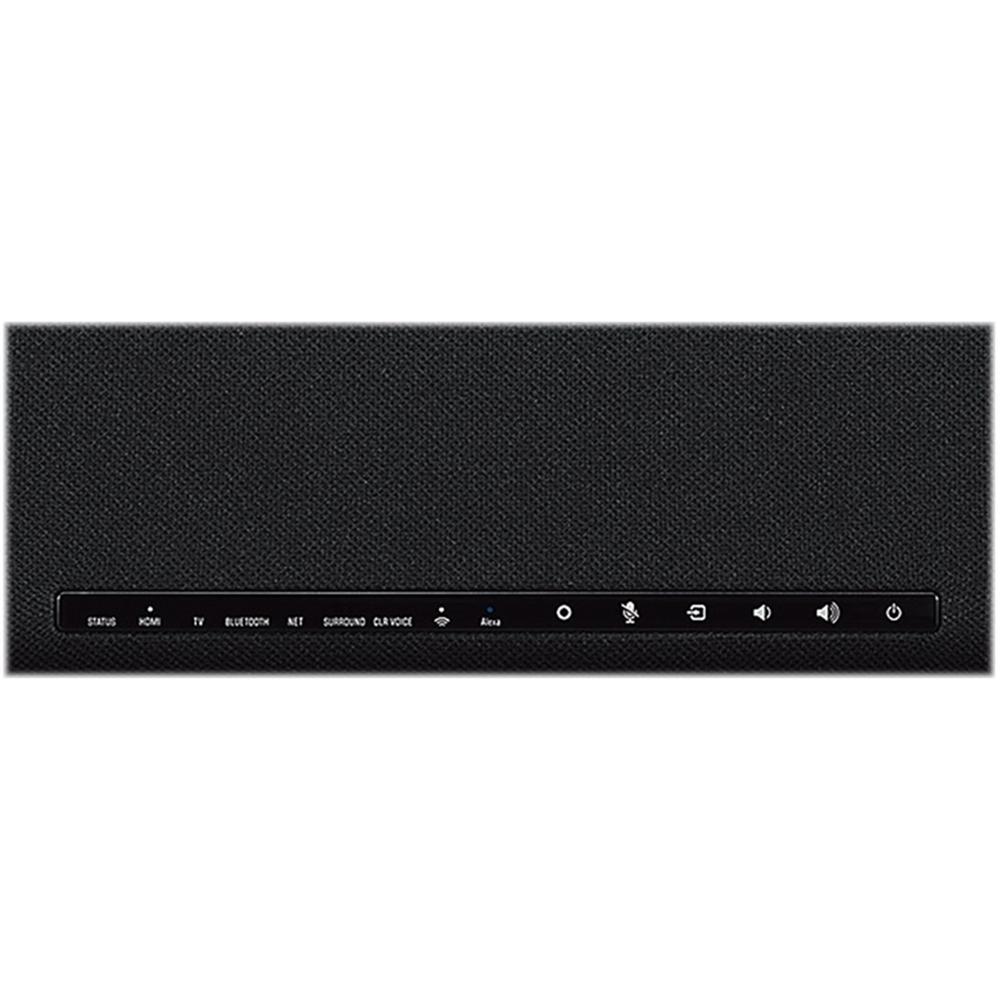
The Yamaha YAS-109 includes full Amazon Alexa integration, turning your soundbar into a smart speaker. You can control volume, skip tracks, ask about weather, control smart home devices, and access thousands of Alexa skills using voice commands. This integration is seamless – the soundbar automatically mutes TV audio when you say the wake word, processes your command, then returns to normal operation.
This feature becomes surprisingly useful in daily life. You can start music playback without picking up a remote, adjust volume while your hands are full, or control smart lights and thermostats from the couch. The Yamaha YAS-109 also supports Wi-Fi music streaming from services like Spotify Connect, allowing direct streaming without using your phone as an intermediary.
The Hisense HS2100 takes a more traditional approach with no built-in voice assistant. However, it does offer "Roku TV Ready" functionality, which allows compatible Roku TVs to control the soundbar volume and power using the TV's remote. While more limited than full Alexa integration, this creates a streamlined single-remote experience for Roku users.
The Yamaha YAS-109 provides more comprehensive connectivity with HDMI input/output, optical audio input, Wi-Fi, and Bluetooth 4.2. The HDMI input allows the soundbar to serve as a hub between your TV and other devices like game consoles or streaming boxes, handling audio processing while passing video through to the TV.
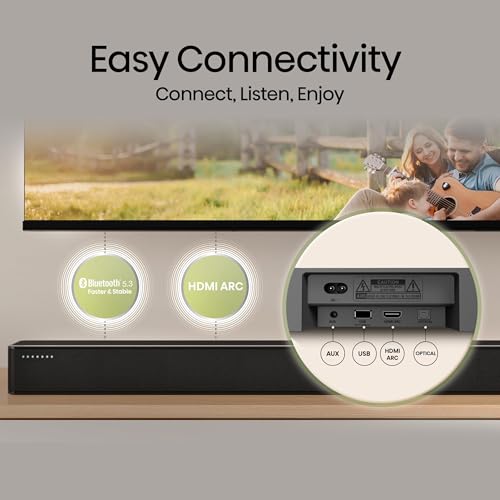
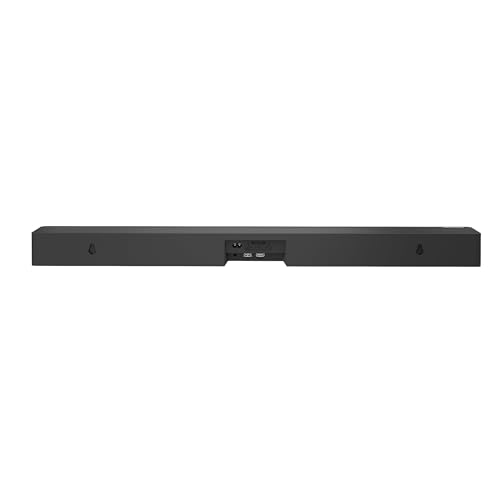
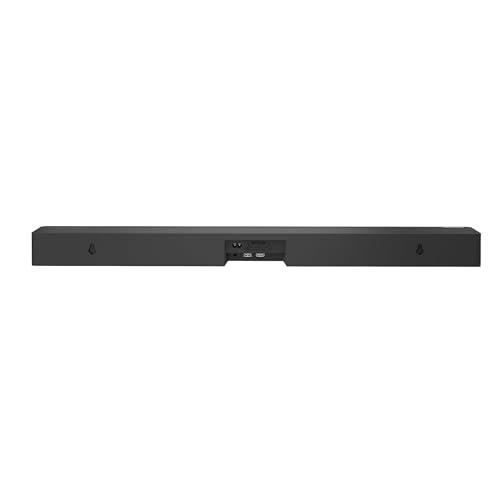
The Hisense HS2100 focuses on essential connections with HDMI ARC (Audio Return Channel), optical input, 3.5mm auxiliary input, USB port, and Bluetooth 5.3. The newer Bluetooth version provides better range, lower latency, and more stable connections than the Yamaha's 4.2 implementation, which is particularly noticeable when streaming music from phones or tablets.
Both soundbars support HDR video pass-through and automatic lip-sync correction, ensuring compatibility with modern 4K TVs and streaming content.
At the time of writing, both soundbars typically retail in similar price ranges, making the value comparison about features versus performance rather than pure cost. The Hisense HS2100 delivers more raw audio performance per dollar, with significantly higher power output and deeper bass response. If your primary goal is the biggest possible improvement over TV speakers, the Hisense provides more bang for your buck.
The Yamaha YAS-109 offers better feature integration and long-term value through its smart capabilities and upgrade potential. The built-in Alexa, Wi-Fi streaming, and external subwoofer output add functional value that extends beyond basic audio improvement. For users who value convenience and smart home integration, these features justify any performance trade-offs.
You have a larger room – The extra power really shows in open floor plans, high ceilings, or rooms larger than 300 square feet. The separate subwoofer can be positioned for optimal bass response regardless of where the TV is located.
You prioritize movie and music impact – Action movies, concerts, and bass-heavy music genres benefit significantly from the more powerful low-frequency output. The difference is immediately noticeable compared to TV speakers or lower-powered soundbars.
You prefer manual control – The six EQ presets plus manual bass/treble adjustment give you more control over the sound signature. Some people enjoy tweaking these settings to match their preferences or room acoustics.
You use Roku TV – The Roku TV Ready functionality creates seamless integration that's almost as convenient as the Yamaha's Alexa features, but specifically optimized for Roku users.
You value smart home integration – Built-in Alexa transforms the soundbar into a multi-purpose smart device. The voice control convenience grows on you quickly, especially for music playback and smart home control.
You prioritize dialogue clarity – Clear Voice technology makes a real difference for TV shows, news, and movies with challenging audio mixes. This matters more as content gets more complex and dynamic range increases.
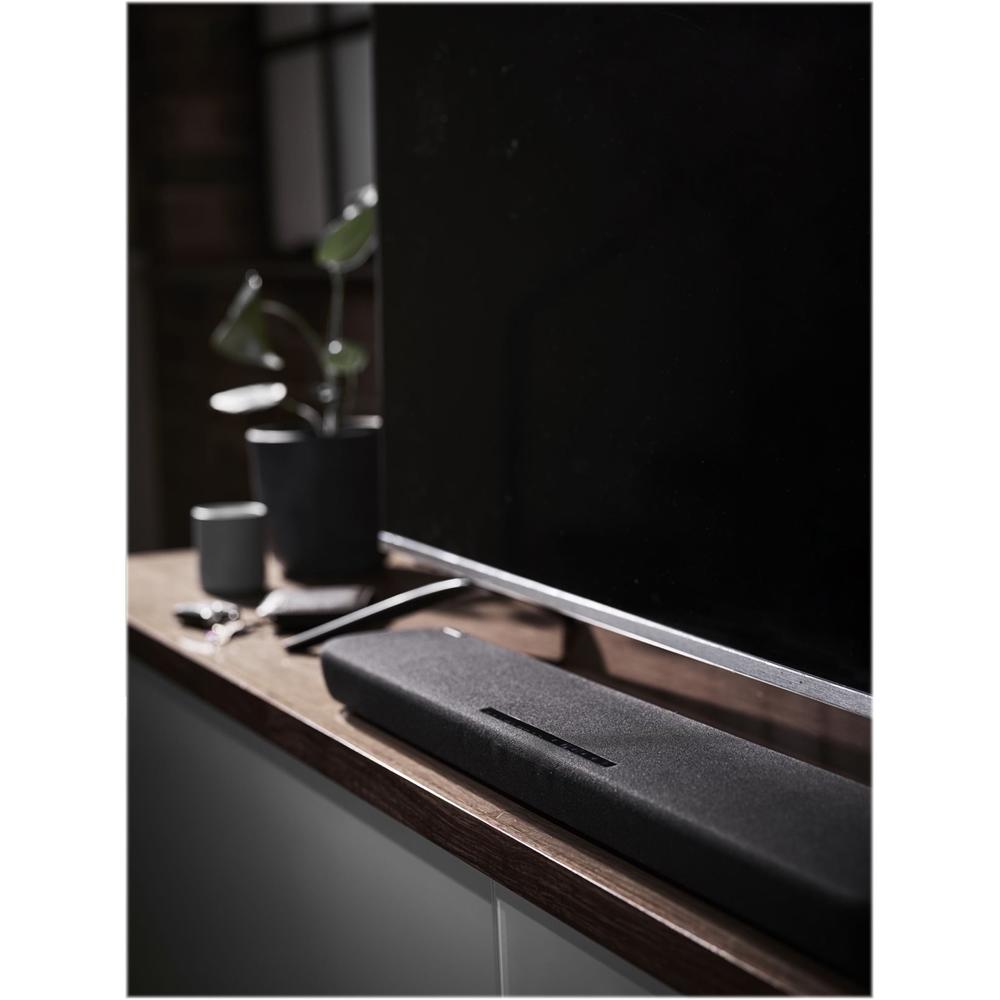
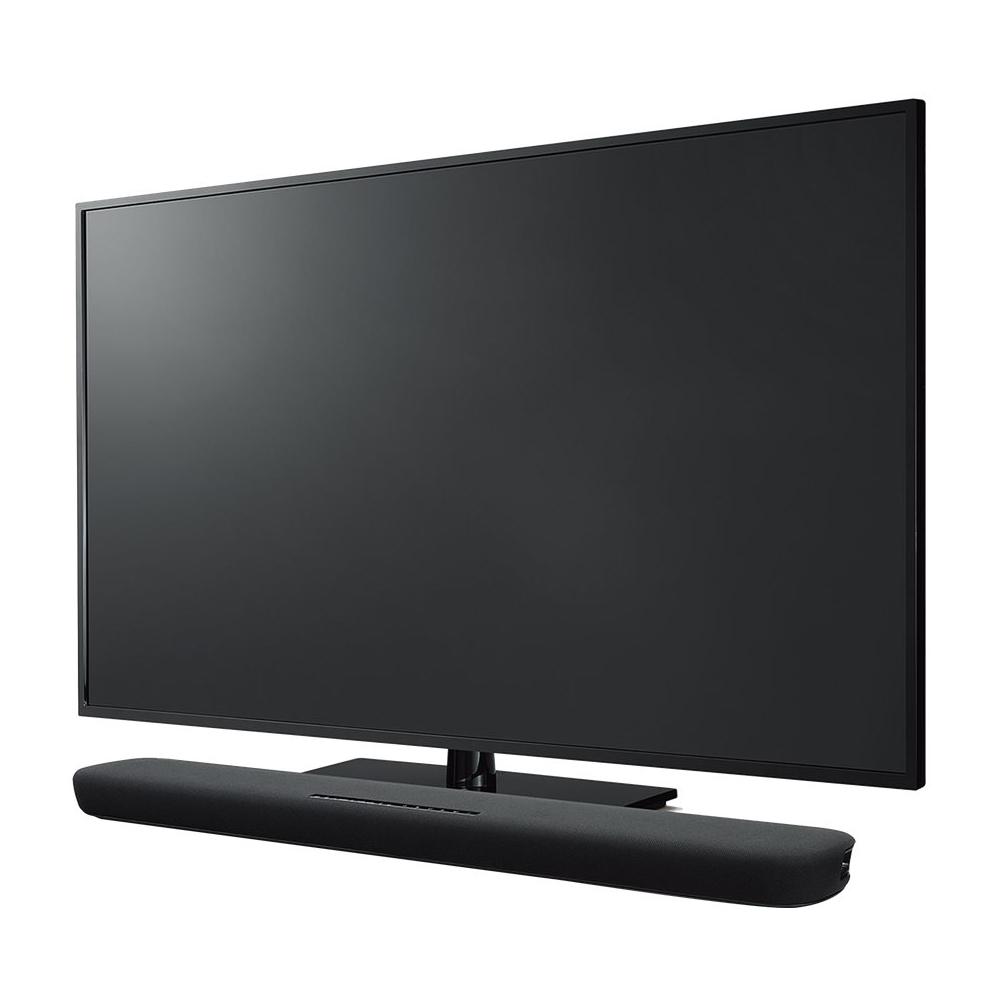
You prefer a clean, integrated setup – No separate subwoofer means easier placement and fewer cables. The soundbar looks cleaner under your TV and requires less space planning.
You want upgrade flexibility – The subwoofer output allows you to add more bass later without replacing the entire system. This future-proofs your investment as your needs or room size changes.
You have limited space – Apartments, bedrooms, or smaller living rooms benefit from the integrated design and more controlled bass response.
For dedicated home theater use, both soundbars have limitations compared to true surround systems. Neither includes rear channels or height speakers, which are increasingly important for modern movie soundtracks mixed in Dolby Atmos or DTS:X formats. However, both offer significant improvements over TV audio for movie watching.
The Hisense HS2100 provides more of that "theater feel" through sheer power and bass impact. Action sequences have more weight and presence, though dialogue scenes might require volume adjustments due to the more dynamic sound signature.
The Yamaha YAS-109 offers a more balanced approach that works better across different movie genres without requiring constant adjustments. The Clear Voice feature is particularly valuable for films with complex audio mixes or poor dialogue recording.
Both soundbars succeed at their intended purposes, but they're designed for different users. The Hisense HS2100 maximizes audio impact per dollar, delivering the dramatic improvement over TV speakers that most people seek when first upgrading their audio. It's the choice for power users who want their investment to be immediately obvious.
The Yamaha YAS-109 takes a more sophisticated approach, integrating smart features and refined audio processing to create a more versatile and future-ready system. It's the choice for users who want their soundbar to serve multiple roles and prioritize long-term convenience over maximum initial impact.
Your room size, listening preferences, and smart home ecosystem will ultimately determine which approach serves you better. Both represent solid value in the budget 2.1 category – they just define "value" differently.
| Hisense HS2100 | Yamaha YAS-109 |
|---|---|
| Total Power Output - Higher wattage means louder volume and better performance in larger rooms | |
| 240W (significantly louder, better for large spaces) | 120W (adequate for most rooms, more efficient) |
| Subwoofer Design - Affects bass quality, placement flexibility, and setup complexity | |
| Separate 5.25" wireless subwoofer (stronger bass, flexible placement) | Dual 3" built-in subwoofers (cleaner setup, tighter bass) |
| Smart Features - Voice control and streaming capabilities for modern convenience | |
| No voice assistant (traditional remote control only) | Built-in Alexa (full voice control and smart home integration) |
| Audio Customization - Ability to tune sound to your preferences and room | |
| 6 EQ presets + manual bass/treble controls (extensive customization) | Limited presets with Clear Voice technology (optimized but less flexible) |
| Connectivity Options - Determines compatibility with your devices | |
| HDMI ARC, Optical, AUX, USB, Bluetooth 5.3 | HDMI In/Out, Optical, Wi-Fi, Bluetooth 4.2, Subwoofer output |
| Dialogue Enhancement - Critical for clear TV and movie dialogue | |
| News preset mode with manual treble adjustment | Dedicated Clear Voice technology (superior speech clarity) |
| Music Streaming - Wireless audio capabilities | |
| Bluetooth 5.3 only (modern, stable connection) | Wi-Fi + Bluetooth with Spotify Connect (more versatile streaming) |
| Setup Complexity - How easy it is to install and optimize | |
| Wireless subwoofer requires placement consideration | All-in-one design with automatic setup |
| Upgrade Potential - Future expansion possibilities | |
| Fixed system (no expansion options) | Subwoofer output allows external sub addition later |
| Release Year - Indicates technology generation and feature currency | |
| 2023 (newer tech, Bluetooth 5.3) | 2019 (established platform, proven reliability) |
The Hisense HS2100 is significantly louder with 240W of total power compared to the Yamaha YAS-109's 120W output. The Hisense can reach over 90 dB, making it better suited for larger rooms or users who prefer higher volume levels. The Yamaha provides adequate volume for most living rooms but cannot match the raw power of the Hisense HS2100.
The Hisense HS2100 comes with a separate 5.25-inch wireless subwoofer included, providing strong bass without needing additional equipment. The Yamaha YAS-109 has dual 3-inch subwoofers built into the main soundbar unit, eliminating the need for a separate component. However, the Yamaha includes a subwoofer output if you want to add an external powered subwoofer later for enhanced bass.
The Yamaha YAS-109 offers superior smart features with built-in Amazon Alexa, allowing voice control of volume, music playback, smart home devices, and information queries. It also supports Wi-Fi streaming and Spotify Connect. The Hisense HS2100 focuses on audio performance over smart features, offering Roku TV Ready integration but no built-in voice assistant.
The Yamaha YAS-109 excels at dialogue clarity with its dedicated Clear Voice technology that enhances speech frequencies for better intelligibility. The Hisense HS2100 handles dialogue well through its balanced midrange and "News" preset mode, but requires more manual adjustment to optimize speech clarity compared to the Yamaha's automatic processing.
Both soundbars offer HDMI ARC and optical connections for easy TV setup. The Yamaha YAS-109 provides additional connectivity with HDMI input/output, allowing it to serve as a hub between your TV and other devices. The Hisense HS2100 focuses on essential connections including HDMI ARC, optical, USB, and 3.5mm auxiliary input, plus newer Bluetooth 5.3 for wireless streaming.
For music, the Yamaha YAS-109 offers a more balanced, neutral sound profile that works well across all genres without adjustment, plus Wi-Fi streaming capabilities. The Hisense HS2100 provides more bass impact that many prefer for pop, rock, and electronic music, along with extensive EQ customization options including manual bass and treble controls.
Yes, both the Hisense HS2100 and Yamaha YAS-109 support 4K pass-through and HDR compatibility. The Yamaha offers full HDMI input/output with 4K/HDR pass-through, while the Hisense provides HDMI ARC support for 4K content. Both include automatic lip-sync correction for proper audio-video timing with modern TVs.
The Yamaha YAS-109 offers simpler setup with its all-in-one design requiring only power and one connection to your TV. The Hisense HS2100 requires additional consideration for wireless subwoofer placement and power, though the subwoofer pairs automatically. Both support automatic power on/off with your TV through HDMI ARC.
The Yamaha YAS-109 supports HDMI CEC control, allowing volume and power control through most TV remotes, plus full voice control via built-in Alexa. The Hisense HS2100 offers Roku TV Ready integration for seamless control with compatible Roku TV remotes, plus standard HDMI CEC functionality with other TV brands.
For home theater use, the Hisense HS2100 provides more cinematic impact with its higher power output and stronger bass response from the dedicated subwoofer, making action scenes more engaging. The Yamaha YAS-109 offers more balanced performance across different movie genres with superior dialogue clarity, though it lacks the raw power for large room cinema experiences.
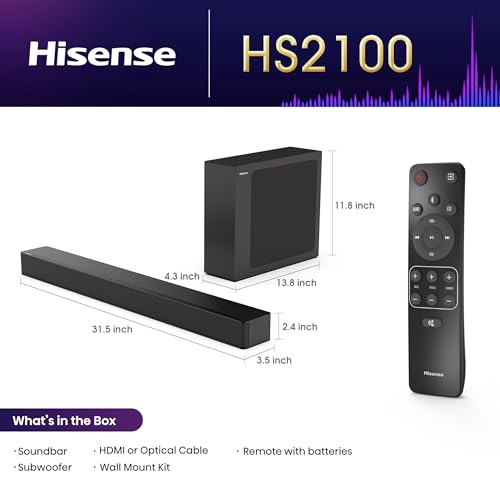
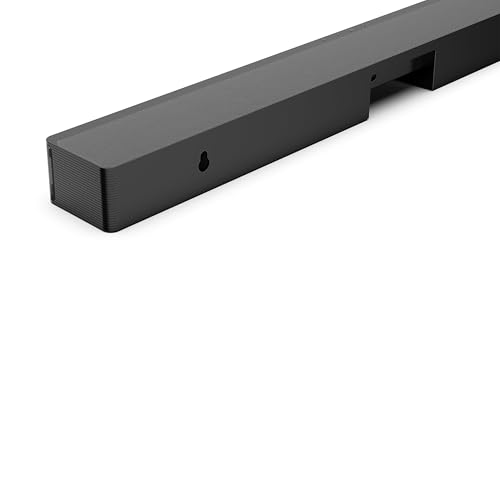
The Yamaha YAS-109 requires minimal space with its compact 35-inch all-in-one design that fits under most TVs. The Hisense HS2100 needs additional space planning for its wireless subwoofer (4.3" x 11.8" x 13.8"), though the ultra-slim subwoofer design fits easily under furniture or against walls.
The Hisense HS2100 provides better price-to-performance value with significantly more audio power and bass impact per dollar spent. The Yamaha YAS-109 offers better feature value through its smart capabilities, voice control, and upgrade potential via the subwoofer output, making it worthwhile for users prioritizing convenience and smart home integration over raw audio performance.
We've done our best to create useful and informative comparisons to help you decide what product to buy. Our research uses advanced automated methods to create this comparison and perfection is not possible - please contact us for corrections or questions. These are the sites we've researched in the creation of this article: rtings.com - shop.hisense-usa.com - bestbuy.com - content.syndigo.com - bestbuy.com - hisensedealers.co.ke - stuff.co.za - dtc-aus-api.hisense.com - youtube.com - manuals.plus - youtube.com - bestbuy.com - youtube.com - gallifurniture.com - hisense-usa.com - manuals.plus - uk.hisense.com - device.report - youtube.com - costco.ca - elmcreekwsa.com - gallifurniture.com - rtings.com - crutchfield.com - usa.yamaha.com - digitaltrends.com - tomsguide.com - listenup.com - youtube.com - usa.yamaha.com - hub.yamaha.com - youtube.com - hub.yamaha.com

Privacy Policy
Terms and Conditions - Affiliate Policy
Home Security
© Copyright 2008-2026.
11816 Inwood Rd #1211, Dallas, TX 75244