

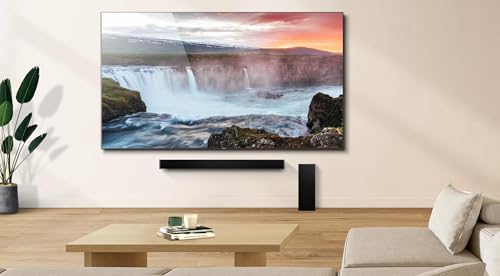
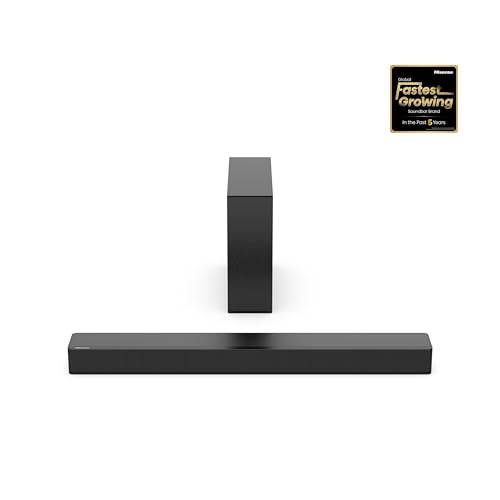




When your TV's built-in speakers sound like they're hiding inside a cardboard box, it's time to consider a soundbar upgrade. But navigating the soundbar market can feel overwhelming, especially when you're trying to figure out whether you need a simple 2.1 system or should invest in full 5.1 surround sound. Today, we're comparing two popular options that represent these different approaches: the budget-friendly Hisense HS2100 and the more comprehensive LG S60TR.
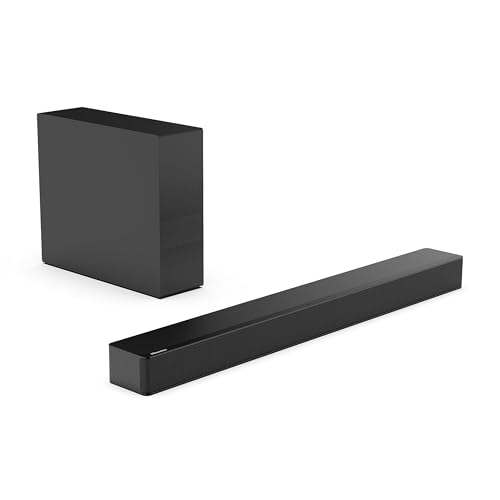
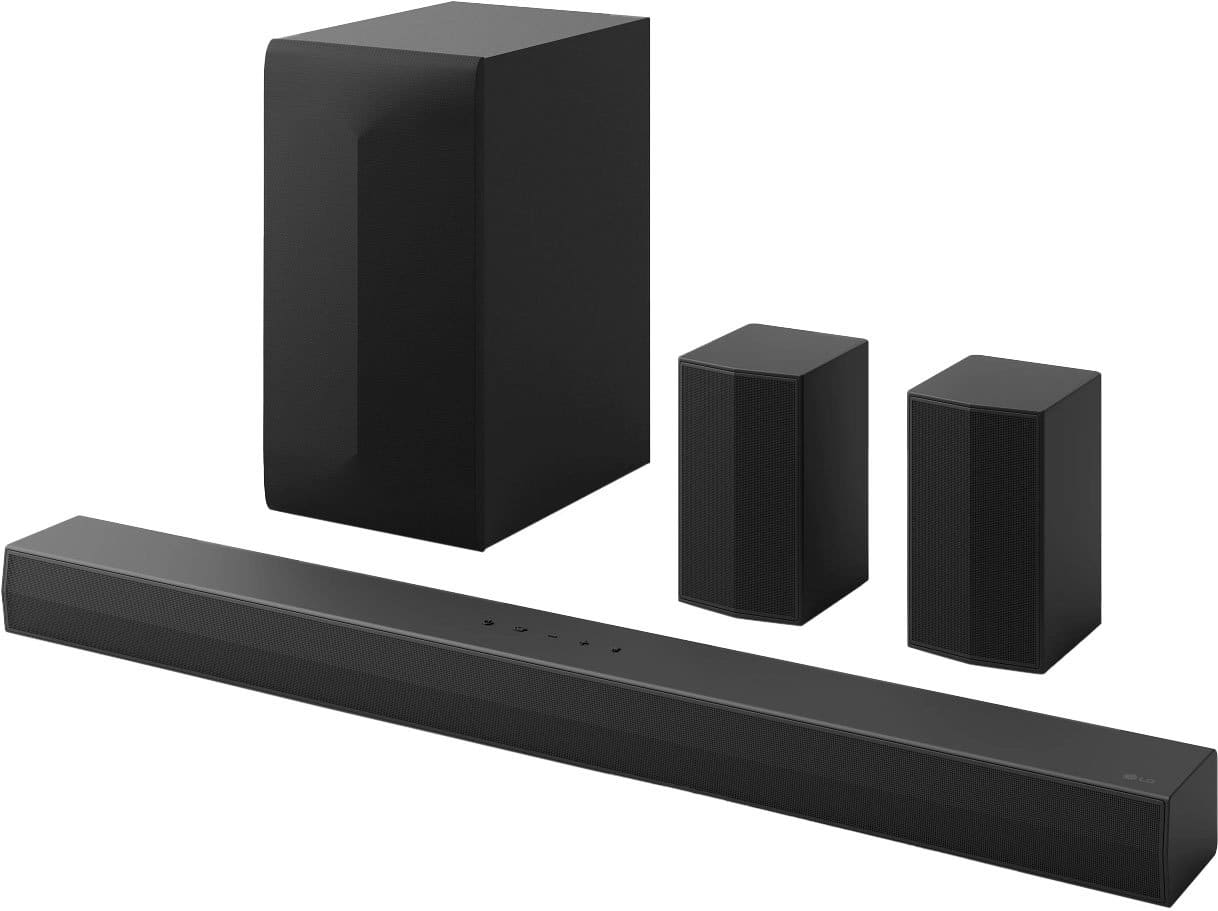
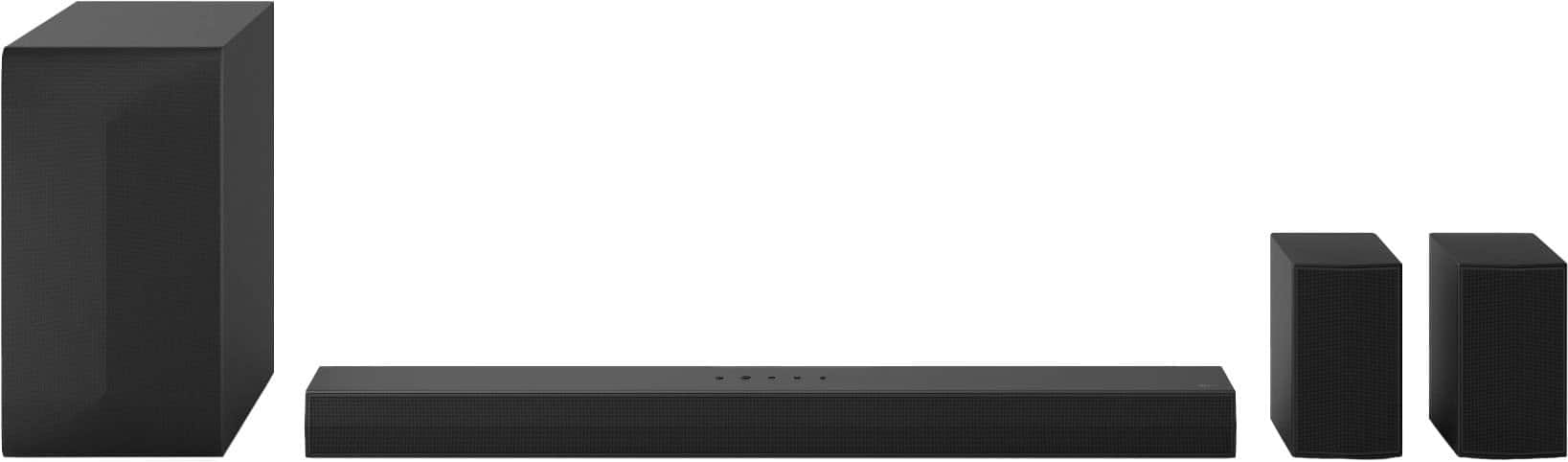
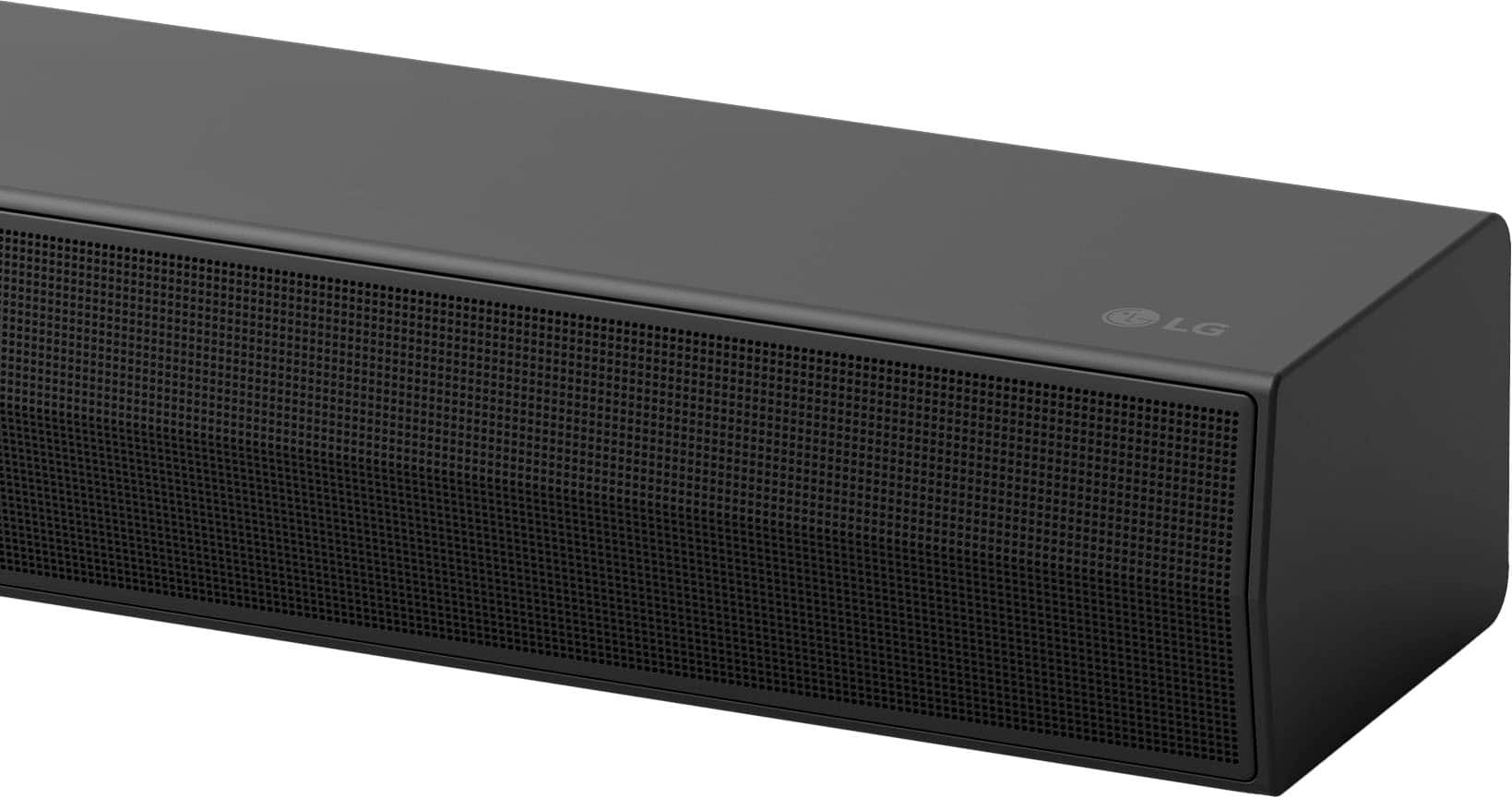
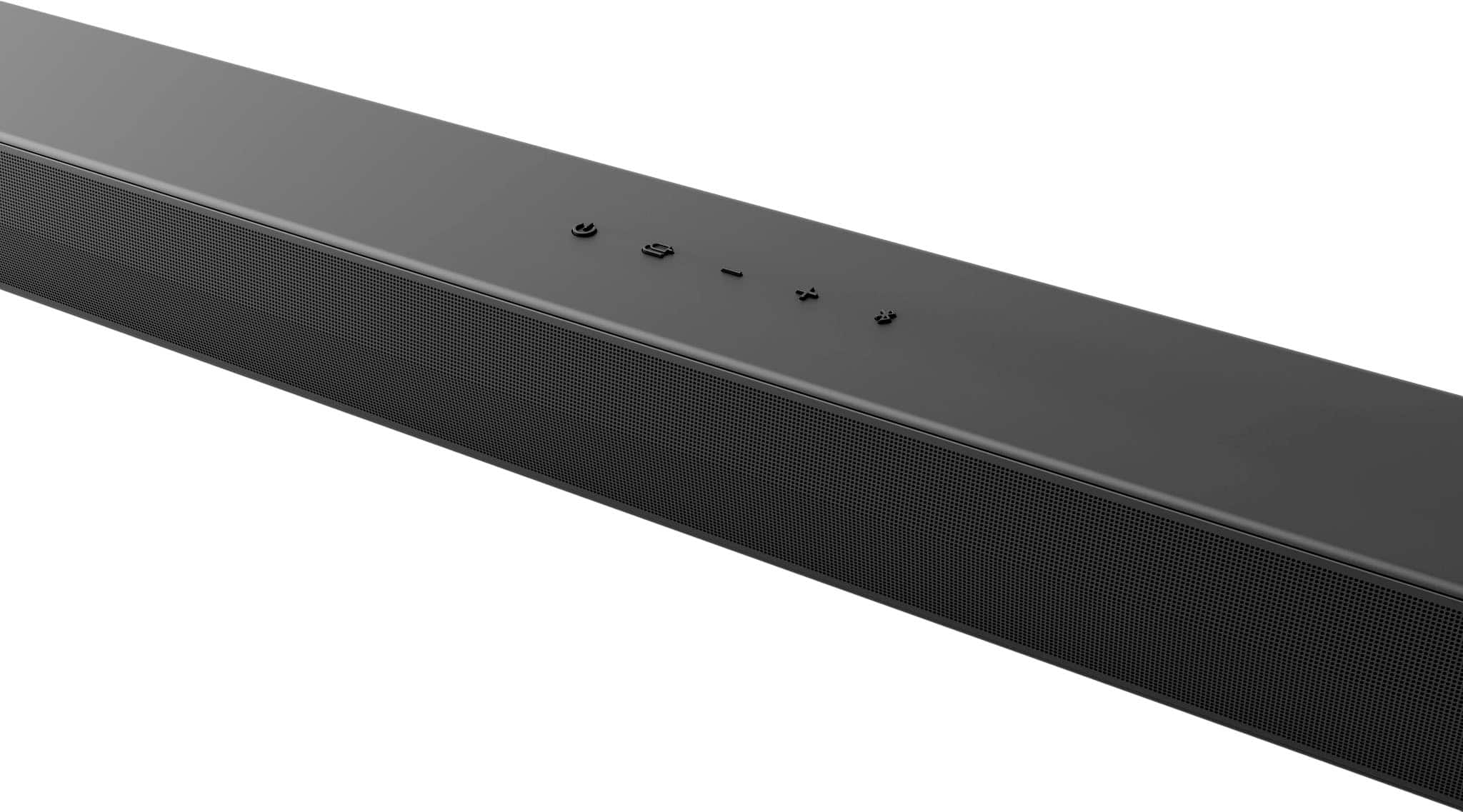
Before diving into our comparison, let's demystify those channel numbers you see everywhere. The first number tells you how many main speakers the system has, while the second indicates whether there's a dedicated subwoofer (the ".1" part). So a 2.1 system like the Hisense HS2100 has two main speakers (left and right) plus a subwoofer for bass. The LG S60TR, being a 5.1 system, adds a center channel for dialogue and two rear speakers for true surround sound.
This difference isn't just about having more speakers—it fundamentally changes how audio reaches your ears. A 2.1 system relies on psychoacoustic processing (fancy audio tricks that make your brain think sounds are coming from places they're not) to create a sense of space. A 5.1 system physically places speakers around you, creating genuine directional audio where explosions whoosh past your ear and dialogue stays locked to the center of the action.
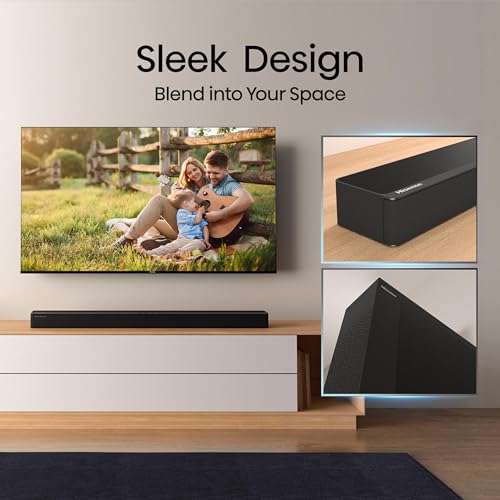
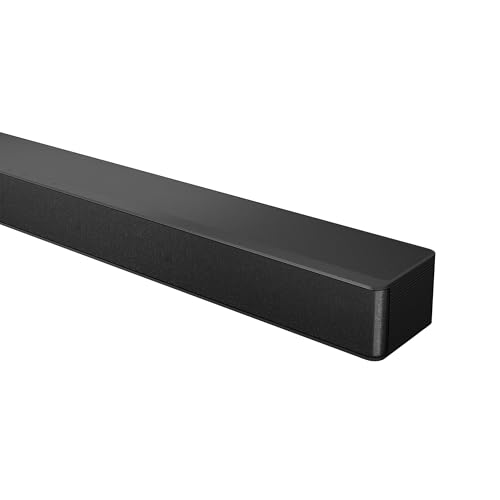
Released in recent years as Hisense expanded their audio lineup, the HS2100 represents what happens when a company focuses on doing the basics exceptionally well rather than cramming in every possible feature. At the time of writing, it sits in the budget category but delivers performance that punches well above its weight class.
The standout feature here is audio latency—specifically, how quickly the soundbar processes and outputs audio after receiving it from your TV. Our research into professional reviews reveals that the Hisense HS2100 achieves significantly lower latency through HDMI ARC connections compared to many competitors. This matters more than you might think: when audio and video fall out of sync, even by 50-100 milliseconds, your brain notices and the viewing experience becomes distractingly artificial.
The sound signature leans warm and balanced, which translates to a natural, non-fatiguing listening experience. Unlike many budget soundbars that boost treble to create an artificial sense of "clarity" (often resulting in harsh, tinny sound), the HS2100 maintains smooth midrange reproduction that keeps dialogue intelligible without making it pierce your ears during late-night viewing sessions.
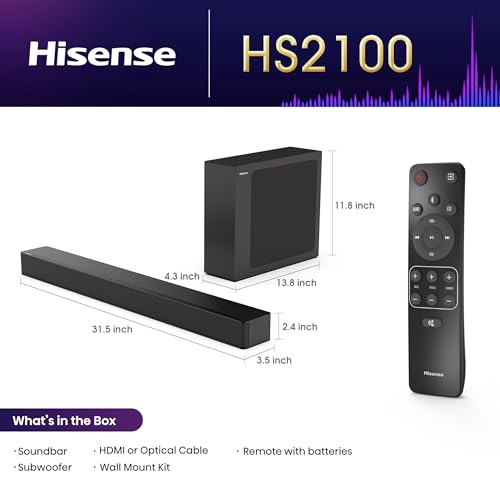
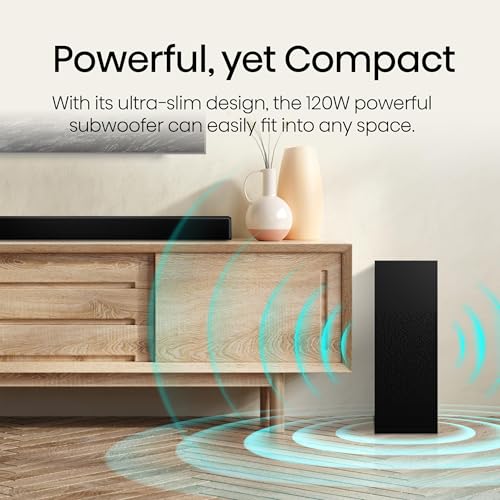
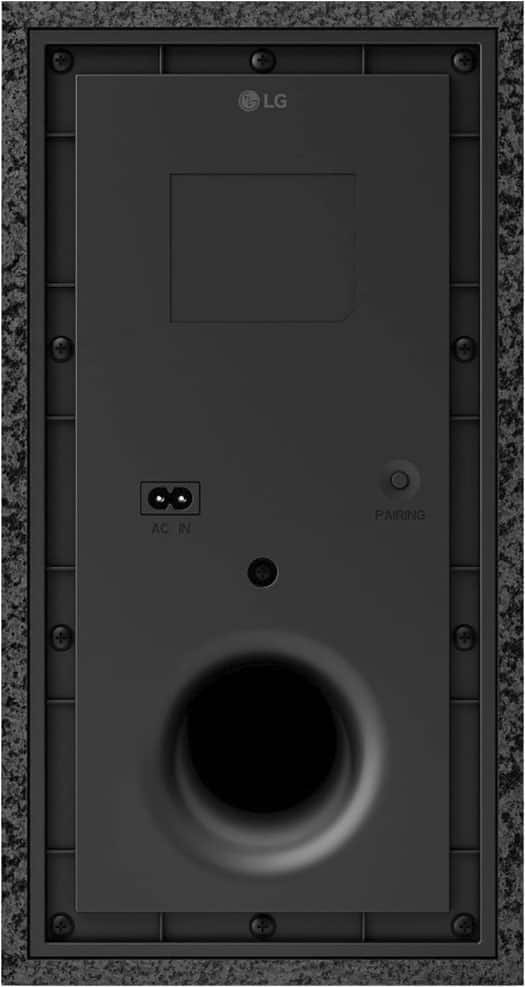
The wireless subwoofer deserves special mention for its "ultra-slim" design. Traditional subwoofers can dominate a room visually, but this one measures just 4.3 inches deep, allowing it to slide under furniture or against walls without overwhelming smaller spaces. The 120-watt driver provides satisfying bass impact for most content, though it won't shake your walls during the deepest movie explosions.
LG released the S60TR in 2024 as part of their effort to make true 5.1 surround sound accessible without requiring separate receiver purchases or complex setup procedures. This timing is significant because it represents the industry's push toward simplified "all-in-one" solutions that still deliver authentic surround experiences.
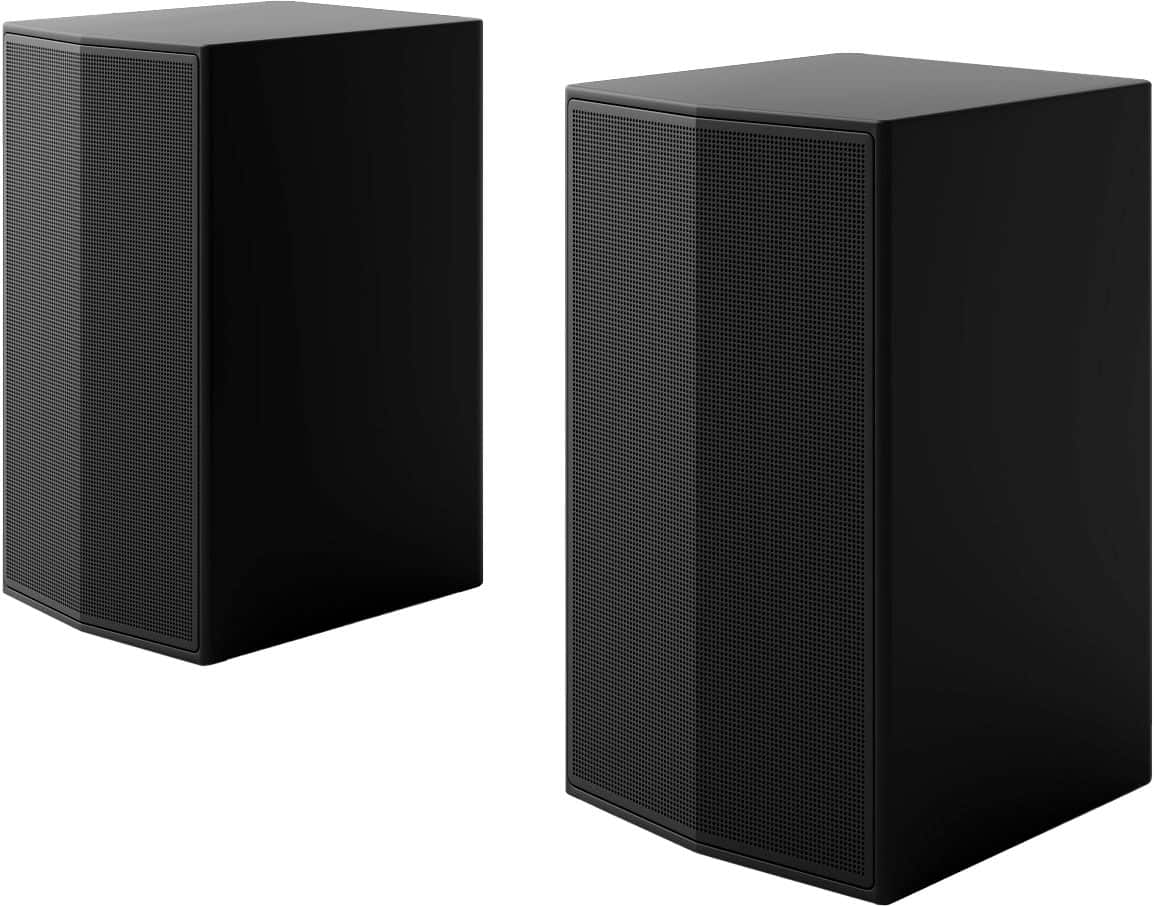
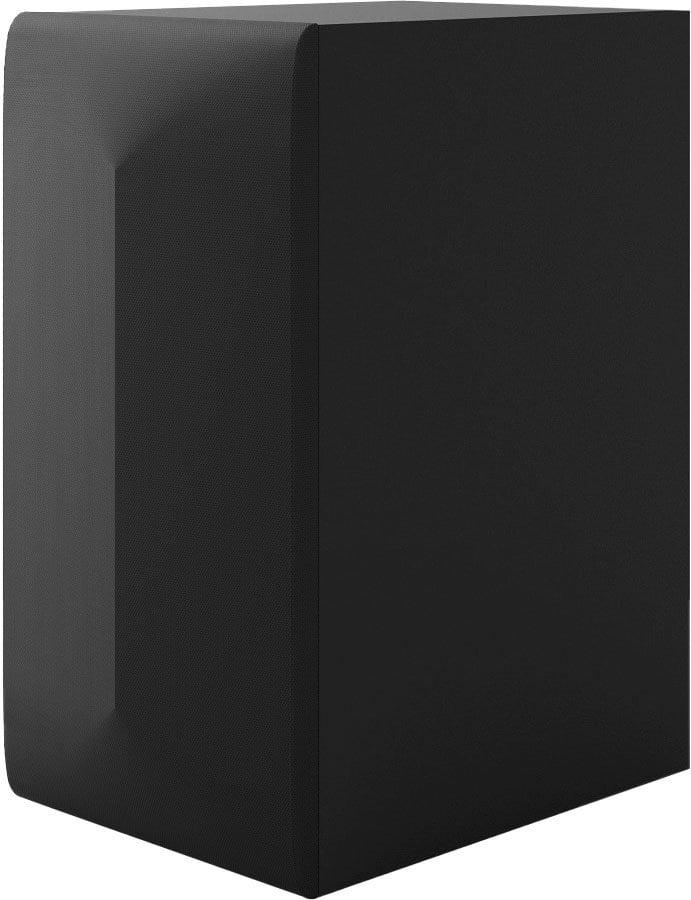
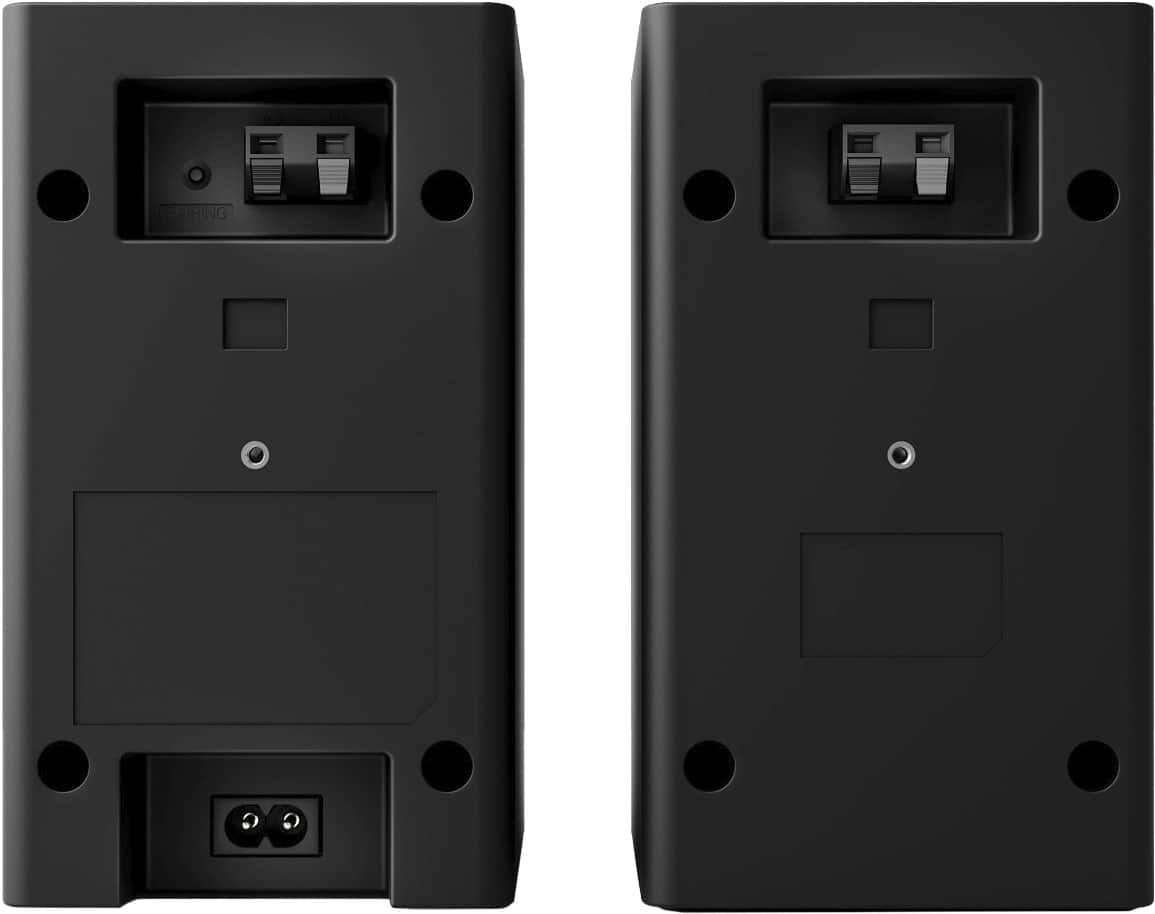
The key innovation here is the wireless rear speaker implementation. Unlike some systems that require you to buy rear speakers separately, everything comes in one box. The rear speakers connect wirelessly to the main soundbar for audio signal transmission, though they still need power cables—a compromise that eliminates long speaker wire runs while maintaining reliable connectivity.
The 440-watt total power output (nearly double the Hisense's 240 watts) isn't just about getting louder—it's about maintaining clarity and dynamics when filling larger spaces. More power means the speakers don't have to work as hard to achieve the same volume levels, reducing distortion and maintaining detail during complex movie soundtracks.
AI Sound Pro represents LG's attempt to automate sound optimization. Using deep learning algorithms, the system analyzes incoming audio content and adjusts EQ, dynamics, and spatial processing accordingly. In practice, this means the soundbar automatically emphasizes dialogue clarity during news programs, enhances bass during action sequences, and optimizes stereo imaging for music playback.
Professional reviews consistently praise the Hisense HS2100 for its balanced frequency response—engineer-speak for "it doesn't emphasize any particular frequency range too much." This creates a natural sound that works well across different content types without requiring constant adjustment. The slightly warm character means vocals sound full and natural rather than thin or clinical.
The LG S60TR takes a different approach, offering multiple sound modes that dramatically reshape the audio character. The AI processing can be impressive when it works well, automatically switching from dialogue-focused processing during quiet conversation scenes to dynamic, bass-heavy processing during action sequences. However, some users report that these automatic adjustments can feel jarring during content with mixed audio styles.
Here's where the power difference becomes apparent. The Hisense HS2100's 120-watt subwoofer provides what reviewers describe as "satisfying" bass that adds body and warmth without overwhelming the main speakers. The frequency response starts rolling off around 45Hz, which means you'll hear the fundamental notes of most movie explosions and music bass lines, but not the deepest sub-bass that creates that chest-thumping sensation.
The LG S60TR's 220-watt subwoofer delivers significantly more impact and extension. This isn't just about volume—more powerful bass drivers can reproduce lower frequencies with greater accuracy and less distortion. If you're watching action movies or listening to electronic music with deep bass synthesizers, the difference becomes immediately apparent.
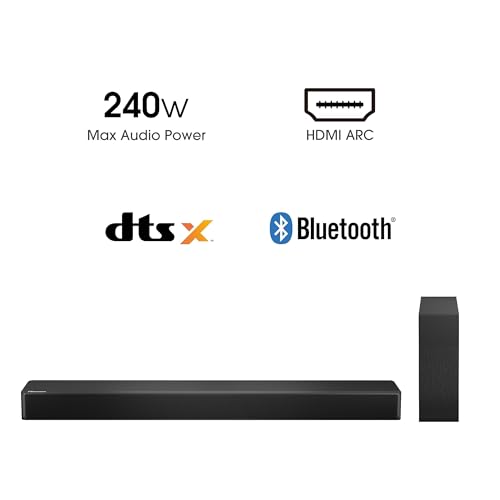
This represents the most fundamental performance difference between these systems. The Hisense HS2100 uses DTS Virtual:X processing to create simulated surround effects from its front-firing speakers. This technology works by carefully timing and phase-shifting audio signals to trick your brain into perceiving sounds coming from beside and behind you.
Virtual surround can be surprisingly effective in the right circumstances—when you're sitting in the optimal listening position (usually directly in front of the soundbar) and the room acoustics cooperate. However, it's limited by physics. If you move around the room or multiple people are watching, the effect diminishes significantly.
The LG S60TR provides genuine surround sound through physical rear speaker placement. When a helicopter flies overhead in a movie, you actually hear it transition from front to back through space. Gaming benefits tremendously from this setup—being able to accurately locate enemy footsteps or environmental audio cues provides both immersion and competitive advantage.
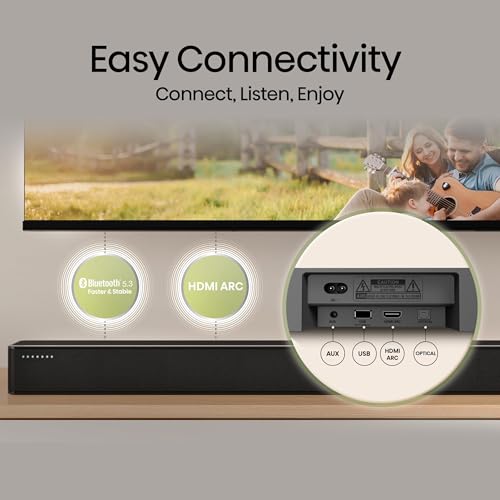
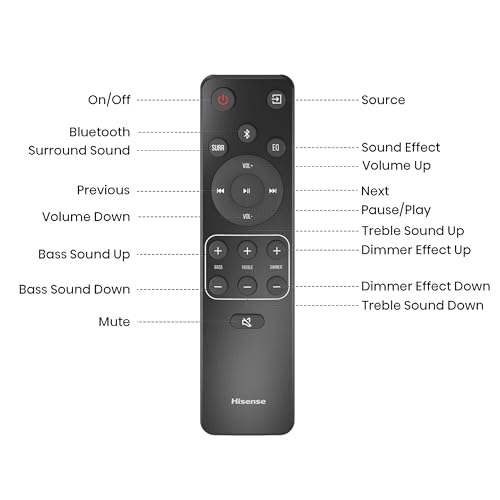
Both systems support the essential connection types, but with important differences in implementation. The Hisense HS2100 includes Bluetooth 5.3, which provides better range, stability, and lower latency compared to older Bluetooth versions. This seemingly minor specification improvement makes a noticeable difference when streaming music from phones or tablets.
The LG S60TR adds Wi-Fi connectivity and mobile app control, enabling features like over-the-air firmware updates and more granular sound adjustment. The WOW Interface integration with LG TVs deserves mention—it allows control of both TV and soundbar functions through a single remote, eliminating the frustration of juggling multiple controllers.
Your room size and layout significantly influence which system makes more sense. The Hisense HS2100 excels in smaller to medium spaces where its compact footprint and simplified setup provide maximum value. The ultra-slim subwoofer fits environments where a larger sub would dominate the room visually or physically.
Apartments and condos often present placement challenges that favor 2.1 systems. You don't need to worry about rear speaker positioning, power outlet access, or running cables across the room. The wireless subwoofer can be placed anywhere within reasonable range of the soundbar.
The LG S60TR requires more planning but rewards that effort in suitable spaces. Medium-sized living rooms (roughly 12x15 feet or larger) can properly accommodate the rear speakers while providing enough distance for the surround effects to develop naturally. The system really shines when you can position the rear speakers 6-8 feet behind the main listening area.
At the time of writing, these systems operate in different price categories that reflect their fundamental design philosophies. The Hisense HS2100 represents exceptional value in the budget segment—you're getting legitimate high-quality audio performance at a price point where many alternatives make significant compromises in build quality or sound character.
The LG S60TR costs significantly more but includes everything needed for a complete surround sound system. When evaluated on a per-channel basis, the pricing becomes more reasonable. You're essentially getting six speakers, amplification, and processing for less than many people spend on a single high-quality Bluetooth speaker.
The total cost of ownership perspective matters here. If you buy the Hisense now and later decide you want surround sound, you'll need to purchase an entirely new system. The LG represents a more final purchase that addresses surround sound needs immediately.
For renters in smaller spaces who primarily watch TV shows, news, and casual movie streaming, the Hisense HS2100 makes tremendous sense. The setup requires minimal space commitment, the sound quality dramatically improves over TV speakers, and the low latency ensures perfect audio-video sync during dialogue-heavy content.
The balanced tonal signature works particularly well for extended viewing sessions without fatigue. If you find yourself watching Netflix series for hours at a time, having audio that doesn't become harsh or tiresome makes a real difference in viewing comfort.
Movie lovers and gamers who have the space and setup flexibility benefit enormously from the LG S60TR's true surround capabilities. The difference between virtual and physical surround becomes apparent during action sequences, horror movies, and atmospheric games where directional audio contributes significantly to immersion.
The higher power output also means the system can fill larger spaces while maintaining clarity during quiet dialogue passages and delivering impactful dynamics during loud action sequences. This headroom prevents the compression and distortion that smaller systems exhibit when pushed to higher volumes.
Professional reviews highlight several technical aspects worth considering for discerning users. The Hisense HS2100 demonstrates excellent impulse response characteristics—meaning it accurately reproduces sudden sounds like gunshots or door slams without blurring or ringing. This translates to a more realistic and engaging listening experience.
The LG S60TR's AI processing, while impressive in concept, can sometimes overprocess content. Users report best results when manually selecting appropriate sound modes rather than relying entirely on automatic detection. The app-based control provides access to detailed EQ adjustment, allowing fine-tuning that isn't possible with the Hisense's simpler bass and treble controls.
Choose the Hisense HS2100 if you value simplicity, have space constraints, or prioritize audio-video synchronization. It's ideal for users who want the best possible stereo sound enhancement without complexity. The low price makes it an excellent entry point into quality soundbar audio, and the performance quality ensures you won't feel shortchanged compared to more expensive 2.1 alternatives.
The LG S60TR makes sense when you have the space for proper setup and consume content that benefits from surround sound. Movie enthusiasts, gamers, and users with larger rooms will appreciate the immersive experience that only physical rear speakers can provide. The higher investment pays dividends in long-term satisfaction and eliminates the need for future system upgrades.
Ultimately, both systems excel at their intended purposes. The Hisense maximizes value and quality in the 2.1 category, while the LG provides accessible entry into true surround sound. Your choice should align with your space, content preferences, and whether you prioritize immediate affordability or comprehensive audio capability.
| Hisense HS2100 | LG S60TR |
|---|---|
| Channel Configuration - Determines surround sound capability and immersion level | |
| 2.1 channels (soundbar + subwoofer only) | 5.1 channels (soundbar + subwoofer + rear speakers) |
| Total Power Output - Affects maximum volume and room-filling capability | |
| 240W total (60W soundbar, 120W subwoofer) | 440W total (220W soundbar, 220W subwoofer) |
| Surround Sound Technology - Key difference in audio experience | |
| DTS Virtual:X (simulated surround from front speakers) | True 5.1 surround with physical rear speaker placement |
| Subwoofer Power - Critical for bass impact in movies and music | |
| 120W wireless subwoofer with 5.25" driver | 220W wireless subwoofer (nearly double the bass power) |
| Audio Latency - Important for dialogue sync and gaming | |
| Significantly lower HDMI ARC latency (excellent sync) | Standard latency (may require audio delay adjustment) |
| Setup Complexity - Affects installation time and room requirements | |
| Simple plug-and-play (soundbar + wireless sub) | More complex (requires rear speaker placement and power) |
| Smart Features - Modern convenience and control options | |
| Basic presets, Bluetooth 5.3, Roku TV Ready | AI Sound Pro, Wi-Fi, mobile app, LG TV integration |
| Physical Footprint - Important for smaller living spaces | |
| Ultra-slim subwoofer (4.3" deep), compact soundbar | Larger subwoofer plus rear speakers require more space |
| Audio Processing - Affects sound quality and customization | |
| Balanced frequency response, manual bass/treble | AI-powered optimization, multiple sound modes |
| Connectivity Options - Determines device compatibility | |
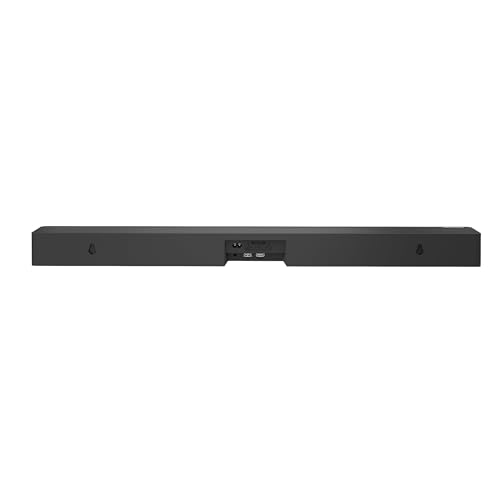
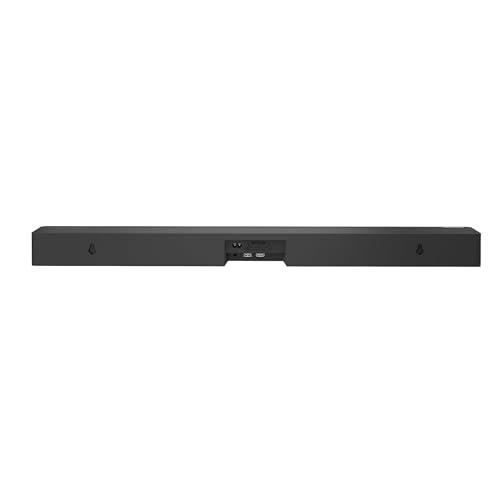
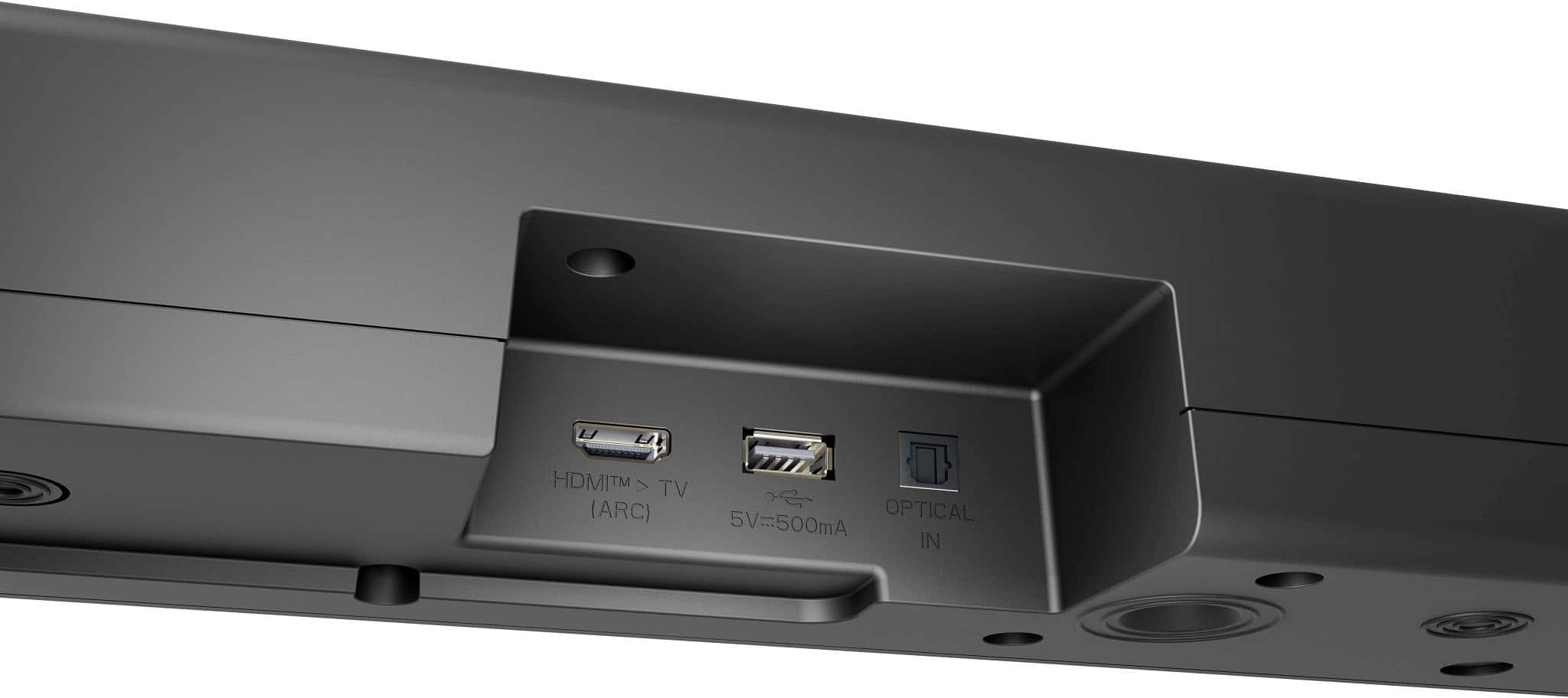
| HDMI ARC, Optical, USB, 3.5mm AUX, Bluetooth | HDMI eARC, Optical, USB, Bluetooth, Wi-Fi |
| Best Use Case - Who should choose this system | |
| Budget-conscious users, small spaces, TV/dialogue focus | Movie/gaming enthusiasts, medium rooms, surround priority |
| Value Proposition - Cost vs features at time of writing | |
| Exceptional budget performance, best 2.1 value | Complete 5.1 system, no additional purchases needed |
The primary difference is channel configuration: the Hisense HS2100 is a 2.1 system with just a soundbar and subwoofer, while the LG S60TR is a complete 5.1 system that includes rear speakers for true surround sound. This means the LG S60TR provides genuine directional audio, while the Hisense HS2100 relies on virtual surround processing.
The Hisense HS2100 is ideal for smaller spaces due to its compact design and ultra-slim subwoofer that's only 4.3 inches deep. It requires no rear speaker placement and offers excellent performance without dominating the room. The LG S60TR needs more space for proper rear speaker positioning and works best in medium-sized rooms.
Yes, if you want true surround sound for movies and gaming. The rear speakers in the LG S60TR create authentic directional audio where sounds actually move around you, making action movies and games more immersive. Without them, you'd only have front-facing audio like the Hisense HS2100.
The LG S60TR delivers superior bass with its 220W subwoofer compared to the Hisense HS2100's 120W subwoofer. This means deeper, more impactful bass for action movies and music. However, the Hisense HS2100 still provides satisfying bass performance for its price category.
The Hisense HS2100 offers simpler setup with just a soundbar and wireless subwoofer that pairs automatically. The LG S60TR requires more planning since you need to position rear speakers and ensure power access, though the audio connection to rear speakers is wireless.
For movies with action and surround effects, the LG S60TR provides a more cinematic experience with its true 5.1 surround sound. For TV shows and dialogue-heavy content, the Hisense HS2100 excels with its balanced sound profile and lower audio latency that keeps dialogue perfectly synced.
Both support Bluetooth music streaming, but they serve different purposes. The Hisense HS2100 features Bluetooth 5.3 for stable connections and balanced sound ideal for casual music listening. The LG S60TR offers more power and bass impact for music but may be overkill if you primarily stream music.
The Hisense HS2100 provides exceptional value in the budget category, delivering high-quality 2.1 audio at a very accessible price point. The LG S60TR offers better value if you want complete 5.1 surround sound, as it includes all necessary components in one purchase rather than requiring separate upgrades later.
Yes, both soundbars work with any TV that has HDMI ARC or optical audio outputs. However, the Hisense HS2100 has special Roku TV Ready features for enhanced integration, while the LG S60TR offers deeper integration with LG TVs through its WOW Interface for single remote control.
The LG S60TR is superior for gaming due to its true surround sound that helps locate enemy positions and environmental audio cues. The physical rear speakers provide competitive advantages in multiplayer games. The Hisense HS2100 works well for casual gaming but lacks the directional audio benefits.
The Hisense HS2100 delivers 240W total power, while the LG S60TR provides 440W across all speakers. The higher power output of the LG S60TR means it can fill larger rooms and maintain clarity at higher volumes, while the Hisense HS2100 provides adequate power for smaller to medium spaces.
If budget is your primary concern, the Hisense HS2100 offers outstanding performance for its price category and represents one of the best values in 2.1 soundbars. The LG S60TR costs significantly more but provides a complete surround sound system that eliminates the need for future upgrades if you want true surround sound.
We've done our best to create useful and informative comparisons to help you decide what product to buy. Our research uses advanced automated methods to create this comparison and perfection is not possible - please contact us for corrections or questions. These are the sites we've researched in the creation of this article: rtings.com - shop.hisense-usa.com - bestbuy.com - content.syndigo.com - bestbuy.com - hisensedealers.co.ke - stuff.co.za - dtc-aus-api.hisense.com - youtube.com - manuals.plus - youtube.com - bestbuy.com - youtube.com - gallifurniture.com - hisense-usa.com - manuals.plus - uk.hisense.com - device.report - youtube.com - costco.ca - elmcreekwsa.com - gallifurniture.com - bestbuy.com - mynavyexchange.com - youtube.com - consumerreports.org - avsforum.com - rentacenter.com - bestbuy.com - homechoicestores.com - oconsommateur.com - lg.com - bestbuy.com - samsung.com

Privacy Policy
Terms and Conditions - Affiliate Policy
Home Security
© Copyright 2008-2026.
11816 Inwood Rd #1211, Dallas, TX 75244