

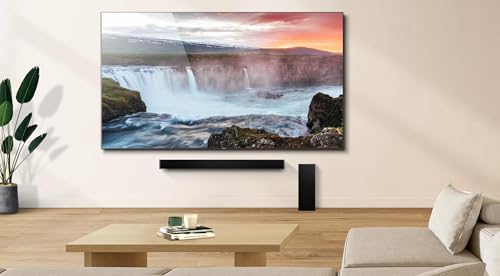

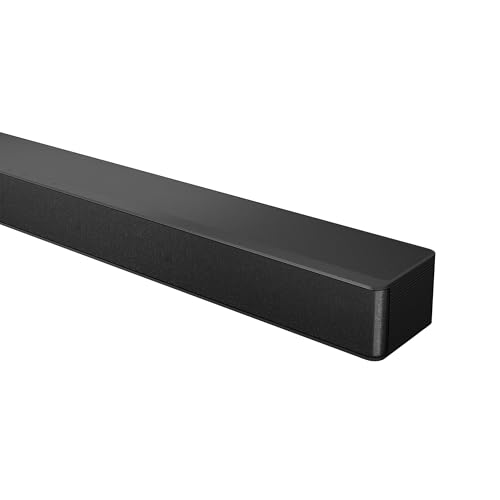
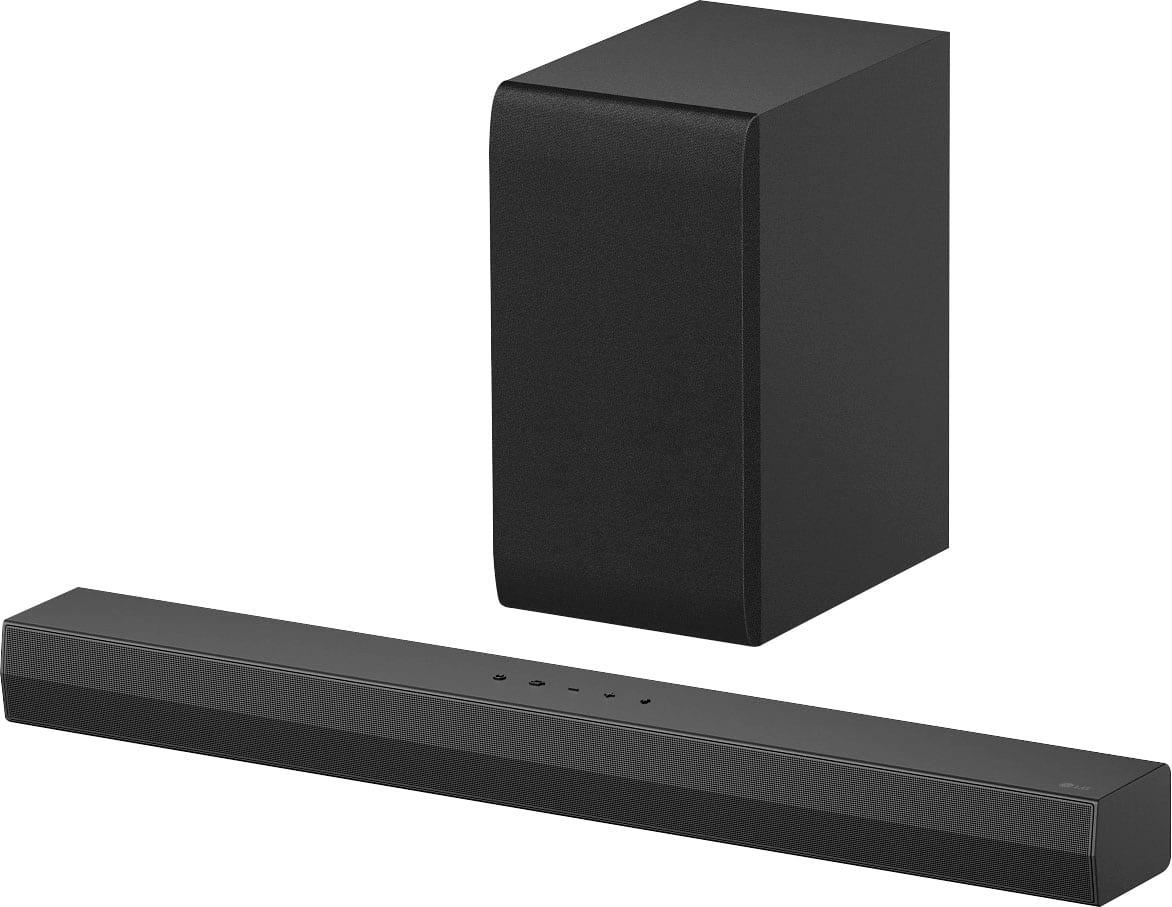
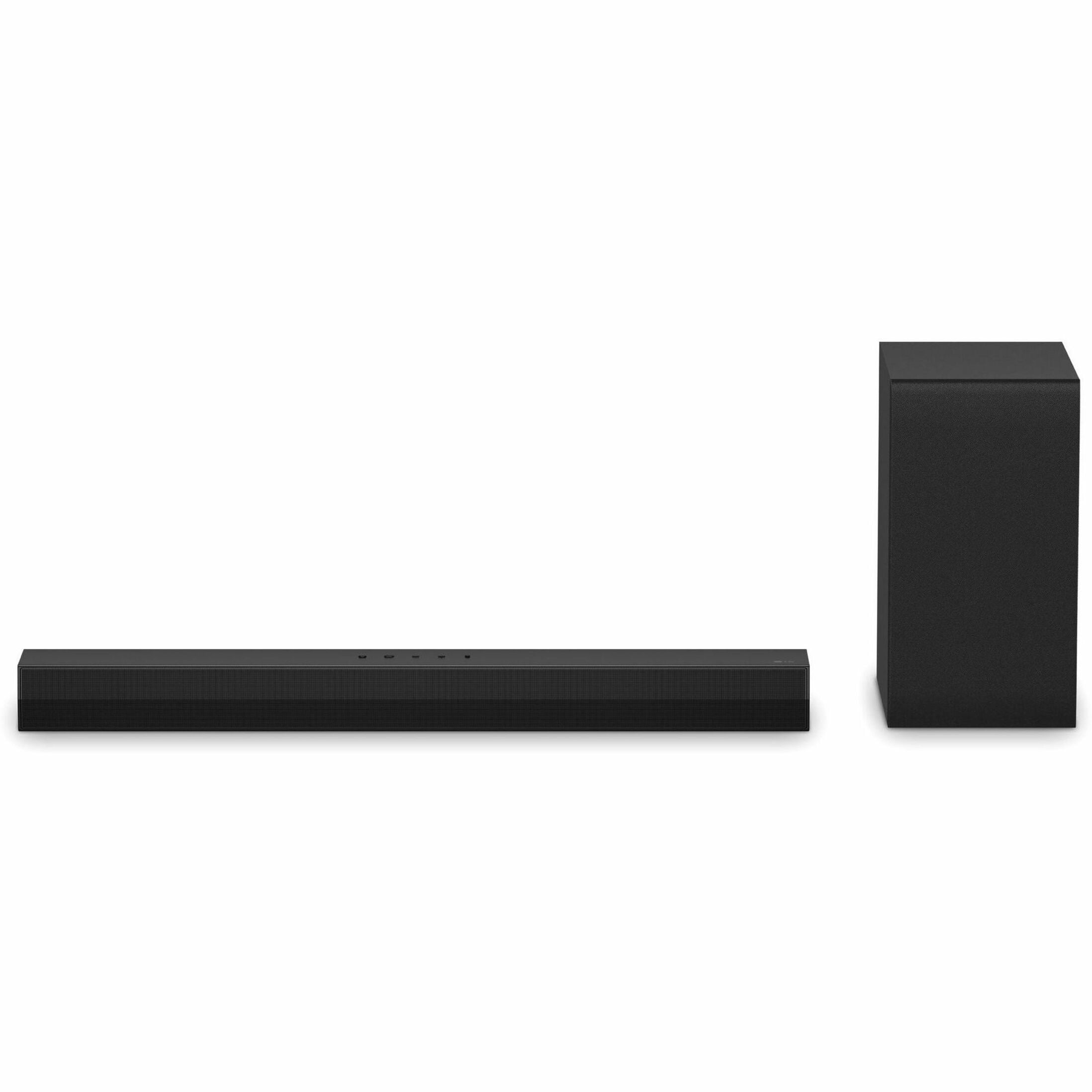
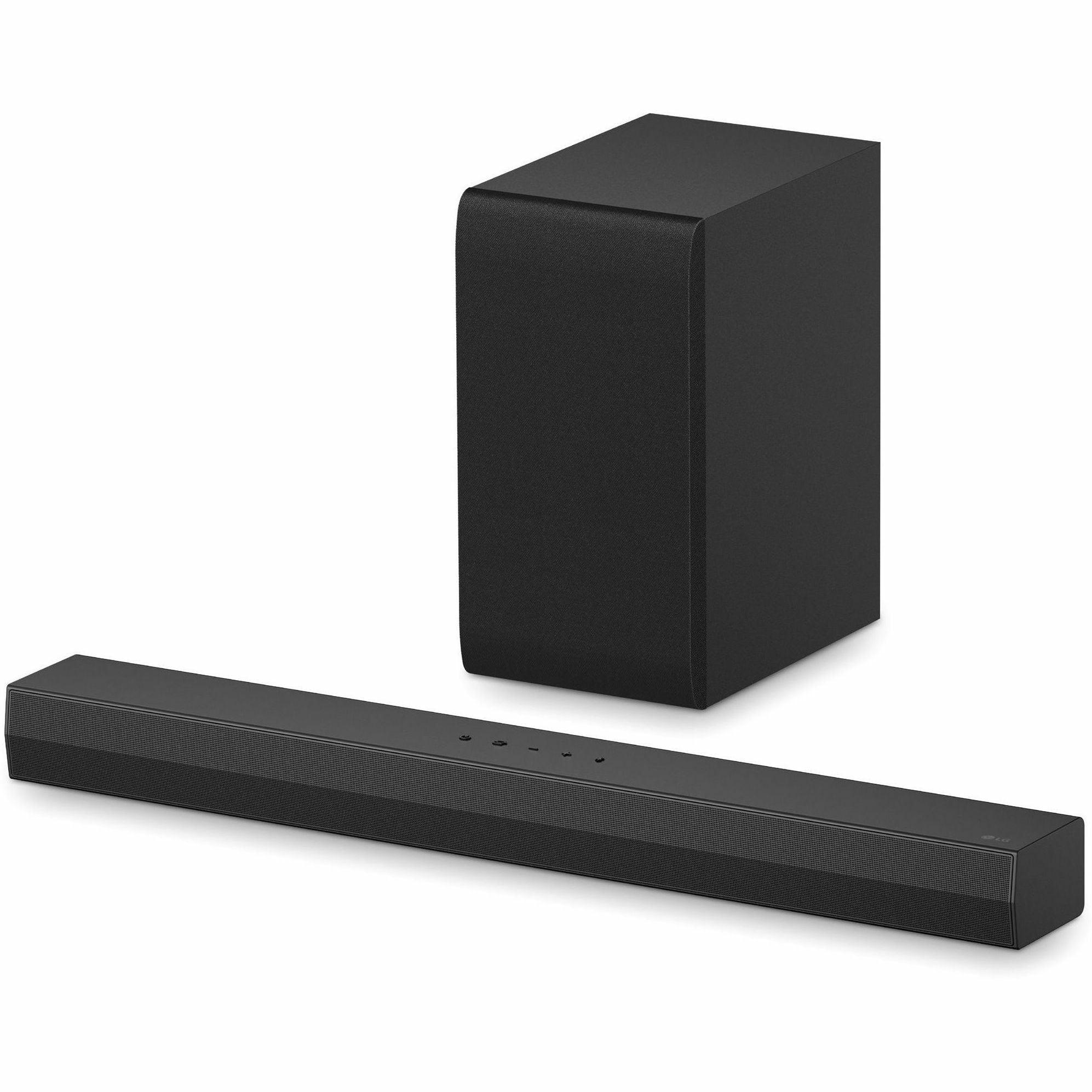

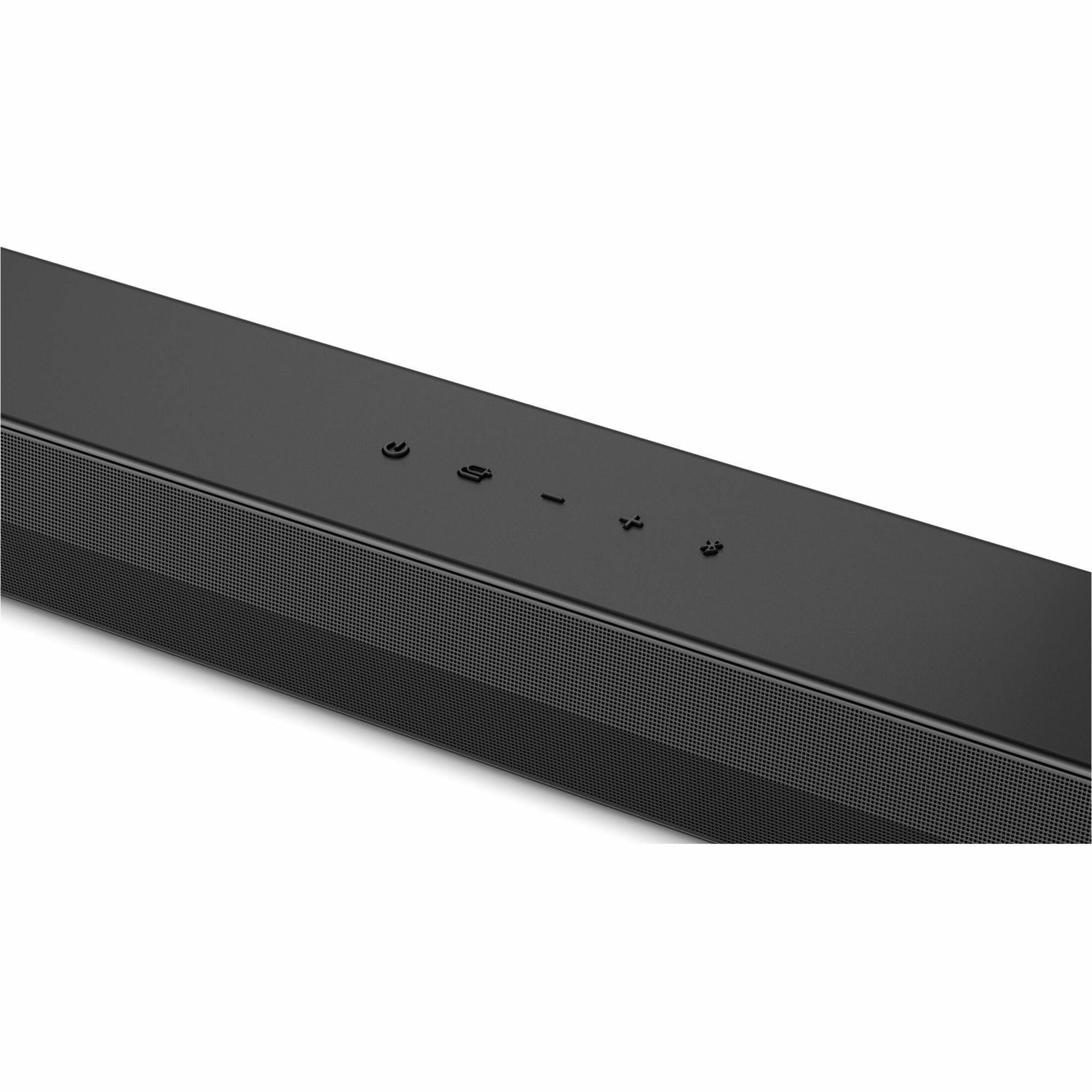

If you've ever found yourself cranking up your TV volume just to understand what the actors are saying, or felt like explosions in movies sound more like gentle puffs, you're experiencing the fundamental problem with modern TV speakers. Today's ultra-thin TVs simply don't have room for decent speakers, which is where 2.1 soundbars come to the rescue.
The 2.1 soundbar category represents the sweet spot for most people looking to upgrade their TV audio without breaking the bank or turning their living room into a speaker showroom. That "2.1" designation means you get two main speakers (left and right channels) plus one subwoofer (the ".1") that handles the deep bass your TV can't produce. It's like having a mini home theater system that connects with just one or two cables.
Before diving into our comparison of the Hisense HS2100 and LG S40T, it's worth understanding what separates a great budget soundbar from a mediocre one. The most important factors are audio balance (how well different frequencies work together), dialogue clarity (can you actually understand what people are saying without subtitles?), bass integration (does the subwoofer complement rather than overpower the main speakers?), and reliability across different volume levels.
Many budget soundbars make the mistake of prioritizing raw volume over audio quality. They'll boast impressive wattage numbers but deliver muddy, compressed sound when you actually turn them up. The best budget options, like our two contenders here, focus on delivering clean, balanced audio that enhances your TV experience rather than just making it louder.
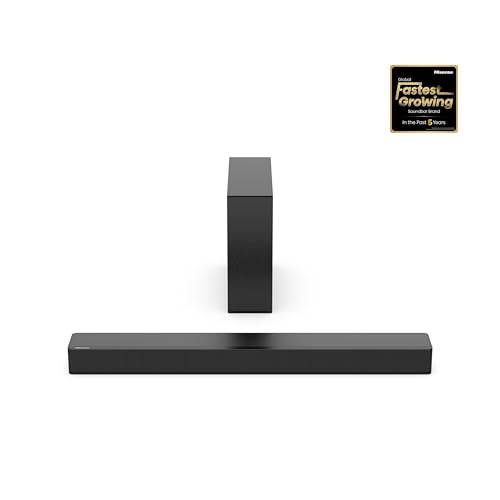
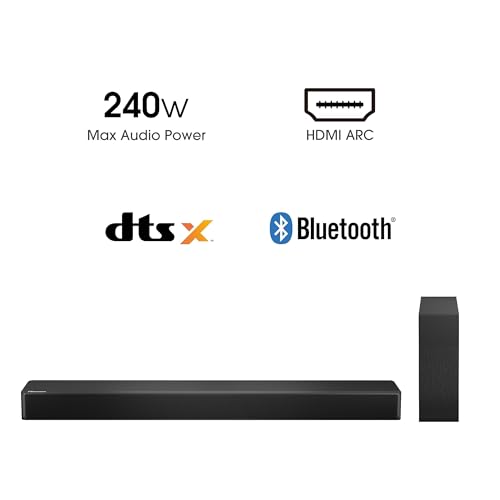
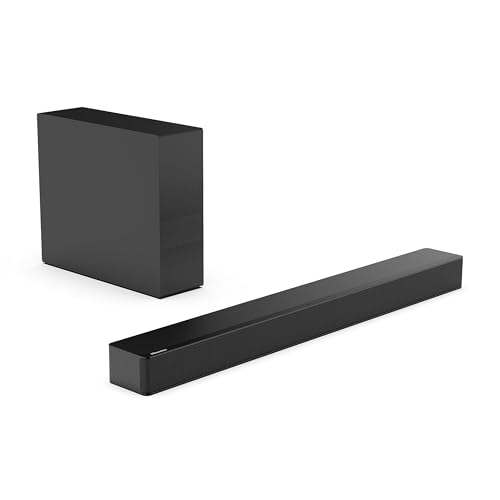
The Hisense HS2100, released in recent years as part of Hisense's expanded audio lineup, takes what I'd call the "audiophile on a budget" approach. With 240 watts of total power split between a compact soundbar and wireless subwoofer, it prioritizes audio balance and consistency over flashy features.
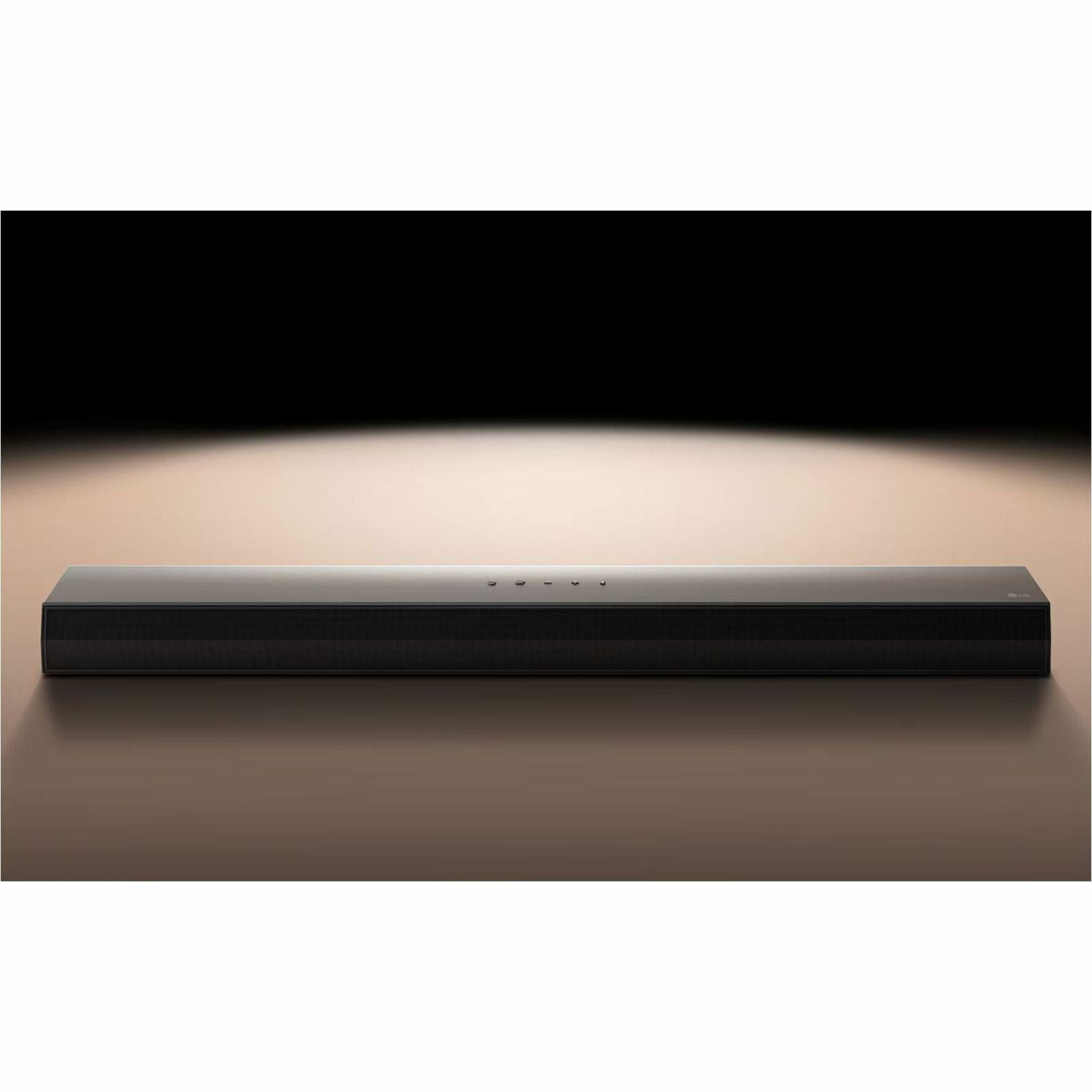
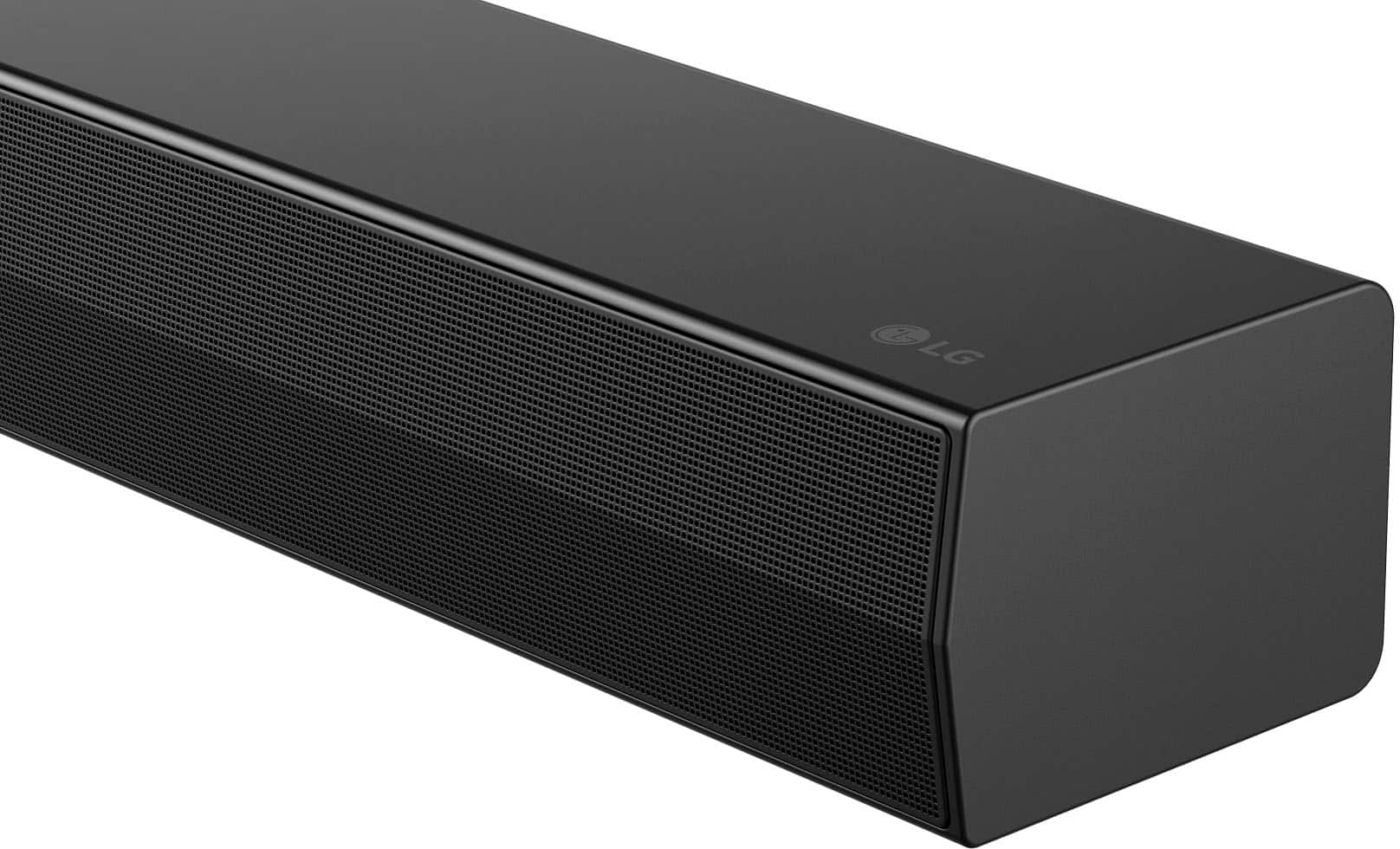
The LG S40T, launched in 2024 as LG's entry into the competitive budget soundbar market, represents the "smart features first" philosophy. Packing 300 watts and AI-driven sound processing, it aims to deliver maximum impact through intelligent audio adaptation and higher peak volumes.
Both soundbars include wireless subwoofers, which is crucial at this price point. Wired subwoofers create cable management headaches and limit placement options, while wireless designs let you position the bass unit where it sounds best in your room.
Here's where these two soundbars reveal their different personalities. The Hisense HS2100 delivers what audio engineers call a "neutral" frequency response – meaning it doesn't artificially boost or cut specific frequency ranges. This translates to more natural-sounding voices, clearer dialogue, and music that sounds closer to how the artists intended.
Based on our research into professional reviews and user feedback, the Hisense HS2100 maintains this balance across all volume levels. Whether you're watching late-night TV at whisper volumes or cranking it up for an action movie, the sound remains clear and well-proportioned. This consistency stems from its conservative power management and well-tuned crossover (the point where the soundbar hands off low frequencies to the subwoofer).
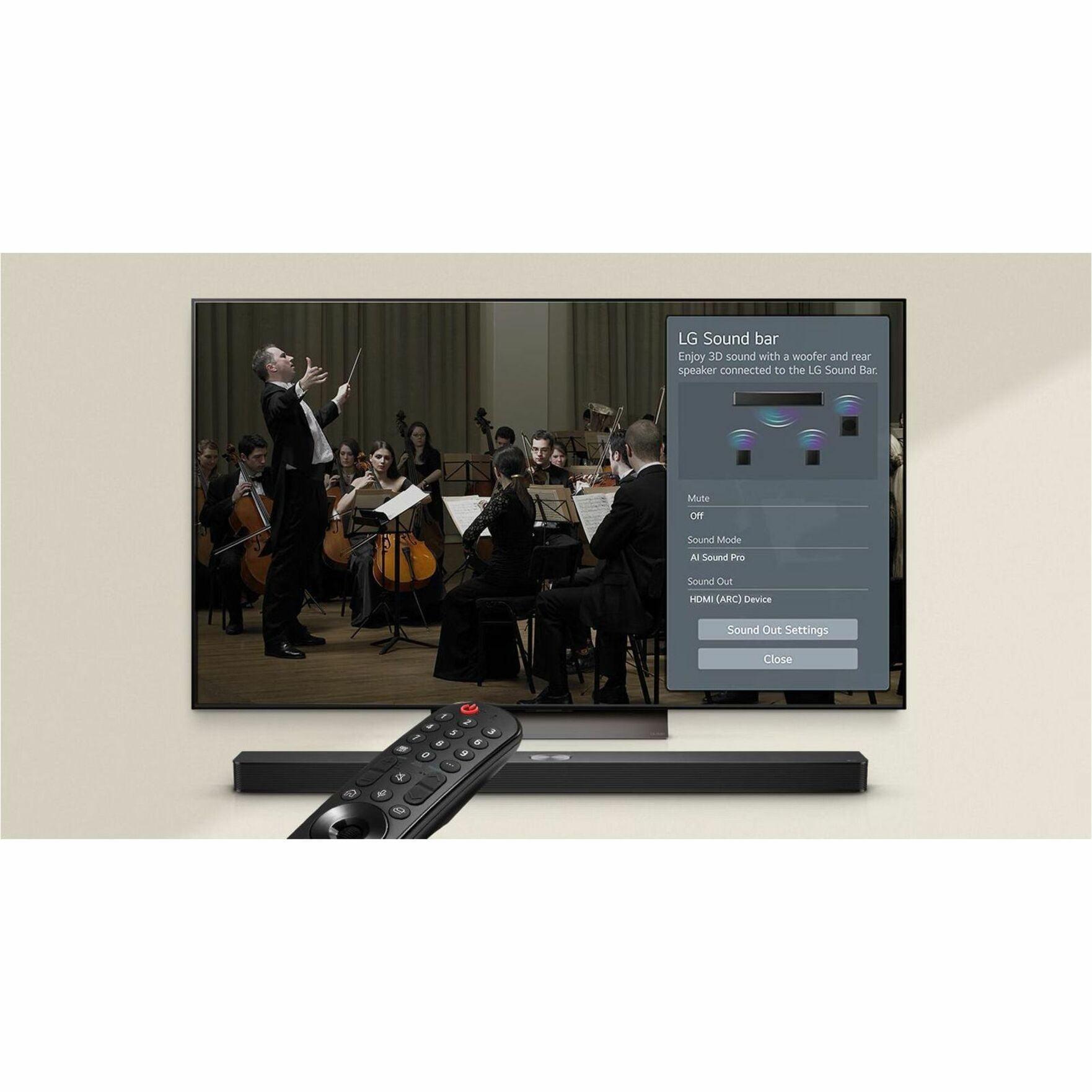
The LG S40T takes a different approach with its AI Sound Pro technology. This feature analyzes the content you're watching and adjusts the sound profile in real-time. While this sounds impressive on paper, it can sometimes lead to inconsistent audio experiences. The AI might boost dialogue during quiet scenes but then struggle to maintain that clarity during explosive action sequences.
More concerning is the LG S40T's tendency toward compression at higher volumes. Compression in audio means that loud sounds get quieter and quiet sounds get louder, reducing the dynamic range that makes movies exciting. When you push the LG near its maximum 300-watt output, the sound becomes noticeably squashed, losing the impact that higher wattage should theoretically provide.
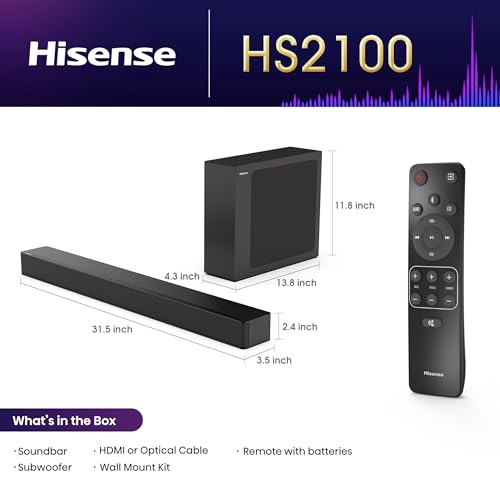
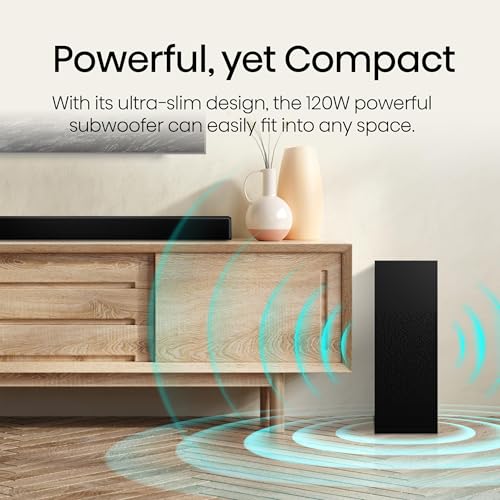
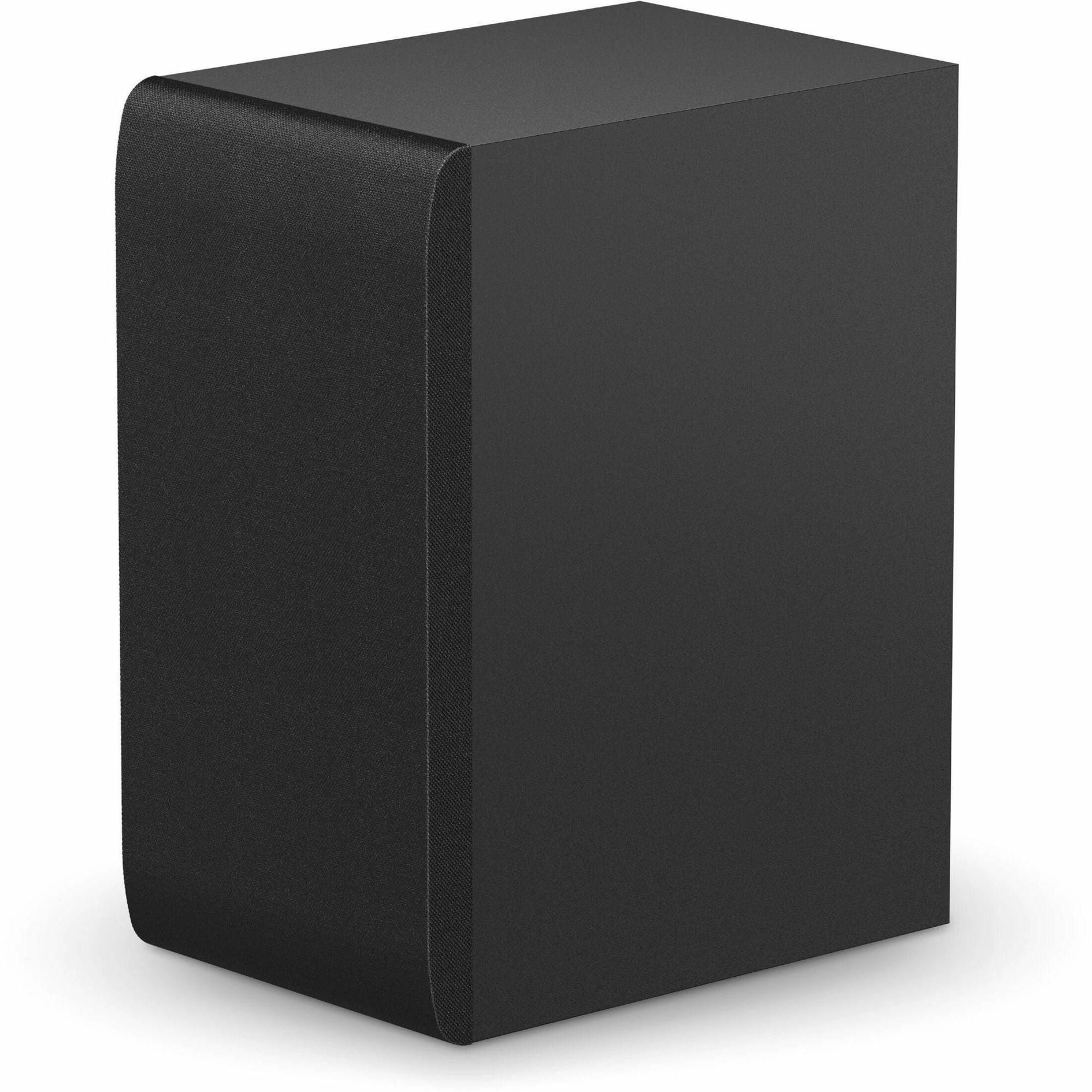
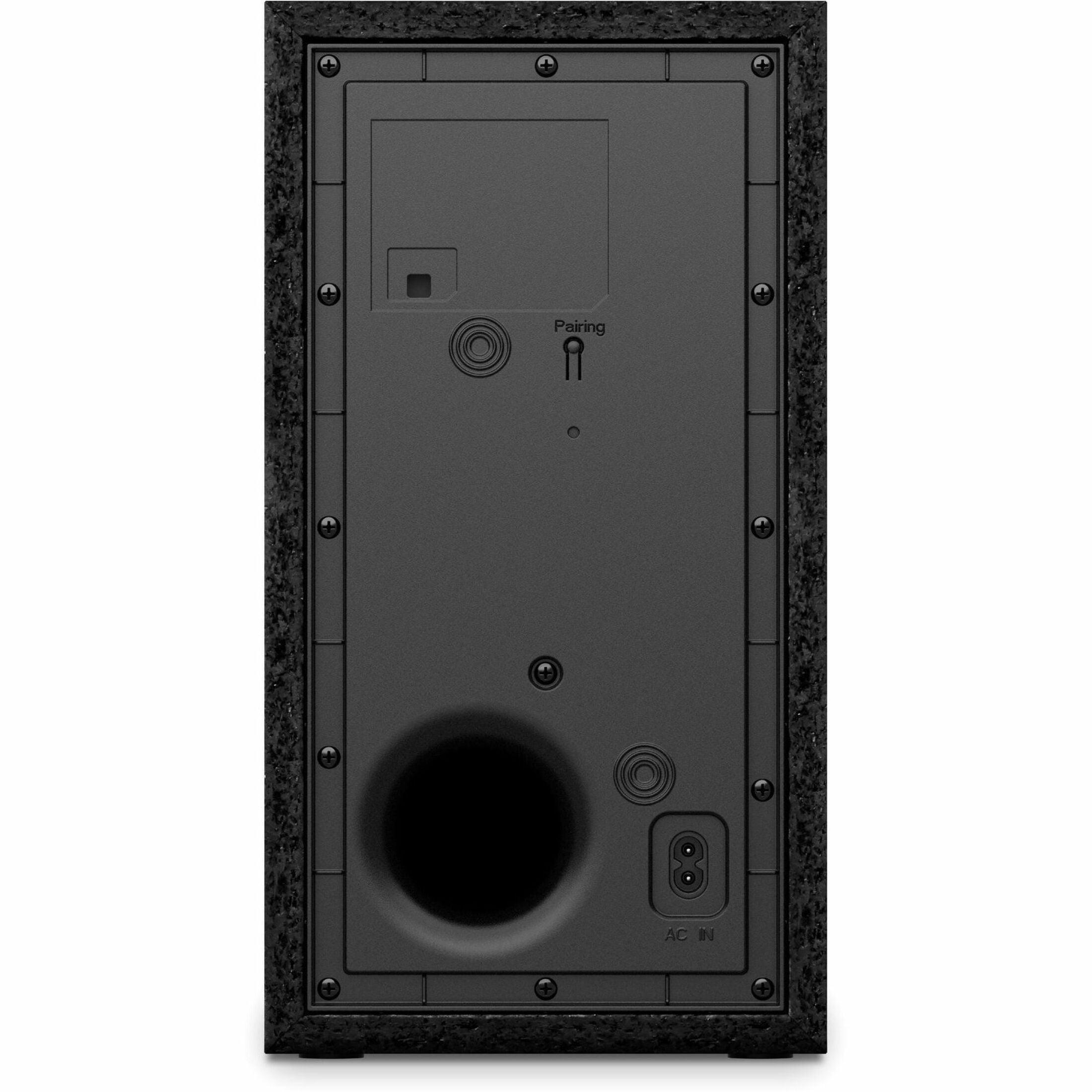
Both soundbars include wireless subwoofers, but they approach bass reproduction very differently. The Hisense HS2100's subwoofer features a 5.25-inch driver in an ultra-compact cabinet that's only 4.3 inches deep. This "ultra-slim" design makes it incredibly easy to place under furniture or against walls without dominating your living space.
Despite its compact size, the Hisense sub delivers impressive low-frequency extension. It reaches down to about 45 Hz, which covers most of the bass content in movies and music. More importantly, it integrates seamlessly with the main soundbar, creating a cohesive sound where you can't tell where the soundbar ends and the subwoofer begins.
The LG S40T allocates a hefty 200 watts to its subwoofer (compared to 120 watts for the Hisense), but this higher power comes with trade-offs. The LG's subwoofer is significantly bulkier, measuring nearly 7 inches deep and weighing over 9 pounds. This size constraint means many users struggle to find appropriate placement, and poor subwoofer positioning can make bass sound boomy or disconnected from the main audio.
Nothing ruins a movie night like constantly reaching for the remote to adjust volume because you can't understand the dialogue. This is where the Hisense HS2100 truly shines. Its balanced frequency response and dedicated "News" sound mode emphasize the vocal range without making voices sound artificial or thin.
The soundbar's relatively neutral midrange means actors' voices cut through background music and sound effects naturally. Even in complex audio mixes where explosions and orchestral music compete with dialogue, the Hisense maintains vocal intelligibility without requiring you to constantly adjust settings.
The LG S40T handles dialogue adequately, but its AI processing can sometimes work against clarity. When the AI detects action scenes, it might boost bass and effects at the expense of vocal prominence. While the system includes dialogue enhancement features, they feel more like corrective measures than inherent strengths.
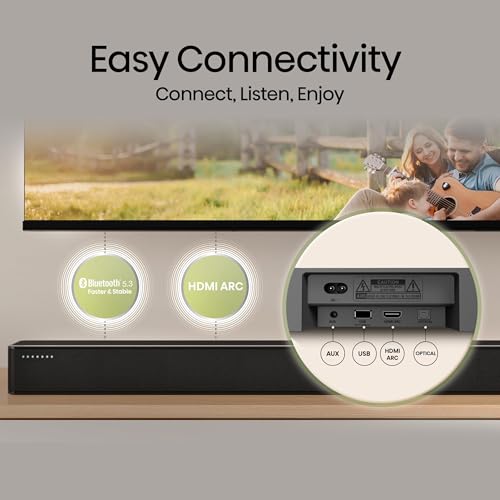
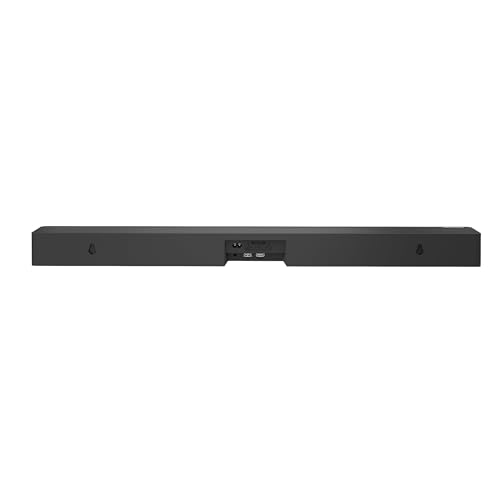
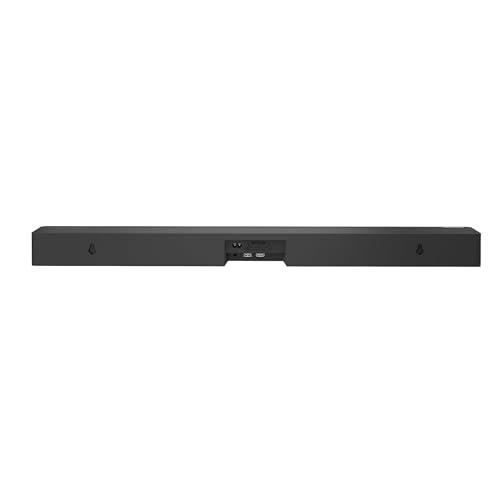
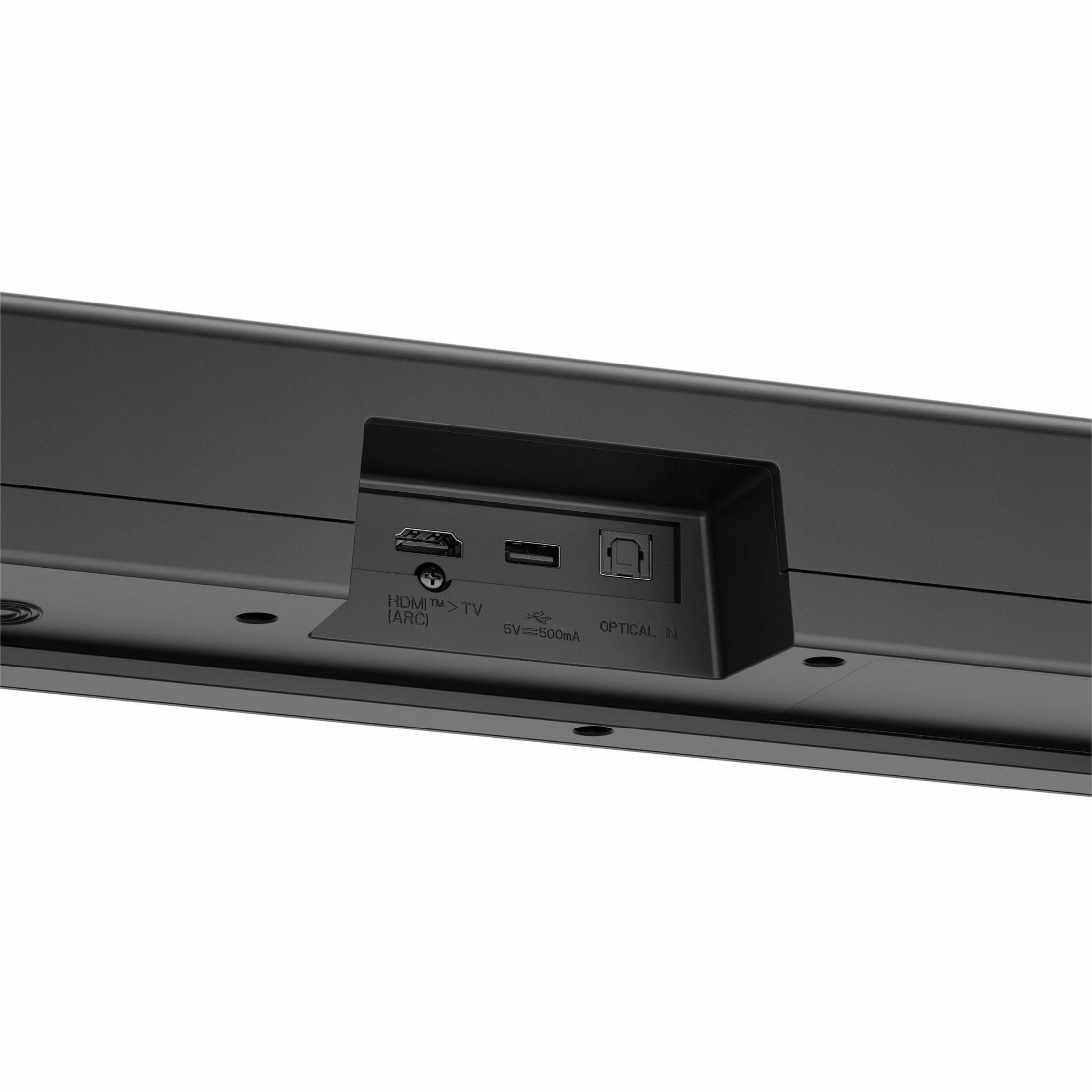
Both soundbars offer the essential connections you'd expect: HDMI ARC (Audio Return Channel, which lets you control the soundbar with your TV remote), optical input for older TVs, and Bluetooth 5.3 for wireless music streaming. The Bluetooth 5.3 specification is relatively recent and provides better range, lower latency, and more stable connections compared to older Bluetooth versions.
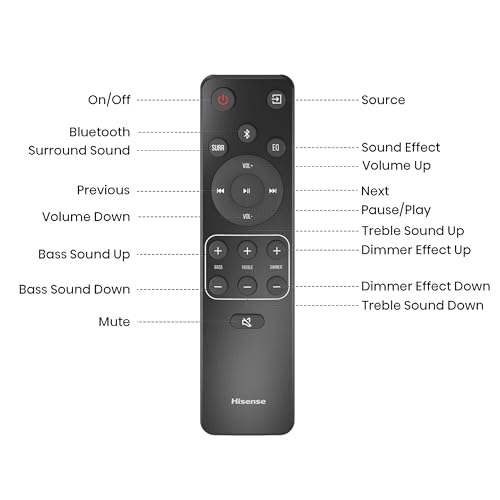
The Hisense HS2100 includes Roku TV Ready certification, which ensures seamless integration with Roku TVs and streaming devices. This feature provides automatic power management and volume control through your existing TV remote, eliminating the need for multiple remotes in many setups.
Here's where the two soundbars diverge significantly. The Hisense HS2100 offers six preset sound modes: Movie, Music, News, Sports, Night, and Game. Each mode adjusts the frequency response and processing to suit different content types. The Night mode, for example, compresses dynamic range to keep explosions from waking neighbors while maintaining dialogue clarity.
The standout feature is DTS Virtual:X processing, which creates a sense of three-dimensional sound from the 2.1 speaker configuration. While it can't replicate true surround sound systems with rear speakers, Virtual:X does create a more expansive soundstage that makes movies feel more immersive.
The LG S40T counters with AI Sound Pro and what LG calls the "WOW Interface." The AI system continuously analyzes audio content and adjusts processing in real-time. In theory, this should provide optimized sound for every scene without manual intervention. The WOW Interface refers to LG's user experience design, which aims to make settings and controls more intuitive.
However, our research suggests that AI audio processing can be a double-edged sword. While it works well for straightforward content like news or simple music, complex movie soundtracks can confuse the algorithms, leading to inconsistent audio experiences.
For gamers, audio latency (the delay between when something happens on screen and when you hear it) is crucial. The Hisense HS2100 consistently demonstrates low latency across all input types, making it excellent for gaming where audio cues matter. Whether you're playing competitive shooters or story-driven adventures, the sound stays perfectly synchronized with the action.
The LG S40T provides adequate latency performance but doesn't specifically optimize for gaming scenarios. The AI processing can sometimes introduce small delays as it analyzes and adjusts the audio, which might be noticeable to sensitive gamers.
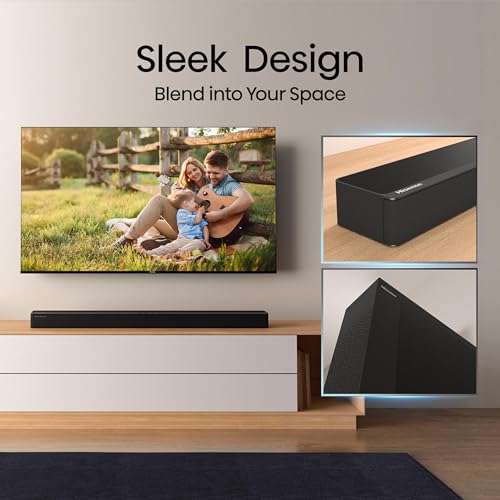
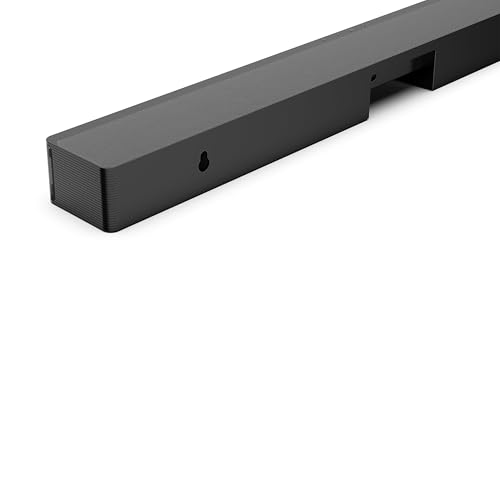
Living room real estate is precious, and both soundbars understand this constraint. The Hisense HS2100 measures 31.5 inches wide, making it suitable for TVs 40 inches and larger. Its low-profile design won't block your TV's sensors or interfere with wall mounting.
The true winner in space efficiency is the Hisense's subwoofer. At just 4.3 inches deep, it can slide under most furniture or fit against baseboards where traditional subwoofers can't. This flexibility is invaluable in apartments or smaller living rooms where every inch matters.
The LG S40T features a slightly smaller soundbar but compensates with a much larger subwoofer. While the extra size can translate to more bass output when properly positioned, it creates placement challenges that many users underestimate when shopping online.
Both soundbars use primarily plastic construction with fabric speaker grilles, which is standard at this price point. The Hisense HS2100 feels slightly more substantial despite its lower price, with tighter panel gaps and more refined button feel. Neither soundbar feels premium, but both should withstand normal home use without issues.
The wireless connection between soundbar and subwoofer proves reliable on both systems, with automatic pairing that reconnects seamlessly after power cycles.
At the time of writing, the Hisense HS2100 typically sells for significantly less than the LG S40T, making the value comparison quite stark. The Hisense delivers better audio balance, more consistent performance, and superior bass integration at a lower price point.
The LG S40T commands a premium for its AI features, brand recognition, and higher peak power output. Whether these features justify the extra cost depends entirely on your priorities and usage patterns.
From a pure performance-per-dollar perspective, the Hisense HS2100 represents exceptional value. You're getting audiophile-friendly tuning, reliable connectivity, and thoughtful design at a price that undercuts many inferior competitors.
For dedicated home theater use, both soundbars have limitations inherent to the 2.1 format. Neither provides true surround sound – they downmix multichannel audio to stereo and use processing to create spatial effects. If you're building a serious home theater, consider whether a 5.1 system might better serve your needs.
That said, for casual movie watching and TV viewing, both soundbars provide substantial upgrades over TV speakers. The Hisense HS2100 offers more cinema-like audio balance, while the LG S40T delivers maximum impact for action-heavy content.
The Hisense HS2100 emerges as the clear choice for most buyers. Its superior audio balance, consistent performance across volume levels, compact subwoofer design, and excellent value proposition make it ideal for:
The LG S40T serves a more specific audience who can justify its premium price for:
Unless you specifically need the LG S40T's higher peak volume or AI features, the Hisense HS2100 provides better overall value and performance. Its balanced approach to audio reproduction, reliable operation, and thoughtful design make it an easy recommendation for most soundbar shoppers.
The audio quality differences become apparent within minutes of listening, and the Hisense HS2100's consistency across different content types and volume levels provides long-term satisfaction that justifies choosing it over competitors with flashier spec sheets.
For your first soundbar upgrade, focus on getting the fundamentals right: clear dialogue, balanced sound, and reliable operation. The Hisense HS2100 delivers on all these fronts while leaving money in your pocket for other home entertainment upgrades.
| Hisense HS2100 2.1 Channel 240W Soundbar System | LG S40T 2.1 Channel Soundbar |
|---|---|
| Total Power Output - Higher wattage doesn't always mean better sound quality | |
| 240W total (60W × 2 soundbar + 120W subwoofer) | 300W total (100W soundbar + 200W subwoofer) |
| Audio Processing Technology - Advanced features vs proven performance | |
| DTS Virtual:X, Dolby Digital, 6 preset sound modes | AI Sound Pro, Dolby Digital, DTS Digital, adaptive processing |
| Sound Quality at High Volume - Critical for movie nights and parties | |
| Maintains clarity and balance at all volume levels | Experiences compression and distortion near maximum volume |
| Subwoofer Size & Placement - Affects room compatibility and bass quality | |
| Ultra-slim 4.3" depth, 5.25" driver, easier placement | Bulkier 6.7" depth design, requires more space but higher power |
| Dialogue Clarity - Most important for TV shows and movies | |
| Excellent neutral midrange, dedicated News mode | Good with AI enhancement, can vary with content type |
| Gaming Performance - Matters for console and PC gaming | |
| Consistently low latency across all inputs | Standard latency, AI processing may add slight delays |
| Connectivity Options - Essential for device compatibility | |
| HDMI ARC, Optical, USB, Bluetooth 5.3, Roku TV Ready | HDMI ARC, Optical, USB, Bluetooth 5.3, LG TV integration |
| Bass Extension & Control - Determines how deep and tight the bass sounds | |
| 45Hz-20kHz range, well-integrated bass response | Subwoofer-dependent performance, placement-sensitive |
| Smart Features - Convenience vs simplicity trade-off | |
| Manual EQ controls, reliable preset modes | AI-driven automatic adjustments, app-based controls |
| Build Quality & Design - Long-term durability and aesthetics | |
| Compact design, solid construction for price point | Modern styling, larger subwoofer footprint |
| Value Proposition - Performance per dollar spent | |
| Superior audio balance and consistency at lower price | Premium price for AI features and brand recognition |
The Hisense HS2100 delivers superior overall sound quality with more balanced audio across all frequencies and consistent performance at every volume level. It maintains clear dialogue and well-integrated bass without compression, making it ideal for movie nights. The LG S40T can get louder but experiences audio compression at high volumes, which reduces sound quality during action scenes.
The Hisense HS2100 features a compact 5.25" subwoofer that delivers tight, controlled bass with excellent integration to the main soundbar. The LG S40T has a more powerful 200W subwoofer that can produce stronger bass impact but requires careful placement due to its larger size and can sound disconnected if positioned poorly.
The Hisense HS2100 is significantly better for small spaces thanks to its ultra-slim subwoofer that's only 4.3 inches deep. This allows placement under furniture or against walls where traditional subwoofers won't fit. The LG S40T has a much bulkier subwoofer that requires more room and careful positioning.
The Hisense HS2100 excels for gaming with consistently low audio latency across all inputs, ensuring perfect sync between visual and audio cues. The LG S40T provides adequate gaming performance but may introduce slight delays due to its AI processing, which could affect competitive gaming experiences.
The Hisense HS2100 provides exceptional value with superior audio balance, consistent performance, and thoughtful design at a lower price point. The LG S40T costs more for AI features and higher peak volume, but these extras don't justify the premium for most users who prioritize sound quality over maximum loudness.
The LG S40T offers more advanced smart features including AI Sound Pro that automatically adjusts audio based on content, plus a comprehensive mobile app for detailed control. The Hisense HS2100 takes a simpler approach with six reliable preset modes and manual bass/treble adjustment, which many users find more predictable and consistent.
The Hisense HS2100 delivers superior dialogue clarity thanks to its balanced frequency response and dedicated News mode that emphasizes vocal ranges naturally. The LG S40T handles dialogue adequately but its AI processing can sometimes work against vocal clarity during complex audio scenes.
Both the Hisense HS2100 and LG S40T offer identical core connectivity including HDMI ARC, optical input, USB ports, and Bluetooth 5.3 for wireless streaming. The Hisense HS2100 adds Roku TV Ready certification for seamless integration with Roku devices, while the LG S40T focuses on LG TV ecosystem compatibility.
The Hisense HS2100 maintains excellent audio quality and balance at all volume levels from whisper-quiet to room-filling loud. The LG S40T performs well at moderate volumes but suffers from noticeable compression and reduced audio quality when pushed to its maximum 300W output capacity.
Both soundbars feature plastic construction appropriate for their price range, but the Hisense HS2100 feels slightly more substantial with tighter build tolerances. The LG S40T offers more modern styling and LED indicators, though its larger subwoofer can dominate smaller rooms visually.
Both the Hisense HS2100 and LG S40T provide significant upgrades over TV speakers but have limitations for serious home theater use since they're 2.1 systems that downmix surround sound to stereo. The Hisense HS2100 offers more cinema-like audio balance, while the LG S40T delivers maximum impact for action content when properly set up.
Most buyers should choose the Hisense HS2100 for its superior audio balance, consistent performance across all volume levels, space-saving design, and excellent value proposition. Only choose the LG S40T if you specifically need maximum volume output, prefer AI-driven features, or have adequate space for its larger subwoofer and don't mind paying extra for these capabilities.
We've done our best to create useful and informative comparisons to help you decide what product to buy. Our research uses advanced automated methods to create this comparison and perfection is not possible - please contact us for corrections or questions. These are the sites we've researched in the creation of this article: rtings.com - shop.hisense-usa.com - bestbuy.com - content.syndigo.com - bestbuy.com - hisensedealers.co.ke - stuff.co.za - dtc-aus-api.hisense.com - youtube.com - manuals.plus - youtube.com - bestbuy.com - youtube.com - gallifurniture.com - hisense-usa.com - manuals.plus - uk.hisense.com - device.report - youtube.com - costco.ca - elmcreekwsa.com - gallifurniture.com - bestbuy.com - bestbuy.com - rtings.com - pcrichard.com - lg.com - lg.com - lg.com - lg.com - microcenter.com - flanners.com - bestbuy.com - microcenter.com

Privacy Policy
Terms and Conditions - Affiliate Policy
Home Security
© Copyright 2008-2026.
11816 Inwood Rd #1211, Dallas, TX 75244