

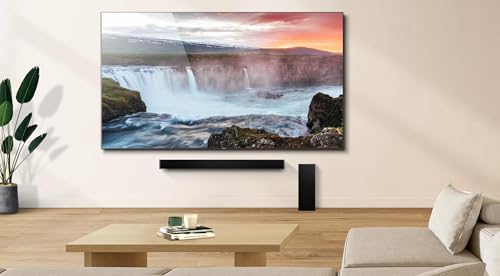
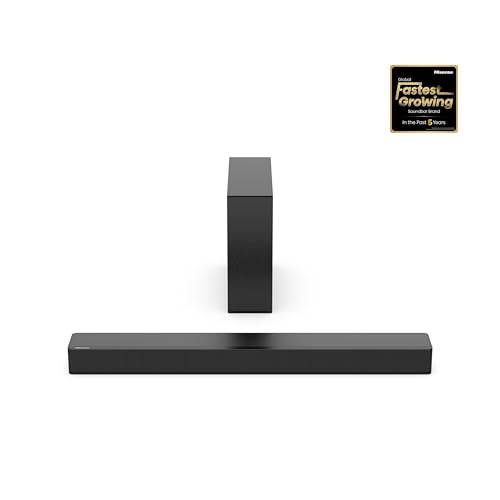

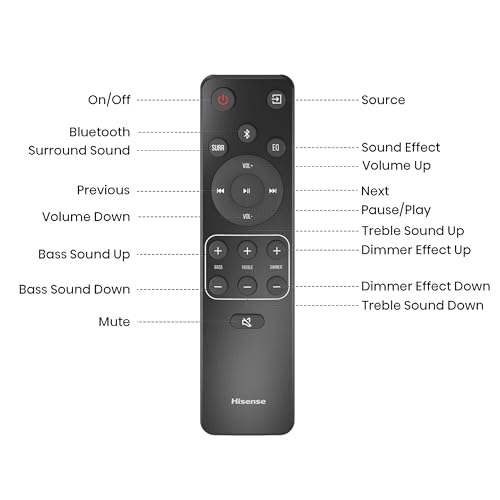
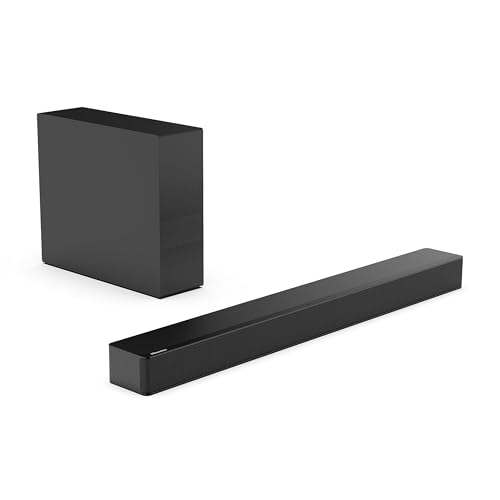
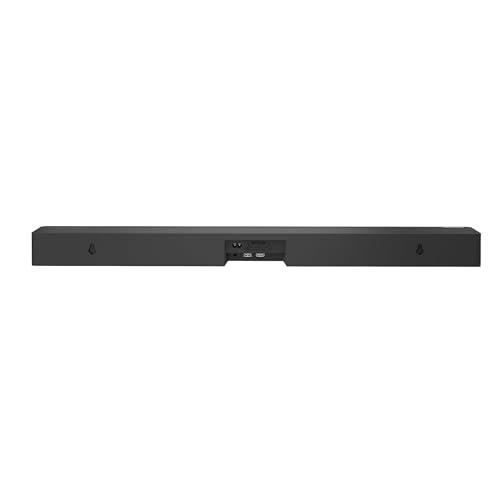
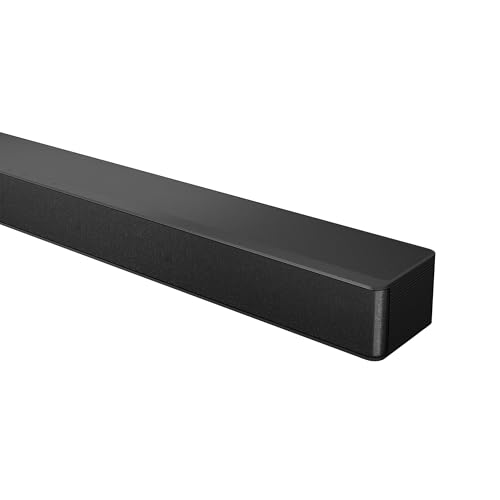
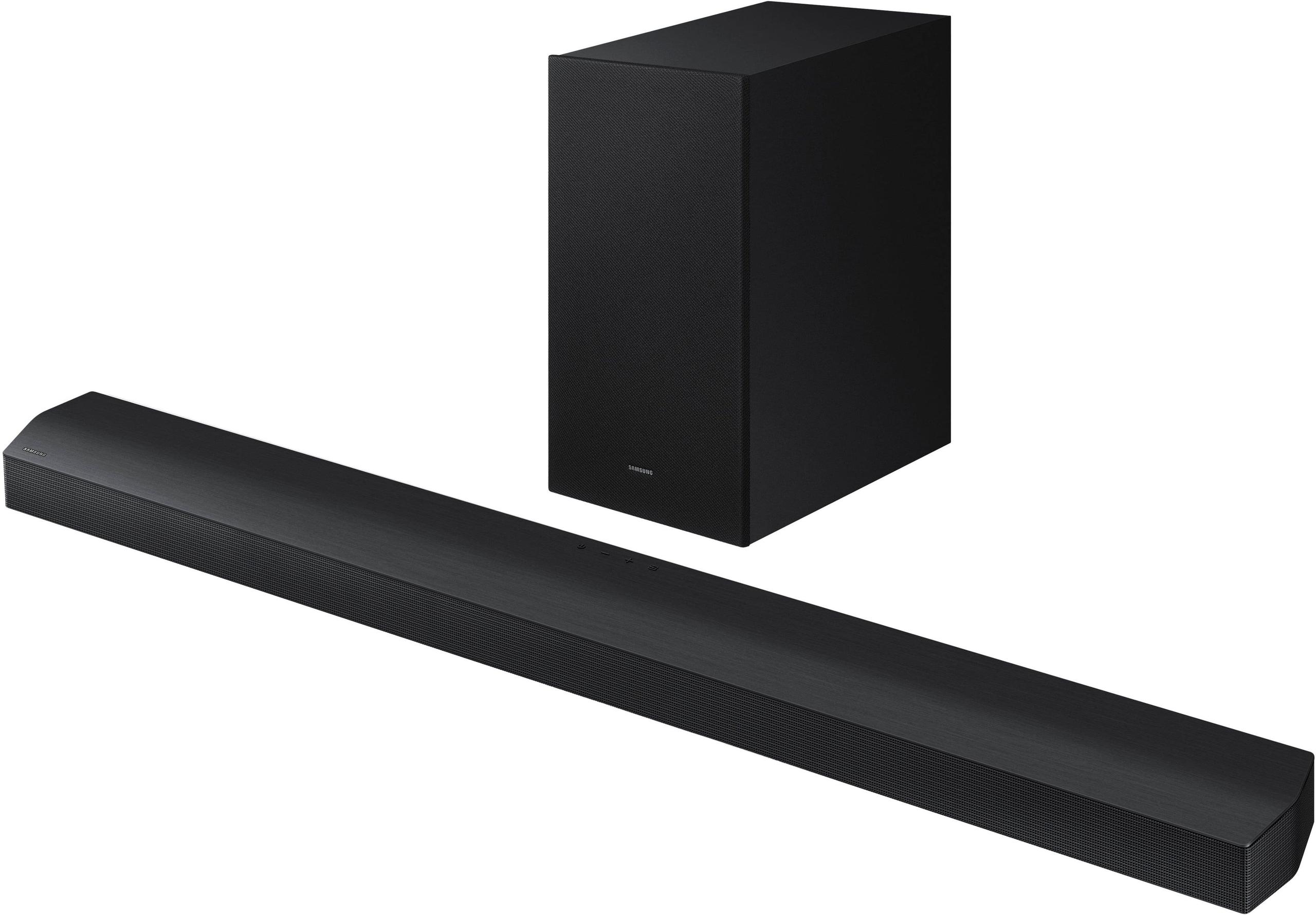
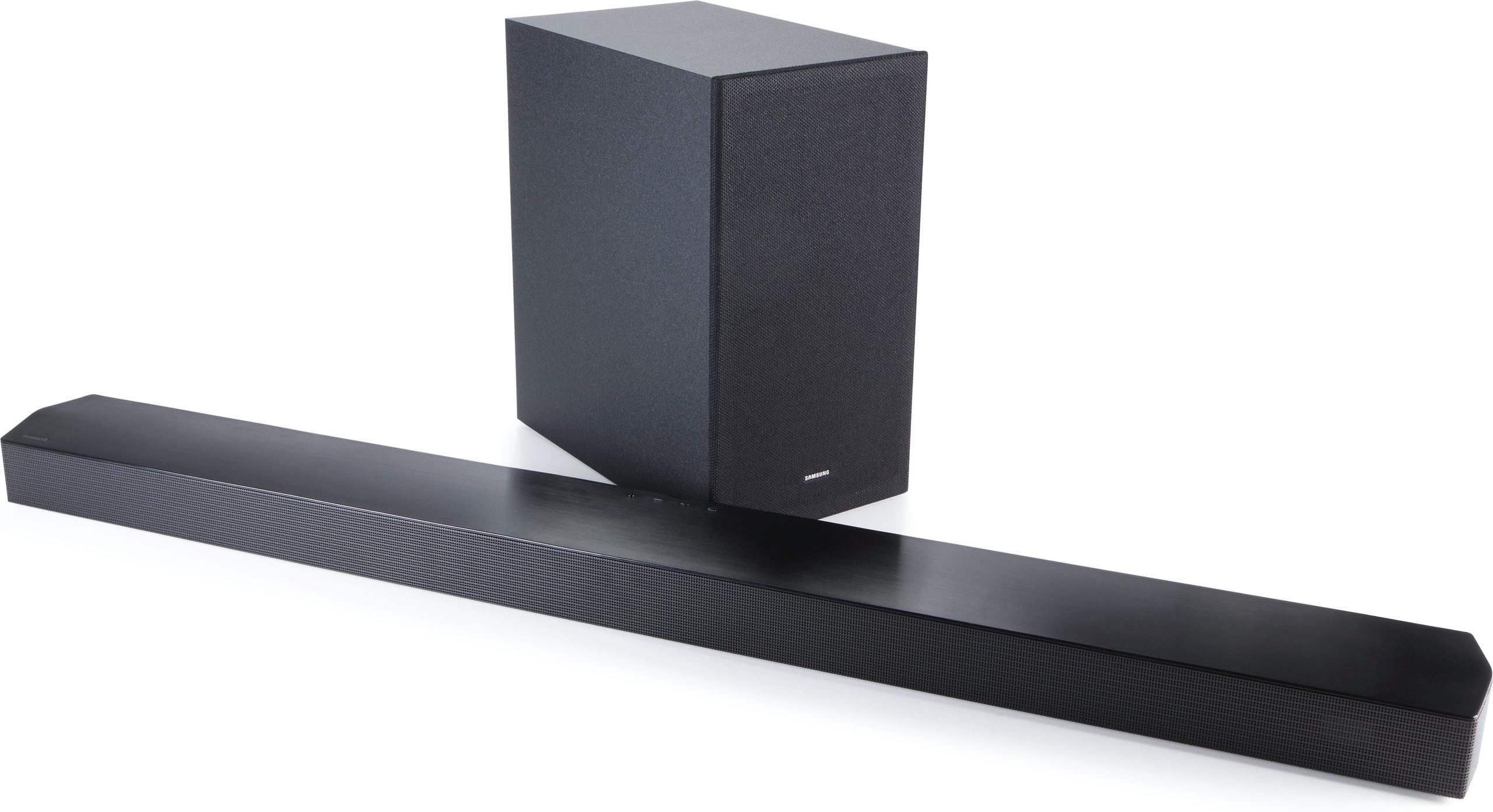
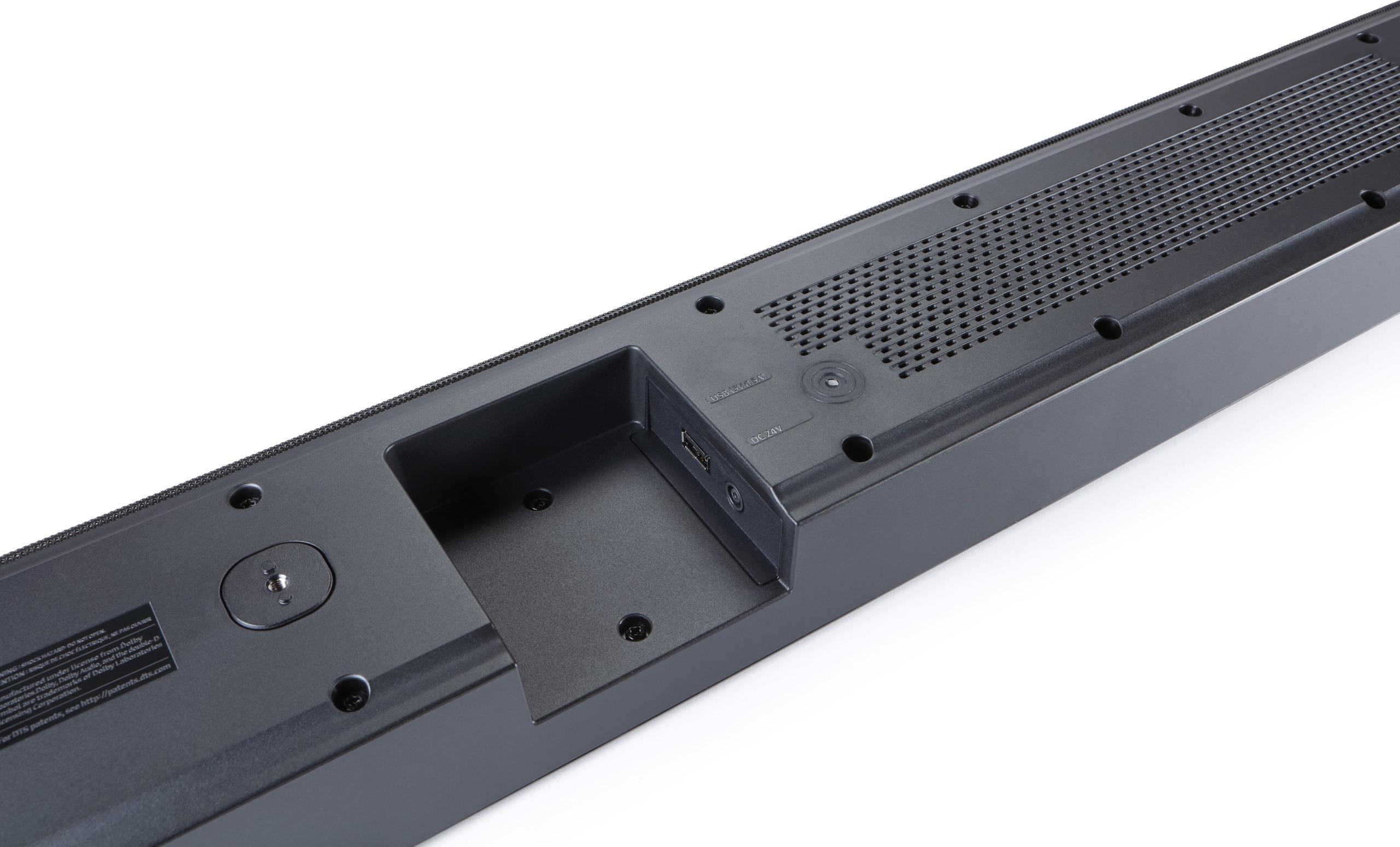
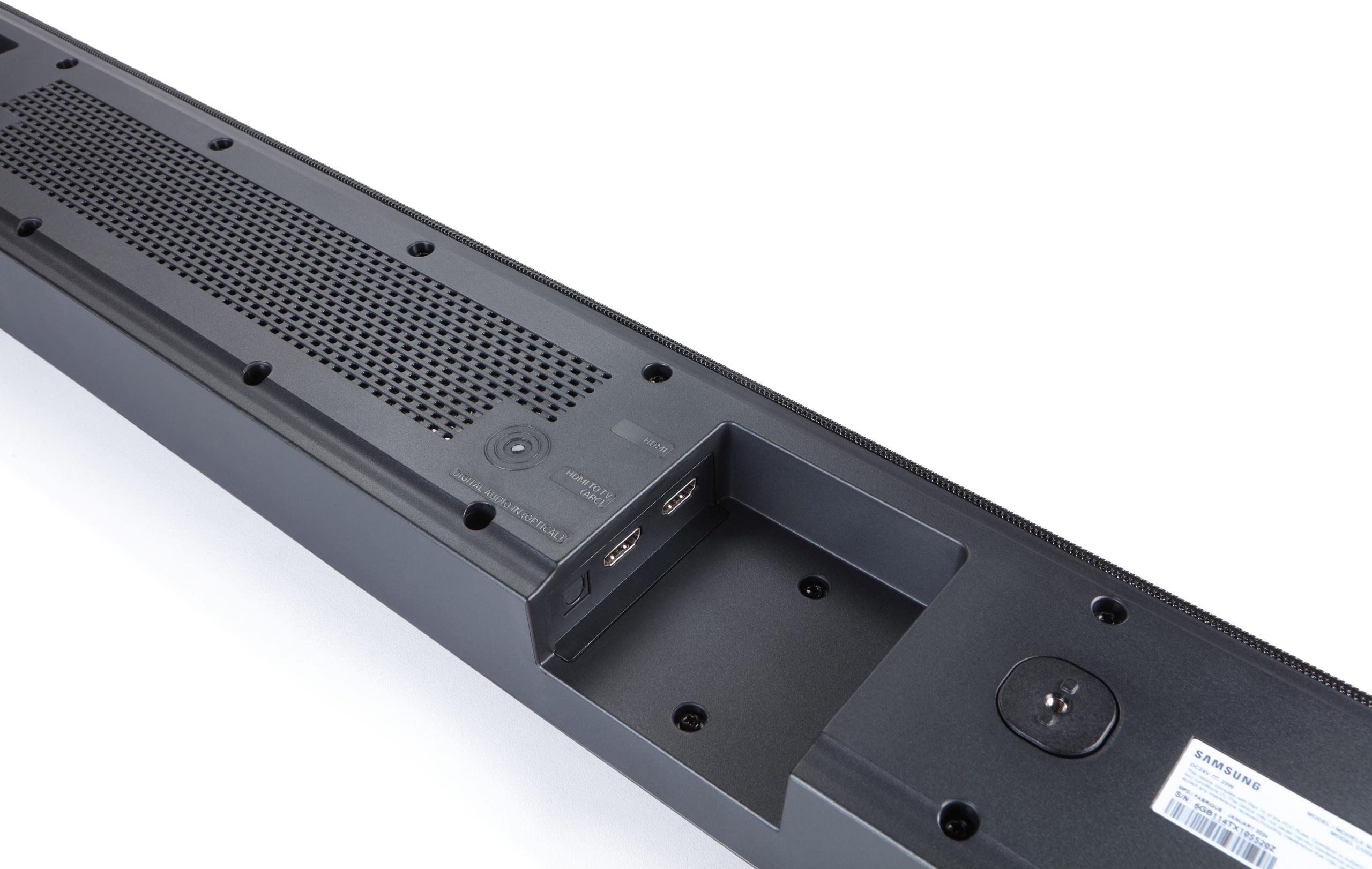
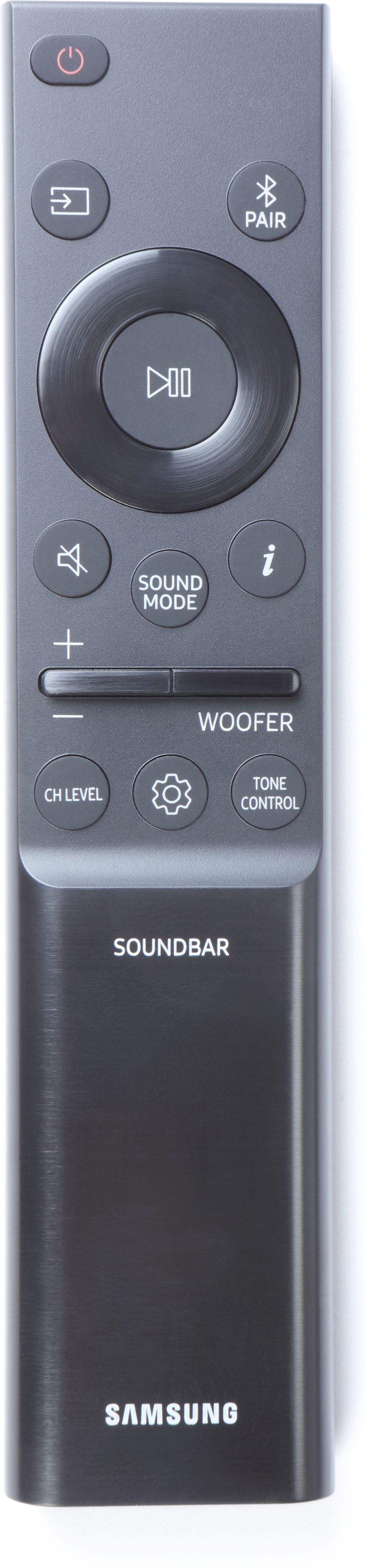





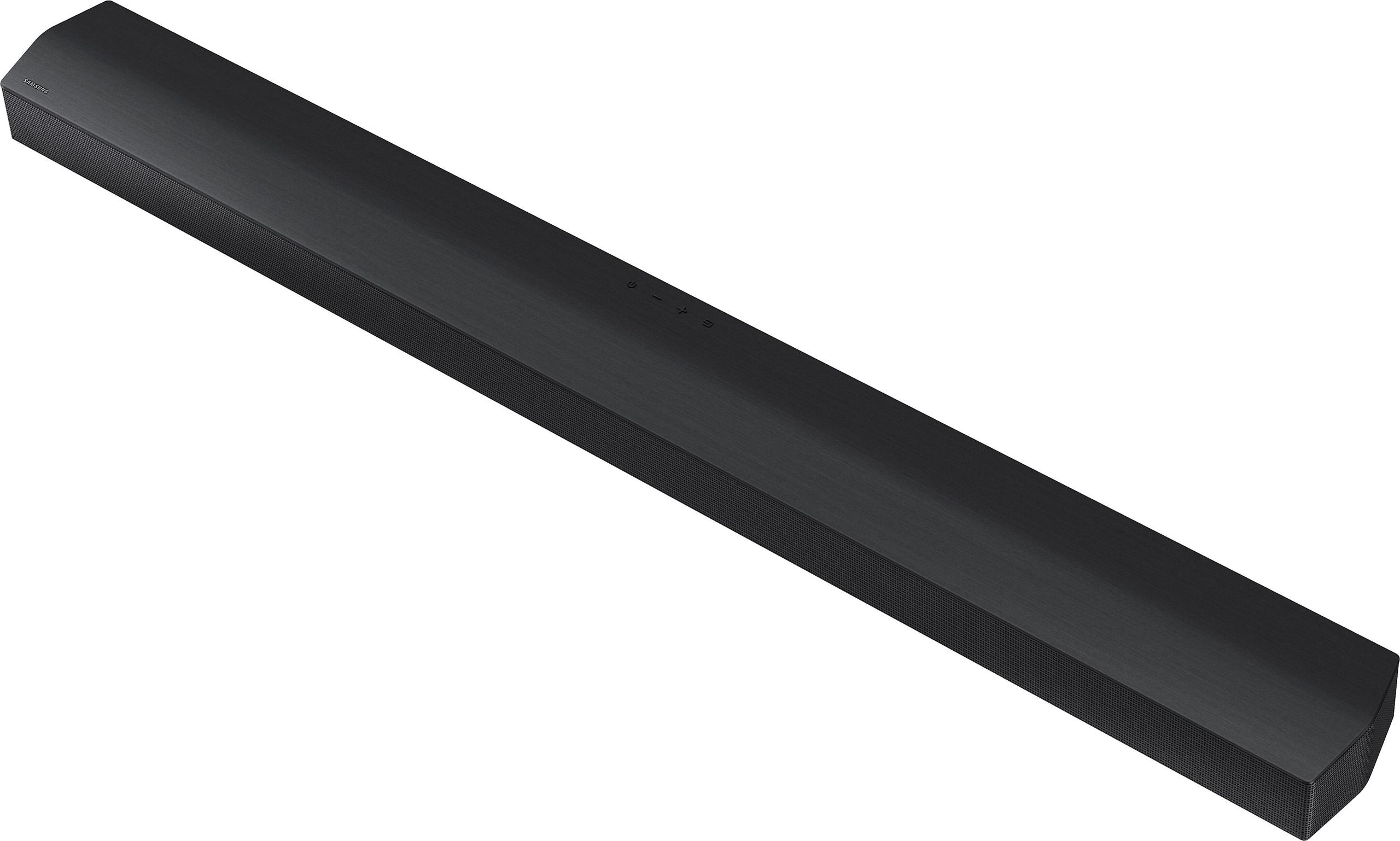
When you're tired of constantly adjusting your TV volume to catch dialogue only to have action scenes blow out your eardrums, it's time for a soundbar upgrade. The question isn't whether you need one—it's which approach makes the most sense for your setup and budget. Today we're comparing two fundamentally different philosophies: the budget-focused Hisense HS2100 2.1 channel system and Samsung's more comprehensive B-Series 5.1 Channel Soundbar.
Before diving into the specifics, let's clarify what separates these soundbar categories. Channel configuration—those numbers like "2.1" and "5.1"—tells you how many discrete audio channels the system can handle. The Hisense HS2100 uses a 2.1 setup: two main speakers (left and right) plus one subwoofer for bass. The Samsung B-Series employs true 5.1 surround: left, center, right, two surround channels, plus subwoofer.
This fundamental difference shapes everything about how these systems perform. When you're watching a movie with Dolby Digital 5.1 sound—which includes separate audio tracks for dialogue, left/right effects, surround ambiance, and bass—the Samsung system can play each channel through its dedicated speaker. The Hisense, meanwhile, must "downmix" that surround content into stereo, using digital processing to simulate the missing channels.
Both systems launched in recent years—the Hisense HS2100 debuted in 2024, while Samsung's B-Series has evolved through several iterations since 2022. The soundbar market has seen significant improvements in virtual surround processing during this period, with technologies like DTS Virtual:X becoming more sophisticated at creating convincing 3D audio from fewer physical speakers.
Nothing matters more in day-to-day TV watching than understanding what people are saying. Here's where the architectural differences become immediately apparent. The Samsung B-Series includes a dedicated center channel—a speaker specifically designed to handle dialogue and vocals. This isn't just marketing speak; it fundamentally changes how voices reach your ears.
When an actor speaks on screen, that audio gets routed exclusively to the center speaker, keeping voices anchored to the screen regardless of what other sounds are happening. Explosions boom from the sides and subwoofer, music swells from the left and right channels, but dialogue remains crystal clear and positioned exactly where you expect it.
The Hisense HS2100 handles dialogue through its left and right speakers simultaneously, creating what's called a "phantom center." While its News mode boosts vocal frequencies to improve clarity, voices can feel less precisely located and sometimes get masked during complex audio scenes. For casual TV watching, this difference might be subtle. For dialogue-heavy dramas or shows with heavy accents, it becomes significant.
Based on our research into user experiences, the Samsung's Voice Enhance mode provides noticeably better performance for viewers who struggle with dialogue clarity, particularly those with hearing sensitivities or who frequently watch content with challenging audio mixing.
The surround sound experience separates these systems most dramatically. The Samsung B-Series includes built-in side-firing speakers—actual drivers that beam audio to your left and right sides. Combined with DTS Virtual:X processing, which uses psychoacoustic tricks to create the impression of height and depth, you get genuinely immersive audio positioning.
When watching action movies, you'll hear helicopters pan overhead, bullets whiz past your ears, and ambient sounds fill the room around you. The effect works because your brain processes timing and phase differences between multiple speakers to create spatial awareness.
The Hisense HS2100 attempts similar effects using only its two front-firing speakers plus DTS Virtual:X processing. While this creates some sense of width and spaciousness beyond the soundbar's physical boundaries, it cannot match the dimensional accuracy of actual surround speakers. The virtual processing works better for some listeners than others—it's quite dependent on room acoustics and your seating position relative to the soundbar.
From a home theater perspective, this difference is crucial. If you're setting up a dedicated movie-watching space and want that cinematic immersion, the Samsung's true multichannel approach delivers a fundamentally better experience. For casual viewing in bedrooms or smaller spaces, the Hisense's virtual surround might prove adequate.
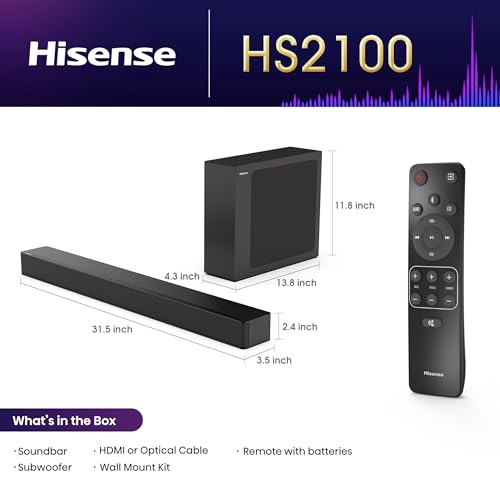
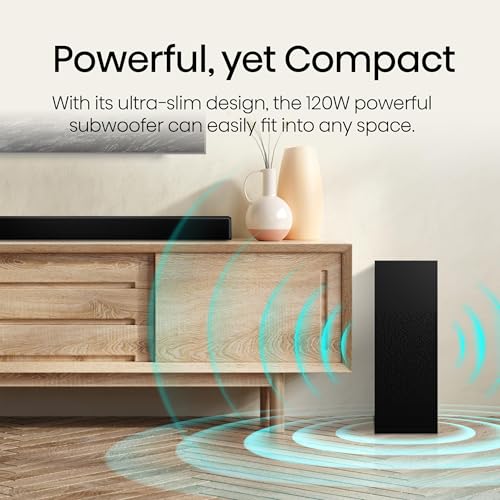
Both systems include wireless subwoofers, but they approach bass reproduction differently. The Hisense HS2100 features a 5.25-inch driver in an ultra-slim enclosure, designed to fit into tight spaces while still providing meaningful bass enhancement over TV speakers. Its compact subwoofer measures just 4.3 inches deep, making it exceptionally placement-friendly.
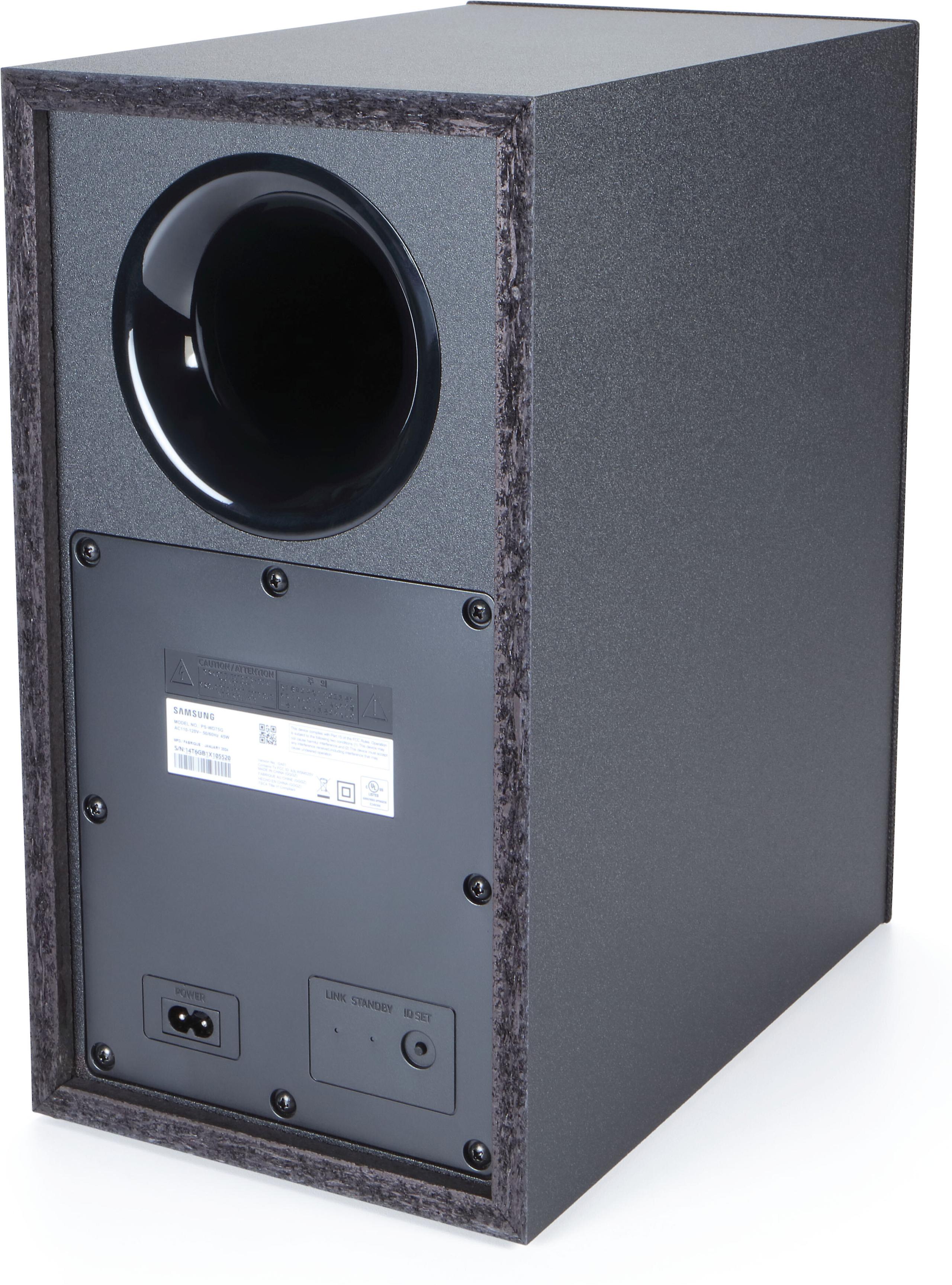
The Samsung B-Series typically includes a larger, more conventional subwoofer design with greater internal volume and power handling. The Bass Boost mode allows for more aggressive low-frequency emphasis when you want that visceral impact during action scenes.
In practical terms, both will dramatically improve bass response compared to TV speakers, but the Samsung generally provides deeper extension and higher output capability. The Hisense delivers satisfying bass impact for its size and price category, though it won't satisfy those seeking reference-level home theater bass.
What's particularly interesting is how these different approaches affect music playback. The Hisense's simpler stereo configuration can actually sound more natural for music, avoiding any surround processing that might artificially widen or manipulate the stereo image. Many users prefer this straightforward approach for casual music listening.
Gaming has become an increasingly important soundbar use case, and the differences between these systems become quite pronounced here. Modern games rely heavily on positional audio—hearing enemy footsteps approach from behind, distinguishing between sounds coming from different directions, and creating immersive environmental ambiance.
The Samsung B-Series includes a dedicated Game mode that optimizes processing for low latency while maintaining directional accuracy through its multichannel setup. The side-firing speakers provide genuine positional cues that can give competitive gamers a real advantage in locating opponents and environmental threats.
The Hisense HS2100 also includes gaming optimization, but its stereo limitation reduces positional precision. You'll still get better audio than TV speakers, but the spatial awareness benefits are diminished. For casual gaming, this might not matter much. For serious competitive play, the difference becomes significant.
Latency—the delay between visual action and audio response—matters enormously in gaming. Both systems demonstrate good performance here, though the Hisense particularly excels with consistently low audio delay across different input sources.
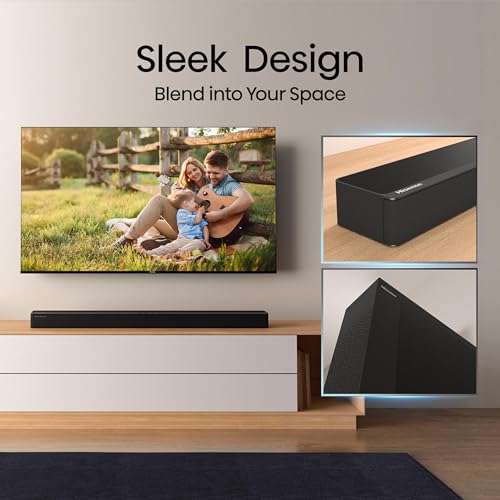
Your room size significantly impacts which system makes more sense. The Hisense HS2100 works exceptionally well in smaller spaces—bedrooms, apartments, or cozy living rooms where its 240W output easily fills the area without overwhelming it. The compact design fits naturally under most TVs without blocking screens or dominating the space.
For larger rooms, the physics start working against compact systems. Sound dissipates over distance, and without sufficient power and speaker drivers, dialogue clarity and bass impact diminish at typical viewing distances. The Samsung B-Series addresses this with its larger form factor and multichannel approach, maintaining immersion and clarity even in spacious family rooms or open-concept layouts.
Apartment dwellers should consider the Hisense's Night mode, which compresses dynamic range to prevent sudden loud passages from disturbing neighbors while maintaining dialogue intelligibility. This feature, combined with generally lower peak output, makes it more neighbor-friendly than larger systems.
At the time of writing, these systems occupy distinctly different value territories. The Hisense HS2100 represents exceptional budget performance, delivering core soundbar benefits—dramatically improved dialogue, wireless subwoofer convenience, and multiple connectivity options—at an entry-level price point.
The cost-per-feature ratio heavily favors the Hisense for buyers primarily seeking TV audio improvement without complexity or significant investment. It accomplishes its core mission admirably: making your TV sound significantly better without breaking the bank or requiring extensive setup.
The Samsung B-Series commands roughly 2.5 times the price premium but delivers genuinely different capabilities rather than just incremental improvements. True surround sound, dedicated center channel performance, and gaming-optimized features justify the additional cost for users who will actually utilize these benefits.
This isn't simply a "good, better, best" scenario—these products serve different needs and priorities. The value equation depends entirely on matching system capabilities to your actual usage patterns and space constraints.
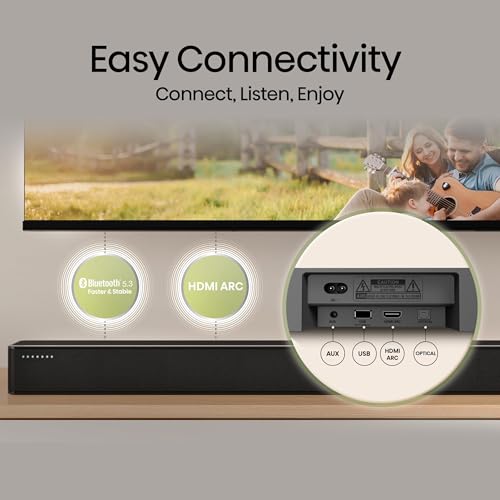
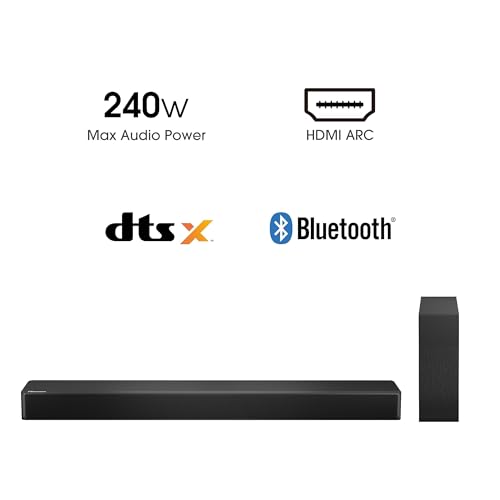
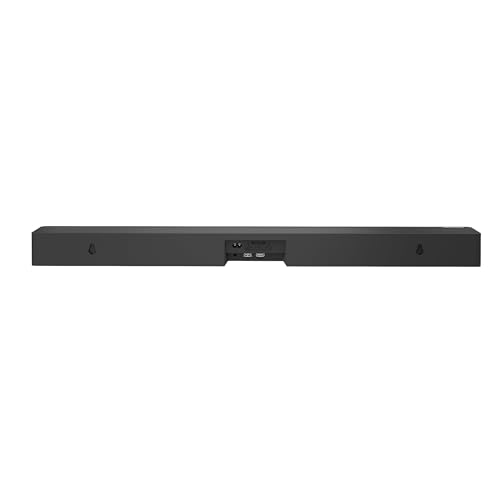
Both systems offer modern connectivity essentials: HDMI ARC (Audio Return Channel) for simplified TV connection and control, optical input for older devices, and Bluetooth for wireless music streaming. The Hisense HS2100 includes Roku TV Ready certification, providing seamless integration with Roku TVs for unified remote control.
The Samsung B-Series typically includes additional smart features like Adaptive Sound technology, which analyzes incoming audio content and automatically optimizes processing for different program types. Some variants include Wi-Fi connectivity and support for dual-device Bluetooth pairing, allowing seamless switching between multiple connected phones or tablets.
Firmware updates have become increasingly important in soundbars, and both manufacturers provide ongoing improvements. The Hisense supports USB-based updates, while Samsung typically offers over-the-air updates through connected devices.
Content delivery continues evolving toward higher-quality audio formats. Streaming services increasingly offer Dolby Atmos and advanced surround formats that benefit from multichannel reproduction. While neither system supports full Atmos decoding, the Samsung's multichannel architecture positions it better for handling complex audio content as streaming quality continues improving.
The Samsung B-Series also offers expansion possibilities through optional wireless rear speakers, providing an upgrade path toward true 5.1.2 or 7.1 configurations. The Hisense HS2100 represents a terminal upgrade with no expansion options, though this simplicity appeals to users who prefer "set it and forget it" solutions.
The decision ultimately comes down to matching your priorities with each system's strengths. Choose the Hisense HS2100 when budget constraints are primary, room size is small to medium, and your needs center on improved TV dialogue and moderate bass enhancement. It excels for bedroom setups, apartment living, or casual viewing where simplicity and value matter most.
The Samsung B-Series makes sense when your budget allows for premium features, you have adequate space for larger equipment, and you regularly consume surround-encoded content. It's particularly compelling for dedicated home theater setups, serious gaming, or situations where dialogue clarity in complex audio scenes is crucial.
Consider your actual viewing habits honestly. If you primarily watch news, talk shows, and simple TV programming, the Hisense's stereo approach might serve you perfectly well at significant savings. If movies, gaming, and immersive content constitute major portions of your entertainment time, the Samsung's multichannel capabilities justify the additional investment.
Both represent solid choices within their respective categories. The Hisense HS2100 delivers remarkable performance per dollar spent, while the Samsung B-Series provides genuinely superior capabilities for users who need them. The key is matching the tool to the job—and your wallet.
| Hisense HS2100 2.1 Channel 240W Soundbar System | Samsung B-Series 5.1 Channel Soundbar with Subwoofer |
|---|---|
| Channel Configuration - Determines surround sound capability and dialogue clarity | |
| 2.1 channels (stereo + subwoofer, virtual surround) | True 5.1 channels (dedicated center, sides, subwoofer) |
| Total Power Output - Affects maximum volume and dynamic range | |
| 240W (60W soundbar + 120W subwoofer) | Multichannel distribution across 6 speakers |
| Soundbar Dimensions - Critical for TV compatibility and room aesthetics | |
| 31.5" × 2.4" × 3.5" (compact, fits under most TVs) | 40.6" × 2.3" × 4.1" (larger but accommodates more drivers) |
| Subwoofer Design - Impacts placement flexibility and bass performance | |
| 5.25" driver, ultra-slim wireless (4.3" deep) | Conventional wireless subwoofer (larger internal volume) |
| Audio Format Support - Determines compatibility with streaming and disc content | |
| Dolby Digital, Dolby Digital Plus, DTS Virtual:X | Dolby Digital 5.1, DTS Virtual:X, multichannel PCM |
| Center Channel - Most important feature for dialogue clarity | |
| Phantom center (virtual, created by L/R speakers) | Dedicated center speaker for precise voice positioning |
| Surround Processing - Creates immersive audio experience | |
| DTS Virtual:X from 2 speakers (limited effectiveness) | DTS Virtual:X with actual side-firing speakers |
| Sound Modes - Optimizes audio for different content types | |
| 6 modes: Movie, Music, News, Sport, Night, Game | Standard, Surround, Game Pro, Adaptive Sound, Bass Boost |
| Smart TV Integration - Simplifies setup and daily use | |
| Roku TV Ready (unified remote control) | HDMI CEC with most TV brands |
| Bluetooth Connectivity - For wireless music streaming | |
| Bluetooth 5.3 (latest standard, improved stability) | Bluetooth 4.2 with dual-device pairing capability |
| Room Correction - Automatically optimizes sound for your space | |
| Manual bass/treble adjustment only | SpaceFit Sound (microphone-based room analysis) |
| Expansion Options - Future upgrade possibilities | |
| None (terminal system) | Compatible with optional wireless rear speakers |
| Gaming Performance - Low latency and positional audio for gaming | |
| Game mode with low latency (stereo positioning) | Game Pro mode with true directional audio cues |
| Target Room Size - Where each system performs optimally | |
| Small to medium rooms (bedrooms, apartments) | Medium to large rooms (family rooms, open concepts) |
| Primary Strength - What each system does best | |
| Exceptional value, simple setup, compact design | True surround sound, dialogue clarity, gaming performance |
The Hisense HS2100 is ideal for small rooms due to its compact 31.5-inch design and ultra-slim wireless subwoofer that's only 4.3 inches deep. Its 240W power output easily fills smaller spaces without overwhelming them. The Samsung B-Series 5.1 works better in medium to large rooms where its multichannel setup and larger drivers can properly develop their surround sound advantages.
The Hisense HS2100 uses a 2.1 setup with two main speakers plus a subwoofer, requiring it to downmix surround content to stereo. The Samsung B-Series 5.1 has dedicated speakers for left, center, right, two surround channels, and subwoofer, allowing it to play multichannel content as originally intended for true surround sound immersion.
The Samsung B-Series 5.1 provides superior dialogue clarity through its dedicated center channel speaker that anchors voices to the screen. While the Hisense HS2100 handles dialogue adequately with its News mode and phantom center imaging, it cannot match the precision and clarity of a discrete center channel for speech reproduction.
Both offer gaming benefits, but the Samsung B-Series 5.1 excels with its Game Pro mode providing directional audio cues crucial for competitive gaming. The Hisense HS2100 includes a Game mode with low latency but lacks the positional accuracy that true surround speakers provide for locating enemies and environmental sounds.
The Hisense HS2100 delivers exceptional value for budget-conscious buyers, providing significant TV audio improvement, wireless subwoofer, and modern connectivity at an entry-level price. The Samsung B-Series 5.1 costs more but justifies the premium with true surround sound capabilities and advanced features for serious home theater use.
Yes, both the Hisense HS2100 and Samsung B-Series 5.1 work with any TV through HDMI ARC, optical, or auxiliary connections. However, the Hisense HS2100 offers special Roku TV Ready integration for simplified control, while the Samsung B-Series 5.1 provides HDMI CEC compatibility with most major TV brands.
The Hisense HS2100 often performs better for music due to its straightforward stereo configuration that preserves natural left/right imaging without unnecessary surround processing. The Samsung B-Series 5.1 can sound good for music but may artificially widen the soundstage depending on the processing mode selected.
The Hisense HS2100 features an ultra-slim 5.25-inch subwoofer designed for tight spaces, while the Samsung B-Series 5.1 typically includes a more conventional subwoofer with greater internal volume. Both provide significant bass improvement over TV speakers, though the Samsung B-Series 5.1 generally offers deeper extension and higher output capability.
Both systems are relatively easy to install, but the Hisense HS2100 has a slight advantage with its simpler 2.1 configuration and automatic subwoofer pairing. The Samsung B-Series 5.1 requires more initial setup for optimal surround positioning but includes helpful features like SpaceFit Sound for automatic room calibration.
The Samsung B-Series 5.1 supports optional wireless rear speakers for true 5.1 or 7.1 surround sound expansion. The Hisense HS2100 cannot be expanded and represents a complete, terminal system with no upgrade path beyond the included components.
The Hisense HS2100 works better for apartment living due to its Night mode that compresses dynamic range for neighbor-friendly listening, plus its generally lower peak output levels. The Samsung B-Series 5.1 can get quite loud and may be better suited for houses or well-insulated apartments.
The Hisense HS2100 supports Dolby Digital, Dolby Digital Plus, and DTS Virtual:X for virtual surround processing. The Samsung B-Series 5.1 handles the same formats plus multichannel PCM, but its advantage lies in properly rendering these formats through discrete speakers rather than virtual processing like the Hisense HS2100.
We've done our best to create useful and informative comparisons to help you decide what product to buy. Our research uses advanced automated methods to create this comparison and perfection is not possible - please contact us for corrections or questions. These are the sites we've researched in the creation of this article: rtings.com - shop.hisense-usa.com - bestbuy.com - content.syndigo.com - bestbuy.com - hisensedealers.co.ke - stuff.co.za - dtc-aus-api.hisense.com - youtube.com - manuals.plus - youtube.com - bestbuy.com - youtube.com - gallifurniture.com - hisense-usa.com - manuals.plus - uk.hisense.com - device.report - youtube.com - costco.ca - elmcreekwsa.com - gallifurniture.com - bestbuy.com - abt.com - avsforum.com - crutchfield.com - camelcamelcamel.com - samsung.com - samsung.com - samsung.com - images.samsung.com - samsung.com - avblinq.avbportal.com - samsung.com - samsung.com

Privacy Policy
Terms and Conditions - Affiliate Policy
Home Security
© Copyright 2008-2026.
11816 Inwood Rd #1211, Dallas, TX 75244