


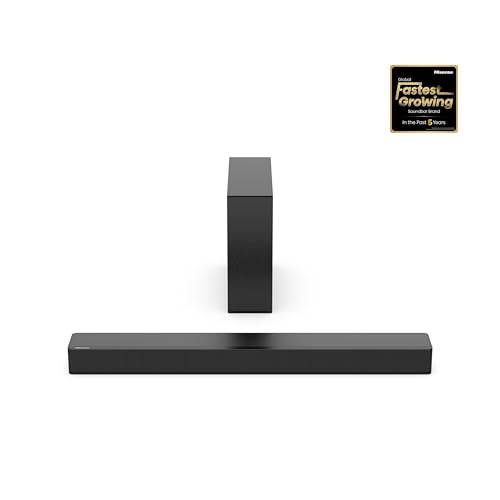

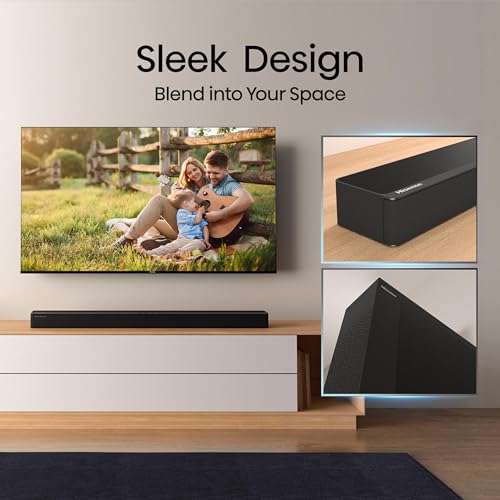
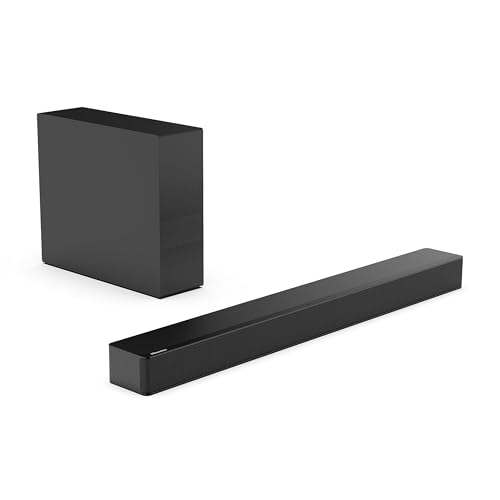
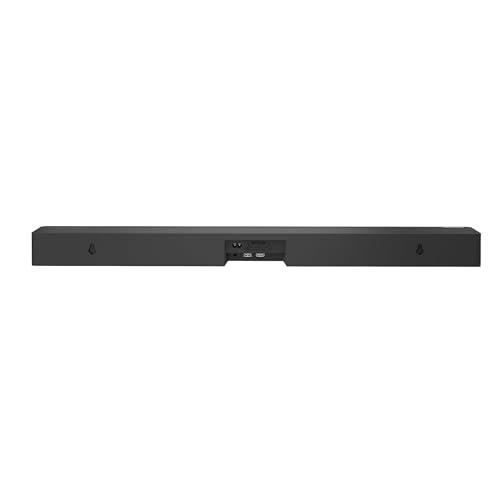
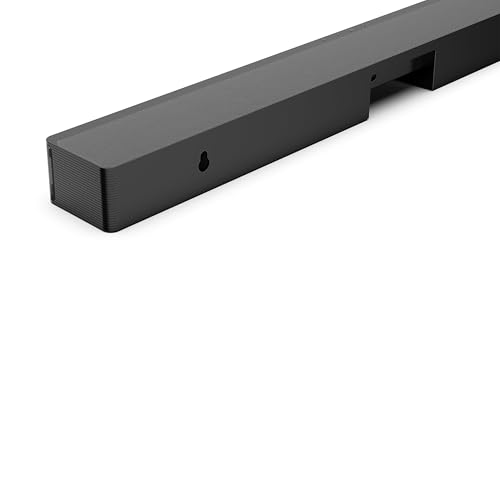
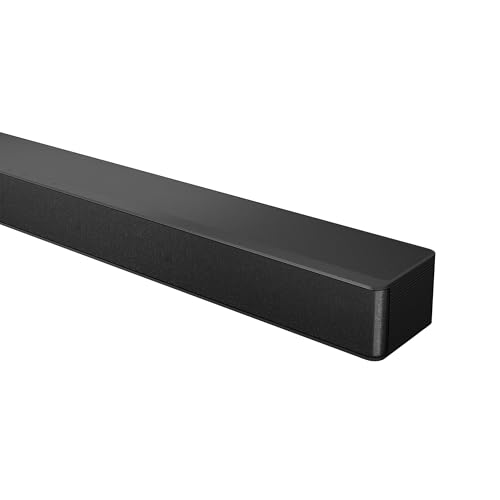
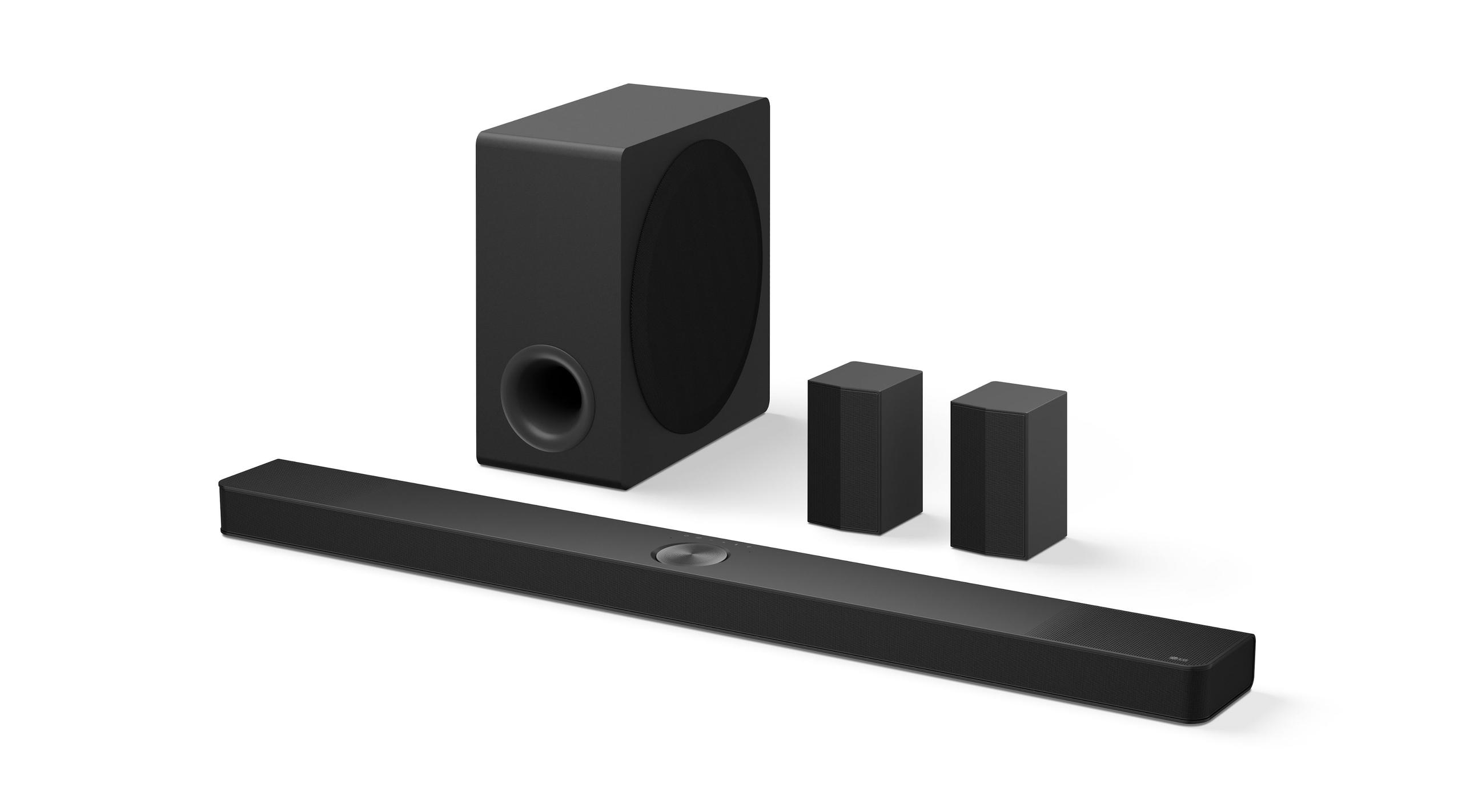
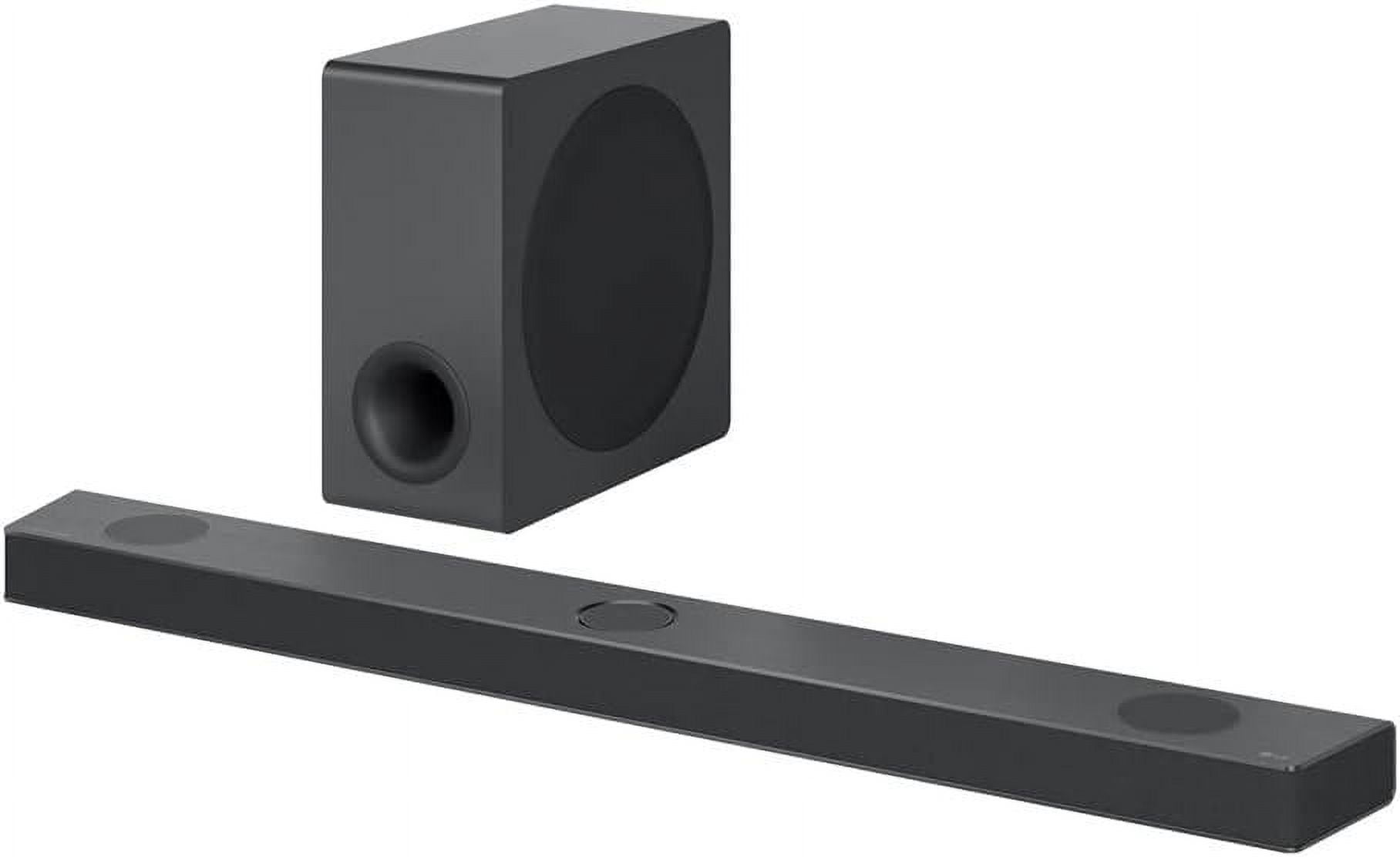






When your TV's built-in speakers just aren't cutting it anymore, soundbars offer the most straightforward path to better audio. But the soundbar world has evolved dramatically since these devices first appeared, creating distinct categories that serve very different needs. Today we're comparing two products that perfectly illustrate this divide: the Hisense HS2100, a budget-focused 2.1 system from 2023, and the LG S90TR, a premium 7.1.3 setup released in 2024.
These aren't really competitors in the traditional sense—they're targeting completely different buyers with vastly different budgets and expectations. But understanding their approaches helps clarify what you actually need from a soundbar and how much you should spend to get it.
The soundbar market has stratified significantly over the past five years. Entry-level bars now cost under $150 and focus on delivering better-than-TV audio without complexity. Premium systems can exceed $600 and aim to replace traditional home theater speaker setups entirely. This evolution reflects both advancing technology and manufacturers recognizing that different users have fundamentally different needs.
Audio channels represent one of the biggest differentiators. A 2.1 system like the Hisense HS2100 uses two main speakers plus a subwoofer for bass. The "2.1" notation means two main channels (left and right) plus one low-frequency effects channel (the ".1" represents the subwoofer). A 7.1.3 system like the LG S90TR uses seven main channels, one subwoofer, and three height channels—that's eleven total audio streams creating truly immersive surround sound.
Virtual surround processing versus physical surround speakers represents another fundamental split. Virtual processing uses psychoacoustic tricks and digital signal processing to create the illusion of surround sound from fewer speakers. Physical surround uses actual rear speakers positioned behind your listening area to create genuine 360-degree audio.
The key considerations when choosing between these approaches include your room size, content preferences, setup tolerance, and budget. Let's dive into how these two products represent their respective philosophies.
Released in 2023, the Hisense HS2100 embodies the "good enough" philosophy that has made budget soundbars incredibly popular. At roughly one-sixth the cost of premium alternatives (at the time of writing), it focuses on delivering the most important upgrade—significantly better bass and clearer dialogue—without overwhelming users with features they might not need.
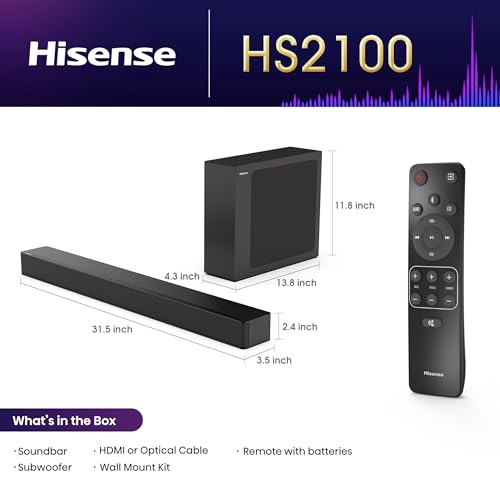
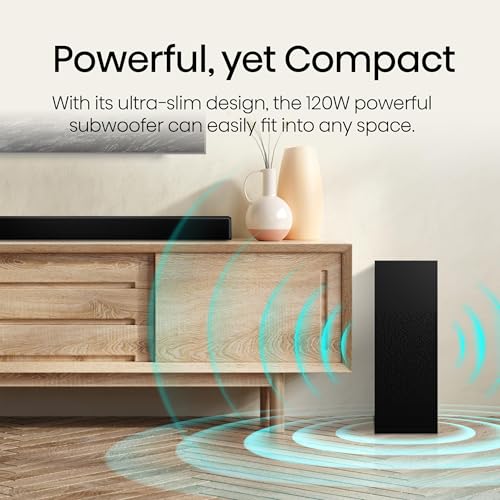
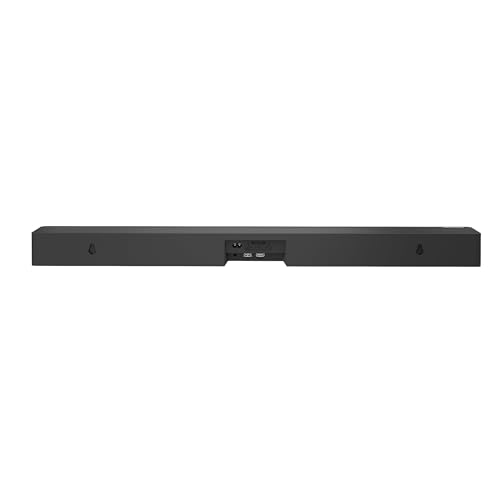
The system consists of a compact 31.5-inch soundbar paired with an ultra-slim wireless subwoofer. That subwoofer is genuinely impressive for the price point—at just 4.3 inches deep, it fits places where traditional subs simply won't go. The wireless connection means you're not running cables across your room, though "wireless" here specifically refers to the audio signal; both components still need power outlets.
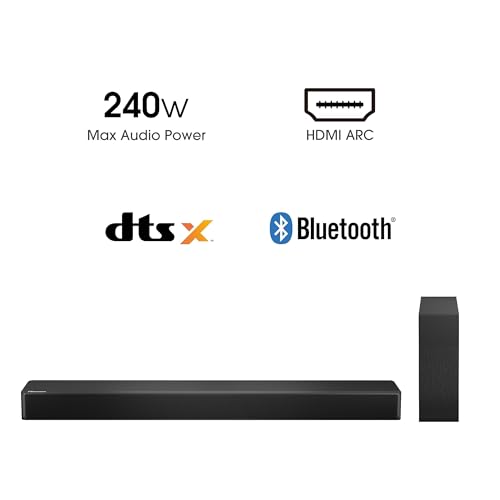
Technical highlights include support for Dolby Digital and DTS audio formats, which covers most streaming content and Blu-ray discs. The Hisense HS2100 also features DTS Virtual:X processing, which attempts to create height and surround effects from its stereo speaker arrangement. This virtual processing can't match real surround speakers, but it does expand the apparent soundstage beyond what basic stereo reproduction provides.
The frequency response spans 45Hz to 20kHz, which means it handles most audible frequencies but won't produce the deepest bass notes that premium subwoofers reach. For reference, the lowest note on a standard bass guitar is around 41Hz, so you're missing just the very bottom octave of sound. Most users won't notice this limitation with typical TV and movie content.
Power output totals 240 watts across the system—120W from the soundbar and 120W from the subwoofer. This provides enough volume for rooms up to about 200 square feet, which covers most living rooms and bedrooms. The sound profile tends toward warm and balanced, emphasizing clear dialogue over aggressive bass or sparkling highs.
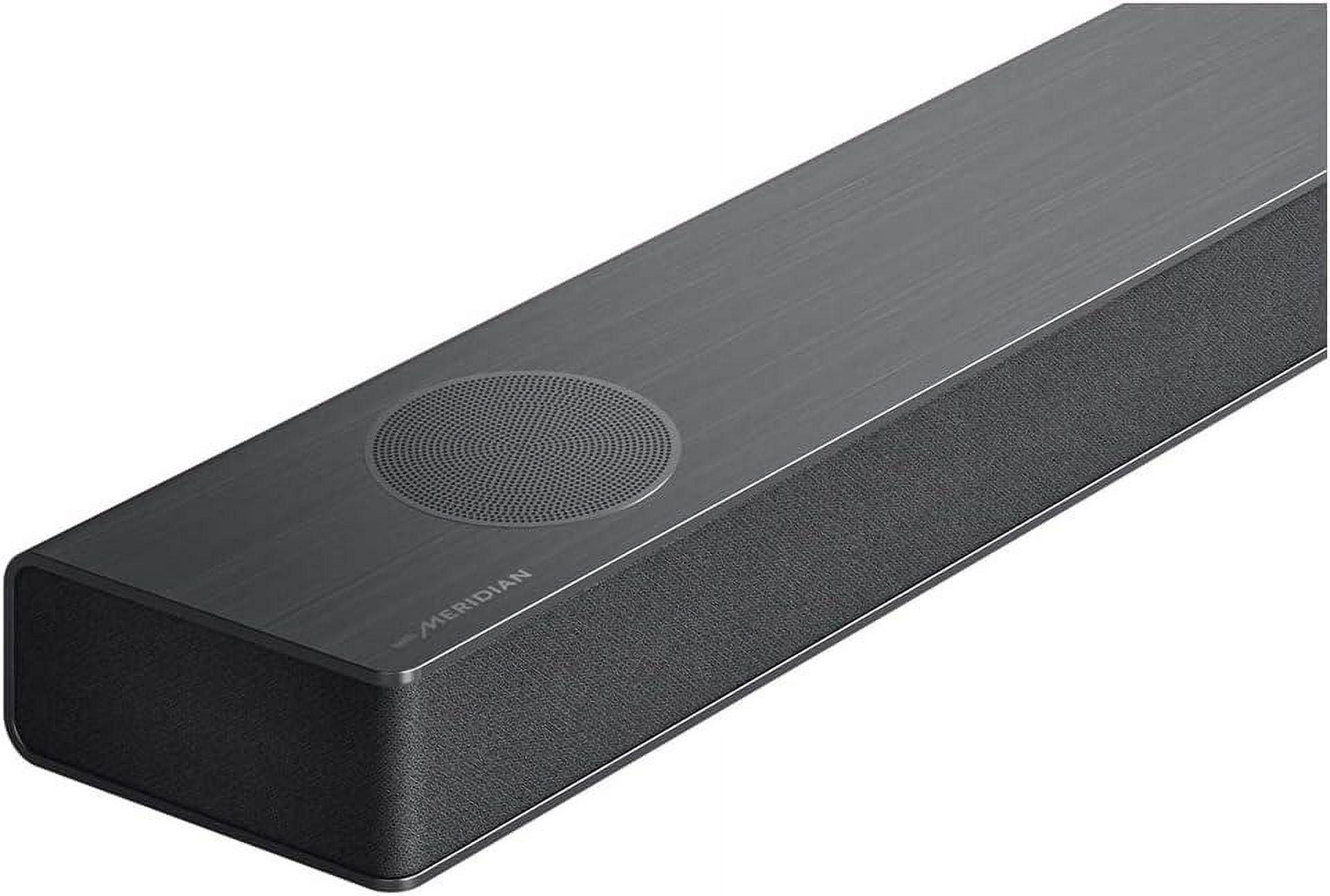
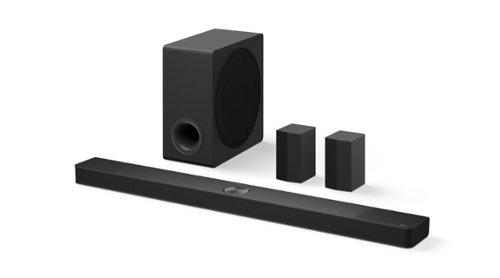
The 2024 LG S90TR represents LG's flagship approach to home audio, treating the soundbar as the centerpiece of a complete surround system rather than just a TV accessory. This 7.1.3 configuration includes the main soundbar, a substantial wireless subwoofer, and wireless rear speakers that you position behind your seating area.
The "7.1.3" designation breaks down as follows: seven main channels (front left, center, front right, side left, side right, rear left, rear right), one subwoofer channel, and three height channels (front left height, front right height, front center height). Those height channels fire sound upward to bounce off your ceiling, creating the overhead effects that make Dolby Atmos so immersive.
Dolby Atmos and DTS:X support represents a major advantage over budget alternatives. These object-based audio formats don't just use channels—they place individual sounds in 3D space around you. A helicopter in a movie doesn't just move from left to right; it can fly overhead, circle behind you, and position itself anywhere in the room. The LG S90TR preserves these spatial cues because it has physical speakers to reproduce them.
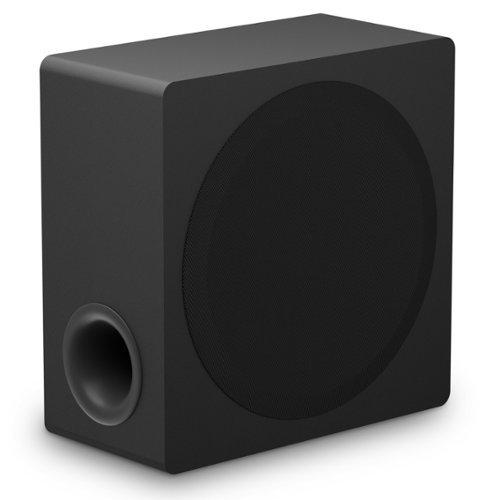
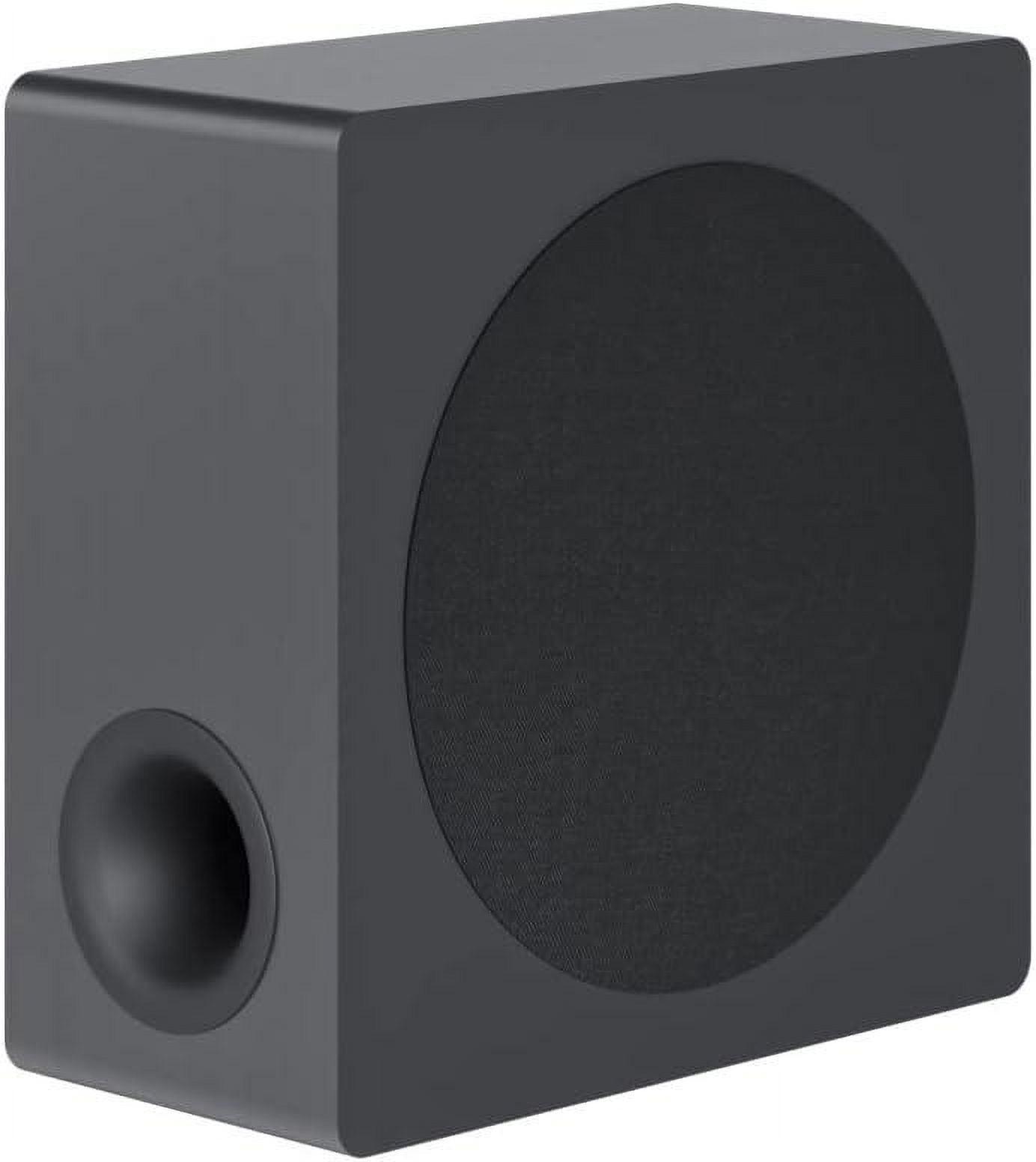
The subwoofer measures 16 inches tall with serious low-end extension, producing those deep rumbles that you feel in your chest during action sequences. At 22 pounds, it's a substantial piece of equipment that requires proper placement for optimal performance. The rear speakers are truly wireless (except for power) and use advanced signal processing to stay perfectly synchronized with the main soundbar.
AI Room Calibration automatically analyzes your room's acoustics using built-in microphones, then adjusts the frequency response to compensate for reflective surfaces, furniture placement, and room dimensions. This feature, common in premium audio equipment, ensures optimal sound regardless of your specific setup challenges.
The fundamental performance difference comes down to stereo enhancement versus true surround sound. The Hisense HS2100 takes whatever audio your TV provides and makes it bigger, clearer, and bassier. It's particularly effective with dialogue-heavy content like TV shows and news, where its balanced midrange reproduction ensures voices come through clearly even at moderate volume levels.
For movies, the Hisense HS2100 relies entirely on DTS Virtual:X processing to create surround effects. This works reasonably well for content that wasn't specifically mixed for surround sound, but it downmixes true surround content to stereo, then tries to recreate spatial effects through processing. You're losing information in this process—those carefully positioned sound effects get flattened into a stereo image, then artificially expanded again.
The LG S90TR preserves the original surround mix because it has discrete speakers for each channel. When a sound is supposed to come from behind you, it actually comes from behind you via the rear speakers. Overhead sounds fire upward from dedicated height drivers. This isn't simulation—it's reproduction of the original spatial audio design.
Based on our research of expert reviews and user feedback, the difference in movie immersion is substantial. The LG S90TR creates that "you're in the scene" feeling that virtual processing can't match, particularly during action sequences with complex soundscapes. However, for casual TV watching, the Hisense HS2100 provides most of the practical benefits at a fraction of the cost.
Raw power differences are significant: 670 watts versus 240 watts gives the LG S90TR nearly three times the total output capability. This translates to higher maximum volume without distortion and better dynamic range—the difference between quiet dialogue and explosive action scenes.
Dynamic range proves crucial for home theater applications. Movies are mixed with wide variation between soft whispers and thunderous explosions. Budget soundbars often compress this range to avoid distortion at high volumes, making everything sound somewhat flat. The LG S90TR preserves these dynamics, creating more engaging and realistic audio experiences.
Room coverage also scales with power. The Hisense HS2100 works well in typical living rooms and bedrooms but struggles to fill large spaces effectively. The LG S90TR handles rooms over 300 square feet without strain, making it suitable for open-concept layouts and dedicated home theaters.
Format compatibility reveals another major divide. The Hisense HS2100 supports common formats like Dolby Digital and DTS, which covers most streaming content and standard Blu-ray discs. However, it lacks support for newer immersive formats like Dolby Atmos and DTS:X, plus high-resolution audio standards that deliver better-than-CD quality.
The LG S90TR supports virtually everything: Dolby Atmos, DTS:X, Dolby TrueHD, DTS-HD Master Audio, and high-resolution audio up to 24-bit/96kHz. This comprehensive support ensures compatibility with premium streaming services, Ultra HD Blu-ray discs, and high-quality music streaming platforms.
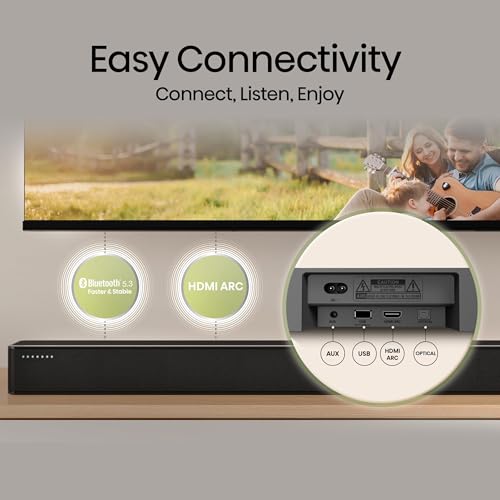
HDMI connectivity also differs significantly. The Hisense HS2100 provides basic HDMI ARC (Audio Return Channel), which handles standard audio return from your TV. The LG S90TR includes HDMI eARC (enhanced Audio Return Channel) with full 4K/120Hz passthrough, Variable Refresh Rate (VRR), and Auto Low Latency Mode (ALLM) for gaming.
These gaming features matter increasingly as PlayStation 5 and Xbox Series X systems become more common. The LG S90TR can handle 4K gaming at 120 frames per second while maintaining low audio latency—essential for competitive gaming where audio cues provide tactical advantages.
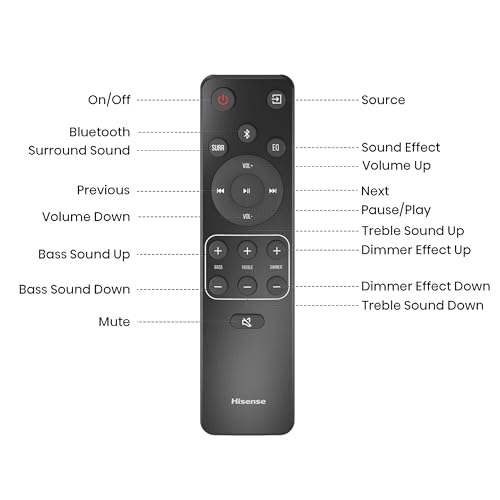
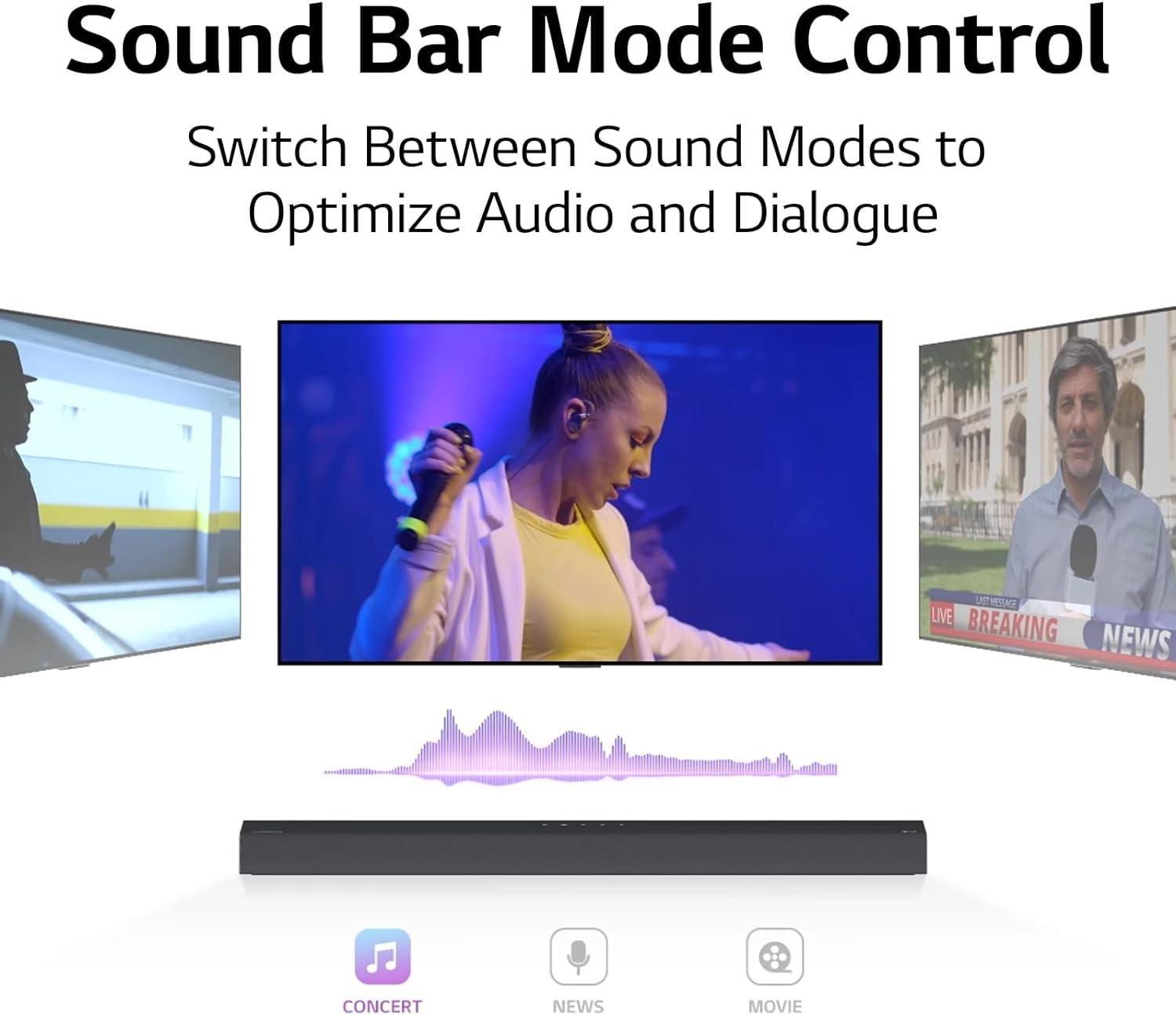
Both systems offer modern conveniences, but at different sophistication levels. The Hisense HS2100 includes six preset sound modes (Movie, Music, News, Sport, Night, Game) that adjust the frequency response for different content types. Bluetooth 5.3 connectivity enables wireless music streaming from phones and tablets, while basic bass and treble controls provide limited customization.
The LG S90TR approaches smart features more comprehensively. Beyond standard Bluetooth and Wi-Fi connectivity, it supports multiple streaming protocols including Apple AirPlay 2, Google Chromecast, and Spotify Connect. The smartphone app provides granular control over every aspect of performance, including individual channel levels, EQ settings, and room correction parameters.
WOW Orchestra technology represents LG's unique integration approach. When paired with compatible LG TVs, this feature combines the TV's built-in speakers with the soundbar system to create an even larger, more enveloping soundstage. The TV speakers handle certain frequency ranges while the soundbar manages others, creating a more immersive experience than either component alone.
Setup complexity varies dramatically between these approaches. The Hisense HS2100 requires minimal configuration—connect to your TV via HDMI or optical cable, plug in the soundbar and subwoofer, and you're essentially done. The wireless subwoofer pairs automatically, and the system works well with default settings for most content.
The LG S90TR demands more thoughtful installation. You need to position rear speakers behind your seating area, which might require speaker stands or wall mounting. The larger subwoofer requires proper placement for optimal bass response—typically along a wall but away from corners that might cause booming.
However, the LG S90TR rewards this extra effort with AI Room Calibration that automatically optimizes performance for your specific setup. This process takes several minutes but ensures you're getting the best possible sound regardless of your room's acoustic challenges.
At the time of writing, these products represent vastly different value propositions. The Hisense HS2100 costs roughly one-sixth as much as the LG S90TR, making it accessible to users who want better audio without a major financial commitment.
The budget approach makes sense for many scenarios: secondary rooms, apartments with noise restrictions, casual viewing habits, or situations where the visual aesthetics of a simple setup matter more than ultimate audio performance. The Hisense HS2100 delivers perhaps 80% of the practical benefit of upgraded TV audio for a fraction of the cost.
Premium pricing for the LG S90TR reflects its genuine home theater capabilities. When compared to building a traditional surround system with separate receivers, speakers, and subwoofers, it actually represents reasonable value within the high-end category. The convenience of wireless rear speakers and integrated processing justifies the premium for many users.
Long-term value considerations also matter. The Hisense HS2100 might require eventual upgrading as your expectations grow or content standards evolve. The LG S90TR represents more of an investment purchase that should remain current for many years.
Different content types favor different approaches. For dialogue-heavy TV shows, news, and podcasts, the Hisense HS2100 excels with its balanced midrange and clear vocal reproduction. The center-focused stereo imaging actually works well for this content, and the moderate bass boost improves overall engagement without overwhelming speech.
Movies reveal the LG S90TR's advantages most clearly. Action films with complex soundtracks, animated features with rich musical scores, and dramas with subtle ambient effects all benefit from true surround reproduction. The height channels add particular value to content specifically mixed for Dolby Atmos, creating overhead effects that flat soundbars simply cannot reproduce.
Music performance differs between the systems as well. The Hisense HS2100 provides pleasant stereo reproduction with enhanced bass that works well for most popular music. The LG S90TR offers more detailed and spacious reproduction, particularly for complex recordings with wide stereo imaging or classical music with natural ambience.
The decision ultimately comes down to matching system capabilities to your actual needs and constraints.
Choose the Hisense HS2100 if you:
Choose the LG S90TR if you:
The fundamental choice isn't really between these specific products—it's between adequate audio improvement and transformative home theater experience. Both approaches have merit, but they serve entirely different goals and expectations.
In my experience researching and evaluating audio equipment, the biggest mistake buyers make is either under-buying for their actual needs or over-buying for their practical usage. The Hisense HS2100 represents excellent value for users who realistically assess their needs, while the LG S90TR provides genuine satisfaction for those committed to premium home entertainment.
Consider your actual viewing habits, room constraints, and long-term plans. If you're genuinely excited about building a home theater experience, the premium investment makes sense. If you mainly want better sound for casual TV watching, the budget approach delivers most of the practical benefits without financial stress.
| Hisense HS2100 | LG S90TR |
|---|---|
| Channel Configuration - Determines surround sound capability and immersion level | |
| 2.1 channel (stereo + subwoofer) | 7.1.3 channel (true surround + height channels) |
| Total Power Output - Affects maximum volume and dynamic range | |
| 240W total (adequate for small-medium rooms) | 670W total (fills large rooms without distortion) |
| Surround Sound Technology - Virtual vs physical rear speakers makes huge difference | |
| DTS Virtual:X processing (simulated surround) | Physical rear speakers + height channels (genuine 3D audio) |
| Audio Format Support - Future-proofing for streaming and disc content | |
| Dolby Digital, DTS (no Atmos support) | Dolby Atmos, DTS:X, high-res audio up to 24-bit/96kHz |
| Subwoofer Size and Type - Determines bass depth and impact | |
| 5.25" wireless sub (compact but limited extension) | 16" wireless sub (deep, room-filling bass) |
| Soundbar Dimensions - Must fit your TV and entertainment center | |
| 31.5" x 2.4" x 3.5" (fits smaller TVs and spaces) | 49.2" x 2.5" x 5.3" (requires 55"+ TV for proper scaling) |
| HDMI Connectivity - Gaming and 4K passthrough capabilities | |
| Basic HDMI ARC (standard TV connection) | HDMI eARC with 4K/120Hz, VRR, ALLM (next-gen gaming ready) |
| Smart Features and Calibration - Setup optimization and app control | |
| 6 preset modes, basic remote control | AI Room Calibration, comprehensive smartphone app, WOW Orchestra |
| Bluetooth Version - Wireless music streaming quality | |
| Bluetooth 5.3 (latest standard, stable connection) | Bluetooth 5.1 (excellent quality, multiple protocols supported) |
| Target Room Size - Maximum effective coverage area | |
| Up to 200 sq ft (typical living rooms) | 300+ sq ft (large rooms and open concepts) |
| Setup Complexity - Installation time and technical requirements | |
| Plug-and-play (soundbar + wireless sub) | Multi-component setup (rear speaker placement required) |
| Price Category - Investment level and target buyer | |
| Budget tier (exceptional value for basic upgrade) | Premium tier (serious home theater investment) |
The biggest difference is channel configuration and surround sound capability. The Hisense HS2100 is a 2.1 system that uses virtual processing to simulate surround sound, while the LG S90TR is a true 7.1.3 system with physical rear speakers and height channels for genuine Dolby Atmos effects. This means the LG provides real surround sound that comes from all around you, while the Hisense creates an enhanced stereo experience.
The LG S90TR is significantly better for movies and home theater applications. It supports Dolby Atmos and DTS:X formats with dedicated height channels and rear speakers, creating immersive 3D audio that places sounds all around and above you. The Hisense HS2100 is better suited for casual TV watching and dialogue-heavy content, as it downmixes surround sound to stereo.
The Hisense HS2100 delivers 240W total power, which is adequate for rooms up to about 200 square feet. The LG S90TR produces 670W total power, making it suitable for large rooms over 300 square feet. Higher power means louder maximum volume, better dynamics, and less distortion at high listening levels.
This depends on your needs and budget. The Hisense HS2100 offers exceptional value for budget-conscious buyers who want a significant upgrade from TV speakers without complexity. The LG S90TR provides premium home theater value for users who want genuine surround sound and advanced features, though it costs significantly more.
No, only the LG S90TR supports Dolby Atmos with dedicated height channels that fire sound upward for overhead effects. The Hisense HS2100 does not support Dolby Atmos and will downmix Atmos content to regular stereo sound, though it does offer DTS Virtual:X for simulated surround effects.
The Hisense HS2100 includes the main soundbar, a wireless 5.25-inch subwoofer, remote control, and necessary cables. The LG S90TR includes the main soundbar, a larger 16-inch wireless subwoofer, wireless rear speakers, remote control, smartphone app, and mounting hardware. The LG system requires more setup but provides a complete surround sound solution.
The Hisense HS2100 is much easier to set up - simply connect it to your TV and plug in the wireless subwoofer. The LG S90TR requires more complex installation, including positioning rear speakers behind your seating area and running the AI Room Calibration process, but this extra effort results in optimized performance.
The Hisense HS2100 features a compact 5.25-inch wireless subwoofer that's only 4.3 inches deep, making it easy to place in tight spaces. The LG S90TR has a much larger 16-inch subwoofer that produces deeper, more powerful bass but requires more floor space. The LG's subwoofer provides significantly better low-frequency extension and impact.
The LG S90TR is better for gaming, especially with PlayStation 5 or Xbox Series X consoles. It supports HDMI 2.1 features like 4K/120Hz passthrough, Variable Refresh Rate (VRR), and Auto Low Latency Mode (ALLM). The Hisense HS2100 offers basic HDMI ARC connectivity without advanced gaming features.
Yes, both the Hisense HS2100 and LG S90TR work with any TV brand through HDMI ARC/eARC, optical, or Bluetooth connections. However, the LG S90TR offers special integration features like WOW Orchestra when paired with compatible LG TVs for enhanced performance.
The Hisense HS2100 works well in small to medium rooms up to about 200 square feet, making it ideal for bedrooms, apartments, or typical living rooms. The LG S90TR is designed for larger spaces over 300 square feet and open-concept layouts where you have room to properly position rear speakers.
Choose the Hisense HS2100 if you want a simple, affordable upgrade that significantly improves TV audio without complexity or major investment. Choose the LG S90TR if you're serious about creating a true home theater experience with immersive surround sound and have the budget and space for a complete multi-speaker system.
We've done our best to create useful and informative comparisons to help you decide what product to buy. Our research uses advanced automated methods to create this comparison and perfection is not possible - please contact us for corrections or questions. These are the sites we've researched in the creation of this article: rtings.com - shop.hisense-usa.com - bestbuy.com - content.syndigo.com - bestbuy.com - hisensedealers.co.ke - stuff.co.za - dtc-aus-api.hisense.com - youtube.com - manuals.plus - youtube.com - bestbuy.com - youtube.com - gallifurniture.com - hisense-usa.com - manuals.plus - uk.hisense.com - device.report - youtube.com - costco.ca - elmcreekwsa.com - gallifurniture.com - rtings.com - abt.com - youtube.com - bestbuy.com - microcenter.com - buydig.com - bestbuy.com - videoandaudiocenter.com - oceanstateappliance.com - youtube.com - avsforum.com - lg.com

Privacy Policy
Terms and Conditions - Affiliate Policy
Home Security
© Copyright 2008-2026.
11816 Inwood Rd #1211, Dallas, TX 75244