

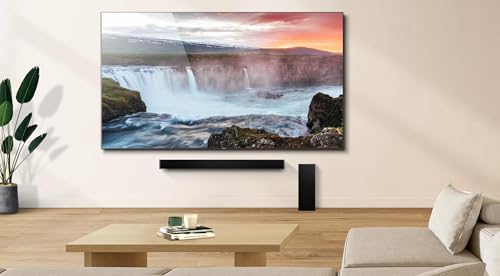
If you've ever tried watching an action movie on your TV's built-in speakers, you know the frustration. Dialogue gets buried under explosions, bass is practically nonexistent, and the whole experience feels flat. That's where soundbars come in, transforming your TV audio from tinny to cinematic. But with so many options available, choosing the right one can feel overwhelming.
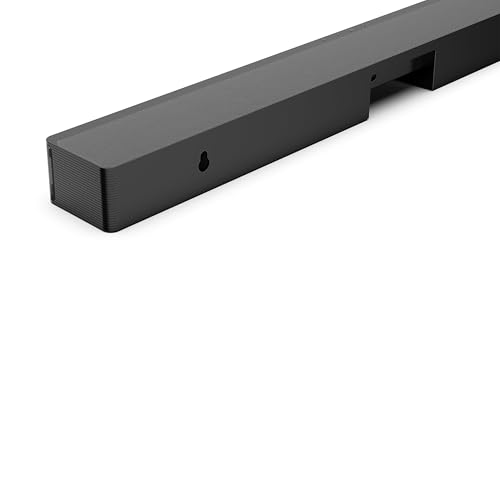
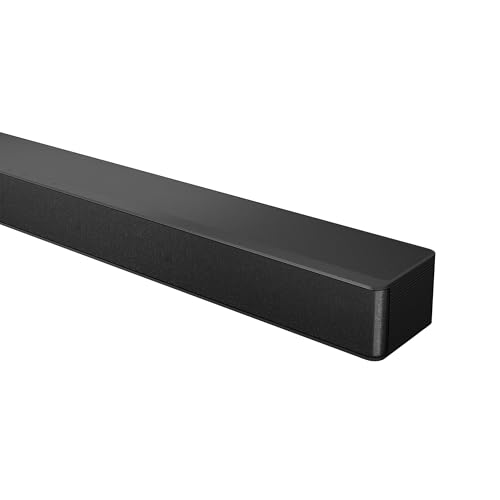
Today, we're comparing two soundbars that represent very different approaches to solving your TV audio problems: the budget-focused Hisense HS2100 2.1 channel system and the more comprehensive Amazon Fire TV Soundbar Plus 5.1 channel setup. These products showcase the fundamental choice many buyers face—do you prioritize maximum value for basic improvement, or invest more for a genuine home theater experience?
Before diving into specifics, it's crucial to understand what those numbers actually mean. When you see "2.1" or "5.1," you're looking at the channel configuration—essentially how many separate audio streams the system can handle.
The Hisense HS2100 is a 2.1 system, meaning it has two main channels (left and right stereo) plus one subwoofer channel (the ".1") for bass. This setup focuses on improving your TV's stereo sound with added bass punch from a dedicated subwoofer—a separate speaker designed specifically for low frequencies.
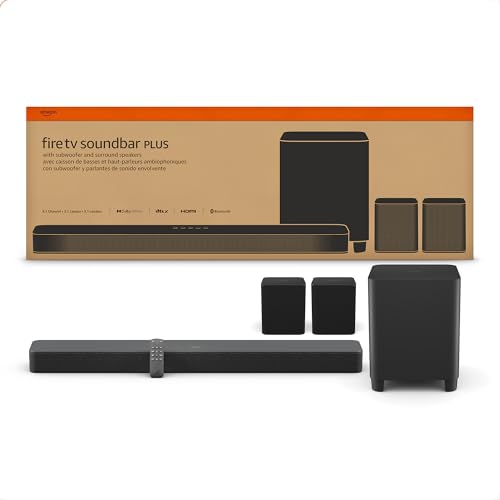
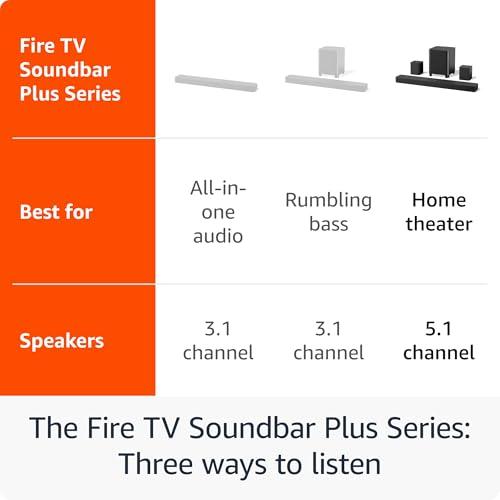
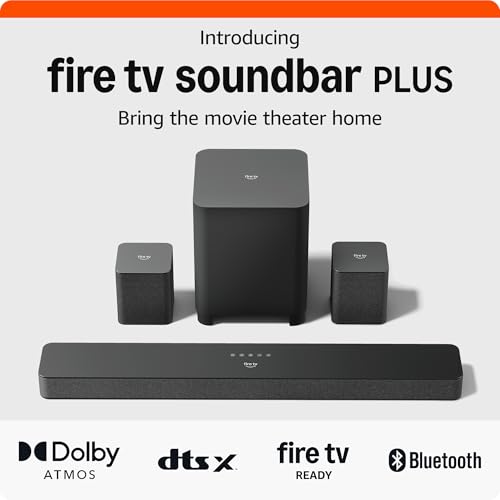
The Amazon Fire TV Soundbar Plus, meanwhile, is a true 5.1 system with five discrete channels: left, right, center, left surround, and right surround, plus that subwoofer channel. This configuration can place sounds all around you, creating the immersive experience you get in movie theaters.
The difference isn't just academic—it fundamentally changes how movies and shows sound. When you're watching an action scene and hear a helicopter fly overhead, a 2.1 system has to fake that movement using audio processing tricks. A 5.1 system can actually move that sound from your front speakers to your rear speakers, creating genuine spatial audio.
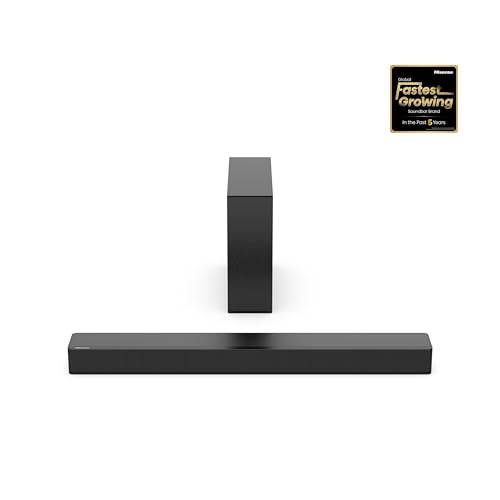
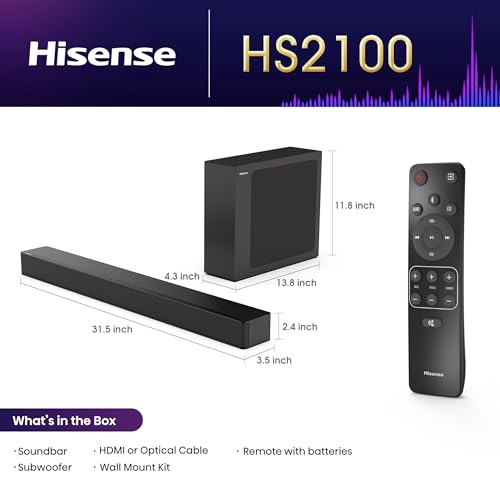
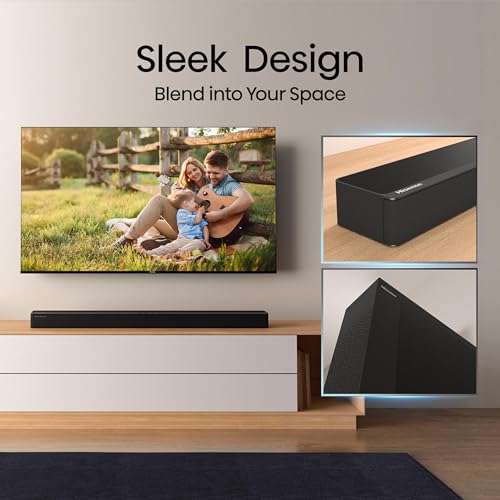
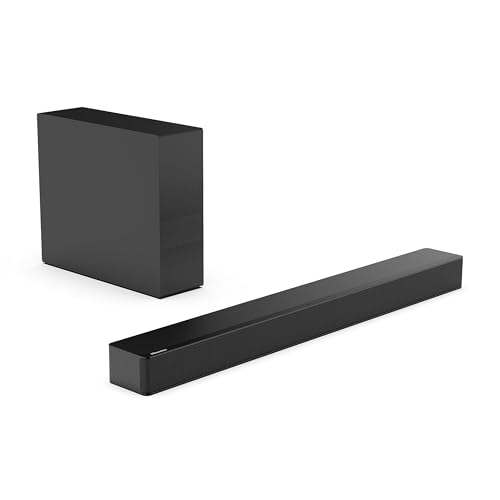
Released in 2022, the Hisense HS2100 represents the "maximum bang for your buck" approach. At roughly one-quarter the price of premium systems, it focuses on delivering the most noticeable improvements—clearer dialogue and stronger bass—without complicated setup or premium pricing. The system includes a compact soundbar and wireless subwoofer, emphasizing simplicity and value.
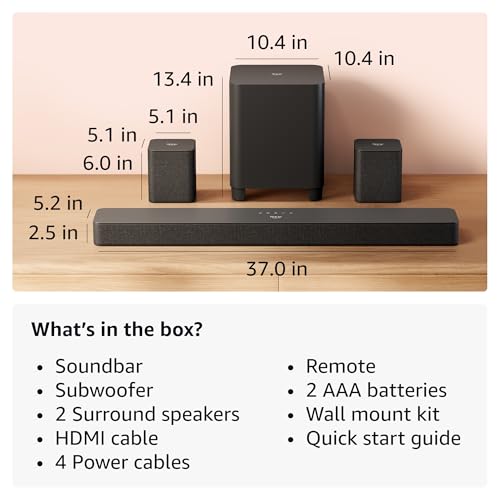
The Amazon Fire TV Soundbar Plus, launched in 2023, takes a more comprehensive approach. This complete 5.1 system includes not just the main soundbar and subwoofer, but also two wireless rear speakers that transform your living room into a proper surround sound environment. It's designed for users who want to replicate the movie theater experience at home.
Since these products launched, we've seen significant improvements in audio processing technology. Modern soundbars now support object-based audio formats like Dolby Atmos, which can position sounds in three-dimensional space rather than just left-to-right stereo. However, implementing these features effectively requires more sophisticated hardware, which naturally increases costs.
Nothing ruins a movie night faster than constantly asking "What did they say?" This is where the fundamental difference between 2.1 and 5.1 systems becomes crystal clear.
The Hisense HS2100 handles dialogue reasonably well for its price point, thanks to a balanced midrange frequency response that keeps voices clear. However, it lacks a dedicated center channel—the speaker specifically designed to handle dialogue in movie soundtracks. Instead, it relies on stereo imaging, where your brain interprets sounds coming from between the left and right speakers as coming from the center.
This approach works fine for simple content, but during complex action scenes with explosions, music, and sound effects, dialogue can get lost in the mix. The HS2100 tries to compensate with a "News" mode that emphasizes vocal frequencies, but it's still fighting physics.
The Amazon Fire TV Soundbar Plus solves this problem definitively with a dedicated center channel. In a proper 5.1 mix, dialogue is sent exclusively to this center speaker, ensuring voices remain crisp and intelligible even when chaos erupts around them. This isn't just a minor improvement—it's transformative for anyone who watches dialogue-heavy content or movies with dynamic soundtracks.
Based on our research into user experiences and professional reviews, the difference in dialogue clarity is immediately noticeable and represents one of the strongest arguments for investing in a true 5.1 system.
This is where the philosophical differences between these systems become most apparent. The Hisense HS2100 uses something called DTS Virtual:X, which is essentially audio processing magic that tries to create the illusion of surround sound from just two speakers plus a subwoofer.
DTS Virtual:X analyzes the audio signal and applies psychoacoustic processing—manipulating how sounds reach your ears to trick your brain into perceiving width and depth that isn't physically there. It's impressive technology, and it does create a wider soundstage than basic stereo, but it's ultimately an approximation of surround sound rather than the real thing.
The Amazon Fire TV Plus takes the direct approach with actual rear speakers positioned behind your listening area. When a movie wants to place a sound behind you, it can literally do that instead of relying on audio processing tricks. This creates what audiophiles call "discrete surround"—each channel operates independently to create precise positioning of sounds in your room.
The practical difference is substantial. With the Hisense, you might notice sounds seeming to come from slightly wider than the soundbar itself, but effects remain fundamentally in front of you. With the Amazon system, sounds can truly move around the room, creating the wraparound audio experience that makes movies feel more cinematic.
However, there's an important caveat: room acoustics matter enormously for surround sound effectiveness. In smaller rooms or spaces with challenging layouts, the benefits of real surround speakers diminish, making the Hisense's virtual approach more practical.
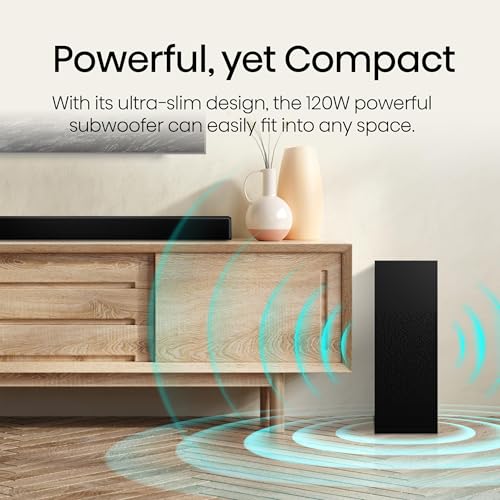
Both systems include wireless subwoofers, but their capabilities differ significantly due to driver size and enclosure design. The Hisense HS2100 features a compact 5.25-inch subwoofer driver in an ultra-thin enclosure designed to fit in tight spaces. This prioritizes placement flexibility over raw output.
Professional measurements show the HS2100's subwoofer provides solid mid-bass impact—the punchy frequencies that make action scenes exciting—but limited extension into the deepest bass frequencies. Its published frequency response bottoms out around 45Hz, which means you'll feel the impact of explosions and car engines, but miss the very lowest rumbles that create visceral movie experiences.
The Amazon Fire TV Plus uses a larger subwoofer with better low-frequency extension. This translates to more convincing bass in action movies and significantly better performance with bass-heavy music genres like hip-hop and electronic music. The difference becomes particularly noticeable in large rooms where the extra bass output helps fill the space.
From a practical standpoint, both subwoofers represent massive improvements over TV speakers, but the Amazon system provides the deeper, more impactful bass that serious movie watchers crave.
Maximum volume capabilities matter more than you might think, not because you'll constantly blast your soundbar, but because systems with higher clean output maintain better dynamic range at moderate listening levels.
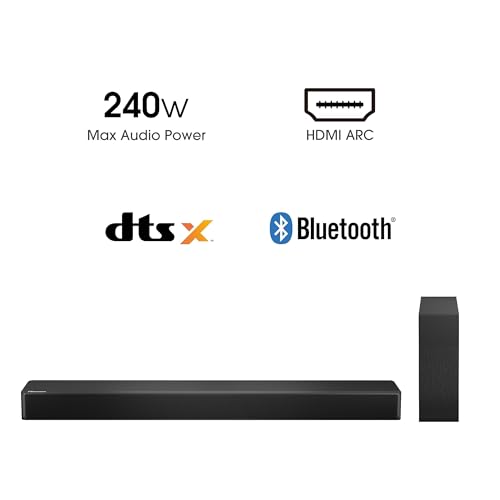
The Hisense HS2100 delivers about 240 watts of total power and can reach approximately 90 decibels of peak output—adequate for small to medium rooms but showing compression artifacts when pushed hard. This compression makes loud scenes sound somewhat flattened and less dynamic.
The Amazon Fire TV Plus distributes its power across more speakers, which actually improves efficiency and reduces individual driver stress. Multiple speakers working together can fill larger rooms more effectively while maintaining cleaner sound quality at high volumes.
Our research suggests the Amazon system handles large rooms significantly better, while the Hisense performs admirably in typical living rooms up to about 200 square feet.
Audio formats might seem like technical minutiae, but they directly impact what content you can enjoy properly. The Hisense HS2100 supports standard formats like Dolby Digital and DTS that cover most TV broadcasts and streaming content. However, it lacks support for object-based audio formats like Dolby Atmos.
Dolby Atmos represents a significant evolution in audio technology, treating sounds as objects that can be placed anywhere in three-dimensional space rather than limiting them to specific channels. Major streaming services like Netflix, Disney+, and Apple TV+ increasingly offer Atmos content, making format support more relevant for future content consumption.
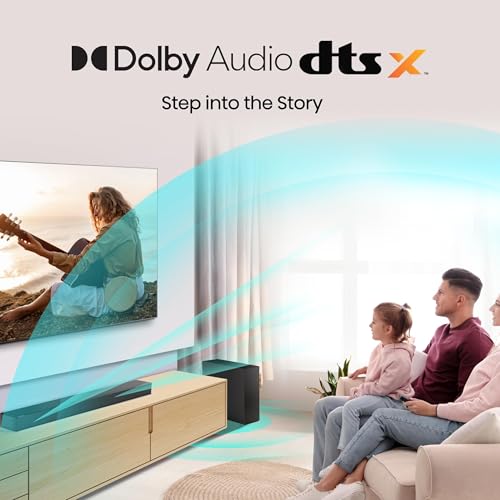
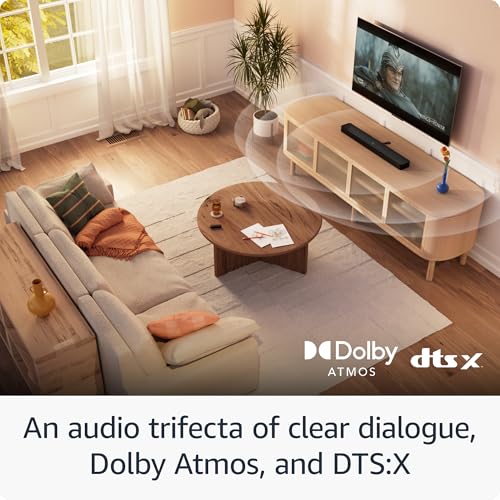
The Amazon Fire TV Soundbar Plus supports Dolby Atmos and DTS:X, though it virtualizes these formats since it lacks dedicated height speakers. While not as impressive as systems with actual upward-firing drivers, this virtualization still provides better spatial audio than standard stereo processing.
This format support difference matters most if you regularly consume premium streaming content or plan to keep your soundbar for several years as more Atmos content becomes available.
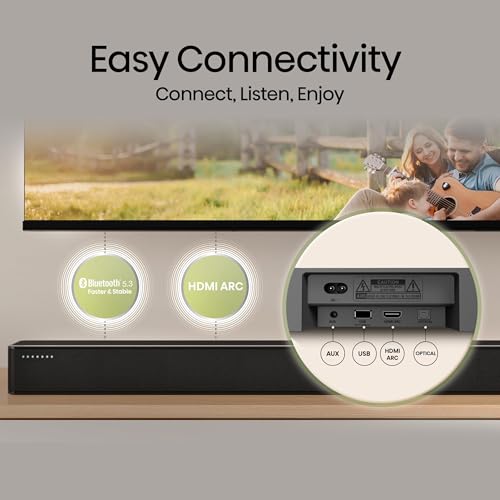
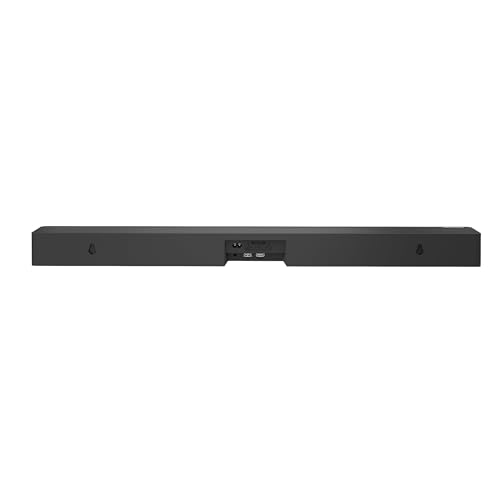
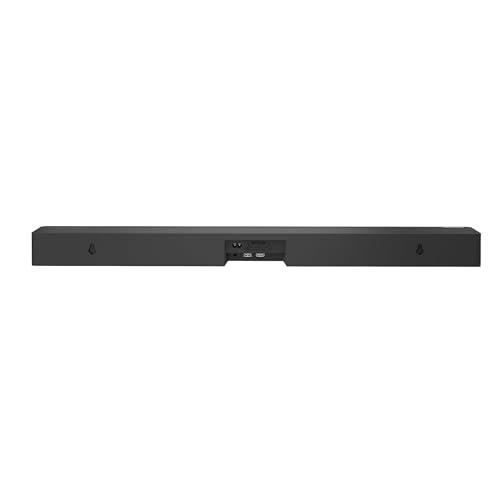
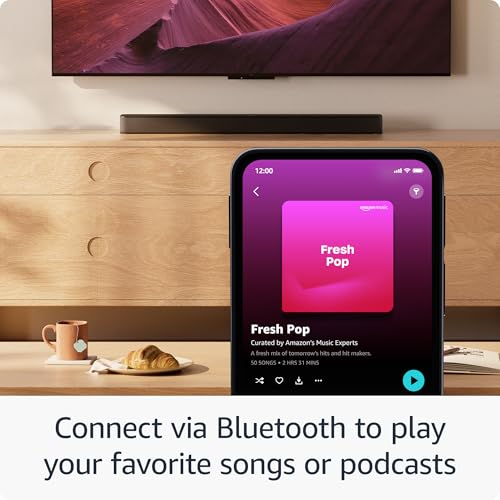
Both systems offer comprehensive connectivity, but with different strengths. The Hisense HS2100 includes HDMI ARC, optical input, USB, 3.5mm auxiliary input, and notably, Bluetooth 5.3—a newer version that provides better range and stability for wireless music streaming.
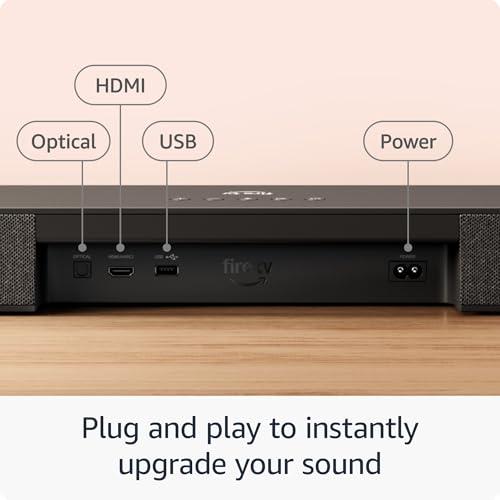
The Amazon Fire TV Plus features HDMI eARC (Enhanced Audio Return Channel), which supports higher bandwidth audio transmission than standard ARC. This enables lossless audio formats and reduces potential lip-sync issues. The system also integrates seamlessly with Fire TV devices, allowing control through your TV's interface rather than requiring a separate remote.
For setup simplicity, both systems excel. The Hisense requires minimal configuration—connect the soundbar, plug in the auto-pairing subwoofer, and you're done. The Amazon system involves more speakers but ships with everything pre-paired, so setup remains straightforward despite the increased complexity.
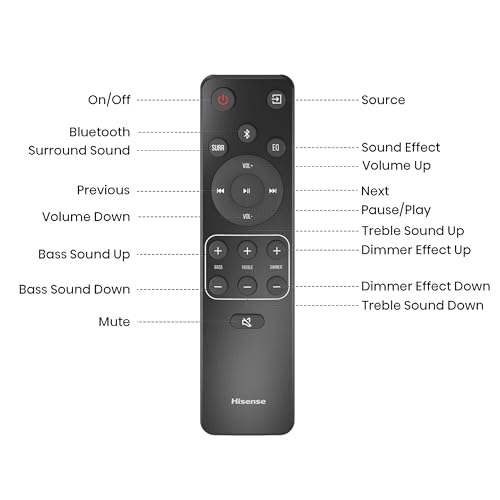
The Hisense HS2100 provides six EQ presets (Movie, Music, News, Sport, Night, Game) plus manual bass and treble adjustment. These presets genuinely improve the listening experience for different content types—the Night mode compresses dynamic range for late-night viewing, while Movie mode enhances surround processing and bass impact.
The Amazon Fire TV Plus offers fewer presets but includes dedicated dialogue enhancement and surround sound toggle controls. The integration with Fire TV devices also allows adjustment through your TV's on-screen menus, which some users find more intuitive than remote control buttons.
Neither system offers room correction technology, which automatically adjusts the sound to compensate for your room's acoustics. This feature appears mainly in premium soundbars costing significantly more, so its absence isn't surprising at these price points.
At the time of writing, these systems represent dramatically different value propositions. The Hisense HS2100 costs roughly one-quarter of the Amazon Fire TV Plus, making the value calculation complex.
The Hisense delivers exceptional value for buyers upgrading from TV speakers. Professional reviews consistently note that it provides roughly 80% of the audio improvement you'd get from much more expensive systems, at a fraction of the cost. For casual viewers who primarily watch TV shows, news, and occasional movies, this represents outstanding value.
However, the Amazon Fire TV Plus provides proportionally better performance for its higher price. The genuine surround sound experience, superior dialogue clarity, and better bass response justify the premium for users who prioritize audio quality and immersive entertainment.
The value equation changes based on your usage patterns. If you watch movies several times per week and have a room large enough to appreciate surround sound, the Amazon system's higher price becomes easier to justify. For casual viewing in smaller spaces, the Hisense provides better bang for your buck.
The Hisense HS2100 excels in apartments, bedrooms, and smaller living rooms where setup simplicity and space efficiency matter. Its compact footprint and wireless subwoofer adapt well to challenging room layouts, and the virtual surround processing works adequately in intimate spaces where true surround speakers would provide minimal benefit.
For users who primarily watch TV shows, news, sports, and occasional movies, the HS2100 provides all the improvement most people need. The enhanced dialogue clarity and added bass create a satisfying upgrade over TV speakers without overwhelming complexity or cost.
The Amazon Fire TV Plus shines in larger living rooms and dedicated theater spaces where its surround capabilities can be fully appreciated. Rooms larger than 250 square feet benefit significantly from the discrete rear speakers and more powerful subwoofer.
Movie enthusiasts who regularly watch action films, sci-fi, and content with dynamic soundtracks will appreciate the genuine surround sound positioning and improved dialogue clarity. The system also excels for gaming, where positional audio provides competitive advantages and enhanced immersion.
For households with diverse viewing habits, the decision becomes more nuanced. The Amazon system adapts well to both casual TV viewing and serious movie watching, while the Hisense optimizes for everyday use but may leave movie buffs wanting more immersion.
Future content trends favor the Amazon system due to its Dolby Atmos support and format compatibility. As streaming services continue expanding their premium audio offerings, format support becomes increasingly valuable for long-term satisfaction.
Serious home theater enthusiasts should understand the limitations of both systems compared to reference-grade equipment. Neither soundbar offers true Dolby Atmos height effects due to the absence of upward-firing drivers—the Amazon system virtualizes these effects rather than producing actual overhead sound.
Both systems also lack room correction technology, which automatically compensates for acoustic challenges in your specific room. This limitation becomes more noticeable in acoustically challenging spaces with hard surfaces or irregular layouts.
However, both soundbars represent significant improvements over TV audio and provide satisfying experiences for their respective target audiences. The key is matching system capabilities to your specific needs and expectations.
Choose the Hisense HS2100 if you prioritize value above all else, have space constraints that make multiple speakers impractical, primarily watch dialogue-heavy content like TV shows and news, or simply want the biggest audio improvement for the smallest investment. It's also ideal for renters or temporary setups where simplicity matters more than ultimate performance.
Choose the Amazon Fire TV Soundbar Plus if you have a larger room that can accommodate surround speakers, regularly watch movies and premium streaming content, want genuine surround sound immersion, use Fire TV devices extensively, or plan to keep your soundbar for many years and want future format compatibility.
The fundamental decision comes down to this: the Hisense maximizes improvement per dollar spent, while the Amazon system maximizes overall audio quality and immersion. Both approaches have merit—your choice should align with your specific viewing habits, room characteristics, and long-term entertainment goals rather than just initial budget constraints.
Remember that either soundbar will dramatically improve your TV audio experience compared to built-in speakers. The question isn't whether you need a soundbar, but which level of improvement best matches your needs and expectations.
| Hisense HS2100 2.1 Channel 240W Soundbar System | Amazon Fire TV Soundbar Plus 5.1 Channel System |
|---|---|
| Channel Configuration - Determines surround sound capability and immersion level | |
| 2.1 channels (stereo + subwoofer, virtual surround) | 5.1 channels (discrete surround with rear speakers) |
| Dolby Atmos Support - Essential for modern streaming content and future-proofing | |
| No Atmos support (Dolby Digital/DTS only) | Yes, virtualized Atmos (no height speakers but better than stereo) |
| Dedicated Center Channel - Critical for clear dialogue in movies and TV | |
| No center channel (relies on stereo imaging) | Dedicated center speaker for crystal-clear dialogue |
| Physical Surround Speakers - Real vs. virtual surround sound experience | |
| None included (DTS Virtual:X processing only) | Two wireless rear satellites create genuine surround |
| Subwoofer Size and Power - Impacts bass depth and room-filling capability | |
| 5.25" wireless sub, 120W (compact but limited extension) | Larger wireless subwoofer with deeper bass response |
| Maximum Power Output - Affects volume levels and dynamic range | |
| 240W total system power | Higher total power distributed across more speakers |
| Room Size Suitability - Performance varies significantly with space | |
| Small to medium rooms (up to 200 sq ft) | Medium to large rooms (250+ sq ft) |
| Setup Complexity - Time and effort required for installation | |
| Minimal setup (soundbar + auto-pairing sub) | More speakers but all pre-paired, moderate complexity |
| HDMI Connection Type - Affects audio quality and format support | |
| HDMI ARC (standard bandwidth) | HDMI eARC (enhanced bandwidth for lossless audio) |
| Bluetooth Version - Impacts wireless streaming quality and range | |
| Bluetooth 5.3 (latest version, excellent range/stability) | Bluetooth 5.0 (good performance, slightly older) |
| EQ Customization Options - Ability to tailor sound to preferences | |
| 6 presets plus manual bass/treble adjustment | Fewer presets but dedicated dialogue enhancement |
| Fire TV Integration - Convenience for Amazon ecosystem users | |
| Standard TV remote compatibility | Deep Fire TV integration with on-screen controls |
| Value Proposition - Performance per dollar at time of writing | |
| Exceptional budget value, 80% improvement at 25% the cost | Premium pricing justified by complete surround experience |
| Best Use Cases - Ideal scenarios for each system | |
| Casual viewing, small spaces, budget-conscious buyers | Movie enthusiasts, large rooms, immersive entertainment |
The key difference is channel configuration: the Hisense HS2100 is a 2.1 system with a soundbar and subwoofer that creates virtual surround sound, while the Amazon Fire TV Soundbar Plus is a true 5.1 system with discrete rear speakers that deliver genuine surround sound. The Amazon system provides much better immersion for movies and games.
The Amazon Fire TV Soundbar Plus is significantly better for movies thanks to its dedicated center channel for clear dialogue and real surround speakers that create an immersive experience. The Hisense HS2100 works well for casual TV viewing but can't match the cinematic experience of the Amazon system.
Yes, the rear speakers make a substantial difference in creating true surround sound. Without them, you're essentially getting a more expensive version of what the Hisense HS2100 offers. The rear speakers in the Amazon Fire TV Soundbar Plus are what justify the higher price by delivering authentic surround effects.
The Hisense HS2100 is simpler to set up with just a soundbar and wireless subwoofer that pairs automatically. The Amazon Fire TV Soundbar Plus involves more speakers but still comes pre-paired, making setup manageable despite the additional components.
Both the Hisense HS2100 and Amazon Fire TV Soundbar Plus work with any TV that has HDMI ARC or optical output. However, the Amazon system offers enhanced integration features when used with Fire TV devices, including on-screen control menus.
The Amazon Fire TV Soundbar Plus delivers stronger and deeper bass thanks to its larger subwoofer with better low-frequency extension. While the Hisense HS2100 provides solid mid-bass impact, it can't match the room-filling bass performance of the Amazon system.
The Amazon Fire TV Soundbar Plus excels at dialogue clarity with its dedicated center channel that keeps voices crisp even during action scenes. The Hisense HS2100 handles dialogue reasonably well but lacks a center channel, so voices can get lost during complex movie soundtracks.
The Hisense HS2100 is ideal for small to medium rooms up to 200 square feet, while the Amazon Fire TV Soundbar Plus performs best in larger rooms where the surround speakers can create proper spatial effects. In very small spaces, the Hisense system may actually be the better choice.
The Amazon Fire TV Soundbar Plus supports Dolby Atmos and DTS:X, though it virtualizes these formats since it lacks height speakers. The Hisense HS2100 doesn't support Atmos but handles standard Dolby Digital and DTS formats that cover most TV content.
This depends on your needs: the Hisense HS2100 offers exceptional value for basic audio improvement, delivering about 80% of the benefit at a fraction of the cost. The Amazon Fire TV Soundbar Plus costs significantly more but provides proportionally better performance with true surround sound.
Both support Bluetooth streaming, but the Hisense HS2100 uses newer Bluetooth 5.3 technology for better range and stability. The Amazon Fire TV Soundbar Plus uses Bluetooth 5.0, which still provides good wireless performance for music streaming from phones and tablets.
For a dedicated home theater, the Amazon Fire TV Soundbar Plus is the clear choice with its true 5.1 surround sound, Dolby Atmos support, and superior dialogue clarity. The Hisense HS2100 works better for casual viewing setups where simplicity and value matter more than ultimate immersion.
We've done our best to create useful and informative comparisons to help you decide what product to buy. Our research uses advanced automated methods to create this comparison and perfection is not possible - please contact us for corrections or questions. These are the sites we've researched in the creation of this article: rtings.com - shop.hisense-usa.com - bestbuy.com - content.syndigo.com - bestbuy.com - hisensedealers.co.ke - stuff.co.za - dtc-aus-api.hisense.com - youtube.com - manuals.plus - youtube.com - bestbuy.com - youtube.com - gallifurniture.com - hisense-usa.com - manuals.plus - uk.hisense.com - device.report - youtube.com - costco.ca - elmcreekwsa.com - gallifurniture.com - rtings.com - cordbusters.co.uk - techradar.com - developer.amazon.com - t3.com - hometechnologyreview.com - youtube.com - hometechnologyreview.com - whathifi.com - hometechnologyreview.com - hometechnologyreview.com - youm.design - hometechnologyreview.com - dolby.com

Privacy Policy
Terms and Conditions - Affiliate Policy
Home Security
© Copyright 2008-2026.
11816 Inwood Rd #1211, Dallas, TX 75244