







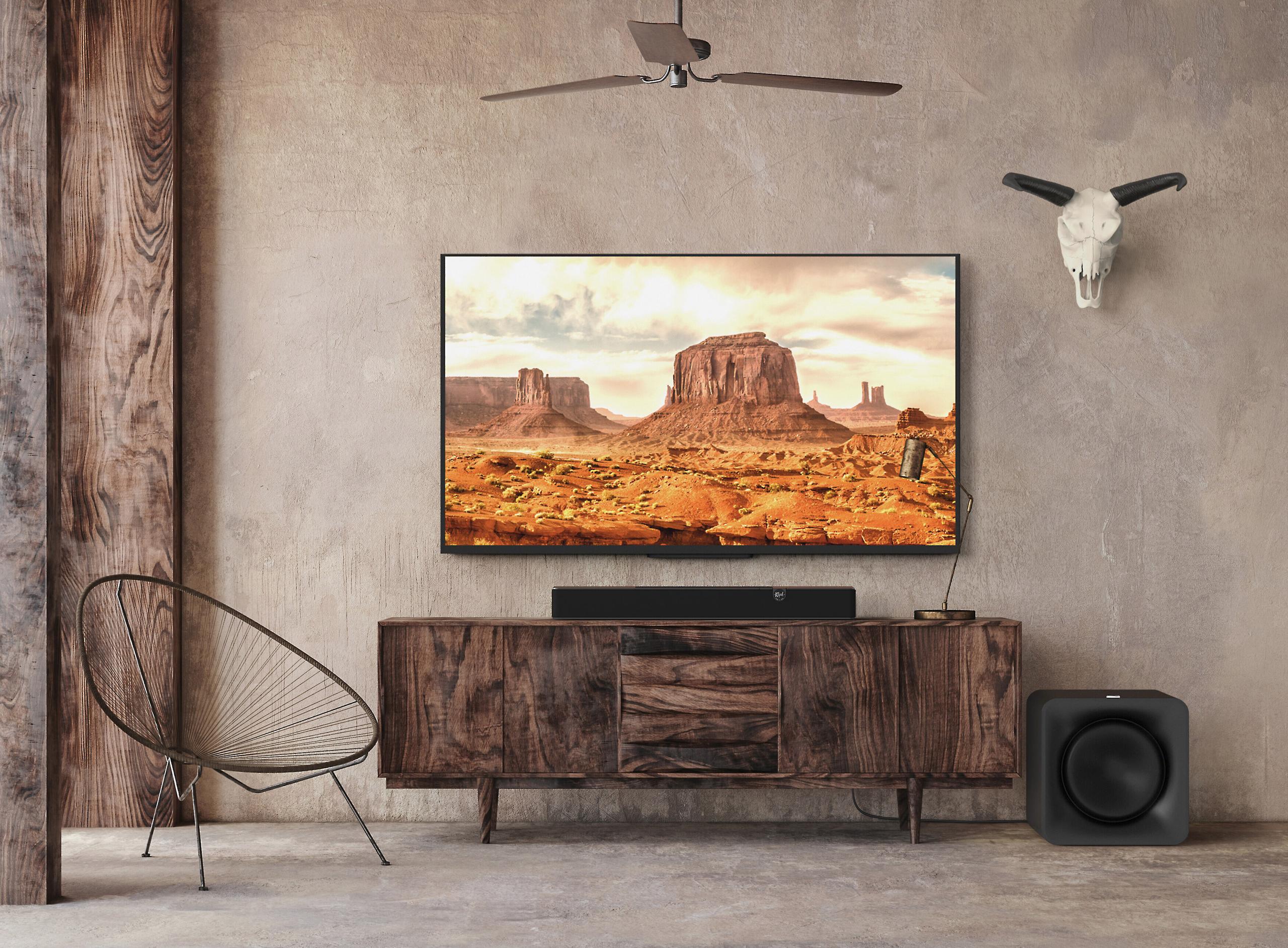
When your TV speakers sound like they're trapped inside a tin can, it's time for a soundbar upgrade. But with options ranging from ultra-budget to premium-priced, choosing the right one can feel overwhelming. Today we're comparing two fundamentally different approaches to better TV audio: the value-focused Hisense HS2100 and the premium-engineered Klipsch Flexus Core 100.
These aren't just different price points—they represent completely different philosophies about how to deliver great sound. One prioritizes maximum features and power for the money, while the other focuses on acoustic engineering and long-term versatility. Understanding these differences will help you decide which approach makes more sense for your specific situation.
Before diving into specifics, let's establish what we're looking for in a quality soundbar system. The most important factor is frequency response—how evenly the soundbar reproduces different pitches from deep bass to crisp highs. A good soundbar should handle dialogue clearly (that's the midrange frequencies), provide satisfying bass for explosions and music, and deliver clean highs for details like rain or wind effects.
Power output matters, but not the way most people think. Those big wattage numbers on the box often represent peak power—the absolute maximum the system can produce for brief moments before distorting or shutting down. What really matters is continuous power (measured in RMS watts), which tells you how much clean, undistorted sound the system can maintain over time.
Dynamic range is another crucial specification that gets overlooked. This measures the difference between the quietest and loudest sounds the system can reproduce without compression. Movies have enormous dynamic range—from whispered conversations to explosive action sequences—and a good soundbar preserves those dramatic differences instead of squashing everything to a similar volume level.
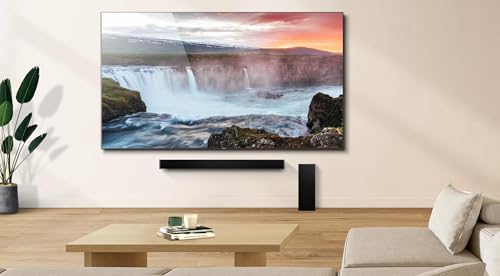
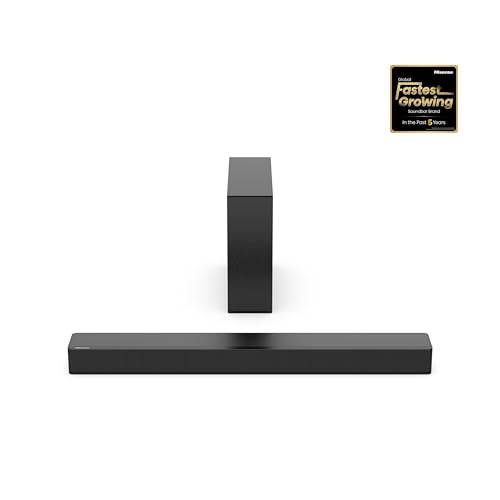
Released in 2023, the Hisense HS2100 represents the "more for less" philosophy that has dominated budget electronics. At roughly half the price of premium competitors at the time of writing, it packs a separate wireless subwoofer, virtual surround processing, and multiple connectivity options into an affordable package. Hisense has steadily improved their audio products since entering the soundbar market, and the HS2100 benefits from years of refinement in their manufacturing and tuning processes.
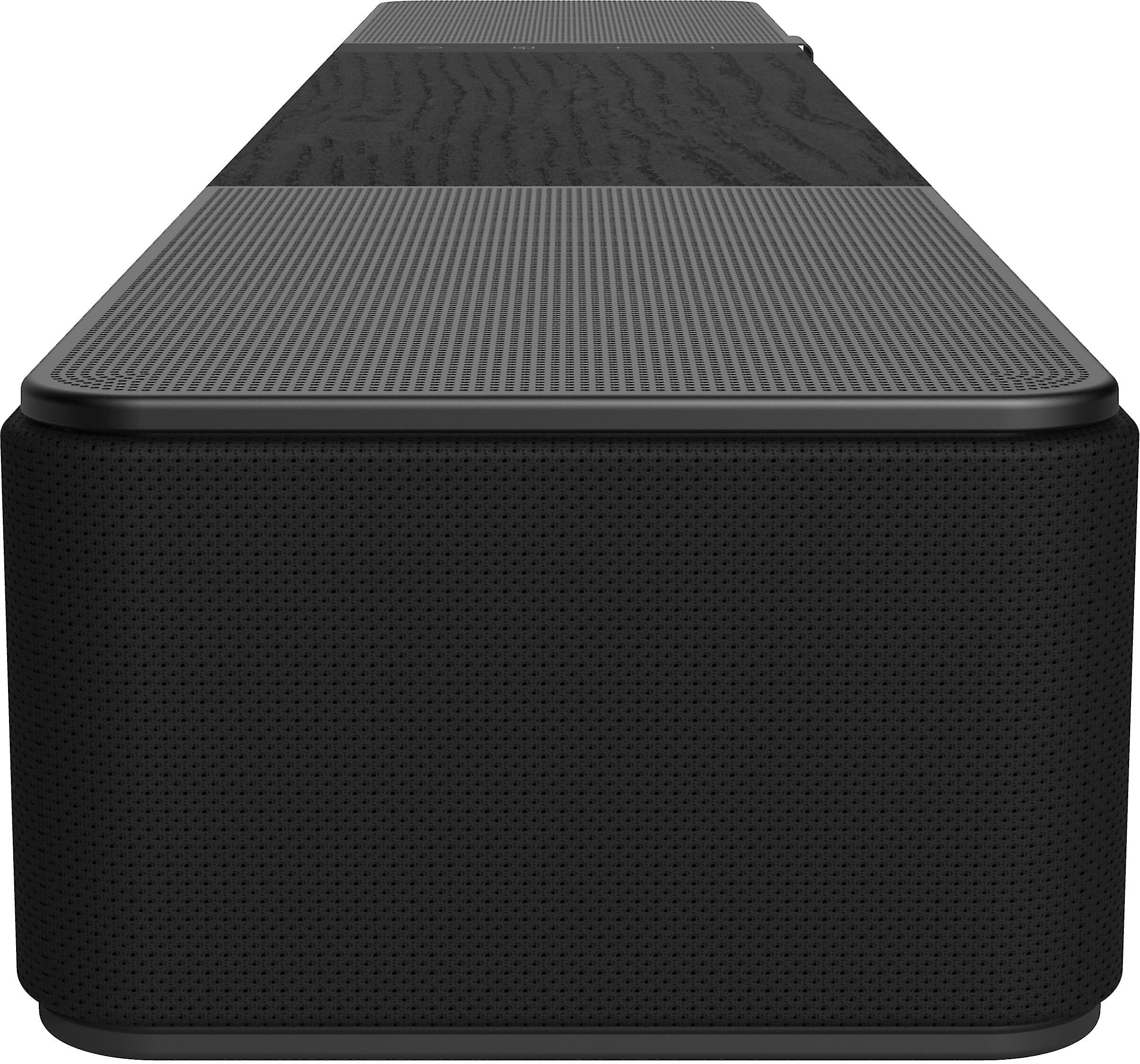
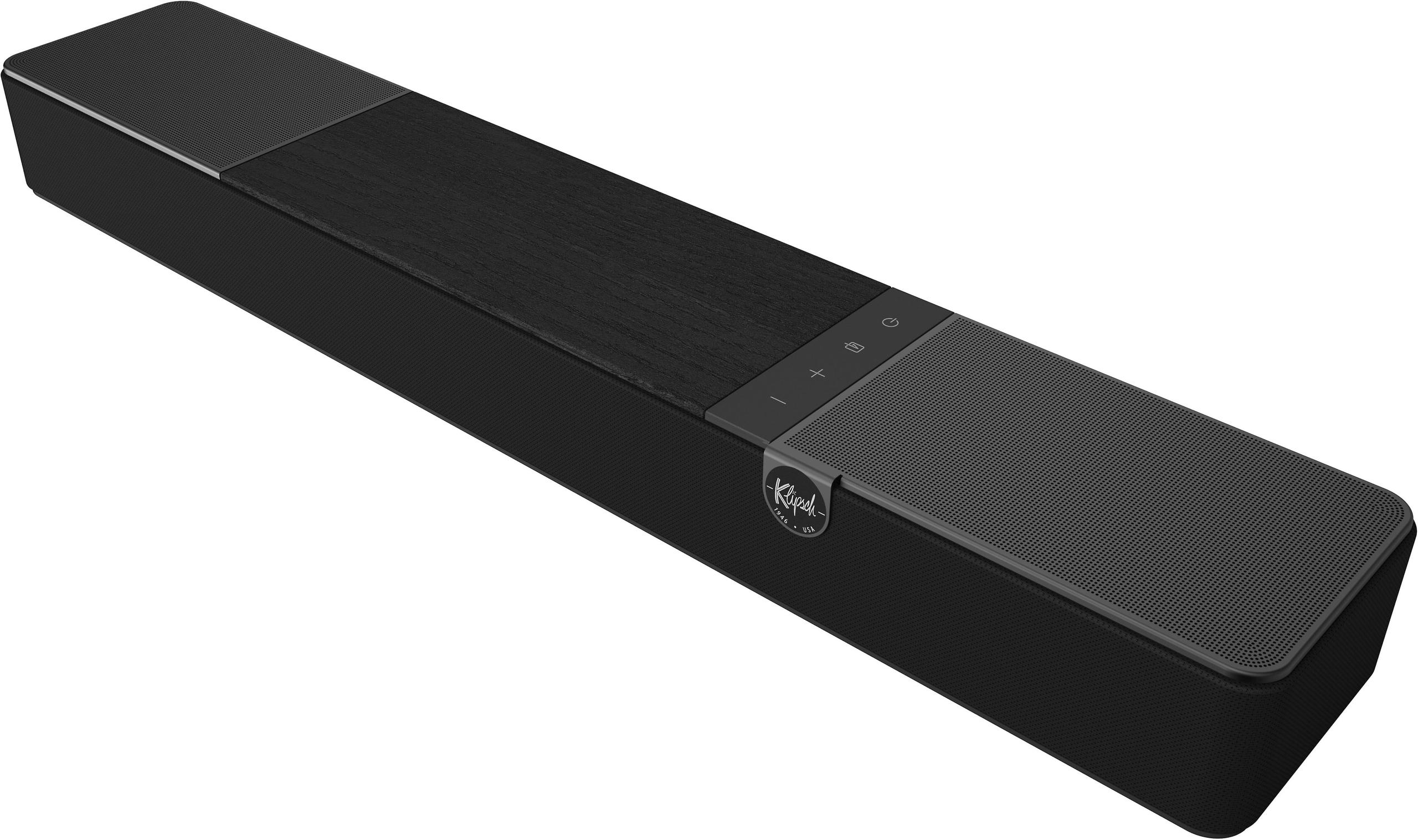
The Klipsch Flexus Core 100, also launched in 2023, takes a completely different approach. Klipsch, with their 75+ year heritage in premium audio, applies decades of acoustic engineering to create what they call a "foundation" soundbar—designed to deliver exceptional sound quality immediately while serving as the base for a expandable home theater system. The timing of its release coincided with the broader industry shift toward modular, upgradeable audio systems rather than fixed configurations.
Since 2023, we've seen the audio industry increasingly embrace spatial audio formats like Dolby Atmos, making format support more critical than raw power specifications. This shift has highlighted the different priorities of these two soundbars quite clearly.
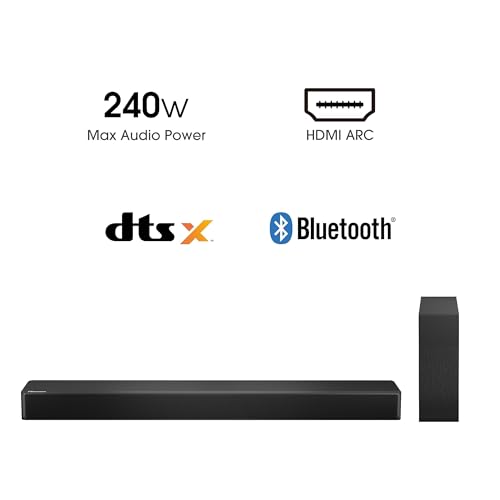
The Hisense HS2100 advertises 240 watts of maximum power, which sounds impressive until you dig deeper. This figure represents peak power—the absolute maximum the system can produce during brief moments. The soundbar itself contributes 120 watts (60 watts per channel), while the separate subwoofer adds another 120 watts. However, these are maximum figures, not the continuous RMS power the system can maintain cleanly.
In contrast, the Klipsch Flexus Core 100 specifies 100 watts RMS—a more conservative but honest measurement. RMS (Root Mean Square) power represents the continuous, sustainable power output without distortion. In practical terms, a well-designed 100-watt RMS system often sounds louder and cleaner than a poorly designed 240-watt peak system because the amplifier quality and speaker efficiency matter more than raw wattage.
Our research into professional testing reveals both soundbars can adequately fill rooms up to about 300 square feet, reaching sound pressure levels around 90+ decibels—loud enough for most home theater applications. However, the Klipsch maintains better sound quality at higher volumes due to superior amplifier design and speaker components.
The frequency response tells an interesting story. The Hisense HS2100 officially covers 45Hz to 20kHz, while the Klipsch Flexus Core 100 spans a similar range. However, frequency response isn't just about the numbers—it's about how evenly the soundbar reproduces frequencies across that range. Professional measurements suggest the Klipsch delivers more balanced output, while the Hisense tends toward a slightly "boomy" bass response that emphasizes impact over accuracy.
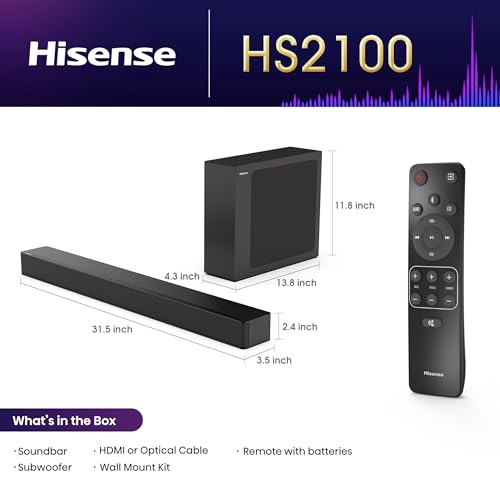
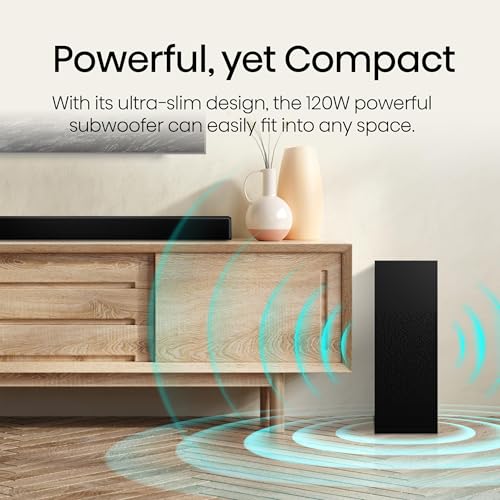
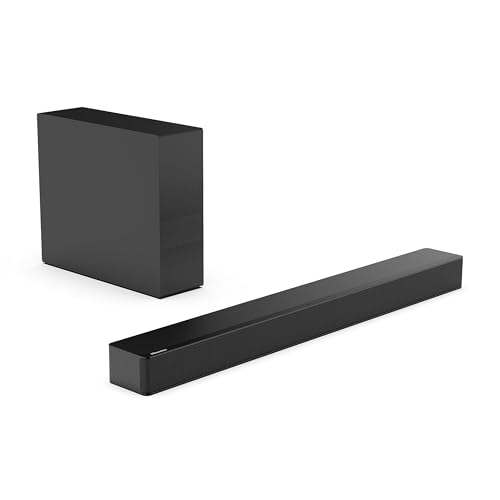
Here's where these soundbars diverge most dramatically. The Hisense HS2100 includes a separate wireless subwoofer with a 5.25-inch driver. This approach offers significant advantages: you can position the subwoofer anywhere in your room for optimal bass response, the ultra-slim design (just 4.3 inches deep) fits under most furniture, and the wireless connection eliminates cable runs across your room.
However, separate subwoofers also introduce potential issues. The wireless connection can occasionally drop or experience latency, and cheaper subwoofers often produce "one-note" bass—they hit hard at certain frequencies while missing others. Based on user feedback, the Hisense subwoofer delivers satisfying impact for movies but can sound slightly disconnected from the main soundbar, creating a less cohesive audio experience.
The Klipsch Flexus Core 100 integrates dual 4-inch subwoofers directly into the soundbar chassis. This might seem like a compromise, but Klipsch's acoustic engineering makes it work brilliantly. The integrated approach ensures perfect timing between the main drivers and subwoofers—no wireless delays or connection drops. The bass response is tighter and more controlled, though it may not have the same raw quantity as the Hisense's larger separate subwoofer.
User reviews consistently praise the Klipsch for delivering "the best bass I've heard from a soundbar without a separate sub." This integration philosophy reflects Klipsch's studio monitor heritage, where timing and coherence matter more than maximum output.
Modern soundbars use psychoacoustic processing to create the illusion of surround sound from a single bar placed under your TV. Both systems employ virtual surround technologies, but with different approaches and format support.
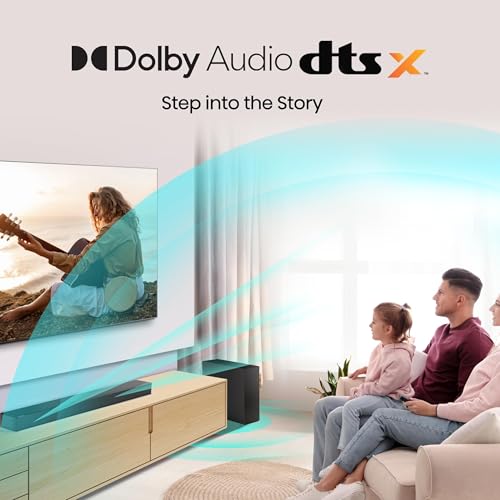
The Hisense HS2100 supports DTS Virtual:X, which processes surround sound content to create height and width effects beyond the physical soundbar. It also handles Dolby Digital and Dolby Digital Plus—the standard surround formats for broadcast TV and streaming content. The system includes six preset sound modes (Movie, Music, News, Sport, Game, Night) that adjust the processing for different content types.
However, the Hisense notably lacks Dolby Atmos support. Dolby Atmos has become the premium spatial audio format for streaming services like Netflix, Disney+, and Apple TV+, as well as most modern movies and games. Without Atmos processing, the soundbar must downmix this content to standard surround formats, potentially losing the intended spatial effects.
The Klipsch Flexus Core 100 prioritizes Dolby Atmos processing, using advanced algorithms to simulate height channels and create immersive spatial audio from modern content. When watching Atmos-enabled movies or shows, the difference is noticeable—sounds appear to move around and above you rather than just coming from the front of the room.
But here's the Klipsch's significant limitation: it completely lacks DTS support. DTS is still common on Blu-ray discs and some streaming content, particularly older movies and international releases. If you have an extensive physical media collection or encounter DTS-encoded content, the Klipsch simply won't process it properly, defaulting to stereo output.
This represents a clear philosophical divide. The Hisense covers more legacy formats but misses the newest spatial audio technology, while the Klipsch embraces cutting-edge Dolby Atmos but abandons DTS entirely. Your content preferences should heavily influence this decision.
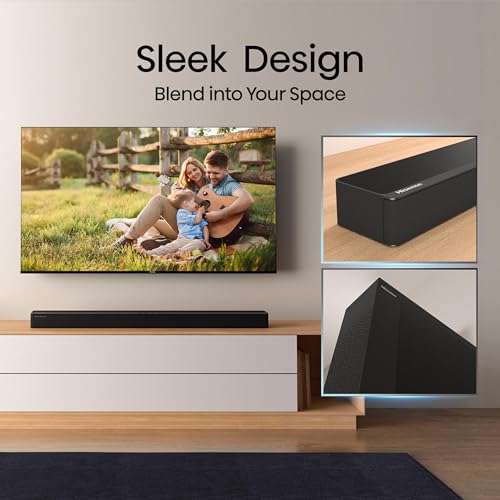
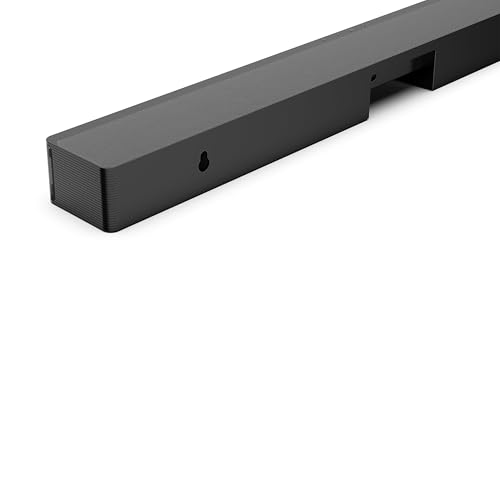
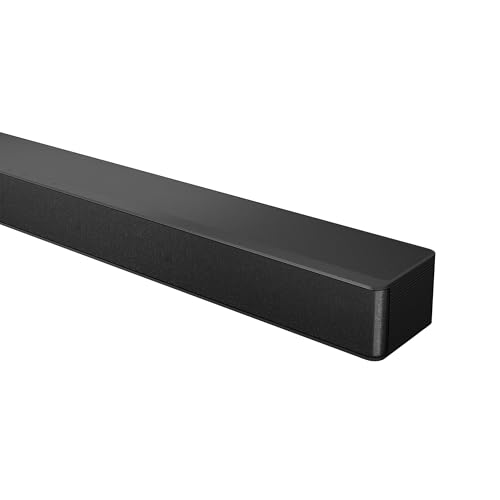
The construction differences between these soundbars immediately reveal their target markets. The Hisense HS2100 uses primarily plastic construction with a fabric grille, weighing just 3.3 pounds for the soundbar portion. While perfectly functional, it feels budget-oriented—lightweight and utilitarian rather than premium.
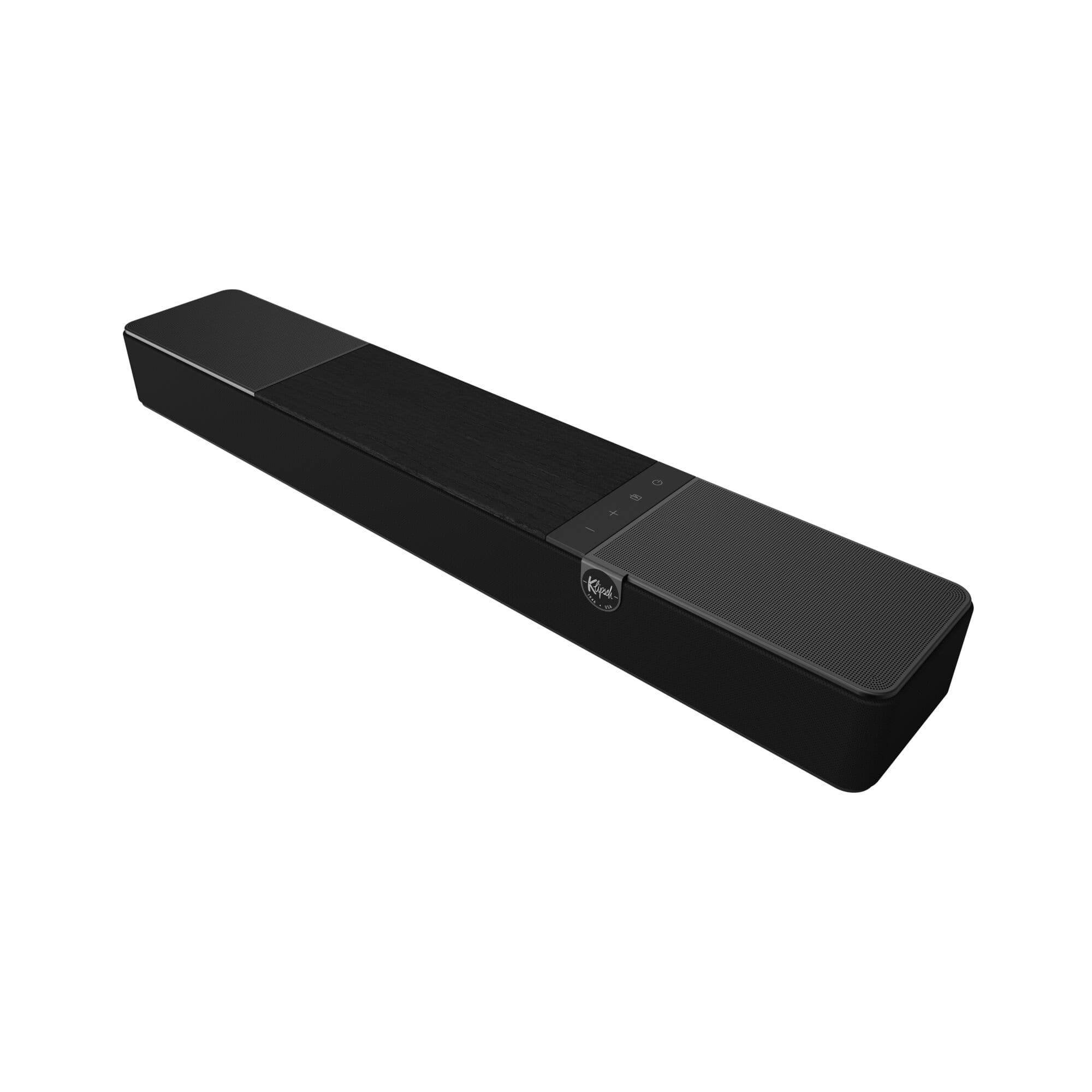
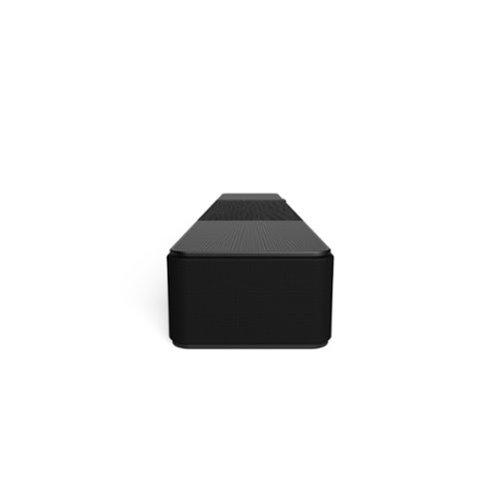
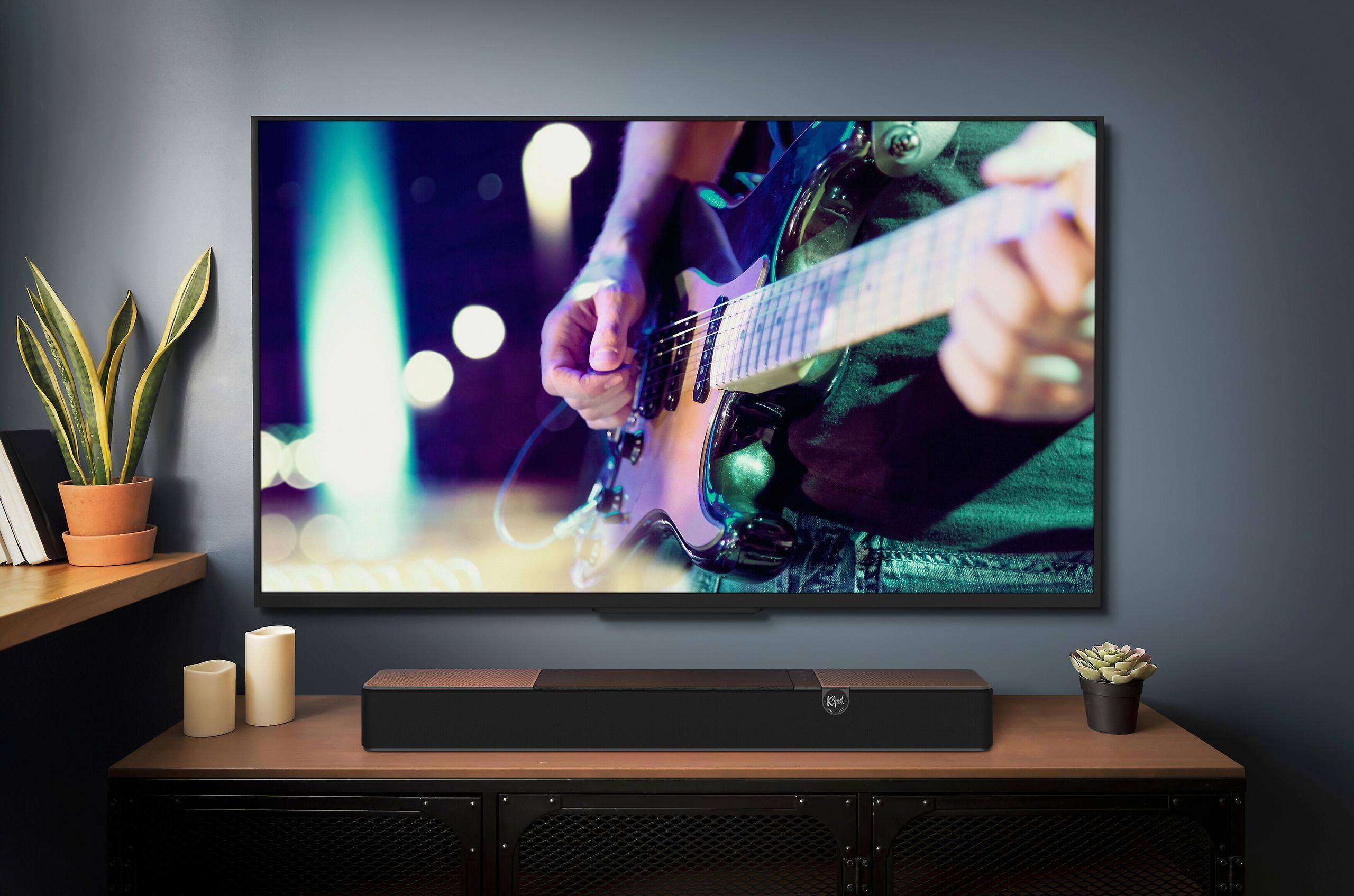
The Klipsch Flexus Core 100 employs higher-grade materials including aluminum cone drivers, wood elements, and metal construction details, resulting in a 10-pound soundbar that feels substantial and well-built. The ebony vinyl finish integrates better with premium TV setups and high-end furniture.
These material differences affect more than just aesthetics. The Klipsch's heavier construction reduces unwanted vibrations and resonances that can color the sound, while its aluminum drivers provide better transient response—the ability to start and stop quickly for crisp, detailed audio reproduction.
The Hisense's lighter construction makes it easier to wall-mount and less likely to stress your TV stand, but the trade-off comes in acoustic performance and long-term durability.
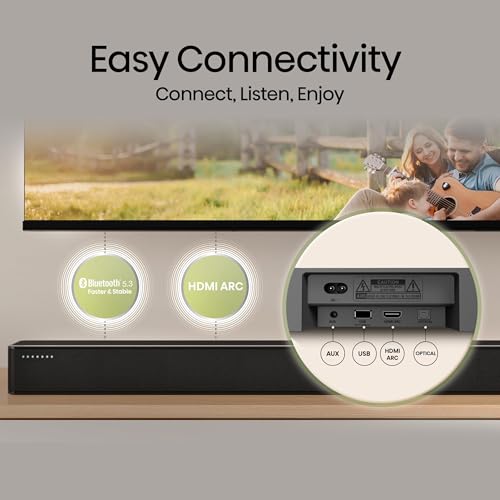
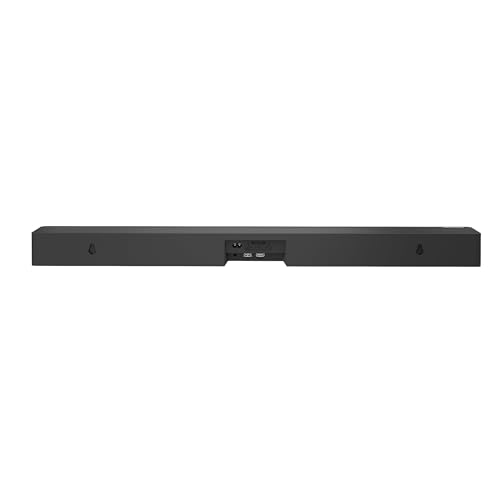
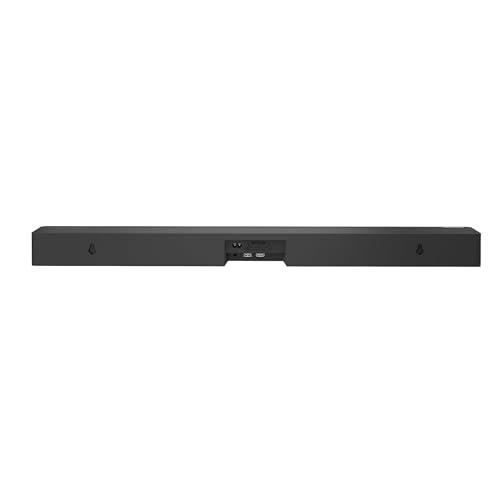
Both soundbars offer comprehensive connectivity, but with different focuses. The Hisense HS2100 includes HDMI ARC with CEC control, optical digital input, 3.5mm analog input, USB port for firmware updates and audio playback, and notably, Bluetooth 5.3—a surprisingly modern wireless standard for a budget soundbar.
The Klipsch Flexus Core 100 provides HDMI eARC (enhanced Audio Return Channel), optical input, USB-C connectivity, and Bluetooth, plus integration with the Klipsch Connect Plus app for iOS and Android devices. The eARC connection supports higher-bandwidth audio formats and more sophisticated control protocols than standard ARC.
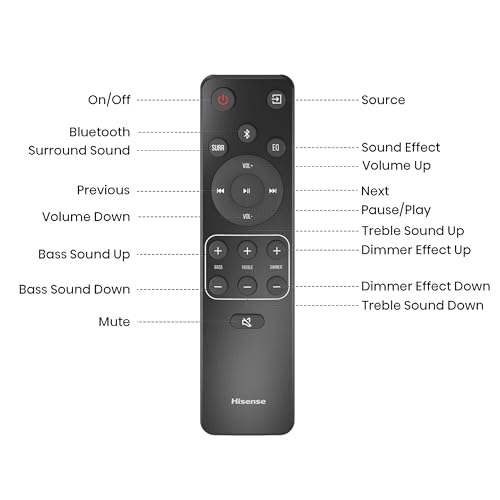
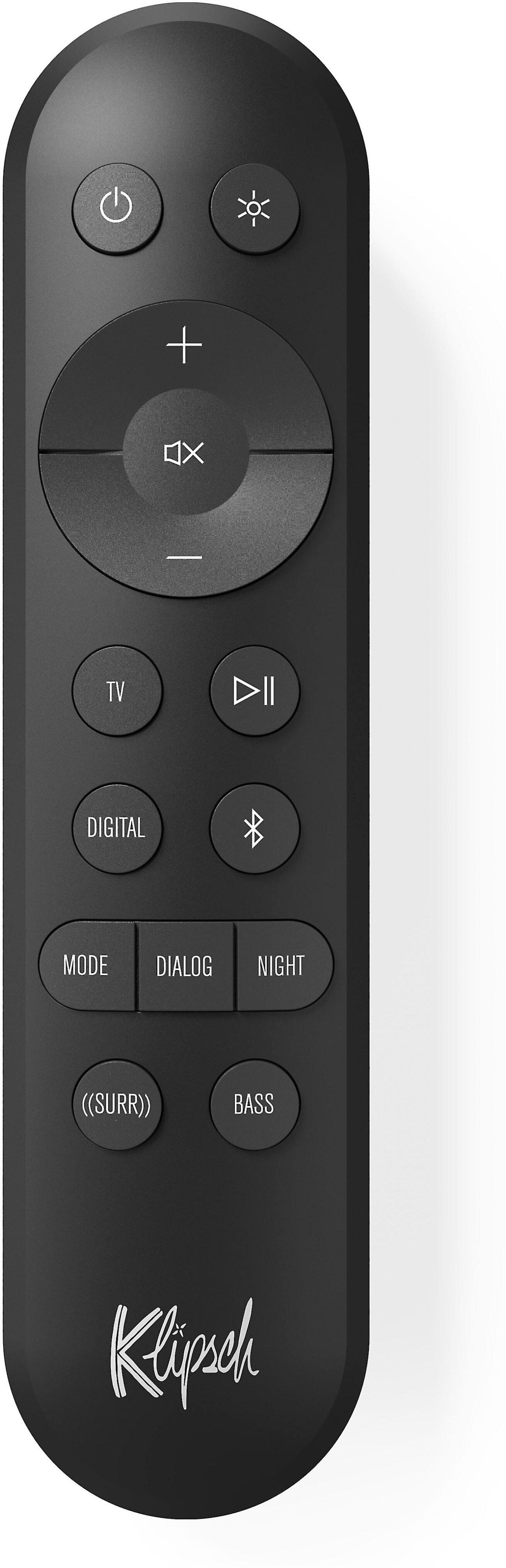
The app integration represents a significant difference. The Hisense relies entirely on its physical remote for control and adjustment. While this keeps things simple, it limits your EQ options to basic bass and treble controls plus the preset sound modes.
The Klipsch app enables much more sophisticated customization. You can create custom EQ curves, adjust surround processing intensity, and fine-tune the system's response to your room and preferences. However, user reviews suggest the app can be buggy, and many prefer using the included backlit remote for daily operation.
Here's where the Klipsch Flexus Core 100 reveals its true long-term value proposition. Rather than being a complete, fixed system, it's designed as the foundation of an expandable ecosystem. Klipsch Transport technology enables wireless connection of additional Flexus components—rear surround speakers and additional subwoofers—creating a true multi-channel home theater system without running speaker wires throughout your room.
This modular approach means you can start with just the soundbar and gradually build a comprehensive system as your budget and needs evolve. The wireless surround speakers provide genuine rear-channel effects rather than virtual processing, while additional subwoofers can extend bass response for larger rooms or more demanding content.
The Hisense HS2100, while including a wireless subwoofer, offers no official expansion path. You're essentially locked into the 2.1 configuration, which may become limiting if your audio needs grow or you move to a larger space.
Room acoustics play a crucial role in soundbar performance, and these two systems excel in different environments. In smaller rooms (under 200 square feet), the Klipsch Flexus Core 100's integrated design and controlled bass response work brilliantly. The tight acoustic integration prevents the boomy, overwhelming bass that can plague smaller spaces.
For medium rooms (200-400 square feet), the Hisense HS2100's separate subwoofer offers placement flexibility that can optimize bass response. You can position the subwoofer in a corner to reinforce room modes or against a wall to reduce boominess—adjustments that aren't possible with an integrated system.
In larger rooms (400+ square feet), neither soundbar excels without additional help. The Hisense's higher power rating provides slight advantages for filling bigger spaces, but both would benefit from additional speakers or subwoofers. Here's where the Klipsch's expandability becomes valuable—you can add components as needed rather than replacing the entire system.
Your viewing habits should strongly influence your choice. If you primarily watch modern streaming content from Netflix, Disney+, Prime Video, or Apple TV+, the Klipsch Flexus Core 100's Dolby Atmos processing provides a clear advantage. The spatial audio effects in recent movies and shows are designed for Atmos systems, and the Klipsch delivers a noticeably more immersive experience.
However, if you have extensive Blu-ray collections, particularly older releases or international films, the Hisense HS2100's DTS support becomes crucial. Many physical media releases still use DTS encoding, and the Klipsch's complete lack of DTS support means you'd only get stereo audio from these sources.
For gaming, both soundbars perform well, but with different strengths. The Hisense offers lower latency across all inputs, reducing audio delay that can affect competitive gaming. The Klipsch provides better spatial positioning for games that support Dolby Atmos, making it easier to locate enemies or environmental cues.
At the time of writing, the Hisense HS2100 costs roughly half the price of the Klipsch Flexus Core 100, making the value calculation complex. The Hisense offers impressive specifications and features for the money—240 watts of power, wireless subwoofer, multiple inputs, and modern Bluetooth connectivity at a budget-friendly price point.
However, value isn't just about initial cost. The Klipsch's superior build quality, acoustic engineering, and expandability represent a longer-term investment. If you're likely to upgrade your audio system over time, the modular Flexus ecosystem could prove more cost-effective than replacing entire systems.
The warranty terms also factor into long-term value. Premium audio companies typically offer better customer support and longer warranty periods, reflecting their confidence in build quality and reliability.
Choose the Hisense HS2100 if you want maximum features and performance for a limited budget. It's ideal for users who need significant improvement over TV speakers without premium pricing, have extensive DTS content collections, want flexible subwoofer placement, and don't plan to expand their audio system significantly.
The Klipsch Flexus Core 100 makes sense if you prioritize sound quality over feature quantity. It's perfect for users who watch primarily modern streaming content, value premium build quality and aesthetics, prefer integrated systems without external components, and want the flexibility to expand their setup over time.
Ultimately, both soundbars deliver substantial improvements over TV speakers, but they achieve this through different approaches. The Hisense maximizes bang-for-buck with impressive specifications and complete features, while the Klipsch focuses on acoustic excellence and long-term versatility. Your specific needs, content preferences, and upgrade timeline should guide your decision more than specifications alone.
Consider your primary use case, room size, content types, and whether you view this as a final solution or the beginning of a larger home theater journey. Both soundbars succeed in their intended roles—the key is matching their strengths to your specific situation and priorities.
| Hisense HS2100 | Klipsch Flexus Core 100 |
|---|---|
| Power Output - Higher numbers don't always mean better sound quality | |
| 240W max power (peak power rating) | 100W RMS (continuous, sustainable power) |
| Bass System - Affects placement flexibility and sound quality | |
| Separate 120W wireless subwoofer with 5.25" driver | Dual 4" subwoofers integrated into soundbar |
| Surround Sound Technology - Critical for modern streaming content | |
| DTS Virtual:X, Dolby Digital/Plus (no Dolby Atmos) | Virtual Dolby Atmos processing (no DTS support) |
| Build Quality - Impacts durability and acoustic performance | |
| Plastic construction, fabric grille (3.3 lbs soundbar) | Premium materials with aluminum drivers (10 lbs) |
| Expandability - Important for future home theater upgrades | |
| Fixed 2.1 system, no expansion options | Modular system, add wireless surrounds and subwoofers |
| Connectivity Options - Determines compatibility with your devices | |
| HDMI ARC, optical, 3.5mm, USB, Bluetooth 5.3 | HDMI eARC, optical, USB-C, Bluetooth, app control |
| Sound Modes - Customization options for different content | |
| 6 presets, basic bass/treble adjustment | Multiple modes plus custom EQ via smartphone app |
| Room Size Suitability - Maximum effective coverage area | |
| Small to medium rooms, subwoofer placement flexibility | Small to medium rooms, all-in-one design |
| Content Compatibility - Works best with specific media types | |
| Excellent for DTS Blu-rays and legacy content | Optimized for modern Dolby Atmos streaming |
| Setup Complexity - Time and effort required for installation | |
| Requires subwoofer placement and wireless pairing | Single unit, no separate subwoofer to position |
The Hisense HS2100 provides exceptional value for budget-conscious buyers, offering a complete 2.1 system with wireless subwoofer at an entry-level price point. The Klipsch Flexus Core 100 costs significantly more but delivers superior sound quality, premium materials, and expandability options that justify the higher investment for serious audio enthusiasts.
The Hisense HS2100 includes a separate 120W wireless subwoofer that delivers more raw bass quantity and placement flexibility. However, the Klipsch Flexus Core 100 features dual integrated 4" subwoofers that provide tighter, more controlled bass quality with better integration to the main soundbar speakers.
Only the Klipsch Flexus Core 100 supports Dolby Atmos processing, making it the better choice for modern streaming content from Netflix, Disney+, and other platforms. The Hisense HS2100 lacks Dolby Atmos but supports DTS Virtual:X for virtual surround effects.
The Klipsch Flexus Core 100 is designed as an expandable system where you can wirelessly add rear surround speakers and additional subwoofers using Klipsch Transport technology. The Hisense HS2100 is a fixed 2.1 system with no official expansion options.
The Klipsch Flexus Core 100 excels in small rooms due to its integrated design and controlled bass response that won't overwhelm compact spaces. The Hisense HS2100 can work well in small rooms but requires careful subwoofer placement to avoid excessive bass buildup.
The Hisense HS2100 supports DTS formats commonly found on Blu-ray discs, making it compatible with extensive physical media collections. The Klipsch Flexus Core 100 completely lacks DTS support, which could be problematic for users with older Blu-ray movies encoded in DTS.
The Klipsch Flexus Core 100 features premium materials including aluminum drivers, wood elements, and metal construction that feels substantially more solid. The Hisense HS2100 uses primarily plastic construction that's functional but feels budget-oriented in comparison.
Both soundbars support HDMI ARC/eARC with CEC control, allowing basic volume and power control through your TV remote. The Klipsch Flexus Core 100 offers additional smartphone app control for advanced settings, while the Hisense HS2100 relies on its included physical remote for most functions.
The Hisense HS2100 advertises higher power output and may achieve slightly higher peak volumes. However, both soundbars can adequately fill medium-sized rooms, and the Klipsch Flexus Core 100 maintains better sound quality at high volumes due to superior amplification and speaker components.
Both work well for gaming, but with different strengths. The Hisense HS2100 offers lower latency across all inputs, which benefits competitive gaming. The Klipsch Flexus Core 100 provides better spatial audio positioning for games that support Dolby Atmos, making it easier to locate in-game sounds and effects.
The Klipsch Flexus Core 100 is simpler to set up since it's a single unit with no separate subwoofer to position. The Hisense HS2100 requires finding optimal placement for the wireless subwoofer and ensuring proper wireless pairing between the soundbar and subwoofer components.
For dedicated home theater use, the Klipsch Flexus Core 100 is generally superior due to its Dolby Atmos support, premium acoustic engineering, and expandability for future surround speaker additions. However, choose the Hisense HS2100 if you have extensive DTS-encoded content or need maximum bass impact on a limited budget.
We've done our best to create useful and informative comparisons to help you decide what product to buy. Our research uses advanced automated methods to create this comparison and perfection is not possible - please contact us for corrections or questions. These are the sites we've researched in the creation of this article: rtings.com - shop.hisense-usa.com - bestbuy.com - content.syndigo.com - bestbuy.com - hisensedealers.co.ke - stuff.co.za - dtc-aus-api.hisense.com - youtube.com - manuals.plus - youtube.com - bestbuy.com - youtube.com - gallifurniture.com - hisense-usa.com - manuals.plus - uk.hisense.com - device.report - youtube.com - costco.ca - elmcreekwsa.com - gallifurniture.com - cnet.com - klipsch.com - klipsch.com - bestbuy.com - sweetwater.com - assets.onkyo-av.com - youtube.com - worldwidestereo.com - avnirvana.com - target.com

Privacy Policy
Terms and Conditions - Affiliate Policy
Home Security
© Copyright 2008-2026.
11816 Inwood Rd #1211, Dallas, TX 75244