







When your TV's built-in speakers make dialogue sound like it's coming from inside a tin can, a soundbar becomes essential. But with hundreds of options flooding the market, choosing between different approaches can feel overwhelming. The soundbar category has evolved dramatically since the early 2010s, transforming from simple speaker bars into sophisticated audio systems that can create immersive experiences rivaling traditional surround sound setups.
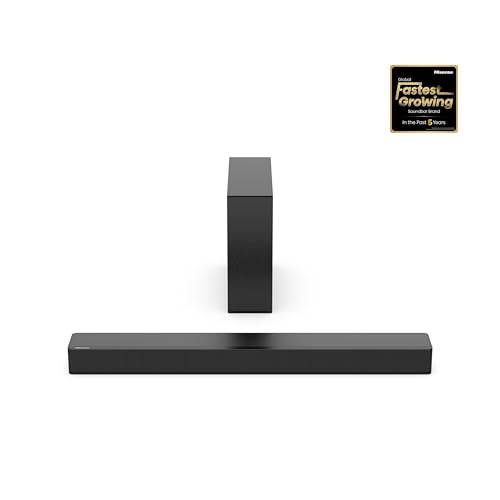
The fundamental decision comes down to channel configuration, which determines how sound is distributed around your room. A 2.1 system like the Hisense HS2100 uses two main speakers plus a subwoofer (that's what the ".1" represents), focusing on clear stereo sound with enhanced bass. Meanwhile, a 5.0 system like the JBL Bar 300 uses five channels to create virtual surround effects without needing rear speakers placed around your room.
Power output, measured in watts, affects how loud and dynamic your soundbar can get. However, raw wattage doesn't tell the whole story—driver quality, amplifier design, and acoustic tuning matter just as much. Audio format support has become crucial too, especially Dolby Atmos, which creates the illusion of sound moving overhead and around you through clever audio processing.
Connectivity options have exploded in recent years. While older soundbars relied on basic optical cables, modern units feature HDMI eARC (enhanced Audio Return Channel), which carries higher-quality audio signals between your TV and soundbar through a single cable. Smart features like built-in Wi-Fi and streaming service integration have also become increasingly common, transforming soundbars into standalone entertainment hubs.
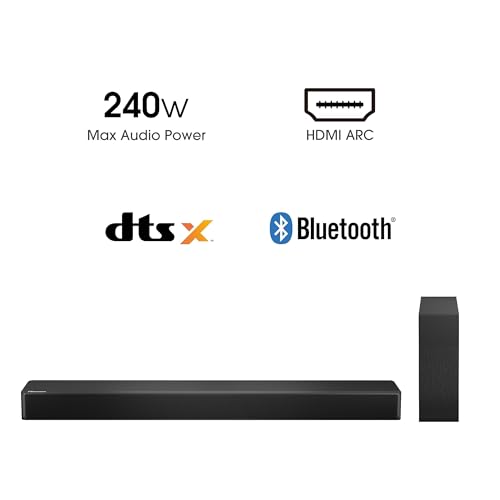
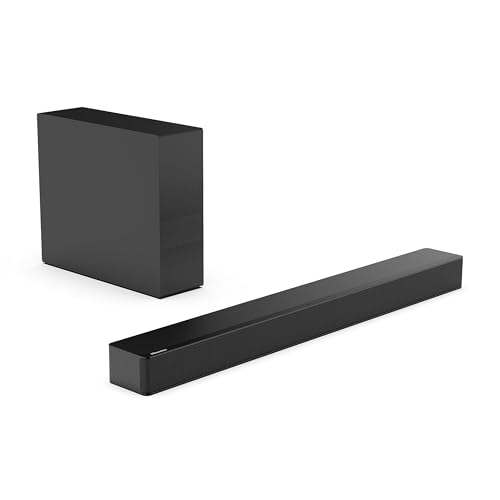
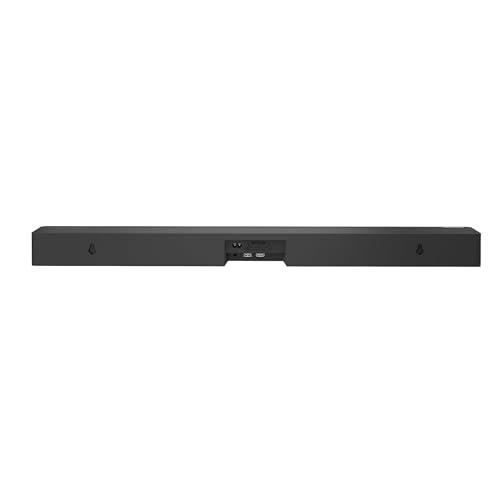
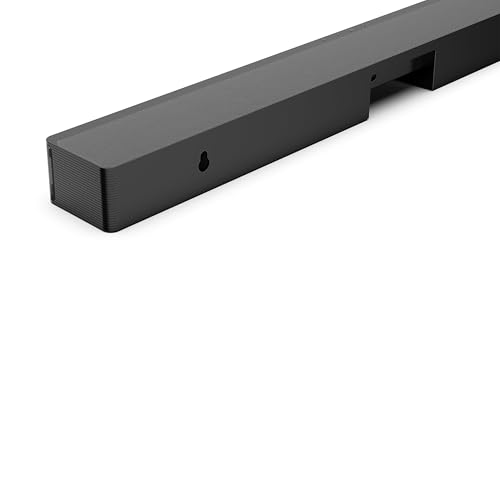
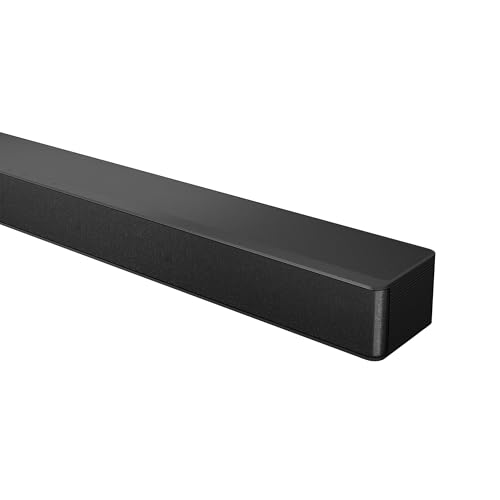
The Hisense HS2100, released in 2023, represents the traditional soundbar approach refined for modern needs. This 2.1 channel system produces 240 watts of total power, split between a compact soundbar (120W) and a wireless subwoofer (120W). Hisense designed it as a straightforward upgrade that focuses on doing the basics exceptionally well without overwhelming users with complex features.
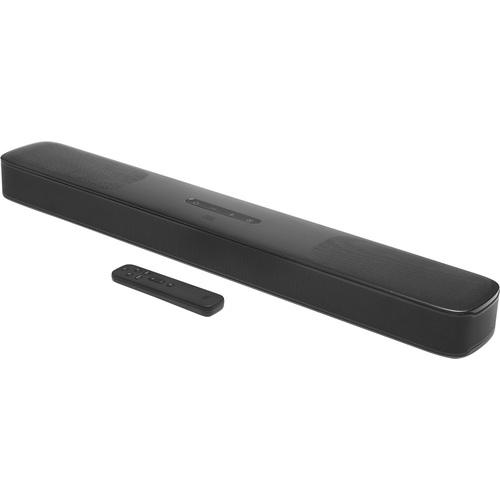
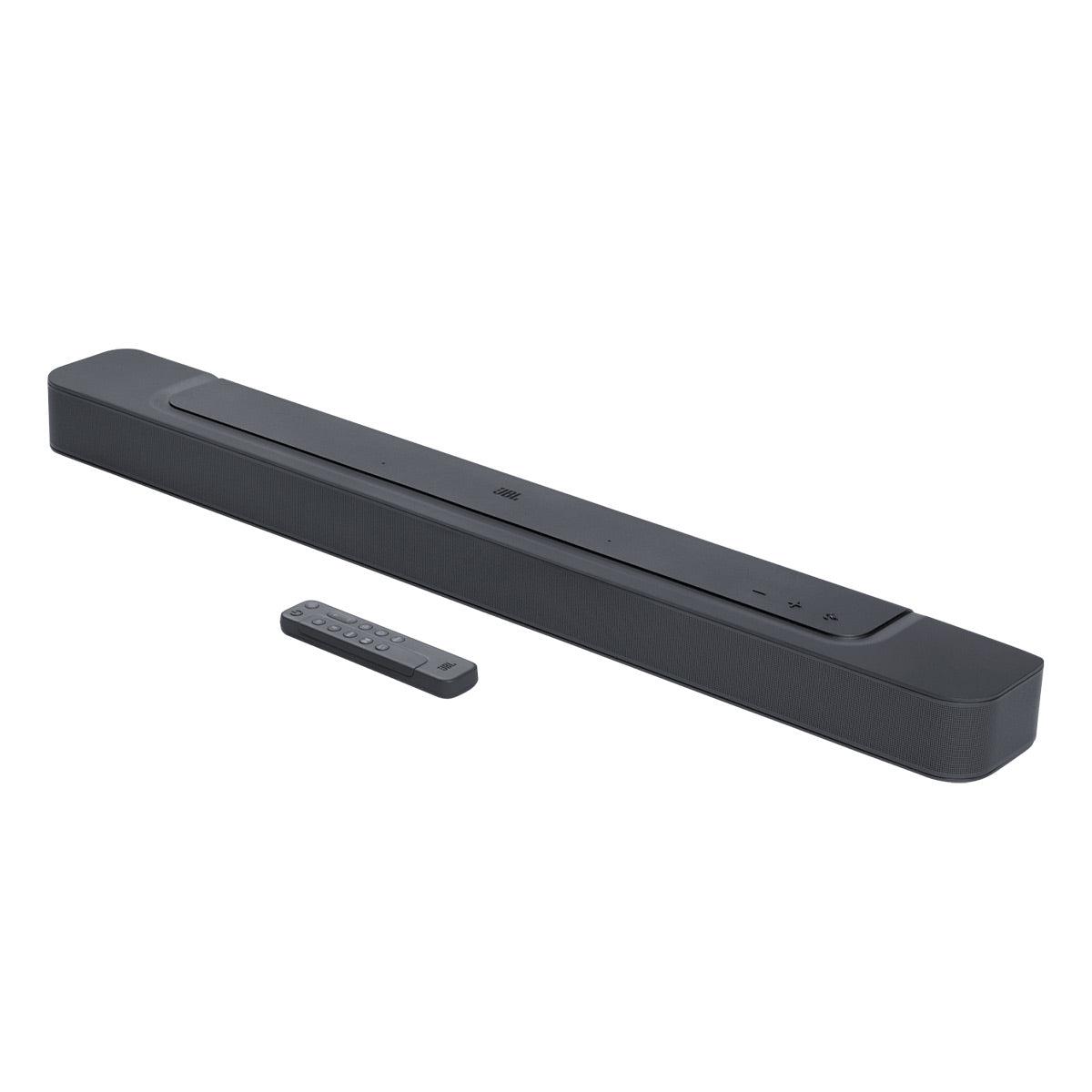
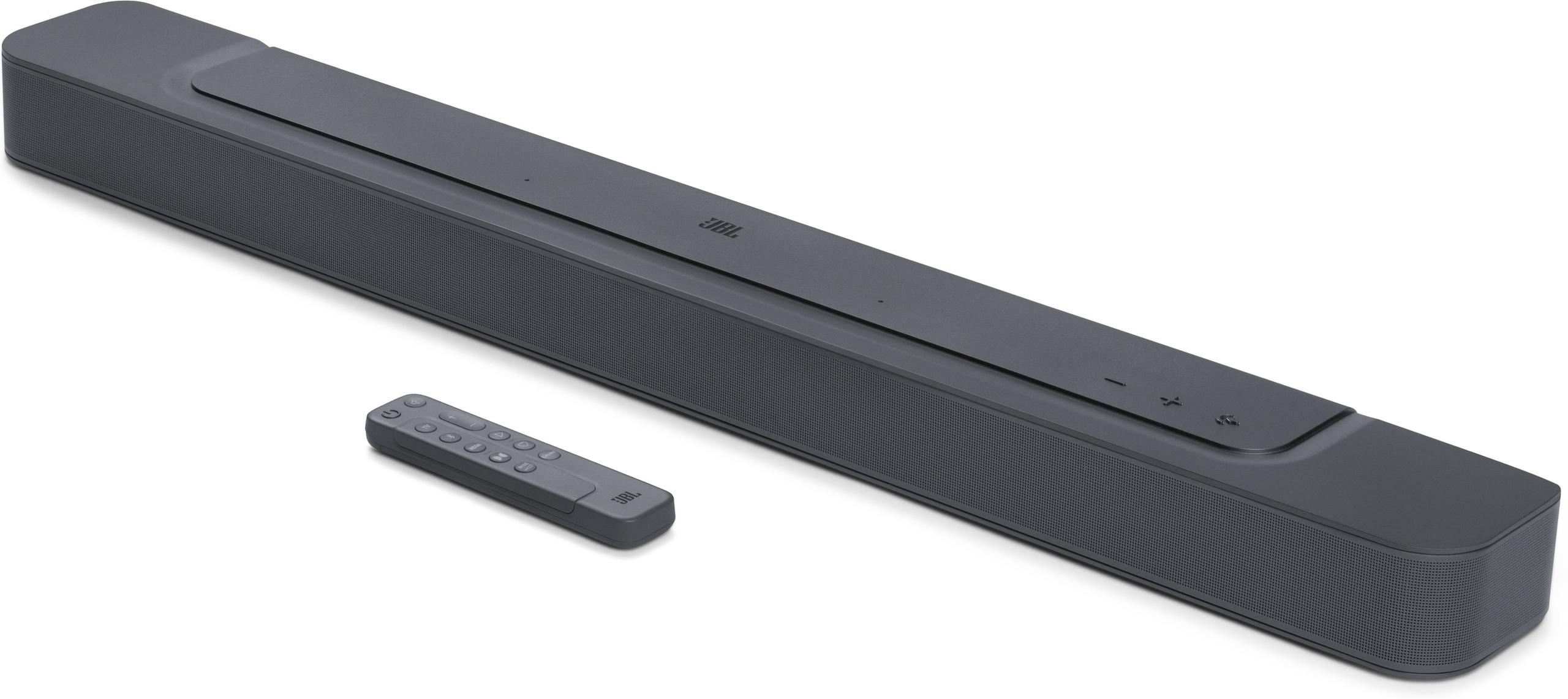
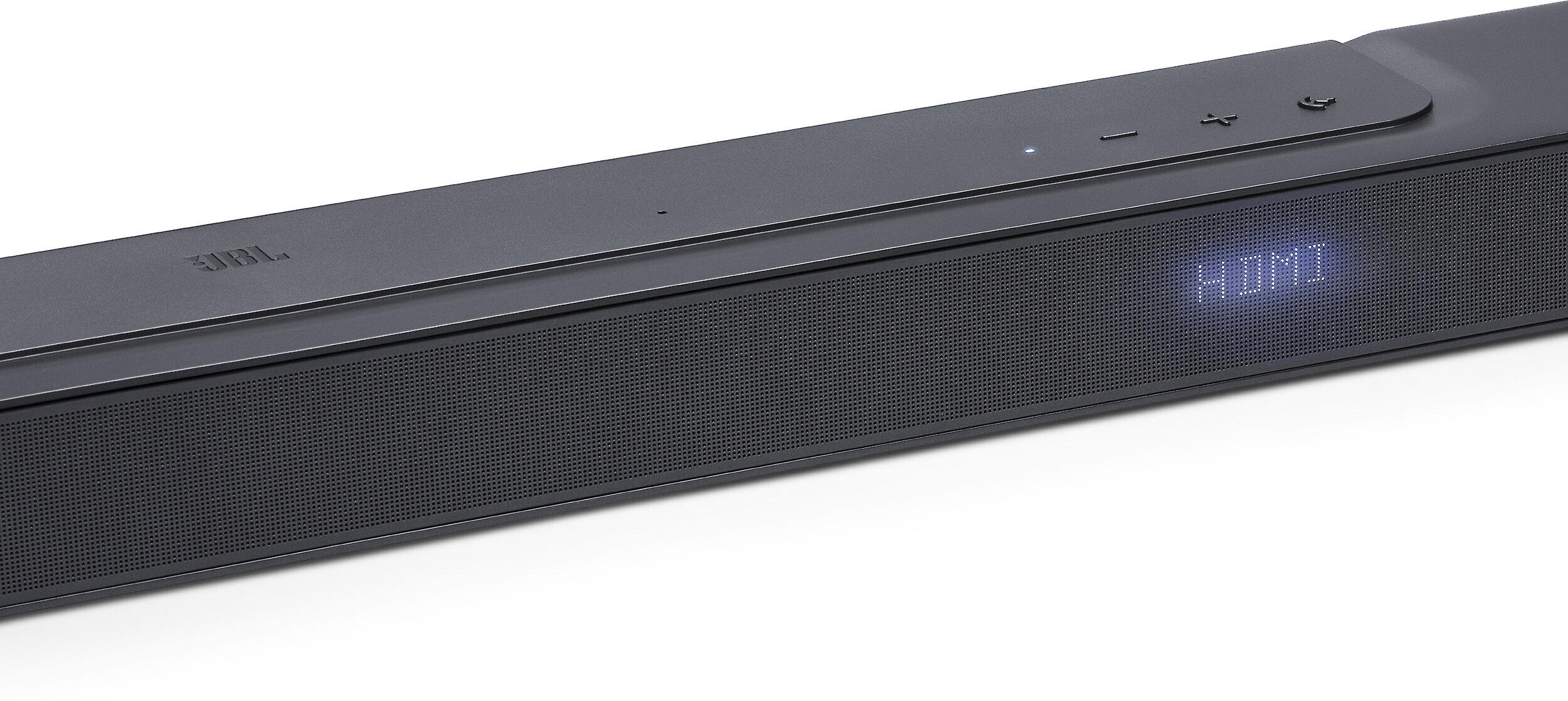
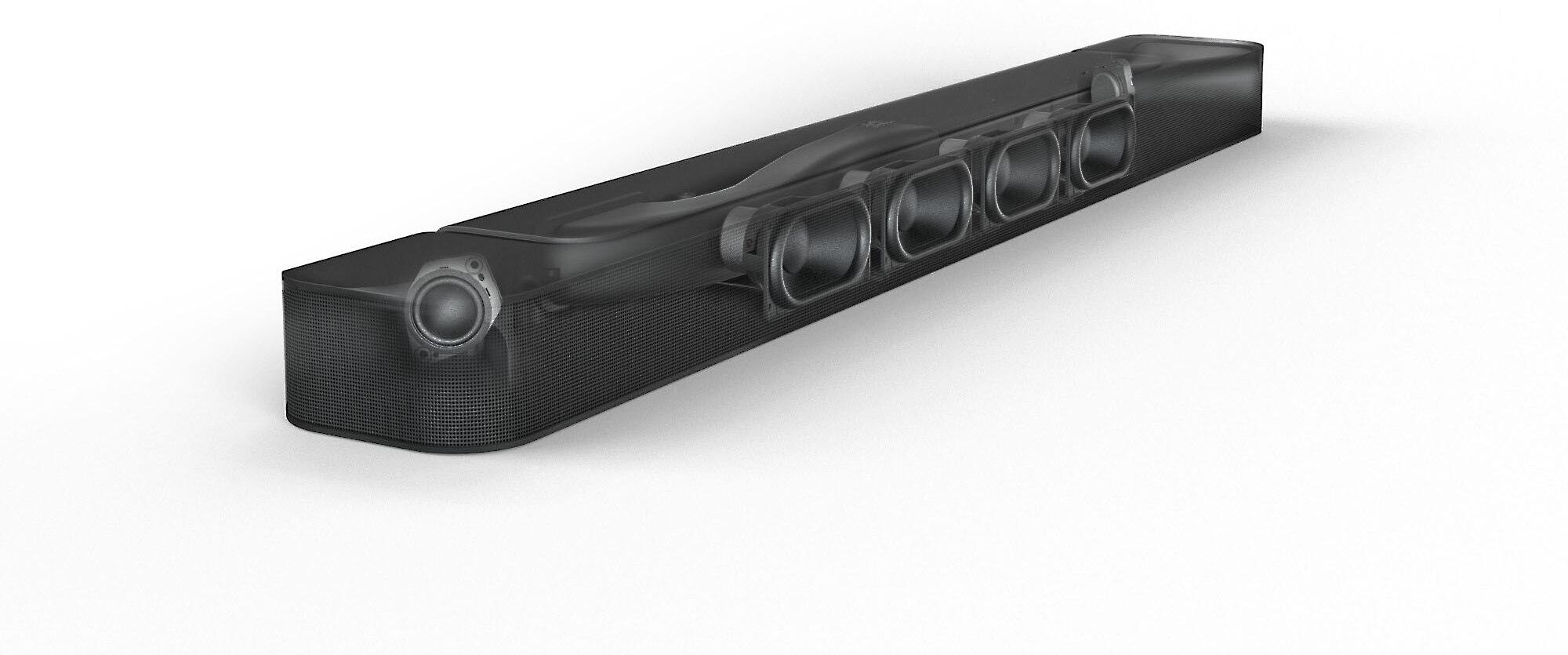
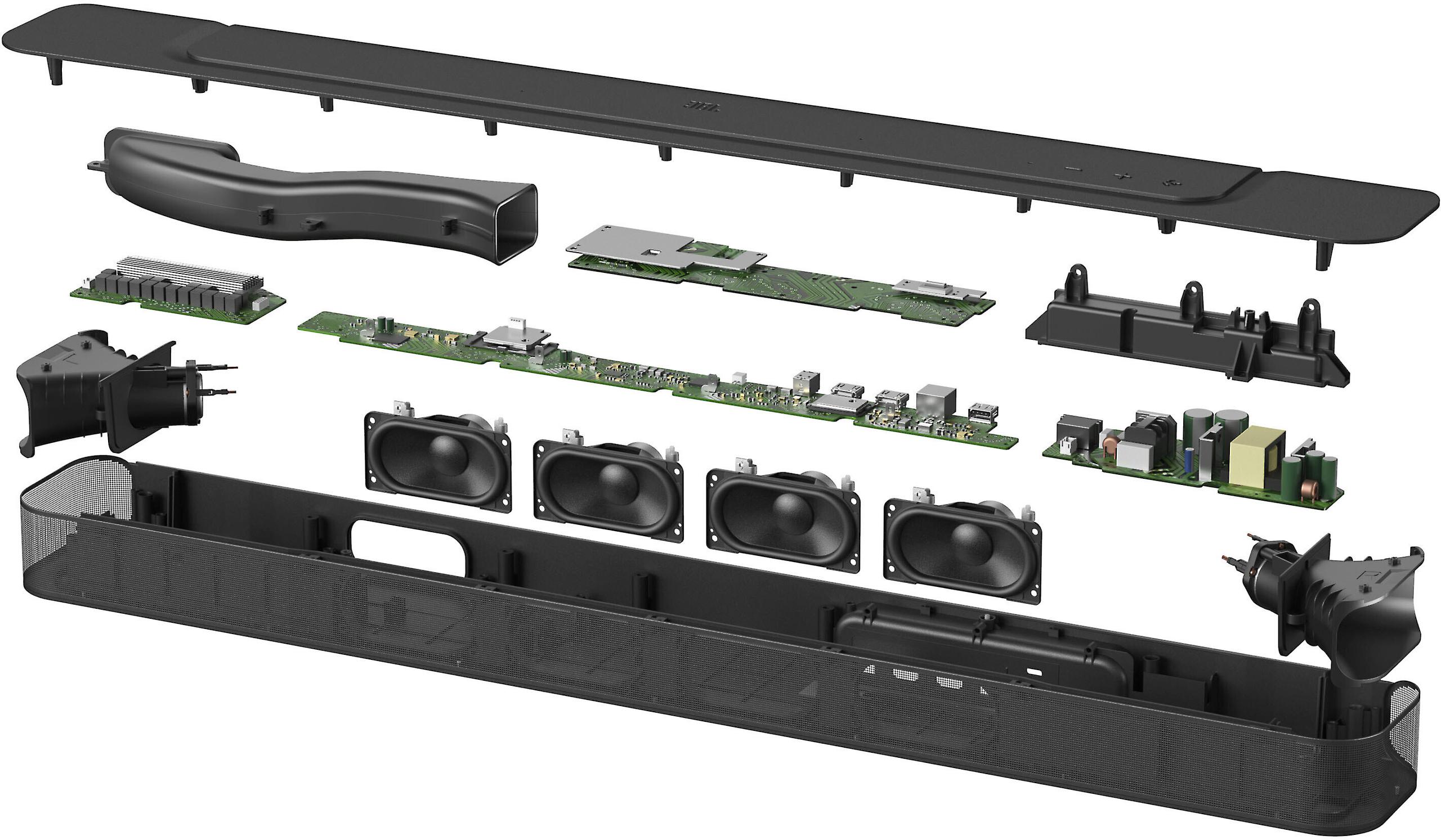
The JBL Bar 300, also hitting the market in 2023, takes a more ambitious approach. This 5.0 channel soundbar pushes 260W through six strategically placed drivers, using advanced processing to create immersive surround effects from a single bar. JBL packed it with smart features and streaming capabilities, positioning it as a comprehensive entertainment solution rather than just a TV audio upgrade.
Both products arrived during a particularly competitive period in the soundbar market, when manufacturers were racing to include premium features at more accessible price points. The improvements in digital signal processing and miniaturized driver technology since 2020 allowed companies to create more sophisticated products without dramatically increasing costs.
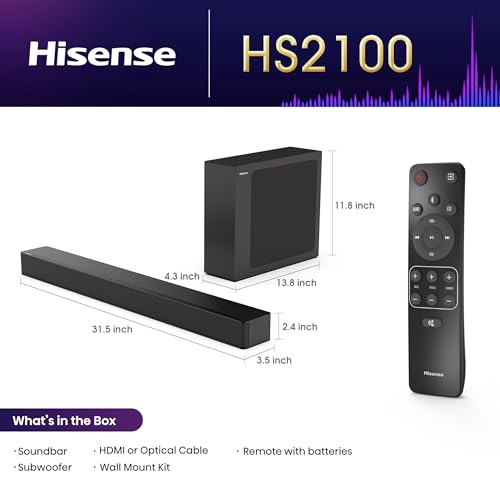
The most obvious difference between these soundbars lies in their bass approach, and this choice fundamentally shapes their entire sound character. The Hisense HS2100's dedicated 120-watt subwoofer uses a 5.25-inch driver in a relatively compact enclosure, but it's still a proper subwoofer with its own amplifier and power supply.
This dedicated approach delivers genuine low-frequency extension down to about 45 Hz, which means you'll feel explosions in action movies and hear the deep notes in bass-heavy music tracks. The wireless connection eliminates cable runs across your room, though the sub still needs its own power outlet. Based on measurements and user feedback, this subwoofer can sound somewhat "boomy" or loose compared to higher-end units, but it provides satisfying impact for most content.
The JBL Bar 300 takes a different approach with its built-in bass port system. Instead of a separate subwoofer, JBL uses ported enclosure design within the soundbar itself to enhance bass response. This creates a cleaner, more integrated sound since all frequencies come from the same location, eliminating potential timing issues between the soundbar and a separate sub.
However, physics imposes limits on how much bass a soundbar-sized enclosure can produce. The JBL's bass response, while well-tuned, simply can't match the extension and impact of a dedicated subwoofer. For movies with deep rumble or music with substantial low-end content, the Hisense HS2100 delivers more satisfying performance.
Both soundbars must create surround effects from speakers positioned in front of you, but they use different technologies and philosophies. The Hisense HS2100 employs DTS:Virtual X processing, which analyzes incoming audio and applies psychoacoustic tricks to make sound appear to come from locations beyond the physical speakers.
DTS:Virtual X works reasonably well for creating a wider soundstage than basic stereo, but it's limited by the soundbar's simple two-channel driver configuration. When processing 5.1 or 7.1 surround content from movies, it must downmix everything to stereo first, then apply virtual processing. This approach can make action sequences more engaging than TV speakers, but you won't get convincing rear-channel effects or precise sound localization.
The JBL Bar 300 employs Dolby Atmos processing combined with JBL's proprietary MultiBeam technology. Dolby Atmos is more sophisticated than basic virtual surround—it treats sound as objects that can be placed precisely in 3D space rather than just channels. The soundbar uses its six drivers (four racetrack drivers plus two tweeters) to create multiple "beams" of sound that reflect off your ceiling and walls to simulate height and surround effects.
This approach works significantly better for creating immersive experiences. While it's still not equivalent to having actual surround speakers positioned around your room, the JBL Bar 300 can create convincing overhead effects and better side-to-side imaging. Movies with Dolby Atmos soundtracks, which are increasingly common on streaming services and 4K Blu-rays, showcase this difference clearly.
Clear dialogue reproduction might be the most important factor for many users, especially since modern movie soundtracks often bury dialogue beneath music and effects. The Hisense HS2100 takes a natural approach, using a relatively balanced midrange response that reproduces voices clearly without excessive processing.
The soundbar includes a dedicated "News" mode among its six EQ presets, which slightly boosts vocal frequencies to improve speech intelligibility. However, it doesn't use active dialogue enhancement technology. This approach works well for most content, though you might need to adjust volume levels when switching between dialogue-heavy scenes and action sequences.
The JBL Bar 300 incorporates PureVoice dialogue enhancement technology, which actively analyzes incoming audio to identify and boost speech frequencies while reducing interference from background sounds. This algorithmic approach can make dialogue more consistently audible across different types of content without requiring manual adjustments.
Based on expert reviews and user feedback, both approaches work effectively, but they serve different preferences. The Hisense HS2100's natural presentation sounds more organic, while the JBL Bar 300's enhanced processing provides more consistent results across varied content.
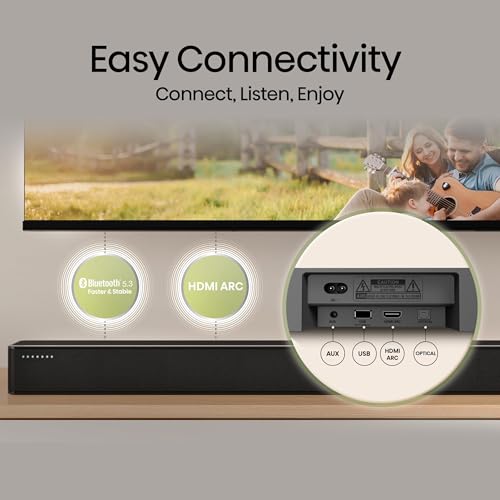
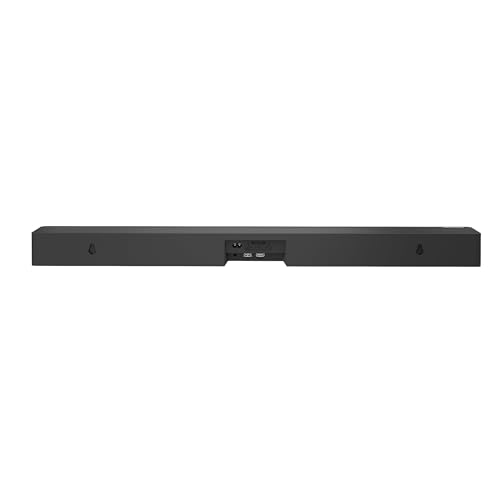
The Hisense HS2100 covers the essential connectivity bases without unnecessary complexity. It includes HDMI ARC (not the newer eARC standard), optical digital input, analog AUX input, USB port for audio playback, and Bluetooth 5.3 for wireless streaming. This selection handles virtually any source device, from modern smart TVs to older DVD players.
The inclusion of Bluetooth 5.3 is actually notable—this newer version provides more stable connections, lower latency, and better range compared to older Bluetooth versions found on many competing soundbars. The USB port supports common audio formats like MP3 and FLAC for playing music directly from thumb drives.
The JBL Bar 300 takes connectivity much further with built-in Wi-Fi and streaming platform integration. Beyond the expected HDMI eARC (note the "e" for enhanced, which supports higher-bandwidth audio formats), it includes AirPlay for Apple devices, Chromecast built-in for Google ecosystem users, and Alexa Multi-Room Music compatibility.
These features transform the soundbar into a standalone streaming device with access to hundreds of music services, internet radio stations, and podcasts. You can stream audio directly without involving your TV at all, which is particularly useful for background music during parties or daily activities.
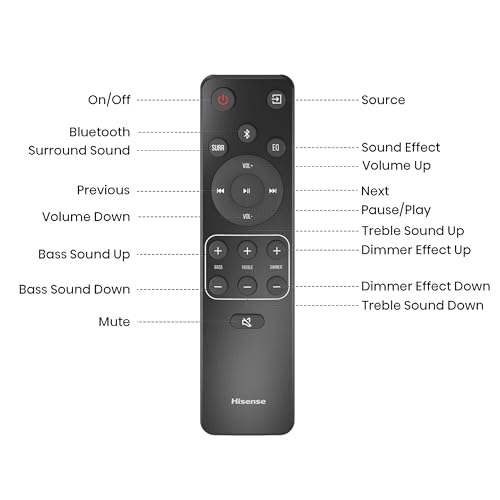
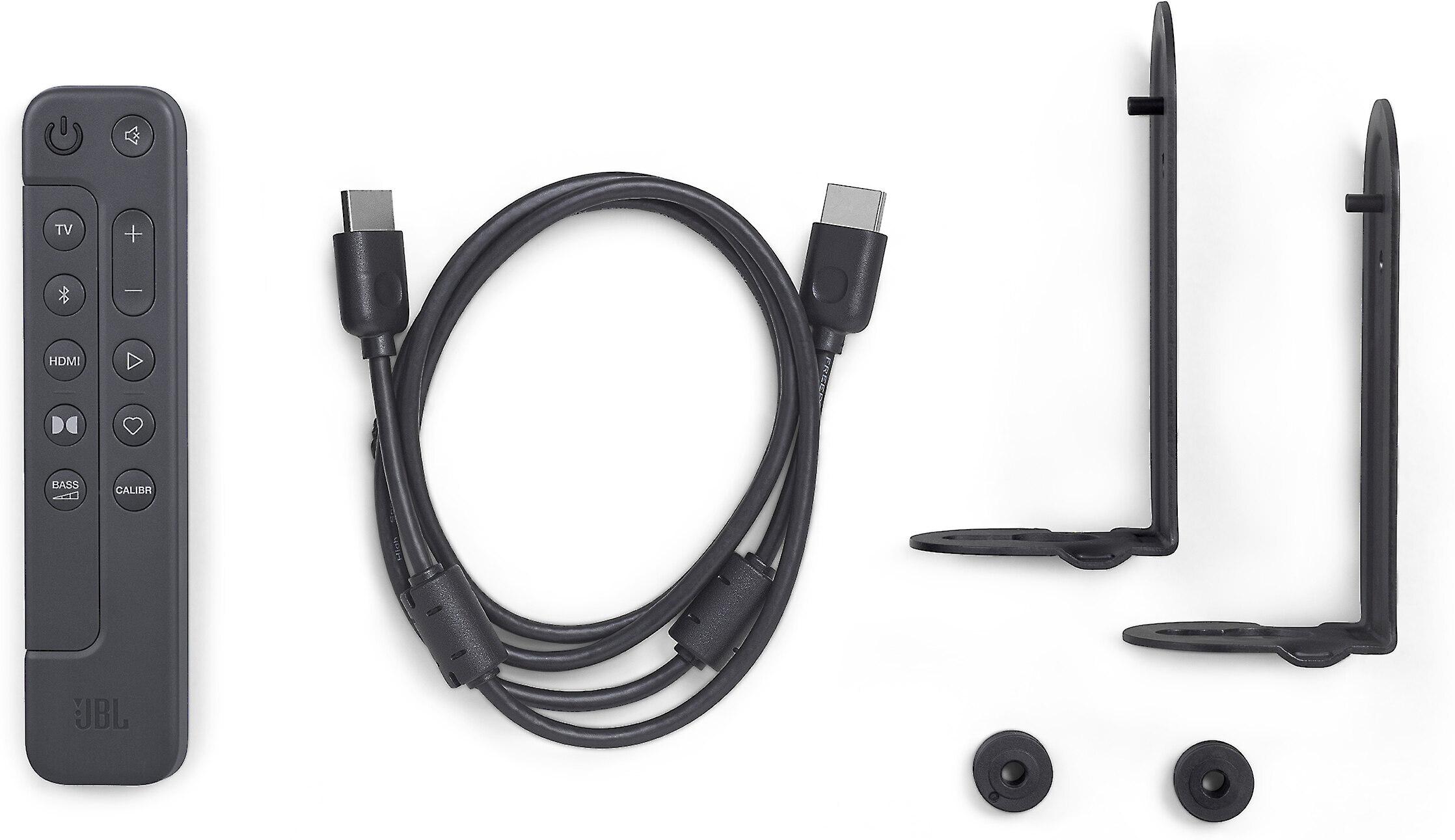
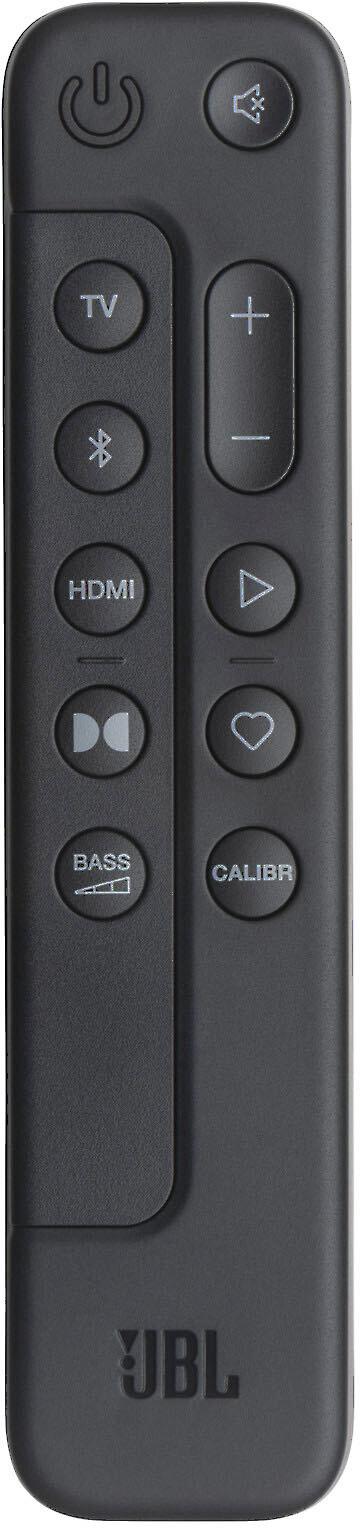
The Hisense HS2100 uses a traditional approach with a physical remote control and basic onboard controls. The six EQ presets (Movie, Music, News, Sport, Night, Game) provide quick optimization for different content types, while manual bass and treble adjustments allow fine-tuning. The interface uses LED indicators to show current settings, which is simple but can be difficult to interpret at a glance.
One useful feature is the automatic power management—the soundbar turns on when it detects audio signals from connected sources and powers down after periods of inactivity. This eliminates the need to manually manage power states in most situations.
The JBL Bar 300 centers its user experience around the JBL One smartphone app, which provides comprehensive control and customization options. The app guides you through initial setup, including room calibration using the soundbar's built-in microphone to optimize performance for your specific space.
This calibration process analyzes your room's acoustics and adjusts the soundbar's output accordingly—a feature typically found on much more expensive systems. The app also provides access to streaming services, EQ adjustments, and integration with voice assistants like Alexa, Google Assistant, and Siri.
For action movies and dramatic content, these soundbars deliver notably different experiences. The Hisense HS2100 excels at providing impactful, room-filling sound that makes explosions feel substantial and music soundtracks sound warm and engaging. The dedicated subwoofer ensures that low-frequency effects have proper weight and impact.
However, the basic 2.1 configuration means surround effects remain fairly limited. Helicopter flyovers, gunfire from off-screen, and ambient environmental sounds don't move convincingly around the room. The soundstage extends somewhat beyond the physical width of the soundbar, but effects largely remain anchored to the front of your room.
The JBL Bar 300 creates a more immersive experience with better surround effect processing and height channel simulation. Dolby Atmos content showcases this advantage clearly—rain seems to fall from above, aircraft move overhead convincingly, and environmental ambience extends beyond the soundbar's physical boundaries.
The trade-off comes in bass impact. While the JBL Bar 300's built-in bass system sounds clean and well-integrated, it simply can't match the visceral impact of dedicated subwoofer during intense action sequences.
Both soundbars handle music playback competently, but with different strengths. The Hisense HS2100 delivers a warm, musical presentation that works well for casual listening across various genres. The subwoofer adds weight to bass-heavy tracks, though it can occasionally sound slightly loose or bloated with complex music.
The JBL Bar 300 provides more precise imaging and better stereo separation, making it easier to distinguish individual instruments and vocals within the mix. The tighter bass response, while less impactful, sounds more controlled and accurate for music reproduction.
Both systems include music-specific EQ modes, though the JBL Bar 300's app-based controls provide more detailed customization options for audiophile-oriented listeners.
At the time of writing, these soundbars occupy similar but distinct market segments. The Hisense HS2100 typically retails for significantly less than the JBL Bar 300, positioning it as a value-oriented option that doesn't sacrifice essential features.
This pricing strategy makes sense given their feature sets. The Hisense HS2100 focuses on core soundbar functionality—dramatically improving TV audio with solid bass response and clear dialogue reproduction. It skips expensive features like room calibration, streaming integration, and advanced surround processing to keep costs down.
The JBL Bar 300's higher price point reflects its comprehensive feature set and more sophisticated audio processing. The inclusion of Dolby Atmos, streaming capabilities, room calibration, and smart home integration justifies the premium for users who want a complete entertainment upgrade.
When evaluating pure audio performance per dollar, the Hisense HS2100 often provides better value, especially for users who prioritize bass impact and overall loudness. However, the JBL Bar 300 offers better long-term value for users who want modern features and immersive experiences.
For dedicated home theater setups, several factors become particularly important. The Hisense HS2100's HDMI ARC support handles basic TV integration well, automatically powering on when your TV starts playing content and supporting CEC commands for volume control through your TV remote.
However, the lack of HDMI eARC means it cannot handle the highest-quality audio formats like Dolby TrueHD or DTS-HD Master Audio found on 4K Blu-rays. For most streaming content and broadcast TV, this limitation doesn't matter, but serious movie enthusiasts might notice the difference with reference-quality sources.
The JBL Bar 300's HDMI eARC support future-proofs your setup for high-resolution audio formats and provides seamless integration with modern TVs. The 4K Dolby Vision passthrough ensures video quality remains uncompromised when connecting sources through the soundbar.
Both soundbars work well with gaming consoles, though the JBL Bar 300's Dolby Atmos processing can enhance gaming experiences that support spatial audio, such as recent Xbox and PlayStation titles.
The decision between the Hisense HS2100 and JBL Bar 300 ultimately depends on your priorities, budget, and usage patterns.
Choose the Hisense HS2100 if you want straightforward, dramatic improvement over TV speakers without complexity or premium pricing. This soundbar excels for users who primarily watch TV shows, movies, and occasional music listening. The dedicated subwoofer provides satisfying bass impact that makes action movies more engaging and music more full-bodied.
It's also ideal for users who prefer simple, reliable operation without smartphone apps or network configuration. The physical remote and basic LED indicators provide all necessary control without learning new interfaces.
Select the JBL Bar 300 if you want a comprehensive entertainment upgrade that grows with your needs. The Dolby Atmos processing creates genuinely immersive experiences for movies and games, while streaming integration eliminates the need for separate music sources.
This soundbar suits users who appreciate modern conveniences like voice control, automatic room optimization, and smartphone app customization. It's particularly appealing for users with newer TVs that support HDMI eARC and 4K HDR content.
Both soundbars represent solid choices within their respective categories, delivering meaningful improvements over TV speakers while addressing different user needs and budgets. The Hisense HS2100 prioritizes fundamental performance and value, while the JBL Bar 300 emphasizes modern features and immersive experiences.
| Hisense HS2100 2.1 Channel 240W Soundbar System | JBL Bar 300 5.0 Soundbar |
|---|---|
| Channel Configuration - Determines surround sound capabilities and bass performance | |
| 2.1 channels with dedicated wireless subwoofer | 5.0 channels with virtual surround processing |
| Total Power Output - Affects maximum volume and dynamic range | |
| 240W (120W soundbar + 120W subwoofer) | 260W (all drivers integrated in soundbar) |
| Bass Delivery - Critical for movie impact and music enjoyment | |
| Dedicated 5.25" wireless subwoofer with deeper extension | Built-in bass port system, cleaner but less impactful |
| Surround Sound Technology - Determines immersive experience quality | |
| DTS:Virtual X with basic stereo processing | Dolby Atmos + MultiBeam with 3D spatial audio |
| Audio Format Support - Future-proofs your investment | |
| Dolby Digital, DTS:Virtual X, PCM (no Atmos) | Dolby Atmos, DTS formats, high-res audio via eARC |
| HDMI Connection - Affects audio quality and TV integration | |
| HDMI ARC (standard bandwidth) | HDMI eARC with 4K Dolby Vision passthrough |
| Smart Features - Convenience and streaming capabilities | |
| Basic Bluetooth 5.3, USB playback, Roku TV Ready | Wi-Fi streaming, AirPlay, Chromecast, Alexa integration |
| Room Optimization - Ensures best sound for your space | |
| Manual EQ with 6 presets, no room correction | Automatic calibration via built-in microphone |
| Setup Complexity - Time investment and technical requirements | |
| Plug-and-play with physical remote control | App-guided setup with comprehensive customization |
| Dialogue Enhancement - Critical for clear speech | |
| Natural midrange with dedicated News mode | PureVoice active dialogue processing technology |
| Physical Design - Space requirements and aesthetics | |
| Compact bar (31.5" × 2.4" × 3.5") plus separate subwoofer | Single unit (32.3" × 2.2" × 4.1"), no subwoofer needed |
The Hisense HS2100 delivers significantly better bass performance thanks to its dedicated 5.25-inch wireless subwoofer that produces deeper, more impactful low-frequency sound. The JBL Bar 300 uses a built-in bass port system that sounds cleaner and more integrated but cannot match the extension and rumble of a separate subwoofer for movies and music.
Yes, the JBL Bar 300 supports Dolby Atmos with MultiBeam technology to create 3D surround effects and overhead sound placement. The Hisense HS2100 only supports DTS:Virtual X processing, which provides basic virtual surround but cannot decode Dolby Atmos content for the immersive height effects found in modern movies and streaming content.
The Hisense HS2100 offers simpler plug-and-play setup with automatic subwoofer pairing and straightforward physical remote control. The JBL Bar 300 requires app-based setup through the JBL One app but provides room calibration and extensive customization options that optimize performance for your specific space.
Both soundbars connect via HDMI, but the JBL Bar 300 uses HDMI eARC (enhanced Audio Return Channel) which supports higher-quality audio formats and 4K Dolby Vision passthrough. The Hisense HS2100 uses standard HDMI ARC, which handles most TV audio but cannot pass the highest-resolution audio formats found on 4K Blu-rays.
Both soundbars handle dialogue well, with the Hisense HS2100 providing natural, balanced speech reproduction through its dedicated News mode. The JBL Bar 300 uses PureVoice dialogue enhancement technology that actively processes audio to boost speech clarity and reduce background interference, making voices more consistently audible across different content types.
The Hisense HS2100 supports Bluetooth 5.3 for streaming from phones and tablets. The JBL Bar 300 offers more comprehensive streaming with built-in Wi-Fi, AirPlay, Chromecast built-in, and direct access to over 300 music services without needing to connect external devices.
The JBL Bar 300 requires less overall space since it's a single unit without a separate subwoofer. The Hisense HS2100 needs placement for both the soundbar and wireless subwoofer, though the subwoofer's slim design allows flexible positioning under furniture or against walls.
The JBL Bar 300 produces 260W total power through its integrated drivers, while the Hisense HS2100 delivers 240W split between the soundbar (120W) and subwoofer (120W). The power difference is minimal, but the dedicated subwoofer in the Hisense HS2100 typically provides more impactful bass despite slightly lower total wattage.
The JBL Bar 300 offers comprehensive voice assistant integration with Alexa, Google Assistant, and Siri through its Wi-Fi connectivity and smart features. The Hisense HS2100 has basic Roku TV Ready compatibility but does not include built-in voice assistant support or smart home integration.
For dedicated home theater setups, the JBL Bar 300 provides better long-term value with Dolby Atmos support, HDMI eARC compatibility, and room calibration that optimizes performance. The Hisense HS2100 offers excellent value for users prioritizing bass impact and straightforward TV audio improvement without advanced surround sound features.
Only the JBL Bar 300 includes automatic room calibration using its built-in microphone to analyze your space and optimize audio output. The Hisense HS2100 relies on manual adjustment through six EQ presets and basic bass/treble controls without automatic room optimization capabilities.
The Hisense HS2100 excels for both music and movies thanks to its dedicated subwoofer providing substantial bass impact and warm sound signature. The JBL Bar 300 offers more precise stereo imaging for music and superior surround effects for movies through Dolby Atmos processing, making it versatile across different content types with more immersive cinematic experiences.
We've done our best to create useful and informative comparisons to help you decide what product to buy. Our research uses advanced automated methods to create this comparison and perfection is not possible - please contact us for corrections or questions. These are the sites we've researched in the creation of this article: rtings.com - shop.hisense-usa.com - bestbuy.com - content.syndigo.com - bestbuy.com - hisensedealers.co.ke - stuff.co.za - dtc-aus-api.hisense.com - youtube.com - manuals.plus - youtube.com - bestbuy.com - youtube.com - gallifurniture.com - hisense-usa.com - manuals.plus - uk.hisense.com - device.report - youtube.com - costco.ca - elmcreekwsa.com - gallifurniture.com - whathifi.com - safeandsoundhq.com - youtube.com - cnet.com - mm.jbl.com - jbl.com - bestbuy.com - support.jbl.com - dell.com - walmart.com

Privacy Policy
Terms and Conditions - Affiliate Policy
Home Security
© Copyright 2008-2026.
11816 Inwood Rd #1211, Dallas, TX 75244