

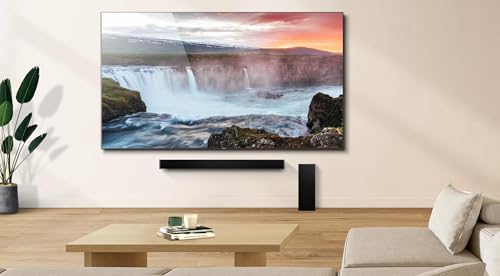



If you've ever turned up the volume on your TV only to find dialogue still mumbled while explosions blast your ears off, you're experiencing the modern flat-screen TV audio problem. Today's ultra-thin televisions simply don't have room for decent speakers, leaving millions of us squinting at subtitles or constantly riding the volume remote. Soundbars solve this universal frustration by adding dedicated speakers designed specifically for home entertainment.
The soundbar market has exploded over the past decade, offering everything from basic stereo units to sophisticated home theater replacements. At the time of writing, you can find capable soundbars starting around $100, while premium models stretch well into four-figure territory. Two products that perfectly illustrate this range are the Hisense HS2100, representing exceptional budget value, and the Klipsch Flexus Core 200, showcasing what premium acoustic engineering can achieve in a single elegant package.
Before diving into our comparison, it's worth understanding what those cryptic numbers like "2.1" and "3.1.2" actually mean. The first digit represents left and right channels (stereo), the second indicates whether there's a dedicated center channel for dialogue, and the final number tells you how many subwoofers handle the deep bass. Height channels, represented by the decimal number in systems like 3.1.2, fire sound upward to create overhead effects for immersive audio formats like Dolby Atmos.
Think of channels like instruments in an orchestra. A 2.1 system is like a trio – it can play beautiful music, but it's inherently limited. A 3.1.2 system is more like a small symphony, with specialized sections handling different parts of the audio spectrum. The center channel, for instance, anchors dialogue and vocals right where they should be – at the center of your screen – rather than somewhere between the left and right speakers.
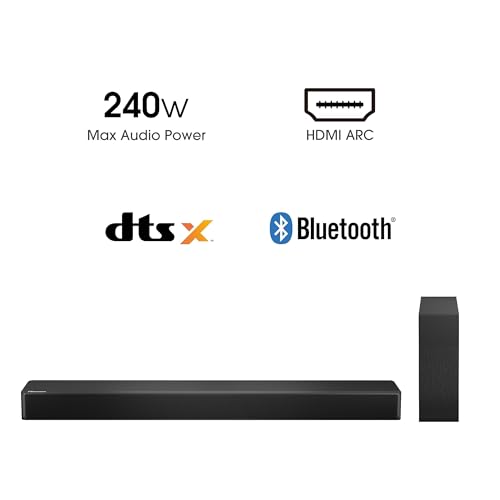
Power ratings deserve special attention because they're often misleading. The Hisense HS2100 claims 240W maximum power, while the Klipsch Flexus Core 200 rates itself at 185W RMS (Root Mean Square). These aren't directly comparable because "maximum" often refers to brief peaks, while RMS indicates sustained power output. RMS ratings are generally more honest and useful for comparison purposes.
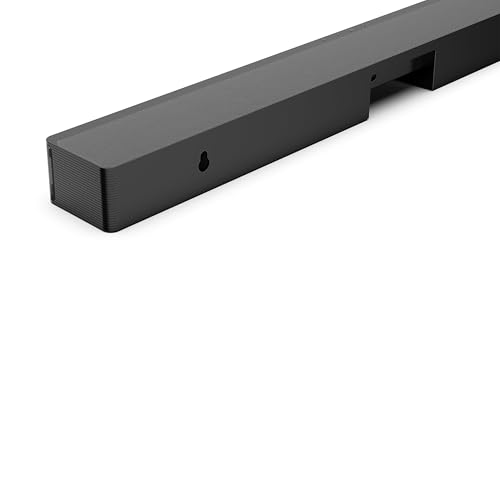
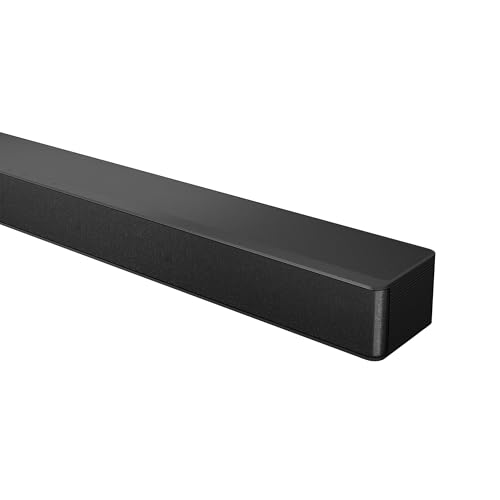
Released in the early 2020s, the Hisense HS2100 represents the sweet spot of budget soundbar design. At the time of writing, it typically costs around what you'd spend on a nice dinner for two, making it accessible to virtually anyone frustrated with their TV's audio. Despite this aggressive pricing, Hisense managed to include features that were premium just a few years ago.
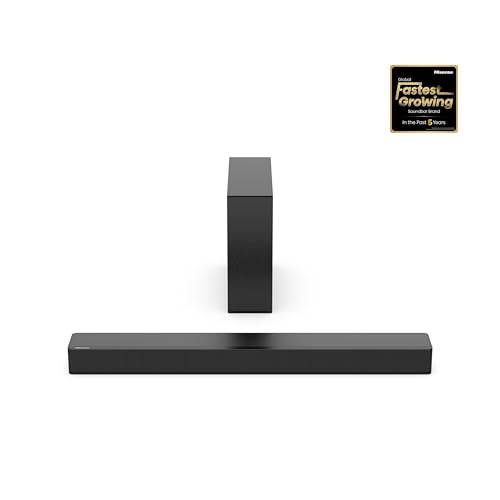
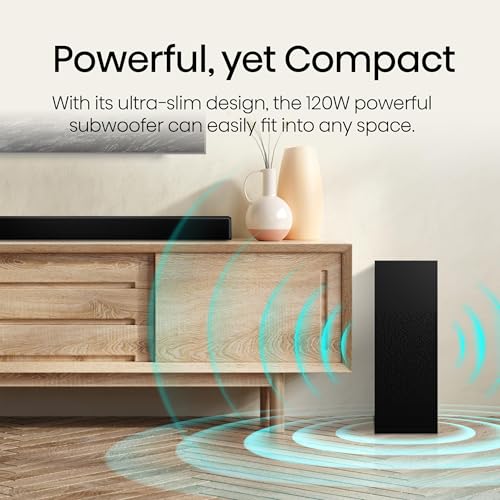
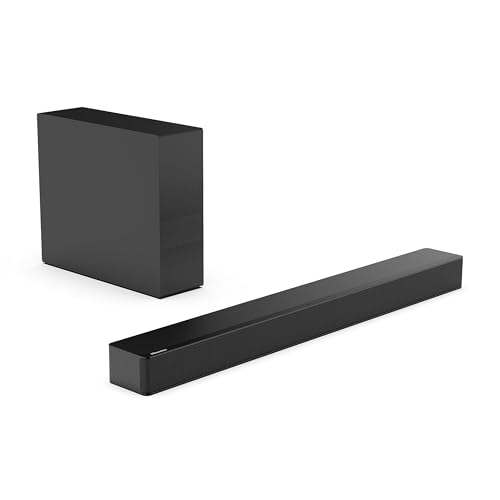
The 2.1 configuration includes a slim soundbar housing two full-range drivers plus a separate wireless subwoofer with a 5.25-inch driver. This separation is crucial because it allows the subwoofer to be positioned anywhere in the room for optimal bass response, rather than being locked under your TV where bass frequencies often get muddled by nearby walls and furniture.
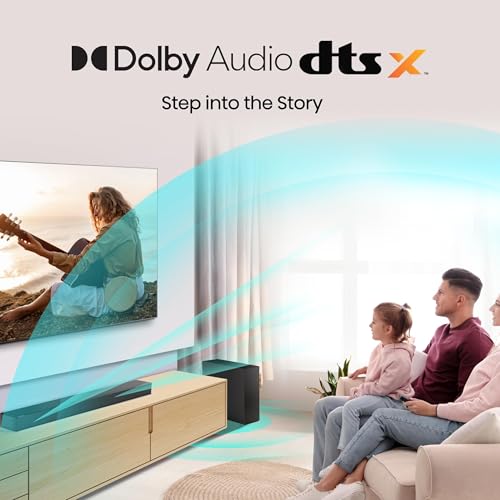
What makes the Hisense HS2100 particularly impressive for its price range is the inclusion of DTS Virtual:X technology. This psychoacoustic processing takes regular stereo or surround sound and manipulates it to create the impression of height and surround effects, even though you only have speakers in front of you. While it's not as convincing as actual overhead speakers, it does expand the perceived soundstage beyond the physical boundaries of the soundbar itself.
The system supports Dolby Digital and Dolby Digital Plus, which are the most common audio formats you'll encounter from streaming services, broadcast TV, and Blu-ray discs. However, it notably lacks support for Dolby Atmos object-based audio, which has become increasingly important as streaming platforms embrace more immersive sound formats.
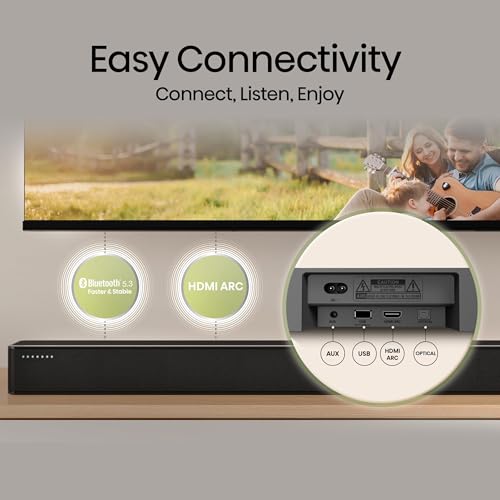
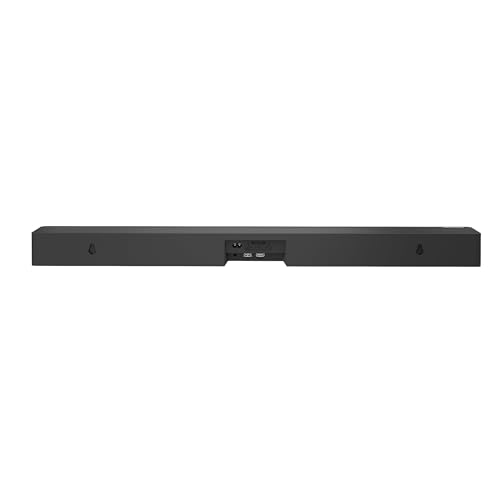
Connectivity is surprisingly comprehensive for a budget unit. Beyond the expected HDMI ARC (Audio Return Channel) and optical inputs, you get Bluetooth 5.3 for wireless music streaming, a USB port for direct audio file playback, and a 3.5mm auxiliary input. The Bluetooth 5.3 specification is actually quite current, offering better range and stability than older Bluetooth versions found on many competing budget soundbars.
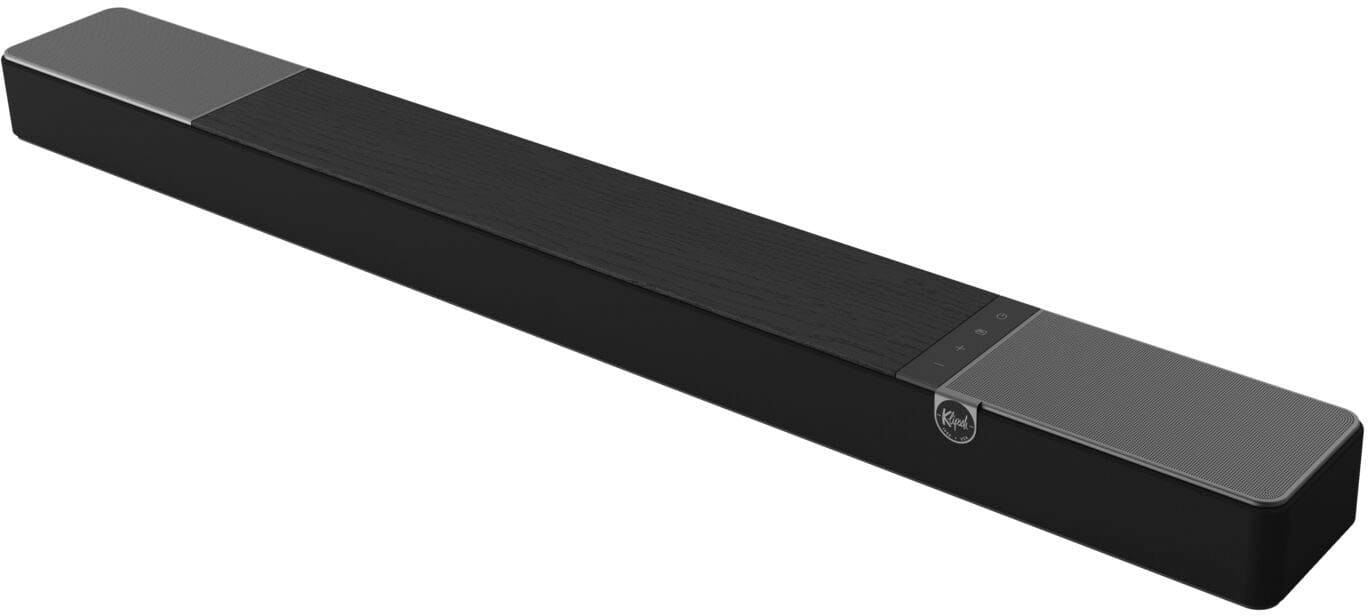
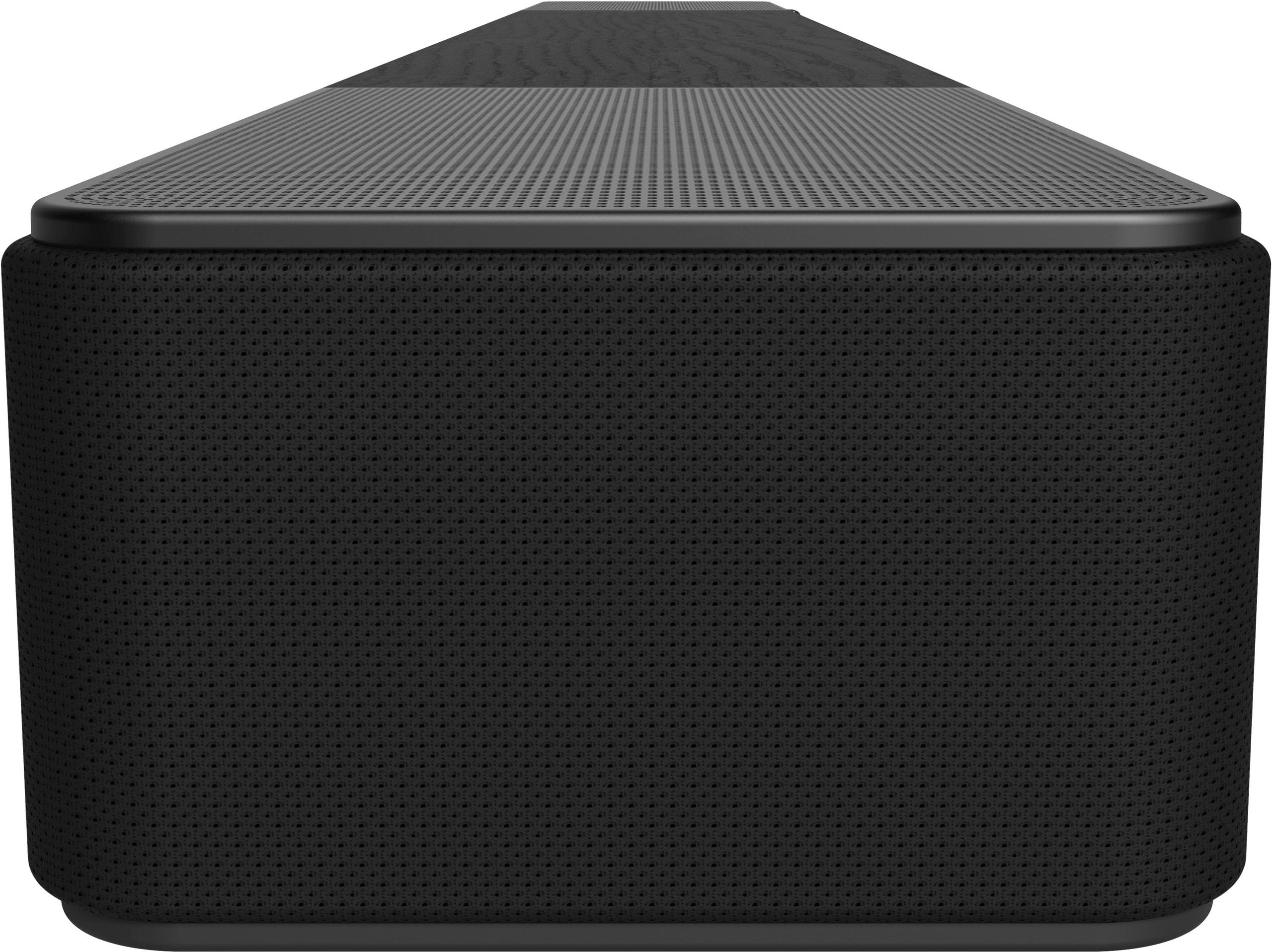
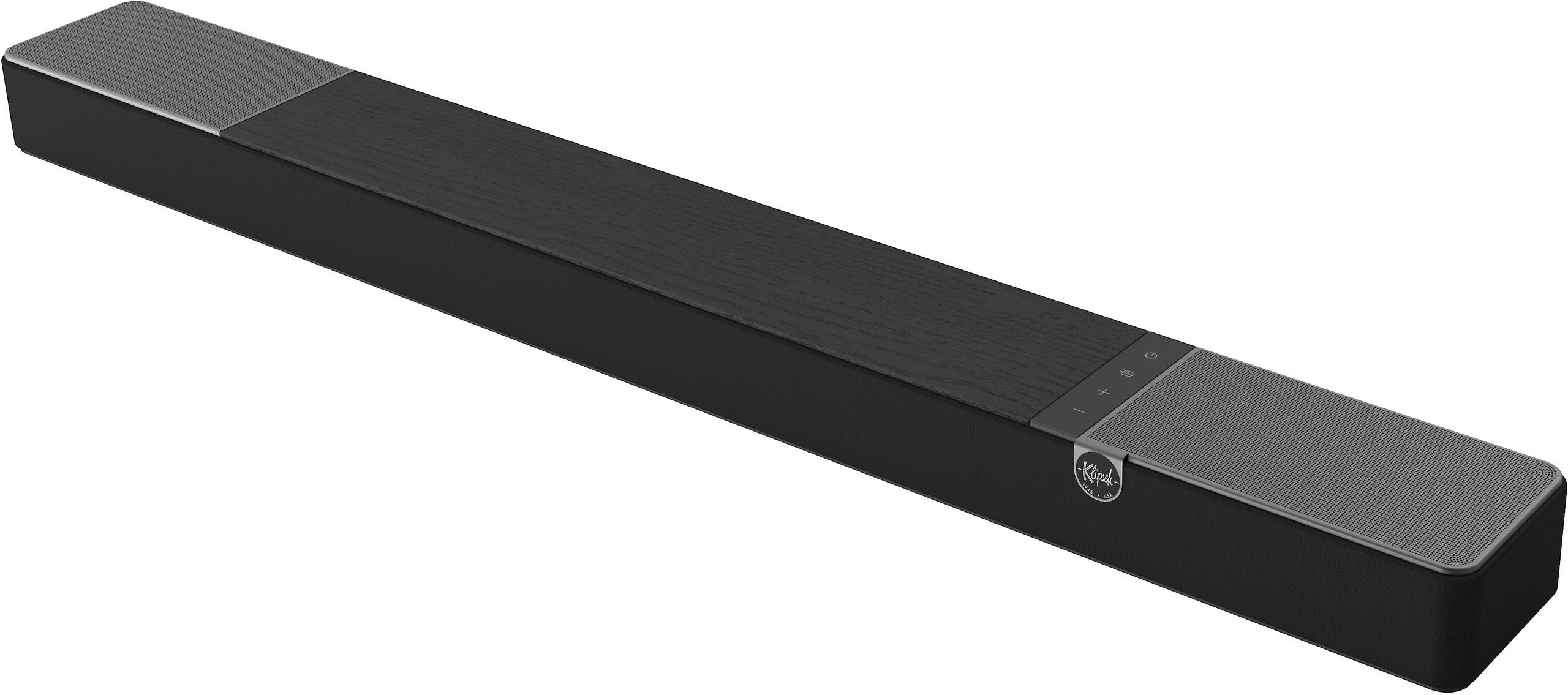
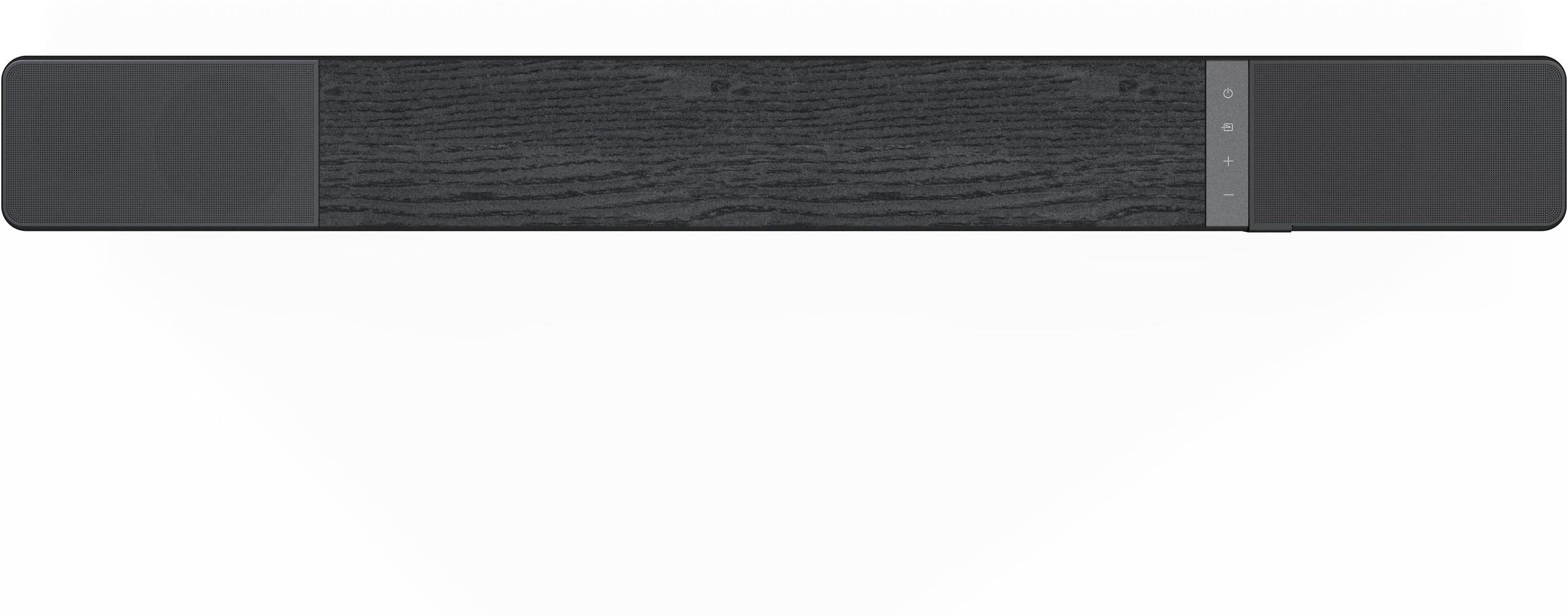
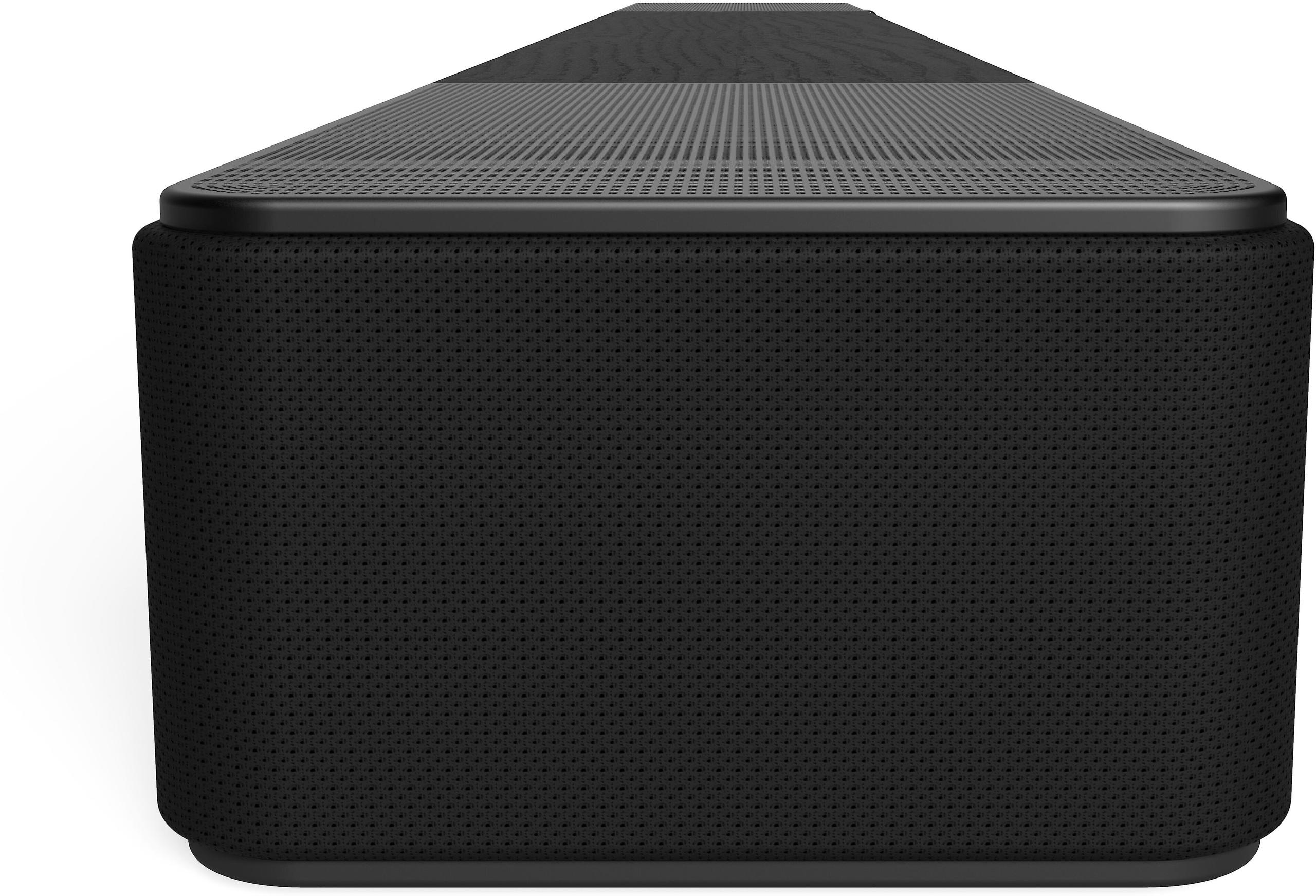
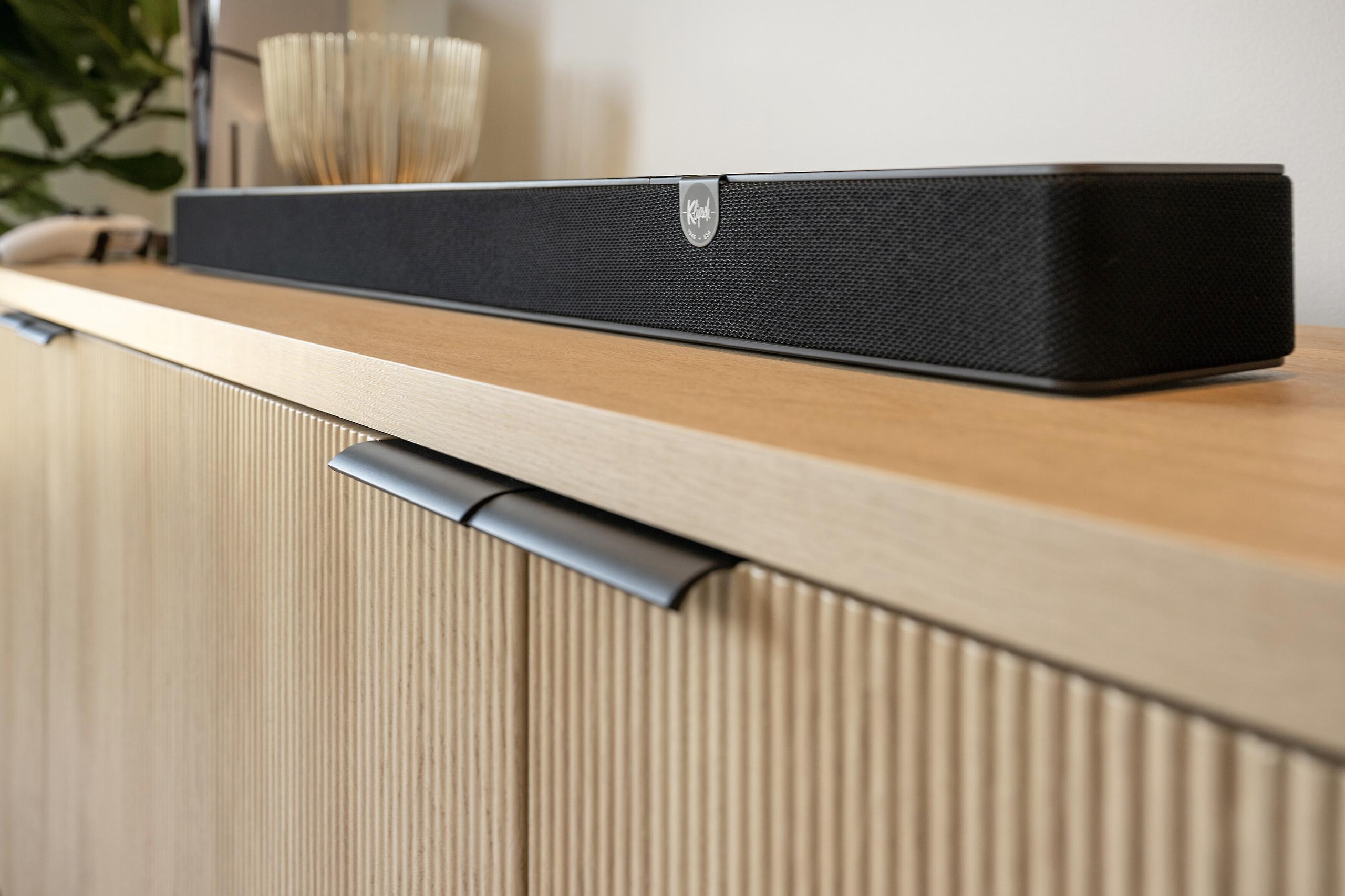
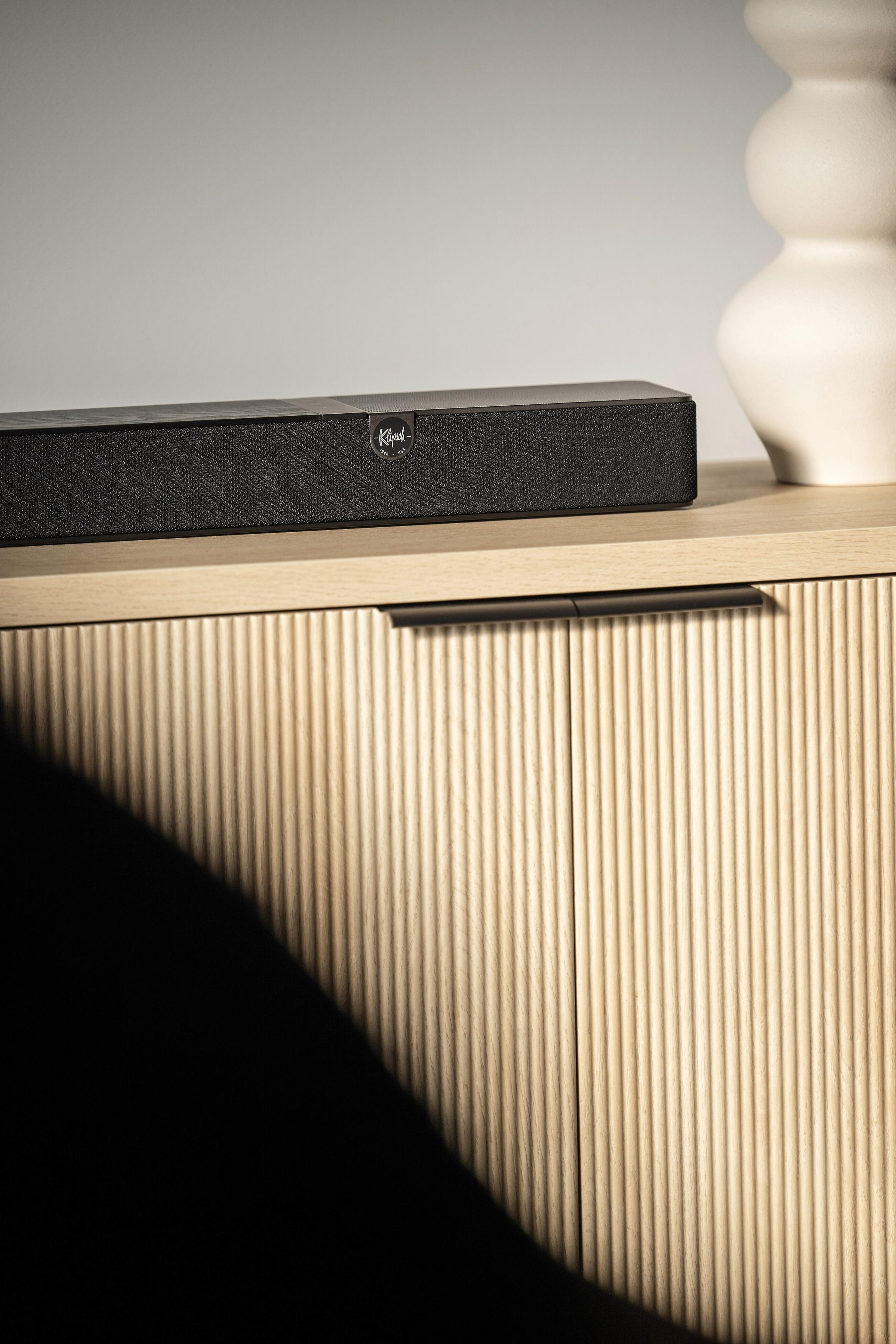
The Klipsch Flexus Core 200, launched in 2024, takes a completely different approach to soundbar design. Rather than separating the subwoofer, Klipsch engineers integrated dual 4-inch subwoofers directly into the main unit while adding dedicated height speakers for true Dolby Atmos capability. At the time of writing, it costs roughly four times more than the Hisense HS2100, but this premium targets a fundamentally different audience.
The 3.1.2 configuration is where things get interesting. Four 2.25-inch aluminum cone drivers handle the left, right, and surround duties, while a dedicated horn-loaded tweeter manages the center channel. This center channel specialization is crucial for dialogue clarity – instead of voices floating somewhere between left and right speakers, they're precisely anchored to your screen. The two upward-firing drivers create genuine overhead sound effects rather than relying on psychoacoustic tricks.
Klipsch's horn-loaded tweeter deserves special attention because it represents decades of acoustic engineering refinement. The horn shape acts like a megaphone, increasing efficiency and controlling sound dispersion. This means dialogue cuts through background noise more effectively, and you'll hear clearer vocals even at lower volumes – particularly valuable for late-night viewing.
The integrated dual subwoofers might seem like a compromise compared to a full-size external sub, but Klipsch's execution is remarkably sophisticated. By using two smaller drivers instead of one large one, they achieve better integration with the main speakers while maintaining surprisingly deep bass extension. Our research suggests the bass performance rivals many soundbar-plus-subwoofer combinations while eliminating the placement challenges that come with a separate bass unit.
Bass performance reveals the most dramatic difference between these systems. The Hisense HS2100's wireless subwoofer can produce room-shaking impact that's genuinely impressive for its price range. The 5.25-inch driver moves substantial air, creating the kind of chest-thumping effects that make action movies engaging. However, our analysis of user feedback reveals that the bass can sound somewhat loose or "boomy" – powerful but not particularly precise.
The Klipsch Flexus Core 200's dual integrated subwoofers take a completely different approach. While they don't produce the same raw impact as the Hisense's dedicated subwoofer, they integrate seamlessly with the main drivers to create what many users describe as more "musical" bass. Kick drums have more definition, explosion effects feel more controlled, and bass lines in music remain distinct rather than becoming a muddy rumble.
For home theater use, both approaches have merit. If you want maximum impact for action movies and don't mind occasionally adjusting the subwoofer volume, the Hisense HS2100 delivers remarkable bang for the buck. If you prefer bass that complements rather than dominates the overall sound picture, the Klipsch Flexus Core 200 offers superior refinement.
This is where the architectural differences between these systems become most apparent. The Hisense HS2100 creates its center image through stereo positioning – your brain interprets sounds that arrive equally from left and right speakers as coming from the center. This phantom center channel works adequately for most content, but dialogue can sometimes feel slightly diffused, especially if you're not sitting directly in front of the TV.
The Klipsch Flexus Core 200's dedicated center channel eliminates this compromise entirely. Dialogue is reproduced by a speaker specifically designed and positioned for vocal clarity. The horn-loaded tweeter increases efficiency and provides exceptional detail retrieval, making even whispered conversations intelligible without cranking the volume. For anyone who frequently watches dialogue-heavy content like dramas or news programs, this dedicated center channel is transformative.
User reviews consistently highlight this difference. Hisense HS2100 owners generally report satisfactory dialogue clarity that's much better than TV speakers, while Klipsch Flexus Core 200 users often describe the dialogue as "crystal clear" or "like the actors are in the room."
The immersion gap between these systems is substantial, though both offer meaningful improvements over TV speakers. The Hisense HS2100's DTS Virtual:X processing creates a noticeably wider soundstage than basic stereo reproduction. Effects seem to extend beyond the physical boundaries of the soundbar, and there's a subtle sense of height to the audio. However, it's still fundamentally a stereo system trying to simulate surround sound.
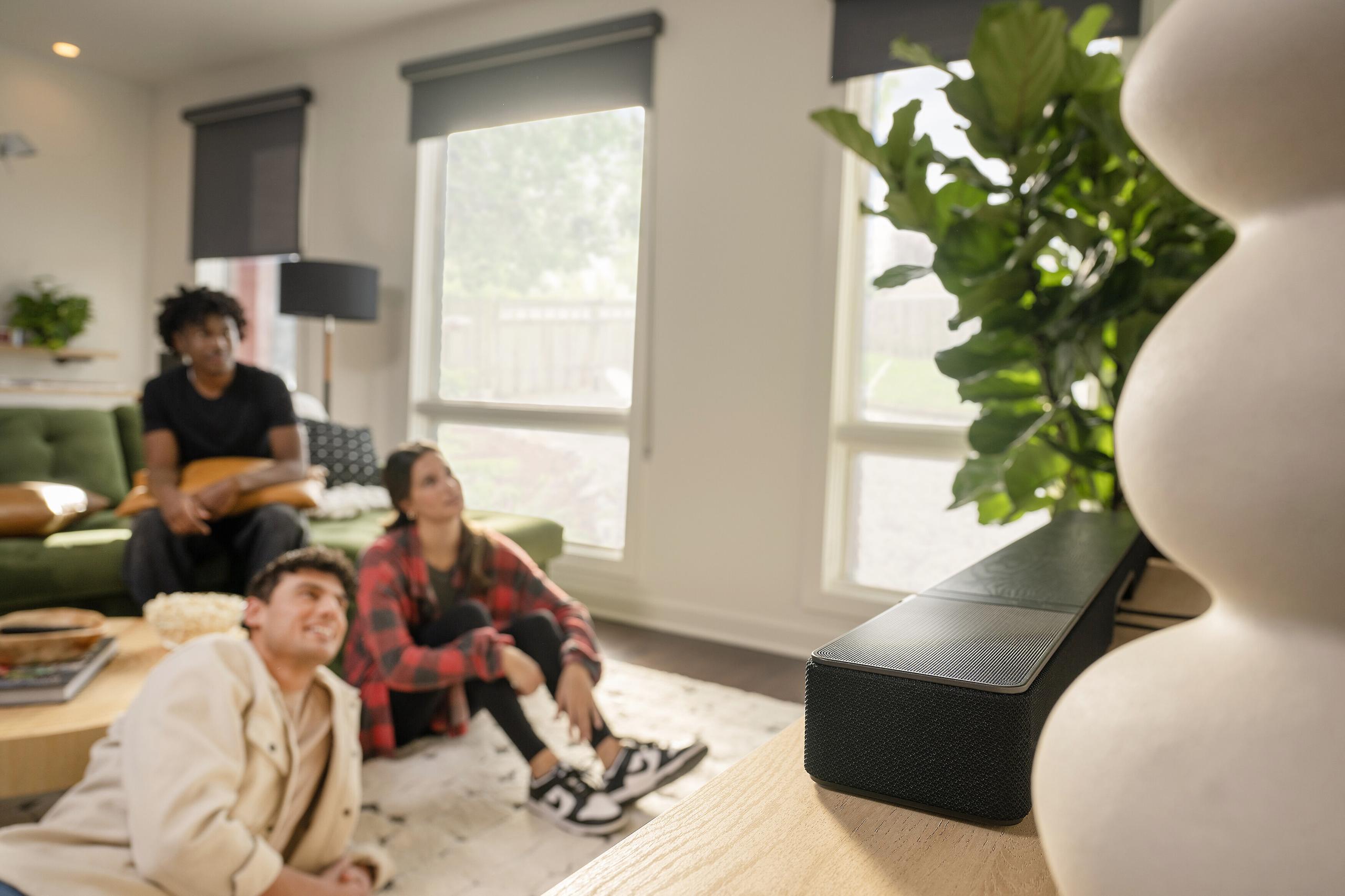
The Klipsch Flexus Core 200 delivers genuine Dolby Atmos with actual overhead sound placement. Helicopters fly convincingly above your head, rain seems to fall from the ceiling, and atmospheric effects create a true three-dimensional soundfield. This isn't simulation – it's discrete audio channels creating real spatial effects. For movie enthusiasts, this represents a significant leap in immersion.
The difference becomes most apparent with modern streaming content that includes Dolby Atmos soundtracks. Netflix, Disney+, and Apple TV+ increasingly offer Atmos mixes that take full advantage of the Klipsch Flexus Core 200's capabilities while remaining largely inaccessible to the Hisense HS2100.
Both soundbars handle music competently, though they reveal different sonic personalities. The Hisense HS2100 presents music with a warm, somewhat relaxed character that's pleasant for background listening. The separate subwoofer provides substantial low-end weight for pop and rock music, though the overall presentation lacks some detail and precision compared to dedicated stereo speakers.
The Klipsch Flexus Core 200 approaches music with typical Klipsch energy and dynamics. The four aluminum cone drivers provide excellent midrange clarity, making vocals and instruments sound more lifelike and present. The integrated dual subwoofers maintain musical timing better than many external subwoofer designs, creating a more cohesive soundstage where bass lines integrate naturally with the rest of the mix.
For serious music listening, neither soundbar replaces a good pair of bookshelf speakers, but the Klipsch Flexus Core 200 comes surprisingly close for casual listening sessions. Its stereo imaging – the ability to precisely place instruments across the soundstage – is notably superior to the Hisense HS2100.
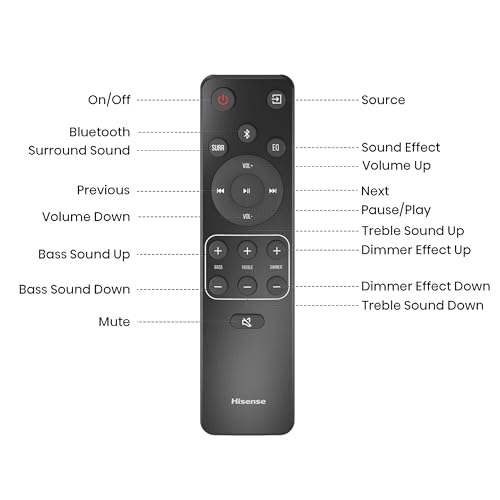
The Hisense HS2100 keeps things simple with Roku TV Ready integration, allowing control through Roku TV remotes for a streamlined experience. Six preset sound modes (Movie, Music, News, Sport, Night, Game) provide quick optimization for different content types, though customization options remain basic.
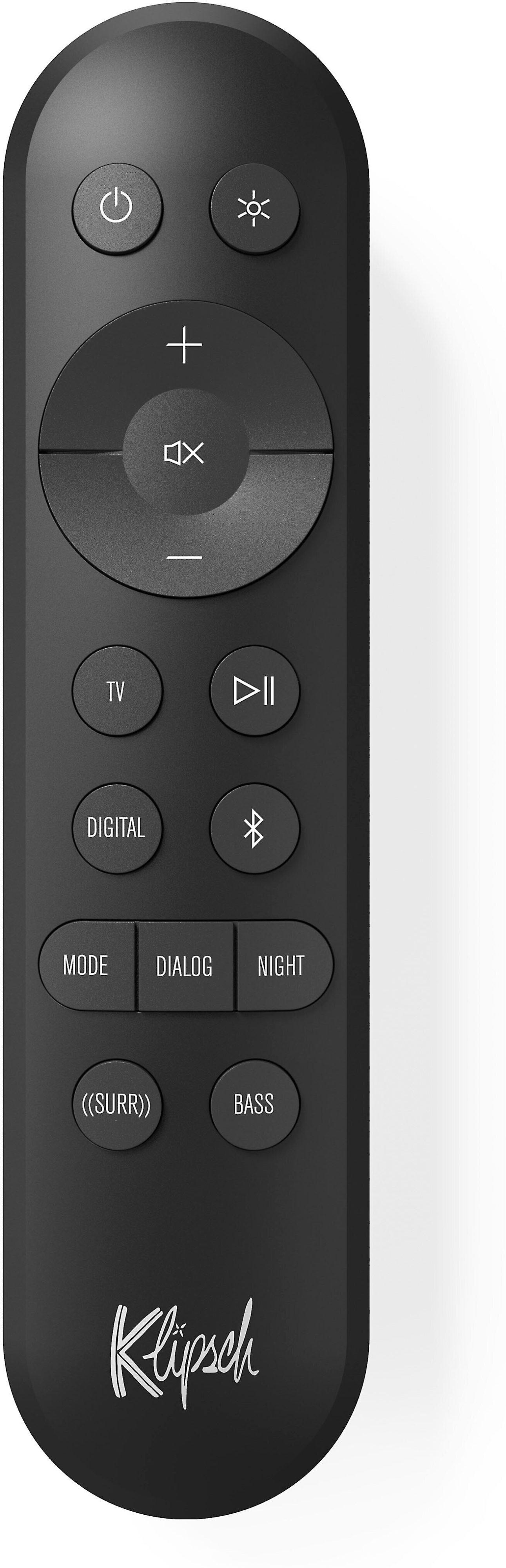
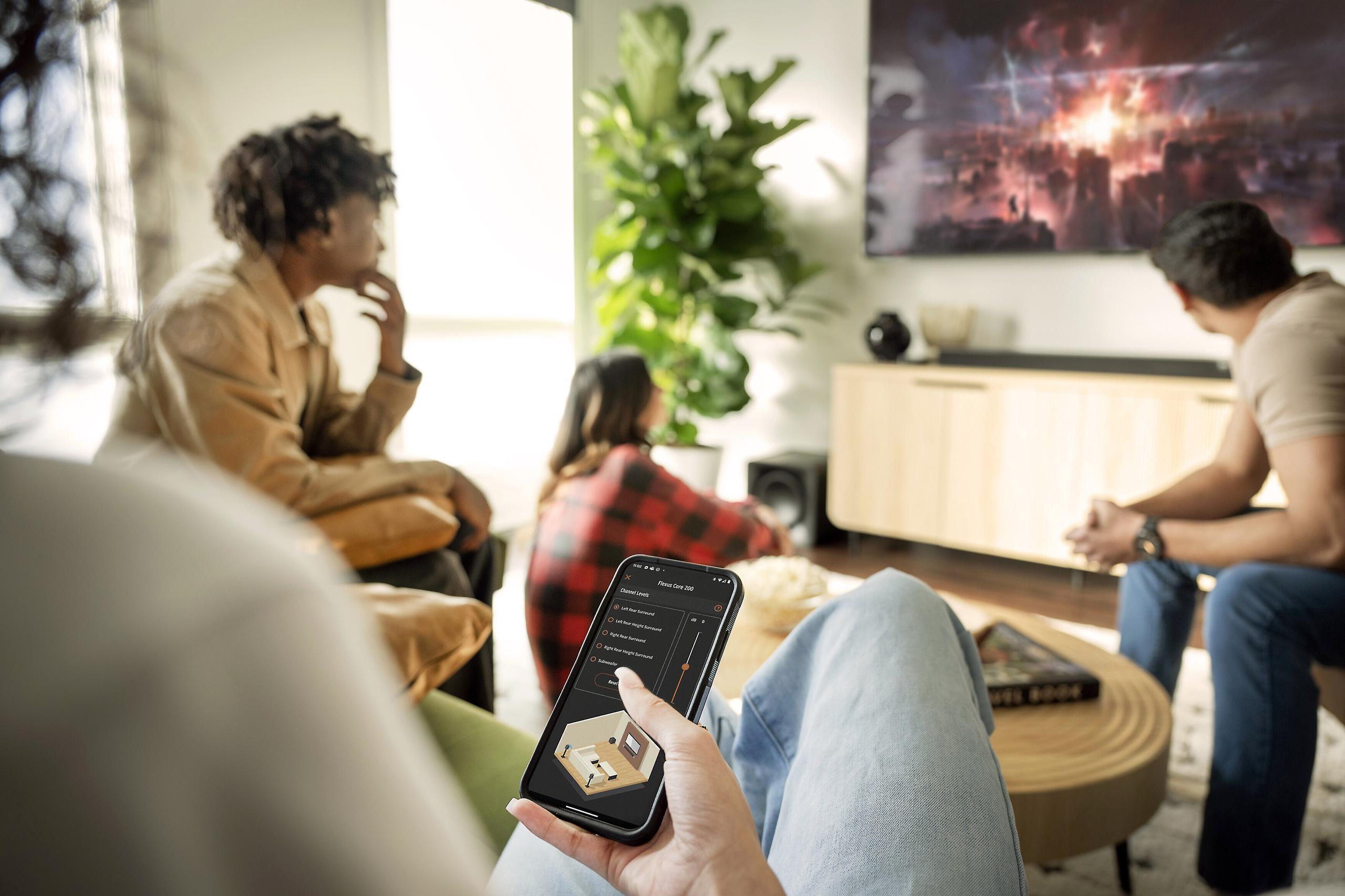
The Klipsch Flexus Core 200 offers significantly more sophisticated control through the Klipsch Connect Plus app. This provides detailed EQ adjustment, multiple dialogue enhancement modes with adjustable intensity, and the ability to fine-tune the system for your specific room and preferences. More importantly, it serves as the control center for Klipsch's Transport wireless ecosystem.
This expandability represents one of the Klipsch Flexus Core 200's most compelling long-term advantages. You can start with just the soundbar and later add Flexus Surr 100 wireless rear speakers or additional Flexus Sub 100 subwoofers to create a full 5.1.2 or even 7.1.2 system. The Hisense HS2100, by contrast, represents a fixed 2.1 configuration with no upgrade path.
Room size significantly impacts how these systems perform. The Hisense HS2100 works excellently in small to medium-sized rooms where its 240W maximum power provides plenty of output. In our research, users report satisfactory performance in spaces up to about 300-400 square feet, beyond which the system begins to sound strained at higher volumes.
The Klipsch Flexus Core 200's more conservative but honest 185W RMS rating translates to cleaner sound at higher volumes. The horn-loaded design also provides exceptional efficiency, meaning it sounds louder than the power rating suggests. Users consistently report excellent performance in medium to large rooms where the Hisense HS2100 might struggle.
The Hisense HS2100 makes perfect sense for several scenarios. If you're in an apartment or small home where a separate subwoofer works well, if your budget is constrained, or if you primarily watch broadcast TV and streaming content rather than premium movie experiences, this soundbar delivers remarkable value. It's also ideal for secondary rooms like bedrooms or home offices where you want better audio without major investment.
The Klipsch Flexus Core 200 targets users who view their home entertainment system as a long-term investment. If you frequently watch movies, appreciate high-quality audio, or plan to eventually build a full surround sound system, the Klipsch's superior acoustics and expandability justify its premium pricing. It's particularly appealing if you live in a space where a separate subwoofer would be problematic but still want genuine bass impact.
At the time of writing, these soundbars represent excellent value in their respective price categories. The Hisense HS2100 proves that budget doesn't have to mean compromised performance, while the Klipsch Flexus Core 200 demonstrates what's possible when acoustic engineering takes priority over cost-cutting.
Consider your room size, content preferences, and long-term plans. If you're looking for maximum immediate impact per dollar and don't mind some acoustic compromises, the Hisense HS2100 delivers extraordinary value. If you can invest in premium audio quality and want a system that can grow with your needs, the Klipsch Flexus Core 200 offers superior refinement and future-proofing that justifies its higher cost.
Both represent significant upgrades over TV speakers, but they'll appeal to different users based on budget, space constraints, and audio priorities. The key is honestly assessing your needs and expectations – either choice will dramatically improve your home entertainment experience compared to struggling with inadequate TV audio.
| Hisense HS2100 2.1 Channel 240W Soundbar System | Klipsch Flexus Core 200 3.1.2 Soundbar |
|---|---|
| Channel Configuration - Determines surround sound capability and dialogue clarity | |
| 2.1 channels (stereo + subwoofer, phantom center) | 3.1.2 channels (dedicated center + height channels) |
| Power Output - Affects maximum volume and dynamic range | |
| 240W maximum power (peak rating) | 185W RMS (sustained power, more honest rating) |
| Dolby Atmos Support - Essential for immersive overhead sound effects | |
| No (DTS Virtual:X simulation only) | Yes (true overhead sound with dedicated height speakers) |
| Subwoofer Design - Impacts bass quality and room placement flexibility | |
| Wireless 5.25" external subwoofer (120W) | Dual 4" integrated subwoofers |
| Center Channel - Critical for clear dialogue and vocal reproduction | |
| Phantom center (stereo imaging) | Dedicated horn-loaded tweeter |
| Audio Format Support - Determines compatibility with premium streaming content | |
| Dolby Digital, Dolby Digital Plus, DTS Virtual:X | Dolby Atmos, Dolby TrueHD, Dolby Digital Plus (no DTS) |
| Connectivity Options - Affects device compatibility and setup flexibility | |
| HDMI ARC, Optical, USB, AUX, Bluetooth 5.3 | HDMI eARC, Optical, USB-C, Bluetooth |
| Expandability - Important for future system growth | |
| Fixed 2.1 configuration (no upgrade path) | Modular Klipsch Flexus Core 200 ecosystem (add wireless surrounds/subs) |
| Frequency Response - Indicates bass extension and overall audio range | |
| 45Hz - 20kHz (limited deep bass) | 43Hz - 20kHz (slightly better low-end extension) |
| Smart Control Features - Affects ease of use and customization | |
| 6 preset modes, basic bass/treble, Roku TV Ready | Klipsch Connect Plus app with detailed EQ and room tuning |
| Soundbar Dimensions - Important for TV compatibility and room aesthetics | |
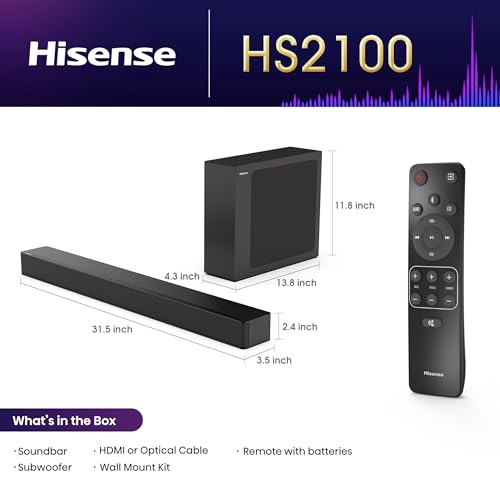
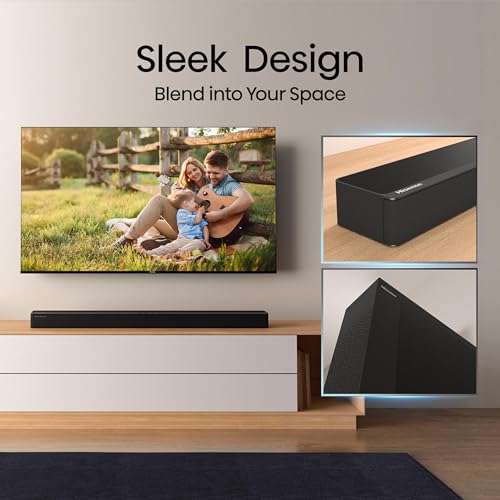
| 31.5" × 2.4" × 3.5" (compact, fits under most TVs) | 44" × 3.1" × 4.9" (larger, premium build quality) |
| Best For - Target user and use cases | |
| Budget-conscious users, small-medium rooms, TV/streaming | Audio enthusiasts, home theater, future expansion plans |
The Hisense HS2100 offers exceptional value for budget-conscious buyers, delivering significant audio improvement over TV speakers with a wireless subwoofer at an entry-level price. The Klipsch Flexus Core 200 provides premium audio quality with true Dolby Atmos and superior build quality, justifying its higher cost for serious audio enthusiasts who want the best possible sound experience.
The Hisense HS2100 delivers more impactful bass thanks to its dedicated 5.25" wireless subwoofer that can shake the room during action scenes. The Klipsch Flexus Core 200 features dual integrated 4" subwoofers that provide tighter, more controlled bass with better integration, though less raw power than the external subwoofer design.
The Klipsch Flexus Core 200 excels at dialogue clarity with its dedicated center channel and horn-loaded tweeter that anchors voices directly to the screen. The Hisense HS2100 relies on phantom center imaging through its stereo speakers, which provides decent dialogue but can't match the precision of a dedicated center channel.
Only the Klipsch Flexus Core 200 supports true Dolby Atmos with dedicated height speakers for overhead sound effects. The Hisense HS2100 uses DTS Virtual:X to simulate surround and height effects through psychoacoustic processing, but cannot reproduce genuine Dolby Atmos content.
The Hisense HS2100 is ideal for small to medium rooms, providing plenty of volume and bass impact without overwhelming the space. The Klipsch Flexus Core 200 also works excellently in small rooms and offers superior sound quality, though it may be overkill unless you're particularly focused on audio quality.
The Klipsch Flexus Core 200 is part of a modular ecosystem that allows you to add wireless surround speakers and additional subwoofers to create a full home theater system. The Hisense HS2100 is a fixed 2.1 configuration with no expansion options beyond its included wireless subwoofer.
Both soundbars are relatively easy to set up, but the Hisense HS2100 offers simpler operation with basic controls and Roku TV Ready integration. The Klipsch Flexus Core 200 provides more setup options through its companion app, which offers greater customization but requires more initial configuration.
The Klipsch Flexus Core 200 delivers superior music reproduction with its four aluminum drivers providing excellent midrange clarity and dynamic sound. The Hisense HS2100 offers decent music playback with warm sound and strong bass, making it suitable for casual music listening but lacking the detail and precision of the Klipsch system.
Both soundbars offer low latency suitable for gaming, but the Klipsch Flexus Core 200 provides a more immersive gaming experience with true Dolby Atmos support for compatible games. The Hisense HS2100 includes a dedicated Game mode and delivers satisfactory gaming audio at a much lower price point.
Yes, both the Hisense HS2100 and Klipsch Flexus Core 200 work with any TV that has HDMI ARC or optical audio output. The Hisense HS2100 offers special Roku TV Ready integration for enhanced compatibility with Roku TVs, while the Klipsch Flexus Core 200 works universally with any modern television.
The Klipsch Flexus Core 200 performs better in large rooms due to its efficient horn-loaded design and cleaner power output that maintains clarity at higher volumes. The Hisense HS2100 can fill medium-sized rooms adequately but may struggle in very large spaces where it might sound strained at maximum volume.
For dedicated home theater use, the Klipsch Flexus Core 200 is the superior choice with true Dolby Atmos support, dedicated center channel for dialogue, and expandability for a full surround system. The Hisense HS2100 provides a solid home theater upgrade over TV speakers at a budget-friendly price, though it lacks the immersive capabilities of the Klipsch system.
We've done our best to create useful and informative comparisons to help you decide what product to buy. Our research uses advanced automated methods to create this comparison and perfection is not possible - please contact us for corrections or questions. These are the sites we've researched in the creation of this article: rtings.com - shop.hisense-usa.com - bestbuy.com - content.syndigo.com - bestbuy.com - hisensedealers.co.ke - stuff.co.za - dtc-aus-api.hisense.com - youtube.com - manuals.plus - youtube.com - bestbuy.com - youtube.com - gallifurniture.com - hisense-usa.com - manuals.plus - uk.hisense.com - device.report - youtube.com - costco.ca - elmcreekwsa.com - gallifurniture.com - soundandvision.com - avnirvana.com - avsforum.com - cnet.com - klipsch.com - klipsch.com - youtube.com - assets.klipsch.com - klipsch.com - worldwidestereo.com - klipsch.com - crutchfield.com - digitaltrends.com

Privacy Policy
Terms and Conditions - Affiliate Policy
Home Security
© Copyright 2008-2026.
11816 Inwood Rd #1211, Dallas, TX 75244