

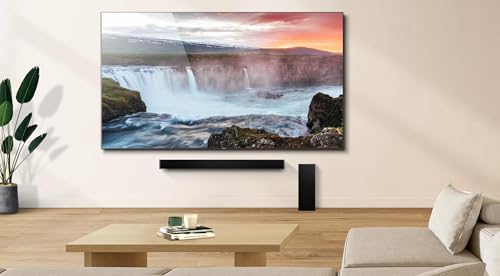
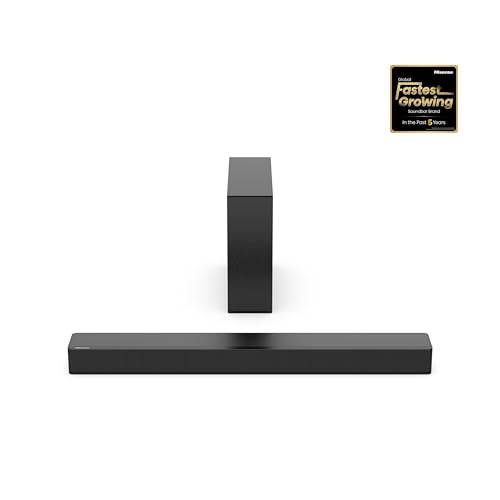

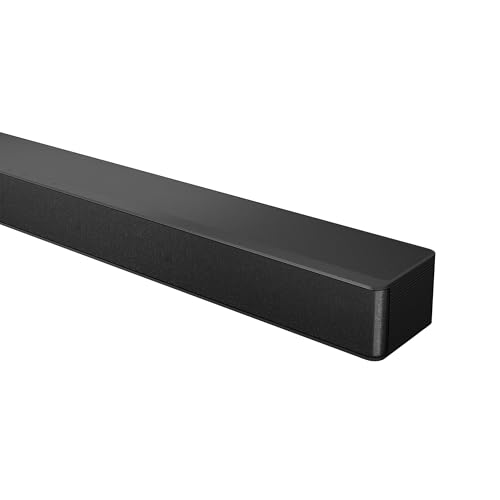
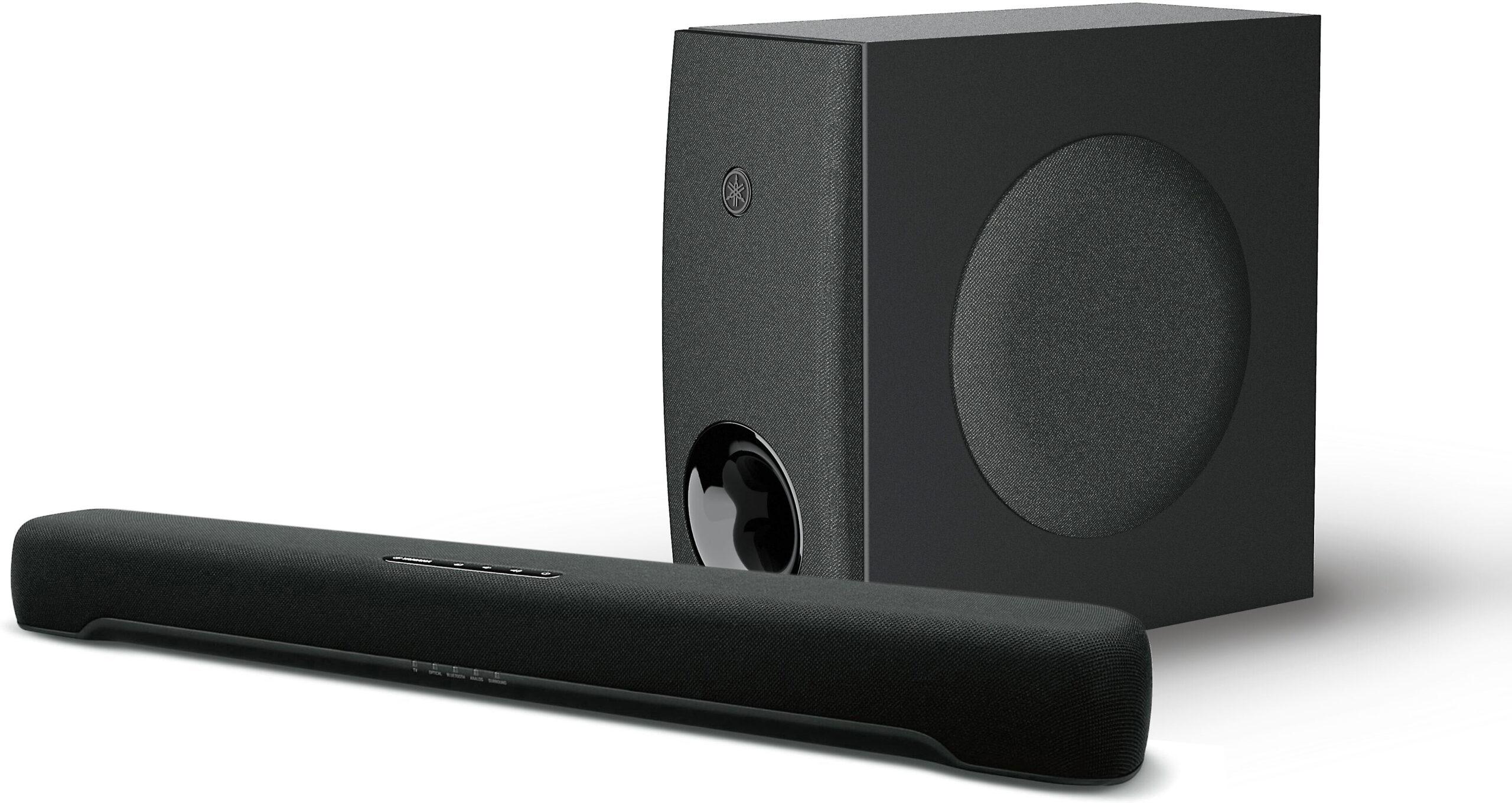
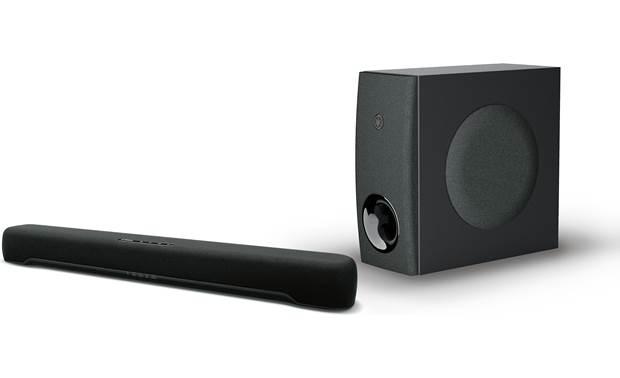
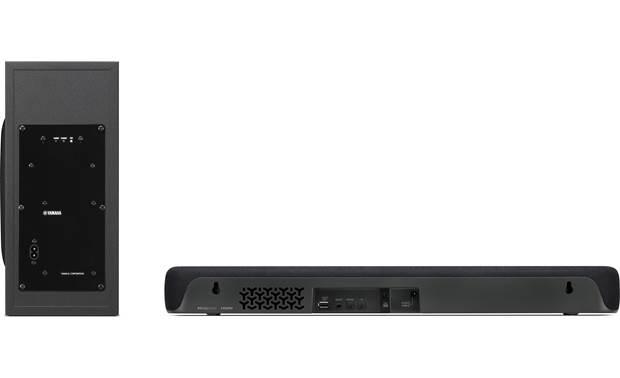
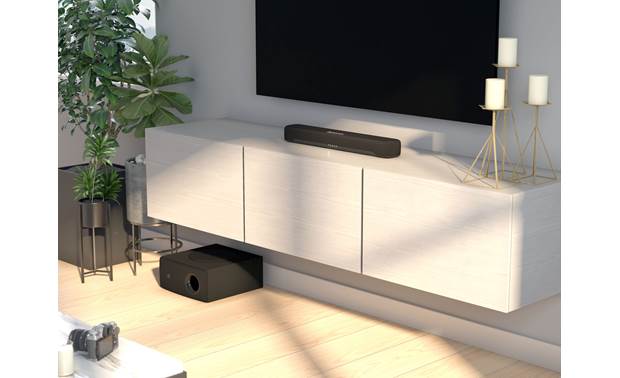
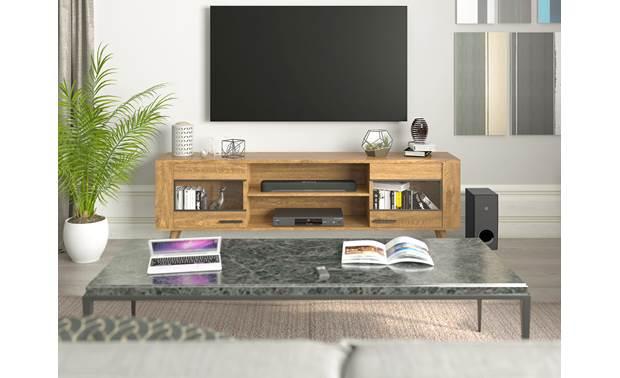
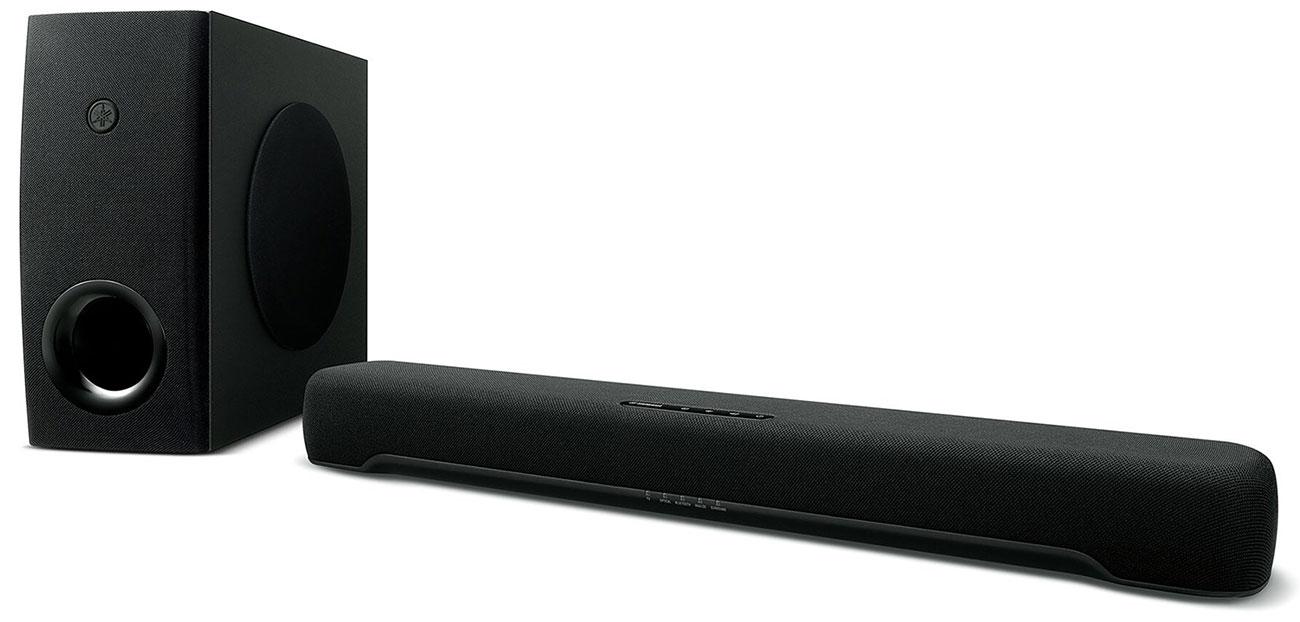

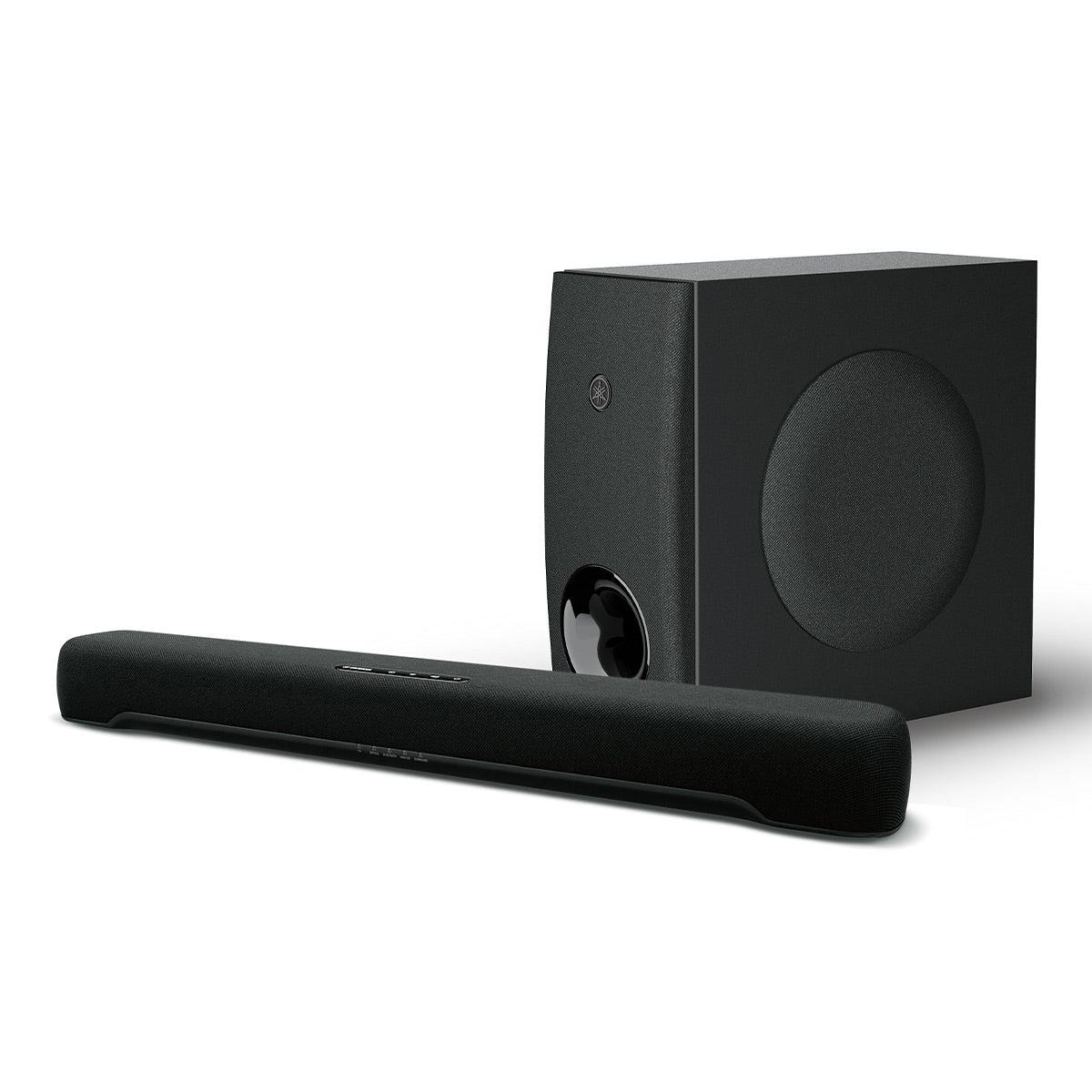
When your TV's built-in speakers sound like they're trapped in a shoebox, upgrading to a soundbar becomes essential. But with dozens of options flooding the budget market, choosing between models like the Hisense HS2100 and Yamaha SR-C30A can feel overwhelming. These two 2.1 channel systems—meaning they have left and right speakers plus a dedicated subwoofer for bass—represent different philosophies in affordable audio upgrades.
The budget soundbar market has exploded since around 2018, when manufacturers realized that most people just want better TV audio without the complexity of full surround sound systems. Both the Hisense HS2100 (released in 2023) and Yamaha SR-C30A (released in 2022) emerged from this trend, targeting users who want meaningful audio improvement without breaking the bank.
At the time of writing, these systems sit in different price tiers within the budget category. The Hisense HS2100 positions itself as an ultra-affordable option, while the Yamaha SR-C30A costs roughly 75% more, placing it in premium budget territory. This price gap isn't arbitrary—it reflects fundamental differences in design philosophy, power output, and brand positioning.
The key considerations when shopping in this category include audio quality (how balanced and clear the sound is), bass performance (how well the subwoofer integrates and extends low frequencies), power output (maximum volume and room-filling capability), connectivity options, and overall value. Unlike premium soundbars that might include Dolby Atmos height channels or room correction software, budget models focus on nailing the basics: making dialogue clearer, adding meaningful bass, and getting significantly louder than TV speakers.
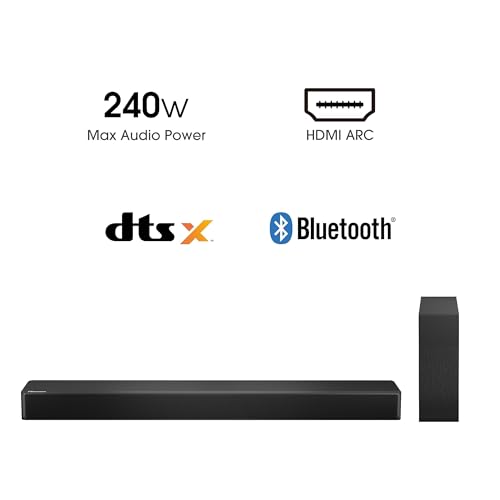
Here's where the Hisense HS2100 makes its strongest case. With a total power output of 240 watts, it significantly outguns the Yamaha SR-C30A's 90-watt system. In practical terms, this means the Hisense can reach peak sound pressure levels (SPL) above 90 decibels, while the Yamaha tops out at more moderate levels.
Why does this matter? If you have a medium to large living room, or if you're the type who cranks up action movies during dramatic scenes, that extra power translates to noticeably better room-filling capability. The Hisense HS2100 can maintain clean, undistorted sound even when pushed hard, while the Yamaha SR-C30A may struggle in larger spaces or at higher volumes.
However, raw power isn't everything. The Yamaha's lower power output reflects its focus on efficiency and control rather than brute force. In smaller rooms or for listeners who prefer moderate volume levels, the Yamaha's 90 watts can be perfectly adequate while potentially offering better dynamics—meaning the difference between quiet and loud sounds feels more natural and impactful.
Based on our research of user experiences, the power difference becomes most apparent during action sequences in movies. Users consistently report that the Hisense HS2100 handles explosive scenes and bass-heavy content with more authority, while the Yamaha SR-C30A excels at maintaining composure during dialogue-heavy content at lower volumes.
The Yamaha SR-C30A takes a more traditional audiophile approach to sound tuning. Yamaha's engineers have crafted a balanced frequency response—meaning bass, midrange, and treble are proportioned to sound natural without excessive emphasis on any particular range. The highs are slightly rolled off, which reduces harshness during extended listening sessions but can make some content sound less sparkly or detailed than brighter-tuned alternatives.
This balanced approach means the Yamaha SR-C30A sounds good right out of the box with minimal tweaking required. Vocals occupy their natural space in the mix, instrumental music sounds realistic, and movie dialogue remains clear and intelligible. The trade-off is less excitement and impact compared to more dramatically tuned competitors.
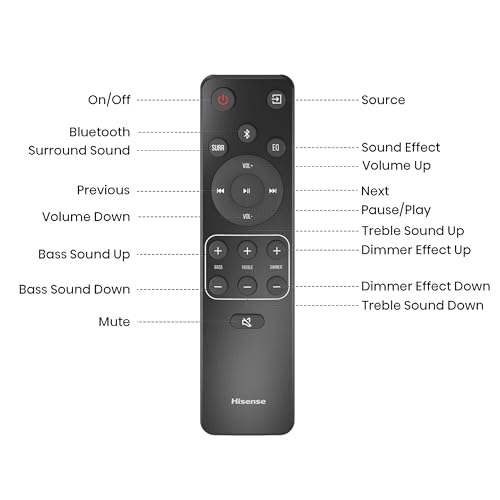
The Hisense HS2100 takes a different approach, offering extensive user customization through six preset EQ modes (Movie, Music, News, Sport, Night, and Game) plus manual bass and treble controls accessible directly from the remote. This flexibility means you can tailor the sound signature to match your content and preferences, but it also means the default sound might not be as immediately pleasing as the Yamaha's carefully tuned baseline.
The Hisense's default profile leans slightly warm with enhanced bass response, which many users find exciting for movies and modern music genres. However, this bass emphasis can occasionally sound boomy or overwhelming, particularly in smaller rooms where bass naturally builds up more. The ability to dial back the bass using the remote controls helps address this issue.
From our analysis of professional measurements and user feedback, the Yamaha SR-C30A maintains better composure across all volume levels, while the Hisense HS2100 offers more dramatic impact when properly adjusted but may require some fine-tuning to achieve optimal results in your specific room.
Both systems include wireless subwoofers, eliminating the need for long cables between the main bar and the bass unit. However, their approaches to bass reproduction differ significantly.
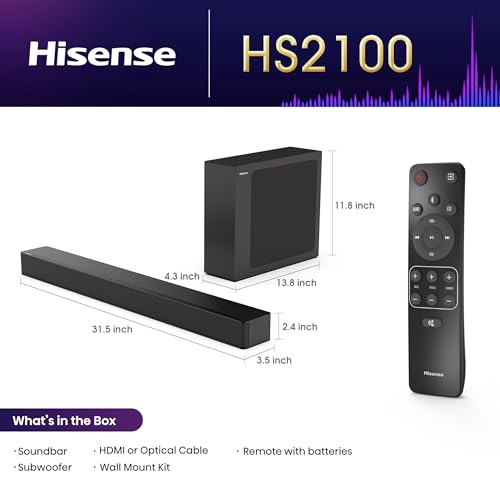
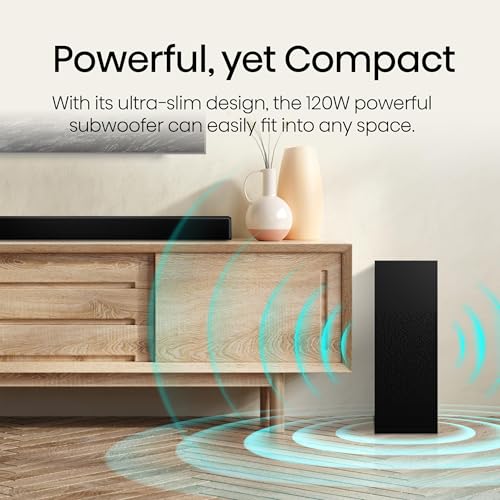
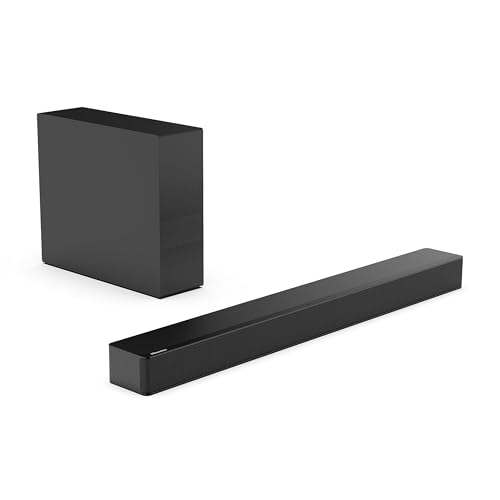
The Hisense HS2100's subwoofer packs 120 watts into a 5.25-inch driver housed in an ultra-slim cabinet that's only 4.3 inches deep. This compact design makes placement easy—you can slide it under most furniture or tuck it against a wall without it dominating the room visually. The bass output is substantial and satisfying, particularly for action movies and bass-heavy music genres like hip-hop or electronic music.
However, the bass extension—how low in frequency the subwoofer can reproduce—is limited to around 45Hz according to Hisense's specifications. This means you'll get plenty of mid-bass punch (the kind that makes explosions feel impactful) but less of the deep sub-bass that creates that room-shaking, visceral feeling during the most dramatic movie moments.
The Yamaha SR-C30A's 50-watt, 5.1-inch subwoofer produces less raw output but focuses on integration and musicality. Yamaha has tuned the crossover—the electronic circuit that determines which frequencies go to the subwoofer versus the main speakers—to create a more seamless blend between the satellite speakers and sub. This results in bass that feels more natural and controlled, though it won't reach the same peak levels as the Hisense.
User reviews consistently note that while both subwoofers add meaningful bass compared to TV speakers, the Hisense HS2100 provides more dramatic impact for movie watching, while the Yamaha SR-C30A offers more refined bass that works better for music listening.
Modern soundbars need to connect seamlessly with today's diverse array of devices, from smart TVs and gaming consoles to smartphones and streaming devices. Both systems cover the essential bases but with some important differences.
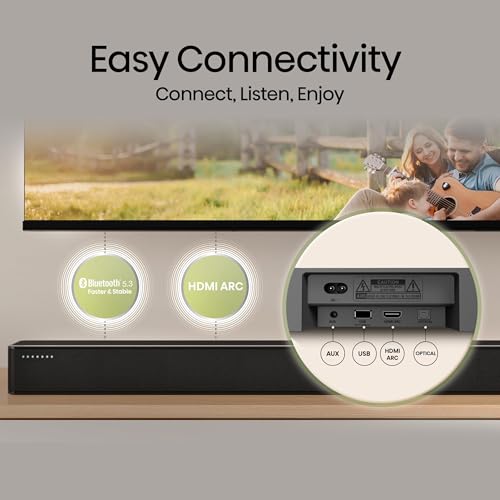
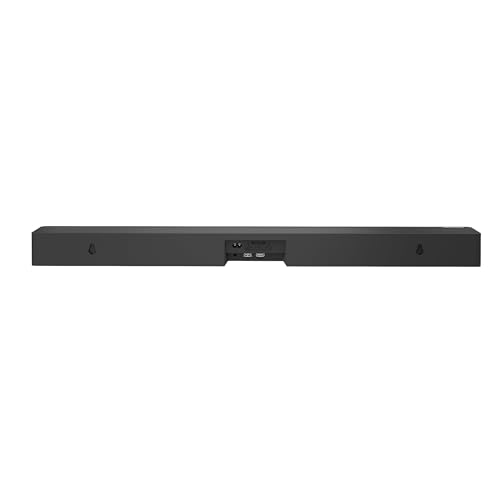
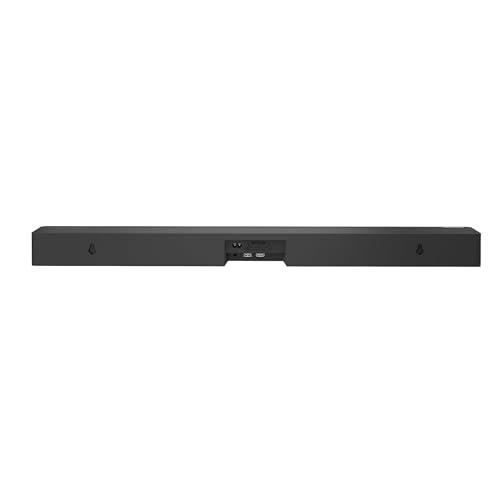
The Hisense HS2100 includes HDMI ARC (Audio Return Channel), which allows it to receive audio from your TV through the same HDMI cable and enables your TV remote to control the soundbar's volume. It also offers optical digital input, a 3.5mm analog input for older devices, USB connectivity for direct audio file playback, and Bluetooth 5.3 for wireless streaming from phones and tablets.
Bluetooth 5.3 is actually quite current technology, offering improved connection stability and lower latency compared to older Bluetooth versions. This makes the Hisense HS2100 particularly good for streaming music from mobile devices without annoying audio delays.
The soundbar also includes Roku TV Ready certification, which provides enhanced integration with Roku TVs, allowing more seamless control and setup when paired with compatible Roku hardware.
The Yamaha SR-C30A offers similar connectivity but with some notable differences. It includes dual optical inputs instead of just one, which can be valuable if you have multiple source devices that use optical connections. The Bluetooth implementation supports multi-point connectivity, allowing you to maintain connections to multiple devices and switch between them more easily.
Yamaha also provides a dedicated smartphone app for iOS and Android that offers additional control options beyond the physical remote, including access to different sound modes and settings that aren't available on the standard remote control.
The Hisense HS2100 incorporates DTS Virtual:X processing, which attempts to create a wider, more immersive soundstage from just the left and right speakers. Virtual surround processing uses psychoacoustic tricks—essentially exploiting how your brain processes audio cues—to make sound seem like it's coming from locations beyond the physical speakers. While it can't replicate true surround sound speakers, it does provide some expansion of the listening experience compared to basic stereo playback.
The system also includes automatic power management, turning on when it detects an audio signal and shutting down after periods of inactivity. This convenience feature ensures the soundbar integrates seamlessly with your TV watching routine.
The Yamaha SR-C30A features Yamaha's proprietary Clear Voice technology, which enhances dialogue clarity specifically. This can be particularly valuable for users who struggle with understanding movie dialogue or prefer to watch content without subtitles. The processing emphasizes vocal frequencies and can help dialogue cut through background music and sound effects more clearly.
Perhaps more interesting is Yamaha's Adaptive Low Volume technology. Unlike traditional night modes that simply compress dynamics (squashing the difference between loud and quiet sounds), this feature maintains the full tonal balance even at low volumes. This means you can watch movies late at night without waking family members while still hearing all the subtle details in the soundtrack.
For dedicated home theater use, the choice between these systems depends largely on your room size and viewing habits. The Hisense HS2100 provides more of that cinematic impact that makes action scenes feel engaging. Its higher power output and stronger bass response create a more dramatic experience that can help smaller speakers deliver some of that "theater feeling" you get from much larger, more expensive systems.
The DTS Virtual:X processing adds a noticeable sense of spaciousness to movie soundtracks, even though it can't truly replicate the experience of having speakers behind and beside your listening position. For viewers who primarily watch action movies, sci-fi, or other effects-heavy content, the Hisense HS2100's ability to get loud and punchy while maintaining reasonable clarity makes it the more engaging choice.
The Yamaha SR-C30A excels with dialogue-heavy content like dramas, comedies, and documentaries. Its more balanced frequency response ensures that conversations remain natural and intelligible, while the Clear Voice feature provides additional enhancement when needed. For viewers who prioritize story over spectacle, or who often watch content with complex dialogue, the Yamaha's approach may prove more satisfying in the long run.
Since 2020, budget soundbar technology has improved significantly in several key areas. Bluetooth connectivity has become more reliable and lower-latency, wireless subwoofer pairing has become more foolproof, and manufacturers have gotten better at tuning affordable drivers to sound more expensive than they actually are.
The Hisense HS2100, being the newer release, benefits from some of these improvements, particularly in its Bluetooth 5.3 implementation and more sophisticated virtual surround processing. The Yamaha SR-C30A, while slightly older, represents Yamaha's decades of audio engineering experience applied to the budget market—something that was relatively rare just a few years ago when most affordable soundbars came from generic manufacturers.
The Hisense HS2100 makes the most sense for users who prioritize maximum performance per dollar spent. If you have a medium to large living room, enjoy action movies and bass-heavy music, or simply want the loudest, most impactful sound possible at this price point, the Hisense delivers exceptional value. The extensive customization options also make it ideal for users who enjoy tweaking audio settings to match different content types.
The Yamaha SR-C30A better serves users who value refinement and brand reputation over raw power. If you have a smaller room, prefer balanced sound that works well across all content types without adjustment, or prioritize features like dual optical inputs and sophisticated app control, the Yamaha justifies its higher price point.
For home theater enthusiasts on a tight budget, the Hisense HS2100 provides more of that cinematic impact that makes movie watching feel special. For users who primarily want clearer dialogue and more refined music reproduction, the Yamaha SR-C30A offers superior long-term satisfaction despite its power limitations.
At the time of writing, both represent solid values within their respective price tiers. The key is honestly assessing your room size, volume preferences, and whether you want to spend extra for Yamaha's more polished approach or maximize performance with the Hisense's more aggressive value proposition.
| Hisense HS2100 2.1 Channel 240W Soundbar System | Yamaha SR-C30A Soundbar with Subwoofer |
|---|---|
| Total Power Output - Determines maximum volume and room-filling capability | |
| 240W (60W per channel + 120W subwoofer) | 90W (20W per channel + 50W subwoofer) |
| Sound Philosophy - Affects out-of-box experience and tuning needs | |
| Customizable with 6 EQ presets + manual bass/treble controls | Balanced, refined sound requiring minimal adjustment |
| Subwoofer Power - Critical for bass impact and movie experience | |
| 120W wireless subwoofer with 5.25" driver | 50W wireless subwoofer with 5.1" driver |
| Audio Processing - Enhances surround sound experience | |
| DTS Virtual:X for simulated 3D surround | Dolby Digital + Dolby Pro Logic II processing |
| Connectivity Options - Determines device compatibility | |
| HDMI ARC, Optical, 3.5mm AUX, USB, Bluetooth 5.3 | HDMI ARC, Dual Optical, 3.5mm AUX, Bluetooth 5.0 |
| Special Features - Unique technologies that differentiate the products | |
| Roku TV Ready integration, auto power on/off | Clear Voice dialogue enhancement, Adaptive Low Volume |
| Physical Size - Important for placement flexibility | |
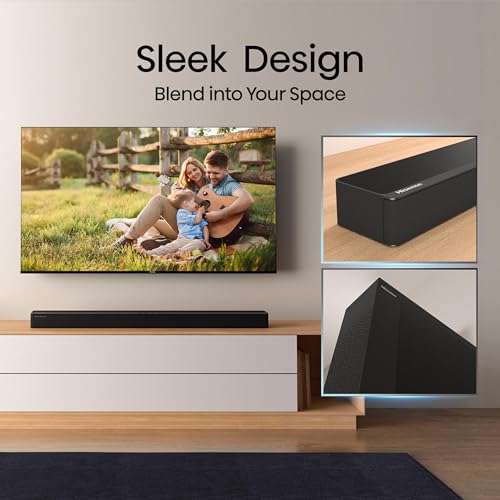
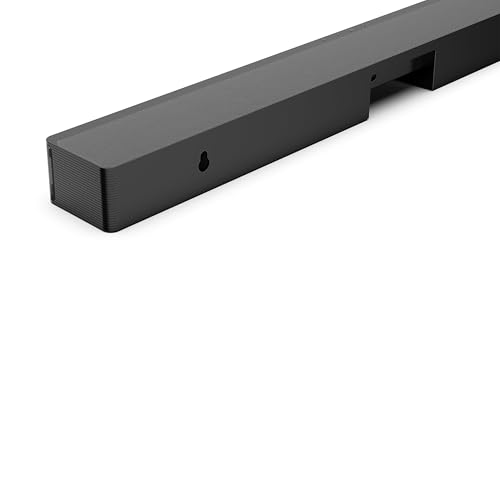
| Bar: 31.5" × 2.4" × 3.5", Sub: Ultra-slim 4.3" deep | Bar: 23.6" × 2.6" × 3.7", Sub: More traditional size |
| Bluetooth Technology - Affects wireless streaming quality | |
| Bluetooth 5.3 with improved stability and lower latency | Bluetooth 5.0 with multi-point device connectivity |
| Warranty Coverage - Indicates manufacturer confidence | |
| 1 year standard warranty | 2 year extended warranty |
| Best Use Case - Who should choose each product | |
| Budget-focused users wanting maximum power and customization | Quality-focused users preferring balanced sound and refinement |
The Hisense HS2100 is better suited for large rooms due to its 240W total power output compared to the Yamaha SR-C30A's 90W system. The higher power allows the Hisense HS2100 to fill larger spaces with clear, undistorted sound even at higher volumes.
The Yamaha SR-C30A offers a more balanced, refined sound profile that sounds good out of the box, while the Hisense HS2100 provides extensive customization options with 6 EQ presets and manual bass/treble controls. The Yamaha SR-C30A focuses on accuracy, while the Hisense HS2100 emphasizes user control and impact.
The Hisense HS2100 delivers stronger bass with its 120W subwoofer compared to the Yamaha SR-C30A's 50W subwoofer. However, the Yamaha SR-C30A offers more controlled and musical bass that integrates better with the main speakers.
Both soundbars significantly improve movie watching over TV speakers. The Hisense HS2100 excels with action movies due to its powerful bass and higher volume capability, while the Yamaha SR-C30A is better for dialogue-heavy films with its Clear Voice technology and balanced sound.
The Hisense HS2100 offers exceptional value with 240W of power and extensive features at a lower price point. The Yamaha SR-C30A costs more but provides Yamaha's audio engineering expertise, longer warranty, and more refined sound quality.
Both the Hisense HS2100 and Yamaha SR-C30A work with virtually all modern TVs through HDMI ARC, optical, or analog connections. The Hisense HS2100 also offers Roku TV Ready integration for enhanced compatibility with Roku TVs.
Both soundbars are relatively easy to set up with wireless subwoofers that pair automatically. The Yamaha SR-C30A may require less adjustment due to its balanced default sound, while the Hisense HS2100 benefits from some EQ tweaking to optimize performance.
Yes, both support Bluetooth streaming. The Hisense HS2100 features newer Bluetooth 5.3 for improved stability and lower latency, while the Yamaha SR-C30A offers Bluetooth 5.0 with multi-point connectivity to switch between multiple devices easily.
The Yamaha SR-C30A is better suited for small apartments due to its more compact size, controlled bass output, and Adaptive Low Volume technology for late-night listening. The Hisense HS2100 might be overpowering in very small spaces.
The Yamaha SR-C30A offers a 2-year warranty, double the Hisense HS2100's 1-year standard coverage. This longer warranty reflects Yamaha's confidence in build quality and provides better long-term protection for your investment.
The Yamaha SR-C30A offers dual optical inputs, which can be valuable for connecting multiple devices. The Hisense HS2100 includes USB connectivity for direct audio playback and firmware updates, plus newer Bluetooth 5.3 technology.
Choose the Hisense HS2100 if you want maximum impact for action movies and have a larger room, as its 240W power and strong bass create a more cinematic experience. Choose the Yamaha SR-C30A if you prioritize dialogue clarity and refined sound quality for all types of content.
We've done our best to create useful and informative comparisons to help you decide what product to buy. Our research uses advanced automated methods to create this comparison and perfection is not possible - please contact us for corrections or questions. These are the sites we've researched in the creation of this article: rtings.com - shop.hisense-usa.com - bestbuy.com - content.syndigo.com - bestbuy.com - hisensedealers.co.ke - stuff.co.za - dtc-aus-api.hisense.com - youtube.com - manuals.plus - youtube.com - bestbuy.com - youtube.com - gallifurniture.com - hisense-usa.com - manuals.plus - uk.hisense.com - device.report - youtube.com - costco.ca - elmcreekwsa.com - gallifurniture.com - techradar.com - usa.yamaha.com - expertreviews.com - usa.yamaha.com - trustedreviews.com - crutchfield.com - europe.yamaha.com - usa.yamaha.com - shop.usa.yamaha.com - assetserver.net

Privacy Policy
Terms and Conditions - Affiliate Policy
Home Security
© Copyright 2008-2026.
11816 Inwood Rd #1211, Dallas, TX 75244