


When your TV's built-in speakers sound like they're trapped in a tin can, it's time for an upgrade. Soundbars have become the go-to solution for transforming your living room into something resembling an actual theater experience. But choosing between different approaches can feel overwhelming—especially when you're comparing a streamlined 2.1 system against a full surround sound setup.
Today we're diving deep into two very different philosophies: the Hisense HS2100, a sleek 2.1 channel system that prioritizes simplicity, and the Ultimea Aura A40, a comprehensive 7.1 surround system that brings multiple speakers into the mix. Both launched in recent years as manufacturers refined their approaches to home audio, but they couldn't be more different in execution.
Before we jump into specifics, let's establish what makes a soundbar tick. The numbers you see—2.1, 5.1, 7.1—refer to channel configuration. The first number indicates main speakers (left, right, center), while the decimal point represents subwoofers dedicated to bass frequencies below roughly 80-120Hz. A 2.1 system means stereo speakers plus a subwoofer, while 7.1 includes left, right, center, side surrounds, rear surrounds, and that bass-handling subwoofer.
Channel configuration directly impacts your listening experience. More channels can mean more immersive sound, but only if implemented well. Virtual surround technology attempts to create the illusion of multi-directional audio using psychoacoustic tricks—essentially fooling your brain into hearing sounds from directions where no speakers exist. Physical surround speakers, conversely, actually place drivers around your listening area for genuine directional audio.
Power output, measured in watts RMS (Root Mean Square), indicates how loud a system can get while maintaining clean audio. However, raw wattage doesn't tell the whole story—driver quality, amplifier efficiency, and acoustic design matter just as much. A well-engineered 150W system often outperforms a poorly designed 300W setup.
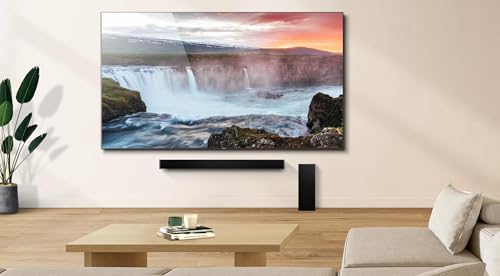
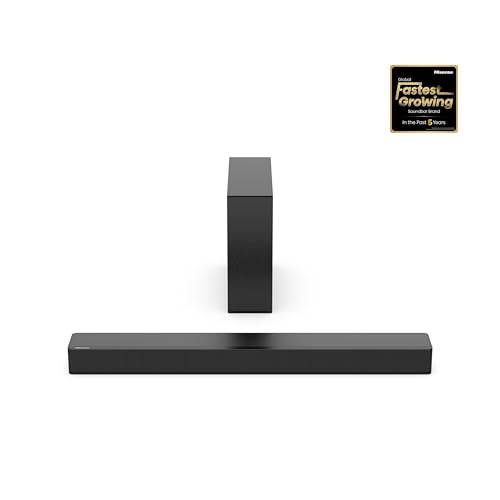
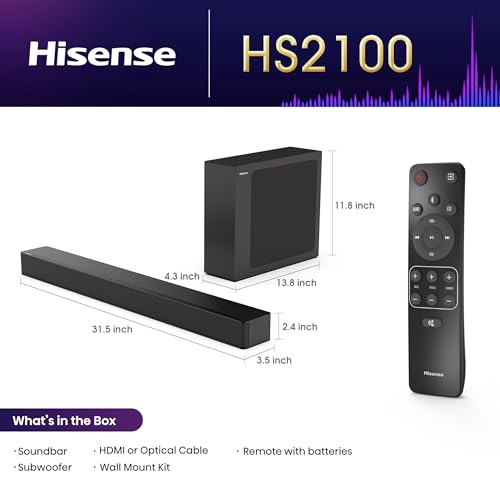
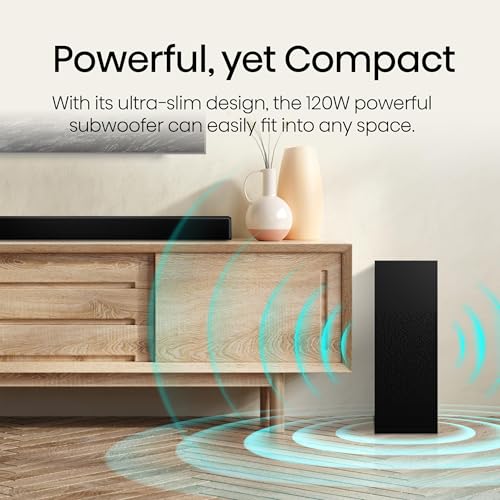
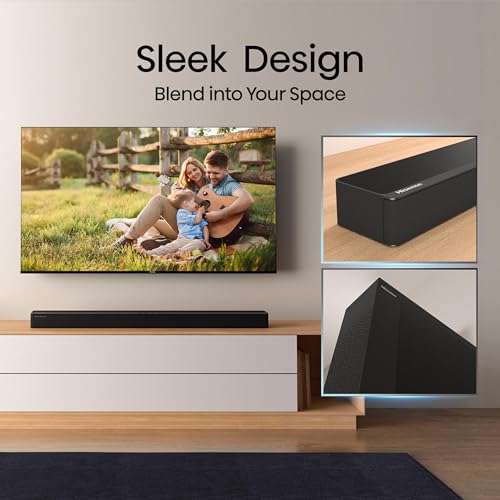
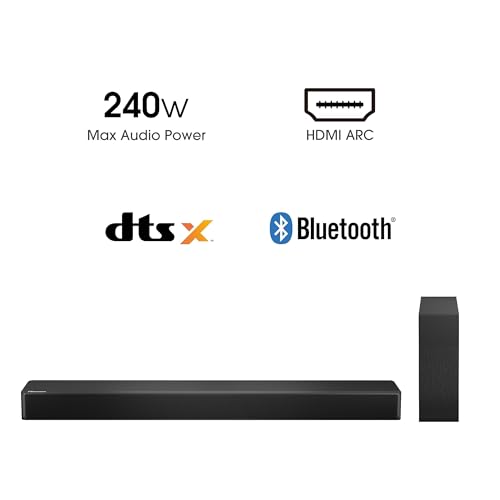
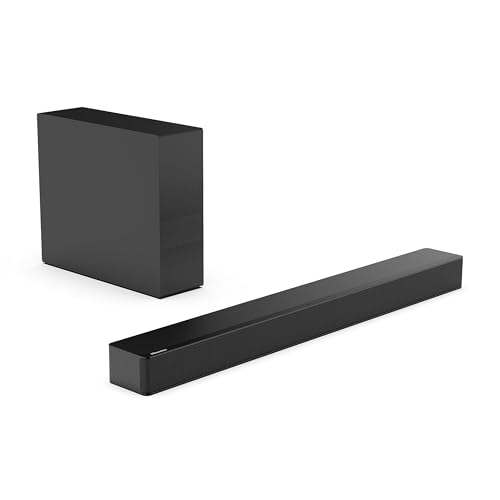
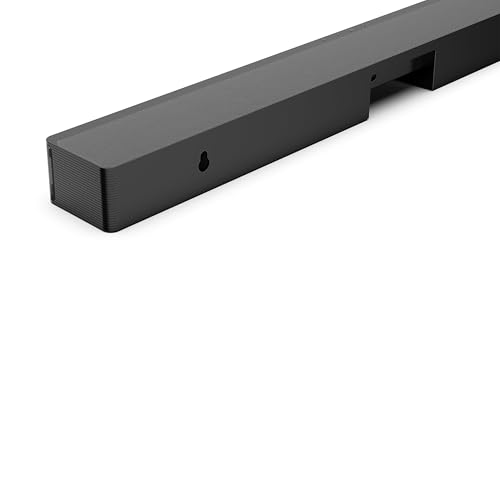
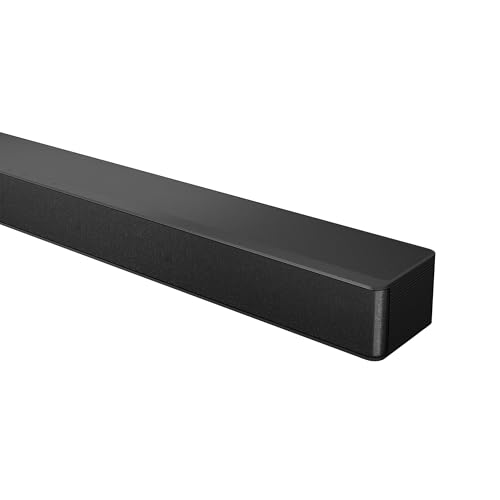
Released in 2022, the Hisense HS2100 represents the "less is more" approach to soundbar design. This 2.1 channel system delivers 240 watts across three drivers—two full-range speakers in the main bar plus a dedicated 120-watt wireless subwoofer. The compact soundbar measures just 31.5 inches wide and 2.4 inches tall, making it nearly invisible beneath most TVs.
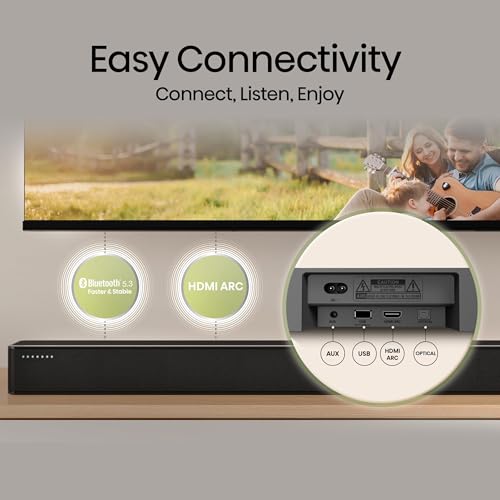
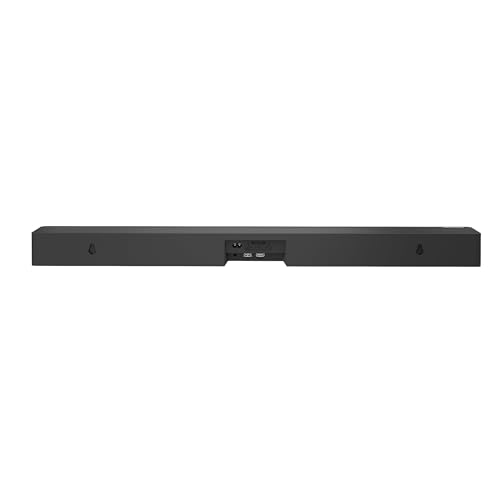
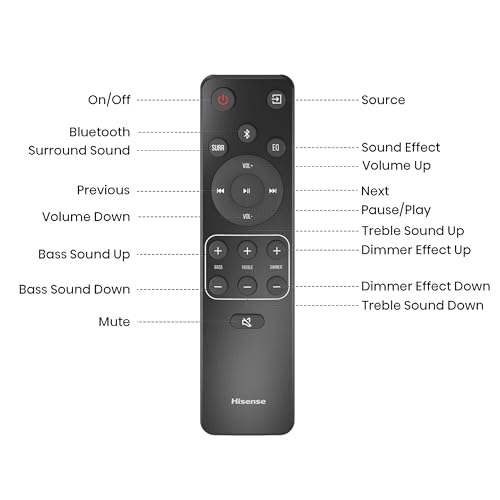
What sets the HS2100 apart is its integration focus. The system is Roku TV Ready, meaning it seamlessly integrates with Roku TV remotes for volume control and power management. This might sound trivial, but anyone who's juggled multiple remotes knows the convenience factor here is substantial. The inclusion of HDMI ARC (Audio Return Channel) simplifies connectivity—one cable handles both audio from your TV and control signals back to the soundbar.
The wireless subwoofer deserves special attention. At 7.49 pounds with a 5.25-inch driver, it's designed for placement flexibility rather than earth-shaking bass. The "ultra-slim" design (just 4.3 inches deep) means it can slide under furniture or against walls where traditional subs won't fit. This addresses one of the biggest complaints about 2.1 systems—subwoofer placement in small spaces.
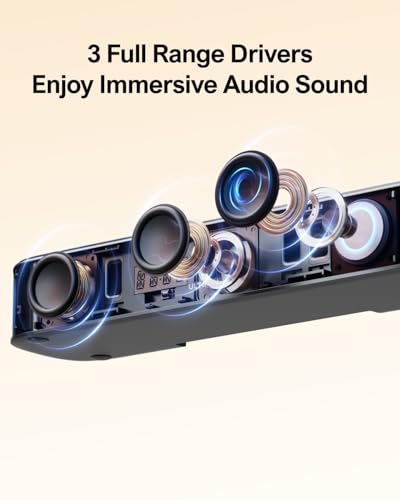
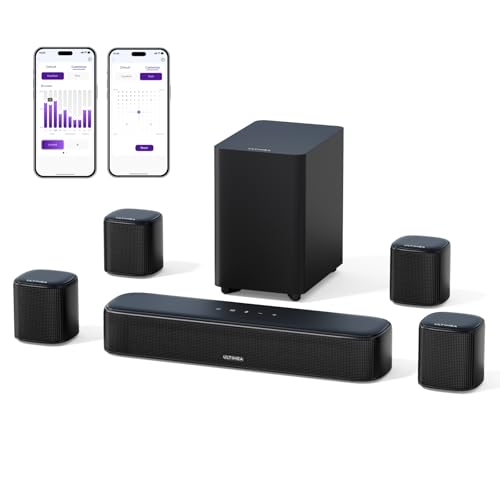
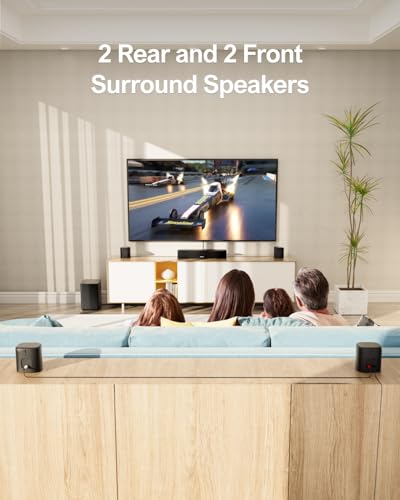
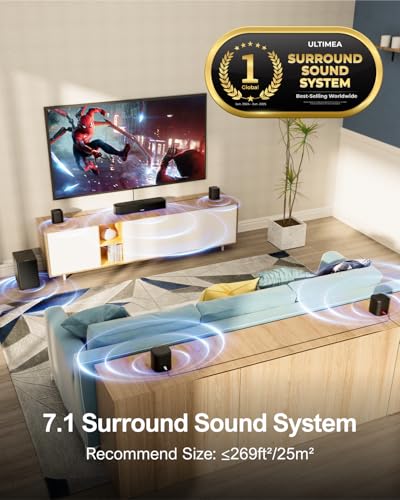
The Ultimea Aura A40, also emerging in the 2022-2023 timeframe, takes a dramatically different approach. This 7.1 virtual surround system includes four separate surround speakers alongside the main soundbar and subwoofer, creating an eight-driver array that delivers 330 watts total power.
Here's where things get interesting technically. The Aura A40 combines genuine surround speakers with proprietary SurroundX and BassMX technologies. SurroundX focuses on soundstage expansion and spatial accuracy, while BassMX optimizes low-frequency response without muddying mid-range clarity. The system includes two front surround speakers connected via 2-meter cables and two rear speakers with 6-meter cables, giving you flexibility in speaker placement.
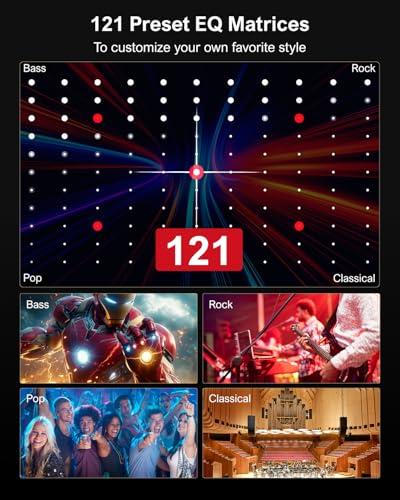
The customization depth is remarkable for this price segment. The ULTIMEA Smart App provides access to 121 preset EQ matrices covering everything from classical to EDM, plus a 10-band equalizer for granular tuning. You can adjust surround levels across 13 different settings, essentially customizing how aggressive or subtle the surround effect feels.
Our research into professional reviews and user feedback reveals clear performance distinctions. The Hisense HS2100 delivers what reviewers consistently describe as "warm" and "balanced" sound. The frequency response extends from 45Hz to 20kHz, providing decent bass extension and good high-frequency clarity. However, measurements show the treble is slightly rolled off, which some users find lacks "sparkle" but others appreciate as non-fatiguing.
The midrange performance particularly shines for dialogue-heavy content. Voice clarity remains strong even during complex movie soundtracks, though the system must downmix surround content to stereo. This downmixing process—where 5.1 or 7.1 source material gets collapsed into two channels—inevitably loses spatial information that discrete surround systems preserve.
The Ultimea Aura A40 approaches audio quality differently. With a frequency response of 65Hz to 18kHz, it doesn't extend quite as low as the HS2100, but the four surround speakers create genuine spatial separation. Professional reviews note that dialogue remains clear and centered while effects and ambient sounds properly localize to their intended positions. The 10-band EQ proves genuinely useful—not just marketing fluff—allowing users to compensate for room acoustics or personal preferences.
Bass response reveals interesting trade-offs between the systems. The HS2100's wireless subwoofer reaches down to 45Hz, capturing most of the fundamental frequencies in movie soundtracks and music. However, user reports suggest the bass can feel "loose" or "boomy" compared to tighter, more controlled systems. The 120-watt subwoofer provides adequate output for small to medium rooms but may struggle in larger spaces.
The Aura A40's wired subwoofer, while not extending quite as low (65Hz), benefits from BassMX processing that provides tighter control and better integration with the main speakers. The bass feels more present and punchy rather than just loud. In music playback, this translates to better rhythm and timing, while movies benefit from more controlled explosions and rumble effects.
This is where the fundamental difference becomes most apparent. The HS2100 relies on DTS Virtual:X processing to create surround effects. This technology uses psychoacoustic principles—basically audio illusions—to make stereo speakers sound like they're coming from multiple directions. It works, but with limitations. The effect is most convincing when you're positioned directly in front of the soundbar, and complex soundtracks can feel compressed or artificial.
The Aura A40's physical surround implementation provides genuine advantages for movie watching and gaming. Helicopter flyovers actually move around the room. Footsteps in games provide accurate directional cues. The adjustable surround levels let you dial in the effect for your room size and personal preference—crucial because overly aggressive surround can make dialogue hard to follow.
Professional reviewers consistently note that while virtual surround has improved dramatically in recent years, it still can't fully replicate the experience of discrete speakers placed around your listening area. The Aura A40 delivers on this promise, though setup complexity increases significantly.
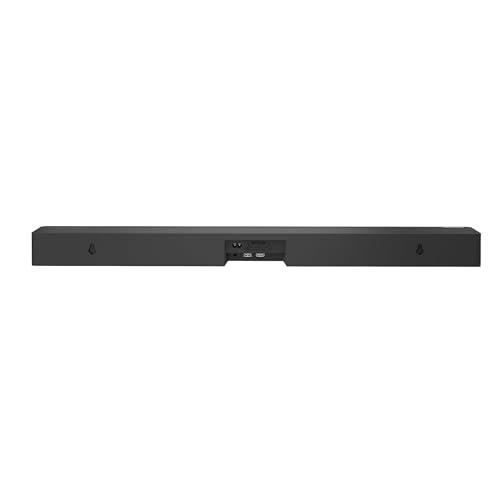
The Hisense HS2100 includes HDMI ARC, which has become increasingly important as TVs phase out traditional audio outputs. HDMI ARC carries digital audio from your TV to the soundbar while enabling control signals to flow back—letting your TV remote control soundbar volume and power. This creates a seamless user experience that many find invaluable.
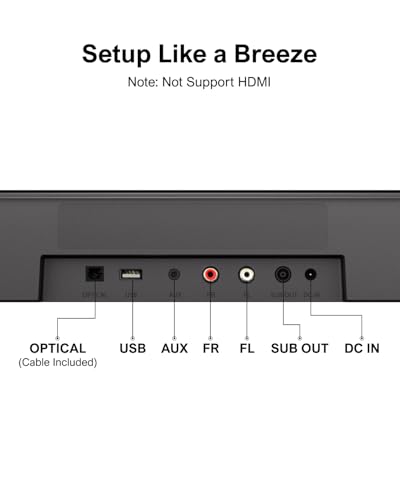
The Ultimea Aura A40 notably lacks HDMI connectivity entirely, relying on optical, AUX, and USB inputs. While optical digital audio provides excellent quality, it doesn't support the bidirectional communication that makes HDMI ARC so convenient. This means more remotes and potentially complicated setup procedures depending on your TV and source devices.
However, the Aura A40 compensates with superior app integration. The ULTIMEA Smart App transforms your smartphone into a comprehensive remote with EQ access, mode switching, and level adjustment. Over-the-air firmware updates ensure the system stays current with improvements and bug fixes.
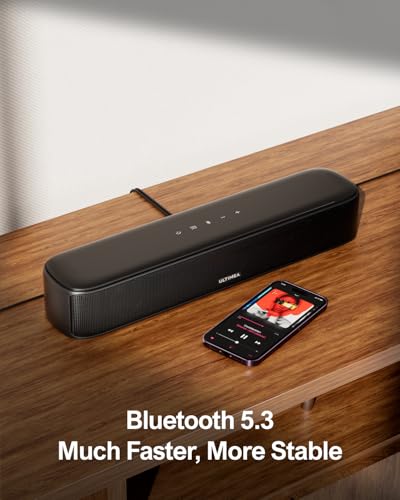
Both systems include Bluetooth 5.3, the latest standard offering improved range, stability, and lower latency compared to older versions. User reports suggest both perform well for music streaming from phones and tablets, with the HS2100 showing slightly lower latency in our research—important for watching videos where audio sync matters.
The HS2100's wireless subwoofer connection has proven reliable in user reports, with automatic pairing and consistent performance. The Aura A40 uses wired connections for all speakers, eliminating potential wireless interference but requiring more careful cable management.
For compact living spaces, the Hisense HS2100 often emerges as the practical choice. The wireless subwoofer can hide under furniture or in corners, while the slim soundbar profile fits under virtually any TV. The integrated Roku TV control eliminates remote clutter—a genuine quality-of-life improvement in small spaces where every surface matters.
The Aura A40 can work in apartments but requires more planning. Four surround speakers need mounting points or shelf space, and the wired connections must be routed carefully. However, for apartment dwellers who prioritize audio quality over convenience, the surround experience can be transformative.
Medium to large rooms reveal where each system excels. The HS2100 can fill most family rooms with adequate volume, but the stereo presentation may feel narrow in wider spaces. The 240-watt output provides sufficient power for typical living room listening, though expect some compression at very high volumes.
The Aura A40 was designed for this scenario. The physical surround speakers create an enveloping soundfield that scales better with room size. The 330-watt power distribution across eight drivers provides more headroom and dynamic range. Movie nights become genuinely more engaging when sound effects properly localize around the room.
Gaming reveals interesting performance characteristics. The HS2100 provides clean, low-latency audio that works well for most gaming scenarios. The virtual surround can help with directional cues in first-person shooters, though it's not as precise as discrete speakers.
The Aura A40 excels in competitive gaming where audio positioning matters. The physical rear speakers provide genuine directional information—crucial for hearing approaching enemies or identifying sound sources. The customizable EQ lets gamers boost certain frequency ranges for competitive advantage.
At the time of writing, the Ultimea Aura A40 typically costs significantly less than the Hisense HS2100 while delivering more raw features and power. This price-to-performance ratio makes the Aura A40 compelling for budget-conscious buyers who want maximum audio impact per dollar spent.
However, value encompasses more than specifications. The HS2100 commands a premium for its integration features, build quality, and user experience refinement. The Roku TV Ready certification, wireless subwoofer convenience, and HDMI ARC connectivity provide tangible benefits that justify the cost difference for many users.
Both systems represent the current state of soundbar technology, incorporating improvements learned from earlier generations. The inclusion of Bluetooth 5.3, advanced DSP processing, and smartphone app integration reflects how manufacturers have responded to user demands for connectivity and customization.
Looking forward, the lack of Dolby Atmos support in both systems may limit future relevance as object-based audio becomes more common in streaming content. However, for current TV and movie content, both provide substantial upgrades over built-in TV speakers.
After extensive research and evaluation, clear usage patterns emerge. The Hisense HS2100 suits users who prioritize simplicity, integration, and space efficiency. If you have a Roku TV, live in a smaller space, or simply want better TV audio without complexity, the HS2100 delivers exactly what you need.
The Ultimea Aura A40 targets users who want maximum audio immersion and don't mind setup complexity. Movie enthusiasts, gamers, and audio tweakers will appreciate the genuine surround sound and extensive customization options. The value proposition is undeniable if you can work within its connectivity limitations.
My recommendation leans toward the Aura A40 for most users. The surround sound experience provides such a dramatic improvement over stereo that it outweighs the setup hassles and HDMI limitations. However, the HS2100 remains the smarter choice for anyone prioritizing convenience and integration over raw audio performance.
Both systems represent solid engineering for their respective approaches. Your choice should align with your priorities: elegant simplicity with the HS2100, or immersive surround sound value with the Aura A40.
| Hisense HS2100 | Ultimea Aura A40 |
|---|---|
| Channel Configuration - Determines surround sound capability and immersion level | |
| 2.1 channel (stereo + subwoofer) | 7.1 channel virtual surround with 4 physical surround speakers |
| Total Power Output - Affects maximum volume and dynamic range | |
| 240W (60W × 2 soundbar, 120W subwoofer) | 330W across 8 drivers (37% more power) |
| Frequency Response - Shows bass extension and treble reach | |
| 45Hz - 20kHz (deeper bass extension) | 65Hz - 18kHz (higher bass cutoff but still adequate) |
| Surround Sound Technology - Critical for movie and gaming immersion | |
| DTS Virtual:X (simulated surround from stereo speakers) | SurroundX with 4 physical surround speakers (genuine 360° audio) |
| Connectivity Options - Determines compatibility with modern TVs and devices | |
| HDMI ARC, Optical, AUX, USB, Bluetooth 5.3 | Optical, AUX, USB, Bluetooth 5.3 (no HDMI support) |
| TV Integration Features - Simplifies daily use and reduces remote clutter | |
| Roku TV Ready, HDMI ARC with CEC control | ULTIMEA Smart App control, no TV remote integration |
| Audio Customization - Allows fine-tuning for room and personal preferences | |
| 6 preset modes, basic bass/treble adjustment | 10-band EQ, 121 preset matrices, 13 surround levels |
| Physical Setup Requirements - Impacts installation complexity and space needs | |
| Wireless subwoofer, minimal cables | 4 wired surround speakers with 2m-6m cables required |
| Soundbar Dimensions - Affects TV compatibility and aesthetic integration | |
| 31.5" × 2.4" × 3.5" (ultra-slim profile) | 15.7" × 2.6" × 3.9" (more compact main bar) |
| Smart Features - Modern conveniences and future-proofing | |
| Auto power on/off, TV mode optimization | OTA firmware updates, comprehensive app control |
The Ultimea Aura A40 is significantly better for movies due to its genuine 7.1 surround sound with four physical speakers that create true directional audio. Movie effects like helicopters flying overhead or footsteps moving around the room sound realistic and immersive. The Hisense HS2100 uses virtual surround processing which works but can't match the spatial accuracy of discrete speakers. For TV shows and dialogue-heavy content, both perform well, though the HS2100 has a slight edge in voice clarity.
A 2.1 channel system like the Hisense HS2100 has two main speakers plus a subwoofer, creating stereo sound with bass enhancement. A 7.1 system like the Ultimea Aura A40 includes seven speakers positioned around your listening area plus a subwoofer, delivering true surround sound where audio comes from multiple directions. The Aura A40 provides much more immersive audio for movies and gaming, while the HS2100 offers simpler setup and operation.
The Hisense HS2100 is much easier to set up with its wireless subwoofer and single soundbar unit. You simply connect one cable to your TV and place the subwoofer anywhere in the room. The Ultimea Aura A40 requires mounting or placing four surround speakers around your room and running cables up to 6 meters long. Setup time for the HS2100 is about 10 minutes compared to 30-60 minutes for the Aura A40.
Only the Hisense HS2100 supports HDMI ARC, which provides the best connection to modern TVs with single-cable simplicity and remote control integration. The Ultimea Aura A40 lacks HDMI entirely and connects via optical, AUX, or USB inputs. This means you'll need to use your TV's optical output and may need separate remotes for volume control with the Aura A40.
The Ultimea Aura A40 typically costs less while delivering 37% more power (330W vs 240W) and genuine surround sound with eight speakers. You get significantly more audio hardware and features per dollar spent. However, the Hisense HS2100 offers better value if you prioritize convenience, HDMI connectivity, and simplified setup over raw audio performance.
The Hisense HS2100 works seamlessly with Roku TV remotes and supports HDMI ARC control from most modern TV remotes. The Ultimea Aura A40 requires its own remote for most functions, though it includes a comprehensive smartphone app for advanced control. If unified remote control is important to you, the HS2100 provides a much better experience.
The Hisense HS2100 works better in small spaces due to its compact wireless subwoofer and single soundbar design. The ultra-slim subwoofer fits under furniture easily. The Ultimea Aura A40 requires space for four surround speakers and cable management, which can be challenging in cramped apartments. However, if you can accommodate the speakers, the Aura A40 delivers superior surround sound even in smaller rooms.
Both soundbars include Bluetooth 5.3 for wireless music streaming from phones and tablets. The Ultimea Aura A40 offers superior music customization with its 10-band equalizer and 121 preset modes for different genres. The Hisense HS2100 provides good stereo music playback with deeper bass extension but less tweaking options. For serious music listening, the Aura A40's extensive EQ capabilities give it an advantage.
The Ultimea Aura A40 delivers more total power at 330 watts compared to the Hisense HS2100's 240 watts, making it capable of higher volume levels. However, the HS2100 extends deeper into bass frequencies (45Hz vs 65Hz) for more impactful low-end response. The Aura A40 compensates with tighter, more controlled bass thanks to its BassMX processing technology.
The Ultimea Aura A40 excels for gaming with its genuine surround speakers providing accurate directional audio cues crucial for competitive gaming. You can pinpoint enemy locations and environmental sounds precisely. The Hisense HS2100 works well for casual gaming with low latency and clear audio, but virtual surround can't match the spatial accuracy of the Aura A40's physical speakers for serious gaming.
The Hisense HS2100 supports Dolby Digital, Dolby Digital Plus, DTS Virtual:X, and PCM formats through its HDMI and optical inputs. The Ultimea Aura A40 handles standard audio formats through optical and USB inputs but lacks HDMI format support. Both work with common streaming and TV audio, though the HS2100 offers broader format compatibility due to HDMI ARC.
Choose the Ultimea Aura A40 if you want genuine surround sound immersion and don't mind the setup complexity. Its four surround speakers create a true theater experience that makes movies and shows significantly more engaging. Pick the Hisense HS2100 if you prioritize simplicity, have a Roku TV, or live in a space where multiple speakers aren't practical. The HS2100 still provides a major upgrade over TV speakers with much easier installation.
We've done our best to create useful and informative comparisons to help you decide what product to buy. Our research uses advanced automated methods to create this comparison and perfection is not possible - please contact us for corrections or questions. These are the sites we've researched in the creation of this article: rtings.com - shop.hisense-usa.com - bestbuy.com - content.syndigo.com - bestbuy.com - hisensedealers.co.ke - stuff.co.za - dtc-aus-api.hisense.com - youtube.com - manuals.plus - youtube.com - bestbuy.com - youtube.com - gallifurniture.com - hisense-usa.com - manuals.plus - uk.hisense.com - device.report - youtube.com - costco.ca - elmcreekwsa.com - gallifurniture.com - walmart.com - newegg.com - youtube.com - ultimea.com - youtube.com - device.report - ultimea.co - manuals.plus - homestudiobasics.com - youtube.com - bestbuy.com - community.ultimea.com - manuals.plus - eu.ultimea.com - navesapeugeot.com.br - bestbuy.com - images.thdstatic.com - provantage.com - ultimea.com - bestbuy.com

Privacy Policy
Terms and Conditions - Affiliate Policy
Home Security
© Copyright 2008-2026.
11816 Inwood Rd #1211, Dallas, TX 75244