



When your TV's built-in speakers leave you straining to hear dialogue or missing the rumble of explosions, a 2.1-channel soundbar can transform your viewing experience. These systems pair a main soundbar with a wireless subwoofer to deliver the kind of audio impact that flat-panel TVs simply can't match. But with options ranging from budget-friendly to premium, choosing the right one requires understanding what you're really paying for.
The Hisense HS2100 and Yamaha SR-B40A represent two compelling but very different approaches to the 2.1 soundbar category. Released in 2023 and 2024 respectively, these systems showcase how far budget audio has come while highlighting the meaningful differences between value-focused and performance-oriented designs.
Before diving into specifics, it's worth understanding what makes 2.1-channel soundbars the sweet spot for many home theater enthusiasts. The "2.1" designation refers to two main channels (left and right) plus a dedicated subwoofer channel (the ".1"). This configuration delivers several key advantages over TV speakers: wider soundstage, clearer dialogue separation, and most importantly, proper bass response.
The wireless subwoofer component deserves special attention. Unlike the tiny drivers crammed into modern TVs, a dedicated subwoofer can move the air volume needed for impactful low-frequency effects. When explosions rumble or music thumps, you feel it as much as hear it. This physical presence transforms how you experience everything from action movies to sporting events.
Modern 2.1 soundbars also incorporate sophisticated audio processing. Technologies like Dolby Atmos and DTS Virtual:X use psychoacoustic tricks to create the illusion of sound coming from above and around you, even with just two main speakers. However, the effectiveness of these virtual surround technologies varies dramatically between budget and premium models.
The Hisense HS2100 positions itself as an entry-level solution for viewers making their first upgrade from TV speakers. At the time of writing, it typically costs less than half the price of the Yamaha SR-B40A, making it accessible to budget-conscious consumers who still want meaningful audio improvement.
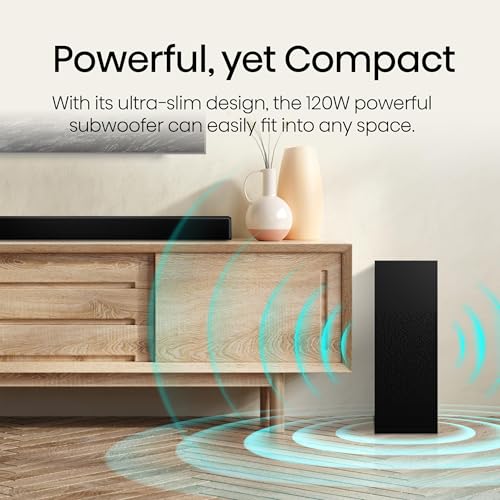
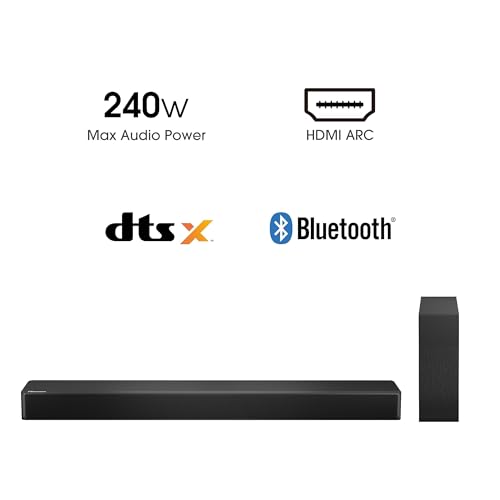
Hisense has engineered the HS2100 around a warm, bass-forward sound signature that immediately impresses users coming from thin TV audio. The system delivers 240W of total power—120W from the main bar and 120W from the wireless subwoofer. While these numbers represent theoretical maximums rather than sustained output, they indicate a system capable of filling small to medium-sized rooms with authority.
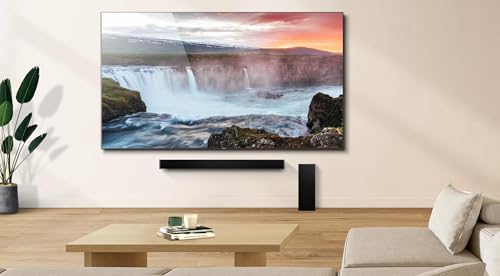
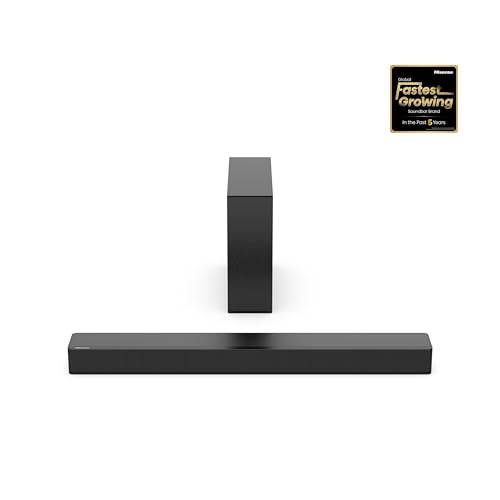
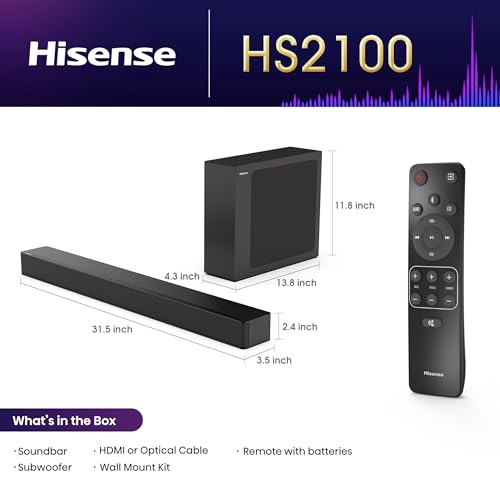
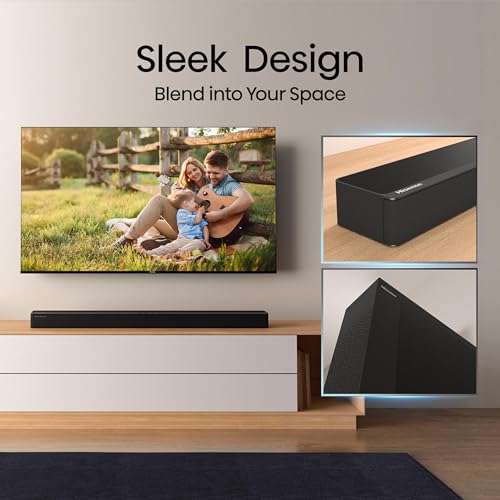
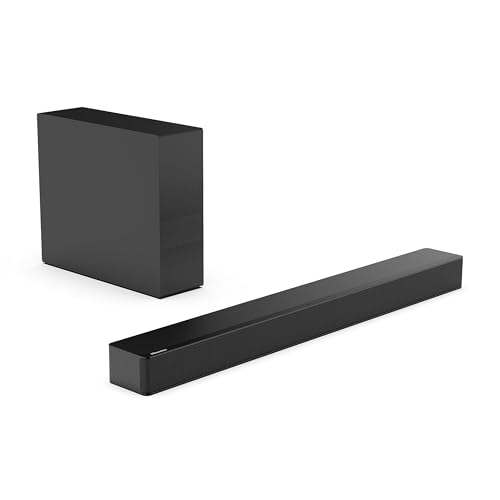
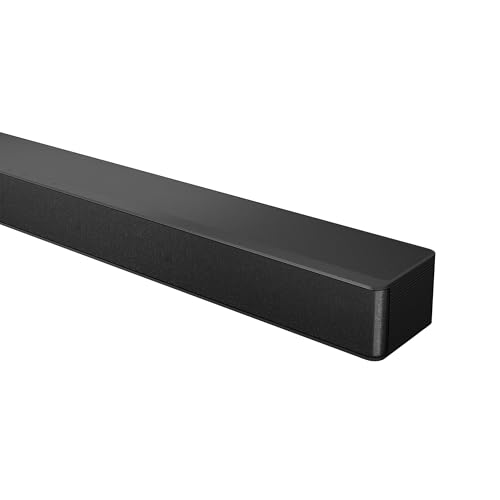
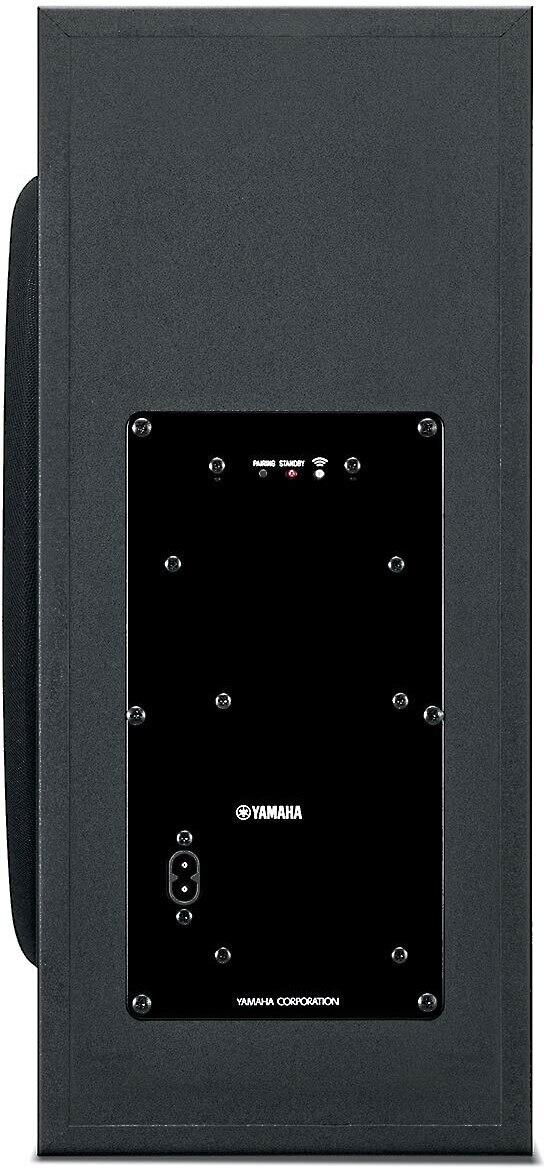
The soundbar itself measures 31.5 inches wide, making it suitable for TVs from 40 inches and up. Its low-profile design won't block your TV screen, and the wireless subwoofer's ultra-slim 4.3-inch depth allows placement in tight spaces—under furniture, against walls, or in entertainment center cubbies where traditional subwoofers won't fit.
One standout feature is the Hisense HS2100's inclusion of DTS Virtual:X processing. This technology analyzes incoming audio and applies spatial processing to create the impression of height and surround effects. While not as sophisticated as true object-based audio formats, Virtual:X provides a noticeable expansion of the soundstage compared to basic stereo reproduction.
The system offers six EQ presets: Movie, Music, News, Sport, Game, and Night modes. Each preset tailors the frequency response for specific content types. Movie mode enhances bass and surround effects, Music mode balances midrange clarity with bass impact, and Night mode compresses dynamic range for late-evening viewing without disturbing others. This level of customization is impressive at this price point.
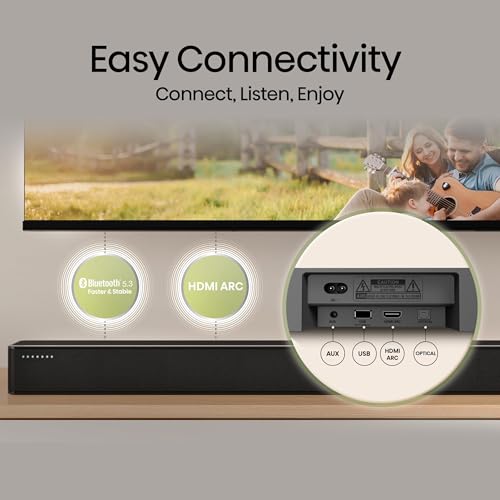
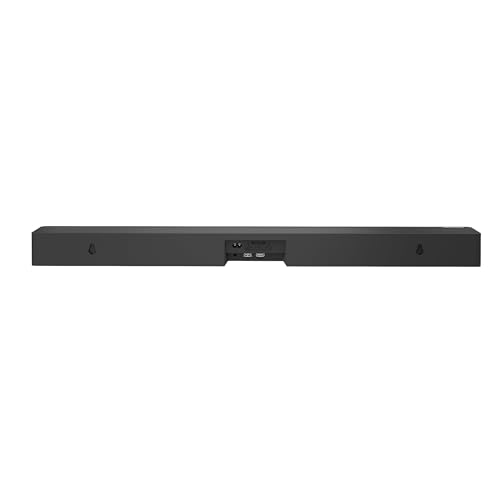
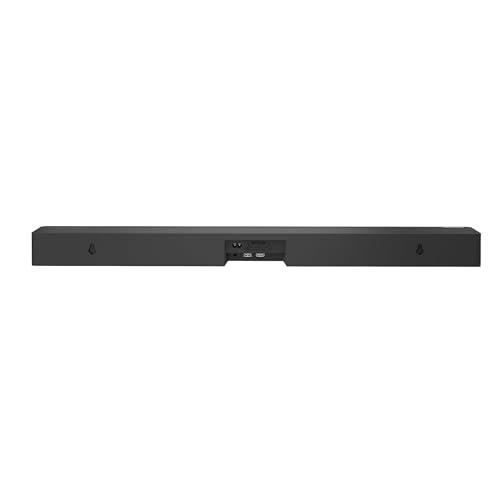
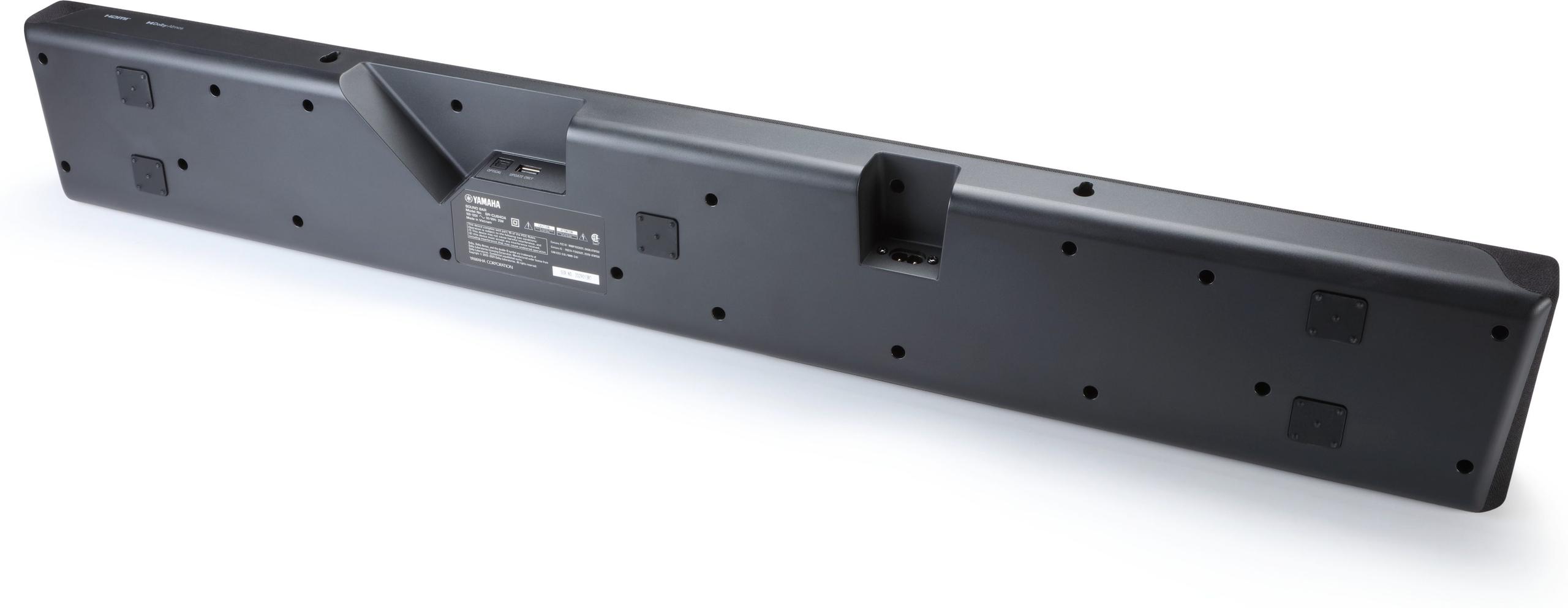
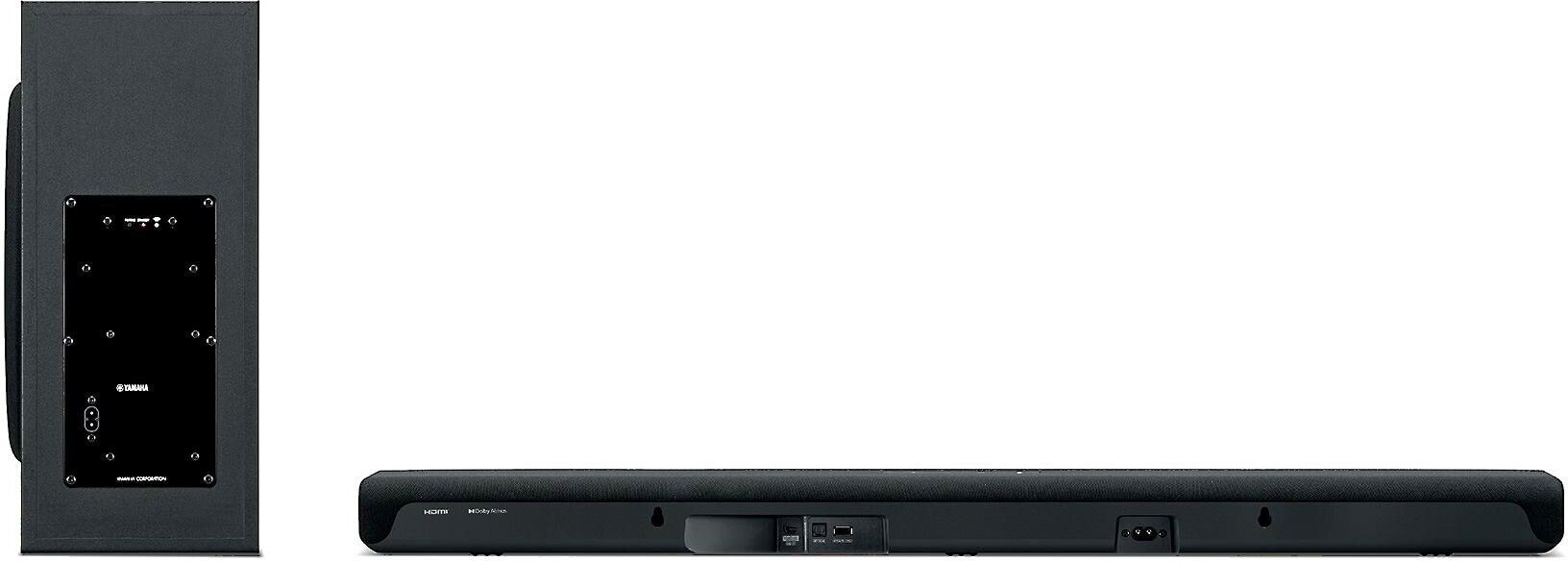
Connectivity options include HDMI eARC (Enhanced Audio Return Channel), optical digital input, 3.5mm auxiliary input, USB for local media playback, and Bluetooth 5.3 for wireless music streaming. The HDMI eARC connection is particularly valuable—it allows your TV remote to control the soundbar's volume and power, simplifying daily use.
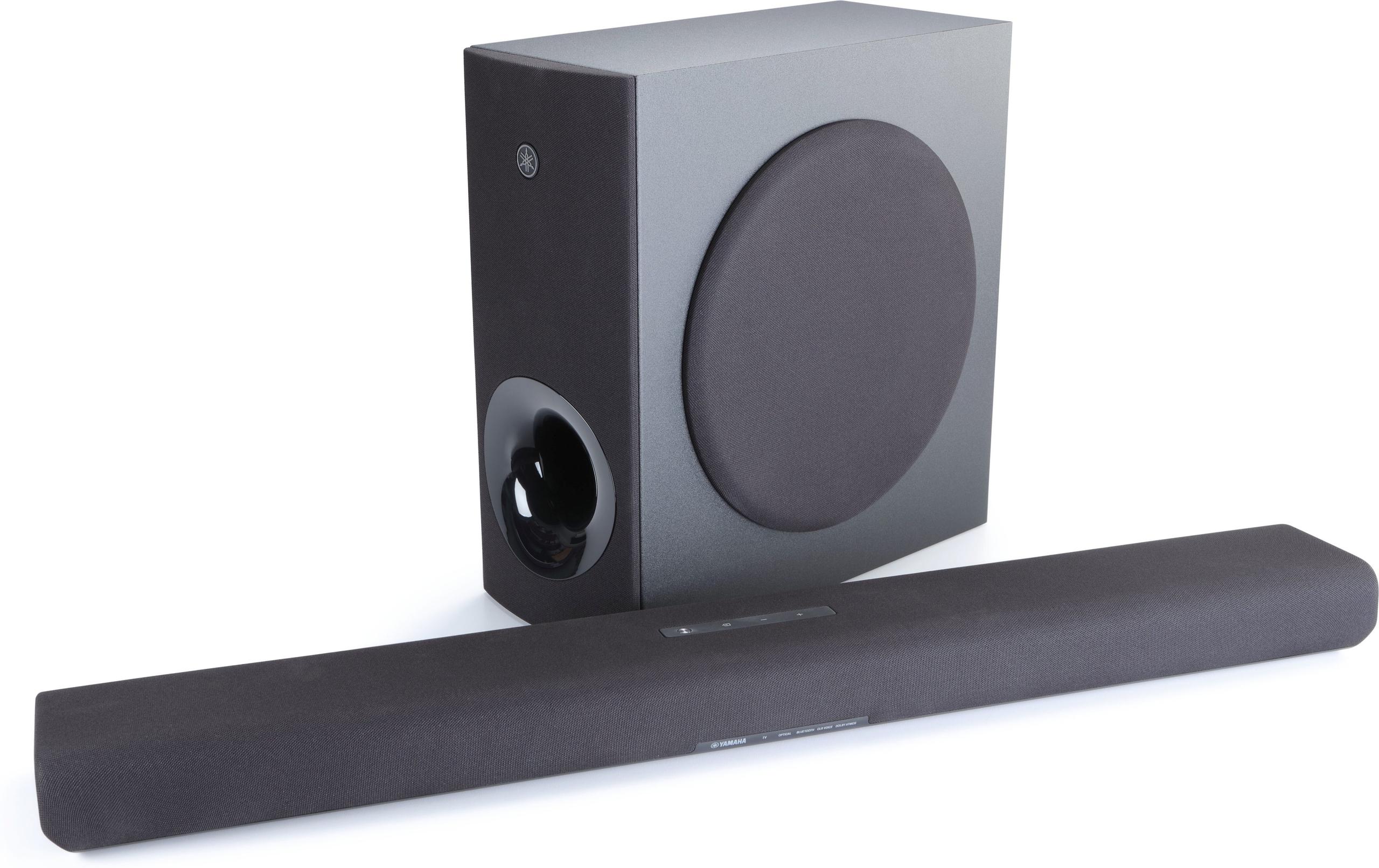
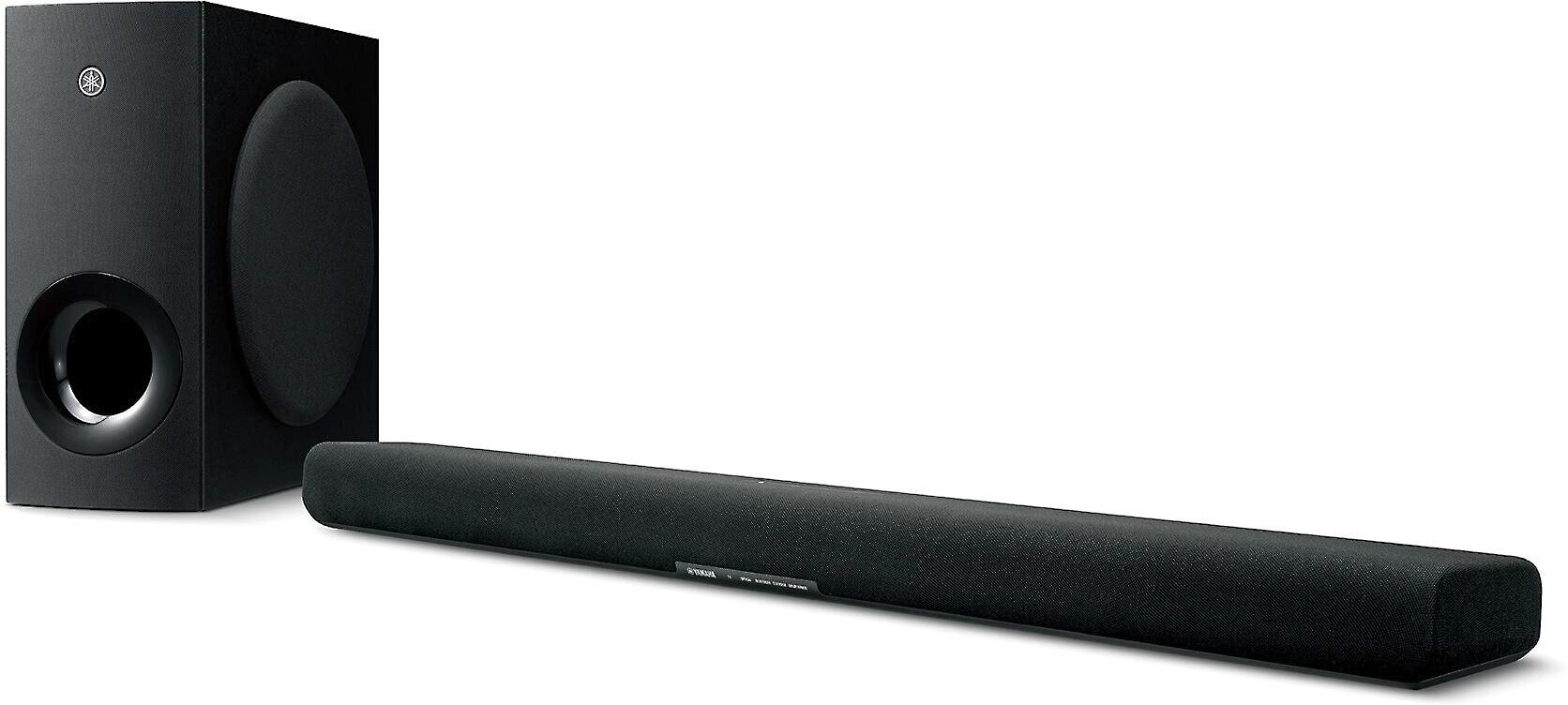
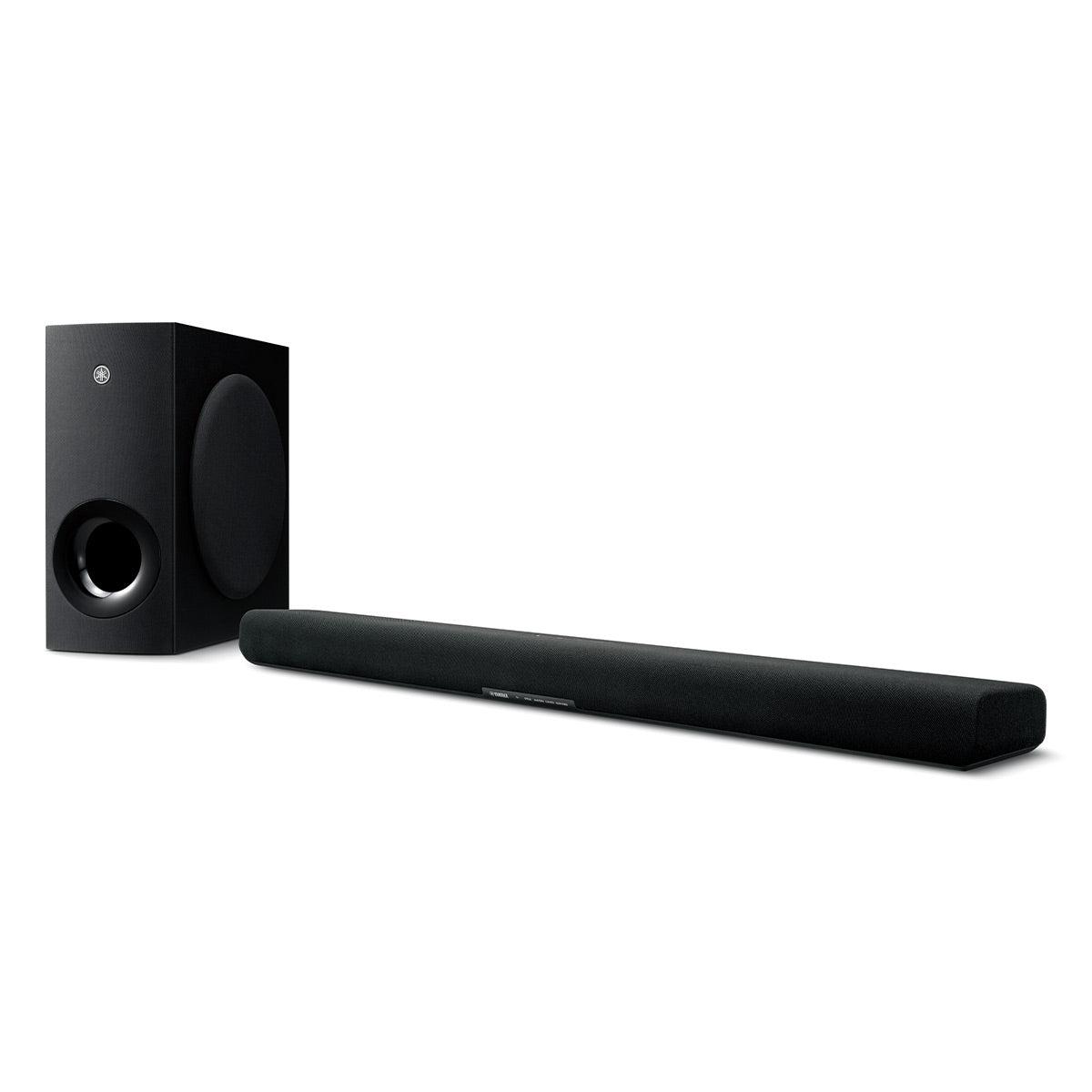
The Yamaha SR-B40A takes a fundamentally different approach, prioritizing sound quality and advanced features over aggressive pricing. Released in 2024, it incorporates Yamaha's decades of audio engineering expertise into a relatively compact package.
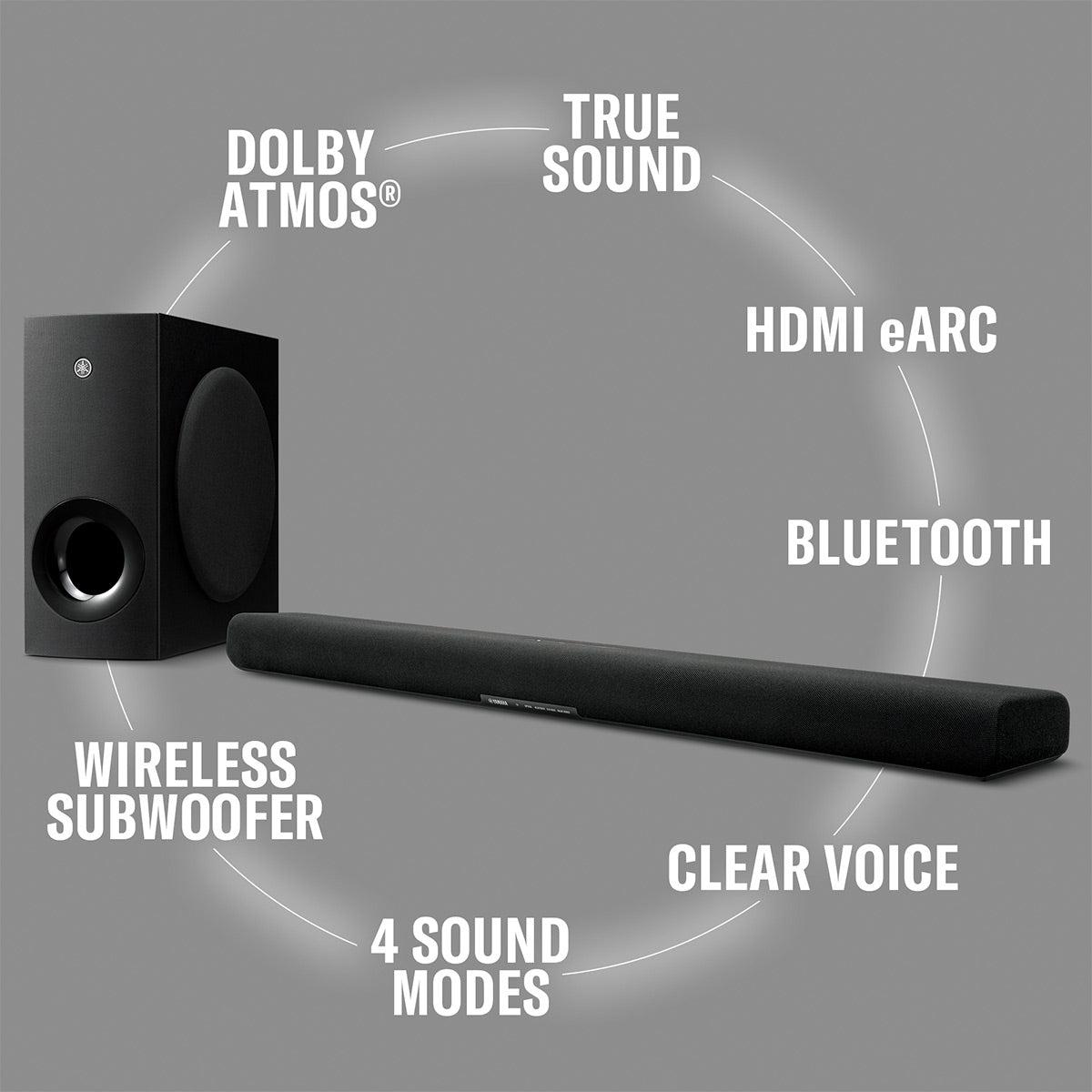
What immediately sets the SR-B40A apart is its support for Dolby Atmos—the current gold standard for immersive audio. Unlike the virtual processing in budget soundbars, Dolby Atmos uses object-based audio encoding to precisely position sounds in three-dimensional space. When helicopters fly overhead or rain falls around characters, Atmos creates convincing spatial audio even from a 2.1 system.
Yamaha achieves this through careful driver placement and sophisticated digital signal processing. The SR-B40A includes dedicated up-firing elements that bounce sound off your ceiling to create height effects. This approach works best in rooms with 8-10 foot ceilings and minimal acoustic treatment, but when conditions align, the effect can be surprisingly convincing.
The system's 200W total output might seem lower than the Hisense's 240W rating, but raw power numbers tell only part of the story. Yamaha's True Sound engineering philosophy emphasizes efficiency and control over pure volume. The result is cleaner dynamics, less distortion at high volumes, and better performance in larger rooms despite the lower power rating.
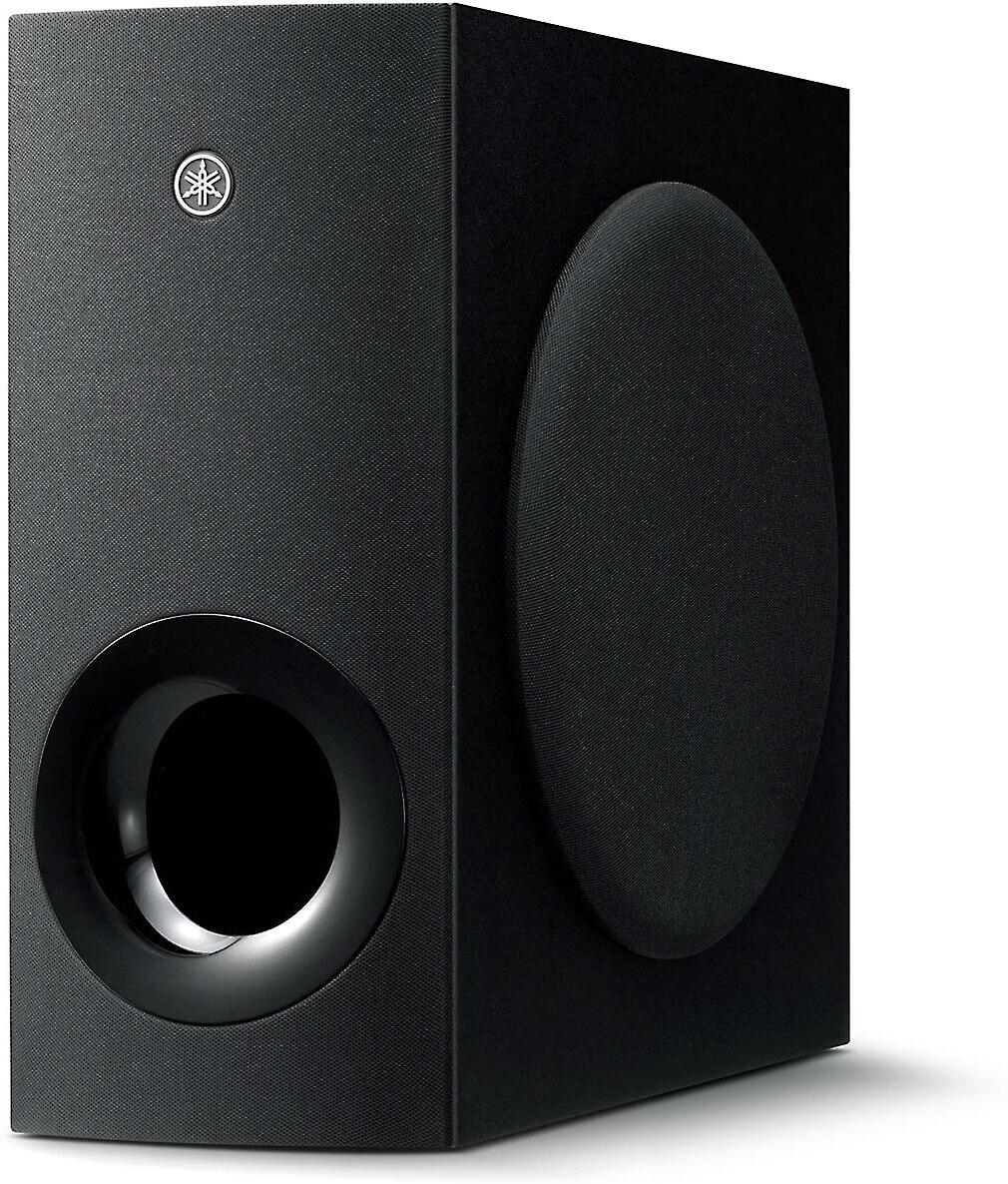
Build quality represents another key differentiator. Where the Hisense HS2100 uses primarily plastic construction to hit its price target, the Yamaha SR-B40A incorporates more premium materials and refined industrial design. The acoustic engineering is more sophisticated as well—the 6.25-inch subwoofer driver in the SR-B40A delivers tighter, more controlled bass compared to the somewhat boomy character of budget alternatives.
Our research into professional reviews and user feedback reveals clear performance distinctions between these systems. The Hisense HS2100 delivers what most describe as a "warm" sound signature—slightly elevated bass with smooth midrange reproduction and gently rolled-off treble. This tuning flatters most content and avoids the harshness that can plague budget audio products.
However, critical listening reveals limitations. The frequency response shows gaps in the deepest bass frequencies, meaning you'll feel impact from explosions and music but miss the rumbling low-end that premium systems provide. The treble response lacks the airiness and detail that bring out subtle audio cues in complex mixes.
The Yamaha SR-B40A takes a more neutral approach that reveals greater detail across the frequency spectrum. Dialogue emerges with better clarity, especially in complex scenes where background music and effects compete for attention. The bass response extends deeper and sounds tighter, avoiding the somewhat bloated character that some users note with the Hisense.
Clear dialogue reproduction ranks among the most important soundbar capabilities, and both systems address this challenge differently. The Hisense HS2100 includes a dedicated News mode that boosts vocal frequencies, making it easier to follow conversations in TV shows and movies. This approach works well for straightforward content but can struggle when dialogue competes with complex audio mixes.
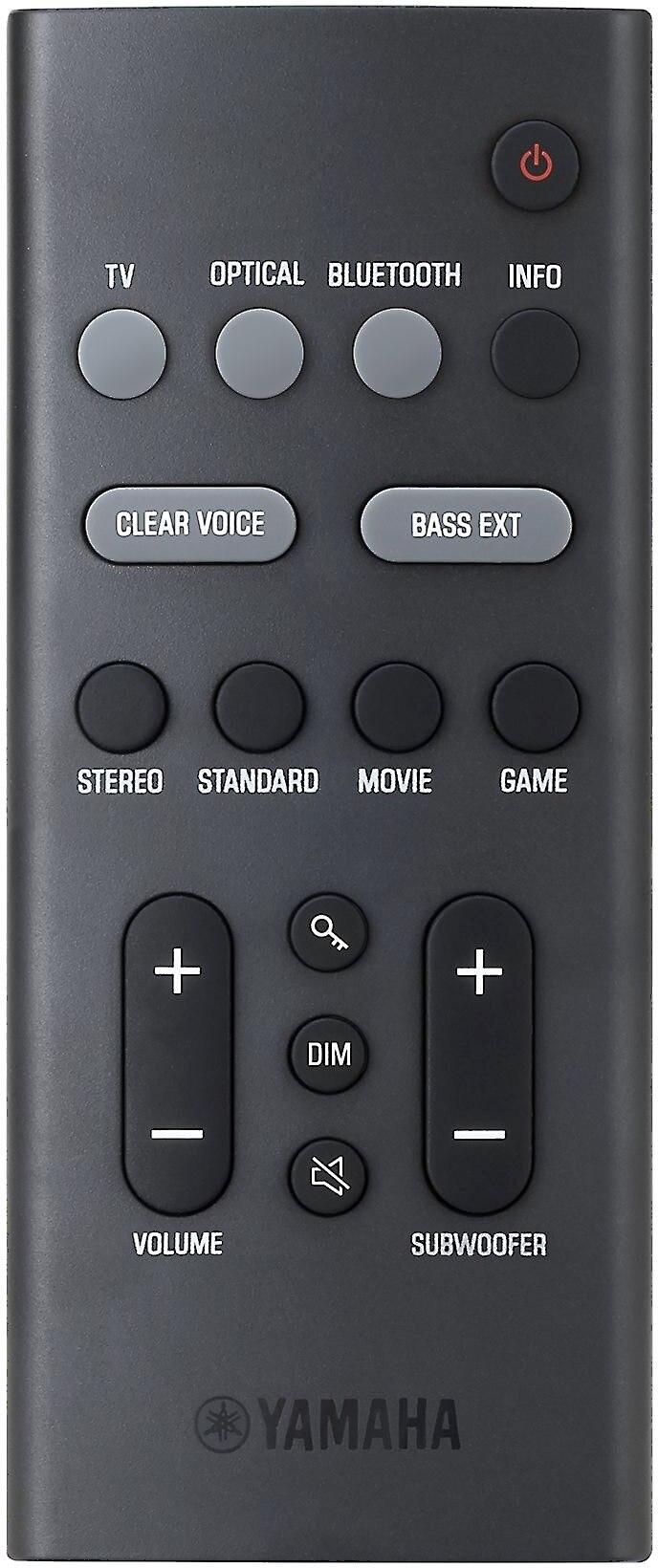
The Yamaha SR-B40A employs more sophisticated processing through its Clear Voice technology. This feature actively analyzes incoming audio to identify and enhance speech frequencies while suppressing competing elements. The difference becomes apparent in challenging content—action movies with bombastic soundtracks, or Netflix shows known for buried dialogue. Users consistently report better speech intelligibility with the Yamaha, particularly at moderate volume levels.
Virtual surround processing represents one area where the price difference becomes immediately apparent. The Hisense HS2100's DTS Virtual:X creates a modest expansion of the soundstage, making audio feel slightly wider than the physical soundbar. However, the effect remains subtle and works best with specific content types.
The Yamaha SR-B40A's Dolby Atmos implementation delivers significantly more convincing spatial effects. Modern streaming content on Netflix, Disney+, and Apple TV+ increasingly includes Atmos encoding, and the SR-B40A can properly decode and render these soundtracks. The difference is particularly noticeable in nature documentaries, action films, and any content where atmospheric audio plays a key role.
Both systems include wireless subwoofers, but their approaches differ substantially. The Hisense HS2100 prioritizes placement flexibility with its ultra-thin subwoofer design. The 5.25-inch driver produces satisfying impact for movies and music, though some users describe the bass as "boomy"—present and powerful but lacking precision.
The Yamaha SR-B40A's subwoofer takes up more space but delivers superior acoustic performance. The larger 6.25-inch driver moves more air with better control, resulting in bass that integrates more seamlessly with the main soundbar. This becomes especially important for music listening, where tight, accurate bass response enhances rather than overwhelms the overall presentation.
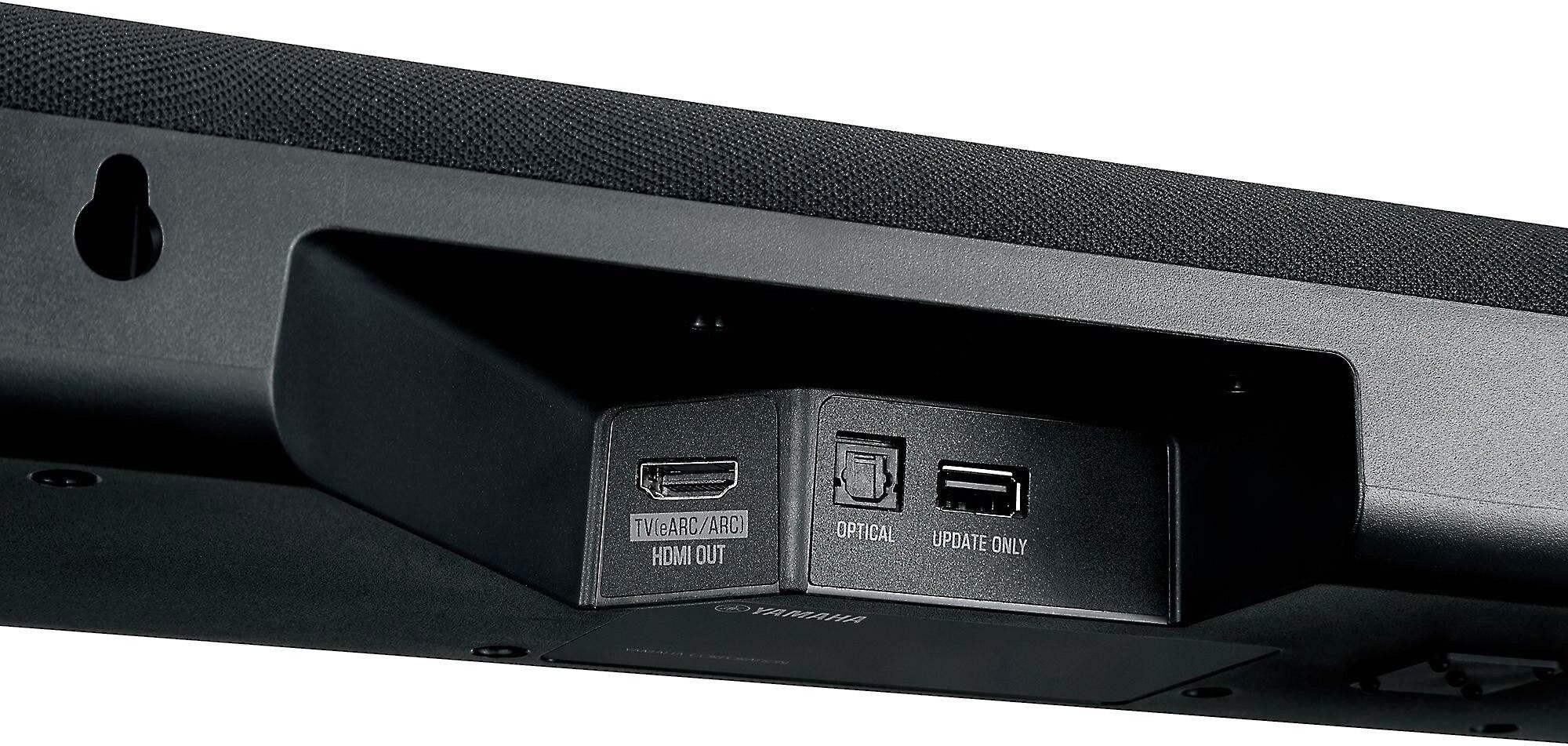
Both soundbars include the connectivity options most users need, but with subtle differences that matter in daily use. HDMI eARC support ensures compatibility with modern TVs and enables single-remote control—a convenience that can't be overstated for family-friendly setups.
The Hisense HS2100 includes USB connectivity for local media playback, a feature the Yamaha omits. This might matter if you have a collection of music files stored on flash drives, though streaming services have largely replaced this use case for most consumers.
Bluetooth connectivity appears on both systems, but implementation quality varies. The Hisense uses Bluetooth 5.3—a newer standard that provides better range and stability for wireless music streaming. The Yamaha includes Bluetooth 5.1, which still delivers reliable performance for most applications.
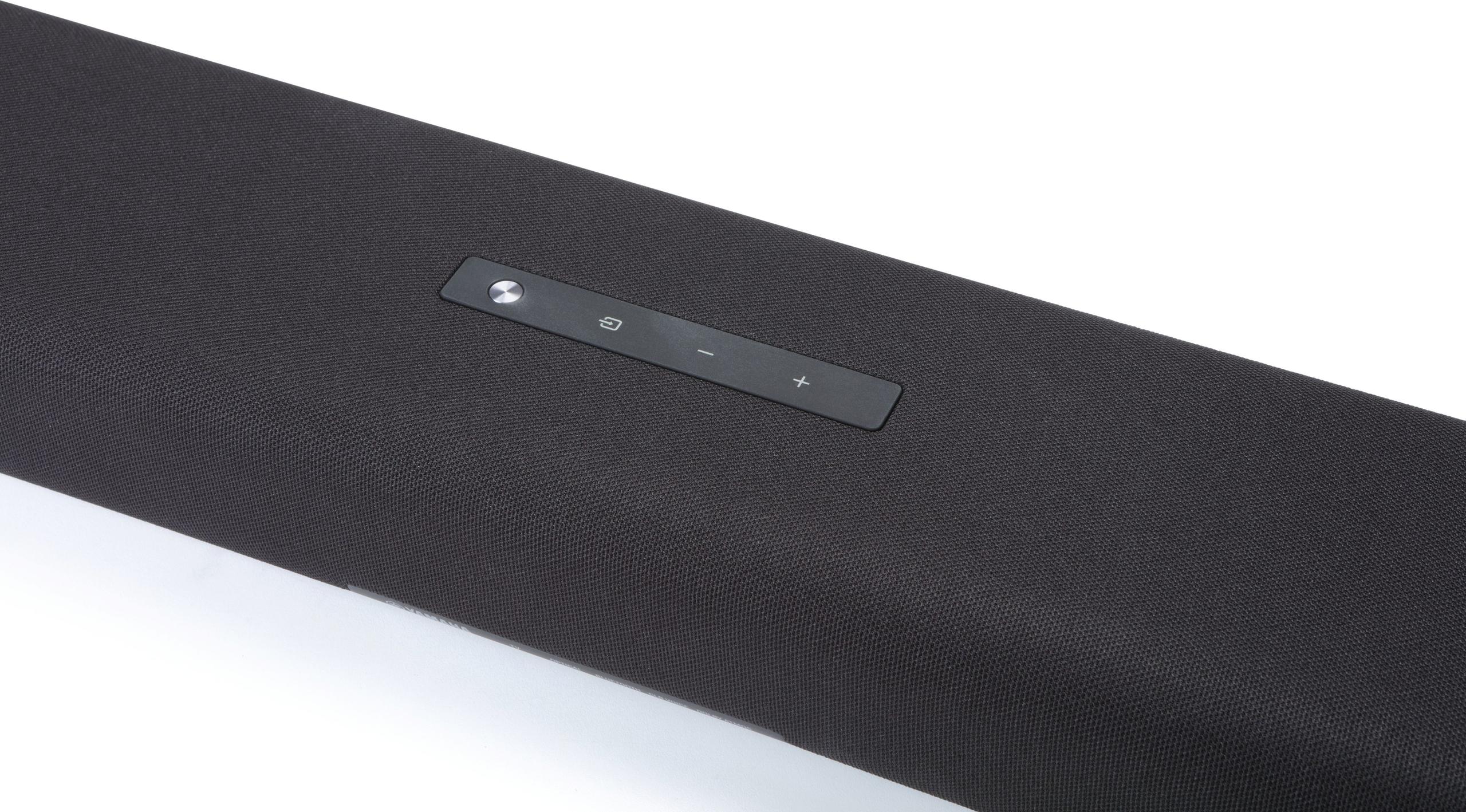
The Yamaha SR-B40A distinguishes itself with more sophisticated app integration. Yamaha's Sound Bar Remote app provides detailed control over EQ settings, sound modes, and system configuration. This level of customization appeals to users who want to fine-tune their audio experience rather than relying solely on preset modes.
Physical construction quality represents another area where price differences become apparent. The Hisense HS2100 uses primarily plastic construction to achieve its aggressive pricing, resulting in a lightweight but somewhat generic appearance. The build quality feels solid for the price point, though it lacks the premium materials found in more expensive alternatives.
The Yamaha SR-B40A incorporates higher-quality materials and more refined industrial design. The difference isn't just aesthetic—better internal construction typically translates to improved long-term reliability and consistent performance over years of use.
At the time of writing, the Hisense HS2100 typically costs less than half the price of the Yamaha SR-B40A. This price difference raises an important question: what exactly are you paying extra for with the premium option?
The additional cost buys you several meaningful improvements: better overall sound quality, more sophisticated surround processing, superior dialogue clarity, tighter bass response, and more advanced features. However, these improvements come at a steep price premium that may not make sense for all users.
For budget-conscious consumers making their first upgrade from TV speakers, the Hisense HS2100 delivers remarkable value. The improvement over built-in TV audio is dramatic and immediately apparent. Most users in this category will remain satisfied with the performance for years.
The Yamaha SR-B40A makes more sense for users who prioritize audio quality and plan to keep their soundbar for many years. The superior performance becomes more apparent over time, particularly as streaming services continue improving their audio quality and more content becomes available in Dolby Atmos format.
You're making your first soundbar purchase and want maximum impact for minimum investment. The HS2100 excels in small to medium-sized rooms where its warm sound signature and adequate bass response will satisfy most listeners. It's particularly well-suited for users who primarily watch TV shows, news, and casual movies rather than demanding themselves with reference-quality audio.
The ultra-slim subwoofer design makes the Hisense ideal for apartment dwellers or anyone with space constraints. If you need a soundbar that disappears into your room's aesthetics while still delivering substantially better audio than TV speakers, this system delivers.
Budget-conscious families will appreciate the HS2100's straightforward operation and robust connectivity options. The inclusion of USB playback and extensive EQ presets provides flexibility without overwhelming casual users with complexity.
You're willing to invest in superior long-term performance and want a soundbar that won't feel obsolete as audio technology continues advancing. The SR-B40A's Dolby Atmos support ensures compatibility with current and future content, while its superior dialogue processing makes it particularly valuable for movie enthusiasts.
Users with larger rooms or those who frequently entertain will benefit from the Yamaha's better dynamics and room-filling capability. Despite its lower power rating, the system delivers more convincing performance in challenging acoustic environments.
If audio quality ranks high on your priority list—whether for movies, music, or gaming—the SR-B40A justifies its premium pricing through consistently better performance across all content types.
Both the Hisense HS2100 and Yamaha SR-B40A succeed in their respective market positions. The Hisense proves that budget doesn't have to mean compromise, delivering satisfying performance that transforms TV audio without straining your budget. Meanwhile, the Yamaha demonstrates why premium pricing can be justified when it delivers meaningful performance improvements.
The decision ultimately comes down to your priorities, budget, and long-term expectations. If you want the biggest improvement over TV speakers for the least money, the Hisense HS2100 represents exceptional value. If you're willing to invest more for superior sound quality and future-proof features, the Yamaha SR-B40A delivers performance that justifies its premium positioning.
Both systems will dramatically improve your TV viewing experience compared to built-in speakers. The question isn't whether either will satisfy—it's whether the additional capabilities of the premium option matter enough to justify the extra investment. Only you can answer that question based on your specific needs, room, and budget constraints.
| Hisense HS2100 2.1 Channel 240W Soundbar System | Yamaha SR-B40A 2.1-Channel Sound Bar with Wireless Subwoofer |
|---|---|
| Price Point - Budget determines which features you can access | |
| Budget-friendly entry-level option | Premium mid-range with advanced features |
| Total System Power - Higher numbers don't always mean better sound | |
| 240W (120W soundbar + 120W subwoofer) | 200W (100W soundbar + 100W subwoofer) |
| Premium Audio Format Support - Essential for modern streaming content | |
| DTS Virtual:X only (no Dolby Atmos) | Full Dolby Atmos support with virtual height effects |
| Dialogue Enhancement - Critical for clear speech in complex audio | |
| Basic News mode preset | Advanced Clear Voice technology with active processing |
| Soundbar Dimensions - Must fit your TV and entertainment center | |
| 31.5" W × 2.4" H × 3.5" D (compact design) | 35.9" W × 2.6" H × 5.5" D (larger but more premium) |
| Subwoofer Design - Affects placement flexibility and bass quality | |
| Ultra-slim 4.3" depth, 5.25" driver (space-saving) | Traditional size, 6.25" driver (better acoustic performance) |
| Sound Customization - More options mean better personalization | |
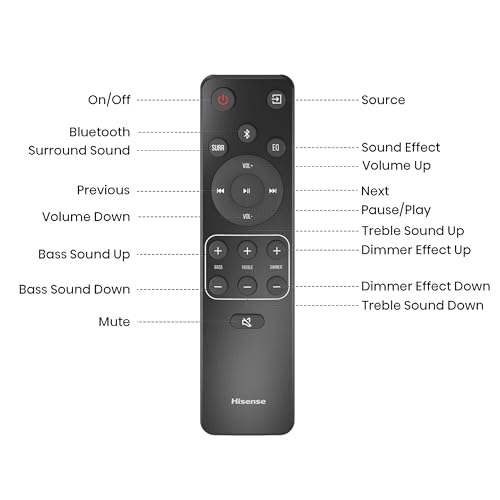
| 6 EQ presets + manual bass/treble controls | 4 sound modes + app-based tone controls with Bass Extension |
| Connectivity Options - Determines what devices you can connect | |
| HDMI eARC, Optical, AUX, USB, Bluetooth 5.3 | HDMI eARC, Optical, Bluetooth 5.1 (no analog inputs) |
| App Control - Affects ease of advanced adjustments | |
| Basic remote control only | Full Sound Bar Remote app with detailed settings |
| Sound Signature - Determines overall listening character | |
| Warm, bass-forward (immediately impressive) | Neutral, balanced (more accurate and detailed) |
| Bass Performance - Key upgrade over TV speakers | |
| Satisfying impact but somewhat boomy character | Tighter, more controlled with better room integration |
| Build Quality - Affects long-term durability and aesthetics | |
| Plastic construction, lightweight design | Premium materials with refined industrial design |
| Best For - Target user and use cases | |
| First-time soundbar buyers, small-medium rooms, budget priority | Audio enthusiasts, larger rooms, long-term investment |
The Hisense HS2100 provides exceptional value for budget-conscious buyers, delivering a significant upgrade from TV speakers at an entry-level price point. The Yamaha SR-B40A offers superior sound quality and advanced features like Dolby Atmos, but costs roughly double the price. For first-time soundbar buyers, the Hisense HS2100 represents outstanding value, while the Yamaha SR-B40A justifies its premium pricing for users prioritizing long-term audio performance.
The Hisense HS2100 delivers a warm, bass-forward sound that immediately impresses users upgrading from TV speakers. However, the Yamaha SR-B40A provides more balanced, detailed audio reproduction with better clarity across all frequencies. The Yamaha also offers superior dialogue clarity through its Clear Voice technology, while the Hisense relies on basic EQ presets for speech enhancement.
No, only the Yamaha SR-B40A supports full Dolby Atmos with virtual height effects for immersive surround sound. The Hisense HS2100 uses DTS Virtual:X processing, which creates basic virtual surround effects but cannot decode true Atmos content. For modern streaming services and Blu-ray movies with Atmos soundtracks, the Yamaha SR-B40A provides a significantly more immersive experience.
The Yamaha SR-B40A excels at dialogue clarity with its advanced Clear Voice technology that actively enhances speech frequencies while suppressing background noise. The Hisense HS2100 includes a News mode that boosts vocal frequencies, but it's less sophisticated than the Yamaha's processing. For users who struggle with buried dialogue in movies and TV shows, the Yamaha SR-B40A offers superior performance.
The Hisense HS2100 features an ultra-slim subwoofer with a 5.25-inch driver that's perfect for tight spaces but produces somewhat boomy bass. The Yamaha SR-B40A includes a larger subwoofer with a 6.25-inch driver that delivers tighter, more controlled bass with better room integration. While the Hisense offers more placement flexibility, the Yamaha provides superior bass quality and accuracy.
Both the Hisense HS2100 and Yamaha SR-B40A offer straightforward setup with wireless subwoofers that pair automatically. The Hisense provides simpler operation with basic remote controls, while the Yamaha includes a dedicated app for advanced settings. For users who prefer minimal complexity, the Hisense HS2100 offers easier daily operation.
The Hisense HS2100 provides more connection options including HDMI eARC, optical, AUX, USB, and Bluetooth 5.3. The Yamaha SR-B40A offers HDMI eARC, optical, and Bluetooth 5.1 but omits analog inputs and USB connectivity. Both support HDMI eARC for single-remote control with your TV, making the Hisense slightly more versatile for various source devices.
The Yamaha SR-B40A performs better in larger rooms despite its lower 200W power rating, thanks to more efficient drivers and superior acoustic engineering. The Hisense HS2100 works well in small to medium rooms but may struggle to fill larger spaces convincingly. For home theater setups in spacious living rooms, the Yamaha SR-B40A delivers more room-filling sound with better dynamics.
The Hisense HS2100 uses primarily plastic construction to achieve its budget-friendly pricing, resulting in lightweight but basic build quality. The Yamaha SR-B40A incorporates premium materials with more refined industrial design and better long-term durability. While both feel solid for their respective price points, the Yamaha offers superior construction that justifies its higher cost.
The Yamaha SR-B40A provides better music performance with its more balanced sound signature, tighter bass control, and superior detail retrieval across all frequencies. The Hisense HS2100 offers enjoyable music playback with its warm sound profile, but lacks the refinement and accuracy that serious music listeners prefer. For streaming music and audiophile-quality playback, the Yamaha SR-B40A delivers notably better performance.
Yes, both the Hisense HS2100 and Yamaha SR-B40A work with all major TV brands through HDMI eARC and optical connections. The Hisense includes special Roku TV Ready integration for enhanced compatibility with Roku TVs. Both soundbars support CEC (Consumer Electronics Control) for single-remote operation with most modern TVs, regardless of brand.
For first-time buyers on a budget, the Hisense HS2100 offers an excellent introduction to quality soundbar audio without a major financial commitment. However, if you plan to keep your soundbar for many years and want future-proof features like Dolby Atmos, the Yamaha SR-B40A represents a better long-term investment despite its higher upfront cost. Choose the Hisense for immediate value or the Yamaha for superior long-term satisfaction.
We've done our best to create useful and informative comparisons to help you decide what product to buy. Our research uses advanced automated methods to create this comparison and perfection is not possible - please contact us for corrections or questions. These are the sites we've researched in the creation of this article: rtings.com - shop.hisense-usa.com - bestbuy.com - content.syndigo.com - bestbuy.com - hisensedealers.co.ke - stuff.co.za - dtc-aus-api.hisense.com - youtube.com - manuals.plus - youtube.com - bestbuy.com - youtube.com - gallifurniture.com - hisense-usa.com - manuals.plus - uk.hisense.com - device.report - youtube.com - costco.ca - elmcreekwsa.com - gallifurniture.com - crutchfield.com - visions.ca - shop.usa.yamaha.com - bestbuy.com - bestbuy.com - usa.yamaha.com - my.yamaha.com - europe.yamaha.com - adorama.com - usa.yamaha.com - digitalhomecreations.com - europe.yamaha.com - sundownone.com

Privacy Policy
Terms and Conditions - Affiliate Policy
Home Security
© Copyright 2008-2026.
11816 Inwood Rd #1211, Dallas, TX 75244