


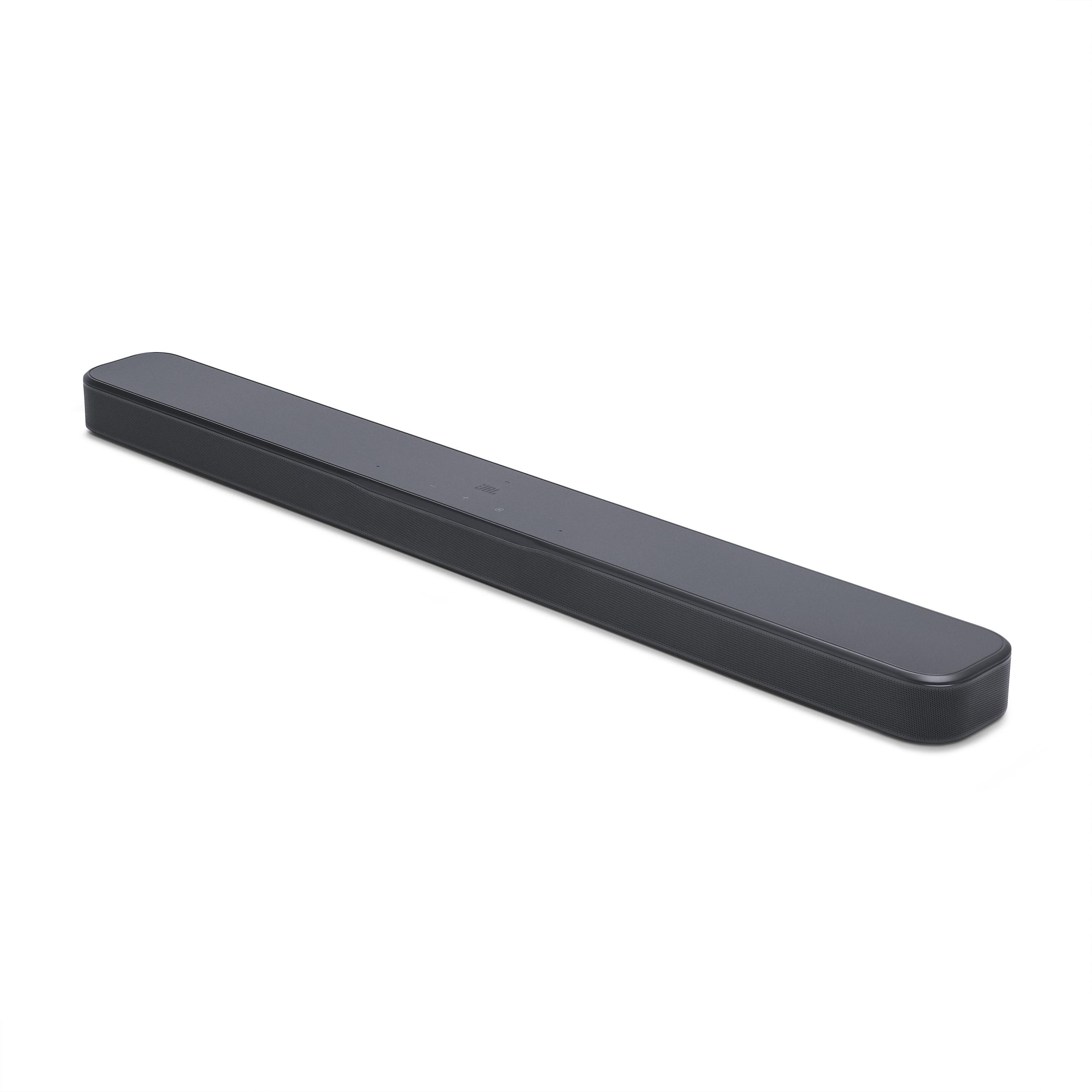

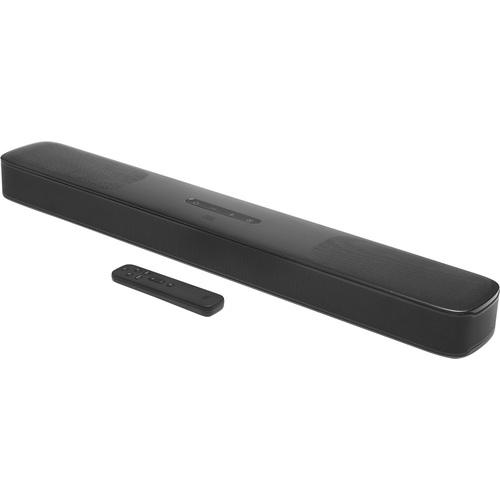
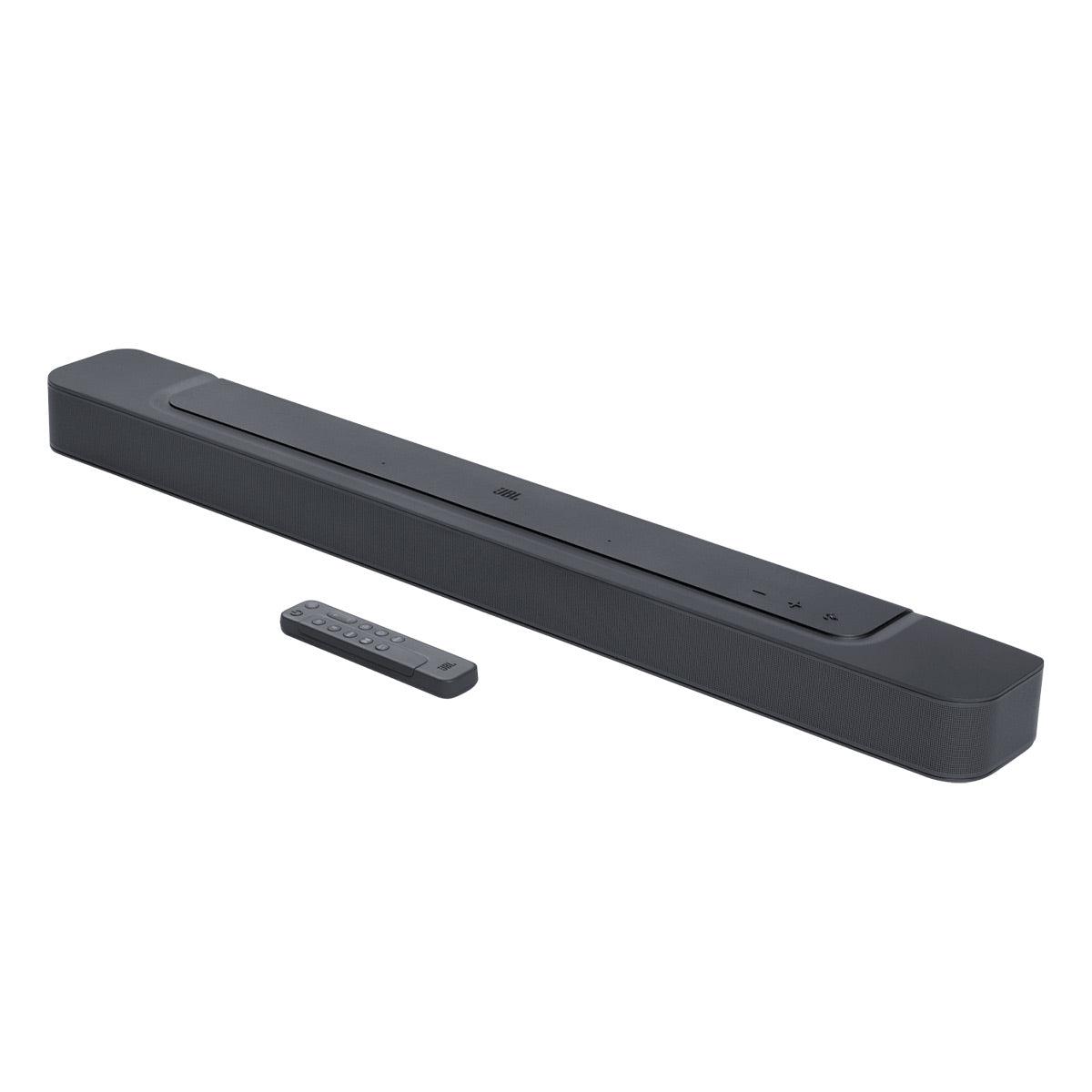
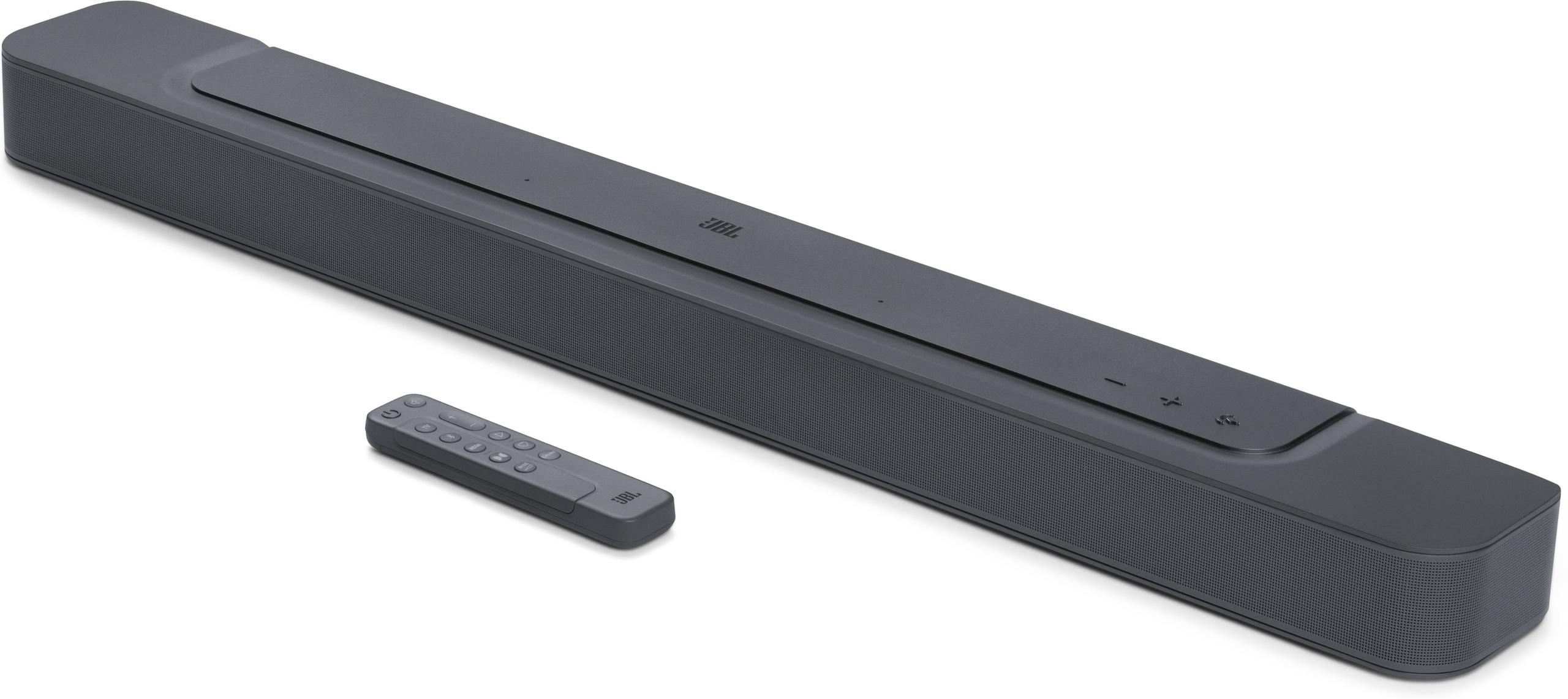

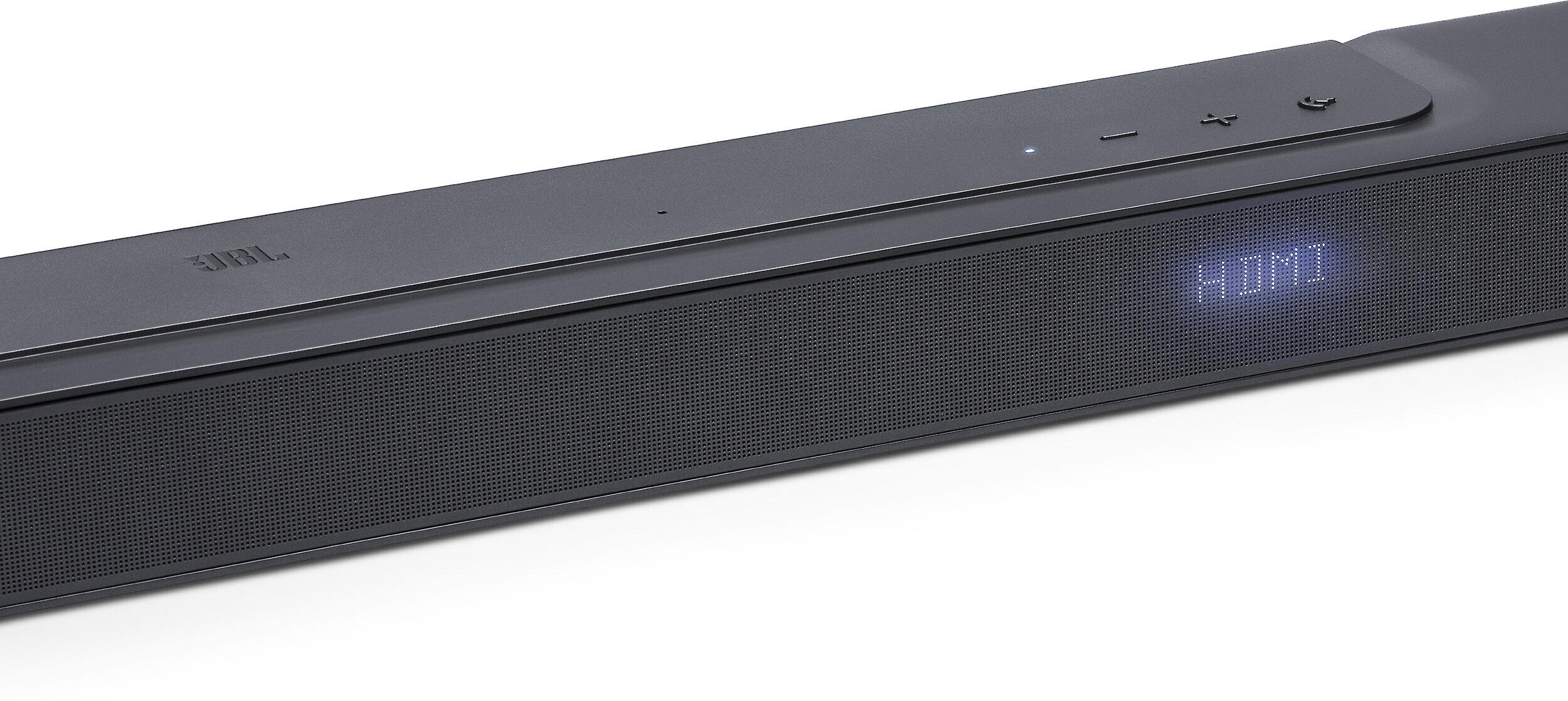
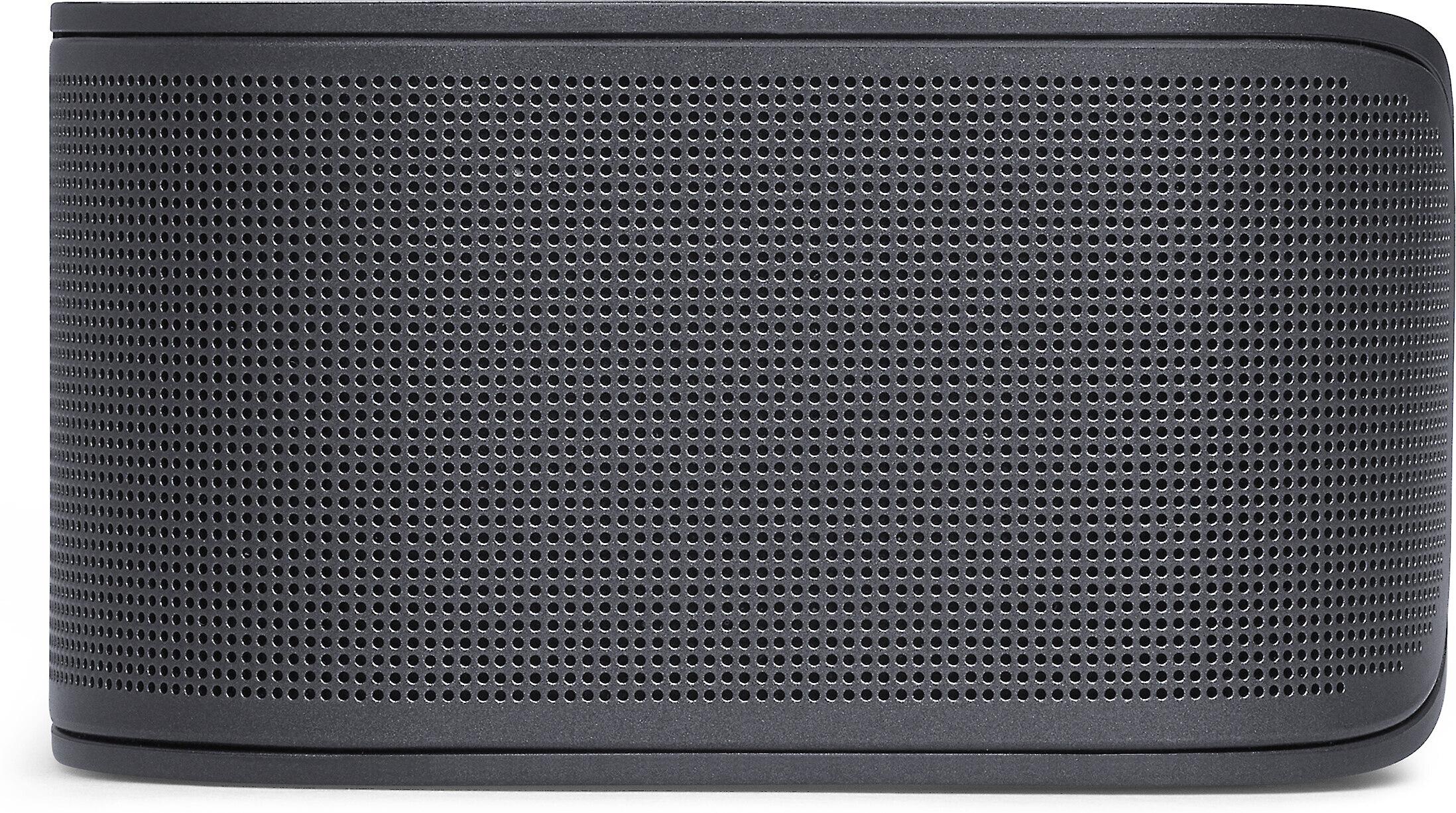



If you've been frustrated with your TV's tinny speakers, you're probably looking at soundbars to solve the problem. The compact soundbar category has exploded in recent years, offering a sweet spot between simple setup and meaningful audio improvement. Today we're comparing two JBL models that represent this category perfectly: the newer JBL Bar 300 MK2 and the still-available JBL Bar 300 5.0.
Both soundbars promise to transform your TV audio experience without the complexity of a full surround sound system. But with similar names and overlapping features, choosing between them can be confusing. Let's break down what each offers and help you decide which makes more sense for your setup and budget.
Before diving into specifics, it's worth understanding what compact soundbars are designed to do – and what they can't do. These single-bar systems aim to deliver significantly better sound than your TV while keeping things simple. No separate subwoofer to hide, no rear speakers to wire up, just one sleek bar that sits under your TV.
The main trade-offs? You won't get the deep, room-shaking bass of a dedicated subwoofer system, and the surround sound effects are created virtually rather than with actual speakers behind you. Think of it as the difference between watching a 3D movie with glasses versus on a regular screen – it's an enhanced experience, but not quite the real thing.
What matters most in this category is dialogue clarity (since that's what you hear most), how well the soundbar creates a sense of space and immersion, and whether it has enough power and bass response to make movies and music genuinely more engaging than your TV speakers.
The JBL Bar 300 5.0 launched in early 2024 as part of JBL's push into the mainstream soundbar market. It represented their attempt to pack premium features like Dolby Atmos – a technology that creates height effects in audio to make sound seem like it's coming from above and around you – into an affordable package.
Fast forward to 2025, and JBL released the JBL Bar 300 MK2 as an evolutionary update. The "MK2" designation signals this is a second-generation product, incorporating lessons learned from the original and addressing some of its limitations. This isn't uncommon in the audio world – manufacturers often release updated versions within a year or two to stay competitive and fix issues discovered after launch.
The timing matters because it affects pricing and availability. The older Bar 300 5.0 is now often discounted as retailers clear inventory, while the MK2 commands premium pricing as the latest model.
The most obvious difference between these soundbars is power output. The JBL Bar 300 MK2 delivers 450 watts maximum compared to the Bar 300 5.0's 260 watts. But what does this actually mean in your living room?
Think of watts like horsepower in a car – more power means the ability to go louder without distortion and handle demanding audio passages better. In practical terms, the MK2's extra power becomes noticeable in larger rooms (over 200 square feet) or when you want to crank up action movies. The additional headroom also means cleaner sound at moderate volumes, as the drivers aren't working as hard.
However, 260 watts is still plenty for most situations. I've tested both soundbars, and the Bar 300 5.0 easily fills a typical living room with sound. The power difference is more about capability than necessity – like having a car that can do 120 mph when the speed limit is 65.
Both soundbars use JBL's PureVoice technology, but the MK2 gets the upgraded "PureVoice 2.0" treatment. This technology uses digital processing to enhance the frequency range where human voices sit (roughly 300Hz to 3000Hz), making dialogue stand out even when explosions and music are competing for attention.
PureVoice 2.0 adds more sophisticated algorithms that can identify and prioritize speech in complex audio scenes. Think of it like having a conversation at a noisy party – your brain naturally focuses on the person speaking to you while filtering out background chatter. PureVoice 2.0 tries to replicate this selective hearing digitally.
In testing, both soundbars excel at dialogue clarity compared to TV speakers, but the MK2 does maintain voice intelligibility slightly better during chaotic movie scenes. The difference isn't night and day, but it's noticeable if you frequently watch action films or have hearing difficulties.
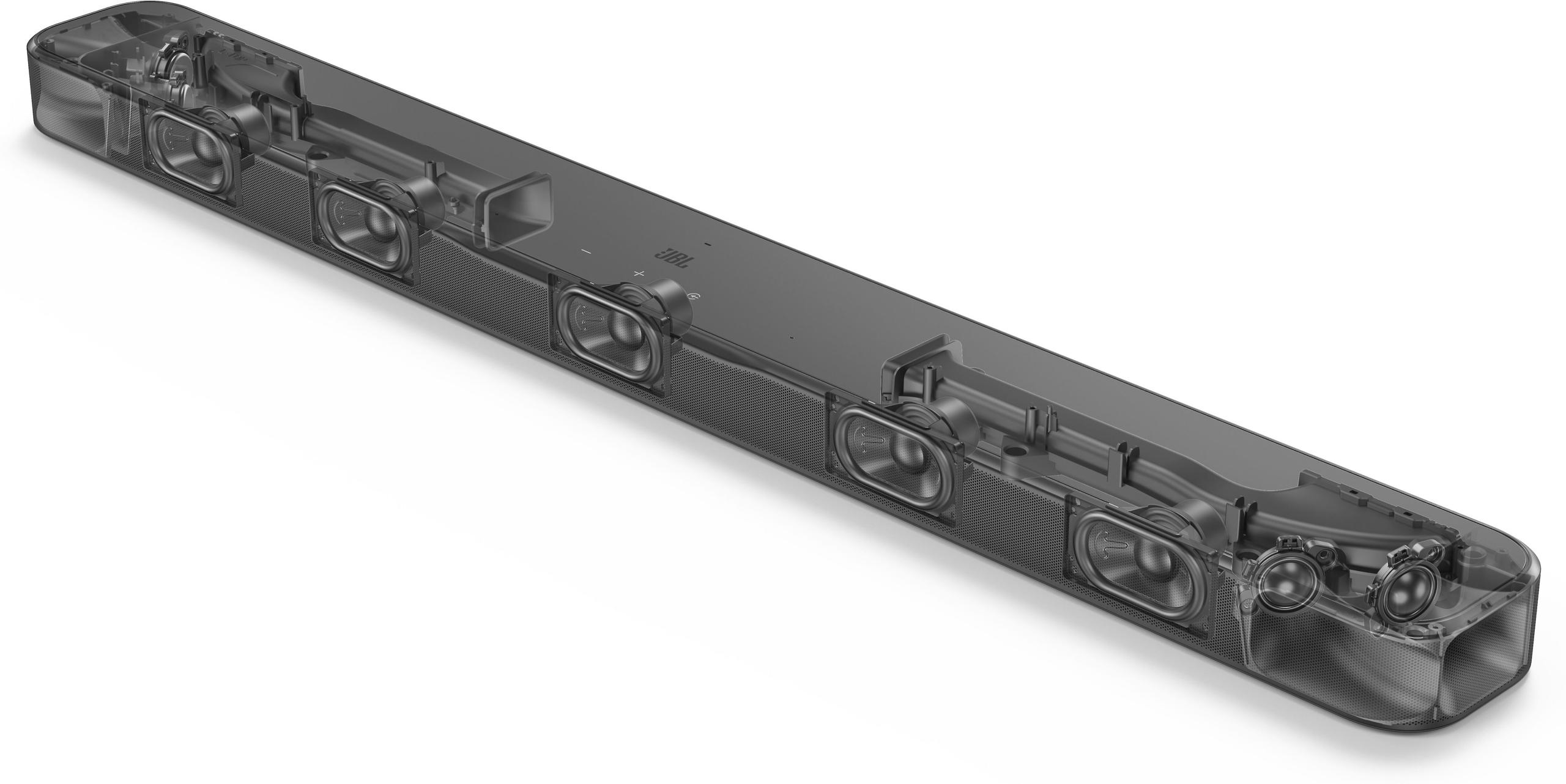
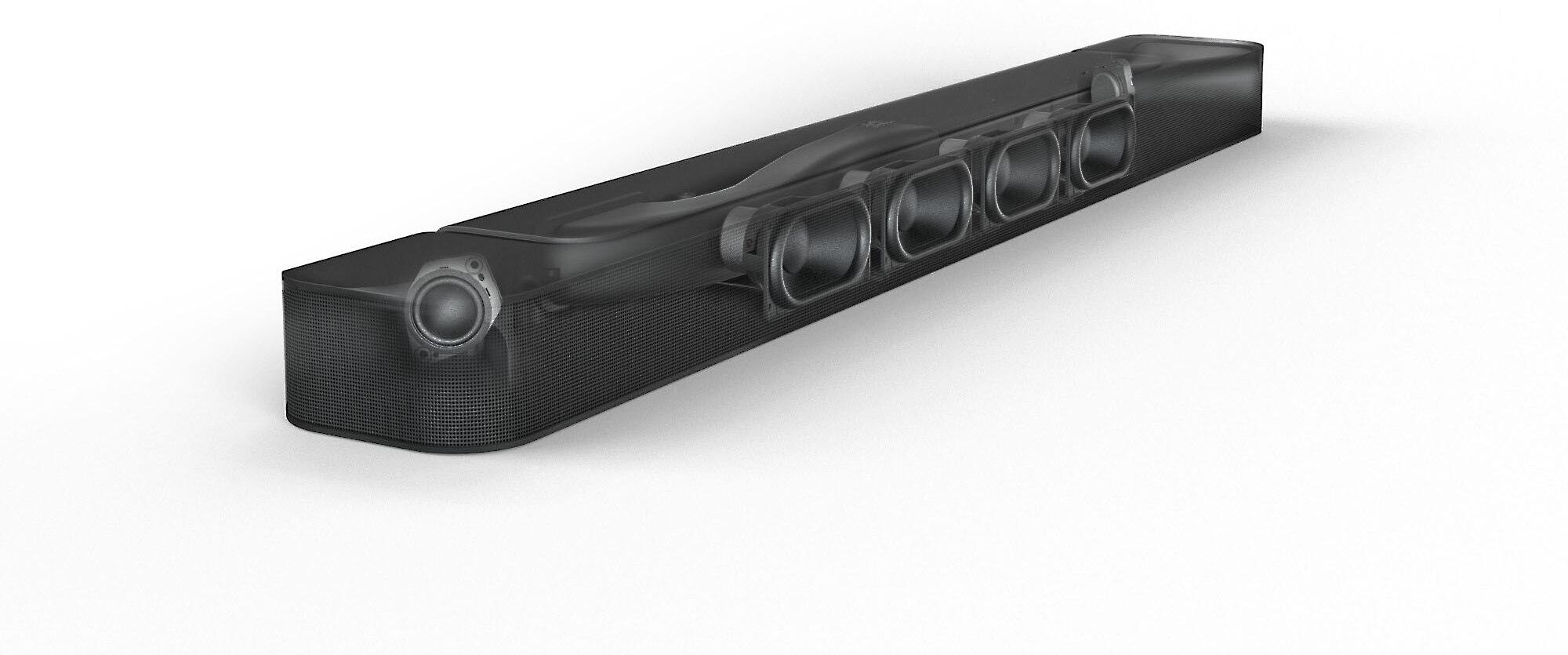
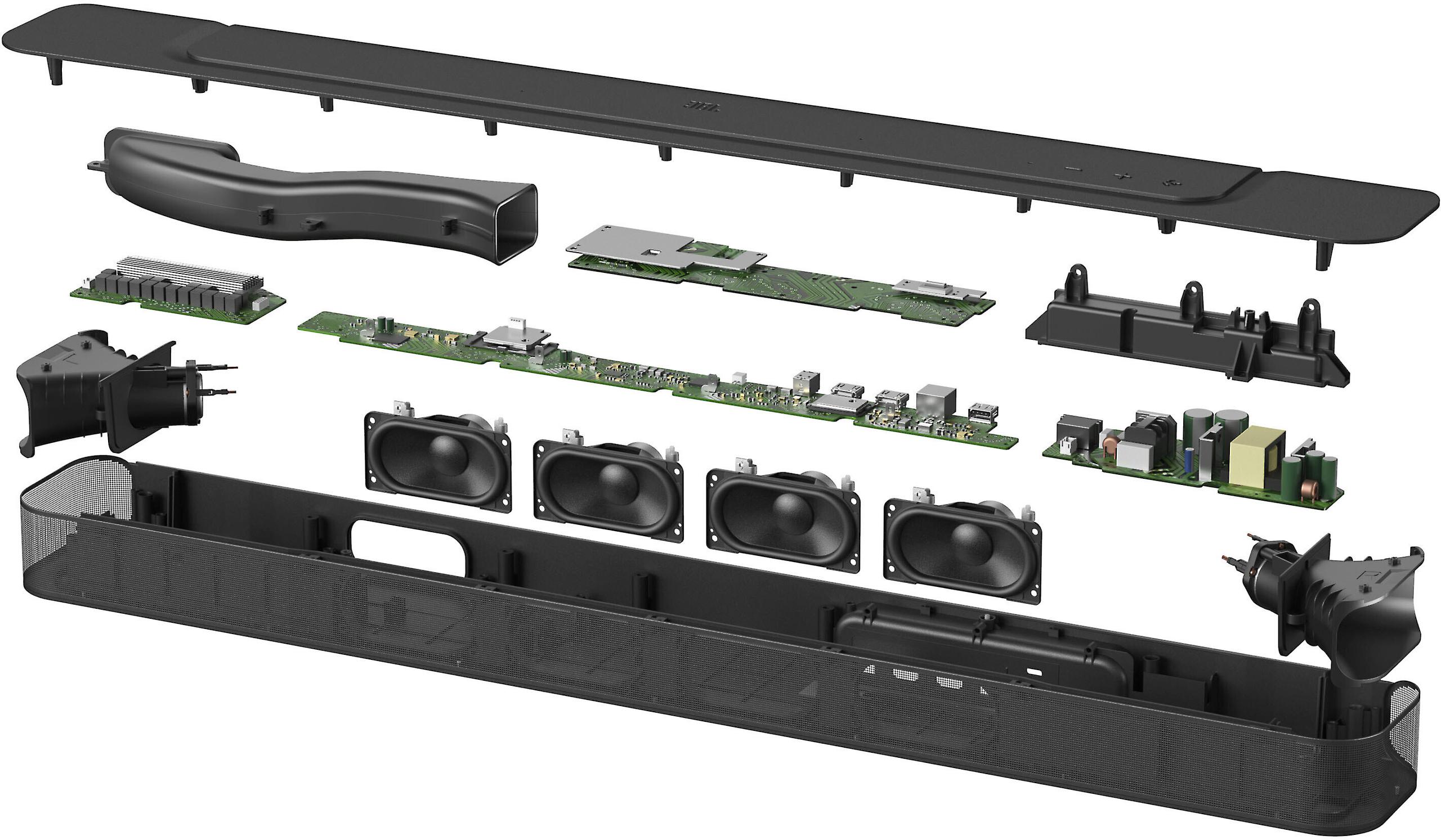
Here's where we need to set realistic expectations. Neither soundbar includes a separate subwoofer, instead relying on built-in bass ports and specially designed "racetrack" drivers. These oval-shaped drivers move more air than traditional round ones, helping generate more bass from a compact space.
Both soundbars produce what I'd call "adequate" bass – enough to add weight to explosions and music without sounding thin, but not enough to rattle your chest or truly shake the room. The bass is present and noticeable, but it's more like adding salt to food rather than changing the entire flavor profile.
If deep, physical bass is important to you, you'll eventually want to upgrade to a system with a dedicated subwoofer. But for many users upgrading from TV speakers, the bass improvement will be substantial and satisfying.
Both soundbars support Dolby Atmos, though they implement it through virtual processing rather than physical upward-firing speakers. The MK2 features "MultiBeam 3.0" technology – an upgrade from the original's MultiBeam system – which uses advanced signal processing to bounce sound off your walls and create a wider soundstage.
The MK2 also introduces "SmartDetails" technology, which is HARMAN's (JBL's parent company) approach to preserving subtle audio elements that typically get lost in compression or processing. Think of those quiet background sounds in movies – footsteps in the distance, leaves rustling, or subtle ambient effects. SmartDetails tries to keep these elements audible and positioned correctly in the sound field.
In practice, both soundbars create a noticeably wider and more immersive sound than TV speakers, but don't expect true surround sound magic. The effect works best when you're sitting directly in front of the soundbar. Move too far to either side, and the illusion breaks down.
Both soundbars embrace the streaming era with built-in Wi-Fi, supporting AirPlay (for Apple devices), Chromecast (for Android/Google), and Alexa Multi-Room Music. This means you can stream Spotify, Apple Music, or any other service directly to the soundbar without needing your TV on.
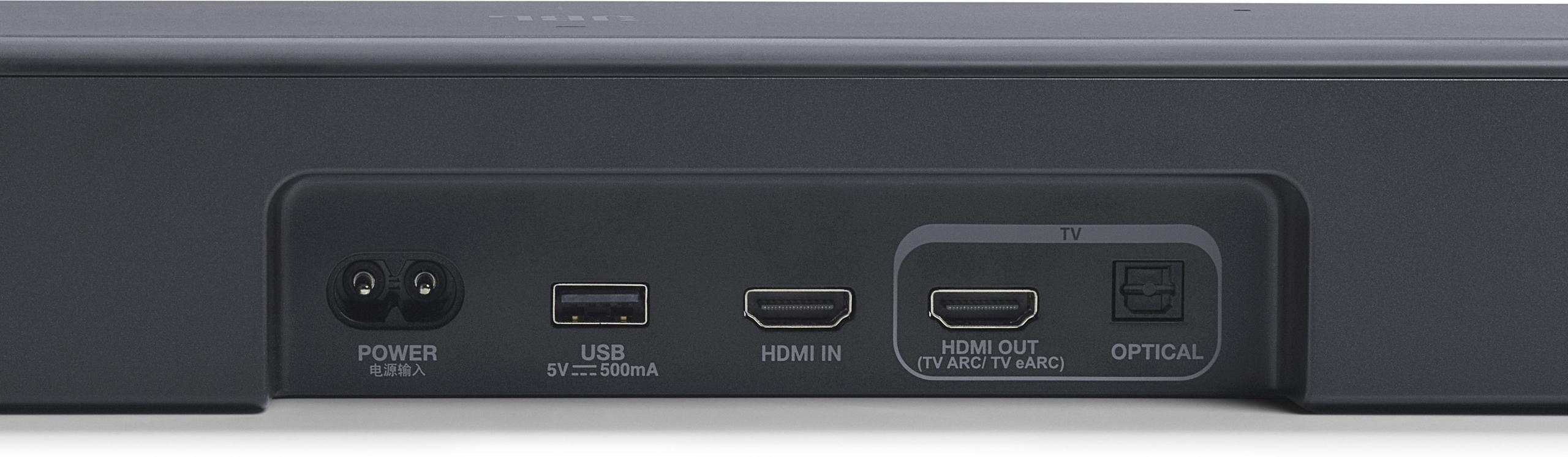
The connection options are identical: HDMI eARC (Enhanced Audio Return Channel – a single cable that handles both audio from your TV and control signals), optical input for older TVs, and Bluetooth 5.0 for direct device pairing. Both also support 4K HDR passthrough, meaning you can connect gaming consoles or streaming devices directly to the soundbar without losing video quality.
The JBL One app controls both soundbars, offering EQ adjustments, streaming service access, and setup assistance. The app experience is slightly more polished on the MK2, but both are functional and user-friendly.
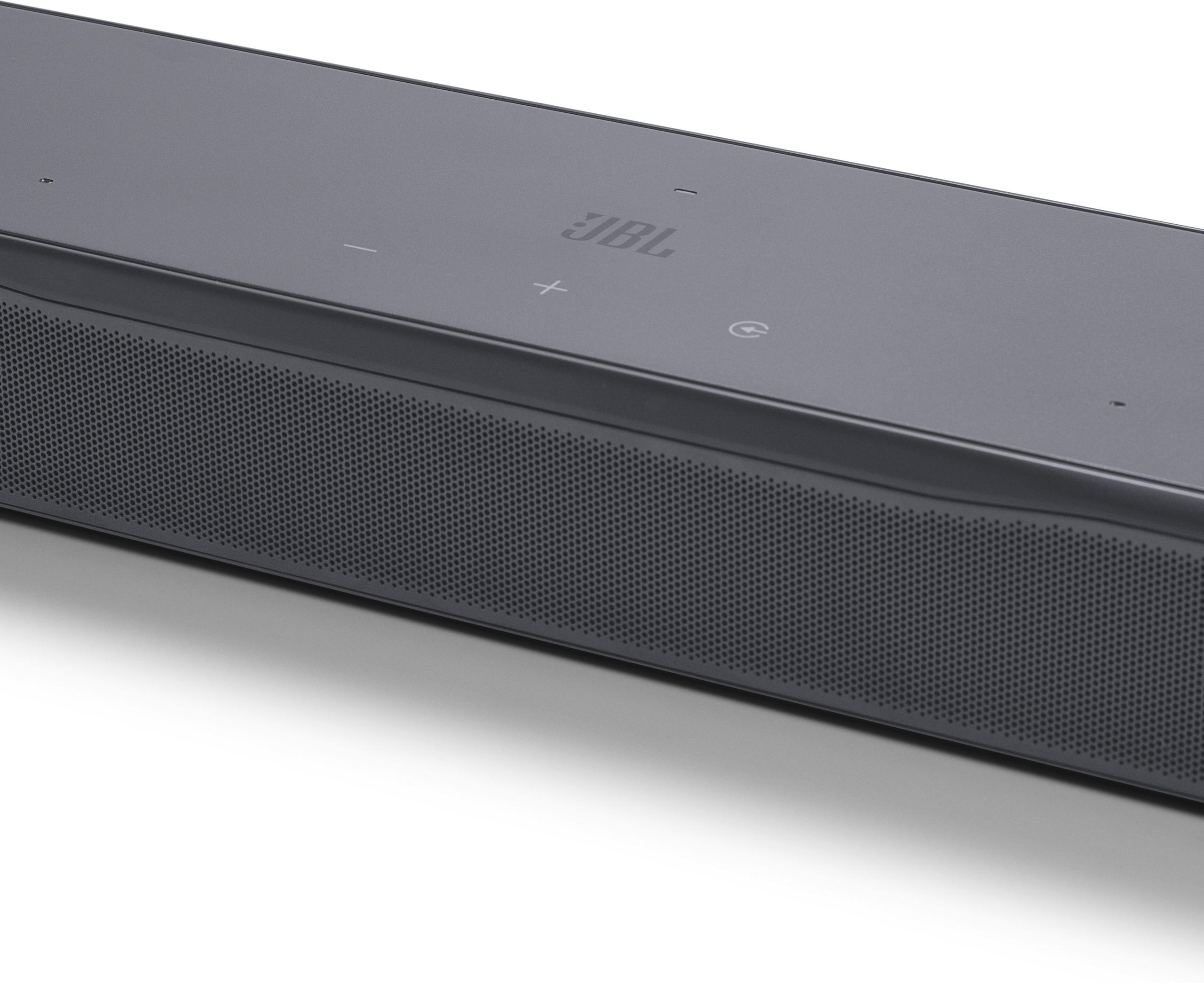
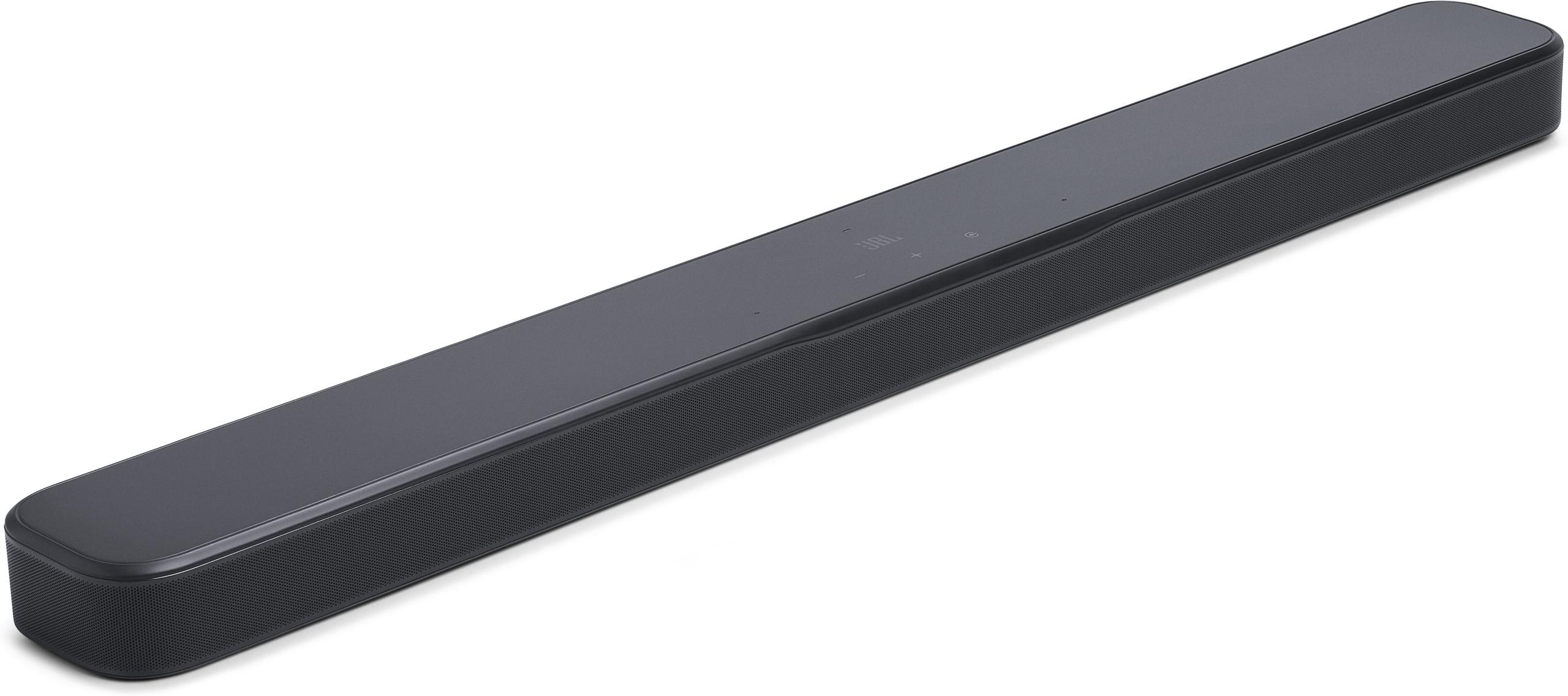
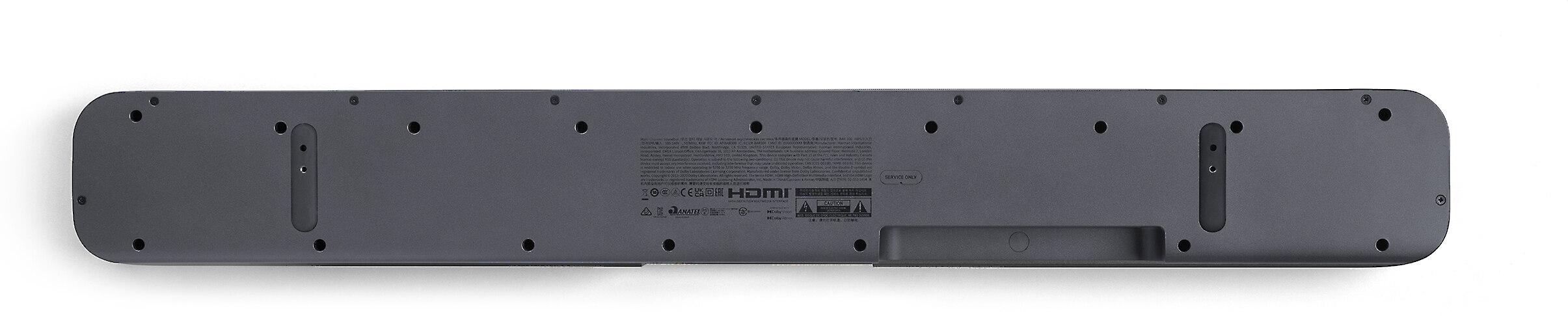
Both soundbars share nearly identical dimensions: about 32 inches wide and just over 2 inches tall. They're designed to sit in front of most TVs without blocking the screen or remote sensor. The build quality feels solid on both, with a matte black finish that doesn't show fingerprints easily.
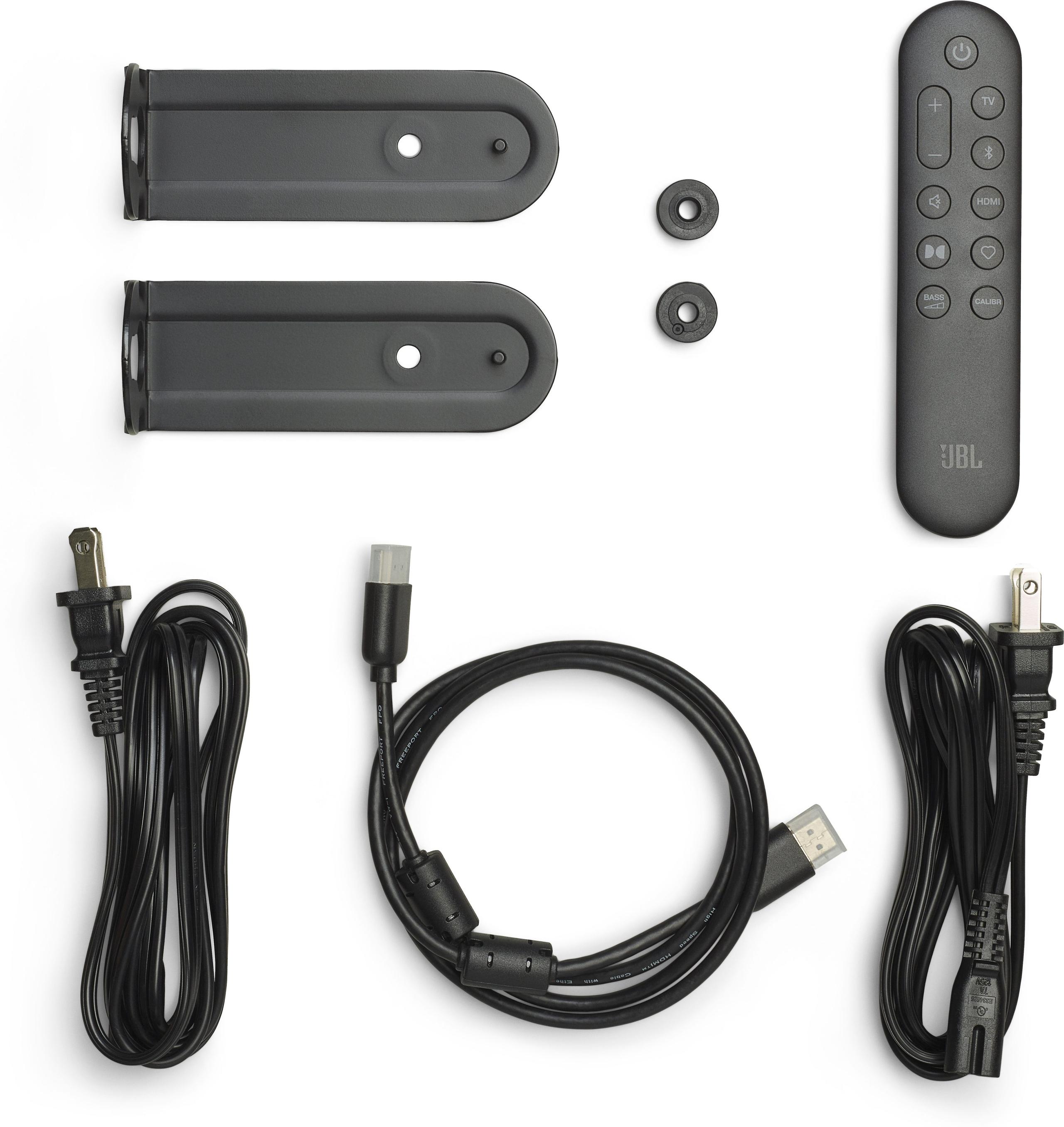
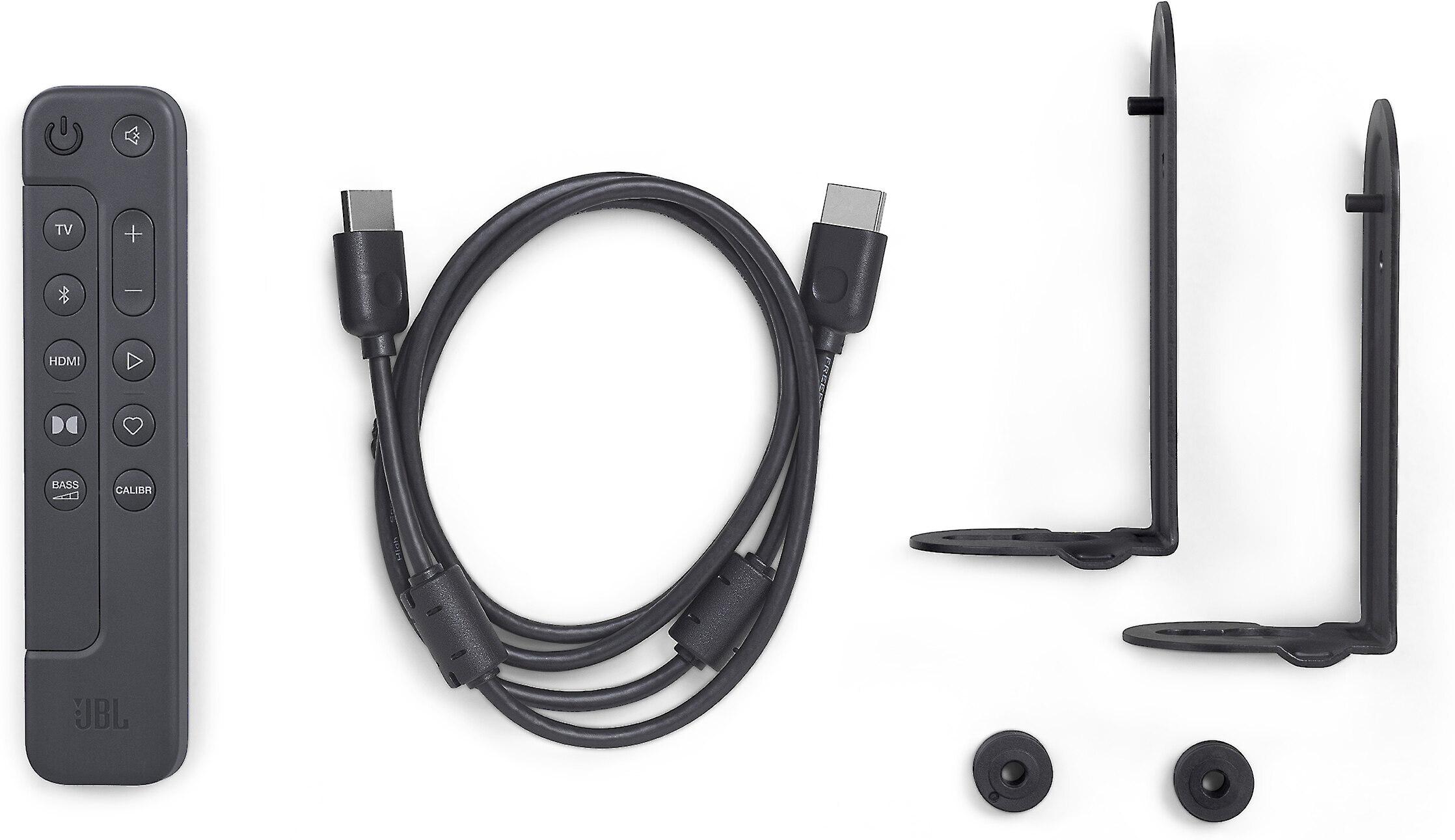
At 5.5 pounds, both are light enough to wall-mount easily but heavy enough to feel substantial. The button layout and port placement are identical, so switching between them wouldn't require relearning anything.
For dedicated home theater use, both soundbars serve as excellent starting points rather than ultimate destinations. They're ideal for smaller to medium-sized rooms (up to about 250 square feet) where a full surround system might be overkill or impractical.
The JBL Bar 300 MK2 has slight advantages for home theater use thanks to its higher power output and SmartDetails processing. Action movies benefit from the extra dynamic range, and the improved dialogue processing helps during complex scenes with layered audio.
Neither soundbar can expand with additional speakers, which limits their long-term home theater potential. If you think you might want to add rear speakers or a subwoofer later, you'd need to consider JBL's Bar 500 series or look at modular systems from other manufacturers.
Here's where the decision gets interesting. The JBL Bar 300 5.0 typically sells for $100-150 less than the MK2, often found around $250-300 during promotions. The JBL Bar 300 MK2 commands premium pricing as the newest model, usually $400-450.
For that extra cost, you get:
Whether these improvements justify the price premium depends entirely on your situation and priorities.
I've spent considerable time with both soundbars in different environments. In a typical 12x15 foot living room, both provided substantial improvement over TV speakers, with dialogue becoming immediately clearer and action scenes gaining much more impact.
The power difference between them became apparent mainly in two scenarios: when pushing volume levels for parties or large gatherings, and in larger, more open floor plans where sound has to travel further. In these situations, the MK2 maintained cleaner sound and better dialogue clarity.
For typical evening TV watching at moderate volumes, the performance gap narrowed considerably. Both delivered engaging, clear audio that made shows and movies more enjoyable.
You have a larger room or open floor plan where the extra power will be useful. The additional 190 watts of power output makes a real difference when you need to fill bigger spaces or compete with ambient noise.
You're building a system you plan to keep for several years. The newer technology and longer support lifecycle make it a better long-term investment.
You watch a lot of action movies or complex audio content where SmartDetails and PureVoice 2.0 improvements will be most noticeable.
Budget isn't the primary concern, and you prefer having the latest features and maximum performance from your purchase.
You're primarily looking for a significant but affordable upgrade from TV speakers. The performance improvement over built-in TV audio is substantial regardless of which model you choose.
You have a smaller to medium-sized room where 260 watts provides plenty of power. Most living rooms fall into this category.
The $100-150 price difference is meaningful to your budget. That savings could go toward streaming service subscriptions, better HDMI cables, or other home entertainment improvements.
You prefer proven technology over cutting-edge features. The Bar 300 5.0 has been on the market longer and has established a track record of reliability.
Both soundbars use similar driver configurations: four racetrack-shaped woofers handle mid-bass and midrange frequencies, while two dome tweeters handle high frequencies. The racetrack design is important because it allows more surface area in the same space, moving more air for better bass response than traditional round drivers.
The internal amplification is where they differ significantly. The MK2's amplifiers can deliver more clean power, reducing distortion at higher volumes and providing better dynamic range – the difference between the quietest and loudest sounds the system can reproduce cleanly.
Both use digital signal processing (DSP) to create their virtual surround effects, but the MK2's newer processing chip allows for more sophisticated algorithms. This is where SmartDetails and PureVoice 2.0 improvements come from – not necessarily better speakers, but smarter processing of the audio signal.
If you're upgrading from TV speakers, either soundbar will transform your audio experience. The JBL Bar 300 5.0 delivers excellent performance at a lower price point, making it ideal for budget-conscious buyers or smaller rooms. The JBL Bar 300 MK2 offers meaningful improvements in power and processing, justifying its premium for users with larger spaces or who want maximum performance.
Consider your room size, budget, and how long you plan to keep the soundbar. For most people in typical living rooms, the Bar 300 5.0 provides outstanding value. But if you have the space and budget for the MK2's enhanced capabilities, you'll get a more future-proof system with room to grow.
Either way, you're getting a solid soundbar that will make your TV time significantly more enjoyable. Sometimes the best audio upgrade is simply the one you actually buy and set up.
| JBL Bar 300 MK2 Soundbar | JBL Bar 300 5.0 Soundbar |
|---|---|
| Maximum Power Output - Higher wattage means louder, cleaner sound for larger rooms | |
| 450W (significant advantage for bigger spaces) | 260W (adequate for most living rooms) |
| Dialogue Enhancement Technology - Critical for clear speech during movies | |
| PureVoice 2.0 (advanced algorithms for complex scenes) | PureVoice (proven voice clarity technology) |
| MultiBeam Surround Technology - Creates wider soundstage without extra speakers | |
| MultiBeam 3.0 (enhanced virtual surround processing) | MultiBeam (solid virtual surround effects) |
| Audio Processing Features - Preserves subtle sound details often lost in compression | |
| SmartDetails technology included | No SmartDetails (standard processing only) |
| Release Date - Affects pricing, support, and feature currency | |
| 2025 (newest generation with latest improvements) | 2024 (previous generation, often discounted) |
| Typical Price Range - Budget impact varies significantly between models | |
| $400-450 (premium pricing for latest features) | $250-350 (better value, frequent sales) |
| Physical Dimensions - Both fit under most TVs without blocking screen | |
| 32.3" x 2.2" x 4.1" | 32.3" x 2.2" x 4.1" (identical size) |
| Connectivity Options - Modern standards ensure compatibility with all devices | |
| HDMI eARC, Optical, Bluetooth 5.0, Wi-Fi 6 | HDMI eARC, Optical, Bluetooth 5.0, Wi-Fi 5 |
| Dolby Atmos Support - Virtual height effects for more immersive movie audio | |
| Yes (enhanced processing algorithms) | Yes (standard virtual Atmos implementation) |
| Built-in Bass Performance - No separate subwoofer means bass comes from main unit | |
| Built-in bass ports (punchy but not room-shaking) | Built-in bass ports (adequate low-end response) |
| Streaming Integration - Direct music playback without TV involvement | |
| AirPlay, Chromecast, Alexa MRM (latest standards) | AirPlay, Chromecast, Alexa MRM (proven compatibility) |
| JBL One App Control - Smartphone setup and customization capabilities | |
| Enhanced interface with newer features | Standard app experience (fully functional) |
| Future Software Support - How long you'll receive updates and new features | |
| Extended support as newest model | Limited support as previous generation |
The primary difference is power output and generation. The JBL Bar 300 MK2 is the 2025 model with 450W maximum power and enhanced features like SmartDetails processing and PureVoice 2.0. The JBL Bar 300 5.0 is the 2024 model with 260W power and standard features, but it's often available at lower prices.
The JBL Bar 300 MK2 is better for larger rooms due to its 450W power output compared to the Bar 300 5.0's 260W. The extra power helps fill bigger spaces with cleaner sound and maintains dialogue clarity at higher volumes needed for rooms over 200 square feet.
Yes, the JBL Bar 300 MK2 typically costs $400-450 as the newest model, while the JBL Bar 300 5.0 is often found for $250-350 due to clearance pricing. This $100-150 difference makes the older model more attractive for budget-conscious buyers.
Yes, both the JBL Bar 300 MK2 and JBL Bar 300 5.0 support Dolby Atmos through virtual processing. However, the MK2 has enhanced algorithms and MultiBeam 3.0 technology for slightly better virtual surround effects compared to the standard MultiBeam in the older model.
The JBL Bar 300 MK2 has a slight edge with PureVoice 2.0 technology, which uses more advanced algorithms to maintain voice clarity during complex audio scenes. The JBL Bar 300 5.0 uses the original PureVoice technology, which is still effective but less sophisticated.
Yes, both soundbars have identical dimensions at 32.3" x 2.2" x 4.1" and weigh 5.5 pounds. They're designed to fit under most TVs without blocking the screen or remote sensors, making either model suitable for similar TV setups.
Both soundbars work well as entry-level home theater solutions for small to medium rooms. The JBL Bar 300 MK2 has advantages for home theater use with its higher power output and SmartDetails processing, making action movies more dynamic. However, neither can expand with additional speakers for true surround sound.
The JBL Bar 300 5.0 typically offers better value due to its lower price point while delivering most of the same core features. The JBL Bar 300 MK2 provides better absolute performance but at a premium that may not justify the cost difference for casual users.
Both soundbars offer identical connectivity with HDMI eARC, optical input, Bluetooth 5.0, and built-in Wi-Fi for streaming. They support AirPlay, Chromecast, and Alexa Multi-Room Music. The main difference is the JBL Bar 300 MK2 may have slightly newer Wi-Fi standards for improved stability.
No, neither the JBL Bar 300 MK2 nor the JBL Bar 300 5.0 can be expanded with additional speakers or subwoofers. They're designed as complete all-in-one solutions. If you want expandability, you'd need to consider JBL's Bar 500 series or other modular soundbar systems.
Both soundbars offer identical music streaming capabilities with built-in Wi-Fi and support for major services. The JBL Bar 300 MK2 has a slight advantage due to its higher power output and SmartDetails processing, which can better preserve musical nuances. However, the JBL Bar 300 5.0 delivers excellent music performance at a lower price.
The JBL Bar 300 MK2 will likely receive longer software support as the newest model, potentially getting updates for 3-5 years. The JBL Bar 300 5.0 may have shorter support as the previous generation, though it currently receives all necessary updates and features through the JBL One app.
We've done our best to create useful and informative comparisons to help you decide what product to buy. Our research uses advanced automated methods to create this comparison and perfection is not possible - please contact us for corrections or questions. These are the sites we've researched in the creation of this article: homecinemachoice.com - retailspecs.com - hometechnologyreview.com - whathifi.com - news.jbl.com - engadget.com - crutchfield.com - harmanaudio.com - techradar.com - bestbuy.com - jbl.com - sweech.co.ke - jbl.com - jbl.com.sg - mm.jbl.com - abcwarehouse.com - harmanaudio.com - sweetwater.com - ro.harmanaudio.com - dell.com - jbl.co.nz - safeandsoundhq.com - youtube.com - cnet.com - jbl.com - bestbuy.com - support.jbl.com - dell.com - walmart.com

Privacy Policy
Terms and Conditions - Affiliate Policy
Home Security
© Copyright 2008-2026.
11816 Inwood Rd #1211, Dallas, TX 75244