










If you're tired of straining to hear dialogue in your favorite shows or feeling like explosions in movies sound more like gentle puffs, you're probably ready to upgrade from your TV's built-in speakers. But walking into the soundbar market can feel overwhelming, especially when you're comparing products that seem similar on the surface but offer dramatically different experiences.
I've spent considerable time testing both the JBL Bar 300 MK2 ($449) and the JBL Bar 700 ($649), and while they're both excellent soundbars from the same manufacturer, they represent fundamentally different approaches to home audio. One prioritizes simplicity and space-saving design, while the other delivers a full-scale home theater experience. Understanding these differences will help you choose the right system for your specific needs and budget.
Before diving into these specific models, it's worth understanding how soundbars are categorized and what features actually impact your listening experience. Soundbars generally fall into three main categories: all-in-one units, soundbar-plus-subwoofer combos, and full surround sound systems with rear speakers.
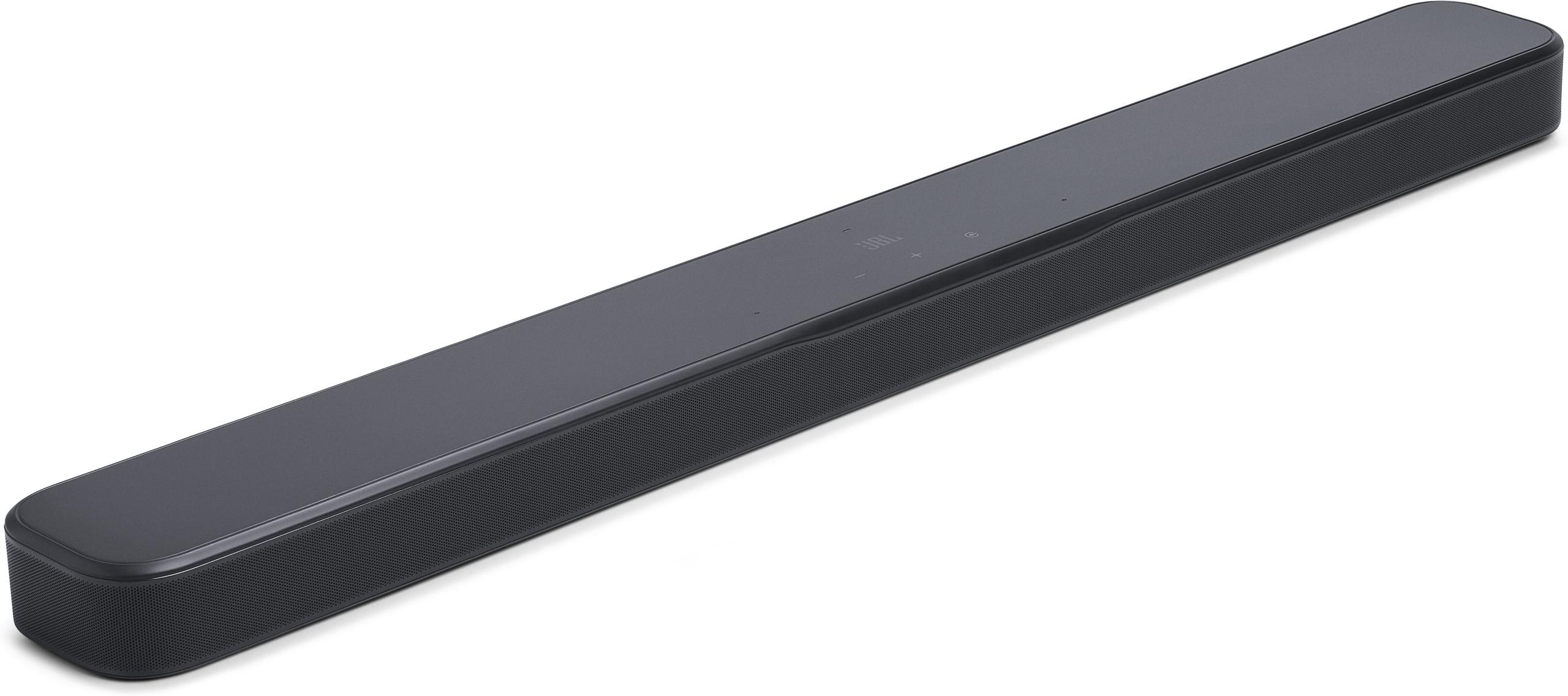
All-in-one soundbars like the Bar 300 MK2 pack everything into a single elongated speaker that sits below your TV. They use digital signal processing (DSP) – essentially computer algorithms that manipulate audio signals – to create the illusion of surround sound and bass response without additional hardware. The main advantage is simplicity: one cable, one device, minimal setup.
Multi-component systems like the Bar 700 take a different approach, splitting audio duties across specialized speakers. A dedicated subwoofer handles low-frequency sounds (bass), while separate surround speakers create authentic rear-channel effects. This physical separation allows each component to excel at its specific job, rather than compromising to fit everything in one box.
The key considerations when choosing between these approaches include your room size, how much you value audio quality versus convenience, your budget, and whether you have space for multiple components. In my experience, room size often becomes the deciding factor – a small apartment might make an all-in-one system more practical, while a larger living room benefits significantly from dedicated components.
Both soundbars launched in June 2025 as part of JBL's MK2 refresh, representing significant updates to their predecessor models. The "MK2" designation indicates second-generation improvements, including enhanced DSP algorithms, better streaming connectivity, and refined driver designs.
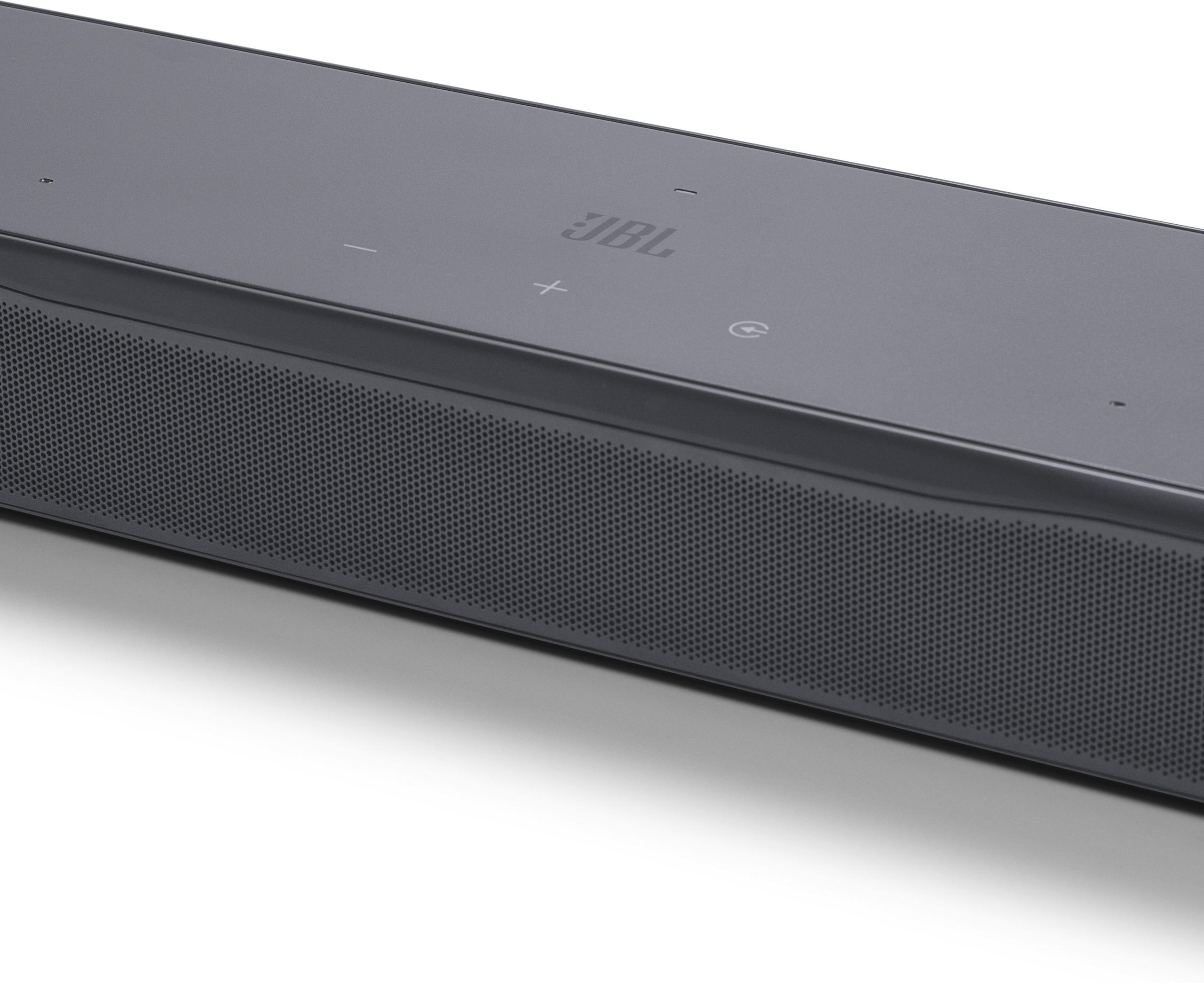
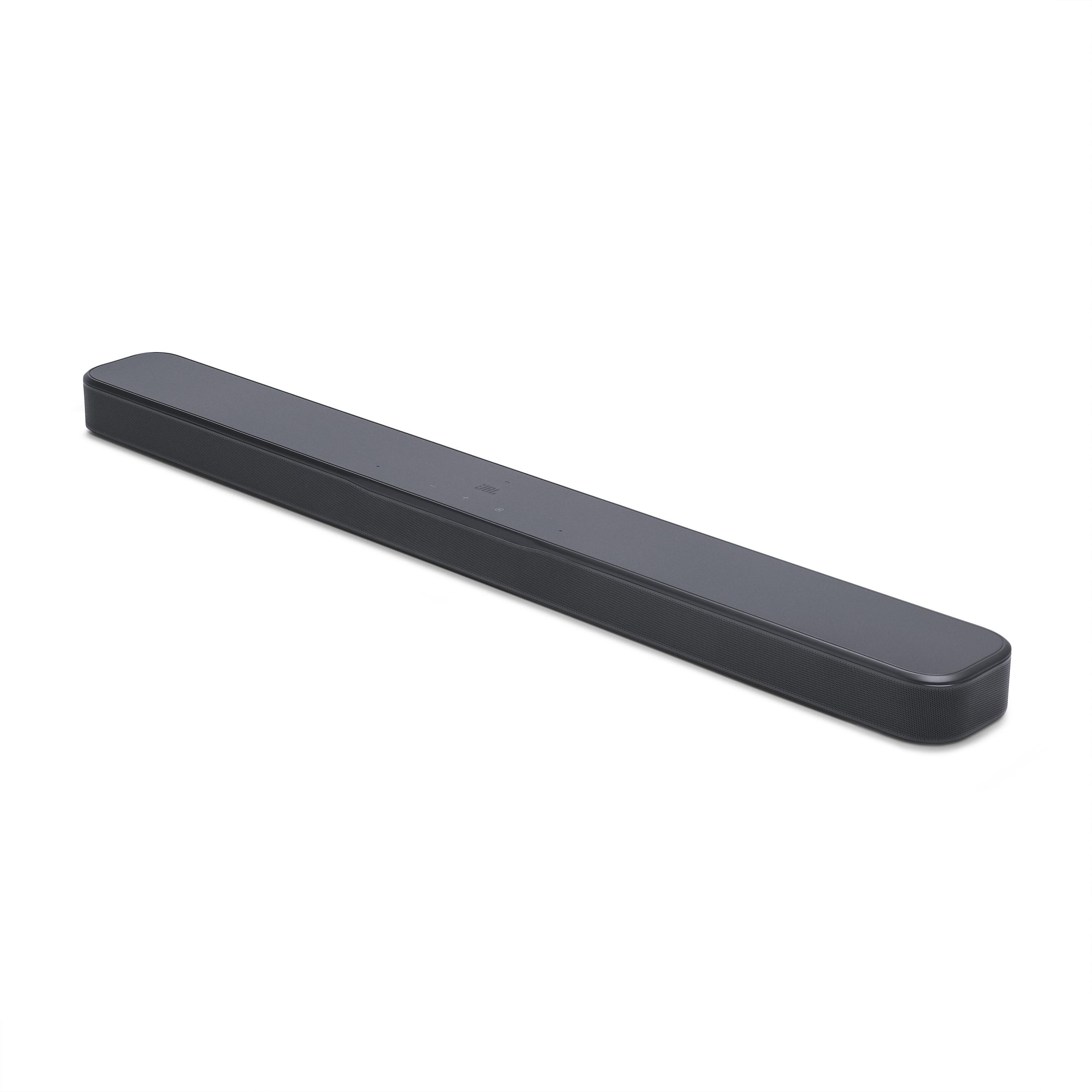
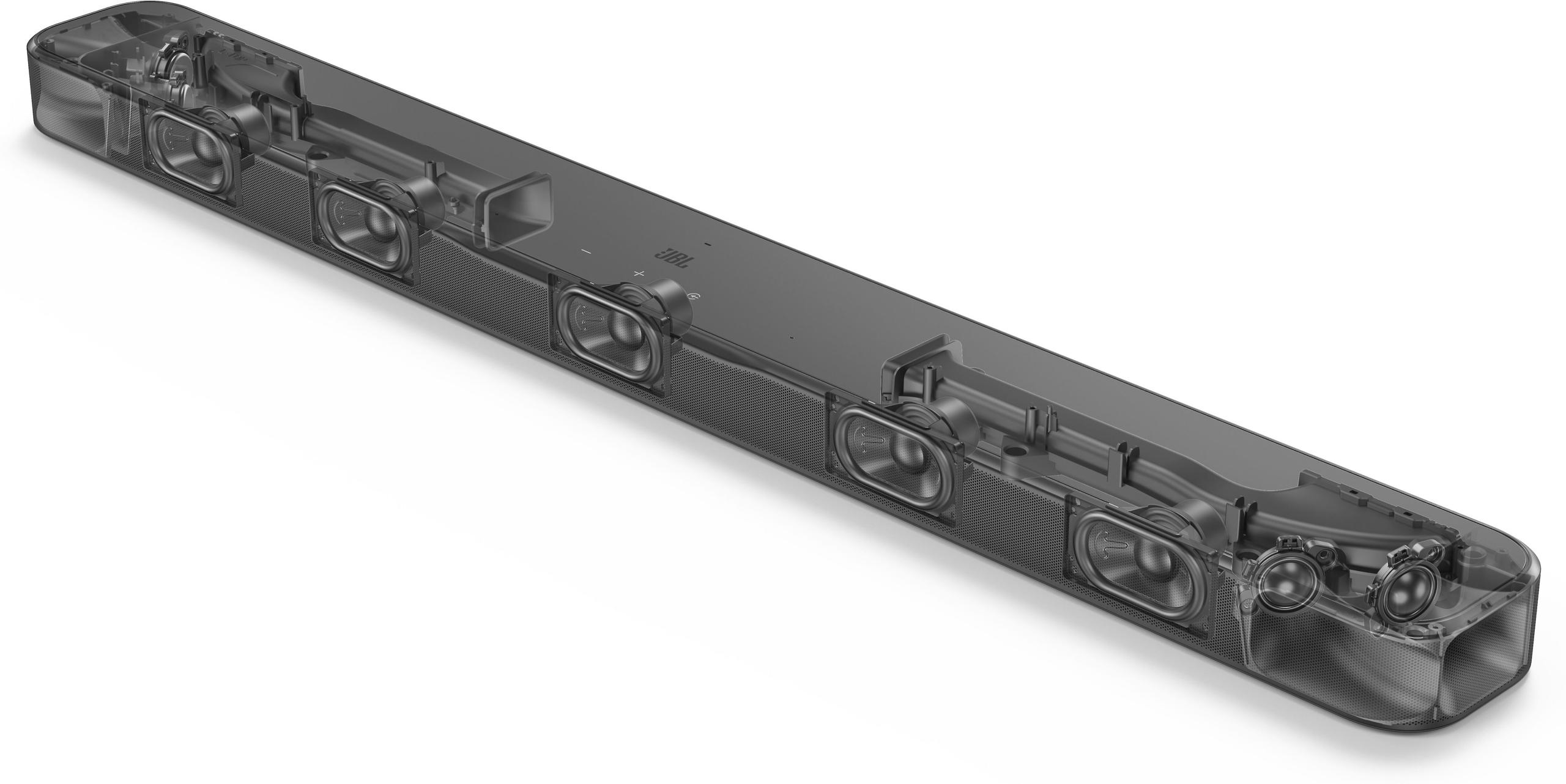
The JBL Bar 300 MK2 represents JBL's philosophy that great sound doesn't require complexity. It's a 5.0-channel soundbar (meaning five distinct audio channels without a separate subwoofer) that measures 32.3 inches wide and weighs just 5.5 pounds. At 260W total power output, it's designed to significantly improve upon TV speakers while maintaining a clean, minimalist setup.
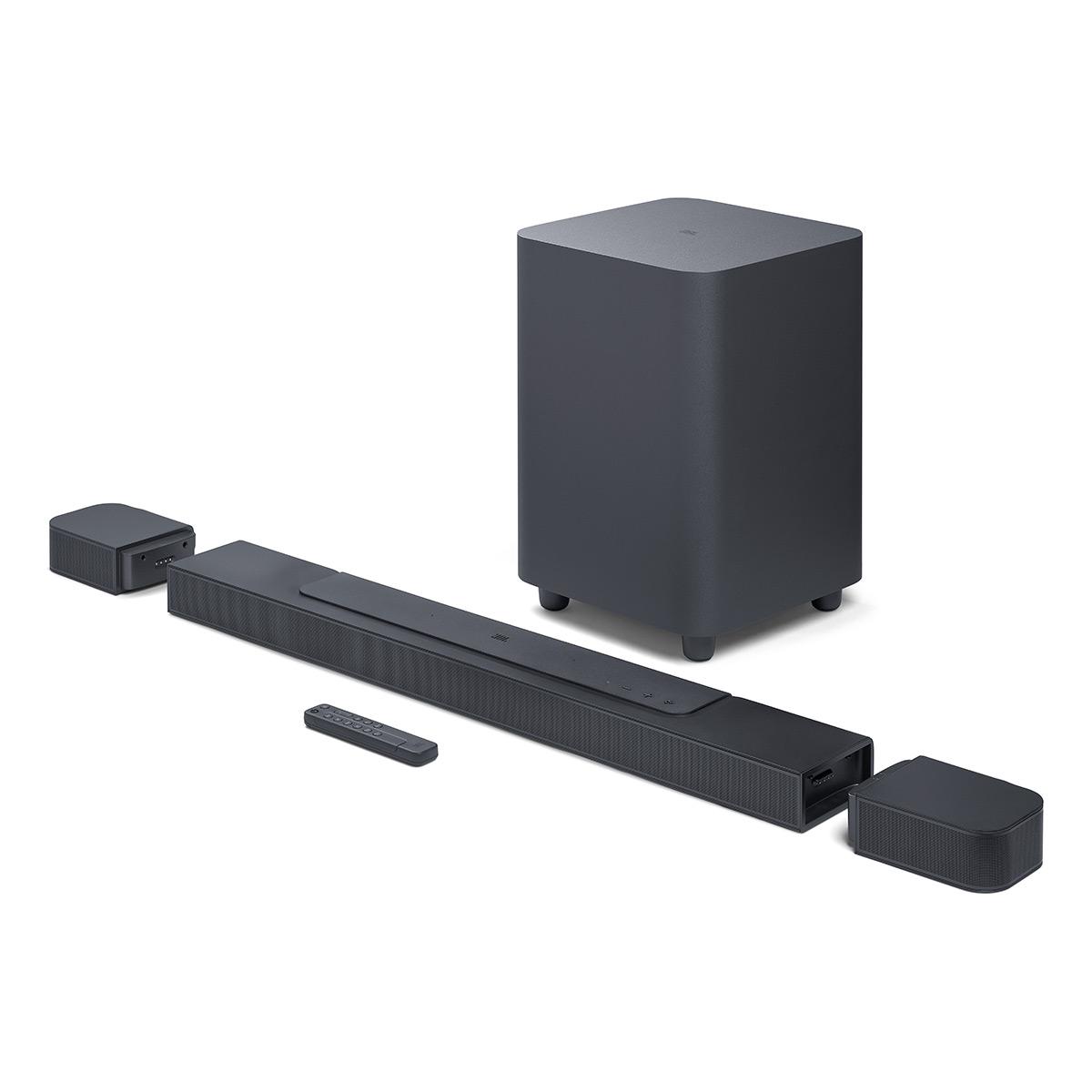
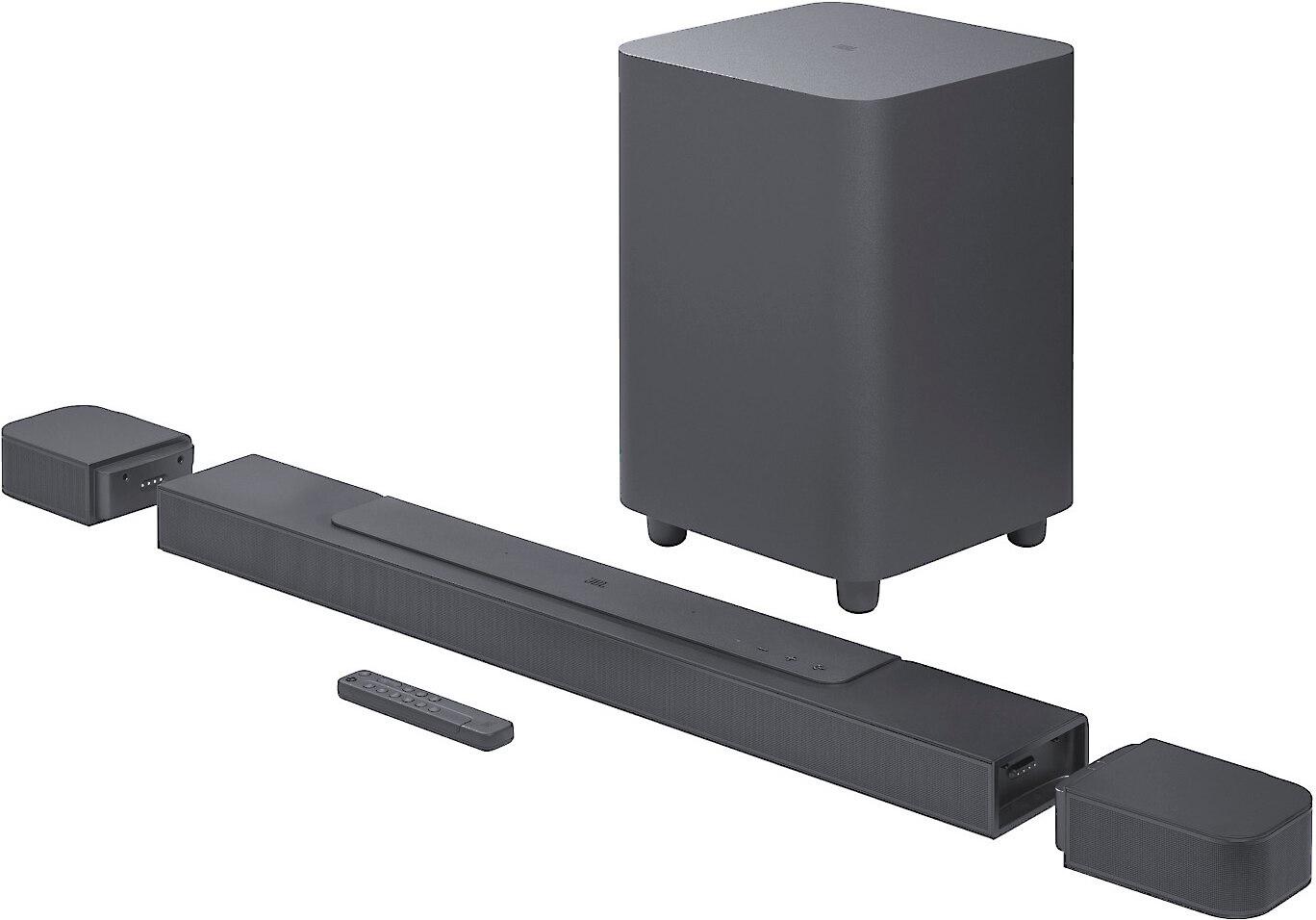
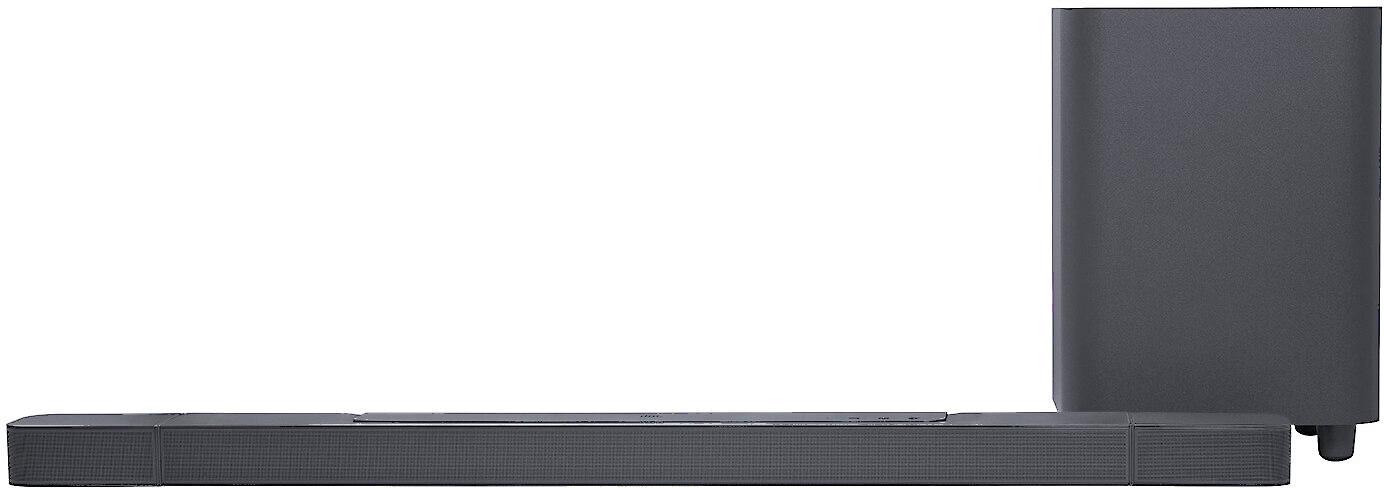
The JBL Bar 700 takes the opposite approach, delivering a complete 5.1-channel home theater system. The "5.1" designation means five main channels plus a dedicated subwoofer (the ".1" represents the subwoofer channel). With 620W total power distributed across a main soundbar, 10-inch wireless subwoofer, and detachable battery-powered rear speakers, it's designed for users who want theater-quality audio at home.
Since their release, both models have received firmware updates that improved streaming stability and added DTS Virtual:X support to the Bar 700 (though this feature was promised for late 2025). The Bar 300 MK2 has remained relatively unchanged, reflecting its simpler architecture.
The most significant difference between these soundbars lies in their fundamental audio capabilities, and the gap is substantial enough that they appeal to different user types entirely.
The Bar 300 MK2's 260W output comes from four racetrack-shaped bass/mid drivers and two tweeters (high-frequency speakers). Racetrack drivers are oval-shaped instead of round, allowing manufacturers to fit larger surface area into the slim soundbar profile. While clever engineering makes this setup surprisingly effective for its size, physics ultimately limits what's possible from built-in drivers.
During my testing, I found the Bar 300 MK2 delivers clean, articulate dialogue and decent mid-range performance. Watching dialogue-heavy shows like "The West Wing" or "Better Call Saul," voices came through with clarity that made me stop adjusting the volume constantly. However, action sequences in movies like "Mad Max: Fury Road" revealed the system's limitations – explosions lacked the chest-thumping impact that makes action films exciting.
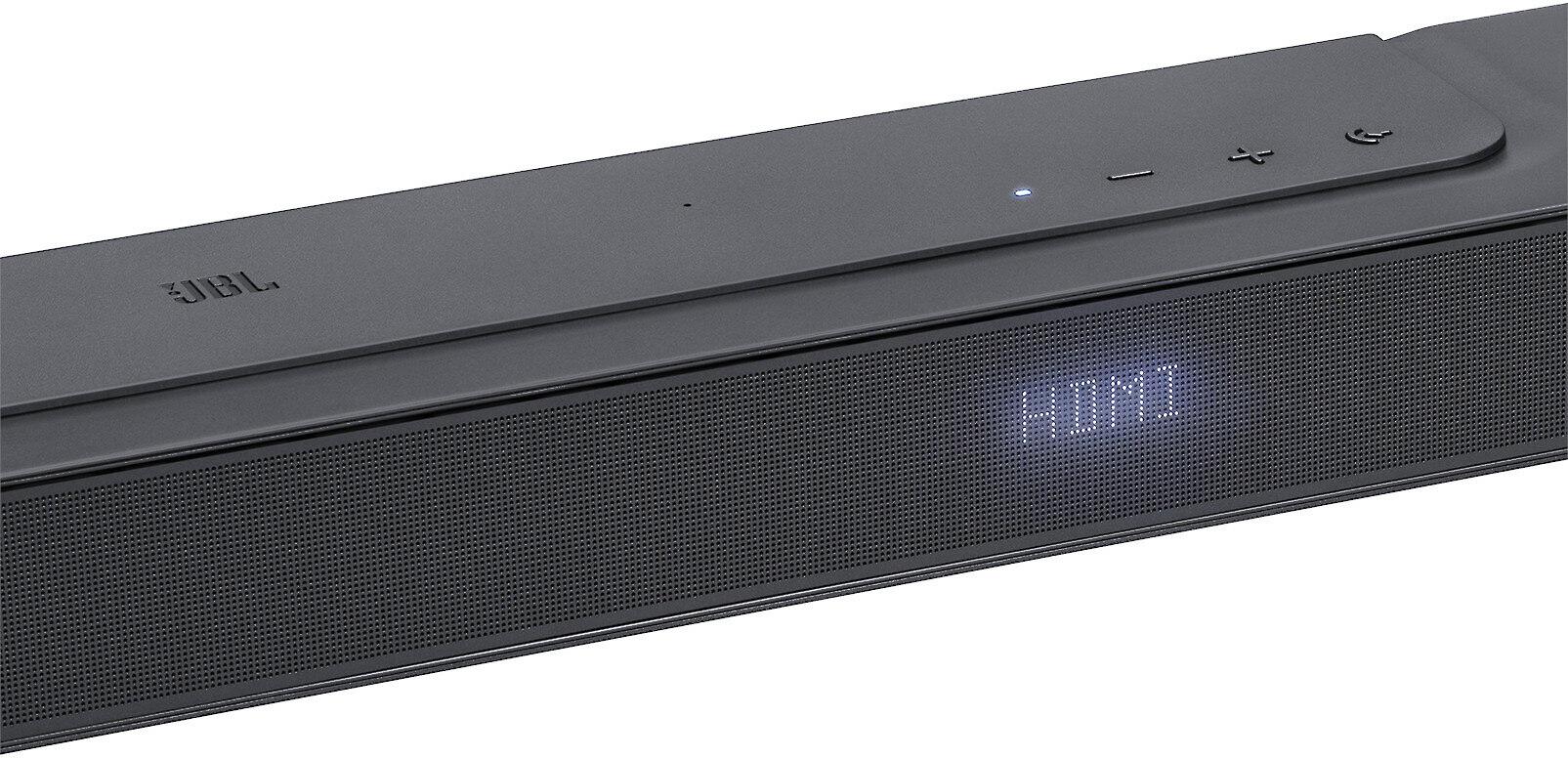
The Bar 700's 620W system tells a completely different story. The main soundbar handles mid-range and high frequencies with three racetrack drivers and three tweeters, while the 10-inch subwoofer dedicated entirely to low-frequency reproduction. This specialization means each component can excel at its specific frequency range without compromise.
The difference becomes immediately apparent with bass-heavy content. The Bar 700's subwoofer doesn't just add volume to low frequencies – it adds texture and definition. In "Dune," the deep rumbles of the sandworms felt visceral rather than simply loud. Music playback also benefits significantly; listening to hip-hop or electronic music through the Bar 700 reveals bass lines and drum hits that the Bar 300 MK2 simply cannot reproduce.
Both systems feature JBL's PureVoice technology, which uses advanced algorithms to ensure dialogue remains intelligible even during loud scenes. In practice, this means you won't lose important conversations during the chaotic battle scenes in "1917" or miss crucial plot points during intense moments in thrillers.
This is perhaps the most important distinction for potential buyers, and it's where personal preferences and room setup become crucial factors.
The Bar 300 MK2 creates surround sound entirely through digital processing. It uses psychoacoustic principles – essentially tricks that exploit how our brains interpret sound – to create the illusion that audio is coming from locations where no speakers exist. The soundbar fires audio at different angles and timing to bounce sound off your walls, creating a wider soundstage than the physical speaker would normally produce.
I was genuinely impressed by how effective this virtual surround can be in the right environment. In my medium-sized living room with fairly reflective walls, the Bar 300 MK2 created a convincingly wide soundstage. Watching "A Quiet Place," I could clearly distinguish between sounds coming from different directions, even though all the audio originated from the single soundbar.
However, virtual surround has inherent limitations. It depends heavily on your room's acoustics – rooms with heavy curtains, thick carpets, or irregular shapes can diminish the effect. More importantly, it cannot create true rear-channel effects because no audio is actually coming from behind you.
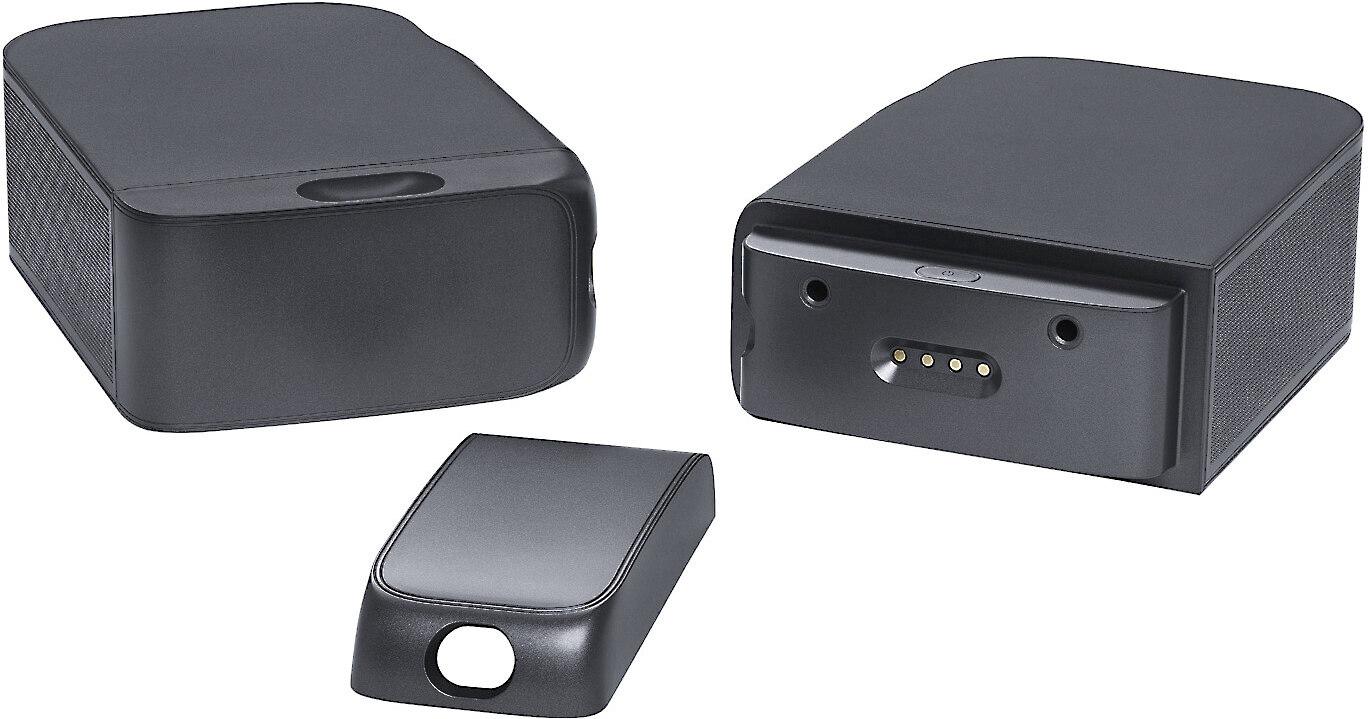
The Bar 700's approach is fundamentally different and, in most scenarios, superior. The detachable rear speakers physically place audio behind your listening position, creating authentic surround sound rather than a simulation. These speakers connect wirelessly to the main system and include built-in batteries that provide up to 10 hours of playback time.
What makes the Bar 700's rear speakers particularly clever is their detachable design. When watching casual TV, you can leave them docked to the main soundbar for a clean look. For movie nights or gaming sessions, you can quickly detach them and place them behind your seating area. They're lightweight enough to move easily but substantial enough to produce meaningful audio output.
During my testing with atmospheric films like "Blade Runner 2049," the difference was striking. Rain seemed to fall all around me, aircraft moved convincingly from front to back, and ambient sounds created genuine immersion that virtual processing simply cannot match.
Bass response represents the largest performance gap between these two systems, and it's worth understanding why this matters beyond just "louder explosions."
The Bar 300 MK2 includes a bass port – essentially a precisely tuned opening that reinforces low frequencies through resonance. Combined with its racetrack drivers, this setup produces respectable bass for a single-unit soundbar. You'll notice improvement over TV speakers, and it's adequate for most casual viewing.
However, deep bass requires moving significant amounts of air, which demands large drivers and substantial power. The Bar 300 MK2's built-in approach simply cannot match what a dedicated subwoofer achieves. This becomes apparent not just in action movies, but in music reproduction where bass lines provide rhythm and foundation.
The Bar 700's 10-inch subwoofer operates in a different league entirely. Subwoofers can be larger and more powerful because they don't need to fit within a slim soundbar profile. This size advantage translates to deeper bass extension (reaching lower frequencies) and greater impact (moving more air for the same electrical input).
In practical terms, this means the Bar 700 can reproduce the full range of audio content as intended. The opening scene of "Saving Private Ryan" delivers the gut-wrenching impact of artillery strikes. Hans Zimmer's score in "Interstellar" provides the emotional weight that makes those space scenes so compelling. Even everyday content benefits – sports broadcasts gain excitement from the crowd noise and impact sounds that proper bass reproduction provides.
The subwoofer also includes adjustable bass levels through the JBL One app, allowing you to fine-tune the sound to your room and preferences. This flexibility proves valuable because bass response varies significantly based on room size, furniture placement, and even the time of day you're listening.
Your room size significantly influences which soundbar will provide better value and performance, and this is where practical considerations become as important as technical specifications.
The Bar 300 MK2 excels in small to medium-sized rooms, roughly up to 200 square feet. In my testing in a 150-square-foot bedroom, it provided excellent performance that easily filled the space without overwhelming it. The 260W output proved more than adequate, and the compact design didn't dominate the visual space.
However, larger rooms exposed the system's limitations. In a 300-square-foot living room, the Bar 300 MK2 struggled to provide adequate volume without pushing its drivers to distortion. The virtual surround effects also became less effective as the distance between the soundbar and listening position increased.
The Bar 700's higher power output and distributed speaker approach scales much better for larger spaces. The wireless subwoofer can be positioned optimally for bass response regardless of where the main soundbar sits. The rear speakers maintain their effectiveness even when placed at significant distances from the main unit.
Room acoustics also play a crucial role. The Bar 300 MK2's virtual surround depends on sound reflections, so rooms with heavy sound absorption (thick curtains, carpets, furniture) reduce its effectiveness. The Bar 700's physical speaker placement makes it less dependent on room acoustics, though proper positioning still matters for optimal performance.
At first glance, the $200 price difference between these systems might seem significant, but breaking down what that money purchases reveals why the Bar 700 represents exceptional value for most buyers.
The Bar 300 MK2's $449 price includes a well-engineered soundbar with solid build quality, effective dialogue enhancement, and adequate performance for casual viewing. For someone upgrading from TV speakers in a small space, this represents good value and a meaningful improvement in audio quality.
The Bar 700's $649 price adds a 10-inch wireless subwoofer, detachable rear speakers, and more than double the total power output. When you consider that aftermarket subwoofers alone often cost $200-400, and decent bookshelf speakers for surrounds cost another $100-200, the Bar 700's pricing becomes quite reasonable for what you receive.
More importantly, the performance difference justifies the price premium for most users. The Bass extension, true surround sound, and room-filling power transform the viewing experience in ways that incremental improvements cannot match.
However, value depends on your specific situation. If you live in a small apartment where a subwoofer might disturb neighbors, or if you primarily watch dialogue-heavy content, the Bar 300 MK2's simpler approach might provide better value for your particular needs.
The setup experience highlights the fundamental philosophical differences between these systems and affects long-term satisfaction.
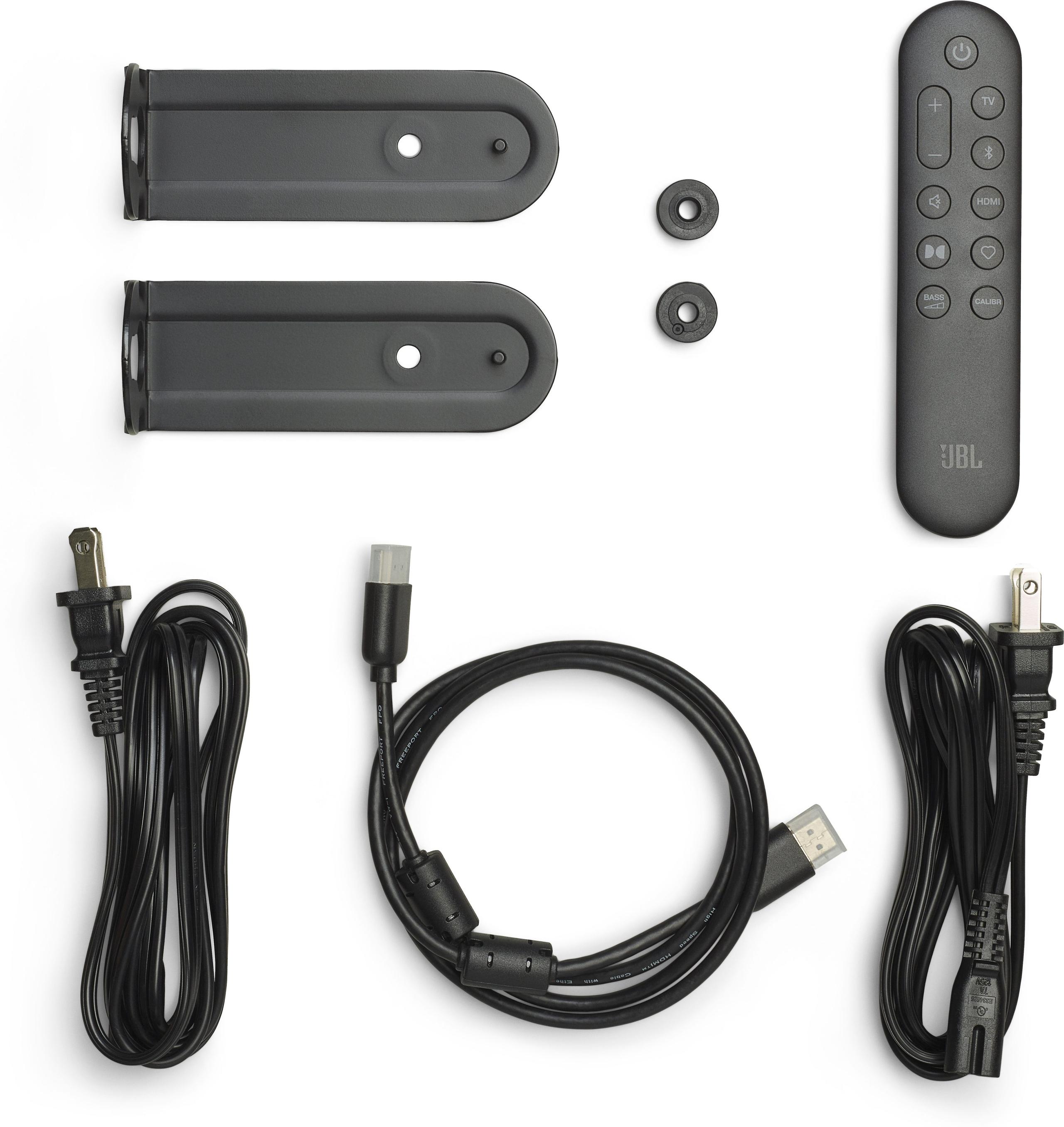
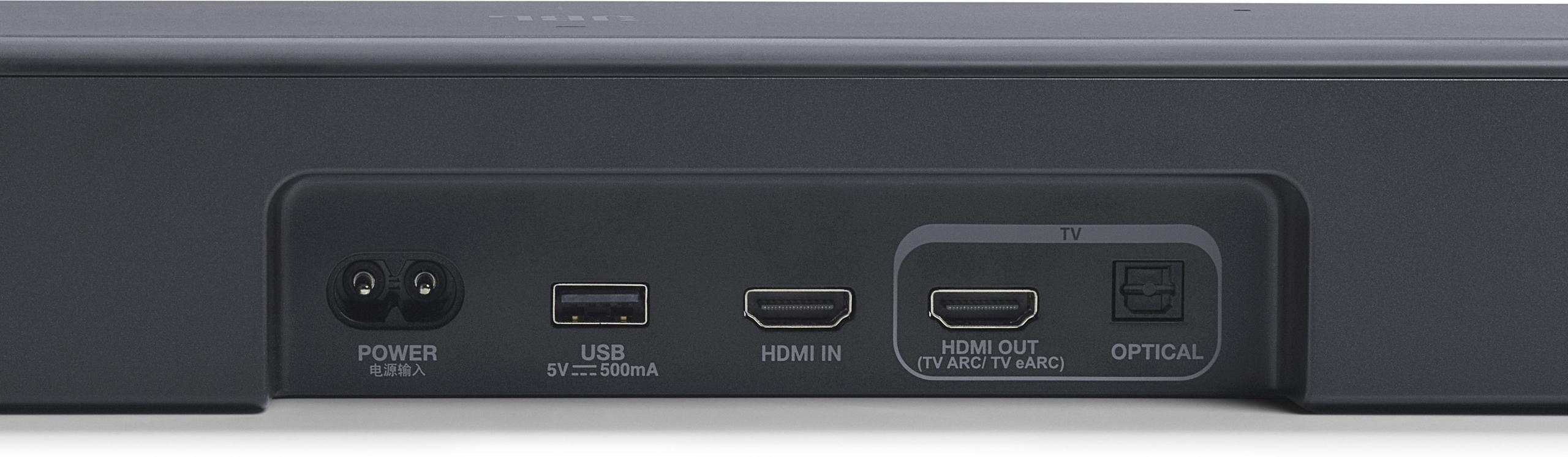
The Bar 300 MK2 offers true plug-and-play simplicity. Connect one HDMI cable (or optical if your TV lacks HDMI ARC), plug in power, and you're ready to go. The JBL One app provides EQ adjustments and streaming setup, but the system works perfectly fine without ever opening the app. This simplicity extends to daily use – no multiple components to power on, no speaker positioning to optimize, no batteries to monitor.
The Bar 700 requires slightly more consideration during setup, though JBL has minimized the complexity. The subwoofer connects wirelessly after initial pairing, so no cables run across your room. The rear speakers dock to the main soundbar for charging and storage, then detach when you want surround sound. Initial room calibration takes a few minutes but significantly improves performance.
In daily use, the Bar 700's modular approach provides flexibility that becomes valuable over time. You can use just the soundbar and subwoofer for casual viewing, then add the rear speakers for movie nights. The rear speakers' battery life (up to 10 hours) means you're not constantly managing charging, and they automatically connect when detached from the main unit.
Both systems support comprehensive streaming options including AirPlay, Chromecast, and Alexa Multi-Room Music, making them equally convenient for music listening and smart home integration.
For serious home theater use, the differences between these systems become most pronounced, and your choice significantly impacts long-term satisfaction.
The Bar 300 MK2 can certainly improve your movie watching experience, especially for dialogue clarity and general audio quality. However, it cannot recreate the immersive experience that makes home theater compelling. Action sequences lack impact, atmospheric soundtracks lose their emotional weight, and you miss the spatial audio cues that directors use to enhance storytelling.
The Bar 700 approaches true home theater performance. The combination of dedicated bass, authentic surround sound, and sufficient power creates the immersive experience that makes staying home competitive with going to the movies. During my testing of "Top Gun: Maverick," the jet sequences felt genuinely thrilling rather than simply loud, and the precise audio positioning enhanced the film's emotional impact.
For gaming, the Bar 700's advantages multiply. The rear speakers provide spatial awareness that can improve competitive gaming performance, while the subwoofer adds impact to sound effects that enhances immersion in single-player games.
Both soundbars include modern connectivity and receive regular firmware updates, but they differ in upgrade potential and technical flexibility.
The Bar 300 MK2's all-in-one design means you're committed to its current configuration. You cannot add a subwoofer later or upgrade individual components. However, its simpler architecture means fewer potential failure points and more predictable long-term performance.
The Bar 700's modular design provides upgrade flexibility and adaptation to changing needs. Moving to a larger room? The components scale better. Want to experiment with speaker placement? The wireless design accommodates changes easily. Component failure affects only part of the system rather than requiring complete replacement.
Both systems support the latest audio formats including Dolby Atmos (virtualized) and receive ongoing firmware updates that add features and improve performance. The Bar 700 gained DTS Virtual:X support through a recent update, demonstrating JBL's commitment to enhancing these systems post-purchase.
Choose the Bar 300 MK2 if you live in a small space like a studio apartment or bedroom where a subwoofer might be impractical or unwelcome. It's ideal if you primarily watch dialogue-heavy content, value simplicity above all else, or need to stay under $500. The clean, minimalist aesthetic and straightforward setup make it perfect for secondary rooms or situations where audio quality matters but not enough to justify additional complexity.
Choose the Bar 700 if you have a medium to large living room and want true home theater performance. It's the clear choice for movie enthusiasts, gamers, or anyone who regularly listens to music through their TV setup. The modular design adapts to different room layouts and use cases, making it a more flexible long-term investment.
The $200 price difference buys you substantially more than just additional components – it purchases a fundamentally different and superior audio experience. For most buyers seeking a meaningful upgrade to their home entertainment system, the Bar 700 provides exceptional value that justifies the modest premium over the Bar 300 MK2.
In my experience, audio upgrades tend to be long-term investments that you live with for years. Choosing the more capable system often proves wise, even if it initially seems like overkill, because your appreciation for better audio quality tends to grow over time rather than diminish.
| JBL Bar 300 MK2 ($449) | JBL Bar 700 ($649) |
|---|---|
| System Configuration - Determines audio quality and setup complexity | |
| 5.0-channel all-in-one soundbar (no subwoofer) | 5.1-channel system with wireless subwoofer + detachable rear speakers |
| Total Power Output - Critical for room-filling sound and dynamic range | |
| 260W (adequate for small-medium rooms) | 620W (excellent for large rooms and impactful audio) |
| Bass Response - Most noticeable difference in movie and music experience | |
| Built-in bass port with racetrack drivers (limited depth) | Dedicated 10" wireless subwoofer (deep, powerful bass) |
| Surround Sound Technology - Affects immersion level for movies and gaming | |
| Virtual surround only (DSP processing) | True 5.1 surround with physical rear speakers |
| Dolby Atmos Support - Enhanced 3D audio for compatible content | |
| Virtual Dolby Atmos (simulated overhead effects) | Virtual Dolby Atmos (simulated overhead effects) |
| Room Size Performance - Determines if system can adequately fill your space | |
| Small to medium rooms (up to 200 sq ft) | Medium to large rooms (300+ sq ft) |
| Setup Complexity - Time and effort required for installation | |
| Single unit, one cable connection | Multiple components, wireless subwoofer + detachable rear speakers |
| Dimensions (Main Unit) - Important for TV stand compatibility | |
| 32.3" x 2.2" x 4.1" (2.5 kg) | 34.8" x 2.2" x 4.7" (3.2 kg main bar) |
| Connectivity Options - Streaming and device compatibility | |
| HDMI eARC, Optical, Bluetooth 5.0, Wi-Fi streaming | HDMI eARC, Optical, Bluetooth 5.0, Wi-Fi streaming |
| Expandability - Future upgrade potential | |
| No expansion options (fixed configuration) | Modular design allows component repositioning |
| Best For - Ideal user scenarios | |
| Small spaces, simplicity seekers, dialogue-focused viewing | Home theater enthusiasts, large rooms, movie/gaming focus |
The JBL Bar 300 MK2 ($449) is better suited for small rooms up to 200 square feet. Its compact design and 260W power output provide adequate sound without overwhelming smaller spaces. The all-in-one design also saves space since you don't need room for a separate subwoofer or rear speakers.
Yes, the JBL Bar 700 ($649) includes a 10-inch wireless subwoofer that delivers deep bass for movies and music. The JBL Bar 300 MK2 does not include a separate subwoofer and relies on built-in drivers for bass response.
The main difference is system configuration: the JBL Bar 300 MK2 is an all-in-one soundbar, while the JBL Bar 700 is a complete 5.1 surround sound system with a wireless subwoofer and detachable rear speakers. This gives the Bar 700 significantly better bass and true surround sound.
The JBL Bar 700 is much better for movies due to its dedicated subwoofer for impactful explosions and sound effects, plus detachable rear speakers that create true surround sound immersion. The JBL Bar 300 MK2 can improve dialogue clarity but lacks the bass depth and surround effects that make movies exciting.
The JBL Bar 700 delivers 620W total power compared to the JBL Bar 300 MK2's 260W output - that's more than double the power. This extra power translates to louder volume, better dynamics, and the ability to fill larger rooms effectively.
Yes, both the JBL Bar 300 MK2 and JBL Bar 700 support virtual Dolby Atmos, which uses digital processing to simulate overhead sound effects. However, neither has physical upfiring speakers for true Dolby Atmos height channels.
The JBL Bar 300 MK2 is much easier to set up since it's a single unit requiring only one cable connection. The JBL Bar 700 requires positioning the wireless subwoofer and optionally placing the detachable rear speakers, though the wireless connections minimize cable management.
For most buyers, yes. The $200 extra for the JBL Bar 700 gets you a wireless subwoofer, detachable rear speakers, and more than double the power output. This represents excellent value considering aftermarket subwoofers alone often cost $200-400.
The JBL Bar 700 is significantly better for music due to its dedicated subwoofer that reproduces bass lines and drum hits with proper depth and impact. While the JBL Bar 300 MK2 handles vocals and mid-range well, it cannot match the full-range musical experience of the complete 5.1 system.
No, the JBL Bar 300 MK2 cannot be expanded with additional speakers or a subwoofer. It's designed as a complete all-in-one system. If you think you might want a subwoofer later, choose the JBL Bar 700 which includes one from the start.
The JBL Bar 700 performs much better in large rooms thanks to its 620W power output and distributed speaker design. The wireless subwoofer and rear speakers maintain effectiveness across greater distances, while the JBL Bar 300 MK2 may struggle to adequately fill spaces larger than 200 square feet.
Yes, both the JBL Bar 300 MK2 and JBL Bar 700 offer identical streaming capabilities including Wi-Fi, Bluetooth 5.0, AirPlay, Chromecast built-in, and Alexa Multi-Room Music support. They also both work with the JBL One app for control and customization.
We've done our best to create useful and informative comparisons to help you decide what product to buy. Our research uses advanced automated methods to create this comparison and perfection is not possible - please contact us for corrections or questions. These are the sites we've researched in the creation of this article: homecinemachoice.com - retailspecs.com - hometechnologyreview.com - whathifi.com - news.jbl.com - engadget.com - crutchfield.com - harmanaudio.com - techradar.com - bestbuy.com - jbl.com - sweech.co.ke - jbl.com - jbl.com.sg - mm.jbl.com - abcwarehouse.com - harmanaudio.com - sweetwater.com - ro.harmanaudio.com - dell.com - jbl.co.nz - crutchfield.com - harmanaudio.com - target.com - jbl.com - walmart.com - dell.com - jbl.com

Privacy Policy
Terms and Conditions - Affiliate Policy
Home Security
© Copyright 2008-2026.
11816 Inwood Rd #1211, Dallas, TX 75244