








If you've ever tried watching a movie on a modern flat-screen TV and found yourself constantly adjusting the volume—turning it up for whispered dialogue, then scrambling to turn it down when the action explodes—you already understand why soundbars exist. Today's TVs are engineering marvels, but their paper-thin designs leave no room for decent speakers. That's where soundbars come in, transforming your living room into something closer to a real theater experience.
I've been testing audio equipment for years, and the soundbar market has really matured. Two products that perfectly illustrate different approaches to this challenge are the JBL Bar 300 MK2 at $449.95 and the Samsung B-Series 5.1 at $227.99. One takes the high-tech route with virtual surround sound packed into a sleek single unit, while the other goes traditional with a separate subwoofer for that chest-thumping bass. Let me walk you through what makes each special and help you figure out which fits your needs.
Before diving into specifics, it's worth understanding what we're dealing with. Modern soundbars essentially fall into two camps: all-in-one units that use clever digital processing to create surround effects, and traditional multi-piece systems that physically separate different audio channels.
The key considerations haven't changed much over the years—you want clear dialogue, immersive surround effects, and enough bass to feel the action. What has evolved dramatically is how manufacturers achieve these goals. Smart features like Wi-Fi streaming, voice control, and automatic room calibration have become increasingly important, especially as our homes get more connected.
Room compatibility matters more than many people realize. A soundbar that sounds incredible in a showroom might disappoint in your living room if the acoustics don't match up. This is where features like automatic calibration—which uses your smartphone's microphone to analyze your room and adjust the sound accordingly—can make a real difference.
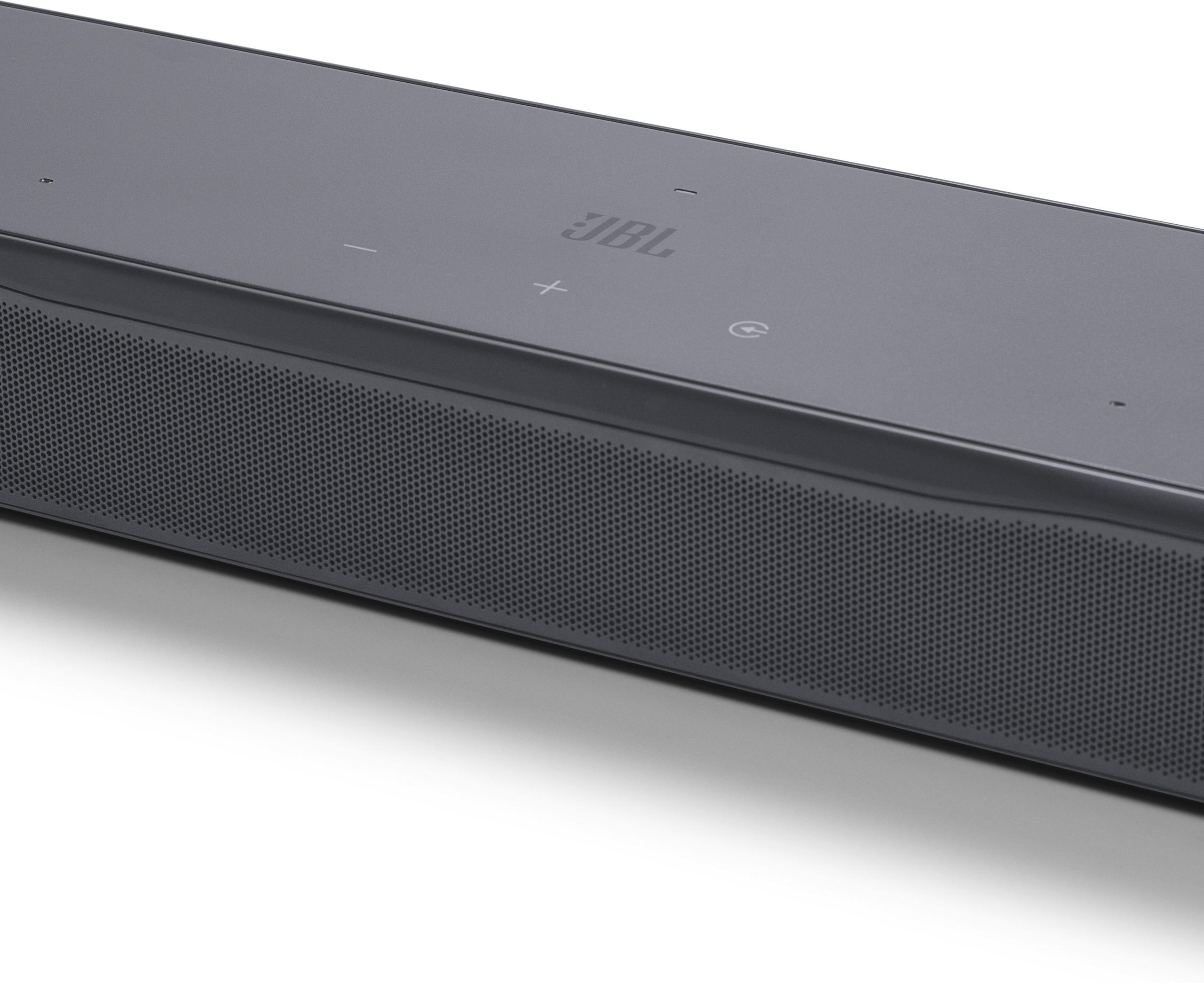
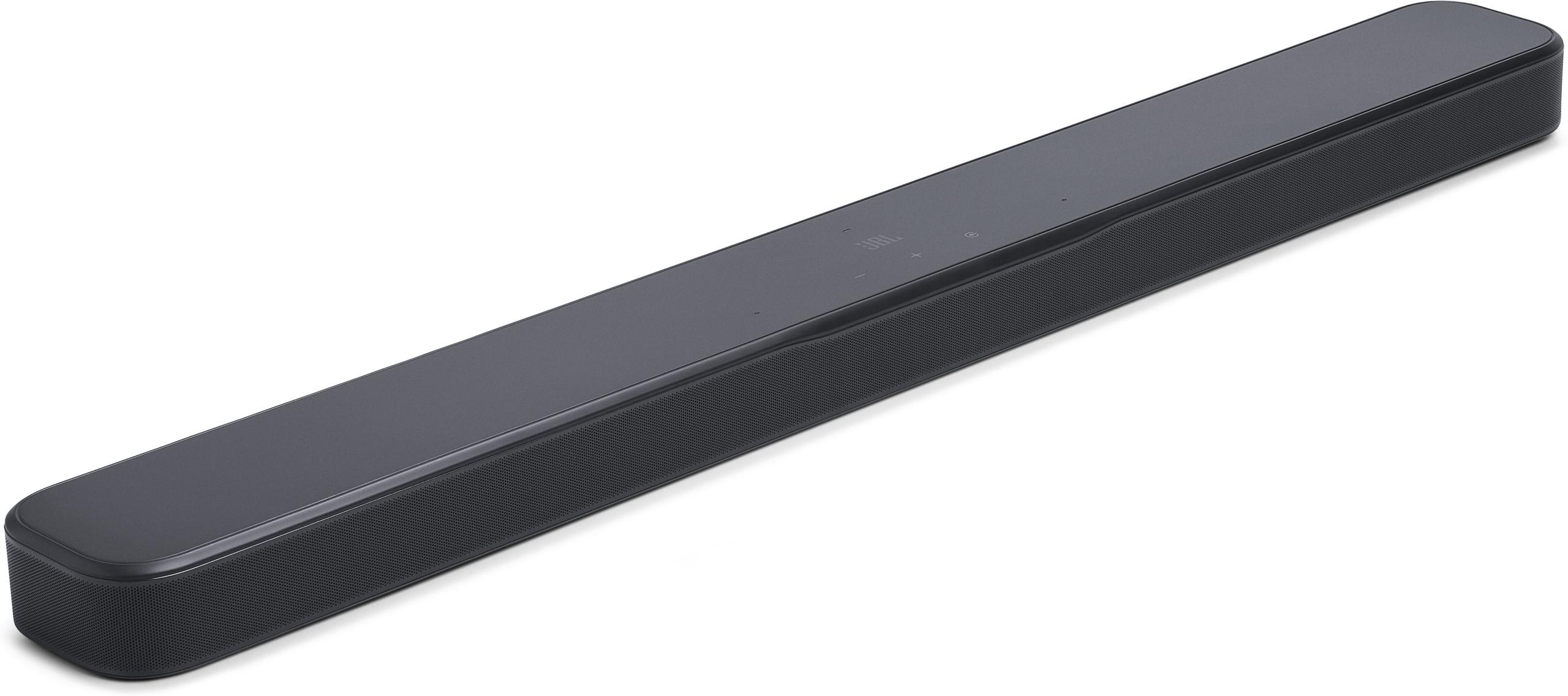
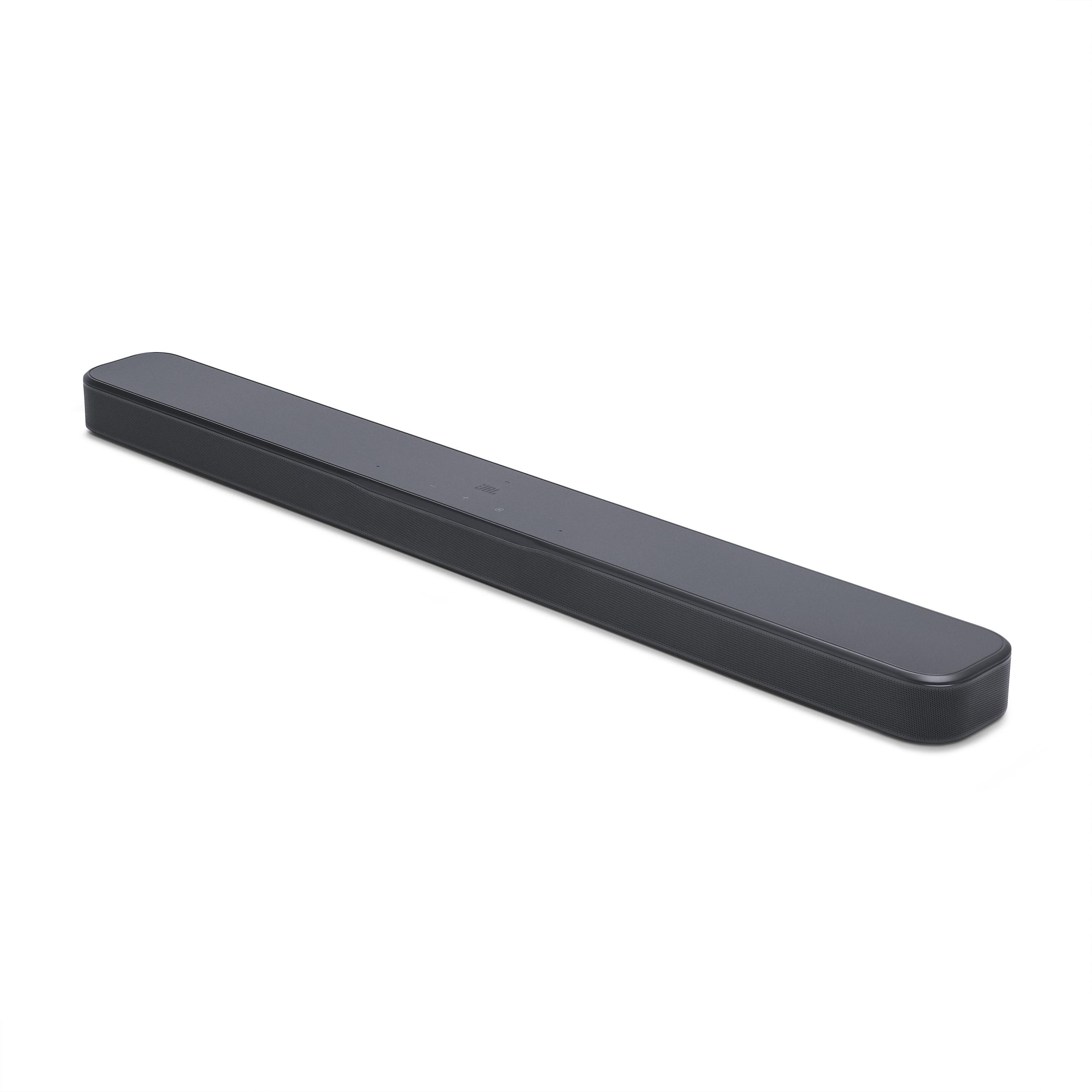
The JBL Bar 300 MK2, released in June 2025, represents JBL's latest thinking on premium all-in-one audio. It's part of their new MK2 series that focuses heavily on virtual processing and smart home integration. At 450 watts of total power spread across a 5.0-channel configuration, it uses advanced algorithms to create surround effects without requiring additional speakers around your room.
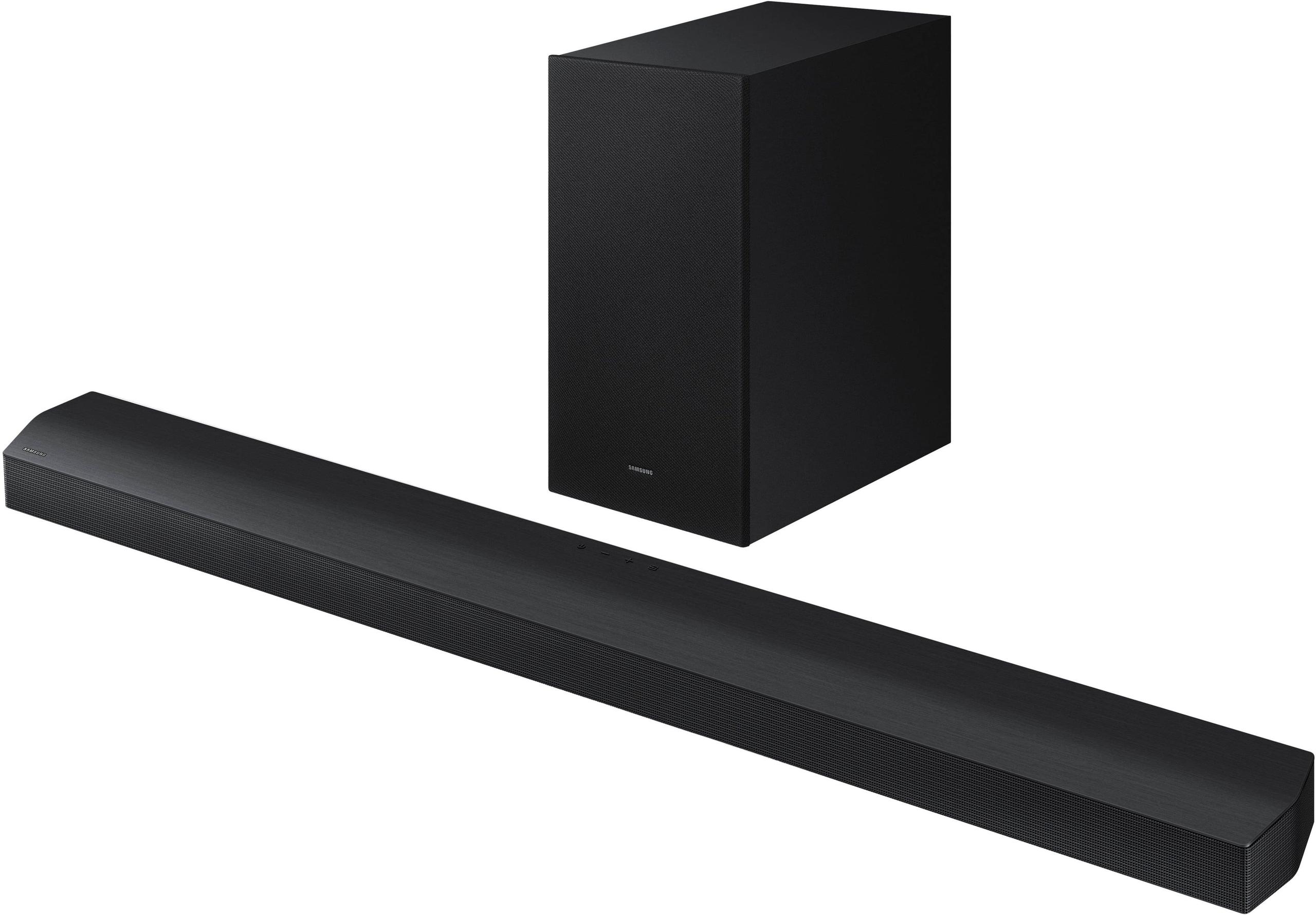
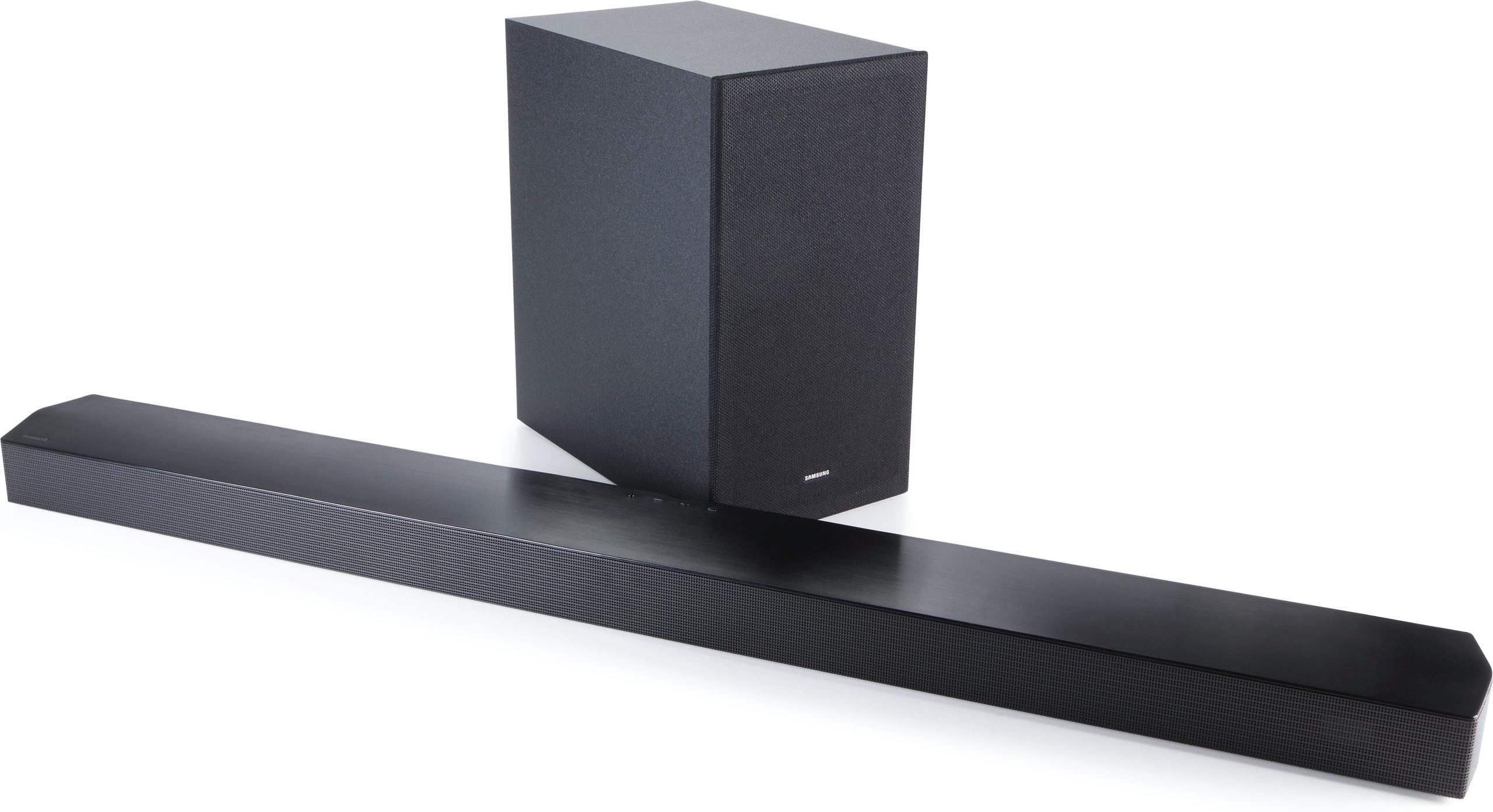
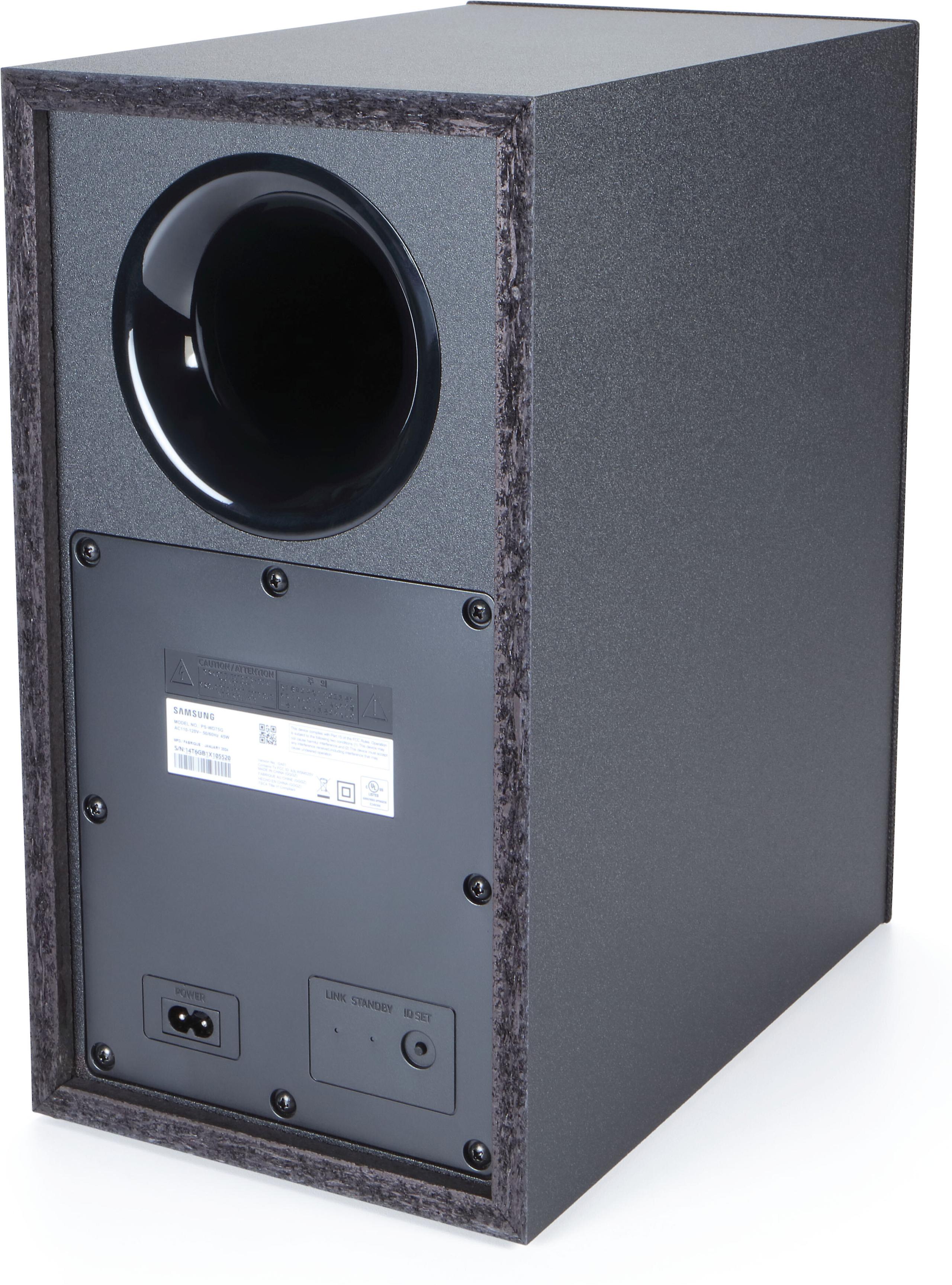
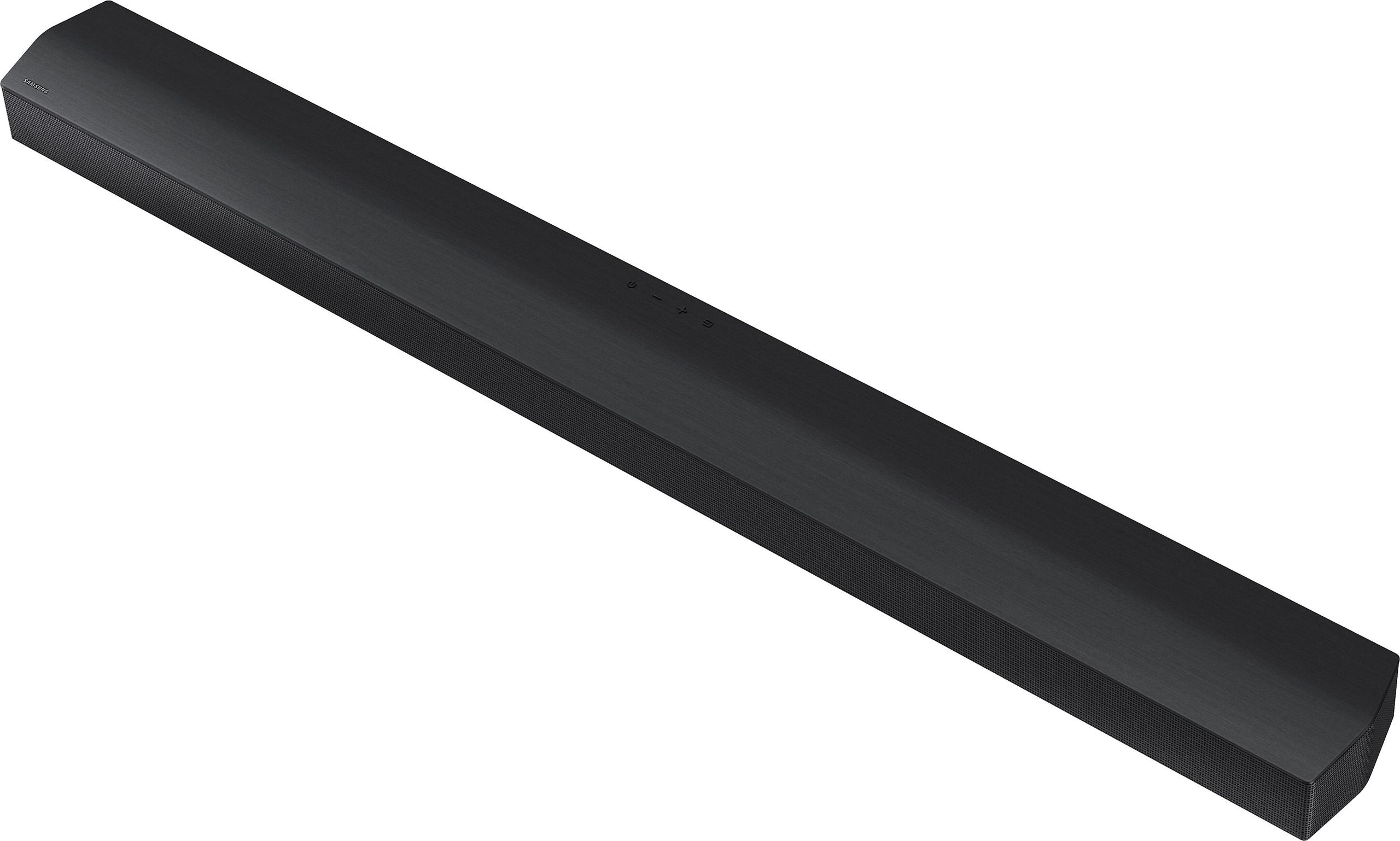
The Samsung B-Series 5.1, launched in 2024, takes a more traditional approach. It pairs a 340-watt soundbar with a wireless subwoofer to create a true 5.1-channel system. Samsung's philosophy here is straightforward: dedicated components for dedicated jobs, with the subwoofer handling deep bass while the main bar focuses on dialogue and mid-range frequencies.
These represent two distinct schools of thought that have emerged in recent years. The virtualization approach has gotten incredibly sophisticated—what used to sound obviously fake now creates surprisingly convincing surround effects. Meanwhile, the traditional multi-component approach has gotten more user-friendly, with wireless connectivity eliminating the cable runs that used to make these systems a pain to install.
This is where I notice the biggest difference between cheap TV speakers and any decent soundbar. Both products excel here, but in different ways that reflect their design philosophies.
The JBL Bar 300 MK2 uses something called PureVoice 2.0 technology, which is essentially smart processing that identifies vocal frequencies and enhances them without making everything sound artificially bright. In practice, this means you can hear every whispered conversation in a Christopher Nolan film without getting your ears blown out when the score kicks in. The center channel processing—even though it's virtual—does an excellent job of anchoring dialogue to the screen rather than letting it float around the room.
Samsung's approach is more traditional but equally effective. The B-Series 5.1 has a dedicated center channel that handles nothing but dialogue and vocal frequencies. This physical separation means voices have their own space in the mix, which often translates to more natural-sounding speech. The Voice Enhance mode takes this further by boosting the EQ specifically for vocal clarity.
In my testing, both handle dialogue well, but I give a slight edge to the JBL for complex scenes where lots of things are happening at once. Its processing seems better at separating competing elements.
Here's where the fundamental difference between these products becomes most obvious. Bass isn't just about volume—it's about extension (how low it goes), control (how tight and defined it sounds), and integration (how well it blends with the rest of the sound).
The Samsung's dedicated wireless subwoofer is a game-changer for anyone who watches action movies or listens to bass-heavy music. This thing can shake your couch in ways that no single soundbar can match. The subwoofer measures 7.2" x 13.5" x 11.6" and has its own 45-watt amplifier, meaning it can move serious air. When Godzilla stomps through a city or Hans Zimmer's score drops those massive organ notes in Interstellar, you feel it in your chest.
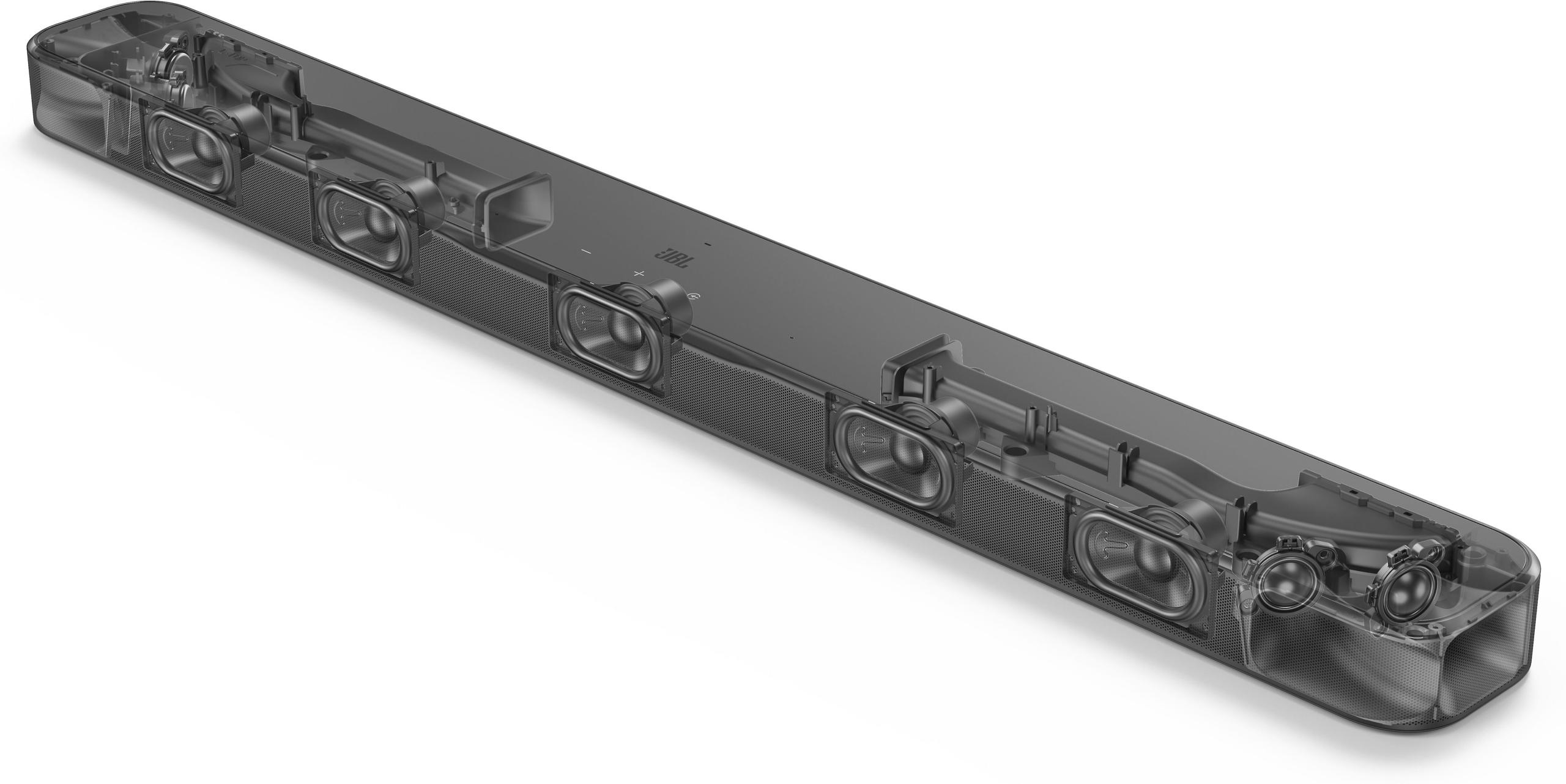
The JBL takes a different approach with built-in bass ports and what they call "racetrack" drivers—essentially oval-shaped speakers that can move more air than traditional round ones in the same space. It's impressive engineering that produces surprisingly deep bass for a single unit. But physics is physics, and a 2.2-inch tall soundbar simply cannot move as much air as a dedicated subwoofer.
That said, the JBL's bass is cleaner and more controlled. There's less of that "one-note" quality you sometimes get from cheaper subwoofers, and it integrates seamlessly with the mid-range. For music listening, especially genres like jazz or acoustic music where bass needs to be present but not dominant, the JBL actually sounds more natural.
Both products create surround effects, but through completely different methods that produce distinctly different results.
The JBL Bar 300 MK2 uses MultiBeam 3.0 technology combined with virtual Dolby Atmos processing. MultiBeam essentially fires sound in multiple directions and uses room reflections to create the illusion of speakers placed around your room. Dolby Atmos processing adds height information, making helicopters sound like they're actually flying overhead rather than just moving left to right.
What's impressive about the JBL's approach is how well it works in different room types. The automatic calibration adjusts the beam patterns based on your room's acoustic signature. In my testing, it created a surprisingly wide soundstage that extended well beyond the physical width of the soundbar. The height effects aren't as dramatic as a true Atmos system with ceiling speakers, but they're convincing enough to add real immersion.
Samsung's DTS Virtual:X technology works similarly but seems less sophisticated in practice. The side-firing speakers in the soundbar do create some width to the soundstage, but the effects aren't as precisely placed as the JBL's. Where Samsung wins is in the physical separation provided by the subwoofer—low-frequency effects really do seem to come from different parts of the room because they literally are.
For gaming, both products offer dedicated modes that enhance directional audio cues. The Samsung's Game Mode uses cross-talk cancellation to help you pinpoint enemy locations, while the JBL's processing emphasizes spatial details that can give you a competitive edge in shooters.
This is where the generational difference between these products becomes most apparent. The JBL Bar 300 MK2, being the newer design, embraces the smart home ecosystem in ways that feel genuinely useful rather than gimmicky.
The Wi-Fi connectivity opens up streaming options that Bluetooth simply can't match. AirPlay 2 lets iPhone users stream losslessly, while Chromecast built-in provides the same quality from Android devices and computers. More importantly, these connections are stable and don't suffer from the audio dropouts that can plague Bluetooth, especially in crowded wireless environments.
The JBL One app deserves special mention. Rather than being an afterthought like many manufacturer apps, it actually enhances the experience. You can create custom EQ curves for different types of content, control multi-room audio if you have other JBL speakers, and even use your phone's microphone for room calibration. The app also handles firmware updates automatically, ensuring your soundbar gets new features and improvements over time.
Alexa Multi-Room Music support means the JBL can participate in whole-home audio systems, playing the same music in sync with Echo devices throughout your house. This kind of integration transforms a soundbar from a TV accessory into part of a broader audio ecosystem.
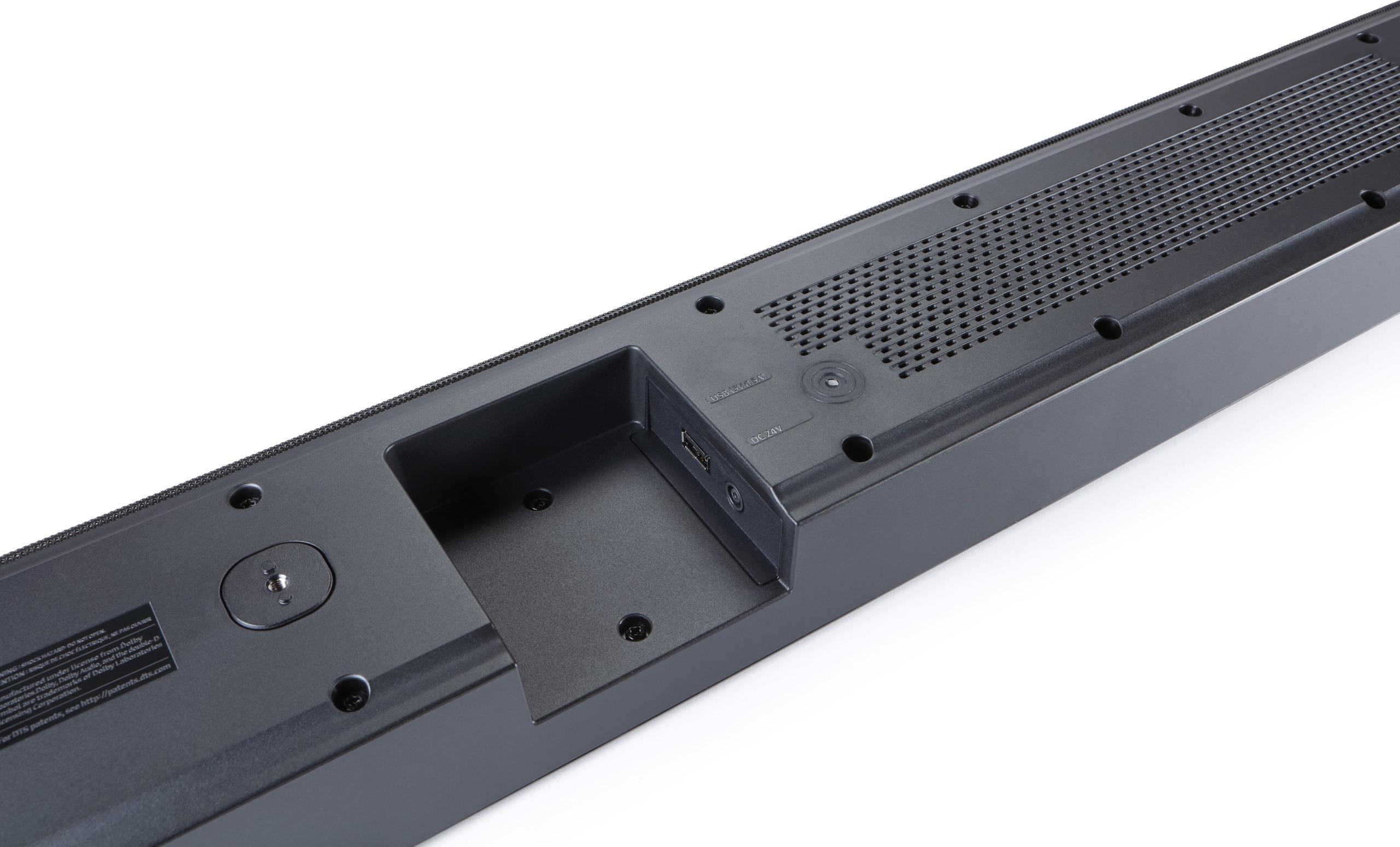
The Samsung B-Series 5.1 keeps things simpler with Bluetooth 4.2 connectivity. The multi-device connection feature that lets you pair two phones simultaneously is genuinely useful for households where multiple people want to share music duties. But the lack of Wi-Fi limits your streaming options and means no automatic updates or advanced smart features.
At $227.99, the Samsung represents exceptional value in traditional terms. You're getting true multi-channel separation, a dedicated subwoofer, and solid build quality for less than half the price of the JBL. For someone primarily focused on movies and TV, especially content with lots of action and bass, the Samsung delivers more visceral impact per dollar spent.
The JBL Bar 300 MK2 at $449.95 costs nearly twice as much, but that premium buys you several things: cutting-edge processing technology, comprehensive smart features, a more premium build, and the convenience of a single-unit setup. Whether that's worth the extra money depends largely on how you plan to use it and how much you value convenience and future-proofing.
I've found that the hidden costs of multi-component systems can add up. The Samsung needs two power outlets and careful subwoofer placement for optimal sound. If your entertainment center doesn't have convenient outlets or if your room layout doesn't accommodate a subwoofer well, the JBL's simplicity becomes very attractive.
From a longevity perspective, the JBL's software-updatable platform means it should stay current longer. Samsung's more traditional approach might feel dated as streaming and smart home technologies continue evolving.
For dedicated home theater use, both products have strengths that appeal to different priorities. If your primary goal is recreating the cinema experience—with earth-shaking explosions and immersive surround effects—the Samsung B-Series 5.1 delivers more of that visceral impact that makes action movies fun.
The subwoofer placement flexibility can be crucial in home theater setups. You can position it for optimal bass response in your specific room, something the JBL's fixed configuration can't match. For large rooms or open floor plans, this physical bass presence makes a noticeable difference.
However, the JBL Bar 300 MK2 excels in areas that are often overlooked but equally important for home theater enjoyment. The dialogue clarity ensures you never miss plot points, while the virtual Atmos processing adds atmospheric effects that enhance immersion without overwhelming the mix. For mixed-use spaces where the soundbar also handles music and casual TV viewing, the JBL's more balanced approach often works better.
The automatic calibration feature particularly shines in home theater applications. Most people don't have acoustically treated rooms, and the JBL's ability to analyze and compensate for common room problems—like reflective surfaces or awkward speaker placement—can significantly improve the overall experience.
The engineering approaches here represent different solutions to the same fundamental challenges of soundbar design. The JBL's racetrack drivers are a perfect example—by using oval shapes instead of circular ones, they can move more air in the limited vertical space of a slim soundbar. Combined with carefully tuned bass ports, this creates surprising low-end extension for such a compact unit.
The virtual Dolby Atmos processing deserves explanation because it's often misunderstood. True Dolby Atmos uses overhead speakers or upfiring drivers to create height effects. Virtual Atmos uses psychoacoustic processing—essentially tricks that exploit how our brains interpret sound—to create the illusion of height without additional speakers. The JBL's implementation is sophisticated enough that these effects genuinely enhance immersion, though they're not quite as dramatic as the real thing.
Samsung's approach with physical driver separation is more straightforward but equally valid. The wireless subwoofer communicates with the main bar using a proprietary connection that's more stable than standard Bluetooth. The built-in side speakers fire sound at angles designed to create width in the soundstage through room reflections.
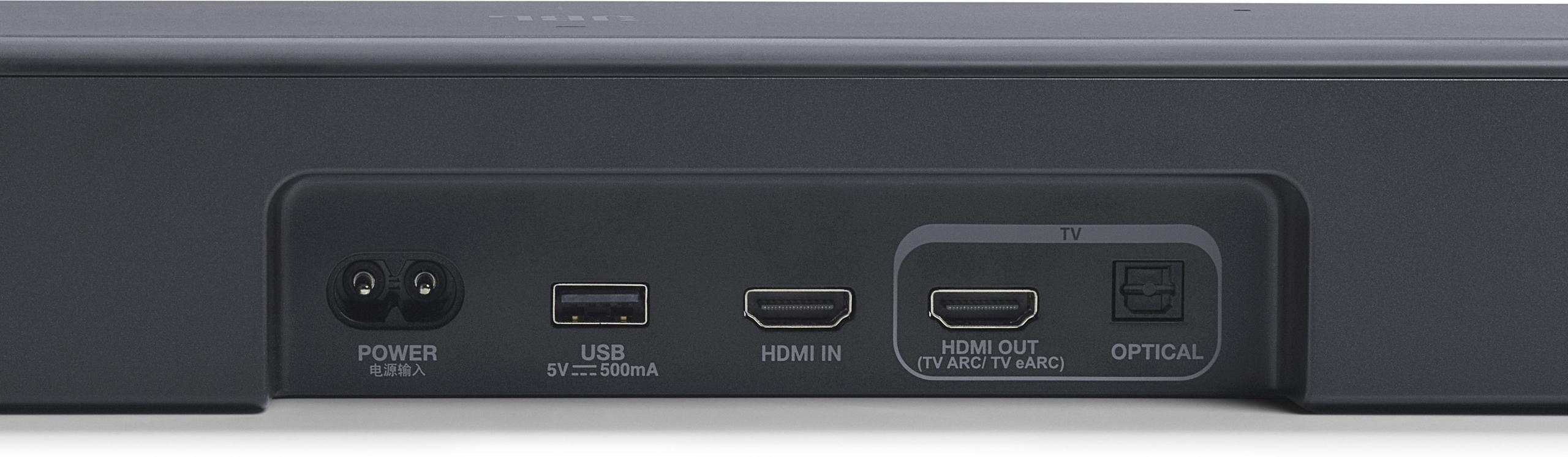
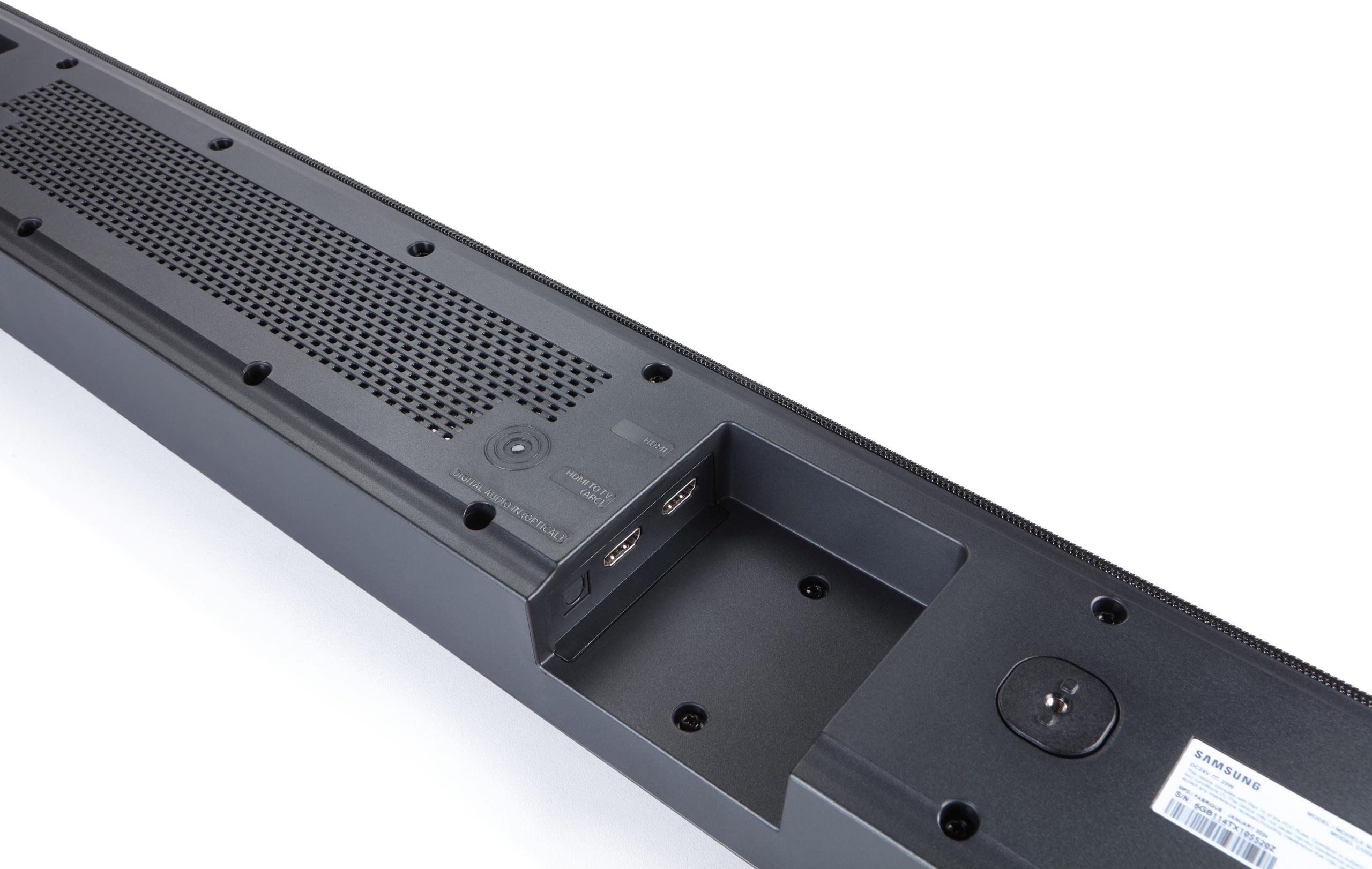
Both products use HDMI ARC (Audio Return Channel) or eARC (Enhanced Audio Return Channel) for the primary TV connection. This allows the TV to send audio back to the soundbar through the same HDMI cable that receives video, simplifying setup and ensuring compatibility with modern streaming apps built into smart TVs.
After extensive testing with both products, here's how I'd break down the decision:
Choose the Samsung B-Series 5.1 if you're primarily focused on movies and TV, especially action-heavy content. The dedicated subwoofer provides bass impact that the JBL simply cannot match, and at $227.99, it's hard to argue with the value proposition. It's also the better choice if you have a large room or open floor plan where physical bass presence matters more than processing sophistication.
The JBL Bar 300 MK2 makes more sense if you want a premium, future-proof solution that handles both movies and music exceptionally well. The smart features and streaming capabilities transform it from a TV accessory into a central part of your home's audio ecosystem. If you value convenience, dialogue clarity, and don't mind paying extra for cutting-edge technology, the JBL delivers.
For most people, I lean slightly toward the Samsung for pure value and the JBL for overall versatility and longevity. But honestly, both represent solid choices that will dramatically improve your TV audio experience. The "wrong" choice here is continuing to use your TV's built-in speakers—either of these soundbars will transform your viewing experience in ways that go far beyond what the spec sheets might suggest.
The soundbar market has matured to the point where even budget options deliver genuinely good performance. These two products just represent different philosophies for achieving that goal, and your choice should reflect your priorities, room constraints, and how you actually use your entertainment system.
| JBL Bar 300 MK2 Soundbar | Samsung B-Series 5.1 Channel Soundbar with Subwoofer |
|---|---|
| Price - Entry point and value proposition | |
| $449.95 (premium pricing for advanced features) | $227.99 (exceptional value for traditional surround) |
| Configuration - Physical setup and space requirements | |
| 5.0 channel all-in-one (no subwoofer needed) | 5.1 channel with wireless subwoofer (requires placement) |
| Total Power - Raw output capability for room filling sound | |
| 450W (impressive for single unit design) | 340W (adequate with dedicated subwoofer boost) |
| Bass Performance - Deep low-end impact for movies and music | |
| Built-in bass ports and racetrack drivers (good but limited) | Dedicated wireless subwoofer (significantly deeper and more impactful) |
| Surround Technology - Immersive audio processing | |
| Virtual Dolby Atmos with MultiBeam 3.0 (sophisticated virtual processing) | DTS Virtual:X with side speakers (traditional approach with physical separation) |
| Smart Connectivity - Streaming and smart home integration | |
| Wi-Fi, AirPlay 2, Chromecast, Alexa Multi-Room (comprehensive ecosystem) | Bluetooth 4.2 only (basic wireless, no smart features) |
| Voice Enhancement - Dialogue clarity during complex scenes | |
| PureVoice 2.0 with advanced vocal processing | Voice Enhance mode with dedicated center channel |
| Room Calibration - Automatic sound optimization | |
| Advanced app-controlled auto-calibration using smartphone mic | Basic EQ adjustments and Adaptive Sound |
| Dimensions - Physical footprint and aesthetic impact | |
| 32.3" × 2.2" × 4.1" single unit (compact and clean) | 40.5" soundbar + separate 7.2" × 13.5" × 11.6" subwoofer |
| App Control - Setup and customization options | |
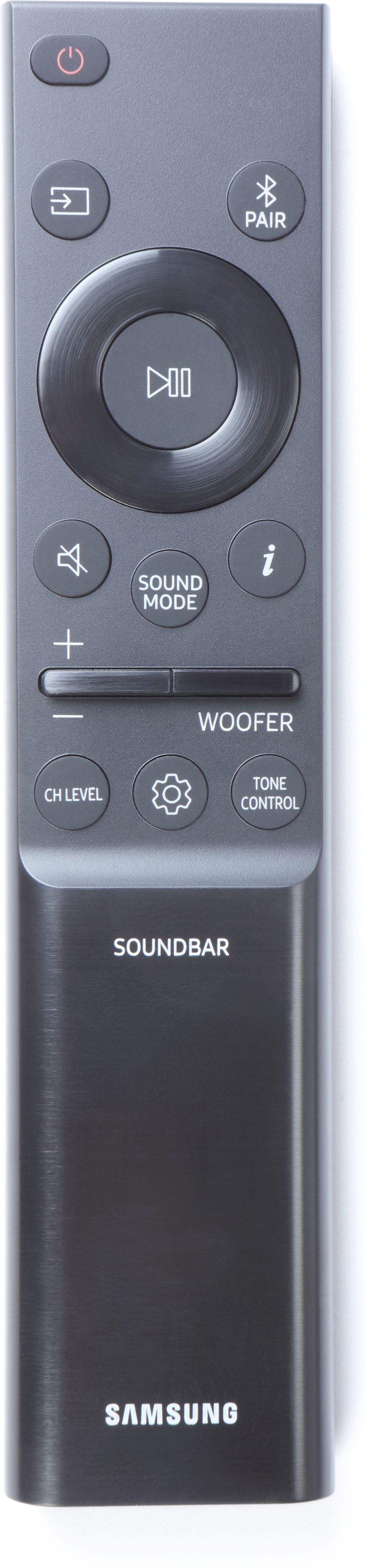
| JBL One app with detailed EQ, streaming, and updates | Basic remote control, limited app functionality |
| Future Updates - Long-term feature additions | |
| Regular OTA updates (DTS Virtual:X coming late 2025) | No software update capability |
The Samsung B-Series 5.1 has significantly better bass performance due to its dedicated wireless subwoofer. The subwoofer delivers deeper, more impactful low-end frequencies that you can feel during action movies and music. The JBL Bar 300 MK2 uses built-in bass ports and racetrack drivers that produce surprisingly good bass for a single unit, but it cannot match the depth and power of a dedicated subwoofer.
The JBL Bar 300 MK2 costs $449.95, while the Samsung B-Series 5.1 is priced at $227.99. This makes the Samsung nearly half the price of the JBL, representing a $222 difference. The JBL's higher price reflects its advanced virtual processing technology, smart home features, and premium build quality.
Both soundbars excel at dialogue clarity but use different approaches. The JBL Bar 300 MK2 uses PureVoice 2.0 technology with advanced vocal processing that intelligently enhances speech frequencies. The Samsung B-Series 5.1 has a dedicated center channel and Voice Enhance mode. In practice, both deliver clear dialogue, with the JBL having a slight edge in complex scenes with multiple audio elements.
No, you don't need Wi-Fi for basic functionality, but there's a big difference between the two. The Samsung B-Series 5.1 only has Bluetooth connectivity and works fine without internet. The JBL Bar 300 MK2 includes Wi-Fi along with AirPlay 2, Chromecast, and Alexa support, enabling high-quality streaming and smart home integration, but it will still work for TV audio without Wi-Fi.
The JBL Bar 300 MK2 takes up significantly less space as it's a single unit measuring 32.3" × 2.2" × 4.1". The Samsung B-Series 5.1 requires space for both the 40.5" soundbar and a separate wireless subwoofer measuring 7.2" × 13.5" × 11.6", plus you need two power outlets instead of one.
Neither soundbar can be expanded with additional rear speakers or components. The JBL Bar 300 MK2 is designed as a complete all-in-one system, while the Samsung B-Series 5.1 comes with its wireless subwoofer but cannot add rear speakers. If expandability is important, you'd need to consider higher-end models from both manufacturers.
Both offer gaming modes, but they serve different needs. The Samsung B-Series 5.1 has a dedicated Game Mode with cross-talk cancellation to help pinpoint enemy locations, plus the subwoofer adds impact to explosions. The JBL Bar 300 MK2 provides more precise spatial audio through its advanced processing, which can give competitive advantages in shooters and immersive games.
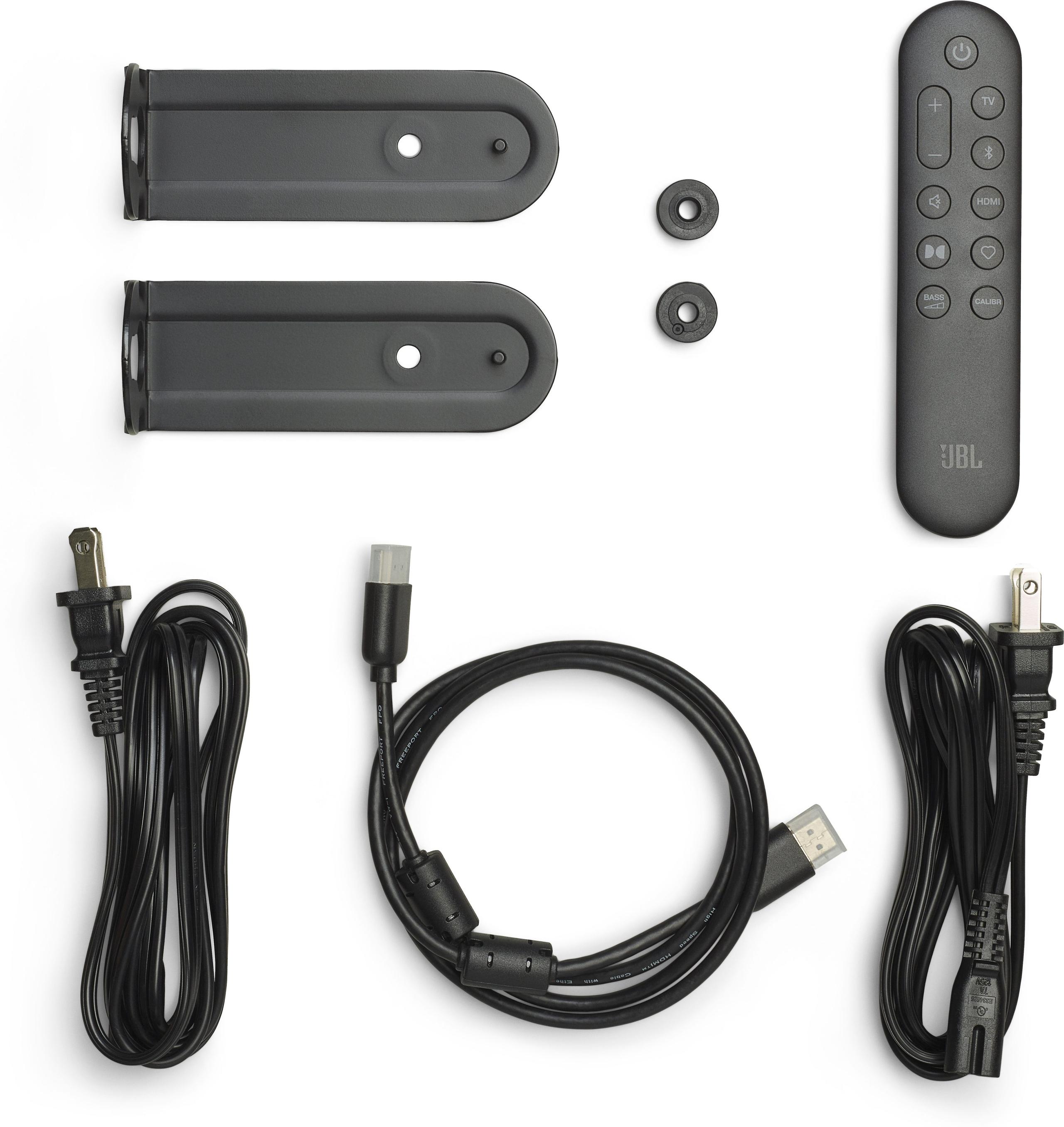
The JBL Bar 300 MK2 is simpler to set up as it's one unit with one power cord and one HDMI connection, plus automatic room calibration via the smartphone app. The Samsung B-Series 5.1 requires connecting both the soundbar and subwoofer to power, though the subwoofer pairs wirelessly automatically. Both include wall mounting hardware.
Only the JBL Bar 300 MK2 supports Dolby Atmos, specifically virtual Dolby Atmos that creates height effects through advanced processing without upfiring speakers. The Samsung B-Series 5.1 uses DTS Virtual:X for surround effects but does not support any form of Dolby Atmos processing.
Yes, but with different capabilities. The Samsung B-Series 5.1 supports Bluetooth streaming and can connect to two devices simultaneously for easy playlist switching. The JBL Bar 300 MK2 offers Bluetooth plus Wi-Fi streaming through AirPlay 2, Chromecast, and direct access to streaming services via the JBL One app, providing better sound quality and more options.
The Samsung B-Series 5.1 is generally better for large rooms due to its dedicated subwoofer that can fill bigger spaces with bass. The physical separation of the subwoofer also helps distribute sound throughout the room. The JBL Bar 300 MK2 can work in larger rooms thanks to its room calibration and MultiBeam technology, but may lack the bass impact needed for very large or open spaces.
The JBL Bar 300 MK2 receives regular over-the-air software updates that add new features and improvements, including a planned DTS Virtual:X update in late 2025. The Samsung B-Series 5.1 does not have software update capability, so the features you get at purchase are what you'll have long-term.
We've done our best to create useful and informative comparisons to help you decide what product to buy. Our research uses advanced automated methods to create this comparison and perfection is not possible - please contact us for corrections or questions. These are the sites we've researched in the creation of this article: homecinemachoice.com - retailspecs.com - hometechnologyreview.com - whathifi.com - news.jbl.com - engadget.com - crutchfield.com - harmanaudio.com - techradar.com - bestbuy.com - jbl.com - sweech.co.ke - jbl.com - jbl.com.sg - mm.jbl.com - abcwarehouse.com - harmanaudio.com - sweetwater.com - ro.harmanaudio.com - dell.com - jbl.co.nz - bestbuy.com - abt.com - avsforum.com - crutchfield.com - camelcamelcamel.com - samsung.com - samsung.com - samsung.com - images.samsung.com - samsung.com - avblinq.avbportal.com - samsung.com - samsung.com

Privacy Policy
Terms and Conditions - Affiliate Policy
Home Security
© Copyright 2008-2026.
11816 Inwood Rd #1211, Dallas, TX 75244