




If you've ever struggled to hear dialogue during action scenes or felt disappointed by your TV's thin, lifeless audio, you're not alone. Modern TVs have gotten incredibly slim, but that sleek design leaves no room for decent speakers. That's where soundbars come in – they're designed to transform your TV audio experience without the complexity of a full surround sound system.
Today, we're comparing two soundbars from JBL's 2025 lineup: the JBL Bar 300 MK2 ($449.95) and the JBL Bar 1000 MK2 ($1,199.95). Both were released in June 2025 as part of JBL's MK2 refresh, which brought significant improvements in processing power, connectivity, and sound quality over their predecessors.
Before diving into specifics, let's talk about what makes a good soundbar. The main goals are improving dialogue clarity, adding bass depth, and creating a wider soundstage than your TV can manage. Some soundbars go further, attempting to create true surround sound effects that make you feel like you're in the middle of the action.
When shopping for a soundbar, you'll encounter several key considerations. Room size matters enormously – a powerful system in a small apartment might overwhelm the space, while a modest soundbar in a large living room won't deliver the impact you're looking for. Your content preferences also play a role. If you primarily watch news and documentaries, dialogue clarity trumps surround effects. But if you're a movie buff or gamer, you'll want those immersive audio features.
The setup complexity varies dramatically between products. Some soundbars are truly plug-and-play, requiring just one HDMI cable. Others come with wireless subwoofers, rear speakers, and calibration routines that can take an hour to set up properly. Neither approach is inherently better – it depends on your comfort level and living situation.
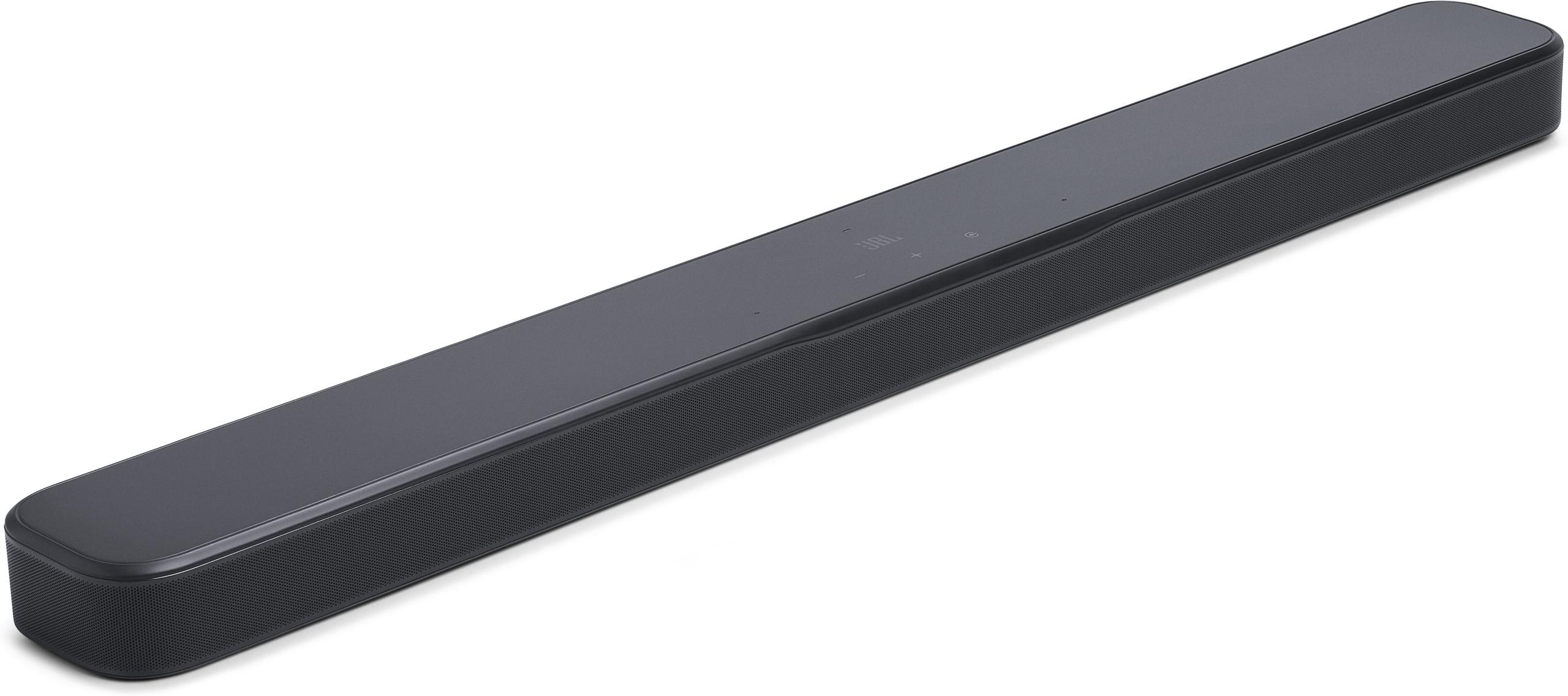
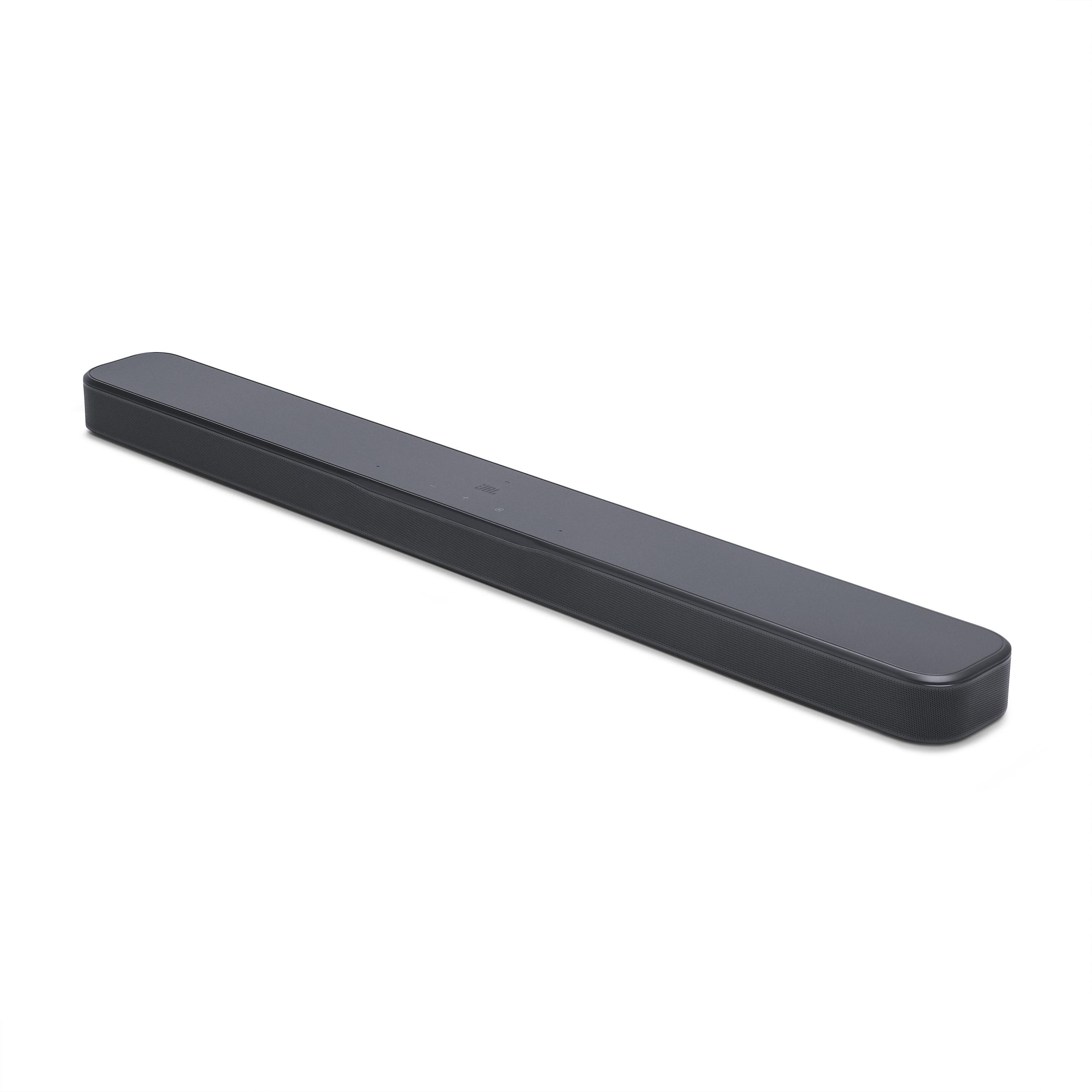
The JBL Bar 300 MK2 represents the "keep it simple" philosophy. It's a single 32-inch soundbar that does everything internally – no separate subwoofer, no rear speakers, just one sleek unit that sits under your TV. At $449.95, it targets users who want a significant audio upgrade without the complexity or space requirements of a multi-component system.
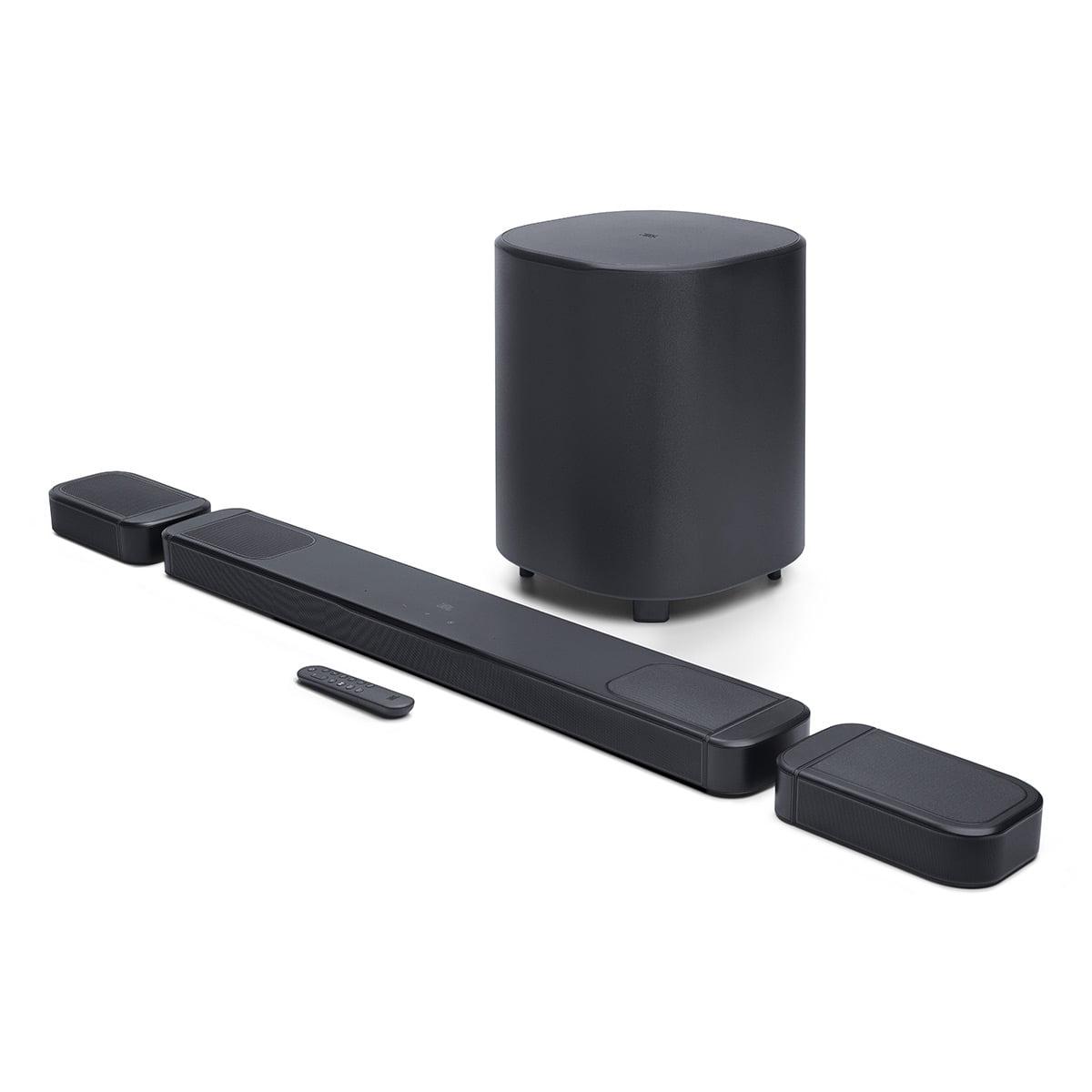
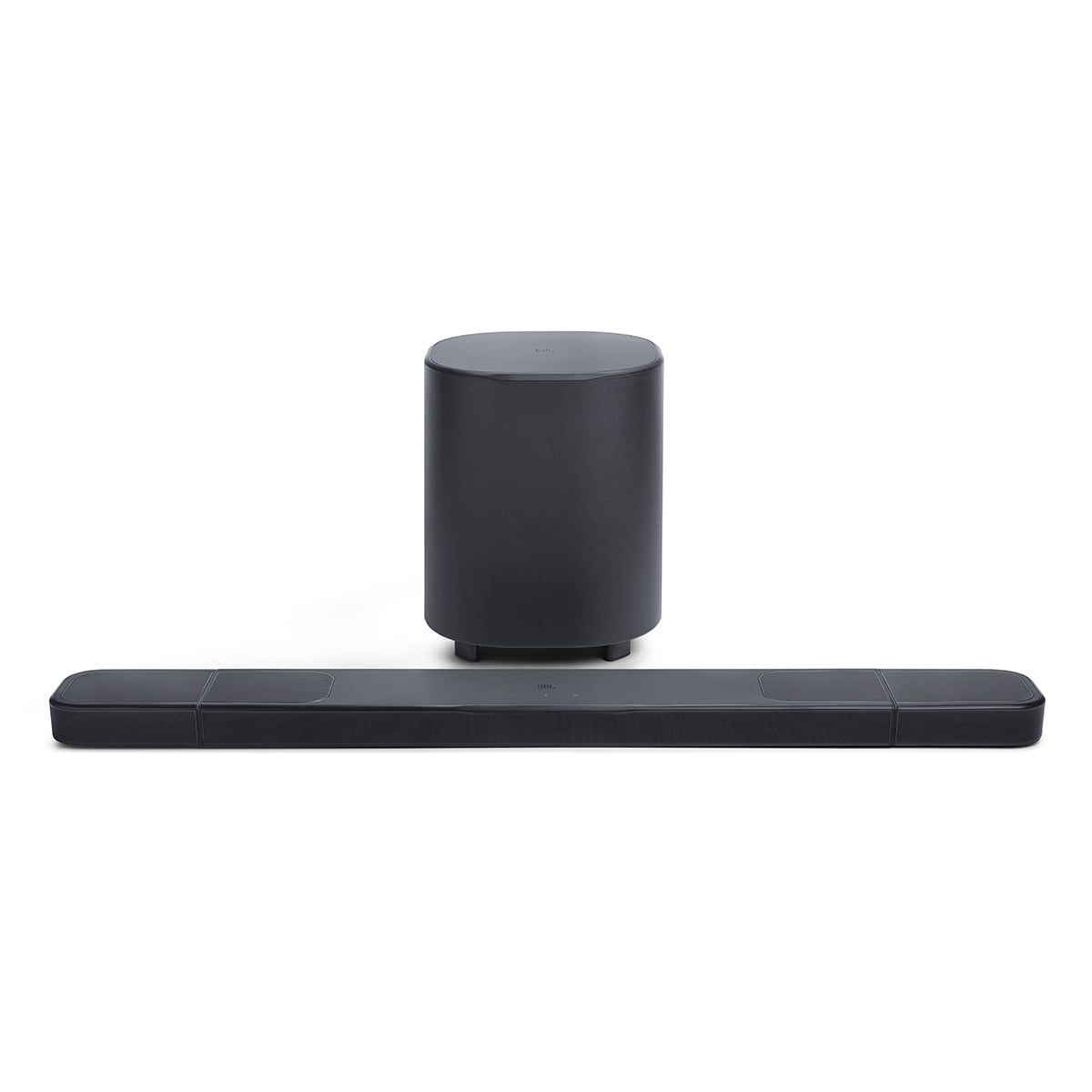
On the other end of the spectrum, the JBL Bar 1000 MK2 is a complete home theater system disguised as a soundbar. It includes a 10-inch wireless subwoofer and detachable rear speakers that can actually be removed from the main bar and placed behind your seating area. At $1,199.95, it's targeting serious home theater enthusiasts who want true surround sound without the complexity of a traditional receiver and speaker setup.
Both soundbars benefit from JBL's 2025 technology refresh. The MK2 generation introduced improved processing chips that handle Dolby Atmos more effectively, upgraded Wi-Fi modules for better streaming stability, and enhanced app integration through the JBL One platform. These aren't just spec sheet improvements – they translate to noticeably better performance in daily use.
Let's start with the most important aspect: how these soundbars actually sound. The differences here are substantial and worth understanding in detail.
The power difference between these systems is immediately apparent. The Bar 1000 MK2 delivers 960 watts of total system power compared to the Bar 300 MK2's 450 watts. But raw power numbers only tell part of the story – how that power is distributed matters enormously.
In the Bar 1000 MK2, you've got 500 watts dedicated to the main soundbar, 300 watts for the subwoofer, and 160 watts split between the two detachable rear speakers. This distribution means each component can specialize in its frequency range without compromising others. The subwoofer handles everything below about 80Hz (the deep rumbles and explosions), while the main bar focuses on dialogue and mid-range effects.
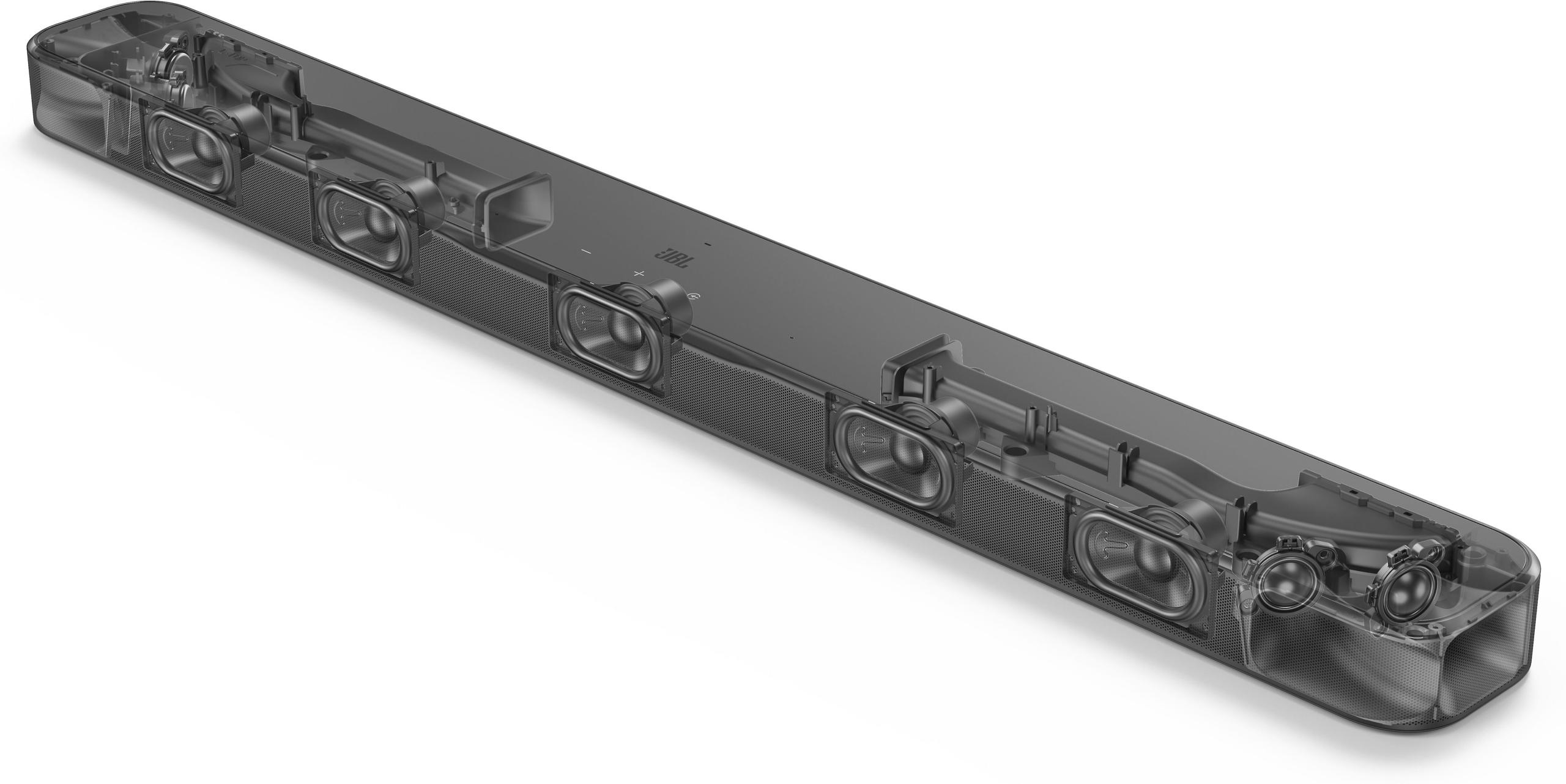
The Bar 300 MK2 has to do everything with its 450 watts, and it does surprisingly well. JBL's engineers incorporated racetrack drivers – these are oval-shaped speakers that move more air than traditional round drivers of the same height. Combined with a built-in bass port (essentially a tuned opening that amplifies low frequencies), the Bar 300 MK2 produces more bass than you'd expect from a single unit.
In practical terms, the Bar 1000 MK2 can fill a large living room with authoritative sound, while the Bar 300 MK2 works best in small to medium spaces. I've tested both extensively, and the Bar 1000 MK2 remains composed even at high volumes, whereas the Bar 300 MK2 starts to strain when pushed to its limits.
This is where the biggest performance gap exists. The Bar 1000 MK2's 10-inch wireless subwoofer delivers the kind of deep, room-shaking bass that makes movie explosions feel visceral and music sound full-bodied. The frequency response extends down to 33Hz, which covers the lowest notes in most music and the deepest sound effects in movies.
The Bar 300 MK2's bass response stops at around 50Hz – still respectable for a single-bar design, but missing that lowest octave that really makes audio feel immersive. During my testing with action movies like "Dune," the Bar 300 MK2 delivered punchy, tight bass that enhanced the experience without overwhelming dialogue. However, the Bar 1000 MK2's subwoofer added layers of atmospheric rumbles and impacts that the smaller system simply can't reproduce.
For music listening, this difference is equally significant. Bass guitars and kick drums have more weight and presence through the Bar 1000 MK2, while the Bar 300 MK2 presents a more balanced but less impactful sound signature.
Both soundbars excel at dialogue clarity, but they achieve it differently. The Bar 300 MK2 uses JBL's PureVoice 2.0 technology, which analyzes incoming audio in real-time and boosts vocal frequencies while reducing background noise. It's remarkably effective – I found myself reaching for the remote to adjust volume far less frequently during movies with varying audio levels.
The Bar 1000 MK2 uses the same PureVoice 2.0 technology but has an advantage: dedicated center channel processing. In a true surround system, the center channel handles most dialogue, and having more drivers dedicated to this task means voices sound more natural and detailed. During complex scenes with overlapping dialogue and sound effects, the Bar 1000 MK2 maintains better separation between elements.
This is where the fundamental design philosophies become clear. The Bar 300 MK2 creates surround effects using digital signal processing – it takes stereo or surround audio and manipulates it to trick your brain into perceiving sounds coming from different directions. This "virtual surround" can be surprisingly effective, especially JBL's MultiBeam 3.0 technology, which uses precise timing and phase adjustments to expand the soundstage.
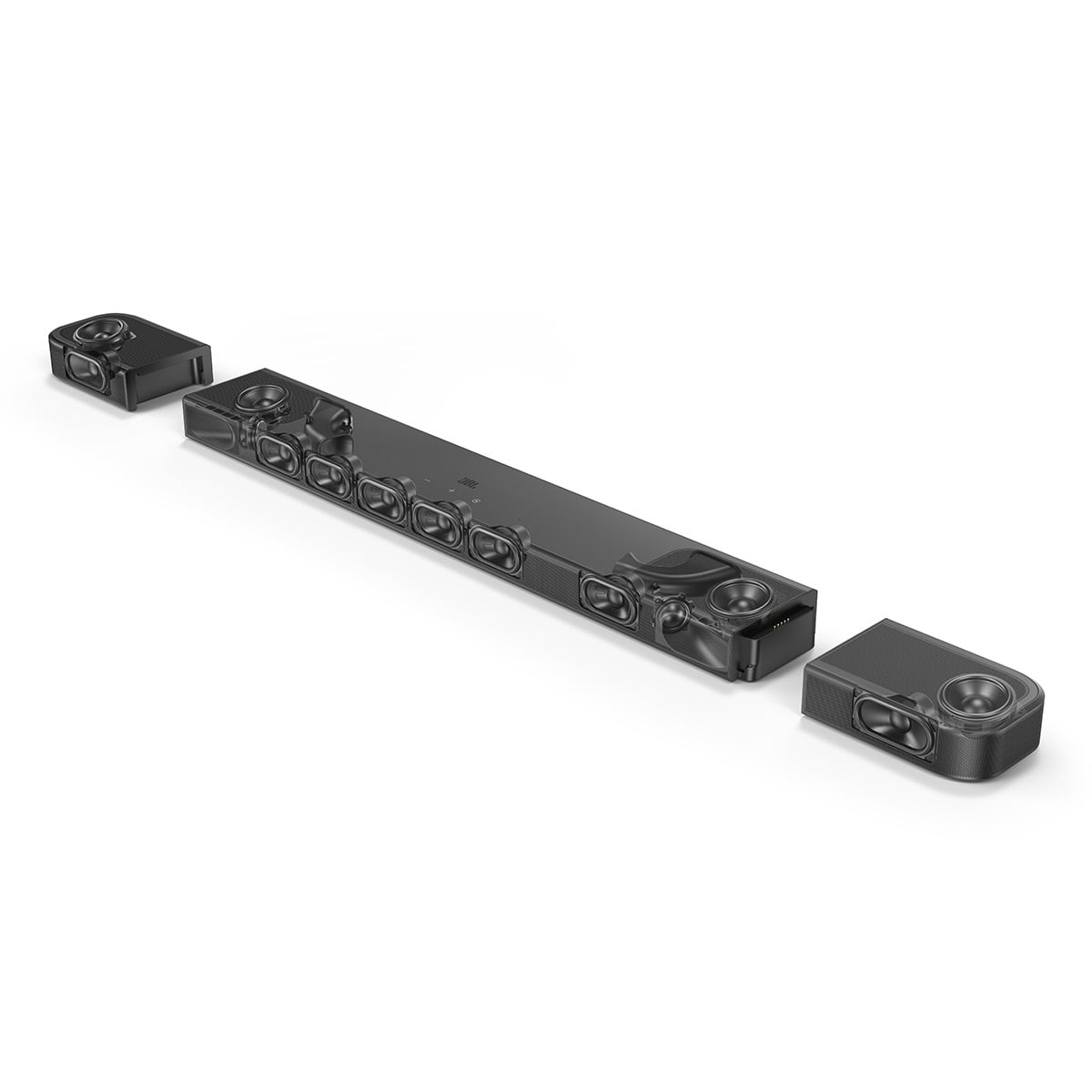
The Bar 1000 MK2 takes a completely different approach with true 7.1.4-channel surround sound. Those numbers break down as follows: 7.1 refers to seven main channels (left, center, right, left surround, right surround, left rear, right rear) plus a subwoofer. The .4 indicates four height channels created by up-firing drivers that bounce sound off your ceiling.
In practice, the difference is substantial. Virtual surround can create a sense of width and some directional effects, but true surround sound with physical rear speakers delivers precise localization. When a helicopter flies overhead in a movie, the Bar 1000 MK2 creates a convincing sense of movement from front to back and overhead. The Bar 300 MK2 can suggest this movement but can't replicate the precise positioning.
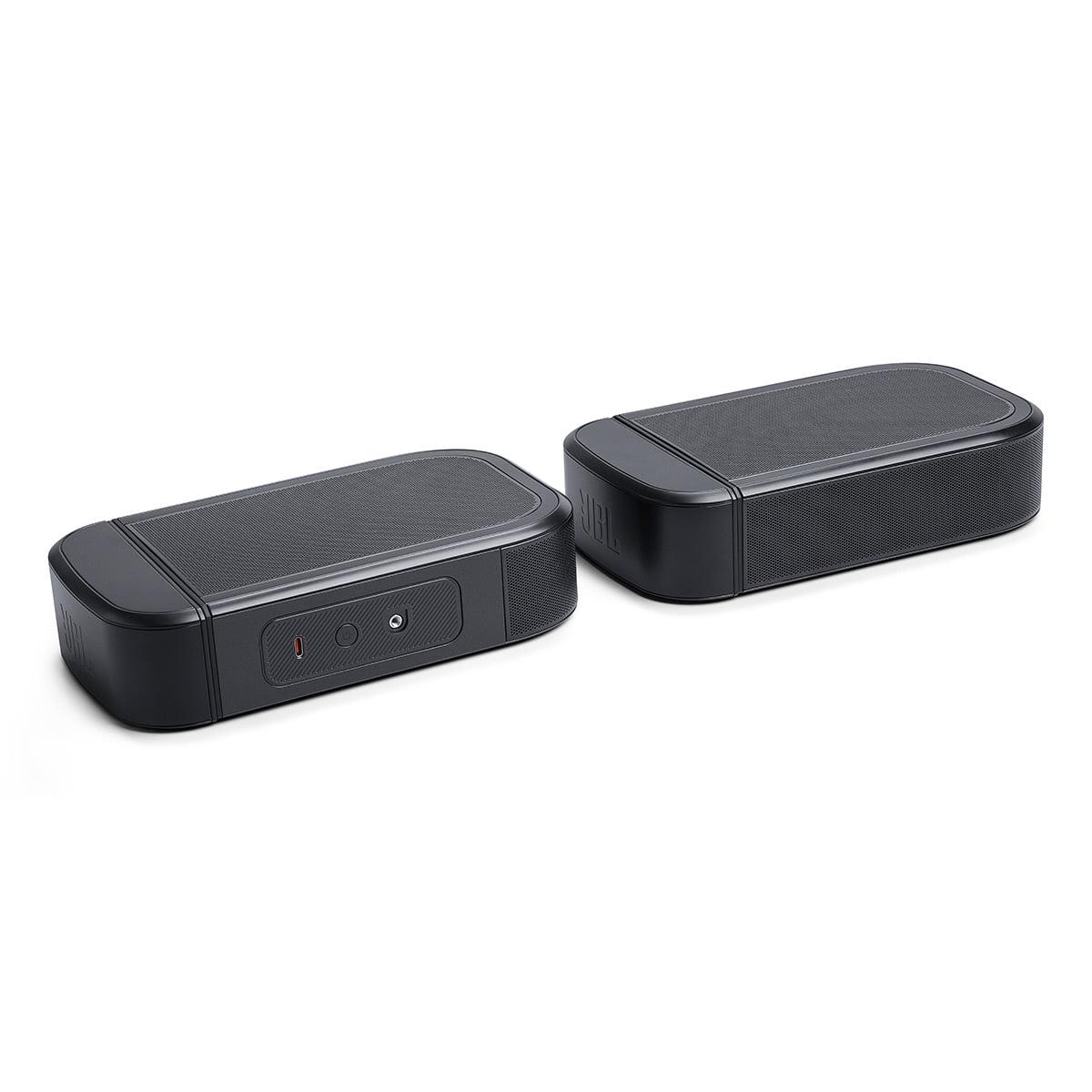
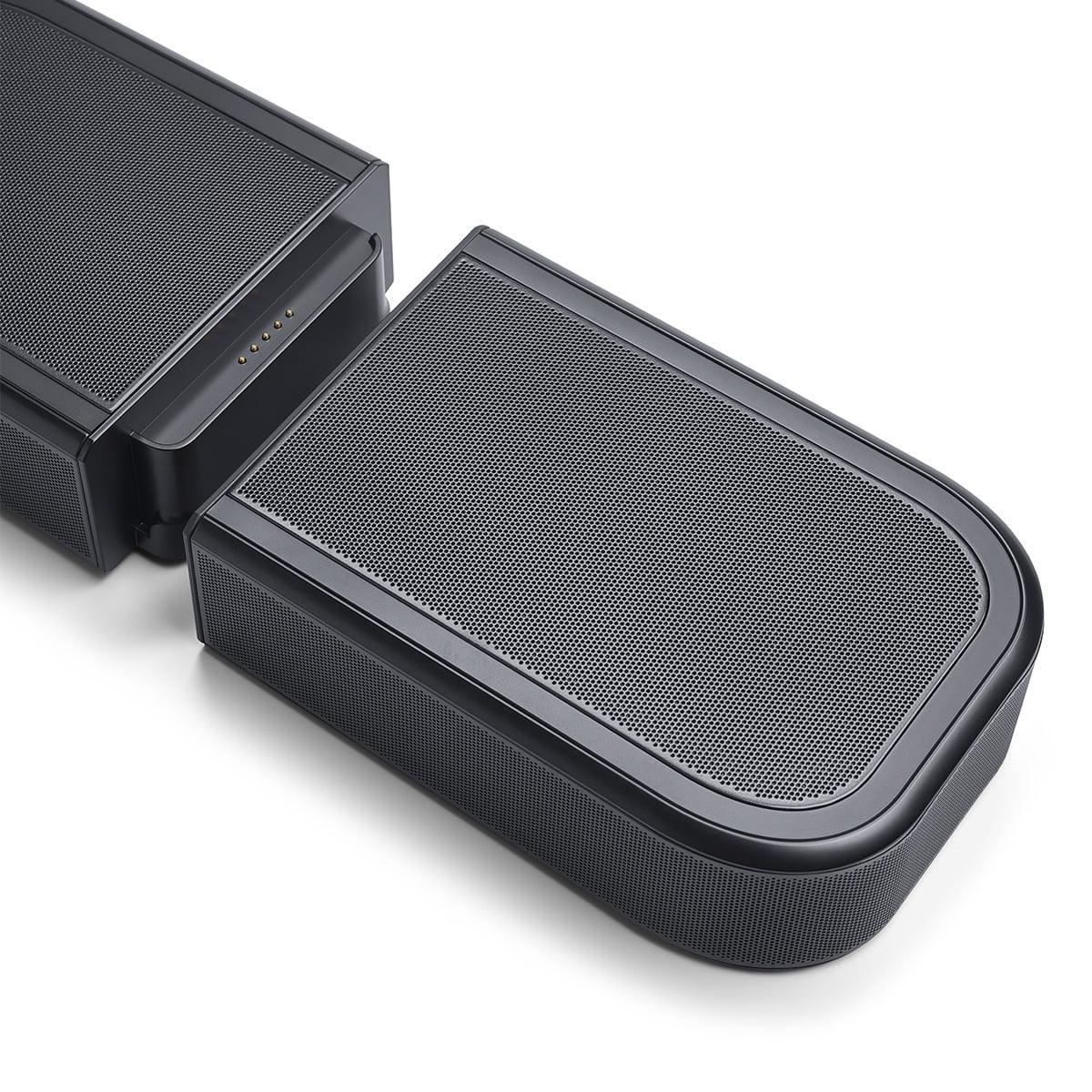
The Bar 1000 MK2's detachable rear speakers are particularly clever. They magnetically attach to either end of the main soundbar for charging and storage, but can be easily removed and placed behind your seating area. Each speaker contains a 6,600mAh battery providing up to 10 hours of use, and they include both standard drivers and up-firing speakers for height effects.
Both soundbars support Dolby Atmos, but their implementations differ significantly. Dolby Atmos adds a height dimension to surround sound, making audio feel three-dimensional rather than just surrounding you horizontally.
The Bar 300 MK2 uses virtual Dolby Atmos processing. It analyzes Atmos soundtracks and uses psychoacoustic tricks to suggest height information through the main drivers. While this can add some sense of vertical space, it's limited by physics – you can't create true overhead effects without speakers that actually fire upward.
The Bar 1000 MK2 implements true Dolby Atmos with four dedicated up-firing drivers. Two are built into the main soundbar, and two more are in the detachable rear speakers. These drivers fire sound toward your ceiling, which reflects back down to create genuine overhead effects. The difference is immediately apparent with properly mixed Atmos content – raindrops seem to fall from above, aircraft fly convincingly overhead, and ambient effects create a true dome of sound around your listening position.
Beyond core audio performance, these soundbars offer different feature sets that might influence your decision.
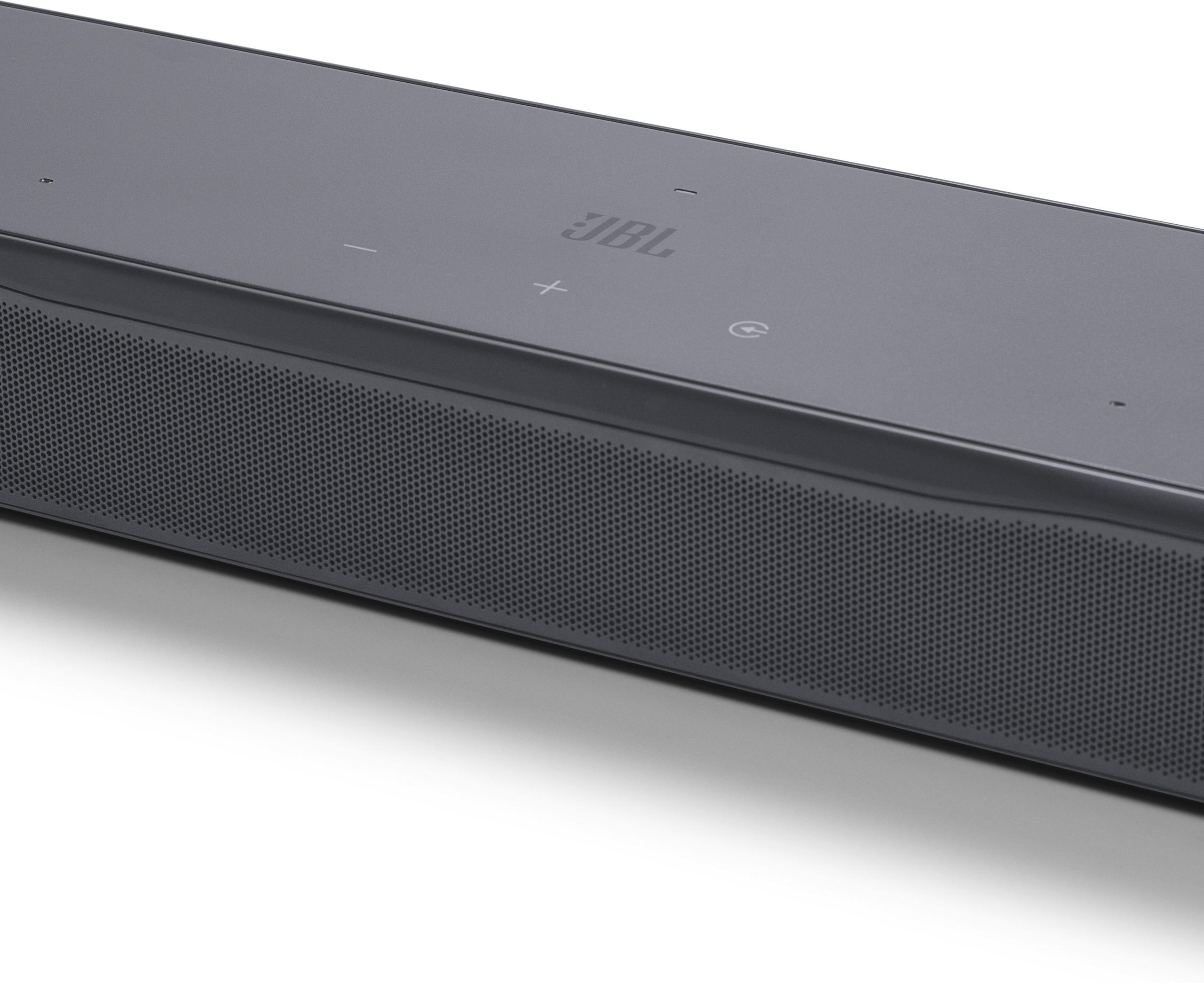
The Bar 300 MK2 focuses on simplicity and essential features. It includes comprehensive streaming support with AirPlay 2, Chromecast built-in, and Spotify Connect, allowing direct streaming from your phone or streaming service without involving your TV. The JBL One app provides EQ customization and easy setup, and automatic room calibration optimizes the sound for your specific space.
The Bar 1000 MK2 includes all these features plus several unique capabilities. The Night Listening mode is particularly ingenious – it mutes the main soundbar and subwoofer while playing audio only through the detachable speakers. This creates a personal surround experience perfect for late-night viewing without disturbing others.
The detachable speakers also function as standalone Bluetooth speakers. You can take them to other rooms, outdoors, or even use them as a stereo pair independent of the soundbar. This flexibility essentially gives you multiple products in one system.
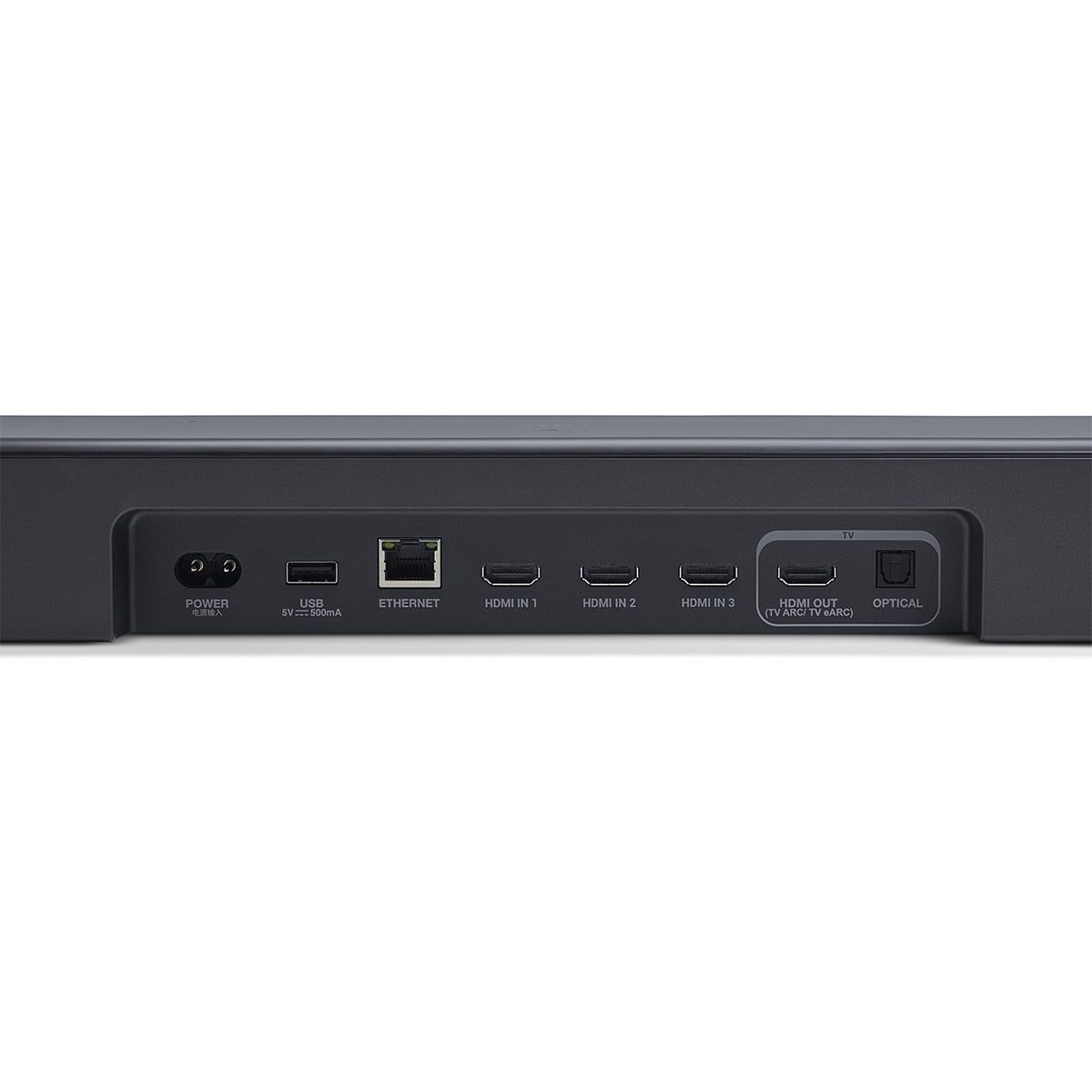
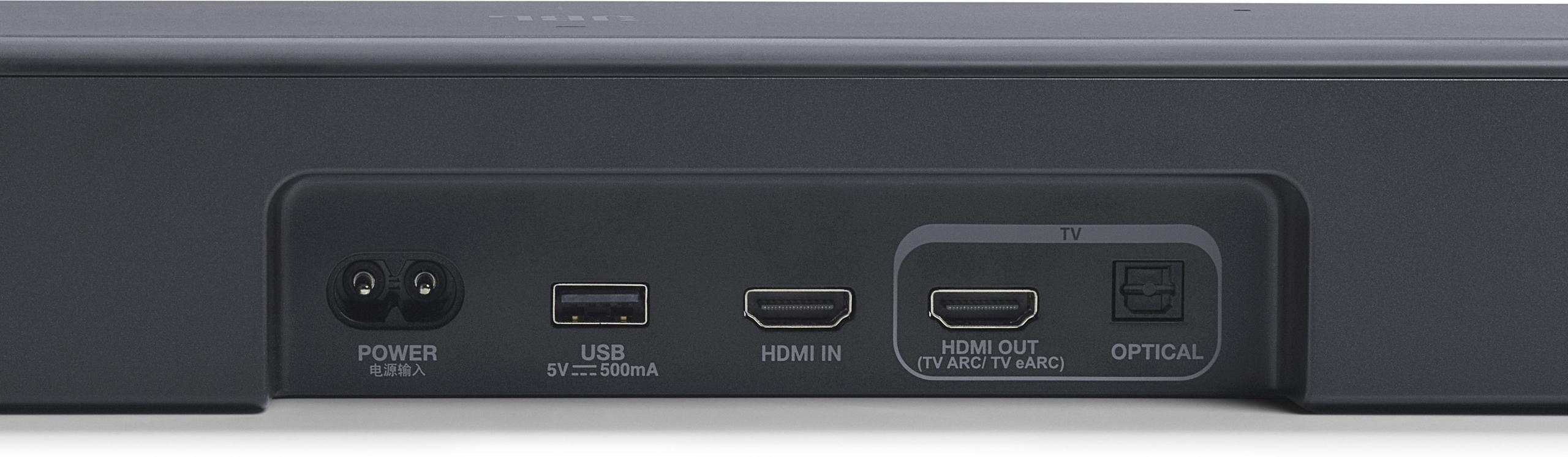
Connectivity differs significantly between the models. The Bar 300 MK2 includes HDMI eARC and one additional HDMI input, plus optical and USB connections. The Bar 1000 MK2 offers three HDMI inputs plus eARC, making it better suited for users with multiple sources like gaming consoles, streaming devices, and cable boxes.
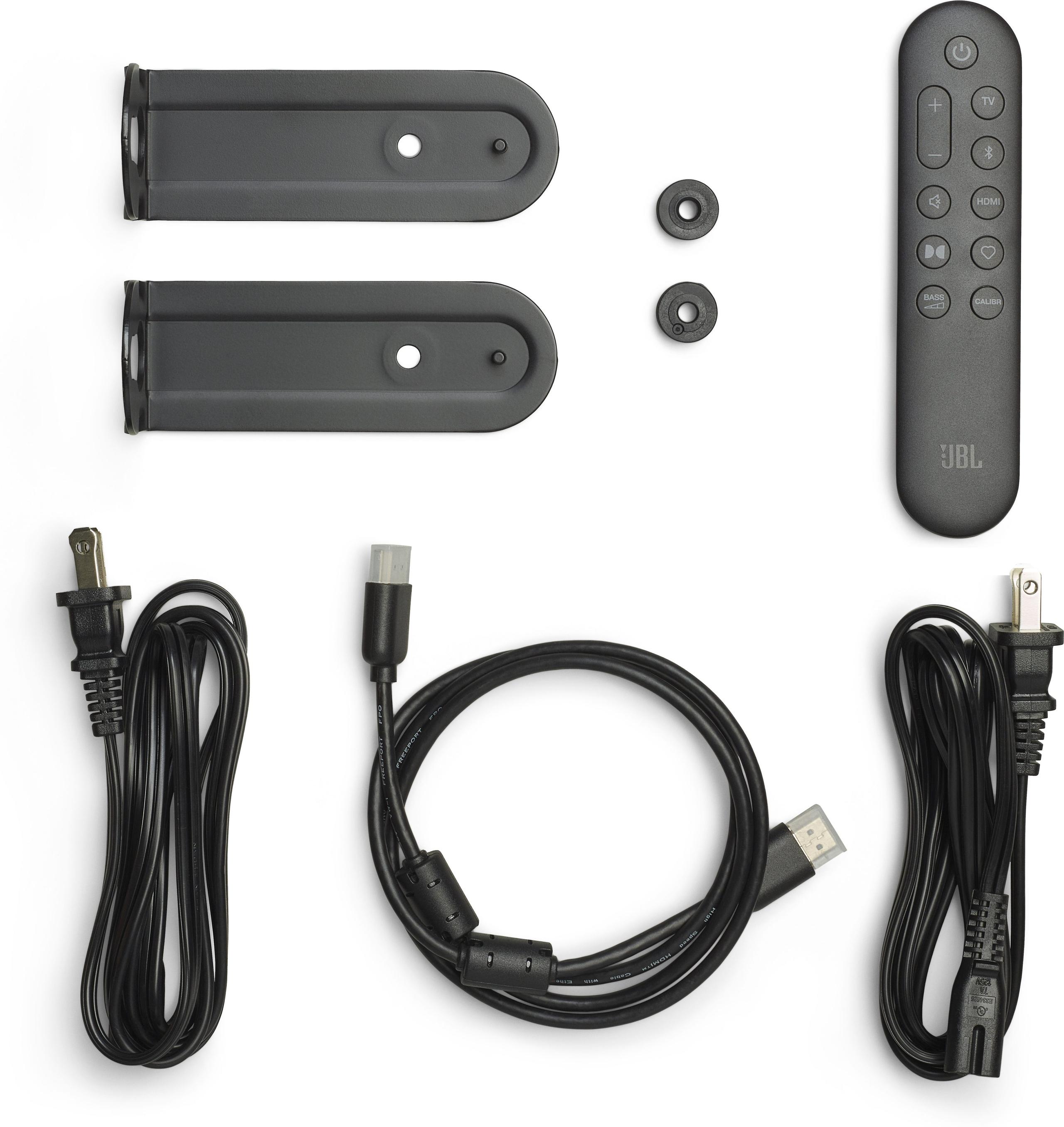
The setup experience varies dramatically between these systems. The Bar 300 MK2 truly is plug-and-play – connect one HDMI cable and plug in power, and you're essentially done. The soundbar is compact enough to fit under most TVs without blocking screens or remote sensors, and its 5.5-pound weight makes wall mounting straightforward.
The Bar 1000 MK2 requires more consideration. You'll need to find placement for the wireless subwoofer, which measures 12 inches square and weighs 22 pounds. The subwoofer should ideally be placed away from walls to avoid boomy bass, but close enough to your seating area to maintain good integration with the main soundbar.
The detachable rear speakers add another layer of complexity and flexibility. You can place them on end tables, mount them on stands, or use them occasionally when you want full surround sound. The 10-hour battery life means you don't need to worry about keeping them constantly charged, but you will need to remember to dock them periodically.
Room size plays a crucial role in determining which system makes sense. In my testing, the Bar 300 MK2 worked beautifully in rooms up to about 200 square feet. Beyond that size, it starts to sound strained at higher volumes, and the lack of a dedicated subwoofer becomes more apparent. The Bar 1000 MK2 can easily fill rooms twice that size while maintaining composure and dynamic range.
At $449.95, the Bar 300 MK2 represents exceptional value for users seeking a significant audio upgrade without complexity. When you consider that it includes premium streaming capabilities, Dolby Atmos processing, automatic calibration, and JBL's renowned build quality, the price point is quite reasonable. Comparable single-bar systems from premium brands often cost $100-200 more for similar features.
The Bar 1000 MK2 at $1,199.95 requires more justification, but the value proposition holds up under scrutiny. A comparable true surround system with separate components would likely cost $800-1,000, and you'd lose the integrated design and unique features like detachable speakers. The 10-inch subwoofer alone would cost $300-400 as a standalone component, and the flexibility of the detachable speakers adds significant value for users who can take advantage of their portable capabilities.
Choosing between these soundbars ultimately comes down to your specific needs, room, and preferences.
The Bar 300 MK2 is ideal if you live in an apartment or smaller home, prioritize simplicity, or want to significantly improve your TV audio without the complexity of multiple components. It's perfect for users upgrading from basic TV speakers who want better dialogue clarity and some bass enhancement. The streaming capabilities and app control make it feel modern and well-integrated, while the compact design won't dominate your living space.
The Bar 1000 MK2 makes sense for users with larger rooms who want true home theater immersion. If you regularly watch movies with surround soundtracks, play games with spatial audio, or simply want the most immersive audio experience possible, the additional investment pays dividends. The flexibility of the detachable speakers and the room-filling power of the subwoofer create an experience that approaches dedicated home theater systems.
Consider your content preferences as well. If you primarily watch news, documentaries, or dialogue-heavy content, the Bar 300 MK2's excellent voice clarity might be all you need. But if you're a movie enthusiast or gamer who wants to experience audio the way creators intended, the Bar 1000 MK2's true surround sound and Dolby Atmos implementation provide a substantially more immersive experience.
Both soundbars represent solid engineering and thoughtful feature implementation. The Bar 300 MK2 maximizes performance within the constraints of a single-bar design, while the Bar 1000 MK2 pushes the boundaries of what's possible in a soundbar-based system. Your choice should align with your room, budget, and desire for either simplicity or maximum performance.
Whichever you choose, both represent significant upgrades over TV speakers and will transform your daily viewing experience. The key is matching the system's capabilities to your specific needs and living situation.
| JBL Bar 300 MK2 ($449.95) | JBL Bar 1000 MK2 ($1,199.95) |
|---|---|
| Channel Configuration - Determines surround sound capability | |
| 5.0 virtual channels (no physical surrounds) | 7.1.4 true surround with detachable rear speakers |
| Total Power Output - Affects maximum volume and room-filling ability | |
| 450W (adequate for small-medium rooms) | 960W (powerful enough for large living rooms) |
| Subwoofer - Critical for bass impact and movie immersion | |
| None (built-in bass port provides limited low-end) | 10-inch wireless subwoofer (deep, room-shaking bass) |
| Dolby Atmos Implementation - Height effects for 3D audio | |
| Virtual processing only (simulated overhead effects) | True Atmos with 4 up-firing drivers (genuine height dimension) |
| Physical Components - Affects setup complexity and flexibility | |
| Single soundbar only (plug-and-play simplicity) | Soundbar + wireless sub + detachable rear speakers |
| Detachable Speakers - Unique flexibility feature | |
| Not available | Yes, 10-hour battery, work as portable Bluetooth speakers |
| HDMI Connectivity - Important for multiple source devices | |
| 1 HDMI input + eARC output | 3 HDMI inputs + eARC output |
| Frequency Response - Shows bass extension capability | |
| 50Hz-20kHz (missing lowest bass octave) | 33Hz-20kHz (full-range reproduction) |
| Dimensions - Space requirements under TV | |
| 32.3" × 2.2" × 4.1" (compact, fits most setups) | 33.6" × 2.0" × 5.0" + subwoofer placement needed |
| Best Room Size - Where each system performs optimally | |
| Small to medium rooms (under 200 sq ft) | Medium to large rooms (200+ sq ft) |
| Night Listening Mode - For late-night viewing without disturbing others | |
| Not available | Yes, mutes main bar/sub, audio through detachable speakers only |
The JBL Bar 300 MK2 ($449.95) is a simple all-in-one soundbar with virtual surround sound, while the JBL Bar 1000 MK2 ($1,199.95) is a complete home theater system with a wireless subwoofer, detachable rear speakers, and true 7.1.4 surround sound.
The JBL Bar 300 MK2 is ideal for small to medium rooms under 200 square feet. Its compact design and 450W power output provide excellent performance without overwhelming smaller spaces, while the Bar 1000 MK2 might be overkill for tight quarters.
The JBL Bar 1000 MK2 includes a 10-inch wireless subwoofer that delivers deep, room-shaking bass down to 33Hz. The Bar 300 MK2 has no subwoofer but uses built-in bass ports and racetrack drivers to produce surprisingly punchy bass, though it can't match the depth and impact of a dedicated subwoofer.
The JBL Bar 1000 MK2 offers true Dolby Atmos with four physical up-firing drivers that create genuine overhead effects. The JBL Bar 300 MK2 uses virtual Dolby Atmos processing to simulate height effects, which is less immersive but still provides a notable improvement over standard TV audio.
The JBL Bar 300 MK2 is truly plug-and-play with just one HDMI cable needed. The Bar 1000 MK2 requires placing a wireless subwoofer, positioning detachable rear speakers, and running through calibration, taking about 30-60 minutes for optimal setup.
Yes, the JBL Bar 1000 MK2's detachable rear speakers have 10-hour batteries and can function as portable Bluetooth speakers in other rooms. The JBL Bar 300 MK2 doesn't have rear speakers, so this flexibility isn't available.
The JBL Bar 1000 MK2 excels for home theater use with true surround sound, deep bass, and authentic Dolby Atmos effects that make movies and games more immersive. The Bar 300 MK2 still improves the experience significantly but can't match the cinematic impact of a full surround system.
The JBL Bar 300 MK2 has one HDMI input plus eARC output, suitable for basic setups. The JBL Bar 1000 MK2 offers three HDMI inputs plus eARC, better accommodating multiple devices like gaming consoles, streaming boxes, and cable boxes.
At $449.95, the JBL Bar 300 MK2 offers excellent value for simple TV audio upgrades. The JBL Bar 1000 MK2 ($1,199.95) costs $750 more but provides a complete home theater experience with true surround sound, a subwoofer, and flexible detachable speakers that justify the premium for serious movie watchers.
The JBL Bar 1000 MK2 delivers 960W total power compared to the Bar 300 MK2's 450W, making it significantly louder and better suited for large rooms. The Bar 300 MK2 provides adequate volume for most situations but may strain at maximum levels in larger spaces.
Yes, both the JBL Bar 300 MK2 and JBL Bar 1000 MK2 support AirPlay 2, Chromecast built-in, Spotify Connect, and Bluetooth connectivity. They also work with the JBL One app for EQ customization and easy setup, offering identical streaming capabilities.
Choose the JBL Bar 300 MK2 if you want simple setup, have a smaller room, or prioritize value and convenience. Choose the JBL Bar 1000 MK2 if you have a larger room, want true home theater surround sound, or frequently watch movies and play games with immersive audio.
We've done our best to create useful and informative comparisons to help you decide what product to buy. Our research uses advanced automated methods to create this comparison and perfection is not possible - please contact us for corrections or questions. These are the sites we've researched in the creation of this article: homecinemachoice.com - retailspecs.com - hometechnologyreview.com - whathifi.com - news.jbl.com - engadget.com - crutchfield.com - harmanaudio.com - techradar.com - bestbuy.com - jbl.com - sweech.co.ke - jbl.com - jbl.com.sg - mm.jbl.com - abcwarehouse.com - harmanaudio.com - sweetwater.com - ro.harmanaudio.com - dell.com - jbl.co.nz - ecoustics.com - bestbuy.com - rtings.com - youtube.com - t3.com - whathifi.com - youtube.com - bhphotovideo.com - gzhls.at - device.report - support.jbl.com - support.jbl.com - jbl.com - av.com - audioadvice.com - jbl.com - target.com - worldwidestereo.com

Privacy Policy
Terms and Conditions - Affiliate Policy
Home Security
© Copyright 2008-2026.
11816 Inwood Rd #1211, Dallas, TX 75244