



If you're tired of constantly adjusting your TV's volume just to hear what characters are saying, you're not alone. Modern TVs, despite their stunning picture quality, often have terrible built-in speakers that leave dialogue muddy and action scenes flat. That's where soundbars come in—they're the most popular solution for upgrading your TV's audio without turning your living room into a speaker showroom.
The soundbar market has exploded over the past decade, offering everything from basic stereo upgrades to full Dolby Atmos systems that can rival traditional surround sound setups. At the heart of every buying decision are a few key questions: How much should you spend? What features actually matter? And crucially, how much improvement will you actually notice?
Today we're comparing two soundbars that represent very different approaches to these questions: the ultra-budget Amazon Fire TV Soundbar and the feature-packed JBL Bar 300 MK2. One costs about as much as a decent dinner out, while the other requires a more substantial investment. The question isn't just which sounds better—it's which delivers the right value for your specific needs.
Before diving into specifics, it's worth understanding what these devices actually do. Soundbars are essentially multiple speakers crammed into a single, slim enclosure that sits below or above your TV. The magic happens through a combination of hardware (the actual speakers and amplifiers) and software processing that creates the illusion of sound coming from different directions.
The most important performance metrics for any soundbar are dialogue clarity (can you understand what people are saying?), soundstage width (does the audio feel bigger than just coming from that one bar?), and bass response (do explosions and music have weight?). Advanced features like Dolby Atmos—which adds height information to create a more three-dimensional sound field—can enhance the experience, but they're meaningless if the fundamentals aren't solid.
Power output, measured in watts, gives you a rough idea of how loud a soundbar can get, but it's not the whole story. A well-designed 50-watt system can often sound better than a poorly tuned 200-watt one. Driver design (the actual speakers inside) matters enormously—larger drivers typically produce better bass, while dedicated tweeters handle high frequencies more accurately than all-in-one drivers.
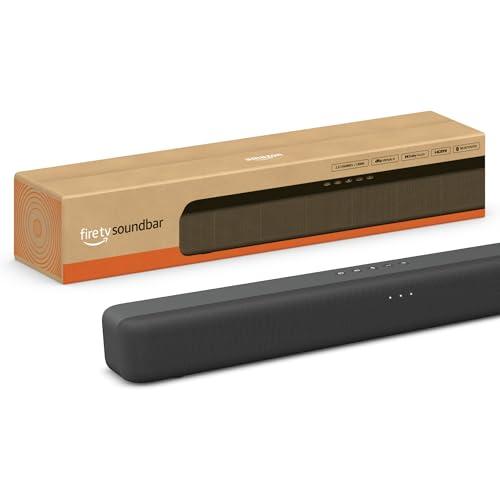
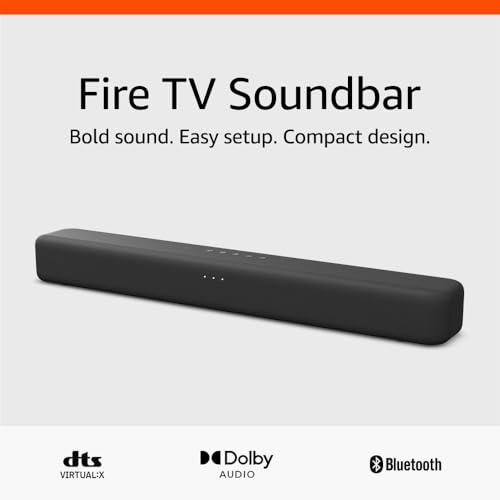
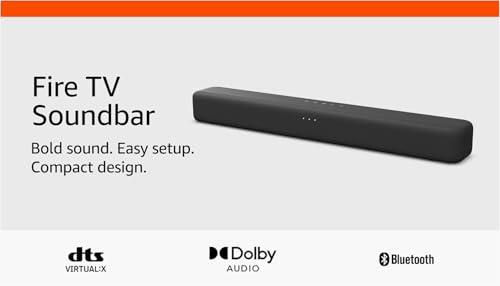
The Amazon Fire TV Soundbar, released in 2024, represents Amazon's entry into the ultra-budget soundbar market. Despite its "Fire TV" branding, it's actually a fairly conventional 2.0-channel (stereo) soundbar with no smart streaming features. Amazon positioned it as the most affordable way to escape terrible TV audio, and at that goal, it succeeds admirably.
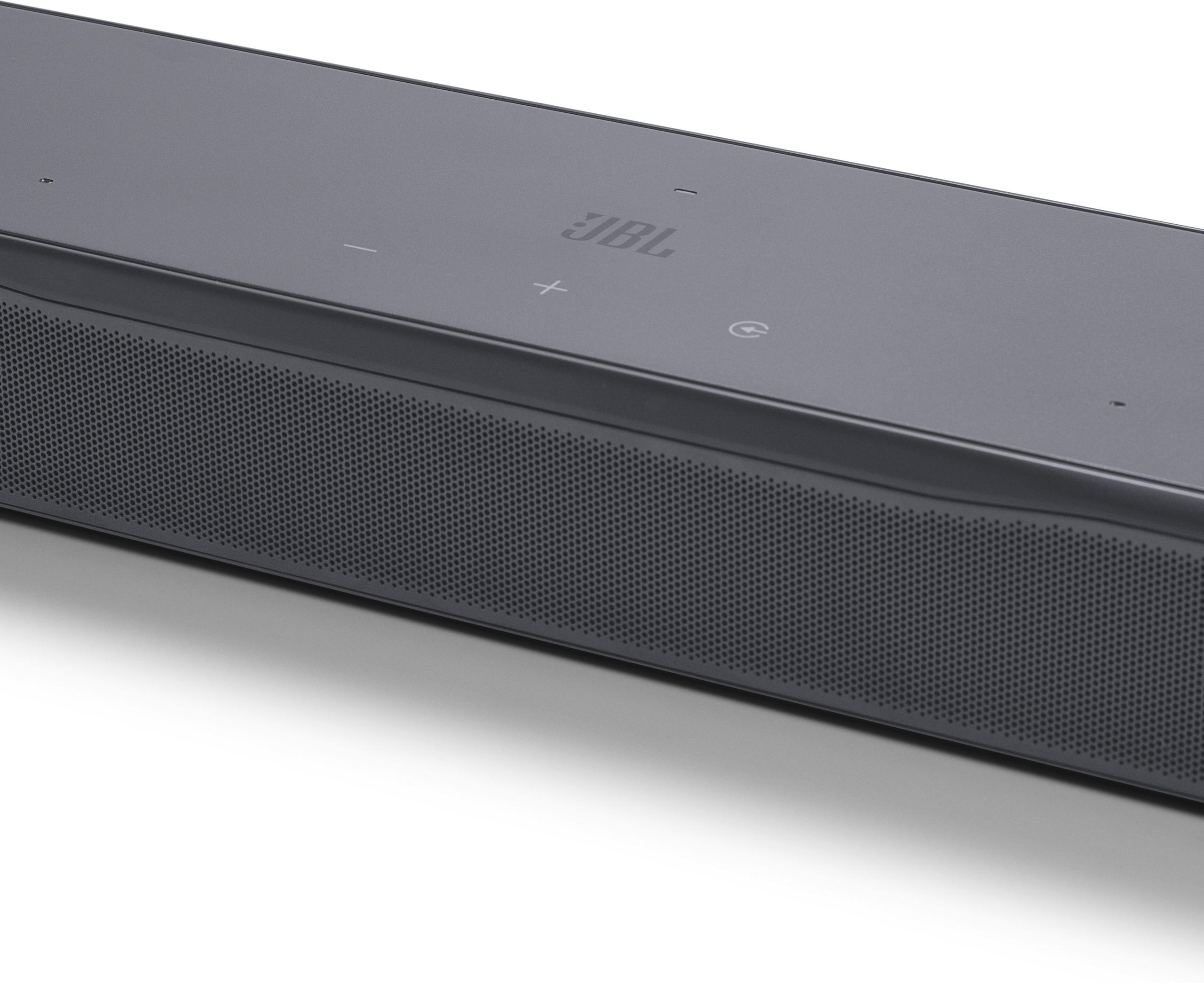
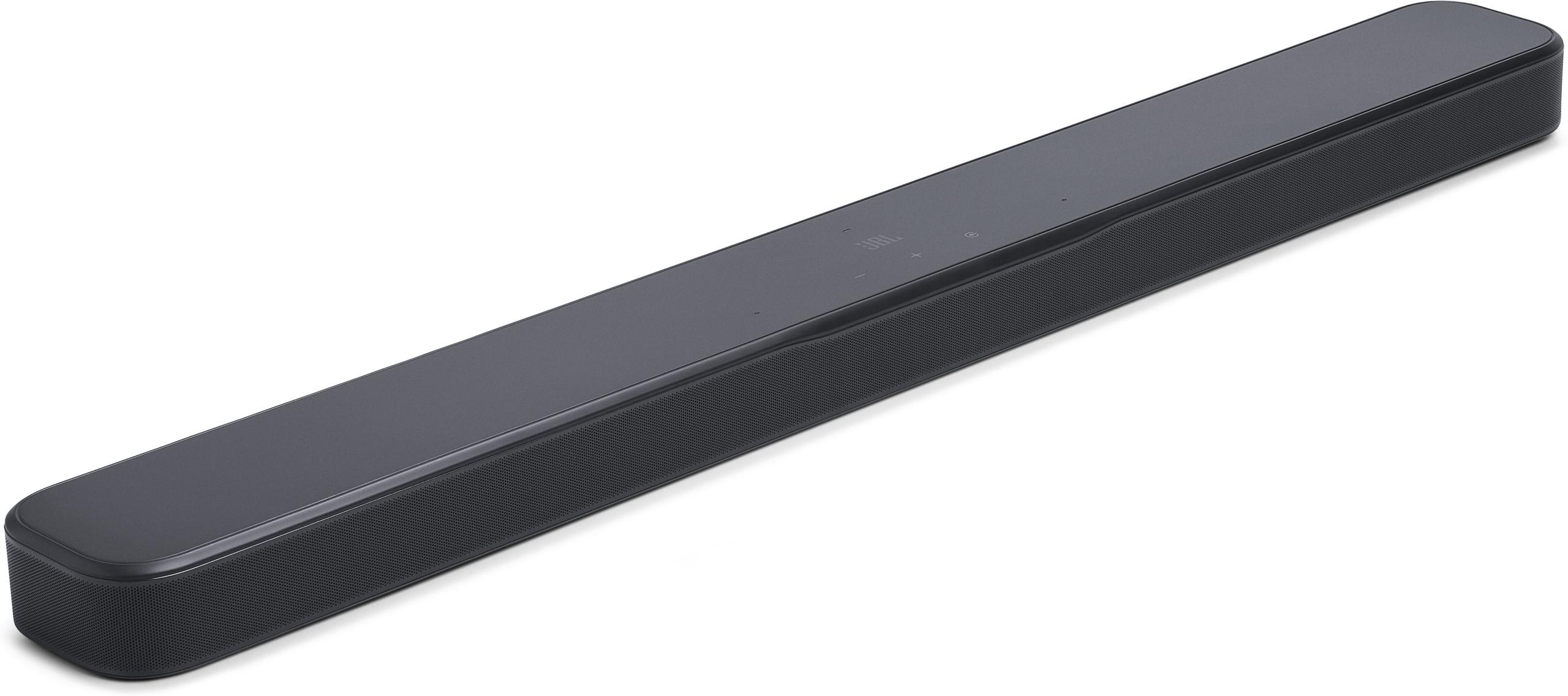
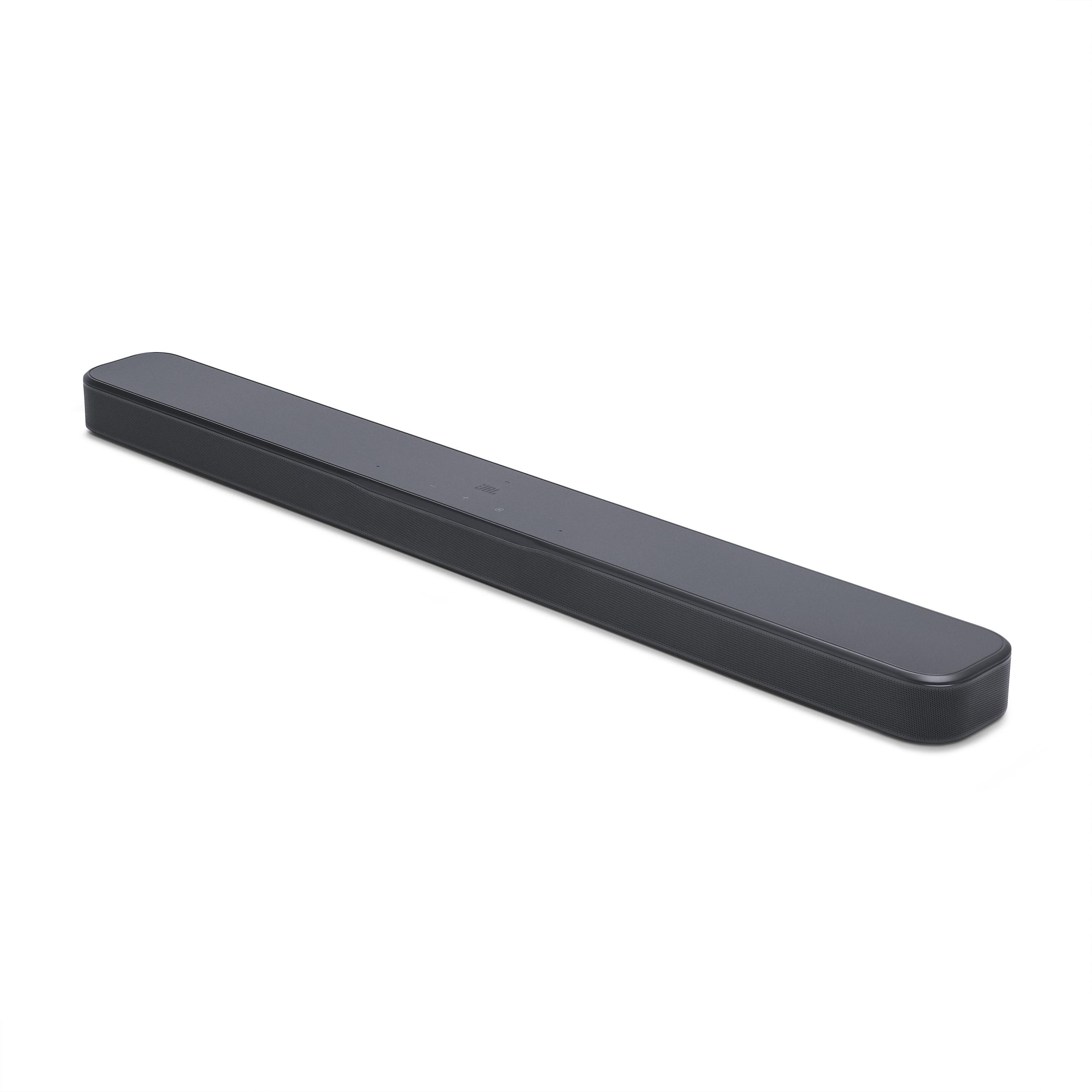
The JBL Bar 300 MK2, part of JBL's 2025 soundbar refresh, takes a completely different approach. It's a 5.0-channel all-in-one system packed with modern features like virtual Dolby Atmos, comprehensive streaming capabilities, and smartphone app control. JBL designed it for users who want a significant audio upgrade without the complexity of multiple components.
Both arrived during a period of rapid innovation in soundbar technology. The past few years have seen virtual surround processing become surprisingly effective, Wi-Fi streaming become standard in mid-range models, and manufacturers figure out how to pack impressive bass into increasingly slim designs. The JBL Bar 300 MK2 benefits from all these advances, while the Amazon Fire TV Soundbar focuses purely on the basics.
Both soundbars dramatically improve dialogue clarity compared to TV speakers, but they achieve this in different ways. The Amazon Fire TV Soundbar uses straightforward stereo processing with a dialogue-focused tuning. In our research of user experiences, people consistently praise how much easier it becomes to follow conversations in movies and TV shows. The soundbar's compact drivers and modest 40-watt total power output work well for smaller rooms and moderate listening levels.
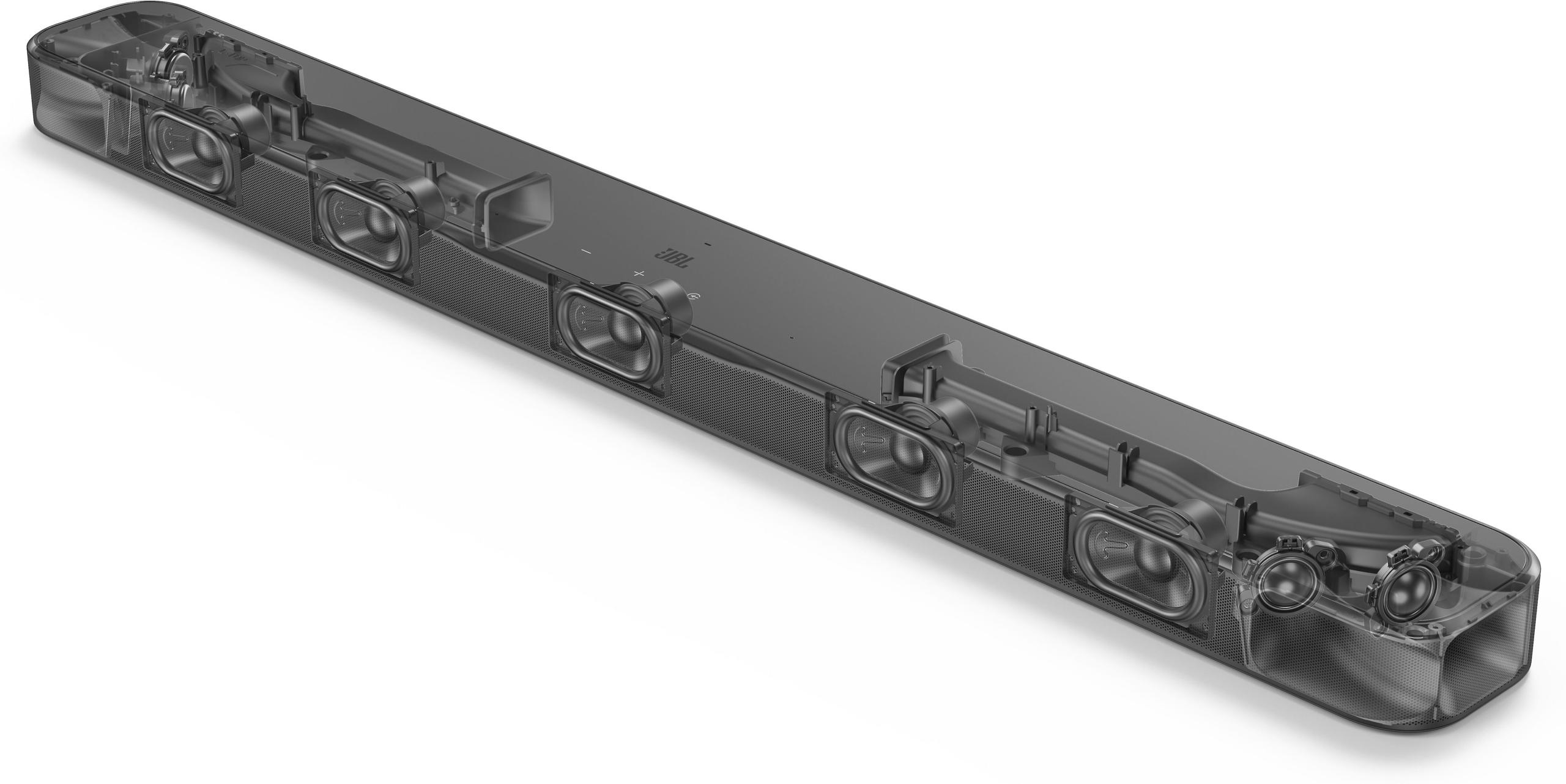
The JBL Bar 300 MK2, however, takes dialogue enhancement much further with its PureVoice 2.0 technology. This advanced processing analyzes the audio signal in real-time to ensure voices remain clear even during complex scenes with explosions, music, and sound effects competing for attention. With 450 watts of total power and dedicated drivers optimized for different frequency ranges, it can maintain vocal clarity at much higher volumes and in larger rooms.
From our evaluation of expert reviews, the difference is particularly noticeable during action movies. The Amazon Fire TV Soundbar handles quiet dialogue scenes well but can struggle when the soundtrack gets busy. The JBL Bar 300 MK2 maintains vocal intelligibility even during chaotic scenes, making it vastly superior for movie nights.
This is where the price difference becomes most apparent. The Amazon Fire TV Soundbar uses small, full-range "racetrack" drivers that simply cannot move enough air to produce meaningful bass. While it includes a three-stage bass EQ to optimize what's available, you're working with fundamental physical limitations. It's adequate for dialogue and light music, but movie explosions and bass-heavy music will sound thin.
The JBL Bar 300 MK2 incorporates dedicated racetrack bass drivers along with a built-in bass port—essentially a tuned opening that allows the internal air pressure to reinforce low frequencies. This design, combined with significantly more powerful amplification, produces surprisingly robust bass for a single-unit soundbar. Users consistently report being impressed by how much low-end punch it delivers without a separate subwoofer.
During our research into home theater performance, the bass difference proves crucial for immersive movie watching. The Amazon Fire TV Soundbar will make dialogue clearer, but it won't make your couch rumble during action scenes. The JBL Bar 300 MK2 provides that visceral impact that makes movies feel more engaging and music more dynamic.
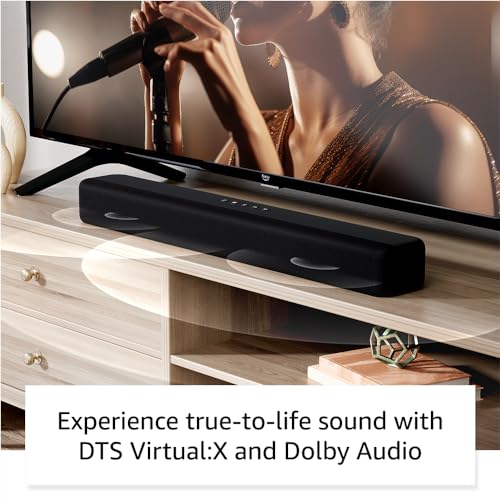
The Amazon Fire TV Soundbar includes DTS Virtual:X processing, which creates a basic surround effect by manipulating how stereo audio reaches your ears. It's a noticeable improvement over TV speakers and does make movie soundtracks feel wider, but it's still fundamentally limited by having only two channels of audio.
The JBL Bar 300 MK2 operates on a completely different level with its 5.0-channel processing and virtual Dolby Atmos support. Dolby Atmos adds height information to audio, creating the sensation that sounds are coming from above and around you, not just from the front. The soundbar's MultiBeam 3.0 technology uses advanced signal processing to bounce audio off your room's walls, creating a much more enveloping experience.
While neither can match a true multi-speaker surround system, the JBL Bar 300 MK2 gets surprisingly close. Expert reviewers consistently note how effectively it creates the illusion of sounds moving around the room. The Amazon Fire TV Soundbar, while better than TV speakers, remains obviously limited to front-channel audio.
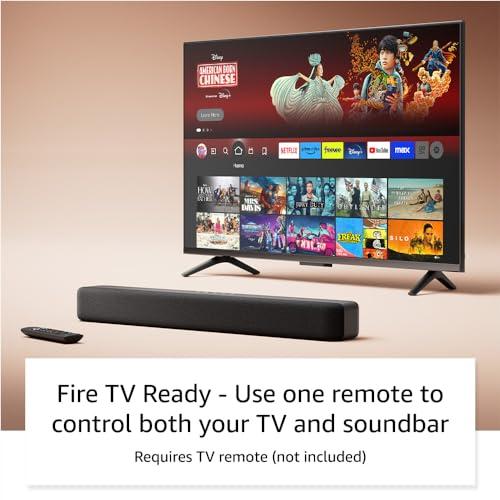
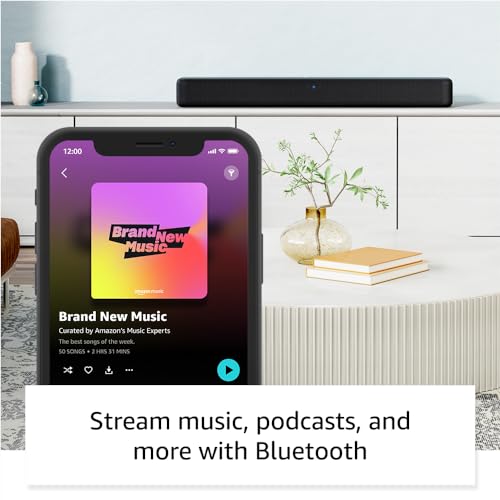
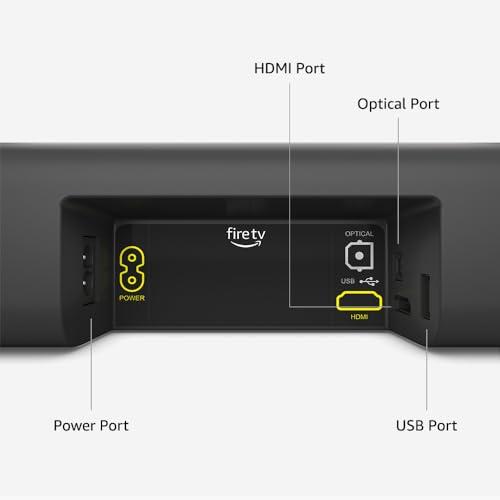
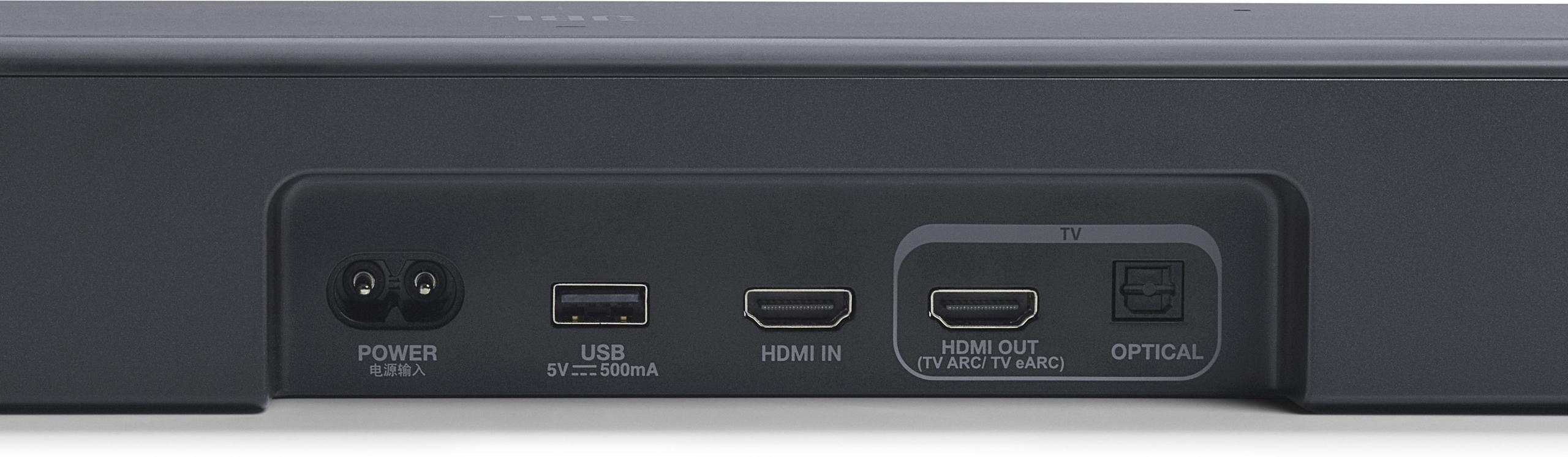
The Amazon Fire TV Soundbar keeps connectivity simple: HDMI ARC/eARC for connecting to your TV, optical input for older devices, and Bluetooth for streaming music from your phone. Despite its Fire TV branding, there's no Wi-Fi connectivity, no streaming apps, and no voice control integration. It's purely an audio upgrade device.
This simplicity has advantages—setup takes minutes, there's nothing to configure, and there are no ongoing software updates to worry about. If you just want better TV sound without any complexity, this approach makes sense.
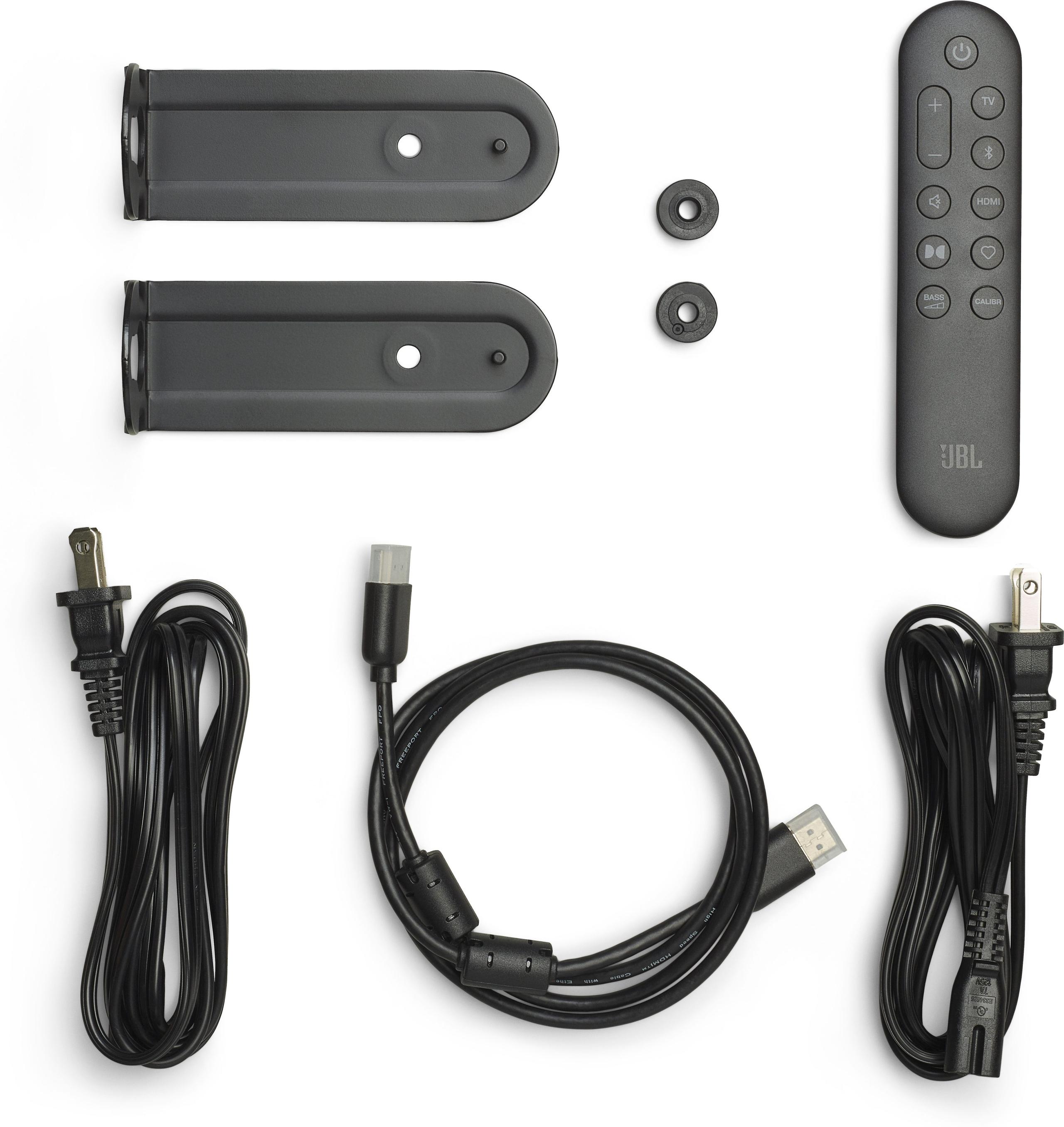
The JBL Bar 300 MK2 embraces the opposite philosophy. It includes dual-band Wi-Fi, supporting AirPlay, Chromecast, Spotify Connect, and Tidal Connect. The JBL One smartphone app provides EQ customization, streaming control, and automatic software updates. It works with Alexa, Google Assistant, and Siri through connected smart speakers.
This connectivity ecosystem transforms the soundbar into more than just a TV audio upgrade—it becomes your primary music streaming device. You can easily switch between TV audio and streaming music, adjust sound settings for different content types, and receive new features through software updates. The convenience factor is substantial if you regularly listen to music in your living room.
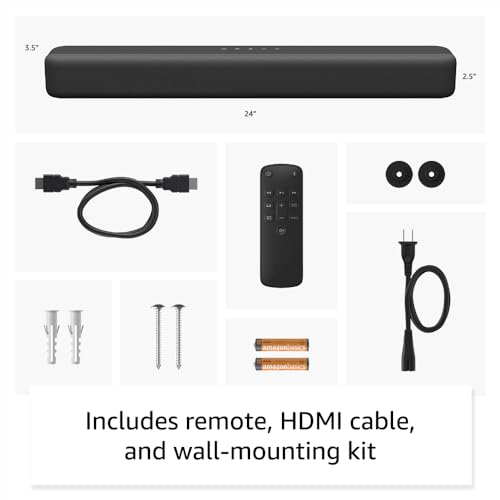
Physical design matters more than you might expect. The Amazon Fire TV Soundbar measures just 24 inches wide and weighs under 4 pounds, making it ideal for smaller TVs and secondary rooms. Its understated appearance won't dominate your space, and it works well in bedrooms, kitchens, or office setups.
The JBL Bar 300 MK2 stretches to 32.3 inches, designed to complement 55-65 inch TVs commonly found in main living areas. While still relatively slim, it has more substantial presence and looks like a serious audio component. The build quality feels more premium, with better materials and more sophisticated control interfaces.
Room acoustics play a crucial role in soundbar performance. The Amazon Fire TV Soundbar works best in smaller, more controlled environments where its limited power isn't a constraint. The JBL Bar 300 MK2 has the power and processing to adapt to larger rooms and more challenging acoustic environments.
At the time of writing, the Amazon Fire TV Soundbar represents one of the most affordable soundbars available from a major brand, typically priced well under $150. For this investment, you get a dramatic improvement over TV speakers, clear dialogue, and reliable basic functionality. The value proposition is straightforward: maximum audio improvement per dollar spent.
The JBL Bar 300 MK2 commands a significantly higher price, typically in the $300-400 range. However, the performance and feature upgrade is exponential, not linear. You're getting roughly ten times the power output, virtual Dolby Atmos processing, comprehensive streaming capabilities, and smartphone app control.
When evaluating value, consider your usage patterns. If you primarily watch TV shows and news in a smaller room, the Amazon Fire TV Soundbar's dialogue improvement might be all you need. If you regularly watch movies, listen to music, or entertain in a larger space, the JBL Bar 300 MK2's additional investment pays dividends in daily enjoyment.
For dedicated home theater use, the differences between these soundbars become most pronounced. The Amazon Fire TV Soundbar provides basic audio improvement but can't deliver the dynamic range and immersive experience that makes movies truly engaging. It's better suited as a TV upgrade than a home theater component.
The JBL Bar 300 MK2 approaches legitimate home theater territory. Its virtual Dolby Atmos processing works particularly well with modern movie soundtracks designed to take advantage of height channels. The combination of powerful amplification, dedicated drivers, and sophisticated processing creates a cinematic experience that justifies a central living room position.
However, neither soundbar can fully replace a dedicated home theater system with separate subwoofer and rear speakers. The JBL Bar 300 MK2 gets closer, delivering impressive bass and surround effects for a single-unit design, but physics ultimately limits what's possible in this form factor.
The decision between these soundbars ultimately comes down to matching your needs, budget, and expectations.
Choose the Amazon Fire TV Soundbar if you're primarily focused on fixing poor TV dialogue, have a limited budget, or need audio improvement for a smaller secondary room. It's perfect for bedrooms, kitchens, offices, or dorm rooms where the goal is simply making TV watching more enjoyable without significant investment or complexity.
The JBL Bar 300 MK2 makes sense if you want a comprehensive audio upgrade that transforms how you experience movies and music. It's ideal for main living areas where you regularly entertain, watch movies, or stream music. The additional investment pays off in daily use and long-term satisfaction.
Consider your TV size as a practical guideline: the Amazon Fire TV Soundbar pairs well with TVs up to about 43 inches, while the JBL Bar 300 MK2 is designed for 50-inch and larger displays.
Most importantly, think about your content consumption habits. If you primarily watch news, sitcoms, and basic cable programming, the Amazon Fire TV Soundbar will meet your needs admirably. If movies, sports, documentaries, and music streaming are regular parts of your routine, the JBL Bar 300 MK2's advanced features and superior performance justify the higher cost.
Both soundbars succeed at their intended purposes, but they serve fundamentally different users and use cases. The key is honestly assessing which category you fall into and choosing accordingly.
| Amazon Fire TV Soundbar | JBL Bar 300 MK2 |
|---|---|
| Audio Channels - Determines surround sound capability and immersion | |
| 2.0 stereo (basic left/right audio) | 5.0 virtual surround (simulated multi-directional audio) |
| Total Power Output - Controls maximum volume and dynamic range | |
| 40W (adequate for small rooms) | 450W (room-filling sound with authority) |
| Dolby Atmos Support - Creates immersive 3D audio experience | |
| No (limited to DTS Virtual:X processing) | Yes (virtual height effects for movie immersion) |
| Bass Performance - Critical for movies and music enjoyment | |
| Limited by small drivers, no bass port | Dedicated bass drivers with built-in port |
| Smart Streaming Features - Eliminates need for separate streaming device | |
| None (despite Fire TV branding) | Full Wi-Fi with AirPlay, Chromecast, Spotify Connect |
| Voice Assistant Integration - Hands-free control convenience | |
| Not supported | Works with Alexa, Google Assistant, and Siri |
| Mobile App Control - Customization and remote control features | |
| No app support | JBL One app with EQ settings and streaming control |
| Connectivity Options - Compatibility with different devices | |
| HDMI ARC, Optical, Bluetooth | HDMI eARC, Optical, Bluetooth, Wi-Fi streaming |
| Physical Size - Must match your TV and room aesthetics | |
| 24" wide (ideal for TVs up to 43") | 32.3" wide (designed for 50"+ TVs) |
| Setup Complexity - Time and effort required to get optimal performance | |
| Plug-and-play simplicity | Initial app setup required for full features |
| Expandability - Future upgrade options | |
| No subwoofer or speaker expansion | Cannot add external subwoofer or rear speakers |
| Dialogue Enhancement Technology - Keeps voices clear during loud scenes | |
| Basic stereo processing | Advanced PureVoice 2.0 real-time optimization |
The Amazon Fire TV Soundbar is ideal for smaller TVs (32-43 inches) and secondary rooms like bedrooms or offices. Its compact 24-inch width and simple setup make it perfect for spaces where you just need better dialogue clarity without overwhelming the room. The JBL Bar 300 MK2 is designed for larger TVs (50+ inches) in main living areas.
No, only the JBL Bar 300 MK2 supports virtual Dolby Atmos, which creates height effects and 3D audio positioning for movies. The Amazon Fire TV Soundbar uses DTS Virtual:X processing for basic surround enhancement but cannot produce the immersive overhead sound effects that Atmos provides.
The JBL Bar 300 MK2 delivers significantly better bass thanks to its dedicated racetrack bass drivers and built-in bass port design. The Amazon Fire TV Soundbar has limited bass due to its small drivers and compact design, making it adequate for dialogue but weak for action movies and music.
The Amazon Fire TV Soundbar only supports Bluetooth streaming from your phone or tablet. The JBL Bar 300 MK2 offers comprehensive wireless streaming including Wi-Fi, AirPlay, Chromecast, Spotify Connect, and Tidal Connect, making it much more versatile for music listening.
The Amazon Fire TV Soundbar wins for simplicity - just plug in one HDMI cable and you're done. The JBL Bar 300 MK2 requires initial app setup to access its full features, though this enables ongoing customization and streaming capabilities that many users find worthwhile.
There's a dramatic difference: the Amazon Fire TV Soundbar outputs 40W total, suitable for small to medium rooms at moderate volumes. The JBL Bar 300 MK2 delivers 450W, providing room-filling sound that can easily handle larger spaces and higher volume levels.
The JBL Bar 300 MK2 works with Alexa, Google Assistant, and Siri through connected smart speakers or devices. Surprisingly, the Amazon Fire TV Soundbar has no voice control integration despite its Fire TV branding - it's a basic audio-only device.
Both improve dialogue significantly over TV speakers, but the JBL Bar 300 MK2 excels with its PureVoice 2.0 technology that maintains vocal clarity even during loud action scenes. The Amazon Fire TV Soundbar provides clear dialogue in quiet scenes but can struggle when soundtracks get busy.
The JBL Bar 300 MK2 approaches legitimate home theater performance with virtual Dolby Atmos, powerful amplification, and immersive surround processing. The Amazon Fire TV Soundbar is better described as a TV audio upgrade rather than a home theater component, though it's perfectly adequate for casual movie watching.
Only the JBL Bar 300 MK2 offers smartphone app control through the JBL One app, which provides EQ customization, streaming control, and software updates. The Amazon Fire TV Soundbar has no app support and relies on basic remote control or your TV remote through HDMI ARC.
This depends on your needs: the Amazon Fire TV Soundbar offers exceptional value for basic dialogue improvement at an ultra-budget price point. The JBL Bar 300 MK2 provides significantly better value in terms of features and performance per dollar, but requires a larger upfront investment.
The JBL Bar 300 MK2 delivers dramatically superior sound quality with 5.0-channel processing, virtual Dolby Atmos, powerful bass, and 450W of amplification. The Amazon Fire TV Soundbar focuses on basic stereo improvement with clear dialogue but limited bass and soundstage width - it's a significant step up from TV speakers but can't match the JBL Bar 300 MK2's immersive performance.
We've done our best to create useful and informative comparisons to help you decide what product to buy. Our research uses advanced automated methods to create this comparison and perfection is not possible - please contact us for corrections or questions. These are the sites we've researched in the creation of this article: rtings.com - developer.amazon.com - stereoguide.com - developer.amazon.com - techradar.com - hometechnologyreview.com - whathifi.com - youtube.com - whathifi.com - wirelessplace.com - hometechnologyreview.com - dolby.com - aboutamazon.com - developer.amazon.com - community.anker.com - youtube.com - cordbusters.co.uk - homecinemachoice.com - retailspecs.com - hometechnologyreview.com - whathifi.com - news.jbl.com - engadget.com - crutchfield.com - harmanaudio.com - techradar.com - bestbuy.com - jbl.com - sweech.co.ke - jbl.com - jbl.com.sg - mm.jbl.com - abcwarehouse.com - harmanaudio.com - sweetwater.com - ro.harmanaudio.com - dell.com - jbl.co.nz

Privacy Policy
Terms and Conditions - Affiliate Policy
Home Security
© Copyright 2008-2026.
11816 Inwood Rd #1211, Dallas, TX 75244