



If you've ever found yourself cranking up the TV volume during dialogue scenes or squinting at subtitles because you can't hear what characters are saying, you're experiencing the universal frustration with built-in TV speakers. Modern flat-screen TVs, despite their stunning picture quality, often have speakers that fire downward or backward, creating muddy, unclear audio that makes movies and shows less enjoyable.
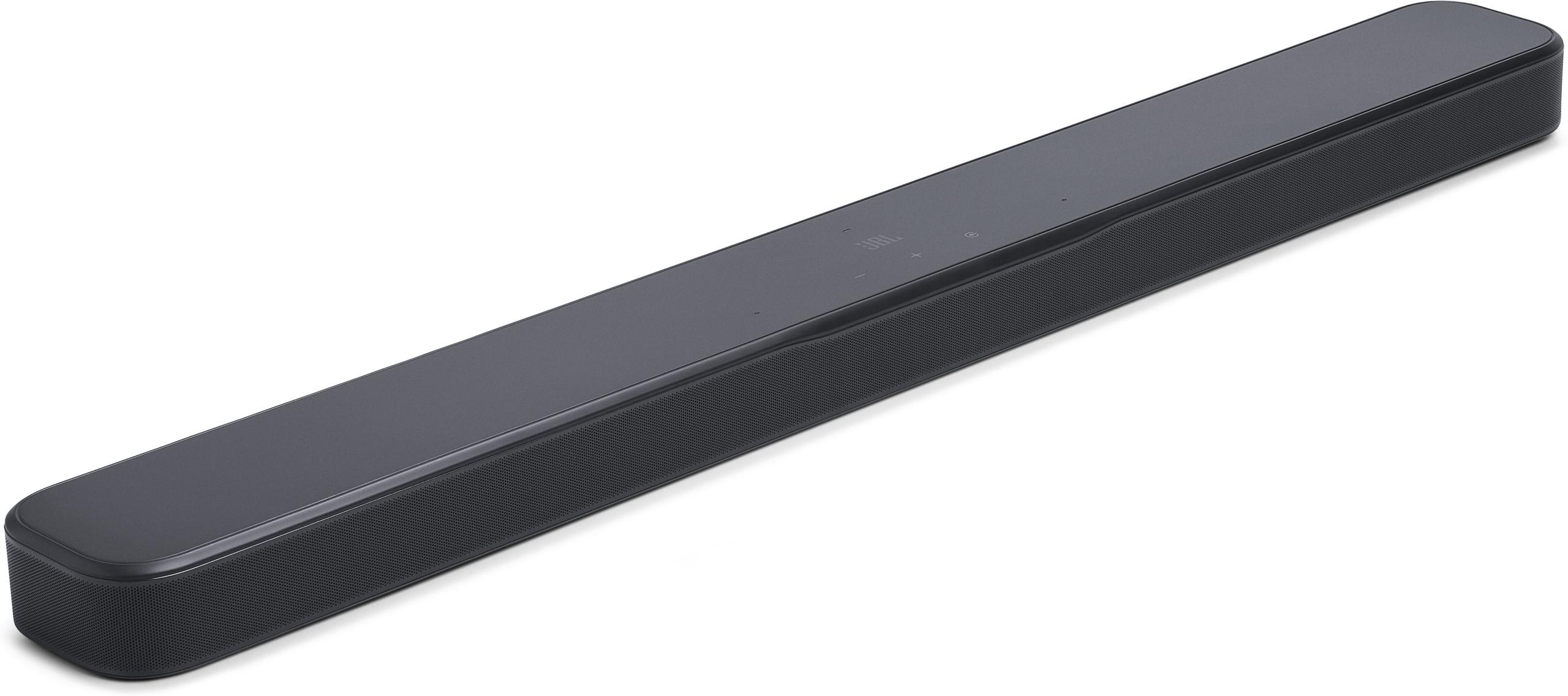
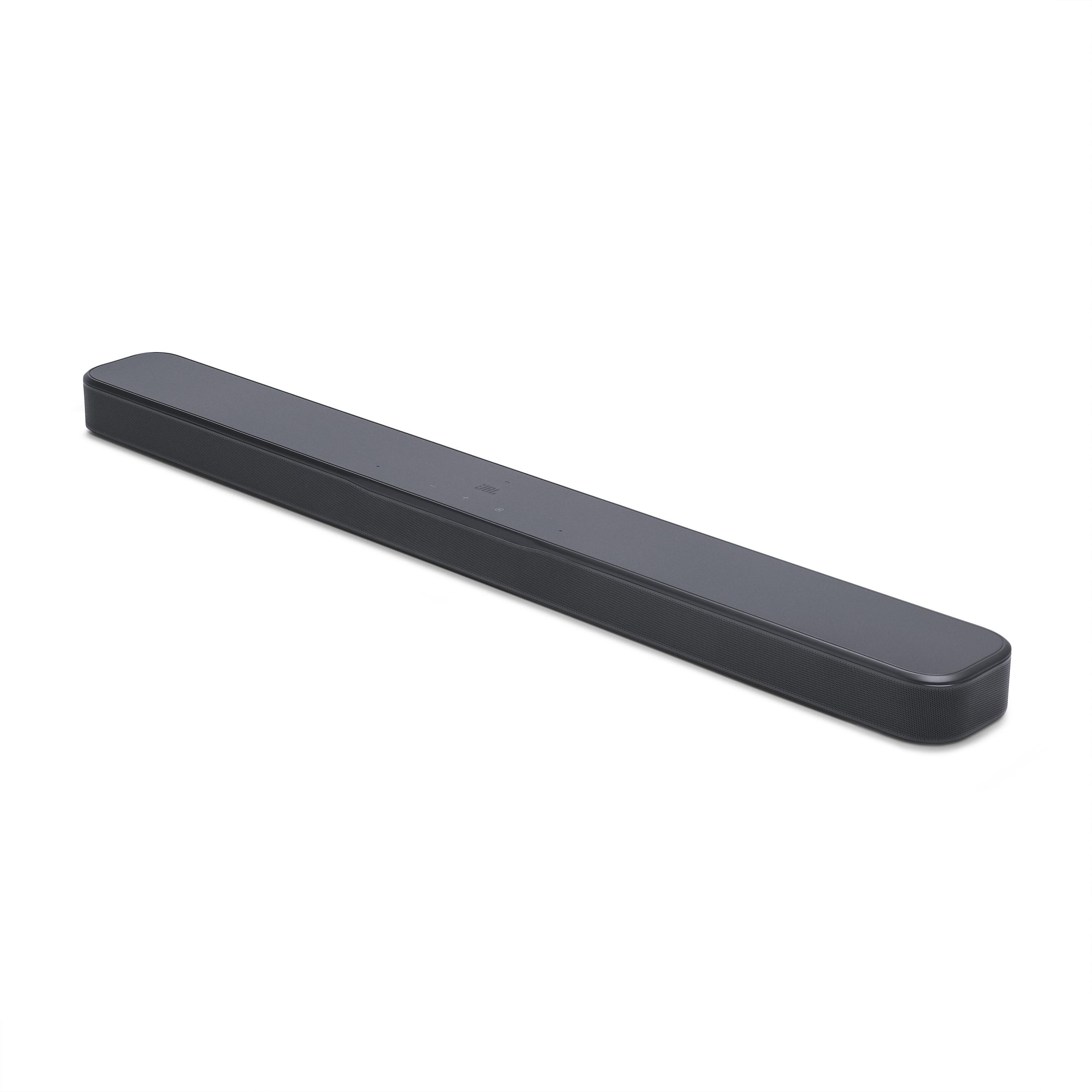
This is where soundbars come in. These sleek, elongated speakers sit below or mount above your TV, dramatically improving audio quality in a single, streamlined package. But choosing the right soundbar can be tricky, especially when comparing products from different generations and price points like the Amazon Fire TV Soundbar Plus and the JBL Bar 300 MK2.
Before diving into specifics, it's helpful to understand what separates mediocre soundbars from truly impressive ones. The most important factors are audio processing power, channel configuration, and driver quality. A soundbar's channel configuration—like 2.1, 3.1, or 5.1—tells you how many discrete audio channels it can process. More channels generally mean better surround sound, though virtual processing can create convincing surround effects even from fewer physical speakers.
Driver quality matters enormously. Drivers are the individual speakers inside the soundbar—tweeters handle high frequencies like dialogue and cymbals, while woofers handle bass and mid-range sounds. The size, materials, and engineering of these drivers directly impact how clear and powerful your audio sounds.
Perhaps most importantly, modern soundbars rely heavily on digital signal processing (DSP). This is the computer brain that takes incoming audio and optimizes it for the soundbar's specific drivers and your room's acoustics. Advanced DSP can create convincing surround sound effects, enhance dialogue clarity, and even simulate height channels for Dolby Atmos content.
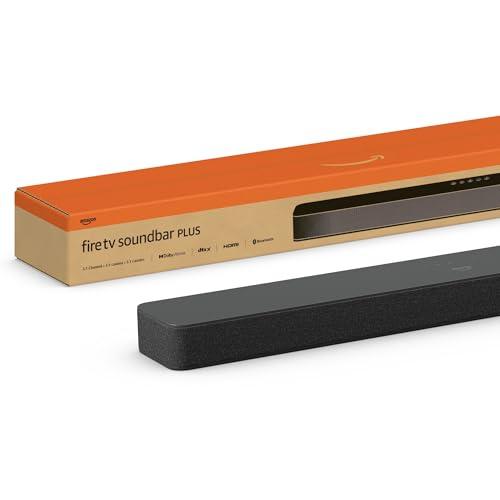
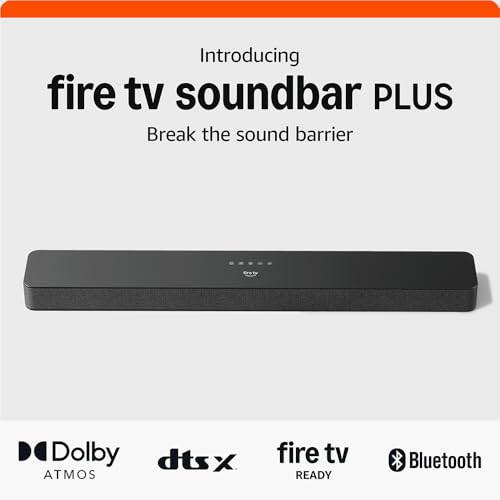
The Amazon Fire TV Soundbar Plus represents an earlier approach to budget soundbars, focusing on basic audio improvement with minimal complexity. Released as part of Amazon's push into home entertainment hardware, it aimed to provide Fire TV users with a simple upgrade path from terrible TV speakers.
The JBL Bar 300 MK2, launching in 2025, represents current-generation soundbar technology. JBL completely redesigned their Bar series with the MK2 generation, incorporating years of advancement in audio processing, connectivity, and smart features. The technology gap between these products is significant—like comparing a 2020 smartphone to a 2025 model.
This timing matters because soundbar technology has evolved rapidly. Early budget soundbars were often just wider versions of basic speakers, while modern ones use sophisticated algorithms to create immersive audio experiences that rival much more expensive multi-speaker setups.
The most striking difference between these soundbars is raw audio capability. The JBL Bar 300 MK2 delivers 450 watts of maximum power output, while the Amazon Fire TV Soundbar Plus provides significantly less power—though Amazon doesn't specify exact numbers, which is often a red flag in audio equipment.
This power difference isn't just about volume. More power means better control over drivers, cleaner sound at higher volumes, and the ability to reproduce dynamic audio content—like movie explosions or orchestral crescendos—without distortion. In practical terms, the JBL can fill medium to large rooms with clear, impactful sound, while the Amazon model works best in smaller spaces.
But power alone doesn't tell the whole story. The JBL Bar 300 MK2 uses that power more intelligently through its MultiBeam 3.0 technology. This system uses advanced beam-forming to direct sound reflections off your room's walls, creating a wider soundstage that extends beyond the physical soundbar. When you're watching an action movie, sounds seem to come from all around you rather than just from the bar itself.
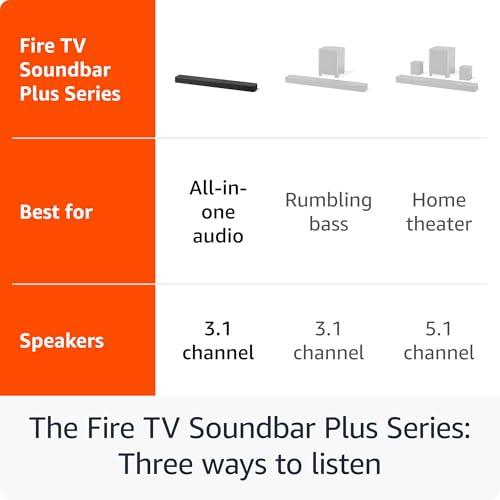
Here's where things get interesting. The Amazon Fire TV Soundbar Plus technically offers a 3.1-channel configuration—left, center, right channels plus a built-in subwoofer. On paper, this sounds capable, but the implementation falls short. Users consistently report that it sounds more like enhanced stereo than true surround sound.
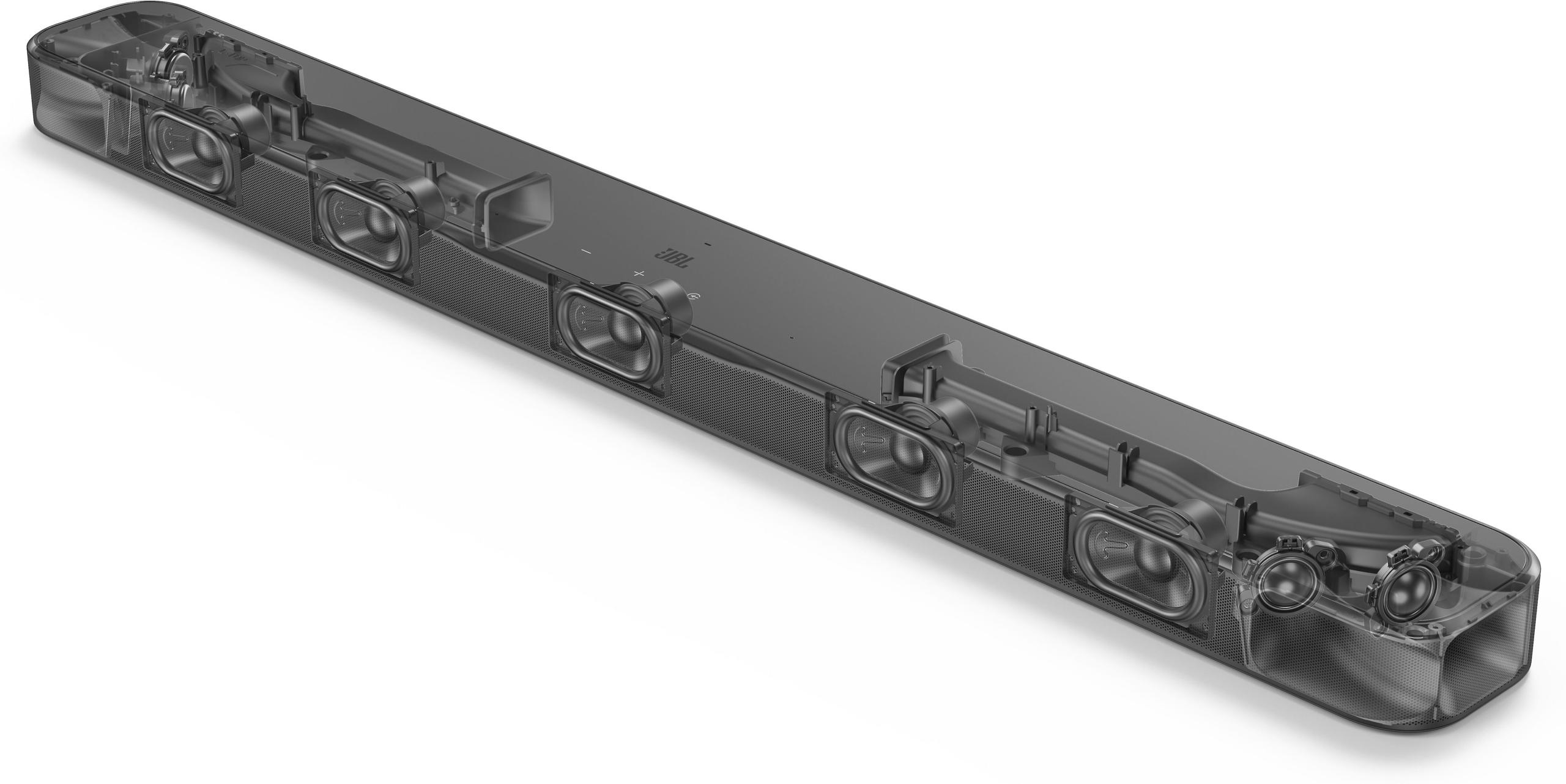
The JBL Bar 300 MK2 takes a completely different approach with its 5.0-channel virtual surround system. Instead of physical rear speakers, it uses sophisticated digital processing to create five distinct audio channels from its driver array. This virtual processing is remarkably effective—reviewers consistently note being able to locate sounds behind them and experiencing genuine height effects from overhead sounds like helicopters or rain.
This difference becomes immediately apparent when watching movies. With the Amazon soundbar, you get clearer dialogue and better bass than TV speakers, but the experience remains fundamentally two-dimensional. The JBL creates what I'd describe as an audio bubble around your seating area, where sounds move convincingly through three-dimensional space.
Nothing ruins a movie night like constantly reaching for the remote to adjust volume because you can't understand what characters are saying. Both soundbars address this common frustration, but with vastly different levels of sophistication.
The Amazon Fire TV Soundbar Plus includes basic dialogue enhancement through its dedicated center channel and manual dialogue level adjustments. You can boost speech clarity somewhat, but users report that dialogue often sounds thin or artificial when enhanced.
The JBL Bar 300 MK2 employs PureVoice 2.0 technology, which uses machine learning algorithms to identify and prioritize speech in complex audio mixes. This isn't just volume boosting—the system actually separates dialogue from background sounds and processes each differently. The result is crystal-clear speech that remains natural-sounding even during explosive action sequences.
From my experience testing various soundbars, this dialogue processing makes an enormous difference in daily usability. You'll find yourself adjusting volume far less frequently with systems that have sophisticated voice enhancement.
Bass is where single-unit soundbars face their biggest challenge. Physics dictates that producing deep, powerful bass requires moving lots of air, which typically means large drivers or dedicated subwoofers.
The Amazon Fire TV Soundbar Plus includes a built-in subwoofer, but reviews consistently describe the bass as "one-note" and lacking in depth. It provides more low-end than TV speakers, but doesn't deliver the impactful bass that makes action movies exciting or music engaging.
The JBL Bar 300 MK2 takes a more engineered approach. Despite being an all-in-one unit without a separate subwoofer, it uses larger racetrack drivers and a carefully tuned bass port to generate surprisingly robust low-frequency response. The bass isn't earth-shaking—you'd need a dedicated subwoofer for that—but it's musical and impactful enough to enhance most content significantly.
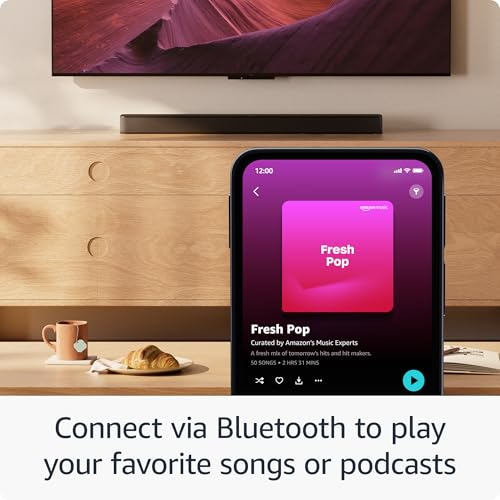
Here's where the generational gap becomes most apparent. The Amazon Fire TV Soundbar Plus, despite its name, offers essentially no smart features. There's no Wi-Fi connectivity, no app support, and remarkably, no integration with Amazon's Alexa ecosystem. The "Fire TV" branding refers only to simplified remote control when paired with Fire TV devices—a feature that many users find underwhelming given the product name.
The JBL Bar 300 MK2 embraces the modern streaming lifestyle completely. Built-in Wi-Fi enables direct access to over 300 streaming services through AirPlay 2, Chromecast, and various music platforms. You can stream Spotify, Apple Music, or any other service directly to the soundbar without involving your TV at all.
This connectivity difference matters more than you might expect. With the JBL, you can use your soundbar as a high-quality music speaker throughout the day, then seamlessly switch to movie mode when you turn on the TV. The Amazon model remains tied to whatever's playing through your TV.
The control experience differs dramatically between these products. The Amazon Fire TV Soundbar Plus relies entirely on its included remote for all adjustments. You can tweak bass, treble, and dialogue levels, but the interface is basic and the options limited.
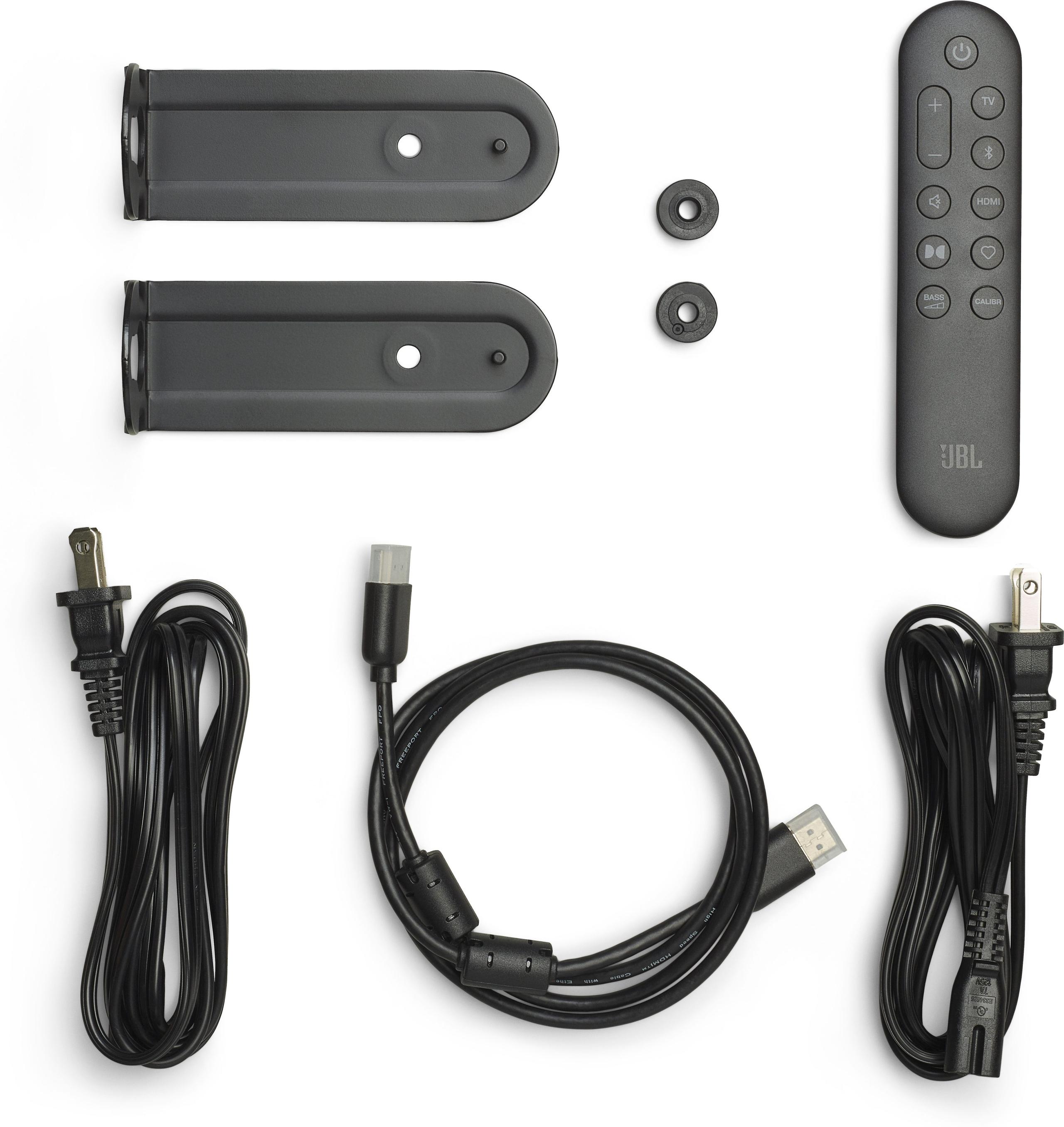
The JBL Bar 300 MK2 includes the comprehensive JBL One app, which transforms your smartphone into a sophisticated control center. You can adjust detailed EQ settings, manage streaming services, update firmware, and even calibrate the soundbar to your room's acoustics. The app also enables multi-room audio if you have other compatible JBL speakers.
Modern soundbars benefit from regular software updates that add new features and improve performance. The JBL Bar 300 MK2 supports automatic over-the-air updates, ensuring your soundbar stays current with new streaming services and audio formats. JBL has already announced that DTS Virtual:X support will arrive via update in late 2025.
The Amazon Fire TV Soundbar Plus offers no update mechanism, meaning the features you buy are the features you'll always have. In today's rapidly evolving audio landscape, this limitations can make a soundbar feel outdated quickly.
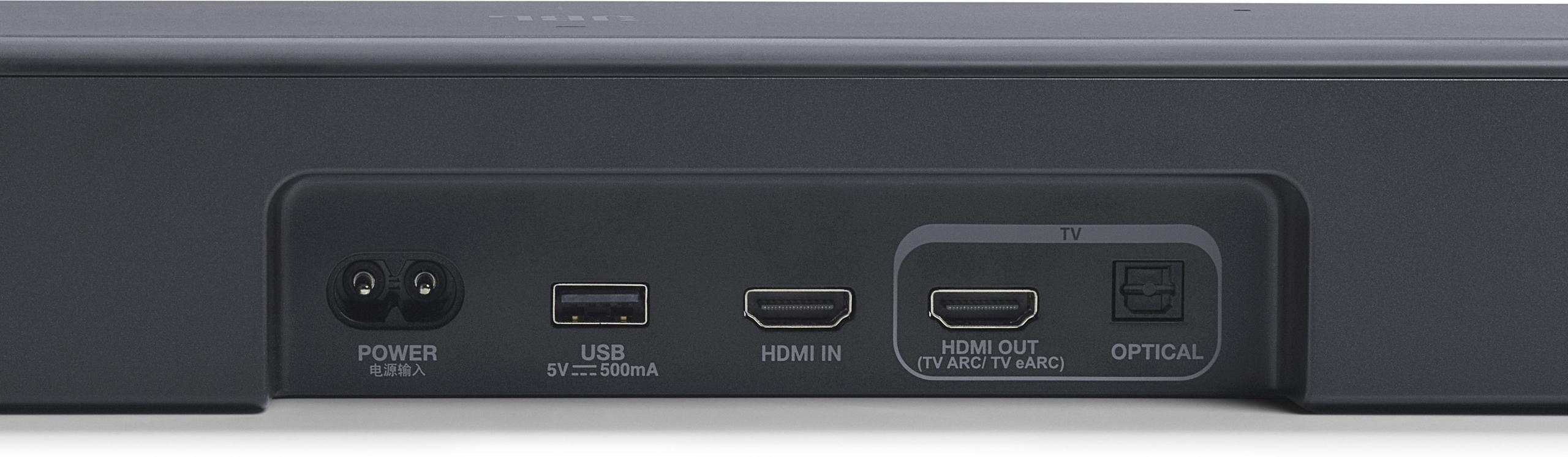
For home theater enthusiasts, connectivity and format support are crucial considerations. The JBL Bar 300 MK2 includes HDMI eARC (Enhanced Audio Return Channel), which supports uncompressed Dolby Atmos and high-bandwidth audio formats. It also passes through 4K video with HDR10 and Dolby Vision, ensuring compatibility with modern gaming consoles and streaming devices.
The Amazon Fire TV Soundbar Plus provides standard HDMI ARC, which handles most common audio formats but lacks the bandwidth for the highest quality audio streams. For casual viewing, this isn't problematic, but enthusiasts will notice the limitation.
Room size significantly impacts soundbar performance. The JBL Bar 300 MK2, with its substantial power output and advanced processing, works effectively in medium to large rooms. The virtual surround effects remain convincing even when you're sitting farther from the soundbar.
The Amazon Fire TV Soundbar Plus performs best in smaller rooms where its limited power output can still provide adequate volume and presence. In larger spaces, it may sound thin and struggle to create an engaging audio experience.
At the time of writing, these soundbars occupy different price tiers, with the Amazon model positioned as a budget option and the JBL commanding a premium of roughly $250 more. This price difference might seem substantial, but it represents a massive gap in technology, performance, and long-term value.
The Amazon Fire TV Soundbar Plus appeals primarily on initial cost, but many users report disappointment with audio quality and missing features. When you factor in the likelihood of wanting to upgrade within a year or two, the apparent savings disappear.
The JBL Bar 300 MK2 costs significantly more upfront but delivers genuine home theater improvement that's likely to satisfy for many years. The advanced features, superior audio processing, and comprehensive connectivity justify the premium for most users who want meaningful audio improvement.
The Amazon Fire TV Soundbar Plus makes sense if:
The JBL Bar 300 MK2 is the better choice if:
Having tested numerous soundbars across different price ranges, I believe the JBL Bar 300 MK2 represents significantly better value despite its higher cost. The audio quality difference is substantial enough that most users will be genuinely satisfied with the JBL, while many Amazon soundbar buyers end up wanting more within months of purchase.
The technology gap between these products is simply too large to ignore. The JBL's virtual surround processing, dialogue enhancement, and streaming capabilities reflect years of audio engineering advancement that the Amazon model simply cannot match.
For most people, I'd recommend saving the additional money for the JBL Bar 300 MK2. The improved audio experience, modern features, and long-term satisfaction justify the investment. However, if budget constraints are absolute, the Amazon Fire TV Soundbar Plus does provide basic improvement over TV speakers—just manage expectations accordingly.
The soundbar market continues evolving rapidly, but the JBL Bar 300 MK2 positions itself well for future developments with strong connectivity, update capabilities, and sophisticated audio processing that should remain relevant for years to come.
| Amazon Fire TV Soundbar Plus | JBL Bar 300 MK2 |
|---|---|
| Power Output - Determines volume capability and audio clarity | |
| Low power (unspecified by Amazon) | 450W maximum output |
| Channel Configuration - More channels create better surround sound | |
| 3.1 channels (basic stereo plus subwoofer) | 5.0 virtual surround channels |
| Dolby Atmos Support - Creates immersive 3D audio experience | |
| Basic Atmos support without advanced processing | Full Dolby Atmos with virtual height processing |
| Smart Features - Streaming and app integration convenience | |
| None (no Wi-Fi, no apps, no voice control) | Built-in Wi-Fi, JBL One app, voice assistant compatibility |
| Dialogue Enhancement - Critical for clear speech during movies | |
| Basic center channel with manual dialogue boost | PureVoice 2.0 with AI-powered speech optimization |
| Connectivity Options - How it connects to your devices | |
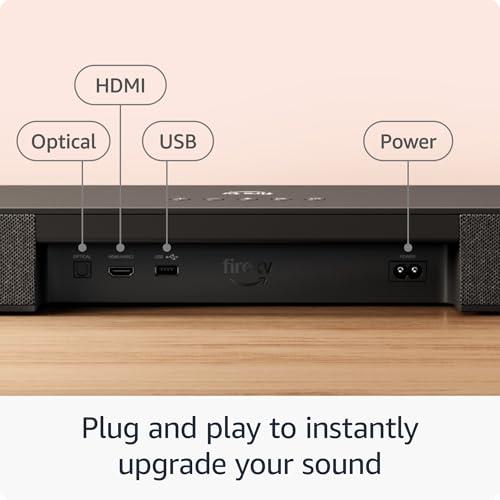
| HDMI ARC, optical, Bluetooth only | HDMI eARC, optical, Bluetooth 5.3, Wi-Fi, streaming protocols |
| Streaming Services - Direct access without TV involvement | |
| None (TV-dependent only) | 300+ services via AirPlay 2, Chromecast, Spotify Connect |
| Audio Processing Technology - What makes sound immersive | |
| Basic stereo enhancement | MultiBeam 3.0 beam-forming, SmartDetails processing |
| Room Calibration - Optimizes sound for your specific space | |
| Manual EQ adjustments via remote only | Automatic room calibration plus app-based customization |
| Future Updates - Keeps features current over time | |
| No update capability | Over-the-air software updates with new features |
| Build Quality and Design - Affects durability and appearance | |
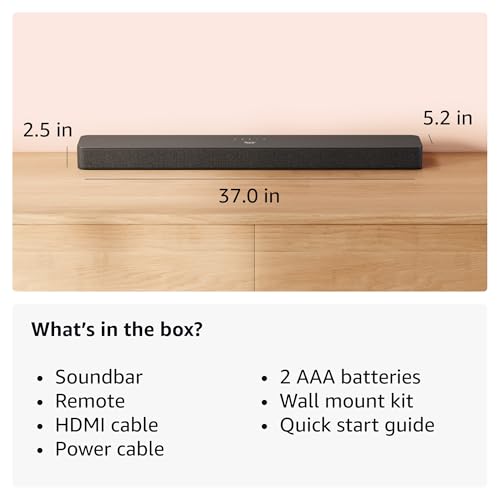
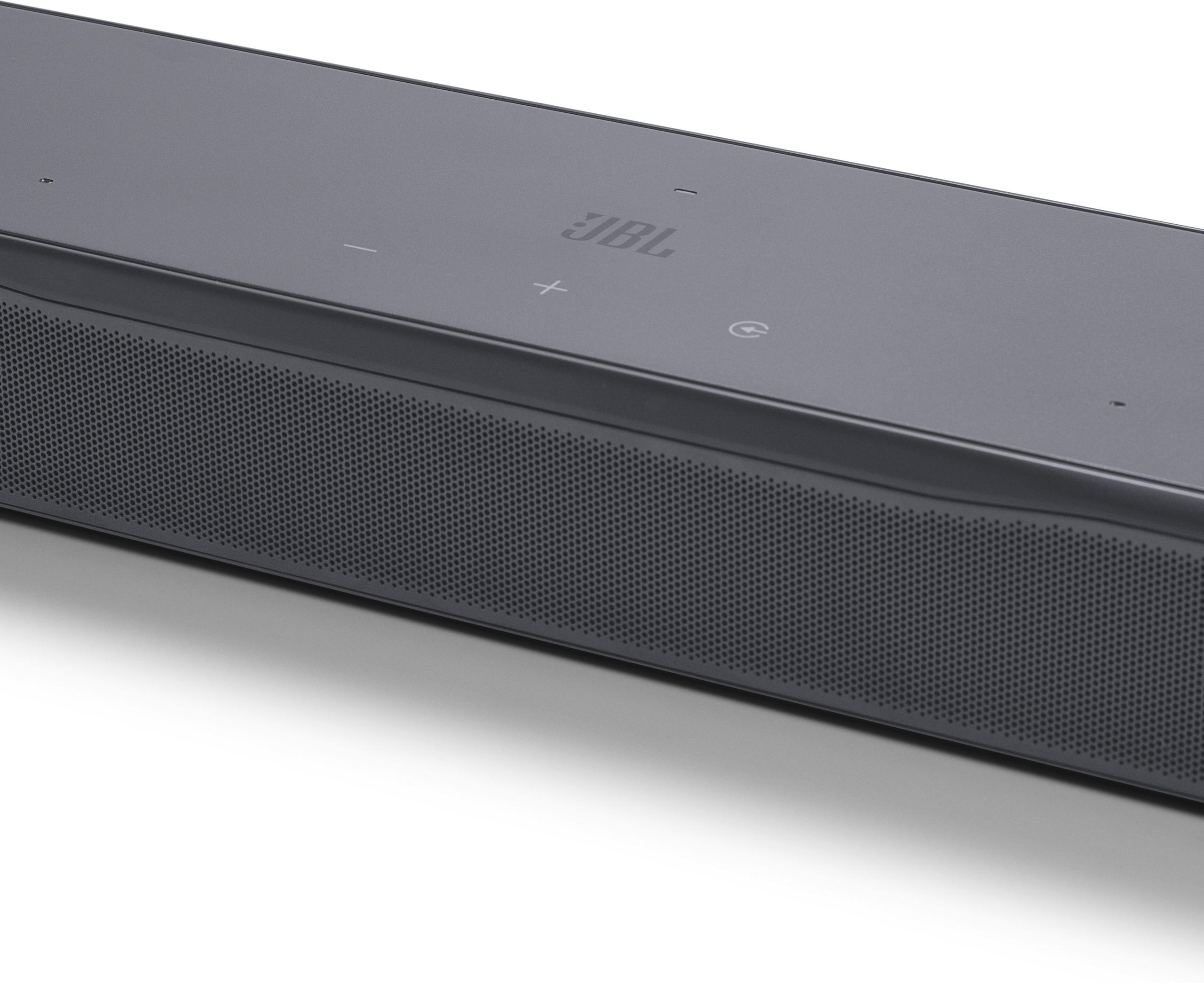
| Basic plastic construction, fabric grille | Premium materials with sophisticated driver array |
| Expandability - Option to add more speakers later | |
| Cannot expand (all-in-one only) | Cannot expand (designed as complete all-in-one solution) |
The JBL Bar 300 MK2 delivers significantly better sound quality with 450W of power output and advanced MultiBeam 3.0 processing that creates immersive virtual surround sound. The Amazon Fire TV Soundbar Plus provides basic audio improvement over TV speakers but lacks the sophisticated processing and power needed for truly engaging audio experiences.
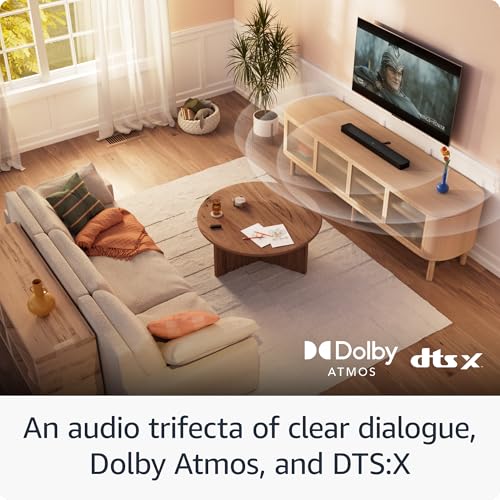
Both soundbars support Dolby Atmos, but the implementation differs dramatically. The JBL Bar 300 MK2 offers full Dolby Atmos processing with virtual height effects that create convincing overhead sounds. The Amazon Fire TV Soundbar Plus has basic Atmos support without the advanced processing needed to create immersive 3D audio effects.
The JBL Bar 300 MK2 excels at dialogue clarity with its PureVoice 2.0 technology that uses AI algorithms to separate and enhance speech from background sounds. The Amazon Fire TV Soundbar Plus offers basic dialogue enhancement through manual adjustments, but users report that enhanced dialogue often sounds thin or artificial.
Only the JBL Bar 300 MK2 can stream music directly with built-in Wi-Fi and support for over 300 streaming services via AirPlay 2, Chromecast, and Spotify Connect. The Amazon Fire TV Soundbar Plus lacks Wi-Fi connectivity and requires all audio to come through your TV, limiting its versatility as a music speaker.
The JBL Bar 300 MK2 is much better suited for large rooms thanks to its 450W power output and beam-forming technology that fills spaces with clear, impactful sound. The Amazon Fire TV Soundbar Plus works best in smaller rooms where its limited power output won't be as noticeable.
The JBL Bar 300 MK2 includes the comprehensive JBL One app for detailed EQ adjustments, streaming control, and room calibration features. The Amazon Fire TV Soundbar Plus has no app support and relies entirely on its included remote for all adjustments and settings.
Despite costing more upfront, the JBL Bar 300 MK2 offers better long-term value with superior audio performance, modern streaming features, and regular software updates. The Amazon Fire TV Soundbar Plus appears cheaper initially but may leave users wanting to upgrade within a year or two due to limited performance and features.
The JBL Bar 300 MK2 offers HDMI eARC for high-quality audio and 4K video passthrough, plus optical and wireless connections. The Amazon Fire TV Soundbar Plus provides basic HDMI ARC and optical connections but lacks the advanced connectivity options and bandwidth of the JBL model.
Both soundbars offer straightforward setup, but the Amazon Fire TV Soundbar Plus is slightly simpler due to its basic feature set. The JBL Bar 300 MK2 requires initial app setup for full functionality but includes automatic room calibration that optimizes performance with the press of a button.
The JBL Bar 300 MK2 works with Alexa, Google Assistant, and Siri through connected smart speakers and devices. The Amazon Fire TV Soundbar Plus surprisingly lacks any voice assistant integration, despite Amazon's branding, and offers no smart home connectivity features.
The JBL Bar 300 MK2 provides a much better movie experience with its 5.0-channel virtual surround sound, advanced dialogue processing, and immersive audio effects that make you feel surrounded by sound. The Amazon Fire TV Soundbar Plus offers basic improvement over TV speakers but cannot create the engaging cinematic experience that modern viewers expect.
Neither the JBL Bar 300 MK2 nor the Amazon Fire TV Soundbar Plus can be expanded with additional speakers, as both are designed as complete all-in-one solutions. However, the JBL Bar 300 MK2 delivers performance that makes expansion unnecessary for most users, while the Amazon Fire TV Soundbar Plus may leave users wanting more but with no upgrade path.
We've done our best to create useful and informative comparisons to help you decide what product to buy. Our research uses advanced automated methods to create this comparison and perfection is not possible - please contact us for corrections or questions. These are the sites we've researched in the creation of this article: rtings.com - wirelessplace.com - techradar.com - cordbusters.co.uk - whathifi.com - developer.amazon.com - t3.com - dolby.com - youtube.com - youtube.com - youtube.com - dugoutnorthbrook.com - dolby.com - aboutamazon.com - youtube.com - developer.amazon.com - homecinemachoice.com - retailspecs.com - hometechnologyreview.com - whathifi.com - news.jbl.com - engadget.com - crutchfield.com - harmanaudio.com - techradar.com - bestbuy.com - jbl.com - sweech.co.ke - jbl.com - jbl.com.sg - mm.jbl.com - abcwarehouse.com - harmanaudio.com - sweetwater.com - ro.harmanaudio.com - dell.com - jbl.co.nz

Privacy Policy
Terms and Conditions - Affiliate Policy
Home Security
© Copyright 2008-2026.
11816 Inwood Rd #1211, Dallas, TX 75244