




If you've ever watched a movie and struggled to hear dialogue over explosions, or noticed your TV's built-in speakers make everything sound flat and lifeless, you're not alone. This is exactly why soundbars have become one of the most popular home theater upgrades. But here's where things get interesting: not all soundbars take the same approach to fixing your audio problems.
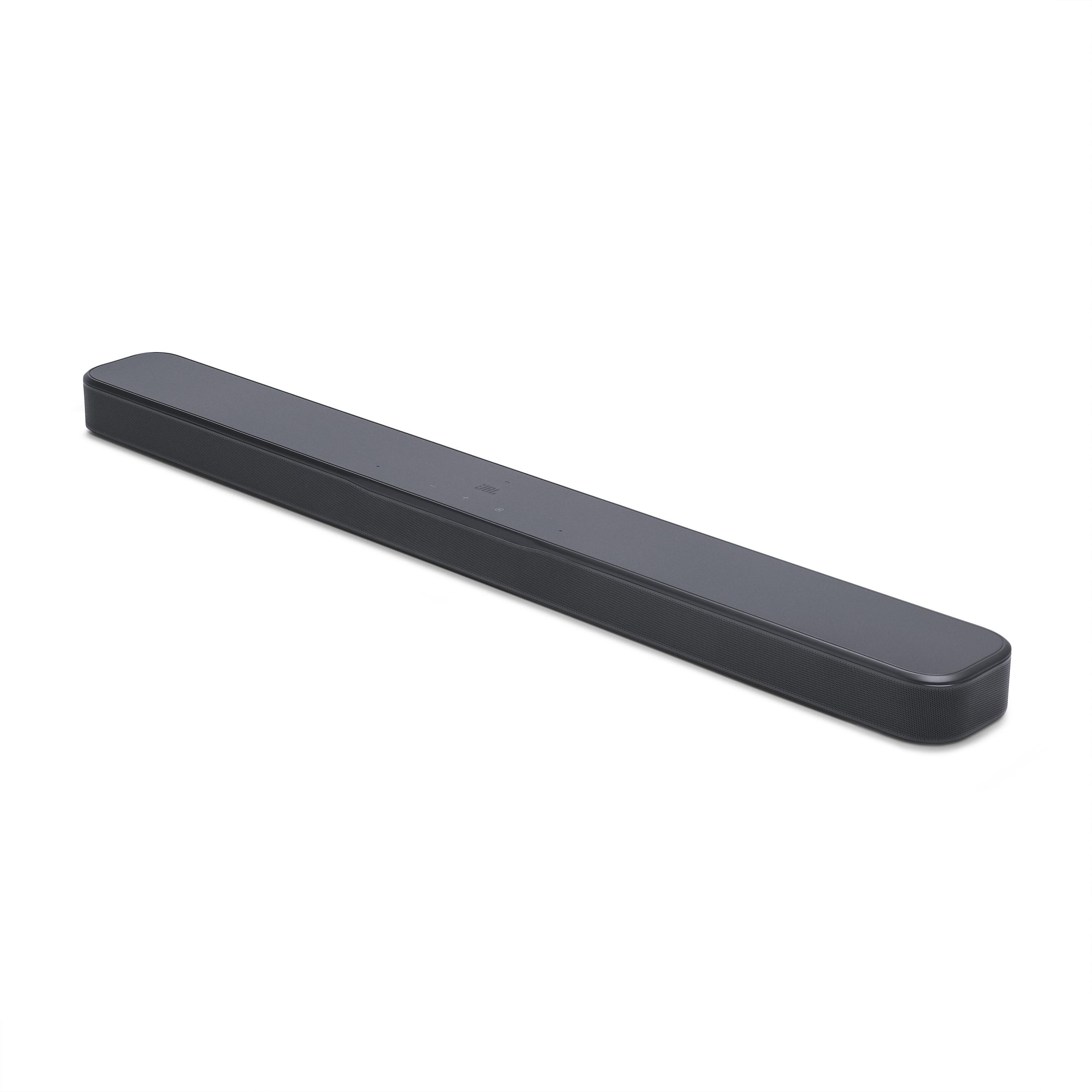
The soundbar market has essentially split into two camps. On one side, you have systems like the Ultimea Poseidon D70 that use multiple physical speakers placed around your room to create genuine surround sound. On the other, there are compact units like the JBL Bar 300 MK2 that use advanced digital processing to simulate immersive audio from a single sleek bar.
Both approaches have their merits, but they solve the "bad TV audio" problem in fundamentally different ways. Understanding these differences is crucial because your choice will impact not just how your movies sound, but how your entire living space looks and functions.
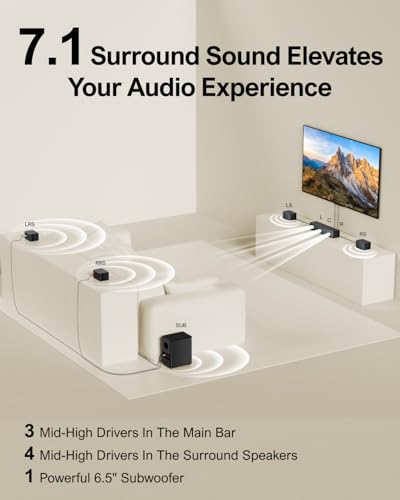
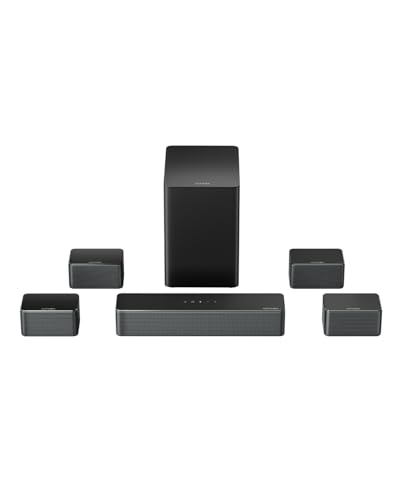
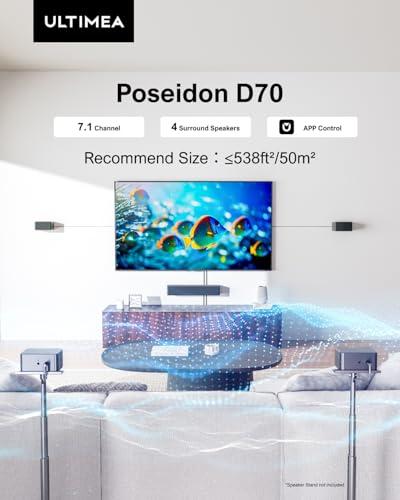
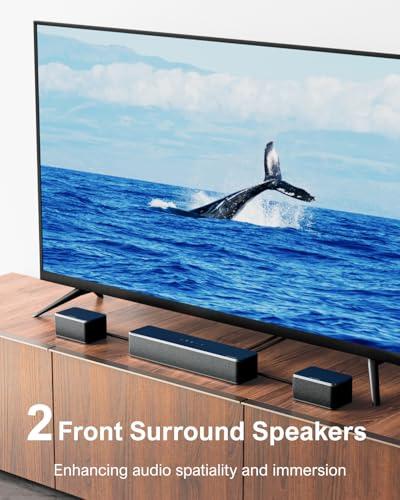
Before diving into our comparison, let's establish what we're dealing with. The Ultimea Poseidon D70, released in 2024, represents the discrete surround approach with eight actual speakers: a main soundbar, four separate surround speakers, and a wireless subwoofer. The JBL Bar 300 MK2, also from 2024, embodies the virtual processing approach, using sophisticated algorithms to create height and surround effects from a single compact unit.
These aren't just different products—they're different philosophies about home audio. The discrete approach says "authentic surround sound requires speakers in multiple locations," while the virtual approach argues "smart processing can deliver immersive audio without room clutter."
The technology behind both has advanced significantly since early soundbars hit the market around 2010. Early models were essentially wider TV speakers that made dialogue clearer but didn't attempt true surround sound. Today's systems use AI-powered processing, wireless connectivity, and sophisticated driver arrangements that would have been impossible a decade ago.
When evaluating soundbar performance, several metrics matter most: power output, frequency response (how well it reproduces different pitches), dynamic range (the difference between quiet and loud sounds), and spatial accuracy (how well it places sounds in space).
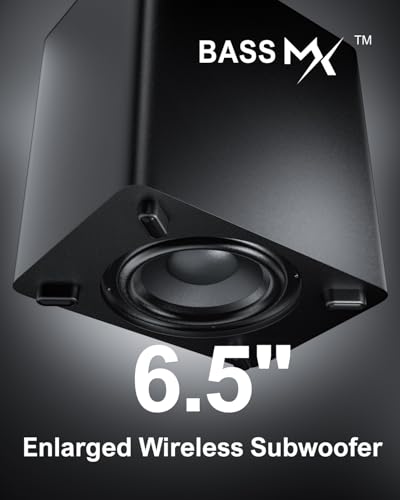
The Ultimea Poseidon D70 delivers 410W of peak power across its eight drivers, with a frequency response spanning 35Hz to 18kHz. In practical terms, this means it can reproduce the deep rumble of a submarine (around 40Hz) while maintaining crystal-clear cymbal crashes (up to 18kHz). The system's 6.5-inch subwoofer handles the low-end duties, while the four 2.25-inch surround speakers create genuine directional effects.
What makes the Poseidon D70 particularly compelling is its approach to bass. The BassMX technology isn't just marketing speak—it actively enhances low-frequency response in real-time. During action scenes, this translates to visceral impact that you feel as much as hear. The system can exceed 98dB of maximum sound pressure level, which means it can fill even large rooms without strain.
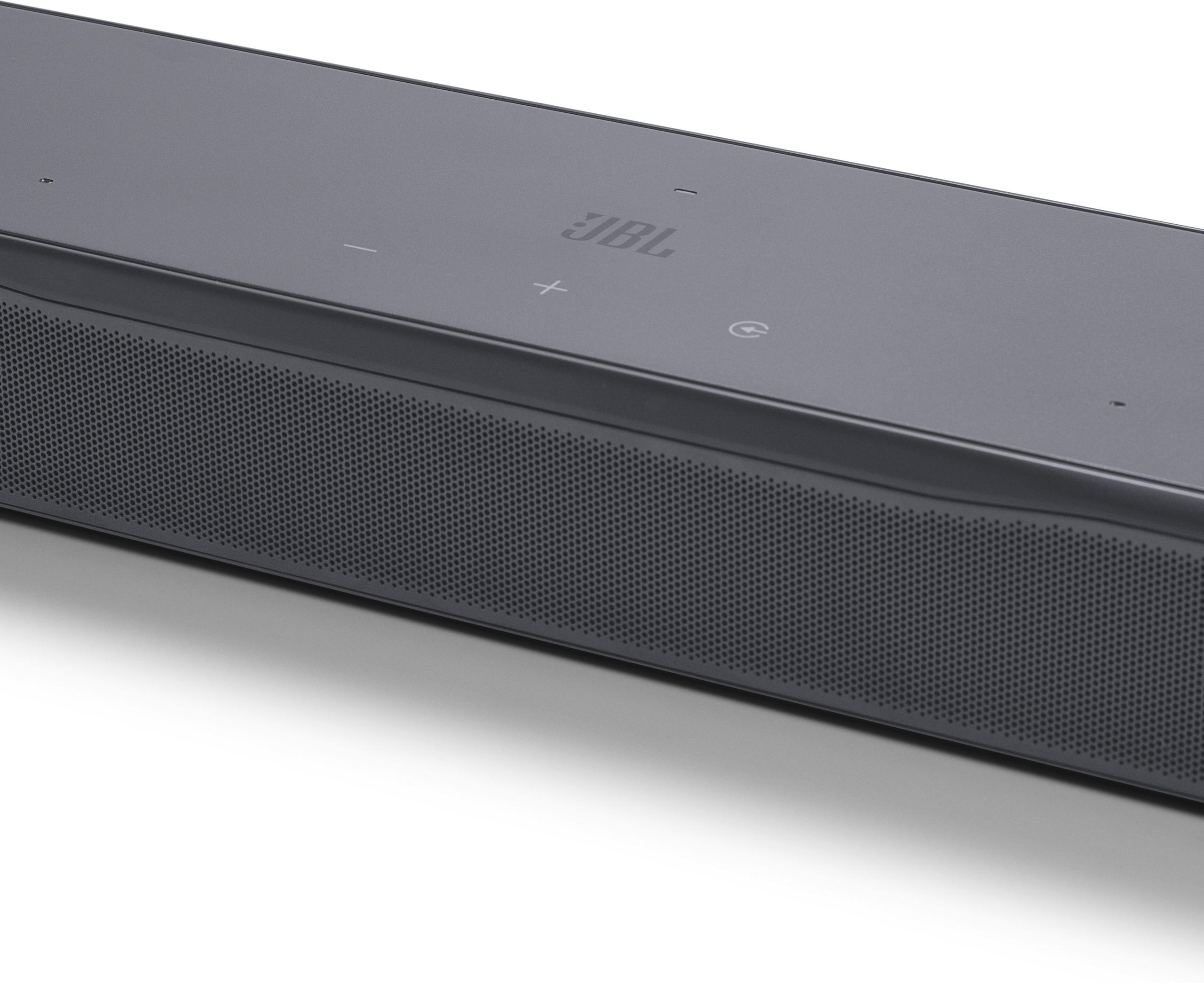
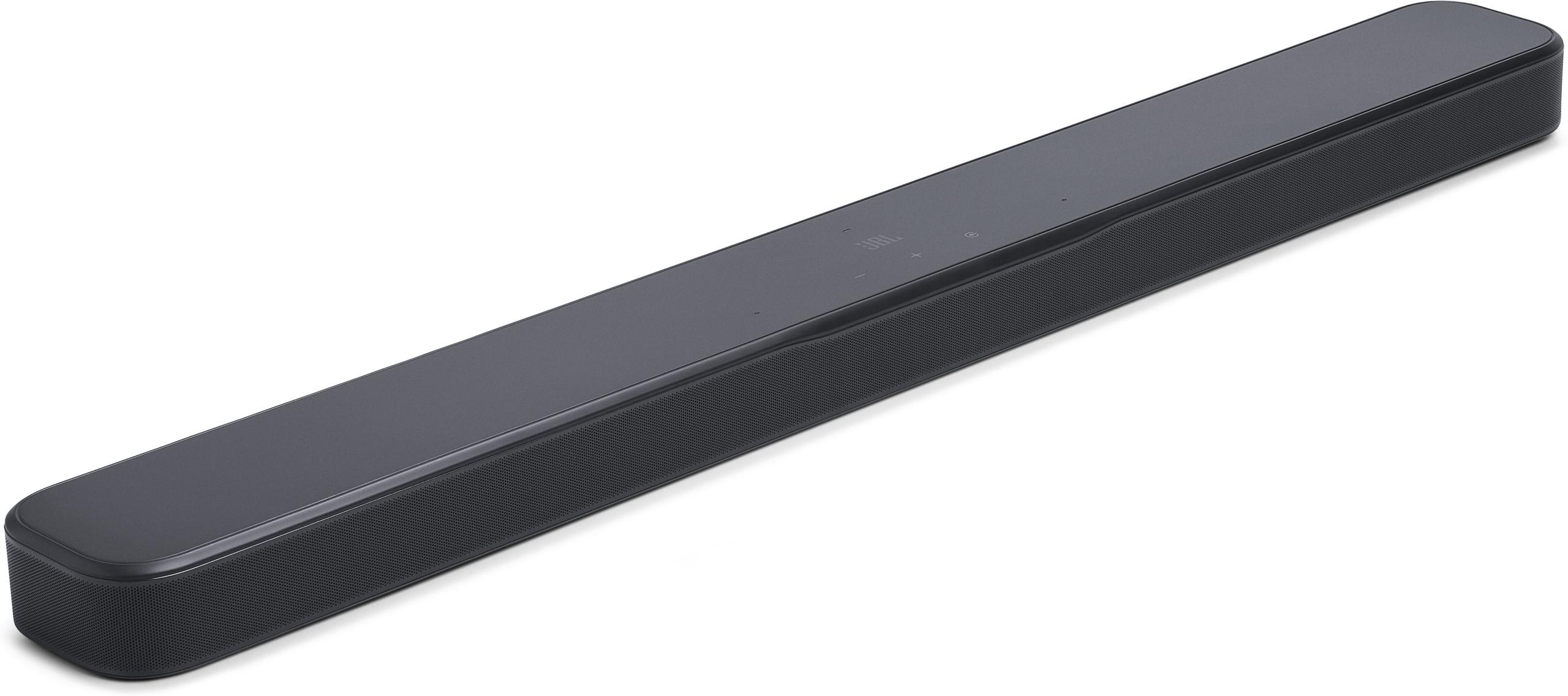
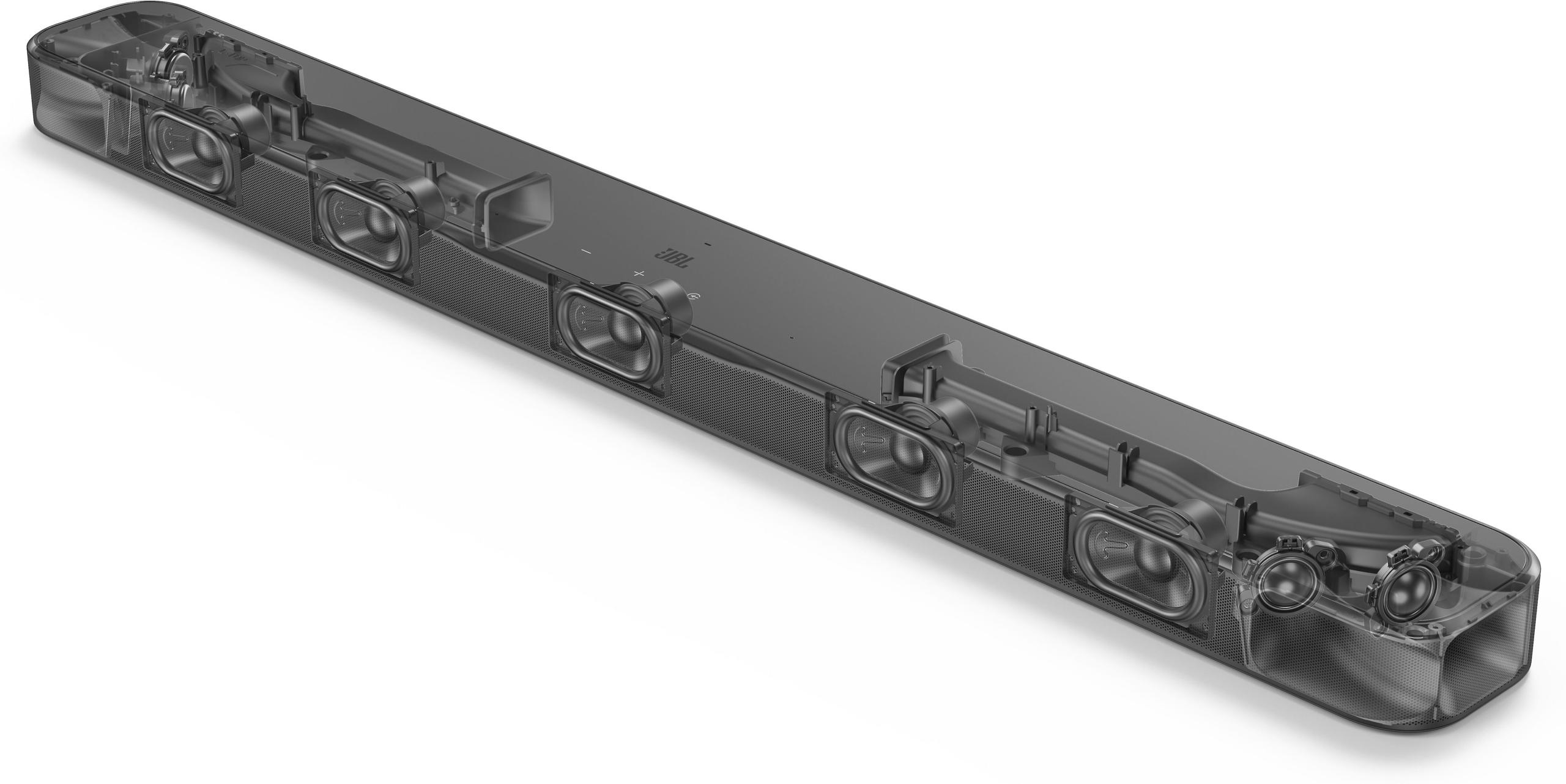
The JBL Bar 300 MK2 takes a different approach with 450W of maximum output from its more compact design. While it lacks a separate subwoofer, JBL has engineered an integrated bass port system that produces surprisingly robust low-end for a single-unit design. The frequency response extends from 50Hz to 20kHz, covering a similar range but with different emphasis.
Where the JBL truly shines is in its PureVoice 2.0 technology. This isn't just an equalizer adjustment—it's active processing that isolates dialogue frequencies and enhances them in real-time. If you've ever rewound a scene because you missed important dialogue, this feature addresses that frustration directly.
This is where the fundamental difference between these systems becomes most apparent. The Ultimea Poseidon D70 creates surround sound the traditional way: by actually placing speakers around your listening position. When a helicopter flies overhead in a movie, the sound literally moves from the front speakers to the rear ones because there are actual speakers in those positions.
The system's SurroundX technology goes a step further by applying surround processing to any audio source. This means even your regular TV shows or stereo music can benefit from expanded soundstage effects. It's particularly impressive with gaming, where directional audio cues become much more precise when you have actual speakers positioned around you.
The JBL Bar 300 MK2 relies on virtual Dolby Atmos processing to create its immersive effects. Dolby Atmos is an audio format that encodes not just surround information, but height information—where sounds should appear above your head. The JBL uses MultiBeam 3.0 technology to project sound reflections off your walls and ceiling, creating the illusion of height and surround placement.
This virtual approach has a significant advantage: it works with modern streaming content that's specifically mixed for Dolby Atmos. Netflix, Disney+, and other services increasingly offer Atmos soundtracks that the JBL can decode and present properly. The Ultimea system, while powerful, doesn't support Dolby Atmos natively.
However, virtual surround has limitations. Room acoustics heavily influence effectiveness—hard surfaces reflect sound predictably, while heavily furnished rooms with carpets and curtains can absorb the reflections needed for the effect. The Ultimea's physical speakers work regardless of your room's acoustic properties.
Here's where personal experience becomes crucial. Setting up the Ultimea Poseidon D70 isn't particularly difficult, but it does require planning. You'll need to position four surround speakers around your seating area, run RCA cables to the subwoofer, and likely do some cable management to keep everything tidy.
The wireless subwoofer helps reduce cable clutter, but you're still dealing with multiple components. Wall mounting the surround speakers is often the cleanest solution, but this isn't always possible in rental situations or rooms with challenging layouts. The color-coded cables and clear labeling help, but you're still looking at 30-45 minutes of setup time.
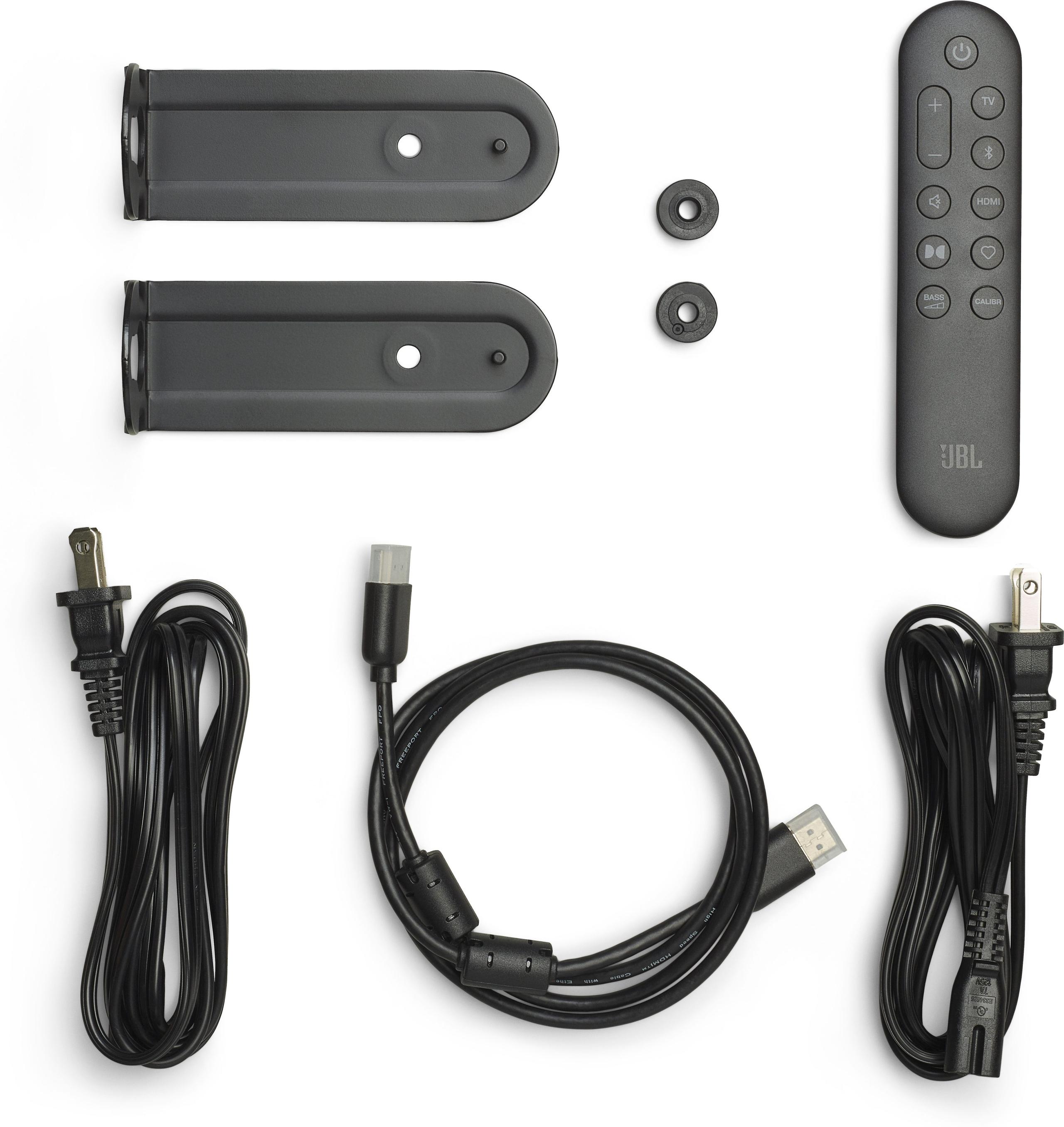
The JBL Bar 300 MK2 epitomizes plug-and-play simplicity. Connect the HDMI cable to your TV, plug in the power cord, and you're essentially done. The automatic room calibration optimizes the sound for your specific space without any manual adjustment needed.
This simplicity becomes more valuable when you consider long-term use. Moving apartments? The JBL requires unplugging two cables. The Ultimea system means carefully packing four surround speakers, the subwoofer, and multiple cables.
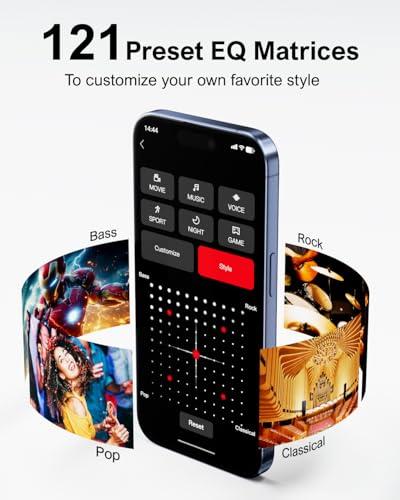
The Ultimea Poseidon D70 offers remarkable customization depth through its smart app. The 121 preset EQ matrices aren't just marketing numbers—they represent different acoustic profiles optimized for specific content types and room characteristics. Whether you're listening to classical music with its wide dynamic range or watching action movies with heavy bass, there's likely a preset that enhances your experience.
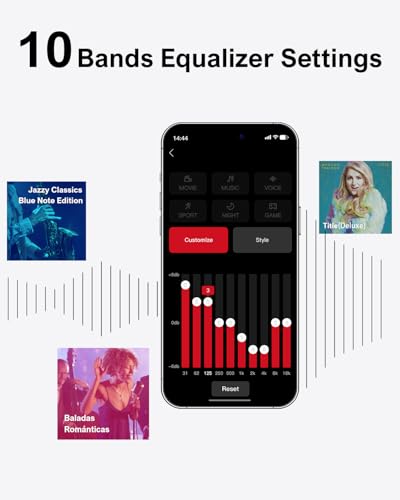
The 10-band graphic equalizer provides granular control over frequency response. This level of customization appeals to audio enthusiasts who want to fine-tune their system's performance. The AI deep learning optimization adds another layer, continuously analyzing audio signals to enhance clarity and impact.
Individual controls for bass, mid-range, treble, and surround levels mean you can adjust the system's balance in real-time. Watching late at night? Reduce the bass and boost dialogue frequencies. Hosting a party? Crank up the bass and widen the surround effect.
The JBL Bar 300 MK2 takes a more streamlined approach through the JBL One app. While it offers fewer granular controls, the features it provides are more automated and user-friendly. The automatic room calibration analyzes your space using built-in microphones and adjusts the sound accordingly—something the Ultimea requires you to do manually through trial and error.
SmartDetails technology deserves particular mention. This HARMAN-developed feature enhances subtle audio elements that often get lost in the mix—footsteps, ambient sounds, quiet dialogue. It's the kind of processing that makes you notice details in familiar content that you've missed before.
Modern home theater setups demand flexible connectivity, and both systems deliver, albeit with different strengths. The Ultimea Poseidon D70 covers the basics comprehensively: HDMI ARC for high-quality TV audio, optical for older devices, Bluetooth 5.3 for wireless music streaming, and USB/AUX for various sources.
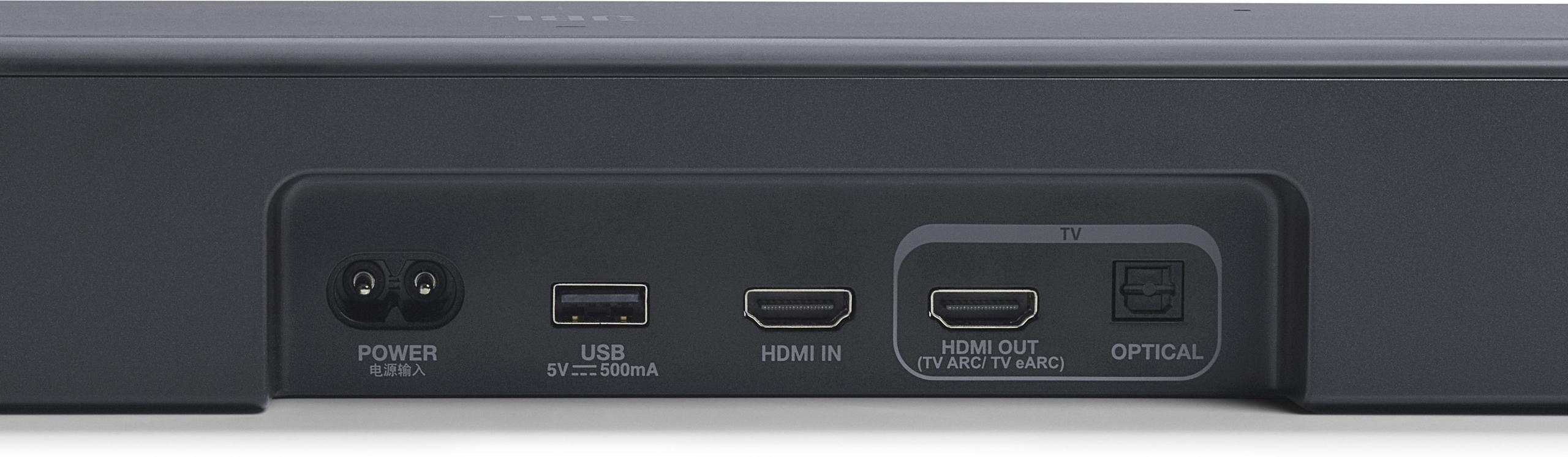
The JBL Bar 300 MK2 takes connectivity further with HDMI eARC (enhanced Audio Return Channel), which supports higher bandwidth audio formats and 4K Dolby Vision passthrough. This means your 4K HDR content maintains its visual quality while delivering superior audio. The built-in Wi-Fi, AirPlay, and Chromecast support make the JBL more of a smart speaker system than just a TV audio upgrade.
Access to over 300 streaming services through the JBL One app transforms the soundbar into an independent audio source. You can stream music directly without turning on your TV—something the Ultimea system doesn't offer.
For home theater use, the performance differences become clearer in specific scenarios. Action movies with lots of directional audio cues—think Top Gun: Maverick or any Marvel film—showcase the Ultimea's strength. When jets pan across the screen, the sound literally follows from front to rear speakers. Explosions have genuine spatial placement that helps you understand the geography of action scenes.
The JBL Bar 300 MK2 excels with dialogue-heavy content and modern streaming shows mixed in Dolby Atmos. The PureVoice technology makes following complex dialogue much easier, while the height processing adds atmospheric effects that enhance immersion without requiring rear speakers.
For music listening, preferences diverge significantly. The Ultimea's discrete speakers create a wider soundstage with better instrument separation, particularly beneficial for classical music or complex rock recordings. The JBL's processing tends to enhance modern pop and electronic music, where the virtual effects complement the production style.
Gaming presents an interesting case study. The Ultimea system provides actual positional audio—crucial for competitive gaming where hearing enemy footsteps behind you can mean the difference between victory and defeat. The JBL offers impressive atmospheric effects that enhance single-player gaming immersion but may lack the precision needed for competitive play.
At the time of writing, the Ultimea Poseidon D70 costs significantly less than the JBL Bar 300 MK2—roughly half the price. This creates a fascinating value equation. The Ultimea delivers more speakers, higher power output, and extensive customization options for considerably less money.
However, value isn't just about price-to-feature ratios. The JBL offers convenience, brand reliability, and modern format support that justify its premium positioning. JBL's established service network and longer-term software support provide peace of mind that smaller brands sometimes struggle to match.
The Ultimea's value proposition becomes particularly compelling for buyers who want authentic surround sound without the complexity and expense of traditional home theater systems. You're getting eight speakers and a full 7.1 setup for less than many single soundbars cost.
The decision between these systems ultimately depends on your priorities and constraints. Choose the Ultimea Poseidon D70 if you want the most immersive surround sound experience possible within your budget. It's ideal for dedicated home theater enthusiasts who don't mind the setup complexity and have room layouts that accommodate multiple speakers.
The JBL Bar 300 MK2 makes more sense for users who prioritize convenience and modern features. If you're upgrading from TV speakers and want significant improvement without major installation commitments, the JBL delivers excellent results with minimal fuss.
Consider your content consumption patterns too. If you primarily watch older movies, TV shows, and listen to music, the Ultimea's universal surround processing provides benefits regardless of source format. If you're deep into modern streaming services with Dolby Atmos content, the JBL's native format support becomes more valuable.
Room constraints often make the decision for you. Apartments, rentals, or rooms where speaker placement isn't practical favor the JBL's single-unit design. Dedicated home theaters or flexible room layouts can accommodate the Ultimea's multi-speaker setup.
Both systems represent significant upgrades over TV audio, but they achieve this through fundamentally different approaches. The Ultimea Poseidon D70 delivers authentic surround sound at exceptional value, while the JBL Bar 300 MK2 provides modern audio processing with premium convenience. Your choice should align with your space, budget, and how you actually use your home entertainment system.
| Ultimea Poseidon D70 | JBL Bar 300 MK2 |
|---|---|
| Speaker Configuration - Determines authentic vs virtual surround experience | |
| True 7.1 with 8 physical speakers: soundbar + 4 surround speakers + subwoofer | 5.0 all-in-one soundbar with virtual processing (no separate speakers) |
| Total Power Output - Affects room-filling capability and dynamic range | |
| 410W peak / 144W RMS across all 8 speakers | 450W maximum from integrated drivers |
| Surround Sound Technology - Key difference in immersion approach | |
| Physical discrete 7.1 with SurroundX processing for any content | Virtual Dolby Atmos with MultiBeam 3.0 for height effects |
| Bass Performance - Critical for movie impact and music fullness | |
| Dedicated 6.5" wireless subwoofer with BassMX technology | Integrated bass port system (no separate subwoofer) |
| Setup Complexity - Major factor in long-term satisfaction | |
| Complex: 4 surround speakers to position + cable management | Simple: single soundbar with minimal connections |
| Audio Format Support - Affects compatibility with modern streaming content | |
| No Dolby Atmos/DTS support, uses proprietary SurroundX for all sources | Native Dolby Atmos support, future DTS Virtual:X via update |
| Customization Options - Important for fine-tuning sound preferences | |
| 121 EQ presets + 10-band equalizer + individual level controls via app | Basic EQ through JBL One app + automatic room calibration |
| Connectivity Features - Determines integration with modern devices | |
| HDMI ARC, Optical, Bluetooth 5.3, USB, AUX | HDMI eARC with 4K passthrough, Wi-Fi, AirPlay, Chromecast, Bluetooth 5.0 |
| Streaming Capabilities - Affects standalone music listening | |
| Basic Bluetooth streaming only | Built-in access to 300+ streaming services, works as smart speaker |
| Physical Footprint - Key consideration for room aesthetics and flexibility | |
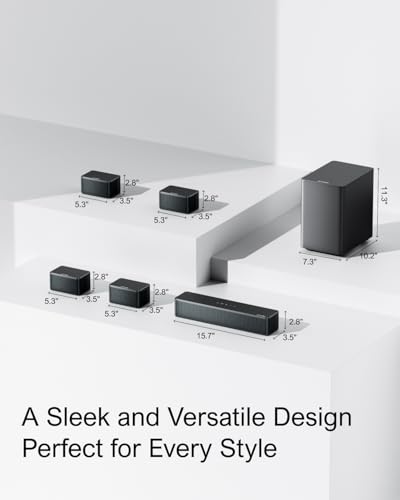
| Large: soundbar + 4 wall-mount surrounds + floor subwoofer placement needed | Compact: single 32.3" soundbar fits most TV stands |
| Voice Enhancement - Critical for dialogue clarity | |
| Standard voice modes through EQ presets | Advanced PureVoice 2.0 with real-time dialogue optimization |
| Smart Home Integration - Matters for connected households | |
| Limited to basic app control | Full voice assistant support (Alexa, Google, Siri) + smart home integration |
The Ultimea Poseidon D70 is generally better for dedicated home theater setups because it provides true 7.1 surround sound with eight physical speakers positioned around your room. This creates authentic directional audio where sounds actually move from front to rear speakers. The JBL Bar 300 MK2 offers excellent virtual Dolby Atmos processing from a single unit, but can't match the immersive experience of discrete surround speakers for movies and gaming.
The fundamental difference is that the Ultimea Poseidon D70 uses eight separate physical speakers (soundbar + 4 surrounds + subwoofer) to create real surround sound, while the JBL Bar 300 MK2 uses advanced digital processing to simulate surround and height effects from a single compact soundbar. This means different setup complexity, room requirements, and audio experiences.
The Ultimea Poseidon D70 delivers superior bass performance with its dedicated 6.5-inch wireless subwoofer and BassMX technology, reaching down to 35Hz for deep, impactful low-end. The JBL Bar 300 MK2 uses an integrated bass port system that produces good bass for its size but cannot match the depth and power of a dedicated subwoofer.
The JBL Bar 300 MK2 is much easier to set up, requiring only connecting an HDMI cable and power cord to your TV. The Ultimea Poseidon D70 requires positioning four surround speakers around your room, running cables to the subwoofer, and potentially wall-mounting speakers, making installation more complex but offering better surround sound results.
The JBL Bar 300 MK2 works better with modern streaming content because it supports native Dolby Atmos decoding, which many Netflix, Disney+, and other streaming shows now use. It also functions as a smart speaker with built-in Wi-Fi and access to 300+ streaming services. The Ultimea Poseidon D70 relies on its own processing and requires connection through your TV or external devices.
The JBL Bar 300 MK2 requires minimal space - just room for a 32.3-inch soundbar under your TV. The Ultimea Poseidon D70 needs significantly more space and planning, requiring placement areas for four surround speakers around your seating position plus floor space for the subwoofer, making it less suitable for small apartments or rental situations.
The JBL Bar 300 MK2 excels at dialogue clarity with its PureVoice 2.0 technology, which uses real-time processing to enhance speech frequencies and make voices stand out even during loud action scenes. While the Ultimea Poseidon D70 offers voice enhancement modes, it doesn't have the same advanced dialogue-specific processing technology.
The Ultimea Poseidon D70 offers extensive customization with 121 preset EQ settings, a 10-band graphic equalizer, and individual controls for bass, treble, mid-range, and surround levels through its mobile app. The JBL Bar 300 MK2 provides basic EQ adjustment through the JBL One app plus automatic room calibration, but with fewer manual tuning options.
For music, the Ultimea Poseidon D70 generally provides better stereo separation and soundstage width due to its multiple physical speakers, making it excellent for classical music and complex recordings. The JBL Bar 300 MK2 offers good music performance with smart processing that enhances modern pop and electronic music, plus the convenience of direct streaming without needing your TV on.
Both offer comprehensive connectivity, but with different strengths. The Ultimea Poseidon D70 includes HDMI ARC, optical, Bluetooth 5.3, USB, and AUX inputs. The JBL Bar 300 MK2 features HDMI eARC with 4K passthrough, Wi-Fi, AirPlay, Chromecast built-in, and Bluetooth 5.0, making it better integrated with modern smart home ecosystems.
The Ultimea Poseidon D70 typically offers exceptional value, providing eight speakers including a subwoofer for significantly less than the JBL Bar 300 MK2. However, the JBL justifies its higher price with premium features like Dolby Atmos support, smart connectivity, and simpler installation. Value depends on whether you prioritize raw surround sound performance or modern convenience features.
Choose the Ultimea Poseidon D70 if you own your home, have flexibility for speaker placement, want maximum surround sound immersion, and don't mind complex setup. Choose the JBL Bar 300 MK2 if you rent, have limited space, prioritize easy installation, want smart features, or primarily watch modern streaming content with Dolby Atmos support.
We've done our best to create useful and informative comparisons to help you decide what product to buy. Our research uses advanced automated methods to create this comparison and perfection is not possible - please contact us for corrections or questions. These are the sites we've researched in the creation of this article: ultimea.com - provantage.com - ultimea.com - youtube.com - youtube.com - bestbuy.com - the-gadgeteer.com - shopmyexchange.com - youtube.com - youtube.com - youtube.com - ultimea.com - manuals.plus - device.report - images.thdstatic.com - shopmyexchange.com - staples.com - ultimea.de - homecinemachoice.com - retailspecs.com - hometechnologyreview.com - whathifi.com - news.jbl.com - engadget.com - crutchfield.com - harmanaudio.com - techradar.com - bestbuy.com - jbl.com - sweech.co.ke - jbl.com - jbl.com.sg - mm.jbl.com - abcwarehouse.com - harmanaudio.com - sweetwater.com - ro.harmanaudio.com - dell.com - jbl.co.nz

Privacy Policy
Terms and Conditions - Affiliate Policy
Home Security
© Copyright 2008-2026.
11816 Inwood Rd #1211, Dallas, TX 75244