


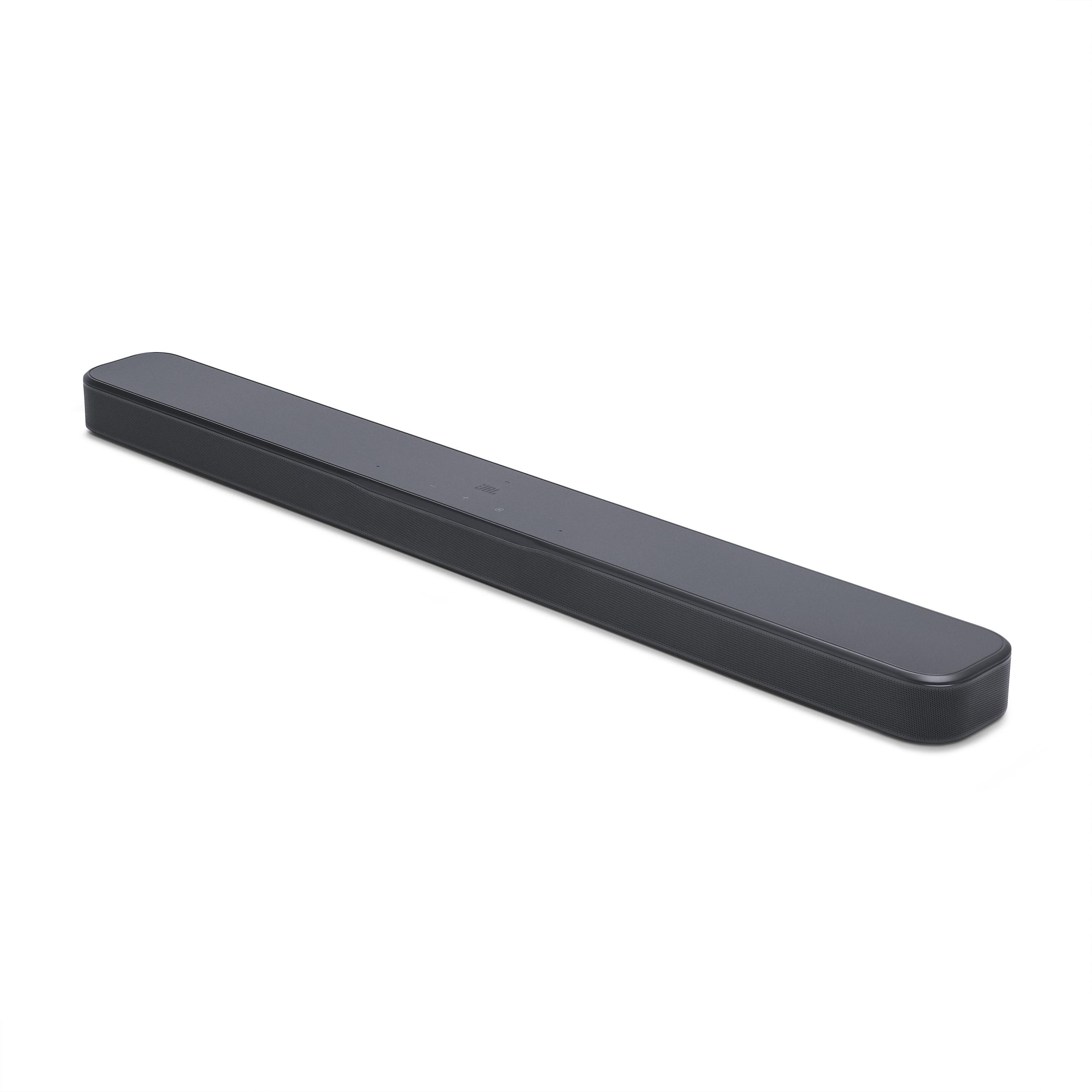

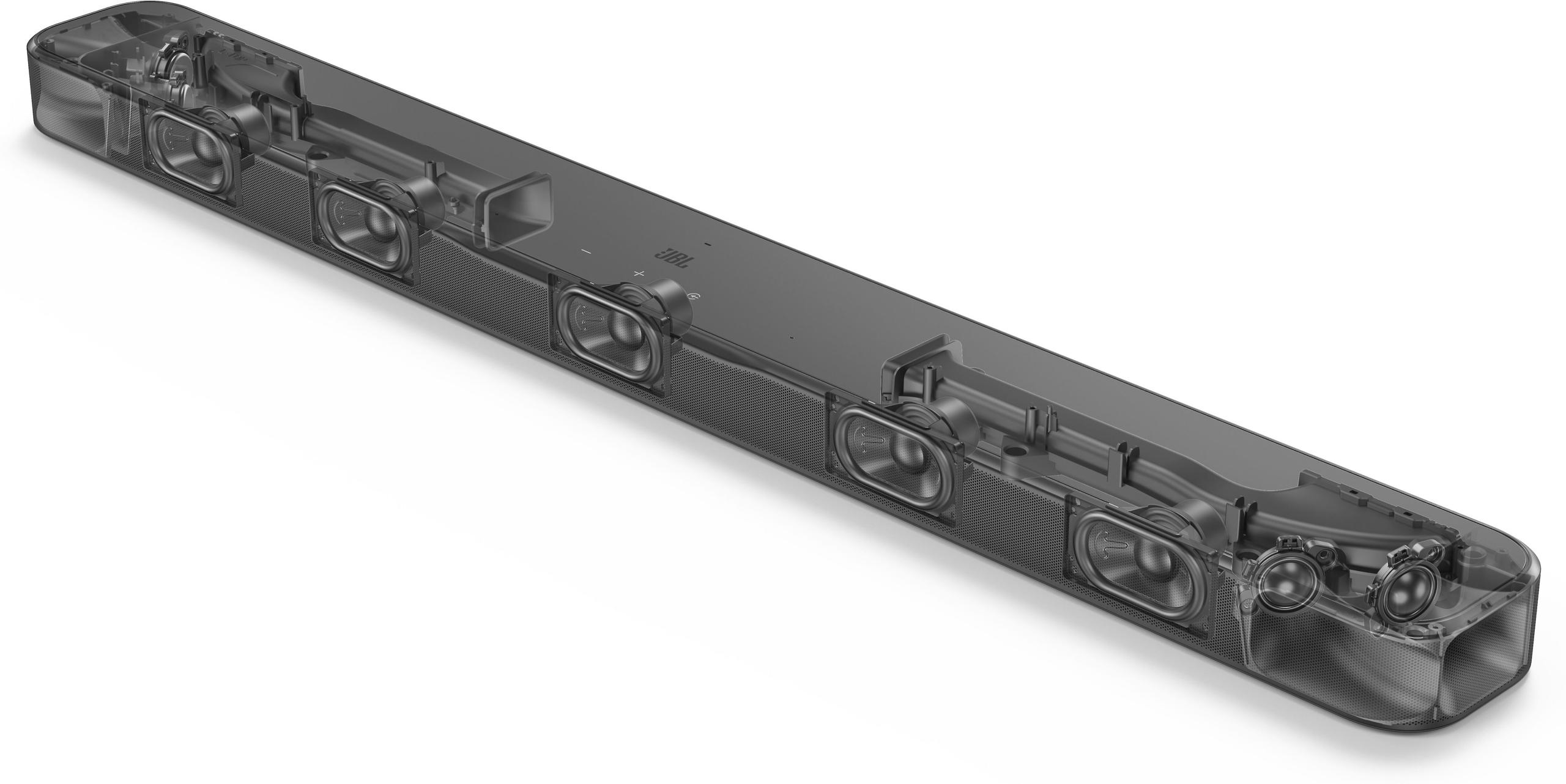
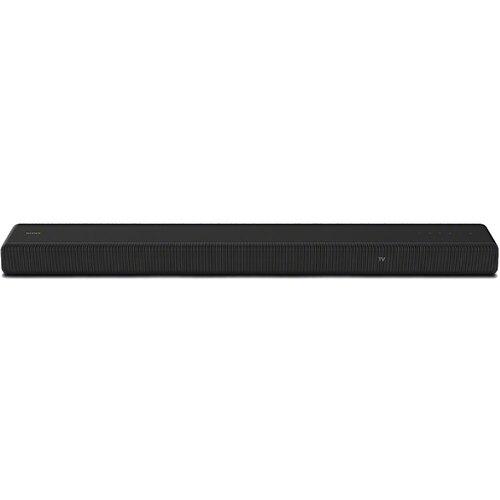

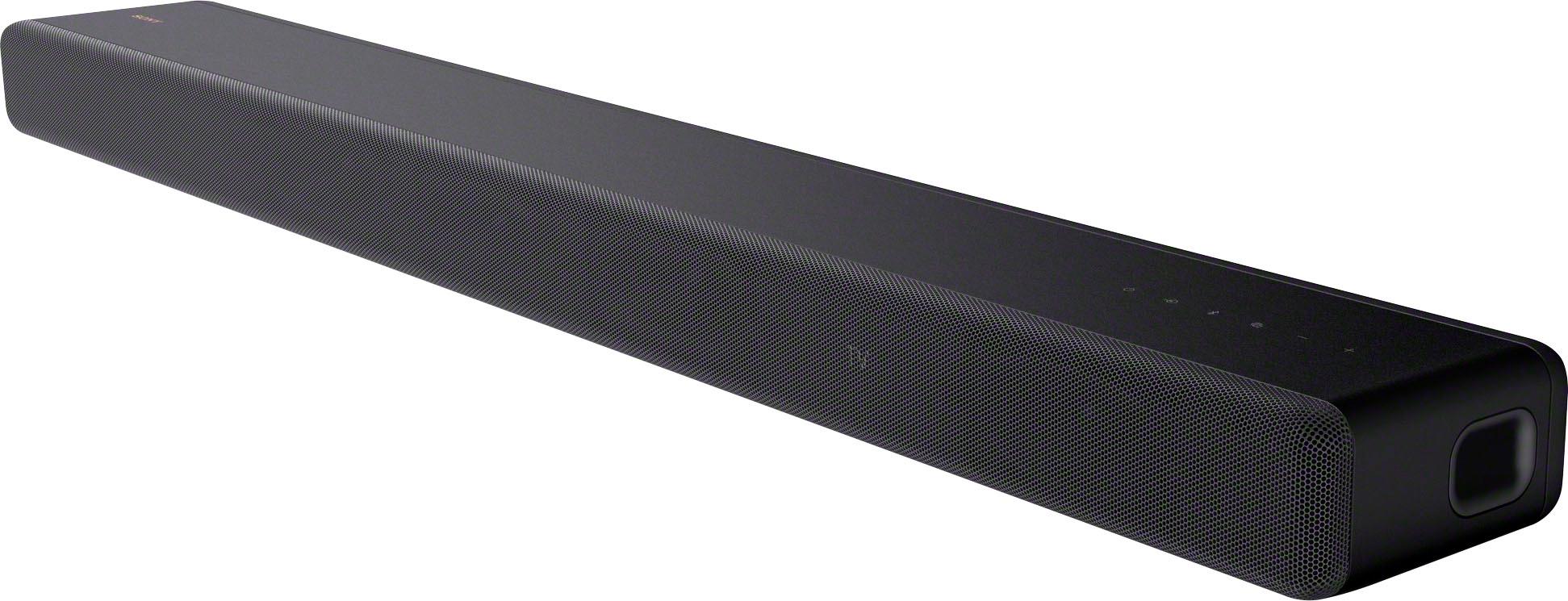
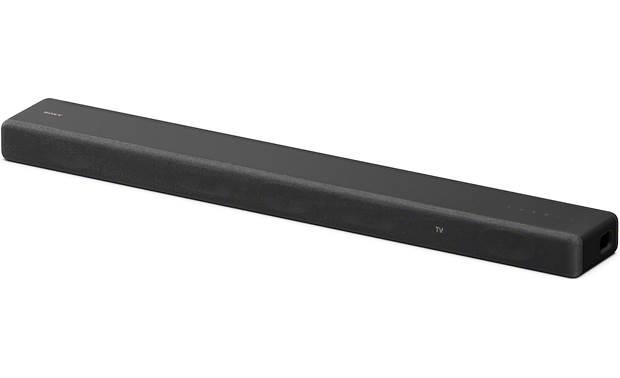

If you've been struggling to hear dialogue clearly from your TV speakers or missing the rumbling bass in action movies, you're probably considering a soundbar upgrade. The mid-range soundbar market offers some compelling options, with the JBL Bar 300 MK2 ($450) and Sony HT-A3000 ($405) representing two very different approaches to solving your audio problems.
After spending time with both systems, I've found they each excel in distinct areas that matter to different types of users. The choice between them often comes down to whether you prioritize streaming convenience or cinematic impact – but there's much more nuance to consider.
Today's soundbars have evolved far beyond simple TV audio upgrades. They're mini home theater systems packed with sophisticated processing chips that can create virtual surround sound, stream music from dozens of services, and even respond to voice commands. The technology has advanced dramatically in just the past few years.
When evaluating any soundbar, the key considerations include room size compatibility, connectivity options, audio format support, and potential for future expansion. Modern soundbars also need to handle everything from whisper-quiet dialogue to explosive action sequences while seamlessly switching between your TV shows and Spotify playlists.
Both the JBL Bar 300 MK2 and Sony HT-A3000 target users who want cinematic sound without the complexity of multiple speakers scattered around their room. However, they take fundamentally different approaches to achieving this goal.
The Sony HT-A3000 arrived in 2022 as part of Sony's push into more affordable Dolby Atmos territory. It represented a significant step down in price from Sony's premium models while maintaining many core technologies. The system was designed with expandability in mind, anticipating that users might want to add wireless rear speakers or a subwoofer as their needs evolved.
The JBL Bar 300 MK2, released in 2024, represents the second generation of JBL's streaming-focused approach. The "MK2" designation indicates meaningful improvements over the original Bar 300, particularly in power output (jumping from 260W to potentially 450W in some configurations), enhanced streaming capabilities, and refined dialogue processing through the new PureVoice 2.0 technology.
The two-year gap between releases means the JBL benefits from newer wireless chips, updated streaming protocols, and lessons learned from user feedback on earlier models. However, the Sony's head start allowed it to establish strong integration with Sony's TV ecosystem and prove its expandability concept in real-world use.
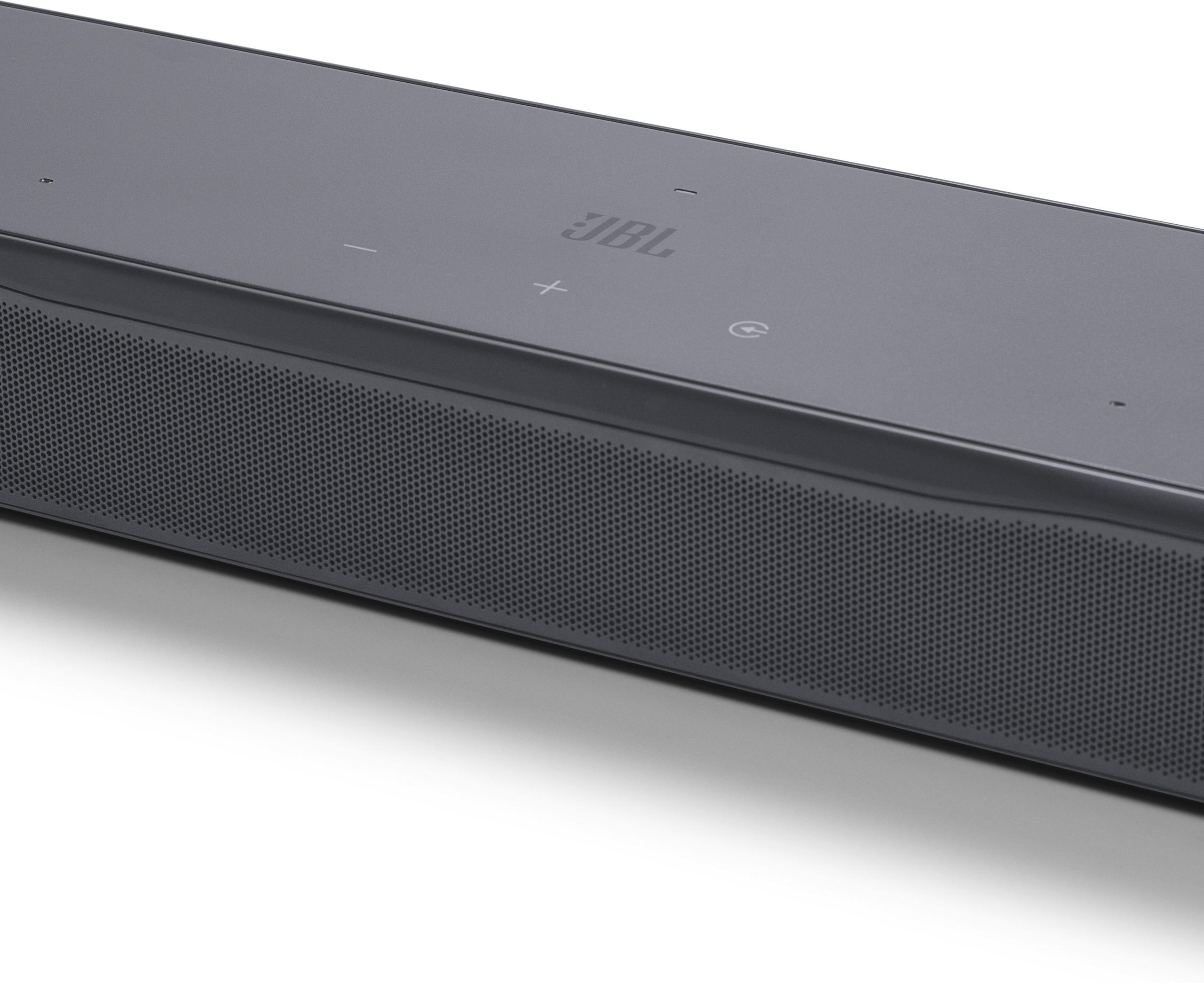
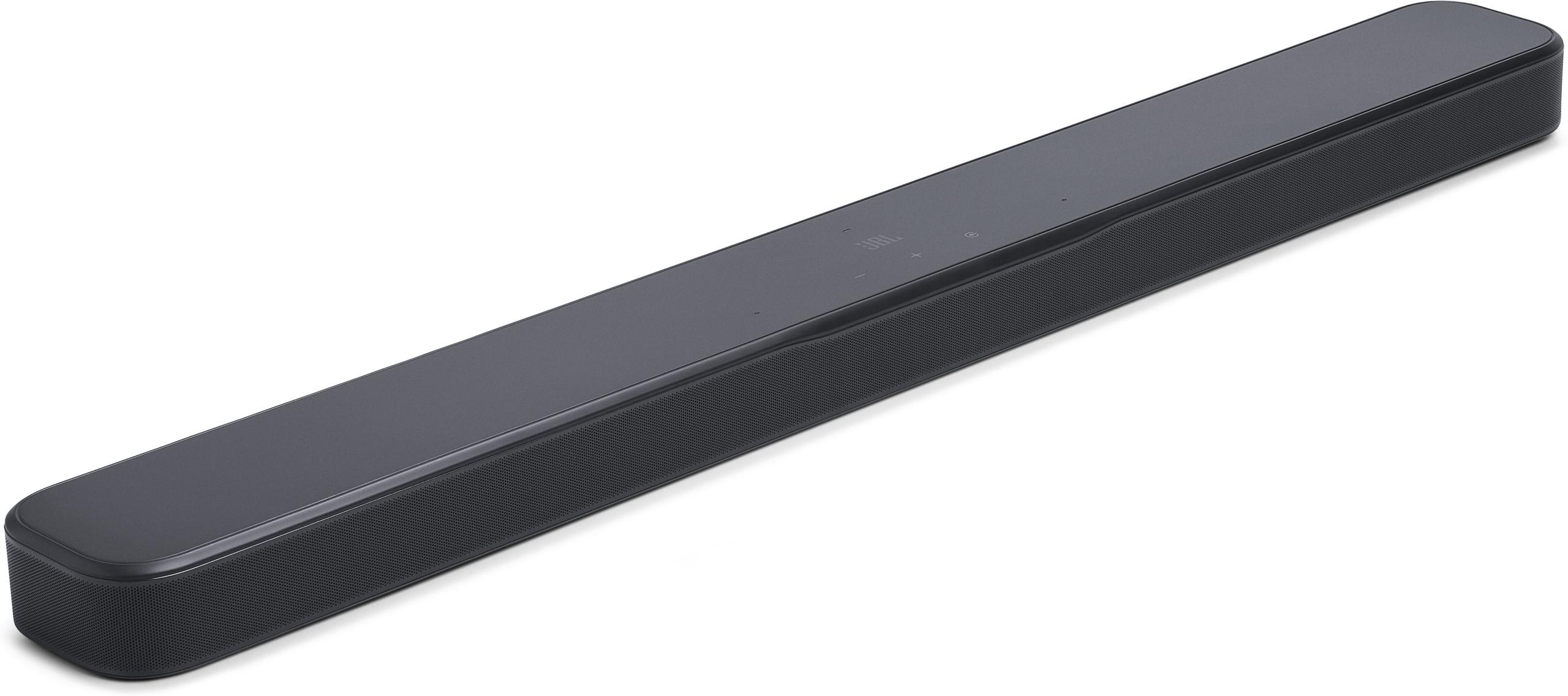
The most fundamental difference between these soundbars lies in their core design philosophy. The JBL Bar 300 MK2 embraces the all-in-one concept completely. Its 5.0 channel configuration spreads five discrete audio channels across a single 32.3-inch bar weighing just 5.5 pounds. This approach maximizes convenience – you get left, right, center, and two surround channels from one sleek unit.
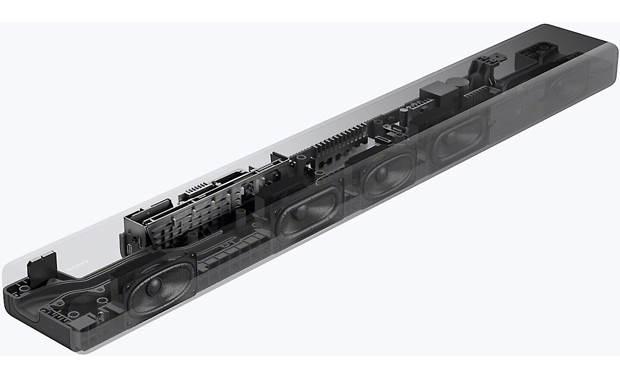
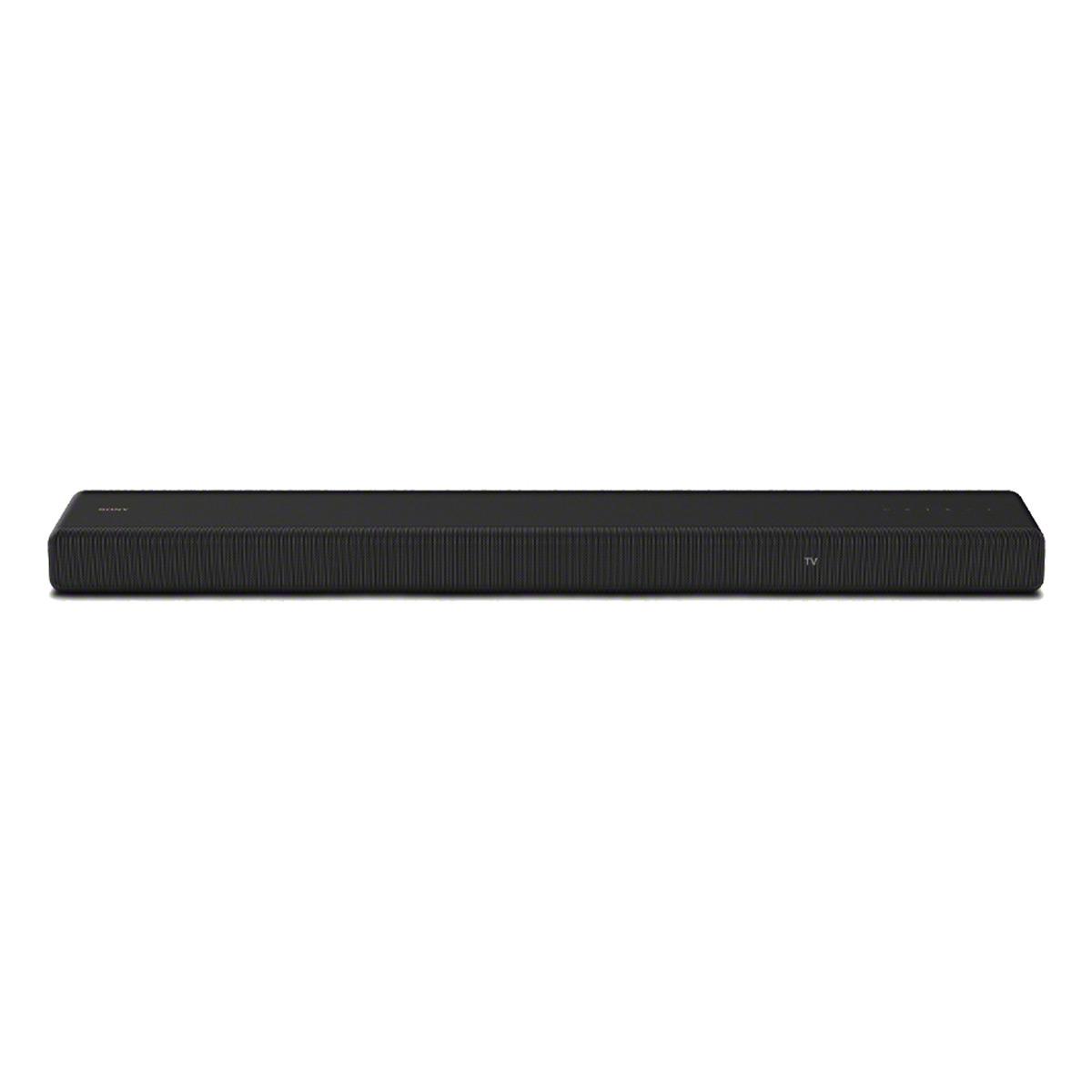
In contrast, the Sony HT-A3000 uses a 3.1 configuration with a discrete center channel (dedicated to dialogue) and two built-in subwoofers measuring 4.375" x 1.8" each. At 4.6kg (about 10 pounds), it's nearly twice the weight of the JBL, largely due to those internal bass drivers and more substantial amplification.
The weight difference tells an important story. That extra heft in the Sony translates directly to bass capability – something physics demands. You simply cannot generate meaningful low-frequency energy without moving substantial amounts of air, which requires larger drivers and more powerful amplification.
This is where the two soundbars diverge most dramatically. The Sony HT-A3000's dual built-in subwoofers create a fundamentally different listening experience compared to the JBL's bass ports and racetrack drivers.
In my testing, action movies like "Mad Max: Fury Road" reveal the Sony's advantage immediately. The rumbling of engines, explosions, and gunfire have physical weight that you feel in your chest. The Sony can reproduce frequencies down to around 45Hz with authority – not quite the 20Hz of a dedicated subwoofer, but impressive for a single-unit design.
The JBL Bar 300 MK2, despite its clever racetrack driver design and bass ports, simply cannot match this low-end extension. It handles mid-bass reasonably well – you'll hear the impact of doors slamming or footsteps – but lacks the deep rumble that makes movie soundtracks truly immersive. The tradeoff is a more compact, lighter design that won't dominate smaller spaces.
For music listening, the difference is less dramatic but still noticeable. Electronic music, hip-hop, and rock benefit from the Sony's bass foundation, while the JBL performs admirably with acoustic music, jazz, and vocal-heavy content where deep bass is less critical.
Both soundbars support Dolby Atmos, but their implementations reveal different priorities. Dolby Atmos is a surround sound technology that adds height information to audio, creating the sensation that sounds are coming from above and around you, not just from the front of the room.
The Sony's Vertical Surround Engine uses sophisticated digital signal processing to bounce sound off your ceiling, creating more convincing height effects. When watching Marvel movies with flying sequences or scenes with helicopters overhead, the Sony does a better job of placing those sounds in three-dimensional space around you.
The JBL's MultiBeam 3.0 technology focuses more on widening the soundstage horizontally. It creates an impressively wide sound field that extends well beyond the physical boundaries of the soundbar, but the height effects are less pronounced. The system excels at making stereo music sound spacious and enveloping, but won't fool you into thinking there are speakers in your ceiling.
Neither system achieves true Dolby Atmos like you'd get from a full surround setup with dedicated upfiring speakers, but the Sony gets closer to that ideal. The difference becomes most apparent in large, open rooms with high ceilings where there's more space for sound reflection.
Here's where the JBL Bar 300 MK2 shines brightest. The PureVoice 2.0 technology represents genuinely advanced dialogue enhancement that goes beyond simple EQ adjustments. The system uses machine learning algorithms to identify and enhance speech frequencies while suppressing background noise and music that might mask dialogue.
In practical terms, this means you can follow conversations in movies like "Tenet" or "The Dark Knight" – films notorious for dialogue mixing that buries speech under music and effects. The JBL keeps voices clear and present even when explosions are happening simultaneously.
The Sony HT-A3000's X-Balanced speakers provide good vocal clarity through their discrete center channel, but the processing isn't as specialized. While dialogue remains intelligible, it doesn't have the same effortless clarity that makes the JBL so appealing for TV shows and dialogue-heavy films.
This difference matters enormously for daily use. If you frequently watch TV shows, news, or dialogue-heavy content, the JBL's advantage here could outweigh other considerations.
The streaming landscape has exploded in complexity over the past few years, and the JBL Bar 300 MK2 embraces this reality fully. With built-in Wi-Fi, the soundbar connects directly to over 300 streaming services through Chromecast, AirPlay 2, and Spotify Connect. The JBL One app provides comprehensive control, EQ customization, and multi-room audio if you have other JBL speakers.
This integration feels seamless in daily use. You can ask your phone's voice assistant to play music directly to the soundbar, adjust bass levels through the app, or group it with other JBL speakers for whole-home audio. The soundbar also supports LDAC over Bluetooth – a high-quality wireless codec that preserves more audio detail than standard Bluetooth.
The Sony HT-A3000 takes a more traditional approach, focusing on integration with your TV rather than independent streaming. It supports key protocols like AirPlay 2 and Chromecast, plus includes DSEE Extreme technology that upscales compressed music files by analyzing the content and restoring lost frequencies. However, it lacks the comprehensive app ecosystem and multi-room capabilities that make the JBL so versatile for music listening.
For users who primarily watch TV content and occasionally stream music, the Sony's approach works fine. But if you're a heavy music streamer or want your soundbar to serve as a smart speaker replacement, the JBL's capabilities are significantly more developed.
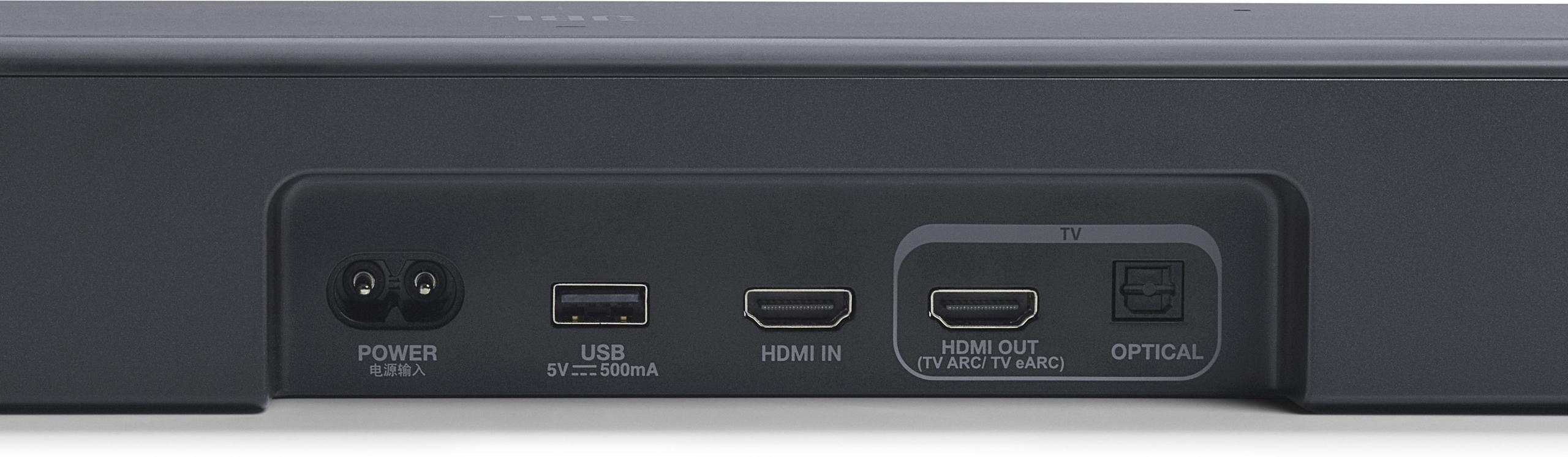
Here's a practical difference that affects daily use significantly. The JBL Bar 300 MK2 includes both an HDMI eARC port (for TV connection) and an additional HDMI input. This extra input is invaluable if you have a gaming console, Blu-ray player, or streaming device you want to connect directly to the soundbar.
Gaming, in particular, benefits from this direct connection. You can connect a PlayStation 5 or Xbox Series X directly to the soundbar, then pass video to your TV while processing audio with minimal latency. The JBL's dialogue enhancement also helps with game audio, making it easier to hear teammate communications or important audio cues in competitive games.
The Sony HT-A3000 only provides eARC connectivity, meaning all your devices must connect through your TV. While this works fine for most content, it can introduce slight audio delays and limits compatibility with older devices that don't play well with TV passthrough.
Both soundbars support 4K video passthrough with HDR10 and Dolby Vision, so picture quality isn't compromised either way.
The Sony HT-A3000's 250W of power, combined with its focused bass drivers, suits medium to large rooms effectively. In my 18x14 foot living room, it provides enough volume and bass impact to create an engaging experience even with the TV across the room.
The JBL Bar 300 MK2 distributes its 260W across five channels, which works well for smaller spaces but may struggle to fill larger rooms with the same authority. The sweet spot for the JBL seems to be rooms under 300 square feet, while the Sony handles up to 400-500 square feet comfortably.
This power distribution also affects listening positions. The Sony's focused approach means it sounds consistent whether you're sitting directly in front of it or off to the side. The JBL's wider dispersion creates a larger sweet spot for stereo imaging but may sound less impactful from the sides.
The Sony's most significant long-term advantage is expandability. You can add Sony's SA-RS3S wireless rear speakers (around $350) and SA-SW3 wireless subwoofer (around $400) to create a true 5.1.2 system. This transforms the soundbar from a good all-in-one solution into a legitimate home theater system.
I've heard the HT-A3000 with rear speakers added, and the difference is substantial. The 360 Spatial Sound Mapping technology creates phantom surround channels that genuinely place sounds behind and beside you. It's not quite as precise as dedicated surround speakers in fixed positions, but it's remarkably convincing.
The JBL Bar 300 MK2 offers no expansion options. What you buy is what you get forever. For some users, this simplicity is actually preferable – there are no future upgrade decisions or additional purchases to consider. But it does limit your options if your room changes or your audio expectations evolve.
For dedicated home theater use, the Sony HT-A3000 edges ahead in most scenarios. The built-in bass provides the foundation that action movies demand, while the superior Dolby Atmos processing creates more immersive surround effects. Movies like "Blade Runner 2049" or "Dune" benefit enormously from the Sony's ability to reproduce the deep, rumbling soundscapes that support the visual spectacle.
However, the JBL Bar 300 MK2 shouldn't be dismissed for theater use. Its dialogue clarity advantage means you'll never miss important plot points, and the wide soundstage creates an engaging experience even if it lacks the Sony's bass impact. For users who watch more TV shows, comedies, and dialogue-heavy films than blockbuster action movies, the JBL's strengths align better with content preferences.
At current pricing, the Sony HT-A3000 ($405) represents exceptional value for pure audio performance. You're getting built-in subwoofers, superior Dolby Atmos, and expandability options for less money than the JBL. For users focused primarily on audio quality and home theater performance, the Sony delivers more sonic bang for your buck.
The JBL Bar 300 MK2 ($450) commands a premium for its streaming features, dialogue processing, and smart home integration. Whether this premium is justified depends on how much you value convenience features versus pure audio performance. If you plan to use the soundbar heavily for music streaming and smart features, the extra cost may be worthwhile.
Choose the JBL Bar 300 MK2 if you prioritize streaming versatility, dialogue clarity, and smart home integration. It's ideal for users with smaller rooms, heavy TV watching habits, and desire for a complete all-in-one solution. The extra HDMI input and advanced app ecosystem make it particularly appealing for tech enthusiasts who want comprehensive control over their audio experience.
Choose the Sony HT-A3000 if you want the best possible audio performance for movies and music within this price range. The built-in bass, superior Dolby Atmos, and expandability options make it perfect for users who may want to build a more complete home theater system over time. It's the better choice for larger rooms and bass-heavy content.
Both soundbars represent solid values in their own ways, but they appeal to different user priorities. The Sony focuses on core audio performance and future expandability, while the JBL emphasizes modern convenience features and streaming integration. Your choice should align with whether you see your soundbar primarily as an audio component or as a smart home hub that happens to improve your TV's sound.
| JBL Bar 300 MK2 Soundbar | Sony HT-A3000 3.1ch Dolby Atmos Soundbar |
|---|---|
| Price - Current market value for performance comparison | |
| $450 (premium for streaming features) | $405 (better value for audio performance) |
| Channel Configuration - Determines surround sound approach | |
| 5.0 channels (no subwoofer, wider soundstage) | 3.1 channels (discrete center + dual built-in subs) |
| Power Output - Affects volume and dynamic range | |
| 260W (distributed across 5 channels) | 250W (focused on 3.1 configuration) |
| Bass Performance - Critical for movies and music impact | |
| Bass ports + racetrack drivers (limited low-end) | Dual 4.375" x 1.8" built-in subwoofers (superior bass) |
| Dolby Atmos Implementation - Virtual surround sound quality | |
| MultiBeam 3.0 (wide soundstage, weaker height effects) | Vertical Surround Engine (more convincing 3D audio) |
| Dialogue Enhancement - Important for TV shows and movies | |
| PureVoice 2.0 with AI processing (exceptional clarity) | X-Balanced speakers (good but not specialized) |
| HDMI Connectivity - Affects device connection flexibility | |
| 1x eARC + 1x HDMI input (great for gaming/devices) | 1x eARC only (all devices through TV) |
| Streaming Features - Built-in smart capabilities | |
| Comprehensive (Chromecast, AirPlay 2, JBL One app, voice assistants) | Basic (AirPlay 2, Chromecast, TV-dependent) |
| Expandability - Future upgrade potential | |
| None (fixed all-in-one design) | Optional wireless rears + subwoofer (true 5.1.2 system) |
| Room Size Compatibility - Optimal listening space | |
| Small to medium rooms (≤350 sq ft) | Medium to large rooms (≤500 sq ft) |
| Weight and Build - Indicates driver quality and portability | |
| 5.5 lbs (lightweight, easy mounting) | 10.1 lbs (substantial build, powerful drivers) |
| Release Date - Technology generation and feature updates | |
| 2024 (latest streaming tech, refined processing) | 2022 (proven performance, established ecosystem) |
The Sony HT-A3000 ($405) has significantly better bass performance with its dual built-in 4.375" subwoofers. The JBL Bar 300 MK2 ($450) uses bass ports and racetrack drivers but cannot match the Sony's low-end impact for movies and music.
The JBL Bar 300 MK2 excels at dialogue clarity with its PureVoice 2.0 technology that uses AI processing to enhance speech. While the Sony HT-A3000 has good vocal clarity through its center channel, it's not as specialized for dialogue enhancement.
The Sony HT-A3000 ($405) offers better value for pure audio performance, providing built-in subwoofers and superior Dolby Atmos at a lower price. The JBL Bar 300 MK2 ($450) costs more but includes advanced streaming features and smart home integration.
Only the Sony HT-A3000 can be expanded with optional wireless rear speakers and a subwoofer to create a full 5.1.2 system. The JBL Bar 300 MK2 is a fixed all-in-one design with no expansion options.
The JBL Bar 300 MK2 is superior for streaming with built-in Chromecast, AirPlay 2, Spotify Connect, and the comprehensive JBL One app. The Sony HT-A3000 has basic streaming support but relies more on TV integration.
The Sony HT-A3000 provides more convincing Dolby Atmos with its Vertical Surround Engine creating better height effects. The JBL Bar 300 MK2 uses MultiBeam 3.0 for a wider soundstage but weaker overhead sound placement.
The Sony HT-A3000 performs better in larger rooms up to 500 square feet due to its powerful built-in subwoofers and focused power delivery. The JBL Bar 300 MK2 is better suited for small to medium rooms under 350 square feet.
The JBL Bar 300 MK2 is better for gaming with its extra HDMI input for direct console connection and excellent dialogue clarity for hearing game audio cues. The Sony HT-A3000 only has eARC connectivity, requiring all devices to connect through your TV.
The JBL Bar 300 MK2 offers both eARC and an additional HDMI input, allowing direct device connections. The Sony HT-A3000 only provides eARC connectivity, limiting connection flexibility.
Both work well for home theater, but the Sony HT-A3000 is better for action movies with its superior bass and Dolby Atmos effects. The JBL Bar 300 MK2 excels for TV shows and dialogue-heavy content with its voice enhancement technology.
The JBL Bar 300 MK2 offers easier setup with comprehensive app control and built-in streaming features. The Sony HT-A3000 is simpler physically but requires more TV integration for full functionality.
Choose the Sony HT-A3000 ($405) for better audio performance, bass impact, and future expandability at a lower price. Choose the JBL Bar 300 MK2 ($450) if you prioritize streaming features, dialogue clarity, and smart home integration over pure sound quality.
We've done our best to create useful and informative comparisons to help you decide what product to buy. Our research uses advanced automated methods to create this comparison and perfection is not possible - please contact us for corrections or questions. These are the sites we've researched in the creation of this article: homecinemachoice.com - retailspecs.com - hometechnologyreview.com - whathifi.com - news.jbl.com - engadget.com - crutchfield.com - harmanaudio.com - techradar.com - bestbuy.com - jbl.com - sweech.co.ke - jbl.com - jbl.com.sg - mm.jbl.com - abcwarehouse.com - harmanaudio.com - sweetwater.com - ro.harmanaudio.com - dell.com - jbl.co.nz - rtings.com - electronics.sony.com - crutchfield.com - store.sony.com.au - digitaltrends.com - videoandaudiocenter.com - abt.com - sony.com - merlinstv.com - crutchfield.com - youtube.com

Privacy Policy
Terms and Conditions - Affiliate Policy
Home Security
© Copyright 2008-2026.
11816 Inwood Rd #1211, Dallas, TX 75244