


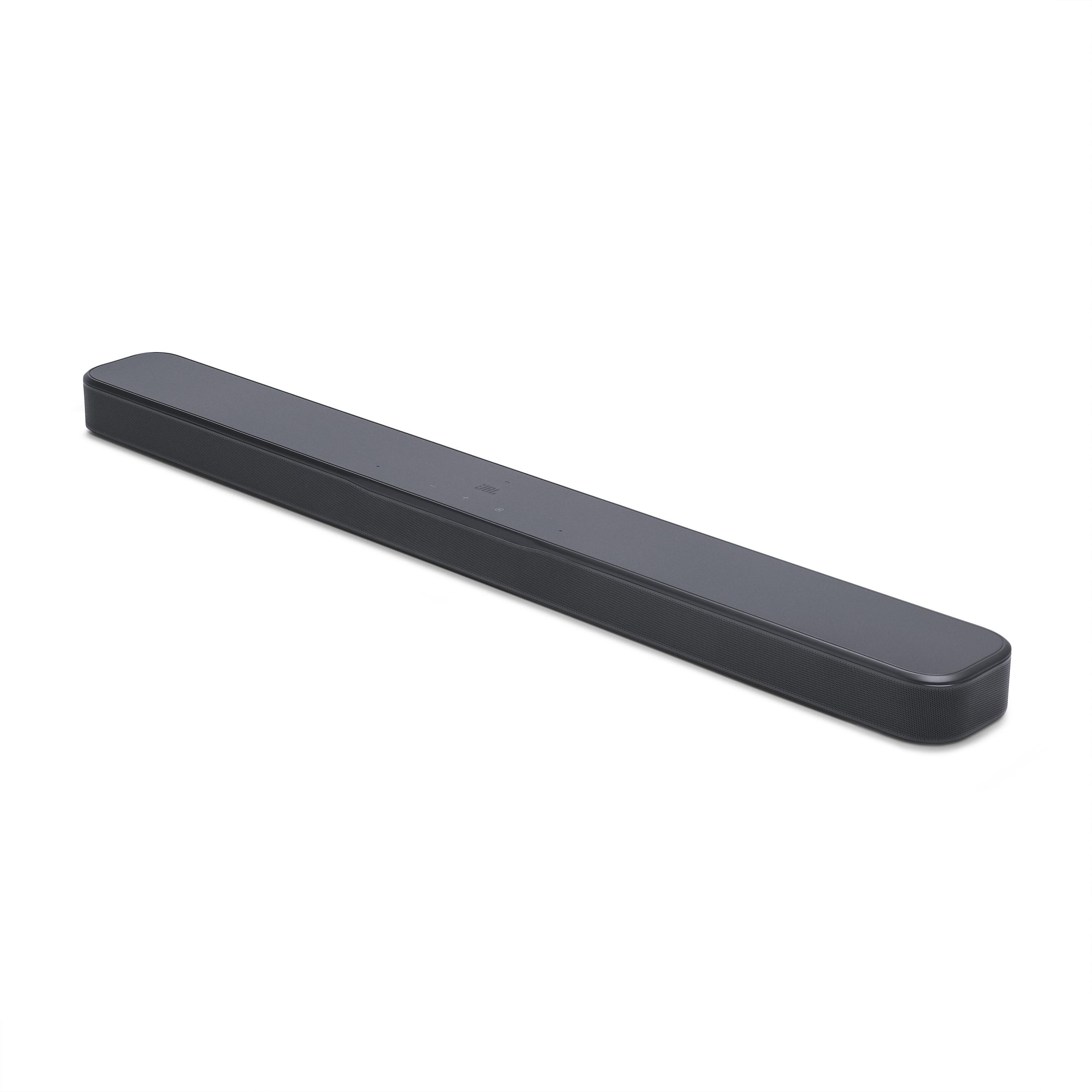

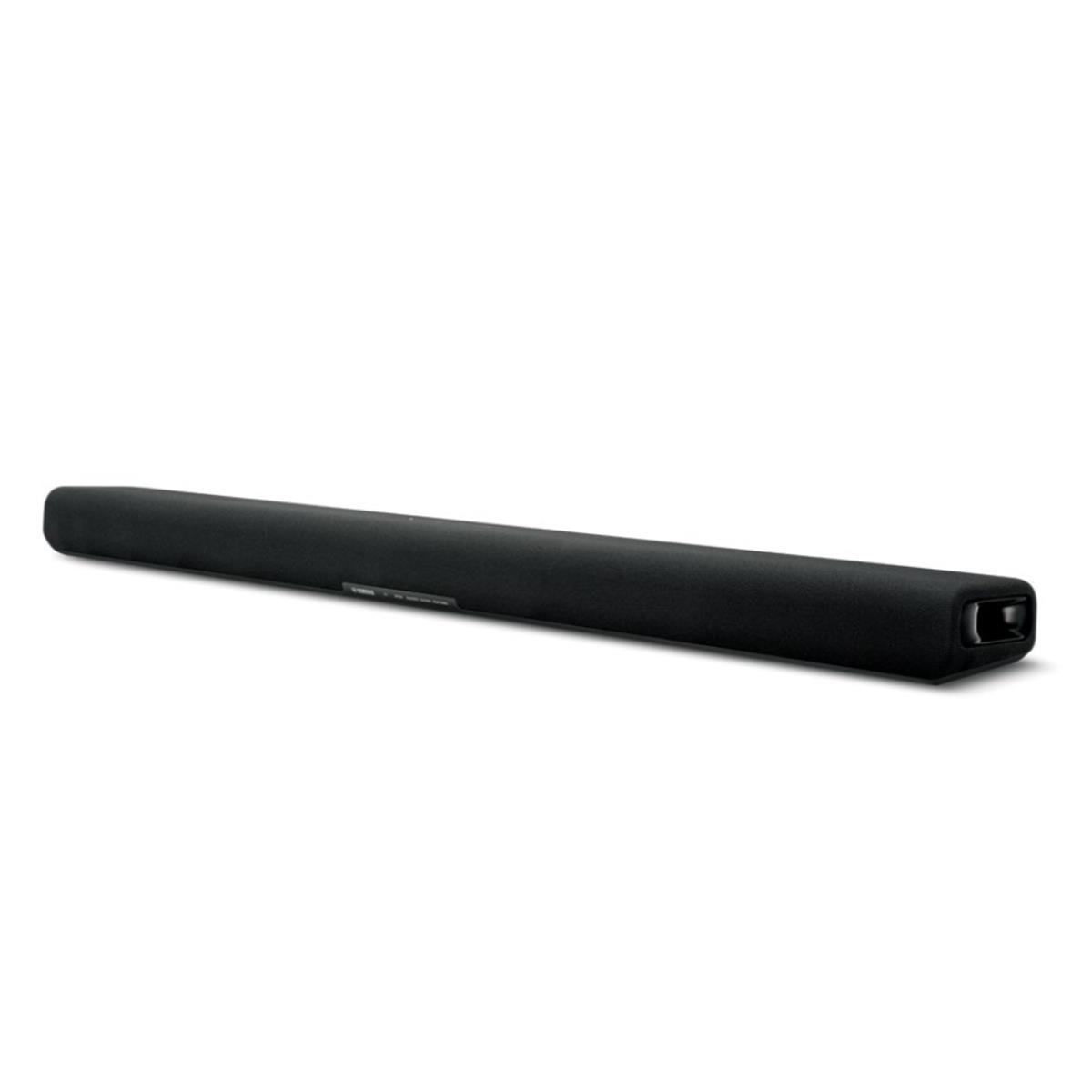



Shopping for a soundbar in 2024 means navigating a market that's evolved dramatically from the basic stereo bars of just a few years ago. The JBL Bar 300 MK2 ($449.95) and Yamaha SR-B30A ($254.99) represent two compelling but very different approaches to upgrading your TV's audio. After spending time with both, I've found they excel in surprisingly different areas – and your choice between them will largely depend on what you value most in your home entertainment setup.
The soundbar category has matured significantly since these models launched in late 2023. What started as simple speaker bars designed to make TV dialogue clearer has evolved into sophisticated audio systems capable of creating immersive surround sound experiences. The key advancement driving this evolution is virtual surround processing – technology that uses multiple drivers and digital signal processing to simulate the effect of speakers placed around your room, even though all the drivers are housed in a single bar.
Modern soundbars face a fundamental design challenge: how to deliver both clarity and immersion without cluttering your living space with multiple speakers. Some manufacturers, like JBL, focus on advanced processing to create wide soundstages and height effects. Others, like Yamaha, prioritize direct impact and built-in bass to eliminate the need for additional components entirely.
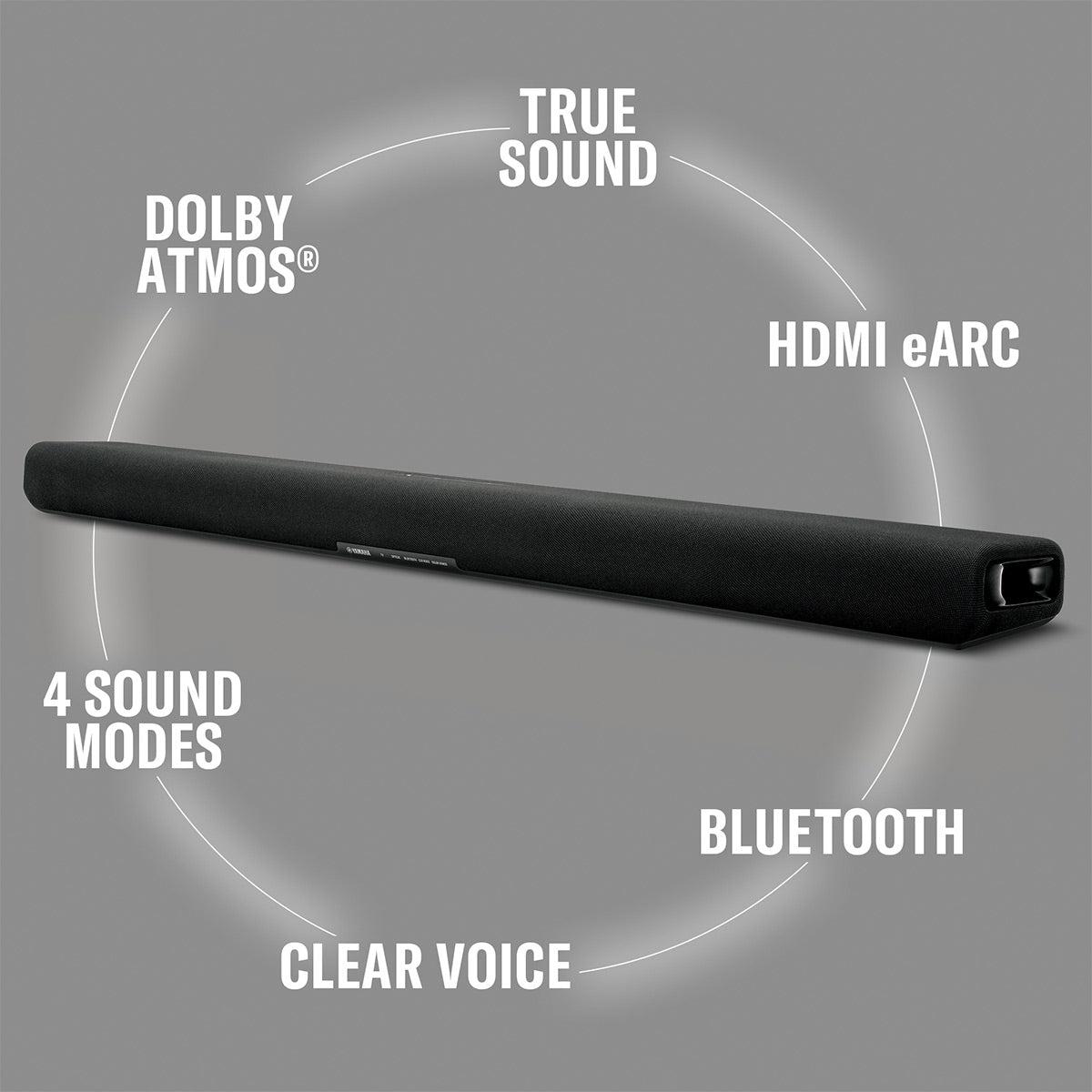
The most important consideration when shopping is understanding what Dolby Atmos actually means in a soundbar context. True Dolby Atmos requires speakers that fire upward to bounce sound off your ceiling, creating height effects. Most soundbars, including both models we're comparing, use "virtual" Dolby Atmos – sophisticated processing that simulates these height effects without upward-firing drivers. While not as convincing as true Atmos, good virtual processing can still create a noticeably more immersive experience than standard stereo sound.
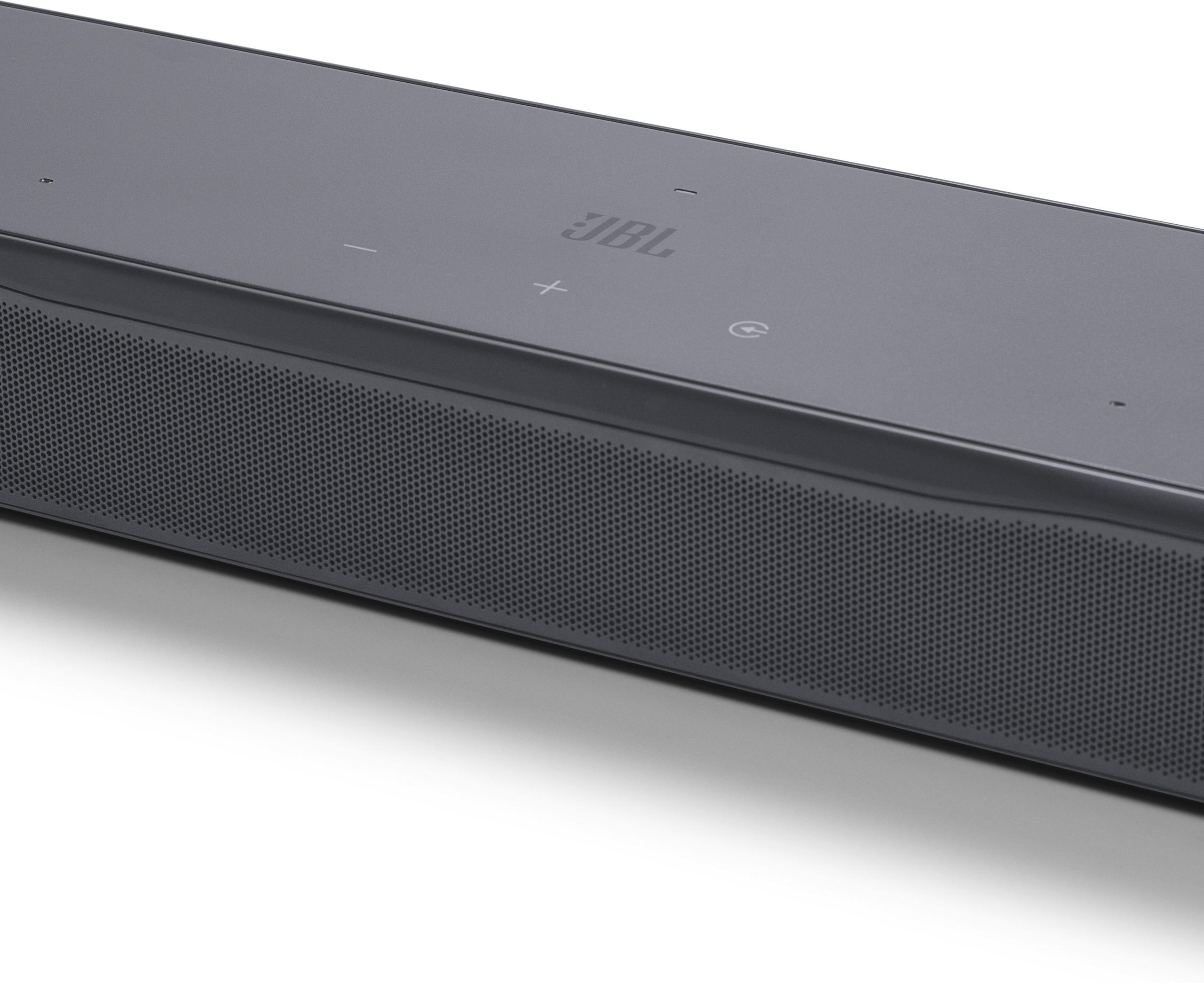
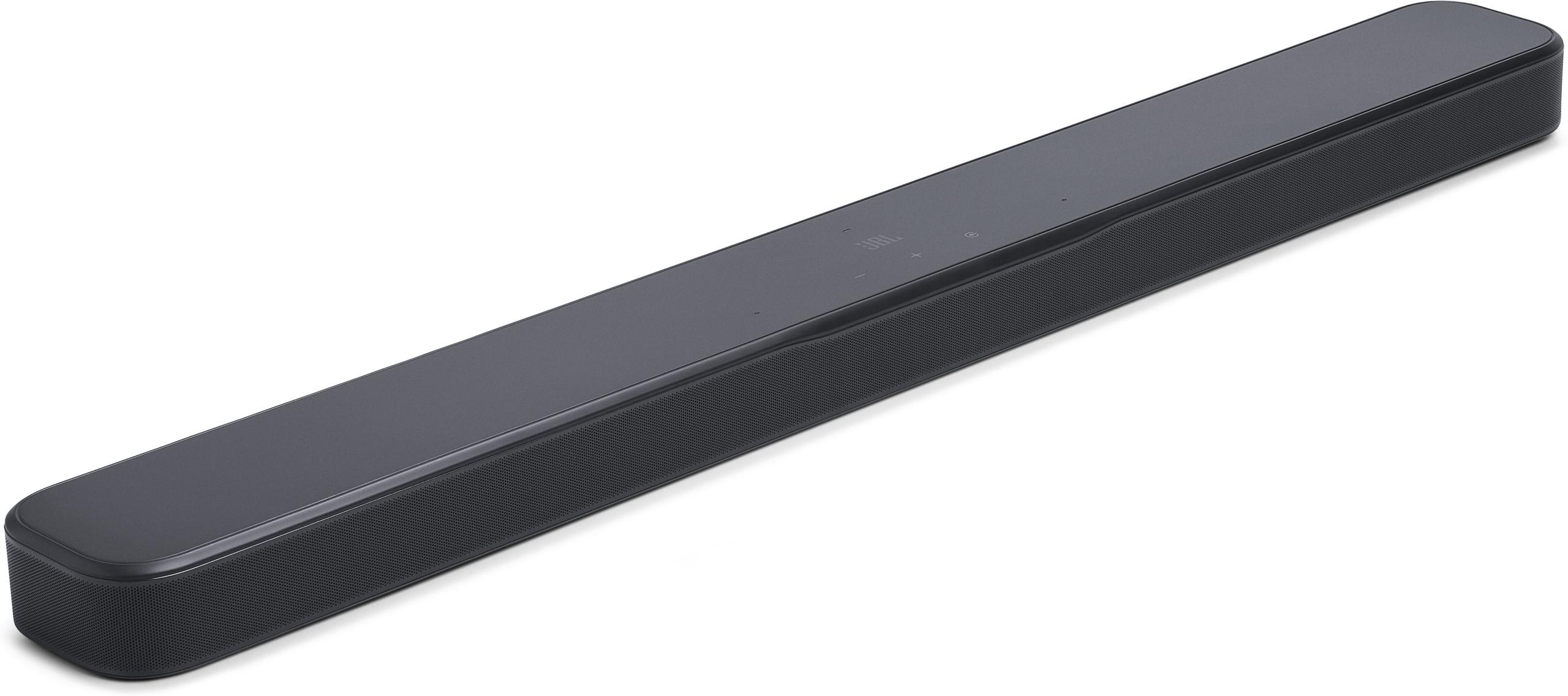
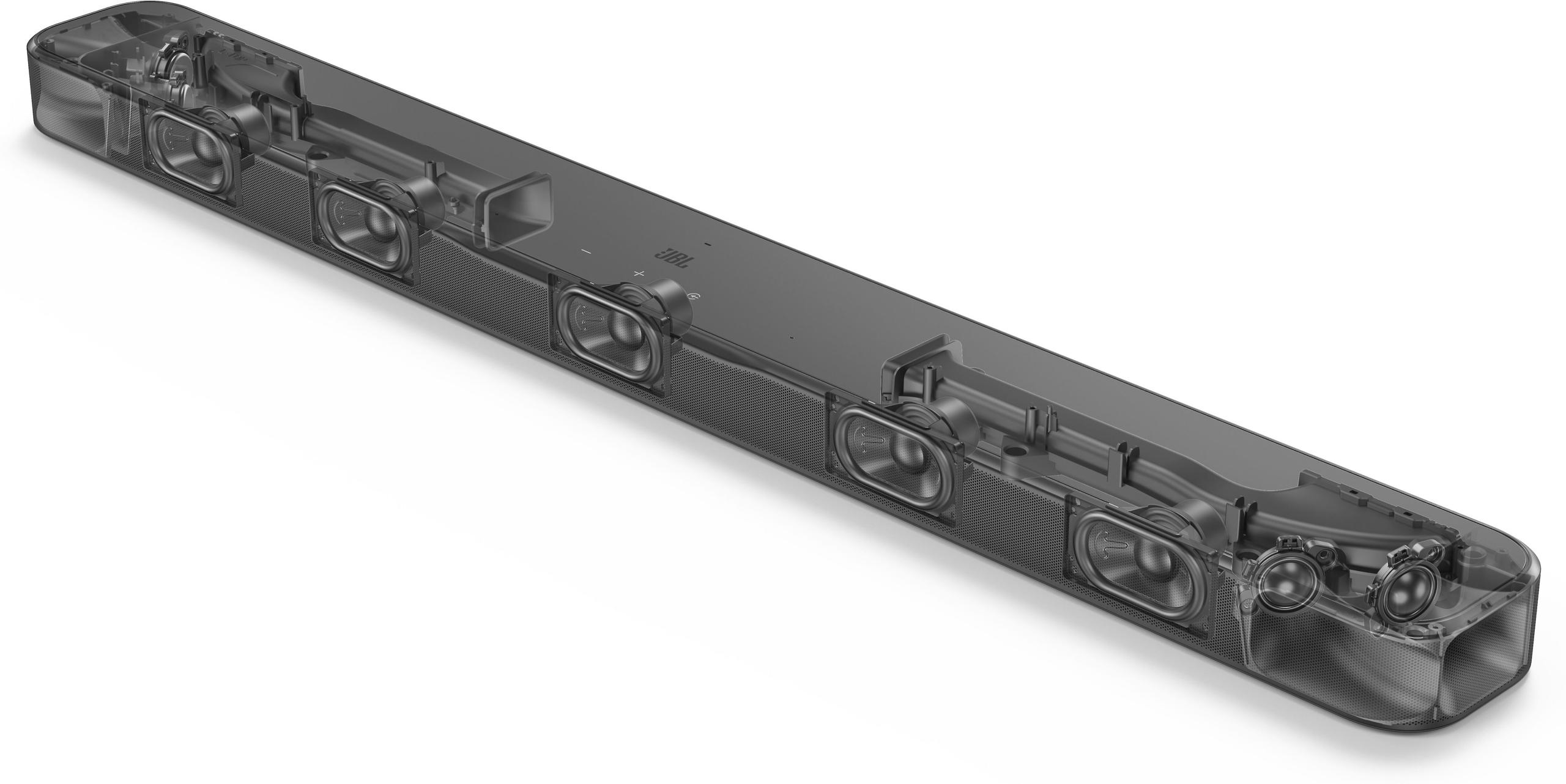
The JBL Bar 300 MK2 represents JBL's philosophy of creating the widest possible soundstage from a single component. Released in late 2023 as part of JBL's MK2 refresh, it packs 260 watts of power into a 5.0-channel configuration. That "5.0" designation means it processes audio to simulate five separate channels – left, right, center, and two surround channels – even though all the drivers are in one bar.
JBL achieves this through their MultiBeam 3.0 technology, which is essentially advanced beamforming. The soundbar uses its multiple drivers to direct different audio frequencies in specific directions, creating the illusion that sound is coming from beside and behind you. It's similar to how a flashlight can focus or spread its beam – the soundbar "aims" different sounds to different parts of your room.
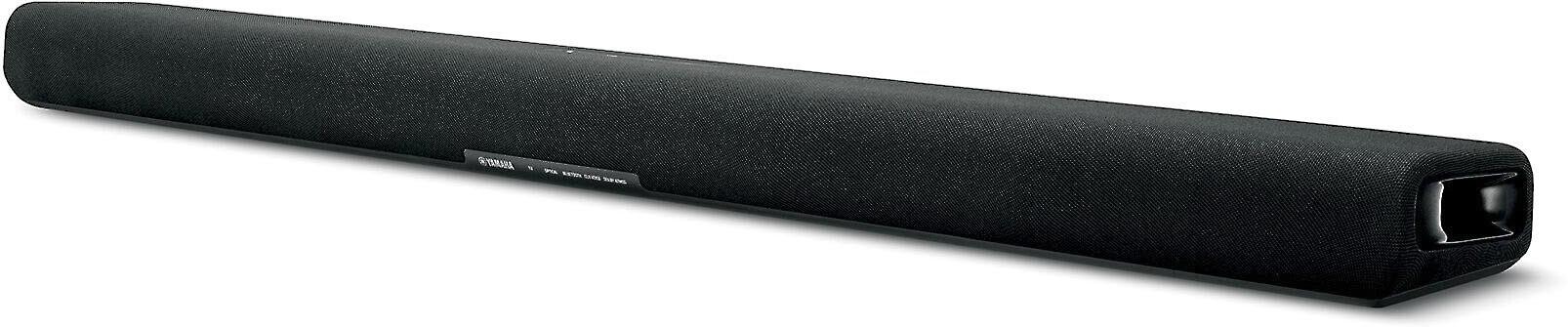
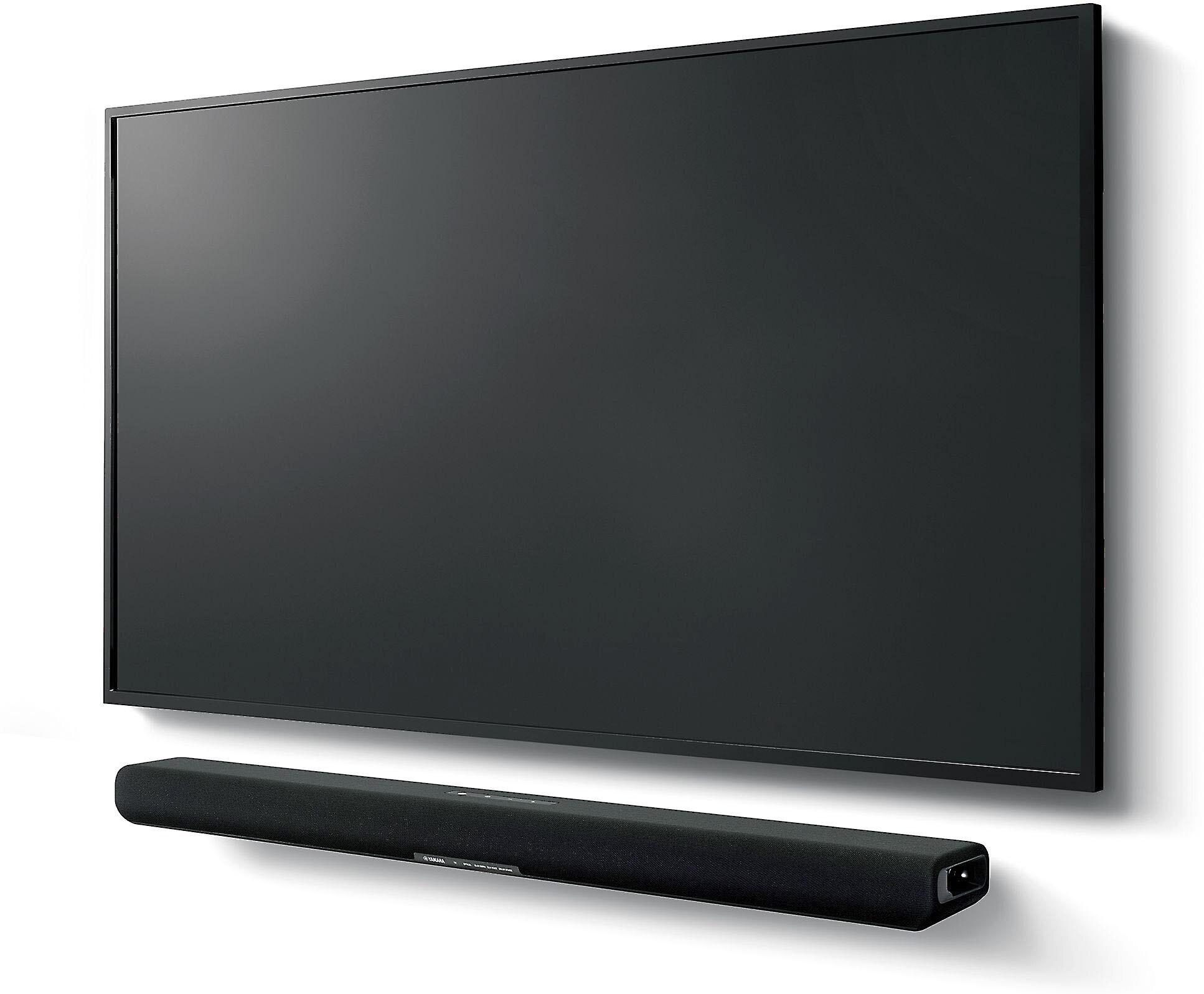
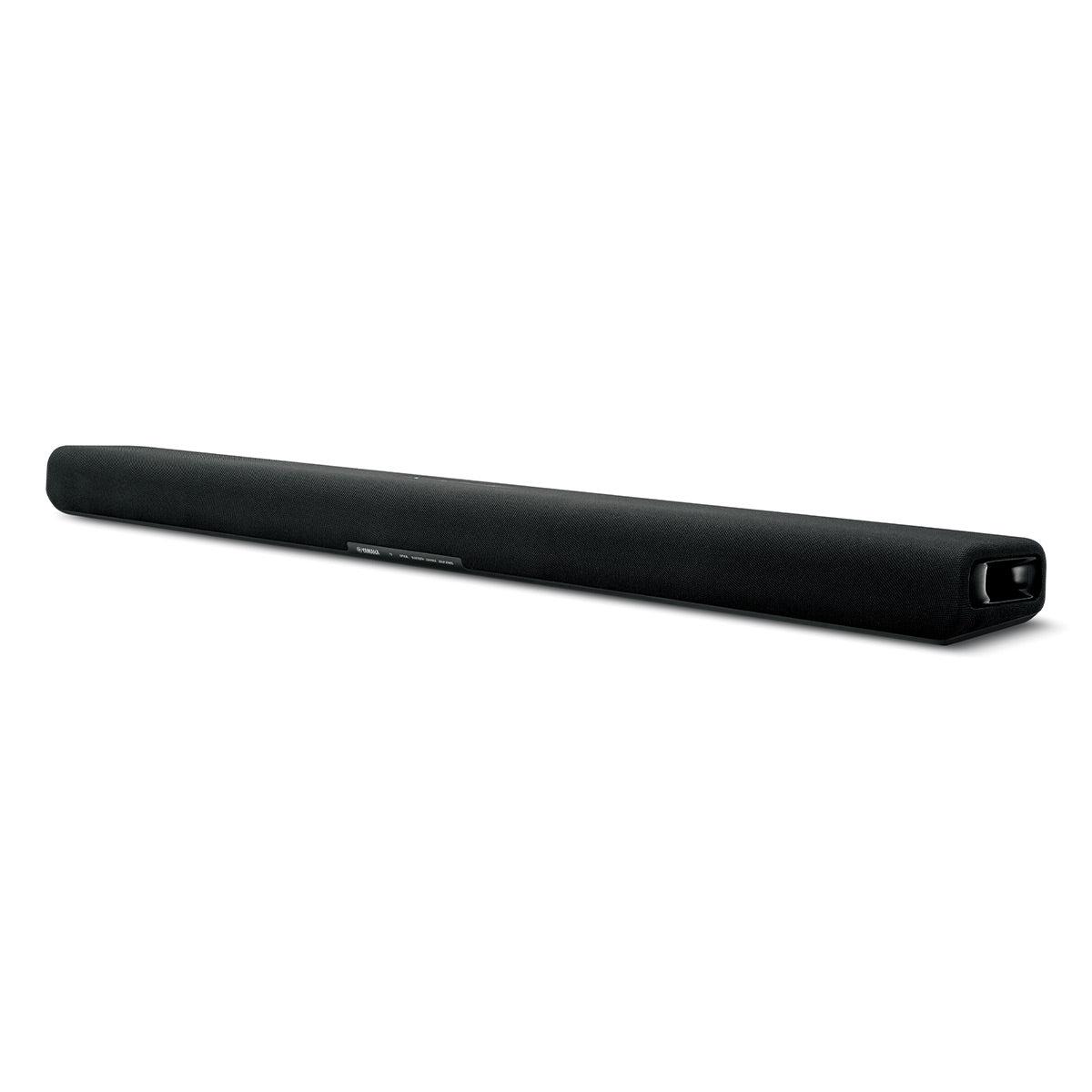
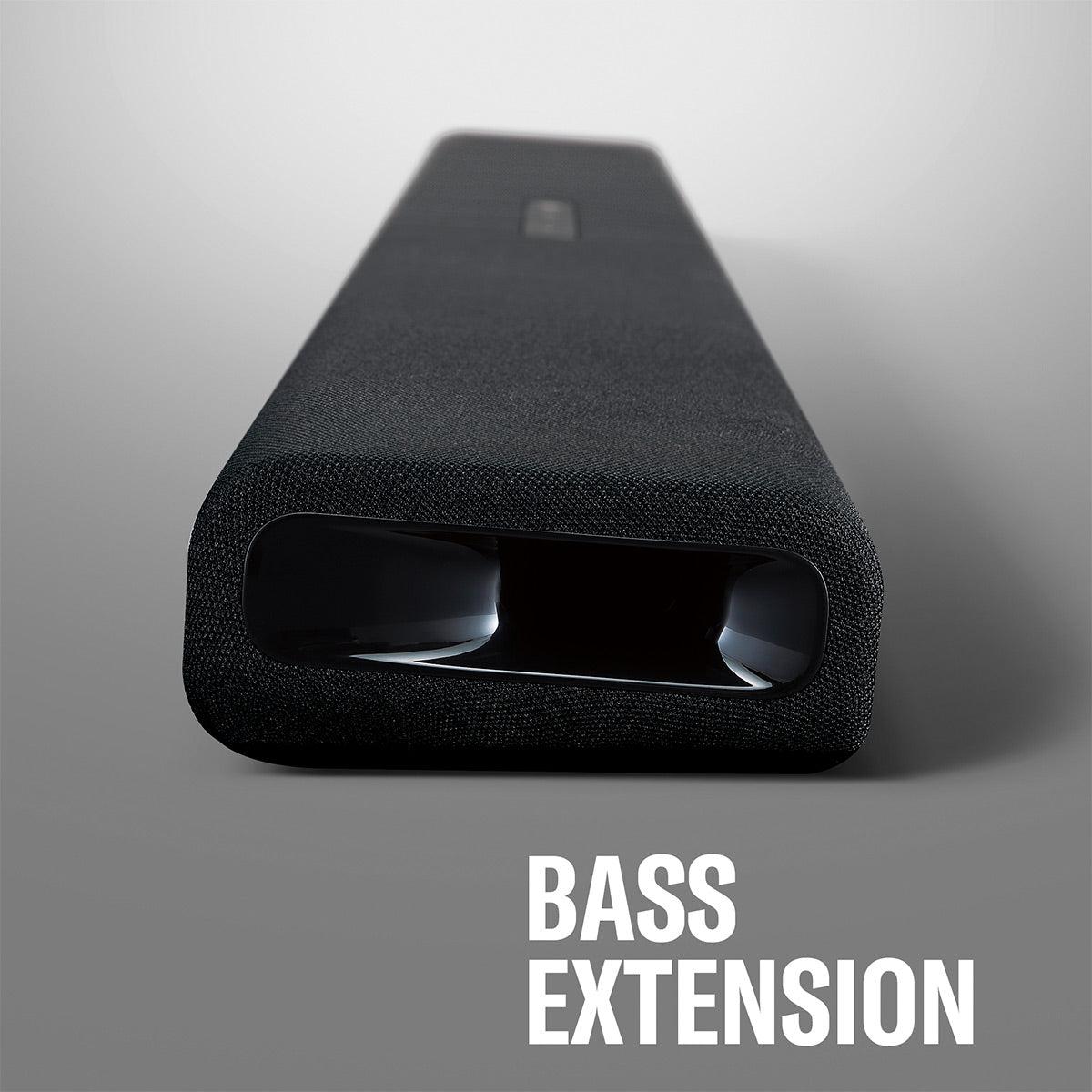
The Yamaha SR-B30A takes a completely different approach. Rather than trying to create surround effects, it focuses on delivering impactful stereo sound with serious bass. Its 2.1 configuration means it handles left and right channels plus a dedicated bass channel, but here's the clever part: instead of requiring a separate subwoofer box, Yamaha built two 3-inch subwoofer drivers directly into the soundbar itself.
This integrated approach reflects Yamaha's decades of audio engineering experience. They've positioned these internal subwoofers and tuned the enclosure to deliver bass that would normally require a separate component. The result is a soundbar that delivers immediate satisfaction without any additional setup or space requirements.
Having tested both soundbars extensively with everything from Netflix shows to 4K Blu-rays, their different approaches become immediately apparent. The JBL Bar 300 MK2 creates what I can only describe as an "expanded" sound experience. When watching action movies, explosions seem to come from beyond the physical boundaries of the soundbar. Helicopter scenes in war movies genuinely sound like they're passing overhead, thanks to JBL's height virtualization processing.
The JBL's PureVoice 2.0 technology deserves special mention. This feature analyzes incoming audio in real-time to identify dialogue frequencies and boost them selectively. During loud action sequences, voices remain clear and intelligible without sounding artificially separated from the mix. It's particularly effective with streaming content, where dialogue can often get buried under background music and effects.
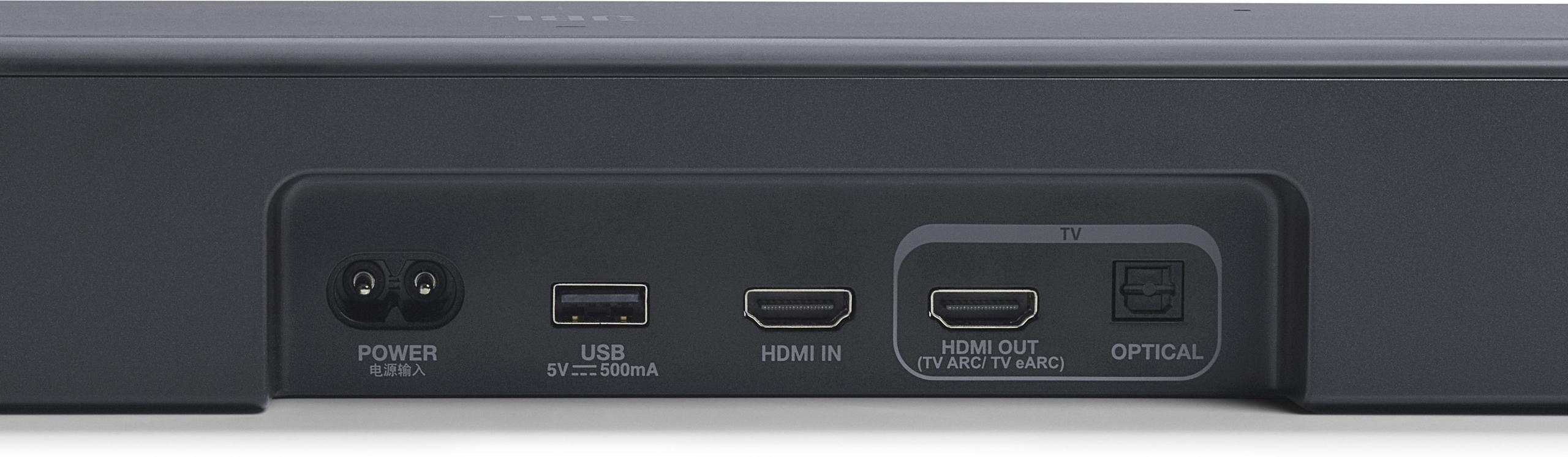
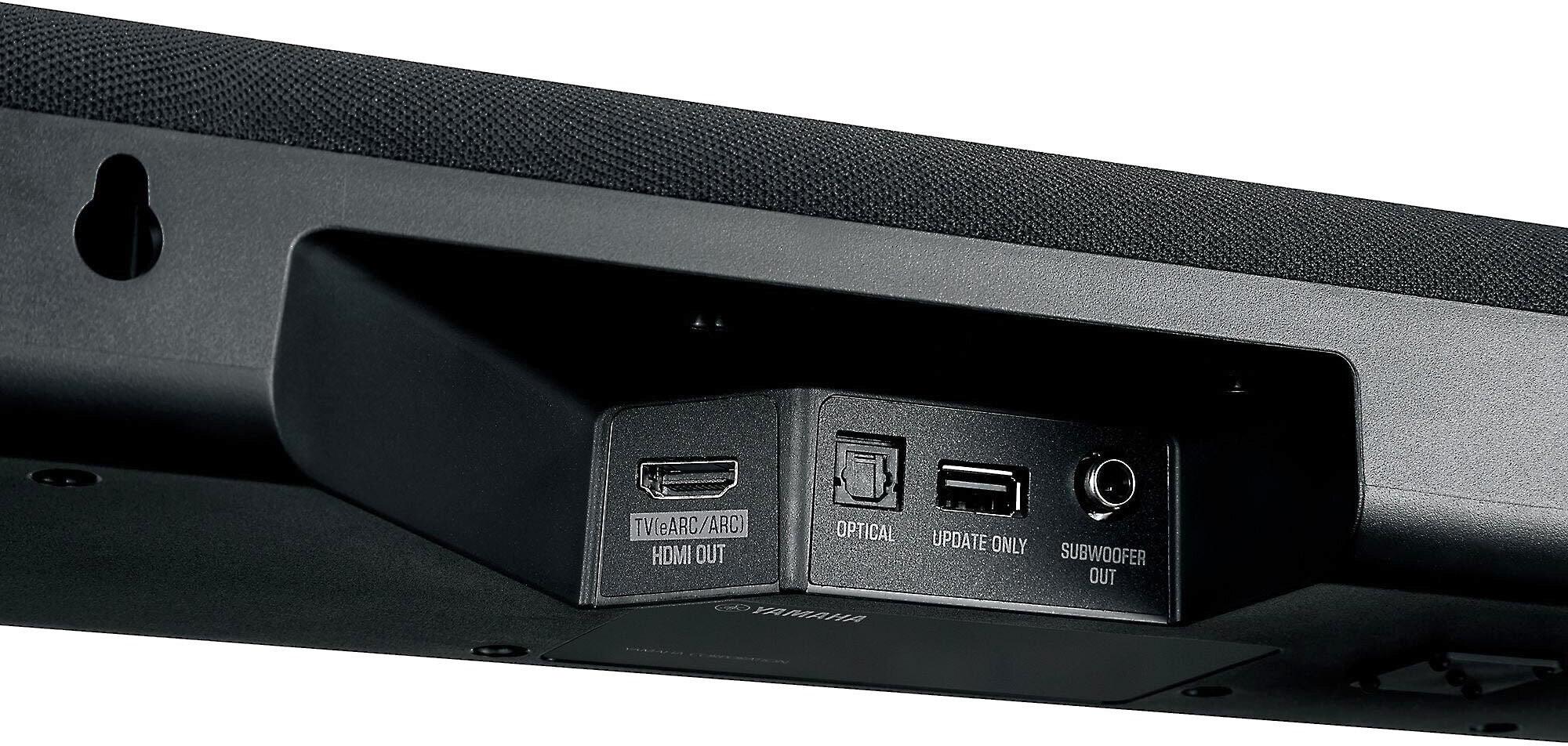
However, the JBL's approach has trade-offs. All that processing creates an impressive soundstage, but bass impact suffers without a dedicated subwoofer. The soundbar includes bass drivers, but they're optimized for midrange clarity rather than deep impact. JBL clearly designed this with the expectation that users might add their separate subwoofer later – the soundbar includes a dedicated subwoofer output for exactly this purpose.
The Yamaha SR-B30A tells a different story entirely. Its dual built-in subwoofers deliver immediate, punchy bass that makes music and movie soundtracks feel more dynamic. When I played bass-heavy tracks through both soundbars, the Yamaha's advantage was undeniable – drums had weight and impact that the JBL couldn't match on its own.
Yamaha's Clear Voice technology works differently than JBL's approach. Rather than complex real-time processing, it uses more subtle EQ adjustments to enhance vocal frequencies without over-processing the sound. The result feels more natural, though perhaps less dramatically effective in challenging acoustic environments.
The Yamaha's limitation becomes apparent with surround sound content. While it creates a pleasant stereo image that extends somewhat beyond the physical soundbar, it can't match the JBL's convincing surround effects. Watching movies with complex soundtracks, the Yamaha feels more like very good stereo sound, while the JBL creates the illusion of multiple speakers around the room.
Power specifications can be misleading in soundbars, but they matter more than you might think. The JBL's 260 watts isn't just about maximum volume – it's about having enough headroom to drive all those virtual channels without distortion. In my medium-sized living room (about 200 square feet), the JBL consistently delivered clean, undistorted sound even at high volumes.
The Yamaha's 120 watts might seem modest by comparison, but its focused approach means every watt is efficiently used. In smaller rooms, the Yamaha actually sounds more powerful than its specifications suggest because it's not trying to process complex surround effects. The concentrated driver arrangement creates immediate impact that's particularly satisfying for music listening.
Room size plays a crucial role in how these soundbars perform. The JBL's spatial processing needs space to work effectively. In smaller rooms (under 150 square feet), its surround effects can actually become overwhelming, creating an artificial, over-processed sound. The Yamaha thrives in these smaller spaces, where its direct approach prevents acoustic confusion.
Larger rooms reveal the opposite dynamic. In spaces over 250 square feet, the Yamaha's sound can feel small and constrained, while the JBL's processing helps fill the entire space with engaging audio. The sweet spot for both is medium-sized rooms, but even there, your content preferences will determine which approach works better.
The connectivity differences between these soundbars reflect broader changes in how we consume entertainment. The JBL Bar 300 MK2 launched with comprehensive wireless capabilities that feel forward-looking even now. Wi-Fi connectivity enables AirPlay 2 for iPhone users, Chromecast built-in for Android devices, and direct streaming from services like Spotify and Tidal.
Perhaps more importantly, the JBL integrates with multi-room audio systems. If you have other JBL speakers around your house, the Bar 300 MK2 can join a synchronized whole-home audio setup. This capability has become increasingly valuable as smart home ecosystems mature.
The JBL's software update system deserves mention too. Since launch, JBL has pushed several firmware updates that improved performance and added features. The most significant was an update in early 2024 that enhanced the Dolby Atmos processing algorithms, making height effects more convincing.
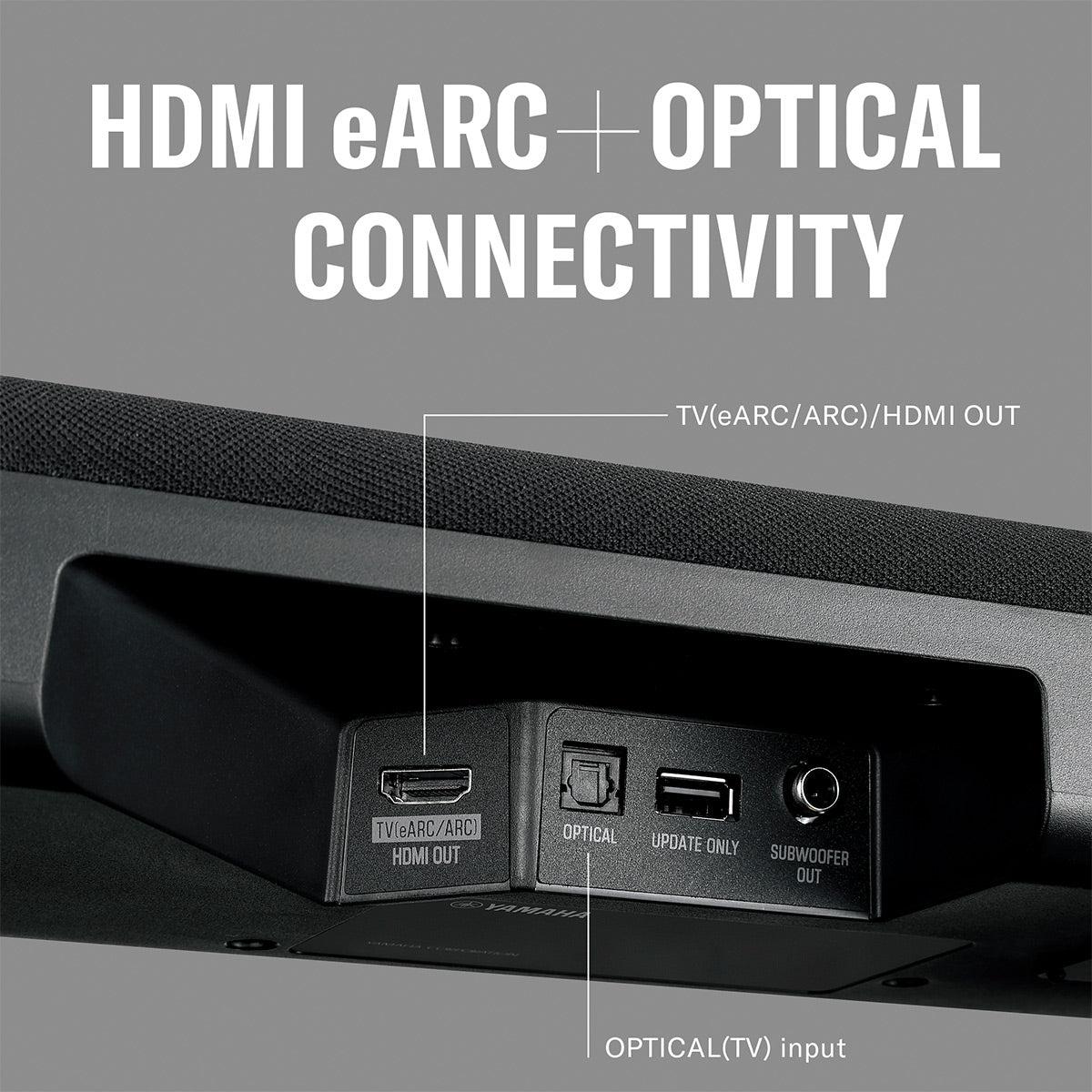
The Yamaha takes a deliberately simpler approach to connectivity. Bluetooth 5.1 handles wireless music streaming, while HDMI eARC manages the TV connection. There's no Wi-Fi, no voice assistant integration, no multi-room capabilities. This might sound limiting, but it reflects Yamaha's focus on core audio performance rather than smart features.
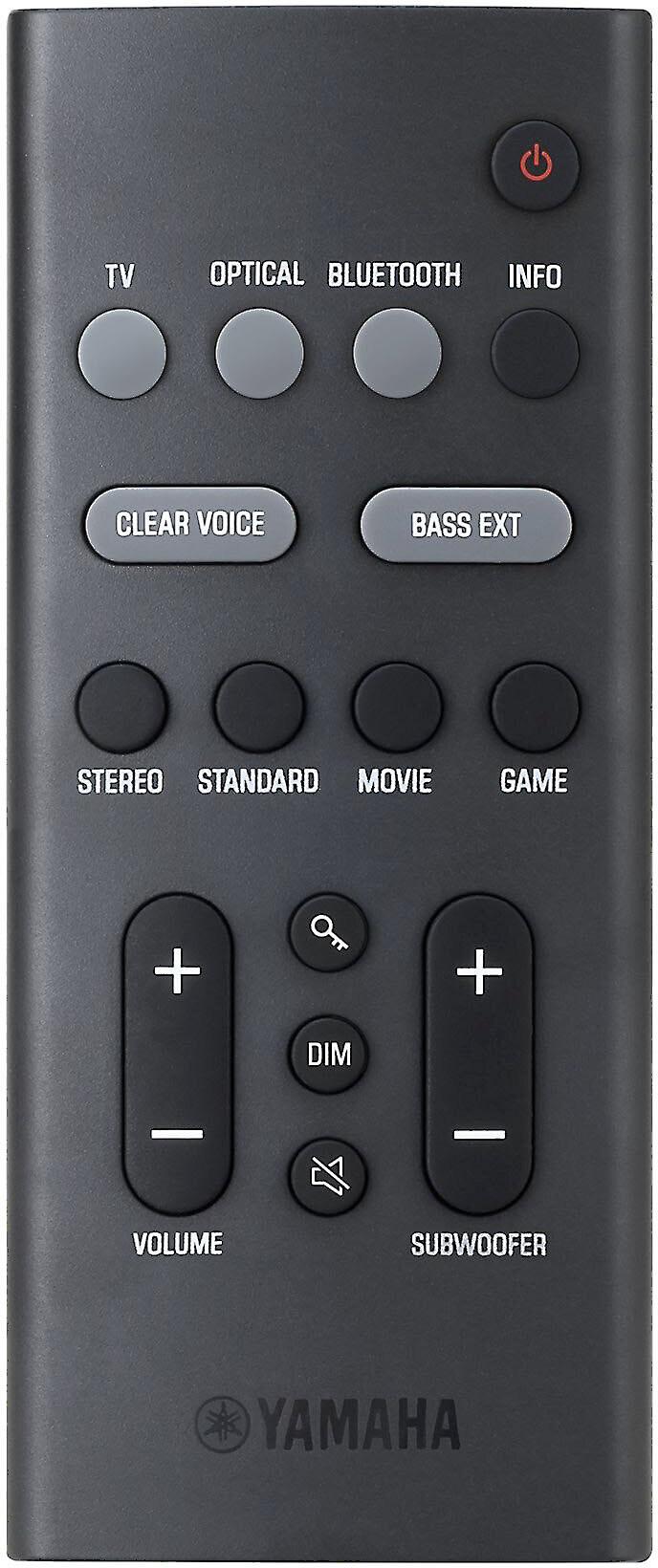
Yamaha's Sound Bar Remote app provides basic control and four sound modes: Stereo for music, Standard for TV, Game for low-latency audio, and Movie for enhanced dynamics. It's straightforward and reliable, without the occasional connectivity hiccups that more complex systems sometimes experience.
The price difference between these soundbars reflects their different value propositions. At $254.99, the Yamaha SR-B30A represents exceptional immediate value. You get complete, full-range sound without needing any additional purchases. The built-in subwoofers eliminate the need for a separate component that would typically cost $150-200.
The JBL's $449.95 price point reflects its premium processing and future expandability. While more expensive upfront, it's designed to grow with your needs. Adding JBL's matching subwoofer later creates a system that can compete with much more expensive setups. The smart features also provide long-term value as streaming services and smart home ecosystems continue evolving.
From a total cost of ownership perspective, the Yamaha wins if you want a complete solution now and don't plan major upgrades. The JBL makes sense if you're building toward a more sophisticated system over time, or if the smart features align with your existing tech ecosystem.
Both soundbars handle the basics of home theater connection well, with HDMI eARC support for high-quality audio from your TV and 4K video passthrough for gaming consoles. However, their approaches to movie sound differ significantly.
The JBL Bar 300 MK2 excels with blockbuster movies and complex soundtracks. Films mixed in Dolby Atmos benefit dramatically from its height virtualization. Watching "Top Gun: Maverick" or "Dune," the JBL creates a convincing sense of aircraft flying overhead or massive spaces extending in all directions. It's particularly effective with content that was mixed specifically for surround sound systems.
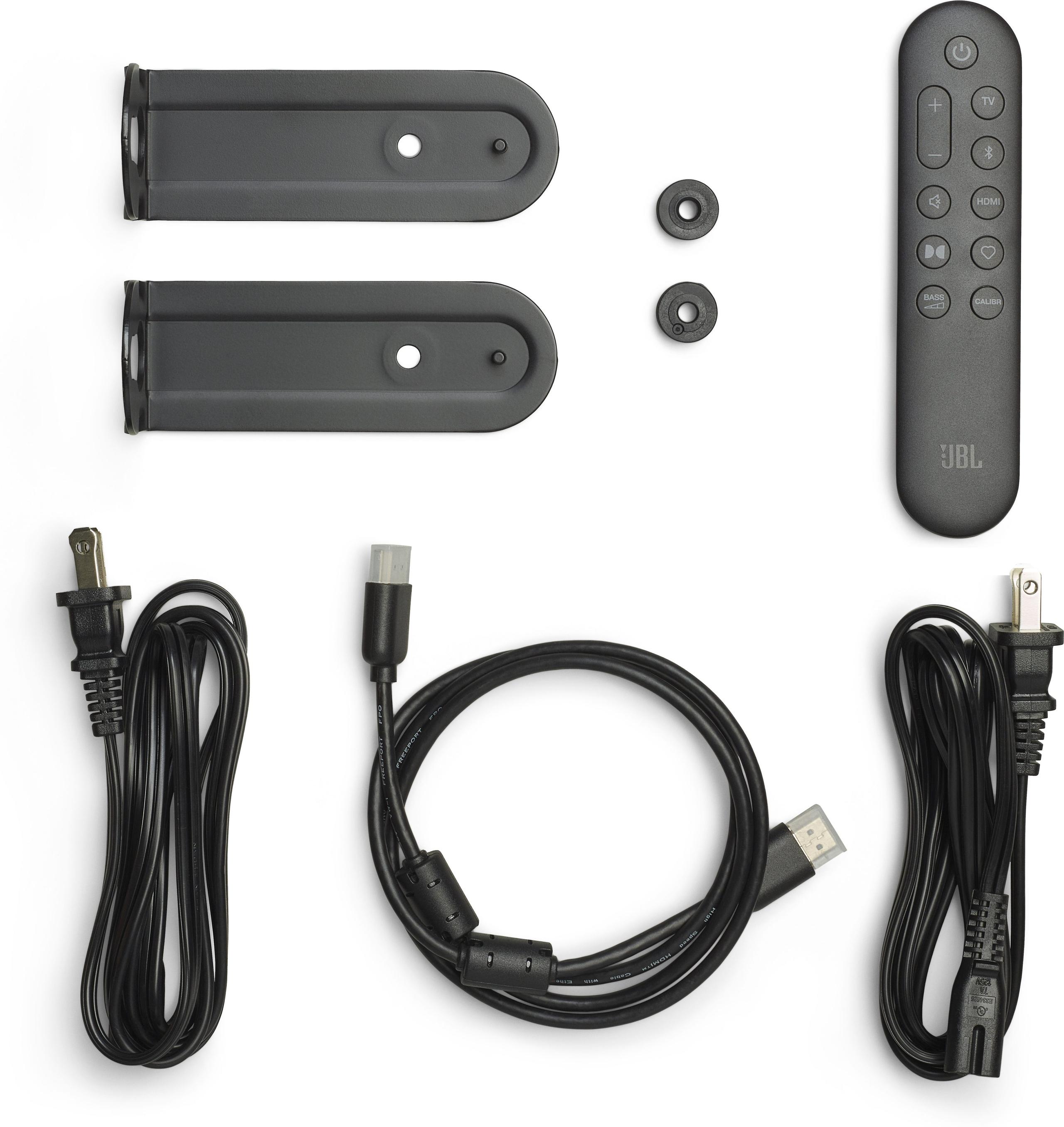
For home theater enthusiasts planning to add more components later, the JBL's expandability is crucial. The subwoofer output allows adding deep bass, while the processing power can handle the additional complexity without strain. If you're thinking about eventually adding rear speakers or a more powerful subwoofer, the JBL provides a foundation that can grow.
The Yamaha SR-B30A serves a different home theater role. It's ideal for users who watch a mix of content – Netflix shows, cable TV, occasional movies – and want everything to sound better without complexity. Its integrated bass makes action scenes more exciting and music more engaging, but it doesn't try to simulate a full surround system.
After extensive testing, I've found these soundbars succeed in different scenarios. Choose the JBL Bar 300 MK2 if you're primarily interested in movies and gaming, have a medium-to-large room, and value smart features and future expandability. Its surround processing creates genuinely immersive experiences that enhance properly mixed content.
The Yamaha SR-B30A makes more sense if you want immediate satisfaction with all types of content, prefer simplicity over complexity, or have budget constraints. Its integrated bass delivers impact that the JBL can't match without additional components, and its straightforward approach means less tweaking and more enjoying.
Both represent solid engineering approaches to the fundamental soundbar challenge. The JBL prioritizes immersion and sophistication, while the Yamaha focuses on immediate impact and reliability. Your choice should align with your content preferences, room characteristics, and long-term plans for your entertainment system.
Neither soundbar will disappoint – they're both significant upgrades over TV speakers and represent their manufacturers' expertise well. The key is matching their strengths to your specific needs and expectations.
| JBL Bar 300 MK2 Soundbar | Yamaha SR-B30A Sound Bar with Built-In Subwoofers |
|---|---|
| Price - Budget impact and value positioning | |
| $449.95 (premium tier with expandability) | $254.99 (excellent value for complete solution) |
| Audio Configuration - Determines surround sound capability | |
| 5.0 channel virtual surround (no physical subwoofer) | 2.1 channel with dual built-in subwoofers |
| Total Power Output - Affects maximum volume and clarity | |
| 260W (optimized for spatial processing) | 120W (focused on direct impact) |
| Bass Solution - Critical for movie and music enjoyment | |
| Requires separate subwoofer for full bass ($200+ extra) | Dual 3" built-in subwoofers (no additional purchase needed) |
| Dolby Atmos Support - Creates overhead sound effects | |
| Virtual Dolby Atmos with MultiBeam 3.0 technology | Basic virtual Atmos processing |
| Smart Features - Streaming and voice control capabilities | |
| Wi-Fi, AirPlay 2, Chromecast, multi-room audio | Bluetooth 5.1 only (simpler approach) |
| Dimensions - Space requirements and aesthetics | |
| 32.3" × 2.2" × 4.1" (sleek, minimal profile) | 35-7/8" × 2-5/8" × 5-1/4" (wider but integrated design) |
| Best Room Size - Where each performs optimally | |
| Medium to large rooms (200+ sq ft) for surround effects | Small to medium rooms (under 200 sq ft) for direct impact |
| Expandability - Future upgrade potential | |
| Subwoofer output allows system growth | No expansion options (complete as-is) |
| Voice Enhancement Technology - Dialogue clarity features | |
| PureVoice 2.0 with real-time processing | Clear Voice with natural EQ adjustments |
| App Control - Customization and streaming access | |
| JBL One app with extensive EQ and streaming | Sound Bar Remote app with 4 preset modes |
| Total Cost of Ownership - Complete system investment | |
| $450-750 (with future subwoofer addition) | $255 (no additional components required) |
The Yamaha SR-B30A ($254.99) offers better immediate value with dual built-in subwoofers that eliminate the need for additional purchases. The JBL Bar 300 MK2 ($449.95) costs more upfront but provides premium features like virtual surround sound and expandability for future upgrades.
The Yamaha SR-B30A includes dual 3-inch built-in subwoofers, so no separate subwoofer is needed. The JBL Bar 300 MK2 works without a subwoofer but is designed to be paired with one later for fuller bass performance.
The JBL Bar 300 MK2 excels at movies with its virtual Dolby Atmos and 5.0-channel surround processing that creates immersive effects. The Yamaha SR-B30A is better for TV shows and daily viewing with superior dialogue clarity and immediate bass impact.
The JBL Bar 300 MK2 creates a wider soundstage with virtual surround effects and height simulation. The Yamaha SR-B30A delivers more direct, punchy sound with stronger bass but less surround processing.
The Yamaha SR-B30A performs better in small rooms under 200 square feet, where its direct sound approach prevents overwhelming the space. The JBL Bar 300 MK2 needs medium to large rooms for its surround processing to work effectively.
The JBL Bar 300 MK2 offers extensive wireless options including Wi-Fi, AirPlay 2, Chromecast, and Bluetooth. The Yamaha SR-B30A provides Bluetooth 5.1 streaming only, which covers most music streaming needs but with fewer options.
The Yamaha SR-B30A is simpler to set up with straightforward connections and basic controls. The JBL Bar 300 MK2 offers more customization through its app but requires more initial setup for optimal performance.
Both soundbars support virtual Dolby Atmos processing. The JBL Bar 300 MK2 provides more advanced Atmos simulation with its MultiBeam technology, while the Yamaha SR-B30A offers basic Atmos processing focused on clarity over effects.
The JBL Bar 300 MK2 is better for gaming with its surround sound processing that helps with directional audio cues. The Yamaha SR-B30A includes a dedicated Game mode for low-latency audio but focuses more on direct sound than spatial effects.
The JBL Bar 300 MK2 includes a subwoofer output for adding bass later and integrates with JBL's multi-room system. The Yamaha SR-B30A cannot be expanded - it's designed as a complete, all-in-one solution.
Both excel at dialogue but differently. The JBL Bar 300 MK2 uses PureVoice 2.0 technology with real-time processing to maintain clarity during loud scenes. The Yamaha SR-B30A uses Clear Voice technology with more natural-sounding vocal enhancement.
Choose the JBL Bar 300 MK2 if you want immersive movie experiences, have a larger room, and plan to expand your system. Choose the Yamaha SR-B30A if you want immediate bass satisfaction, prefer simplicity, and need better value for mixed TV and music content.
We've done our best to create useful and informative comparisons to help you decide what product to buy. Our research uses advanced automated methods to create this comparison and perfection is not possible - please contact us for corrections or questions. These are the sites we've researched in the creation of this article: homecinemachoice.com - retailspecs.com - hometechnologyreview.com - whathifi.com - news.jbl.com - engadget.com - crutchfield.com - harmanaudio.com - techradar.com - bestbuy.com - jbl.com - sweech.co.ke - jbl.com - jbl.com.sg - mm.jbl.com - abcwarehouse.com - harmanaudio.com - sweetwater.com - ro.harmanaudio.com - dell.com - jbl.co.nz - usa.yamaha.com - worldwidestereo.com - audiolab.com - shop.sg.yamaha.com - consumerreports.org - usa.yamaha.com - vinylsound.ca - bestbuy.com - modernappliancewoodward.com - bluestardist.com - target.com - my.yamaha.com

Privacy Policy
Terms and Conditions - Affiliate Policy
Home Security
© Copyright 2008-2026.
11816 Inwood Rd #1211, Dallas, TX 75244