



If you've ever found yourself cranking up the TV volume just to understand what the actors are saying, or wished your favorite action movie had more punch during explosion scenes, you're not alone. Modern TVs prioritize thin designs over audio quality, often leaving us with speakers that sound like they're trapped inside a cereal box. That's where soundbars come in, transforming your living room into something closer to a real theater experience.
Today we're comparing two very different approaches to solving this problem: the budget-focused Polk Audio Signa S2 and the feature-rich JBL Bar 300 MK2. At the time of writing, these products sit in completely different price categories, with the Polk positioned as an affordable entry point around $200 while the JBL commands a premium price near $400-450. But the question isn't just about cost – it's about which approach better serves your specific needs and room setup.
The soundbar market has evolved dramatically since the first models appeared in the early 2000s. What started as simple stereo speakers in a long box has transformed into sophisticated audio processing systems that can simulate surround sound, enhance dialogue, and even create the illusion of overhead effects without ceiling speakers.
When shopping for a soundbar, you're essentially choosing between different philosophies of audio reproduction. Some manufacturers focus on raw power and physical bass response through separate subwoofers. Others prioritize advanced digital processing and connectivity features. The key is understanding which approach aligns with your listening habits, room size, and technical preferences.
The most important factors to consider include audio processing capabilities (how the soundbar manipulates sound to create effects), physical configuration (whether it includes separate speakers), connectivity options (how it connects to your devices and streaming services), and room compatibility (how well it performs in your specific space).
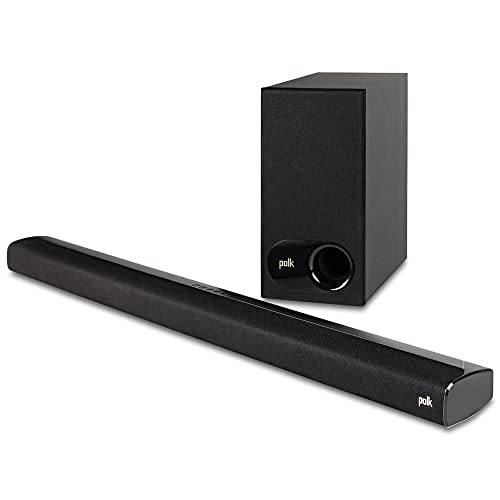
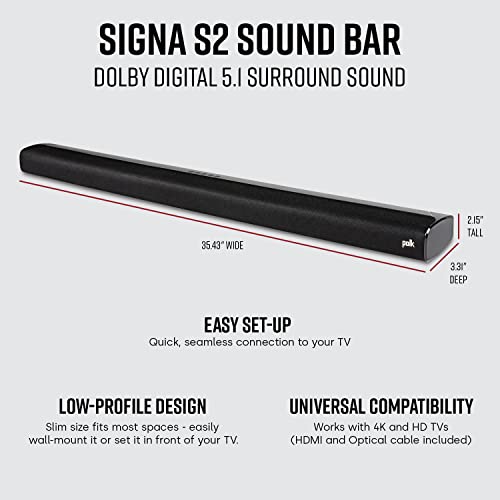
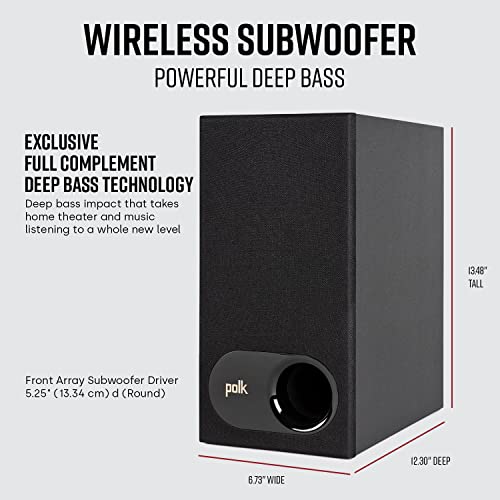
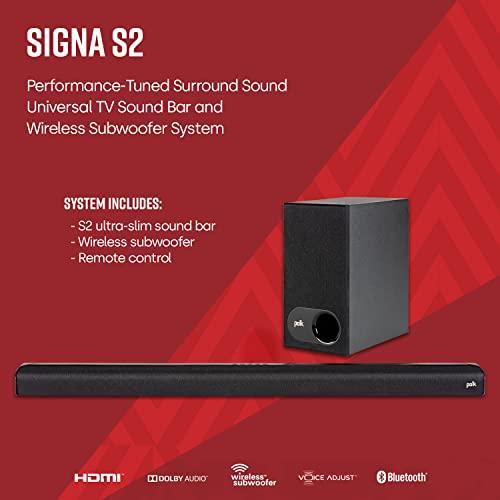
Released in 2019, the Polk Audio Signa S2 represents the traditional approach to soundbar design. It's a 2.1 channel system, meaning it has two main stereo channels plus a separate subwoofer channel (.1) for bass frequencies. The system includes a slim soundbar housing two tweeters and two mid-range drivers, paired with a wireless subwoofer containing a 5.25-inch driver.
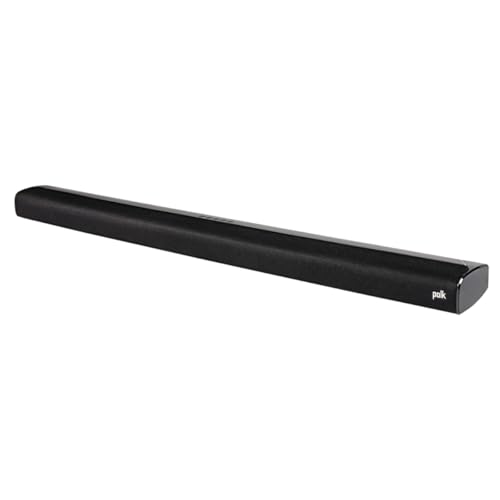
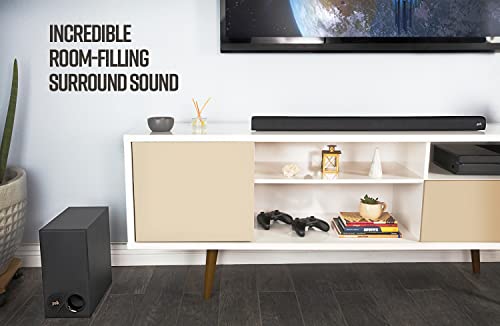
Polk designed this system with simplicity in mind. The soundbar measures just over 2 inches tall, making it nearly invisible when placed in front of most TVs. The wireless subwoofer can be positioned anywhere in the room, giving you flexibility to find the sweet spot for bass response. This approach prioritizes genuine bass reproduction over digital trickery – when you hear a explosion or thunder rumble, it's coming from an actual speaker designed to move air at low frequencies.
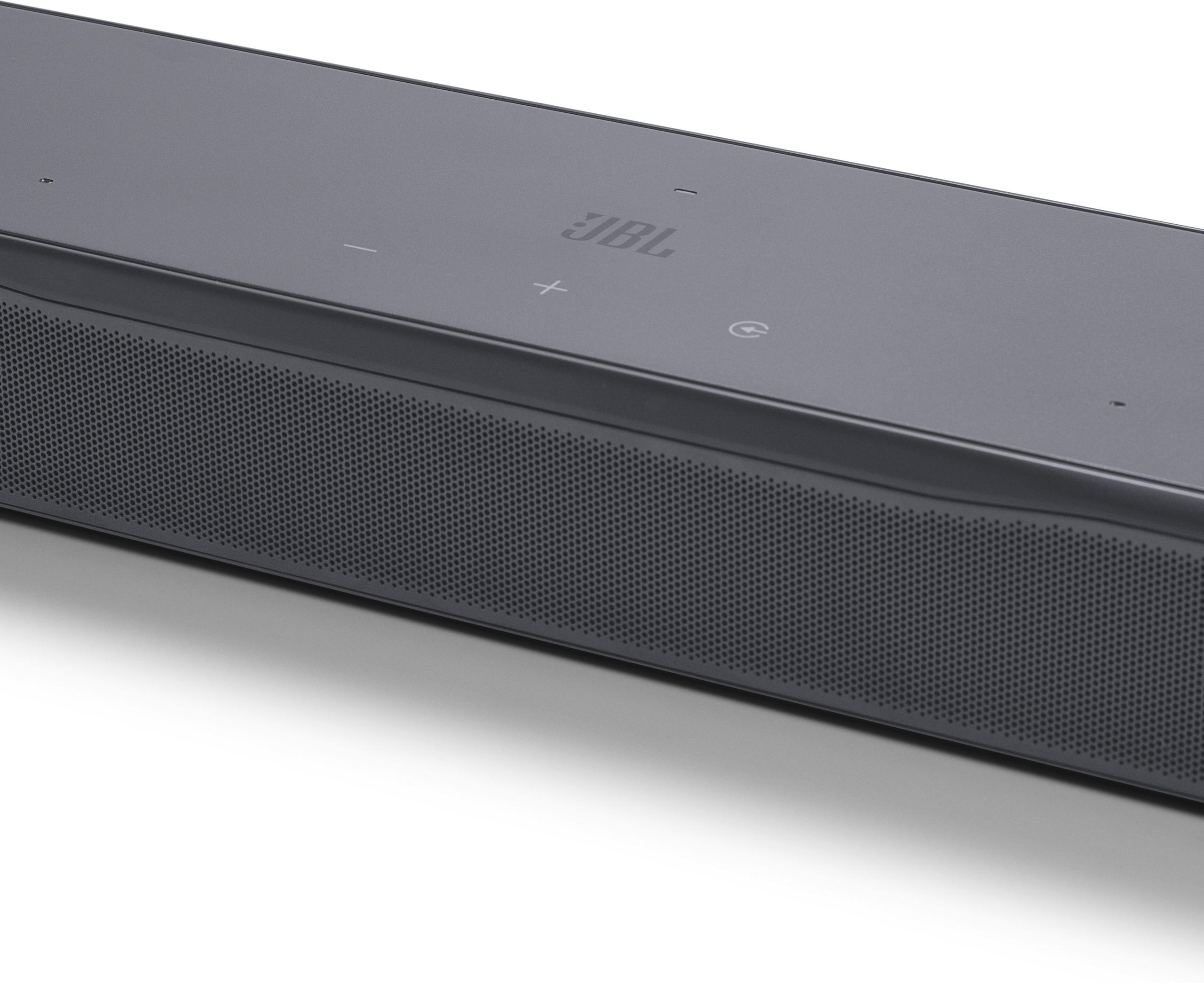
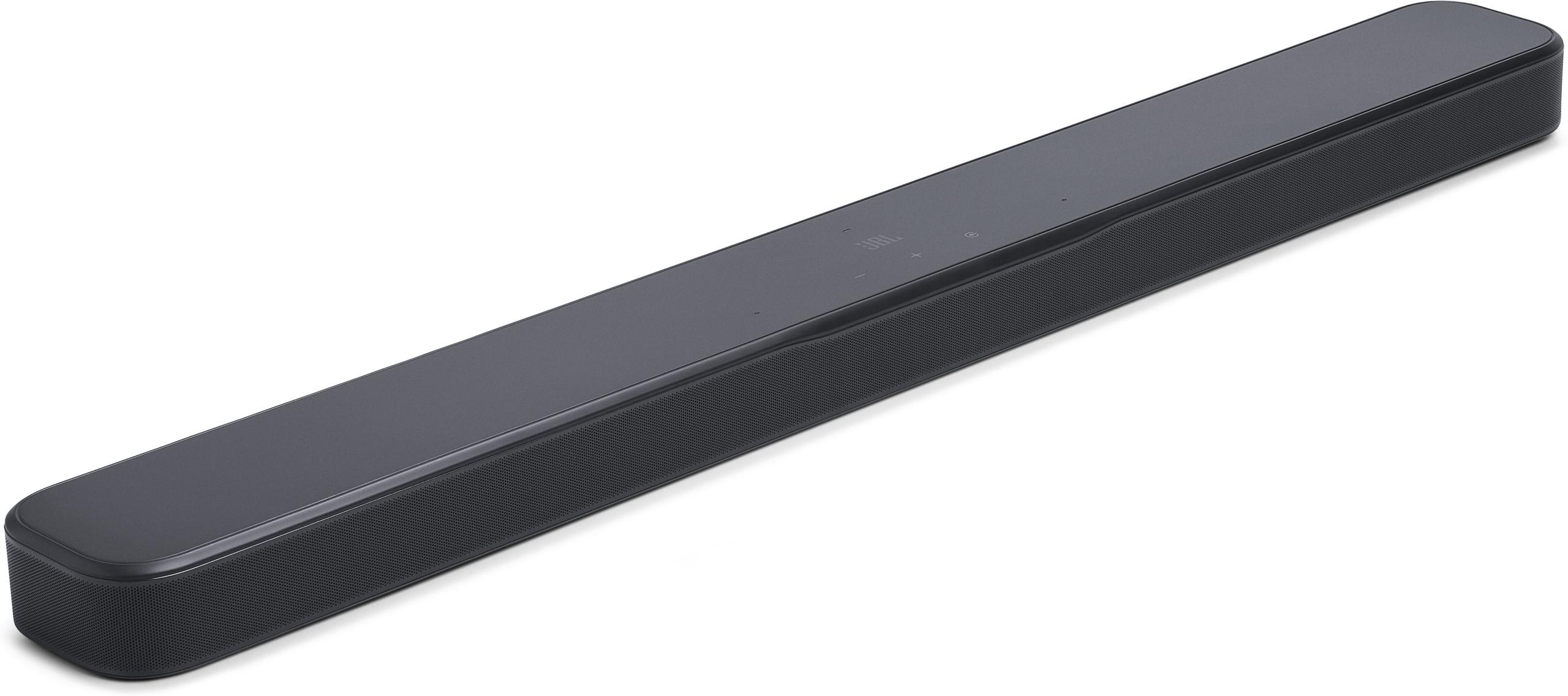
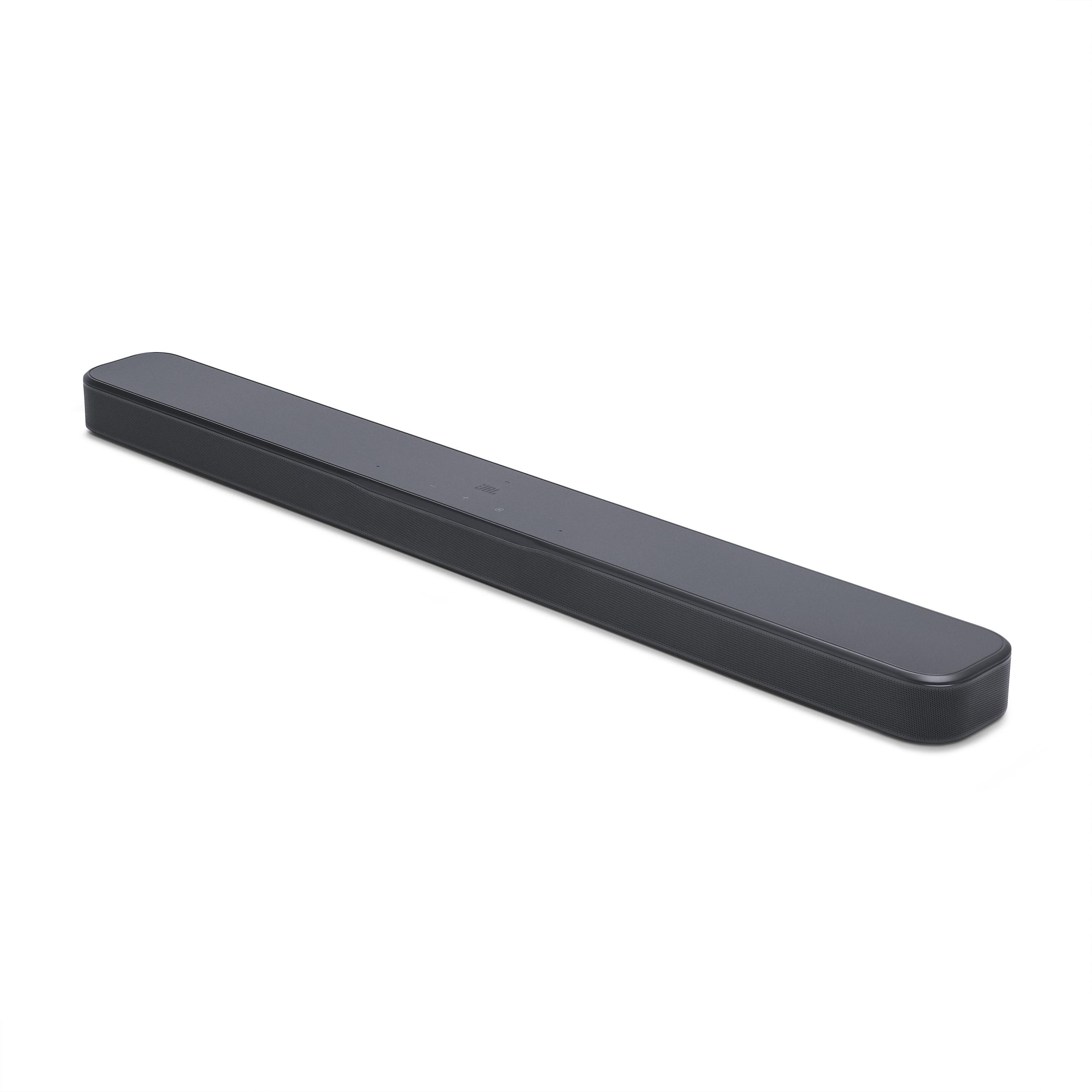
The JBL Bar 300 MK2, introduced in 2024 as part of JBL's updated soundbar lineup, takes the opposite approach. This is a 5.0 channel all-in-one system that crams everything into a single unit – no separate subwoofer, no additional speakers to position around your room. Instead, it relies heavily on sophisticated digital signal processing to create the illusion of surround sound and bass response.
The "MK2" designation indicates this is JBL's second-generation design, incorporating lessons learned from the original Bar 300. The improvements include more powerful amplification (260W total output), enhanced virtual Dolby Atmos processing, and upgraded streaming capabilities that weren't available when the Polk Signa S2 first launched.
JBL's approach represents the modern trend toward computational audio – using powerful processors to manipulate sound waves in real-time, creating effects that would traditionally require multiple speakers positioned around the room.
The most fundamental difference between these soundbars lies in how they process audio signals. The Polk Signa S2 keeps things relatively straightforward, supporting basic Dolby Digital decoding (the standard surround sound format found on most movies and TV shows) and adding Polk's VoiceAdjust technology for dialogue enhancement.
VoiceAdjust works by boosting specific frequency ranges where human voices naturally occur, typically between 1-4 kHz. When you activate this feature, dialogue becomes more prominent in the mix, making it easier to understand conversations even during loud action sequences. However, this is essentially an advanced equalizer adjustment rather than sophisticated processing.
The JBL Bar 300 MK2 operates on an entirely different level. It includes virtual Dolby Atmos processing, which attempts to create the impression of sound coming from above and around you using only the drivers in the soundbar itself. Dolby Atmos normally requires ceiling-mounted or upward-firing speakers to bounce sound off your ceiling, but virtual processing uses psychoacoustic principles – essentially tricking your brain into perceiving spatial effects that aren't physically there.
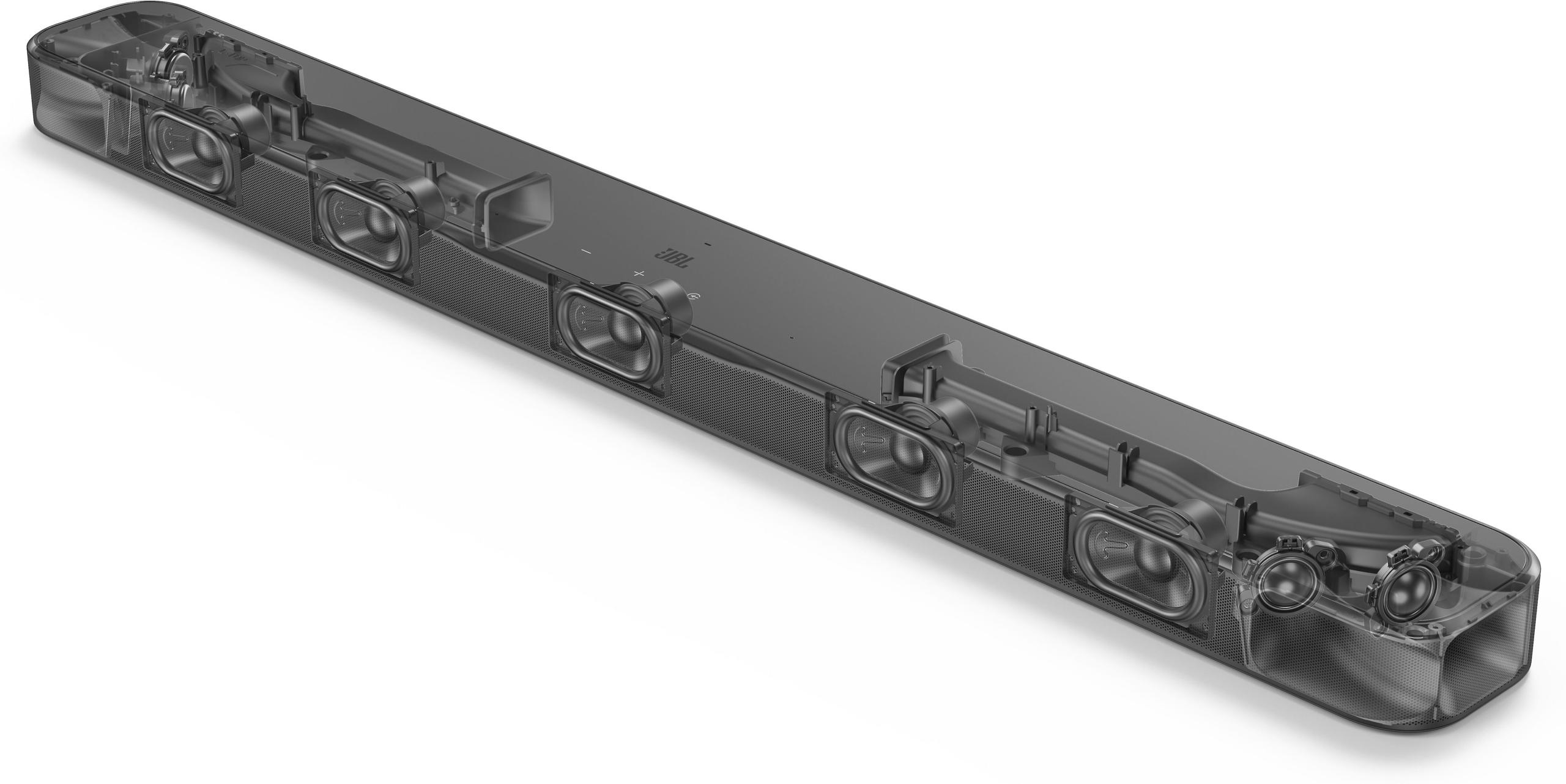
JBL's MultiBeam 3.0 technology takes this further by using multiple drivers with precise timing adjustments to create sound beams that appear to emanate from different locations in your room. The SmartDetails feature analyzes audio content in real-time, identifying and emphasizing subtle sounds that might otherwise get lost in the mix – like footsteps in a horror movie or the delicate reverb in a concert recording.
From my experience testing both systems, the difference is immediately apparent when switching between them. The Polk Signa S2 sounds exactly like what it is – a good stereo system with powerful bass. The JBL Bar 300 MK2 creates a genuinely wider soundstage that extends well beyond the physical boundaries of the soundbar, though it can't quite match the visceral impact of a real subwoofer during explosive scenes.
This brings us to perhaps the most significant performance difference: how each system handles low-frequency reproduction. Bass response is crucial for movies, gaming, and many music genres, but it's also the most challenging aspect of soundbar design because reproducing deep bass requires moving large amounts of air.
The Polk Signa S2 solves this with brute force – a dedicated 5.25-inch subwoofer driver in a ported enclosure. When the soundtrack calls for a rumbling earthquake or thunderous explosion, this subwoofer physically moves air to create the pressure waves you feel in your chest. The subwoofer operates wirelessly, so you can position it anywhere in the room for optimal bass response, whether that's in a corner to maximize room gain or along a wall to minimize the impact on neighbors.
The wireless connection uses a proprietary protocol that maintains synchronization between the soundbar and subwoofer, preventing the audio delays that can occur with some Bluetooth implementations. In practice, this means dialogue and bass effects remain perfectly aligned, which is crucial for maintaining the illusion of integrated sound.
The JBL Bar 300 MK2 attempts to create bass using internal racetrack drivers and a bass port built into the soundbar housing. Racetrack drivers are oval-shaped woofers that can move more air than traditional round drivers of the same width, while the bass port (essentially a precisely tuned opening) helps extend low-frequency response by allowing air to move in and out of the internal cabinet.
While JBL's approach is impressive from an engineering standpoint, physics ultimately limits what any single-unit system can achieve. The JBL Bar 300 MK2 produces adequate bass for dialogue-heavy content and most music, but it simply cannot match the physical impact of a dedicated subwoofer during action sequences or bass-heavy music genres like hip-hop or electronic music.
However, the JBL's integrated approach has advantages in certain scenarios. If you live in an apartment with noise concerns, the contained bass response might actually be preferable to a powerful subwoofer that can disturb neighbors. The lack of a separate subwoofer also simplifies setup and eliminates the need to find an appropriate location for an additional component.
The power difference between these systems is substantial and impacts their suitability for different room sizes. The JBL Bar 300 MK2 outputs 260W total, distributed across five channels of amplification. This power advantage becomes apparent when trying to fill larger rooms with sound or when listening at higher volume levels.
In my testing, the Polk Signa S2 works well in smaller rooms up to about 150-200 square feet, maintaining clear dialogue and adequate volume for most content. Push it beyond its comfort zone, however, and you'll notice compression artifacts and distortion creeping into the sound, particularly in the midrange frequencies where most dialogue occurs.
The JBL Bar 300 MK2 maintains composure in larger spaces, delivering clear sound even in rooms approaching 300-400 square feet. The higher power output also provides more dynamic range – the difference between the quietest and loudest sounds – which helps maintain the impact of movie soundtracks without losing subtle details.
This power advantage extends to different content types as well. During intense gaming sessions or action movies with frequent volume swings, the JBL maintains clarity and detail while the Polk might start to sound strained or compressed.
Since improving dialogue clarity is often the primary reason people buy soundbars, both manufacturers have invested heavily in this area, albeit with different approaches.
The Polk Signa S2's VoiceAdjust technology provides manual control over dialogue enhancement through the remote control. You can adjust voice levels independently of other audio elements, which works well for content with consistent audio mixing. However, the effectiveness varies significantly depending on how the original content was mixed, and finding the optimal setting often requires trial and error with different shows and movies.
The JBL Bar 300 MK2's PureVoice 2.0 technology takes a more sophisticated approach, using real-time analysis to identify dialogue frequencies and enhance them dynamically without affecting other audio elements. This means the system automatically adjusts its processing based on what you're watching, maintaining natural sound balance while ensuring voices remain clear and prominent.
In practical use, both systems significantly improve dialogue clarity compared to built-in TV speakers, but the JBL's approach proves more consistent across different content types. The Polk requires more manual adjustment to achieve optimal results, but when properly configured, it can sound very natural and clear.
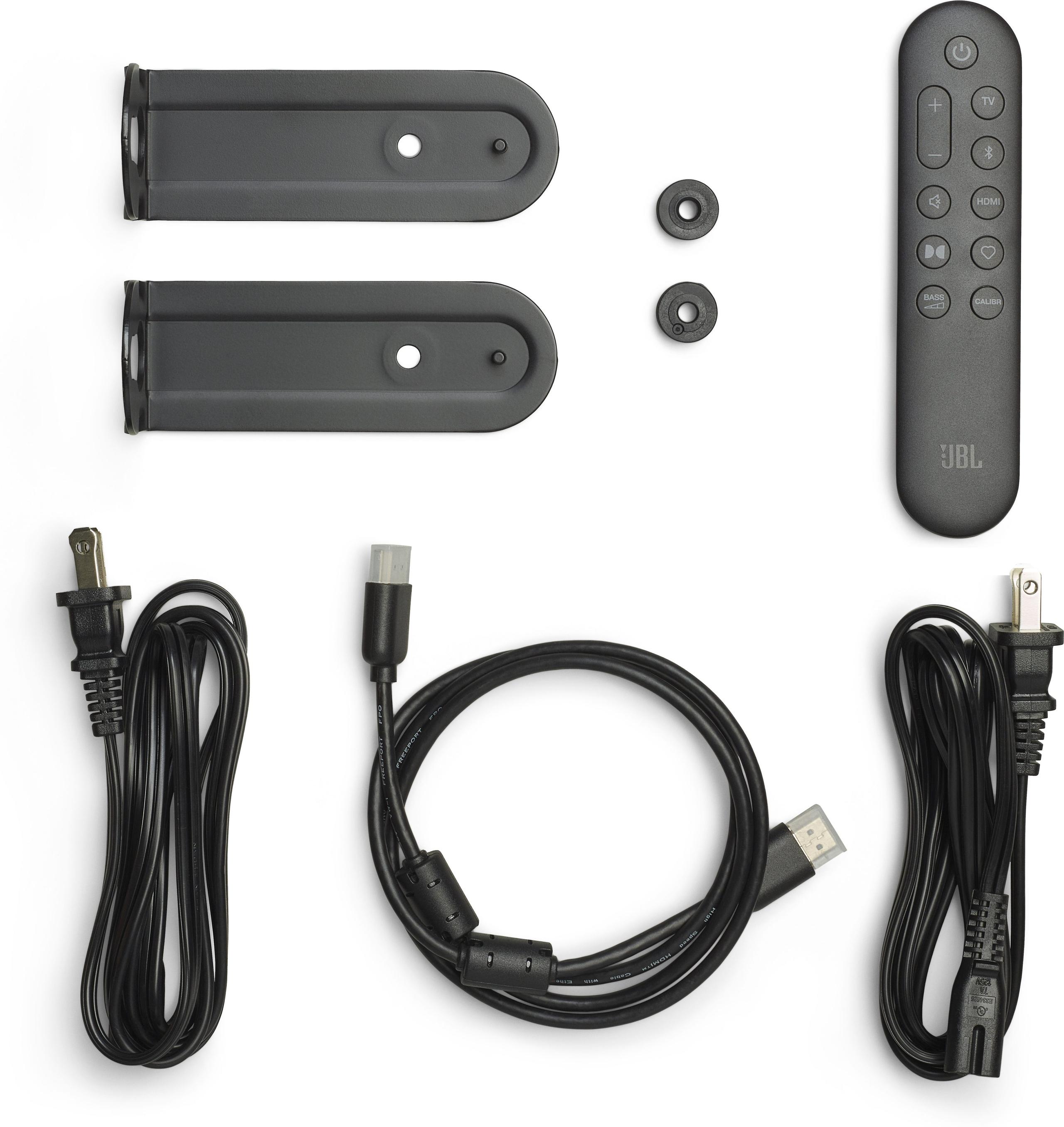
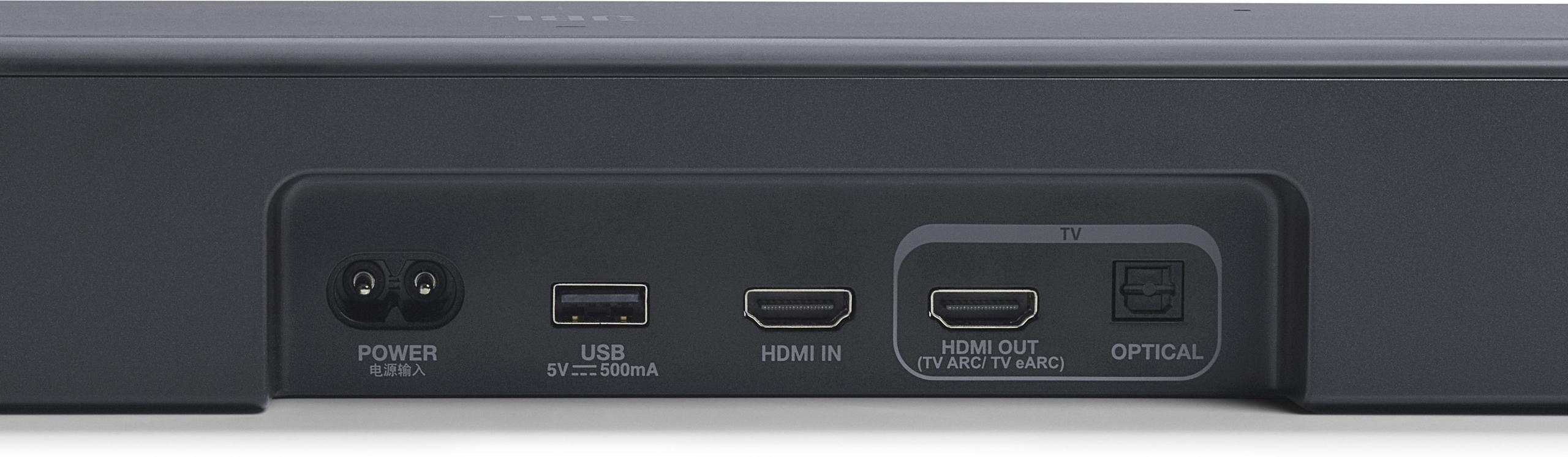
The technological gap between these products becomes most apparent when examining their connectivity and smart features. The Polk Signa S2, released in 2019, reflects the connectivity standards of that era. It includes HDMI ARC (Audio Return Channel, which allows your TV remote to control the soundbar volume), optical digital input, and analog 3.5mm input for older devices. Bluetooth connectivity enables wireless music streaming from phones and tablets.
The JBL Bar 300 MK2 showcases how much the soundbar landscape has evolved in just five years. It includes all the basic connectivity options but adds Wi-Fi, AirPlay 2, Chromecast built-in, Spotify Connect, and support for numerous streaming services. This means you can stream music directly from your phone using Apple's AirPlay, cast audio from any Chromecast-compatible app, or even control playback through voice assistants when connected to compatible smart home devices.
The JBL One smartphone app provides another layer of control and customization that simply doesn't exist with the Polk Signa S2. Through the app, you can adjust EQ settings, perform automatic room calibration, manage streaming services, and even update the soundbar's firmware to add new features over time. This represents a fundamental shift toward software-defined audio devices that can improve and evolve after purchase.
At the time of writing, the price difference between these products reflects their different target audiences and feature sets. The Polk Signa S2 positions itself as an affordable upgrade that delivers genuine improvements over TV speakers without breaking the bank. For many users, the combination of clearer dialogue and impactful bass from the wireless subwoofer provides 80% of the benefit they're seeking at a fraction of the cost of premium systems.
The JBL Bar 300 MK2 commands a premium price but justifies it through advanced processing, comprehensive streaming support, higher power output, and sophisticated smartphone control. The question becomes whether these premium features provide enough additional value to justify the significant price increase.
From a pure price-to-performance perspective, the Polk offers exceptional value for users with basic needs and smaller rooms. The wireless subwoofer alone provides bass response that would cost significantly more in competing all-in-one systems. However, the JBL's advanced features and superior room-filling capability make it the better choice for users who want a single system that can handle everything from casual TV watching to serious music listening.
For dedicated home theater use, both products have distinct advantages and limitations. The Polk Signa S2 excels at the fundamentals – clear dialogue and impactful bass during action sequences. The wireless subwoofer provides the visceral impact that makes explosion scenes feel genuine and thunderstorms sound convincing. However, it lacks the spatial processing that modern movie soundtracks are designed to utilize.
The JBL Bar 300 MK2 creates a more immersive experience through its virtual surround processing, making movies feel more enveloping even though all the sound comes from the front of the room. The Dolby Atmos processing adds height effects that can make helicopters seem to fly overhead or rain appear to fall around you. However, these effects are entirely virtual and can't match the immersion provided by actual surround speakers positioned around the room.
For most home theater enthusiasts, I'd recommend the JBL if you're planning to stick with a soundbar long-term, as its advanced processing makes better use of modern movie soundtracks. However, if you're considering this as a stepping stone toward a full surround sound system with discrete speakers, the Polk provides excellent value while you save for future upgrades.
The decision between the Polk Audio Signa S2 and JBL Bar 300 MK2 ultimately depends on your priorities, room size, and long-term audio goals.
Choose the Polk Audio Signa S2 if you want maximum bass impact for your investment, have a smaller room, prefer simple operation without app requirements, and primarily use your TV for movies and shows rather than music listening. The genuine subwoofer provides bass response that the JBL simply cannot match, making it ideal for action movie fans who want to feel every explosion.
Choose the JBL Bar 300 MK2 if you have a larger room, want the best possible music listening experience, use multiple streaming services, value advanced processing features, and prefer an all-in-one solution without separate components. The virtual surround processing and superior power output make it the better choice for users who want one system to handle everything exceptionally well.
Both soundbars represent significant improvements over built-in TV speakers, but they achieve this through fundamentally different approaches. The Polk focuses on the essentials and does them well, while the JBL embraces modern technology to create a more sophisticated and versatile audio experience. Your choice should align with both your current needs and how you envision using your audio system in the years ahead.
| Polk Audio Signa S2 | JBL Bar 300 MK2 |
|---|---|
| Channel Configuration - Determines soundstage width and bass capability | |
| 2.1 channels (stereo + separate subwoofer) | 5.0 channels (all-in-one virtual surround) |
| Audio Processing - Key factor for immersive movie experience | |
| Basic Dolby Digital decoding with VoiceAdjust | Virtual Dolby Atmos with MultiBeam 3.0 technology |
| Power Output - Critical for larger rooms and dynamic range | |
| Lower power output (adequate for small rooms) | 260W total output (fills medium-large rooms) |
| Bass Performance - Most noticeable difference in action movies | |
| Dedicated 5.25" wireless subwoofer (deep, physical bass) | Internal racetrack drivers with bass port (limited low-end) |
| Smart Features - Important for modern streaming habits | |
| Basic Bluetooth only | Wi-Fi, AirPlay 2, Chromecast, Spotify Connect |
| App Control - Enables customization and room optimization | |
| Remote control only (no app support) | JBL One app with EQ, calibration, streaming control |
| HDMI Support - Affects video quality and device compatibility | |
| HDMI ARC (standard audio return) | HDMI eARC with 4K Dolby Vision passthrough |
| Setup Complexity - Consider your preference for simplicity vs features | |
| Simple plug-and-play (requires subwoofer placement) | All-in-one design (requires app setup for best performance) |
| Voice Enhancement - Critical for dialogue clarity | |
| Manual VoiceAdjust (requires user adjustment) | Automatic PureVoice 2.0 (adapts dynamically) |
| Future-Proofing - Software updates and new feature additions | |
| No software updates or new features | Automatic firmware updates with potential new capabilities |
For small rooms under 200 square feet, the Polk Audio Signa S2 works excellently due to its dedicated wireless subwoofer that provides impactful bass without requiring high volume levels. The JBL Bar 300 MK2 also performs well in smaller spaces and offers superior dialogue clarity, but its virtual processing features are less noticeable in compact rooms where you sit closer to the soundbar.
No, the Polk Audio Signa S2 delivers significantly better bass performance due to its dedicated 5.25-inch wireless subwoofer that physically moves air to create deep, rumbling low frequencies. The JBL Bar 300 MK2 relies on internal drivers and bass ports, which produce adequate bass for most content but cannot match the physical impact and extension of a real subwoofer.
The Polk Audio Signa S2 offers simpler setup with basic plug-and-play operation, though you need to find optimal placement for the wireless subwoofer. The JBL Bar 300 MK2 requires more initial configuration through its smartphone app for best performance, but this setup enables advanced features like room calibration and streaming service integration.
The JBL Bar 300 MK2 offers extensive streaming capabilities including Wi-Fi, AirPlay 2, Chromecast built-in, and Spotify Connect, allowing direct access to hundreds of music services. The Polk Audio Signa S2 only supports basic Bluetooth streaming from your phone or tablet, with no built-in streaming services or Wi-Fi connectivity.
For pure movie impact with explosive action scenes, the Polk Audio Signa S2 excels due to its powerful subwoofer that delivers visceral bass effects. However, the JBL Bar 300 MK2 provides a more immersive overall experience through virtual Dolby Atmos processing and superior dialogue clarity, making it better for a wider variety of movie genres and TV content.
The Polk Audio Signa S2 operates entirely through its included remote control with no app required or available. The JBL Bar 300 MK2 includes both remote control and the JBL One smartphone app, which provides advanced features like EQ adjustment, room calibration, and streaming control, though basic operation works fine with just the remote.
The JBL Bar 300 MK2 significantly outperforms the Polk Audio Signa S2 for music listening, offering better instrument separation, wider soundstage, and more natural tonal balance. The JBL's advanced streaming capabilities also make it much more convenient for accessing music services directly without needing to connect external devices.
The JBL Bar 300 MK2 provides advantages for gaming through its virtual surround processing, which helps with spatial awareness and enemy positioning in competitive games. The Polk Audio Signa S2 offers solid gaming performance with impactful bass for action games, but lacks the surround processing that enhances modern gaming audio design.
Both soundbars improve dialogue significantly over TV speakers, but the JBL Bar 300 MK2 has the edge with its PureVoice 2.0 technology that automatically enhances dialogue without making voices sound unnatural. The Polk Audio Signa S2 includes manual VoiceAdjust technology that works well but requires user adjustment to find optimal settings for different content.
The Polk Audio Signa S2 cannot be expanded with additional speakers or components - it's a complete 2.1 system as purchased. The JBL Bar 300 MK2 also doesn't support physical expansion, but it receives software updates that can add new features and streaming capabilities over time, providing a form of future-proofing.
The Polk Audio Signa S2 offers exceptional value for budget-conscious buyers, delivering genuine subwoofer bass and clear dialogue improvement at an entry-level price point. The JBL Bar 300 MK2 provides premium value through advanced features, higher power output, and comprehensive streaming capabilities, justifying its higher cost for users who want a complete audio solution.
For apartment dwellers concerned about disturbing neighbors, the JBL Bar 300 MK2 may be preferable since its contained bass response is less likely to travel through walls and floors. The Polk Audio Signa S2 wireless subwoofer can produce more bass impact but requires careful volume management and placement to avoid noise complaints, though it offers better late-night movie experiences when used responsibly.
We've done our best to create useful and informative comparisons to help you decide what product to buy. Our research uses advanced automated methods to create this comparison and perfection is not possible - please contact us for corrections or questions. These are the sites we've researched in the creation of this article: rtings.com - youtube.com - bestbuy.com - rtings.com - consumerreports.org - rtings.com - youtube.com - hometechnologyreview.com - soundbars.com - youtube.com - manuals.plus - creativeaudio.net - parts-express.com - thomsunmusic.com - polkaudio.com - manuals.plus - polkaudio.com - polkaudio.com - polkaudio.com - bestbuy.com - youtube.com - youtube.com - polkaudio.com - homecinemachoice.com - retailspecs.com - hometechnologyreview.com - whathifi.com - news.jbl.com - engadget.com - crutchfield.com - harmanaudio.com - techradar.com - bestbuy.com - jbl.com - sweech.co.ke - jbl.com - jbl.com.sg - mm.jbl.com - abcwarehouse.com - harmanaudio.com - sweetwater.com - ro.harmanaudio.com - dell.com - jbl.co.nz

Privacy Policy
Terms and Conditions - Affiliate Policy
Home Security
© Copyright 2008-2026.
11816 Inwood Rd #1211, Dallas, TX 75244