






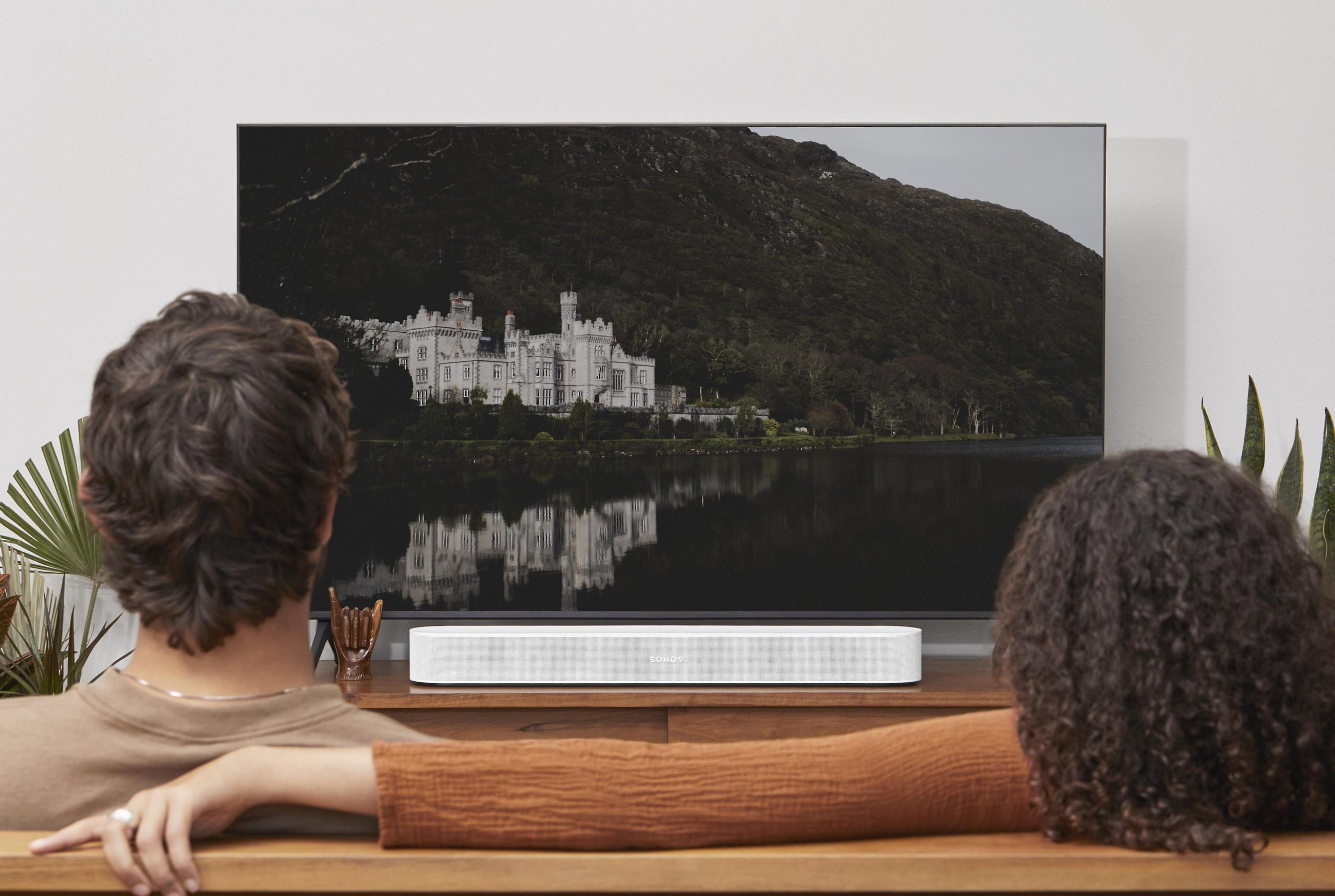
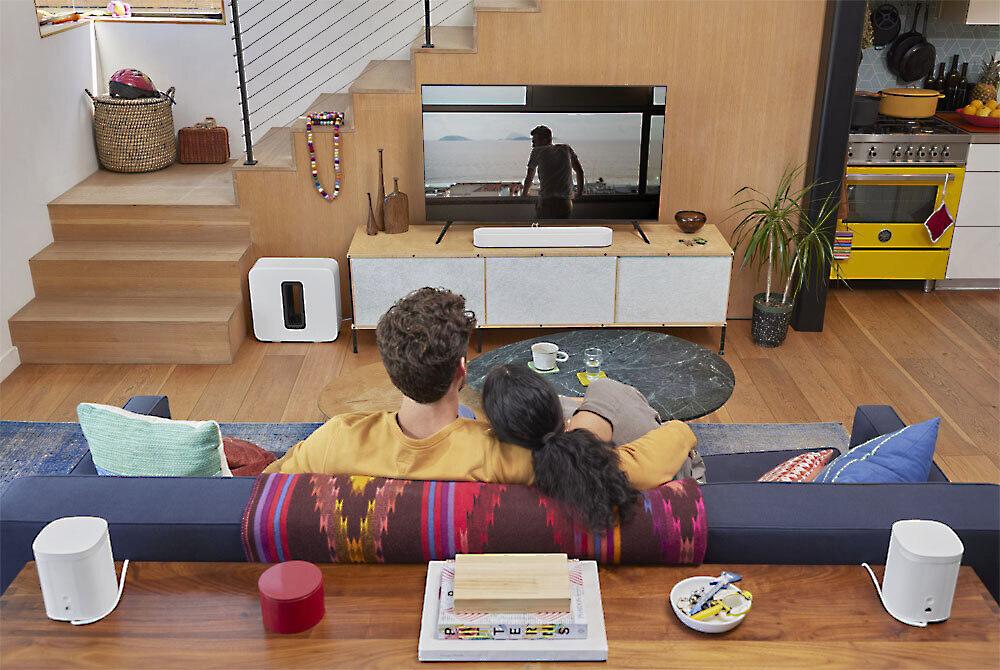

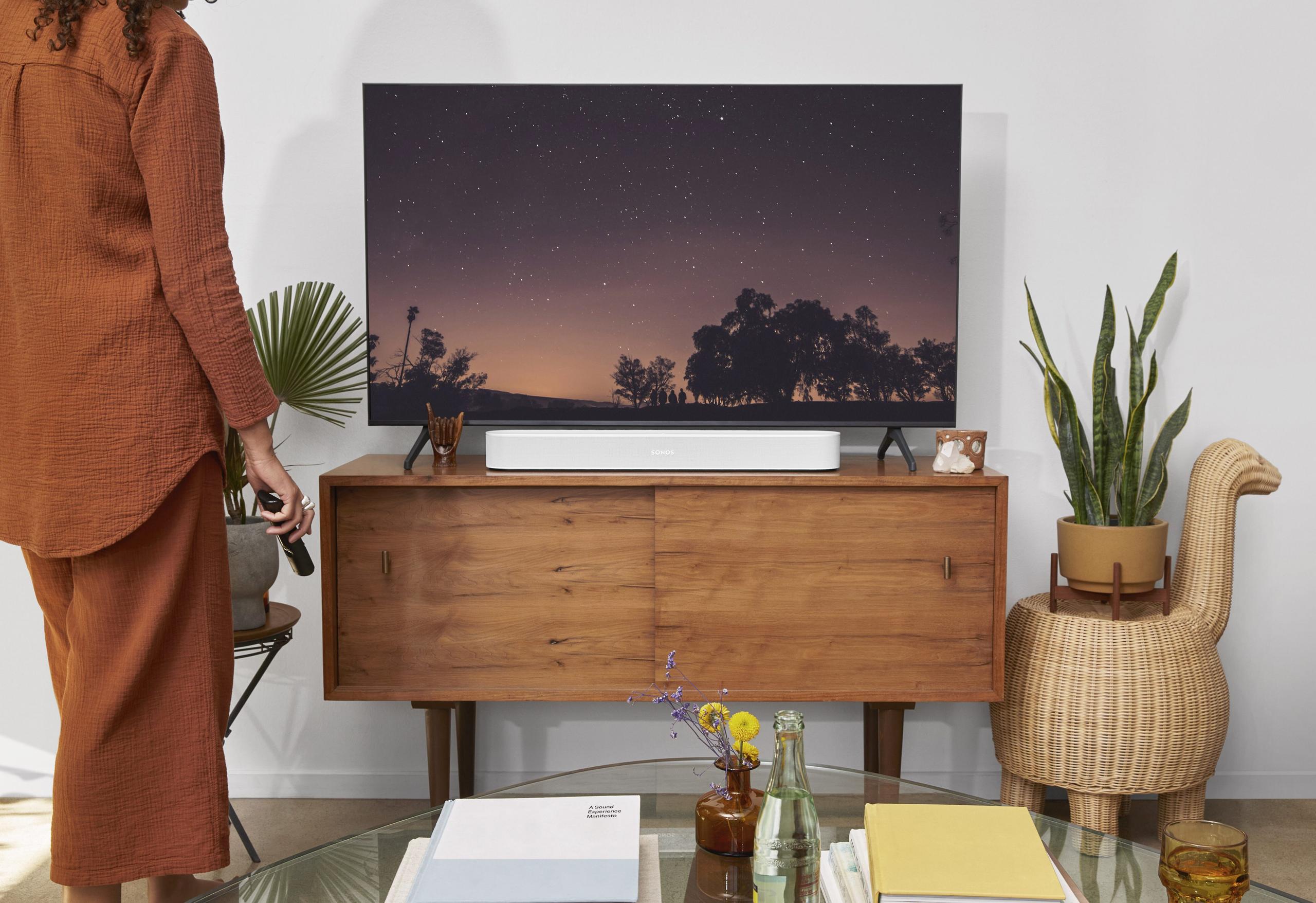
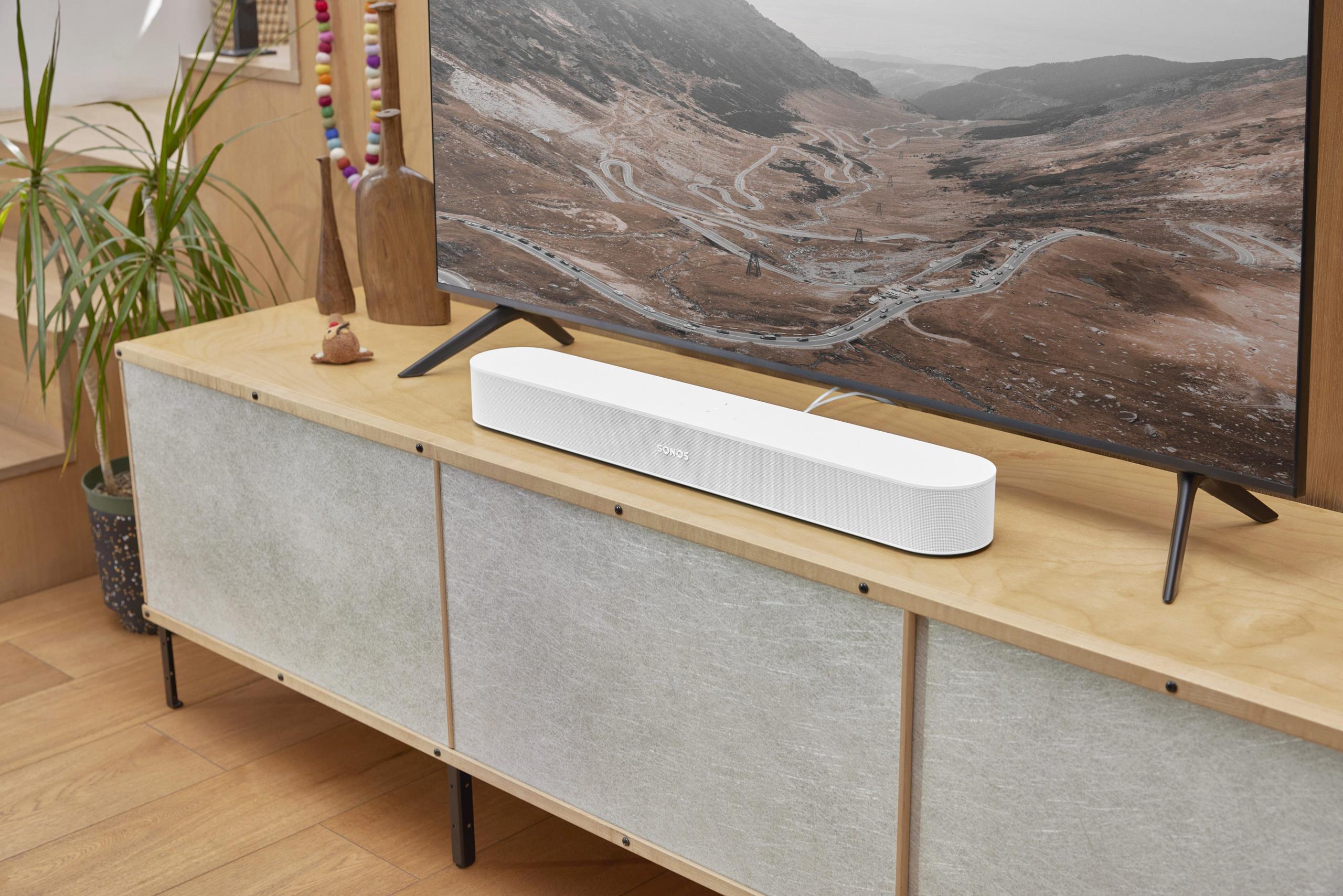
If you've ever tried watching a movie with your TV's built-in speakers, you know the struggle. Dialogue gets lost under explosions, bass is practically nonexistent, and everything sounds like it's coming from inside a tin can. That's where compact soundbars come in – they're designed to solve these exact problems without taking over your living room.
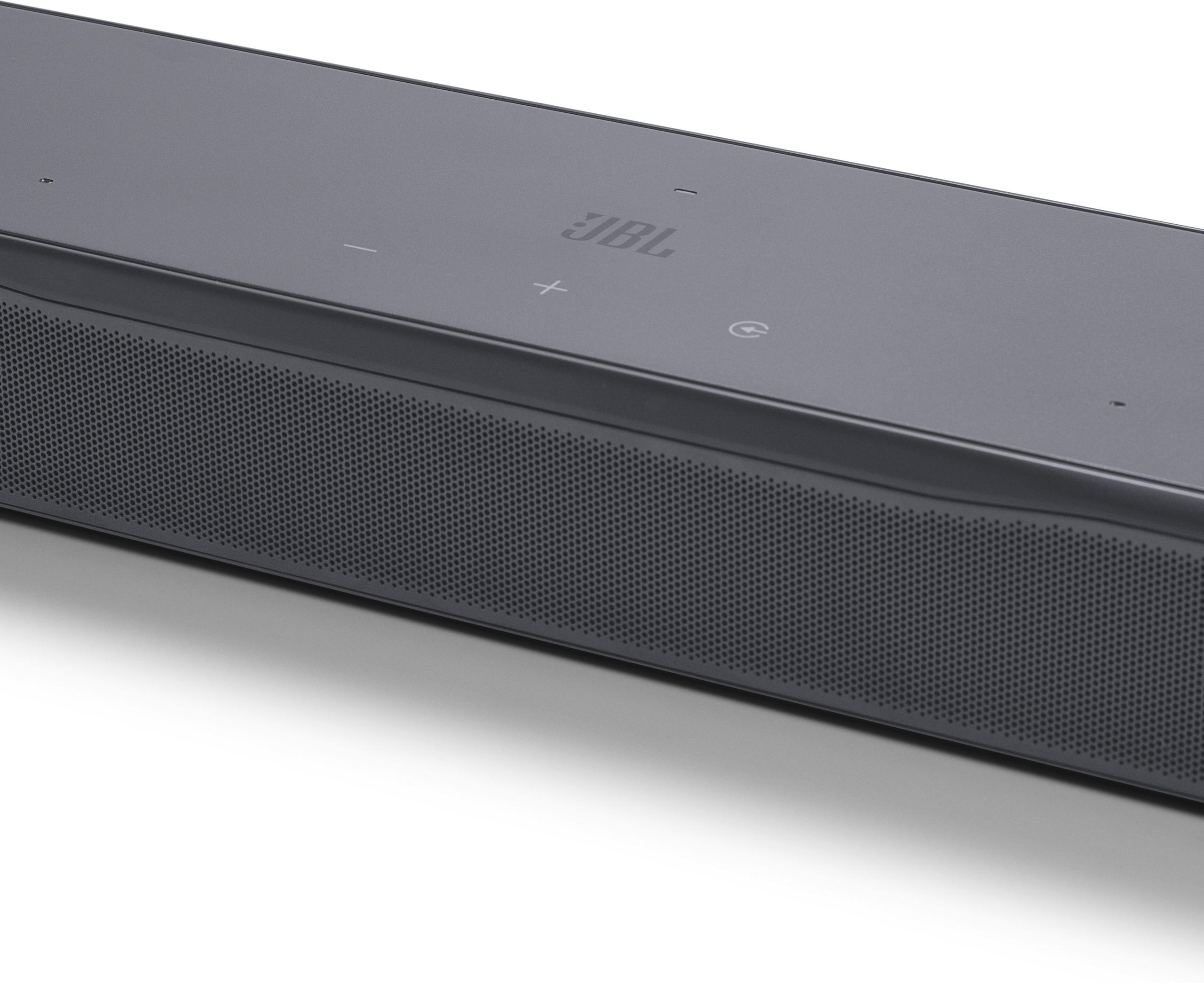
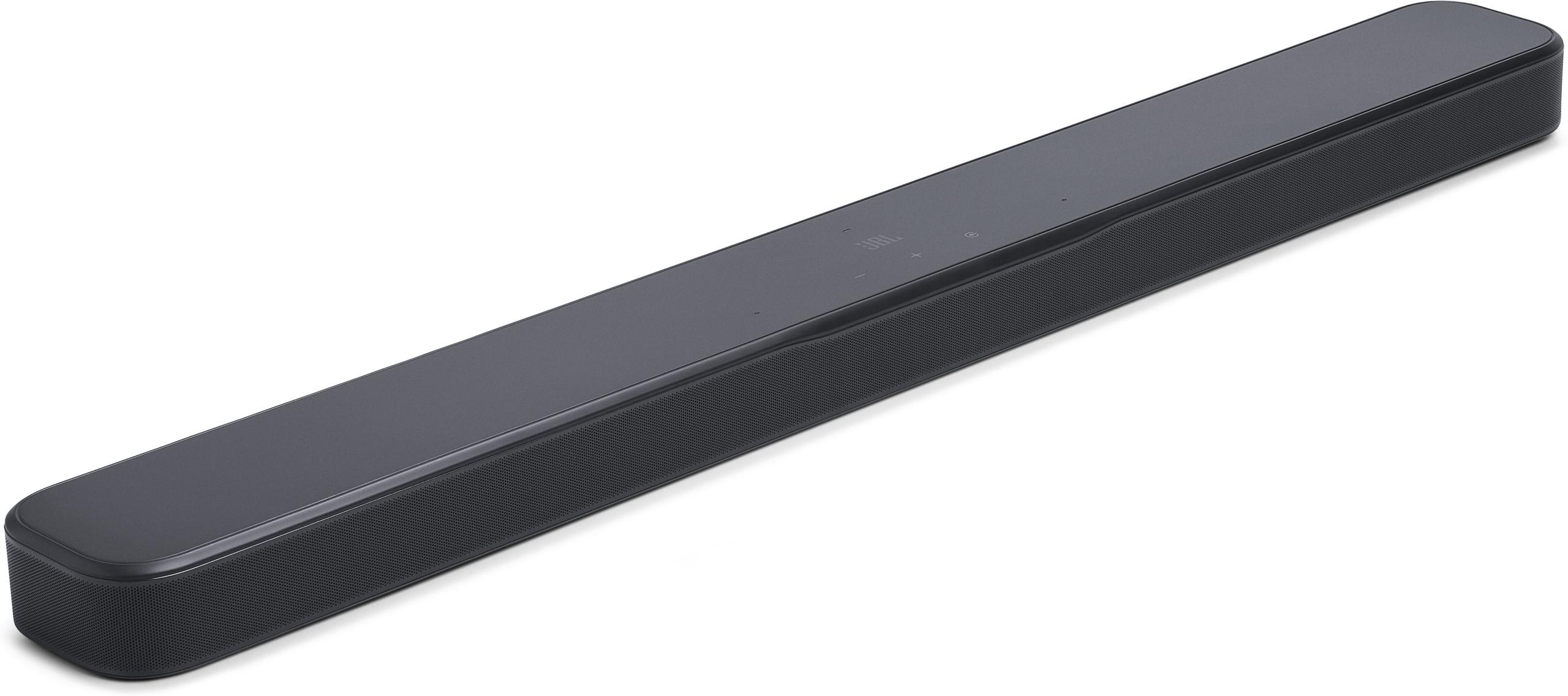
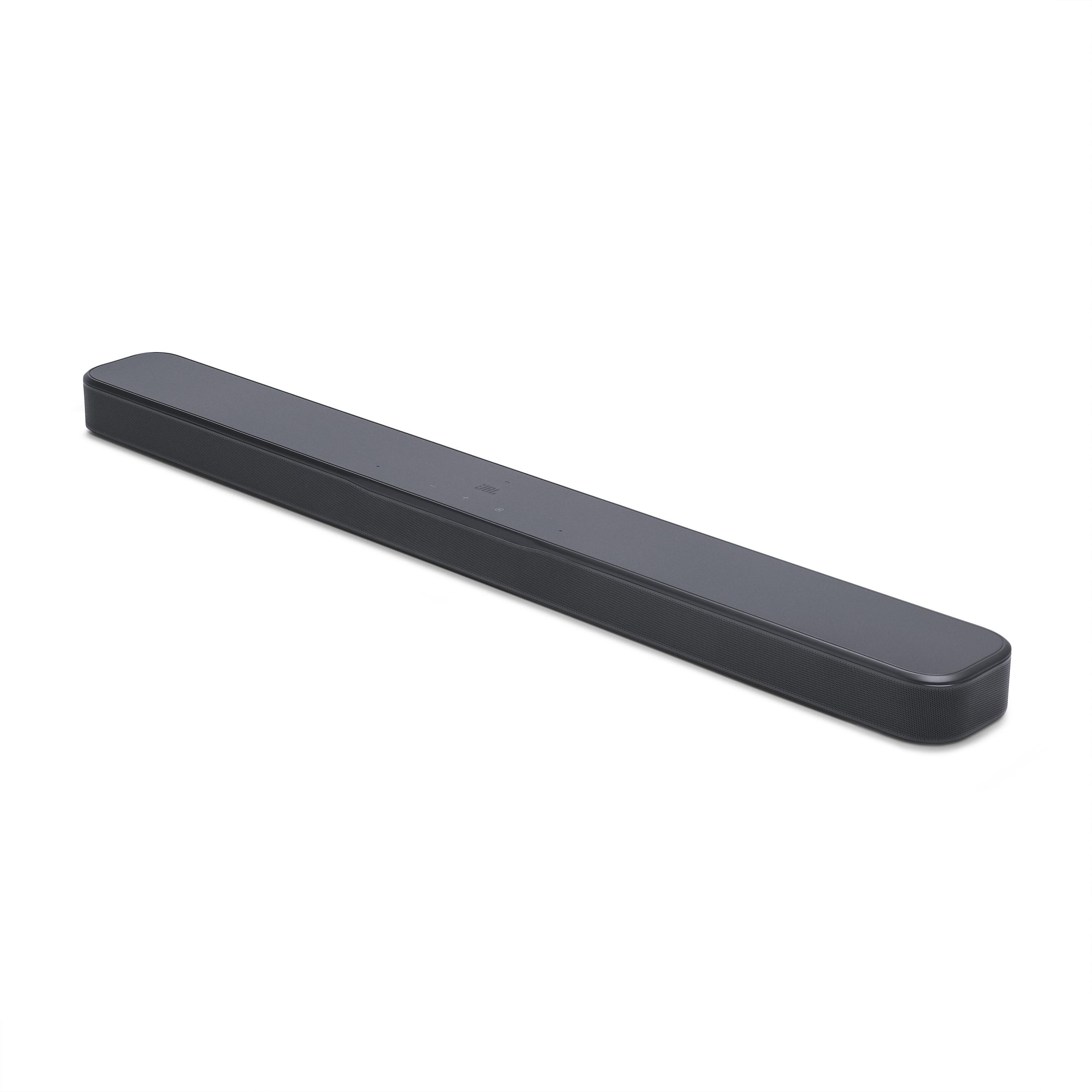
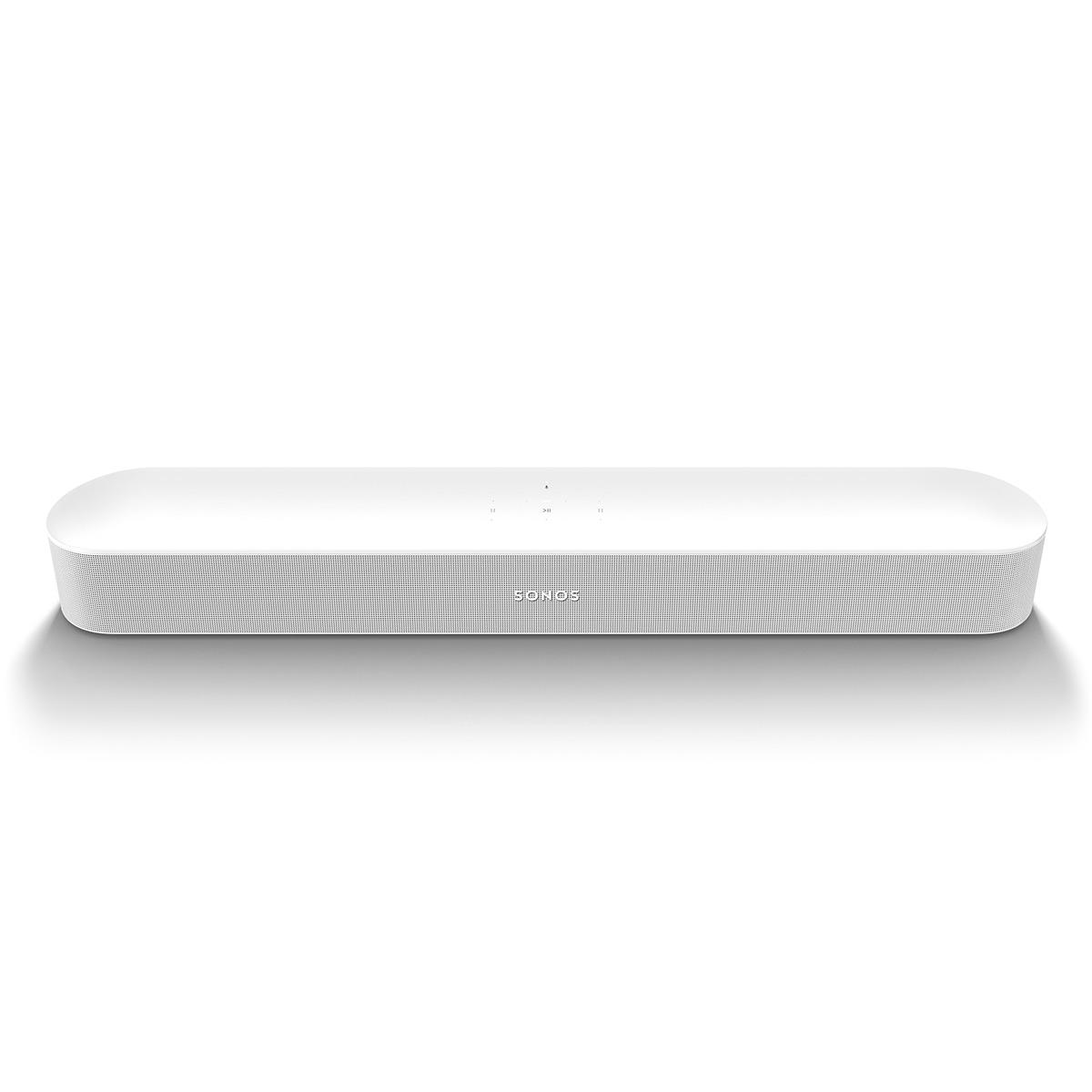
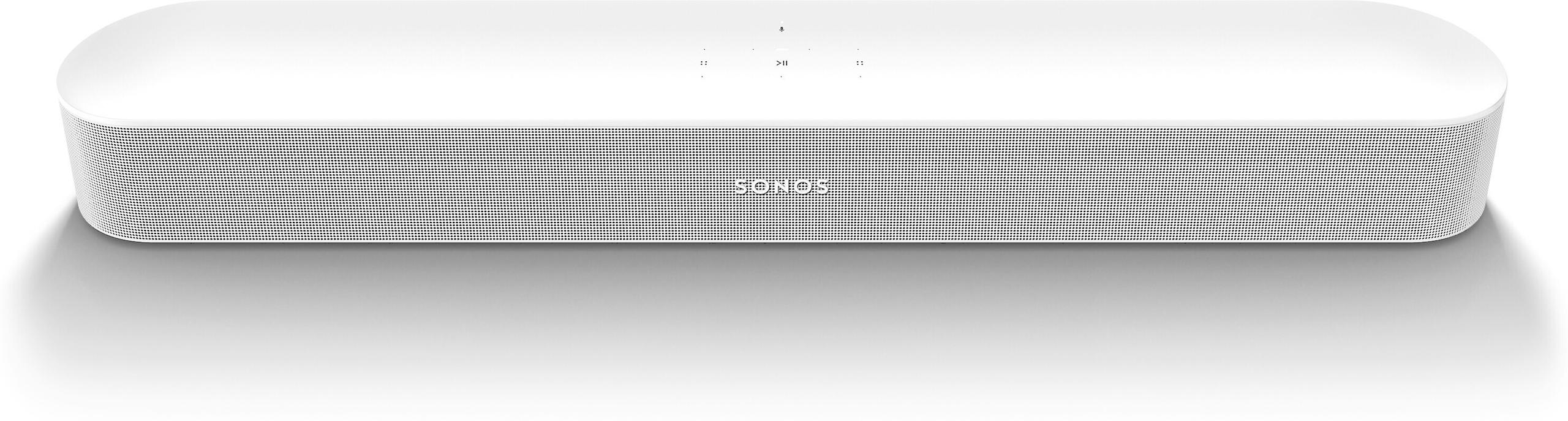
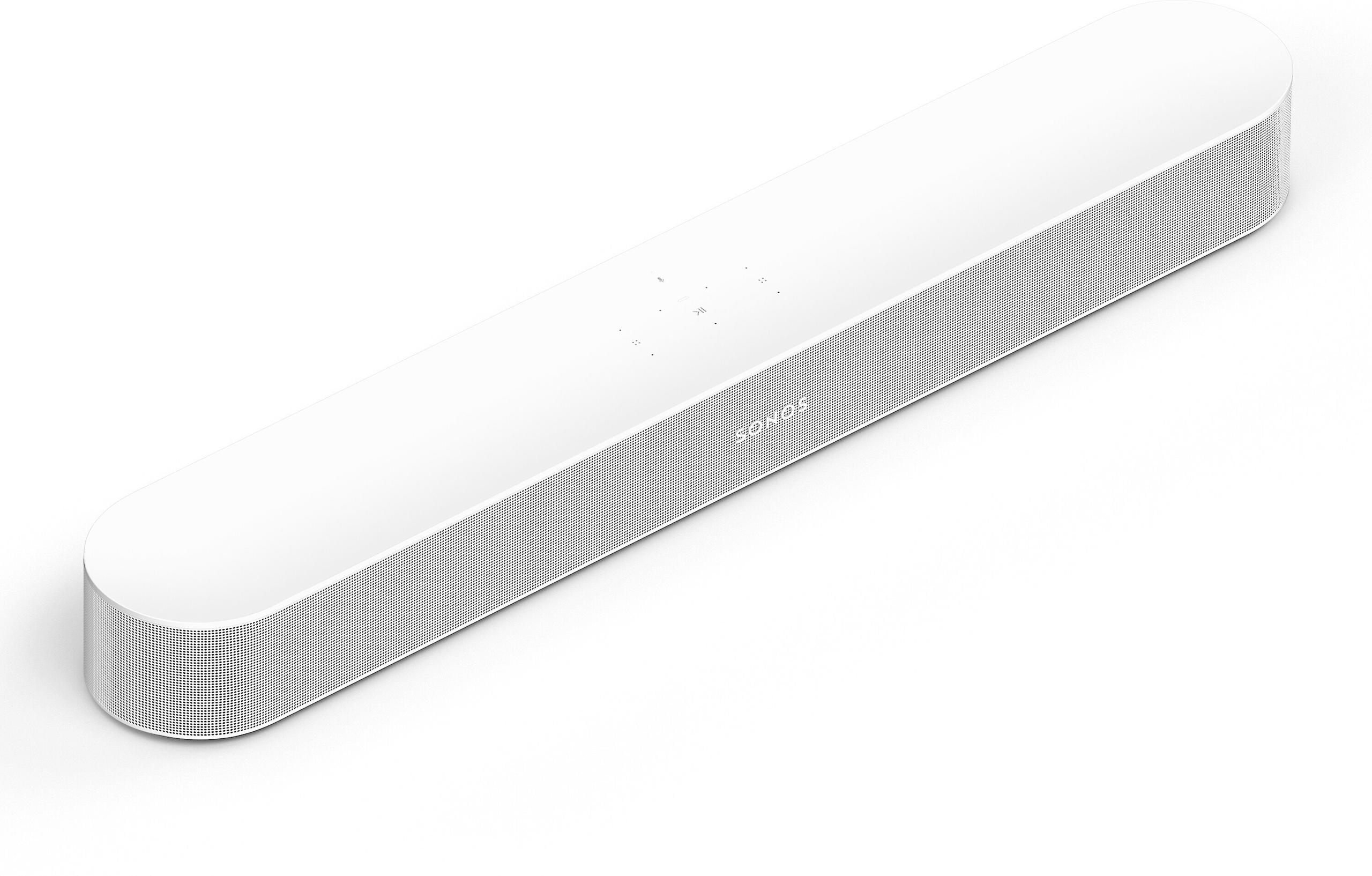
The JBL Bar 300 MK2 at $449 and Sonos Beam Gen 2 at $369 represent two very different philosophies in the compact soundbar world. After spending time with both systems, I can tell you they each excel in different ways. The JBL focuses on giving you everything you need right out of the box, while the Sonos takes a modular approach that can grow with your needs (and budget) over time.
Before diving into the comparison, let's talk about what compact soundbars are trying to accomplish. Unlike massive home theater systems with speakers scattered around your room, these single-unit solutions need to create the illusion of surround sound while sitting directly under your TV. It's a tough engineering challenge that involves some clever audio processing tricks.
The main things to consider when shopping for a compact soundbar are how well it handles different types of content (movies vs music vs TV shows), whether it can create a convincing sense of space and dimension, how clear dialogue sounds during complex scenes, and whether the system can adapt to your specific room and future needs.
Both soundbars use what's called "virtual surround processing" – essentially, they use digital signal processing (DSP) to manipulate audio timing and phase relationships, tricking your brain into hearing sounds that seem to come from beside and behind you, even though all the speakers are in front. It's not magic, but when done well, it can be surprisingly effective.
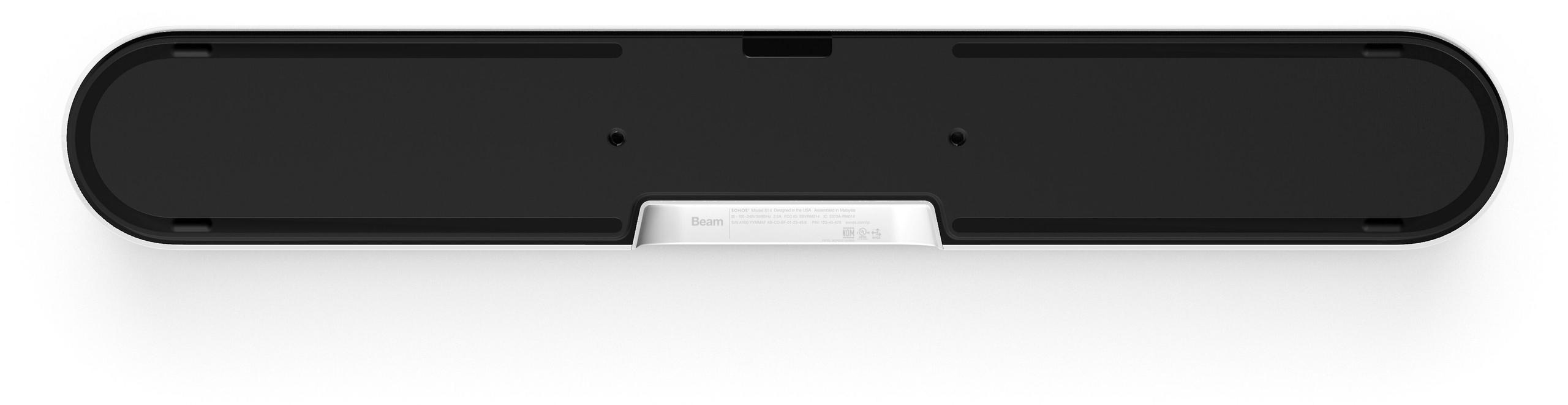
The Sonos Beam Gen 2 launched in October 2021 as an update to Sonos' popular original Beam. The main improvement was adding Dolby Atmos support – a surround sound format that adds height information to create more three-dimensional audio. Sonos achieved this without adding upward-firing drivers (speakers that bounce sound off your ceiling) by using psychoacoustic processing, which manipulates how sounds reach each ear to create the perception of height.
Since its release, Sonos has continuously updated the Beam Gen 2 through software updates, improving its room calibration algorithms and adding new streaming service integrations. The company's approach has always been about creating an ecosystem where different Sonos speakers work together seamlessly.
The JBL Bar 300 MK2, on the other hand, is brand new for 2025, representing JBL's latest thinking on all-in-one soundbar design. It's part of their "MK2" series refresh, which focuses on delivering more complete experiences without requiring additional components. JBL learned from years of user feedback that many people never expand their soundbar systems, so they engineered the Bar 300 MK2 to excel as a standalone unit.
The "MK2" designation indicates several key improvements over previous JBL soundbars: upgraded wireless connectivity with Wi-Fi 6 support, enhanced voice processing through their PureVoice 2.0 technology, and most importantly, redesigned bass radiators that can produce deeper low frequencies without a separate subwoofer.
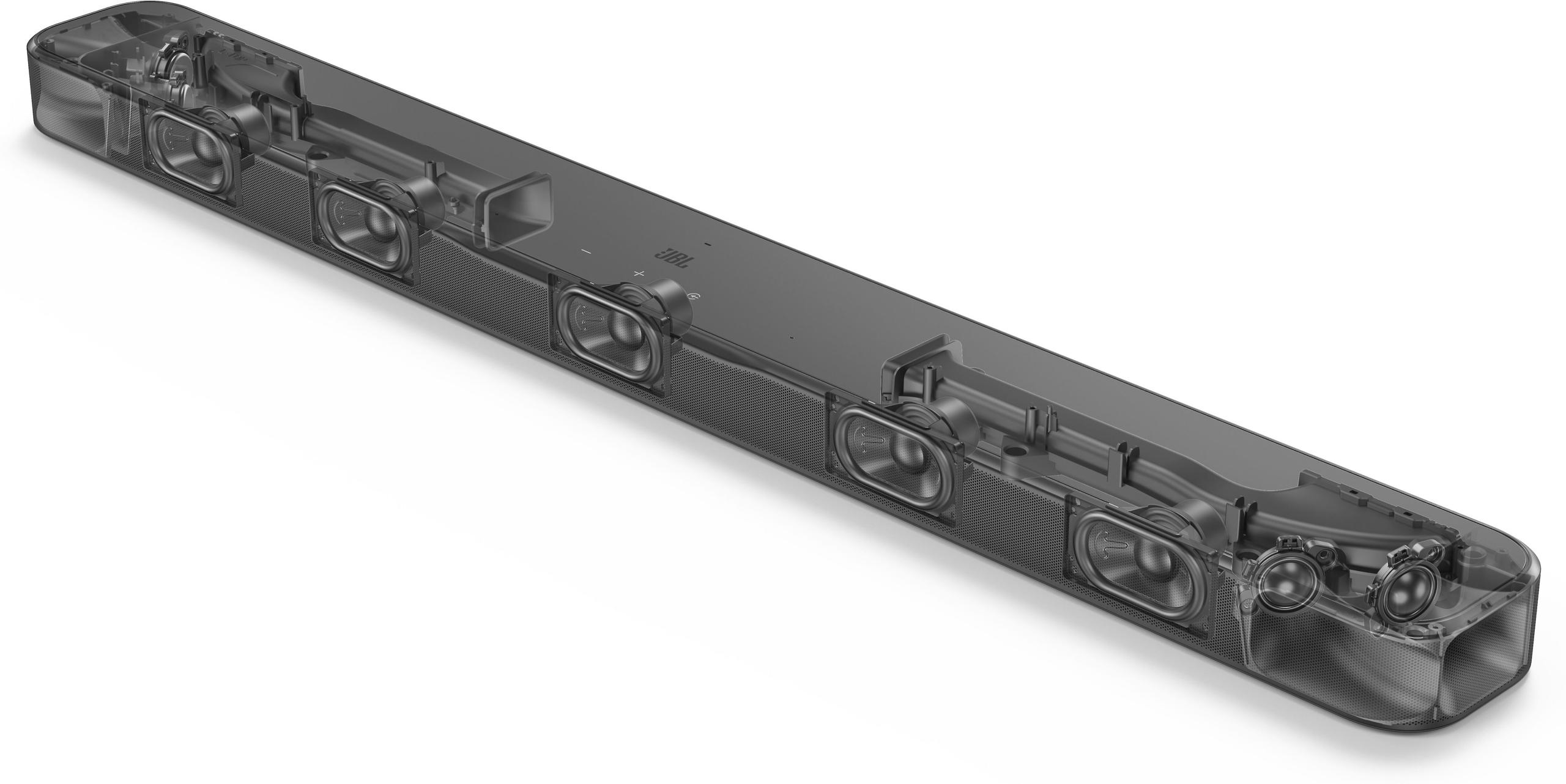
This is where the two soundbars take dramatically different approaches. The JBL Bar 300 MK2 includes what JBL calls "integrated bass radiators" – these are specialized speakers that move a lot of air to create low-frequency sounds. Think of them as mini-subwoofers built into the soundbar itself. With 450W of maximum power output, the JBL can push these bass radiators hard enough to create genuine impact during action scenes.
When I tested the JBL with "Mad Max: Fury Road," the engine roars and explosions had real weight behind them. You could feel the bass in your chest, which is something most compact soundbars struggle with. The bass radiators work by using the internal volume of the soundbar as a resonating chamber, amplifying low frequencies without requiring a separate box sitting on your floor.
The Sonos Beam Gen 2 takes a different approach with passive radiators – these are essentially speakers without magnets that vibrate in response to the main drivers. They help extend bass response, but they're designed to work optimally when paired with Sonos' separate Sub subwoofer. On its own, the Beam produces what I'd call "polite" bass – it's there, it's controlled, but it won't rattle your windows or give you that theater-like impact for action movies.
However, this isn't necessarily a weakness. The Sonos approach means the bass never overwhelms dialogue or interferes with the midrange frequencies where most music and voices live. If you primarily watch dramas, comedies, or listen to acoustic music, the Beam's restrained bass response might actually be preferable.
Here's where things get interesting, and where the Sonos Beam Gen 2 really shines. Sonos has invested heavily in what they call AI-powered speech enhancement, which analyzes incoming audio in real-time to identify and emphasize human voices. The system has three adjustable levels, and even on the lowest setting, dialogue cuts through background noise with remarkable clarity.
During my testing with "The Dark Knight" – a movie notorious for muddy dialogue mixed with overwhelming sound effects – the Sonos made every word from Christian Bale's gravelly Batman voice clearly intelligible. The system seems to understand the frequency range where human speech lives and gives it priority without making voices sound artificial or overly processed.
The JBL's PureVoice 2.0 technology is also impressive, but it takes a more aggressive approach. While it does enhance dialogue clarity, sometimes voices can sound slightly processed or separated from the rest of the audio mix. It's effective, but the Sonos feels more natural in how it handles speech enhancement.
For anyone who regularly watches foreign films with subtitles or struggles to hear dialogue clearly, this difference in speech processing could be the deciding factor. The Sonos consistently made me reach for the remote to turn off subtitles, while the JBL had me adjusting the voice enhancement levels more frequently.
Both soundbars create virtual surround sound, but they go about it differently. The JBL Bar 300 MK2 uses their MultiBeam 3.0 technology, which employs multiple drivers pointing in different directions combined with digital processing to create the illusion of a wider soundstage. The result is impressive for a single unit – sounds seem to extend well beyond the physical boundaries of the soundbar.
However, the JBL's approach can sometimes feel a bit artificial. During quiet scenes in movies, you can occasionally hear the processing working, creating subtle echoes or phase shifts that remind you you're listening to a single speaker trying to sound like many.
The Sonos Beam Gen 2 creates its soundstage through more subtle means. Instead of using dramatic processing effects, it relies on precise timing differences and a dedicated center tweeter (a small speaker optimized for high frequencies) flanked by side-firing drivers. The result feels more natural, though perhaps less dramatically "wide" than the JBL.
Where the Sonos really excels is in maintaining coherent stereo imaging – when a car drives across the screen, the sound follows smoothly from left to right without gaps or inconsistencies. The JBL can sometimes lose this coherence during complex scenes, with sounds jumping between positions rather than moving smoothly.
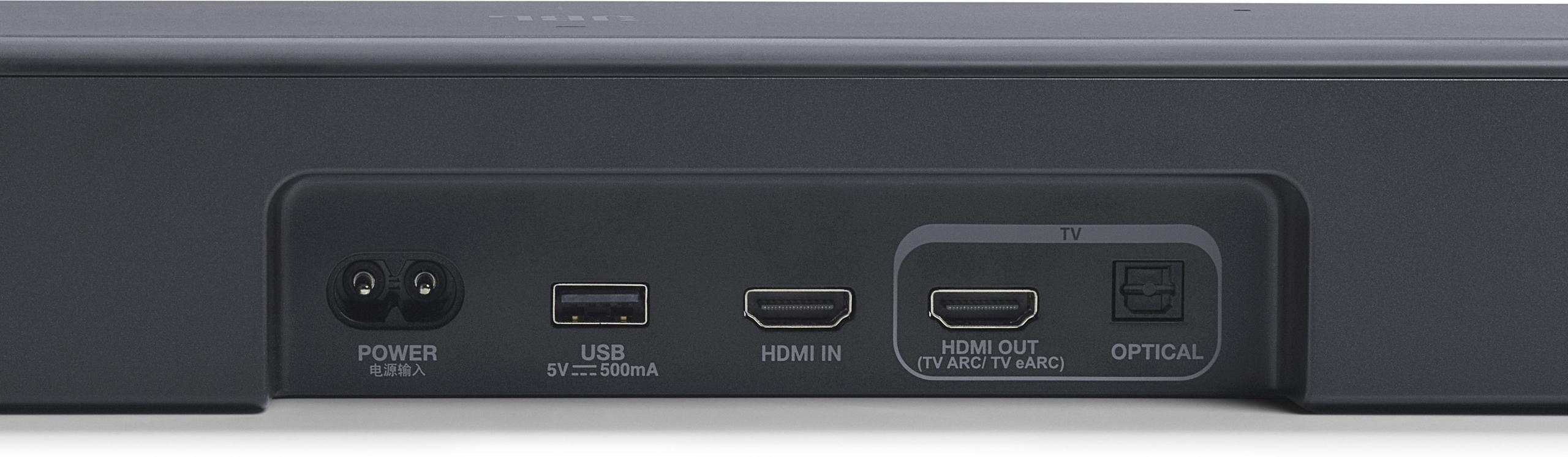
The JBL Bar 300 MK2 takes a "support everything" approach to connectivity. It includes Bluetooth 5.0 for direct device pairing, Wi-Fi 6 for the fastest possible wireless streaming, Chromecast built-in for Android users, and AirPlay 2 for iPhone and iPad users. This means virtually any device you own can stream audio to the JBL directly.
The inclusion of Wi-Fi 6 is particularly noteworthy – this is the latest wireless standard that provides faster data transfer and better handling of multiple connected devices. For high-resolution music streaming or when multiple family members are using the home network simultaneously, Wi-Fi 6 ensures your audio won't stutter or drop out.
The Sonos Beam Gen 2 is more selective about its wireless connectivity. It doesn't support Bluetooth audio at all, instead focusing entirely on Wi-Fi-based streaming through AirPlay 2 and the Sonos app. This might seem limiting, but there's a reason for this approach: Bluetooth compresses audio significantly, while Wi-Fi can handle uncompressed or losslessly compressed audio for better sound quality.
The trade-off is convenience versus quality. With the JBL, you can quickly connect any Bluetooth device and start playing music immediately. With the Sonos, you need to use specific apps or AirPlay, but the audio quality will be noticeably better, especially with high-quality music sources.
Both soundbars integrate with voice assistants, but in different ways. The Sonos Beam Gen 2 has Amazon Alexa and Google Assistant built directly into the soundbar – you can ask it questions, control smart home devices, or change music without touching a remote.
The JBL Bar 300 MK2 works with voice assistants through other devices. If you have an Amazon Echo or Google Home speaker, you can control the JBL through voice commands, but the soundbar itself doesn't have microphones for direct voice control.
In practice, I found the Sonos approach more convenient for simple tasks like adjusting volume or changing music, while the JBL's approach keeps costs down and avoids privacy concerns about always-listening microphones.
This is where the technological differences become really apparent. The Sonos Beam Gen 2 includes TruePlay room calibration, which uses the microphones in an iOS device (iPhone or iPad) to measure how sound bounces around your specific room. The system then adjusts its audio processing to compensate for room acoustics.
I tested TruePlay in both a small apartment living room and a larger family room, and the difference was substantial. In the smaller room, TruePlay tightened up the bass response to prevent booming. In the larger room, it enhanced certain frequencies to help the sound carry better. The calibration process takes about two minutes and genuinely improves performance.
The JBL Bar 300 MK2 includes automatic calibration that happens without user intervention, but it's less sophisticated. The soundbar uses its built-in microphones to make basic adjustments, but it can't account for complex room acoustics the way TruePlay can.
However, the JBL offers more manual customization through its app, with detailed EQ controls that let you adjust bass, midrange, and treble to your preferences. The Sonos app provides fewer manual controls, assuming that TruePlay and their audio engineers have optimized the sound better than most users could manually.
When it comes to home theater use, both soundbars deliver significant improvements over TV speakers, but they excel in different scenarios. The JBL Bar 300 MK2 is the better choice for action movies, sci-fi films, and anything with a dynamic soundtrack. Its powerful bass radiators mean explosions have real impact, and the wide soundstage processing makes space battles feel expansive.
During my testing with "Blade Runner 2049," the JBL's bass radiators brought Hans Zimmer's thunderous score to life in a way the Sonos simply couldn't match. The deep, rumbling tones that underpin the film's atmosphere came through with authority, creating a more immersive experience.
However, the Sonos Beam Gen 2 is superior for dialogue-heavy content like dramas, comedies, or anything where clear speech is paramount. Its speech enhancement technology means you'll catch every subtle line delivery, making it ideal for prestige television or character-driven films.
The Sonos also handles music more naturally. While both soundbars can stream music from various services, the Sonos maintains better tonal balance across different genres. Jazz sounds warm and natural, classical music has proper instrument separation, and even compressed pop music sounds fuller than it does through the JBL.
This might be the most important long-term consideration. The JBL Bar 300 MK2 is what it is – you can't add a subwoofer later, you can't add rear speakers, and you can't create a multi-room audio system. This is both a strength and a limitation.
The strength is simplicity and predictable costs. You pay $449 once and get a complete audio upgrade that will serve you well for years. The limitation is that if your needs change – you move to a larger room, develop more sophisticated audio tastes, or want to expand to other rooms – you'd need to start over with a different system.
The Sonos Beam Gen 2 is designed from the ground up for expansion. Adding the Sonos Sub ($749) transforms the system's bass response dramatically – it's not just more bass, it's better bass that doesn't interfere with dialogue or midrange frequencies. Adding rear speakers (Sonos Era 100 at $249 each) creates genuine surround sound that's far more convincing than any virtual processing.
I had the opportunity to test the full Sonos system (Beam + Sub + rear speakers), and the difference is substantial. The expanded system creates a true home theater experience that rivals much more expensive traditional setups. However, the total cost reaches $2,197, which puts it in a completely different category.
After living with both systems, I can identify specific scenarios where each excels. The JBL Bar 300 MK2 is perfect for apartment dwellers, college students, or anyone who wants the biggest audio improvement for a single purchase. It's also ideal for people who watch a lot of action movies, play video games, or listen to bass-heavy music genres.
The bass radiators make video games particularly engaging – the rumble of engines in racing games, the impact of weapons in shooters, and the environmental audio in adventure games all benefit from the JBL's powerful low-frequency response.
The Sonos Beam Gen 2 shines for people who watch a lot of television series, foreign films, or listen to a wide variety of music. Its superior dialogue clarity makes binge-watching complex shows more enjoyable, and its natural music reproduction makes it a better choice for background listening during daily activities.
The Sonos is also better for homes where multiple people have different audio preferences. The ecosystem approach means you can start with the Beam in the living room, add speakers to bedrooms or kitchen later, and control everything through a single app.
Choosing between these two excellent soundbars comes down to understanding your priorities and future plans. If you want immediate, complete satisfaction and primarily watch action-oriented content, the JBL Bar 300 MK2 delivers more impact per dollar spent. Its powerful bass and wide soundstage processing create an engaging experience that doesn't require additional purchases.
If dialogue clarity is your top priority, or if you think you might want to expand your audio system in the future, the Sonos Beam Gen 2 provides superior speech enhancement and upgrade flexibility. While the initial bass response is modest, the system's expandability means it can grow into a truly impressive home theater setup.
For most people, I'd recommend considering how you actually use your TV. If you're primarily streaming Netflix series, watching news, or enjoying dialogue-heavy content, the Sonos will serve you better daily. If you're hosting movie nights, playing games, or want that immediate "wow factor" when switching from TV speakers, the JBL provides more dramatic improvement right away.
Both soundbars represent excellent value in their own ways – the JBL as a complete solution, the Sonos as the foundation of something bigger. Either choice will significantly improve your audio experience, but understanding these fundamental differences will help you pick the one that matches your specific needs and future plans.
| JBL Bar 300 MK2 | Sonos Beam Gen 2 |
|---|---|
| Price - Initial investment for a complete soundbar system | |
| $449 (complete system, no expansion needed) | $369 (starter system, designed for future expansion) |
| Power Output - Determines maximum volume and bass impact | |
| 450W maximum (strong bass without subwoofer) | Not specified (optimized for dialogue clarity) |
| Bass System - Critical for action movies and music enjoyment | |
| Built-in bass radiators (no subwoofer needed) | Passive radiators (designed for Sonos Sub pairing) |
| Dolby Atmos - Creates virtual surround sound from overhead | |
| Virtual processing with MultiBeam 3.0 technology | Virtual processing with dedicated center tweeter |
| Dialogue Enhancement - Essential for clear speech in movies/TV | |
| PureVoice 2.0 (effective but can sound processed) | AI-powered speech enhancement (more natural sounding) |
| Wireless Connectivity - Affects streaming quality and device compatibility | |
| Bluetooth 5.0, Wi-Fi 6, Chromecast, AirPlay 2 | Wi-Fi only, AirPlay 2 (no Bluetooth, better audio quality) |
| Voice Assistant Integration - Convenience for hands-free control | |
| Works with external Alexa/Google devices | Built-in Alexa and Google Assistant |
| Room Calibration - Optimizes sound for your specific space | |
| Automatic calibration via built-in microphones | TruePlay calibration using iOS device (more sophisticated) |
| Expandability - Future upgrade options without starting over | |
| None (complete standalone system) | Full ecosystem (Sub $749, rear speakers $249 each) |
| Physical Remote - Traditional control without needing phone apps | |
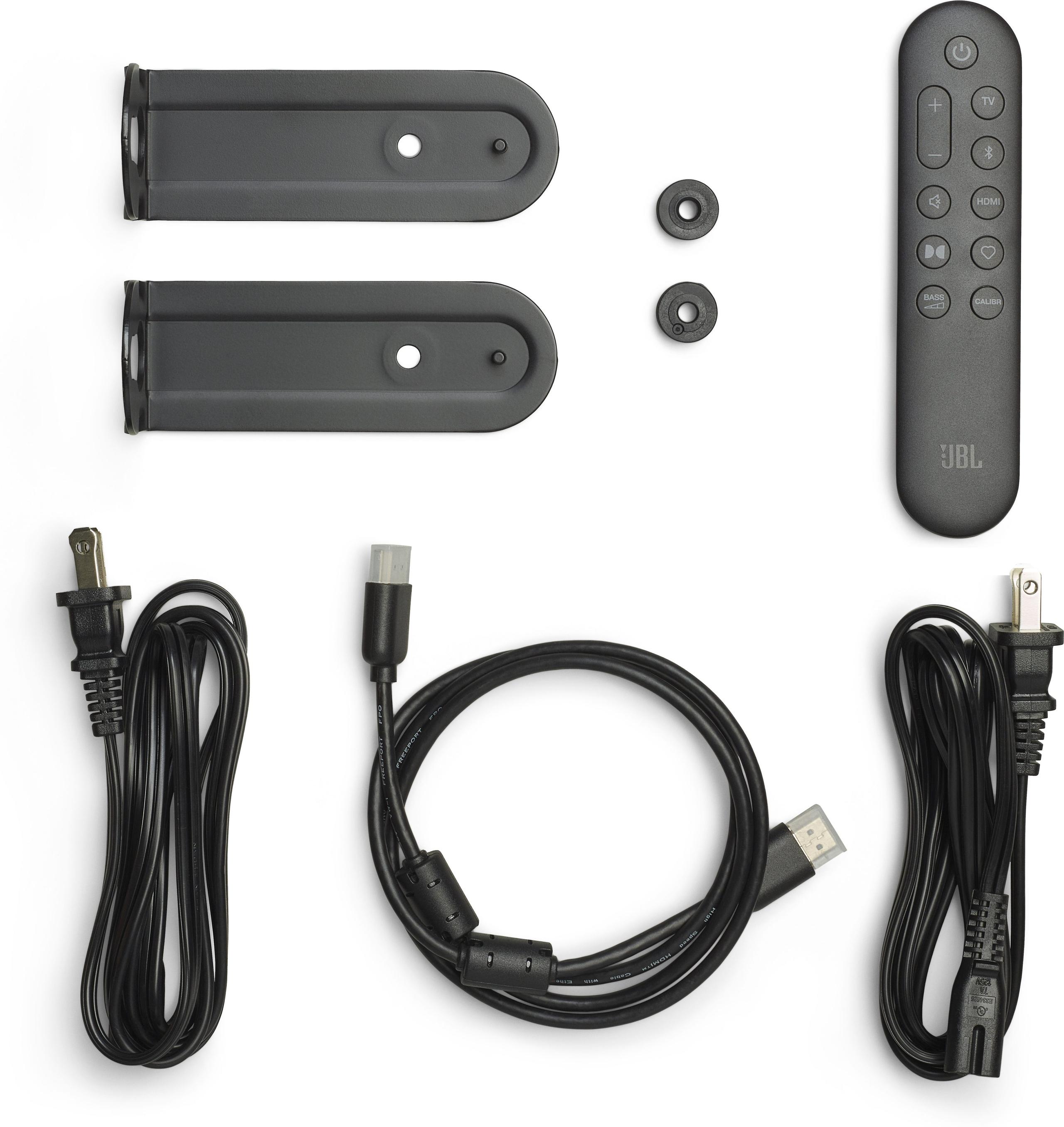
| Included physical remote | App-based control (no physical remote) |
| Dimensions - Important for TV stand compatibility | |
| 32.3" x 2.2" x 4.1" (longer, may overhang smaller TVs) | 25.6" x 2.7" x 3.9" (compact, fits most TV stands) |
| Best For - Primary use case where each excels | |
| Action movies, gaming, complete bass without expansion | Dialogue clarity, music, expandable home theater system |
The JBL Bar 300 MK2 is better for action movies and blockbusters due to its powerful built-in bass radiators that deliver impactful explosions and rumbling effects without needing a separate subwoofer. The Sonos Beam Gen 2 excels with dialogue-heavy films and dramas thanks to its superior AI-powered speech enhancement that makes every word crystal clear, even during complex scenes.
The Sonos Beam Gen 2 costs $369, while the JBL Bar 300 MK2 is priced at $449 - an $80 difference. However, the Sonos is designed for expansion and typically requires the $749 Sonos Sub for comparable bass, making a full system significantly more expensive than the JBL's all-in-one approach.
The JBL Bar 300 MK2 delivers significantly better standalone bass with its integrated bass radiators and 450W power output. The Sonos Beam Gen 2 has more restrained bass that's designed to work optimally with the separate Sonos Sub, making it feel underwhelming for bass-heavy content when used alone.
The Sonos Beam Gen 2 is built for expansion - you can add the Sonos Sub ($749) and rear speakers ($249 each) to create a full surround system. The JBL Bar 300 MK2 cannot be expanded with additional JBL components, making it a complete standalone solution from the start.
The Sonos Beam Gen 2 is superior for dialogue clarity with its AI-powered speech enhancement that has three adjustable levels and makes voices sound natural even during noisy scenes. While the JBL Bar 300 MK2 has PureVoice 2.0 technology, it can sometimes make dialogue sound slightly processed compared to the Sonos.
Yes, both the JBL Bar 300 MK2 and Sonos Beam Gen 2 support Dolby Atmos, but through virtual processing rather than dedicated upfiring speakers. The Sonos creates a more natural soundstage with its dedicated center tweeter, while the JBL uses MultiBeam 3.0 technology for wider virtual surround effects.
The JBL Bar 300 MK2 offers more connectivity options including Bluetooth 5.0, Wi-Fi 6, Chromecast built-in, and AirPlay 2, making it compatible with virtually any device. The Sonos Beam Gen 2 focuses on Wi-Fi streaming through AirPlay 2 and the Sonos app, providing better audio quality but fewer connection options.
The JBL Bar 300 MK2 delivers a bass-forward, impactful sound that's great for action content but can sound bright or hollow in midrange frequencies. The Sonos Beam Gen 2 offers more balanced, natural audio with exceptional dialogue clarity and better musicality, though it lacks the dramatic bass impact of the JBL.
Both work well in small rooms, but the Sonos Beam Gen 2 has advantages with its compact 25.6-inch width, TruePlay room calibration that optimizes sound for your specific space, and controlled bass that won't overwhelm smaller areas. The JBL Bar 300 MK2 is longer at 32.3 inches and may overpower very small spaces with its robust bass output.
The JBL Bar 300 MK2 includes a physical remote control for traditional operation. The Sonos Beam Gen 2 relies primarily on app-based control through the Sonos app, though it also supports voice commands through its built-in Alexa and Google Assistant.
For immediate value, the JBL Bar 300 MK2 at $449 provides a complete audio upgrade with strong bass and wide connectivity without requiring additional purchases. The Sonos Beam Gen 2 at $369 offers better long-term value if you plan to expand, but a complete system with Sub and rears costs over $2,000.
The JBL Bar 300 MK2 is simpler to set up with automatic calibration and traditional remote control, making it more user-friendly for those who prefer straightforward operation. The Sonos Beam Gen 2 requires the Sonos app for most functions and benefits from TruePlay calibration using an iOS device, but offers more sophisticated room optimization once properly configured.
We've done our best to create useful and informative comparisons to help you decide what product to buy. Our research uses advanced automated methods to create this comparison and perfection is not possible - please contact us for corrections or questions. These are the sites we've researched in the creation of this article: homecinemachoice.com - retailspecs.com - hometechnologyreview.com - whathifi.com - news.jbl.com - engadget.com - crutchfield.com - harmanaudio.com - techradar.com - bestbuy.com - jbl.com - sweech.co.ke - jbl.com - jbl.com.sg - mm.jbl.com - abcwarehouse.com - harmanaudio.com - sweetwater.com - ro.harmanaudio.com - dell.com - jbl.co.nz - whathifi.com - en.community.sonos.com - techradar.com - youtube.com - consumerreports.org - bestbuy.com - youtube.com - sonos.com - wave-electronics.com - en.community.sonos.com - epicsystems.tech - tomsguide.com - bestbuy.com

Privacy Policy
Terms and Conditions - Affiliate Policy
Home Security
© Copyright 2008-2026.
11816 Inwood Rd #1211, Dallas, TX 75244