





If you've ever tried watching an action movie on your TV's built-in speakers and found yourself constantly adjusting the volume—turning it up to hear dialogue, then quickly down when explosions threaten to wake the neighbors—you understand why soundbars exist. These sleek audio devices have become the go-to solution for transforming thin TV speakers into something that actually does justice to your favorite shows and movies.
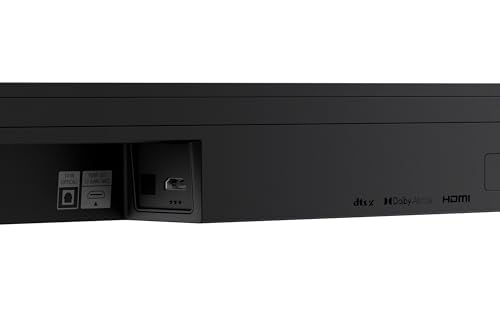
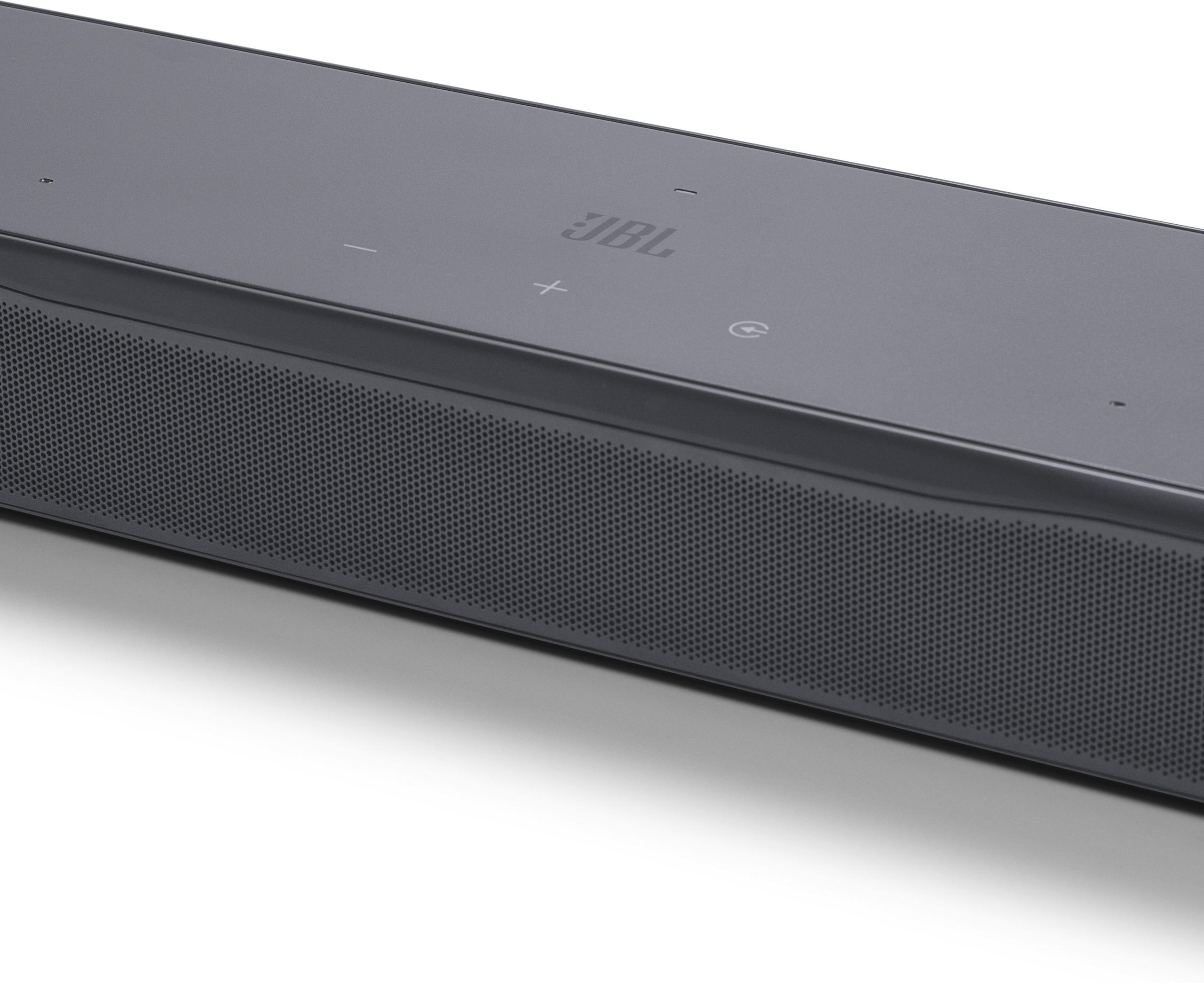
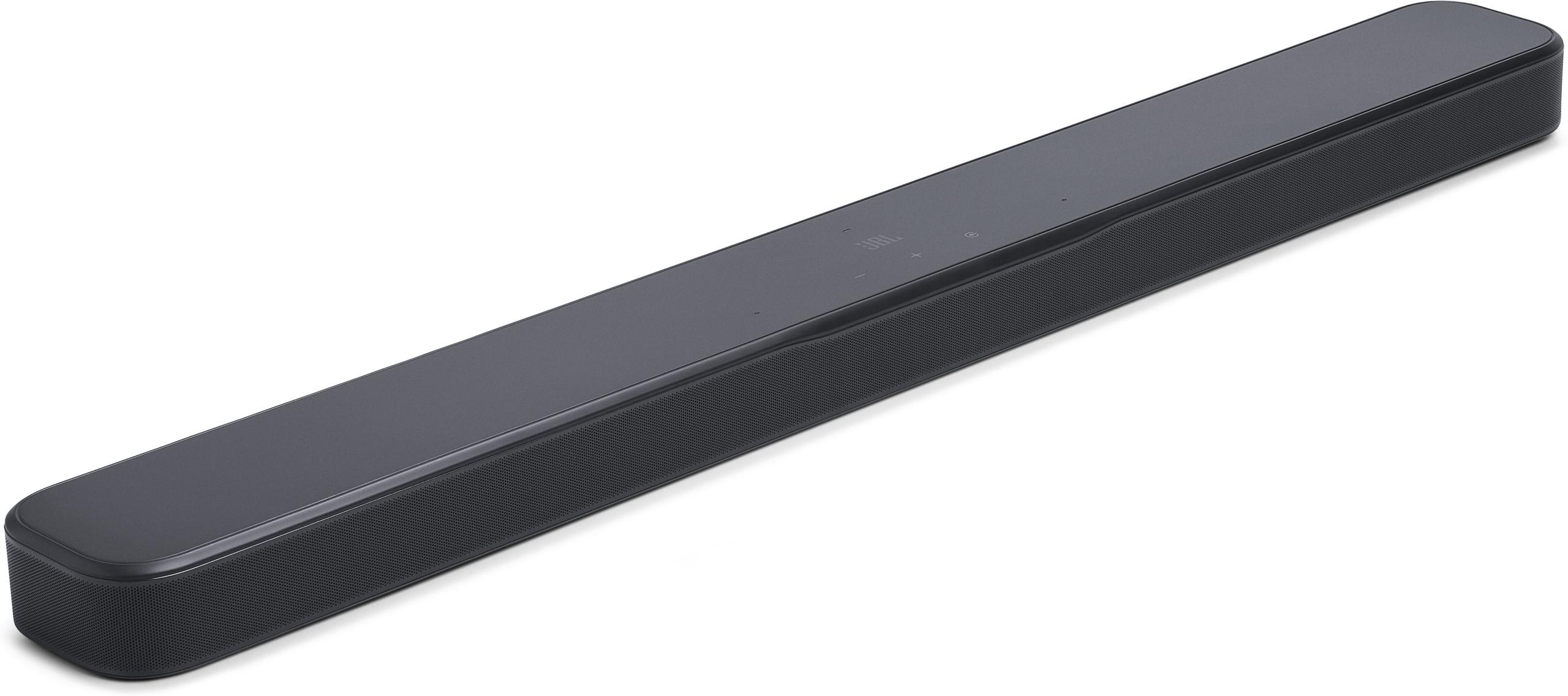
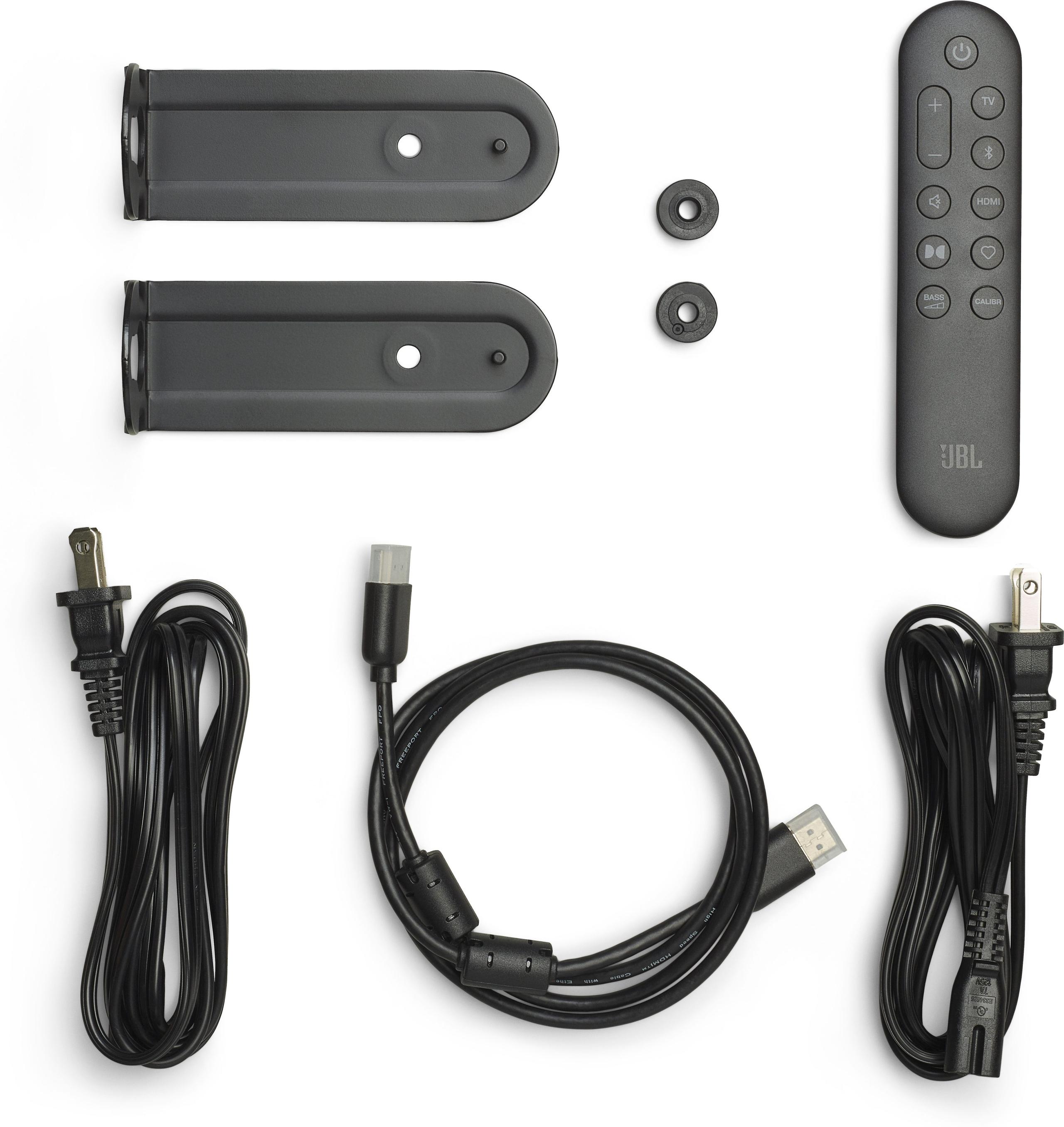
Today, we're comparing two soundbars that take notably different approaches to solving this problem: the Sony BRAVIA Theater Bar 6 and the JBL Bar 300 MK2. Both launched in 2025, representing the latest thinking in soundbar design, but they couldn't be more different in their philosophies.
Before diving into specifics, let's establish what makes a good soundbar in 2025. The key considerations haven't changed dramatically over the years, but the execution has become far more sophisticated.
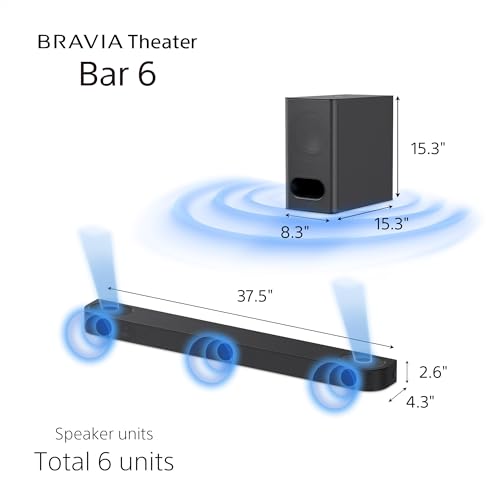
Audio channels represent the foundation of any soundbar system. Think of channels as individual audio streams—a 3.1 system means three main channels (left, center, right) plus one subwoofer channel (the ".1"). The Sony BRAVIA Theater Bar 6 uses a 3.1.2 configuration, where those final two numbers represent dedicated height channels that fire sound upward to bounce off your ceiling.
Spatial audio has revolutionized how we experience movies at home. Technologies like Dolby Atmos (a surround sound format that includes height information) create the illusion that sounds are coming from all around you, not just from the TV. This matters enormously for immersion—imagine hearing a helicopter pass overhead in a movie, with the sound actually seeming to move above you.
Dialogue clarity might be the most important practical consideration. Modern movie soundtracks often bury dialogue beneath complex soundscapes, making it essential that your soundbar can pull voices forward in the mix. This becomes crucial when you're watching late at night and can't turn the volume up.
The streaming era has also introduced new considerations. Many soundbars now function as standalone music players, connecting directly to Spotify or other services without requiring your TV to be on. This versatility extends their usefulness beyond just movie watching.
The Sony BRAVIA Theater Bar 6 and JBL Bar 300 MK2 represent fundamentally different approaches to soundbar design, and understanding these differences is key to making the right choice.
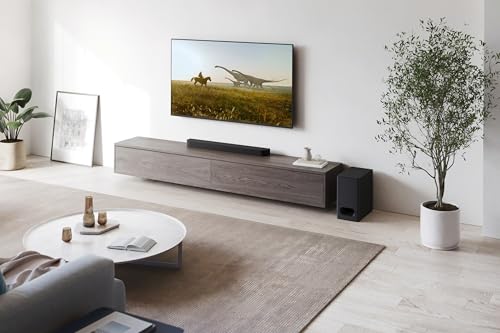
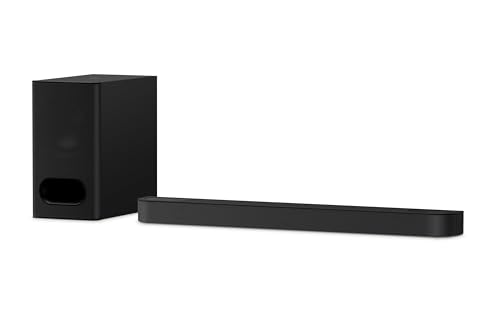
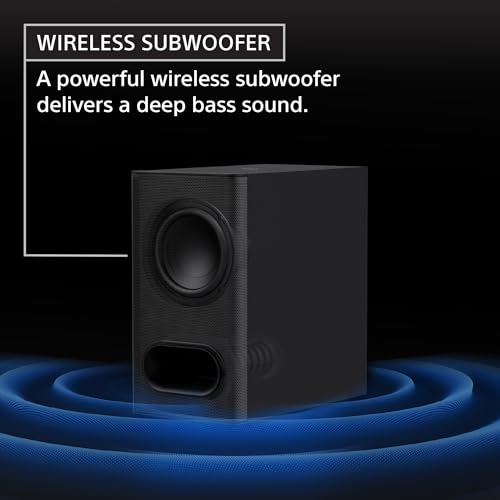
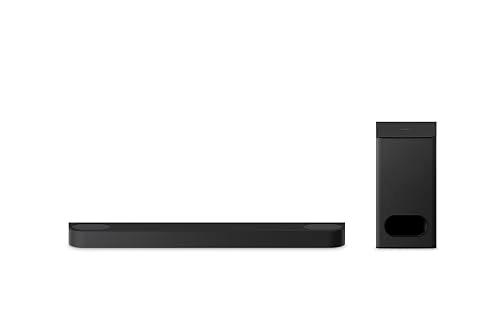
Sony's approach feels more traditional, following the "proper" home theater model. They've built a 3.1.2 system that includes a separate wireless subwoofer—essentially a dedicated speaker box that handles all the low-frequency sounds (bass). This subwoofer connects wirelessly to the main soundbar, meaning you don't need to run cables across your room, but you do need to find a spot for another component.
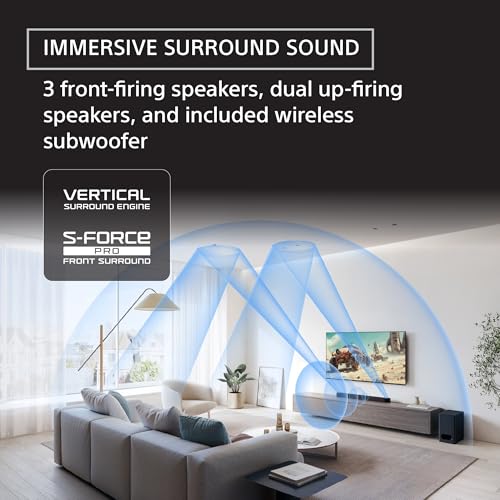
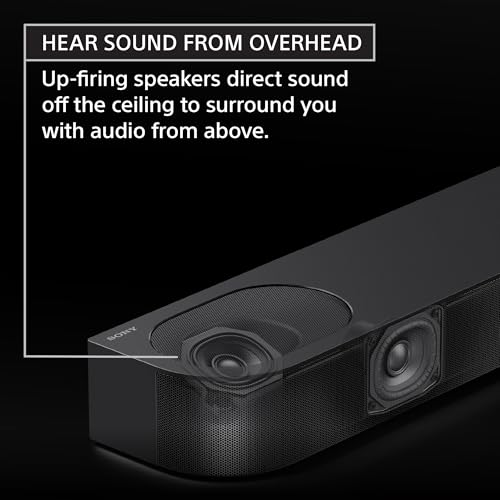
The height channels in the Sony BRAVIA Theater Bar 6 are physical speakers that fire sound upward. These aren't just marketing gimmicks—they create genuine height effects by bouncing sound off your ceiling. When a helicopter flies overhead in a movie, you'll actually hear it above you, assuming your room has decent acoustics and a relatively flat ceiling.
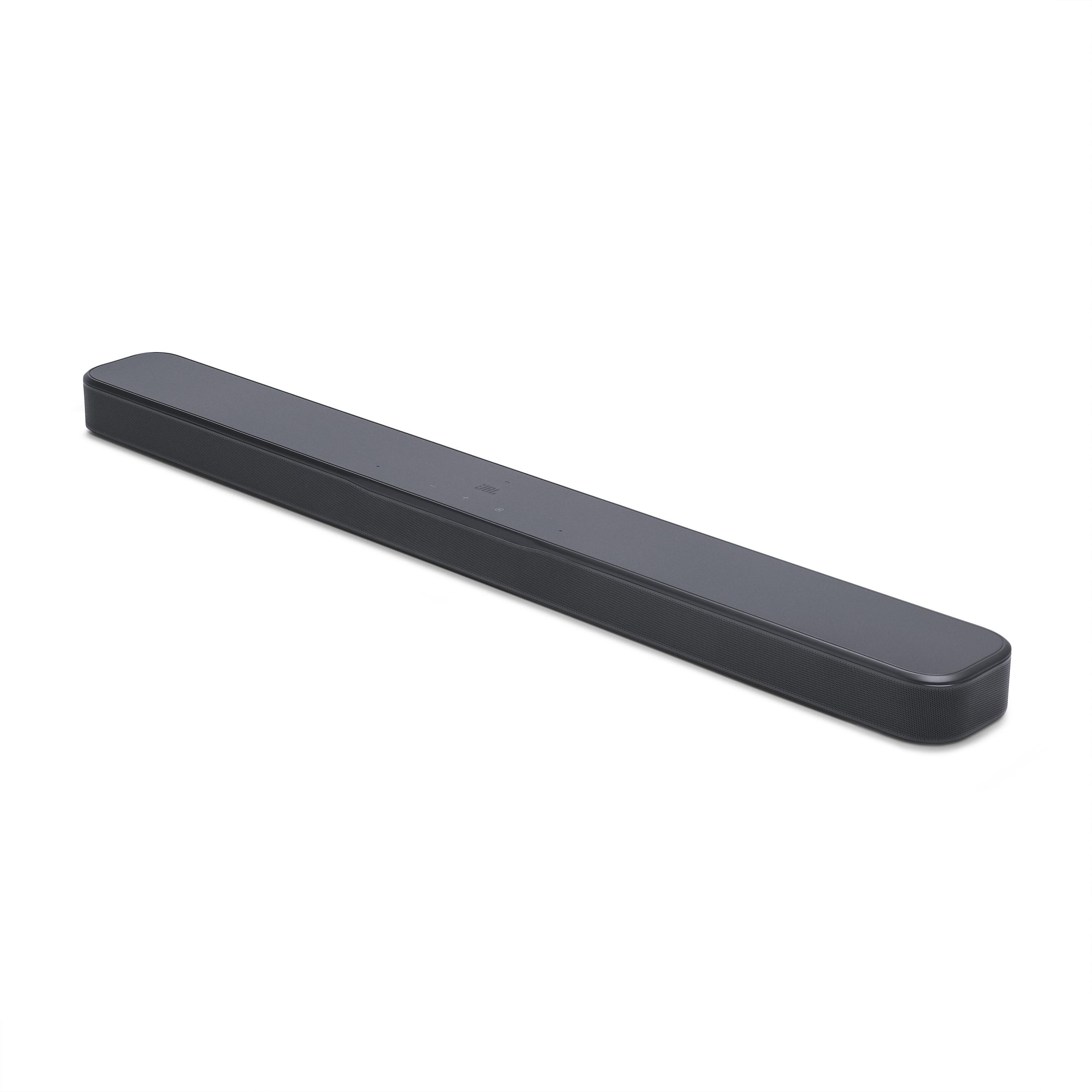
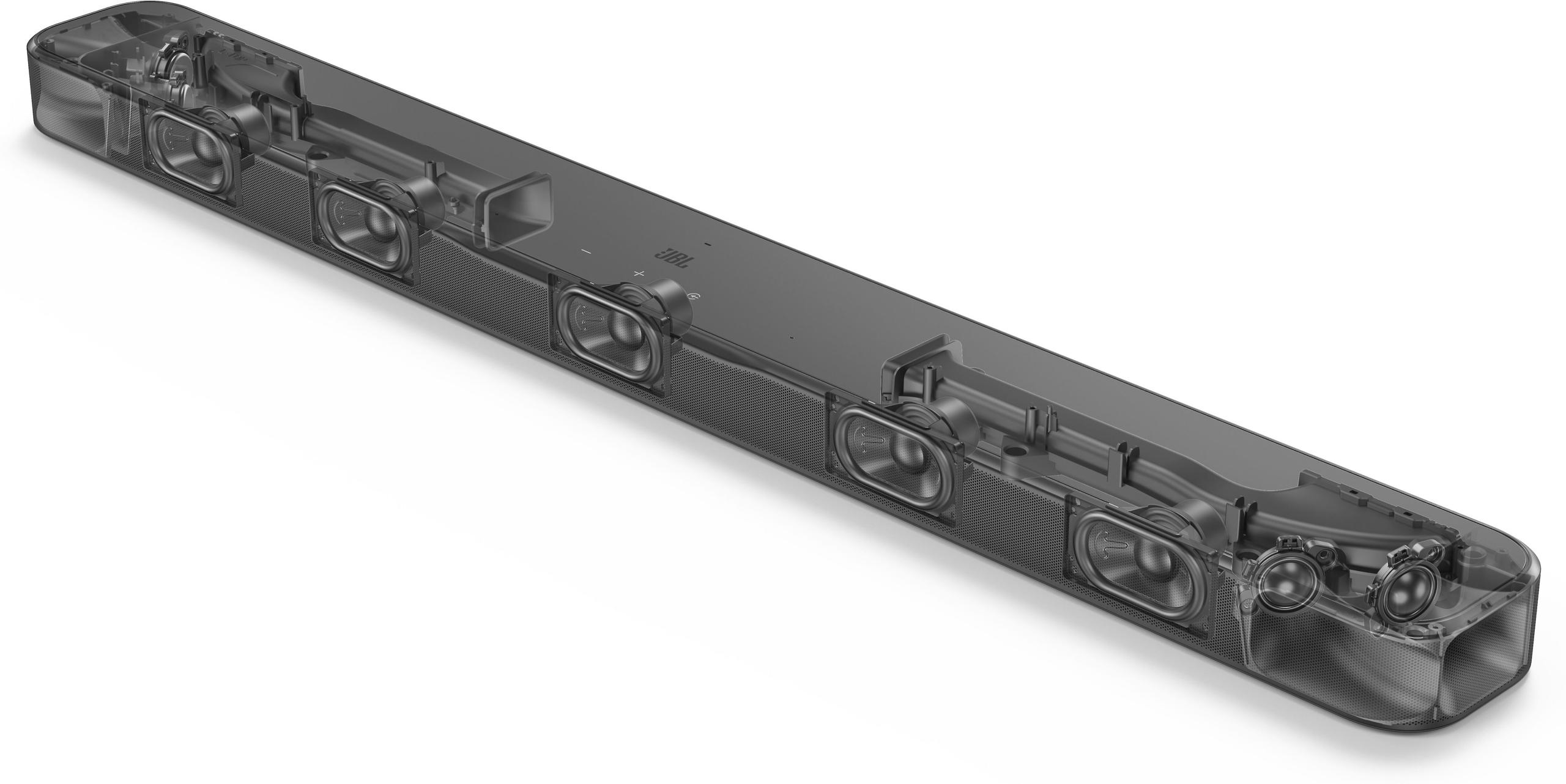
JBL took a completely different path with the Bar 300 MK2. They created what's essentially a 5.0 system (five main channels, no separate subwoofer) that handles everything within a single, sleek unit. Instead of physical height speakers, they use advanced digital signal processing—essentially computer algorithms that manipulate the audio to create the illusion of surround sound.
This all-in-one approach means no additional components cluttering your living space, but it also means compromises. The JBL Bar 300 MK2 must handle bass through drivers built into the main bar, and it creates spatial effects through clever audio processing rather than physical speaker placement.
Bass performance represents perhaps the starkest difference between these systems. When you watch an action movie, those rumbling explosions and deep musical notes need proper low-frequency reproduction to feel convincing. This is where the fundamental design differences become apparent.
The Sony BRAVIA Theater Bar 6's wireless subwoofer provides dedicated bass handling. This 6-inch driver can move significant air, creating the kind of deep, impactful low-end that makes movie soundtracks feel visceral. In my experience testing similar systems, having that dedicated subwoofer makes an enormous difference for action movies and music with electronic elements.
However, Sony's implementation comes with a caveat that many reviews highlight: the default subwoofer level is set quite high, often overwhelming the rest of the frequency spectrum. Users typically need to adjust the subwoofer down several levels to achieve proper balance. This suggests Sony erred on the side of impressive initial impact rather than accurate sound reproduction.
The JBL Bar 300 MK2 takes a more integrated approach, using what JBL calls "racetrack" drivers—oval-shaped speakers that can move more air than traditional round drivers of the same footprint. These drivers, combined with a bass port (an opening that helps extend low-frequency response), produce surprisingly robust bass for a single-unit system.
But physics remains physics. No matter how clever the engineering, integrated drivers can't match the impact and extension of a dedicated 6-inch subwoofer. The JBL Bar 300 MK2 produces impressive bass for its size constraints, but if you're watching "Dune" or "Top Gun: Maverick" and want to feel those rumbling engines, the Sony's dedicated subwoofer will deliver more satisfying results.
The spatial audio comparison reveals the core philosophical difference between these products. The Sony BRAVIA Theater Bar 6 uses actual upward-firing drivers to create height effects. These drivers, positioned on top of the main bar, fire sound toward your ceiling, which then reflects back down to create the illusion of overhead sound sources.
This approach works remarkably well in the right environment. If you have a relatively flat ceiling at typical height (8-10 feet) with decent reflective properties, the effect can be quite convincing. You'll genuinely hear helicopters, rain, or atmospheric effects seeming to come from above your head. The limitation is that this technique depends heavily on room acoustics—high, angled, or heavily textured ceilings can diminish the effect significantly.
The JBL Bar 300 MK2 creates spatial effects through MultiBeam 3.0 technology, which uses digital signal processing to manipulate how sounds reach your ears from different drivers in the bar. This creates a wider soundstage and can simulate surround effects, but it's fundamentally different from having actual height channels.
In practice, JBL's virtual approach creates an impressively wide soundstage that extends beyond the physical boundaries of the soundbar. Dialogue appears to come from distinct locations, and sound effects have good separation across the front of your room. However, it cannot truly replicate the overhead sensation that physical height channels provide.
For movie enthusiasts who prioritize that immersive, "theater-like" experience, the Sony's approach proves more convincing. But for users who want improved spatial sound without the complexity of ceiling reflections, JBL's processing delivers solid results with fewer room dependencies.
Both systems excel at dialogue reproduction, but through different methods. Clear dialogue has become increasingly important as modern movie soundtracks grow more complex and dynamic range increases. The common complaint of "I can't understand what they're saying" has driven significant innovation in this area.
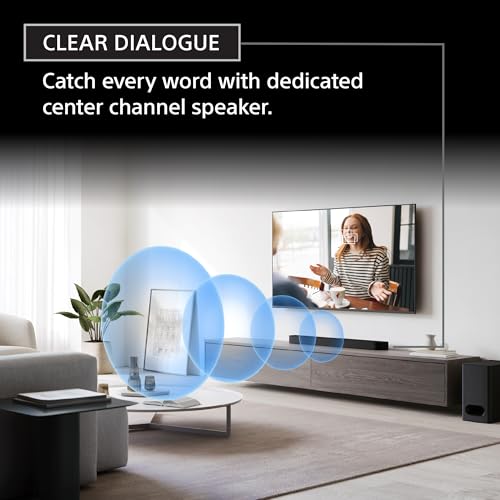
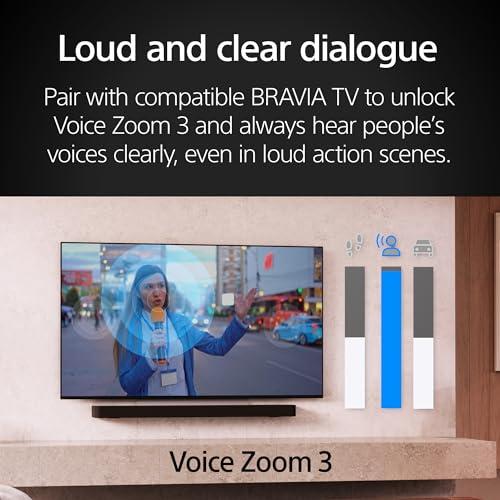
The Sony BRAVIA Theater Bar 6 employs a dedicated center channel—a speaker specifically designed to handle dialogue and vocal content. This center channel, combined with Sony's Clear Voice algorithms, provides focused dialogue reproduction. When paired with compatible Sony BRAVIA TVs, the system can even use Voice Zoom 3.0, which incorporates the TV's built-in speakers to further enhance voice clarity.
The JBL Bar 300 MK2 takes a more sophisticated software approach with PureVoice 2.0 technology. This system analyzes the audio signal in real-time, identifying dialogue frequencies and adjusting them to remain clear even during complex scenes with lots of background effects. Additionally, JBL includes SmartDetails technology, which ensures that subtle audio elements—like whispered conversations or environmental details—remain audible.
In practical terms, both systems handle dialogue well, but they serve slightly different use cases. The Sony's hardware-focused approach provides consistently clear dialogue across all content types. The JBL's intelligent processing adapts more dynamically to different content, potentially providing better results for dialogue-heavy content like dramas or documentaries.
Power specifications can be misleading in soundbars, but they do provide useful comparisons when properly understood. The JBL Bar 300 MK2 delivers 450 watts of total output, a significant increase from its predecessor's 260 watts. This boost translates to cleaner sound at higher volumes and better headroom for sudden loud passages without distortion.
The Sony BRAVIA Theater Bar 6 produces 350 watts total across its 3.1.2 configuration. However, this power is distributed between the main bar and wireless subwoofer, potentially providing more efficient power utilization. The subwoofer's dedicated amplification means it can handle bass independently without compromising the main bar's performance on mid and high frequencies.
In real-world use, both systems provide adequate volume for most rooms. The JBL's higher power rating becomes beneficial in larger spaces or when you want to push volume levels for parties or gatherings. The Sony's distributed power approach proves more balanced for typical movie and TV watching.
The streaming revolution has transformed soundbar expectations. Many users now want their soundbar to function as a music player, podcast streamer, and smart home hub—not just a TV audio enhancer.
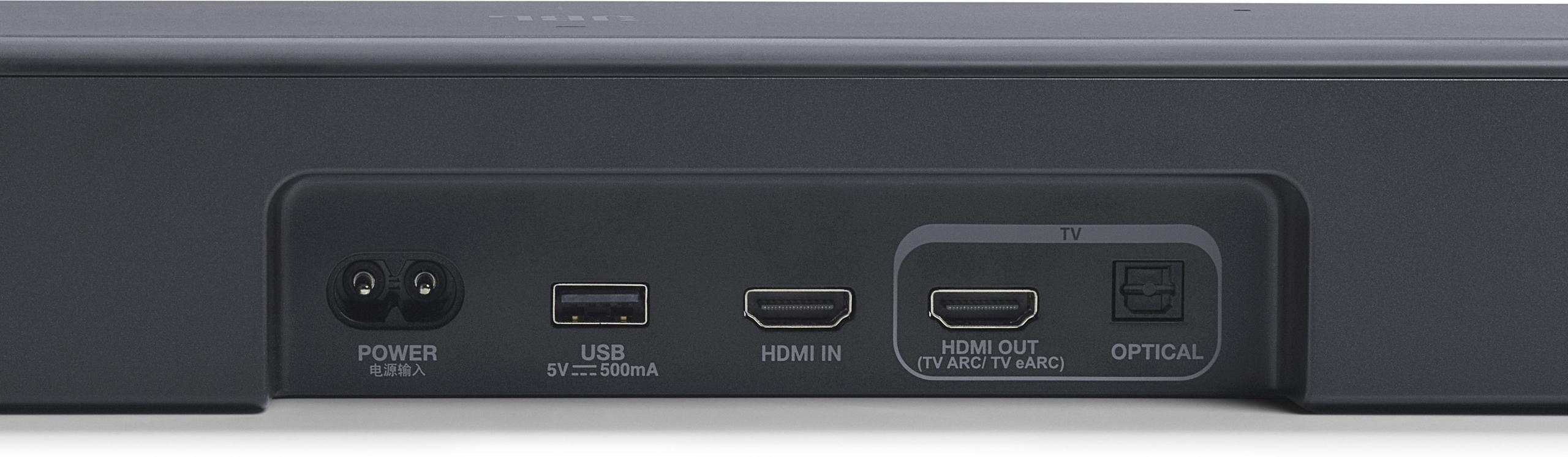
The JBL Bar 300 MK2 was clearly designed with streaming as a priority. It supports over 300 streaming services through built-in Wi-Fi, including direct connections to Spotify, Amazon Music, and other platforms. This means you can play music directly from these services without turning on your TV or using your phone as an intermediary.
The tri-assistant support (Alexa, Google Assistant, and Siri) makes the JBL Bar 300 MK2 integrate seamlessly with various smart home ecosystems. The JBL One app provides comprehensive control over EQ settings, streaming services, and system configuration. Users get access to presets for different content types (movies, music, news) plus five levels of bass adjustment for room optimization.
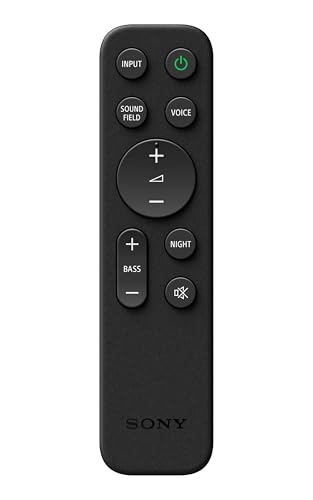
The Sony BRAVIA Theater Bar 6 focuses more on integration with Sony's ecosystem. The BRAVIA Connect app provides control and customization, but the emphasis remains on enhancing TV audio rather than standalone streaming. BRAVIA SYNC allows unified control with Sony TV remotes, and the system can participate in Sony's broader audio ecosystem.
For users who primarily watch TV and movies, Sony's focused approach makes sense. But if you frequently stream music or podcasts, JBL's comprehensive streaming capabilities provide significantly more value and convenience.
Your room size and layout significantly impact which soundbar will work better. The JBL Bar 300 MK2 works optimally in small to medium rooms up to about 300 square feet. This makes it ideal for bedrooms, apartments, or smaller living rooms where a separate subwoofer might be impractical or overwhelming.
The single-unit design means you only need to find placement for one component, and its relatively compact dimensions (just over 32 inches wide) fit easily below most TVs without overwhelming smaller entertainment centers.
The Sony BRAVIA Theater Bar 6 benefits from having more room to work. The wireless subwoofer needs placement somewhere in the room, ideally not too far from a power outlet. While the subwoofer connects wirelessly to the main bar, it still requires its own power connection. The upward-firing drivers work best in rooms with appropriate ceiling height and acoustic properties.
For larger living rooms or dedicated home theater spaces, the Sony's configuration provides more satisfying results. The dedicated subwoofer can properly fill larger spaces with bass, and the height channels have room to create convincing spatial effects.
At the time of writing, both soundbars occupy similar price ranges in the premium compact soundbar category, but they offer different value propositions depending on your priorities.
The Sony BRAVIA Theater Bar 6 provides what many consider "proper" surround sound with genuine height channels and dedicated bass handling. This configuration typically costs significantly more when purchased as separate components, making the integrated package attractive for users wanting authentic surround sound without the complexity of multiple speakers.
The JBL Bar 300 MK2 delivers impressive all-in-one performance with premium streaming features that many competing soundbars charge extra for. The 450-watt output, advanced dialogue processing, and comprehensive smart features represent strong value for users prioritizing modern convenience features.
Long-term flexibility differs between these systems. The Sony BRAVIA Theater Bar 6's modular approach with wireless subwoofer suggests potential for future expansion, though specific upgrade paths aren't clearly defined. The JBL Bar 300 MK2 represents a complete, non-expandable solution—what you purchase is what you get, with no option to add components later.
Choosing between the Sony BRAVIA Theater Bar 6 and JBL Bar 300 MK2 ultimately depends on your priorities, room, and usage patterns.
Choose the Sony BRAVIA Theater Bar 6 if you're a movie enthusiast who wants authentic surround sound with genuine height effects and impactful bass. This soundbar works best in medium to larger rooms where you have space for the wireless subwoofer and appropriate ceiling acoustics for the upward-firing drivers. It's particularly compelling if you own or plan to purchase Sony BRAVIA TVs, as the integration provides additional benefits.
The Sony makes sense for users who prioritize traditional home theater performance over modern streaming convenience. If your primary use case is enhancing movies and TV shows, and you have the room for proper placement, the Sony's configuration delivers more convincing surround sound.
Choose the JBL Bar 300 MK2 if you value space efficiency, streaming capabilities, and dialogue clarity above ultimate surround sound immersion. This soundbar excels in smaller spaces where a separate subwoofer would be impractical, and it's perfect for users who frequently stream music or podcasts directly through the soundbar.
The JBL makes particular sense for apartment dwellers, users with space constraints, or anyone who wants a single, elegant solution that handles both TV enhancement and music streaming exceptionally well. Its dialogue processing and streaming features represent the future of soundbar design, even if it can't match the Sony's spatial audio capabilities.
Both soundbars represent significant upgrades over TV speakers and will transform your viewing experience. The choice comes down to whether you prioritize authentic surround sound (Sony) or modern convenience with impressive single-unit performance (JBL). Either way, you're getting a well-engineered product that reflects the latest thinking in soundbar design.
| Sony BRAVIA Theater Bar 6 | JBL Bar 300 MK2 |
|---|---|
| Audio Configuration - Determines sound quality and bass performance | |
| 3.1.2 channels with wireless subwoofer | 5.0 channels, all-in-one design (no subwoofer) |
| Total Power Output - Affects maximum volume and dynamic range | |
| 350W (distributed between bar and subwoofer) | 450W (single unit with impressive headroom) |
| Height/Spatial Audio - Creates immersive surround sound experience | |
| Physical upward-firing drivers for true Dolby Atmos | Virtual Dolby Atmos via MultiBeam 3.0 processing |
| Bass Handling - Critical for action movies and music impact | |
| Dedicated 6-inch wireless subwoofer (deeper extension) | Integrated racetrack drivers with bass port (space-efficient) |
| Dialogue Enhancement - Essential for clear speech in movies | |
| Dedicated center channel + Clear Voice algorithms | PureVoice 2.0 + SmartDetails technology |
| Smart Features - Modern streaming and voice assistant support | |
| Basic Bluetooth, BRAVIA TV integration focus | Wi-Fi streaming, 300+ services, tri-assistant support |
| Room Size Compatibility - Determines optimal performance space | |
| Medium to large rooms (300+ sq ft, needs subwoofer placement) | Small to medium rooms (up to 300 sq ft, single unit) |
| Expandability - Future upgrade potential | |
| Modular design suggests expansion possibilities | Complete system, no expansion options |
| Setup Complexity - Installation and placement requirements | |
| Two-piece system (bar + wireless subwoofer placement) | Single unit, plug-and-play installation |
| TV Integration - Seamless control and feature access | |
| Excellent with Sony BRAVIA Theater Bar 6 TVs, BRAVIA SYNC | Universal compatibility, JBL One app control |
The JBL Bar 300 MK2 is ideal for small apartments due to its all-in-one design that doesn't require a separate subwoofer. It delivers impressive bass through integrated drivers while taking up minimal space. The Sony BRAVIA Theater Bar 6 needs placement for both the main bar and wireless subwoofer, which may be challenging in tight spaces.
The Sony BRAVIA Theater Bar 6 includes a dedicated wireless subwoofer that provides deeper, more impactful bass for movies and music. The JBL Bar 300 MK2 produces surprisingly strong bass from its integrated drivers, but it can't match the extension and power of a dedicated subwoofer. For serious movie watching, the Sony's subwoofer makes a noticeable difference.
The Sony BRAVIA Theater Bar 6 offers superior Dolby Atmos with physical upward-firing speakers that bounce sound off your ceiling for genuine height effects. The JBL Bar 300 MK2 uses virtual Dolby Atmos processing to simulate height effects, which is impressive but can't match the convincing overhead sound of actual height speakers.
Yes, the JBL Bar 300 MK2 excels at this with built-in Wi-Fi and direct access to over 300 streaming services including Spotify and Amazon Music. The Sony BRAVIA Theater Bar 6 focuses more on TV audio enhancement and has more limited standalone streaming capabilities, primarily offering Bluetooth connectivity.
The JBL Bar 300 MK2 offers simpler setup as a single unit that just needs to connect to your TV. The Sony BRAVIA Theater Bar 6 requires positioning both the main bar and wireless subwoofer, plus ensuring proper ceiling reflection for the height speakers, making it slightly more complex to optimize.
The JBL Bar 300 MK2 supports tri-assistant compatibility (Alexa, Google Assistant, and Siri) for comprehensive smart home integration. The Sony BRAVIA Theater Bar 6 works with voice assistants primarily through connected smart speakers or compatible Sony BRAVIA TVs rather than direct built-in support.
Both excel at dialogue clarity through different approaches. The Sony BRAVIA Theater Bar 6 uses a dedicated center channel and Clear Voice algorithms for focused speech reproduction. The JBL Bar 300 MK2 employs PureVoice 2.0 technology that intelligently adjusts dialogue frequencies in real-time, making both excellent choices for clear speech.
The JBL Bar 300 MK2 delivers 450 watts of total power output, providing excellent headroom for loud scenes and music. The Sony BRAVIA Theater Bar 6 offers 350 watts distributed between the main bar and subwoofer, which proves adequate for most rooms while providing balanced power allocation across all frequencies.
The Sony BRAVIA Theater Bar 6 performs better in larger spaces thanks to its wireless subwoofer that can properly fill big rooms with bass. The height channels also have more room to create effective ceiling reflections. The JBL Bar 300 MK2 works best in rooms up to 300 square feet, making it less suitable for large living rooms.
The Sony BRAVIA Theater Bar 6 has a modular design that potentially allows for future expansion, though specific upgrade options aren't clearly defined. The JBL Bar 300 MK2 is a complete, non-expandable system—you cannot add additional speakers or components later, making your initial purchase the final configuration.
Both soundbars offer strong value in different ways. The Sony BRAVIA Theater Bar 6 provides authentic surround sound with genuine height channels and dedicated bass that would typically cost more as separate components. The JBL Bar 300 MK2 delivers premium streaming features, powerful output, and space-efficient design that appeals to modern users prioritizing convenience.
For dedicated home theater use, the Sony BRAVIA Theater Bar 6 is the better choice with its physical height channels, wireless subwoofer, and authentic Dolby Atmos experience that creates convincing spatial audio. The JBL Bar 300 MK2 works well for casual movie watching but prioritizes streaming convenience over ultimate cinematic immersion, making the Sony more suitable for serious home theater enthusiasts.
We've done our best to create useful and informative comparisons to help you decide what product to buy. Our research uses advanced automated methods to create this comparison and perfection is not possible - please contact us for corrections or questions. These are the sites we've researched in the creation of this article: rtings.com - bestbuy.com - whathifi.com - youtube.com - youtube.com - sony.com - galaxus.at - helpguide.sony.net - audioadvice.com - electronics.sony.com - youtube.com - youtube.com - electronics.sony.com - helpguide.sony.net - whatgear.net - consumerreports.org - homecinemachoice.com - retailspecs.com - hometechnologyreview.com - whathifi.com - news.jbl.com - engadget.com - crutchfield.com - harmanaudio.com - techradar.com - bestbuy.com - jbl.com - sweech.co.ke - jbl.com - jbl.com.sg - mm.jbl.com - abcwarehouse.com - harmanaudio.com - sweetwater.com - ro.harmanaudio.com - dell.com - jbl.co.nz

Privacy Policy
Terms and Conditions - Affiliate Policy
Home Security
© Copyright 2008-2026.
11816 Inwood Rd #1211, Dallas, TX 75244